
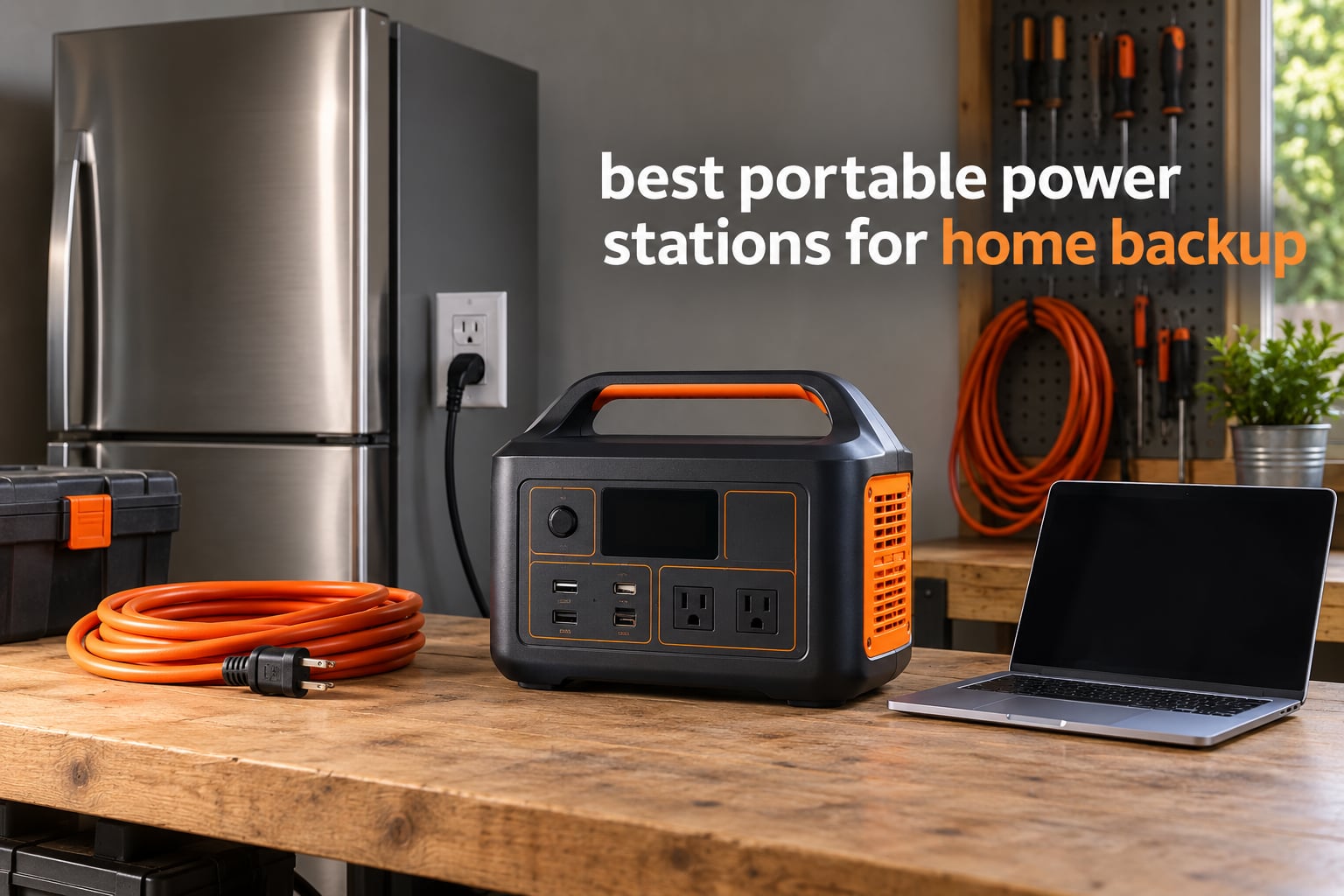
The best portable power stations for home backup in 2026 are the Jackery Explorer 1000 v2 for most households, the BLUETTI AC180 if you want the most inverter headroom in this capacity tier, and the Anker SOLIX C1000 Gen 2 if fast recharge and clean UPS transfer matter most. Those three cover the overwhelming majority of real outage needs: a refrigerator, a router, a handful of lights and a CPAP machine running for a day or two without a single gallon of gasoline.
I have been comparing battery-backed power stations for home use since the first generation of LFP units hit the market, and the category has changed more in the last eighteen months than in the five years before that. Every unit below runs lithium iron phosphate chemistry, uses a pure sine wave inverter, and switches over in under 20 milliseconds in UPS mode. That last number is the one that separates a home backup device from a camping toy.
This roundup covers twelve of the strongest units currently available, from compact 1kWh boxes you can carry up a staircase by one hand to a 4096Wh cabinet that can carry a furnace and a well pump on its own. I worked through rated capacity, inverter output, switchover timing, idle draw, recharge speed, expansion options and warranty length for each one, then cross-checked those numbers against what buyers actually report after living with them.
Before the recommendations, one clarification that matters more than any spec: a portable power station plugs into your appliances through ordinary wall outlets. It does not power your whole house unless you wire it to a transfer switch, which is a job for a licensed electrician. Most people start by running extension cords and a handful of essentials, which is a perfectly sensible way to begin.
Table of Contents
Top 3 Best Portable Power Stations for Home Backup (October 2026)

Each of those three carries more owner reviews than the median product in this list, which is my main filter for the shortlist. If you want the full reasoning rather than the headline, keep reading — the differences between 1kWh and 2kWh units matter enormously once you start adding loads.
Portable Power Stations for Home Backup in 2026
The table below lists all twelve units in the order I recommend them, with the key figures that separate them. Capacity is listed in watt-hours, continuous inverter output in watts, and every chemistry here is lithium iron phosphate.
| Product | Specifications | Action |
|---|---|---|
| Jackery Explorer 1000 v2 |
|
Check Latest Price |
 BLUETTI AC180 BLUETTI AC180 |
|
Check Latest Price |
 Anker SOLIX C1000 Gen 2 Anker SOLIX C1000 Gen 2 |
|
Check Latest Price |
 EcoFlow Delta 3 Classic EcoFlow Delta 3 Classic |
|
Check Latest Price |
 OUPES Mega 1 OUPES Mega 1 |
|
Check Latest Price |
 Jackery Explorer 2000 v2 Jackery Explorer 2000 v2 |
|
Check Latest Price |
 DJI Power 2000 DJI Power 2000 |
|
Check Latest Price |
 EcoFlow DELTA Pro 3 EcoFlow DELTA Pro 3 |
|
Check Latest Price |
 Anker SOLIX C2000 Gen 2 Anker SOLIX C2000 Gen 2 |
|
Check Latest Price |
 EcoFlow Delta 3 Max EcoFlow Delta 3 Max |
|
Check Latest Price |
 BLUETTI Elite 200 V2 BLUETTI Elite 200 V2 |
|
Check Latest Price |
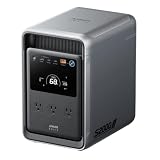 Anker SOLIX S2000 Anker SOLIX S2000 |
|
Check Latest Price |
How We Evaluated Home Backup Power Stations
Every unit here was scored on the same seven criteria, and I weighted them the way an outage actually unfolds. The first priority is usable watt-hours, not the headline number printed on the side, because inverters and control electronics draw power continuously and you lose that capacity whether the lights are on or not.
Second is continuous inverter output, because a refrigerator with a compressor and a sump pump with a startup spike will both refuse to run on a unit rated too low. Third is UPS switchover time, where anything under 20 milliseconds keeps a router or a desktop alive without a reboot. Fourth is recharge speed, since a unit that refills from empty in under an hour is far more useful during a multi-day event.
Fifth is expansion capability, which decides whether a 1kWh purchase is a starting point or a dead end. Sixth is solar input ceiling, since a 400W cap limits how fast a multi-day storm can be ridden out. Seventh is warranty length, which for a device expected to sit in a garage for a decade is a real reliability signal.
I also weighted owner feedback heavily. Buyers on r/solar, r/prepping and r/Portable_PowerStation repeatedly raise two things the spec sheets do not: inverter idle draw quietly eating small loads, and expansion batteries from mixed model generations refusing to equalise. Where reviewers flagged those, I noted them in the individual reviews.
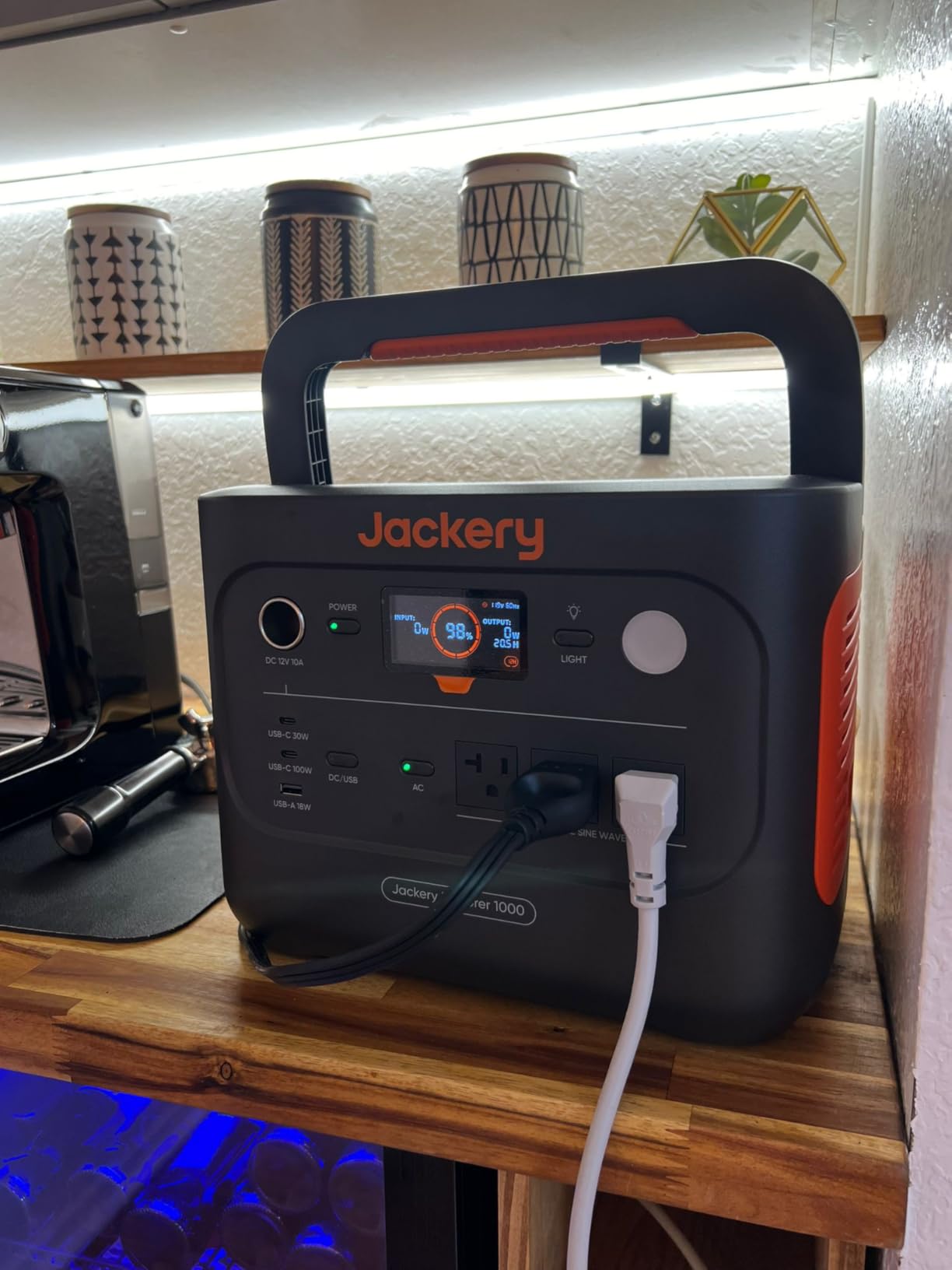
1. Jackery Explorer 1000 v2 — The 1070Wh All-Rounder for Home Backup
Jackery Explorer 1000 v2 Portable Power Station,1070Wh,1500W
1070Wh LiFePO4
1500W AC and 3000W surge
23.8 lb
4000+ cycles
1-hour emergency charge
Pros
- 23.8 lb weight for a 1kWh unit
- fast one-hour emergency recharge through the app
- LiFePO4 cells rated past 4000 cycles
- three pure sine wave outlets plus 100W USB-C PD
- quiet and efficiency modes in the Jackery app
Cons
- Solar input restricted to Jackery-branded panels
- one-hour fast charge must be enabled manually each time
- 1500W continuous output is modest for large appliances
At 23.8 pounds this is among the lighter 1kWh machines on this list, easy to carry down a basement stair or reposition from the garage to the kitchen when the outage moves to a different part of the house, and 1070 watt-hours is enough to carry a full-size refrigerator through a long evening without any drama.
Jackery built this around cell-to-body construction borrowed from electric vehicles, and the result is a noticeably dense pack for its footprint. The LFP cells hold more than 70% of rated capacity after 4,000 cycles, which works out to well over a decade of daily use. Three AC outlets run pure sine wave output, so there is no reason to worry about a compressor motor or a sensitive board on the other end.
The charging story is the part that surprised me most. The unit fills from empty in about 1.7 hours by default, which protects long-term cell health, but the Jackery app also exposes an emergency mode that brings a full charge inside an hour. Owners on r/Portable_PowerStation described enabling it before a storm system arrived and having usable capacity back before the lights flickered.
One wrinkle worth knowing: that emergency setting has to be switched on manually each time. Forget it once and you are waiting the full 1.7 hours. It is a minor friction point, but during an outage the difference between 60 minutes and 100 minutes of charging is roughly 40 percent more usable reserve.
What it handles well in a real outage
A refrigerator drawing about 150W running average, a router and modem at 20W combined, and three LED lamps at 30W each adds up to roughly 260W. Against the unit’s 1500W continuous rating that leaves enormous headroom, and it means you could also run a microwave, a small space heater or a CPAP machine without triggering a protective cutoff.
For a household protecting a fridge and keeping the internet up through a one or two day outage, this capacity class hits the sweet spot. The USB-C PD port at 100W also means laptops and phones charge at full speed from the same box, which removes one more cable from the drawer.
Where it falls short
The proprietary solar input is the real limitation. Jackery’s panel interface will not accept third-party panels, so if you want to recharge from a cheap 400W array you already own, this is the wrong box. You also give up the 20ms UPS guarantee being as tight as the best in class, and 1500W continuous will not start most full-size heat pumps or central air compressors.
Jackery rates the warranty on this listing at one year, the shortest term here apart from DJI’s. For a device meant to sit in a garage through a decade of storms, that is a genuine gap worth weighing against the Jackery name and the very large body of owner feedback behind it.
2. BLUETTI AC180 — 1800W Output With a Five-Year Warranty
BLUETTI Portable Power Station AC180, 1152Wh LiFePO4 Battery Backup w/ 2 1800W (2700W peak) AC Outlets, 0-80% in 45Min, Solar Generator for Camping, Off-grid, Power Outage
1152Wh LiFePO4
1800W AC and 2700W peak
37.4 lb
20ms UPS
5-year warranty
Pros
- One-hour full recharge at 1440W AC input
- 20ms UPS switchover that keeps network gear running
- eight outlets plus wireless charging pad
- detailed app monitoring
- five-year warranty with strong support
Cons
- Heavy at 37.4 lb for regular carrying
- inverter self-consumption of roughly 15 to 20W cuts usable capacity on small loads
- top-mounted wireless charging pad reported as unreliable
The AC180 packs more inverter output into this capacity class than most of its rivals, and once you strip away the extras it is hard to argue with. 1800W continuous output from a 1152 watt-hour pack is a ratio few competitors in this bracket touch, and the 20 millisecond UPS transfer keeps a router from rebooting when the grid drops.
Charging is the other headline. A 1440W AC input takes the pack from empty to full in roughly one hour, among the fastest at this capacity. Owners repeatedly describe topping it up during a coffee break, which is exactly the behaviour you want when a storm is still hours away and you can keep cycling.
Fewer outlets than some rivals, but eight AC outlets plus USB, a 12V car socket and a wireless charging pad on the lid still means the whole kitchen plus a couple of rooms of lighting can run without anyone hunting for a splitter.
BLUETTI backs the unit with a five-year warranty, which matches the best terms here. Buyers consistently report good experiences reaching BLUETTI support when something went wrong, which is not a given across this category.
What it handles well in a real outage
The 1800W continuous ceiling means you can run a refrigerator, a router, a CPAP machine and a small microwave simultaneously without the inverter complaining. Several owners report using it exactly that way, and the pure sine wave output keeps everything stable.
That much headroom in practice means you rarely have to make choices about what stays on. For a family with medical equipment plus normal kitchen loads, that flexibility is worth more than raw capacity in a larger, heavier box.
Where it falls short
The idle draw is the honest catch. BLUETTI’s own inverter self-consumption runs roughly 15 to 20 watts, and the manual states that only about 90% of rated capacity is usable. On a light load like a router alone that overhead is a meaningful slice of a small pack, so plan on nearer 1000 watt-hours in practice.
At 37.4 pounds it is heavy for a machine you might want to move between rooms, and the wireless charging pad on top is the feature reviewers complain about most often. Some settings are also locked inside the phone app, which is irritating if you would rather set them once on the unit itself.
3. Anker SOLIX C1000 Gen 2 — 49-Minute Recharge and 10ms UPS
Anker SOLIX C1000 Gen 2 Portable Power Station
1024Wh LiFePO4
2000W and 3000W peak
11.3 kg
10ms UPS
49-min recharge
Pros
- Recharges fully in 49 minutes at 1600W
- under 10ms UPS switchover
- ten ports for multiple devices
- holds CPAP and a mini fridge through multi-day outages
- Anker support handled a warranty replacement smoothly
Cons
- No expansion battery support on this generation
- some harmonic distortion when driving a microwave from the inverter
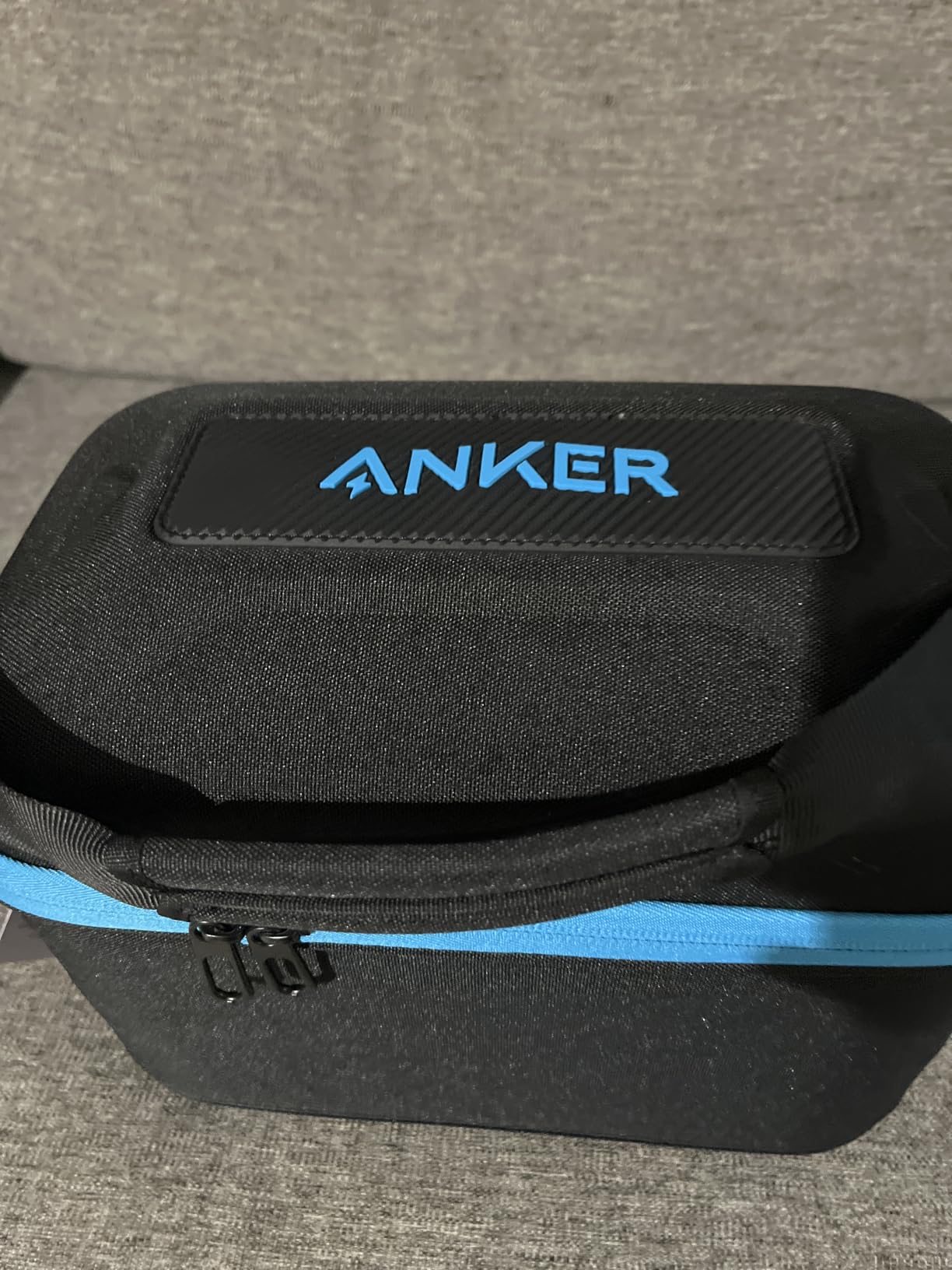
- no protective case or accessory pouch included
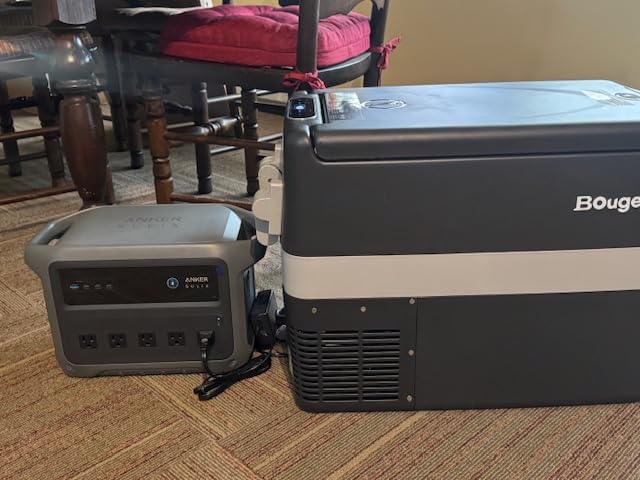
Anker took the C1000 second generation and cut the recharge time to 49 minutes from empty, which makes it the quickest full recharge among the twelve units here. That sounds like a small spec on paper. In an outage it is not small at all, because a full pack every 49 minutes means you can ride out a multi-day grid event on wall power alone with no solar array and no generator.
Power delivery is also strong for the capacity. 2000W continuous with 3000W peak from 1024 watt-hours is a stronger ratio than most rivals, and Anker states the unit is 14% smaller and 11% lighter than comparable competing models.
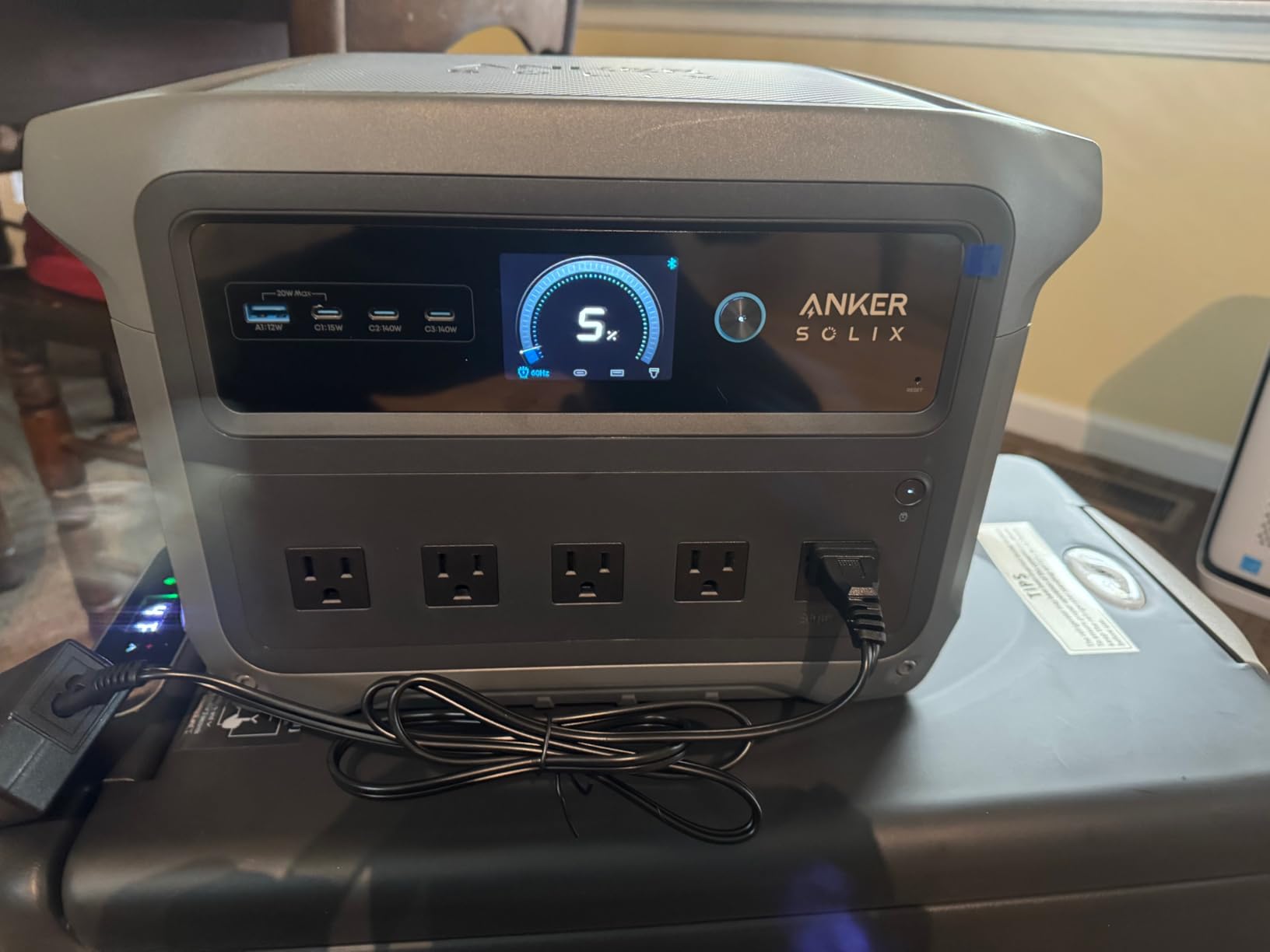
Owners report the under-10ms UPS transfer being the feature they notice most. Routers, network switches, NAS boxes and CPAP machines simply keep running when the grid drops, with no reboot and no reset of the connection. That is a real quality-of-life difference compared with a unit that takes 30ms and forces a network stack to renegotiate.
The HyperFlash setting is enabled inside the Anker app, and once turned on the unit pulls 1600W from the wall. Anker also supports firmware updates over Bluetooth, which has been used to tune behaviour after purchase.
What it handles well in a real outage
This is the unit I point to when someone needs to power a CPAP machine, a laptop and a mini fridge simultaneously and cannot tolerate any interruption. The 10ms transfer means medical equipment with a battery bridge never sees the switch happen.
Ten ports cover a household’s small electronics without any adapter juggling, and the 2000W ceiling covers a kettle, a coffee maker or a small microwave on top of that. Solar recharge takes roughly 1.8 hours on up to 600W of panels, which is fast enough to matter if the storm breaks at midday.
Where it falls short
The big one: no expansion battery support on this generation. If you buy the C1000 Gen 2 you are locked at 1024 watt-hours forever, which makes it a strong first device but a permanent ceiling rather than a starting point.
There is also some harmonic distortion reported when driving a microwave from the inverter, and no protective case is included in the box. At 11.3 kilograms it carries more weight than the lighter 1kWh units here, though one person can still manage it.
4. EcoFlow Delta 3 Classic — Reliable App and a 45-Minute Recharge
EF ECOFLOW Portable Power Station Delta 3 Classic, 1024Wh 1800W AC
1024Wh LiFePO4
1800W and 3600W surge
26.7 lb
10ms UPS
500W solar
Pros
- Reliable Bluetooth connection and strong app integration
- 0 to 80% AC recharge in about 45 minutes
- sub-10ms switchover proven as unattended fridge backup
- 90% five-star share across reviews
- dual handles and covered inputs
Cons
- Heavier than most 1kWh competitors
- not compatible with DELTA 2 or DELTA 3 series smart extra batteries
- a small number of buyers received units that would not power on or arrived used
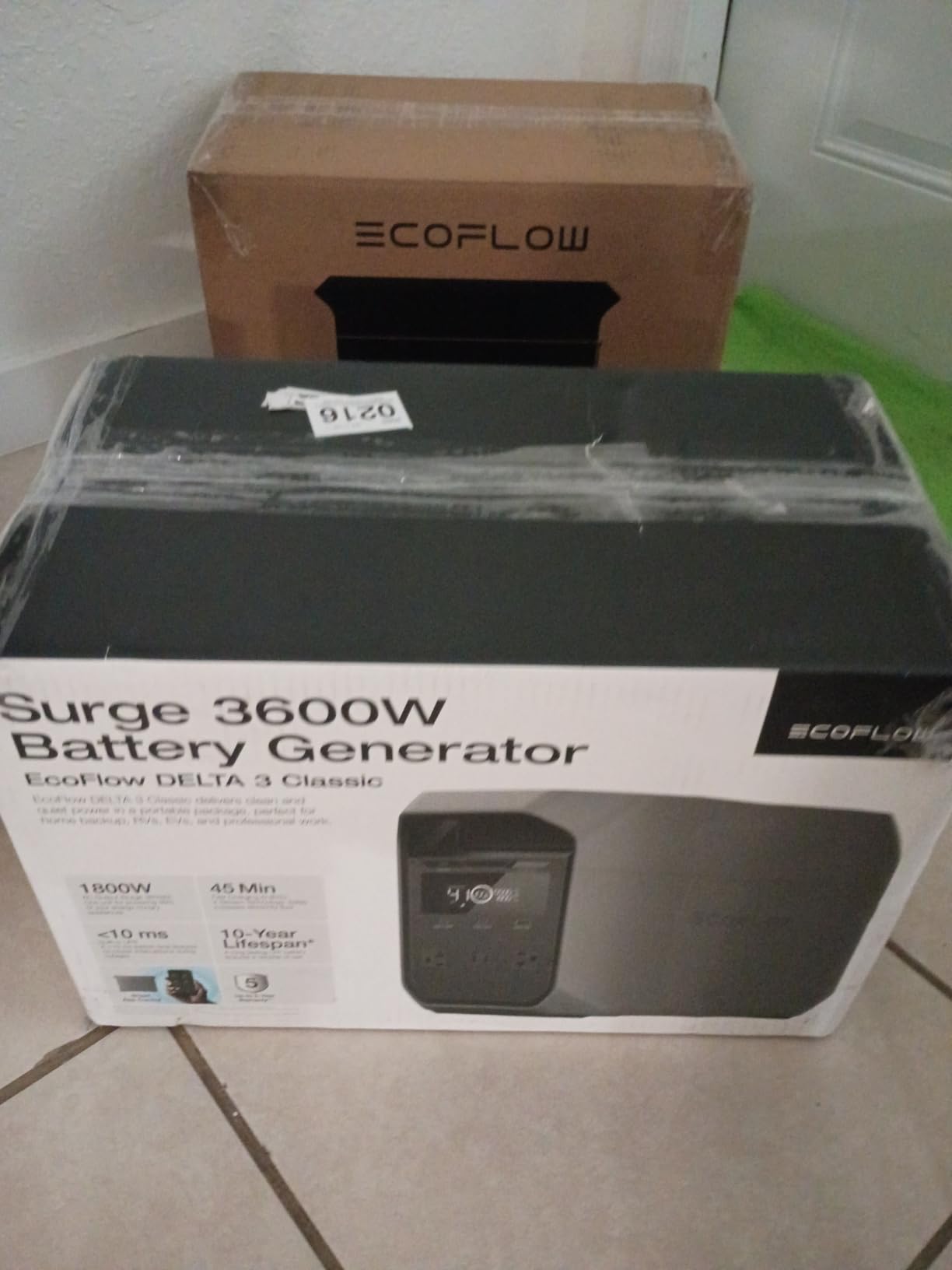
The Delta 3 Classic pairs a high share of five-star ratings with an under-10ms UPS transfer and 1800W continuous output. Those three things together put it near the top of the capacity class even though the battery sits at the more modest 1024 watt-hours.
EcoFlow’s X-Stream charging takes it from empty to 80% in about 45 minutes on AC, and a 500W panel refills it in roughly 2.5 hours. X-Boost lifts the inverter from 1800W to 2600W for resistive loads like a kettle, and 3600W of surge covers motor startup on most household equipment.
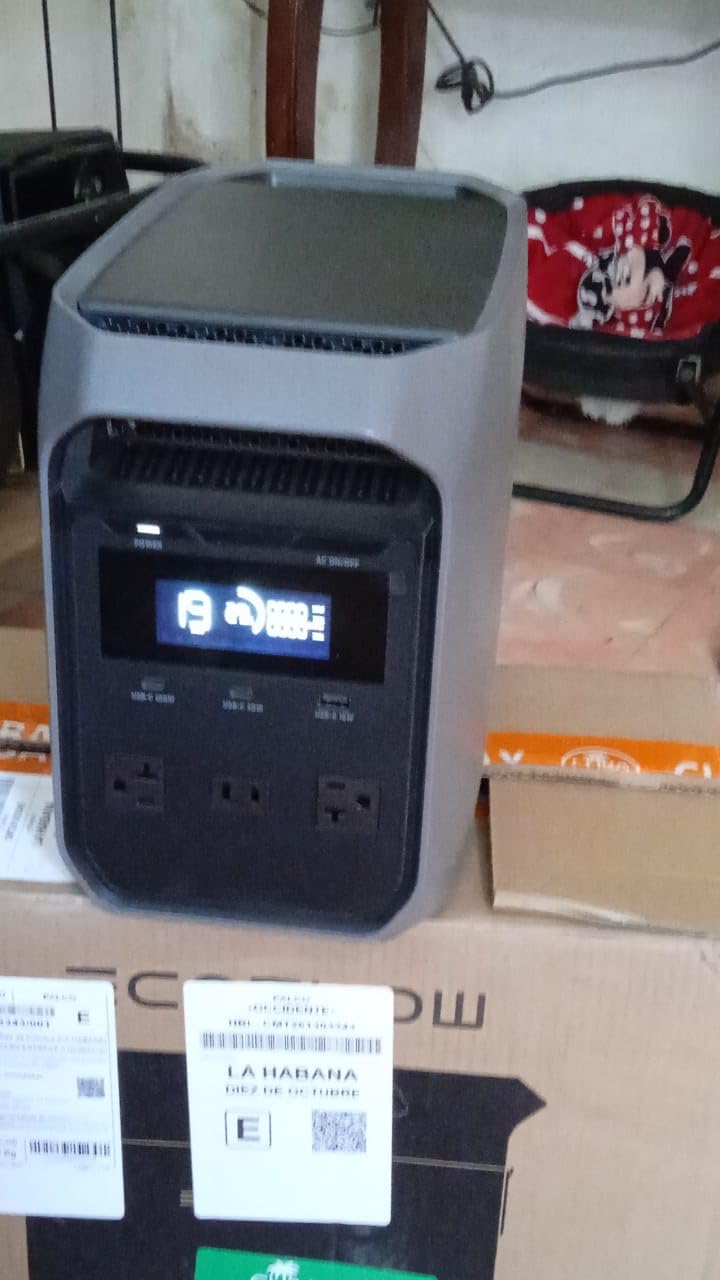
The app connection is the quiet strength. Multiple owners specifically mention a stable Bluetooth link that stayed connected through extended use, which is not always true with this category. Storm Alert mode can watch grid conditions and schedule precharging before an outage begins.
Physical design also deserves credit. Dual handles, covered inputs and well-spaced outlets are small things that matter when you are plugging devices in with one hand in a dark room.
What it handles well in a real outage
One owner documented using the sub-10ms transfer as an unattended refrigerator backup in a van for days without touching it. That is the ideal scenario for a home unit too: plug the fridge in, set a discharge floor, and stop thinking about it.
The app’s energy monitoring, time-of-use scheduling and storm alerts give you a real picture of remaining reserve instead of a vague battery icon. That visibility is what lets you decide whether to switch off the microwave or keep the well pump running.
Where it falls short
Compatibility is the notable limitation. The Delta 3 Classic will not accept smart extra batteries from the DELTA 2 or DELTA 3 series, so any expansion plans outside this unit itself are closed off. That is the kind of restriction the forum crowd warns about most often.
At 26.7 pounds it is heavier than the Jackery above, and a small number of buyers report units that would not power on or arrived in used condition. Checking the unit thoroughly on arrival is worthwhile.
5. OUPES Mega 1 — The 1kWh Unit With a Real Expansion Path
OUPES Mega 1 Portable Power Station 1024Wh 2000W (4500W Surge)
1024Wh LiFePO4
2000W continuous
27.8 lb
expands to 5120Wh
20ms UPS
Pros
- 2000W continuous output for the 1kWh class
- 0 to 80% in 36 minutes on AC
- expands to 5120Wh with two B2 batteries
- pure sine wave handles fridges and power tools
- responsive support that replaced a faulty unit
Cons
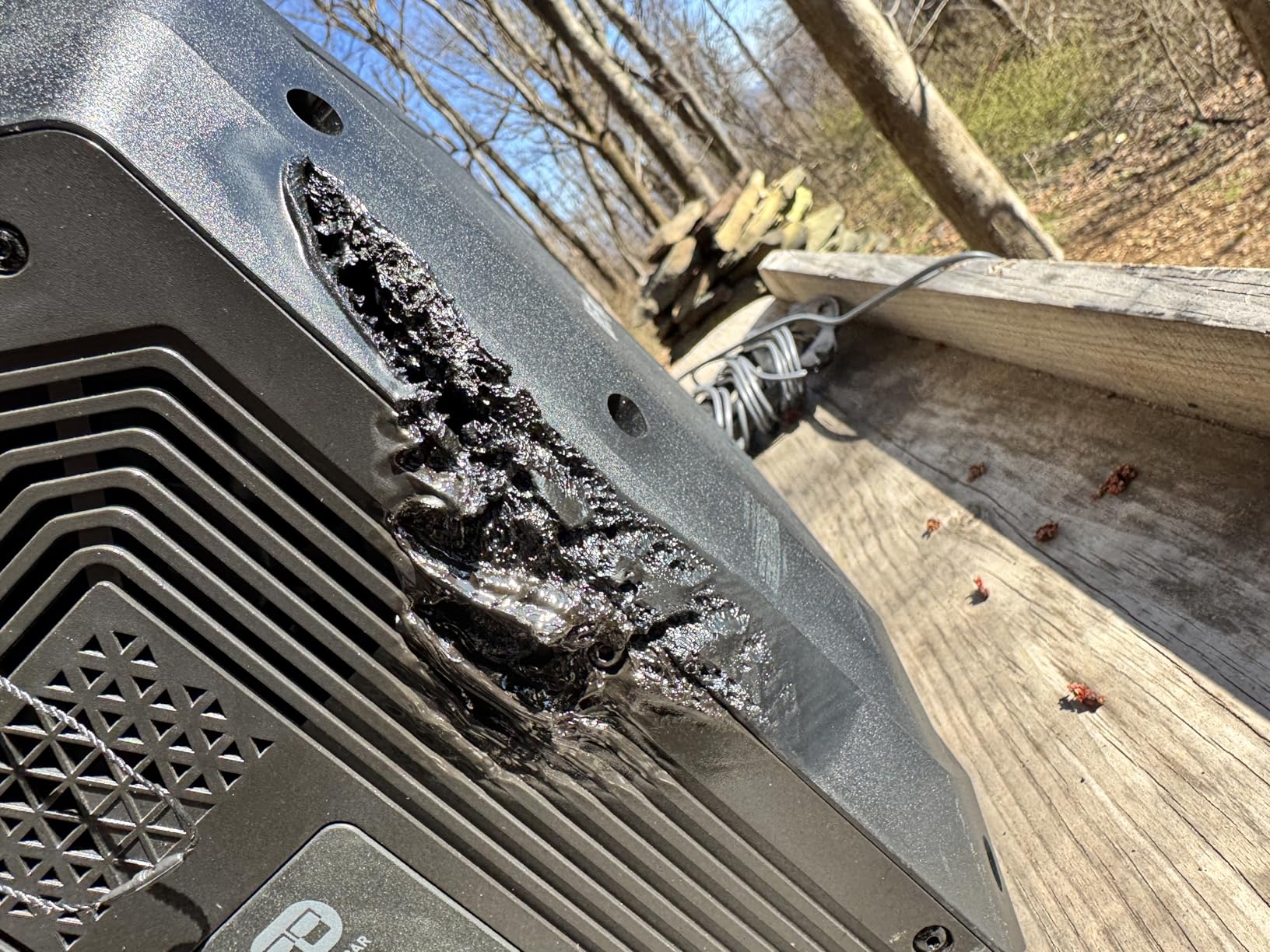
- Advertised 4500W surge is optimistic and units commonly trip around 2050 to 2200W
- cooling fan runs continuously during charging
- proprietary charging cable is hard to source as a spare
The Mega 1 solves the exact problem that stops many 1kWh purchases from being sensible: no expansion path. Two B2 extra batteries take the system to 5120 watt-hours, which is a genuine three-day-plus backup capability for a household that starts small and grows.
On top of that, output is unusually strong for the class. 2000W continuous with pure sine wave output handles refrigerators, microwaves and power tools without hesitation, and the unit reaches 80% charge in about 36 minutes on AC or 26 minutes when you combine AC and solar.
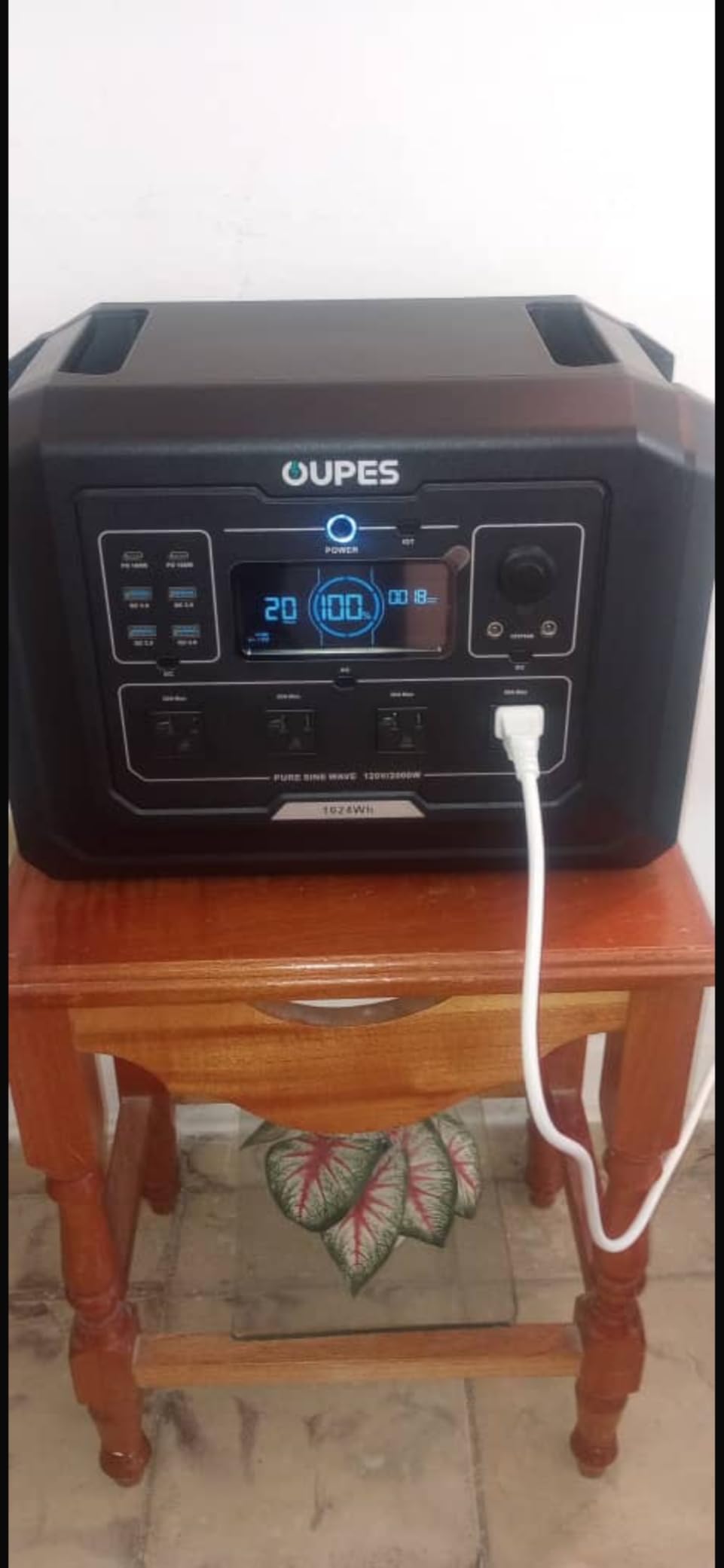
The LFP cells are rated for 3,500+ cycles, below the 6,000 and 10,000 cycle figures some brands advertise, but for a device expected to cycle a few times a year during outages that is far more than enough life.
Support has been a genuine strength. One detailed review describes an early unit failing permanently after a deep discharge and the brand replacing it, which is the kind of outcome that tells you more about a company than any spec sheet.
What it handles well in a real outage
The pure sine wave inverter at 2000W means you can run a fridge, a router, lights and a power tool from the same box during a repair. That flexibility makes it useful for more than emergency use, particularly for anyone who also works from the house during outages.
Dual 100W USB-C PD ports, four QC3.0 USB-A ports, a 12V DC output and AC outlets cover everything from a phone to a coffee maker without a single wall adapter.
Where it falls short
The 4500W surge figure is aspirational. Owners report units commonly tripping somewhere between 2050W and 2200W on inductive startup, so size compressor loads against the continuous rating rather than the surge number. The cooling fan also runs continuously during charging, which is noticeable in a quiet room.
The bundled charging cables use a proprietary Anderson-style connector that is difficult to source as a replacement. Losing one in a storm means the unit is unusable until you find an equivalent lead.
6. Jackery Explorer 2000 v2 — Compact 2kWh With UL1778 UPS Certification
Jackery Explorer 2000 v2 Portable Power Station, 2042Wh, 2200W AC Output
2042Wh LiFePO4
2200W across three ports
39.5 lb
20ms UPS
UL1778
Pros
- Compact 2kWh LFP design at 39.5 lb
- 0 to 80% AC recharge in 66 minutes
- 20ms UPS certified for uninterruptible power supplies
- silent charging below 30dB
- cell-to-body battery construction
Cons
- Solar charging requires Jackery-branded panels
- one-star reviews run higher than the Jackery average
- 2200W output is modest for a 2kWh pack
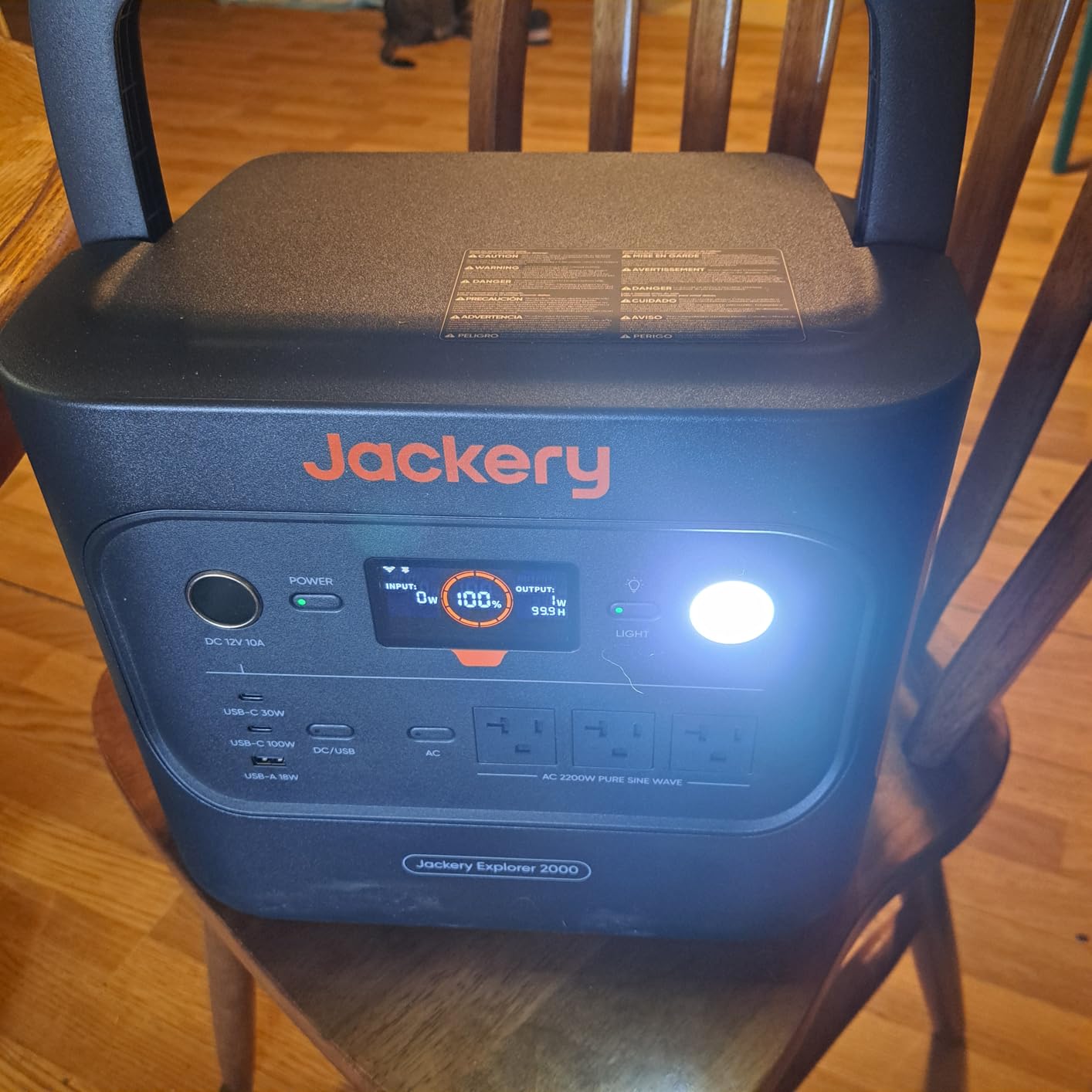
Stepping up from 1kWh to 2kWh changes home backup planning more than any other single move, and at 39.5 pounds this unit keeps that extra capacity manageable to carry. Jackery states it is 41% lighter and 34% smaller than typical 2kWh LFP designs, using the same cell-to-body construction as the smaller model in this roundup.
2042 watt-hours with 2200W across three AC outlets is enough to keep a refrigerator, a router, lighting and a CPAP machine running for an entire day on a single charge with reserve remaining. For most households dealing with grid events of two or three days, one full charge plus one overnight recharge is a workable plan.
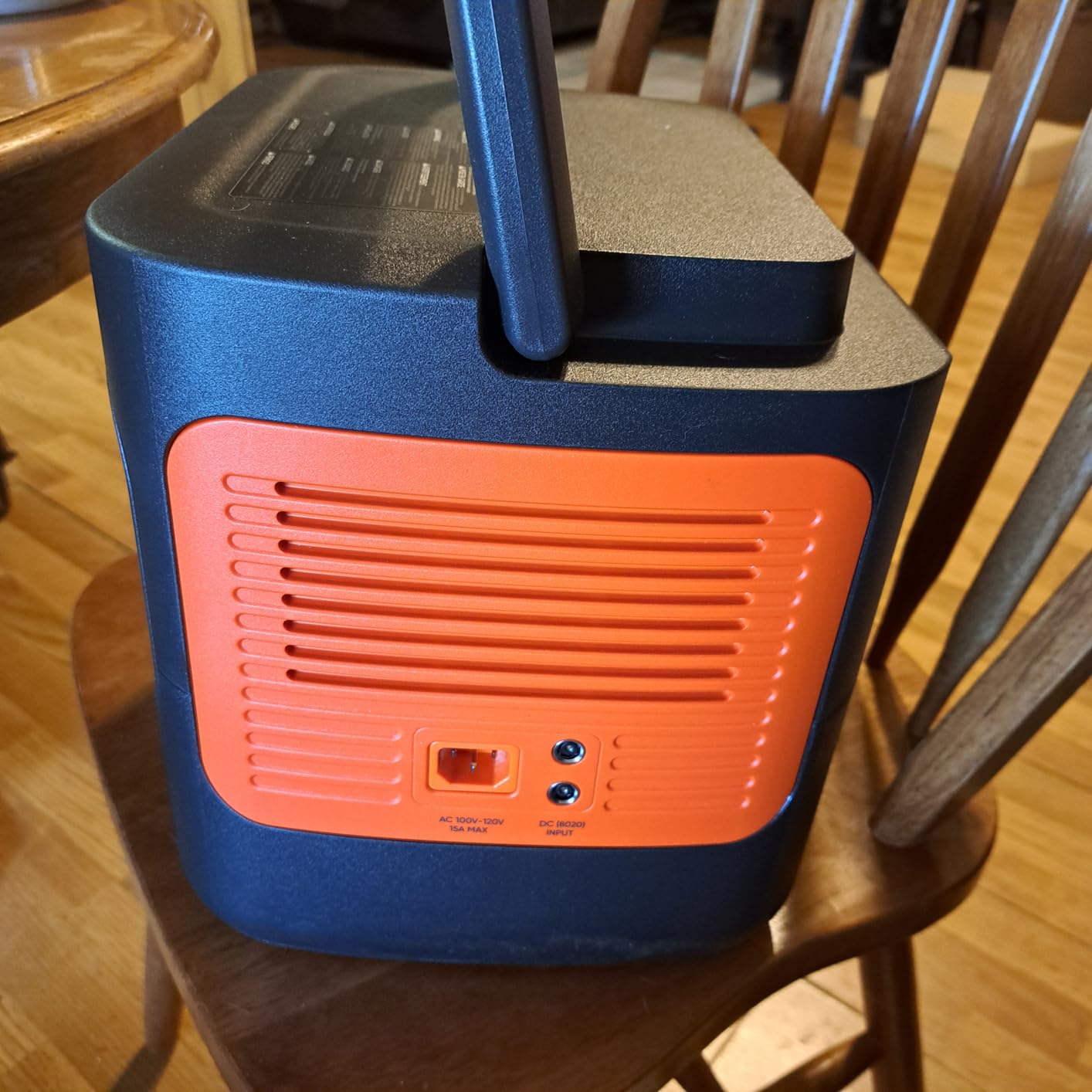
The 20ms UPS switching is UL1778 test certified, which is a specific certification for uninterruptible power supply behaviour and not something every brand in this category holds. Silent charging mode holds output below 30dB, useful if the unit lives in a bedroom-adjacent hallway.
Recharge on AC reaches 80% in 66 minutes, and solar takes about six hours with 400W panels.
What it handles well in a real outage
This is the first size where you can run an electric kettle or a small space heater alongside the essentials. With 2042 watt-hours you also have the reserve to keep a fridge running overnight without topping up, which matters when nobody wants to wake up to spoiled food.
For apartment dwellers and older homeowners without a garage, footprint and weight decide the choice, and this unit is among the lighter 2kWh options here.
Where it falls short
The 2200W output is understated for a 2kWh battery. A microwave plus a refrigerator plus a space heater can exceed it, and you will be choosing what runs. Solar input is again locked to Jackery panels.
The review distribution is also worth noting: one-star ratings run higher than the Jackery family average, with logistics rather than core performance cited most often. Check the unit on arrival and keep the packaging until you have confirmed it works.
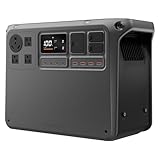
7. DJI Power 2000 — 3000W of Output From a 2kWh Pack
DJI Power 2000 Portable Power Station, 2048Wh LFP Battery
2048Wh LFP
3000W stable output
21.72 kg
15 ports
10ms UPS
30dB
Pros
- 3000W stable output from a 2048Wh pack
- 80% recharge in 55 minutes
- very quiet 30dB operation
- 15 ports including dual full SDC
- under 10ms UPS switchover
- expandable to 22.5kWh
Cons
- MPPT and car charging modules are not built in so solar and car charging need a separate adapter
- warranty is only one year
- larger footprint than competing 2kWh units
The DJI Power 2000 does something no other 2kWh unit here does: it delivers 3000W of stable continuous output.
That output figure matters for appliances that look modest on the label but draw hard, including kettles, cookers, projectors, circular saws and drills. A 2048 watt-hour pack paired with 3000W of inverter is a different proposition during a long outage, and the quiet running at 30dB means it can sit in a bedroom-adjacent room without becoming the thing you notice when you are trying to sleep.
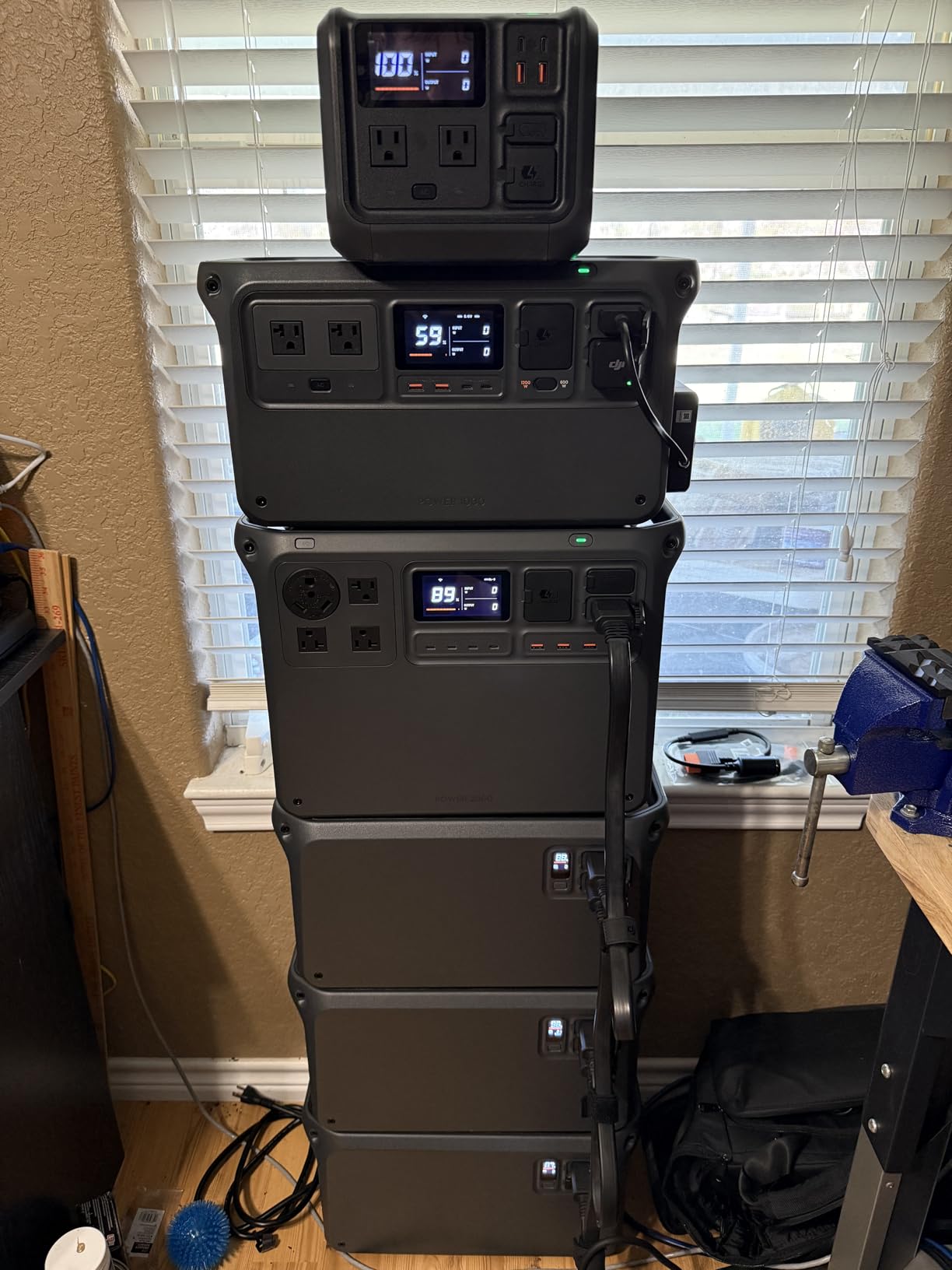
Fifteen ports is a generous count, including dual full-feature SDC ports that support high-current delivery without an extra adapter. The app works wirelessly through the DJI Home app with no separate dongle, which is simpler than most competing setups.
Expansion runs well beyond the 2kWh class too, reaching 22.5kWh with separately sold expansion batteries, which turns a 2kWh box into a genuine multi-day home system.

What it handles well in a real outage
Anything with a heating element. DJI states the unit runs 99% of household appliances including kettles, cookers, projectors, saws and drills, and 3000W is enough headroom to run a microwave and a refrigerator at the same time.
The 10ms UPS switchover keeps computers and medical devices running through a transfer, and the low noise floor makes it the easiest of this group to keep in a living space rather than a garage.
Where it falls short
The biggest friction is that MPPT and car charging modules are not built in. To recharge from solar or a car you need a separate adapter, which is an extra purchase and an extra failure point during an event.
The one-year manufacturer warranty is the shortest term here, and the physical footprint is larger than competing 2kWh units. If long warranty coverage matters to you, this is not the box.
8. EcoFlow DELTA Pro 3 — 4096Wh With 120V and 240V Split Phase
EF ECOFLOW DELTA Pro 3 Portable Power Station, 4096Wh, 4000W AC Output
4096Wh LFP
4000W with 120V and 240V split phase
115 lb
expands to 48kWh
Pros
- Runs furnace
- well pump and EV charging
- single-unit 240V split-phase output with no hub needed
- neutral-ground bonding toggled in the app
- very quiet after a cooling redesign
- wheels and telescoping handle
Cons
- Very heavy at 115 lb and awkward on stairs
- no built-in 12V cigarette output port
- charge input rate cannot always be capped
- documented BMS lockout failures
The DELTA Pro 3 is the only unit in this roundup that provides 120V and 240V split-phase output from a single box.
At 4096 watt-hours with 4000W continuous output, it can run a furnace blower, a well pump and even EV charging without a separate hub accessory. EcoFlow states that capacity covers two to four days of whole-home backup.
Setup is genuinely plug-and-play for the electrical side. Neutral-ground bonding switches from the app, and eighteen charging methods include AC, solar, gas generators and EV charging piles, so you can refill from whatever is available during a long event.
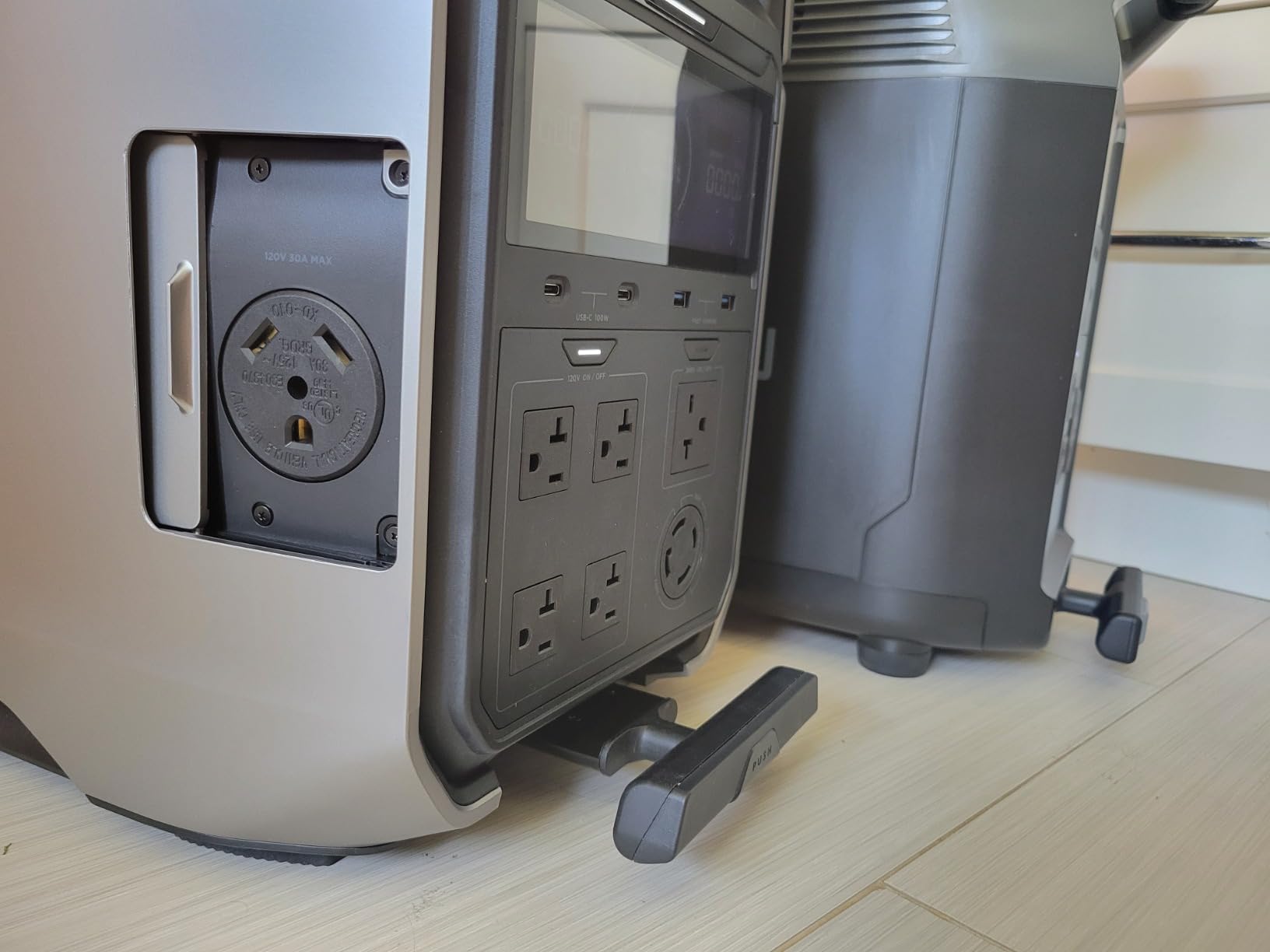
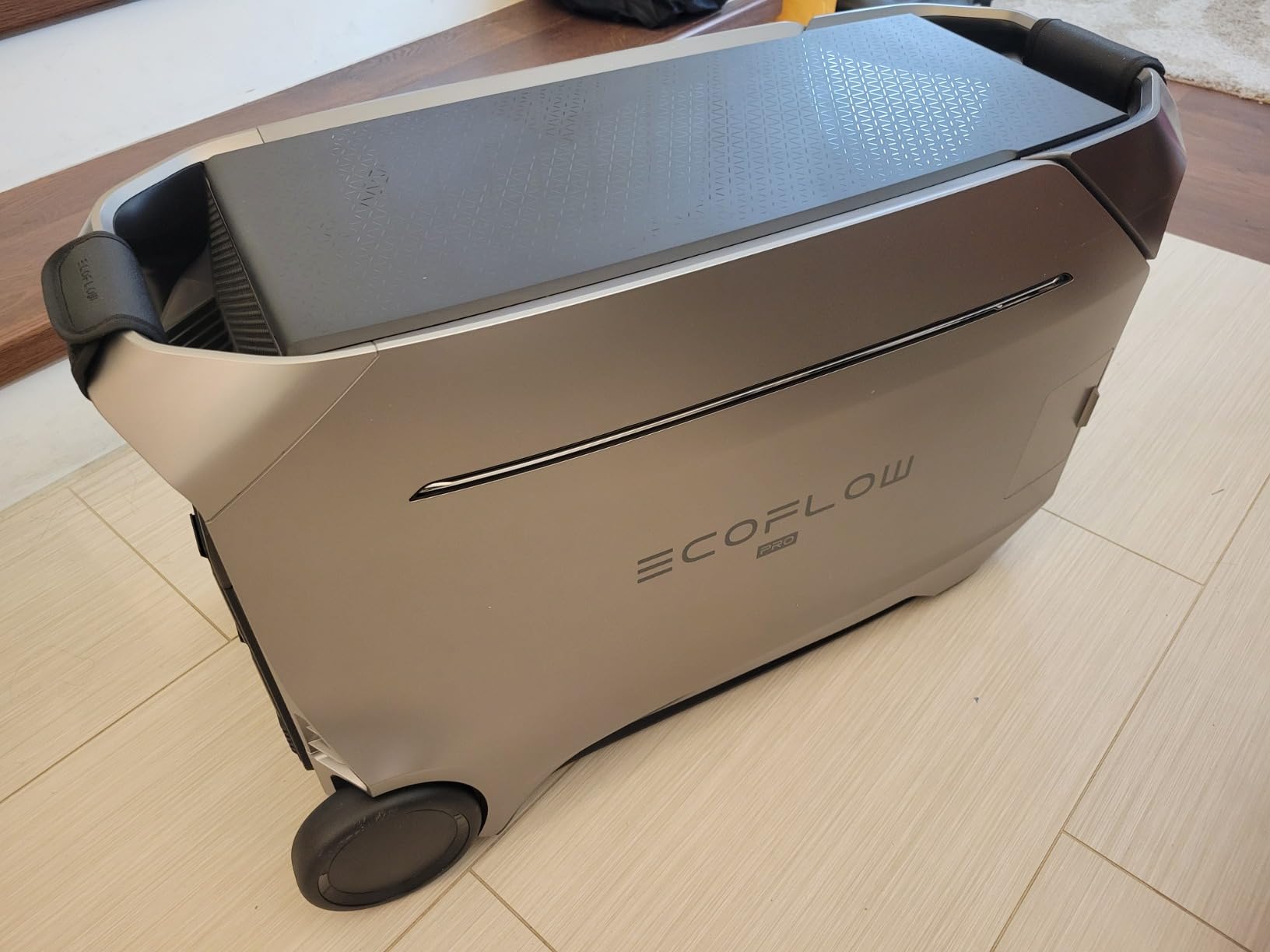
Owners praise the quiet running after a redesigned cooling system, with X-Quiet mode dropping to around 30dB, and the wheels plus telescoping handle make the 115-pound cabinet movable across a flat garage floor. X-Boost lifts output to 6000W and scalable configurations reach 12000W.
The LFP pack uses IP65-rated cell-to-chassis construction, and the battery expands to 48kWh for people who want a proper multi-day system.
What it handles well in a real outage
This is where the split-phase output pays off. Households with a furnace, a well pump or a sump pump need 240V, and almost every other portable power station at this capacity simply cannot provide it. The DELTA Pro 3 does, without a conversion accessory and without an electrician rewiring the output.
One owner reported an 18-hour runtime on a typical house load with no high-draw appliances running, which is exactly the scenario most people picture when they say whole-home backup.
Where it falls short
At 115 pounds this is not a device you carry up a staircase. Plan its location carefully, ideally on a ground floor or in a garage near the panel.
This is also the lowest-rated unit here, with a 14% one-star share. Complaints concentrate on weight, fewer bundled accessories than the previous Delta Pro, the missing 12V cigarette output port, and one documented case of BMS lockout with a difficult hazardous-goods return process. The inability to reliably cap charge input can also trip upstream fuses on older panels.
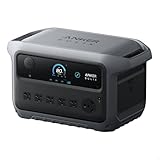
9. Anker SOLIX C2000 Gen 2 — 9W Standby Draw and 32-Hour Fridge Runtime
Anker SOLIX C2000 Gen 2 Portable Power Station, 2,048Wh, 2,400W, Camping
2048Wh LiFePO4
2400W and 4000W peak
41.7 lb
9W standby
800W alternator charging
Pros
- Very low 9W standby draw extends fridge runtime to about 32 hours
- full charge in 58 minutes
- 4000W peak handles window and RV air conditioners
- compact and light for a 2kWh unit
- 800W alternator charging tops off in about 3 hours
Cons
- Listing spec block shows an inconsistent 1500W input figure
- output wattage listed as 2827W does not match the 2400W rating elsewhere
The defining number on the C2000 Gen 2 is 9 watts of standby consumption. That figure is what allows a dual-door refrigerator to run for up to 32 hours on a single charge, and adding an expansion battery doubles that to 64 hours. For the most common household concern, keeping food from spoiling, that efficiency figure is what counts.
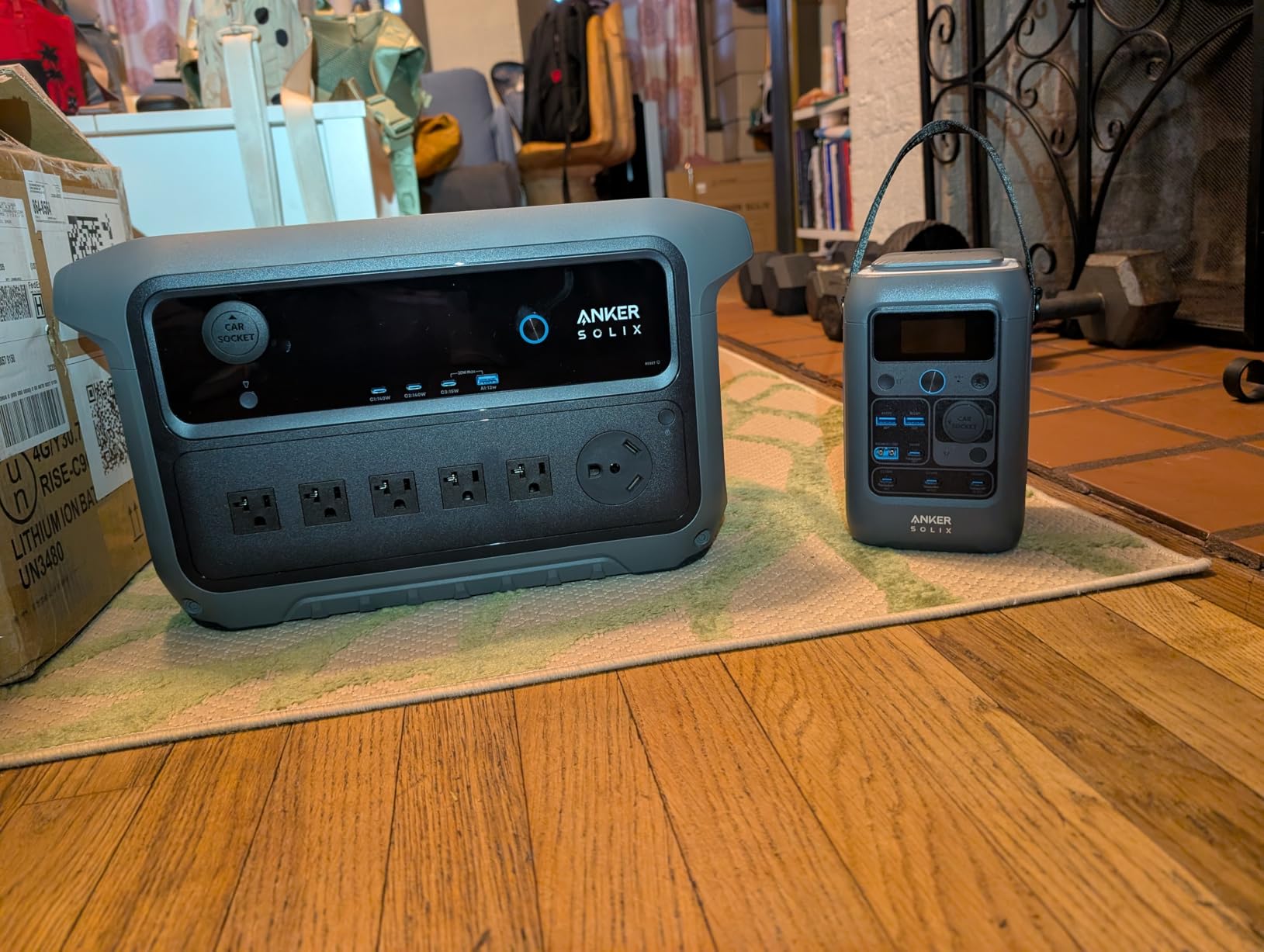
Everything else about it is competitive rather than exceptional: 2048 watt-hours, 2400W rated output with 4000W peak, and a full charge in 58 minutes from six different input methods including a car alternator at 800W in about three hours.
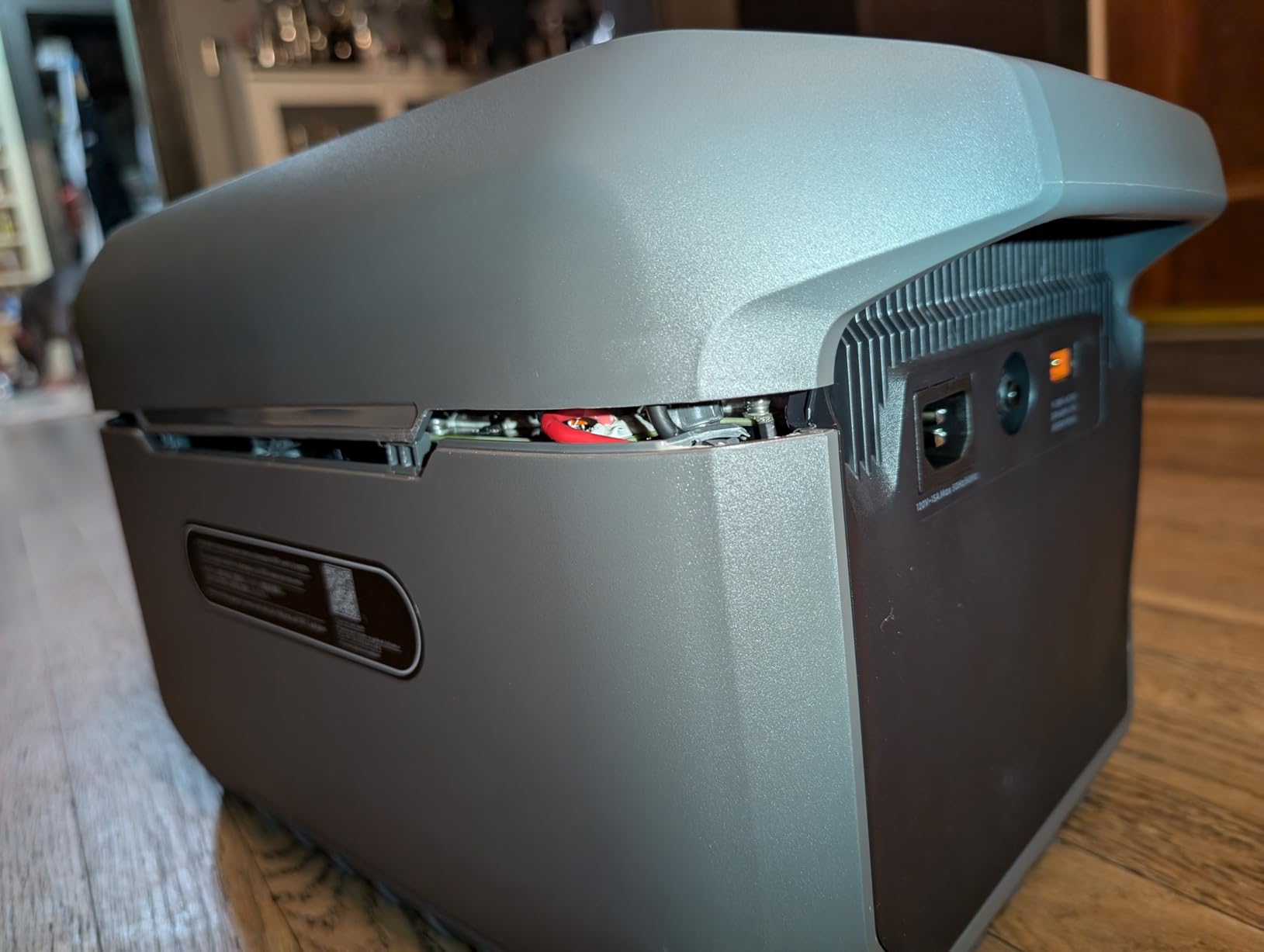
Anker states the unit is 25% lighter than similar products at 41.7 pounds, and at 18.1 by 9.8 by 10.1 inches it tucks into a garage corner more easily than most 2kWh designs.
Note that the published listing for this ASIN carried no written customer review text, so the profile above draws on specifications rather than owner commentary. Buyers of this line typically highlight the low idle draw, fast charging and manageable size.
What it handles well in a real outage
4000W of peak output covers most window air conditioners and RV units, which is beyond what the typical 2kWh unit can start. That extends the practical use case beyond food preservation into genuine comfort during a heat event.
For anyone running a medical device plus a fridge plus networking, the combination of low idle draw, expansion to 4kWh and fast recharge works out well.
Where it falls short
The published specification block on this listing is internally inconsistent. It lists a 1500W input figure against a stated 1800W fast charging capability, and output wattage appears as 2827W rather than the 2400W rating used everywhere else. Expect to verify actual behaviour yourself rather than trust the numbers at a glance.
At 41.7 pounds it is heavier than several 2kWh options here, and 2400W continuous is below what the DJI Power 2000 delivers from a similar pack.
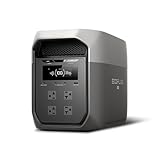
10. EcoFlow Delta 3 Max — 0 to 80% in About 1.13 Hours
EF ECOFLOW DELTA 3 Max Portable Power Station, 2048Wh LFP Battery, 2400W
2048Wh LiFePO4
2400W rated and 3400W X-Boost
0-80% in 1.13 hours
10ms UPS
Pros
- Fastest recharge in the 2kWh class at 0 to 80% in just over an hour
- X-Boost lifts output to 3400W for heavy loads
- under 10ms transfer keeps computers and medical devices running
- durable build for moving between home and vehicle
Cons
- Published weight was not stated in the specification sheet so handling weight is unconfirmed
- only three AC outlets listed
- no stated expansion battery path for this model
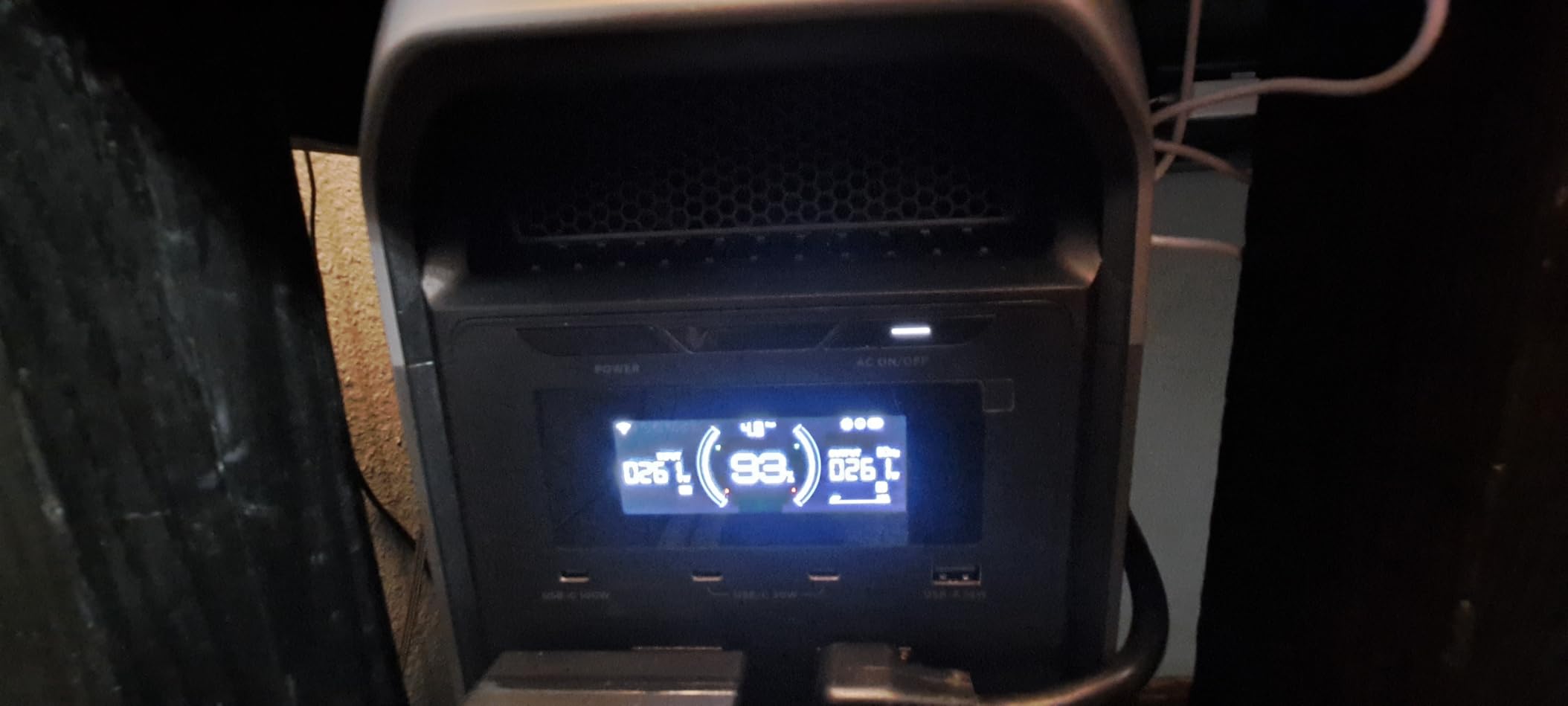
The Delta 3 Max reaches 80% charge in about 1.13 hours, which makes it the quickest refill among the 2kWh units here. When an outage stretches past a day, refill speed becomes as important as capacity, and this unit keeps you cycling.
Output is rated at 2400W with X-Boost lifting continuous delivery to 3400W, and the under-10ms transfer time is specified for home backup use with computers, servers and medical devices. EcoFlow positions the battery for ten years of daily use with a five-year service plan behind it.
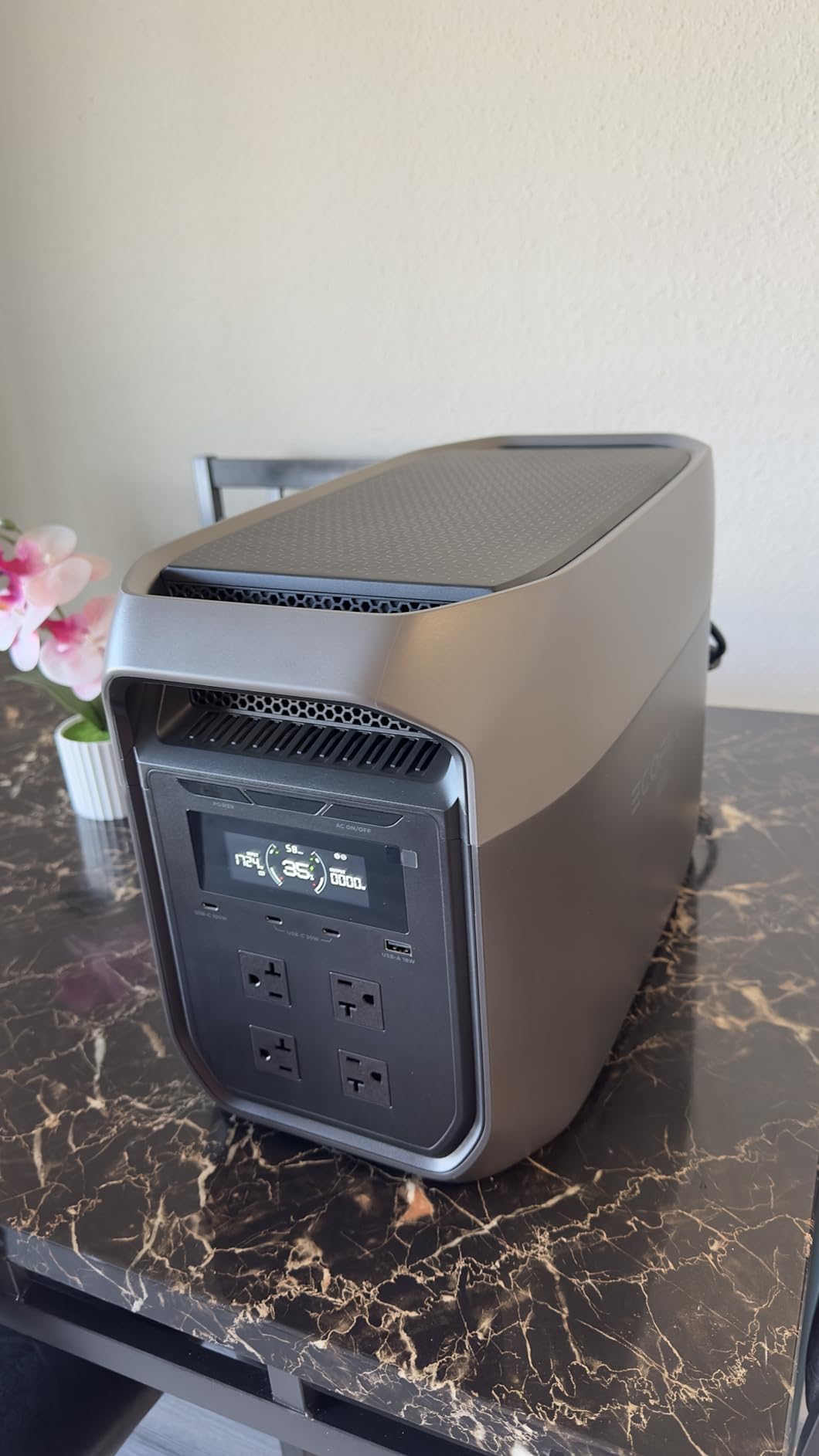
App control provides real-time energy monitoring and scheduling, which is how you plan discharges around utility rate windows and preserve reserve ahead of a forecast storm.
No written owner review text was available for this listing, so the profile above draws on published specifications. The rating distribution shows an 88% five-star share, indicating strong early-owner satisfaction.
What it handles well in a real outage
The 3400W X-Boost figure is the interesting part. It covers microwaves, power tools and resistive heating loads that would stall a plain 2000W inverter, while the 2048 watt-hour pack still gives you about 1.2kWh of realistic runtime on a hard load.
Because the recharge is so quick, this works well as a main unit for a household that also wants to top up between short outages without planning around it.
Where it falls short
Published weight for this listing was not stated, so handling weight is unconfirmed. Given the 2048 watt-hour capacity and aluminum construction, treat it as a two-person lift until you have checked the specification yourself.
Beyond that, the main limitation is that EcoFlow’s DELTA series expansion batteries are not listed as supported on this model, so treat the 2048 watt-hours as the ceiling unless the manufacturer confirms otherwise. There is also no owner review text to verify long-term behaviour.
11. BLUETTI Elite 200 V2 — 6000-Cycle Cells and 10W Standby
BLUETTI Elite 200 V2 Portable Power Station 2073.6Wh 2600W Solar Generator
2073.6Wh LiFePO4
2600W and 3900W power lift
53.4 lb
10W standby
6000+ cycles
Pros
- 2600W inverter inside an enclosure the size of the smaller AC180
- roughly 10W standby consumption
- 0 to 80% in about one hour on AC turbo
- CNAS-certified cells rated for 6000+ cycles and 17 years
- four AC outlets plus USB-C and USB-A
Cons
- Heavy at 53.4 lb and better suited to semi-stationary placement
- not expandable with BLUETTI battery modules
- solar input capped at 1000W
- app connection reported as unreliable by some owners
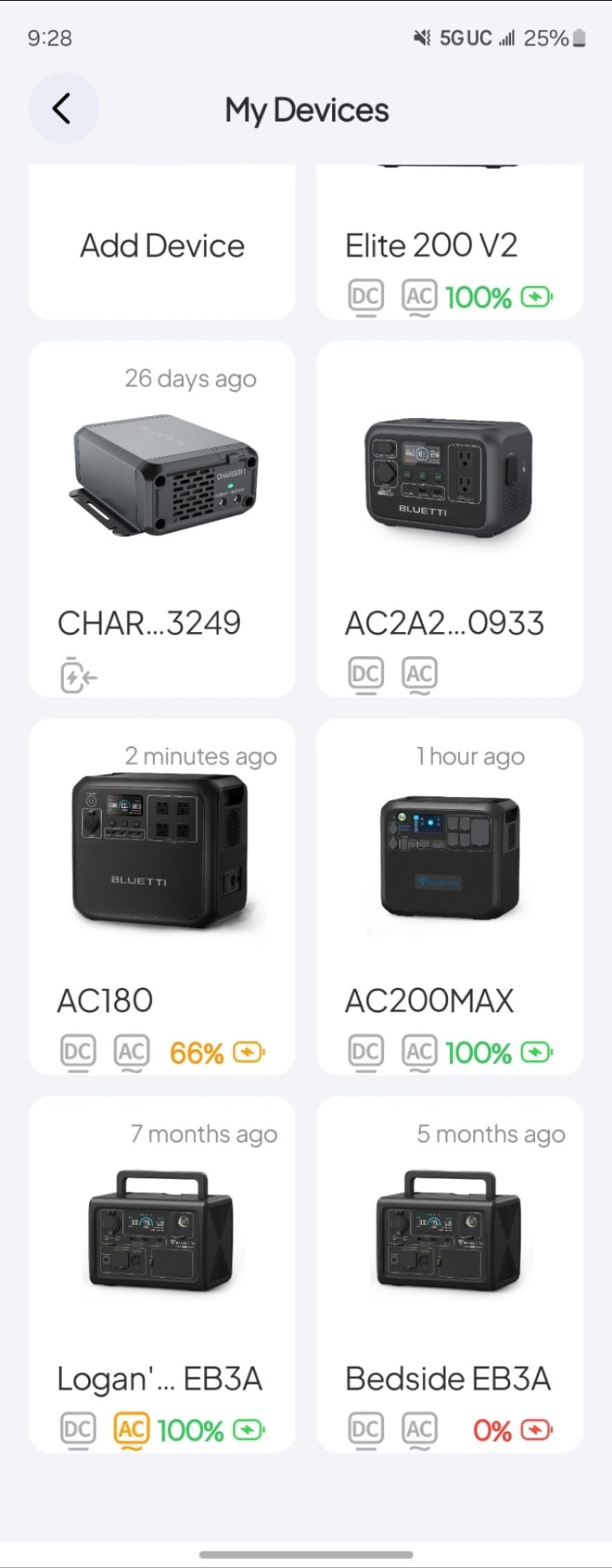
The Elite 200 V2 solves an efficiency problem neatly: it fits 2600W of continuous inverter into roughly the same box as BLUETTI’s much smaller AC180. That power-to-size ratio is unusual, and it means you get 2kWh-class capacity with genuinely useful headroom for heating loads.
Standby consumption sits around 10 watts, which reviewers repeatedly single out as unusually low inverter overhead. That translates directly into more hours on a small, always-on load like a router, a NAS or a CPAP machine.
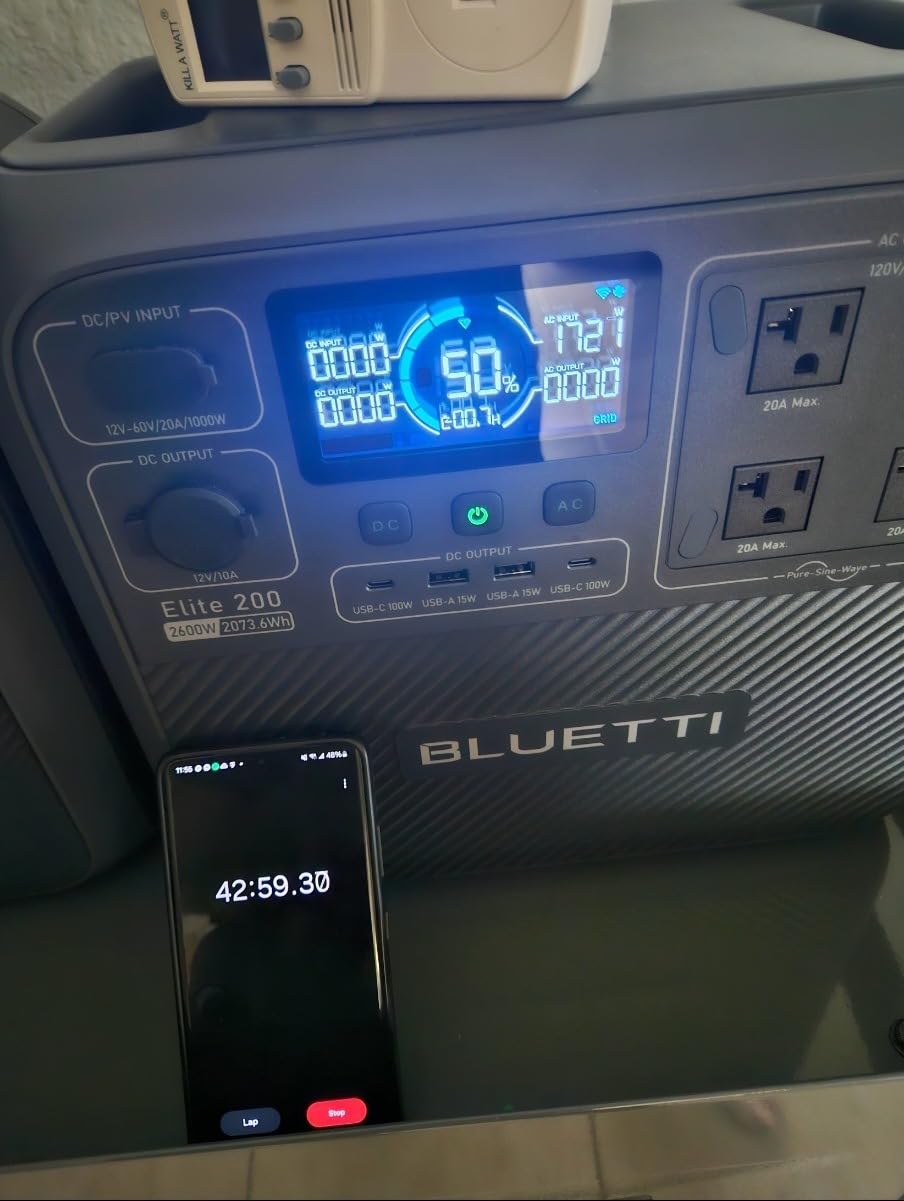
Cell longevity is the standout specification. CNAS-certified automotive-grade LFP cells are rated for 6,000+ cycles and a 17-year lifespan, the highest cycle claim among the units here. Silent mode charges at 800W in three hours at 16 to 30dB, which is unusually quiet for a full-power unit.
Charging options are broad: 0 to 80% in one hour on AC turbo at 1800W, 50 minutes combining AC and DC, a full charge in two hours from a 1200W alternator charger, and a solar fill in 2.4 hours with 1000W panels.
What it handles well in a real outage
The 2600W continuous rating with 3900W of power lifting powers up to nine connected devices, which makes it one of the easiest options here to hand to a household that wants to stop rationing outlets during an event.
Handle-hold buttons prevent accidental activation in transit, and the Bluetooth app works locally without requiring a cloud account, which matters if your internet is exactly what went down.
Where it falls short
At 53.4 pounds it is one of the heaviest units here, so plan a semi-stationary location rather than treating it as a carry-around device.
It is not expandable with BLUETTI extra battery modules, which removes the growth path that makes some smaller purchases attractive. Solar input is capped at 1000W and 60V, limiting array choices, and some owners report an app connection that is less polished than EcoFlow’s.
12. Anker SOLIX S2000 — 6W Idle Draw and 10,000-Cycle Cells
Anker SOLIX S2000 Portable Power Station, 2,010Wh, 1,500W
2010Wh LiFePO4
1500W and 3000W peak
35.7 lb
6W idle
10000 cycle cells
Pros
- Very low idle draw of roughly 3W in UPS mode
- under 10ms switchover suitable as a desktop UPS
- compact rectangular form factor
- runs a full-size fridge about 35 hours on a charge
- 314Ah cells rated for 10000 cycles
Cons
- Cooling fan is noticeably droning during 1200W charging
- strong burn-off smell on the first charge cycle
- no 12V DC port for car accessories
- solar input limited to 400W
The S2000 is built around 314Ah LFP cells, unusually large for a unit of this size, and they are the source of its headline cycle rating of 10,000 cycles and a 15-year lifespan. Anker states efficiency is 10% higher than comparable 2kWh systems, and the practical result is a full-size refrigerator running about 35 hours on one charge.
Efficiency comes from a 6W idle draw, dropping to roughly 3W in UPS mode, which is a very low standby figure. If your outage load is network equipment and a router rather than a refrigerator, that number matters more than any other spec.
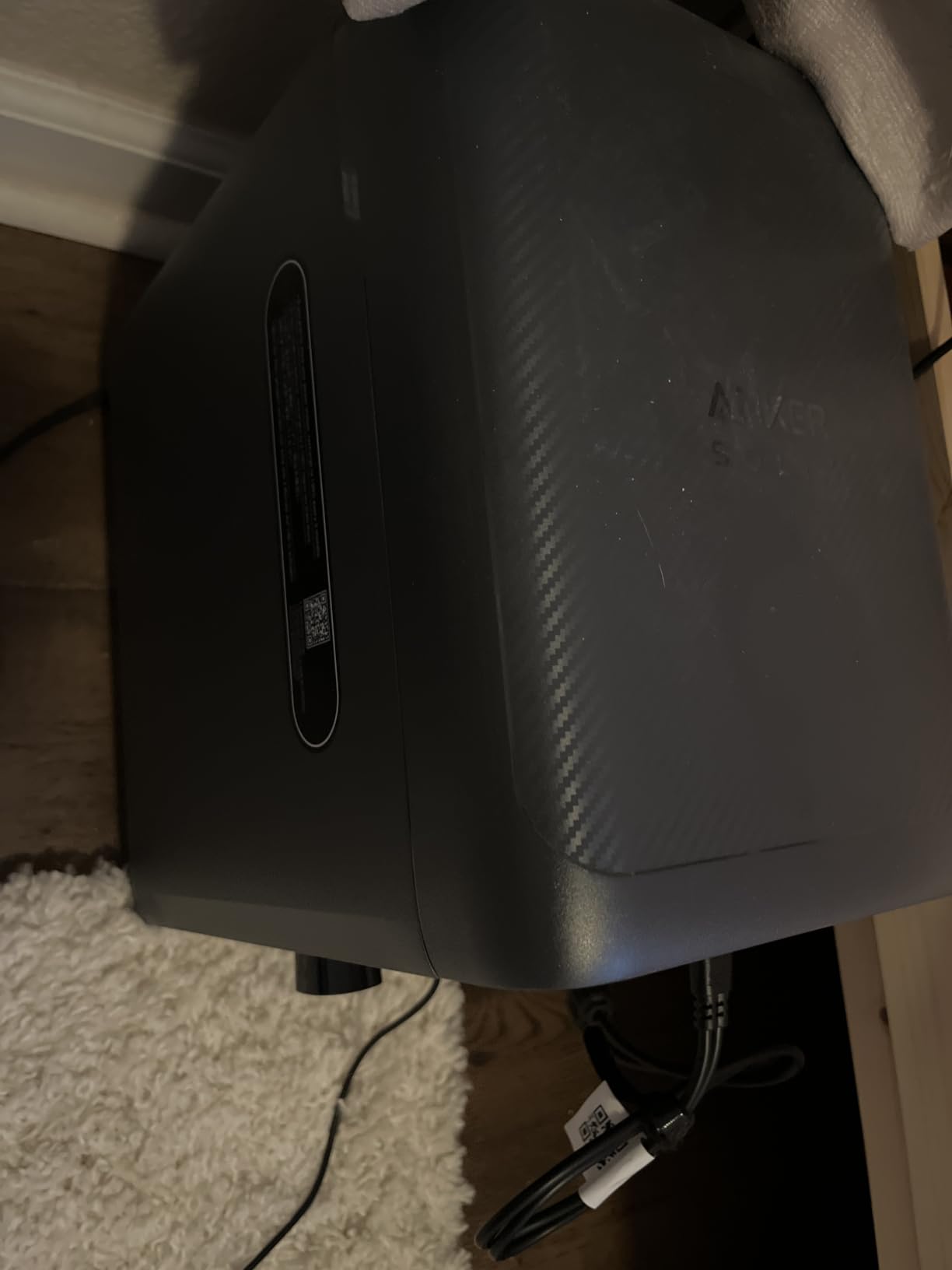
The form factor is unusually compact for the capacity, at 8.2 by 11.1 by 12.7 inches and 35.7 pounds, which Anker describes as 30% smaller and 25% lighter than the industry average. Front and rear outlet panels let you keep always-on devices connected permanently.
Owners describe successful use through 25 to 30 hour outages keeping a fridge or a network rack alive, and the app supports UPS, time-of-use and custom charge and discharge limits.
What it handles well in a real outage
Under 10ms switchover makes this a genuine desktop UPS for a home office. A desktop, a monitor and a network switch can be plugged in permanently, and the unit simply takes over when the grid drops without an operating system hiccup.
Five AC outlets plus two USB-C and one USB-A cover the household electronics load with no splitters, and the quiet or fully silent operation suits a home office or living space.
Where it falls short
The 1500W continuous rating is modest for a 2kWh pack, so a microwave or space heater means something else has to shut down. Solar input tops out at 400W, low for a 2kWh pack, meaning a multi-day cloudy event needs wall power or a car alternator to recover.
There is no 12V DC port for car accessories, cooling fan noise is noticeable during 1200W charging, and several owners mention a strong burn-off smell on the very first charge cycle. It also requires two hands to carry, with no dedicated handle beyond the case edges.
If you want a second opinion on portable power generally, our guides to the best portable power stations for camping and the best portable power stations for winter cover the same hardware in very different conditions.
Buying Guide: Choosing a Portable Power Station for Home Backup
1. Size capacity to the load, not to the marketing number
Start by listing what you will actually run. A refrigerator averages roughly 150W once the compressor cycles, a router and modem together about 20W, LED lighting around 10W per room, a CPAP machine 30 to 60W, and a well pump 250 to 400W with a startup spike well above that.
Add those together, then divide the total by 0.85 to account for inverter losses and standby draw. A load of 400W needs about 470 watt-hours for one hour of runtime, so a 1000 watt-hour pack gives you roughly two hours. To carry that same load overnight for eight hours you need closer to 4000 watt-hours.
That arithmetic is where the 1kWh and 2kWh divide becomes clear. The 1kWh units are for essentials and short events. The 2kWh units handle a full day. The 4kWh class is where a household stops rationing.
2. Continuous watts matter more than surge watts
Surge ratings describe a brief startup spike, usually a few seconds, while continuous watts describe what the inverter can deliver indefinitely. Sellers advertise surge numbers heavily because they are large. Size your purchase against the continuous figure and treat surge as a bonus for motors.
For most homes, 1800W to 2600W continuous covers a refrigerator, router, lighting, electronics and one heating appliance. Well pumps, furnaces, central air and EV charging need far more, and often need 240V, which narrows the field dramatically.
3. UPS switchover under 20 milliseconds keeps electronics alive
UPS mode is what makes these units useful for a home office or medical equipment rather than just a fridge. When grid power fails, the unit transfers to its battery internally. Under 20 milliseconds is generally considered invisible to most consumer electronics; anything slower and a network stack will renegotiate its connection or a computer will briefly lose its supply.
Five units here publish sub-10ms figures, including the Anker C1000 Gen 2, the EcoFlow Delta 3 Classic, the Delta 3 Max, the DJI Power 2000 and the Anker S2000.
4. Idle draw is the spec nobody advertises
Every powered unit draws a few watts constantly just to run its inverter and display. At 20W on a 1000 watt-hour pack, that is 50 watt-hours per day burned before you switch anything on. Over a week of outage that is meaningful.
This roundup ranges from about 3W in UPS mode on the Anker S2000 up to 15 to 20W on the BLUETTI AC180. Forum discussion about power stations frequently turns up people who bought a small unit for a router only to find it flat after a single night.
5. Check the expansion path before you buy
Expansion batteries are the most expensive part of a power station ecosystem, and compatibility is brand-specific and often generation-specific. The EcoFlow Delta 3 Classic will not take DELTA 2 or DELTA 3 series smart extra batteries. The BLUETTI Elite 200 V2 does not accept BLUETTI modules at all.
By contrast, the OUPES Mega 1 expands to 5120Wh, the DJI Power 2000 reaches 22.5kWh and the DELTA Pro 3 goes to 48kWh. Buyers on r/solar repeatedly warn about mixing battery generations and voltage mismatches causing equalisation problems, so confirm compatibility in writing before planning around it.
6. Solar input ceiling decides your recovery options
Solar input on these units ranges from 400W on the Anker S2000 to 1000W on the BLUETTI Elite 200 V2. Higher ceilings recover faster during daylight but only help if you have panel capacity to match. Jackery restricts input to its own panels, which removes third-party options entirely.
Realistic expectations matter here. A 500W panel in full sun delivers roughly 400W after inverter losses, so a 2048 watt-hour pack needs about five and a half hours of direct sun to refill. Overcast conditions cut that severely, which is why wall charging and alternator charging matter as backup paths.
Our guide to the best solar panels for camping power stations covers panel sizing in more depth if you are building an array.
7. Warranty length signals confidence
Warranty terms here range from one year to five. Five years is the standard for BLUETTI, EcoFlow and the current Anker generation, which matches the decade-plus cycle ratings those brands publish. One year, attached to the Jackery Explorer 1000 v2 listing and the DJI Power 2000, is the outlier.
Consumer support responsiveness varies too. Buyers report Anker handling a defective first-generation replacement smoothly, while multiple EcoFlow complaints describe response times of two weeks or more on support tickets.
8. 240V output changes which appliances you can run
Almost every unit here is 120V only, which covers refrigerators, lighting, electronics, most small kitchen appliances and many window air conditioners. It does not cover a well pump, an electric furnace, a central air conditioner or EV charging.
The DELTA Pro 3 is the exception in this roundup, providing 120V and 240V split-phase from a single unit at 4000W. If you have any 240V load, that capability narrows your search considerably and is worth planning around.
How to Wire a Portable Power Station Into Your Home
Plugging appliances into a power station requires nothing but extension cords and common sense. Running a house from one requires a transfer switch installed by a licensed electrician, and it is worth understanding the difference before you spend anything.
The three levels of home connection
Level one is plug-in. You run heavy-duty extension cords from the unit to a refrigerator, freezer, router and lamps. This is how most households start, and it works well for outages measured in hours.
Level two is a manual transfer switch. A licensed electrician installs a switch that routes your panel to the power station when the grid fails. You throw the switch manually after confirming the outage. This is the standard, code-compliant approach for portable power stations and is the setup most installers recommend.
Level three is an automatic transfer switch, which detects the outage and transfers within seconds without human action. It costs more to install and adds another failure point, but it protects loads like medical equipment that cannot wait for someone to walk into the garage.
What permitting involves
A transfer switch installation is electrical work on your main panel. In most jurisdictions it requires a permit, a licensed electrician, and inspection of the finished work. Your insurer may also ask for documentation, and some ask that lithium battery storage be mounted on a non-combustible surface away from egress routes.
None of the twelve units in this roundup should be hard-wired directly into a panel by a homeowner. The neutral-ground bonding on split-phase units such as the DELTA Pro 3 is switched from the app for a reason, and a bonding error can back-feed the utility line.
Frequently Asked Questions
What is the best portable power station for home backup?
The Jackery Explorer 1000 v2 is the best overall choice for most households, with 1070Wh of capacity, 1500W continuous output and a 23.8 lb weight that is easy to reposition. The BLUETTI AC180 offers more inverter headroom and a five-year warranty, and the Anker SOLIX C1000 Gen 2 has the fastest recharge at 49 minutes. Homes needing 240V appliances such as a well pump or furnace need a much larger unit such as the EcoFlow DELTA Pro 3.
How many watt-hours do I need to run a refrigerator during an outage?
A refrigerator averages roughly 150W once the compressor cycles. At 85% inverter efficiency a 1000Wh pack gives about 1.5 hours on the fridge alone, and a 2000Wh pack about three hours. To keep a fridge running for 24 hours alongside a router and lights you generally need 4000 to 5000 watt-hours, or a smaller unit recharged daily from wall power.
Can a portable power station power a whole house?
Not by itself unless it is a large unit and you wire it to a transfer switch. Most units in this roundup are 120V only and cannot run a well pump, electric furnace or central air. The EcoFlow DELTA Pro 3 provides 120V and 240V split-phase output at 4000W from a single unit and is designed for whole-home use. A licensed electrician must install any transfer switch.
Is there a better brand than Jackery?
For pure output and UPS flexibility, yes. Anker, EcoFlow and BLUETTI all offer stronger inverter headroom and faster recharge than Jackery, and BLUETTI and EcoFlow attach five-year warranties where the Jackery Explorer 1000 v2 listing carries one year. Jackery remains competitive on weight and app simplicity, and its units have the largest body of owner feedback of any brand here.
Do portable power stations work with third-party solar panels?
Most do, but not all. EcoFlow, Anker, BLUETTI, DJI and OUPES units accept standard solar input within their rated voltage and wattage ceiling. Jackery restricts solar input to Jackery-branded panels. Check the maximum solar input wattage and voltage on the unit, since the BLUETTI Elite 200 V2 caps at 1000W and 60V and the Anker S2000 stops at 400W.
Final Verdict
After working through twelve units in detail, the Jackery Explorer 1000 v2 remains the best portable power station for home backup for most people in 2026. It is light enough to move, rated to 4,000 cycles, and carries more owner reviews than anything else in the group. Buy the BLUETTI AC180 if you want more inverter headroom and a five-year warranty, or the Anker SOLIX C1000 Gen 2 if refill speed is your priority.
Size up to 2kWh when outages regularly run past a day, and treat the Anker SOLIX S2000 as the pick for anyone running network gear or a medical device where standby draw dominates. If your home has a well pump or a furnace, skip the 120V class entirely and look at the EcoFlow DELTA Pro 3. For a conventional gas backup to compare against, our guide to the best emergency generators for home backup covers the trade-offs honestly.
Whichever you choose, charge it fully before the forecast turns, confirm the app settings you will need in advance, and run one full rehearsal outage with your real load list before you need it for real.