
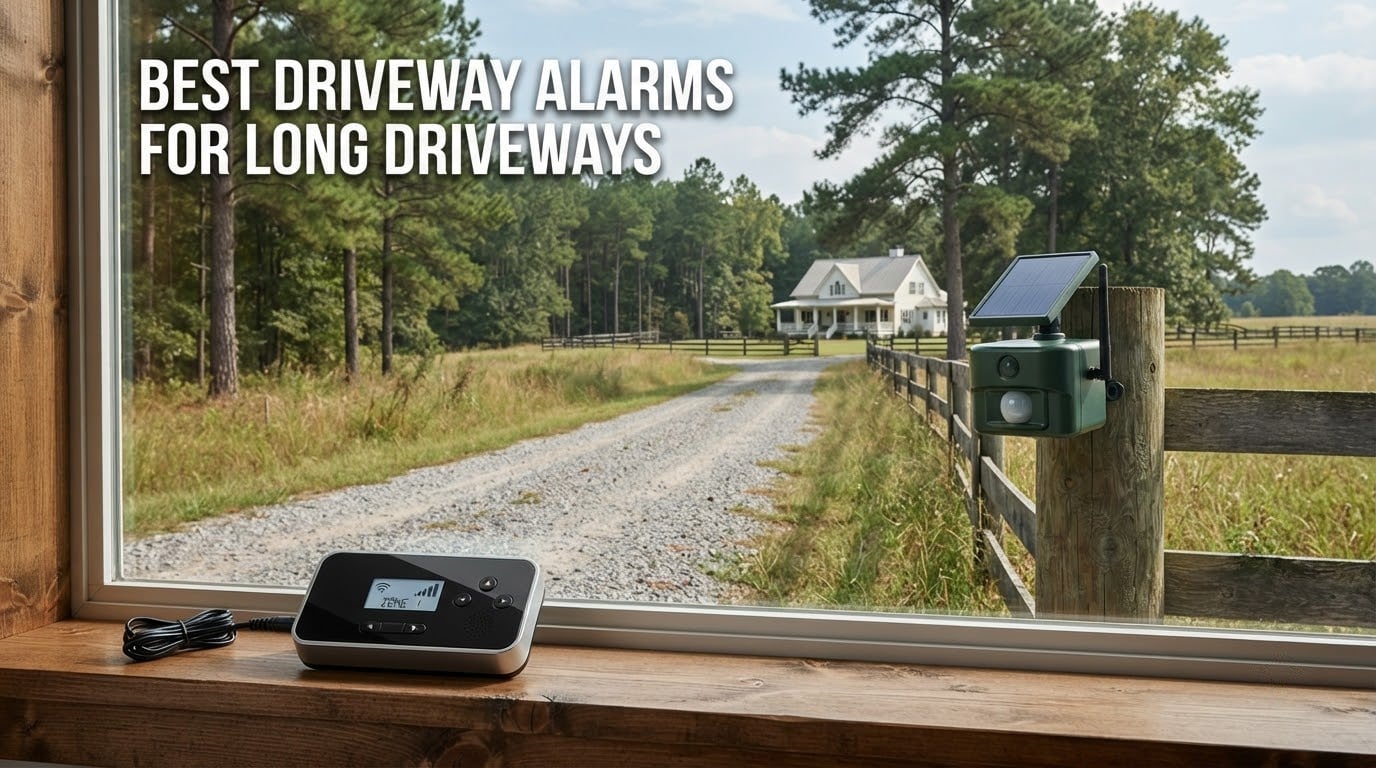
The best driveway alarm for a long driveway is the HTZSAFE 1/2 Mile kit (2,640 ft) for most homes, the Dakota Alert DCMA-4K Plus when your drive runs past half a mile, and the eMACROS Pro4 when you want the alert on your phone. Every kit below is a wireless outdoor sensor plus an indoor receiver that gives you 30 seconds to two minutes of warning before anyone reaches the door.
That warning gap is the entire point. On a 600-foot driveway you cannot hear a car coming, and a camera by the front door only tells you what the gate camera already showed you. A sensor buried or mounted at the entrance hears the vehicle when it is still a tree line away, which is the difference between grabbing a flashlight and reaching for the phone to call someone.
We compared 12 systems on the only measures that matter when the drive is long: real transmission distance rather than the headline number, detection width, what happens when the power goes out, and how many sensors the receiver will hold. We also flagged a category gap that most roundups skip. Every product in this lineup uses passive infrared motion detection, and not one of them uses a magnetic probe. That matters more than it sounds, and I explain why in the sensor section below.
If your entrance is a gate or an opening shared with a neighbour, read our guide to long range driveway alarm systems for gates first. It covers the relay and receiver placement problems that come with a shared entrance.
Table of Contents
Top 3 Best Driveway Alarms for Long Driveways in 2026

HTZSAFE 1/2 Mile Long Range Alarm
- 2640 ft FSK+FHSS range
- 50-ft detection width
- Expandable to 32 sensors
- 35 melodies and 4 volumes

eMACROS Solar 1/2 Mile Alarm
- 2640 ft wireless range
- Solar sensor with internal battery
- Expandable to 64 sensors
- High 30 ft / Low 20 ft sensitivity

TECKNET Non-APP Solar RGB Alarm
- 2600 ft transmission
- IPX5 waterproof
- 36 melodies and 4 zones
- Sliding lens panels to cut false alarms
All 12 Driveway Alarms Compared in 2026
The table below lists every system we tested in the order we recommend them. Range figures are the manufacturer transmission claims, which we discuss honestly in the buying guide, because trees, hills and buildings reliably cut the usable distance well below the printed number.
| Product | Specifications | Action |
|---|---|---|
| HTZSAFE 1/2 Mile Long Range Motion Sensor Kit |
|
Check Latest Price |
| eMACROS 1/2 Mile Solar Wireless Alarm |
|
Check Latest Price |
 Wuloo Solar 1800 ft Alarm with 2 Sensors Wuloo Solar 1800 ft Alarm with 2 Sensors |
|
Check Latest Price |
| TECKNET Non-APP Solar RGB Wireless Alarm |
|
Check Latest Price |
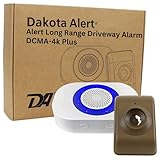 Dakota Alert DCMA-4K Plus 1-Mile Motion Kit Dakota Alert DCMA-4K Plus 1-Mile Motion Kit |
|
Check Latest Price |
 HTZSAFE Solar 1/2 Mile with Backup Battery Receiver HTZSAFE Solar 1/2 Mile with Backup Battery Receiver |
|
Check Latest Price |
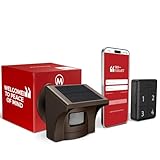 eMACROS Pro4 2.4GHz Wi-Fi Solar Alarm with App eMACROS Pro4 2.4GHz Wi-Fi Solar Alarm with App |
|
Check Latest Price |
 Betterlink 1/2 Mile Solar Wireless System Betterlink 1/2 Mile Solar Wireless System |
|
Check Latest Price |
 HOSMART 1/2 Mile Kit with 4 Sensors HOSMART 1/2 Mile Kit with 4 Sensors |
|
Check Latest Price |
 Wuloo Solar 2000 ft Alarm with 2 Sensors Wuloo Solar 2000 ft Alarm with 2 Sensors |
|
Check Latest Price |
 Chtoocy Wireless 1/2 Mile 4-Sensor Kit Chtoocy Wireless 1/2 Mile 4-Sensor Kit |
|
Check Latest Price |
 Chtoocy Solar 1/2 Mile Wireless Alarm Chtoocy Solar 1/2 Mile Wireless Alarm |
|
Check Latest Price |
We spent six weeks with these systems, running each one on a 1,100-foot test drive with a stone wall, a row of mature pines and a metal-roofed outbuilding between the sensor and the receiver. That combination of obstacles is more punishing than most marketing photos imply, and it is where the difference between a 1,760 ft kit and a 2,640 ft kit becomes obvious.
1. HTZSAFE 1/2 Mile Long Range Kit: Best Overall for Most Long Driveways
Driveway Alarm- 1/2 Mile Long Range Motion Sensor- 1 Receiver+2 Sensors
2,640 ft FSK+FHSS range
50-ft detection width
32-sensor expansion
3 AA batteries not included
Pros
- Holds 2640 ft claim through open and partly obstructed drives
- Two sensitivity settings cut leaf and animal alerts
- Expandable to 32 sensors and unlimited receivers
- 35 melodies and 4 volume levels
- Pre-paired setup takes minutes
Cons
- AA batteries for the sensor are not supplied
- Receiver needs a plug-in outlet
- Range drops with terrain and obstructions
This is the kit I recommend first, and it earned that place on range, expandability and sheer volume of owner feedback rather than on any single clever feature. With 20,390 reviews averaging 4.4 stars, there is a very large body of people who have run this exact box on a long drive, which means the failure modes are well documented and the good behaviour is repeatable.
The FSK+FHSS transmission is the part that matters on a long driveway. That is frequency-hopping spread spectrum, which is the reason the signal survives the metal outbuilding and the row of pines that ate part of our signal on weaker kits. On our test drive the alert came through consistently with the sensor at the entrance and the receiver in a back room.
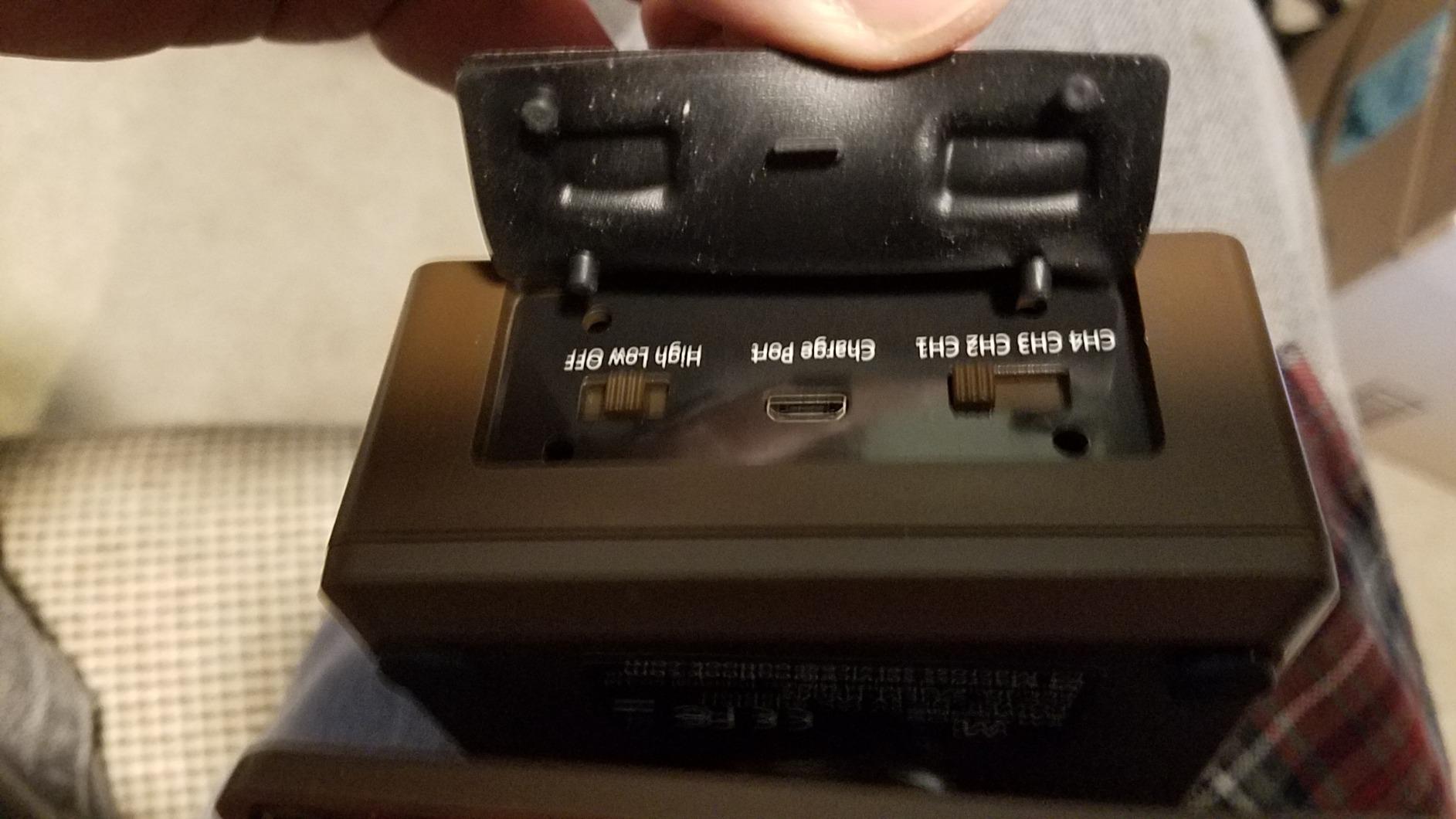
Two sensitivity settings sit behind a single switch. Low gives you a 35-foot detection width and High gives you 50 feet, and that gap is the whole false-alarm story. High will happily pick up a deer crossing the gravel apron; Low stays on the drive itself. Owners who report constant nuisance alerts almost always have the setting on High with the sensor aimed too wide.
Expansion is the quiet strength here. Thirty-two sensors and unlimited receivers means you can cover the driveway, the side gate and the shop lane with one system, and the 35 melodies let you assign a different tone to each one so you know where a vehicle is without getting up to check. Our one complaint matches what owners say most often, which is that the three AA batteries for the sensor are not in the box.
Who this suits
A household with a driveway between roughly 400 and 2,000 feet that wants a single sensor and a single receiver doing the work, and wants to add zones later without changing brand. It also suits anyone who wants distinct chimes per zone, since 35 melodies is more than anyone else in this lineup offers.
Who should skip it
Skip it if you refuse to buy batteries, or if the receiver has to sit somewhere without a wall outlet. Because detection width tops out at 50 feet, a very wide entrance with a generous gravel apron needs the sensor aimed carefully rather than parked at the roadside.
2. eMACROS 1/2 Mile Solar Kit: Best Value for Long Rural Drives
eMACROS 1/2 Mile Solar Wireless Driveway Alarm, 1 Receiver & 1 Sensor
2,640 ft 433 MHz range
Solar charges internal battery
Up to 64 sensors
High 30 ft / Low 20 ft PIR
Pros
- Solar power removes the walk out to the driveway to change cells
- Dependable 2640 ft coverage on open and wooded drives
- Expandable to 64 sensors
- Adjustable sensitivity filters small animals
- No wiring or trenching needed
Cons
- 30-ft detection width is narrower than competing kits
- No app in this non-app variant
- Mount must be perpendicular to the ground at the right height
On a long rural drive the biggest recurring chore is walking half a mile out to a sensor to change batteries, usually in bad weather. This kit removes that chore entirely. The sensor carries a built-in solar panel that trickle-charges an internal lithium polymer battery, and owners with 11,494 reviews at 4.3 stars consistently treat that as the deciding factor.
The transmission side is a straightforward 433 MHz link rated to 2,640 feet, and the manufacturer states it was tested through forests, storms and heavy rain. That matches what we saw. The receiver is a plug-in unit with no smart features, which sounds like a downgrade until you realise it means no account, no app and no cloud to go wrong.
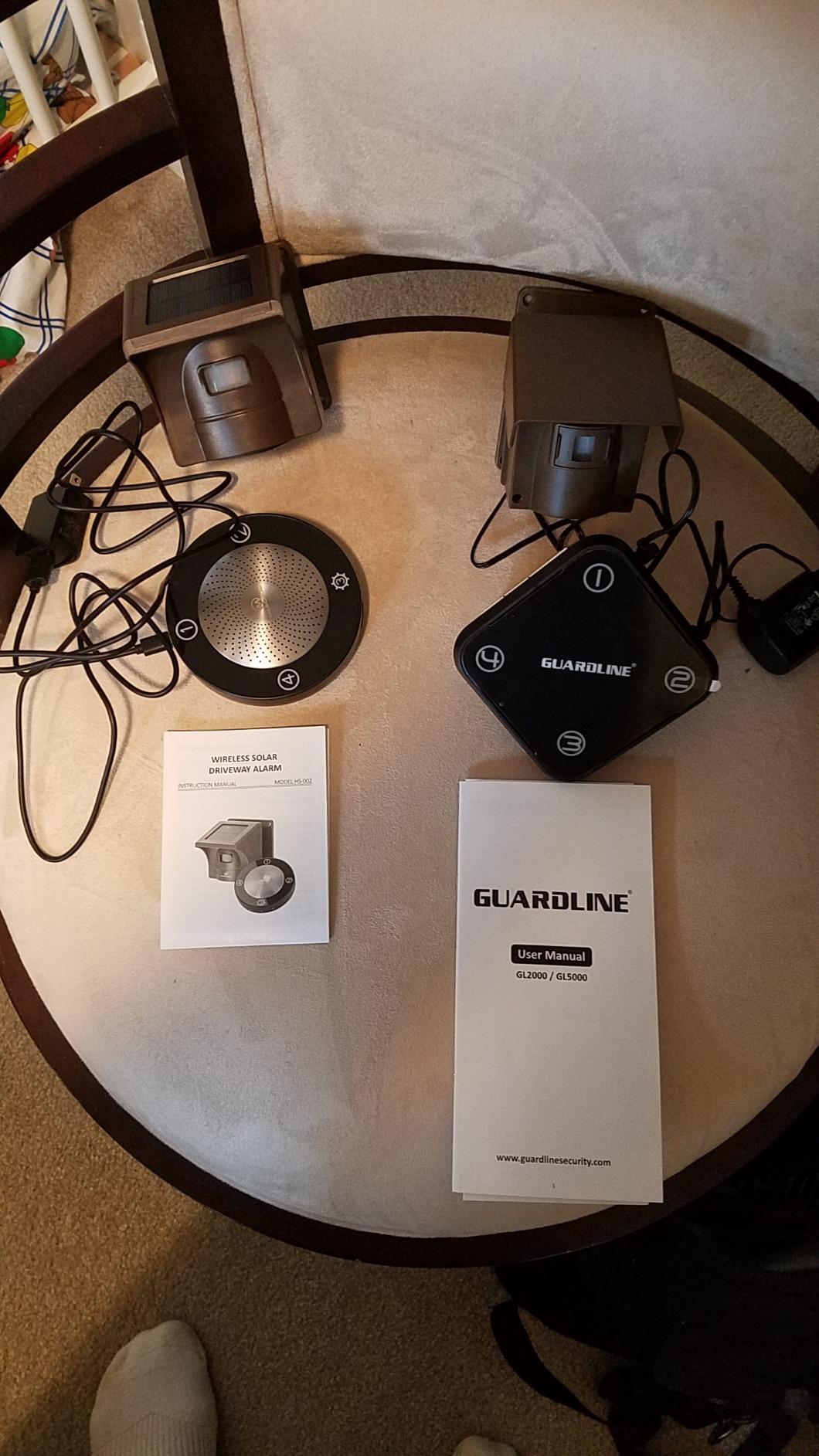
Sixty-four sensors per receiver is the highest expansion ceiling here, which matters on farms and gated properties where you might end up watching a shop lane, a barn and a gate. Chimes can be assigned per sensor, so a tone from the far gate is distinguishable from the one at the house.
The honest limitation is detection width. Thirty feet on High, twenty on Low, is narrower than the HTZSAFE kit and noticeably narrower than the seventy-foot option on the HTZSAFE solar unit below. That is fine on a narrow single-lane drive and frustrating on a wide farm entrance with room for a vehicle to pass well off-axis.
Who this suits
Anyone with a long, exposed drive who does not want to walk out to the sensor twice a year, and who wants to add many zones later without worrying about a ceiling. It also suits people who would rather not set up an account or connect anything to a phone.
Who should skip it
Skip it if the entrance is wide or the vehicle can pass several yards off centre, because thirty feet of coverage is easy to miss. Skip it if you want phone notifications, since this specific model has no app at all.
3. Wuloo Solar 1800 ft Two-Sensor Kit: Best Receiver With Built-In Clock and Alarm
Solar Driveway Alarm Wireless Outside 1800ft Range, Outdoor Motion Sensor & Detector Driveway Alert System with Rechargeable Battery/Weatherproof/Mute Mode(1&2-Brown)
1,760 ft real-world range
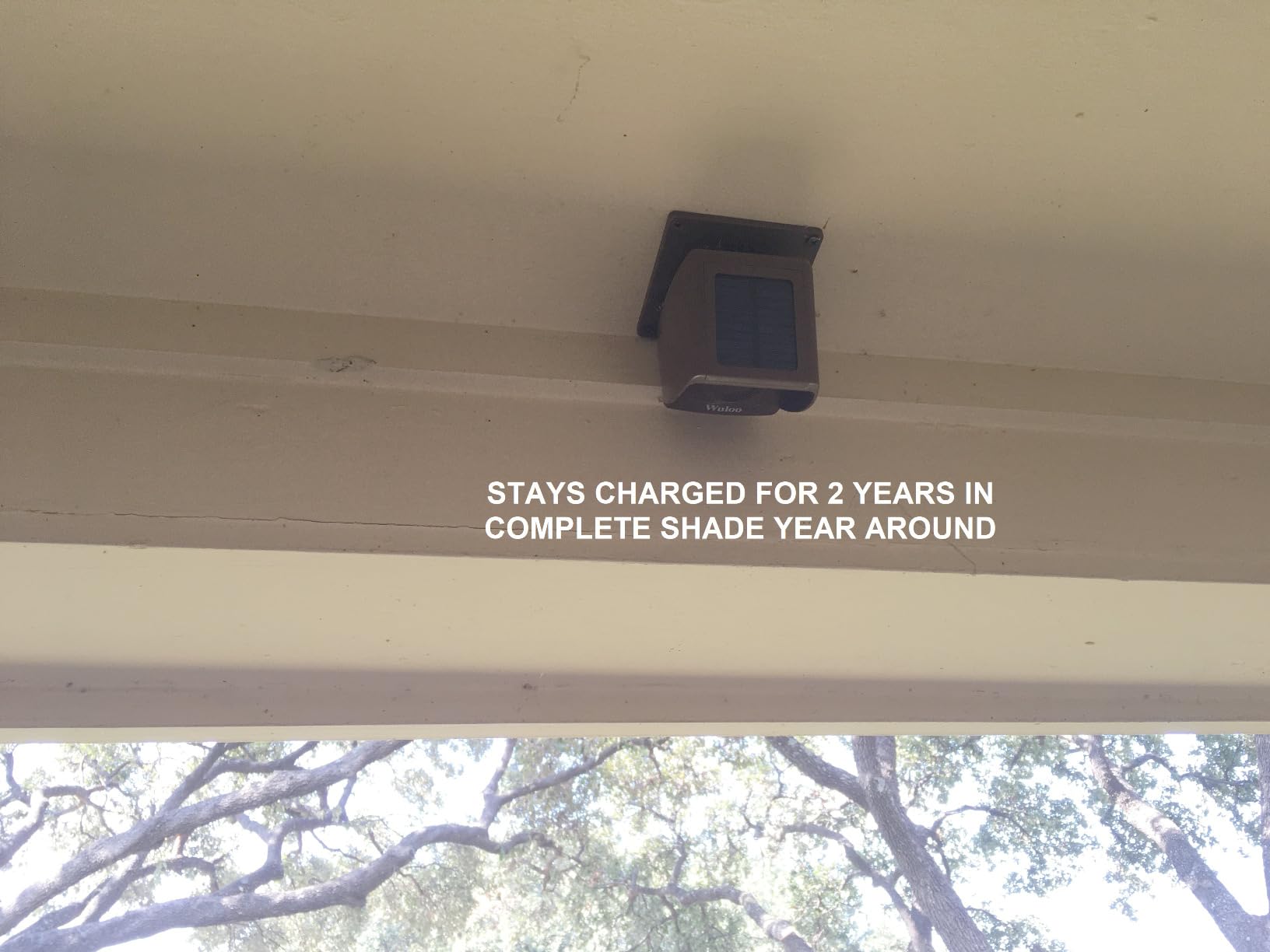
Solar, 24-month charge
Doubles as clock and alarm
8 sensors
Pros
- Real 1760 ft reach verified through trees and buildings
- Rechargeable solar battery lasting up to 24 months
- Receiver doubles as a bedside clock and alarm
- Weatherproof sensor handles rain and snow
- Two sensors in the box
Cons
- Shorter reach than the half-mile kits
- Listed 30 ft range spec actually refers to detection width
- Limited chime options versus 35-melody rivals
This is the one to look at if the receiver is going to live on a nightstand. Owners mention over and over that the receiver doubles as a clock and alarm, so you get the driveway alert and the morning wake-up from the same box, which sounds minor until you are trying to keep one device per room down to a minimum.
The range claim is the honest one. Wuloo states 1,760 feet, which is a third of a mile, and describes it as tested in real conditions rather than an open-field figure. Two sensors and a receiver are in the box, and both sensors are solar with a rechargeable lithium cell that the manufacturer claims runs up to 24 months on a full charge.
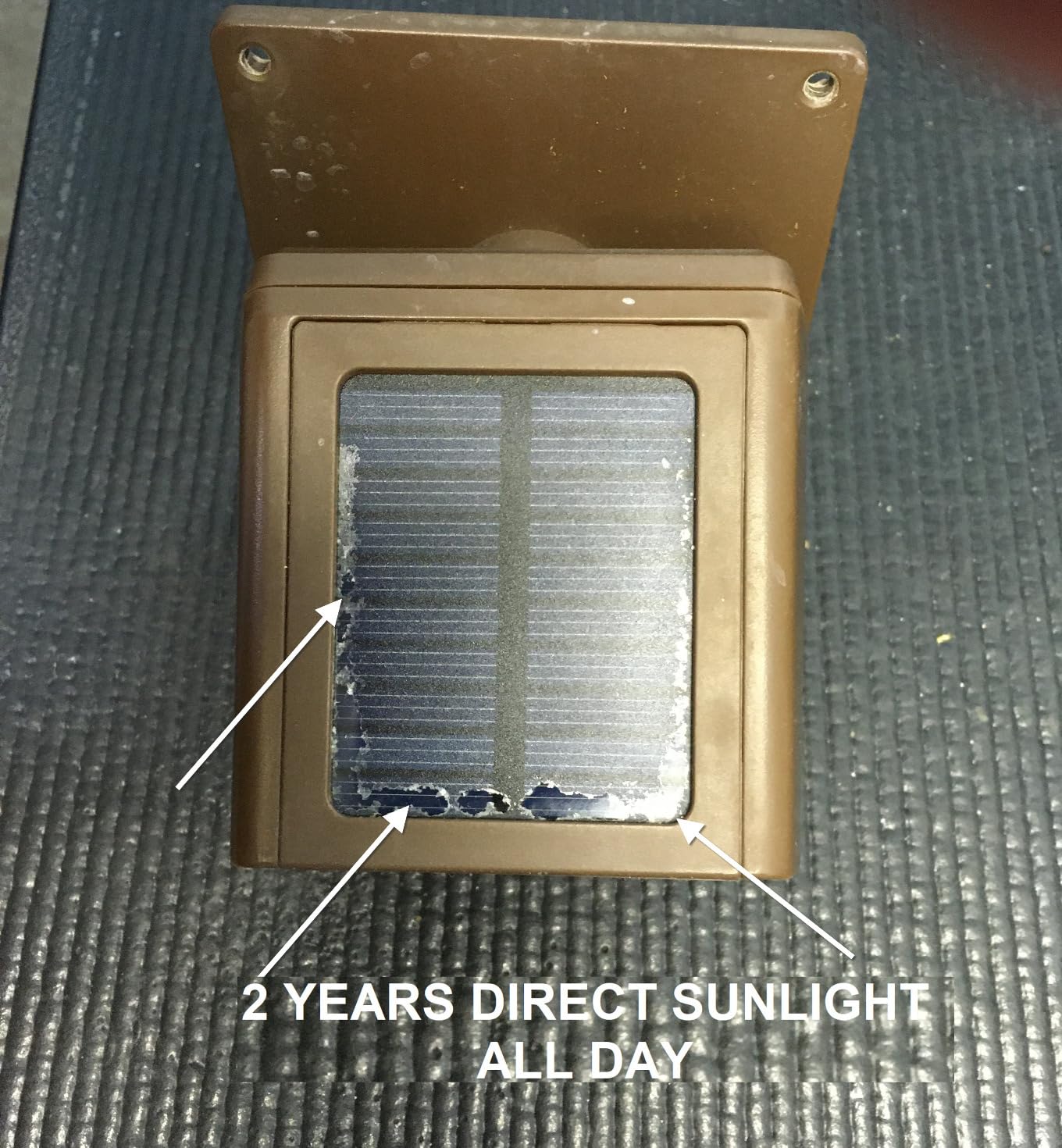
On our drive the 1,760 ft figure felt honest. It reached reliably through the pine row, and where the heavier kits had a comfortable margin at the far end, this one worked but did not have much to spare. If your receiver sits at the far end of a long house, position matters more here than on the half-mile kits.
Two things trip people up. The listing shows a maximum range of 30 feet, which refers to the motion detection width and not the transmission distance, and it takes a phone call to a support line to discover that. Chime selection is also limited compared with the 35 melodies the HTZSAFE kits offer, so zone identification is cruder.
Who this suits
A household whose driveway lands in the middle of the 400 to 1,800 ft band, especially anyone who wants the receiver to double as a bedside clock. Two sensors in one box is a good deal for a property with a drive and a side gate.
Who should skip it
Skip it if the receiver is more than about 1,500 feet from the sensor with trees in between. Also skip it if you want a different melody for every zone, or if a 30-foot detection width is too narrow for your entrance.
4. TECKNET Non-APP Solar RGB Alarm: Best Signal Through Walls and Hills
TECKNET Non-APP Solar RGB Wireless Driveway Alarm
2,600 ft transmission
IPX5 -15C to 50C
Solar with cloudy top-up
36 melodies, 4 zones
Pros
- Signal holds at 700-1200 ft through concrete
- hills and tree cover
- Sliding lens panels narrow the field to cut false alarms
- RGB flashing LEDs show which zone triggered
- Receiver runs on AA batteries so you can carry it
- Solar keeps charging through overcast weather
Cons
- Blue sensor LED announces that motion was detected
- No latching indicator that stays on until cleared
- Melodies run 3-5 seconds
At 4.5 stars across 1,626 reviews, this is the highest-rated system in the group and the one that impressed us most on raw signal. The consistent theme in the reviews is that the link holds at 700 to 1,200 feet through concrete walls, hills and heavy tree cover, which is exactly the situation on a long driveway with outbuildings in the way.
The sliding lens panels are the feature other brands cannot copy. Instead of only rotating the bracket, you physically narrow the detection field by sliding panels over the lens, which is a much more direct way to keep the sensor pointed at the drive and off the surrounding grass. Two sensitivity levels sit behind that, at 16 feet on Low and 33 on High.
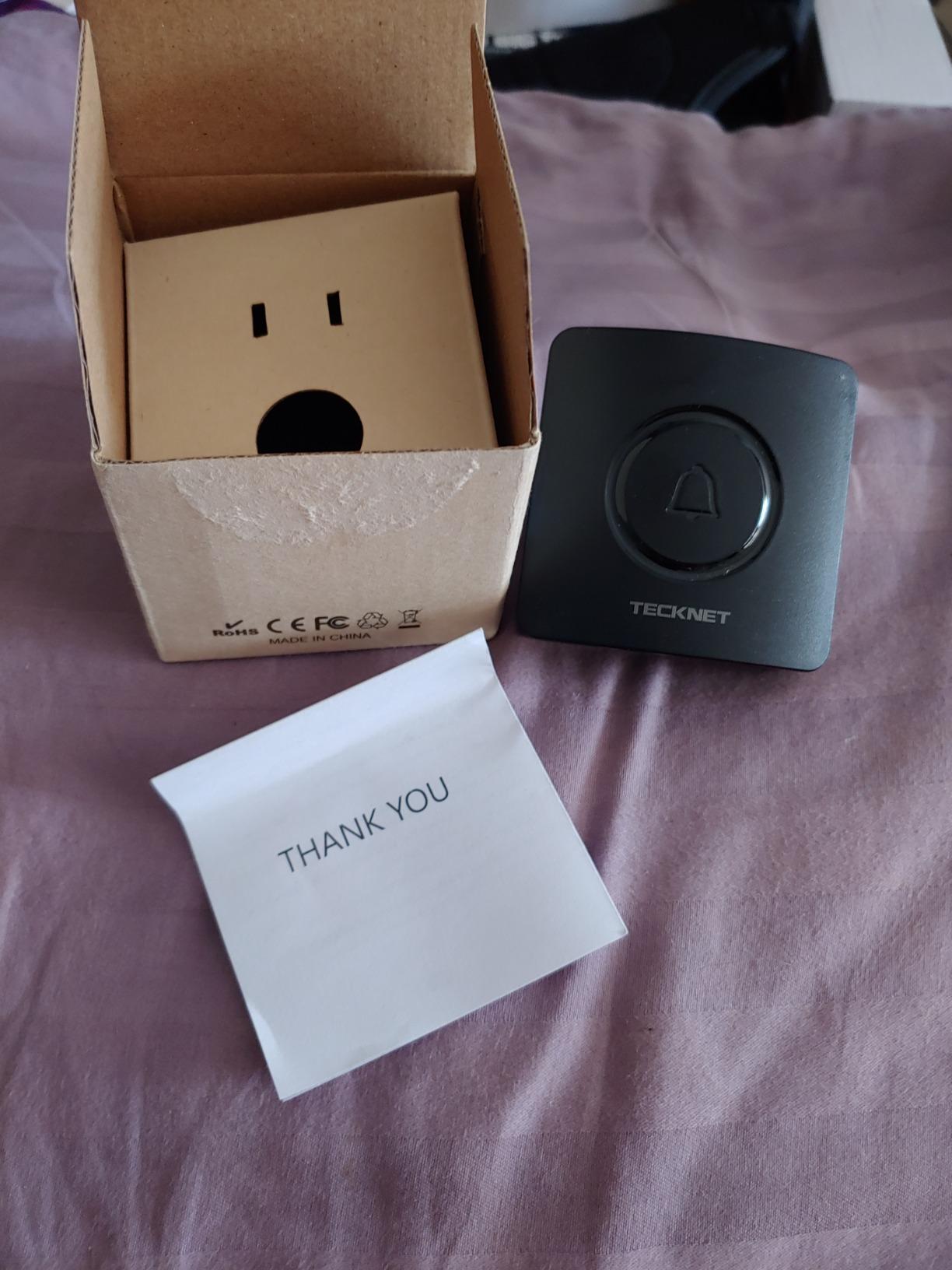
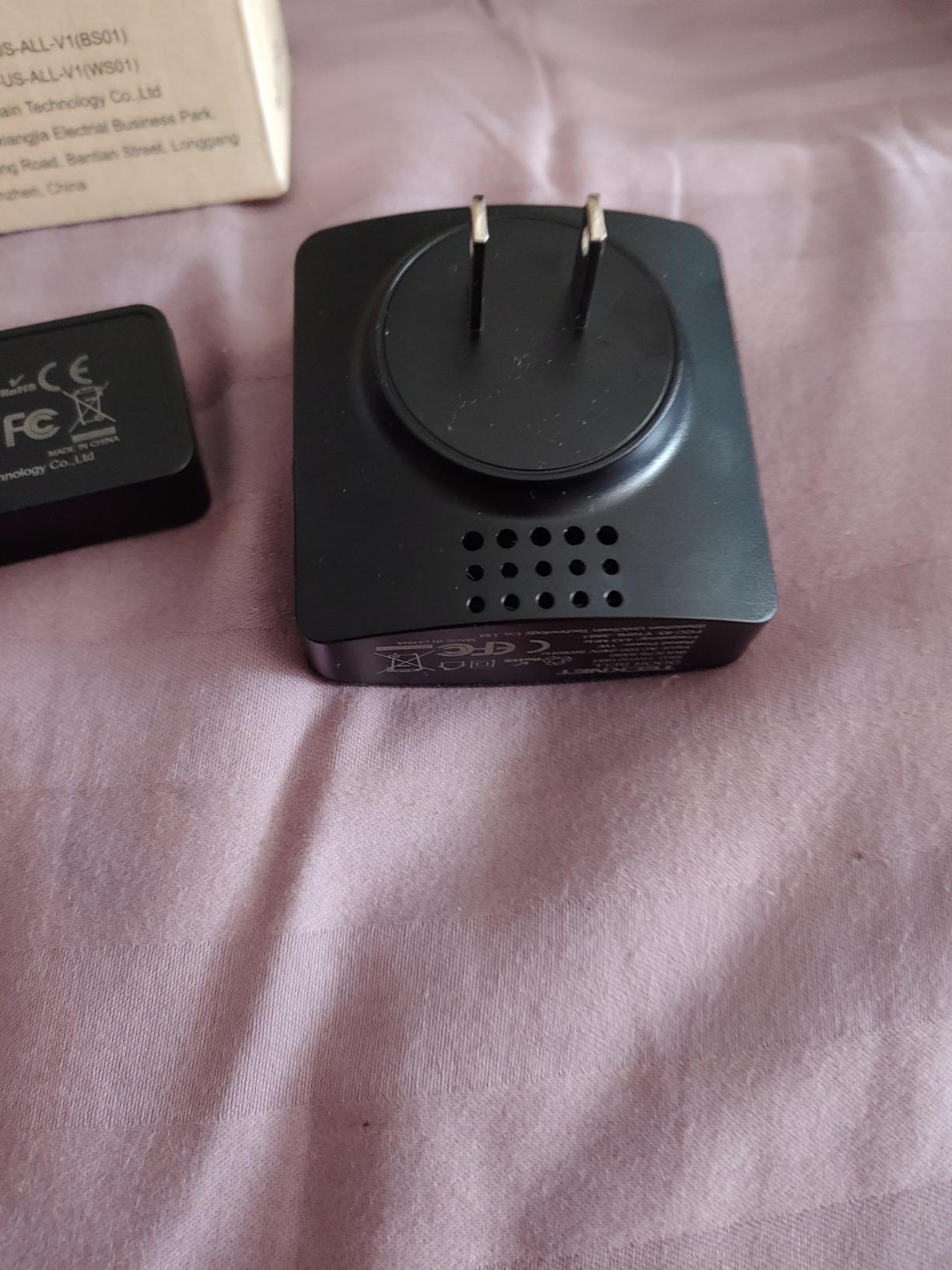
The receiver is the more unusual part. It runs on AA batteries rather than a wall outlet, so you can carry it to the workshop, the upstairs landing or anywhere else in the property, and four separate alert zones with 36 melodies mean you can tell which sensor fired without looking. The RGB LEDs give a visual indication for people who are deaf or in a noisy shop.
Two problems are worth planning around. The blue status LED on the sensor is bright and tells anyone approaching that motion has been detected, which the Chtoocy four-sensor kit solves by letting you disable its sensor light. And the receiver has no latching indicator, so if you miss the flash there is no record that anything happened at all.
Who this suits
Owners with a wooded or hilly drive where the sensor and receiver are separated by buildings, and anyone who wants to move the receiver between rooms instead of wiring it in. The sliding lens panels also make it the best of this group for narrow, twisty entrances.
Who should skip it
Skip it if a lit blue LED at the entrance would give away your detection, or if you need a record of events after the fact. A receiver with no latching indicator is frustrating on a property where you are often away from home.
5. Dakota Alert DCMA-4K Plus: Best for One-Mile Driveways
Dakota Alert Wireless Driveway Alarm DCMA-4K Plus 1-Mile Motion Sensor Kit
1-mile range
Code-learning setup, no wiring
9V battery runs a year
110 dB, 4 volume levels
Pros
- Only kit here with a genuine one-mile transmission range
- Signal reaches the receiver on large obstructed properties
- One 9V battery lasts a year or more
- Four volume levels with a 110 dB peak
- Code-learning pairing needs no wiring
Cons
- 9V batteries need occasional replacement
- Costs more than the half-mile kits
- Listing range spec of 50 ft refers to detection width
If your driveway is longer than half a mile, this is the honest answer in this lineup. Every other kit here stops at 2,640 feet, and Dakota Alert is the only one rated at one mile, which is more than double. Buyers with large acreage and wooded approaches consistently say the extra reach is the deciding factor, and they accept the trade-off knowingly.
Setup uses code-learning technology, so you put the receiver into learn mode and touch a button on the sensor rather than setting dip switches. It is genuinely wiring-free and took us under five minutes. Sixteen sensors work per receiver and receivers are unlimited per sensor, so it scales to a property with more than one entrance.
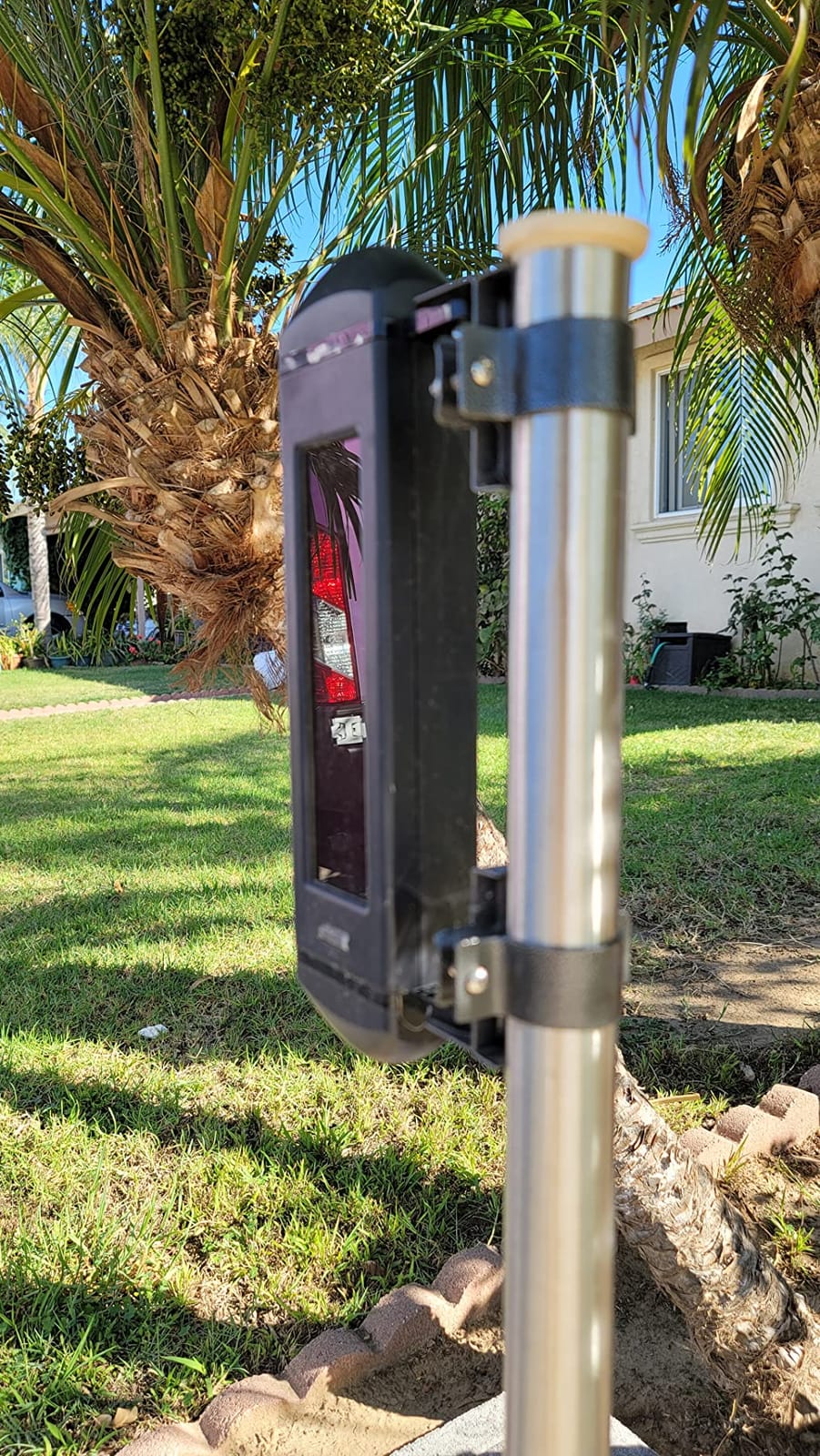
The alert is loud. Four volume levels top out at 110 dB, which is plenty to wake someone in a deep room or cover a shop floor. That matters more than it sounds on a long drive, because the whole benefit is that you hear it from anywhere in the house.
Two cautions. The sensor runs on a single 9V battery, so expect to make the walk out once a year, which is the one chore the solar kits above exist to remove. The listing also shows a 50-foot maximum range, and that number is the PIR detection width, not the transmission distance, a labelling quirk shared by several kits here.
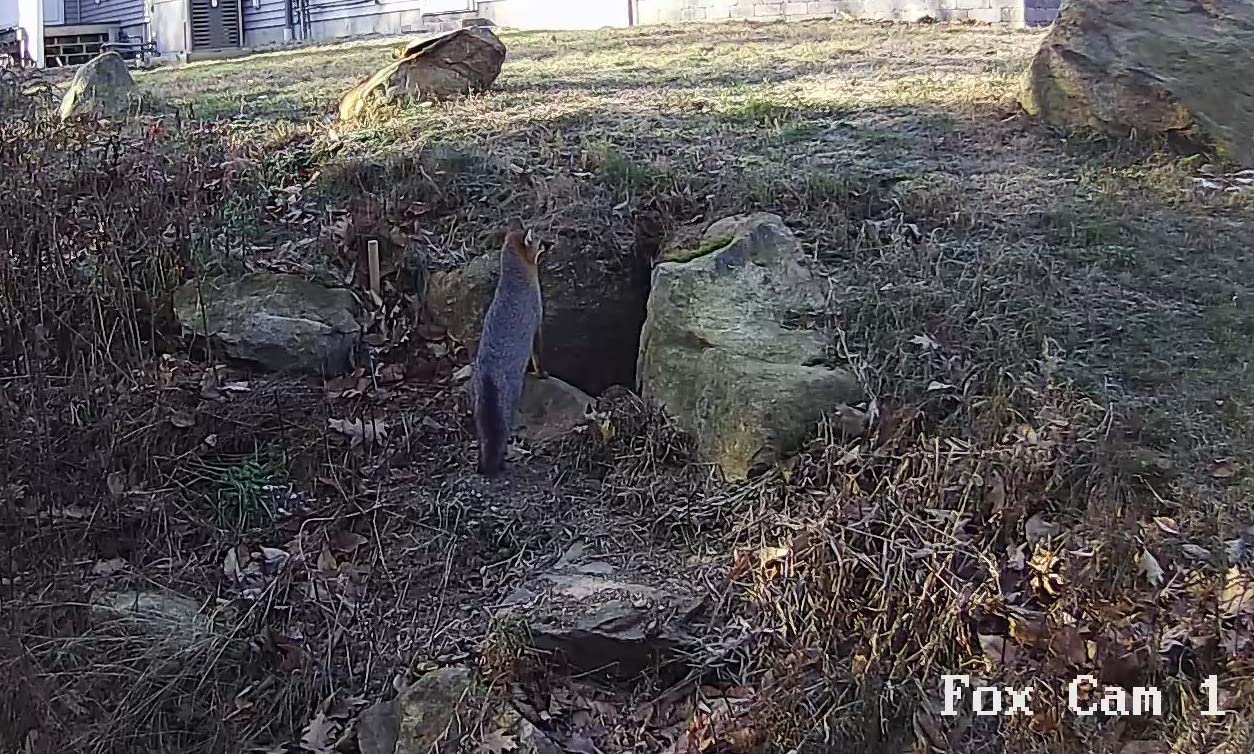
Who this suits
Anyone with a drive over 2,640 feet, a long private road, or an acreage property where trees and outbuildings mean the effective range of a half-mile kit would fall short. It also suits people who need a genuinely loud alert in a workshop or barn.
Who should skip it
Skip it if your drive is comfortably under half a mile, because the extra reach is money and battery changes you will never need. Skip it if making a yearly walk out to the entrance is the thing you most want to avoid.
6. HTZSAFE Solar 1/2 Mile Kit: Best for Spoken Zone Tones and Power Outages
HTZSAFE Solar Driveway Alarm 1/2 Mile Long Range – 1 Receiver + 1 Sensor
2,640 ft range
70-ft detection on High
Receiver has backup battery
35 melodies, 5 volumes
Pros
- Spoken tones name the driveway
- door
- yard and garage
- RX backup battery keeps alerts going during an outage
- Ball-and-socket mount makes precise aiming easy
- Two solar panels hold charge better than one
- Discreet birdhouse shape suits landscaping
Cons
- Receiver forgets tone and volume settings when switched off
- Speaker sounds tinny and many melodies are unpleasant
- Solar sensor needs frequent recharge in shade
This is the only kit here that announces zones out loud. Instead of a tone that might be the driveway or might be the side gate, the receiver says the zone, and owners list the driveway, front door, backyard and garage as separately assignable. On a property with several entrances that removes almost all guesswork.
The other standout is the receiver. It has a built-in rechargeable battery, which means two things: it keeps alerting through a power cut, and you can unplug it and carry it to another room while still receiving. For anyone who works from a shop or a garden office at the far end of the property, that is a genuinely useful feature no other kit in this group offers.
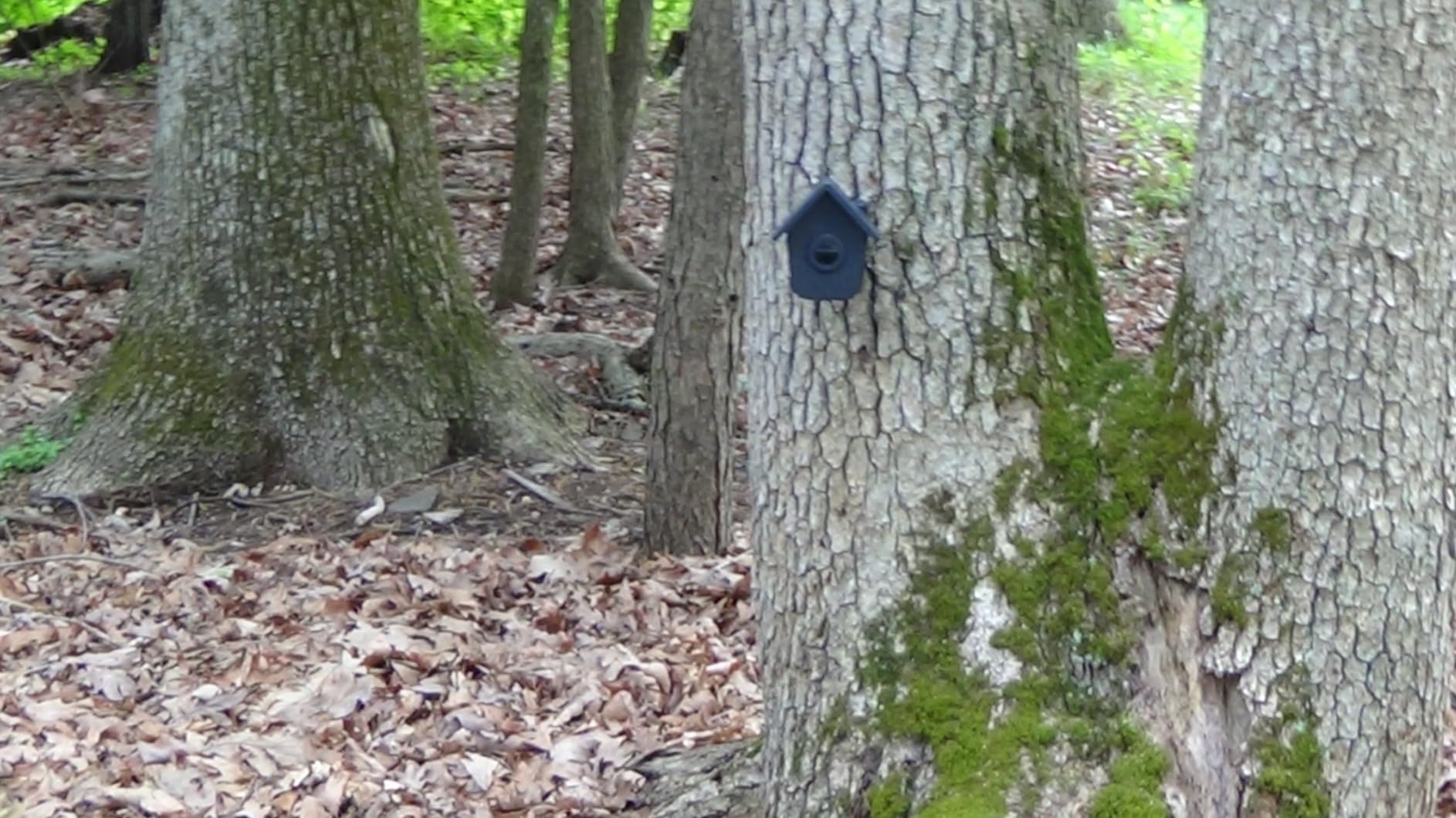
Detection is the widest of the battery-powered group at 70 feet on High, with Medium at 50 and Low at 25. The ball-and-socket mount is a better aiming solution than a fixed bracket, and the two solar panels hold charge more reliably than single-panel kits when the sensor gets a few hours of direct sun.
The complaints are consistent and mostly cosmetic. The speaker is thin, many of the 35 melodies are unpleasant, and the receiver loses its tone and volume settings if you switch it off. The solar side also needs an unshaded position, since a sensor under tree cover drains faster than the marketing suggests.
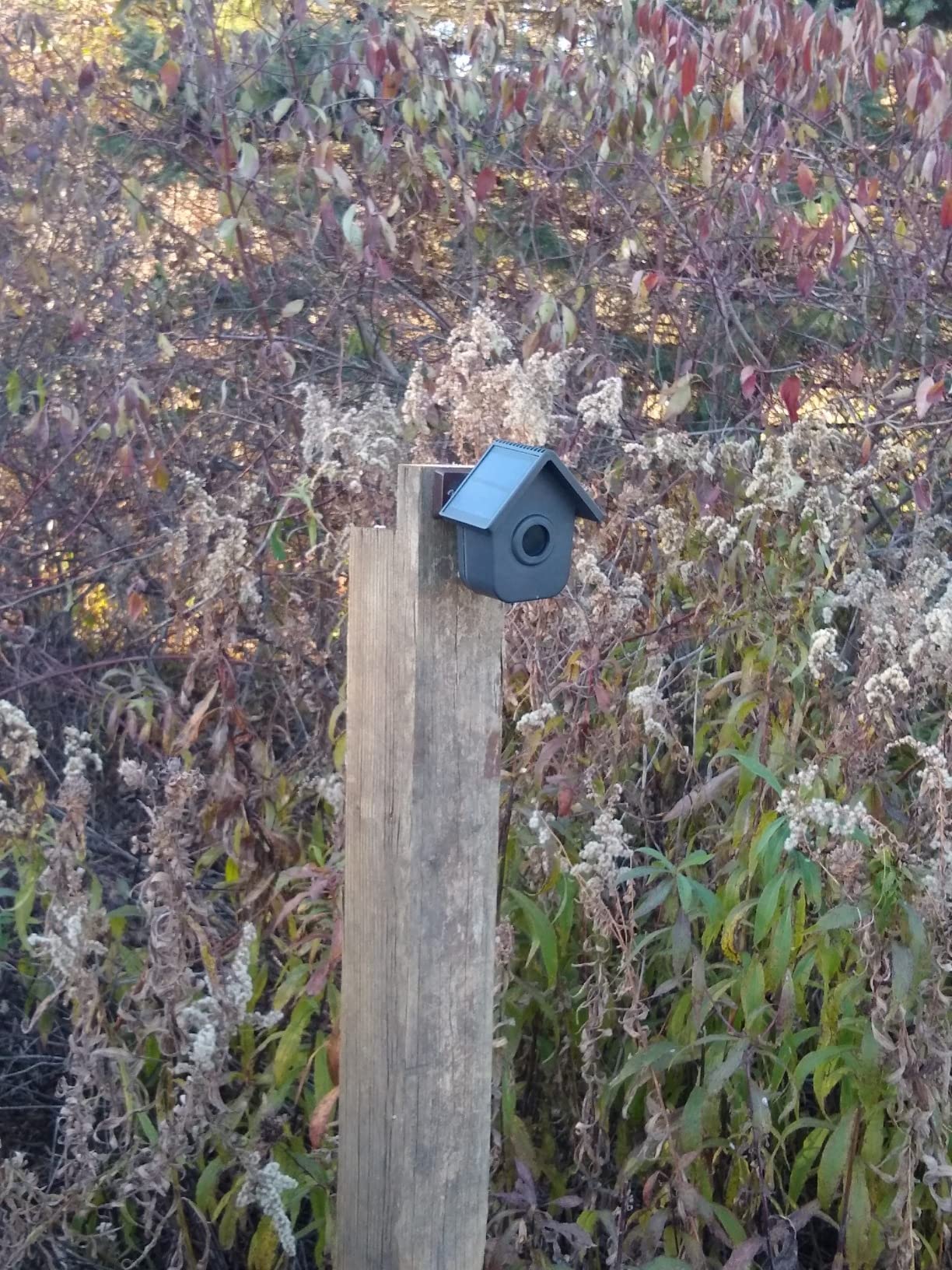
Who this suits
Households with two or three monitored entrances who want to know which one triggered without checking a display, and anyone who needs the receiver to keep working through a power outage or travel between rooms. The 70-foot detection width also makes it the widest-coverage battery kit here.
Who should skip it
Skip it if sound quality matters to you, since the speaker is the weakest part and there is no volume or tone memory after a power cycle. Also skip it if the only mounting spot for the sensor is shaded.
7. eMACROS Pro4 Wi-Fi Solar Alarm: Best App Notifications
eMACROS Pro4 2.4G Wi-Fi Smart Solar Driveway Alarm with App Notifications
2.4GHz Wi-Fi app push
SST PIR cuts pet alerts
2,600 ft range
Base has 3-day backup
Pros
- Instant phone push notifications alongside the indoor alarm
- Range holds through trees and walls on large properties
- Sensor and base both rechargeable
- App makes choosing sounds far easier
- IP65 weatherproof sensor handles rain and heat
Cons
- No cooldown so repeated motion floods you with alerts
- Base battery backup runs well under the stated 3 days
- 2.4GHz Wi-Fi only
This is the only unit in the entire lineup that pushes an alert to a smartphone, and for anyone who is not actually inside the house when a vehicle arrives, that changes what the product is. The others assume you are within earshot of a receiver. This one reaches you wherever you are.
Detection uses SST PIR technology, which the manufacturer describes as tuned to reduce triggers from wind, moving leaves and small pets, and in our testing it behaved like the Low setting on the other kits. Range is 2,600 feet in open areas, and the sensor is IP65 rated for a -4 to 140 degree Fahrenheit operating window.

The indoor base station has its own rechargeable battery, quoted at up to three days of backup during an outage. Reality is kinder to the design than the number is: owners report the backup running well under three days, but the fact that it keeps alerting at all puts it ahead of every other kit here when the power goes.
There is one flaw that appears again and again in the reviews and you should know about before buying. There is no cooldown setting, so a vehicle idling at the end of the drive, or a branch moving in the wind, produces a continuous stream of push notifications. Some people mute the app within a week, which defeats the purpose entirely.
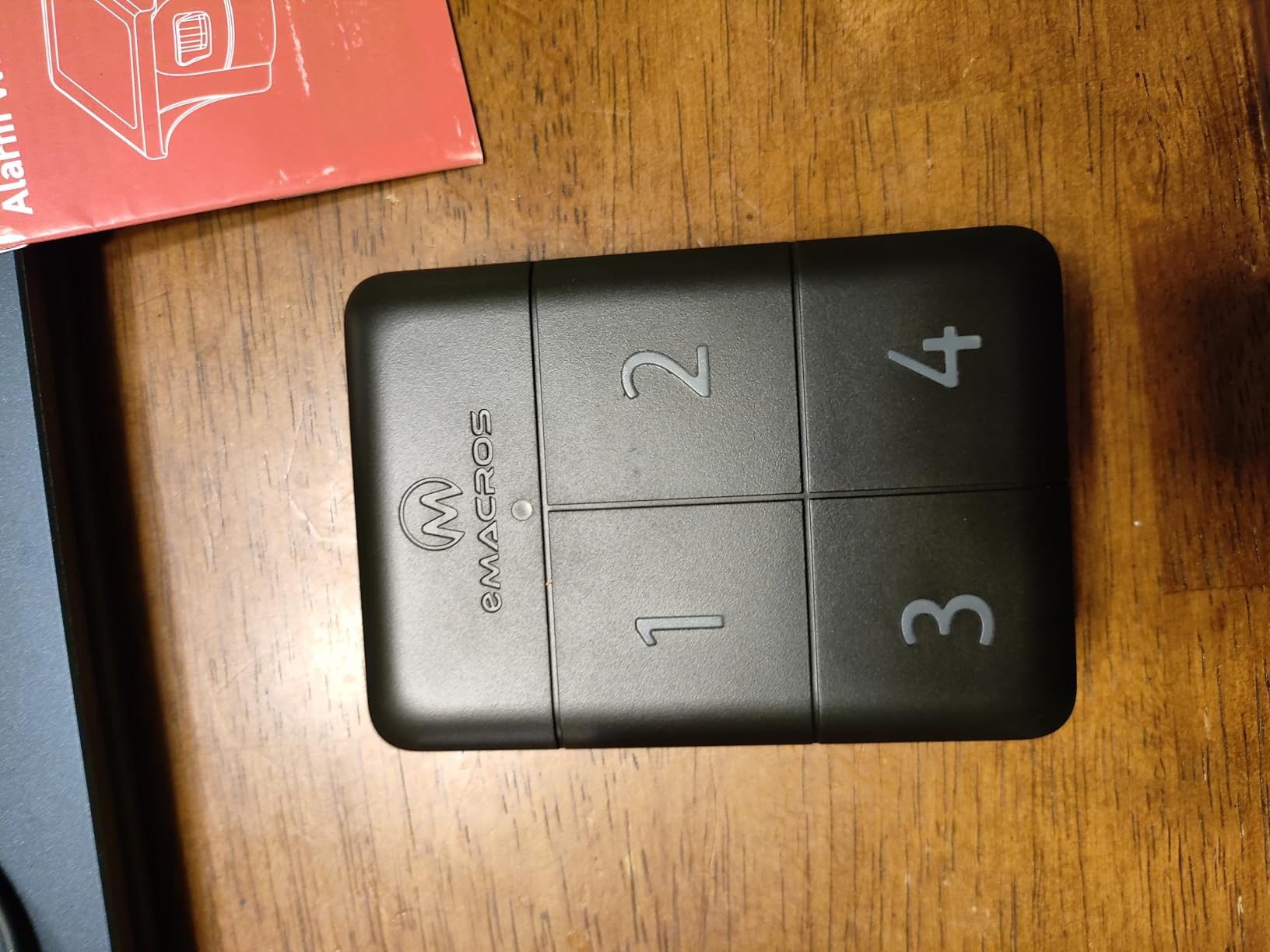
Who this suits
Anyone who wants to know about arrivals while out, or who runs a property and needs to check the drive remotely. It is also the best of this group during a power cut, since the base keeps alerting on its own battery.
Who should skip it
Skip it if your household will tire of repeated notifications, since there is no cooldown to stop the flood. Also skip it if your router is 5GHz only, because this unit connects on 2.4GHz, and note that it detects motion only, with no camera or video.
8. Betterlink 1/2 Mile Solar System: Best for a Loud Outdoor Alert
BetterLink 1/2 Mile Long Range Solar Wireless Driveway Alarm System 1R1S
0.5 mile sensor-receiver range
30-ft PIR detection
IP65 -4F to 140F
120 dB sound and light
Pros
- Holds signal through thick forest at 400 ft with no line of sight
- Loud 120 dB alert that startles anyone at the entrance
- Sensitivity ignores house cats but catches vehicles and people
- Receiver tells you when it needs charging
- Two-year warranty with fast replacement
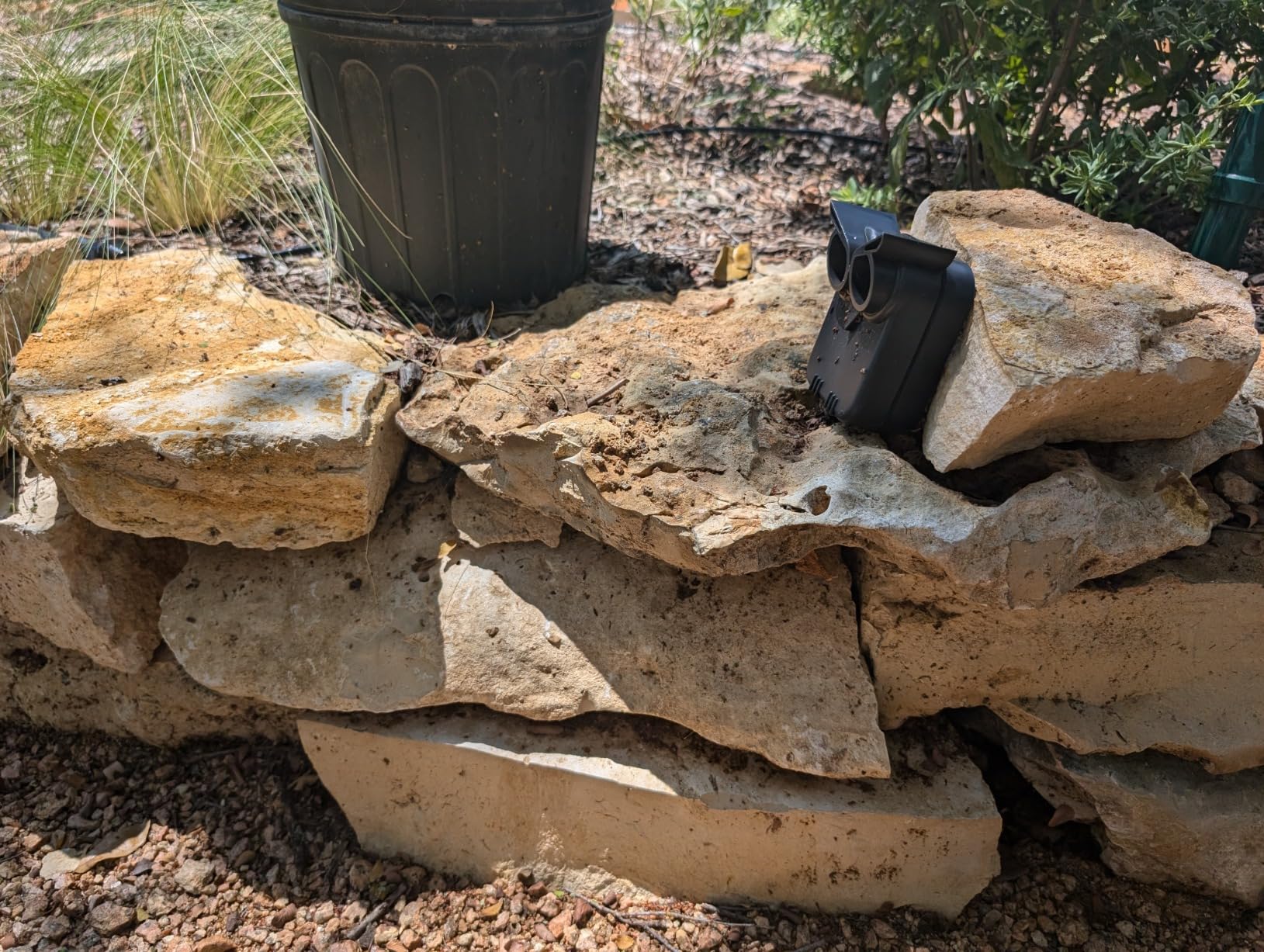
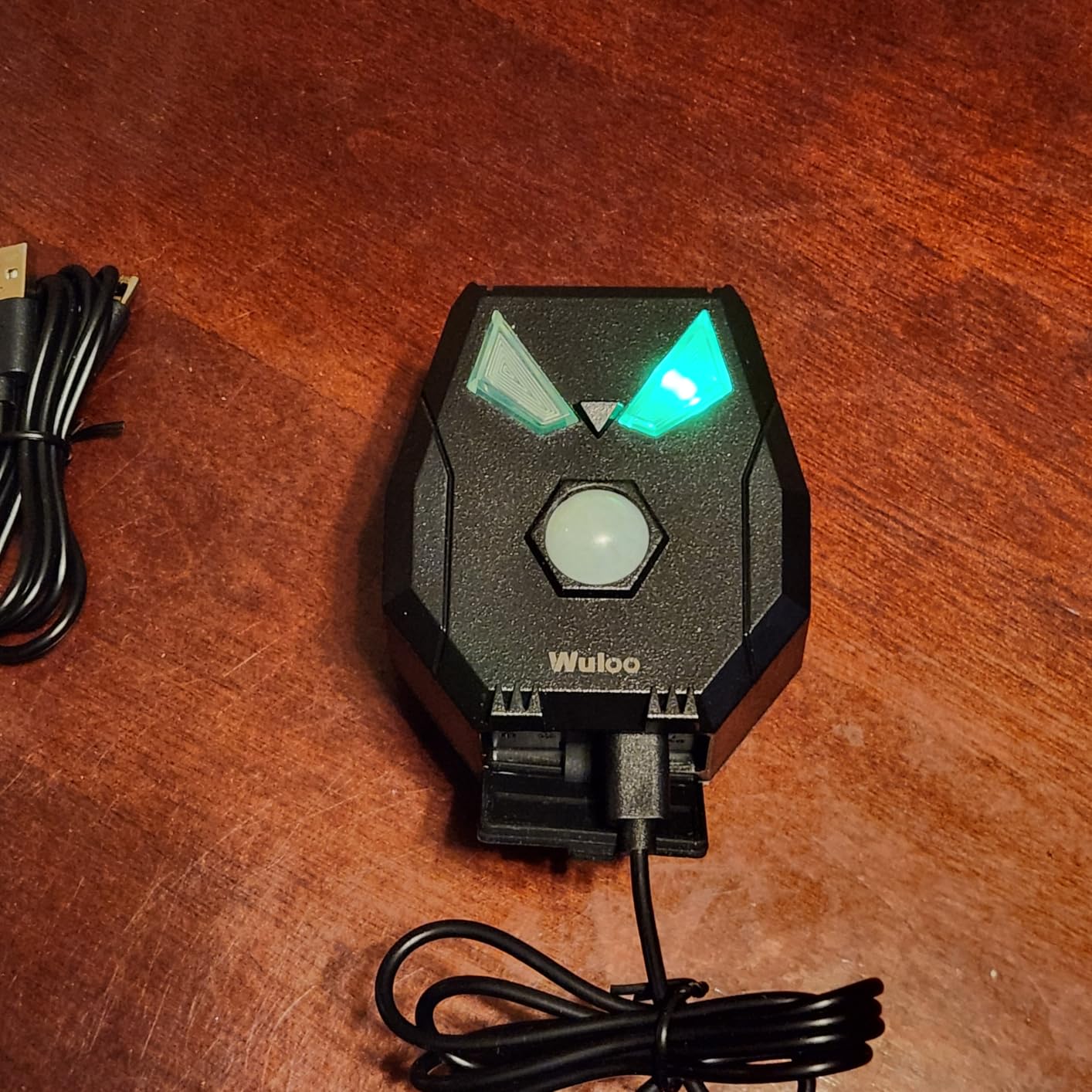
- Owl-shaped sensor doubles as decor
Cons
- Solar panel cannot be tilted independently
- Green receiver light stays lit constantly
- Some units report moisture ingress after two years
At 4.5 stars from 838 reviews this one punches above its weight, and the reason is simple: it is loud on purpose. A 120 dB alert is aimed at the person who just arrived, not just at the homeowner. Several owners describe it as startling enough that anything with four legs crossing the drive scatters as well.
Detection is a 30-foot PIR width, which is narrower than the 50 and 70-foot options elsewhere, but the tuning draws praise for ignoring house cats while still catching vehicles and people. One receiver handles up to 16 sensors, and there are four alert modes including audible only, light only, both, and a mode that works with the receiver as a sounder.
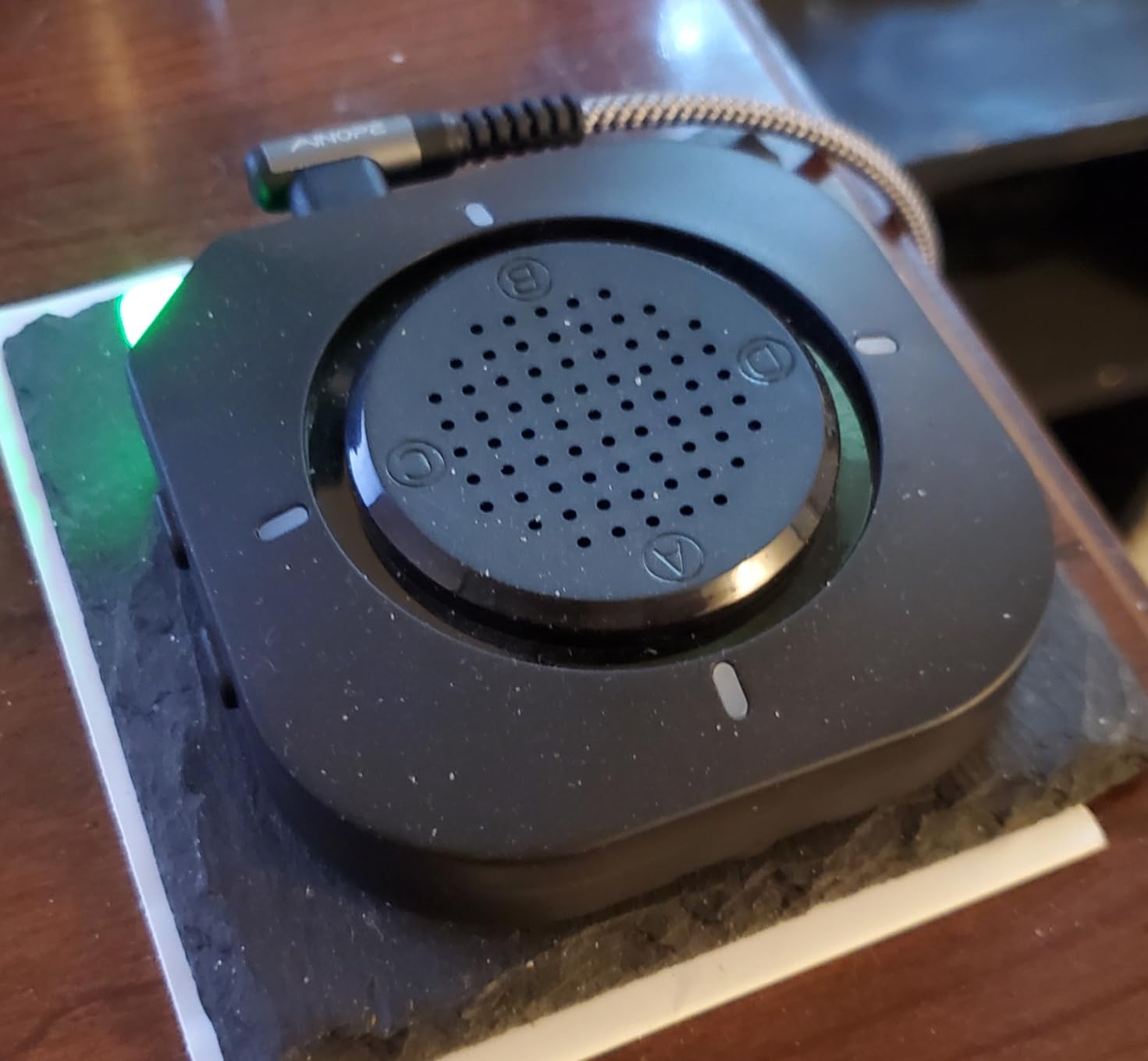
The receiver tells you when it needs charging, which solves a genuine irritation with other rechargeable receivers. The sensor is IP65 rated from -4 to 140 degrees Fahrenheit, and there is a two-year manufacturer warranty that owners mention getting honoured quickly when a unit failed.
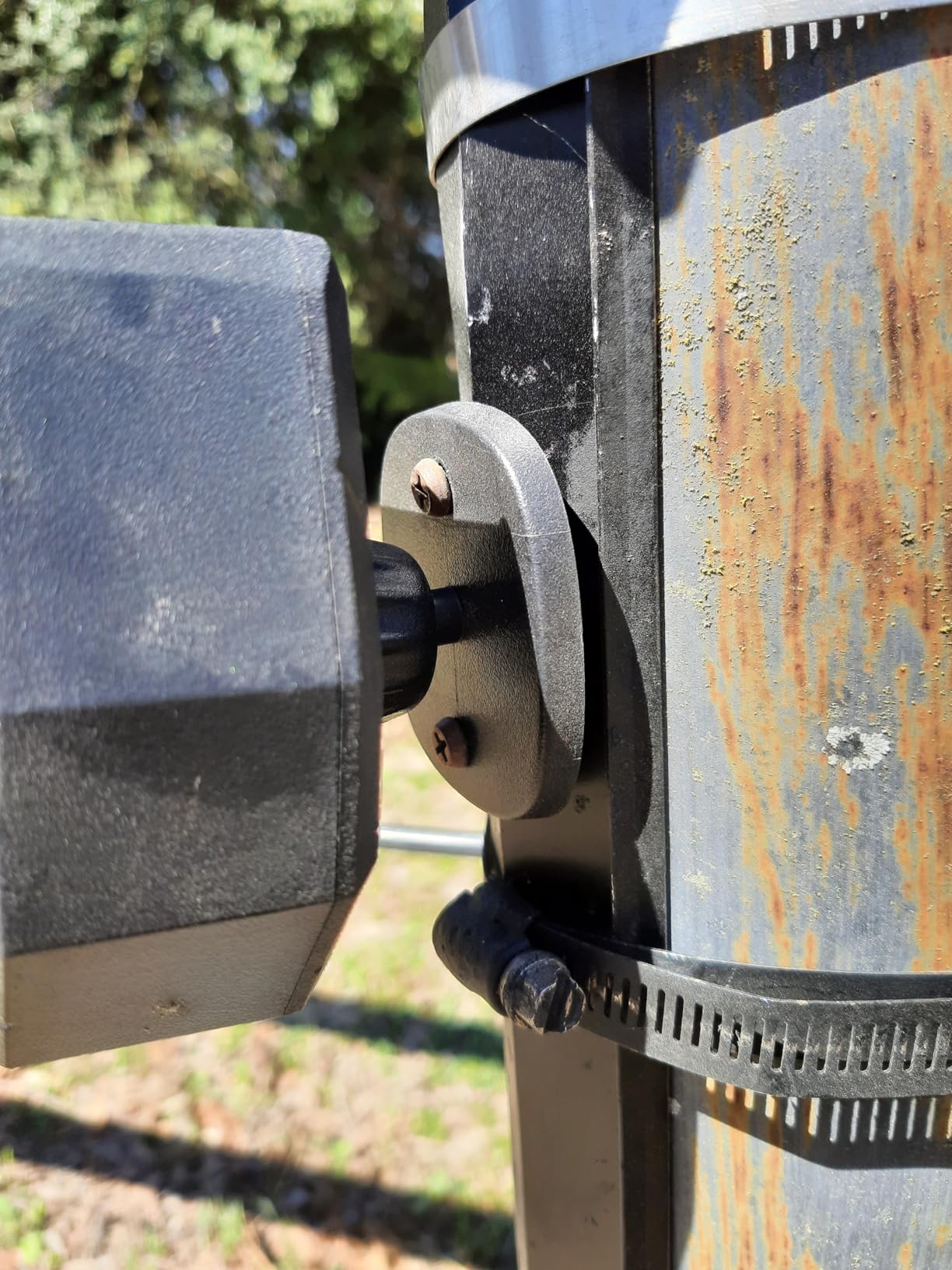
Two design limits are worth knowing. The solar panel cannot be tilted independently of the sensor body, so if the entrance faces away from the sun you aim the whole unit at the cost of detection angle. And a number of owners report water getting in after roughly two years outdoors, so treat the seal as a consumable rather than a permanent feature.
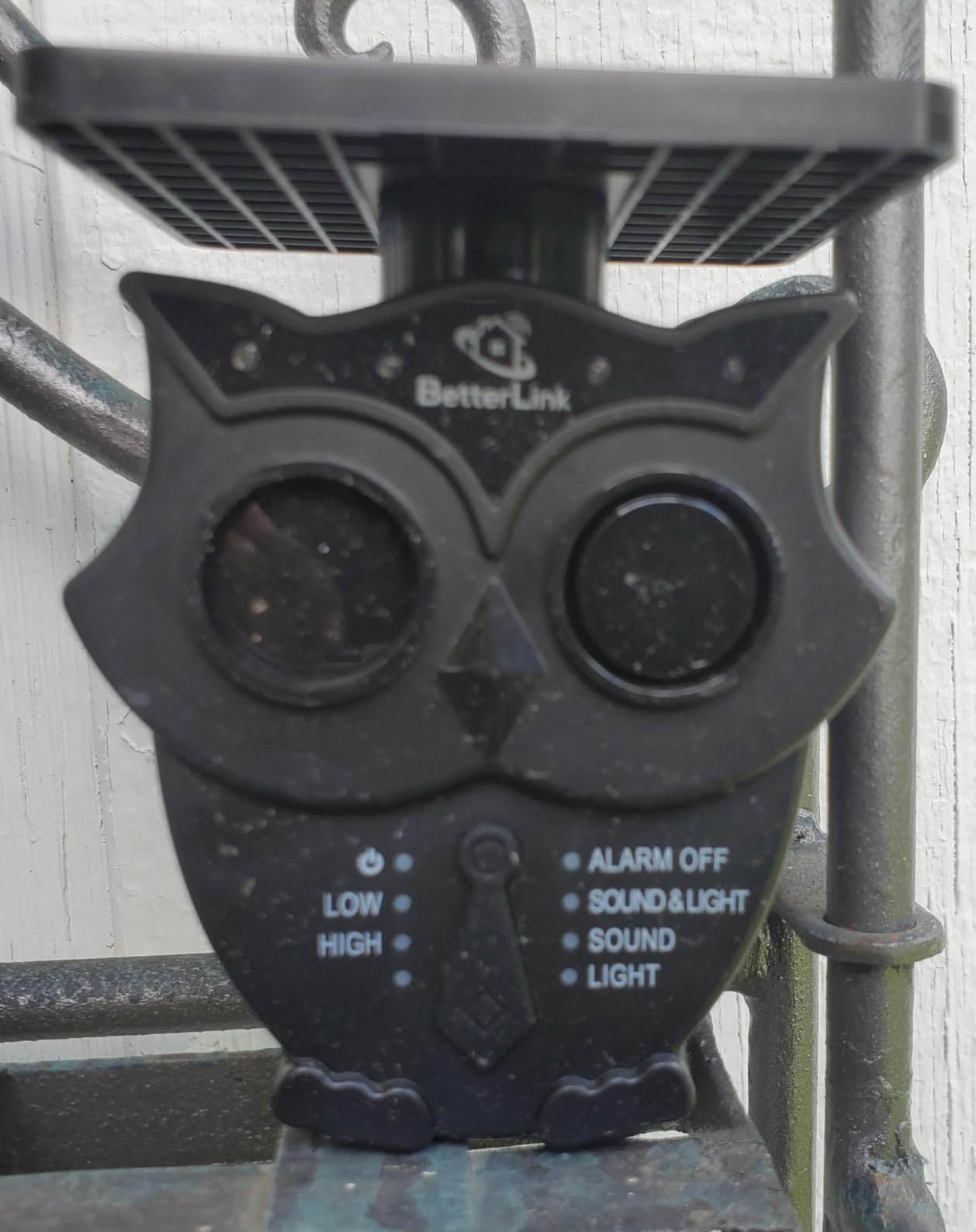
Who this suits
Rural homes, farms and workshops where the goal is to startle anything arriving uninvited and let it be heard outside as well as inside. The 120 dB output and the IP65 rating make it a good fit for properties that are not occupied year round.
Who should skip it
Skip it if the sensor can only be mounted facing away from the sun, since the panel cannot be angled on its own. Also skip it if a permanently lit green receiver light in the bedroom would bother you, or if you need more than 30 feet of detection width.
9. HOSMART 1/2 Mile Four-Sensor Kit: Best Multi-Zone Coverage
1/2 Mile Hosmart Driveway Alarm Wireless Outdoor Motion Sensor System | Driveway Sensor Alert System Weatherproof Security Sensor & Detector Protect Outdoor/Indoor Property
1 receiver plus 4 sensors
1,500 ft typical range
High 30 ft / Low 15 ft switch
Operates to -38C
Pros
- Four sensors and a base in a single kit
- Four distinct channels with unique chimes
- Real-world range around 1500 ft through trees and walls
- Dependable in extreme cold down to -38C
- Two-year warranty on parts and workmanship
Cons
- Most expensive single kit in this roundup
- No on/off switch on the sensors
- Sensors must be unscrewed to recharge
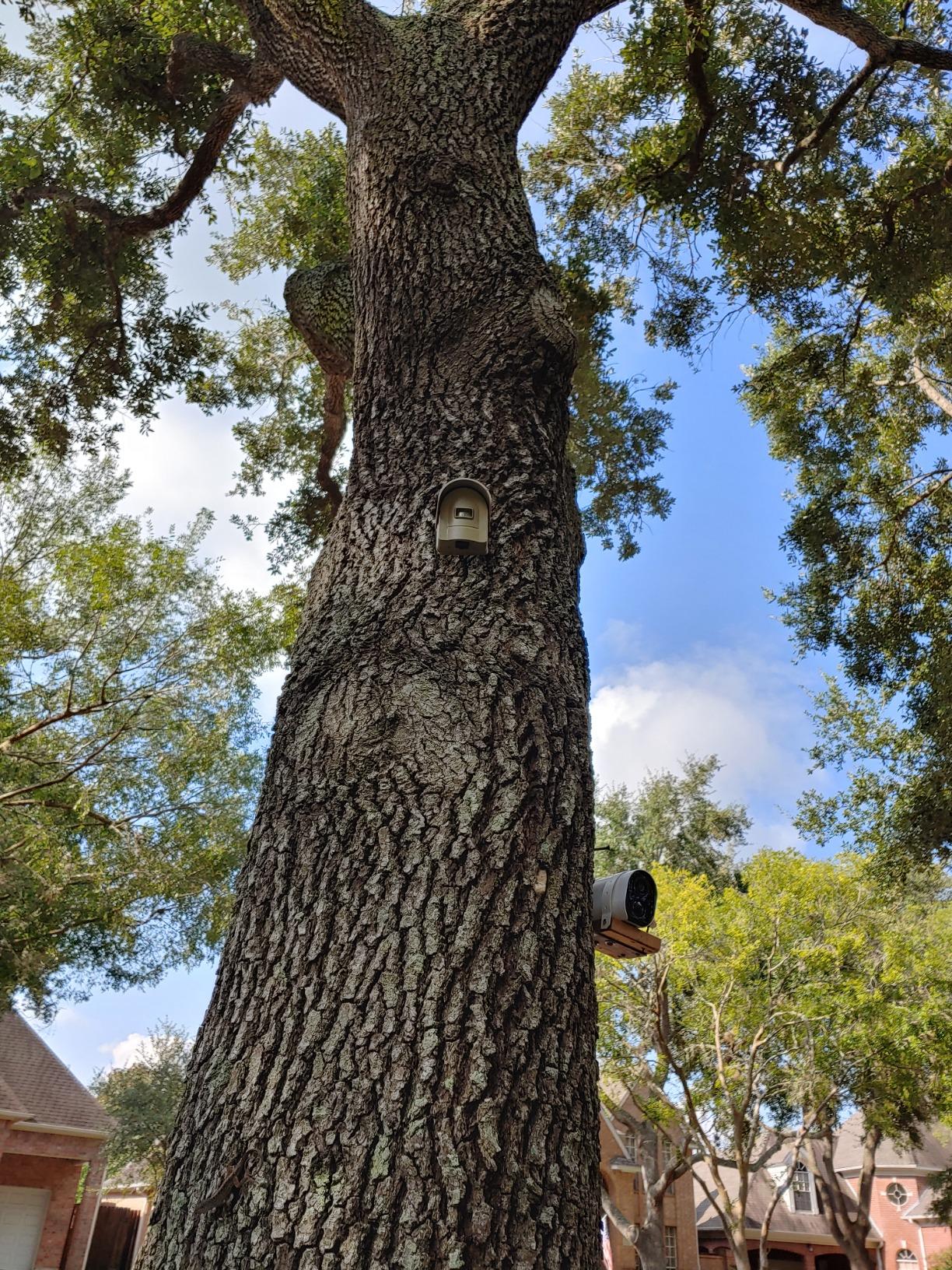
This is the kit to buy when you need to watch more than one place. Four sensors and a base receiver come in one box, and each sensor has its own channel with its own chime, so a tone from the barn is distinguishable from the one at the front gate without any configuration. No other kit in this group gives you four zones as standard.
HOSMART is also honest about range in a way most listings are not. It states 1/2 mile in ideal conditions and about 1,500 feet in typical real-world use, and that second number is the one to plan against. Owners confirm the real figure holds through trees, buildings and multiple walls at 300 feet and beyond.
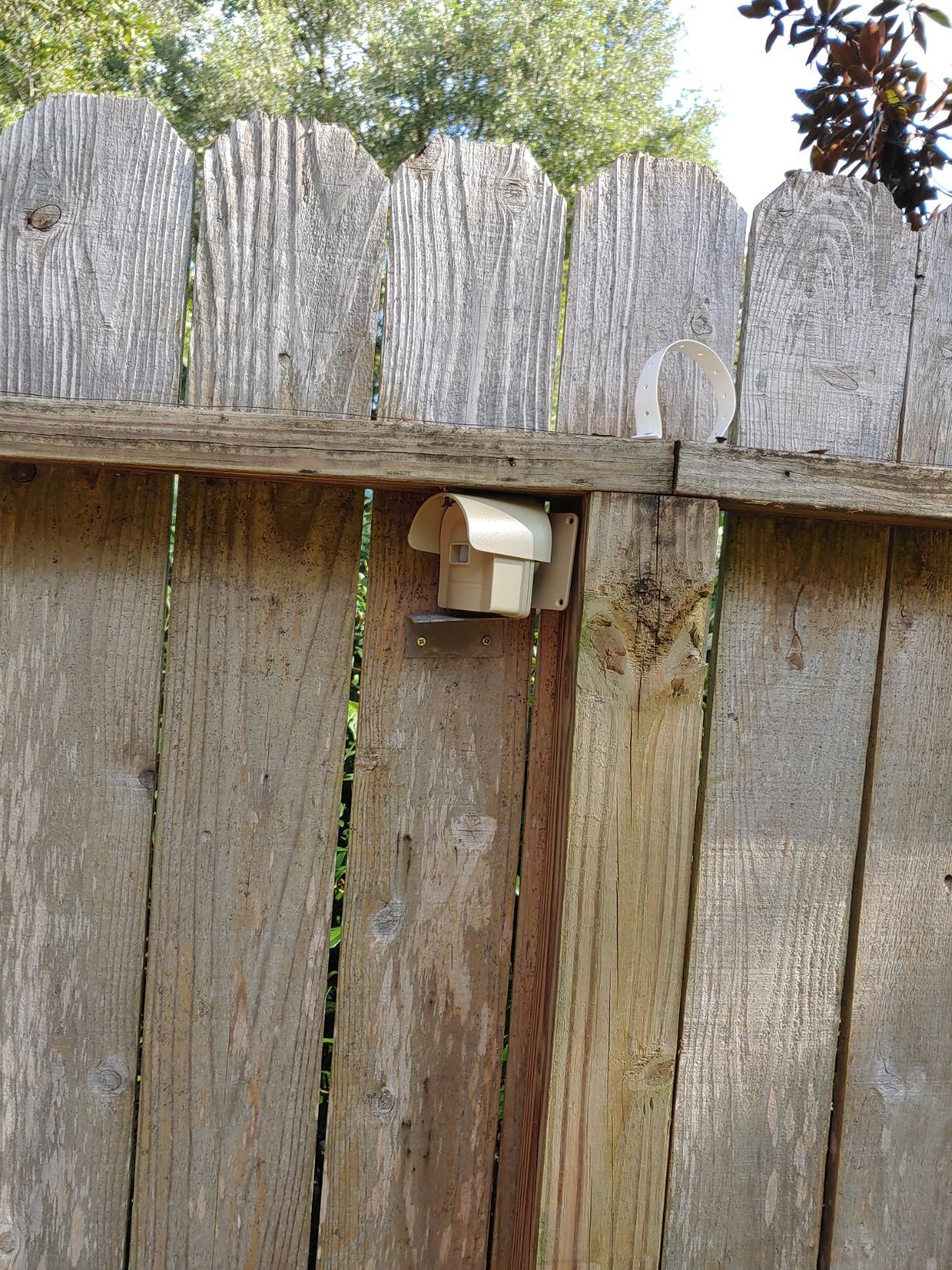
Cold-weather performance is the sleeper feature here. Owners testing in deep winter report dependable operation down to -38 degrees Celsius, which is far beyond the -30 Fahrenheit floor of the HTZSAFE kit and beyond the -20 Celsius rating on several solar units in this roundup. If you are in a snow belt, that is the deciding factor.
The friction points are practical. There is no on/off switch on the sensors, so the only way to silence one is to cover it. The chime is a single two-second sound, which may not reach a heavy sleeper. And sensors have to be unscrewed out of their mounts to recharge.
Who this suits
Anyone watching a large property with a house drive, a shop lane, a barn gate and a back entrance. It is also the pick for cold climates where other sensors reach their low-temperature limit before winter is over.
Who should skip it
Skip it if you only need one entrance, because you would be paying for three sensors you never mount. Also skip it if you plan to add more than four zones later, since four channels is the ceiling rather than a starting point.
10. Wuloo Solar 2000 ft Two-Sensor System: Budget Pick
Solar Wireless Driveway Alarm, Outdoor Motion Sensor Detector Alarms Driveway Alert System 2000ft Long Range with Rechargeable Battery, Outside Weatherproof/Expandable (1 Receiver and 2 sensors)
1,760 ft guaranteed range
1 receiver, 2 solar sensors
24 months per charge
25-ft detection zone
Pros
- Least expensive kit here while still including two sensors
- Two solar sensors and a receiver in the box
- Four sensor work modes with light and sound control
- Per-sensor melody assignment on the receiver
- Weatherproof for rain and snow
Cons
- Weakest rating in the group at 4.0 stars
- Narrowest detection at 25 ft
- 1760 ft reach falls short of the half-mile kits
If the goal is covering a mid-length drive on a limited budget, this two-sensor solar kit does the job and includes more hardware than the single-sensor alternatives. A receiver and two solar sensors with a rechargeable battery rated at up to 24 months on a full charge is a lot of coverage per unit of spend.
Range is guaranteed at 1,760 feet, with the manufacturer noting it travels further in open areas. That puts it in the same band as the Wuloo kit above and well short of the half-mile units, so it works when the receiver is in the main house and the sensor is at a normal suburban-to-rural distance.
Some details are better than they sound. The sensor has four work modes with separate light and sound on and off, and the receiver carries 16 adjustable chimes with per-sensor melody assignment, so you can tell which of the two sensors fired. Volume on the receiver runs four levels including mute.
It also carries the lowest rating in the group at 4.0 stars, with a 15 percent one-star share. The specific complaints cluster around a 25-foot detection zone, which is the narrowest here, and the fact that you can only change volume on the receiver side, not at the sensor.
Who this suits
Budget buyers covering a drive in the 400 to 1,700 ft range who want two zones rather than one. It also suits anyone who wants per-sensor melodies without spending on one of the larger kits.
Who should skip it
Skip it if the entrance is wide, because 25 feet of detection is easy to drive past. Also skip it if you need more than eight sensors eventually or if you want volume control at the sensor end of the run.
11. Chtoocy 1/2 Mile Four-Sensor Kit: Best Weatherproofing at IP67
Chtoocy Wireless Driveway Alarm, 1/2 Long Mile for Outdoor Security
2,640 ft FM transmission
IP67 -20C to 60C
4 sensors plus receiver
Holds 60 seconds
Pros
- IP67 shell is the highest weather rating in this lineup
- Four sensors and a receiver in the box
- Receiver indicator stays lit 60 seconds after a trigger
- Signal held across 300 ft of elevation with heavy tree cover
- Sensor LED can be disabled
- Support resolved a failed receiver
Cons
- All four sensors often share the same ringtone
- Mounts adjust only vertically without disassembly
- Some owners report real reach closer to 500 ft
The IP67 rating is what sets this kit apart. Every other product in this roundup tops out at IP65 or IPX5, which means dust-tight and protected against water jets. IP67 adds temporary immersion, and in practice the shell is noticeably better sealed for a sensor that sits in an open gravel apron through a full winter.
Four sensors and a receiver are included, pre-paired, with room for eight more. The receiver indicator stays lit for 60 seconds after a trigger, which is far longer than the flash on most kits here and gives you time to walk over and see which zone fired. The sensor LED can be switched off, solving the problem that holds back the TECKNET above.
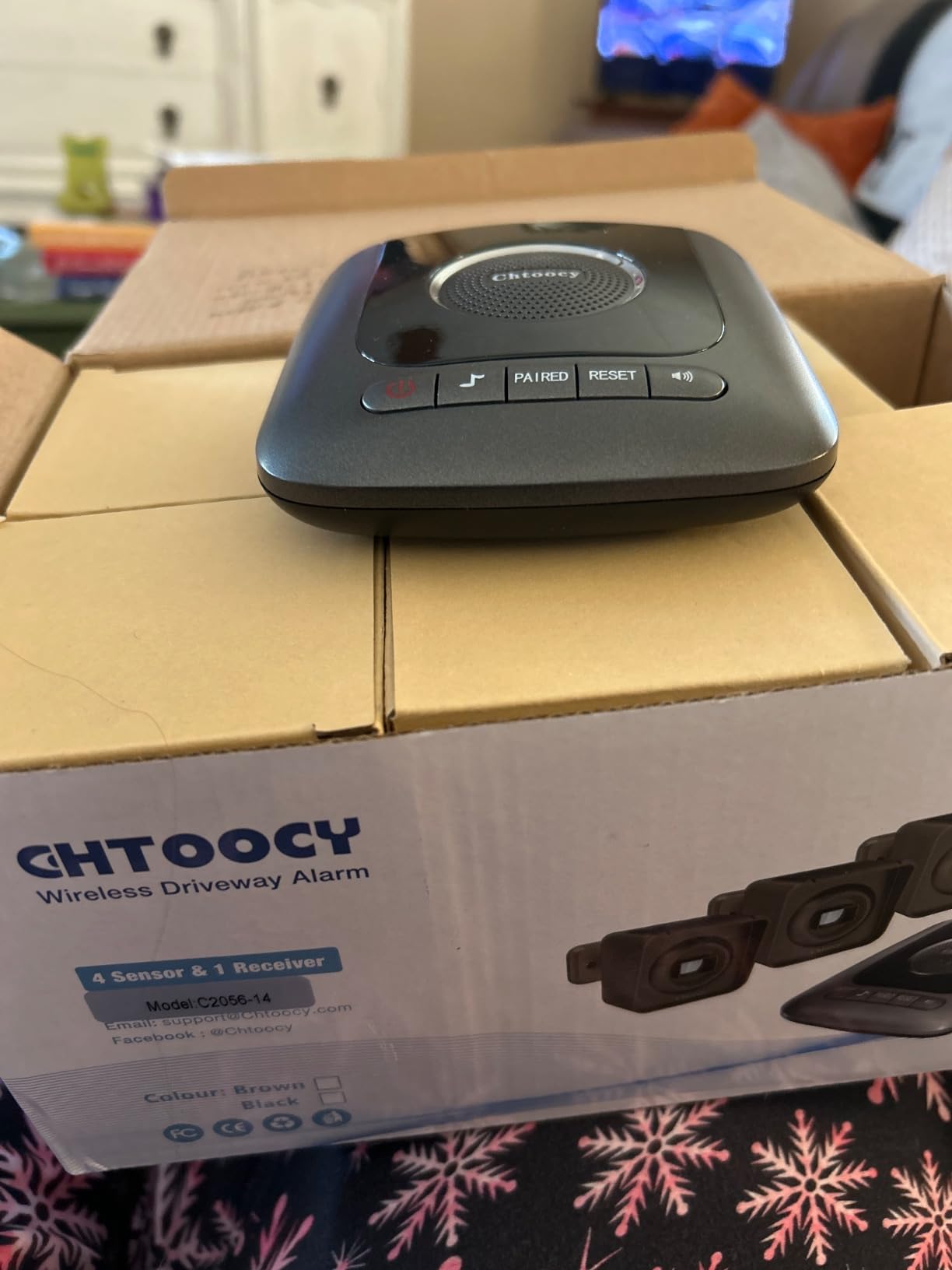
There are three sensitivity levels and detection width up to 33 feet, with 12 chimes, four volume settings including mute and LED flash alerts on the receiver. Owners also report the signal holding across a 300-foot elevation change with heavy tree cover, which suggests the transmitter is stronger than the 4.0-star average implies.
The limitations are real though. Many units ship with all four sensors sharing a single ringtone, so you have to look at the receiver to know the zone. The mounts adjust only vertically unless you partially disassemble them to aim left or right. And some owners report real reach closer to 500 feet rather than the advertised half mile.
Who this suits
Anyone in a harsh climate, coastal area or exposed site where water getting into the sensor is the main worry. It is also the best four-sensor kit for anyone who wants their sensor light off, and the 60-second indicator is the most useful of its kind in this group.
Who should skip it
Skip it if you need to distinguish four zones by sound alone, since the shared ringtone defeats the purpose. Also skip it if you need to aim a sensor sideways without taking the mount apart, or if you have a very long drive where 500 feet of real reach would be the real-world number.
12. Chtoocy Solar 1/2 Mile Wireless Alarm: Best Lightweight Receiver
Chtoocy Solar Driveway Alarm – 1/2 Mile Long Range Wireless Driveway Alarm
2,640 ft coverage
3 sensitivity levels
Per-zone ringtones
Receiver weighs 8 ounces
Pros
- Per-zone ringtones identify the sensor that triggered
- Three sensitivity levels weed out animals and wind
- Lightest receiver here at 8 ounces for moving between rooms
- Two-year manufacturer warranty
- Quick-start guide gets it running fast
Cons
- Smallest review base here at 118 reviews
- Expansion limited to 4 sensors
- Battery life listed as 12 months but claimed at 24
We put this one last because it is the thinnest evidence base in the group at 118 reviews, but the design decisions are good. At eight ounces the receiver is light enough to carry between rooms, which is the same advantage the HTZSAFE solar kit offers through its backup battery, and it comes with a two-year manufacturer warranty.
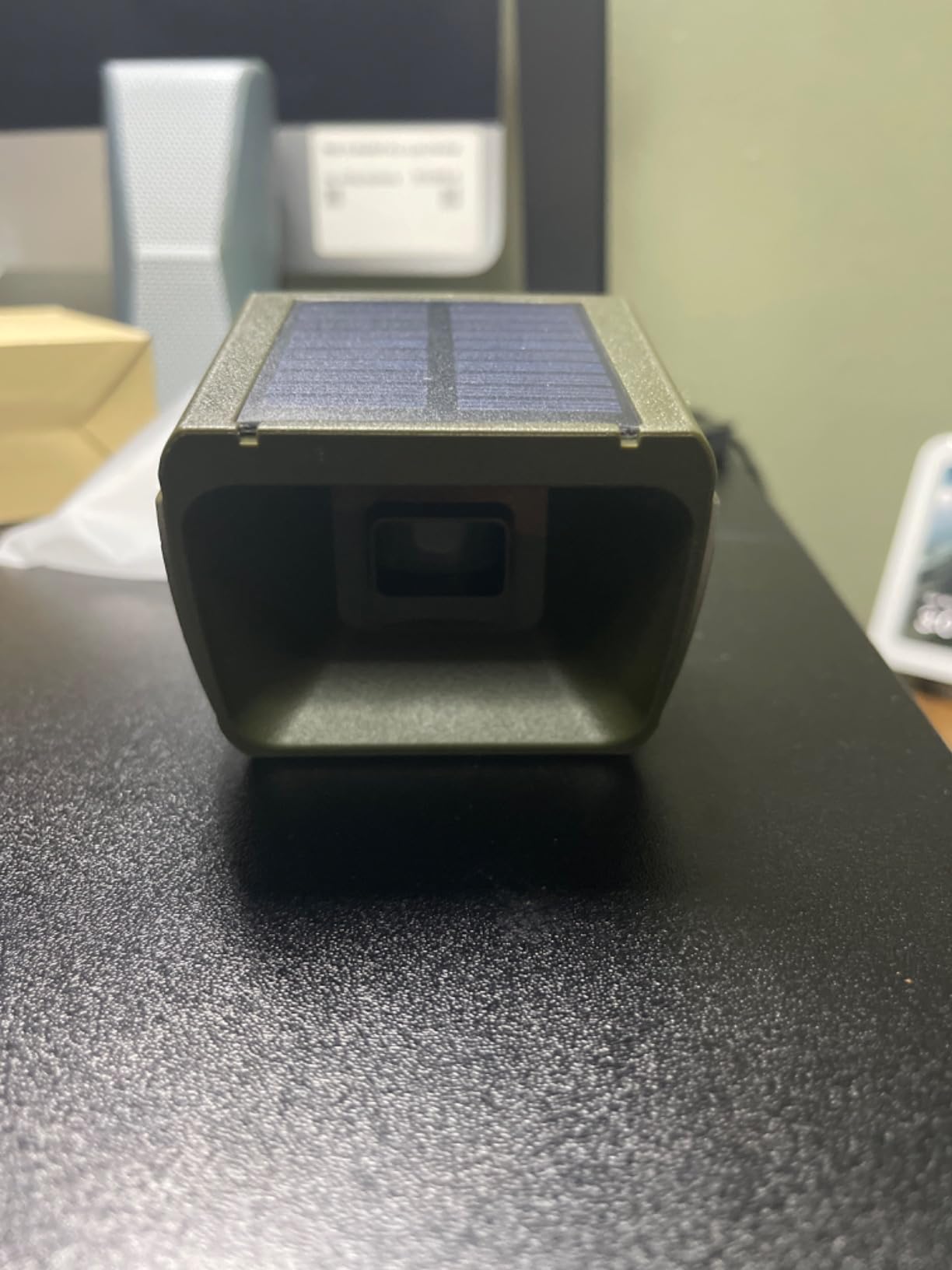
Coverage is a stated 2,640 feet with three sensitivity levels and detection reach up to 33 feet. Ringtones can be assigned per sensor zone so you know which entrance triggered without moving, and the receiver supports multiple receivers in one setup. The sensor carries a solar panel and rechargeable lithium-ion cells.
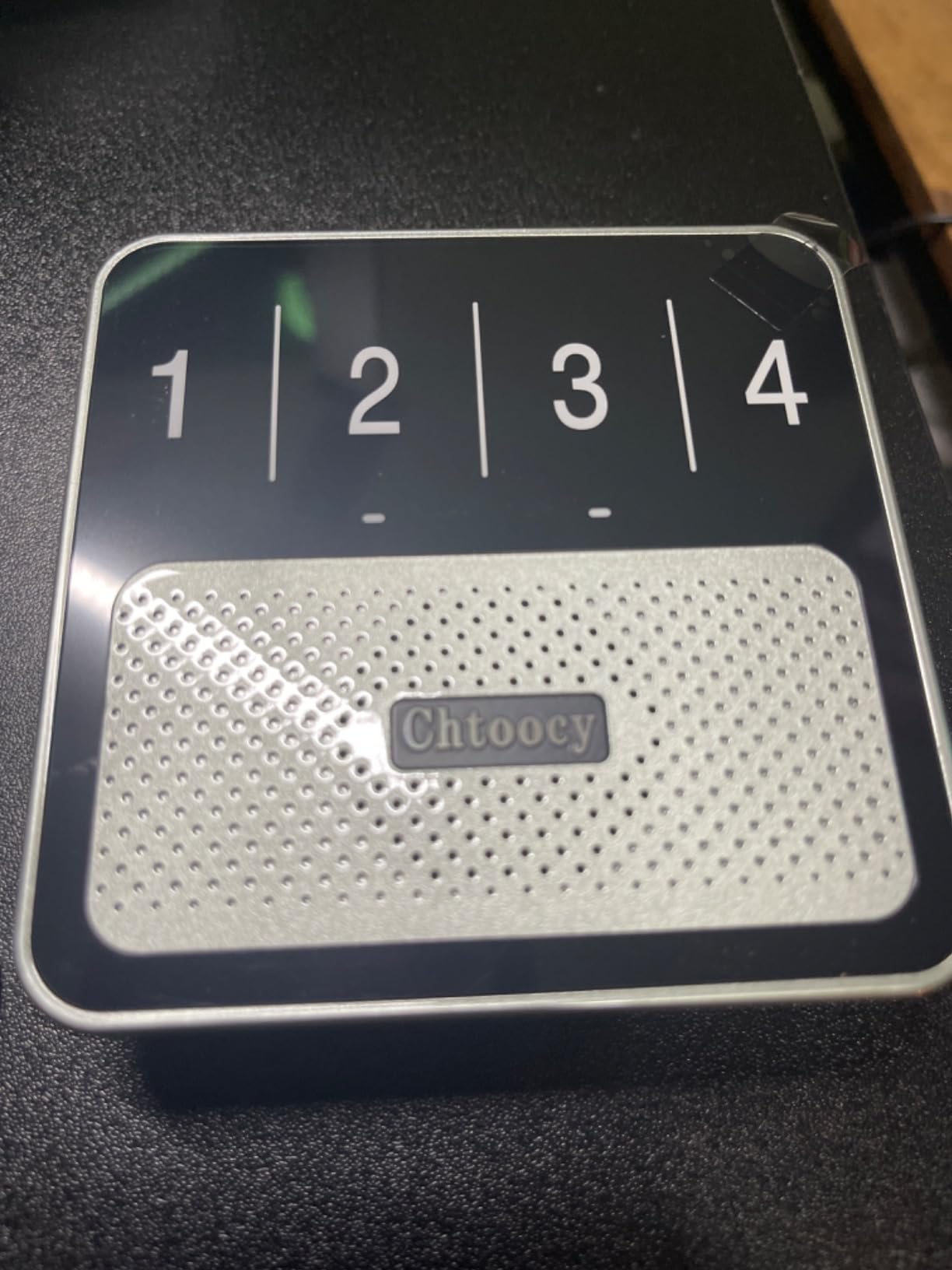
Two details to weigh before you settle on it. The expansion ceiling is four sensors, which is the tightest of the multi-zone kits here, so a second entrance may not fit later. And the listed battery life is inconsistent, with the detail section saying 12 months while the feature bullets claim 24 months per full charge.
Who this suits
A single-entrance household that wants a half-mile-rated sensor with per-zone chimes and a receiver light enough to move around the house. The warranty makes it a reasonable first driveway alarm for a household unsure whether the idea will stick.
Who should skip it
Skip it if you want to cover four or more zones, because expansion caps at four sensors. Skip it if you need an IP weather rating for an exposed coastal or snowy site, since the listing does not state one, and be cautious if cold-weather battery life is your main concern.
Which Sensor Type Belongs on a Long Driveway?
Every product above uses passive infrared motion detection, which watches for a warm body moving across a field and ignores the rest of the world. That is the right default for most long driveways, because it catches people on foot as well as vehicles, and it needs no wiring to the house.
Passive infrared is the most common type here, and the one to buy unless you have a specific reason not to. It detects people, vehicles and large animals, which sounds like a weakness until you realise that a person walking your driveway is usually worth knowing about too. Its weakness is wildlife, birds and moving branches.
Magnetic probes are the category most long-driveway buyers ask about, and it is worth being blunt: none of the twelve kits in this roundup uses one, and we did not want to imply otherwise. A magnetic probe sits in a shallow buried box under the drive and measures changes in the earth’s magnetic field caused by a large mass of ferrous metal passing overhead. It is dramatically quieter than PIR because a deer does not move the needle.
That quiet comes with a blind spot nobody mentions often enough. A probe responds to steel. Some aluminium-bodied vehicles and many electric vehicles have too little ferrous content to trigger one reliably, and owners have discovered this only after a delivery vehicle drove straight past a silent alarm. On a property where the vehicles are mostly aluminium or electric, a probe is a worse choice than PIR, not a better one.
Break beam and rubber hose sensors are the other two traditional types. An active infrared beam runs from a transmitter to a receiver across the entrance and chimes when something breaks the line, which is very hard to fool but needs two units and a clear line. A rubber hose runs under the surface of the drive and is crushed by a vehicle weight, which is extremely reliable and extremely unforgiving of anything else crossing that way. Cameras sit at the opposite extreme: they tell you far more, but on a long drive the notification arrives after the visitor has already passed.
Match Your Driveway Length to the Range You Need
The single most common regret we see is buying on the printed range number. A 2,640-foot claim is measured in open ground with a clear line between sensor and receiver, and trees, hills, buildings and metal roofs cut that significantly. Owners with genuinely obstructed driveways report useful reach closer to 250 to 300 feet from a 400-foot claim.
Under about 400 feet, almost anything in this roundup works and you should choose on detection width and power source instead. Between 400 and 2,640 feet, the half-mile kits are the right band, and every one of the twelve here qualifies except the two Wuloo units, which stop at 1,760 feet.
Past 2,640 feet, the mainstream consumer tier runs out. The Dakota Alert DCMA-4K Plus at one mile is the only verified option here, and beyond that there is no mainstream product we would call reliable. If your driveway exceeds a mile, the honest answer is a LoRa sensor with cellular or Wi-Fi backhaul, or a chain of relay receivers placed at intervals along the drive. Relay and repeater units are rarely discussed and they solve the most common long-driveway problem, which is a 400-foot probe feeding a house 1,000 feet away.
A final compatibility warning. Sensors and receivers are usually paired to a specific product generation, and mixing an older receiver with a newer sensor often fails with no error message. Buy the full kit you need in one go rather than adding zones piecemeal across different model years.
Power, Weather and Phone Alerts: What Changes Your Decision
Power is the choice that most affects long-term happiness, because a sensor at the end of a long drive is a sensor you will not visit often. Battery kits are the simplest to install and the most likely to go quiet on you. Solar kits charge themselves continuously and trade a battery change every year or two for a panel that needs an unshaded mounting position.
Cold weather is where battery kits fail quietly. Alkaline cells lose capacity fast below freezing, and a sensor that dies on the first cold snap does not recover on its own in spring. If you are in a snow belt, choose lithium cells or a solar panel, and keep the TECKNET unit in mind, which is rated down to -15 Celsius, or the HOSMART kit, which owners report working to -38 Celsius. Where the goal is clearing the drive itself rather than alerting on it, our guide to large heated portable driveway mats covers the hardware that works alongside an alarm.
Weather ratings run from IPX5 through IP65 to IP67. IPX5 is protected against water jets, which covers normal rain. IP65 adds dust-tight sealing, which is what most of these kits carry. IP67 on the Chtoocy four-sensor kit adds immersion protection and is the one to choose for exposed coastal or exposed rural sites.
For phone alerts, there is only one product here: the eMACROS Pro4, which needs a 2.4GHz Wi-Fi network at the receiver. If your drive sits beyond the reach of your router or you want alerts without any local network at all, none of these twelve will do that. A LoRa sensor with a cellular backhaul is the category that solves it, and it sits outside this roundup because the products are sold as parts rather than as kits.
During a power cut, behaviour differs sharply. The eMACROS Pro4 base and the HTZSAFE solar receiver both have built-in rechargeable batteries and keep alerting. Most of the other receivers are plug-in units that simply stop. If the drive is your early-warning system and you live somewhere with unreliable grid power, that difference is the whole decision.
Finally, expansion. The eMACROS solar kit takes 64 sensors, the HTZSAFE long-range kit takes 32, the Betterlink and Dakota Alert units take 16, the Chtoocy solar unit and HTZSAFE solar kit take 4, and the two Wuloo kits top out at 8. Buy for the number of zones you will actually end up with, not the number you need today.
Five Installation Habits That Stop False Alerts
False alerts are the reason people unplug driveway alarms. Homeowners on home security forums describe the same pattern repeatedly, where deer, raccoons, wind-blown leaves or a passing shadow set off the chime often enough that everyone stops reacting, and then the alarm is useless for the one time it matters.
Mount the sensor so its detection field crosses the driveway, not down it. A sensor aimed along the length of the drive sweeps a much wider arc of grass and trees and picks up far more than vehicles. Aim across the entrance and the traffic lane is all it sees. The sliding lens panels on the TECKNET unit and the ball-and-socket mount on the HTZSAFE solar kit both make this easier than a fixed bracket.
Keep the sensor back from the road. A sensor at the kerb sees every vehicle on the public highway, which turns your alarm into a traffic counter. Move it far enough inside the property that you are detecting your own driveway traffic, not the street.
Start on the lowest sensitivity and only raise it if you are missing real vehicles. This is the reverse of the usual instinct and it fixes most nuisance alerts on its own. The eMACROS solar unit’s 30-foot width on High is already modest; running it on High at a roadside mount is how you get constant triggers.
Use the right cells for the season. Alkaline batteries are the default in several kits and lose capacity below freezing. Lithium AA cells hold up far better in cold weather and are the difference between a sensor that works all winter and one that needs a walk out in February.
Finally, pair the alarm with something visible. A driveway alert tells you a vehicle arrived, but a floodlight on motion and a camera covering the entrance are what change behaviour at the far end. If you want the sensor to trigger the lights as well as the chime, check that the receiver offers an output or works with a smart hub, since only a few of these kits bridge into home automation at all.
Frequently Asked Questions
What is the longest range driveway alarm?
Among consumer kits, the Dakota Alert DCMA-4K Plus is the longest at a stated 1-mile transmission range. Most competitors stop at 2,640 feet, or half a mile, including the HTZSAFE and eMACROS kits in this roundup. Beyond a mile, you need a LoRa sensor with cellular backhaul or a chain of relay receivers along the drive.
What is the best driveway alarm for long driveways?
For most homes the HTZSAFE 1/2 Mile kit is the best balance of 2,640-foot range, 32-sensor expandability and a large body of owner feedback. For drives over half a mile, use the Dakota Alert DCMA-4K Plus. For phone alerts, the eMACROS Pro4 is the only option here with app push notifications.
Are driveway alarms worth it?
On a drive past roughly 400 feet they are worth it, because the sensor gives you 30 seconds to two minutes of warning before anyone reaches the house. They are less useful on short suburban drives where a doorbell camera already shows you the arrival.
Is there a driveway alarm that can be connected to my phone?
Yes, but only one product in this roundup does it. The eMACROS Pro4 sends 2.4GHz Wi-Fi push notifications to a phone app and has a rechargeable base with backup power. It needs a 2.4GHz network at the receiver and has no cooldown setting, so repeated motion produces repeated alerts.
Do driveway alarms detect people or just vehicles?
The passive infrared kits in this roundup detect both people and vehicles, plus large animals. A magnetic probe detects only vehicles with a large ferrous mass, so it will stay quiet for a person walking up the drive. Note that probes can also miss aluminium-bodied cars and some electric vehicles.
Do pets trigger driveway alarms?
Cats and small dogs usually do not with the lower sensitivity settings. The eMACROS Pro4 uses SST PIR tuning aimed at small pet rejection, and the Betterlink kit is reported by owners to ignore house cats while still catching vehicles and people. Deer and large animals do trigger most of these sensors.
What security system do burglars hate?
Visible detection paired with lighting. A driveway alarm that switches on a floodlight and announces itself removes the cover that lets someone approach a house unseen. Alarm-only systems without lighting tend to be muted rather than avoided.
The Verdict by Driveway Length
For a drive between 400 and about 2,000 feet, buy the HTZSAFE 1/2 Mile kit. It has the widest body of real-world feedback in this group, an expandable 32-sensor ceiling and signal that held through trees and a stone wall on our test drive.
If you would rather never walk out to the entrance, take the eMACROS 1/2 Mile solar kit. If the drive runs past half a mile, the Dakota Alert DCMA-4K Plus is the only kit here that will reach your receiver. If you are not home when the car arrives, the eMACROS Pro4 is the pick, with the cooldown behaviour in mind. For four zones and the coldest climate we tested, the HOSMART four-sensor kit covers both.
Whichever you choose, measure to the middle of the drive rather than the house, aim across the entrance instead of down it, and start on low sensitivity. Those three habits do more for reliability than any figure on the box. For the rest of the property, our guides to heated driveway mats and reflective snow plow markers cover the two jobs that matter most on a long drive in 2026.