
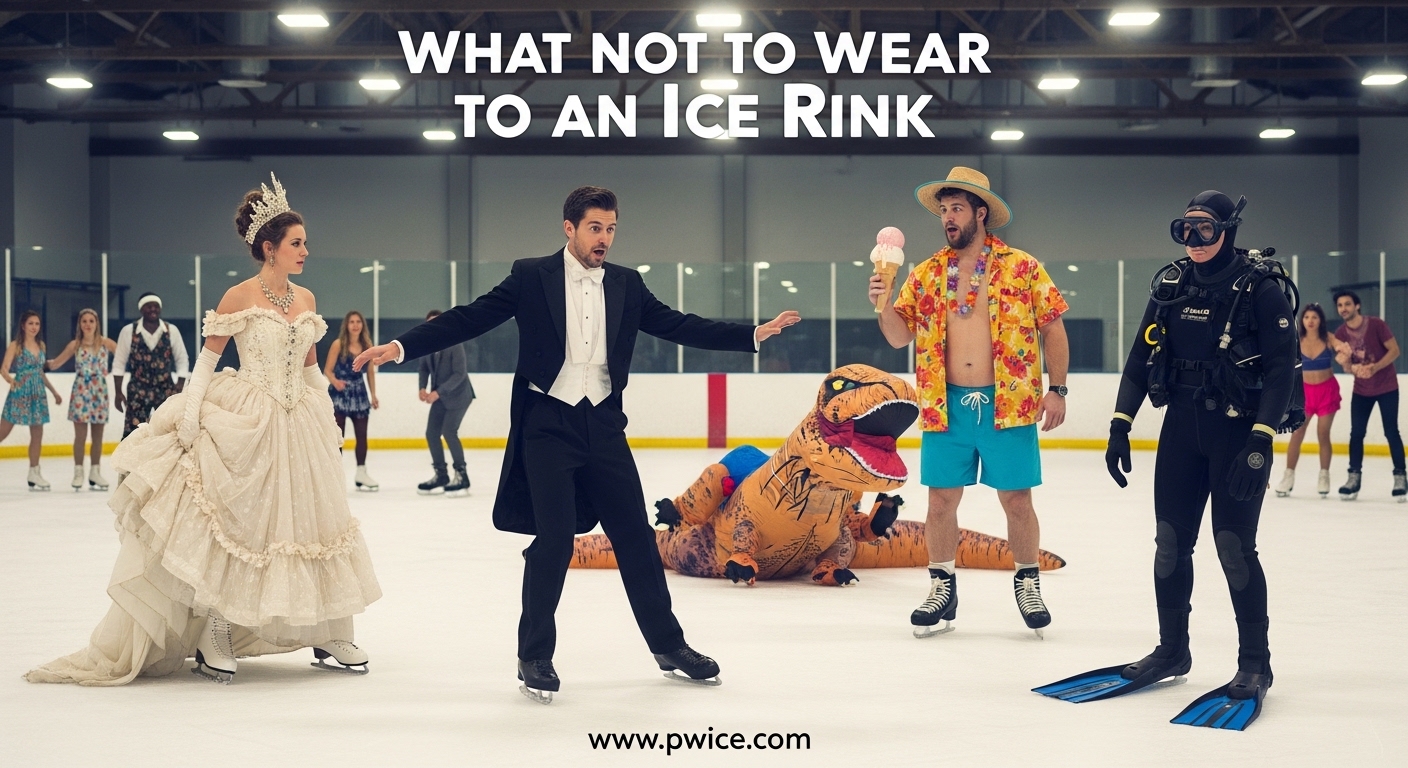
I remember my first time stepping onto an ice rink. I showed up in baggy sweatpants and thick cotton socks, confident I was dressed appropriately for the cold. Within ten minutes, I was overheating, my socks had bunched up inside the rental skates, and I had nearly tripped when my pant leg caught on the blade.
That experience taught me that what not to wear to an ice rink matters just as much as what you should wear. The wrong clothing choices can turn a fun outing into a miserable, even dangerous experience.
This guide covers the seven most common clothing mistakes people make when heading to the ice rink. Whether you are planning your first skating session or helping your kids prepare for lessons, you will learn exactly what to avoid and what to wear instead.
Table of Contents
What Not to Wear to an Ice Rink: 7 Common Mistakes
Based on my own mishaps and insights from experienced skaters on Reddit and figure skating forums, here are the seven items you should never wear to an ice rink.
1. Baggy Clothes That Could Catch on Your Skates
Baggy sweatpants and oversized hoodies might feel cozy, but they pose a serious safety hazard on the ice. Loose fabric can easily get caught in your skate blades, causing you to trip or fall unexpectedly.
I learned this the hard way when my wide-leg sweatpants snagged on my toe pick during a basic glide. The sudden stop sent me sprawling, and I was lucky to escape with just bruised pride. Multiple forum users confirmed similar experiences, with one skater noting that baggy clothes are the number one cause of preventable falls they see at public sessions.
Loose clothing also makes it harder for instructors to spot proper body positioning. If you are taking lessons, fitted clothing helps coaches see your form and give accurate feedback.
2. Jeans That Restrict Your Movement
Jeans are perhaps the most common mistake I see at rinks. People assume denim is durable and appropriate for physical activity, but ice skating exposes every flaw in jeans as athletic wear.
Denim has virtually no stretch, which limits your range of motion. When you need to bend your knees deeply for balance or execute basic skating positions, jeans fight against you. They also become incredibly uncomfortable when wet, and ice rinks guarantee you will encounter moisture either from the ice itself or from sweat.
One Reddit user who skated in jeans for their first session described the experience as “trying to do yoga in cardboard.” Another mentioned that after falling once, the wet denim stayed cold and clammy for the entire session. Experienced skaters consistently recommend avoiding jeans entirely.
3. Cotton Fabrics That Trap Moisture
Cotton t-shirts, sweatshirts, and sweatpants are poor choices for ice skating despite being common workout wear. Cotton absorbs moisture and holds it against your skin, creating a chilling effect that can make you miserable.
When you skate, you generate more body heat than you expect. A cotton shirt that starts comfortable becomes damp with sweat within minutes. Once damp, cotton loses its insulating properties and leaves you cold and clammy. This is especially problematic at ice rinks where the ambient temperature is already cool.
Forum discussions repeatedly highlight this issue, with experienced skaters explaining that moisture-wicking synthetic fabrics or merino wool perform far better. One former competitive skater with thirteen years of experience noted that cotton was the biggest mistake she saw beginners make, explaining that the right fabrics make the difference between enjoying skating and quitting after one session.
4. Thick Cotton Socks That Cause Blisters
Thick cotton socks might seem like a good idea for warmth and cushioning, but they are actually a recipe for foot pain. I made this mistake on my first outing, wearing my thickest athletic socks to “protect” my feet from the rental skates.
Thick socks create multiple problems. They affect the fit of rental skates, often making them too tight and causing pressure points. They also bunch up inside the boot, creating wrinkles that rub against your skin with every push. By the end of a one-hour session, you can have significant blisters forming.
Multiple forum users confirmed that thin wool or synthetic socks work far better. One skater explained that rental skates are designed with extra padding, so thick socks actually interfere with the intended fit. Experienced skaters recommend crew-length or knee-high thin socks that stay in place without bunching.
5. Jewelry and Accessories That Create Hazards
Dangling earrings, long necklaces, and loose bracelets might complete your outfit, but they have no place on the ice. Jewelry poses several risks that many first-time skaters overlook.
Long necklaces can swing and hit you in the face during spins or quick movements. Dangling earrings can catch on clothing or hair, or even get pulled if you fall and hit your head. Rings and bracelets can cause injury if you put your hands out to break a fall.
Forum discussions revealed stories of lost jewelry and close calls. One skater described watching a pendant necklace fly off during a simple forward glide, sending the skater scrambling across the ice to retrieve it. Another mentioned that rings can scratch ice and damage the surface, something rink staff frown upon.
Leave valuable jewelry at home or in a locker. If you must wear a wedding ring, consider a silicone band for skating sessions.
6. Scarves and Loose Accessories
Scarves seem like logical accessories for cold environments, but they are dangerous on the ice. A scarf that comes loose can trail behind you, creating a trip hazard for yourself and others.
Even worse, a loose scarf can wrap around your neck if you fall or spin. This creates a genuine choking hazard that has caused serious incidents in skating history. For this reason, most rinks and coaches strongly discourage scarves during skating sessions.
Other loose accessories present similar problems. Flowing hair ribbons, unsecured hats, and baggy gloves can all create distractions or hazards. Choose fitted accessories that stay put, or skip them entirely until you are off the ice.
7. Heavy Winter Coats That Cause Overheating
A heavy parka or thick winter coat seems logical for an ice rink, but it is usually overkill. Ice rinks are typically kept between 45 and 60 degrees Fahrenheit, and you generate significant body heat once you start moving.
Heavy coats restrict arm movement, making it harder to maintain proper skating posture and balance. They also cause rapid overheating, leaving you sweating heavily within minutes. Once you stop skating to rest, that sweat-soaked coat becomes a cold, wet burden.
Experienced skaters consistently recommend layering instead. Start with a light base layer, add a mid-layer you can remove, and finish with a light jacket or hoodie that zips open easily. This lets you adjust your temperature as your activity level changes throughout the session.
One forum user who coaches Learn-to-Skate classes told me she watches beginners peel off layers within the first fifteen minutes of every session. She advises students to dress like they are going for a brisk walk on a cool day, not like they are heading into a blizzard.
What to Wear Instead: The Right Ice Skating Attire
Now that you know what to avoid, here is what experienced skaters recommend wearing instead. The right clothing makes skating more comfortable, safer, and more enjoyable.
Best Fabrics for Ice Skating
Moisture-wicking fabrics are the gold standard for ice skating. These materials pull sweat away from your skin and allow it to evaporate, keeping you dry and comfortable throughout your session.
Look for synthetic blends like polyester or nylon, which offer stretch and moisture management. Merino wool is another excellent option that naturally wicks moisture while providing warmth. Many athletic brands now offer thermal fabrics specifically designed for cold-weather activity.
Avoid 100% cotton even in base layers. If you must wear cotton, keep it minimal and make sure your outer layers are moisture-wicking to manage sweat.
Pants and Bottoms That Work
Leggings and yoga pants are ideal for ice skating. They offer stretch, stay close to your body without being restrictive, and move with you through every skating position.
Athletic joggers with tapered ankles work well too, provided they are not too baggy in the thighs. Look for pants with some spandex or elastane content for stretch. Figure skating training tights are an option if you want specialized gear, but regular athletic leggings perform just as well for recreational skating.
One former competitive skater recommended wearing spandex tights under leggings for extra warmth during cold sessions. This layering approach provides warmth without bulk and gives you flexibility to remove layers as you warm up.
The Smart Layering Strategy
Layering is the key to comfortable ice skating. Start with a moisture-wicking base layer that sits close to your skin. This could be a synthetic long-sleeve athletic shirt or a lightweight thermal top.
Add a mid-layer for warmth, such as a fleece pullover or light sweater. Choose something you can easily remove and tie around your waist if you get too warm. Top it off with a light jacket or zip-up hoodie that you can open for ventilation.
The beauty of layering is adaptability. You can shed layers as your body heat builds during skating, then add them back when you take breaks. This prevents both overheating and getting chilled.
Socks That Keep You Comfortable
Thin wool or synthetic crew socks are the sweet spot for ice skating. They provide enough coverage to prevent boot chafing without affecting skate fit or bunching up inside the boot.
Knee-high socks offer extra protection against boot rub on your calves, which can be welcome during longer sessions. Look for socks with smooth seams that will not create pressure points.
Some skaters prefer two thin layers of socks rather than one thick pair. This can reduce friction and prevent blisters. Experiment to find what works best with your skates and foot shape.
Special Considerations for Different Situations
These unique angles address questions I found repeatedly in forum discussions but rarely covered comprehensively by existing articles.
Indoor vs Outdoor Ice Rinks
Indoor and outdoor rinks require slightly different clothing strategies. Indoor rinks maintain consistent temperatures and protect you from wind, so lighter layers usually suffice.
Outdoor rinks expose you to weather conditions that indoor facilities block. Wind can make the same temperature feel significantly colder, and you may encounter snow or precipitation. For outdoor skating, add a wind-resistant outer layer and consider waterproofing.
Gloves become even more essential outdoors, as cold metal railings and wind chill can quickly numb bare hands. A hat that covers your ears helps maintain comfort in breezy conditions.
Summer Ice Skating Mistakes
One of the biggest content gaps I found in existing articles is summer ice skating advice. Many people assume ice rinks are only cold in winter, but indoor rinks maintain the same temperature year-round.
A common mistake is showing up in shorts and tank tops because it is 90 degrees outside. Within minutes on the ice, you will be shivering. Even during summer heat waves, dress for a cool indoor environment.
Another summer mistake is wearing damp clothes into the rink. If you are coming from the pool or beach, change into dry clothing before skating. Wet fabric chills rapidly against your skin in cold rink temperatures.
Bring a bag with layers you can add after skating. Walking out into summer heat while wearing heavy winter clothes is uncomfortable, but you will need those layers for the rink itself.
Kids’ Clothing Needs
Children have different clothing needs than adults at ice rinks. Kids tend to fall more frequently as they learn, making proper attire even more important for comfort and safety.
Avoid complicated outfits with multiple pieces that make bathroom trips difficult. One-piece snowsuits might seem warm, but they create urgency issues when a child needs to use the restroom mid-session. Separate pieces work better.
Consider how quickly kids grow when buying skating clothes. A pair of figure skating tights that fits perfectly today might be too short in three months. Stretchy athletic wear with some growth room makes better economic sense for growing children.
Helmets are strongly recommended for young skaters, though they are not clothing per se. Many rinks require or strongly encourage helmet use for children under a certain age. Check your rink’s policy before arriving.
Hair and Long Hair Management
Long hair presents a specific challenge that rarely gets addressed in skating guides. Hair falling in your face blocks vision and creates a distraction that can lead to falls.
Tie long hair back securely before stepping onto the ice. A ponytail works, but braids or buns stay neater longer and prevent hair from swinging into your face during spins or quick direction changes.
Avoid hard hair accessories like metal clips or sharp bobby pins. These can hurt if you fall and hit your head, and they can damage helmets if you wear one. Soft fabric headbands or elastic hair ties are safer choices.
If you have bangs that fall forward, consider pinning them back or wearing a headband. Constantly pushing hair out of your eyes while skating is both annoying and dangerous.
Quick Reference: Ice Skating Clothing Checklist
Save this checklist to reference before your next rink visit.
DO Wear:
- Moisture-wicking base layer (synthetic or merino wool)
- Stretchy athletic pants or leggings
- Light jacket, hoodie, or fleece you can remove
- Thin wool or synthetic crew socks
- Gloves or mittens
- Hair tied back securely
DON’T Wear:
- Baggy clothes that could catch on blades
- Jeans or restrictive denim
- 100% cotton fabrics
- Thick cotton socks
- Dangling jewelry or loose accessories
- Scarves or trailing items
- Heavy winter coats
Pack in Your Bag:
- Water bottle (hydration matters even in cold)
- Extra pair of thin socks
- Layer to add if you get cold
- Change of clothes for after skating
- Hair ties if you have long hair
- Locker change or lock if needed
Frequently Asked Questions
Can you wear jeans ice skating?
You can, but it’s not recommended. Jeans restrict movement, have no stretch, and become uncomfortable if they get wet from ice or sweat. Leggings or athletic pants are much better choices.
Is it better to ice skate in jeans or leggings?
Leggings are significantly better than jeans for ice skating. They offer stretch, comfort, and won’t restrict your movement. Jeans limit your range of motion and become uncomfortable when damp.
What should I wear my first time ice skating?
Wear flexible athletic pants, a moisture-wicking long-sleeve top, light jacket or hoodie, thin socks, and gloves. Dress in layers you can remove as you warm up.
Do I need special clothes for ice skating?
No special clothes required. Regular athletic wear works perfectly. The key is avoiding baggy, cotton, or restrictive items. Moisture-wicking fabrics and stretchy pants make the experience much more comfortable.
Is it cold at ice skating rinks?
Yes, rinks are typically kept between 45-60F, but you warm up quickly while skating. Layering lets you adjust as needed. Start with light layers and add clothing if you get cold.
What socks should I wear ice skating?
Thin wool or synthetic crew socks work best. Avoid thick cotton socks as they cause blisters and affect skate fit. Knee-high socks offer extra calf protection against boot rub.
Conclusion
Knowing what not to wear to an ice rink can make the difference between a frustrating first experience and the start of a lifelong skating enjoyment. Avoid baggy clothes, jeans, cotton fabrics, thick socks, jewelry, scarves, and heavy coats. Instead, choose moisture-wicking layers, stretchy pants, thin socks, and fitted accessories that move with you.
The advice in this guide comes from my own mistakes and the collective wisdom of experienced skaters who have learned these lessons over years on the ice. Follow these recommendations for your next rink visit in 2026, and you will be dressed for comfort, safety, and success.
Now that you know what to avoid and what to wear instead, you are ready to lace up those skates with confidence. Stay safe, stay comfortable, and enjoy your time on the ice.