
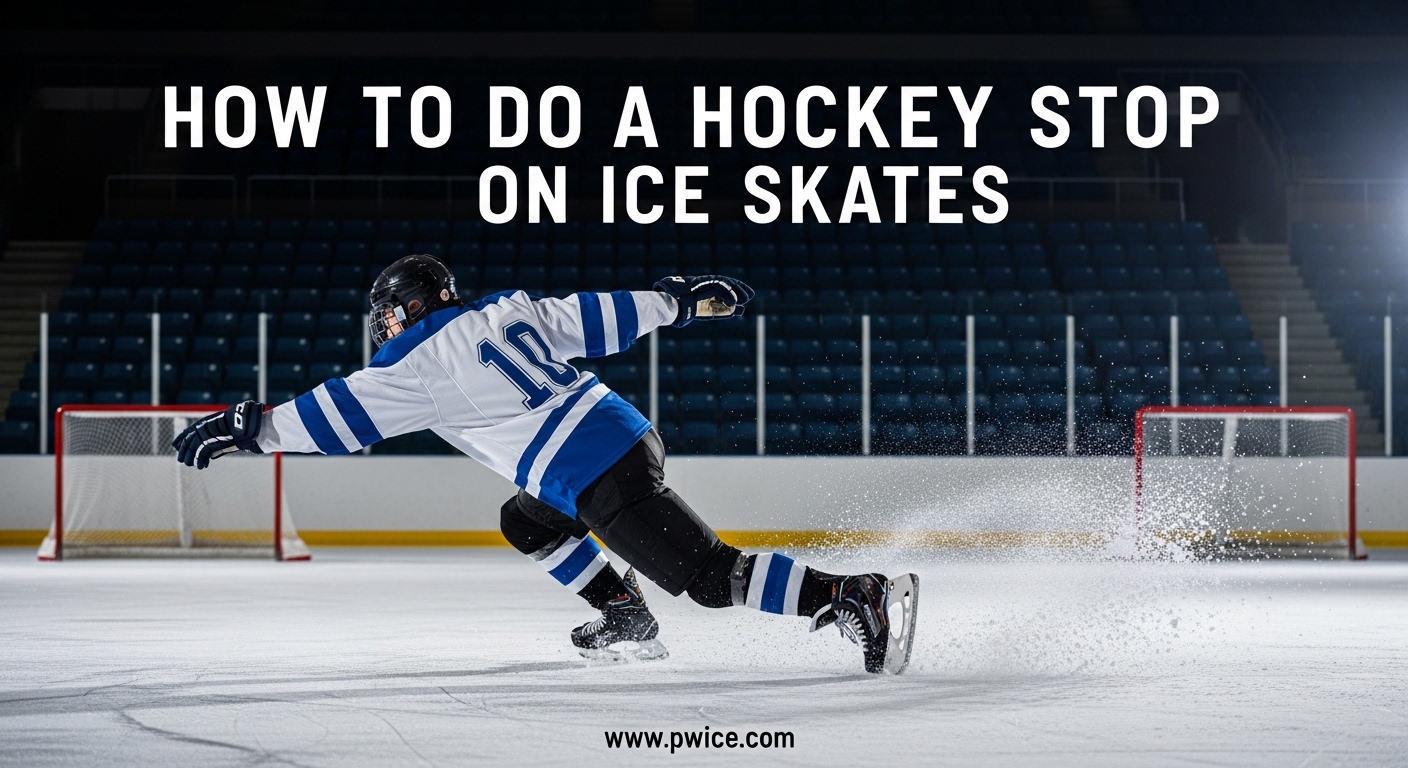
Learning how to do a hockey stop on ice skates is the single most important skill for anyone serious about skating. I spent weeks trying to figure it out on my own before discovering the right technique sequence. Once it clicked, my confidence on the ice transformed completely.
The hockey stop lets you stop quickly while facing forward, ready to continue play or change direction. Unlike the snowplow stop that beginners learn first, the hockey stop is faster, smoother, and keeps you in position to react. Most beginners feel intimidated by it, but with the right progression and practice approach, anyone can master this stopping technique.
In this guide, I will walk you through exactly how to execute a proper hockey stop. You will learn the body positioning, edge control, and weight distribution that makes this stop work. I will also cover the common mistakes that cause falls and frustration, plus troubleshooting tips from my own learning experience and insights from skating forums where beginners share their struggles.
Table of Contents
What Is a Hockey Stop?
A hockey stop is a rapid stopping technique where you turn both skates perpendicular to your direction of travel and use your inside and outside edges to shave the ice. The blades dig into the ice surface, creating friction that quickly slows and stops your momentum.
When executed correctly, the hockey stop sprays ice shavings and brings you to a complete halt in a fraction of the distance that a snowplow stop requires. Your body remains facing forward throughout the stop, keeping you ready to accelerate in any direction. This makes it the preferred stopping method in hockey and advanced recreational skating.
What You Need Before Learning?
You should be comfortable with basic skating fundamentals before attempting the hockey stop. This means you can glide on one foot, turn both directions, and stop confidently using the snowplow technique. If you are still struggling to maintain balance while gliding, spend more time on those basics first.
Protective gear is not optional when learning this technique. Wear a helmet, knee pads, and elbow pads at minimum. I learned this the hard way after catching an edge and slamming my knee on the ice during my first attempt. The fear of falling without protection will also hold you back from committing fully to the stop motion.
Your skates need proper edge sharpness. Dull blades make stopping nearly impossible because they cannot bite into the ice effectively. If your skates slide uncontrollably when you try to dig in, get them sharpened before continuing.
How to Do a Hockey Stop on Ice Skates: Step-by-Step Instructions
Follow these steps in order. Do not rush ahead until each step feels comfortable. I recommend practicing near the boards so you have something to grab if you lose balance.
Step 1: Start in Athletic Stance
Begin skating forward at a moderate, controlled speed. Bend your knees deeply so they extend over your toes. Keep your feet about shoulder-width apart. Your weight should be centered over the balls of your feet, not your heels. This athletic stance gives you the stability and range of motion needed to execute the stop.
Step 2: Turn Your Head and Shoulders
Pick a direction to stop, either left or right. Turn your head and look in that direction. Your shoulders should follow your head and begin rotating toward that side. This upper body rotation initiates the turning motion that your feet will follow. Keep your core engaged and resist the urge to lean away from the turn.
Step 3: Pivot Your Hips and Skates
As your shoulders turn, allow your hips to rotate in the same direction. Your skates will naturally begin turning perpendicular to your direction of travel. The lead skate, which is the one on the side you are turning toward, will become your outside edge skate. The trailing skate becomes your inside edge skate.
Step 4: Dig Your Edges Into the Ice
This is the critical moment. Apply pressure to the inside edge of your trailing skate and the outside edge of your lead skate. Think about pushing your ankles outward to engage these edges. You should feel the blades bite into the ice and begin shaving it. The sound of ice spraying confirms you are doing it correctly.
Step 5: Absorb the Momentum
Stay low through the stop. The friction from your edges will create resistance against your forward momentum. Keep your knees bent and your weight slightly forward to prevent falling backward. As you slow down, maintain edge pressure until you come to a complete stop. Your skates should end up perpendicular to your original direction of travel.
Step 6: Reset and Prepare for Next Movement
Once stopped, you are already facing forward in a ready position. Your knees remain bent, your weight is balanced, and you can immediately push off to skate in any direction. This ready position is what makes the hockey stop superior to other stopping techniques for dynamic skating situations.
Common Hockey Stop Mistakes and How to Fix Them
Most beginners make the same mistakes when learning how to do a hockey stop on ice skates. Recognizing these errors early will save you from developing bad habits and experiencing unnecessary falls.
Leaning Back Instead of Forward
The most common mistake is leaning backward as you attempt to stop. Your brain instinctively tries to stay away from the fall direction, but this shifts your weight onto your heels. When your weight is back, your blades lose edge contact with the ice and slide out from under you.
To fix this, focus on keeping your weight centered over the balls of your feet. A useful mental cue is to try to get the back of your helmet in front of your knees. This forward lean ensures your edges maintain proper contact with the ice throughout the stop.
Not Committing to the Stop
Half-committed stops lead to falls. If you hesitate or try to ease into the edge engagement, your momentum will carry you through the attempted stop while your edges chatter or skip across the ice surface. This usually results in spinning or catching an edge.
Commit fully to each practice attempt. Accept that you will fall a few times while learning. Wearing proper protective gear removes the fear that prevents commitment. Every successful stop requires decisive edge engagement.
Standing Too Tall
Upright posture makes stopping impossible. Straight legs cannot absorb the forces generated during a stop, and high center of gravity makes balancing extremely difficult. You need low, bent knees to maintain control and stability.
Before attempting any stops, practice gliding in a deep athletic stance. Get comfortable with your knees bent at approximately 90 degrees. The lower you stay, the more stable you will be when executing stops.
Looking Down at Your Feet
Your head position determines your balance and direction. Looking down at your skates throws your weight forward unpredictably and prevents smooth shoulder rotation. Keep your head up and eyes looking in the direction you want to stop.
Troubleshooting: Why You Might Be Struggling?
Even with proper technique, certain problems can prevent successful hockey stops. Here are the specific issues I see most often and how to address them based on forum discussions and my own experience.
Your Skates Spin Instead of Stop
If you find yourself completing a circle instead of stopping, you are likely transferring weight to the wrong edges or not engaging both edges simultaneously. The lead skate needs outside edge pressure while the trailing skate needs inside edge pressure. Many beginners accidentally put inside edge pressure on both skates, which creates a turning motion rather than a stopping motion.
Practice stationary edge work first. Stand at the boards and practice lifting one foot, then the other, while deliberately pressing the correct edge into the ice. Feel the difference between inside and outside edge engagement before trying it while moving.
One Side Is Way Harder Than the Other
This is completely normal. Everyone has a dominant side for hockey stops, just like having a dominant hand for writing. Most people find stopping to their left or right significantly easier than the other direction.
Practice your dominant side until it feels automatic, then gradually introduce the weaker side. Do not neglect your weaker side entirely, as game situations require stopping in both directions. Spend about 70% of practice time on your weak side once you have the basics down.
Catching an Edge and Falling
Catching an edge happens when your blade digs in too aggressively or at the wrong angle. This usually occurs from leaning too far into the turn or having your weight improperly distributed. The fall is sudden and hard, which is why protective gear is essential.
Reduce your speed during practice attempts. Edge catches happen more frequently at higher speeds when small angle errors get magnified. Slow down, focus on smooth edge engagement rather than aggressive biting, and gradually increase speed as your technique solidifies.
Blade Sharpness Issues
If your skates feel slippery even when you are pressing edges correctly, the blade hollow might be too shallow for your weight or ice conditions. Heavier skaters generally need a deeper hollow for adequate edge bite. Similarly, soft ice requires less bite while hard, cold ice needs more aggressive edges.
Consult with your local hockey shop about the appropriate hollow depth for your skating level, weight, and local ice conditions. A standard half-inch hollow works for most beginners, but adjustments might help if you are struggling with edge grip.
Beginner Progression: From Snowplow to Hockey Stop
The hockey stop is an advanced technique. Most beginners benefit from a progression that builds skills incrementally. Here is the sequence I recommend based on standard skating instruction and forum feedback from adult learners.
Master the Snowplow Stop First
The snowplow stop, where you point your toes inward to create a wedge with your skates, teaches fundamental edge control. You learn to feel your inside edges biting the ice and understand how pressure creates friction. Do not rush past this foundational skill.
Learn the One-Foot Stop
Before attempting the two-foot hockey stop, master stopping on one foot. Glide on your dominant foot, turn it perpendicular to your direction of travel, and dig the inside edge into the ice. Let your other foot trail behind or lift it completely. This isolates the edge control needed for each leg independently.
Combine Both Feet
Once you can stop confidently on each foot individually, combine them into the full hockey stop. Start with very slow speeds, maybe just walking pace on skates. Focus on the coordination of turning both feet simultaneously while applying correct edge pressure.
Gradually Increase Speed
Only increase your skating speed after you can consistently stop at slower speeds. Each speed increase makes the stop more challenging because you have more momentum to control. Be patient with this progression. Most beginners need several sessions before feeling comfortable at normal skating speeds.
Practice Tips for Faster Learning
These practical tips come from my own learning journey and insights shared by experienced skaters in online forums. They will help you progress faster while staying safe.
Use the Wall for Support
Practice the hip rotation and foot positioning while holding the boards. You can work through the mechanics without the fear of falling. Once the muscle memory develops, attempt the same motion away from the wall.
Practice Stationary Edge Work
Stand in place and practice pressing your inside and outside edges into the ice. Make snow by aggressively shaving the ice with each edge type. This builds the ankle strength and edge awareness needed for stopping.
Wear Full Protective Gear
I cannot emphasize this enough. The psychological freedom of knowing you will not get seriously hurt enables the commitment necessary for learning. Wear a helmet, knee pads, and elbow pads at minimum. Hockey pants provide additional protection and confidence.
Accept That Falling Is Part of Learning
Every skater fell repeatedly while learning this technique. View falls as feedback rather than failure. Each fall teaches you something about weight distribution, edge angles, or commitment. Get up, analyze what went wrong, and try again.
Consider Professional Instruction
A power skating coach can spot technique errors immediately that might take you weeks to discover on your own. Group lessons are affordable and provide structured progression. Even one private lesson can accelerate your learning significantly.
Frequently Asked Questions
How to stop in hockey skates for beginners?
Beginners should start with the snowplow stop by pointing toes inward to create a wedge. Once comfortable, progress to one-foot stops by turning a single skate perpendicular and digging the inside edge into the ice. Practice near the boards for safety, wear protective gear, and gradually build speed as confidence grows.
Is the hockey stop hard?
The hockey stop is challenging but achievable with practice. Most beginners need several skating sessions to perform it consistently. The difficulty comes from coordinating edge control, weight distribution, and hip rotation simultaneously. Following a proper progression from snowplow to one-foot to two-foot stops makes learning manageable for anyone with basic skating ability.
What are common hockey stop mistakes?
The most common mistakes include leaning backward instead of forward, not committing fully to the stop, standing too tall with straight legs, and looking down at your feet. Other frequent errors include putting inside edge pressure on both skates instead of inside and outside combination, and attempting stops at too high a speed before mastering the technique.
Why can’t I do a hockey stop?
Common reasons for struggling include insufficient basic skating ability, dull skate blades that cannot grip the ice, fear of falling preventing full commitment, and improper weight distribution. Many learners also struggle because they skip the progression steps and attempt the full two-foot stop before mastering one-foot stops and edge control.
How long does it take to learn a hockey stop?
Most beginners can perform a basic hockey stop within 3 to 5 skating sessions with dedicated practice. Becoming proficient at normal skating speeds typically takes 2 to 4 weeks of regular practice. Individual learning time varies based on athletic background, frequency of practice, and whether you follow a proper progression with protective gear.
Can you hockey stop on figure skates?
Yes, you can hockey stop on figure skates. The technique is identical, though figure skate blades have a different profile and toe pick that some skaters find slightly different for stopping. The fundamental edge control and body mechanics remain the same regardless of skate type.
Conclusion
Learning how to do a hockey stop on ice skates takes patience, practice, and proper progression. The technique requires coordinating your head, shoulders, hips, and feet while maintaining proper edge control and weight distribution. It is challenging, but absolutely achievable for anyone willing to put in the time.
Remember to start with the snowplow foundation, progress through one-foot stops, and only attempt the full hockey stop when those fundamentals feel natural. Always wear protective gear to remove the fear that prevents commitment. Focus on keeping your weight forward, staying low in an athletic stance, and fully committing to each practice attempt.
Most beginners see significant improvement within their first few dedicated practice sessions. Once the hockey stop clicks for you, your confidence on the ice will transform completely. You will be able to skate faster, play more aggressively, and enjoy the freedom that comes with knowing you can stop safely whenever needed.