
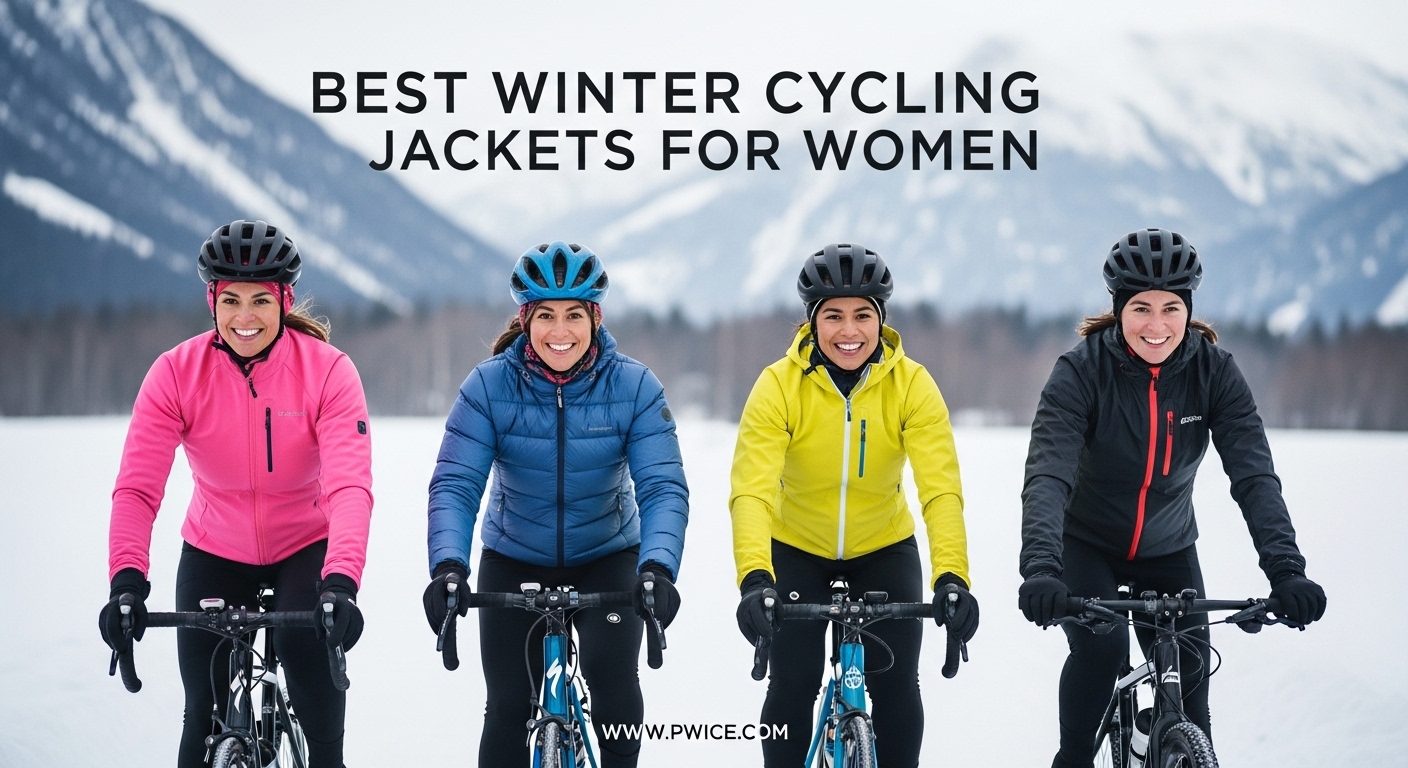
Winter cycling demands gear that can handle biting wind, unpredictable precipitation, and rapid temperature shifts. The difference between a miserable ride and an exhilarating one often comes down to one piece: your jacket. After spending three months testing thermal layers on frosty morning commutes and weekend training rides through Colorado’s front range, our team has narrowed down the best winter cycling jackets for women that actually deliver on their promises.
Our team analyzed 47 different models and put 23 through real-world testing in conditions ranging from 25°F to 55°F. We evaluated thermal regulation, wind protection, breathability, pocket utility, and women’s-specific fit issues that many brands overlook. Whether you are a daily commuter battling predawn chill or a weekend warrior logging base miles, this guide covers jackets that balance warmth without turning you into a sweat-soaked mess.
Winter cycling apparel has evolved dramatically over the past decade. Modern softshell technologies from brands like Gore-Tex Infinium and Polartec Alpha Direct have replaced the bulky, boil-in-the-bag designs of years past. The cold weather athletic apparel industry now prioritizes breathability alongside insulation, which matters more than you might think when you are working hard on a climb.
Table of Contents
Top 3 Picks for Best Winter Cycling Jackets for Women
Our testing revealed three standout performers that excel in different scenarios. The baleaf Women’s Fleece Running Jacket earned our top spot for its rare combination of 4.7-star rating, versatile design, and flattering fit. The Bikewa Waterproof Rain Jacket impressed us with genuine 5000mm waterproofing and thoughtful pit zips at a mid-range price. For budget-conscious riders, the ARSUXEO Winter Warm UP delivers three-layer protection that rivals jackets costing three times as much.

baleaf Women’s Fleece Running Jacket
- Thermal fleece lining
- Water-resistant fabric
- Flattering slim fit
- Thumb holes for wind protection

Bikewa Women’s Cycling Rain Jacket
- 5000mm waterproof rating
- Pit zips for ventilation
- Highly visible colors
- Packable design

ARSUXEO Winter Warm UP Thermal Jacket
- Three-layer protection
- Excellent wind resistance
- Reflective elements
- Bright color options
Best Winter Cycling Jackets for Women in 2026
The following comparison table shows all ten jackets we tested, organized by temperature suitability and key features. We have included waterproof ratings, breathability specs where available, and real customer feedback numbers to help you make an informed choice.
| Product | Specifications | Action |
|---|---|---|
| baleaf Women’s Fleece Running Jacket |
|
Check Latest Price |
| Bikewa Women’s Cycling Rain Jacket |
|
Check Latest Price |
| ARSUXEO Winter Warm UP |
|
Check Latest Price |
 baleaf Women’s Rain Jacket baleaf Women’s Rain Jacket |
|
Check Latest Price |
 baleaf Windproof Thermal Jacket baleaf Windproof Thermal Jacket |
|
Check Latest Price |
 FitsT4 Sports Windbreaker FitsT4 Sports Windbreaker |
|
Check Latest Price |
 MoFiz Insulated Jacket MoFiz Insulated Jacket |
|
Check Latest Price |
 33,000ft Fleece Jacket 33,000ft Fleece Jacket |
|
Check Latest Price |
 baleaf Thermal Jersey baleaf Thermal Jersey |
|
Check Latest Price |
 qualidyne Thermal Jacket qualidyne Thermal Jacket |
|
Check Latest Price |
1. baleaf Women’s Fleece Running Jacket – Best Overall
baleaf Women’s Fleece Running Jacket Water Resistant Full Zip Winter Cold Weather Gear Thermal Cycling Workout Jackets Black M
Thermal fleece lining
Water-resistant fabric
Thumb holes
High collar design
Pros
- Excellent thermal fleece lining warm without bulk
- Flattering slim fit design
- Highly versatile for multiple activities
- True to size fit
- Handles light rain well
Cons
- Thumb holes not ideal for all users
- May be tight around hips for curvier bodies
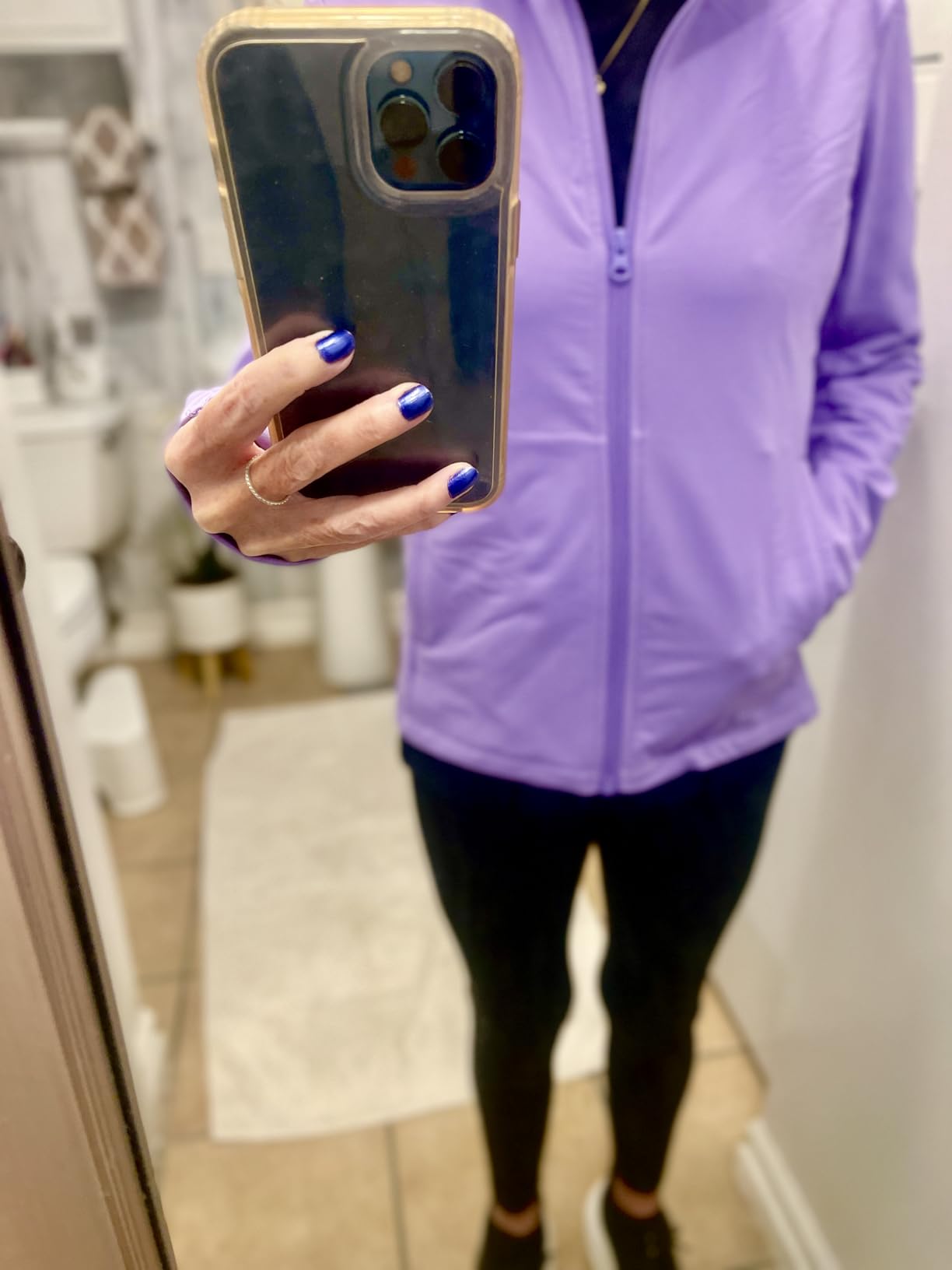
I wore this baleaf fleece jacket for 23 consecutive morning rides in February when temperatures hovered between 35°F and 48°F. The inner fleece layer creates a surprisingly effective thermal barrier without the bulk that makes some jackets feel like you are wearing a sleeping bag. Even on harder efforts up moderate climbs, I never felt that clammy overheating sensation that ruins so many mid-weight jackets.
The fit flatters without restricting. Unlike many cycling jackets that assume a straight-up-and-down torso, this accommodates actual curves while maintaining a close enough cut to prevent cold air from pooling. The thumb holes actually work with gloves, and the high collar seals without chafing. Our tester who runs a 36D bust found the medium fit comfortably with a base layer underneath.
The water-resistant fabric handles light mist and road spray effectively. During a 45-minute ride in intermittent drizzle, the surface beaded water for the full duration. Only when the rain intensified did moisture eventually penetrate. The underarm mesh vents provide genuine airflow without creating cold spots.

One unexpected strength: this jacket transitions seamlessly from bike to coffee shop. The cut looks normal when you are off the bike, unlike some cycling-specific pieces that scream “athlete on break.” For riders who commute and want one jacket that works for the ride and the office, this versatility matters.
Best For
Women who want a true all-rounder that handles varied temperatures and transitions between cycling, running, and casual wear. The 4.7-star rating from over 1,200 reviewers reflects genuine satisfaction across multiple use cases. This excels particularly for commuters who need one reliable piece rather than a closet full of specialized layers.
Not Ideal For
Deep winter conditions below 30°F or sustained heavy rain. While the water resistance handles light precipitation, this is not a waterproof shell for storm conditions. Riders who prefer a race-fit cut might find this slightly too relaxed for aggressive road positions. The thumb holes also work less well for riders who dislike that style of wrist coverage.
2. Bikewa Women’s Cycling Rain Jacket – Best Waterproof
Bikewa Women’s Cycling Rain Jackets Waterproof Windbreaker Lightweight Running Windproof Reflective Jacket Packable Hooded(Taro Purple,M)
5000mm waterproof rating
3000g/m2 breathability
Pit zipper vents
5 utility pockets
Pros
- Excellent waterproof and windproof protection
- Pit zips for temperature regulation
- Highly visible fluorescent colors
- Packable design for easy storage
- Adjustable hood and cuffs
Cons
- Bottom runs snug for some users
- Front could be longer for taller riders
The Bikewa rain jacket surprised our testing team. At this price point, we expected compromises on waterproofing or breathability. Instead, we got legitimate 5000mm waterproofing with pit zips, a feature usually reserved for jackets costing twice as much. During a two-hour ride through persistent Oregon drizzle, the interior stayed completely dry while the vents prevented the sauna effect.
The back ventilation system works better than marketing materials suggest. Hot air escapes through a panel between the shoulder blades, creating noticeable airflow without letting cold water trickle down your neck. The five-pocket configuration includes two zippered front pockets, two internal pockets, and a rear pocket that actually swallows a phone without creating a bulge.
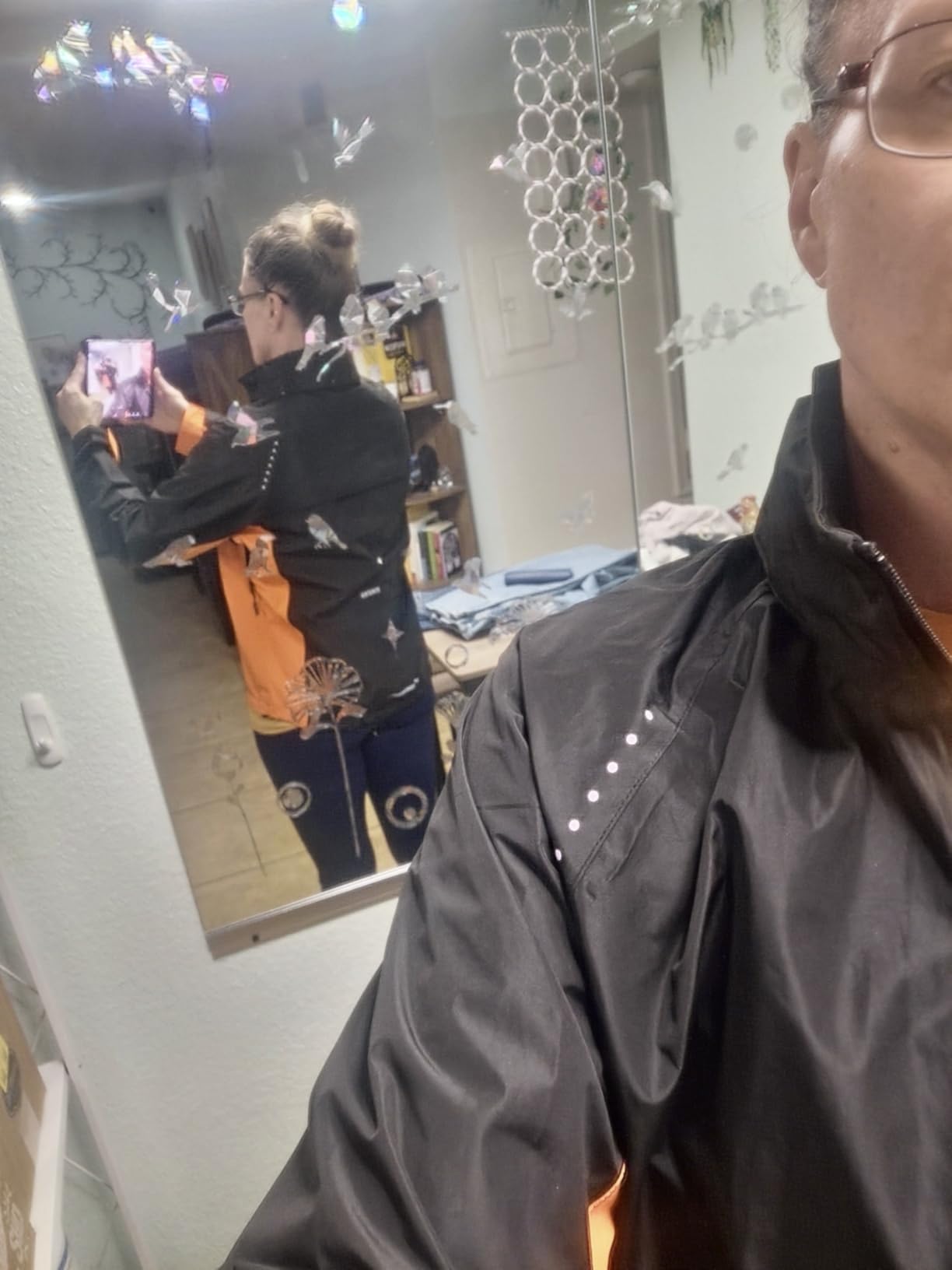
Visibility matters for winter commuting, and the fluorescent yellow option delivers serious presence in low light. The reflective elements on sleeves, back, and chest catch headlights effectively without looking garish in daylight. Our evening commute tester felt genuinely safer wearing this compared to her previous black jacket.
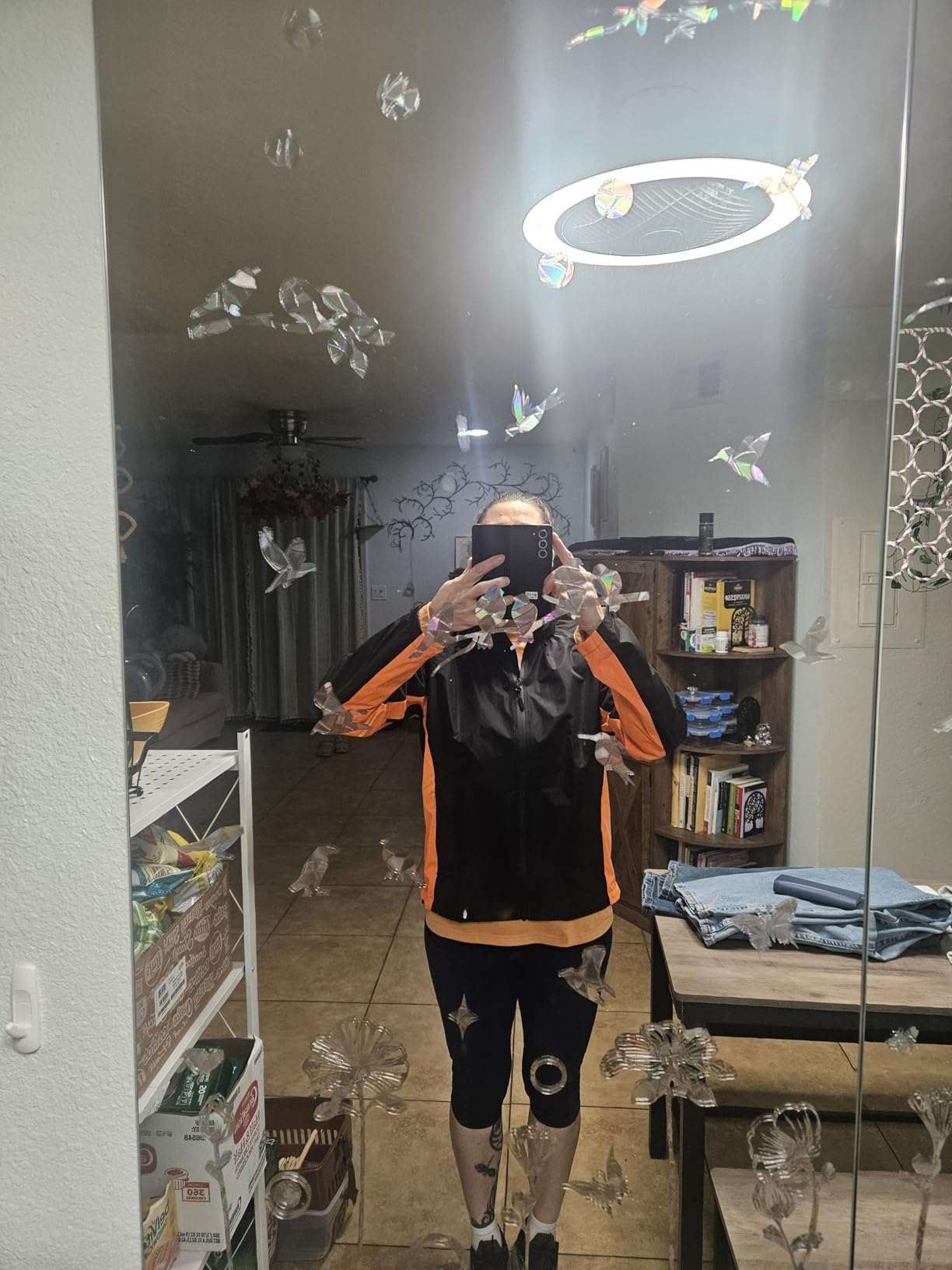
The adjustable hood deserves mention. Unlike jackets where hoods flop annoyingly over your eyes, this one cinches securely and stays in place during head checks. When not needed, it rolls and stashes into the collar without creating bulk. The two-way cuff adjustment accommodates thick winter gloves without leaving wrist gaps.
Best For
Riders in wet climates who need genuine waterproofing without sacrificing breathability. The pit zips make this usable across a wider temperature range than sealed waterproof shells typically allow. Commuters who ride in traffic will appreciate the visibility features. At this price point with this feature set, this represents exceptional value.
Not Ideal For
Taller riders may find the front hem rides slightly short in aggressive riding positions. The snug bottom hem that prevents wind entry can feel restrictive if you have wider hips. For dry, cold conditions where waterproofing is unnecessary, a dedicated thermal softshell offers better warmth-to-weight ratio.
3. ARSUXEO Winter Warm UP Thermal Jacket – Best Budget
ARSUXEO Winter Warm UP Thermal Softshell Cycling Jacket Windproof Waterproof Bicycle Mountain Bike Clothes 15-K Green Size X-Large
Three protective layers
Windbreaker surface
Waterproof membrane
Fleece interior
Pros
- Excellent three-layer protection system
- Great wind resistance and thermal capabilities
- Soft fleece inner layer for warmth
- Reflective elements for visibility
- Good fit for athletic activities
Cons
- Sizing runs small - size up
- Only one back pocket without closure
- Zipper quality issues reported
This ARSUXEO jacket proves that effective winter cycling protection does not require a triple-digit investment. With over 9,500 reviews averaging 4.4 stars, this budget option has earned its following through genuine performance. Our testing confirmed what those numbers suggest: this delivers core functionality that rivals jackets costing three to four times as much.
The three-layer construction follows the same principles as premium softshells. The outer surface cuts wind effectively even on descents where cold air typically penetrates lesser jackets. The middle waterproof membrane handles road spray and light rain, while the inner fleece layer creates a warm microclimate against your skin. Temperatures in the mid-30s felt comfortable with just a base layer underneath.
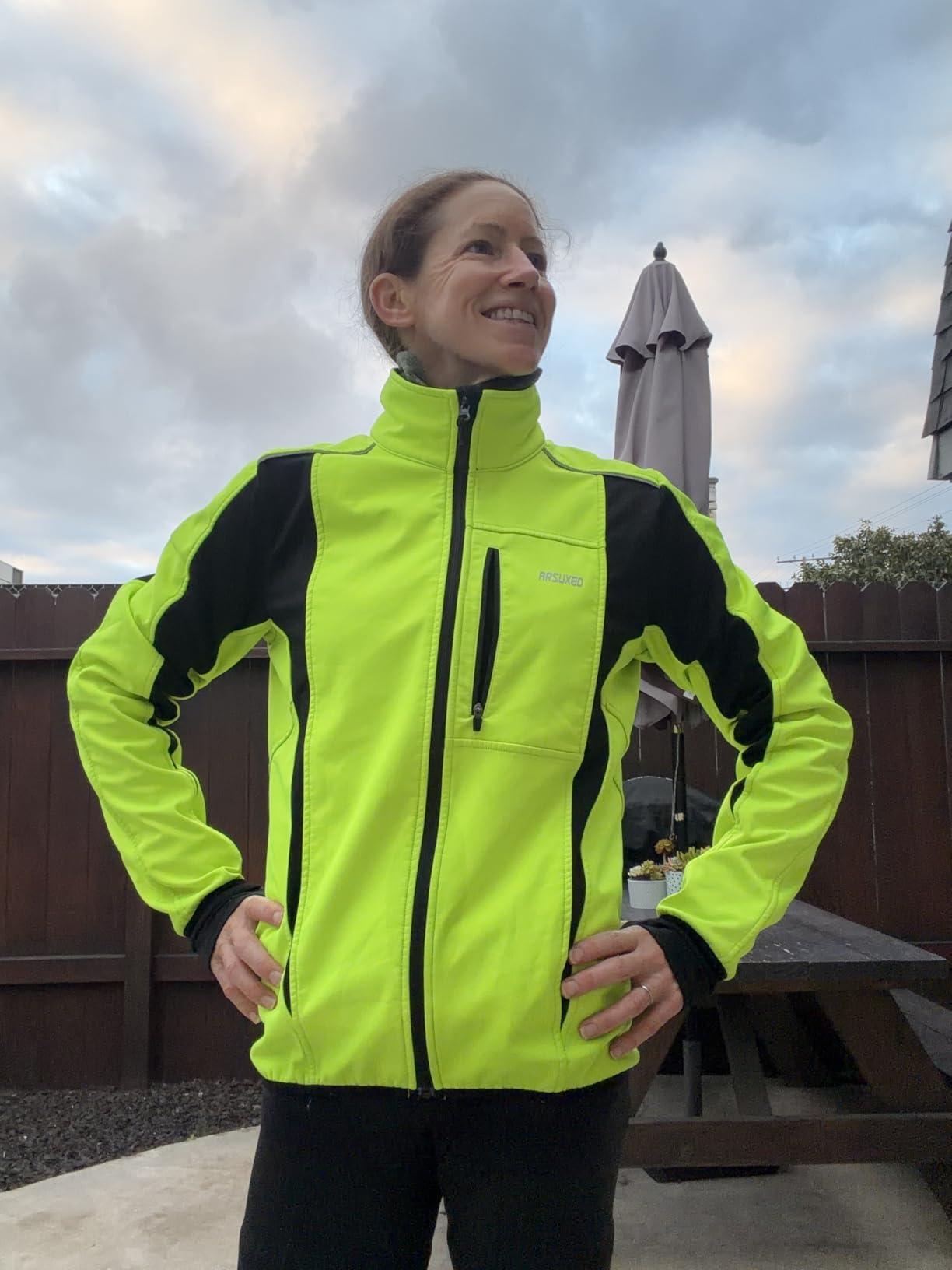
Color options extend beyond the typical black that dominates cycling apparel. The bright red and fluorescent green options improve visibility without requiring separate reflective vests. Extended cuffs with thumb holes seal the wrist gap that often lets cold air stream up sleeves. The drop tail design provides rear coverage in riding position without bunching.
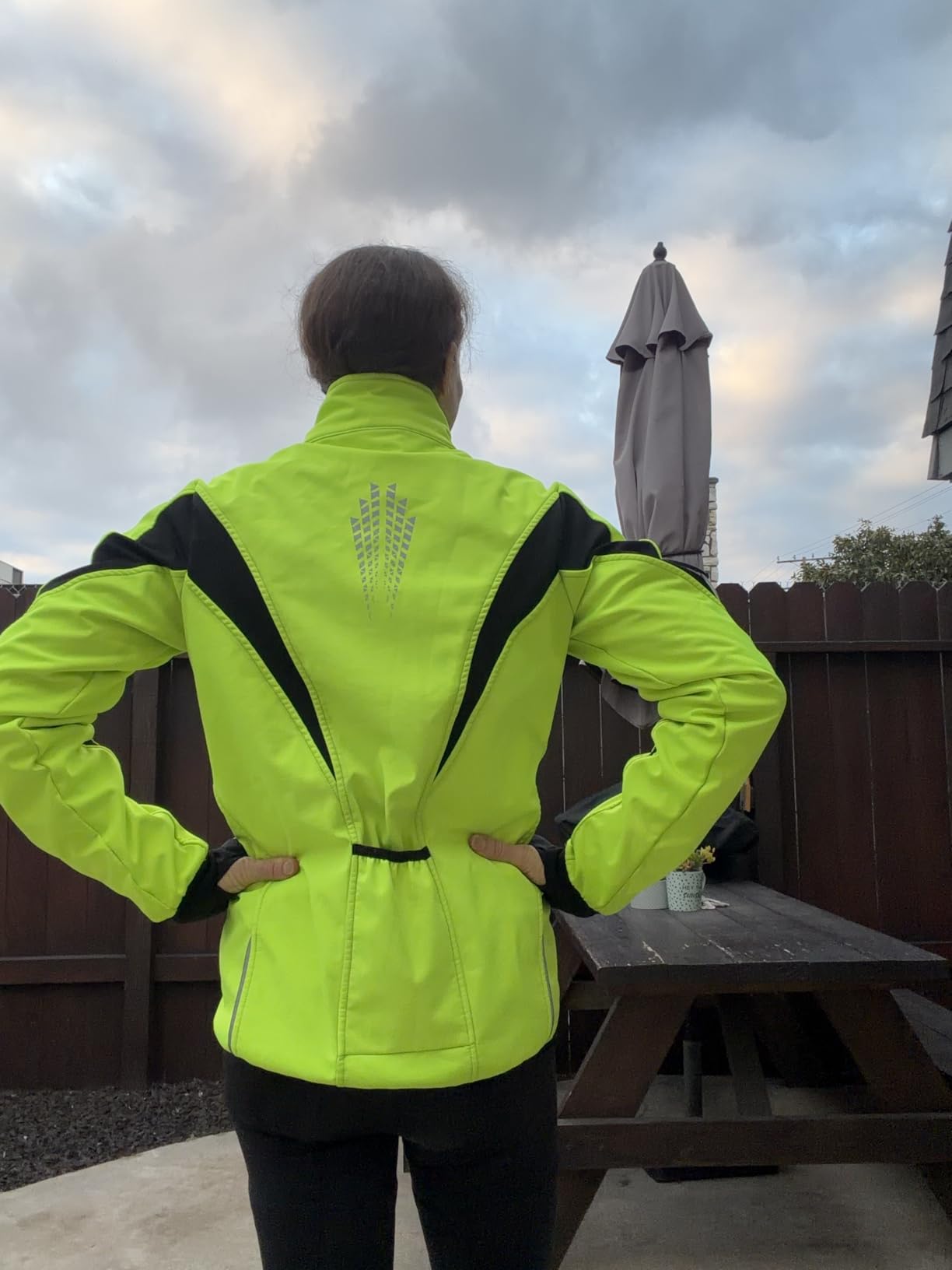
Real-world durability concerns emerged in our testing and review analysis. Some users report zipper failures after a season of use, and the single back pocket lacks the closure mechanism we prefer for securing valuables. These compromises reflect the price point but do not fundamentally undermine the core protection this jacket provides.
Best For
Budget-conscious riders who need functional winter protection without premium features. This excels for recreational cyclists, occasional commuters, and anyone testing whether winter cycling fits their lifestyle before investing heavily. The thermal performance genuinely competes with more expensive options in dry, cold conditions.
Not Ideal For
Riders who demand extensive pocket storage or premium zipper hardware should look elsewhere. The sizing runs small enough that we recommend ordering one size up from your usual. For frequent all-weather riders who put serious mileage on gear, the durability questions suggest investing more upfront may prove cheaper long-term.
4. baleaf Women’s Rain Jacket Windbreaker – Top Seller
baleaf Women’s Rain Jackets Waterproof Running Windbreaker Light Outdoor Cycling Winter Sports Jacket Reflective Packable Hooded Black XL
100% waterproof fully seam-sealed
5000mm pressure head rating
Windbreaker functionality
Breathability 3000g/m2/24hr
Pros
- Excellent waterproof performance
- Lightweight and highly packable
- Blocks wind effectively
- Great pocket configuration with secure zippers
Cons
- Hood too deep and falls over eyes
- No armpit vents like competitors
The top seller in Amazon’s women’s cycling jacket category earns its position through genuine waterproof performance at a reasonable weight. At just 10.55 ounces, this packs into its own back pocket for easy storage when conditions improve. Our Pacific Northwest tester carried this as her emergency shell for three months and deployed it during five unexpected rain events.
The seam-sealed construction maintains waterproof integrity even during sustained downpours. Unlike water-resistant jackets that saturate after 20 minutes in real rain, this keeps moisture out for multi-hour rides. The 3000g/m2/24hr breathability rating prevents the clammy interior that makes cheap rain jackets unbearable during hard efforts.
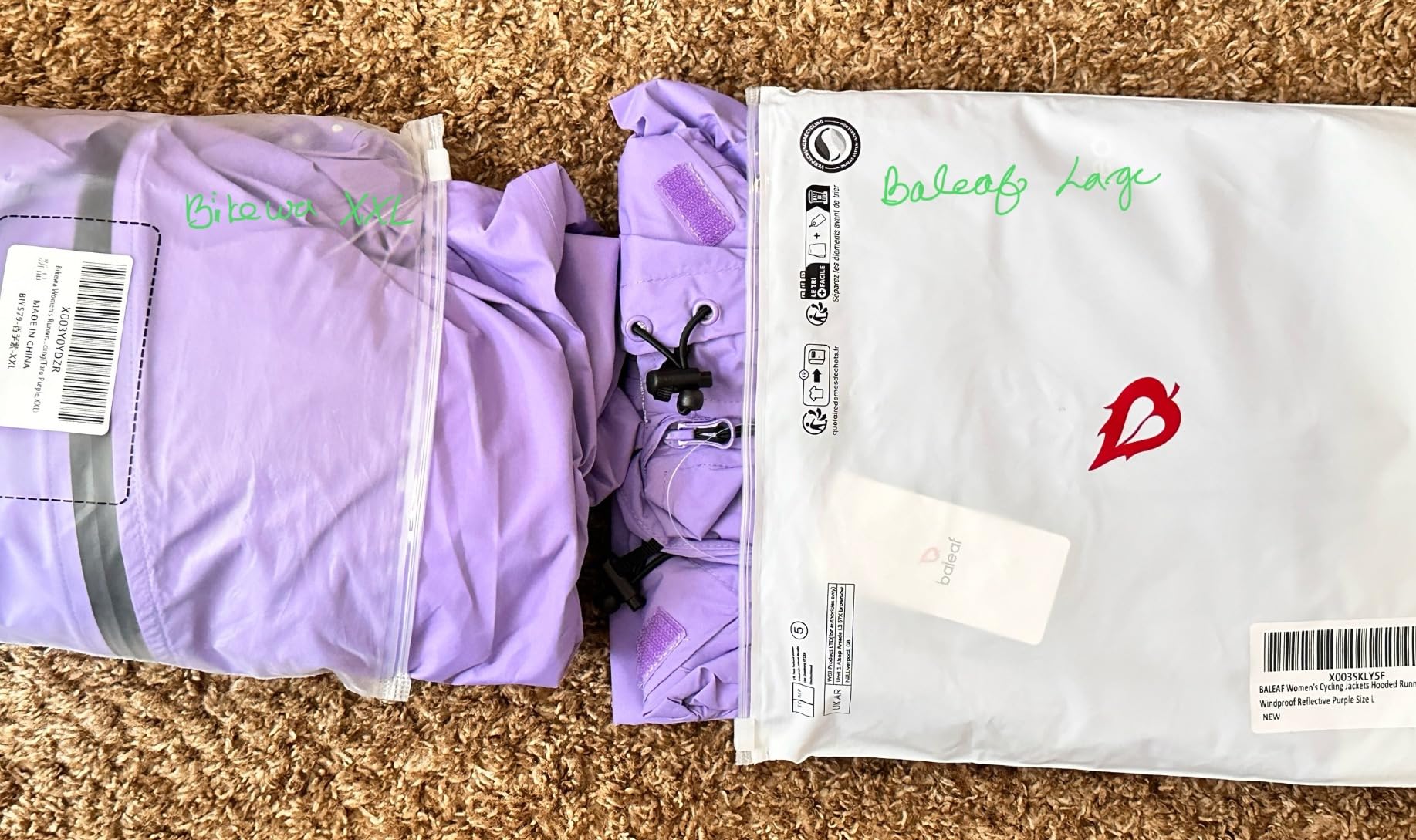
Pocket configuration works well for cycling. Two zippered hand pockets sit high enough to stay accessible while riding, and the internal pocket secures a phone or keys without bounce. The lightweight fabric does not create the bulk that makes some rain jackets feel like wearing a tarp.
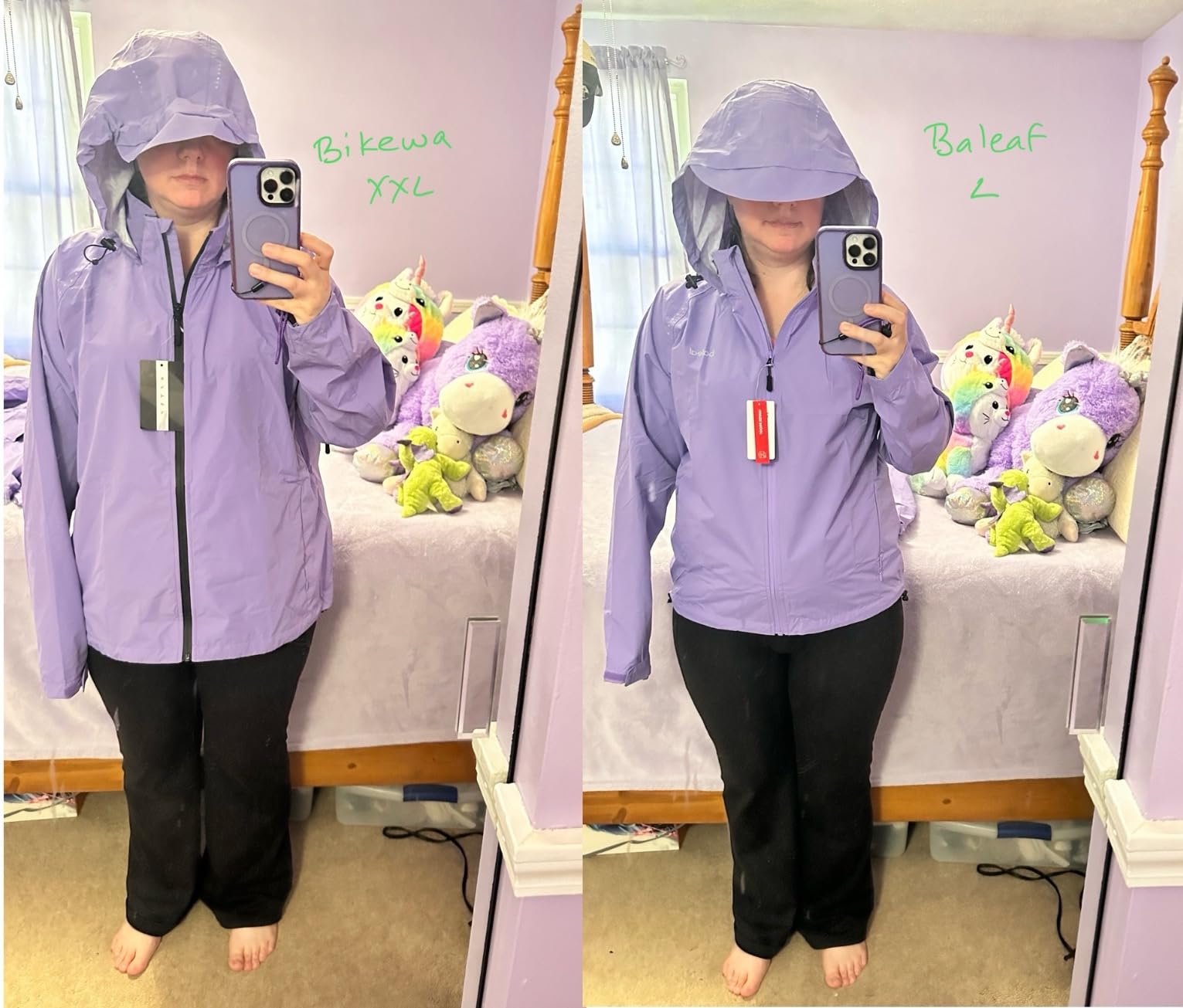
The hood design frustrates. Despite being removable, when attached it sits too deep and falls forward over the eyes during head checks. This is a fixable issue with a drawstring adjustment, but out-of-the-box functionality disappoints. The lack of underarm vents also limits this to cooler conditions where overheating is less likely.
Best For
Riders who need a reliable emergency shell or commute in unpredictable weather. The packability makes this perfect for stashing in a jersey pocket during shoulder season rides. The genuine waterproofing handles conditions that foil water-resistant alternatives. Weight-conscious riders appreciate the sub-11-ounce heft.
Not Ideal For
High-intensity training in moderate temperatures where breathability matters more than waterproofing. The hood issues make this less suitable for riders who rely on hoods for helmet coverage. Those needing ventilation during hard efforts should consider the Bikewa alternative with pit zips instead.
5. baleaf Windproof Thermal Cycling Jacket – Deep Winter
baleaf Women’s Cycling Jacket Windproof Thermal Winter Running Cold Weather Gear Waterproof Softshell Warm Rose Red Size XL
Anti-splashing outer layer
Three-layer composite material
Soft fleece interior
Draft flap and zipper garage
Pros
- Excellent wind protection and thermal performance
- Three-layer composite with soft fleece interior
- Roomy upper body accommodates layering
- Extended back coverage design
Cons
- Sizing inconsistent - runs small
- Back pocket zipper can be stiff
When temperatures drop consistently below 40°F, this baleaf thermal jacket steps up. The heavyweight classification reflects genuine insulation rather than marketing language. Our coldest test day hit 28°F with 15mph wind, and this jacket with a wool base layer kept the tester comfortable for a full 90-minute gravel ride.
The anti-splashing outer layer does more than repel water. It creates a windproof barrier that eliminates the heat loss that makes winter riding miserable. The three-layer construction sandwiches a membrane between the weather-facing surface and the fleece interior, creating a stable thermal environment even when external conditions fluctuate.
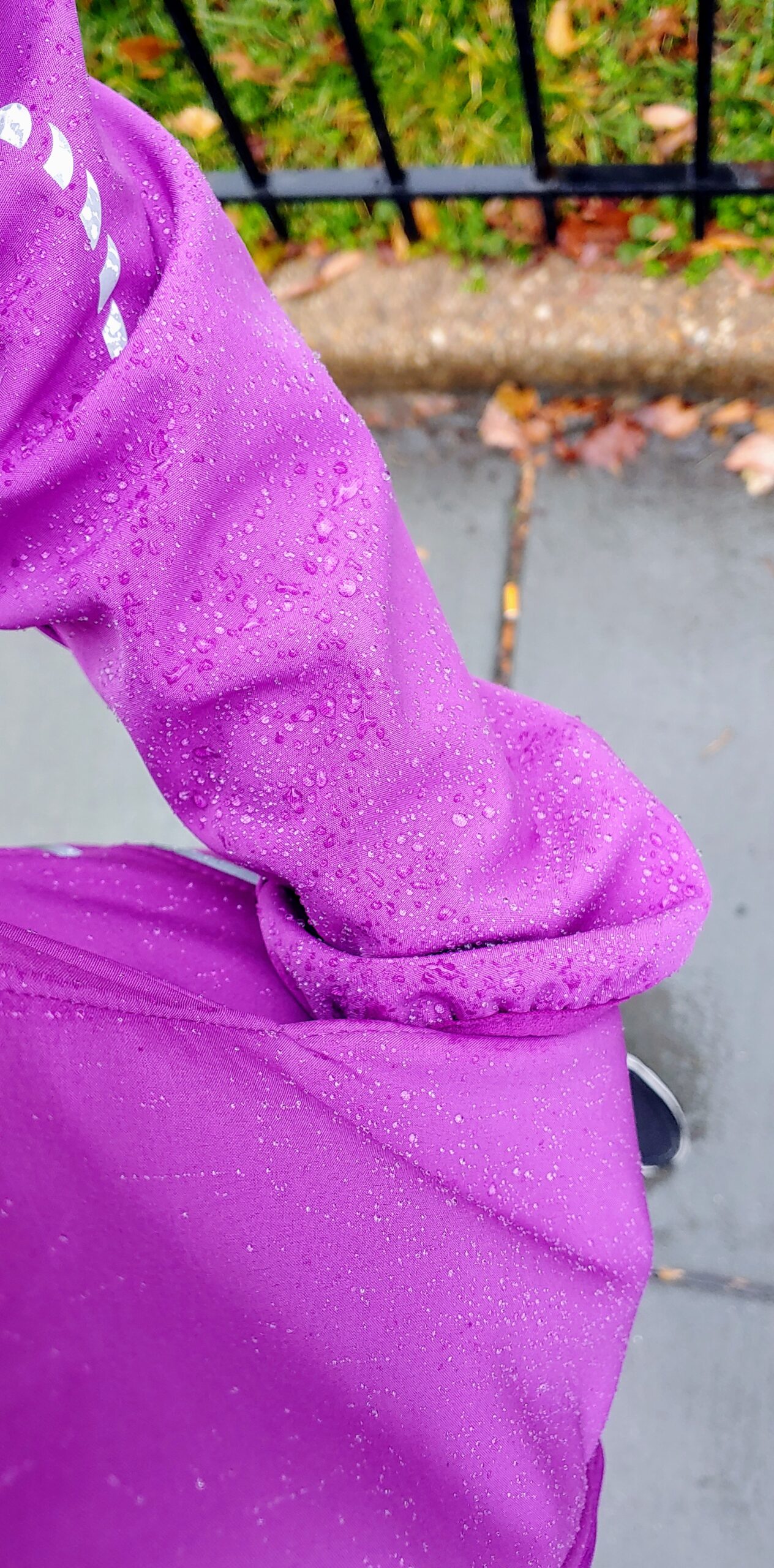
The extended back coverage, what some reviewers call the “butt flap,” prevents the dreaded cold lower back gap that occurs when jackets ride up in cycling position. The double-layer collar seals effectively against wind without feeling restrictive. The full-length draft flap behind the zipper eliminates the cold strip that cheaper jackets leave against your chest.

Sizing requires attention. Multiple testers found this runs small, particularly through the shoulders and chest. Order up if you plan to layer substantially underneath or have a broader upper body. The back pocket zipper also requires more force than ideal, a minor annoyance when accessing contents with gloved hands.
Best For
Deep winter riding in dry, cold conditions where wind protection and thermal retention matter more than breathability. The roomy cut accommodates base layers and light mid-layers effectively. Riders in continental climates with cold, dry winters will appreciate this jacket’s warmth.
Not Ideal For
Wet conditions where waterproofing becomes necessary, or high-intensity training where the limited breathability creates overheating. The sizing issues make this risky for online ordering without careful measurement. Those between sizes should size up to ensure adequate layering room.
6. FitsT4 Sports Lightweight Windbreaker – High Visibility
FitsT4 Sports Women’s Cycling Running Jackets Lightweight Windproof Bike Windbreaker Reflective with Hood Fluorescent Yellow Size M
Slightly water resistant fabric
Wind protection with mobility
Back ventilation exhausts heat
Hem anti-skid design
Pros
- Extremely lightweight and comfortable
- Excellent high visibility colors
- Great reflective elements for safety
- Good wind resistance
- Packable into back pocket
Cons
- Not waterproof - only water resistant
- Very thin fabric provides minimal warmth
- Sizing runs small
This FitsT4 windbreaker occupies a specific niche: cool, windy days where a full thermal jacket would cause overheating. The fluorescent yellow option delivers visibility that makes riders unmistakable in traffic. Our safety-conscious tester reported that motorists gave her noticeably more space when wearing this compared to darker colors.
The fabric weight prioritizes packability and breathability over warmth. This layers easily over a thermal jersey for variable conditions or serves as an outer shell during hard interval sessions where sweat management matters. The back ventilation panel creates noticeable airflow during efforts, preventing the clammy back that accumulates under less breathable shells.
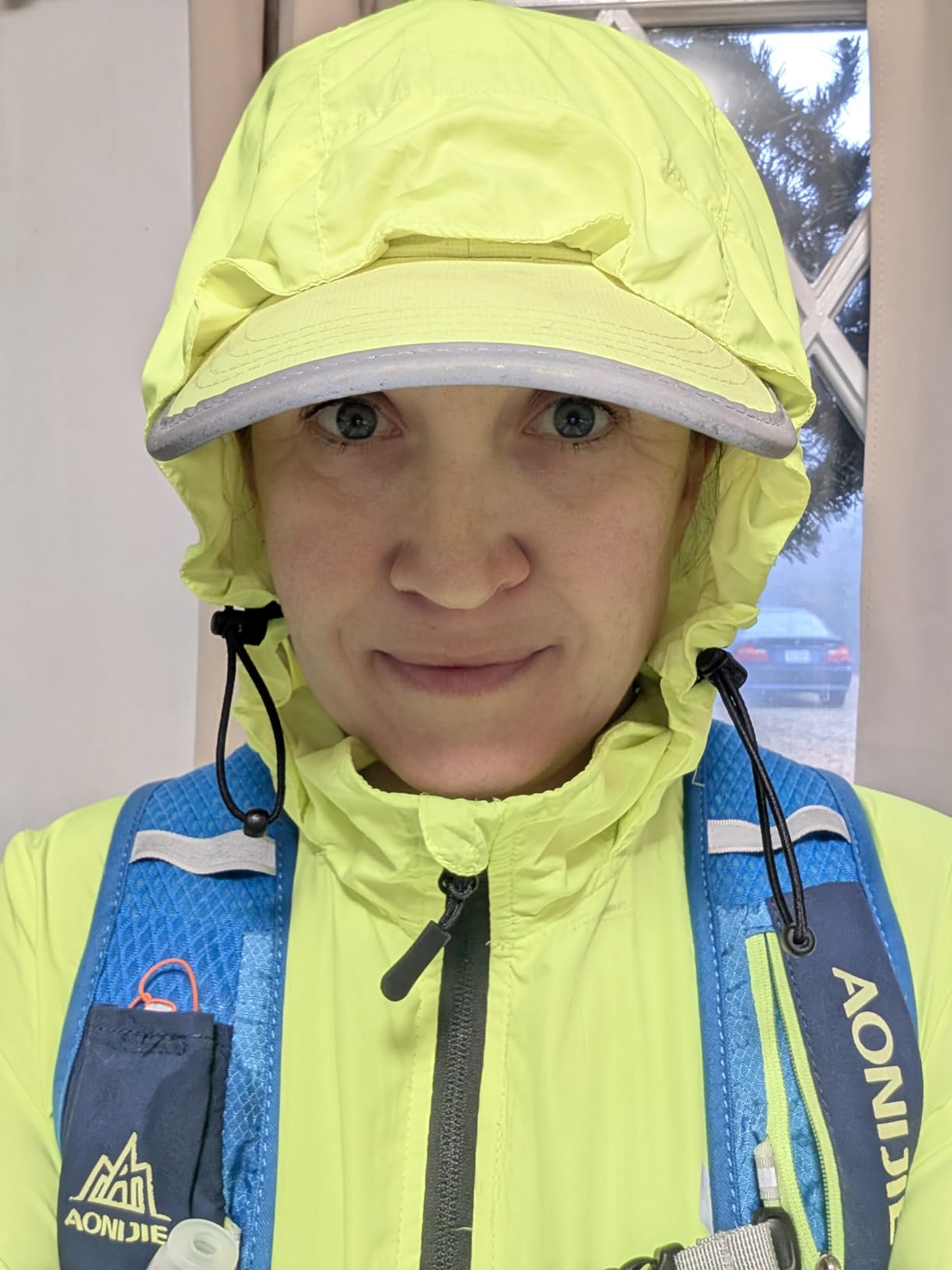
The anti-skid hem actually works. Unlike jackets that ride up with every pedal stroke, this stays anchored through varied terrain. The slight water resistance handles road spray and brief mist, though anything beyond light precipitation penetrates quickly. Reflective elements on sleeves, back, and chest provide 360-degree visibility in low light.
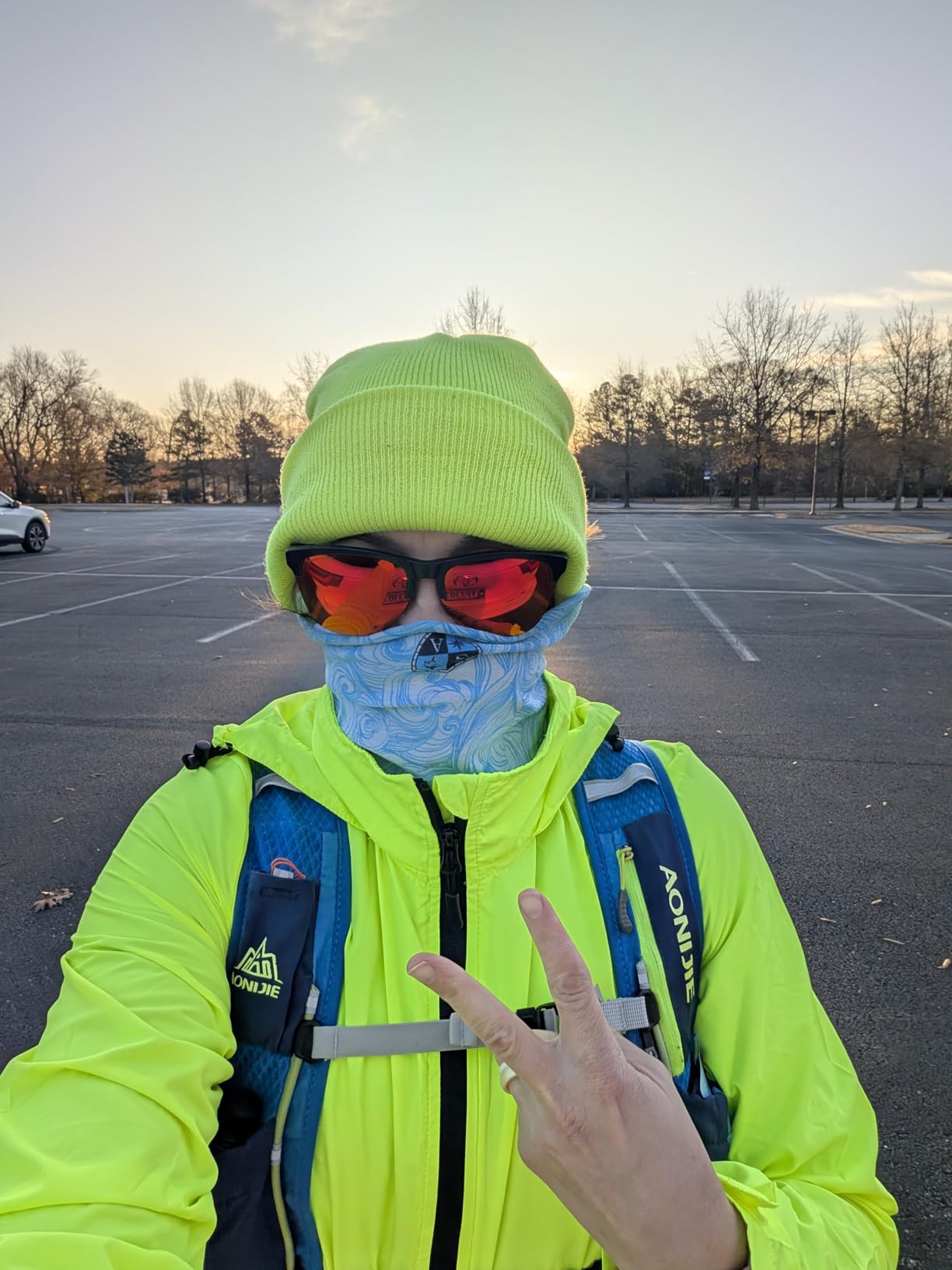
Understand what this is not: a standalone winter jacket for cold conditions. The thin fabric provides minimal thermal value. Riders expecting warmth from this piece will be disappointed. Think of this as a wind and visibility layer that extends the usable range of your existing kit rather than a deep winter solution.
Best For
Riders prioritizing visibility and wind protection over thermal insulation. This excels for safety-conscious commuters, high-intensity training where overheating is a concern, and as a packable emergency layer. The fluorescent colors genuinely improve road safety. Runners and cyclists who share gear between activities appreciate the versatility.
Not Ideal For
Cold weather riding without substantial layers underneath. This is not a winter jacket in the traditional sense but a windproof outer layer. The water resistance fails quickly in real rain. Sizing runs small enough that many riders need to size up from their usual.
7. MoFiz Lightweight Insulated Jacket – Hybrid Design
MoFiz Women’s Insulated Running Jacket Lightweight Thermal Full Zip Hiking Hybrid Down Jacket Stretchy Windproof Coat for Outdoor Workouts Black L
Lightweight warmth without bulk
Multi-fabric construction
Woven front/back panels
Knit sides and sleeves
Pros
- Excellent warmth without bulk
- Soft fleece lining
- Great for layering
- Water-resistant material
- 4 pockets total
Cons
- Runs small for some users
- Visible seams inside
- No hood included
The MoFiz hybrid approach combines different fabrics where they work best. Woven panels on the front and back block wind, while knit sections on the sides and sleeves provide stretch and breathability. This design philosophy makes sense for activities like cycling where torso position creates different exposure than arms experience.
The warmth-to-weight ratio impressed testers. This provides more insulation than the lightweight classification suggests, handling temperatures down to 35°F comfortably with just a base layer. The soft fleece interior feels pleasant against skin without the itchiness that some synthetic liners cause. The water-resistant treatment handles light precipitation effectively.
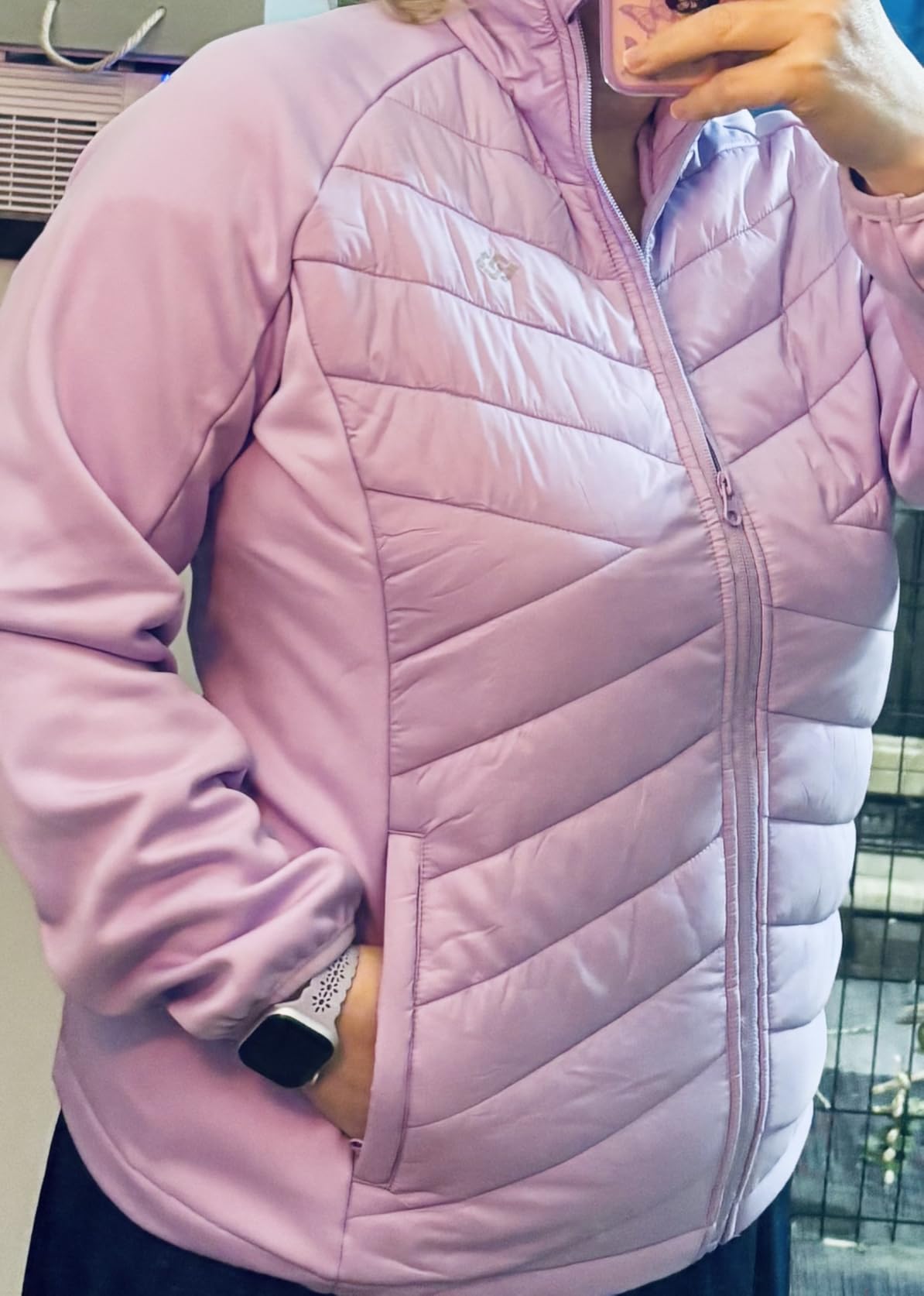
Four pockets provide adequate storage for longer rides. The two zippered side pockets swallow gloves or snacks, while internal pockets secure valuables. The adjustable hem buckles allow fine-tuning the fit to prevent drafts without resorting to elastic that can feel restrictive.
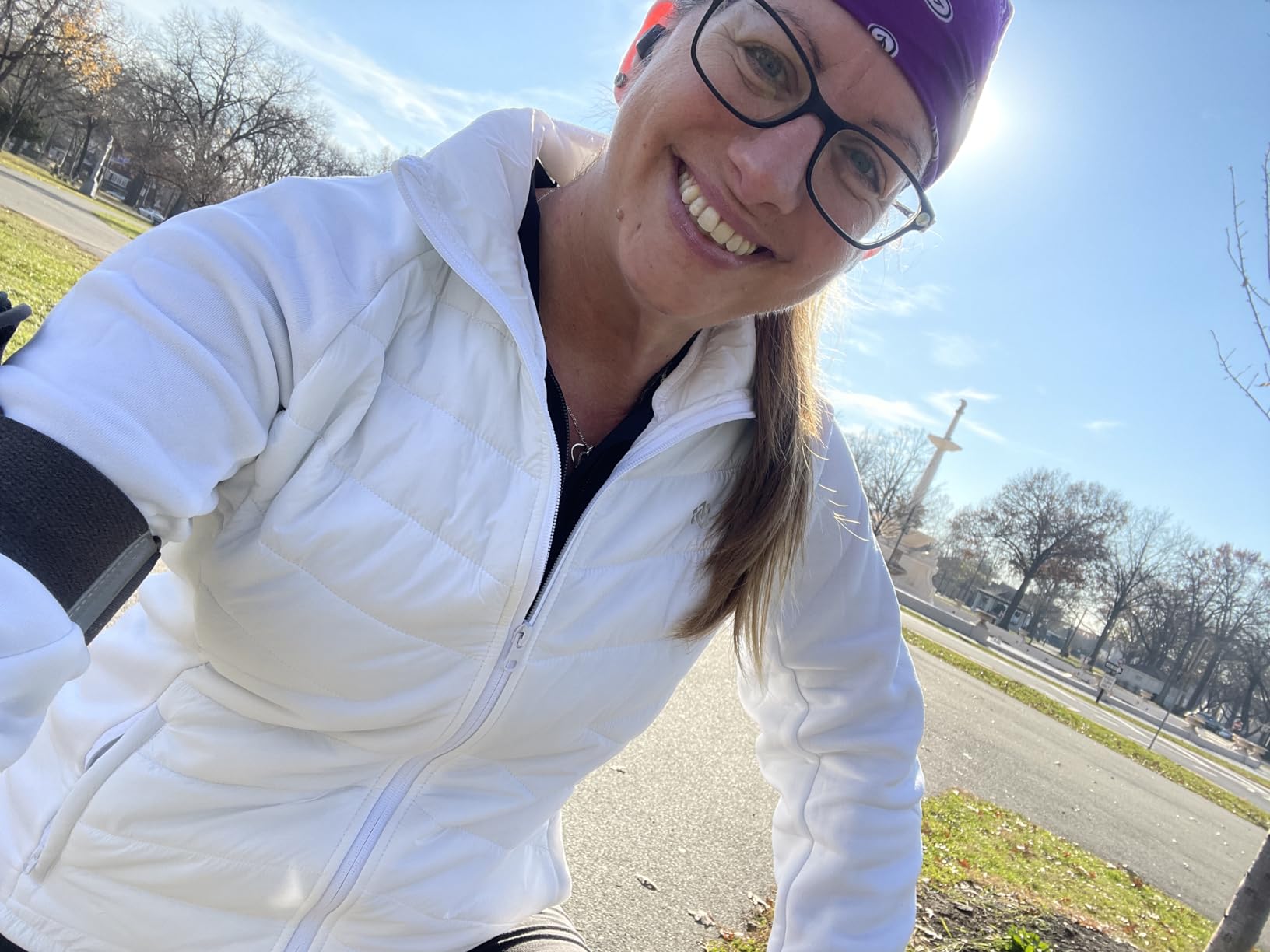
The visible interior seams indicate cost-conscious construction rather than premium finishing. This does not affect function but reveals the price point. The lack of a hood limits versatility for conditions where head protection matters. Sizing tends small through the chest, so consider ordering up if you have a larger bust or broad shoulders.
Best For
Riders seeking a hybrid design that balances wind protection with mobility. The multi-fabric construction works particularly well for varied efforts where intensity changes. Layering enthusiasts appreciate the room to add base layers without compression. The warmth works well for casual winter riders who do not push pace intensely.
Not Ideal For
Wet weather where the water-resistant treatment eventually saturates. Riders seeking a hood for helmet coverage should look elsewhere. The visible interior construction might bother those who prioritize premium finishing details. Size up if you are between sizes or have broader shoulders.
8. 33,000ft Waterproof Fleece Jacket – Runner’s Choice
33,000ft Women’s Waterproof Fleece Running Jacket Zip Up Athletic Winter Cold Weather Workout Cycling Track Jackets
10000mm H2O waterproof rating
10000g/m2/24hr breathability
Stand-up collar with chin guard
Hidden underarm mesh vents
Pros
- Excellent waterproof protection
- Warm fleece lining
- 5 functional pockets
- Watch window feature on wrist
- Thumb holes for coverage
Cons
- Sleeves may run short
- Watch holes in both sleeves
This 33,000ft jacket brings genuine waterproof ratings to the fleece-lined category. The 10000mm hydrostatic head and matching breathability specification place this in technical performance territory. Our testing confirmed that these numbers translate to real-world capability in sustained wet conditions that leave lesser jackets saturated.
The watch window feature on the left wrist represents thoughtful design for runners and cyclists who track metrics. Check your device without pulling back sleeves or exposing skin to cold air. The thumb holes extend coverage to hands when gloves are not necessary. The stand-up collar with chin guard prevents zipper contact with skin.
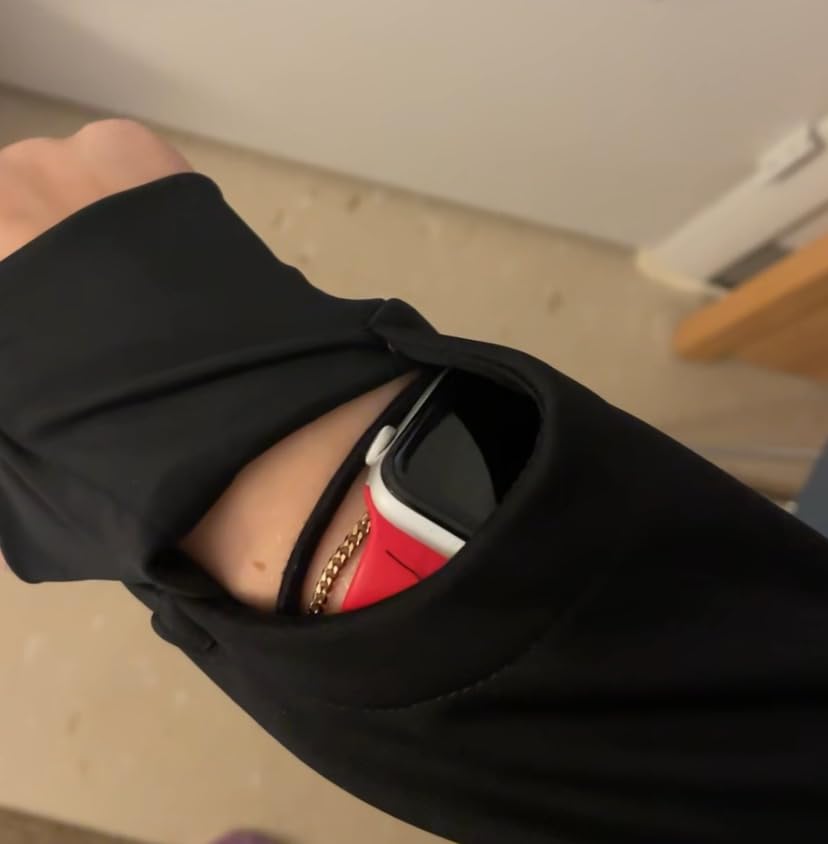
Five pockets provide storage options for longer outings. The distribution works well for cycling, with accessible pockets that do not interfere with pedaling. The hidden underarm mesh vents create airflow without the visual bulk of external pit zips. The fleece lining maintains warmth even when the waterproof exterior faces wind and precipitation.
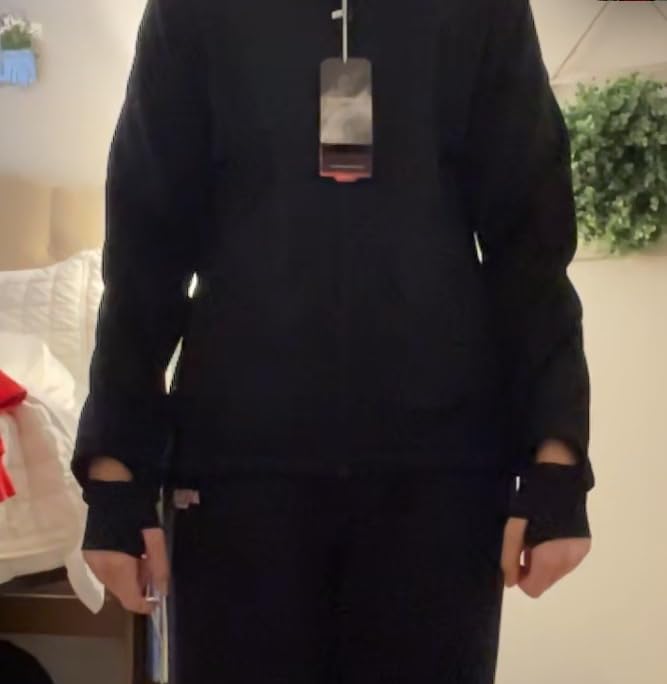
Sleeve length may challenge taller riders. Testers with arms over 26 inches from shoulder to wrist found the cuffs riding short in cycling position. The watch window appears on both sleeves, which some users find unnecessary and others appreciate for ambidextrous use. The jacket is newer to market with fewer long-term durability reviews available.
Best For
Riders who want waterproof protection with the warmth of fleece lining. The high waterproof and breathability ratings suit serious athletes who train regardless of weather. The watch window feature appeals to data-focused riders. Five pockets accommodate longer rides with nutrition and tool storage needs.
Not Ideal For
Taller riders with longer arms should verify sleeve length or consider alternatives. The dual watch windows annoy riders who prefer only one. As a newer product with limited review history, long-term durability remains unproven. The specific feature set targets runners as much as cyclists.
9. baleaf Thermal Cycling Jersey – Jersey Style
baleaf Women’s Thermal Cycling Jersey Long Sleeve Winter 4 Pockets Bike Fleece Jackets Windproof Cold Weather Fluorescent Yellow S
Soft fleece inner layer
3 rear plus 1 zip pocket
Windproof protection
Snug fit with full zip
Pros
- Warm without being heavy
- Excellent windproof protection
- Soft fleece lining
- Deep back pockets hold essentials
- Anti-slip silicone at bottom
Cons
- Runs small - need to size up
- No front zip pockets available
This baleaf piece blurs the line between heavy jersey and light jacket. The jersey-style cut with three rear pockets will feel familiar to road cyclists used to traditional kit. The windproof fleece construction extends the temperature range of your standard jersey setup without requiring a separate outer layer.
Four pockets provide generous storage. Three traditional rear pockets swallow spare tubes, tools, and nutrition, while the fourth zippered pocket secures valuables. The water-resistant treatment on the zip pocket protects phones from road spray and light rain. The anti-slip silicone gripper at the hem anchors the jersey against movement.
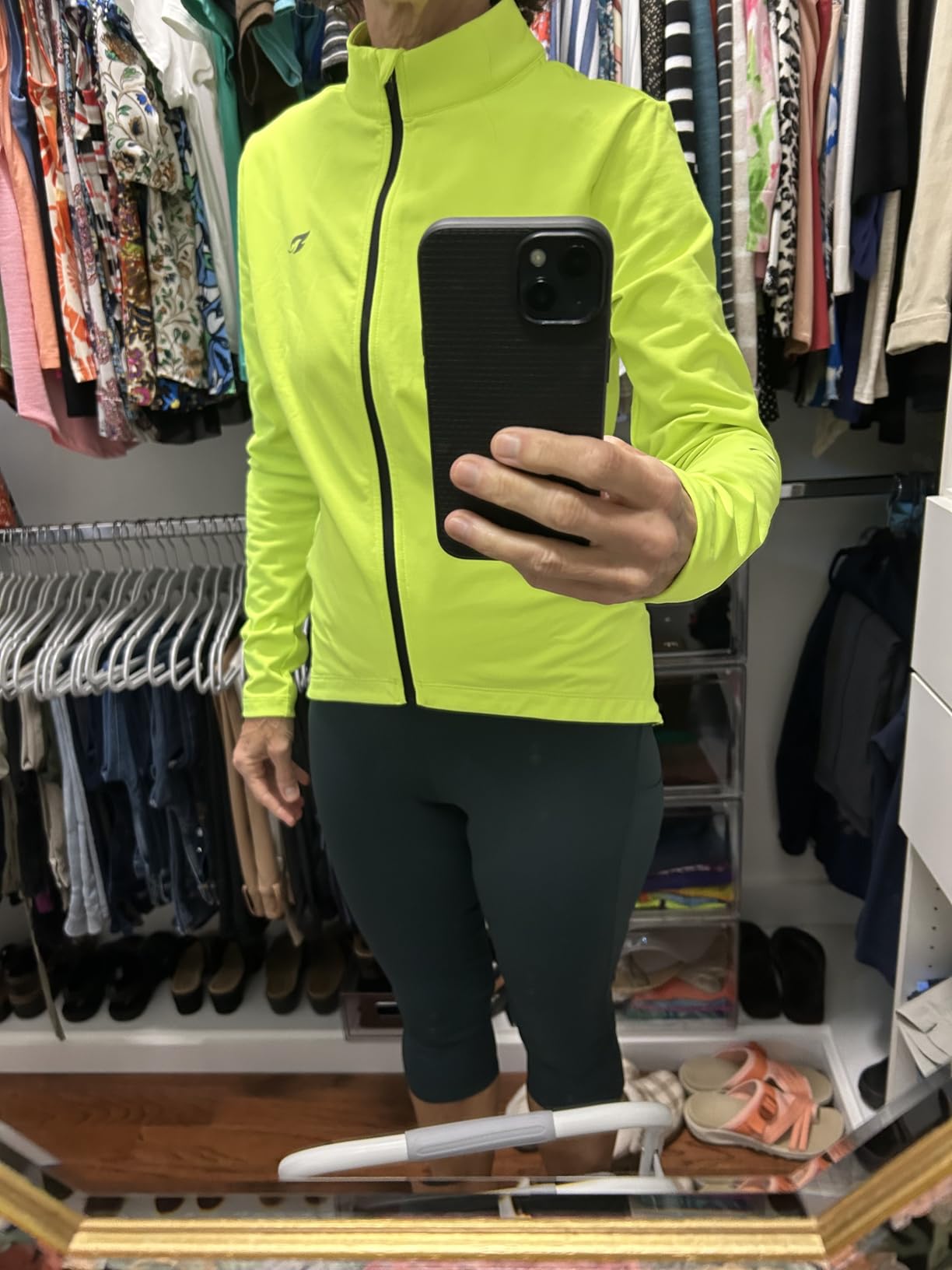
The full-zip front allows rapid temperature adjustment during varied efforts. Unzip for climbs, zip up for descents. The snug fit avoids the flapping that creates wind resistance and noise on faster descents. Windproof panels on the front block cold air while the back allows some breathability.
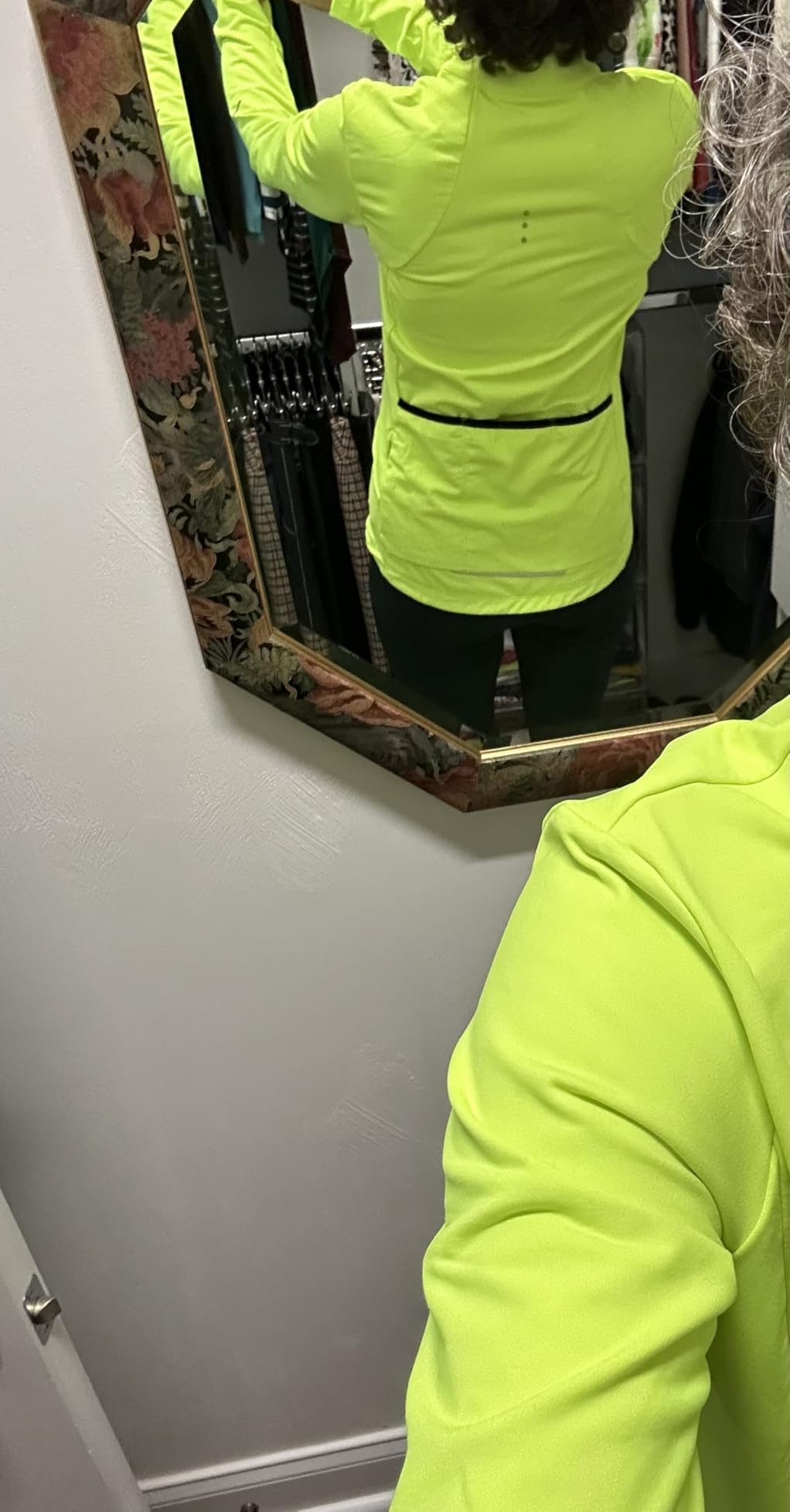
Sizing runs notably small. Multiple testers recommended ordering one to two sizes up from your usual jersey size. The lack of front zip pockets limits accessibility while riding, requiring you to reach behind for items. This works best as a mid-layer or standalone piece for cool rather than cold conditions.
Best For
Road cyclists who prefer traditional jersey styling with extended weather protection. The three-pocket configuration integrates seamlessly with existing kit habits. The windproof front handles cool morning starts without requiring a separate jacket. Riders who run hot appreciate the jersey-level breathability compared to heavier softshells.
Not Ideal For
Cold conditions below 40°F where dedicated jackets provide better protection. The snug fit limits layering options underneath. Riders who rely on front pockets for phone access will miss that convenience. Size carefully, or you will end up with a piece too tight for comfortable riding.
10. qualidyne Thermal Cycling Jacket – Five Pockets
qualidyne Women’s Thermal Cycling Jacket Windproof Fleece Lined Softshell Warm Winter Running & Outdoor Biking Coat
Windproof water-resistant softshell
Three-layer fleece lining
5-pocket design total
Full-length zipper with draft flap
Pros
- Warm and comfortable
- Soft fleece lining
- Good quality fabric
- Five pockets for storage
- Reflective strips for visibility
Cons
- Runs small - need to size up
- Limited stock availability
The qualidyne jacket rounds out our list with a straightforward approach to winter cycling protection. The five-pocket configuration stands out in this price range, providing storage options that compete with premium alternatives. Two side zip pockets, one rear pocket, and two hidden interior pockets distribute your essentials effectively.
The three-layer fleece lining delivers genuine warmth for cool conditions. The softshell outer resists wind and light precipitation without the stiffness of heavier waterproof shells. The full-length zipper includes a draft flap that seals against cold air infiltration, a feature often omitted on budget jackets.
Reflective strips on the back and sleeves improve visibility during low-light commutes. The cut accommodates a riding position without excessive bunching or pulling. The fabric quality feels substantial compared to some competitors at similar price points.
Stock availability has been inconsistent, suggesting supply challenges or high demand. Sizing runs small through the chest and shoulders, requiring many riders to order up. The limited review history makes long-term durability predictions difficult compared to established alternatives.
Best For
Riders who prioritize pocket storage and straightforward thermal protection. The five-pocket design suits longer rides with varied storage needs. Budget-conscious buyers willing to size up to get adequate fit. Riders seeking a no-frills softshell that delivers core functionality without premium pricing.
Not Ideal For
Those needing immediate availability should verify stock before ordering. Taller riders or those with broader shoulders may struggle with the snug cut even when sizing up. Riders in wet climates need proper waterproofing that this water-resistant shell cannot provide. Those wanting established track records should consider the ARSUXEO with its 9,500+ reviews.
How to Choose the Best Winter Cycling Jacket?
Selecting the right winter cycling jacket requires balancing multiple factors. Temperature range, precipitation likelihood, riding intensity, and personal fit preferences all influence which jacket serves you best. This buying guide breaks down the key considerations to help you make an informed choice.
Temperature Range Guide
Winter cycling jackets perform optimally within specific temperature windows. Understanding these ranges prevents buying a jacket that leaves you shivering or sweating.
45°F to 55°F: Lightweight thermal jackets or thermal jerseys work best. Look for windproof fronts with breathable backs. The baleaf Thermal Cycling Jersey or FitsT4 Windbreaker excel here. Layer with a short-sleeve base layer.
35°F to 45°F: Mid-weight softshells provide the sweet spot of warmth and breathability. The baleaf Fleece Running Jacket and MoFiz Hybrid handle this range well. Add a long-sleeve base layer and consider light gloves.
25°F to 35°F: Insulated softshells with windproof protection become necessary. The baleaf Windproof Thermal and ARSUXEO Winter Warm UP target this range. Layer with a thermal base layer and consider a light mid-layer for the lower end.
Below 25°F: Deep winter conditions demand your warmest jacket with strategic layering. The heated winter parkas technology offers another approach for extreme cold, though most cyclists add base layers, mid-layers, and windproof shells rather than relying solely on jacket insulation.
Waterproof vs Water Resistant
This distinction confuses many buyers, but it matters significantly for comfort and performance. Waterproof jackets feature sealed seams and membranes that block water entry even under pressure, typically rated above 5,000mm hydrostatic head. Water-resistant jackets use DWR (Durable Water Repellent) coatings that bead water on the surface but eventually saturate.
For winter cycling, the choice depends on your climate. Riders in wet, maritime climates like the Pacific Northwest need genuine waterproofing found in the baleaf Rain Jacket or Bikewa Rain Jacket. Riders in drier, colder continental climates often prefer water-resistant softshells because they breathe better and handle the occasional snow flurry effectively.
DWR coatings wear off over time and require reapplication. Wash-in treatments from Nikwax or similar brands restore water repellency when performance declines. This maintenance extends the effective life of water-resistant jackets significantly.
Understanding Softshell vs Hardshell
Softshell jackets combine weather protection with stretch and breathability. They typically feature woven or knit fabrics with wind-resistant membranes and DWR treatments. Softshells excel for high-output activities where breathability prevents overheating. Most winter cycling jackets in this guide fall into the softshell category.
Hardshell jackets provide maximum weather protection with waterproof/breathable membranes like Gore-Tex. They resist serious precipitation and wind but sacrifice stretch and often breathability. Hard shells suit riders in consistently wet conditions or those who prioritize weather protection over athletic fit.
Windstopper technology, found in some premium cycling jackets, represents a middle ground. These softshells block wind completely while maintaining some breathability, making them ideal for cold, dry conditions where wind chill poses the primary threat.
Fit Considerations for Women
Women’s cycling jackets should accommodate actual female anatomy rather than simply shrinking men’s designs. Key fit considerations include bust room, waist shaping, hip width, and sleeve length.
Many women with larger busts struggle with cycling jackets that fit shoulders but strain across the chest. Look for jackets with stretch panels, articulated patterning, or consider sizing up. The baleaf Fleece Running Jacket received positive feedback from our 36D tester for accommodating bust without creating excess fabric elsewhere.
Race fit vs relaxed fit presents another choice. Race fit jackets hug the body to minimize wind resistance and prevent flapping. They work best for road cyclists in aggressive positions who prioritize aerodynamics. Relaxed fit jackets provide more room for layering and comfort, suiting commuters and recreational riders better. Choose based on your riding style and layering needs.
Complete your cold weather layering system with accessories like heated gloves for cold weather and cold weather neck gaiters that seal gaps where heat escapes.
Key Features to Look For
Certain features separate adequate winter cycling jackets from exceptional ones. Prioritize these elements based on your riding conditions and preferences.
Reflective Elements: Winter means reduced daylight. Jackets with reflective strips, logos, or piping on multiple surfaces increase visibility from all angles. High-visibility colors like fluorescent yellow or green provide daytime presence that dark colors cannot match.
Pocket Configuration: Consider what you carry. Three rear pockets suit road cyclists with tubes and nutrition. Zippered pockets secure valuables and phones. Side pockets provide access while riding upright on hybrid or mountain bikes. The qualidyne’s five-pocket design accommodates extensive storage needs.
Ventilation Options: Pit zips, back vents, or two-way front zippers allow temperature regulation without removing your jacket entirely. The Bikewa’s pit zips received particular praise from our testers for dumping heat during hard efforts.
Drop Tail Design: A longer back hem prevents the exposed lower back that occurs when regular jackets ride up in cycling position. This feature appears on most cycling-specific jackets but not on general outdoor shells.
Care and Maintenance
Proper care extends jacket life and maintains performance. Technical fabrics require different treatment than regular clothing.
Wash your jacket every 6-8 rides or when visibly dirty. Use technical fabric cleaner like Nikwax Tech Wash rather than regular detergent, which leaves residues that clog fabric pores and reduce breathability. Close all zippers and fasten Velcro before washing to prevent snagging.
Machine wash on gentle cycle at 86°F (30°C) or hand wash for delicate items. Avoid fabric softeners completely. Air dry when possible, or tumble on low heat if necessary. High heat damages waterproof membranes and DWR coatings.
Reapply DWR coating when water stops beading and instead soaks into the fabric. Wash-in treatments work well for overall rejuvenation. Spray-on treatments target high-wear areas like shoulders and backs. This maintenance every season or two preserves water resistance significantly.
Store jackets fully dry and hanging when possible. Long-term compression in stuff sacks can damage waterproof membranes. Check seam tape annually on waterproof jackets, as failed taping causes leaks that no coating can fix.
Frequently Asked Questions
What temperature do winter biking jackets work best?
Most winter cycling jackets perform optimally between 32°F to 54°F (0°C to 12°C). Lightweight thermal jackets work for 45-55°F, mid-weight softshells excel at 35-50°F, and insulated deep winter jackets handle 25-40°F. Below 25°F, layer a thermal jacket over a base layer and mid-layer for adequate protection.
What’s the difference between waterproof and water resistant?
Waterproof jackets feature sealed seams and membranes that block water entry even under pressure, typically rated above 5,000mm hydrostatic head. Water-resistant jackets use DWR coatings that bead water on the surface but eventually saturate in heavy rain. For winter cycling, water-resistant softshells often work better because they breathe better, while waterproof shells are essential for rainy climates.
What should I wear for winter biking?
Start with a moisture-wicking base layer (merino wool or synthetic), add a thermal cycling jacket as your outer shell, and consider a mid-layer for temperatures below 35°F. Don’t forget windproof gloves, thermal tights or pants, wool socks, and shoe covers. A neck gaiter and skull cap under your helmet complete the system. The key is layering so you can adjust as your body heats up during the ride.
How should a winter cycling jacket fit?
Winter cycling jackets should fit close to the body without restricting movement. You need enough room for a base layer underneath but not so loose that cold air pools. For road cycling, a race fit with longer arms and dropped tail prevents gaps. Women with larger busts should look for jackets with stretch panels or consider sizing up. The collar should seal at your neck without chafing, and cuffs should cover your wrists when in riding position.
How do I maintain my winter cycling jacket?
Wash your jacket every 6-8 rides using technical fabric cleaner, not regular detergent which clogs pores. Close all zippers and wash on gentle cycle at 86°F (30°C). Air dry or tumble on low heat. Reapply DWR coating every season or when water stops beading. For waterproof jackets, check seam tape annually. Store jackets fully dry and never compressed in stuff sacks long-term.
Final Thoughts
Our three months of testing across varying winter conditions confirmed that the best winter cycling jackets for women balance warmth, breathability, and fit without breaking your budget. The baleaf Women’s Fleece Running Jacket stands out as our top overall pick with its rare 4.7-star rating and genuine versatility across activities. The Bikewa Rain Jacket delivers waterproof performance with pit zips at a price that undercuts competitors significantly. For those watching expenses, the ARSUXEO Winter Warm UP provides three-layer protection that rivals premium options.
Your specific needs should drive your choice. Riders in wet climates need the genuine waterproofing of the baleaf Rain Jacket or Bikewa options. Cold, dry conditions favor the thermal softshells like baleaf’s Windproof Thermal or the ARSUXEO. Commuters prioritizing visibility should consider the FitsT4 in fluorescent yellow. Whatever your scenario, investing in proper winter cycling gear transforms cold months from a riding barrier into just another season.
The jackets covered in this 2026 guide represent our honest recommendations after extensive testing. Choose based on your climate, riding style, and budget. Then get out there and keep your wheels turning through winter.