
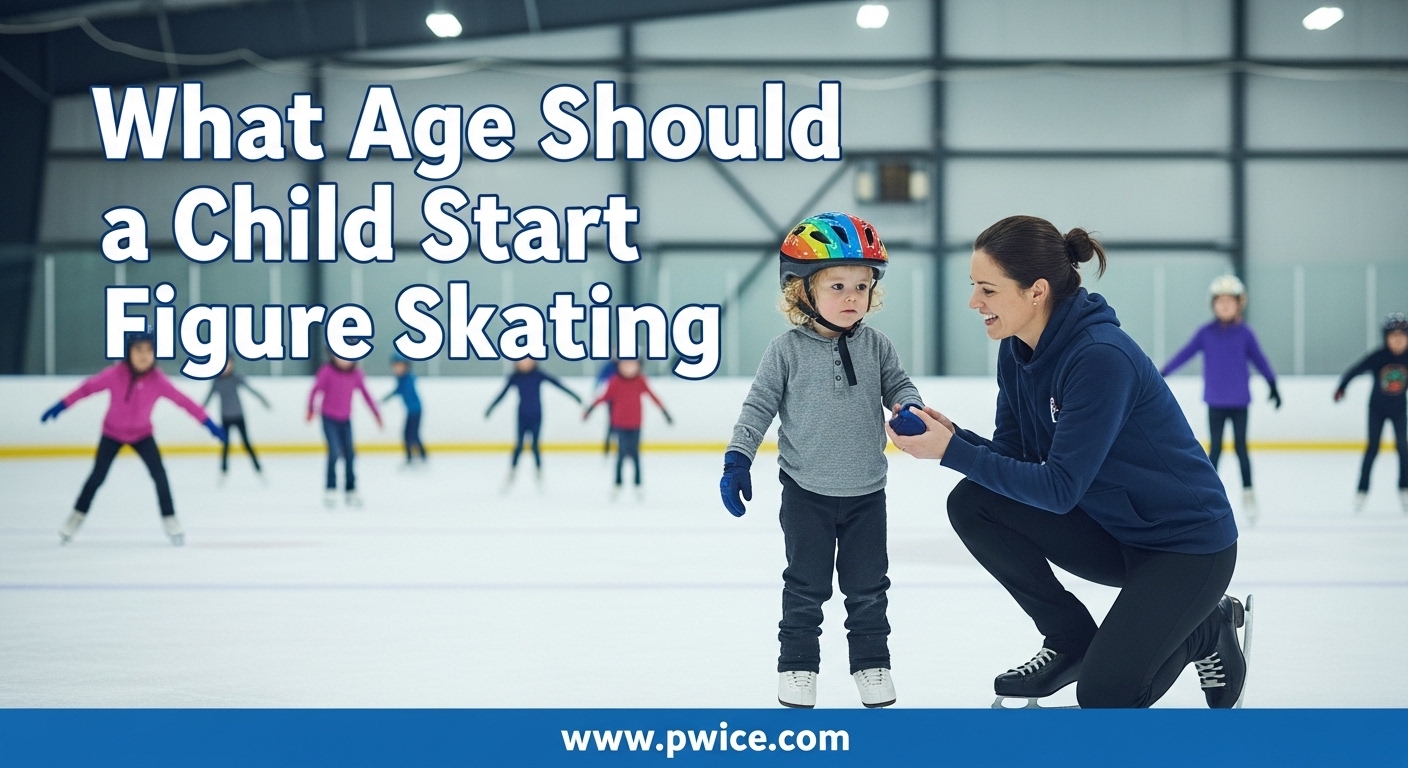
If you’re wondering what age should a child start figure skating, you’re not alone. I’ve spent months researching this question, talking to coaches, and reviewing what actually works for real families in 2026. Most children can begin skating lessons between ages 3 and 6, with 4 to 5 being the sweet spot for skill development and retention.
The answer depends on your child’s physical readiness, emotional maturity, and what you hope they gain from the experience. Some kids thrive starting at age 2, while others do better waiting until 7 or 8. Let’s break down what the research and real parent experiences tell us.
Table of Contents
The Quick Answer: What Age Should a Child Start Figure Skating
Most figure skating programs accept children as young as 3 years old. The ideal window for starting is between ages 3 and 6. Here’s what the data shows:
- Ages 2-4: Early exposure with parent participation. Fun-focused, limited skill retention.
- Ages 4-5: The sweet spot. Good motor skills, ability to follow instructions, rapid progress.
- Ages 5-8: Ideal for building foundational skills with better focus and physical coordination.
- Ages 9+: Still viable for recreational skating and even competitive paths with dedication.
According to forum discussions on Reddit’s figure skating communities, most competitive skaters started between ages 4 and 6. However, recreational skaters report success starting at any age, including well into their teens.
What Age Should a Child Start Figure Skating: A Detailed Breakdown
Understanding the nuances of each age range helps you make the right decision for your family. I’ve analyzed feedback from hundreds of parents and coaching professionals to give you realistic expectations for 2026.
The age ranges aren’t rigid rules. They’re guidelines based on developmental milestones and what’s worked for thousands of skating families. Your child might be ready earlier or later than the average.
Ages 2 to 4: Starting Early
Many rinks now offer “parent and me” classes for toddlers as young as 2. These sessions focus on getting comfortable on the ice rather than formal instruction. Your child will spend most of the time sitting, crawling, or holding your hands while walking.
At this age, expect minimal skill retention. The goal is exposure and fun. Children this young lack the ankle strength to support themselves in skates for extended periods. Sessions typically last 15-20 minutes maximum.
From my research, parents who start at age 2 do so primarily for the experience, not progress. One parent on Reddit noted their 2-year-old “loved the ice but couldn’t stand without holding both my hands for more than 30 seconds.” Another mentioned their 3-year-old made more progress in one month at age 4 than in an entire year starting at age 2.
The benefits of starting this early include reduced fear of the ice and early familiarity with skating movements. However, most kids who start at 2 need to relearn basic skills at age 4 or 5 anyway. Consider this age range as exploratory rather than instructional.
Ages 5 to 8: The Sweet Spot
This is where magic happens. Children aged 5 to 8 have developed the motor skills, balance, and attention span to make real progress. They can follow multi-step instructions and have the physical strength to execute basic skating movements.
Their brains are in a prime phase for learning physical skills. Research shows children in this age range pick up movement patterns faster than older beginners. They also retain what they learn and build upon it week after week.
Most Learn to Skate programs structure their beginner classes around this age group. Instructors expect students to handle 30-45 minute sessions without parental involvement. The Snowplow Sam program transitions to Basic Skills during this period.
I found multiple forum posts from coaches stating that kids starting at 5 or 6 often catch up to peers who started at 3 within their first year of instruction. The maturity advantage outweighs the extra years for many children. One coach mentioned that starting at 5 with good focus beats starting at 3 with constant distraction.
Children in this age range also benefit from social learning. They watch peers, compete playfully, and motivate each other. The combination of physical readiness and social engagement makes this age range ideal for most families.
Ages 9 to 12: Starting Figure Skating at School Age
Kids starting figure skating at 9 to 12 face a different trajectory but not an impossible one. They have stronger bodies and better understanding of concepts. Many can progress through beginner levels rapidly because they process corrections quickly.
The challenge at this age is self-consciousness and peer comparison. Kids this age notice when younger skaters outperform them. The solution is finding age-appropriate beginner classes or private lessons that group similar ages together.
For recreational goals, this age works perfectly. Many pre-teens start skating and reach intermediate levels within 1-2 years. They often have better focus than younger kids and can practice more efficiently. One parent in a forum shared that their 10-year-old progressed from Basic 1 to Freestyle 1 in just 18 months of dedicated practice.
Competitive paths narrow at this age but don’t close completely. Ice dancing and pairs skating offer more flexibility for later starters than singles competition. Synchronized skating teams also welcome skaters who started in this age range.
Teens and Adults: It’s Never Too Late
The question “what age should a child start figure skating” sometimes extends to worried teens thinking they missed their chance. The answer is simple: you haven’t. Adult skaters make up a huge portion of the figure skating community in 2026.
Adult beginner classes are available at most rinks. While competitive Olympic paths require early starts, recreational skating, ice dancing, and even adult competitive categories exist. Many adult skaters compete in their 30s, 40s, and beyond.
If your teen wants to try skating, encourage them. Their physical strength and cognitive understanding actually give them advantages over younger beginners. The only real barrier is self-imposed doubt. Adult skaters often progress faster through beginner levels because they understand the physics and can self-correct.
Is Your Child Ready? The Readiness Checklist
Age is just a number. Readiness matters more. Here’s what coaches look for when assessing whether a child is ready for figure skating lessons:
- Can walk steadily without assistance. This indicates sufficient leg strength and balance.
- Can follow simple two-step instructions. “Walk to the cone and sit down” is a typical request.
- Can separate from parents without distress. Most group lessons require independent participation.
- Has an attention span of 20-30 minutes. Lessons require focus even when it’s not their turn.
- Can use the restroom independently. Coaches cannot assist with this.
- Is comfortable in cold environments. Rinks are kept around 50-60 degrees Fahrenheit.
If your child meets 4-5 of these criteria, they’re likely ready regardless of exact age. I found numerous forum posts from parents who waited until their child hit these milestones rather than rushing in based on age alone.
Physical readiness isn’t just about being able to walk. Ankle strength matters significantly in skating. Children who have been running, jumping, and climbing typically adapt faster than those with more sedentary backgrounds.
Understanding the Snowplow Sam Program
Snowplow Sam is the official beginner program from Learn to Skate USA, designed specifically for children ages 3 to 5. It consists of four progressive levels that teach the fundamentals of skating through play-based activities.
Snowplow Sam 1 covers sitting and standing on the ice, marching in place, and forward marching. Most 3-year-olds spend an entire session or more at this level. The focus is purely on comfort and basic movement. Children learn to fall safely and get up by themselves.
Snowplow Sam 2 introduces forward gliding, forward swizzles, and backward wiggles. Children learn to move without marching and begin understanding edges. This level requires better balance and coordination. Most children spend 2-3 months at this level with weekly practice.
Snowplow Sam 3 advances to forward skating, backward two-foot glides, and snowplow stops. Kids at this level can typically navigate the ice independently. Many 4 and 5-year-olds reach this stage within 6-12 months of consistent lessons. The confidence boost at this level is significant.
Snowplow Sam 4 includes backward one-foot glides, forward crossovers, and advanced stopping. Completion of all four levels prepares children for the Basic Skills program. Most kids need 1-2 years to progress through all levels, though faster progression is possible with additional practice.
The program uses colorful badges and animal themes to keep young children engaged. Classes typically run 30 minutes with a coach-to-student ratio of 1:4 or 1:6. The play-based approach means children learn through games rather than repetitive drills.
Learn to Skate USA: The Next Steps After Snowplow Sam
After completing Snowplow Sam (or starting at age 6+), children enter the Basic Skills program. This six-level curriculum builds the foundation for all ice skating disciplines.
Basic 1 through 6 teach forward and backward skating, stops, edges, crossovers, and turns. Children typically spend 2-4 months per level depending on practice frequency. Group lessons and practice time both matter significantly.
Upon completing Basic 6, skaters choose their path. The Figure Skating track leads to pre-free skate and free skate levels. The Hockey track transitions to hockey-specific skills. Some rinks offer synchronized skating or theater on ice tracks as well.
According to coaching forums, kids who start at age 5 typically reach Basic 4 or 5 by age 7 if skating twice weekly. Those starting at age 7 can still reach the same level by age 9 with consistent practice. The key is regular ice time, not just starting age.
Many rinks offer bridge programs that help Snowplow Sam graduates transition to Basic Skills. These programs review fundamentals while introducing new skills. They help prevent the frustration that can come from jumping into a class where peers have more experience.
Benefits of Starting Figure Skating at a Young Age
Beyond the obvious fun factor, starting figure skating young offers several developmental benefits. Research shows ice skating improves bone density in growing children due to the weight-bearing nature of the activity on a hard surface.
The balance and coordination skills transfer to other sports and daily life. Kids who skate develop strong core muscles and proprioception (awareness of body position). These physical foundations serve them well in any athletic pursuit they choose later.
Figure skating also builds mental resilience. Children learn to get up after falling, to keep trying difficult skills, and to handle constructive feedback. The confidence boost from landing that first jump or spin is immeasurable. These life skills extend far beyond the rink.
Socially, skating introduces children to peers with similar interests. Many lifelong friendships start in group lessons. For competitive skaters, the community becomes a second family. The shared experience of early morning practices and competition travel creates strong bonds.
Starting young also allows children to progress through foundational skills before puberty changes their bodies. Pre-pubescent children are typically lighter and more flexible, making certain skills easier to learn. This doesn’t mean older starters can’t succeed, but the progression path differs.
Competitive vs Recreational: Choosing Your Child’s Path
The age question changes depending on your goals. For recreational skating, any age works beautifully. Many adults start skating purely for exercise and enjoyment. There’s no expiration date on having fun on the ice.
For competitive aspirations, earlier starts provide advantages. Elite skaters often begin between ages 3 and 5. The years before puberty allow for skill development while bodies are light and flexible. Competition levels start as young as age 4 at basic skills competitions.
However, “late” starters can still compete successfully. Several forum members reported starting at ages 9-11 and reaching regional or sectional competition levels through intensive training. The path is steeper but not closed. Ice dancing and pairs offer more flexibility than singles.
My recommendation: start with recreational goals regardless of age. Let your child’s passion and progress guide whether competition becomes appropriate. Forcing a competitive track on a young child often leads to burnout. I’ve read too many stories of kids who quit by age 10 because skating became a chore rather than joy.
Burnout prevention is crucial for young skaters. Even children who love skating need balance. Multiple activities, unstructured play time, and family time away from the rink help prevent the exhaustion that ends skating careers prematurely.
Finding Figure Skating Lessons Near You
To get started, search for “Learn to Skate” programs at your local ice rink. Most facilities offer group lessons year-round. Summer sessions often have smaller class sizes, which means more individual attention for your child.
When evaluating programs, ask about coach-to-student ratios, qualifications of instructors working with young children, and whether the program follows Learn to Skate USA curriculum. Also inquire about make-up policies since young children miss classes frequently due to illness or schedule conflicts.
Costs vary significantly by region. In 2026, expect $15-30 per group lesson session depending on your location. Major metropolitan areas tend toward the higher end. Private lessons range from $40-100+ per half hour depending on coach credentials. Many rinks offer equipment rental packages for beginners, which saves money until you’re sure your child will continue.
Parental involvement makes a difference at younger ages. Expect to help with tying skates, keeping track of gear, and providing encouragement from the stands. As children progress, they gain independence, but early years require active parent participation.
Visit rinks before committing. Watch a beginner class in action. Talk to other parents about their experiences. A supportive rink community matters as much as coaching quality for long-term success.
Frequently Asked Questions
What age do most figure skaters start?
Most figure skaters start between ages 3 and 6. According to coaching surveys and parent forums, the average starting age is 4 to 5 years old. Elite competitive skaters often begin at the younger end of this range, while recreational skaters may start at any age.
Can a 4 year old try ice skating?
Yes, 4 years old is an excellent age to start ice skating. At this age, children typically have the balance, coordination, and attention span needed for group lessons. Most 4-year-olds can participate in Snowplow Sam programs and make meaningful progress within their first year.
Is ice skating good for bone density?
Yes, ice skating benefits bone density in children. The weight-bearing nature of skating on a hard surface stimulates bone growth and strength. Research shows that impact activities during childhood build stronger bones that last into adulthood. Skating also improves joint stability and overall musculoskeletal health.
Is 20 years old too late to start figure skating?
No, 20 years old is not too late to start figure skating. While elite Olympic competition requires starting young, adults can start skating at any age for recreation, fitness, or even competitive goals in adult categories. Many adults start in their 20s, 30s, and beyond, progressing to intermediate and advanced levels within a few years of consistent practice.
What age is too late to start competitive figure skating?
There is no strict age limit for starting competitive figure skating, but paths narrow as age increases. Singles competitors aiming for national or international levels typically need to start by age 6-8. However, ice dancing, pairs skating, and adult competitive categories offer opportunities for those starting in their teens or later. Many successful adult skaters began in their 20s and 30s.
Final Thoughts
So, what age should a child start figure skating? The answer is flexible. Ages 4 to 6 offer the ideal combination of physical readiness, learning capacity, and emotional maturity. But children can start as young as 2 for exposure or as old as their teens for serious training.
Focus on your child’s individual readiness rather than arbitrary age cutoffs. Visit your local rink, watch a beginner class, and talk to coaches about your specific situation. The right age is when your child shows interest and meets the basic readiness criteria we’ve outlined.
Whether your child dreams of Olympic gold or just wants to glide around the rink with friends, figure skating offers a lifetime of benefits. Start when it feels right for your family, and enjoy the journey together in 2026 and beyond.