
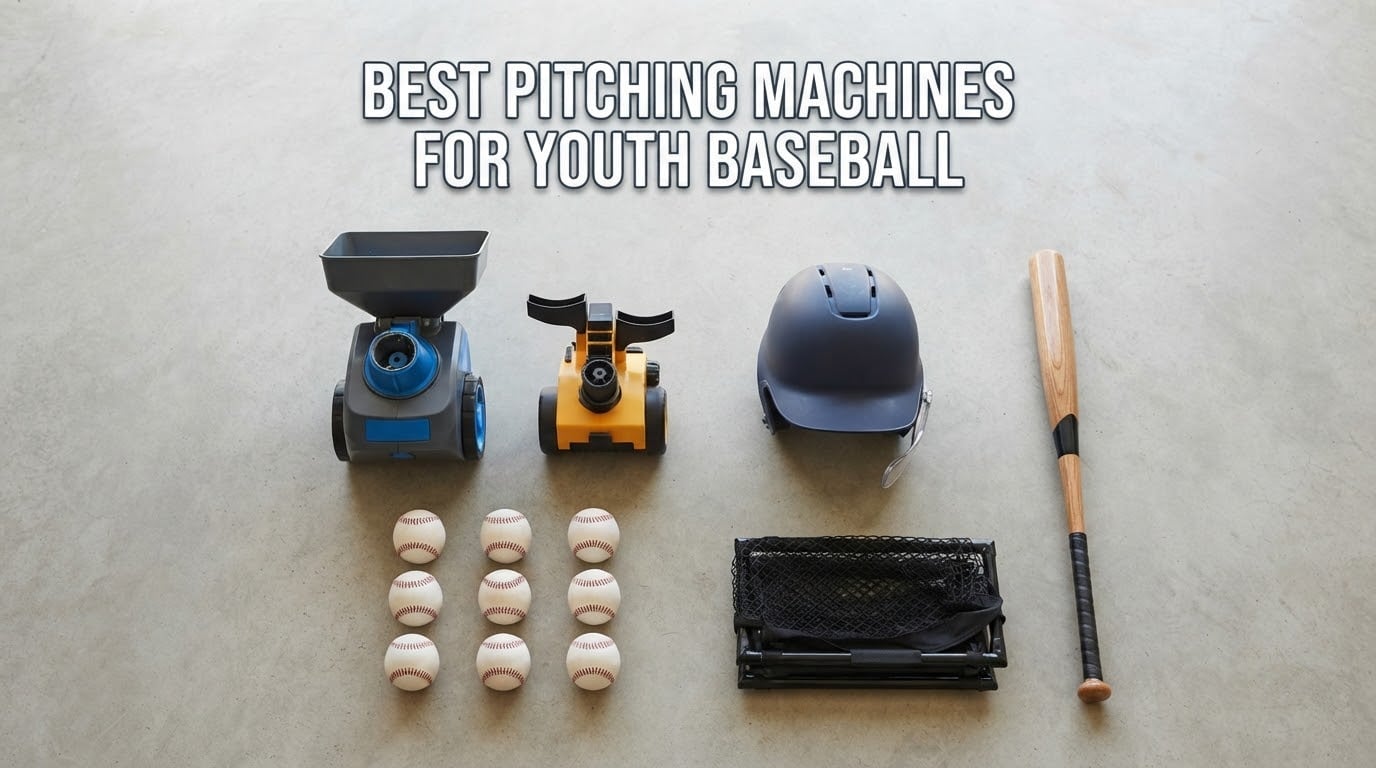
A pitching machine changes what backyard practice can look like. Instead of begging a sibling to throw from the mound, your hitter gets the same pitch, from the same spot, sixty times in a row. That repeatability is the whole point, and it is why families keep buying machines long after the novelty wears off.
We compared ten machines for the best pitching machines for youth baseball in 2026, from manual spring arms that need no power at all to a three-wheel machine that throws real leather baseballs at 70 mph. Along the way we read thousands of owner reviews, weighed what each machine actually does on a real lawn rather than on a spec sheet, and marked honestly where the cheap end stops being useful.
Two things surprised us. First, the machines most parents end up happiest with are not the fastest ones. Second, the ball the machine throws matters more to your child’s swing than the machine’s headline speed. We explain both in the buying guide below. If you also coach softball, our softball pitching machine picks cover the same category from the softball side of the fence.
Table of Contents
Top 3 Youth Pitching Machine Picks for 2026
Our three headline picks cover the three jobs families actually have: throw real baseballs with no power source, feed balls automatically, and give a nervous beginner something forgiving to hit.

Louisville Slugger Blue Flame
- Spring arm
- no electricity
- Real balls 18 to 45 mph
- Light balls up to 60 mph

Heater Slider Lite 360
- Automatic ball feeder
- Fastball and curve from one head
- Lite balls to 80 mph at 46 ft
- Folds for storage
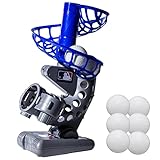
Franklin MLB Electronic Machine
- Pitch every 7 seconds
- Flashing release light
- Three pitch angles
- Runs on batteries
All 10 Youth Pitching Machines at a Glance in 2026
This table is the fast version. Every machine below is covered in detail further down, with the age and skill level it suits best.
| Product | Specifications | Action |
|---|---|---|
| Louisville Slugger Blue Flame |
|
Check Latest Price |
| Heater Slider Lite 360 |
|
Check Latest Price |
| Franklin MLB Electronic Machine |
|
Check Latest Price |
 Furlihong 898BH Soft Toss Furlihong 898BH Soft Toss |
|
Check Latest Price |
 YESMARKS Kids Auto Set YESMARKS Kids Auto Set |
|
Check Latest Price |
 Franklin MLB Superstar 4 in 1 Franklin MLB Superstar 4 in 1 |
|
Check Latest Price |
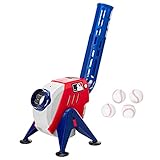 Franklin MLB Power Pitcher Franklin MLB Power Pitcher |
|
Check Latest Price |
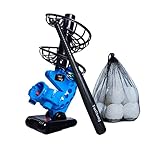 Furlihong 380BH Starter Kit Furlihong 380BH Starter Kit |
|
Check Latest Price |
 Furlihong 3801BH Upgraded Furlihong 3801BH Upgraded |
|
Check Latest Price |
 Junior Hack Attack Junior Hack Attack |
|
Check Latest Price |
1. Louisville Slugger Blue Flame: The Best Overall Youth Pitching Machine
Louisville Slugger Blue Flame Pitching Machine – Manual, Lightweight, Adjustable Speed (18–45 MPH), Throws Baseballs & Softballs
Spring powered, no electricity
Real baseballs 18-45 mph
Light balls to 60 mph
11.9 lb
60-day defect warranty
Pros
- Throws real baseballs so hitters learn true ball speed
- No electricity or batteries needed anywhere on a field
- Light enough for one person to carry between positions
- Handles fungo and grounder drills as well as batting
- Metal frame holds up across multiple seasons
Cons
- No auto-loader
- an adult loads each pitch by hand
- Wrench assembly slows setup and breakdown
- Front spikes must be driven into the ground or it walks
This is the machine we kept coming back to. The Blue Flame is a fully manual spring arm, which sounds old-fashioned until you realise it means no batteries, no cord, no outlet and no generator. You carry it out of the car, spike the front into the turf, load a ball and pull. It is the official pitching machine of Babe Ruth League and Pony Baseball, and owners lean on that pedigree as proof it will not fold under a season of use.
What earns it the top spot is ball quality. It throws hard baseballs from 18 to 45 mph, which covers the whole range a Little League or early travel hitter will face. Light flight and plastic balls go up to 60 mph for a faster rep when your child is ready. That range is measured by the manufacturer rather than by our own radar gun, so treat the top figure as the ceiling rather than a promise.
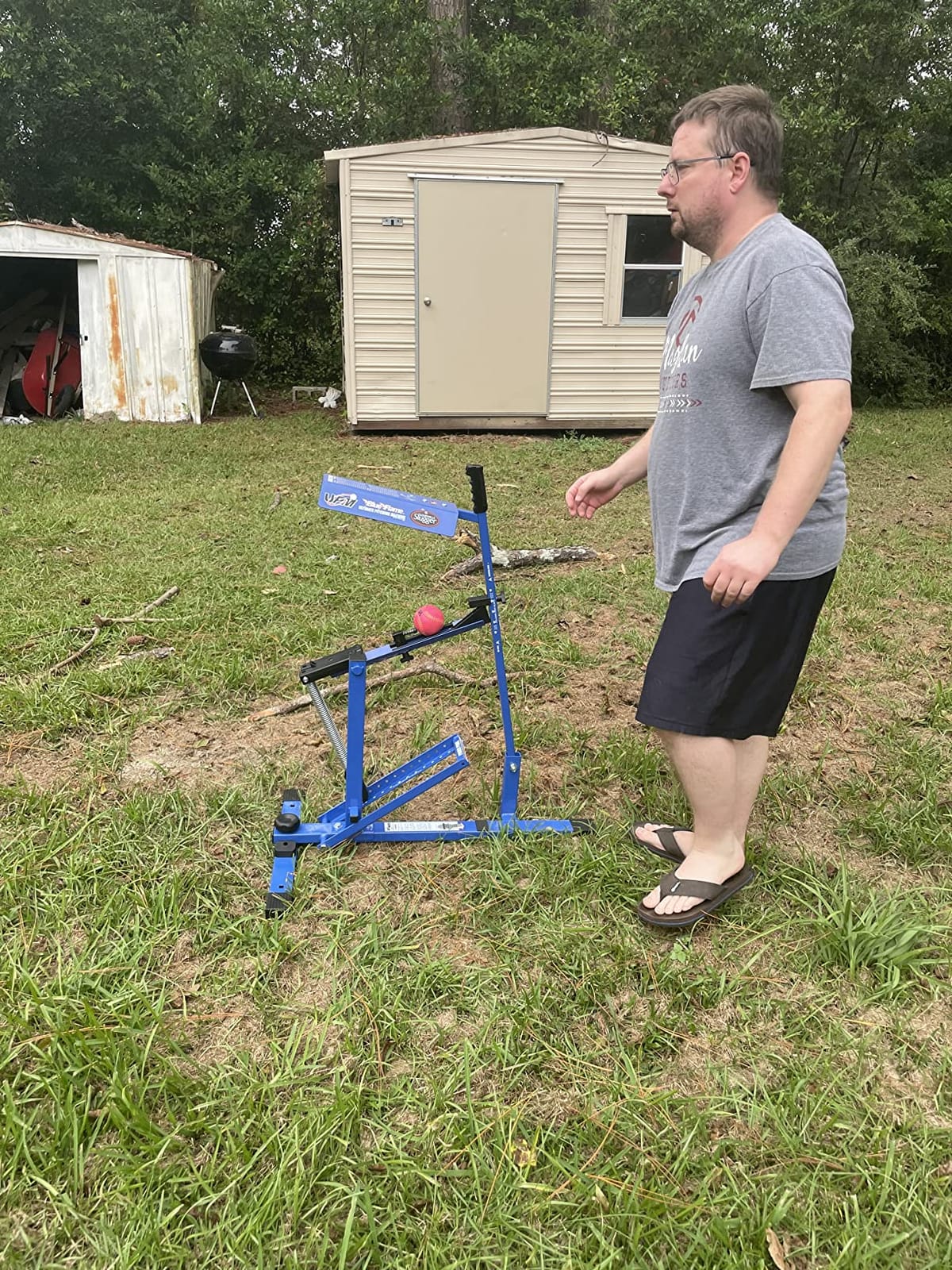
The honest drawback is repetition speed. An adult stands behind the machine and loads every single ball, so your rep rate is capped by how fast you can bend down and reset. For a single hitter working on a strike zone that is fine. For a twelve-player team taking full batting practice it becomes a bottleneck, and that is the entire argument for an automatic feeder instead.
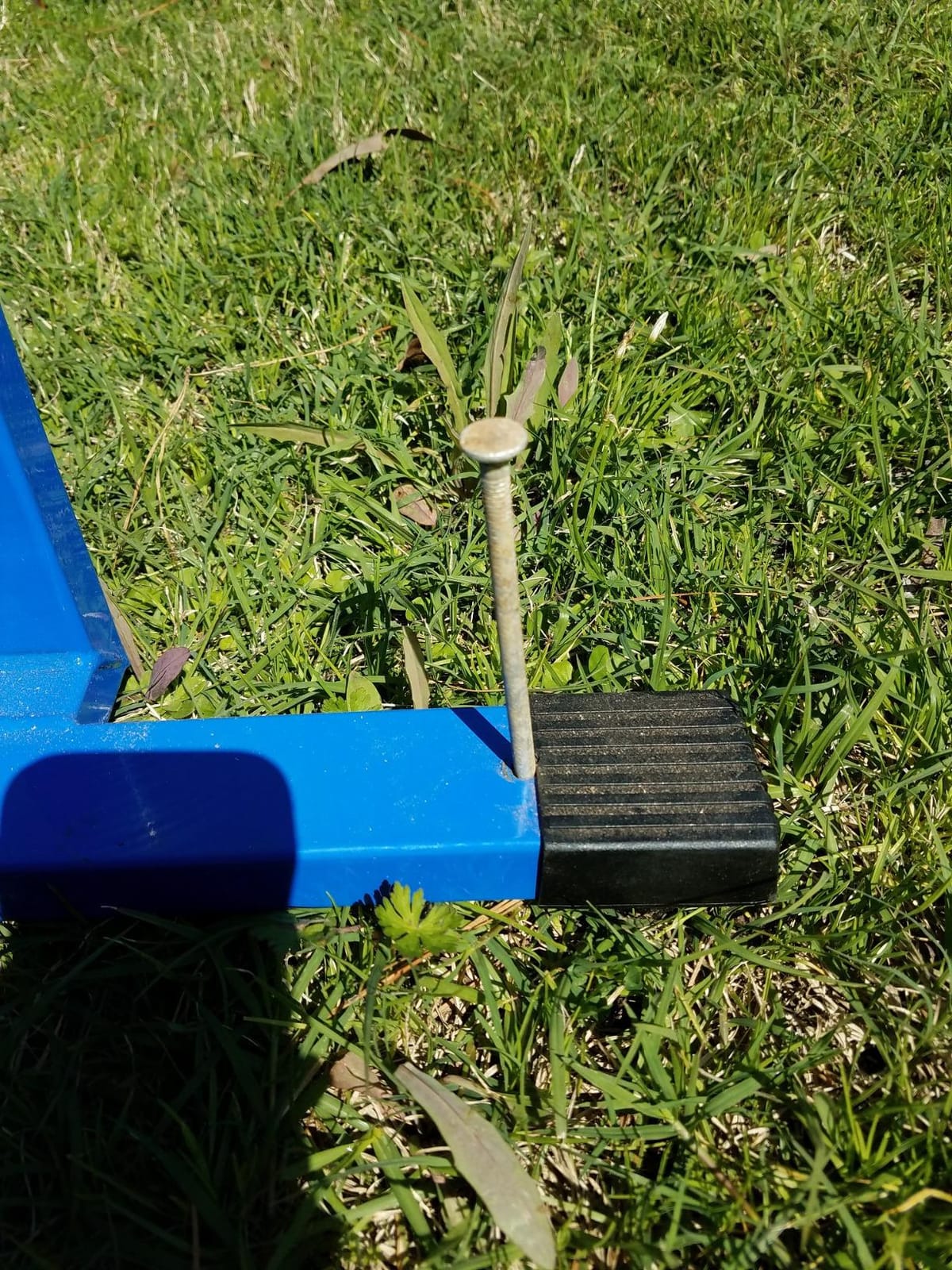
There is also a quirk worth knowing: the spring retaining pin can walk out of position during a session, and the front spikes must be pushed in properly or the machine skates across the field at higher settings. Owners mention both often. Both are thirty-second fixes once you know about them, and neither has anything to do with build quality.
Who should buy the Blue Flame
A parent with one hitter who already owns a hitting net and wants realistic baseballs without running power to the yard. It also suits a family that practices at a park with no outlet, because a spring arm works anywhere grass is firm. Reviewers with multiple seasons of use describe it as the piece of equipment that survived several age groups in the same household.
It is equally good for fielding work, because the head throws level pitches, fly balls and grounders from the same frame. Coaches running fungo and infield drills with a single machine will find that versatility more useful than raw speed.
Who should skip the Blue Flame
Skip it if the plan is team batting practice for a full roster, since hand loading caps the pace. It is also a poor fit for a multi-sport family that wants to throw softballs, even though the frame accepts them, because the speed range feels wrong for softball hitters. If you want a machine you never touch, look at an automatic feeder instead.
2. Heater Sports Slider Lite 360: Best Machine With an Automatic Feeder
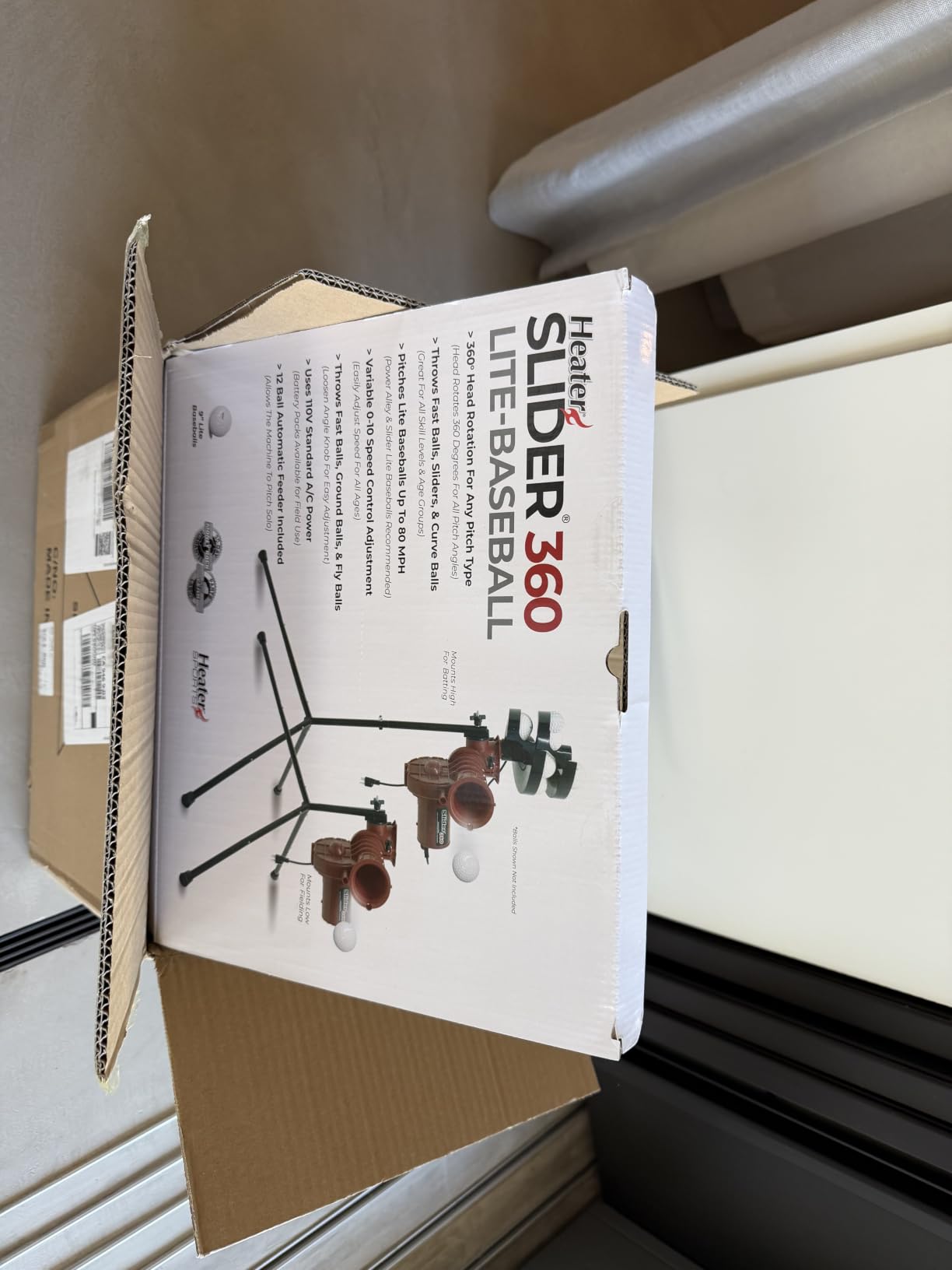
Heater Sports Slider Lite 360 Baseball Pitching Machine with Automatic Ball Feeder – Accurate 360-Degree Delivery, Durable and Portable Training Tool for All Ages
Single wheel with pivot head
Lite balls to 80 mph at 46 ft
Vibration-driven feeder
13 lb, folds up
1 year warranty
Pros
- Automatic feeder removes the hand-loading chore entirely
- Fastball and curveball from one pivot head
- Folds down and runs off a portable power station
- Long-term owners report six-plus seasons of service
- Customer service replaced a speed control at no cost
Cons
- Accuracy depends on Heater white lite balls
- Wheel slows between pitches and needs seconds to recover
- Light plastic base benefits from a sandbag
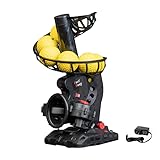
This is the machine to buy when one adult is running practice for more than one hitter. The automatic feeder is driven by the vibration of the machine itself, so once you load a handful of lite balls it keeps throwing without anyone standing over it. That single feature is worth more to a family than every speed number on the spec sheet combined.
The pivot head delivers both fastballs and curveballs, and it pitches lite balls up to 80 mph at 46 feet, which is a genuinely competitive velocity for a single-wheel machine. The tubular steel legs with rubber tips keep it stable on a driveway as well as on grass, and the whole frame folds for storage in a garage.
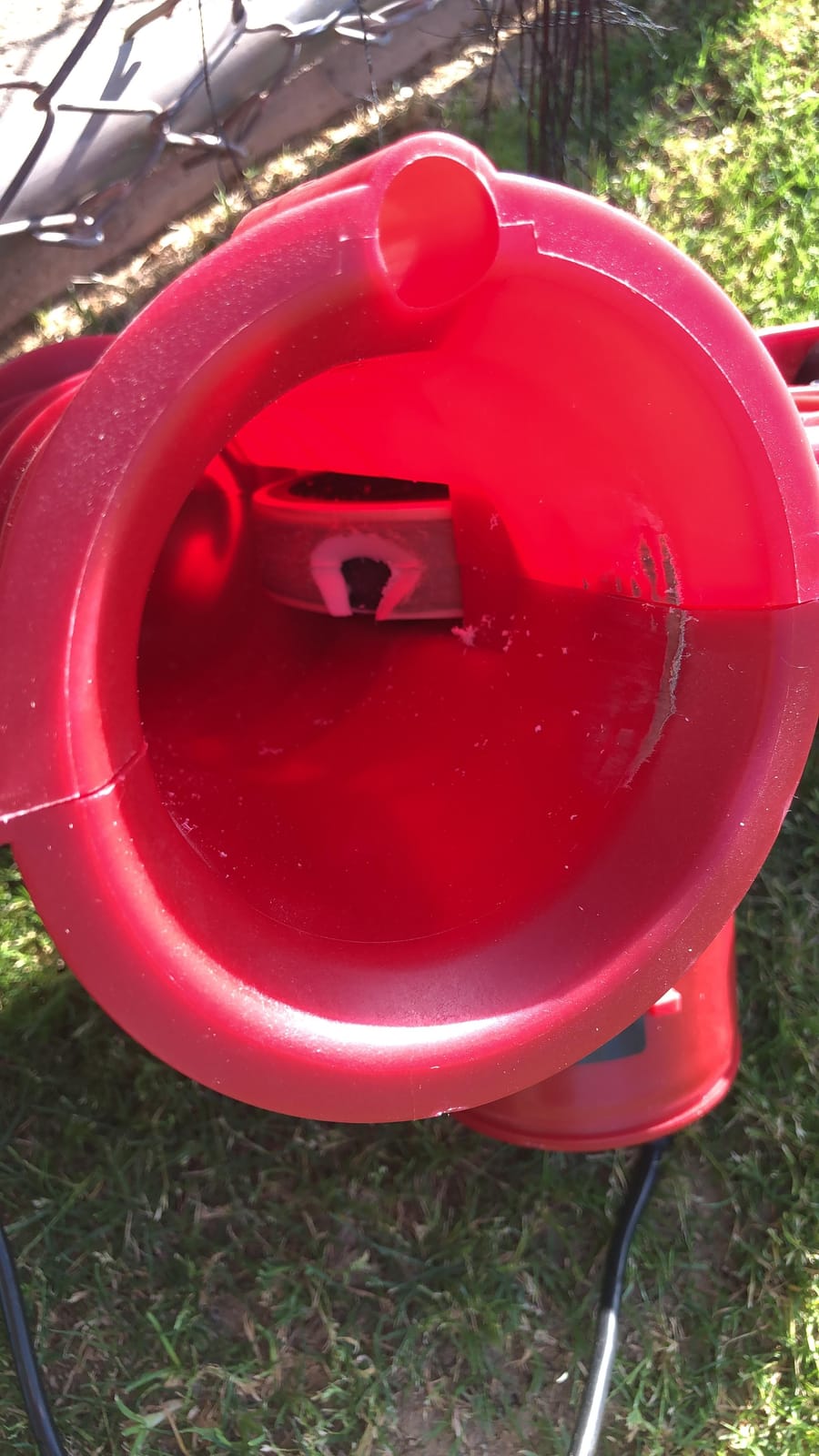
Ball compatibility is the thing to understand before you commit. Owners are consistent on this: with Heater white lite balls the location is accurate, and with heavier or off-brand balls the motor bogs down and the machine loses its accuracy. Treat the balls as part of the machine, not as an accessory you swap out.
Two smaller notes from long-term owners. The single wheel drops speed after each pitch and needs several seconds to recover, so there is a gap between reps. And the plastic tripod base is light enough that a sandbag on the legs stops it creeping on uneven ground.
Who should buy the Heater Slider Lite 360
Coaches and parents running shared practice sessions, or any family with two kids hitting in rotation. The auto-feed also means a single adult can supervise a full session without constantly walking back to the machine. Add a portable power station and it becomes field-ready for team practice away from a field with an outlet.
It is a strong pick for a household with a multi-sport kid, because the pivot head moves between fastball and curve rather than serving one pitch shape only. Your hitter sees movement, which is the part a pure fastball machine never teaches.
Who should skip the Heater Slider Lite 360
Skip it if your hitter is training for travel ball and needs real leather baseballs, since this machine wants lite balls. Skip it if throwing genuine balls matters more to you than throughput. And skip it if you have very young children hitting at full speed off 80 mph lite balls, because that is well beyond where a beginner should start.
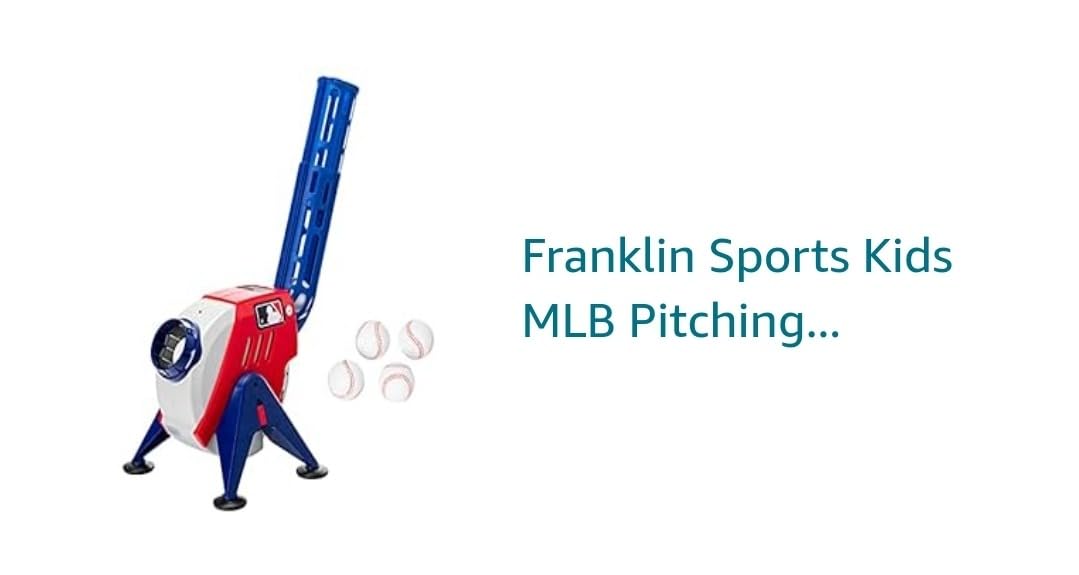
3. Franklin Sports MLB Electronic Machine: Best for First-Time Hitters
Franklin Sports MLB Pitching Machine
Battery powered, no outlet needed
Pitch every 7 seconds
Three adjustable angles
9-ball shoot
6 plastic balls
90-day warranty
Pros
- Assembles in minutes and is light enough for a child to move
- Flashing red light gives young hitters a clear timing cue
- Runs on batteries so it works indoors and outdoors
- Three angles let you change the launch point
- The shoot holds nine balls for a short session
Cons
- Light plastic balls produce an unpredictable flight path
- Only compatible with the included style of plastic ball
- The first pitches after startup come out slow and low
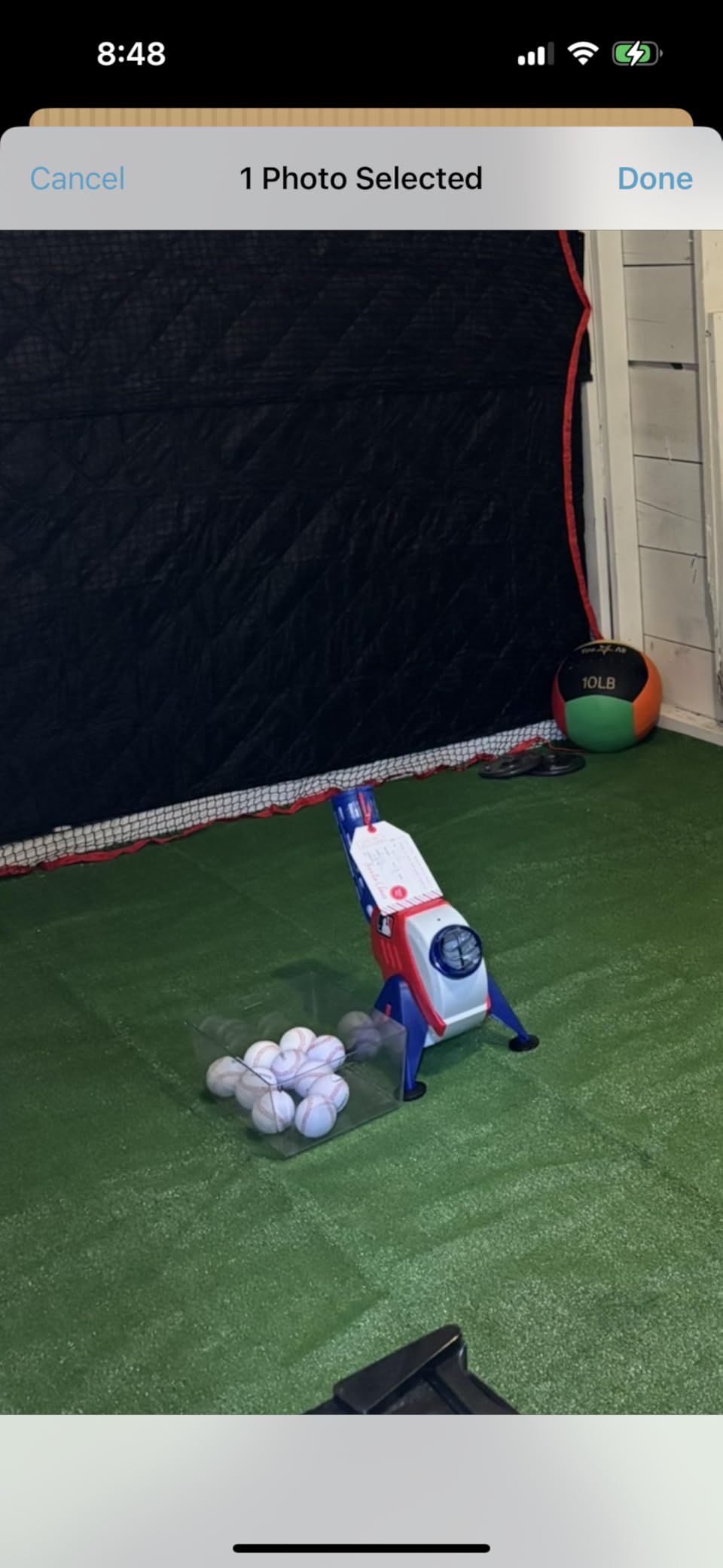
With close to 9400 reviews and a 4.1 average, this is the most examined machine in the group, and most of those reviews come from parents of beginners. The pitch interval of seven seconds is the feature that gets mentioned most, because it is long enough for a young hitter to reset his stance and load again without an adult hurrying him.
The flashing red indicator light solves a real problem. Instead of a child guessing when the ball comes, he watches for the light, which is how a coach teaches a load-and-stride cue. Three adjustable angles let you work high, low and middle without moving the machine around the yard.
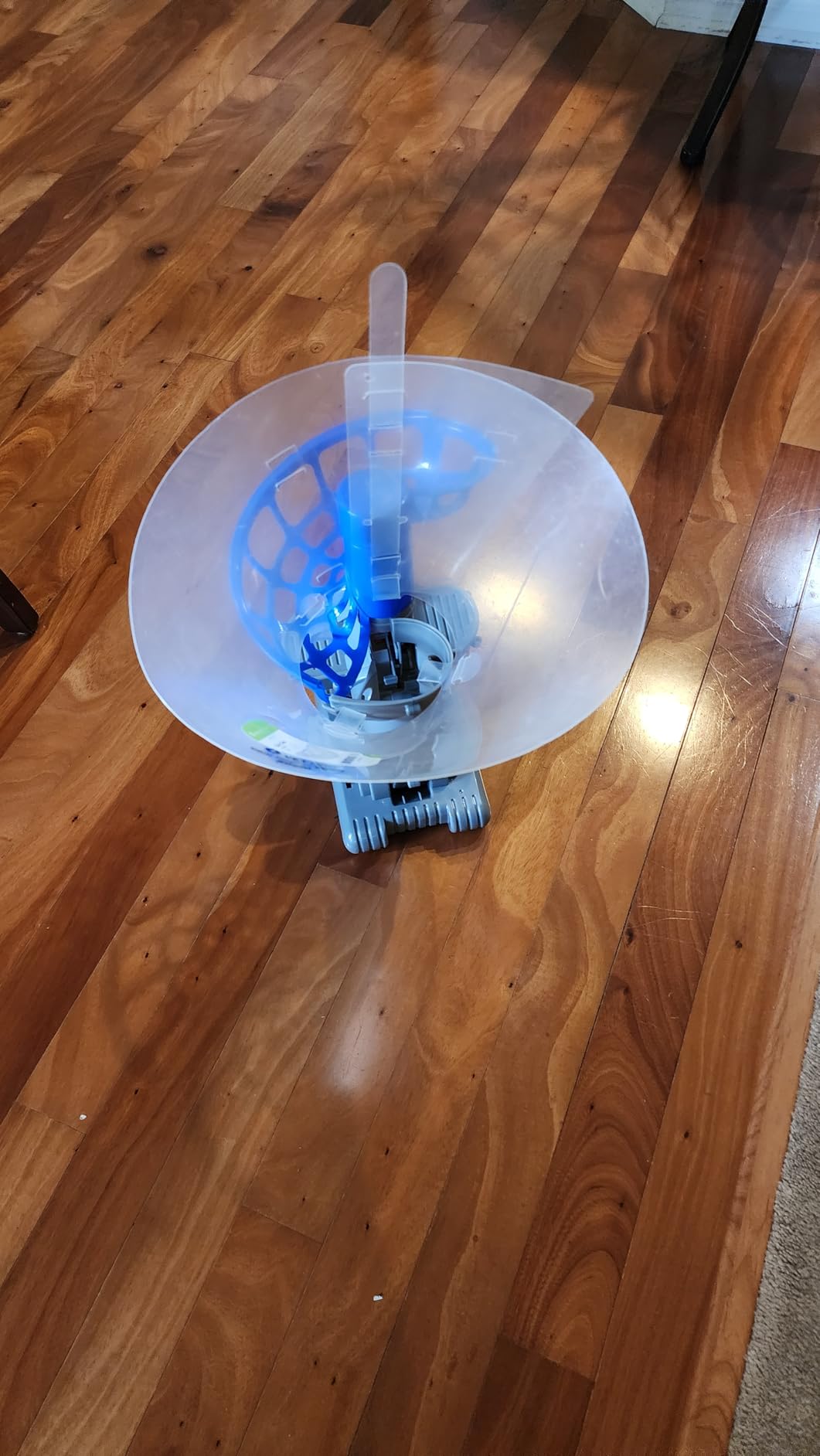
Be clear-eyed about what you are buying. The included balls are white plastic aerostrike balls, and lightweight plastic changes the flight path unpredictably, so the pitch does not land in a repeatable strike zone. Reviewers describe it as excellent for casual fun and catch practice, and adequate for basic swing work, which is exactly what a six or seven year old needs in year one.
Watch for two smaller issues. The first couple of pitches after switching it on come out slow and low, so let it run before judging it. And because it accepts only that style of plastic ball, feeding it anything heavier can jam the shooter.
Who should buy the Franklin MLB Electronic
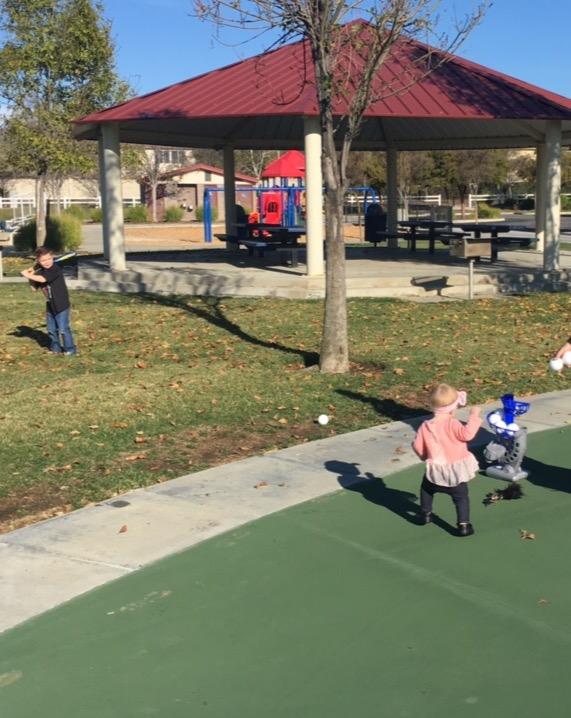
A household with a child aged five to eight who is still building confidence around a thrown ball. It needs nothing but four D batteries, so it works in a garage, a basement or a driveway with no power at all. The light weight and simple assembly also mean a child can set it up himself, which keeps practice independent.
It is also a reasonable second machine for a family who already owns a real-ball machine, because plastic reps are genuinely useful for volume work and for working on a swing cue without the pressure of a hard pitch.
Who should skip the Franklin MLB Electronic
Skip it if your child is nine or older and starting to track a pitch properly, because an unpredictable plastic trajectory teaches the wrong timing. Skip it if your child is sensitive to being hit, since a stray plastic ball can come back at his face and reviewers raise this repeatedly. An adult should be standing close for the first few sessions either way.
4. Furlihong 898BH Soft Toss: Best for Regulation Baseballs Without Power
Furlihong 898BH Baseball Soft Toss Machine, Angle Adjustable, Step On Paddle and Release to Launch, No Power Supply Needed, Works with Regulation Baseball
Foot pedal launch, no power supply
Three launch angles
About 6 second release delay
Extendable ball stacker
180-day warranty
Pros
- Nothing to charge
- it works anywhere on a field
- Throws regulation baseballs as well as the included practice balls
- Three launch angles vary the toss for different ages
- Older children can operate the foot pedal themselves
Cons
- Ball must sit fully seated in the opening or it will not fire
- The pedal must be pressed firmly and younger children miss that
- Shifts position after a couple of pitches
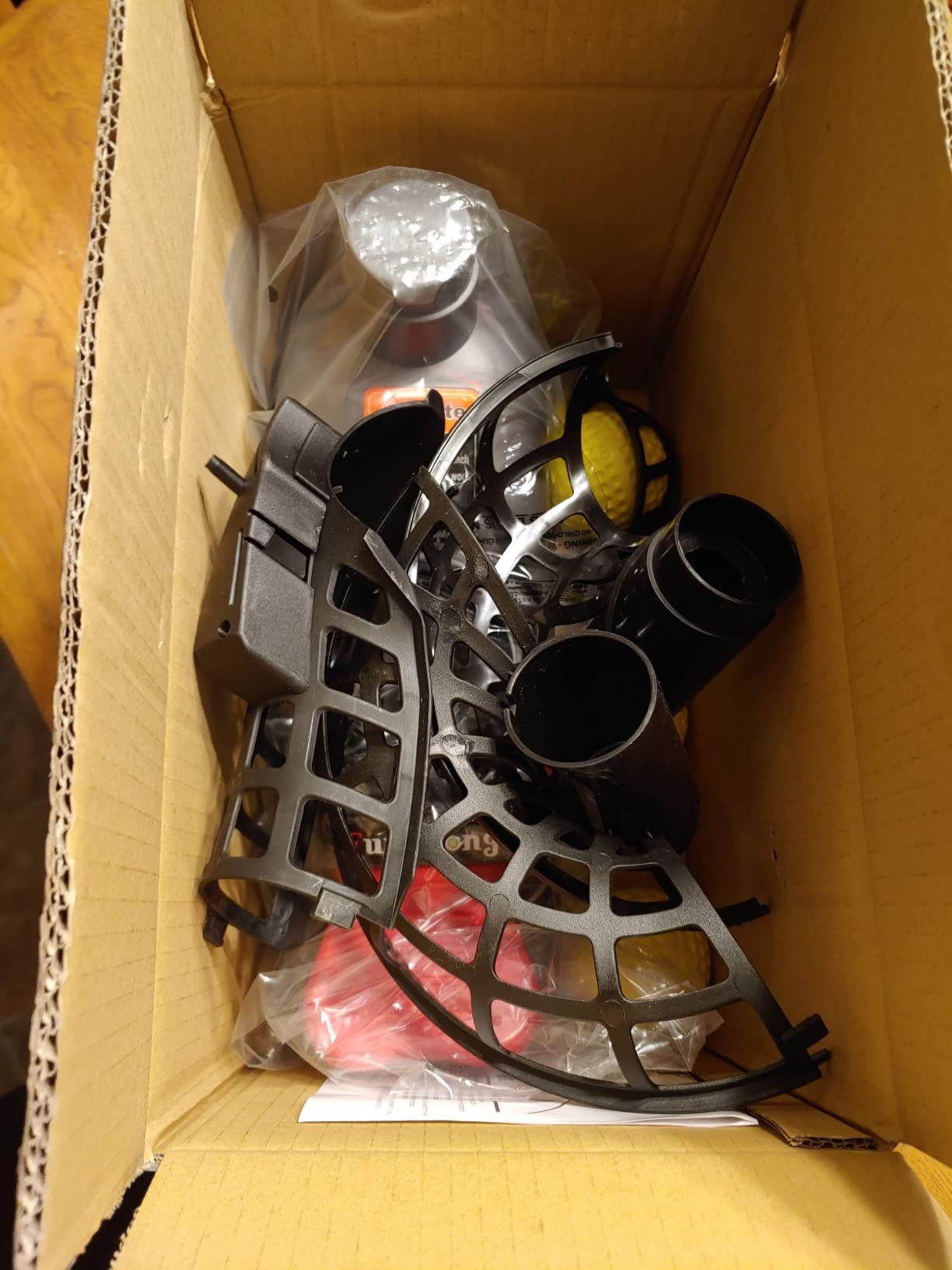
This is a soft toss machine rather than a pitching machine, and that distinction matters more than the listing title suggests. You step on a paddle, the ball launches upward on an arc, and the hitter hits it out in front of the plate. Soft toss is a genuinely good drill for a young hitter because it trains the load and the stride before speed is added.
The reason it earns a place here is that it works with a regulation baseball and needs no power supply of any kind. There is no circuit, no battery and no cord. Reviewers with young children pair that with the three angle settings to run a solo session without an adult throwing at all, which is the exact use case most families are searching for.
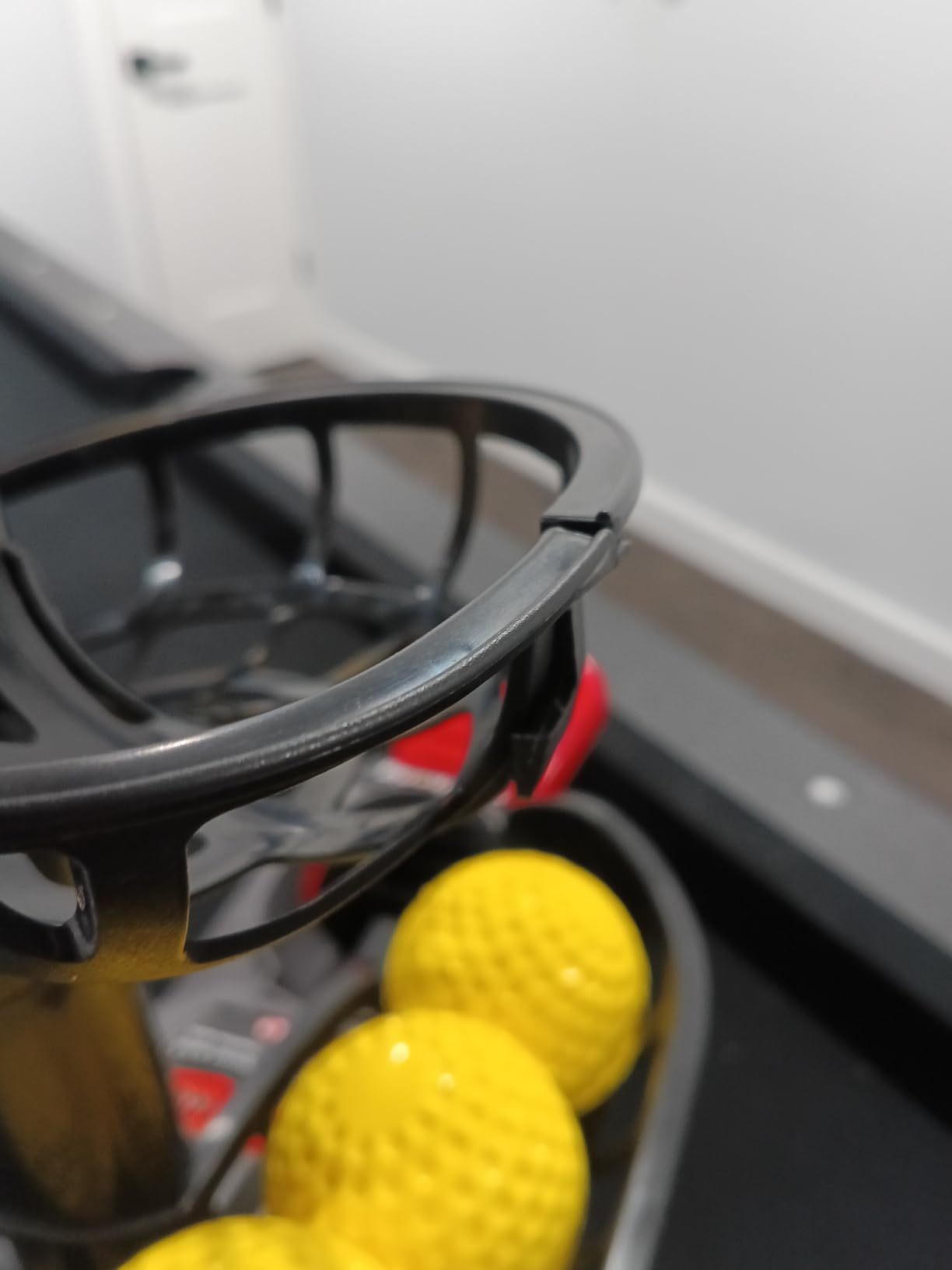
Where it falls down is mechanical looseness. The ball has to sit precisely in the launch opening or it will not fire, and the pedal has to be pressed deliberately, so younger children produce a fair number of mis-launches. Several owners also note that the stair-style ball track sections do not clip together firmly and that the whole unit slides across the ground after a couple of pitches.
None of that is a dealbreaker if an adult is nearby, and taping the track sections together is a commonly reported fix. But if you are buying this to run unsupervised practice with a seven year old, expect interruptions.
Who should buy the Furlihong 898BH
A parent of a player aged six to nine working on mechanics rather than pitch tracking, who wants to use real baseballs. The absence of any power supply makes it the easiest machine on this list to store in a garage and carry to a park, and the 180-day warranty is longer than most of the plastic competition.
It also suits a multi-sport household that wants to run flat-ground hitting drills in the off season, since soft toss works for tee-ball and whiffle work as easily as it does for baseball.
Who should skip the Furlihong 898BH
Skip it if you want a machine that throws at a real pitch speed on a repeatable line, because soft toss has no speed control and no strike zone. Skip it if you plan to work alone with a child young enough to mis-seat the ball every time. And skip it if storage space is tight, since the extendable ball track adds footprint when assembled.
5. YESMARKS Kids Auto Set: Best All-in-One Starter Kit
YESMARKS Kids Auto Baseball Pitching Machine Outdoor Toy Set – Training Equipment & Batting Practice Toys for Youth, Includes 10 Baseballs, Baseball Bat and Sports Bag
Machine, bat, 10 balls and bag
4 AA batteries, not included
Hollow plastic balls
Ages 5 and up
90-day warranty
Pros
- Bat
- ten balls and a carry bag arrive in one box
- Hollow plastic balls and a collapsible bat are safer
- Assembles and disassembles for trips to the park
- Throwing force stays steady as batteries drain
- Only 3.4 lb for small children
Cons
- Batteries are not included and must be bought separately
- Toy-grade and aimed at T-ball beginners
- Only a 90 day warranty
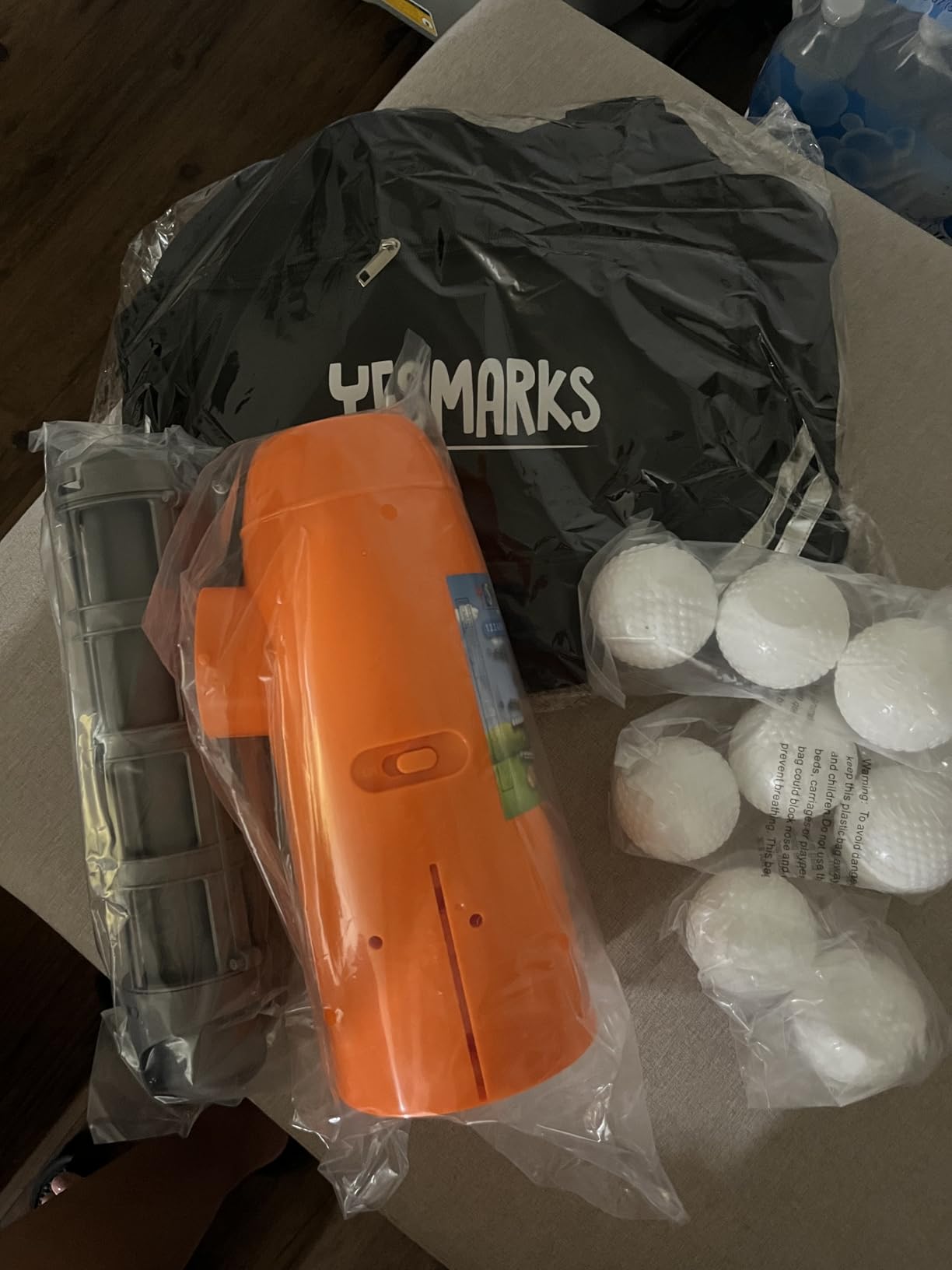
Buying a first machine for a five year old usually means buying a machine, a bat, a bag of balls and a bag to carry it all in. This set does all of that in one box, which removes the most tedious part of setting up backyard practice. Ten hollow plastic baseballs are included, so there is no immediate trip to the store.
The safety design is the real selling point for this age group. The balls are hollow plastic and the bat collapses, and the set is certified safe for children aged five and up. That combination is why parents of preschoolers and early T-ball players keep choosing it, and why the 4.2 average is the second strongest rating profile among the budget options we reviewed.
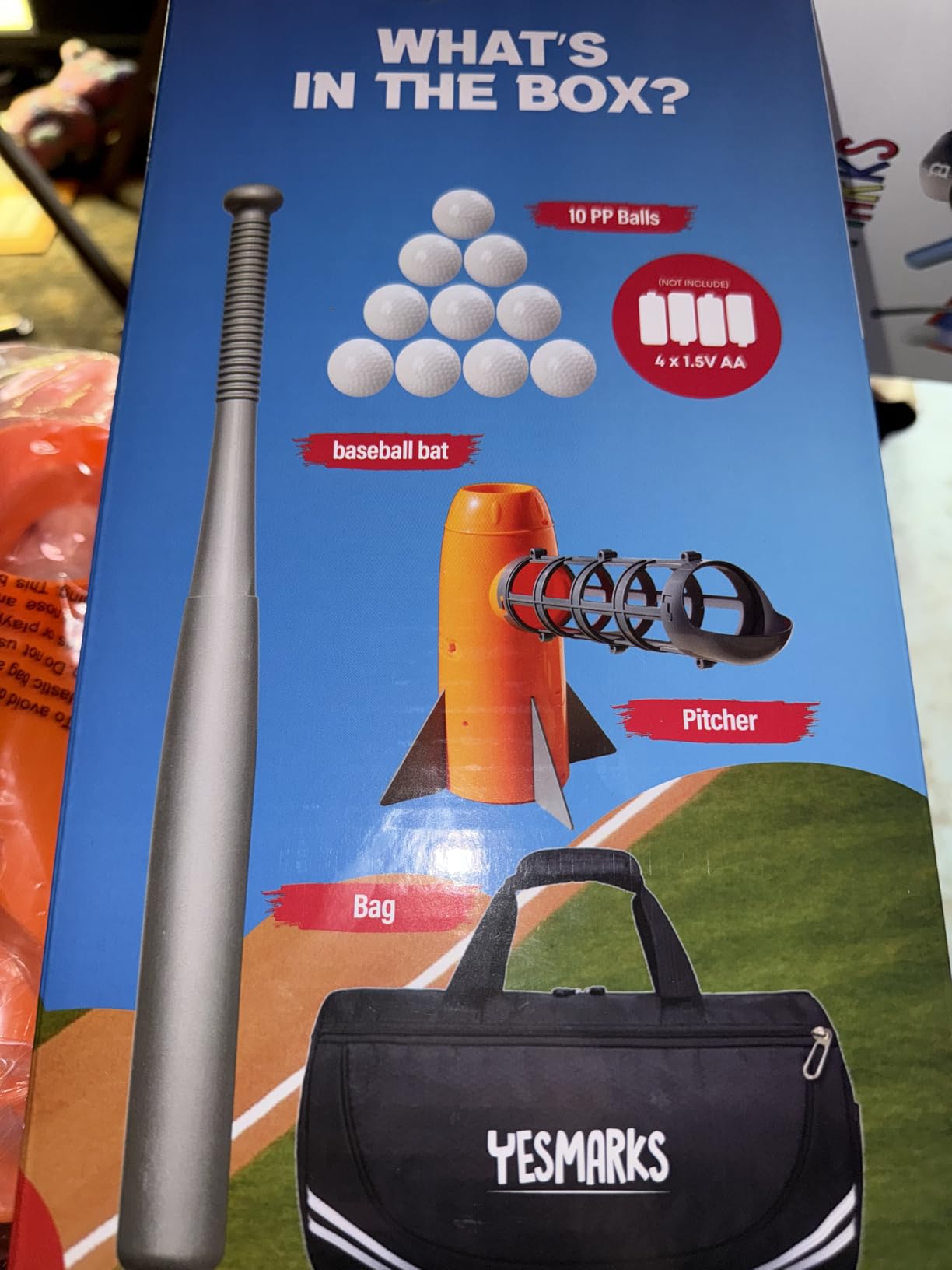
The honest framing is that this is a toy-grade machine. It is built for T-ball level beginners and light play, not for developing real pitching mechanics or realistic timing. The launcher assembles and disassembles easily, which makes it easy to bring to a park or a beach, and owners note the pitching force stays consistent as the four AA batteries run down.
Remember that the batteries are not included, and that the warranty runs 90 days. Neither is a dealbreaker for a first birthday-level purchase, but both set expectations. This is a first step into the sport, not a training tool you will still be using in three years.
Who should buy the YESMARKS set
A parent of a child aged five to seven who wants a complete first setup rather than assembling one purchase at a time. The all-in-one packaging makes it an easy gift, and the collapsible design means it survives being carried to the park, the beach or a grandparent’s house without a dedicated storage bag.
It is also the least stressful option for a child who is already intimidated by a thrown ball, because hollow plastic cannot sting. Ten balls means less retrieval time, which is where most backyard sessions with small children actually end.
Who should skip the YESMARKS set
Skip it for anything beyond beginner T-ball, including if your child is already playing Little League. Skip it if you want to train toward a real strike zone, since toy machines do not deliver repeatable location. And skip it if you want a durable tool, because a 90-day warranty on plastic parts tells you what to expect.
6. Franklin MLB Superstar 4 in 1: Best for Fielding Drills Alongside Hitting
Franklin MLB Superstar 4 in 1 Pitching Machine
Soft toss, grounder and pop fly modes
Pitch every 7 seconds
9-ball feeder
5 lb
One year defect warranty
Pros
- One machine covers hitting
- ground ball and pop fly practice
- Simple setup and controls a child can work alone
- Six compatible plastic balls included
- Compact enough to move around a yard or driveway
- One year manufacturer defect warranty
Cons
- Pitch accuracy is limited so pitches do not land in a consistent strike zone
- Requires four C batteries which are not included
- Plastic construction feels basic and may not hold up to rough handling
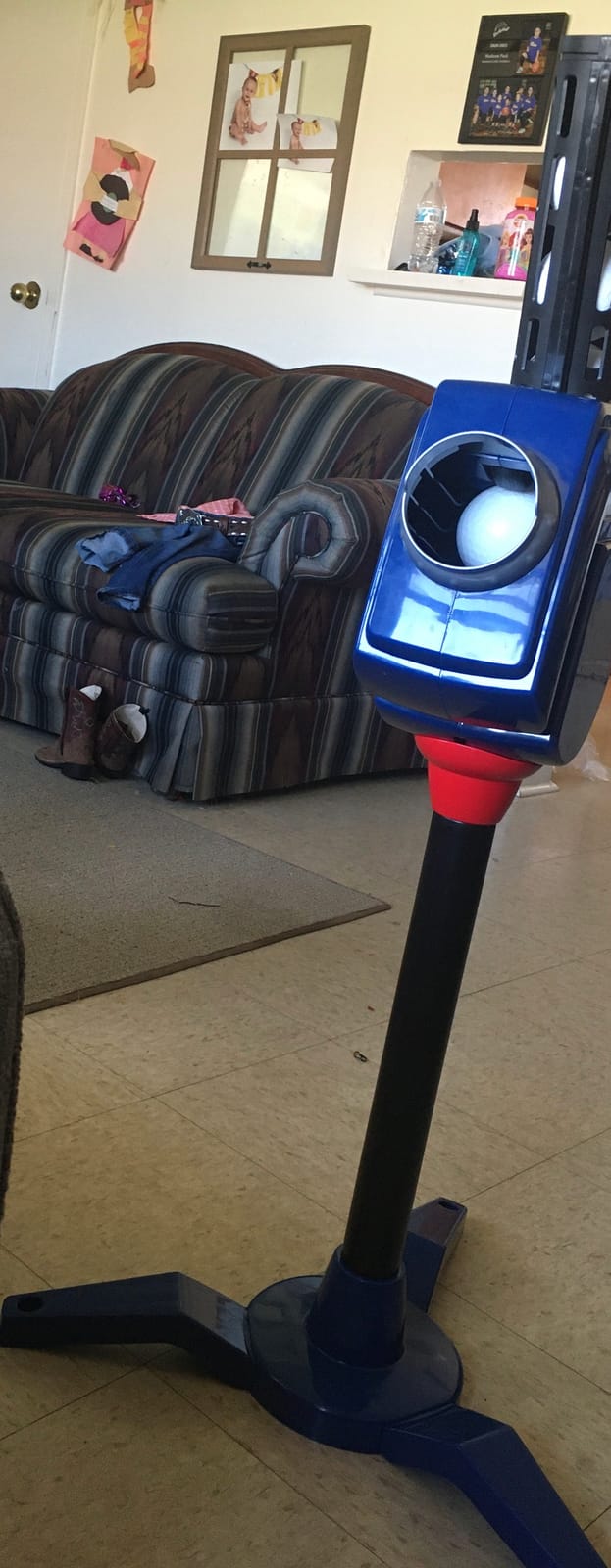
Almost every machine on this list throws some kind of fly ball or grounder, but this one is built around that idea. The 4-in-1 design gives you soft toss, a straight pitch, ground balls and pop flies from one adjustable angle, which makes it the most useful single box for a coach running defensive drills with a young roster.
It weighs five pounds, pitches a ball every seven seconds, and the feeder holds nine balls, so a session can run without constant reloading. The one year manufacturer defect warranty is longer than most of the plastic competition in this group, which matters more than it sounds on a machine that gets handled roughly by kids.
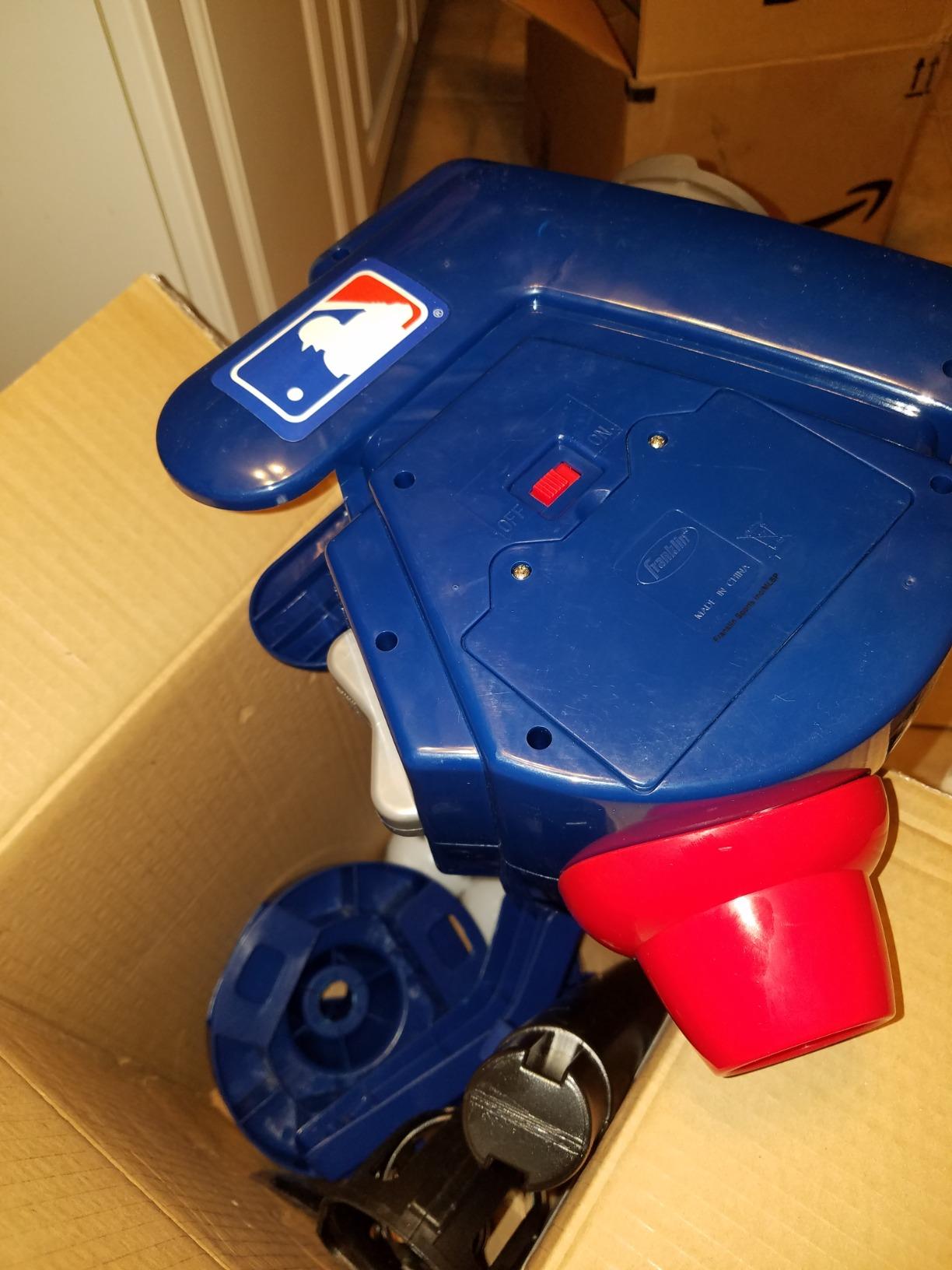
The limitation owners mention most is accuracy. Lightweight plastic balls produce inconsistent trajectories, so the pitch does not land in a repeatable strike zone. A 4.0 average with 53 percent five-star ratings reflects a solid budget tool that most owners are happy with as entertainment and basic swing practice rather than as a precision aid.
Also note it needs four C batteries, which are not included, and that the plastic construction is basic. The unit is fine for a season or two of driveway work but is not something to hand to a team with a shared equipment budget.
Who should buy the Franklin MLB Superstar
A coach or parent who wants one cheap machine to cover batting and fielding in the same session, particularly for players aged six to nine. Pop fly and grounder work is where young infielders and outfielders actually need reps, and buying a separate machine for it is rarely worth it.
It is also a good rainy-day or small-space option, since at five pounds it moves between a garage and a driveway easily. Parents who already own a real-ball machine often add this one as a companion for fielding reps.
Who should skip the Franklin MLB Superstar
Skip it if your child is ready to time a real pitch, because inconsistent plastic trajectories teach the wrong read. Skip it if you want a machine a team can rely on for structured batting practice. And skip it if you want ground balls that roll consistently to a fielder, since the same trajectory issue applies in reverse.
7. Franklin MLB Power Pitcher: Best Foam-Ball Machine for Ages 7 to 15
Franklin Sports MLB Power Pitcher Pitching Machine
Speeds of about 10, 15 and 20 mph
Three angle positions
4 foam balls included
4.5 lb
Ages 7-15
Pros
- Three speed settings let you raise difficulty gradually
- Foam balls are sting-free and will not dent bats
- Red indicator light warns hitters before each pitch
- Only 4.5 lb so it moves around easily
- Works for both hitting and catching practice
Cons
- First ball out of the feeder often travels too slowly to hit
- Four C batteries are not included and drain quickly
- Some units fail after about a year of intermittent use
Three discrete speeds at roughly 10, 15 and 20 mph is the feature that makes this machine more useful than it looks. You can start a beginner on the slowest setting and move him up as he handles it, rather than guessing at a machine that only has on and off. Franklin lists it for ages seven through fifteen, which is the widest honest range in the budget group.
The foam balls matter more than they sound. They will not dent a bat and they do not sting, which owners specifically call out as the reason a five or six year old will actually swing at them. The red indicator light and the seven second interval give a child time to reset between pitches, which is the difference between practice and frustration.
The recurring negative thread across reviews is durability. Several owners describe the drive mechanism failing after roughly a year of intermittent use, sometimes with a cranking noise before it stops launching properly. At 4.0 across nearly 1200 reviews, the machine itself performs as advertised, but the plastic mechanism is the part that wears.
Two smaller notes: the first ball out of the feeder is frequently too slow to be a useful rep, so let the machine cycle before calling a session; and there is no AC adapter in the box, so it is batteries only.
Who should buy the Franklin MLB Power Pitcher
A family with a child between seven and ten who has outgrown a toy machine but is not ready for a real baseball. Foam balls remove the sting factor entirely, which lets you run unsupervised or sibling-supervised sessions without an adult standing in the line of fire.
It is also useful as a second machine alongside a real-ball setup, because the three speeds let you run volume reps at the lowest setting and then switch to a real ball for the last block of practice.
Who should skip the Franklin MLB Power Pitcher
Skip it if your child has progressed to real pitch tracking, because a 20 mph foam ball will not challenge him. Skip it if you want the machine to last several seasons without repairs, given the reported mechanism failures. And skip it if you plan to use real baseballs with it, because it is designed around foam.
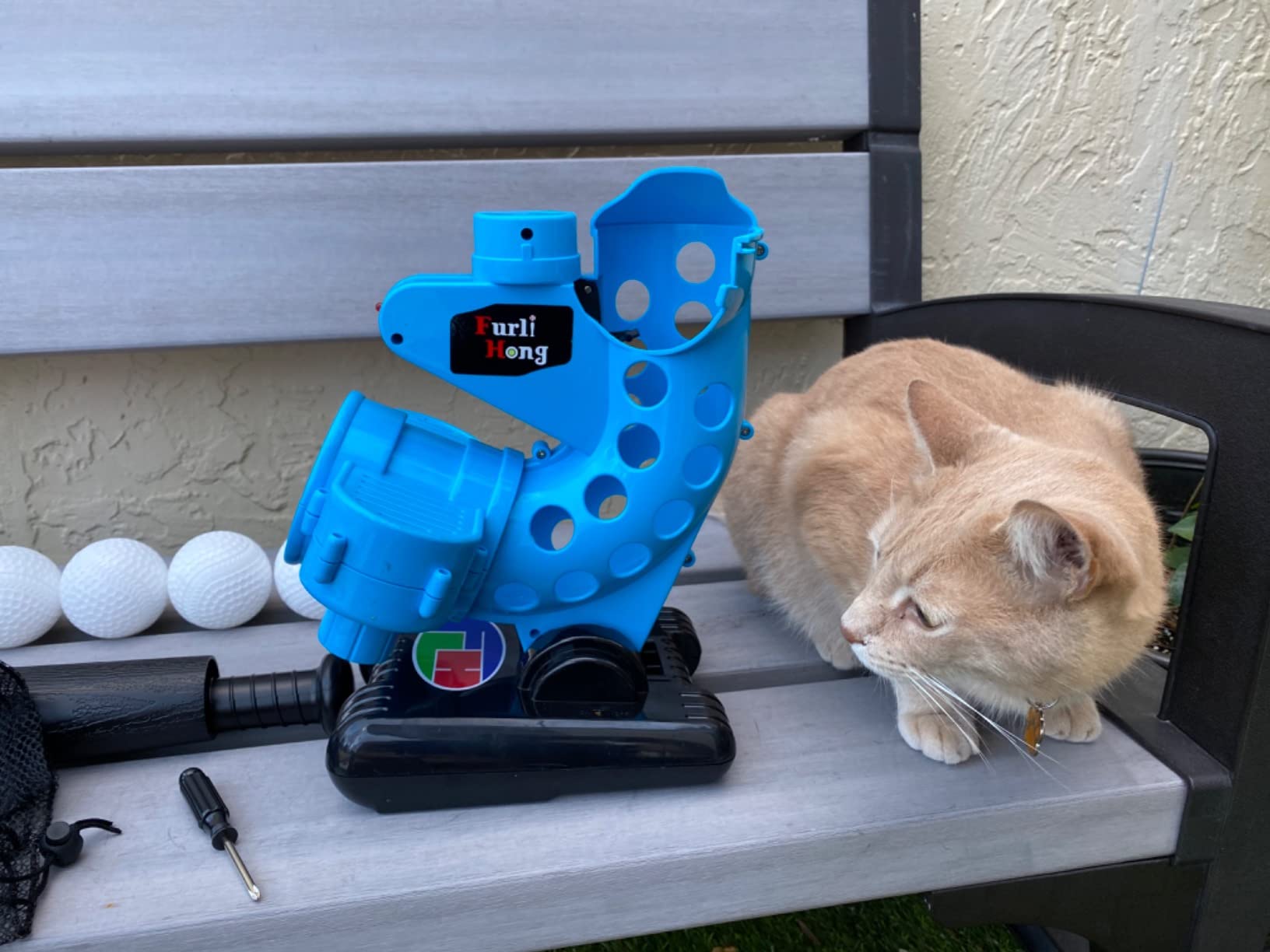
8. Furlihong 380BH Starter Kit: Best Budget Kit for a Young Beginner
Furlihong 380BH Baseball Pitching Machine for Kids and Beginner
20 mph ceiling
0.81 oz sting-free balls
Three launch angles
Pitch every 7 seconds
2.1 lb
180-day warranty
Pros
- Sting-free training balls will not dent bats or hurt hitters
- Three launch angles suit different ages and levels
- Bat and a dozen training balls included in the box
- Only 2.1 lb so a child can reposition it
- Seven second interval with an indicator
Cons
- Only compatible with Furlihong plastic training balls
- The 20 mph ceiling is low for older or stronger hitters
- Four D batteries are required and not included
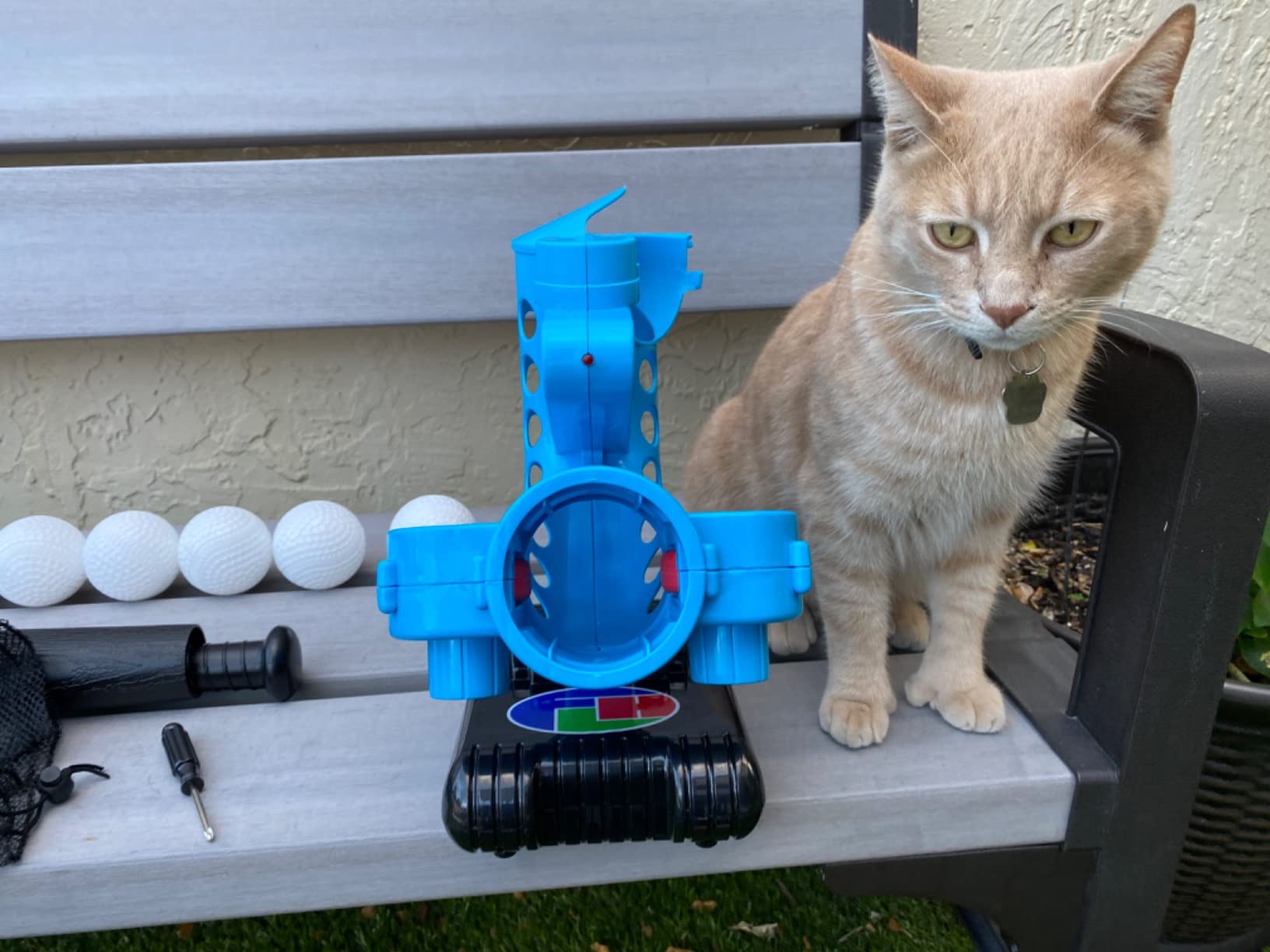
This is the strongest rating profile among the budget electronic machines we looked at, with 84 percent of reviews landing at four or five stars. The reason is straightforward: it solves the two problems that frustrate parents most, by including a plastic bat and a dozen sting-free training balls in the box and by weighing only 2.1 pounds so a child can move it themselves.
The balls weigh 0.81 oz each, which is the point. They will not dent a bat, they will not sting on a mishit, and a child can hit them hundreds of times without a hand. Three launch angles let you vary the height for a younger and an older sibling sharing one machine, and the seven second interval with an indicator gives a hitter time to reset.
Two limits are stated plainly by the manufacturer and echoed by owners. It is designed for its own training balls, and feeding it anything else may cause damage. And the 20 mph ceiling is genuinely low, so a nine or ten year old with decent strength will quickly find it underwhelming.
The four D batteries are not included, and the machine is battery powered for outdoor use. The 180-day warranty is better than the 90-day cover on most plastic toys in this group, which is a small but real difference on a machine kids handle roughly.
Who should buy the Furlihong 380BH
A parent of a beginner aged six to nine who wants everything in one box and who is not ready to spend on a net or a real-ball machine yet. It pairs well with a batting tee for the earliest stages, and the sting-free balls make it a low-stress first machine for a child who is still nervous about contact.
It is also the cheapest way to get a complete kit for a birthday or holiday, because there is nothing else to buy alongside it except batteries. For two siblings at different ages, the three angles are genuinely useful.
Who should skip the Furlihong 380BH
Skip it if your child is ten or older, or if he is already on a travel team, because the speed ceiling will not hold his attention. Skip it if you want to work on pitch recognition, since the ball is not regulation in size or weight. And skip it if you plan to use it long term, given the limited warranty and entry-level internals.
9. Furlihong 3801BH Upgraded: Best Quiet Machine for Indoor Garage Reps
Furlihong 3801BH Upgraded Electronic Baseball Pitching Machine for Beginner
Two independently adjustable wheels
30 mph ceiling
AC adapter or 4 D batteries
1 oz dimpled balls
Quiet operation
Pros
- Two independent wheels produce real curves and sliders
- An AC adapter is included so it runs in a garage
- Quiet enough for indoor practice on a 4.5 lb frame
- Dimpled polyurethane balls are sting-free
- Compact footprint for small spaces
Cons
- Cannot use regulation baseballs
- High and low settings show little practical difference
- Light balls become unpredictable in any breeze
Two independently adjustable wheels is the feature that separates this from every other budget machine here. Because each side wheel can be set to a different speed, the machine can throw fastballs, curves and sliders rather than only straight fastballs, which means your hitter learns to read a breaking ball instead of only reacting to a look.
It is also the only machine in this group that ships with an AC adapter as well as battery power, and it is quiet enough to run indoors. That combination makes it a genuinely useful garage or basement trainer for a family in a climate where three months of the year are indoors. Customer service replaced a defective unit outright for at least one buyer.
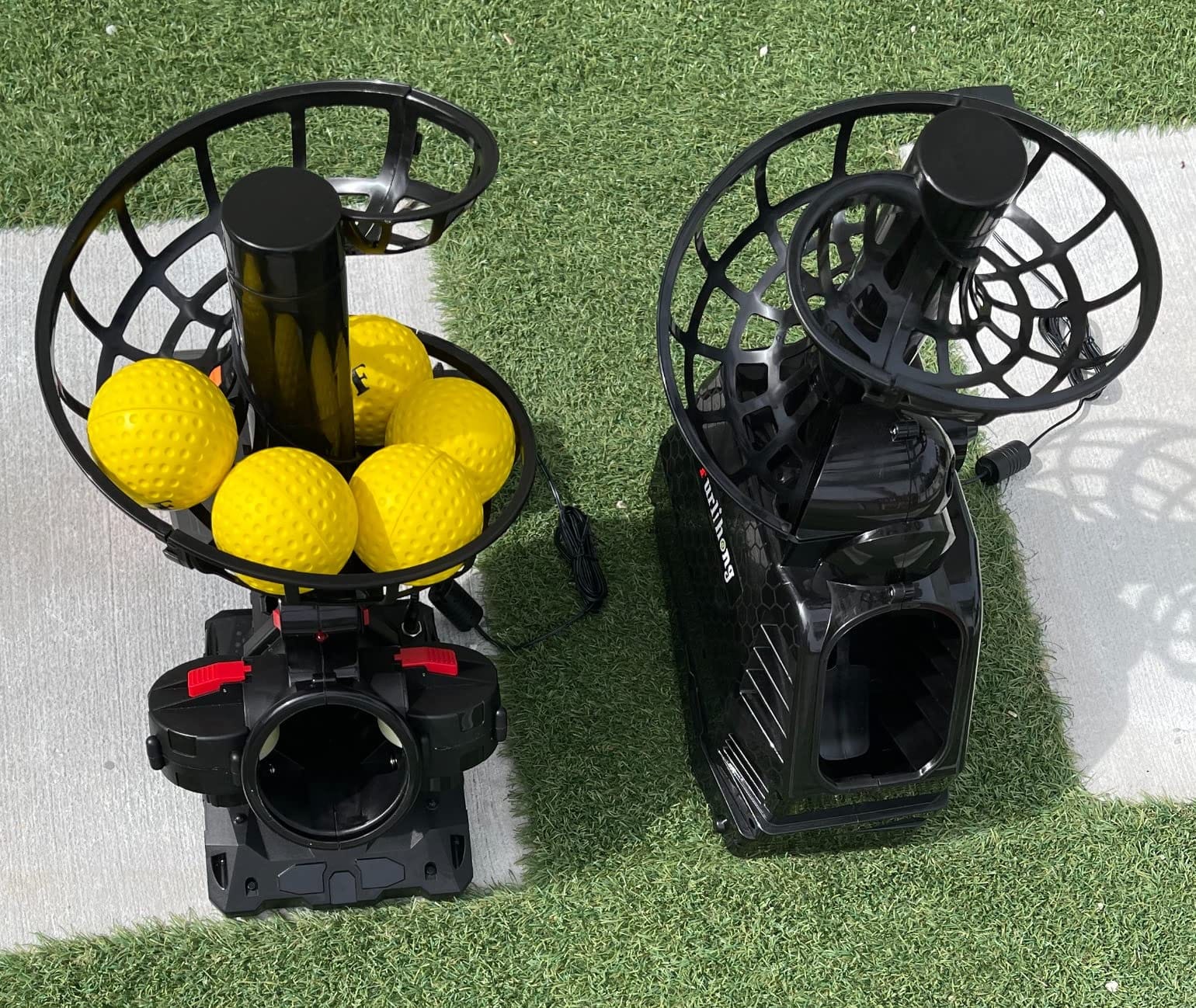
The two criticisms that recur are about the balls and the settings. The supplied dimpled polyurethane balls are noticeably lighter and smaller than regulation baseballs, so realism drops and, as several owners point out, the trajectory becomes unpredictable in any breeze. And buyers report that the high and low speed settings make little practical difference in speed or distance, which undermines the point of having speed control.
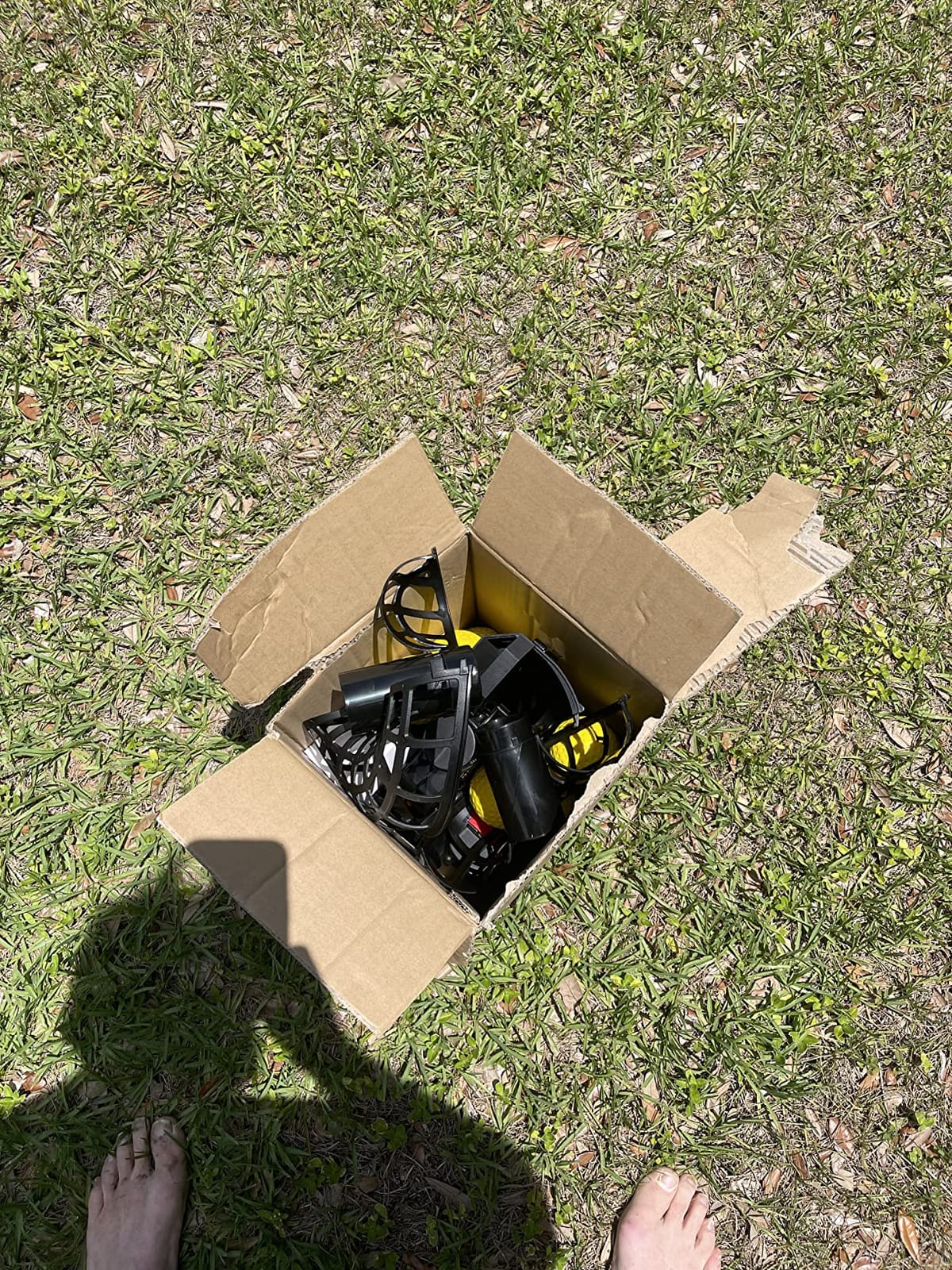
A few units also arrive with a non-working ball return, though customer service resolved those reports. Budget for replacement dimpled balls, since the machine is built around them and does not take real baseballs.
Who should buy the Furlihong 3801BH
A family that needs indoor reps for most of the year and wants pitch variety on a small budget. Dual-wheel control means your hitter sees a curve, which is something no other sub-electric machine on this list can offer. The AC adapter removes the battery habit entirely for indoor sessions.
It also works well as a bridge machine between a foam or plastic setup and a real-ball machine, because it throws a heavier ball than the plastic options while staying safe and quiet enough for a shared house.
Who should skip the Furlihong 3801BH
Skip it if you want to train with real baseballs, since the machine explicitly cannot use them. Skip it if practice happens outdoors in any wind, because the light balls are the single most cited problem with it. And skip it if you need genuinely different speeds, since several owners find the settings too similar to be useful.
10. Junior Hack Attack by Sports Attack: Best Three-Wheel Machine for Travel Ball
Junior Hack Attack Baseball Pitching Machine
Three-wheel machine, baseballs only
Throws up to 70 mph
Fastball, curve, slider, split, knuckle
Draws about 60 watts
96 lb
2 year warranty
Pros
- Three wheels create genuine curveballs
- sliders and knuckle balls
- Quiet enough that the hitter cannot hear it working
- Feeds real leather baseballs without proprietary balls
- Pivots for grounders and fly balls out to 250 ft
- Two year manufacturer warranty
Cons
- Baseball only
- softballs need a conversion kit
- 96 lb is bulky to move frequently
- Assembly sequence is poorly explained
Everything else on this list throws one pitch shape at a time or fakes a curve. This one genuinely varies the spin. Three independently controlled wheels let it throw fastballs, curveballs, sliders, split-finger and knuckle balls to a hitter from either side of the plate, and the horizontal swivel control lets you micro-adjust location across the strike zone. That is the whole reason a two or three-wheel machine exists.
It feeds real leather baseballs, which matters enormously. A hitter working off this machine is working off the same ball a pitcher on a travel roster would throw, up to 70 mph. Owners with coaching experience consistently single out the quiet operation, because the hitter cannot hear the machine working, so practice feels like a live at-bat rather than a mechanical drill.
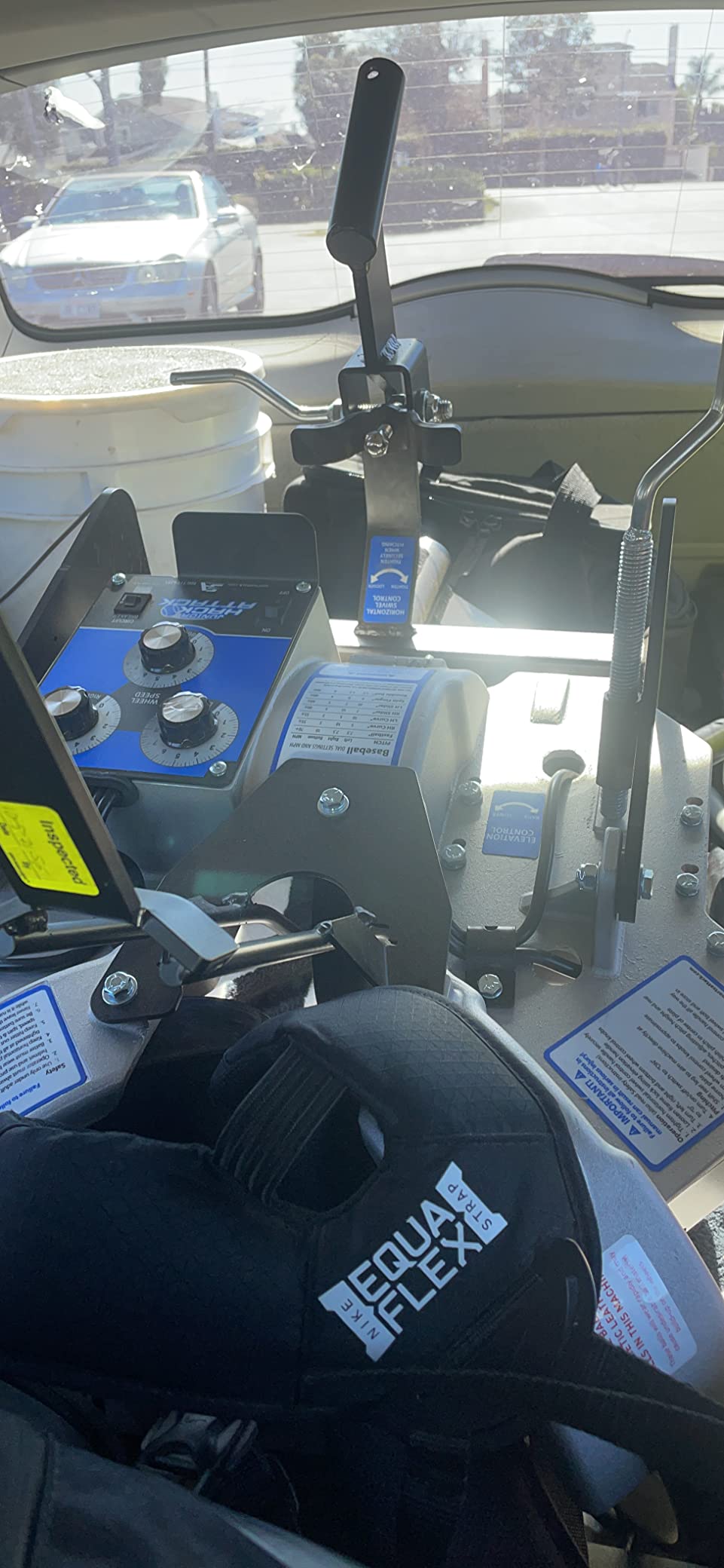
The pivoting head is the sleeper feature. Flip it and the same machine throws ground balls, line drives and fly balls out to 250 feet, which turns it into a fungo machine for infield and outfield work. Several owners report multiple seasons of use or reselling after years of service, which says something about the build.
The reservations are all practical. It handles baseballs only, so a softball family needs a conversion kit. At 96 pounds it is bulky to move often, and the assembly sequence is poorly explained, with the machine having to be locked onto the base before the legs go on. At a 4.7 average with 89 percent five-star ratings, it has the strongest rating profile of the ten.
Who should buy the Junior Hack Attack
A family that has reached the travel ball or high school level and is done with plastic and foam. It is the only machine here where a hitter can learn to recognise a breaking ball at real speed, and owners with coaching backgrounds call that the reason to step up. The two year warranty and the real-leather feed also make it the one most likely to survive several age groups.
It suits a coach running team batting practice where consistency and pitch variety matter more than rep speed, and it pairs naturally with a full-size cage. On a r/Homeplate thread about a home cage, owners consistently treat machines of this class as reliable for full-size cage work, with portability as the deciding factor between premium options.
Who should skip the Junior Hack Attack
Skip it if your child is still in Little League or early rec play. It throws faster and more accurately than almost anyone that age can handle, and buying it early means a machine that gets outgrown rather than used. Skip it for a multi-sport family without a conversion kit, and skip it if storage and moving it regularly is a problem.
How to Choose a Pitching Machine for a Youth Player
Ask four questions in this order, and the right machine falls out of them almost every time: how old is the hitter, what ball do you want him hitting, how many hitters share the session, and do you have power where the machine will sit. Everything else on a product page is secondary.
Match the ball to the age, not the machine to the age
Ages five to seven should be on hollow plastic or foam balls. There is no reason to rush past that stage, because the goal is a level swing and a short stride, not a strike zone. Ages eight to ten can move to dimpled or lite plastic, and roughly from eleven upward a real baseball is the right target because it forces the hitter to track a genuinely fast ball.
This is also the single most under-appreciated mechanical point. Coaches on a long-running baseball-fever thread raise the concern that kids will start aiming at a light plastic ball because it is light, which pulls their swing out of shape. If you train off light balls, monitor mechanics closely and mix in real-ball or live-arm work so timing stays honest.
Understand the four mechanisms
A spring or arm machine, such as the Blue Flame, throws a real ball from a mechanical arm with no power required. It is the most realistic-feeling option per watt and the cheapest to run, but an adult loads every pitch. A single-wheel machine grips the ball between one or two wheels and needs a mains outlet or batteries, which usually means lite or dimpled balls. A two-wheel machine varies the speed of each wheel independently, which creates curve and slider break on a budget.
A three-wheel machine adds a third wheel and genuine control over spin axis, which is why it can throw a split-finger or knuckle ball. Two-wheel and three-wheel machines are the only ones in this category that let a hitter see a moving pitch, and that is the difference between practising timing and practising a reaction.
Set speed by age, and raise it slowly
For the first six months of machine work, the goal is volume with good mechanics, so set the machine well below what the hitter could face in a game and get a hundred quality reps. From ages eleven to thirteen, a speed band in the low fifties is a reasonable target. Above that, the useful ceiling is the machine’s rated maximum, which for the machines here ranges from 20 mph on the cheapest electronic model to 70 mph on the three-wheel.
One caution: these speed figures are manufacturer bands, not radar-verified numbers. Where a machine quotes a distance instead, such as 46 feet, treat that as the condition the figure was measured under rather than a promise about your yard.
Work out the accessories before you commit
A machine without something to stop the ball is an expensive way to lose baseballs. You need a hitting net sized to the throw distance, a tee for the earliest reps, a bucket of balls matching the machine, a face-guard helmet for the hitter, and a heavy-duty outdoor cord if the machine runs on mains power. None of that is optional and all of it is cheaper than the machine.
If the machine draws real power and you want to practise at a field with no outlet, budget for a portable power station rather than a basic generator. The Heater and the Junior Hack Attack both sit in that category, drawing roughly 60 watts, which a mid-size inverter unit handles comfortably. Our broader baseball pitching machine roundup covers the adult-tier options if you outgrow this list.
Check the listing before you buy
Marketplace photos mislead in predictable ways. Pop-up cages are frequently sold with the same product name as the manual spring machine, so confirm you are getting the machine and not a cage. Some listings show a softball throwing head in a baseball photograph, so verify whether the machine takes baseballs, softballs, or both. Finally, treat any speed claim above what the machine’s own specification sheet states as marketing.
Safety, Wind and Placement Before the First Session
A pitching machine throws hard objects at a child who is standing still and looking at it. Treat the first session like any other piece of powered equipment, and the risk drops to almost nothing.
Every hitter wears a helmet with a face guard, always, including during soft toss and tee work. Keep the operator behind and to one side of the machine rather than in line with the throw, and keep everyone else well outside the release path. Check the machine for pinch points at the throwing head and the feeder arm before a child handles it, since those are the two places fingers get caught.
Drive the front spikes or weight the base before the first hard pitch. Several owners of light plastic machines report units sliding across the yard, and a machine that moves is a machine that throws at an unexpected angle.
On power, use a heavy-gauge outdoor cord and inspect it before every session. A frayed cord under a machine that draws power continuously is a real failure mode, not a theoretical one.
Then handle wind honestly, because this is the most common real-world complaint from backyard owners. In a long-running baseball-fever thread, owners of light-ball machines describe wind as the single thing that ruins practice, with light plastic balls becoming unpredictable in any breeze. Set up with the throw direction into a wall or a fence line rather than into open sky, and move indoor when the forecast turns. Machines are a hitter tool, so if a session stops producing quality reps because of weather, move it rather than pushing through.
Frequently Asked Questions
Are pitching machines good for youth baseball?
Yes, for hitters. A machine delivers hundreds of identical, repeatable pitches in a short session, which is the fastest way to build hand-eye timing without needing another player to throw. The limit is that it trains a hitter, not a pitcher, and light plastic balls can pull a swing out of shape if you rely on them alone, so mix in live-arm and real-ball work.
What is a good baseball throwing machine for kids?
For ages five to eight, a foam or hollow plastic machine with an indicator light works, such as the Franklin MLB Power Pitcher or the YESMARKS set. From about eight upward, a two-wheel or spring machine is a better step, such as the Furlihong 3801BH for budget or the Louisville Slugger Blue Flame for real baseballs. Match the ball to the age first.
How fast should a 12 year old be able to pitch a baseball?
A 12 year old in Little League typically needs to stay under a rule-defined throwing limit rather than chase raw speed, so the honest answer is that machine speed should match game speed, not exceed it. As a buying guide, a band in the low fifties is a sensible ceiling for a 12 year old to hit against, and a machine rated around 45 to 70 mph covers that range.
What is the best baseball equipment for youth?
Start with the essentials in order: a properly fitted helmet with a face guard, a bat sized to the hitter, a tee, a hitting net sized to the throw distance, and only then a pitching machine. Machines are the third or fourth purchase, not the first. Add a bucket of balls matched to the machine and a face-guard helmet for the hitter before the first session.
How many swings should a child get per session off a pitching machine?
Quality beats volume. Most coaches land on 60 to 100 quality swings per session for a young hitter, grouped into small sets with a short break, rather than several hundred rushed reps. If mechanics start breaking down, stop. Finish with live-arm or tee work so the hitter leaves with real timing rather than machine timing.
Conclusion: Our Youth Pitching Machine Verdict for 2026
The best pitching machines for youth baseball in 2026 are not the fastest ones, they are the ones that throw a ball your child can actually use. The Louisville Slugger Blue Flame is our overall pick because it throws real baseballs across the whole youth speed range, needs no power at any location, weighs under 12 pounds and carries the strongest rating among the heavily reviewed machines we tested.
Choose the Heater Slider Lite 360 if one adult is feeding a whole team. Choose a Franklin or Furlihong plastic machine if the hitter is under nine and still building confidence. Save the Junior Hack Attack for the day your hitter can handle a real breaking ball at travel-ball speed.
Whichever one you pick, buy the net and the helmet first, keep the face guard on from the very first swing, and use the current prices and customer reviews linked below to check today’s deal before you order.