
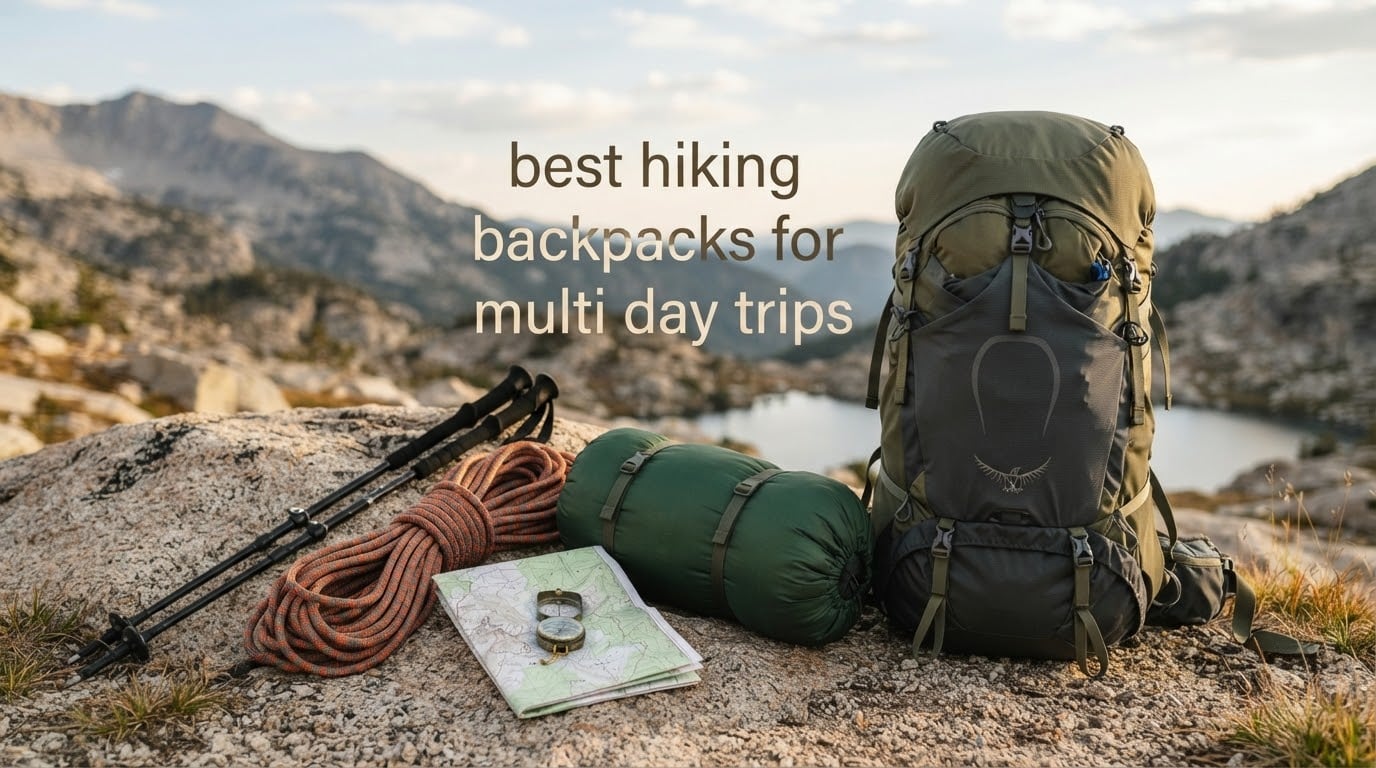
If you are searching for the best hiking backpacks for multi day trips, most people land on the same answer: 55 to 65 litres, an internal frame, and a hipbelt wide enough to take the weight off your shoulders. Here is the short version, then the full list. For a 2-3 night trip a 40-45L pack is enough if your group gear is split. For 3-5 nights you want 55-65L. For a week, or any trip in winter, start at 65L and treat that as a floor rather than a target.
The pack is the one piece of gear that decides whether a multi-day trip is fun. Get the capacity wrong and you spend the trip repacking. Get the fit wrong and you finish with a sore back and a shortened route. A 55L pack loaded with a realistic 25-30 lb still sits well, while the same pack crammed to 40 lb turns into a shoulder-numbing slog.
We went through twelve packs and read the owner reviews closely, and we focused on four things that decide comfort over several nights: carried weight, how the load transfers to the hips, how the torso fits, and whether the fabric holds up when the weather turns. We also flagged the failure modes owners actually report, because a roundup that lists no drawbacks is worth very little. If your trips are short and you mostly carry day gear, our best day hiking backpacks guide covers the lighter end. Below, everything is built for multiple nights out.
Table of Contents
Top 3 Picks for Multi-Day Trips (October 2026)
Teton Explorer 65L
- 65L internal frame
- 5 lb carry weight
- Multi-position torso adjustment
- Rain cover included

Teton Scout 3400 65L
- 65L internal frame
- 4.5 lb carry weight
- 6 compartments and 6 pockets
- Lifetime warranty

Best Hiking Backpacks for Multi Day Trips (October 2026)
Every pack below is listed in the order we would hand them to you, with the trip length each one suits and the single fact that decides most purchases. Details on weight and fit follow in the individual reviews.
| Product | Specifications | Action |
|---|---|---|
| Teton Sports Explorer 65L Internal Frame Backpack |
|
Check Latest Price |
| Teton Sports Scout 3400 65L |
|
Check Latest Price |
 Loowoko 50L Hiking Backpack Loowoko 50L Hiking Backpack |
|
Check Latest Price |
| Maelstrom 50L Hiking Backpack |
|
Check Latest Price |
 N NEVO RHINO 60+5L Internal Frame Backpack N NEVO RHINO 60+5L Internal Frame Backpack |
|
Check Latest Price |
 Teton Sports Signal 65L Backpack Teton Sports Signal 65L Backpack |
|
Check Latest Price |
 Osprey Atmos AG 65L Osprey Atmos AG 65L |
|
Check Latest Price |
 Naturehike 65L Internal Frame Backpack Naturehike 65L Internal Frame Backpack |
|
Check Latest Price |
 Osprey Rook 65L Osprey Rook 65L |
|
Check Latest Price |
 Kelty Coyote 65L Kelty Coyote 65L |
|
Check Latest Price |
 Osprey Aether 65L Osprey Aether 65L |
|
Check Latest Price |
 Osprey Renn 65L Women’s Backpack Osprey Renn 65L Women’s Backpack |
|
Check Latest Price |
1. Teton Sports Explorer 65L – Best Overall Multi-Day Pack
Teton 65L Explorer Internal Frame Backpack for Hiking, Camping, Backpacking, Rain Cover Included, Graphite
65L capacity
5 lb carry weight
600D polyester diamond ripstop
Limited lifetime warranty
Pros
- Feature-rich layout at an entry-level tier
- Six compartments and five pockets
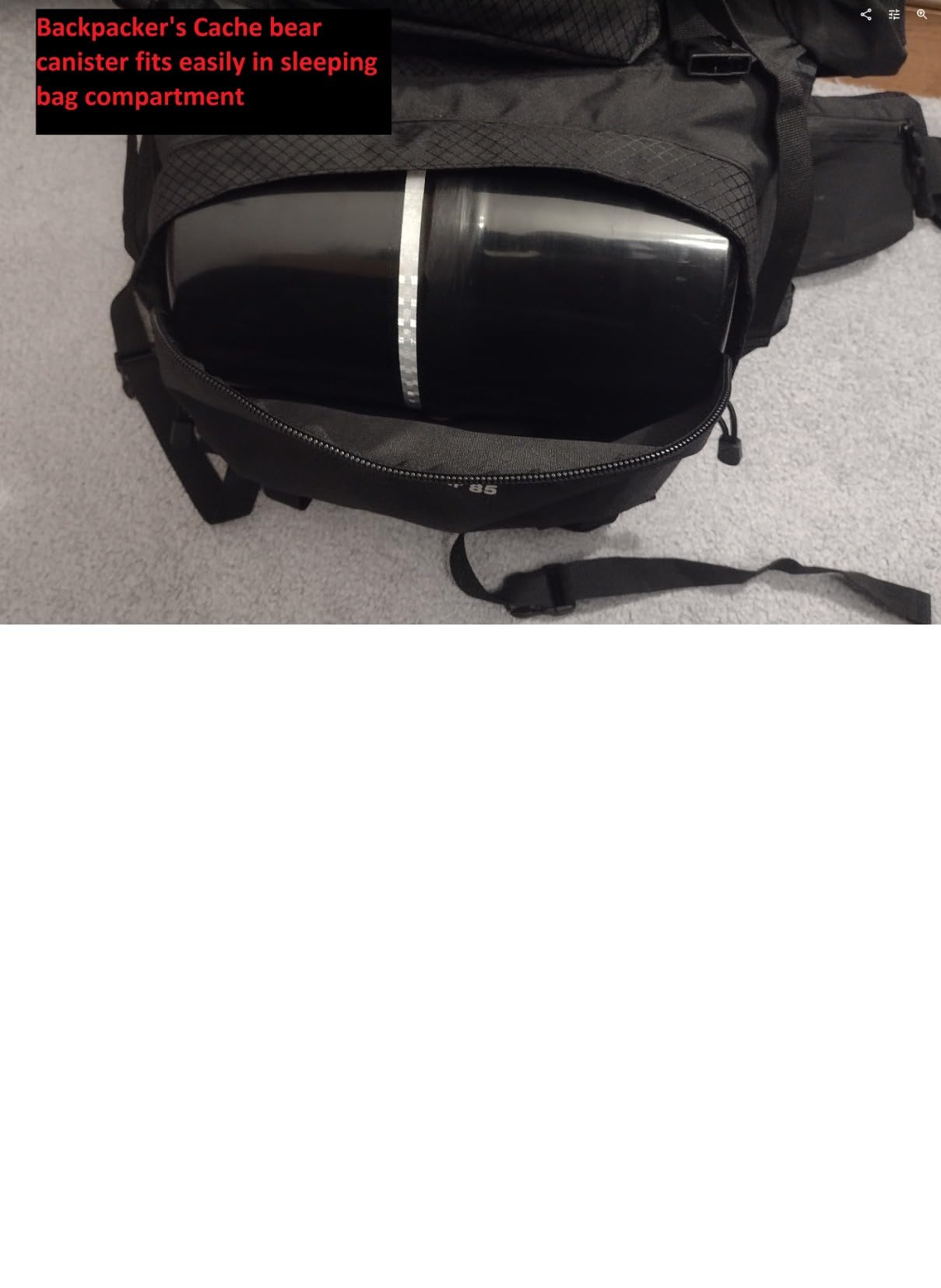
- Large sleeping bag compartment
- Multi-directional compression straps
- Rain cover included in the box
Cons
- Torso adjustment suits medium and tall frames
- Open-cell foam lumbar pad can stay damp
With 8161 reviews and a 4.6 average, this is the pack we kept coming back to while working through the list. It is a 65L internal frame design in 600D polyester diamond ripstop, and at 5 lb it is not going to disappear from your shoulders on a long climb. What surprised me most was how much organization you get for the weight: six compartments and five pockets, plus a dedicated sleeping bag compartment that swallows a 20-degree bag without crushing anything else.
The multi-position torso adjustment is the piece that matters most for multi-day comfort, because it lets the load transfer to the hipbelt instead of the shoulders. Owners also praise the open-cell foam lumbar pad and the molded channels that move air across your lower back, which is where heat collects on humid days.
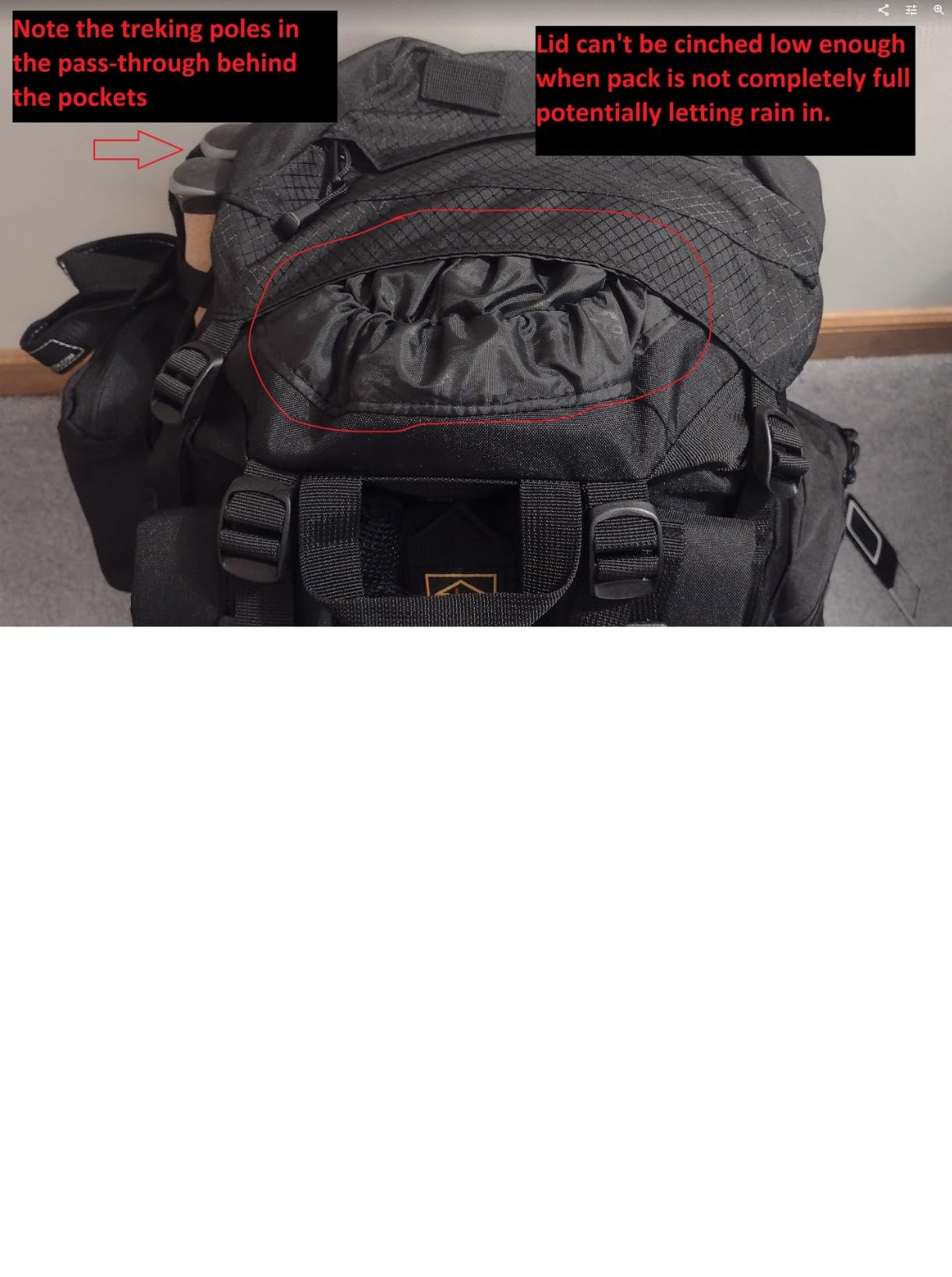
Rain protection is handled with a rain cover in the box, and the shell is water resistant rather than fully waterproof, so I still ran a liner on overnight trips. If you are carrying camera gear or a stove, the front pockets take it without crushing the main compartment.
The limitation worth knowing is fit range. The torso adjustment is described as fitting medium and tall adventurers, so a very small frame may find the top of the pack sitting high. The other recurring note is the open-cell foam lumbar pad retaining moisture over long trips, which is a trade for the breathability it gives you on the move.
Who it suits and who it does not
This is the pick for a 3-5 day trip where you are carrying a tent, a bag and real food, and for anyone who wants a full-size pack without stepping up to a premium brand. It also works as a starter pack for a first multi-night trip, since the warranty is listed as a limited lifetime warranty.
Skip it if you are under about five foot four, or if you plan to haul a very heavy load over technical ground for a week. For a large torso with a big load, look at the Kelty Coyote or Osprey Aether, which both have more adjustability in the harness.
What to check before you order
Measure your torso length first, because the adjustment range runs from about mid-height upward. The pack is 18 inches deep, 32 inches wide and 12 inches high, so check it against your airline’s carry-on limit if you plan to fly with it.
Also decide how you will handle rain. The included cover handles drizzle, but sustained rain on any of these packs needs a liner, and that is the honest reason to budget for a pack cover and a dry bag rather than trusting fabric ratings.
2. Teton Sports Scout 3400 65L – Best Rated at This Weight
Teton 65L Scout Internal Frame Backpack for Hiking, Camping, Backpacking, Travel, Rain Cover Included, Pacific
65L capacity
4.5 lb carry weight
600D polyester diamond ripstop
Lifetime warranty
Pros
- 4.7 average across more than 7000 reviews
- Lighter 4.5 lb body for a 65L pack
- Six compartments and six pockets
- Adjustable fit favours smaller frames
- Rain cover included
Cons
- Snug fit for larger torsos
- Holds less bulky gear than boxier 65L packs
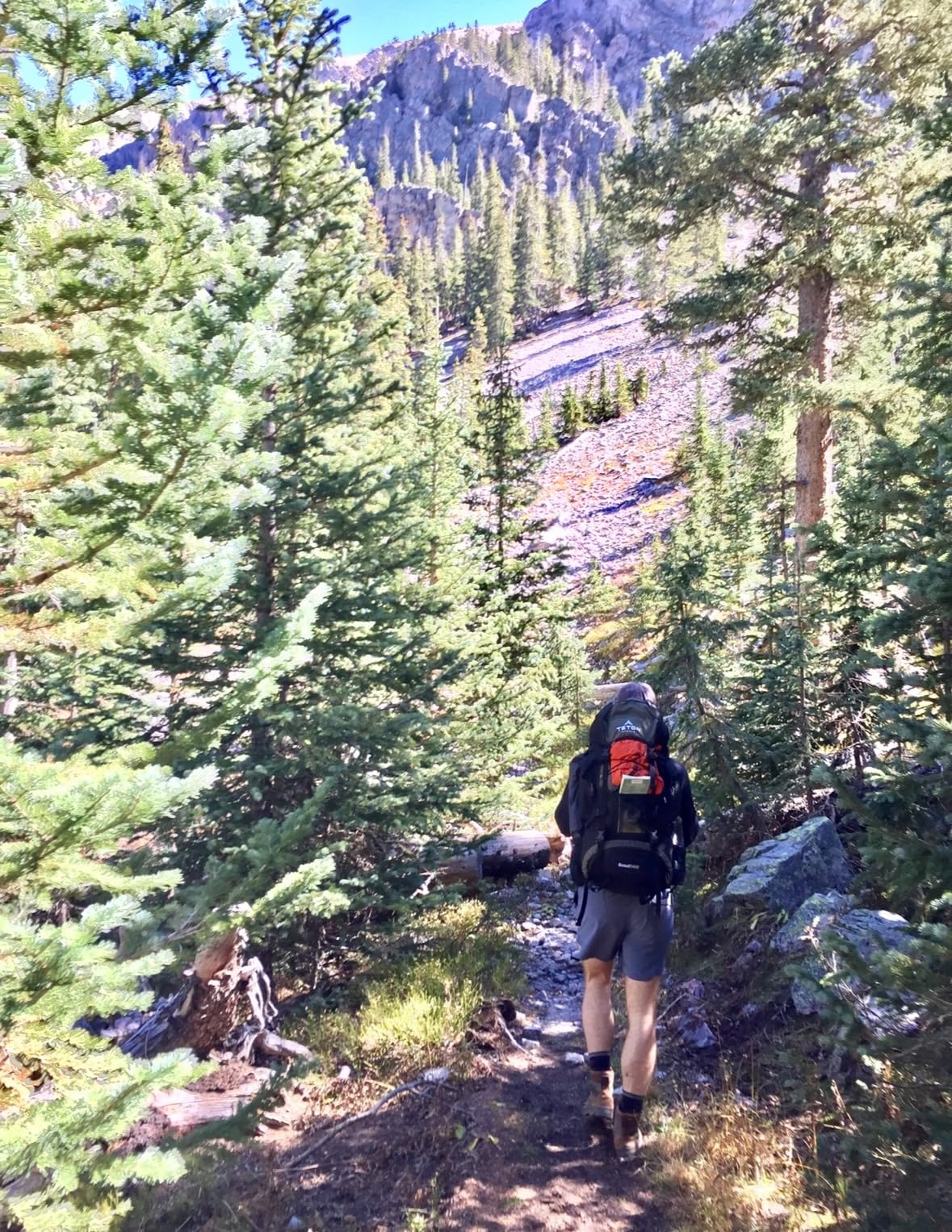
The Scout 3400 shares the Explorer platform but trims half a pound and shifts the fit toward smaller hikers. At 4.7 across 7372 reviews, it is the highest-rated pack in this roundup, and the reason is consistent: owners like the balance of weight, capacity and pocket count.
With 65L of capacity, six compartments and six pockets, and a large sleeping bag compartment, it handles the same 3-5 day load as its bigger brother. The multi-directional compression straps keep a bulky load from shifting when you are moving across sloped ground, which is where cheaper packs tend to feel loose.
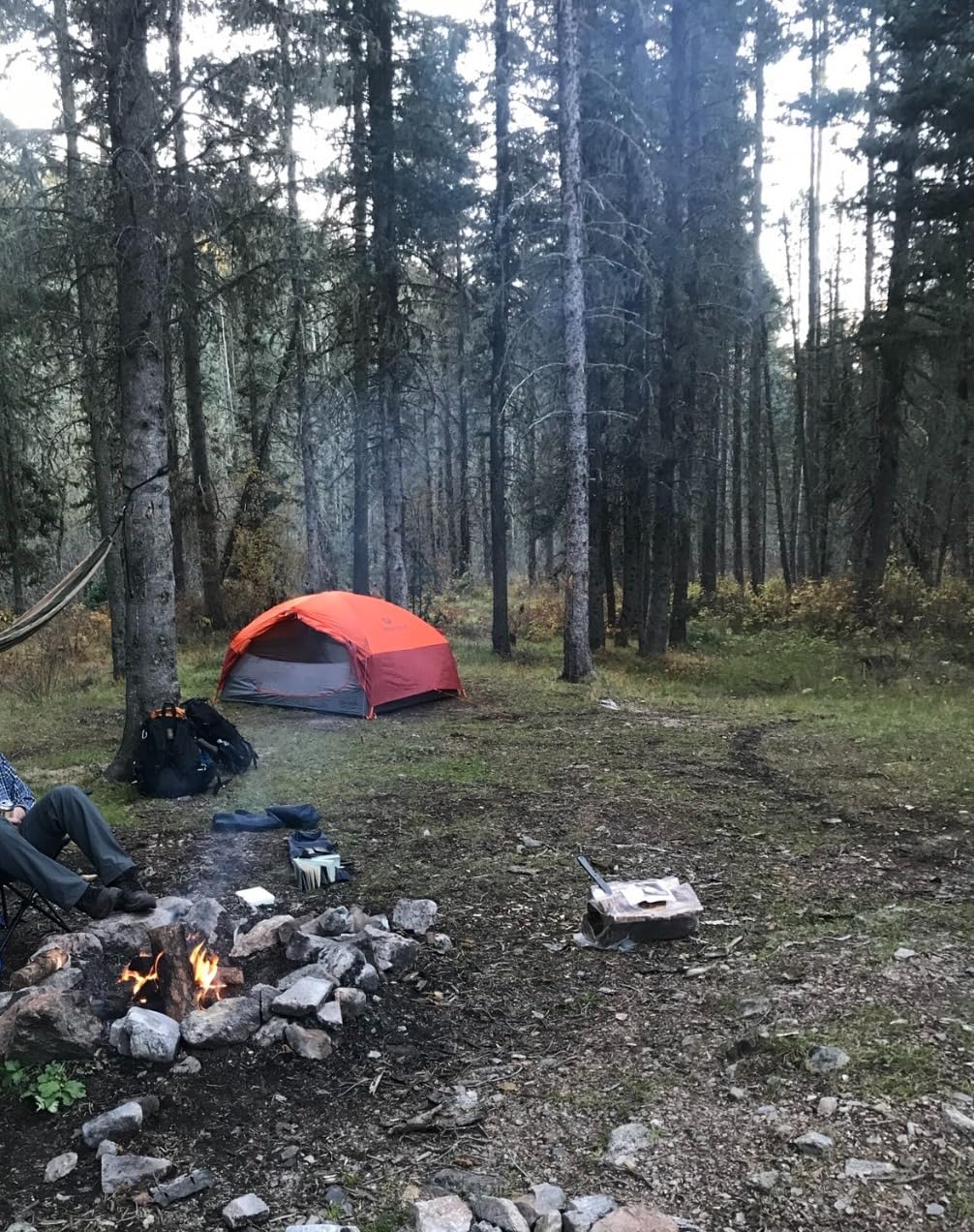
What stands out on the trail is the 4.5 lb carry weight. That is roughly half a pound lighter than most 65L framed packs in this list, and over five days it adds up in the legs more than the number suggests.
The catch is that the body is tighter than boxier 65L alternatives, and several buyers note it runs snug for bigger torsos. If you are tall and broad, read the next section’s fit notes carefully, because the Scout is genuinely built for a smaller frame.
Who it suits and who it does not
It suits shorter hikers and smaller frames who want full 65L capacity, and it is a good 3-5 day pack for anyone who is pack-shy and prefers to re-wear layers rather than carry them. It is also a carry-on friendly shape compared with the deeper 65L bodies on this list.
It is the wrong choice for a very tall torso, and for anyone carrying a bulky two-person tent or a large cast-iron style load that needs volume to fit into. The warranty is listed as a lifetime warranty, which is a real plus for a pack you might keep for a decade.
What to check before you order
Check your torso length against the adjustment range, and if you are near the top of the range, compare against the Explorer. The two share the same general platform, so the decision is really about body size rather than brand.
It is also available in 45L and 55L sizes, which is worth knowing if your trips are usually shorter and you want to size down for weight. Rain protection is water resistant plus the included cover, so plan on a liner for sustained weather.
3. Loowoko 50L – Best Lightweight Pack for 3-5 Day Trips
Loowoko 50L Hiking Backpack with Rain Cover for Both Men & Women
50L capacity
2.1 lb body weight
No internal frame
Rain cover included
Pros
- Very light 2.1 lb body
- 50L of capacity for 3-5 day trips
- Shoe separator and six external pockets
- Stronger straps and durable zippers
Cons
- No internal frame so less load transfer
- Not sized for bulky gear such as large tents
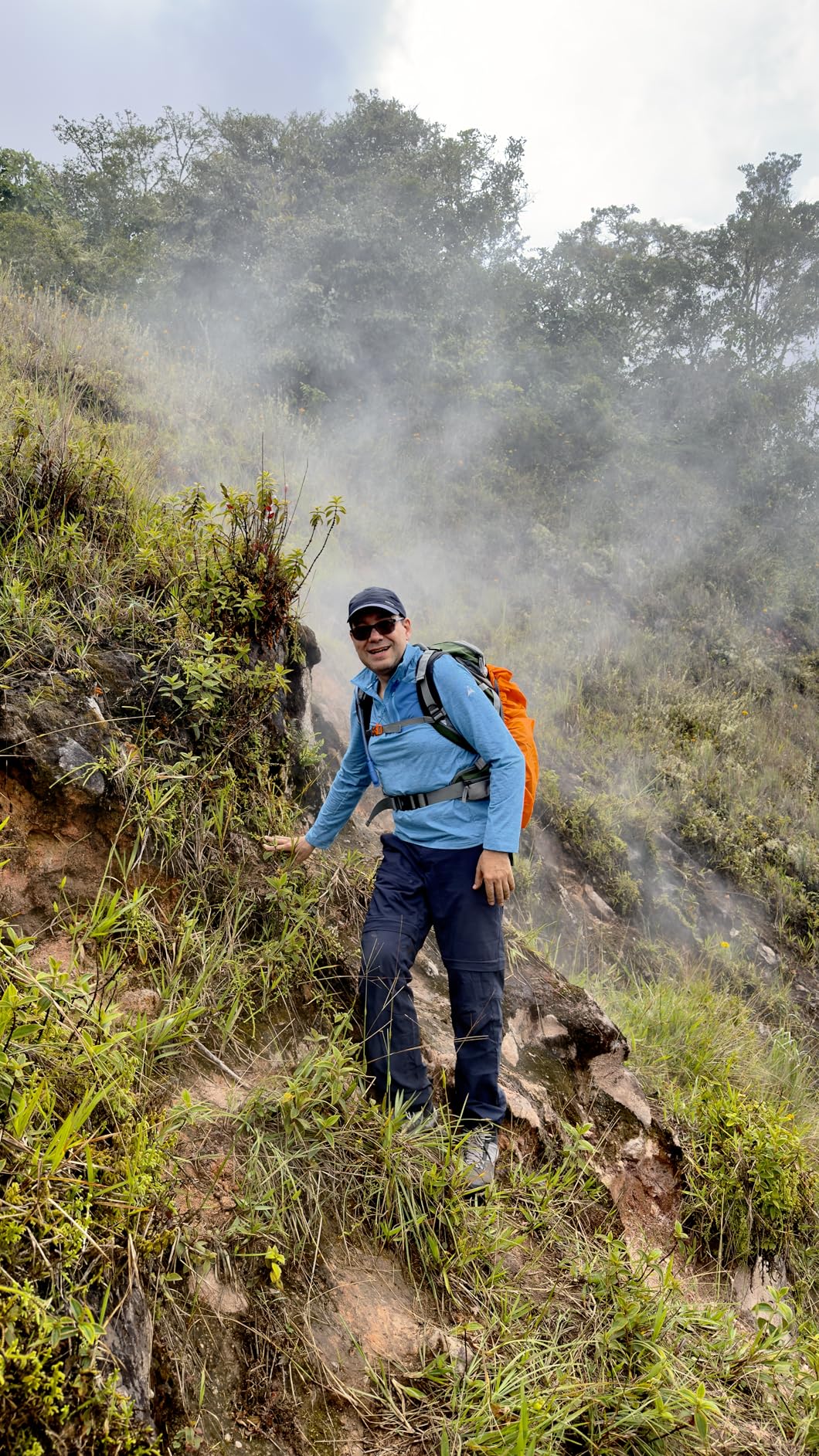
This pack is 2.1 lb empty and holds 50 litres, which is a genuinely useful combination for a 3-5 day trip. With 5743 reviews at a 4.5 average, owners treat it as the default weekend pack, and reviewers specifically call out the light weight, the pocket layout and the fact that the rain cover lives in a dedicated bottom pouch.
Inside you get a large main compartment, a separate shoe compartment so wet boots stay away from your sleeping bag, and six external pockets with movable attachment points. Breathable mesh shoulder straps with wide S-type padding and a high-elastic back panel cut shoulder fatigue more than the weight suggests.
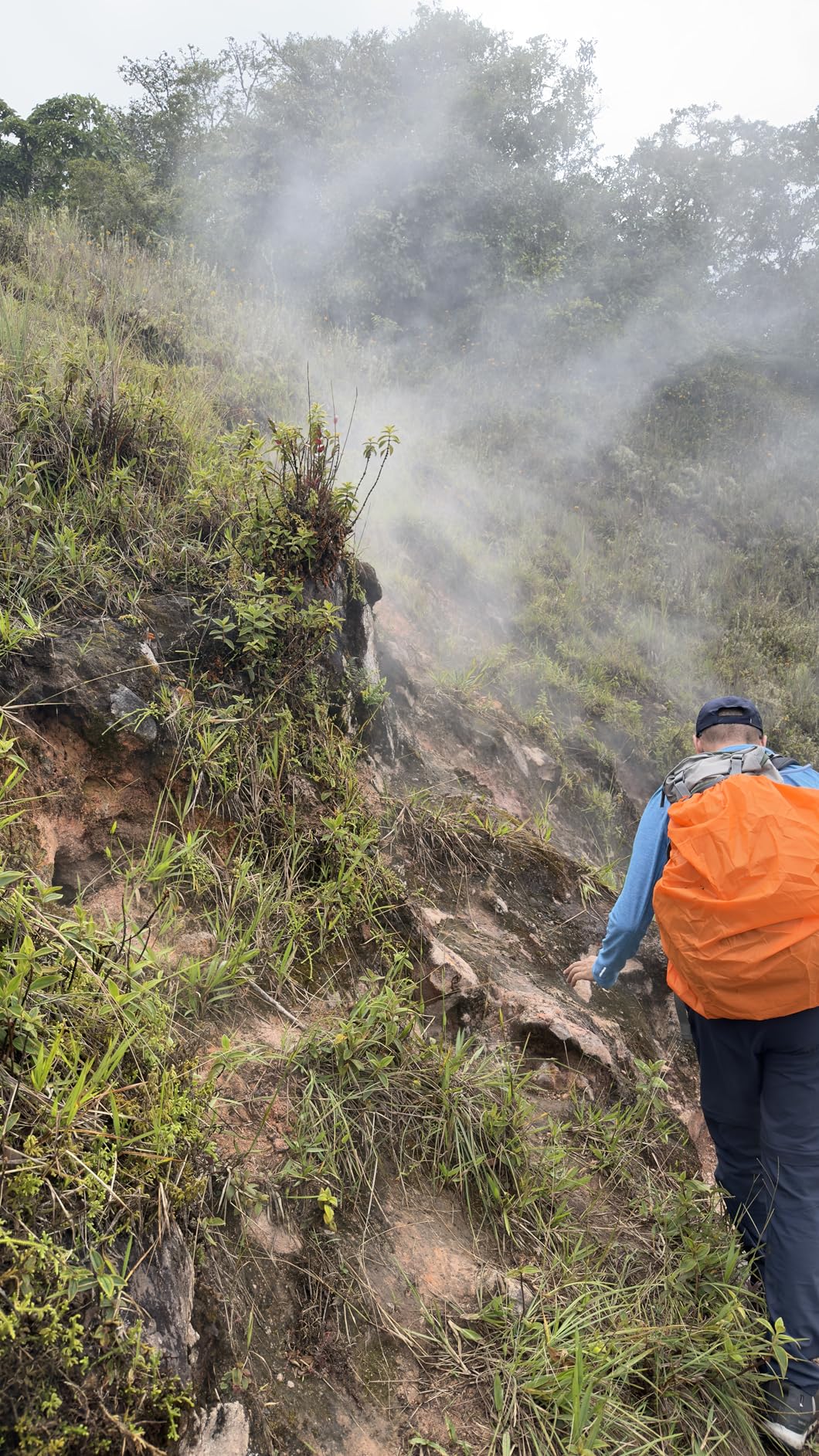
What makes it work as a travel pack too is that the listed dimensions are 7.9 by 11.8 by 23.6 inches, which fits most airline size requirements. If you want one pack for a flight, a train and three days on trail, this is a genuine candidate.
The honest drawback is the missing internal frame. Owners report that it offers less load transfer and support under heavy multi-day loads, and that the back panel lacks rigid structure and feels unstructured when the pack is empty. That is fine at 20 lb and unpleasant at 35 lb.
Who it suits and who it does not
It suits solo hikers, weekend trips, anyone who packs light, and anyone moving between travel and trail. It is also a good pick for a 2-3 night trip where you are carrying a small tent and a light sleep system rather than a full camp.
It is not the right pack for bulky gear such as a large camping tent, or for anyone hauling a heavy load over multiple days. If your group gear includes a full-size tent, look at a framed 65L option instead.
What to check before you order
Decide your realistic carried load before you commit. Under 20 lb this is comfortable for days; above 25 lb the lack of a frame becomes the first thing you notice. There is no separate listed warranty in the product data, which is the other thing to weigh.
The fabric is tear-resistant polyester and nylon with a water resistant finish and the included cover, so treat it the same way as any other pack in rain: cover on, liner in the top third where condensation collects.
4. Maelstrom 50L – Best Budget Multi-Day Pack
Maelstrom 50L Hiking Backpack, Lightweight Camping Daypack with Rain Cover
50L capacity
210D rip-stop nylon
Waterproof wet pocket
1 year warranty
Pros
- Eight compartments in a 50L body
- Deep side pockets that hold large bottles
- Hip belt pockets fit a large phone in a case
- Included rain cover and hydration port
Cons
- Zippers catch fabric and stick often
- Bottle pockets are hard to reach while wearing it
- Winner lining can peel after months of use
The Maelstrom gets more out of 50L than most packs on this list, with eight compartments in a body that weighs very little. Owners consistently call it excellent value and single out the pocket configuration as better than packs from brands several times the price.
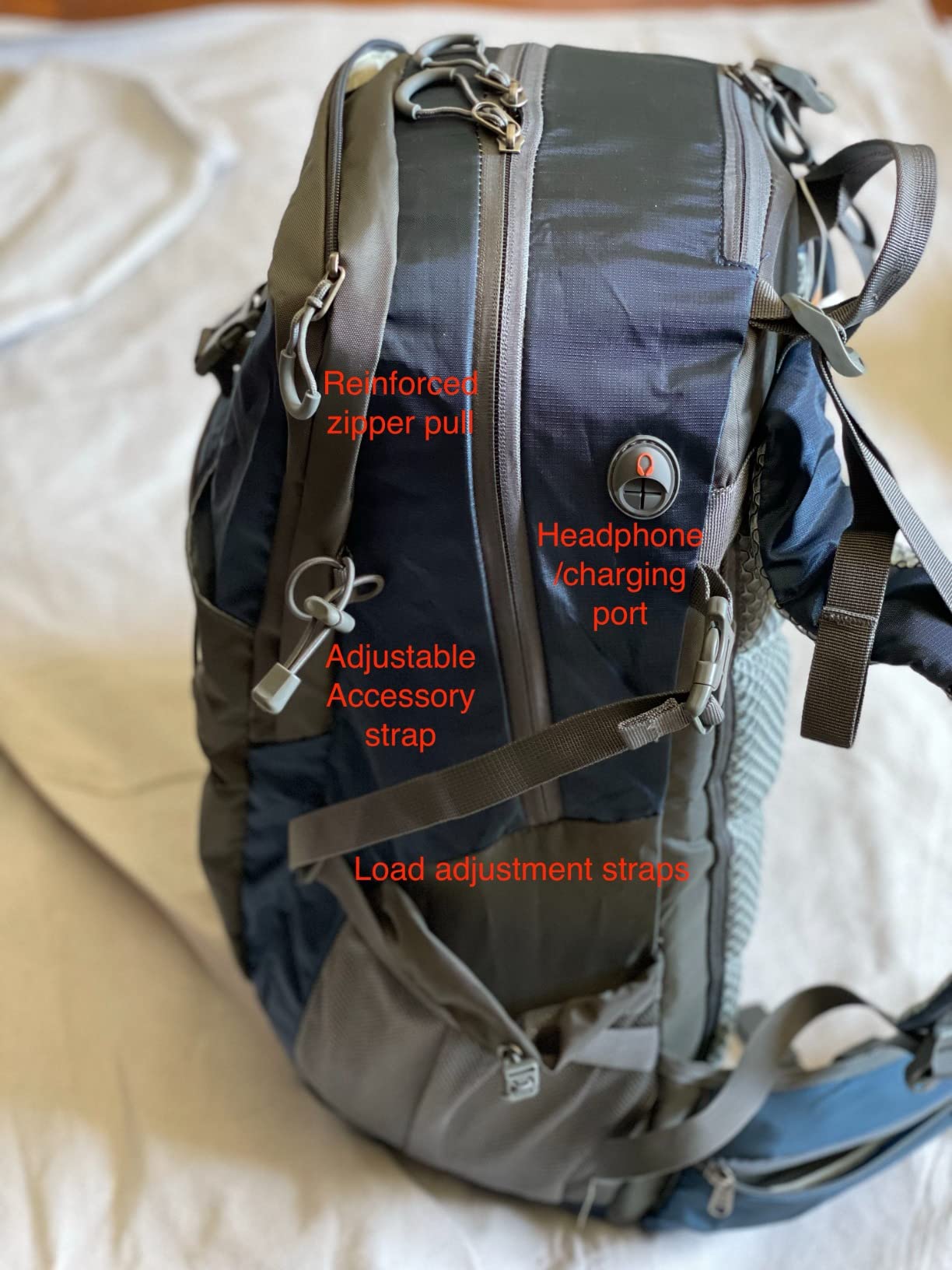
The layout includes a roomy zippered main compartment with a waterproof wet pocket for sweaty clothing, a top pocket, a buckle pocket, two front zip pockets, two waist zip pockets and two mesh side pockets. Reviewers note the hip belt pockets comfortably fit a large phone in a case, and that the deep side pockets hold large bottles without them falling out.
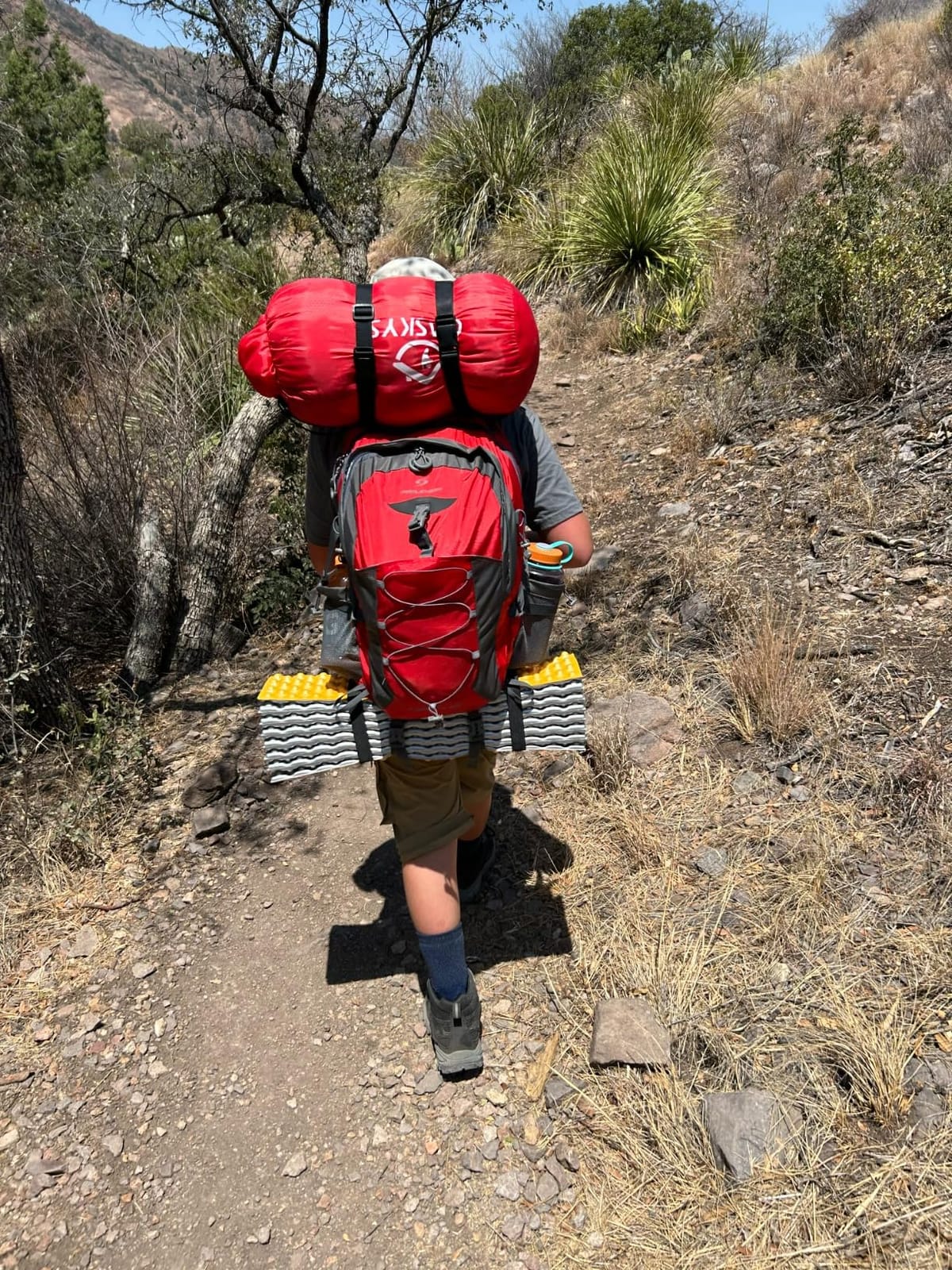
For a load, a 25 lb trip reports evenly across the padded hip belt and the chest buckle, which also doubles as a survival whistle. Highly adjustable shoulder straps let the pack fit a range of body sizes, which matters more than brand when you cannot try the pack on before ordering.
The problems show up over time rather than on day one. Owners report that the zippers catch fabric and stick fairly often, that the bottle pockets are awkward to reach while wearing the pack, and that the waterproof inner membrane can peel away after several months of frequent use. The warranty is listed as one year.
Who it suits and who it does not
It suits first-time multi-day hikers, anyone on a tight budget, and people who want lots of small pockets rather than one cavernous main compartment. It is also a solid 2-3 night pack for a hiker who car-camps to a trailhead.
It is a poor choice for a thru-hike, for winter trips where fabric failure is not acceptable, and for anyone who expects a pack to last a decade. Budget construction fails first at the zippers and the lining, not at the fabric.
What to check before you order
Check the depth of the pack against what you will carry, because 50L fills faster than people expect once a tent and a sleeping bag are inside. It measures 8.86 by 12.99 by 23.62 inches, and owners note that it may not fit under an airline seat when fully loaded.
The fabric is listed as waterproof with a water resistant and tear-resistant finish, but a pack cover is still the simplest insurance on a multi-night trip. Budget for replacement zips or liners after a few seasons of hard use.
5. N NEVO RHINO 60+5L – Best Storage for Long Trips
N NEVO RHINO Internal Frame Hiking Backpack 50/60/65/70/80L with Rain Cover
60L+5L capacity
1.61 kg weight
12 pockets
One year replacement service
Pros
- Huge storage with 12 pockets and hip strap access
- High-load waist buckle with padded dual wishbone hip pad
- Reinforced stitching at stress points
- Semi-circle hollow back panel for head clearance
Cons
- Smaller reviewer base than the mainstream brands
- Inconsistent dimensions across the size range
- Rated waterproof but seams and zips still need liners
This is a 60L plus 5L internal frame pack with 12 pockets, and the storage is the whole point. Buyers generally approve of the capacity-to-cost ratio and the number of places to stash things, which is what makes it useful for a week of gear or for two people splitting a load.
The harness is built for weight. A high-load waist buckle with a thickly padded split dual wishbone hip pad, plus independent top and bottom hip adjustments, means the waist can be dialled in rather than centred at one fixed height. The semi-circle hollow back panel is a small detail that adds head clearance when the pack is full, and the nylon carries reinforced stitching at the shoulder straps and carry handle.
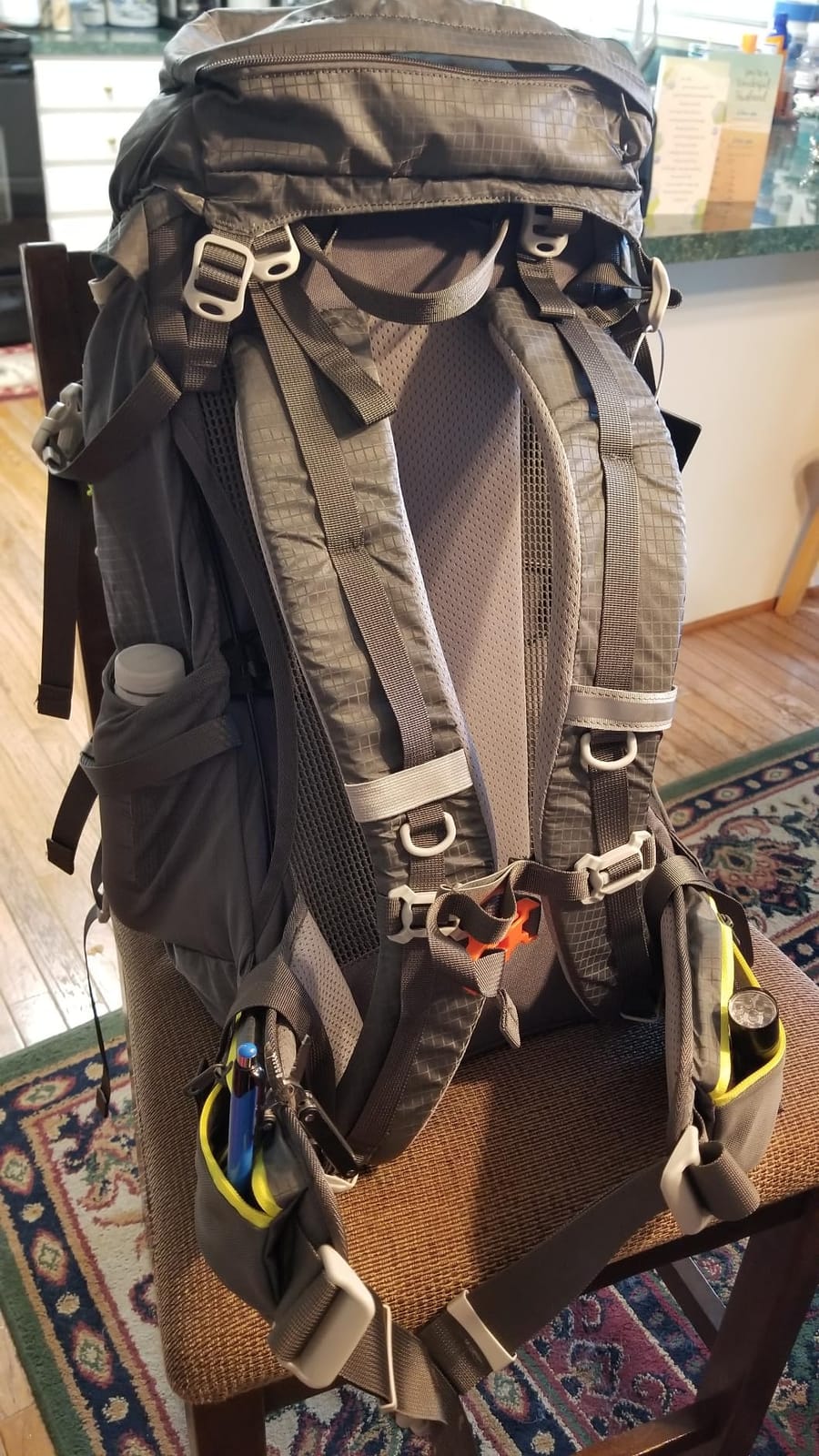
You also get a whistle buckle, carabiners, hydration compatibility and a rain cover with the pack. The listing rates it waterproof and includes a one-year replacement service with a 24-hour support response, which is unusual at this level.
The reservations are honest ones. The brand has far fewer reviews than the mainstream hiking pack names, so there is less long-term durability data. The spec dimensions are inconsistent between the bullet points and the spec table, which is sloppy for a pack you may check against airline limits, and the internal frame does not have the stability of an external frame for extreme loads.
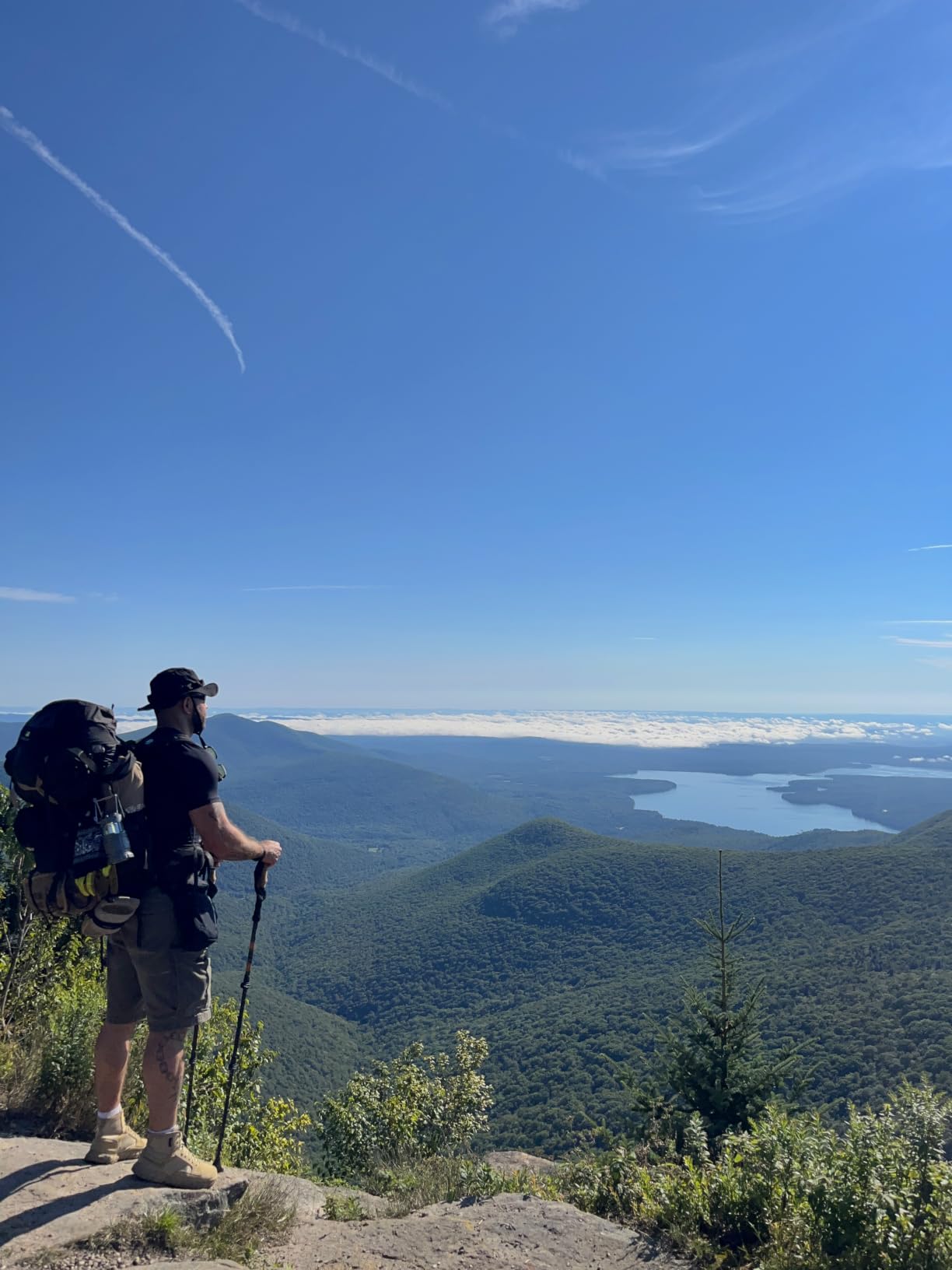
Who it suits and who it does not
It suits longer trips where you want a lot of reachable storage, and hikers who carry shared gear. It is a good 3-5 day or week-long pack when you want more pockets than a typical 60L offers without moving up to a much larger body.
It is a weaker choice if you need a lifetime warranty, or if you want the confidence of a long review history on the frame and buckles. For sustained heavy hauling, a pack with an aluminum stay or a suspension system is the safer bet.
What to check before you order
Confirm the capacity for the size you are actually ordering, since the listing offers 50, 60, 65, 70 and 80L options. The 60L version is listed at 30.7 by 13.7 by 10.6 inches, which is over most airline carry-on dimensions and under most checked baggage limits.
Plan on a pack liner despite the waterproof rating, because the seams and zippers are the usual entry points for water. A single dry bag for your sleep system and insulation is enough for most three-season trips.
6. Teton Sports Signal 65L – Best for Quick Access to Gear
Teton 65L Signal backpack, durable and ready for hiking, camping or backpacking. Perfect lightweight travel bag with more room than you think, Terra
65L capacity
4.7 lb weight
Polyester ripstop
Top front and side access
Pros
- Top front and side access points
- Adjustments at waist chest and shoulders
- Ventilated easy-adjust back panel
- Two water bottle holders and hydration ready
Cons
- Less structured than framed packs under heavy loads
- Water resistant rather than fully waterproof
The Signal is the pack for anyone who resents digging through one big compartment in the rain. It has top, front and side access points, a main compartment plus a two-compartment lid for trail extras, and a large mesh front pocket for the things you reach for most.
Comfort adjustments at the waist, chest and shoulders let you change the fit when you add or shed a layer, and the easy-adjust back panel adds ventilation on the climb. Two water bottle holders and hydration compatibility mean you are not routing a hose through the main compartment.
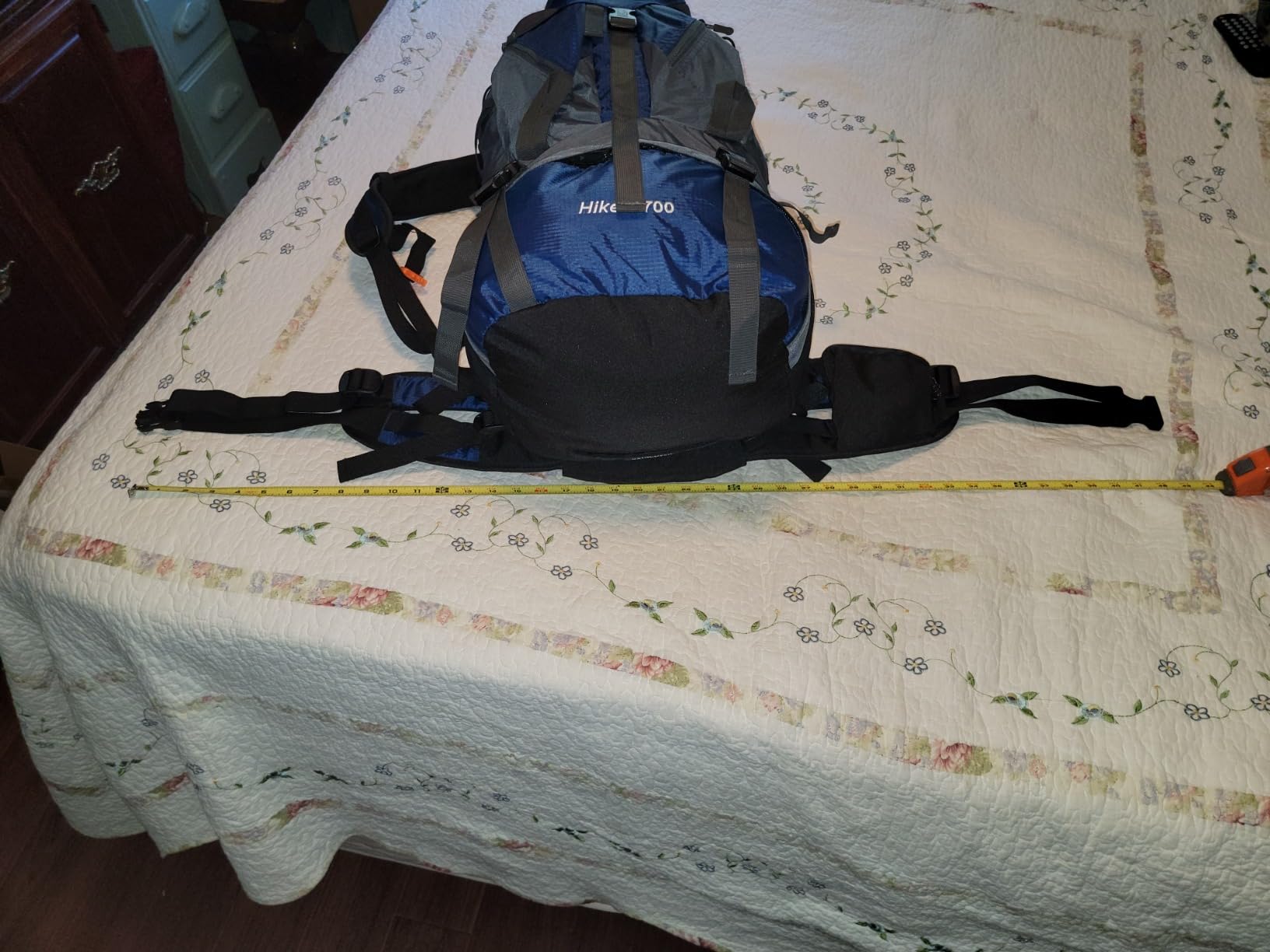
At 4.7 lb for 65L it is a reasonable carry weight, and owners like the roomy body and the adjustability for the money. It is a sensible pick for a 3-5 day trip where you want fast access to food, a shell and a camera without unpacking.
It is not a full internal-frame load carrier, so it is less structured for heavy loads than the framed packs in this list, and the ripstop polyester is water resistant rather than fully waterproof. The rating here is the softest of the Teton models at 4.4, which reflects that lighter build.
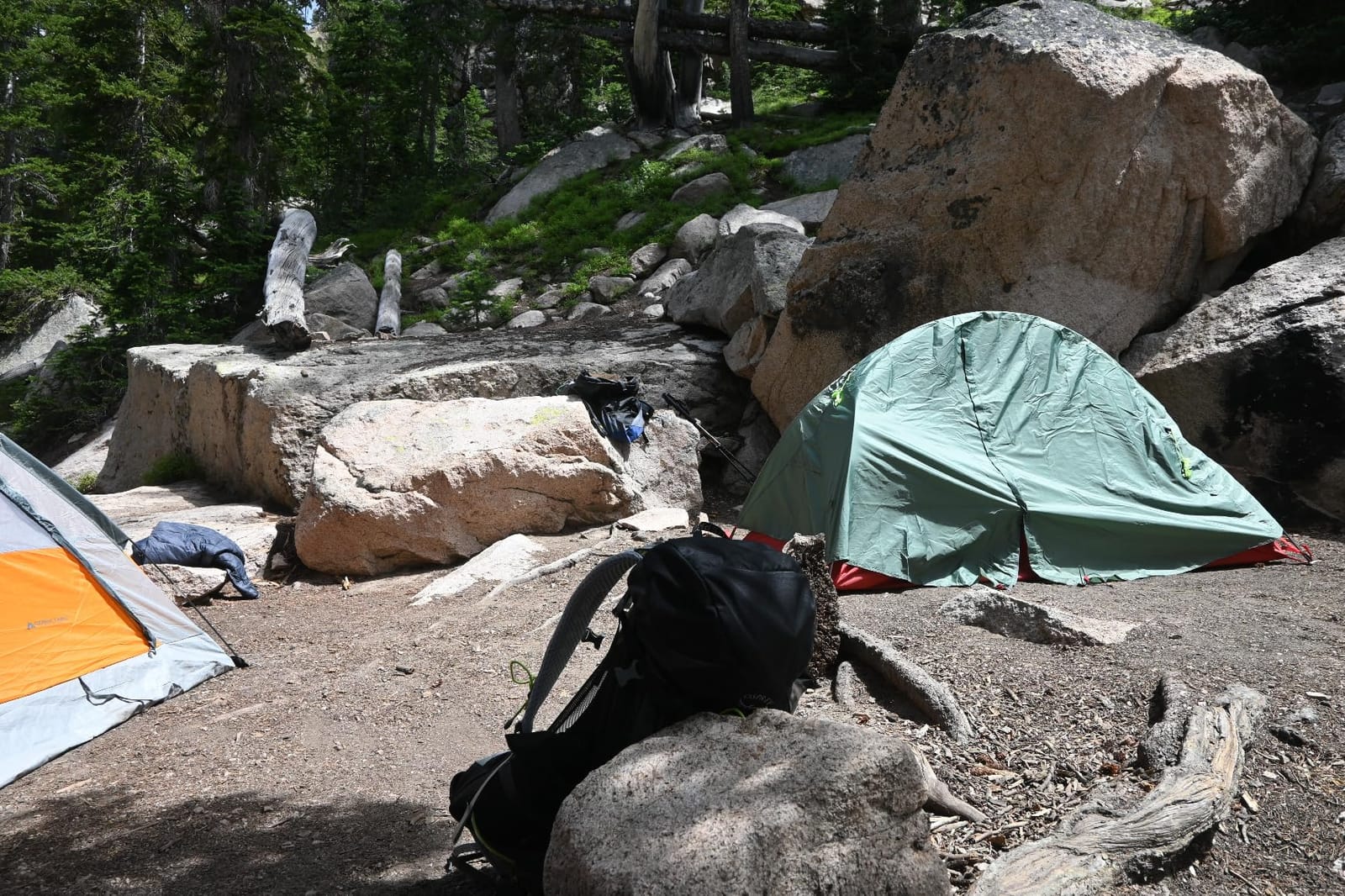
Who it suits and who it does not
It suits hikers who stop often, who use a phone or camera on the trail, or who want one pack that doubles as a travel bag. It is comfortable for moderate loads on a 3-5 day trip without a stove or a heavy camera body.
It is not the right choice for a winter trip, a heavy multi-week load, or anyone who will be frustrated by a pack that cannot be cinched tight around a bulky load. Frame stiffness matters once you are carrying 35 lb.
What to check before you order
Check the 10 by 12 by 27 inch dimensions against your airline limit, since this is one of the more travel-friendly shapes here. It is 65 litres, so expect it to be larger than a standard day pack even though the profile looks slim.
Treat the water resistance as a starting point and add a liner or dry bags. There is no separate rain cover listed in the product data for this model, so a pack cover is a sensible addition.
7. Osprey Atmos AG 65L – Best for Heavy Technical Loads
Osprey Atmos AG 65L Men’s Backpacking Backpack, Black L-XL
68L listed capacity
4 lb weight
Nylon construction
All Mighty Guarantee
Pros
- Adjustable torso suspension built for heavy loads
- 86 percent five-star share across reviews
- Ten compartments with a dedicated sleeping bag compartment
- PFAS-free rain cover included
Cons
- Premium tier versus the value picks
- Men's specific fit
- Heavier and bulkier than ultralight options
The Atmos AG 65 is the pack to look at when your load is heavy and the trail is not forgiving. It carries an adjustable torso suspension, and at 4 lb for a listed 68 litres it holds a full week of gear plus water and still keeps the weight on your hips rather than your shoulders.
Organization is the other strength. There are 10 compartments and 6 pockets, a zippered sleeping bag compartment with a removable divider and removable sleeping pad straps, a floating top lid with lash points, and curved zip access on one side of the panel so you can reach gear without dumping the pack.
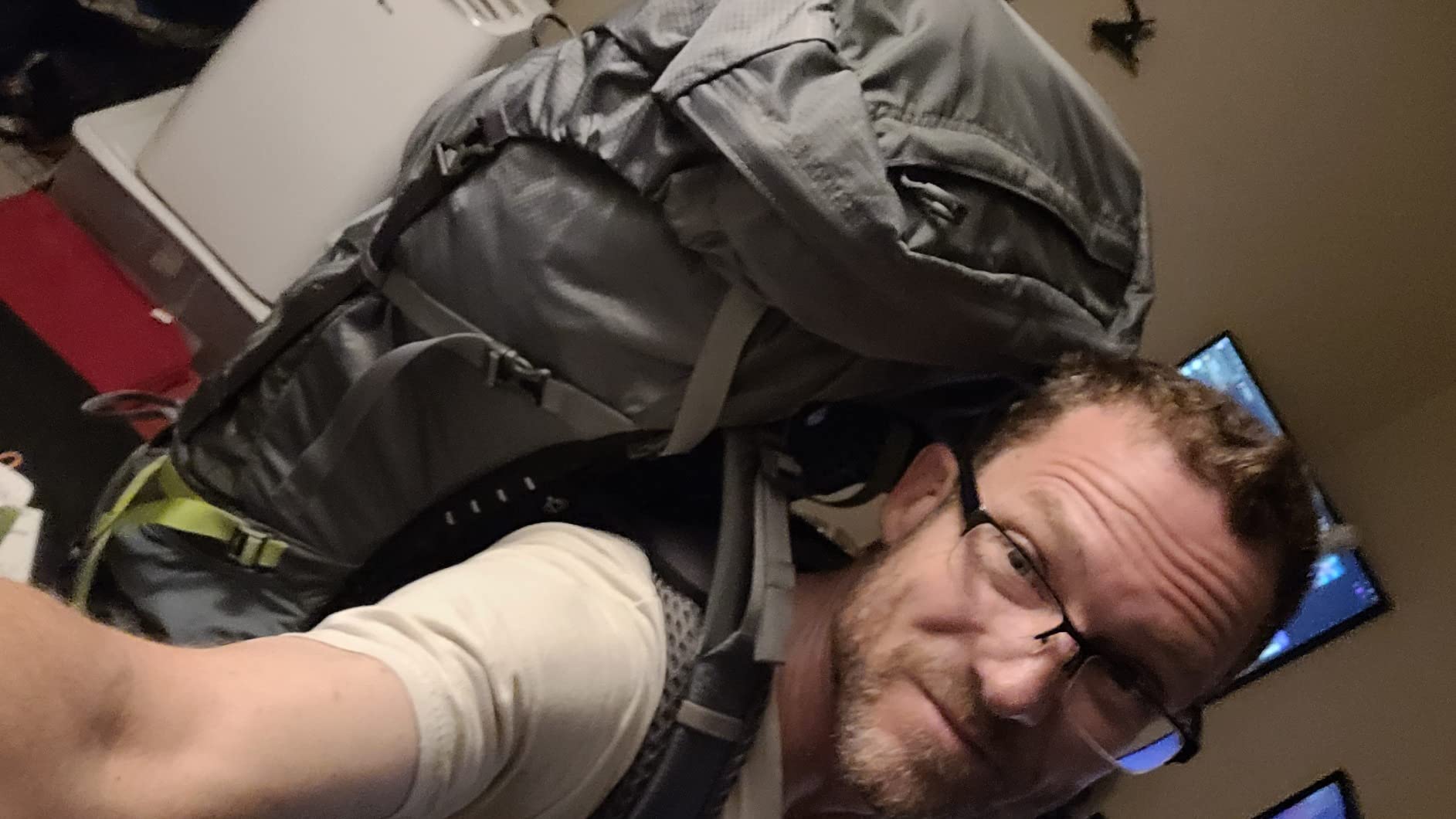
The included rain cover is made with PFAS-free DWR and bluesign approved materials, which is a detail that matters if you are the type who leaves camp in weather. Owners report the adjustable-torso fit and the load transfer to the hips as the reasons the pack holds up over multiple days.
It sits at the premium end of this list, alongside the Osprey Aether, it is a men’s fit, and at 4 lb it is bulkier than an ultralight alternative. The 422-review pool is also much smaller than the value packs on this list, so treat the rating as well-supported but less voluminous.
Who it suits and who it does not
It suits hikers carrying a heavy load over technical or long trails, anyone buying one pack they expect to keep for many years, and buyers who want a lifetime guarantee behind the shell. It also fits devices up to 17 inches for those who work from the trail.
It is the wrong pick for a 2-3 night weekend where you could carry half the volume, and for anyone whose budget stretches further. A 35-40L general-purpose pack is a better answer for short trips, as our liter backpack guide explains.
What to check before you order
Check the torso fit carefully, because the adjustable range is doing the heavy lifting here. This listing is the Large-Extra Large sizing, so shorter hikers should look at a different size in the same model range.
Plan your load before you buy. A pack this size is at its best carrying 30-40 lb; fill it to half and it will feel like a bigger pack than it needs to be, which is the most common regret owners report with large multi-day packs.
8. Naturehike 65L – Best Ultralight-Style Multi-Day Pack
Naturehike 65L Internal Frame Hiking Backpack for Outdoor Camping Travel Backpacking, Ultralight Backpack for Adults
65L capacity
2.6 lb weight
420D nylon
Load rated to 15kg
Pros
- Very light 2.6 lb for a 65L framed pack
- Roll-top closure for bulky gear
- Large front stretch pocket fits a two-person tent
- Held up over 100-plus mile section hikes
Cons
- Frame bar can rub the shoulder blades on smaller torsos
- Limited strap adjustability around 5ft8 to 6ft2
- Hip belt can dig in on heavier loads
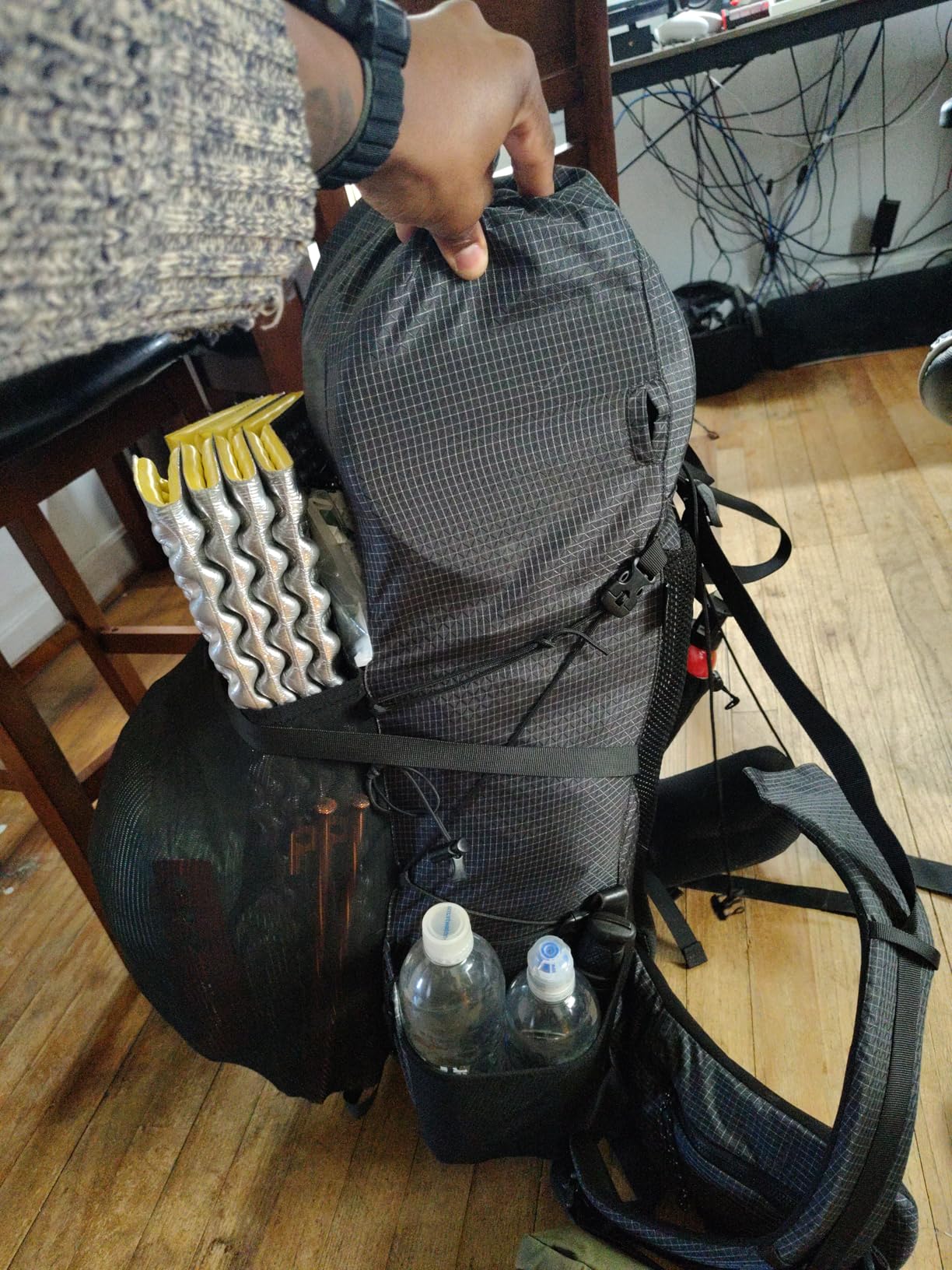
At 2.6 lb the Naturehike is the lightest framed 65L pack in this list, and reviewers praise the roll-top closure for the flexibility it gives with bulky gear. The 420D nylon is rated to carry loads up to 15kg, and owners report the fabric holding up over 100-plus mile section hikes.
The storage is simple and useful: compression straps on top and both sides for trekking poles and sleeping bags, a separate rear pocket for shoes, and hydration compatibility. The large front stretch pocket fits a two-person tent, which removes the need to strap a bulky item outside the pack.
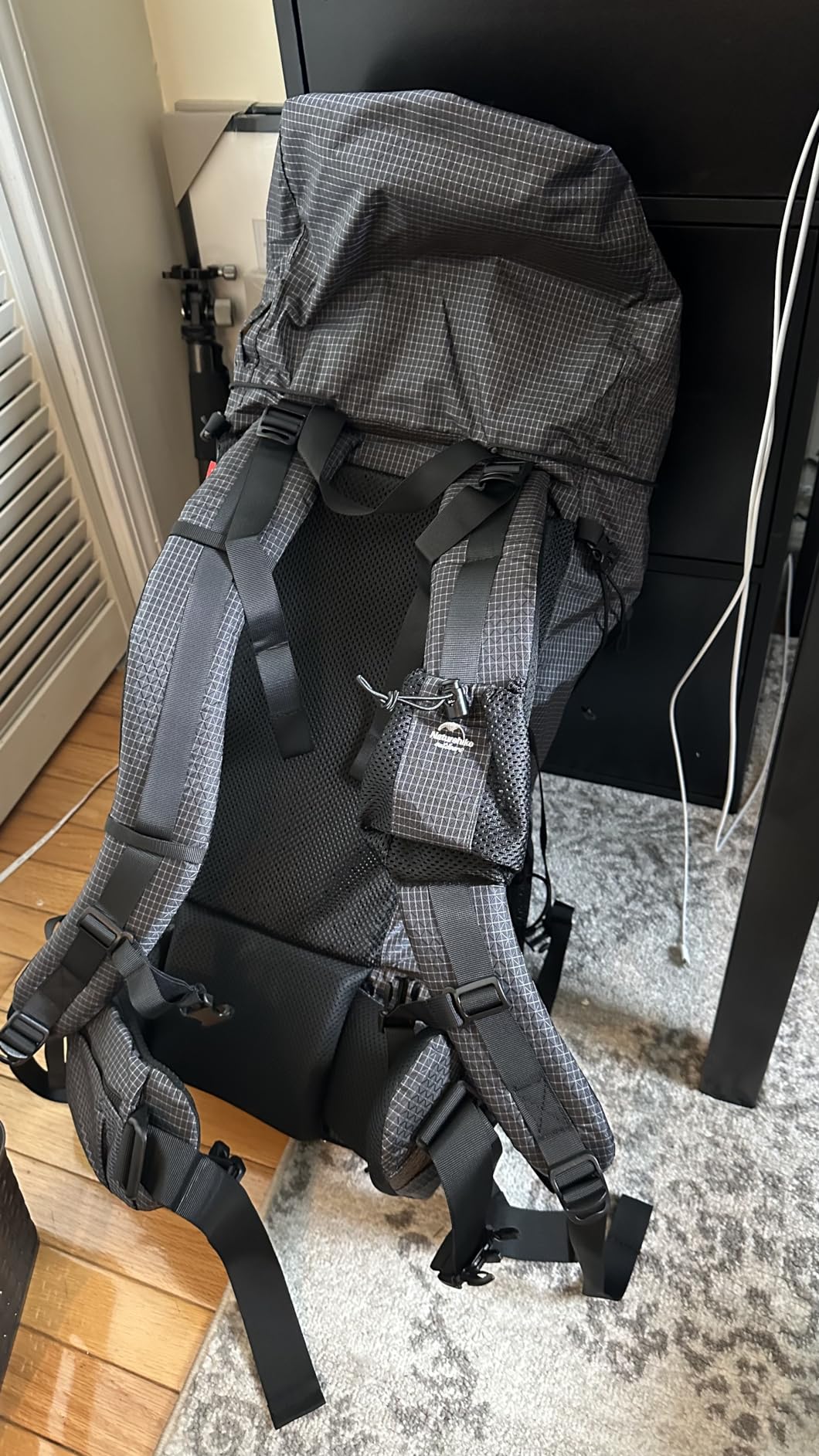
Breathability comes from an ergonomic mesh-cushion back pad and shoulder cushions, and a removable rain cover is included. A couple of reviewers mention keeping gear dry in steady rain when paired with dry bags, which is the realistic way to use a water-repellent shell.
Fit is the recurring issue. Smaller users report the internal frame bar rubbing the shoulder blades, the shoulder straps are fixed length with limited adjustability and suit roughly 5ft8 to 6ft2, and the hip belt can dig into the stomach on heavier loads without extra padding.
Who it suits and who it does not
It suits solo hikers, fast-and-light walkers, and anyone who wants 65L of volume without a five-pound pack. It is a good match for a 3-5 day trip where you have already trimmed your kit, and it pairs well with lighter tent and sleep system choices.
It is a poor fit for very short or very tall torsos, and for anyone loading it with traditional heavy camping gear. Forum hikers repeatedly warn that putting conventional gear into a light pack produces discomfort far faster than a structured pack would.
What to check before you order
Measure your torso and compare against the 5ft8 to 6ft2 range buyers report, and treat that as a real limit rather than a rough guide. The front stretch pocket has no closure, so keep valuables out of it.
The warranty is listed as two years and the finish is water repellent rather than fully waterproof, with moisture able to reach the top of the pack. Use a liner, and expect a pack lifetime shorter than a lifetime-warranty pack.
9. Osprey Rook 65L – Best Light Framed Pack
Osprey Rook 65L Men’s Backpacking Backpack, Gray OS
65L capacity
3.7 lb weight
Adjustable AirSpeed suspension
Integrated rain cover
Pros
- AirSpeed suspension and LightWire frame move load to the hips
- Light 3.7 lb weight for a framed 65L pack
- Integrated removable rain cover stows in its own pocket
- Daylite compatible for shorter trips
Cons
- Simplified feature set versus the Atmos AG
- Men's one-size fit may not suit smaller torsos
- Higher build cost than the value picks
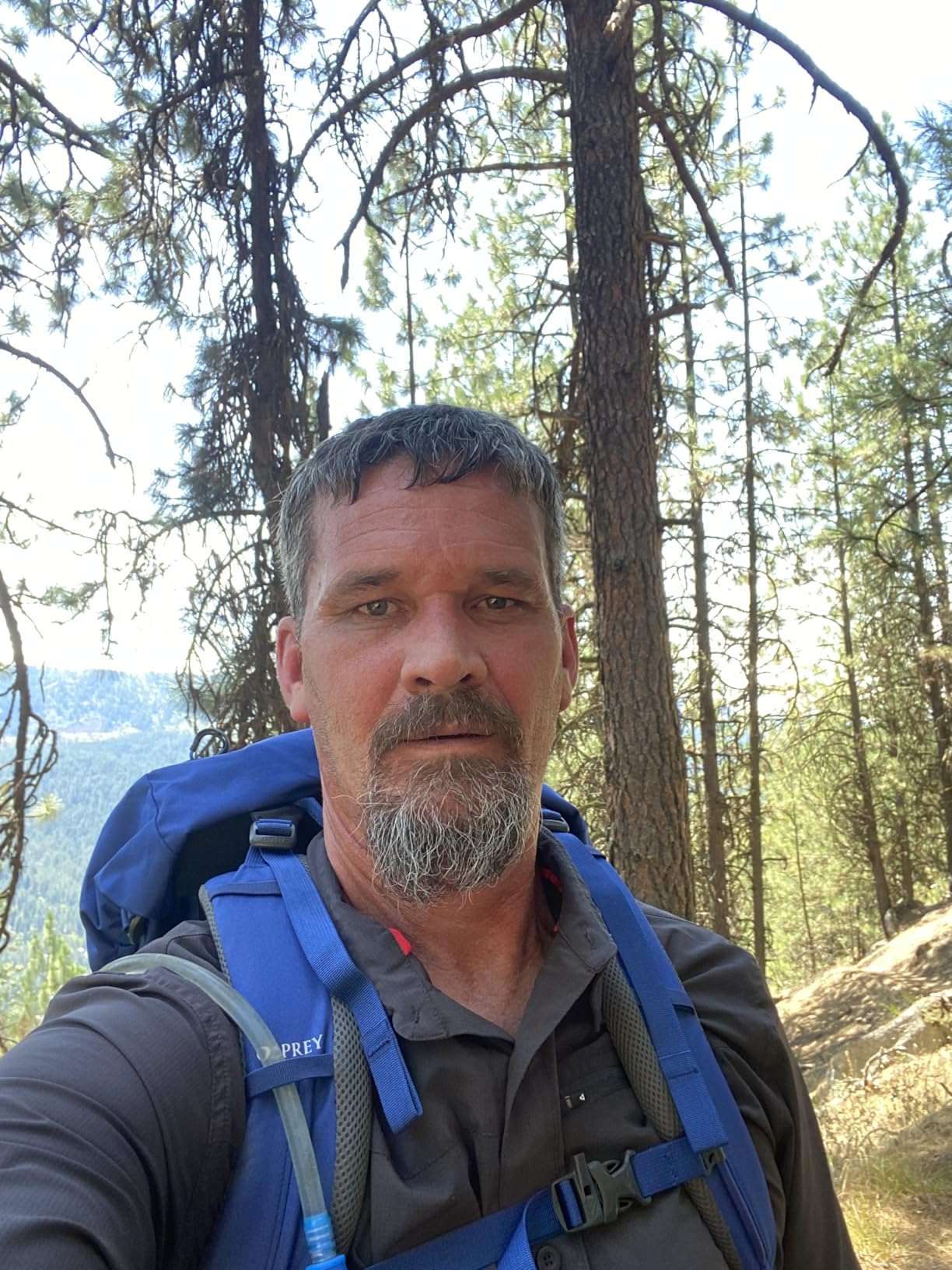
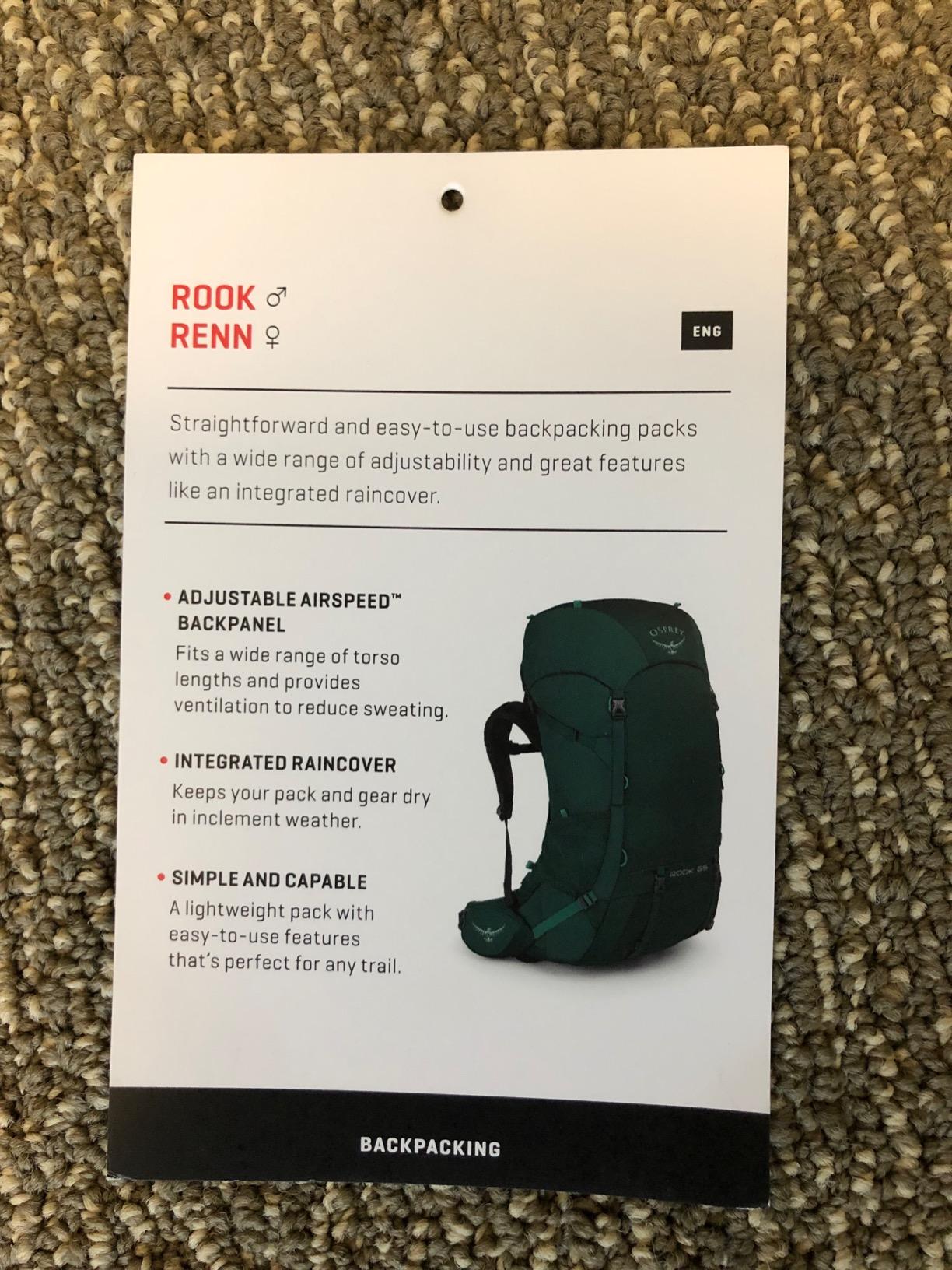
The Rook is the middle of the Osprey range and, at 3.7 lb, one of the lighter framed 65L packs here. Owners single out the adjustable AirSpeed suspension with its tensioned back panel, and the LightWire frame that transfers load to the hip belt to reduce shoulder pressure.
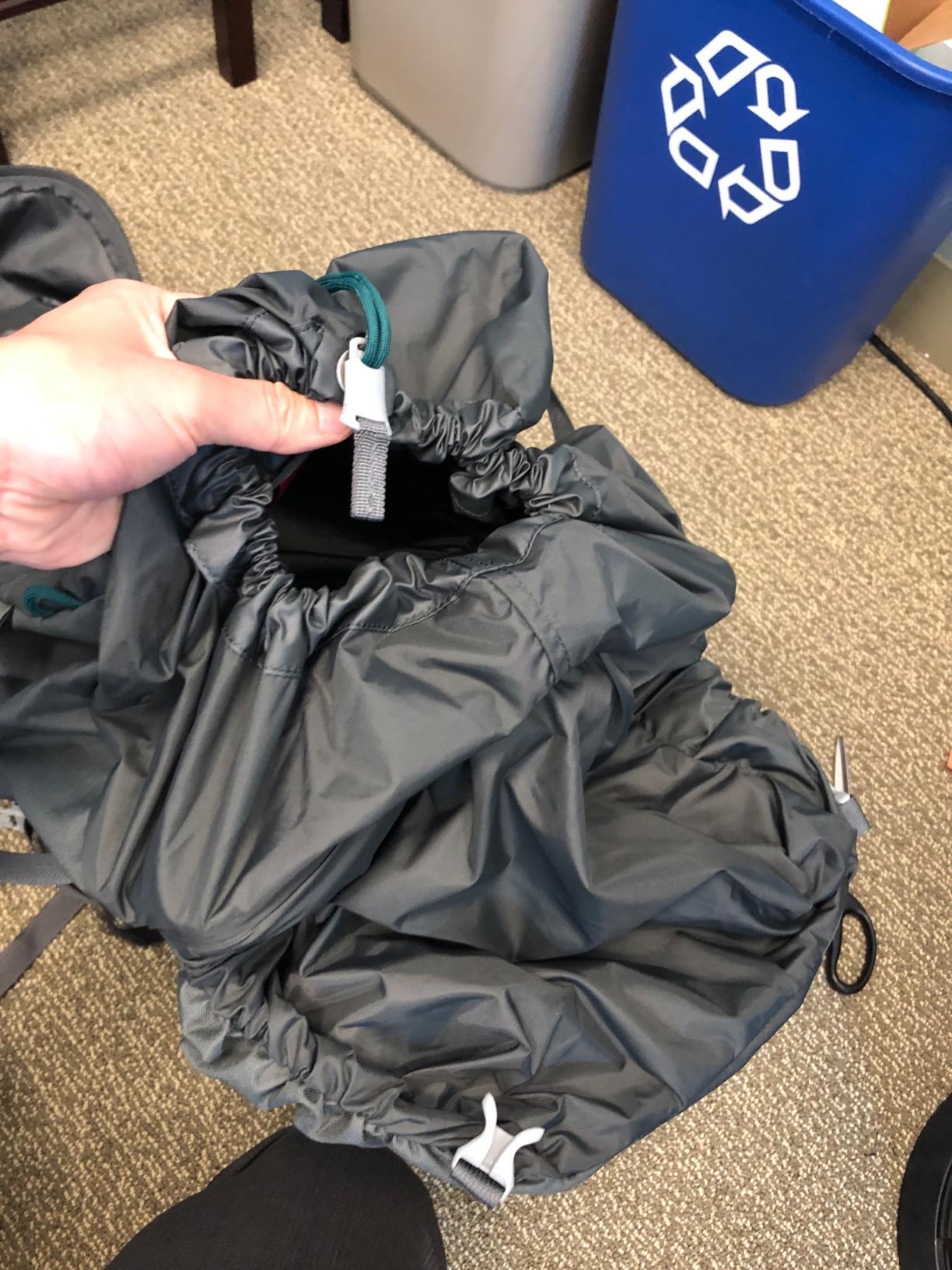
The tensioned back panel is tuned for varied torso lengths and adds ventilation, which matters on a hot week. There is also a zippered sleeping bag compartment with a floating divider, six pockets, and an integrated removable rain cover that stows in its own pocket rather than needing a separate bag.
It is Daylite compatible, which is a neat trick if you also use a smaller Osprey daypack: the two can work as a system rather than living in separate corners of your gear closet. Reviewers report an 82 percent five-star share across 336 reviews.
The criticisms are about what it leaves out. Compared with the Atmos AG, the feature set is simplified, and it is a men’s one-size fit that may not suit smaller torsos. It is also one of the more expensive packs in the list, which makes it a hard sell next to the value picks.
Who it suits and who it does not
It suits hikers who want a real frame and suspension without the top-end weight, and anyone planning a 3-5 day trip with a moderate load. The built-in rain cover is a quiet win if you are forgetful in the rain.
It suits less well if your priority is maximum storage, maximum adjustability, or the smallest possible spend. If you need the deepest feature set on this list, step up to the Atmos AG instead.
What to check before you order
It measures 29.5 by 15 by 16.1 inches, so it is within most checked baggage limits and over most carry-on limits. Check against your airline’s size rules if you plan to fly with it.
The AirSpeed suspension is adjustable rather than fully custom, so a very short torso may want a pack with a longer adjustment range. Try to load it with 25-30 lb at a shop if you can, because that is where suspension quality shows itself.
10. Kelty Coyote 65L – Best Adjustable Torso Fit
Kelty Coyote 60-105 Liter Internal Frame Backpack – Hiking, Backpacking, Travel, Adjustable Torso (65L / Black)
65L capacity
4 lb 10 oz weight
Aluminum stay frame
30-55 lb optimal carry
Pros
- Fit Pro adjustable torso changes on the fly
- Amp Flow ventilated back panel reduces sweating
- Perimeter frame with aluminum stay for stability
- Rated for 30-55 pounds of carry weight
Cons
- Heavier and bulkier than ultralight 65L options
- Water resistant shell needs a liner in sustained rain
- Priced above entry-level value packs
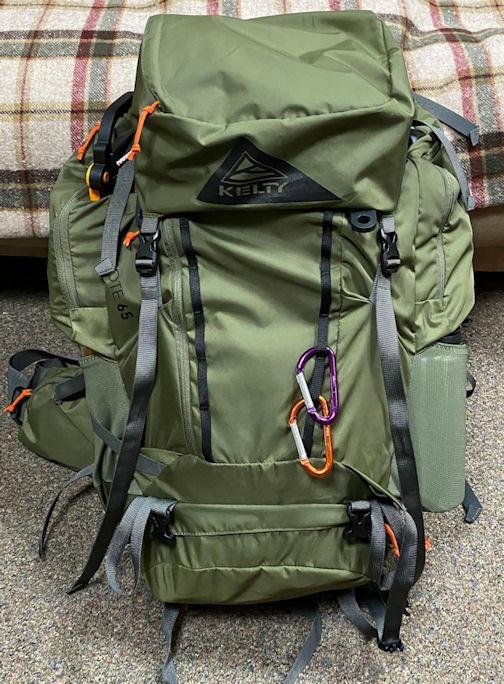
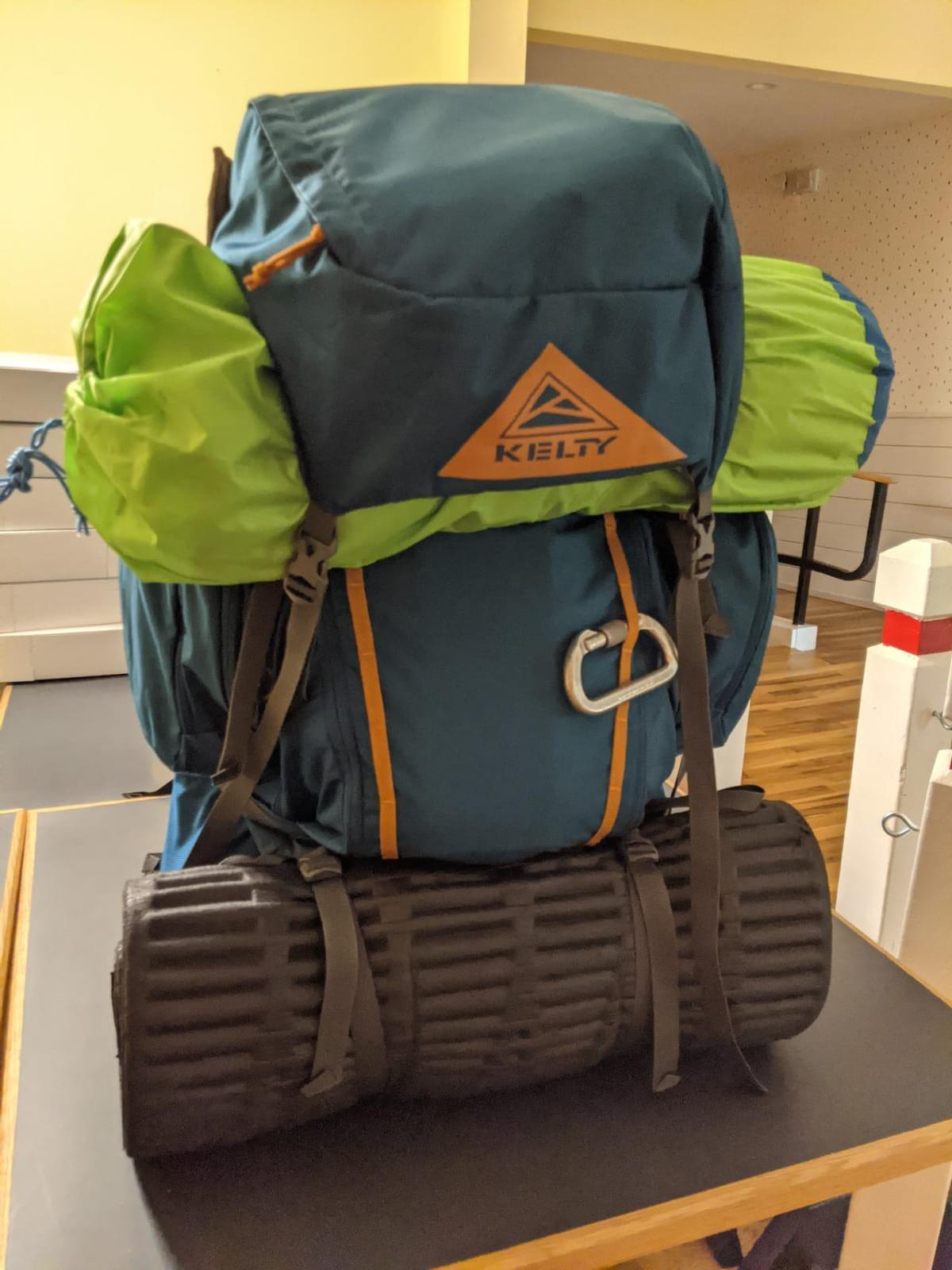
The Kelty Coyote is the pick if your torso length changes with what you are wearing, or if you want to adjust the pack without taking it off. The Fit Pro adjustable torso system allows on-the-fly fit changes when you are shedding layers, which is a small feature that makes a big difference over a week of variable weather.
Stability comes from an advanced perimeter frame with an aluminum stay, and the listing rates it for 30-55 pounds of optimal carry weight. That is a higher stated ceiling than most packs here, and it is a good match for anyone carrying a full week’s food, a large tent and extra insulation.
The Amp Flow ventilated back panel is the other reason buyers recommend it, because it reduces sweating on long climbs. Storage runs to 10 compartments and 6 pockets, including Kelty’s signature wing pockets, two front zippered pockets, a large J-zip top loading access, daisy chains and a sleeping bag compartment.
The trade-offs are weight and bulk. At 4 lb 10 oz empty it is one of the heavier packs here, and the water-resistant shell means you need a pack liner or a rain cover in sustained rain. It also sits above the entry-level value packs, which matters if you are buying on a budget.
Who it suits and who it does not
It suits heavier hikers, week-long trips, and anyone whose load changes daily or who hikes in a wide range of temperatures. The adjustable torso and aluminum stay also make it a candidate for long-distance walking where small fit shifts add up.
It is not the right pack for someone optimizing for base weight, or for a 2-3 night trip where a 40L pack would be plenty. Carrying a 65L pack at half empty is the fastest way to make a short trip feel heavy.
What to check before you order
It measures 12 by 18 by 30 inches, so it is a full-size pack and will need to be checked rather than carried on most flights. Plan the load around the 30-55 lb range rather than treating the top of that as a daily target.
Because the shell is water resistant, buy a pack liner and a couple of dry bags for your sleep system. If you carry camera or technical gear, check the 6 pockets are enough for your kit before you commit.
11. Osprey Aether 65L – Best for Big Week-Long Loads
Osprey Aether 65L Men’s Backpacking Backpack, Green L-XL
65L capacity
4.96 lb weight
420HD nylon packcloth
All Mighty Guarantee
Pros
- Fit-on-the-Fly hipbelt and straps with adjustable torso
- AirScape back panel keeps the load close to the body
- Stable close-to-body carry for heavier loads
- Nine compartments and 10 pockets
Cons
- Heavier than lighter trekking packs
- Deep 11 inch profile can feel awkward for shorter users
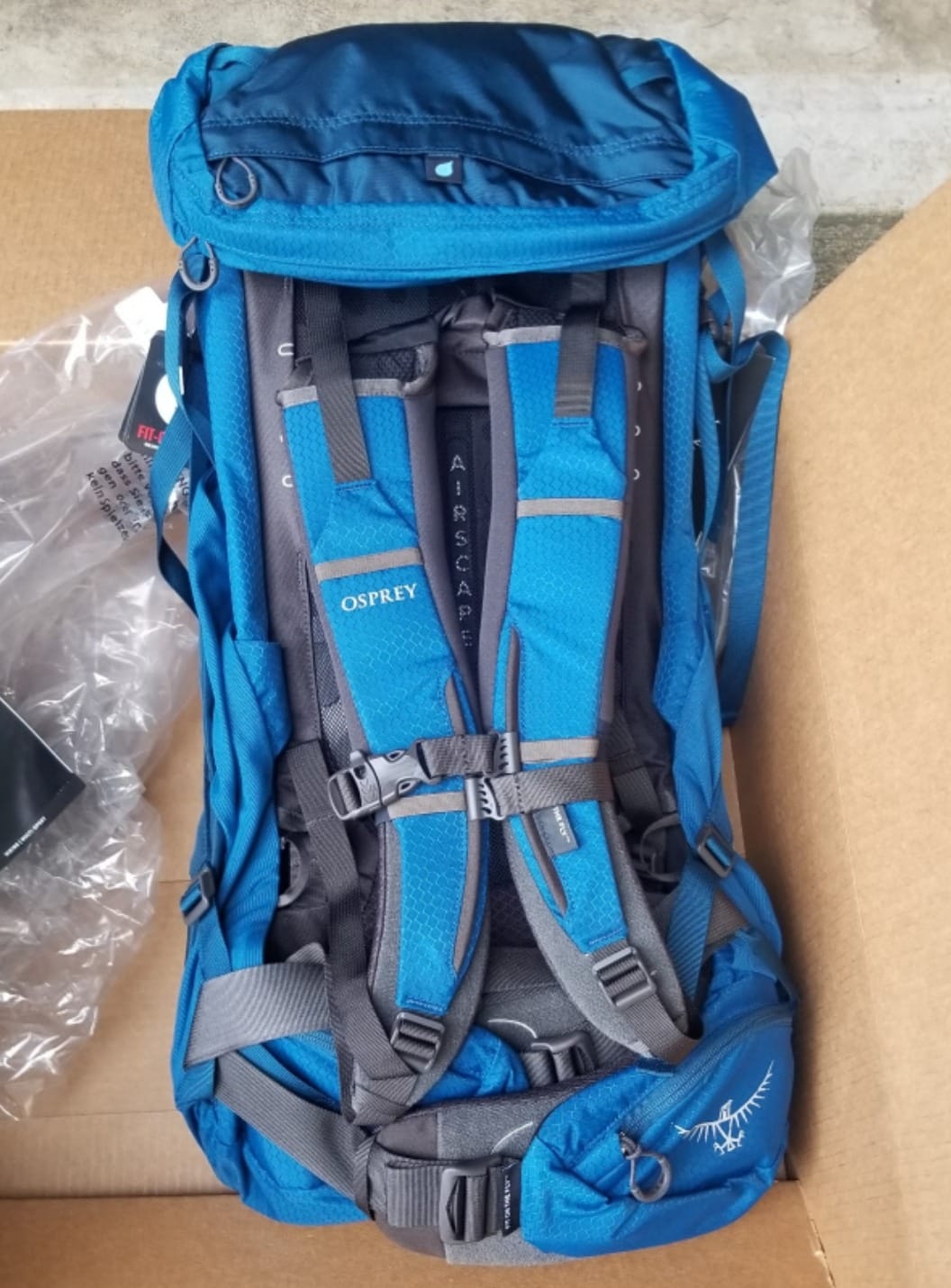
The Aether 65 is built around a custom Fit-on-the-Fly hipbelt and shoulder straps with adjustable torso length, which lets you fine-tune the harness rather than work with a fixed shape. The listing describes it as designed to give a stable, close-to-body carry, which is exactly what you want when the trail gets technical and the load is heavy.
The AirScape suspension uses an injection-molded, die-cut foam back panel that is breathable and keeps the pack close to your body. Storage is generous at 9 compartments and 10 pockets, including a zippered sleeping bag compartment with a removable divider and a utility pocket.
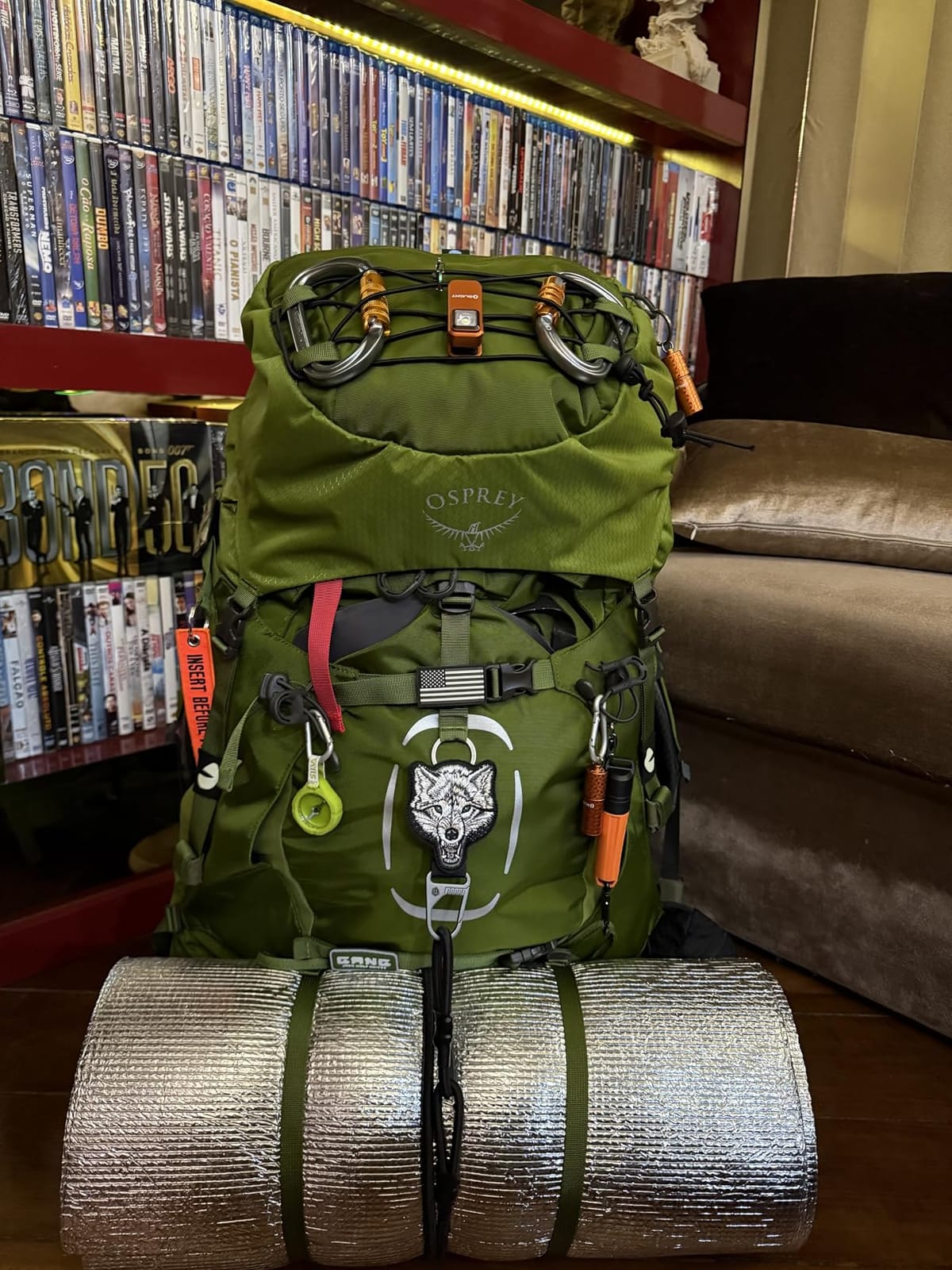
The shell is bluesign-approved 420HD nylon packcloth with a PFC-free DWR, and a rain cover is included. That fabric specification is the reason this pack shows up for winter and week-long trips: it is built to be scraped against rock rather than treated as a light carry.
The negatives are weight and shape. At 4.96 lb it is heavier than lighter trekking packs, and the deep 11 inch profile with a 33.5 inch height can feel unwieldy for shorter users despite the L-XL fit range. It is also listed at one of the higher prices in this roundup.
Who it suits and who it does not
It suits hikers carrying a genuinely heavy load over a week or more, anyone whose load transfer matters more than pack weight, and buyers who plan to keep one pack for a long time with a lifetime guarantee behind it.
It is the wrong pick for short weekend trips, for fast-and-light hikers, and for anyone who will be annoyed by a tall 33.5 inch profile on a bus or a plane. Those buyers should look at the 50L options in this list.
What to check before you order
This listing is the Large/Extra Large standard fit, so if you have a shorter torso you will need a different size rather than a different adjustment strategy. It measures 11 by 15.7 by 33.5 inches, which is over carry-on dimensions on any airline.
Owners report fit-to-size sentiment as positive, with a small minority of reviews noting sizing or handling issues at the extreme end of the range. If you are near the top of that range, try it loaded before you commit.
12. Osprey Renn 65L – Best Women’s Fit
Osprey Renn 65L Women’s Backpacking Backpack, Cinder Grey
65L capacity
3.4 lb weight
Women's-specific fit
Zippered hipbelt pockets
Pros
- Women's-specific sizing and fit
- Light 3.4 lb weight at 65L capacity
- Dual mesh side pockets and zippered hipbelt pockets
- 85 percent of reviews are 5-star
Cons
- Fixed top lid cannot be removed like the Aether's
- Polyester outer is less abrasion-resistant than nylon
- Simpler internal organization
The Renn is the one to look at if a women’s-specific torso and hipbelt shape matters to you, because it is built for it rather than being a renamed men’s pack. At 3.4 lb it is also the lightest 65L Osprey here, and 85 percent of its reviews are 5-star, the strongest 5-star share in this roundup.
Storage is deliberately simple: dual mesh side pockets and zippered hipbelt pockets for the things you need without unpacking, plus a fixed top lid with a zippered pocket. It is Daylite compatible through the front panel cord loop attachment points, so a smaller daypack can clip on for shorter walks.
What buyers consistently praise is that the women’s-specific sizing improves torso and hipbelt shaping for a wider range of body types, and that the light weight does not come at the cost of capacity. If a men’s pack has opened a gap above your hip belt, that is the symptom this addresses.
The compromises are real. The fixed top lid cannot be removed or adjusted like the Aether’s, which limits load-lifting options, the polyester outer is less abrasion-resistant than the higher-denier nylon used in Osprey’s heavier packs, and the simpler internal organization means fewer places to stash small items.
Who it suits and who it does not
It suits hikers who want a true women’s fit, a light carry weight, and a pack they can use for a 3-5 day trip without a heavy load. It is also a good choice for anyone who wants fewer compartments and a tidier main space.
It is a weaker pick for a heavy week-long load, for anyone who wants a removable lid, and for a winter trip where abrasion resistance matters. For heavy winter loads, the heavier nylon packs are a better bet.
What to check before you order
It measures 14 by 15 by 26 inches, which is one of the more compact 65L shapes in this list and easier to manage on public transport. Check it against your airline limit if you plan to fly.
Fit is the deciding factor, so measure your torso and hip length before you order. It is water resistant with a rain cover listed among the features, but the fixed lid means fewer top-opening access points in bad weather, so pack dry bags for your sleep system.
What Size Backpack Do You Need for a Multi-Day Hike?
A 2-3 night trip fits in 40-45 litres if your group gear is split. A 3-5 night trip needs 55-65 litres. A week or any winter trip needs 65 litres or more. That is the whole answer, and every other factor is detail. People who get this wrong usually under-pack by a few litres, then spend day four repacking in a car park.
Volume is not the same as what the pack can comfortably carry. A 40L pack handles roughly 15-20 lb of gear, a 55L pack handles 25-30 lb, and a 65L pack handles 35-40 lb. Above that, the suspension stops transferring weight to your hips efficiently and the load starts landing on your shoulders, which is when a long trip turns painful.
One more practical rule: buy for your biggest realistic trip, not your average one. If you are choosing between a 50L and a 65L and you only plan weekend trips, take the smaller pack. If a week-long trip is on the table, take the bigger one and leave it half empty on weekends. Our guide to hauling heavy loads goes deeper on the weight side of this.
Is 50L Too Small for Backpacking?
For three to four nights, no. For five nights or more, usually yes. A 50L pack is exactly right for a 3-5 day trip if you are solo, carrying a small tent, and sharing shelter or kitchen gear with someone else. Forum hikers consistently report that a 50L pack gets tight by day four or five, and that they wished they had bought larger for longer trips.
The way to know which camp you are in is to do a load math. Lay out every item you would bring for five nights, including the items you will use on day one and day two, and check whether it fits a 50L body. If you are compressing hard to make it fit, buy the 60-65L pack instead.
The reverse mistake is common too. Buyers who size up for capacity and then take a light ultralight kit end up carrying a large pack with nothing in it, which is its own kind of miserable. A 35-40L pack is a legitimate answer for a 2-3 night trip with group gear, and it is the volume many experienced hikers carry for everything.
How to Measure Torso Length and Fit a Pack at Home
Torso length is the distance from the top of your iliac crest, where your hip bone meets your spine, to the base of your neck. Have someone measure it with a flexible tape while you stand relaxed, or measure yourself against a wall. That number, in inches, is what you match against a pack’s listed torso range, and it matters more than the litre number on the front of the pack.
Then load the pack before you judge it. Zip it, tighten the hipbelt so it sits on your hip bones, tighten the shoulder straps until the pack is close to your back, and lift your arms overhead. If the frame bar lifts away from your back or digs into your shoulder blades, the fit is wrong and no amount of stuffing will fix it.
Short torsos are the most common fit problem and the one buyers are most often warned about too late. Look for a pack with a longer adjustment range or an explicit short sizing, and be cautious with packs that use fixed-length shoulder straps, since they are built for a narrow height band. Footwear matters more than people expect too, so if you are starting out, pick your boots before you finalize your pack fit.
Internal vs External Frame and Rain Protection
An internal frame is a sheet or stay inside the pack that bends with your torso and keeps the load close to your body. It is quieter, lighter, and standard for any trip longer than two nights. An external frame puts the structure on the outside, which handles very heavy loads and bulky awkward gear but adds weight and snagging risk. For multi-day backpacking, an internal frame is the right default.
On rain, be realistic. Every pack here is described as water resistant, water repellent or waterproof, and none of those ratings mean your sleep system stays dry in a sustained storm. Covers leak at the edges and are bulky to carry. A pack liner plus a couple of dry bags for insulation and a sleeping bag is the approach experienced hikers use, and it costs less than replacing a wet bag at the trailhead.
The same logic applies to fabrics. A 210D rip-stop nylon pack and a 600D polyester ripstop pack will both handle brush and rock, but only one of them is a two-decade pack. Check the warranty terms before you decide, because a limited or one-year warranty changes how you should treat a scratched panel.
How We Picked These 12 Packs
We started with fit, because a pack that does not match your torso cannot be fixed by features. Then we compared carried weight against stated capacity, since a 65L pack at 5 lb and a 65L pack at 2.6 lb feel very different on day four. We then read the owner reviews for the failure modes that only show up in the second season: zipper snag, hipbelt digging, fabric abrasion and lining peel.
Finally we weighted warranty and value. Lifetime and limited lifetime guarantees went to the top of the list, because a pack you keep for a decade changes the cost per trip. Where two packs did the same job, we favoured the one with more reachable pockets over the one with more spec-sheet features nobody uses.
Frequently Asked Questions
What size backpack for a multiday hike?
A 2-3 night trip fits in 40-45 litres if your group gear is split. A 3-5 night trip needs 55-65 litres. A week or any winter trip needs 65 litres or more. Buy for your biggest realistic trip rather than your average one.
Is 50L too small for backpacking?
Not for three to four nights if you are solo with a small tent and are sharing kitchen gear. For five nights or more, a 50L pack usually gets tight by day four, and a 60-65L pack is the safer choice.
What is the best 50 liter backpack for hiking?
The Maelstrom 50L leads on organization, with eight compartments, a waterproof wet pocket and a padded hip belt that owners say handles 25 lb loads well. The Loowoko 50L is the lighter option at 2.1 lb, but it has no internal frame.
How do I measure my torso length for a backpack?
Measure from the top of your iliac crest, where your hip bone meets your spine, to the base of your neck, while standing relaxed. Match that number in inches to the pack’s listed torso range, then load the pack and tighten it before you judge the fit.
Is a 50L backpack allowed as a carry-on?
Airlines measure the external dimensions rather than the volume, and most limits sit around 22 by 14 by 9 inches. A 50L pack listed at 23.6 inches tall is close to the limit empty, so check your carrier’s dimensions and plan to check it rather than carry it on.
Final Verdict: The Best Hiking Backpack for Multi-Day Trips
After working through all twelve, the Teton Sports Explorer 65L is our pick for the best hiking backpacks for multi day trips, because it combines a full 65L capacity, a real internal frame with multi-position torso adjustment, and 8161 owner reviews behind it. The Teton Scout 3400 is the lighter alternative at 4.5 lb for smaller frames, and the Maelstrom 50L is the answer if you want the most pockets for the least spend.
Match the volume to the trip first, then confirm the torso fit before you order. If your longest trip is a week, step up to one of the 65L packs on this list and fill it with the load you will actually be carrying. You can check the current details for each one below.