
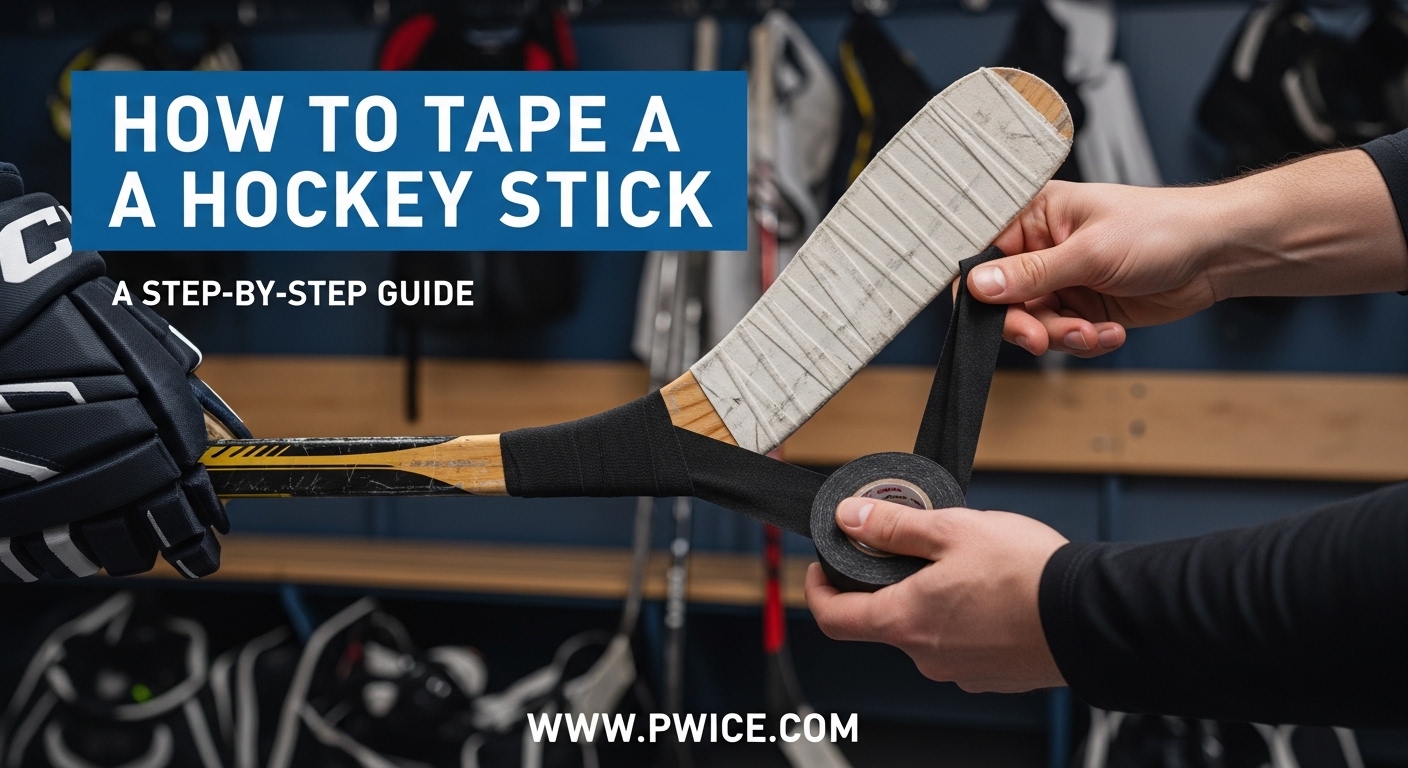
Learning how to tape a hockey stick properly is one of the first skills every player needs to master in 2026. Whether you are just starting out or looking to refine your technique, the right taping method protects your stick, improves your grip, and gives you better control over the puck. I have spent years testing different patterns and techniques, and this guide will walk you through everything you need to know to get your stick game-ready.
Many players overlook taping as a simple chore, but the difference between a well-taped stick and a sloppy one is noticeable the moment you hit the ice. Your tape job affects everything from how the puck feels on your blade to how securely your hands grip the shaft during play. In this guide, I will show you the exact steps professionals use, the patterns they prefer, and the mistakes that waste tape and hurt performance.
Table of Contents
Why Tape a Hockey Stick?
Taping your hockey stick serves three main purposes: protecting the blade, improving puck control, and enhancing your grip on the shaft. The tape creates a cushioned surface on the blade that helps you feel the puck better while preventing the wood or composite material from splintering or wearing down. Without tape, your blade would deteriorate quickly from contact with the ice, pucks, and boards.
On the handle, the tape buildup creates a knob that prevents the stick from slipping out of your hands during shots and passes. The textured surface also gives your gloves something to grip, which is crucial when your hands get sweaty or you are playing in wet conditions. Many players customize their knob size and shape to match their hand size and playing style.
Another benefit often overlooked is moisture protection. Ice and snow build up on unprotected blades, adding weight and reducing puck feel. Quality hockey tape with a proper wax coating repels water and keeps your blade light and responsive throughout the game.
How to Tape a Hockey Stick Blade
The blade is where the magic happens, and taping it correctly makes a noticeable difference in your puck handling. Most players debate between heel-to-toe and toe-to-heel methods, and I will cover both approaches so you can decide what works best for your style. Here is the step-by-step process I recommend for beginners.
Step 1: Prepare Your Materials
Gather your supplies before starting: a roll of cloth hockey tape (white or black), scissors, and hockey wax. Make sure your blade is clean and dry, removing any old tape residue or dirt. Starting with a clean surface ensures the adhesive bonds properly and the tape stays in place during play.
Step 2: Start at the Heel or Toe
For the heel-to-toe method, which most beginners find easier, start your tape at the back corner of the blade where it meets the shaft. Anchor the tape firmly with one complete wrap around the heel before moving toward the toe. This method gives you clean visual progress and works well for players who want full blade coverage.
The toe-to-heel method starts at the front tip of the blade and works backward. Many experienced players prefer this approach because it creates edges that lay down when you shoot, potentially giving you better puck control during passes. Connor Bedard and several NHL players tape this way, which has made it increasingly popular.
Step 3: Maintain Proper Overlap
As you wrap the tape around the blade, overlap each pass by about 1/8 to 1/4 inch. Too little overlap leaves gaps where moisture can seep in, while too much overlap creates bulky ridges that affect puck feel. I find that roughly 3 millimeters of overlap hits the sweet spot for most players.
Keep the tape tight as you work, smoothing out wrinkles with your thumb after each wrap. Loose tape will peel off during play and creates an inconsistent surface. The goal is a smooth, even layer that feels uniform when you run your fingers across it.
Step 4: Wrap the Toe Properly
When you reach the toe of the blade, you have two options. Some players tape completely over the toe in a rounded finish, while others leave the toe exposed and cut the tape flush at the edge. I prefer covering the toe completely because it protects the most vulnerable part of the blade from chipping.
To finish the toe neatly, continue your wraps around the front edge, then work back one or two wraps toward the heel to create a clean stopping point. Cut or tear the tape and press the end down firmly. Some players add a small strip of clear tape over the seam to prevent peeling.
Step 5: Smooth and Seal
Once the blade is fully taped, run your hand along the surface to smooth out any bubbles or wrinkles. The blade should feel consistent from heel to toe with no loose edges. If you notice any spots where the tape is not fully adhered, press them down or add a small patch.
How to Tape a Hockey Stick Handle and Knob
The handle is where your top hand spends the entire game, so getting this area right is essential for comfort and control. A proper knob prevents the stick from flying out of your hands on hard shots and gives you a reference point for hand placement. Here is how to build a professional-quality handle.
Creating the Knob
Start by deciding how large you want your knob. Most players wrap the tape around the top of the shaft 5 to 10 times to build up thickness. Goalies often prefer larger knobs for better grip when poke-checking, while forwards might want smaller, sleeker knobs for quick release shots.
I personally use about 8 wraps for my knob, which gives me enough to feel secure without being bulky. Experiment with different sizes during practice until you find what feels natural in your gloved hand. Remember that you can always add more tape, but removing excess means starting over.
The Half-Width Technique
Many players, including several NHL veterans, tear their tape in half lengthwise when building the knob. Using half-width tape creates a more gradual taper from the knob down the shaft and reduces the sharp edge that can tear glove palms over time. This technique takes a bit more effort but pays off in comfort and equipment longevity.
To do this, tear your tape strip down the middle before wrapping, then use the half-width pieces to build your knob layers. Once the knob is complete, you can transition back to full-width tape for the grip section below.
Adding a Ribbed Grip
Below the knob, some players add a ribbed grip using the candy cane spiral technique. Wrap a length of tape diagonally down the shaft where your top hand rests, creating a spiral ridge that improves grip. Then wrap over this with full-width tape to embed the ridge and create a textured surface.
This ribbed grip helps prevent your hand from sliding during play, especially when shooting. Some players prefer a completely smooth shaft with just the friction of cloth tape, while others want the pronounced ridge for maximum grip security. Try both styles and see what feels better during stickhandling drills.
Clear Tape Protection
One pro tip I learned from forum discussions is adding a layer of clear tape over your shaft grip. The clear tape is smoother than cloth tape and reduces the friction that tears up your glove palms. This simple addition can extend the life of your expensive hockey gloves by months.
Apply the clear tape over your finished cloth tape grip, wrapping it tightly and smoothly. The clear layer protects the cloth tape underneath from moisture and wear while giving you a slightly different feel that some players prefer.
Taping Patterns and Styles
Beyond the basic heel-to-toe or toe-to-heel methods, players have developed several distinct taping patterns over the years. Each style offers different benefits for puck control, shot accuracy, and durability. Here are the most common patterns you should know about.
The Classic Pattern
The classic pattern covers the entire blade from heel to toe with standard overlapping wraps. This is what most players start with and what many stick with throughout their careers. It offers consistent puck feel across the entire blade surface and protects the blade completely.
Most recreational players and many professionals use this pattern because it is reliable and easy to reapply consistently. If you are new to taping, master this pattern first before experimenting with alternatives.
The Sock Method
The sock pattern involves taping only the bottom edges of the blade, leaving the center exposed like the opening of a sock. This reduces tape usage and weight while still protecting the blade edges from wear. Some players claim it improves puck feel on the blade surface.
To create this pattern, tape along the bottom edge from heel to toe on both sides, leaving a strip down the middle of the blade untaped. You can make the exposed section as wide or narrow as you prefer.
Toe Tape Only
Some players, particularly those focused on quick releases and snapshots, tape only the toe portion of the blade. This minimal approach protects the most vulnerable area while keeping the rest of the blade completely natural for maximum puck feel.
I have seen this pattern used by players who want the lightest possible blade and do not mind replacing tape more frequently. It is not ideal for beginners who might need more surface area help with puck control.
Two-Color Taping
Using two colors of tape, typically black and white, allows you to create visual patterns that can help with puck tracking. Some players use white tape on the bottom half and black on top, creating a clear visual line that helps them see the puck on their blade.
To try this, start with one color at the heel, switch to the other color at the midpoint, and finish with the first color at the toe. The visual contrast can be helpful during practice sessions focused on puck handling.
Comparing Heel-to-Toe vs Toe-to-Heel
The direction you tape matters more than most beginners realize. Heel-to-toe creates edges that face toward you when you shoot, which some players feel gives better puck control during passing. Toe-to-heel creates edges that lay down in the shooting direction, which might provide a smoother release.
I recommend trying both methods for a few practice sessions each to see what feels natural for your playing style. Many players are surprised to find they have a clear preference once they actually compare them side by side during play.
How to Wax Your Hockey Stick
Applying wax over your fresh tape job is a step too many players skip, but it significantly extends the life of your tape and improves performance. Hockey wax repels water and ice buildup while adding a slight tackiness that helps with puck control. Here is how to do it right.
Why Wax Matters
Ice and snow accumulate on unprotected tape, adding weight to your blade and creating an inconsistent surface that puck bounces off unpredictably. Wax creates a water-resistant barrier that keeps your blade light and your puck feel consistent throughout the game.
The tackiness of quality hockey wax also gives you slightly better grip on the puck during stickhandling. You will notice the difference especially when receiving hard passes or controlling the puck at high speed.
Application Steps
After finishing your tape job, rub the wax stick firmly along the taped blade surface. Work from heel to toe, applying enough pressure to transfer wax onto the tape fibers. You want a thin, even coating rather than thick globs that will scrape off during play.
Once the blade is coated, rub the wax onto your handle tape as well. This protects the knob and grip from moisture while adding a slight tackiness that helps your gloves grip better. Some players also apply a light coat to the shaft rib for the same reason.
How Often to Wax
Apply fresh wax every time you re-tape your stick, which for most players means once every few games. You can also add a quick touch-up coat between tape jobs if you notice the blade getting waterlogged during a game. Keep a wax stick in your bag for mid-game applications if needed.
The Baby Powder Technique
One old-school trick attributed to Wayne Gretzky involves dusting your waxed tape with a light coating of baby powder. The powder absorbs some of the tackiness while still providing water protection, creating a faster release surface that some players prefer.
To try this, apply your wax normally, then sprinkle a small amount of baby powder on the blade and rub it in with your hand. The result is a smooth, slightly tacky surface that many veterans swear by for shooting.
Common Mistakes to Avoid
Even experienced players make taping errors that hurt performance and waste tape. Here are the most common problems I see and how to fix them.
Improper Overlapping
Gaps between tape wraps let moisture seep underneath, causing the tape to peel and the blade to get waterlogged. On the flip side, overlapping too much creates ridges that disrupt puck control. Stick to that 1/8 to 1/4 inch overlap for the best results.
Loose Tape Application
Wrapping tape too loosely creates bubbles and weak adhesion. The tape will shift during play and may peel off entirely at the worst moment. Keep tension on the tape roll as you work, pulling firmly but not so hard that you tear the tape or distort the blade shape.
Sharp Knob Edges
A knob with sharp edges tears up your glove palms and can be uncomfortable during play. Use the half-width technique or build your knob gradually to create a rounded, comfortable shape. Your gloves will last longer and your hands will thank you.
Ignoring the Toe
The toe of the blade takes the most abuse from contact with the ice and boards. Leaving it untaped or poorly taped leads to quick deterioration of the blade structure. Always give the toe proper coverage, even if you use a minimal pattern elsewhere.
Goalie Stick and Street Hockey Tips
While the basic taping principles remain the same, goalies and street hockey players have specific considerations that affect their tape jobs.
Goalie Stick Taping
Goalie sticks require taping on both the blade (the paddle) and the shaft for the blocker hand. The paddle takes enormous abuse from poke checks and paddle-down saves, so many goalies use thicker tape layers or more frequent re-taping than skaters.
The knob on a goalie stick is often larger than player knobs because goalies need to fling their stick aside quickly when making diving saves. A pronounced knob prevents the stick from sliding out of the blocker during these maneuvers.
Some goalies also tape the shaft of their catcher hand stick to improve grip when stickhandling or covering the puck. This is less common but worth considering if you find your catcher hand slipping during play.
Street Hockey Considerations
Street hockey puts different stresses on your tape job than ice hockey. The abrasive surface of pavement or sport court wears tape much faster, and the puck or ball behaves differently on taped versus untaped surfaces.
For street hockey with a ball, many players prefer minimal taping or even a completely untaped blade. The ball rolls differently on tape and some players find an untaped blade gives better control. Experiment to find what works for your playing surface.
For street hockey with a puck, especially on smoother surfaces like sport court, standard ice hockey taping works well. You may need to re-tape more frequently due to the abrasive surface wearing down the tape faster than ice does.
When to Re-tape Your Hockey Stick
Knowing when to replace your tape job is as important as knowing how to apply it. Playing with worn tape hurts your performance and can damage your stick. Here are the signs that it is time for a fresh tape job.
Visual Signs of Wear
Look for peeling edges, torn sections, or areas where the tape has worn thin enough to see the blade underneath. If the tape is flapping or coming loose anywhere, re-tape immediately. Loose tape can catch on the ice or puck at the wrong moment.
Waterlogging is another clear sign. If your blade feels heavy or you can see ice buildup under the tape, the adhesive has failed and moisture is getting in. A waterlogged tape job offers little protection and poor puck feel.
Performance Indicators
Sometimes the tape looks fine but performance suffers. If you notice the puck not sticking to your blade like usual during stickhandling, or if your shots feel less controlled, check your tape. The surface texture degrades before the tape visibly fails.
On the handle, if your grip feels less secure or the knob has compressed to an uncomfortable size, it is time to re-tape. Do not wait for complete failure.
Frequency Guidelines
Most recreational players should re-tape every 3 to 5 games, or whenever the tape shows significant wear. Professional players often re-tape before every game or even between periods. Find a schedule that keeps your tape fresh without becoming a burden.
I personally re-tape my primary stick before every game and touch up my backup stick as needed. The five minutes spent taping before hitting the ice is worth the confidence of knowing my equipment is ready.
Frequently Asked Questions
What’s the best way to tape a hockey stick?
The best way depends on your playing style, but most players succeed with a heel-to-toe blade wrap with 1/8 to 1/4 inch overlap, combined with a 5-8 wrap knob at the handle. Start by anchoring the tape at the heel, wrap toward the toe with consistent overlap, then create a comfortable knob at the top. Finish with hockey wax to repel moisture and extend tape life.
Where does tape go on a hockey stick?
Tape goes on three main areas: the blade for puck control and protection, the handle knob to prevent the stick from slipping, and optionally the shaft grip for better hand traction. Most players tape the entire blade from heel to toe, build a knob with 5-10 tape wraps at the handle end, and add a ribbed grip on the upper shaft where their top hand rests.
What does putting tape on a hockey stick do?
Taping a hockey stick improves puck control by creating a cushioned, grippy surface on the blade, protects the blade from wear and moisture damage, and enhances grip on the handle to prevent the stick from slipping during shots. The tape also adds slight tackiness that helps with puck handling and creates a knob that serves as a hand position reference point during play.
Conclusion
Mastering how to tape a hockey stick is a skill that improves with practice and experimentation. The techniques covered in this guide give you a solid foundation, but the perfect tape job is ultimately the one that feels right for your hands and playing style. Do not be afraid to try different patterns, adjust your knob size, or test the toe-to-heel method if you have always gone heel-to-toe.
Remember that consistent technique matters more than following any specific pattern. A cleanly applied basic tape job beats a sloppy fancy one every time. Keep your overlap consistent, your tape tight, and your wax fresh, and you will have a stick that performs as well as it looks in 2026.
Take the time to develop your personal taping routine. The few minutes spent carefully wrapping your stick before hitting the ice sets the tone for your entire game. A well-taped stick gives you confidence from the first puck drop to the final buzzer.