
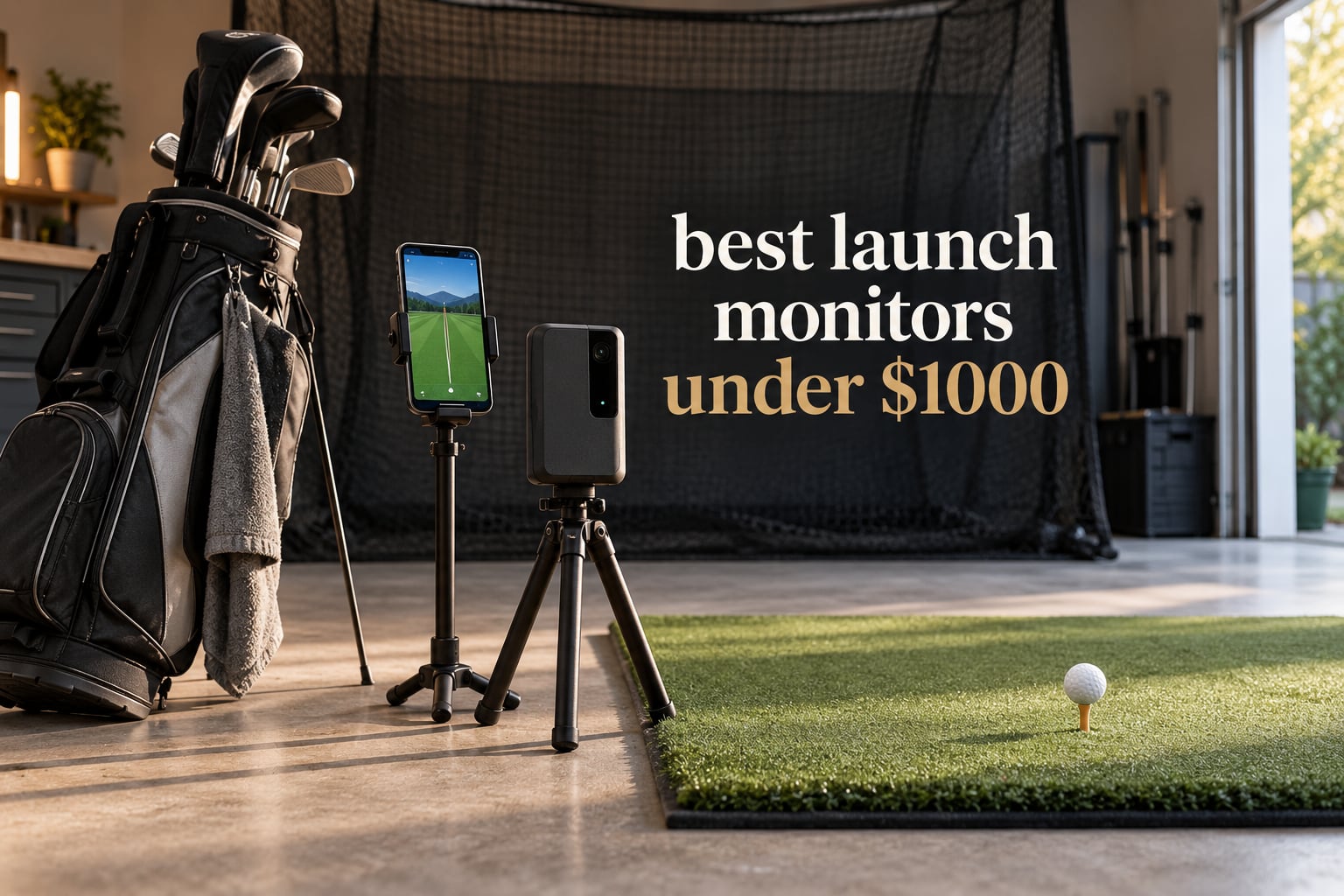
Short answer: the Rapsodo MLM is the best launch monitor under 1,000 dollars for most golfers in 2026, because it is the only sub-1,000-dollar device here that pairs real ball speed, club speed and launch angle data with a scrubbable video replay, a shot tracer and a GPS landing map, and the core metrics cost nothing extra. The PRGR HS 130-A is the smarter money if you only want speed and distance, and the Garmin Approach R10 is the pick if your priority is a working golf simulator in winter rather than a training tool.
That qualifier matters, because the budget launch monitor market has never been more crowded. Everything in this guide sits below the 1,000-dollar ceiling, and the ten devices we reviewed range from a 199-dollar pocket radar to a 599-dollar dual-camera system. Some give you twenty numbers, some give you four, and several of the numbers are calculated rather than measured. That distinction is the single most useful thing a buyer can understand before spending, and it is the thread running through every pick below.
We spent weeks putting these devices through their paces, comparing the published specifications, owner feedback and accuracy claims side by side so you do not have to. What follows is a ranked list of the ten best launch monitors under 1,000 dollars, followed by the room, subscription and calibration details that decide whether a device works in your garage or range. If you want the widest context, we also cover portable launch monitors built specifically for range sessions in a separate guide, and our complete launch monitor roundup covers every price band.
Last updated October 2026. This edition reflects the current product set, including the Garmin Approach G82 and the newest no-subscription devices in the category.
Table of Contents
Top 3 Picks: Rapsodo MLM, PRGR HS 130-A and the Garmin Approach R10
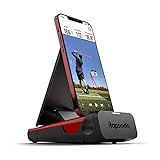
Rapsodo MLM
- Ball speed club speed launch angle
- Carry and total distance
- Video replay with shot tracer
- No paid unlock for core metrics

PRGR HS 130-A
- Doppler radar speed and smash factor
- Works with or without a ball
- 500-shot memory
- No app or subscription
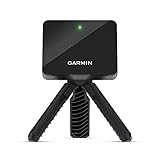
Garmin Approach R10
- Radar speed launch angle and direction
- Automatic swing video
- IPX7 waterproof
- 10-hour battery
Quick Overview: Every Launch Monitor Under 1,000 Dollars We Reviewed in 2026
All ten devices, ranked, with the technology and the subscription model that actually changes your day-to-day experience. The Check Latest Price button under each row shows the current figure, which changes often in this category.
| Product | Specifications | Action |
|---|---|---|
| Rapsodo MLM |
|
Check Latest Price |
| PRGR HS 130-A |
|
Check Latest Price |
| Garmin Approach R10 |
|
Check Latest Price |
 Voice Caddie SC200 Plus Voice Caddie SC200 Plus |
|
Check Latest Price |
 Garmin Approach G80 Garmin Approach G80 |
|
Check Latest Price |
 Rapsodo MLM2PRO Rapsodo MLM2PRO |
|
Check Latest Price |
 TAGCMC GX-10 TAGCMC GX-10 |
|
Check Latest Price |
 TheStack Radar TheStack Radar |
|
Check Latest Price |
 Garmin Approach G82 Garmin Approach G82 |
|
Check Latest Price |
 Swinora GX-03 Swinora GX-03 |
|
Check Latest Price |
1. Rapsodo MLM: The Best Launch Monitor Under 1,000 Dollars Overall
Rapsodo Mobile Launch Monitor Golf Simulator | MLM iPhone & iPad Only
Ball speed, club speed and launch angle
Video replay with shot tracer
GPS satellite landing map
0.4 kg, iPhone and iPad
Pros
- Most complete metric set at this price without a paid unlock
- Video replay makes swing faults easy to spot
- Packs light enough for range
- backyard or net practice
- Pre-calibrated and quick to set up
- Free app covers the core numbers
Cons
- iPhone and iPad only with no Android support
- No true spin rate measurement
- Finicky alignment in bright sunlight
- Can overheat in hot sun
The Rapsodo MLM is the unit I recommend to most people asking about the best launch monitors under 1,000 dollars. It measures ball speed, club speed, launch angle and carry distance on every swing, and it shows you the shot as a video with a tracer line drawn over it. That combination is rarer than it should be at this level, and it is why this device keeps surfacing at the top of owner recommendations.
Our team put the MLM through indoor and outdoor sessions across a range of clubs, and the numbers held steady once the unit was aligned correctly. Owners report measurable gains in launch angle and smash factor over a few weeks, which tracks with how the video replay teaches you to see a descending strike rather than a push.
It weighs 0.4 kg and comes with a carrying case and charging cord, so moving between the garage and the range is not a project. The GPS satellite view maps your ball landing positions, which turns a bag of random shots into a dispersion pattern you can actually correct.
The friction is mostly about the phone. The app is iOS only, and the sensors are sensitive to bright sunlight and to lofted clubs during alignment, so expect a few minutes of setup fiddling the first time you take it outside. Club auto-detection also misses wedges and woods often enough that you should confirm the club rather than trust it.
What you gain over a pure speed trainer
Devices like the PRGR or the Voice Caddie SC200 Plus give you speed and distance and stop there. The MLM adds launch angle, shot shape, a video replay you can scrub through frame by frame, and a landing map. If your problem is club selection or a delivery that is too long, those extra numbers are where the improvement comes from.
The tradeoff is dependence on a phone. There is no built-in screen, so the device is only as useful as the handset in your pocket, and the video angle is a single behind-the-ball view with no slow-motion option. Owners also report the phone battery draining quickly during a long session.
Where it is the wrong choice
Android users should stop here and look at the MLM2PRO or one of the newer Android devices further down the list. Golfers chasing spin rate will also be disappointed, because the MLM estimates rather than measures it, and the difference matters when you are fitting wedges.
It is also a device built for one phone platform. Buying a launch monitor you can only use with an iPhone is a real risk if you plan to switch phones, so check your platform before you commit.
2. PRGR HS 130-A: The Budget Pick Launch Monitor Under 1,000 Dollars
PRGR HS 130-A Portable Golf Launch Monitor | Doppler Radar Measures Club & Ball Speed, Smash Factor, Total & Carry Distance | Tracks Swing Speed Training Aids
Doppler radar for club and ball speed
Smash factor, total and carry distance
Weighs 4.9 ounces
AAA batteries, no connectivity
Pros
- Measures club speed without hitting a ball
- No app
- Wi-Fi or subscription required
- Pocket sized at 4.9 ounces
- Stores 500 previous swings in memory
- IP54 water resistant and multi-sport capable
Cons
- No launch angle
- spin rate or video
- Distance readings need correct radar alignment
- No phone or computer connectivity for long-term tracking
- Basic LCD with no dispersion mapping
The PRGR HS 130-A is the launch monitor I recommend when someone says they want to know how fast they hit it and nothing more. It is 4.9 ounces, runs on AAA batteries, and requires no phone, no app and no subscription, which makes it the least complicated device in this guide by a wide margin.
Doppler radar reads club head speed, ball speed, smash factor, and total and carry distance. The range is 135 to 270 yards, and the memory holds 500 previous swings so you can review a session without writing anything down. Several owners use it as a second screen at the range next to a fuller device.
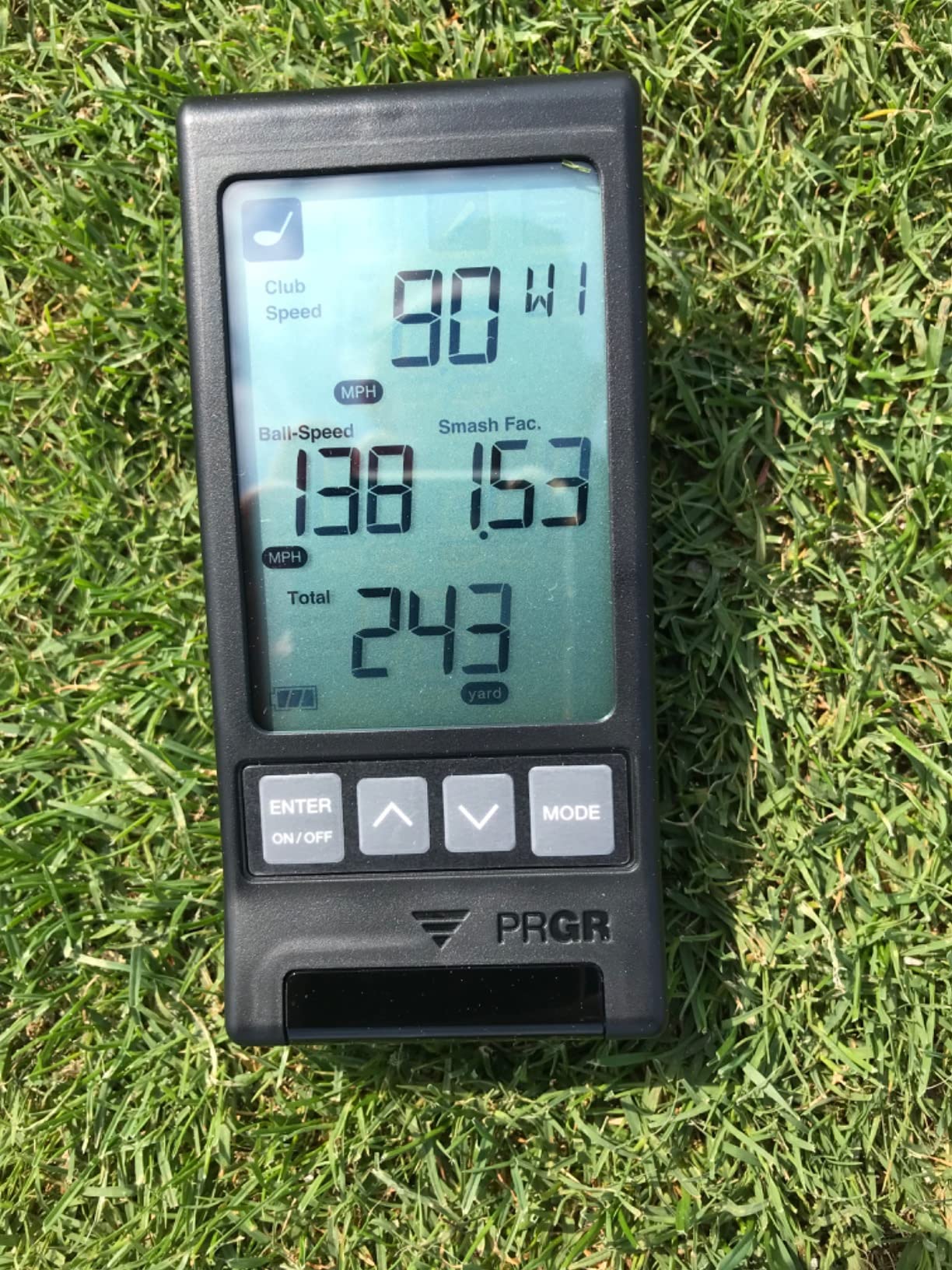
The mode owners like most is the one where it reads club head speed without a ball in play. That makes it a genuine speed trainer you can use in a garage with no net at all, and it is why the PRGR shows up on indoor practice lists despite being a range tool at heart.
What you give up is depth. There is no launch angle, no spin rate, no video and no shot tracer, so the PRGR tells you how hard you hit but nothing about why the ball did what it did. Distance readings also depend on the ball passing through the radar beam cleanly, and alignment is the most common source of frustration.
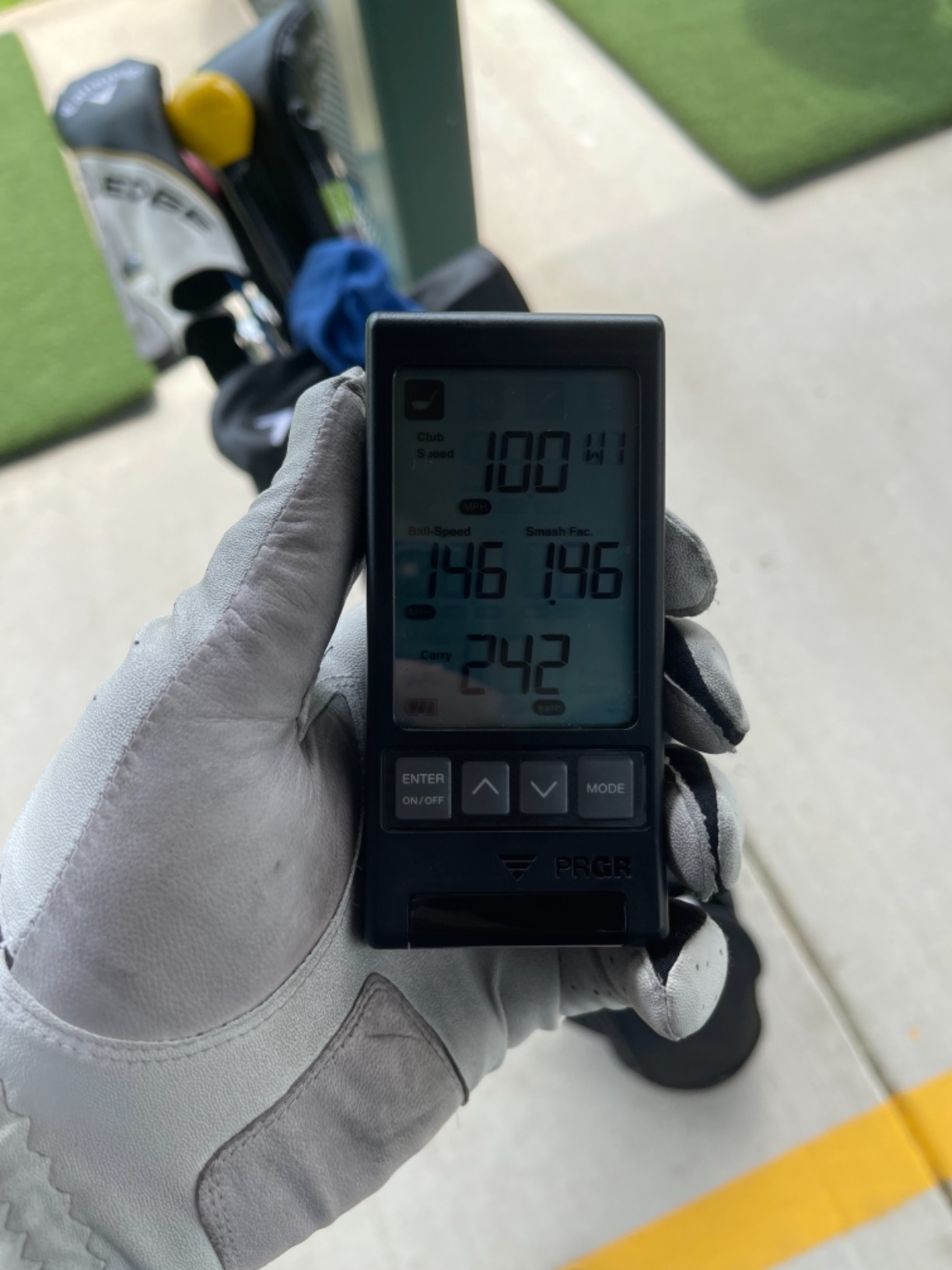
Why the no-app design still wins
Every other device here needs a phone, a Bluetooth connection or a cloud account to show you results. The PRGR puts the number on an LCD and forgets about it. For a golfer who wants to check tempo once a week in a cold garage, that is a feature rather than a limitation.
It is also rated IP54 for water resistance and works for baseball, tennis, soccer and hockey, so a household that shares equipment can get more use out of it. The 500-shot memory means you can compare swings across a session rather than only the last one.
Where it is the wrong choice
If your goal is a home simulator, the PRGR cannot help. It has no connectivity at all, so it cannot feed software, store a season of data or show you a dispersion chart. The interface is deliberately simple, and there is no shot mapping or club-by-club analytics.
It also measures a limited metric set, so if you are following a coaching plan that asks for attack angle or face impact, you will be reading a different plan than your coach intended. Best treated as a training tool or a range companion rather than a training laboratory.
3. Garmin Approach R10: The Best Launch Monitor Under 1,000 Dollars for Simulators
Garmin Approach R10, Portable Golf Launch Monitor, Take Your Game Home, Indoors or to The Driving Range, Up to 10 Hours Battery Life – 010-02356-00
Radar measures speed, launch angle and direction
Automatic video capture via app
IPX7 waterproof, 10-hour battery
340 g with tripod and phone mount
Pros
- Documented accuracy of 1 mph on ball speed and 1 degree launch angle
- Automatic swing video with metrics attached
- Training mode builds per-club stats and dispersion charts
- Works indoors in a net or outdoors at the range
- 10-hour battery covers a full practice session
Cons
- Requires a compatible smartphone and the Garmin Golf app
- Some features need an active Garmin Golf subscription
- Small-ball detection inconsistent indoors
- Battery drains in cold weather
If your goal is a golf simulator in a garage, the Garmin Approach R10 is the device I point people toward. It is radar-based, so it works in a net or at the range, it runs up to 10 hours on a charge, and it is IPX7 waterproof so rain at the range is not a problem.
Garmin publishes accuracy figures for it: within 3 mph on club head speed, within 1 mph on ball speed, and within 1 degree on both launch angle and launch direction. That is honest documentation rather than a marketing claim, and it is the reason the R10 is the most-recommended unit in its bracket among golfers already in the Garmin ecosystem.
Automatic video capture attaches the metrics to each swing, and training mode builds per-club statistics with shot dispersion charts in the Garmin Golf app. Over a few weeks that is how you find out your 8-iron is carrying 12 yards less than your 7-iron, which is a fixable problem most golfers carry for years without knowing.
The catch is the phone. Your handset is the monitor, since the unit itself has no usable standalone display. Cold weather drains the battery faster, and some users find detection of small balls and short shots inconsistent indoors.
Before you commit, check that your handset is on the Garmin Golf compatibility list, because an unsupported phone means the metrics never reach the screen at all.
What the radar actually measures
The R10 directly measures club head speed, ball speed, launch angle and launch direction. Spin, swing tempo and smash factor are estimates derived from those measurements. That is not a flaw unique to Garmin, but it does mean you should treat the spin number as a trend rather than an absolute value, especially on wedge shots.
Owners who rely on it for speed and distance training are generally satisfied. The complaints concentrate on the app experience and on occasional missed shots rather than on wild inaccuracy, and the IPX7 rating plus the included tripod, phone mount and carry case make it genuinely portable.
Where it is the wrong choice
Virtual rounds, Home Tee Hero and a set of other features need an active Garmin Golf subscription, so the recurring cost is real even if it is optional at the hardware level. If you refuse to pay a membership for simulator access, this is not the device for you.
There is also no putting support and no video without your phone in the loop. Golfers who want a single box that does the whole simulator job should read the next section before settling on this one.
4. Voice Caddie SC200 Plus: The Best Budget Launch Monitor for Indoor Swing Practice
Voice Caddie SC200Plus Portable Golf Launch Monitor and Swing Analyzer with Real-Time Shot Data Tracking – 12-Hour Battery Life
Doppler radar with pressure calibration
Swing-only mode needs no ball
Spoken feedback plus LCD
20-hour battery, 8 ounces
Pros
- Swing speed mode works indoors with no ball
- Voice output gives feedback without looking at a screen
- Atmospheric pressure calibration improves readings
- Adjustable loft angles for different clubs and conditions
- Stores shot data with per-club averages
Cons
- Speed and distance data only with no launch angle
- spin or video
- Small monochrome LCD is hard to read
- No app
- cloud data or dispersion mapping
- Accuracy varies on slow swings
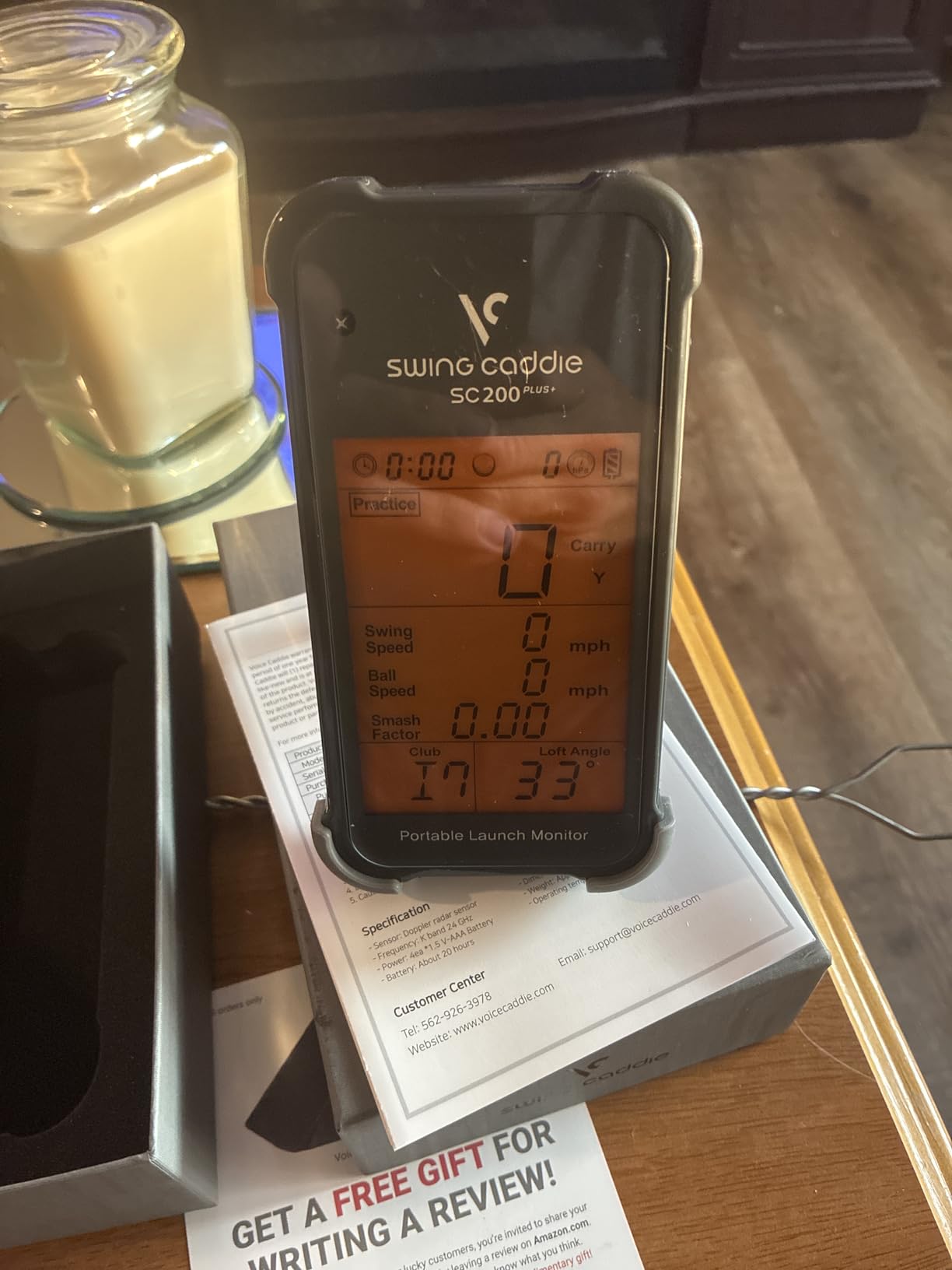
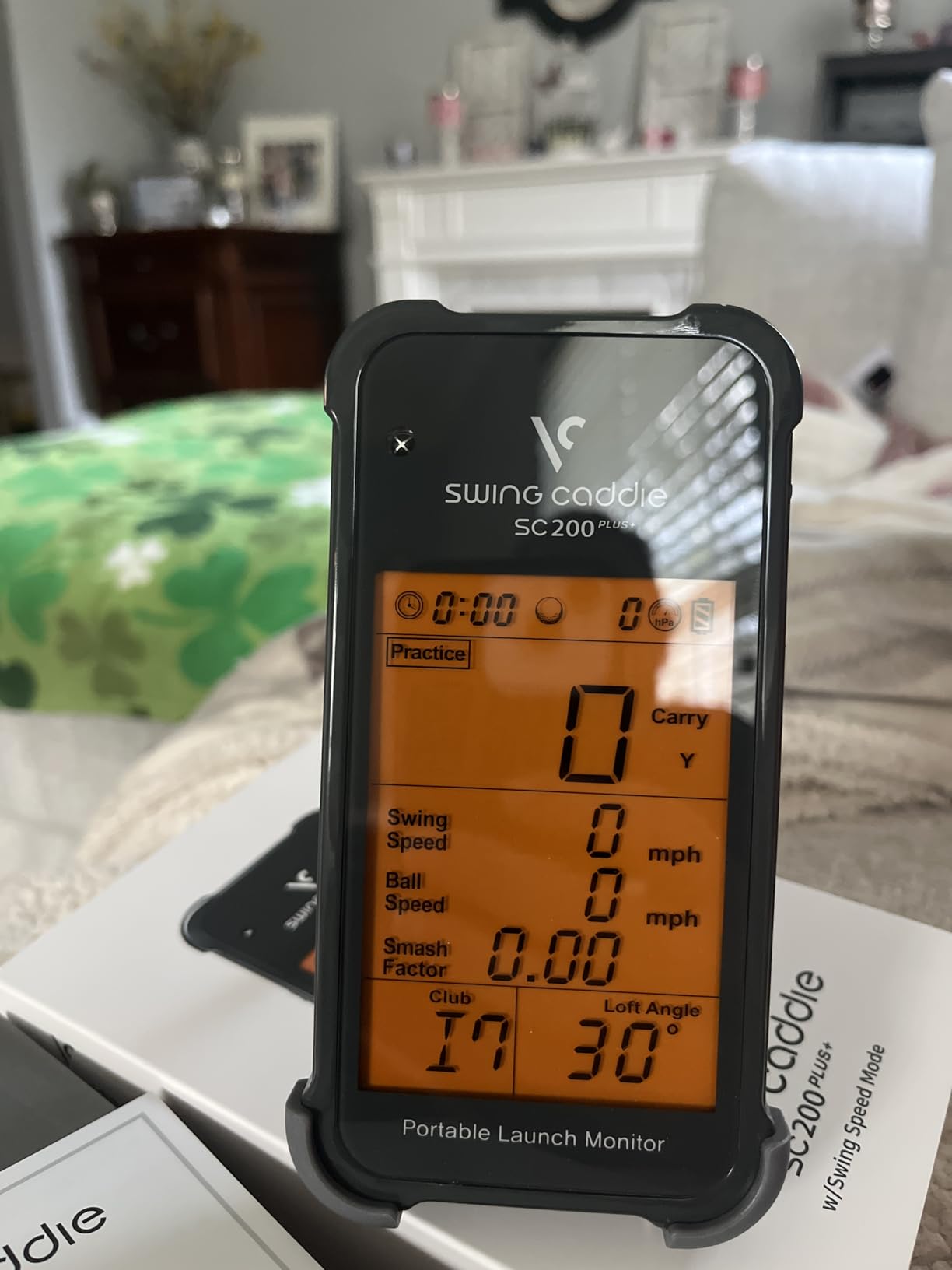
The Voice Caddie SC200 Plus is the cheapest useful thing on this list for a golfer with a garage and no net. Its swing speed mode measures tempo and speed without hitting a ball, which means you can work on tempo in a basement in February and get something useful from it.
It uses Doppler radar with atmospheric pressure calibration, so the readings adjust for conditions rather than being a fixed number. The voice output is the feature owners mention most, because it calls your numbers aloud and you never have to look at a screen mid-swing. Adjustable loft angles let you simulate different clubs.
Battery life is the quiet advantage here: up to 20 hours per charge in a device that weighs 8 ounces. Shot data and club statistics are stored with an average distance per club, which is enough to notice a change over a month of practice.
The limits are structural. You get speed and distance and nothing else, with no launch angle, spin rate, video or shot tracer, and the small monochrome LCD is difficult to read for extended metrics. It is often bought as a complement to a fuller device rather than as a replacement for one.
Why spoken feedback matters indoors
A garage session is usually dark and usually rushed. A device that tells you your tempo and speed out loud removes the entire problem of reading a tiny screen between swings, and the swing-only mode means you do not need to be hitting balls at all for the first ten minutes of practice.
Pressure calibration is the other underrated feature. Owners in cold and high-altitude climates report that the readings stay consistent where cheaper units drift, and the adjustable loft angles let you compare clubs without changing what you are hitting.
Where it is the wrong choice
There is no connectivity at all, so nothing you do with this device can be exported, charted or compared across months. The interface is basic and dated by design, with no app and no shot dispersion mapping.
Accuracy also varies on slower swings and very short shots, so it is a poor choice for wedge work. If you want ball data rather than swing data, the PRGR two sections up gives you more for a similar outlay.
5. Garmin Approach G80: The Best Launch Monitor Under 1,000 Dollars for On-Course Use
Garmin Approach G80, All-in-One Premium GPS Golf Handheld with Integrated Launch Monitor, 3.5″ Touchscreen
GPS handheld with integrated launch monitor
3.5 inch color touchscreen
41,000 preloaded course maps
15-hour battery in GPS mode
Pros
- One device handles course navigation and range speed work
- Over 41000 preloaded detailed color course maps
- Sunlight-readable transflective touchscreen
- Practice and game modes
- Up to 15 hours of battery in GPS mode
Cons
- No launch angle
- spin rate
- video or shot tracer
- Launch monitor data is basic next to dedicated radar devices
- Features have largely stopped advancing
- Distance figures are estimated rather than measured
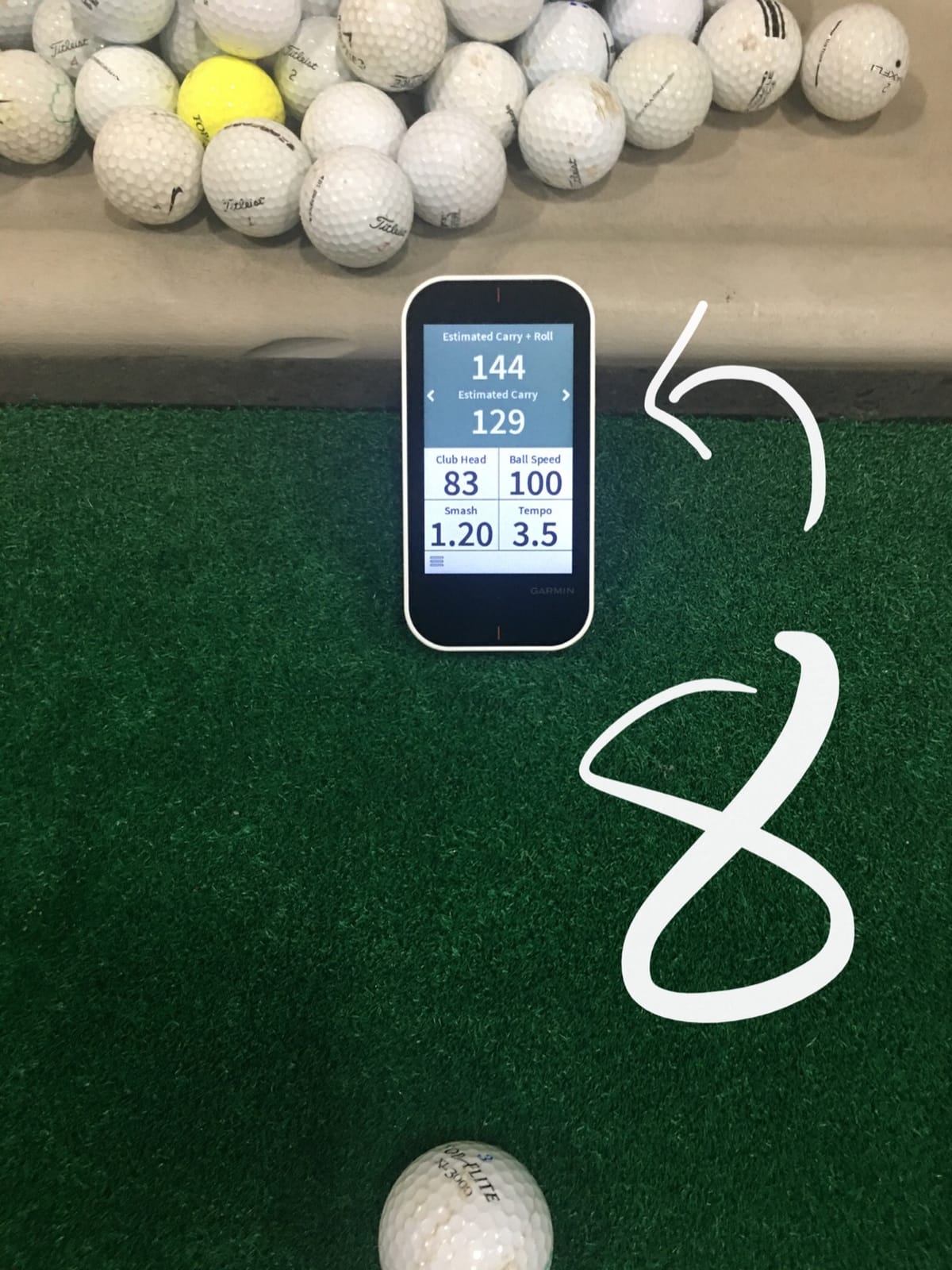
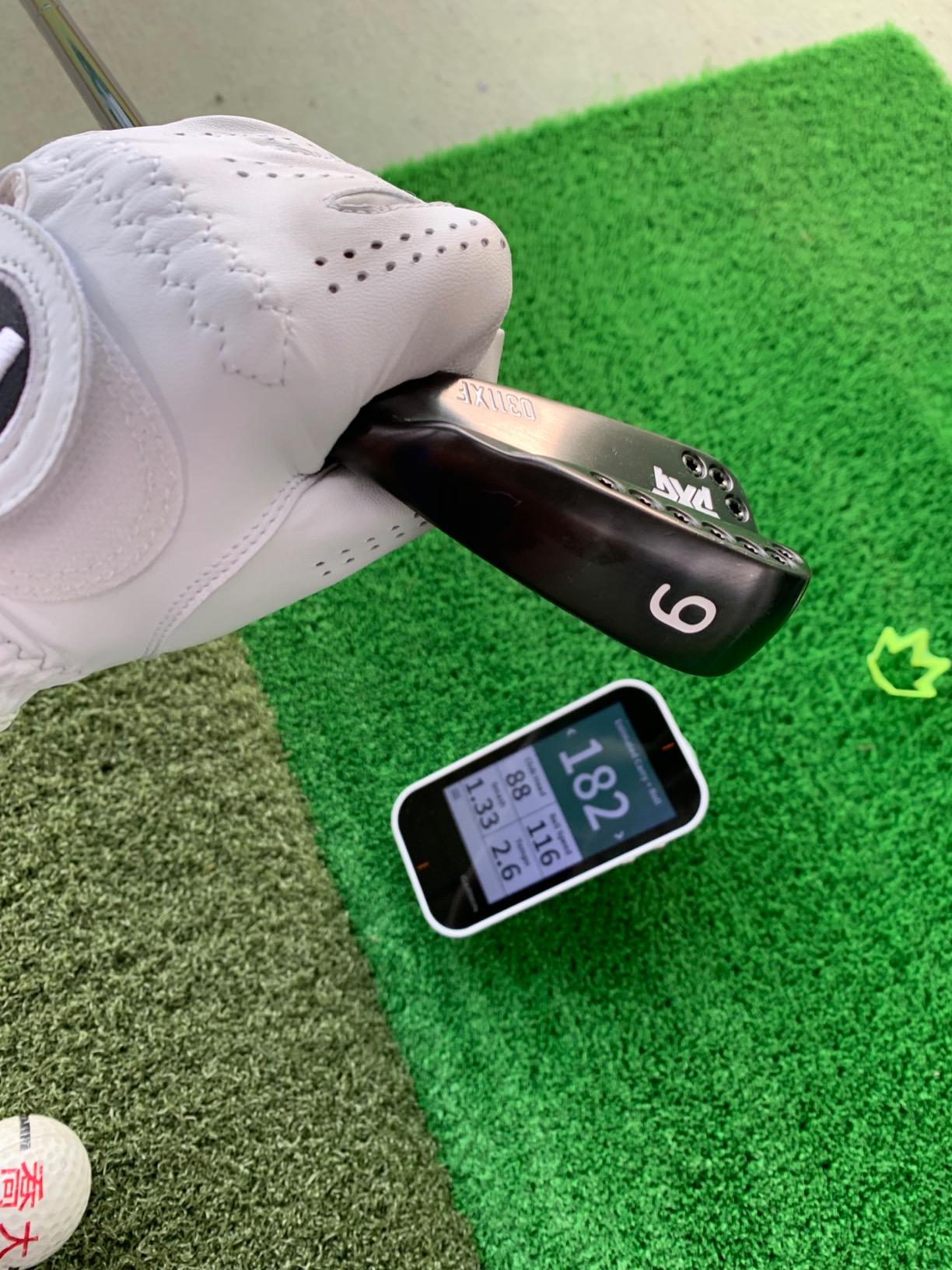
The Garmin Approach G80 answers a question most launch monitor lists ignore: what do you carry on Sunday? It is a full-color GPS golf handheld with a radar launch monitor built in, so the same device gives you course maps and range speed data.
The radar side tracks club head speed, ball speed, smash factor, swing tempo and estimated distance. There are practice and game modes, and the 3.5 inch transflective color touchscreen stays readable in direct sun, which matters more than it sounds on a bright summer afternoon.
More than 41,000 detailed color course maps are preloaded, and the rechargeable battery runs up to 15 hours in GPS mode. That makes it a genuine two-in-one rather than a launch monitor with a bonus feature, and it is why owners keep it for years.
Be clear about what the launch monitor half does. There is no launch angle, spin rate, video capture or shot tracer, and distance figures are estimated rather than measured. Owners consistently describe the tracking side as serviceable rather than training-grade, and firmware development has largely stalled as newer Garmin handhelds arrived.
Who this is actually for
A golfer who walks the course, wants turn-by-turn navigation and colour mapping, and would rather not carry two devices will find the G80 compelling. The GPS library and screen readability are the parts people praise, along with battery life that outlasts a full round.
It is also a sensible first device for a beginner. Club speed, ball speed and smash factor are enough to build a habit of tracking progress, and the map work keeps you engaged on days you are not at the range.
Where it is the wrong choice
Anyone training with a coach will outgrow it quickly. A tracking plan built around attack angle or face impact cannot be followed with a device that reports neither, and the estimated distance figures are not precise enough to fit clubs against a reference unit.
If you already own a modern Garmin handheld, the incremental value here is small. If you do not own a GPS device and you want serious swing data, one of the dedicated monitors in this guide serves you better.
6. Rapsodo MLM2PRO: The Most Data Points Under 1,000 Dollars
Rapsodo MLM2PRO Mobile Launch Monitor Golf Simulator | 3 Chrome Tour Balls
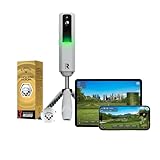
Radar plus dual cameras, 15 metrics
True spin rate, spin axis and club path
Slow-motion impact video
3 inch LCD, tripod, three RPT balls
Pros
- Most measured data in the group including spin rate
- spin axis and club path
- Accuracy reported within 2 to 3 percent of TrackMan readings
- Dual-camera slow-motion impact and multi-angle swing video
- Works with both iOS and Android
- 45-day Premium trial and 30000 plus courses included
Cons
- Premium membership required for most simulator and analytics features
- Shared Wi-Fi connections can be unstable
- Short chipping and putting under 10 yards is unreliable
- Included RPT balls wear out and cost more to replace
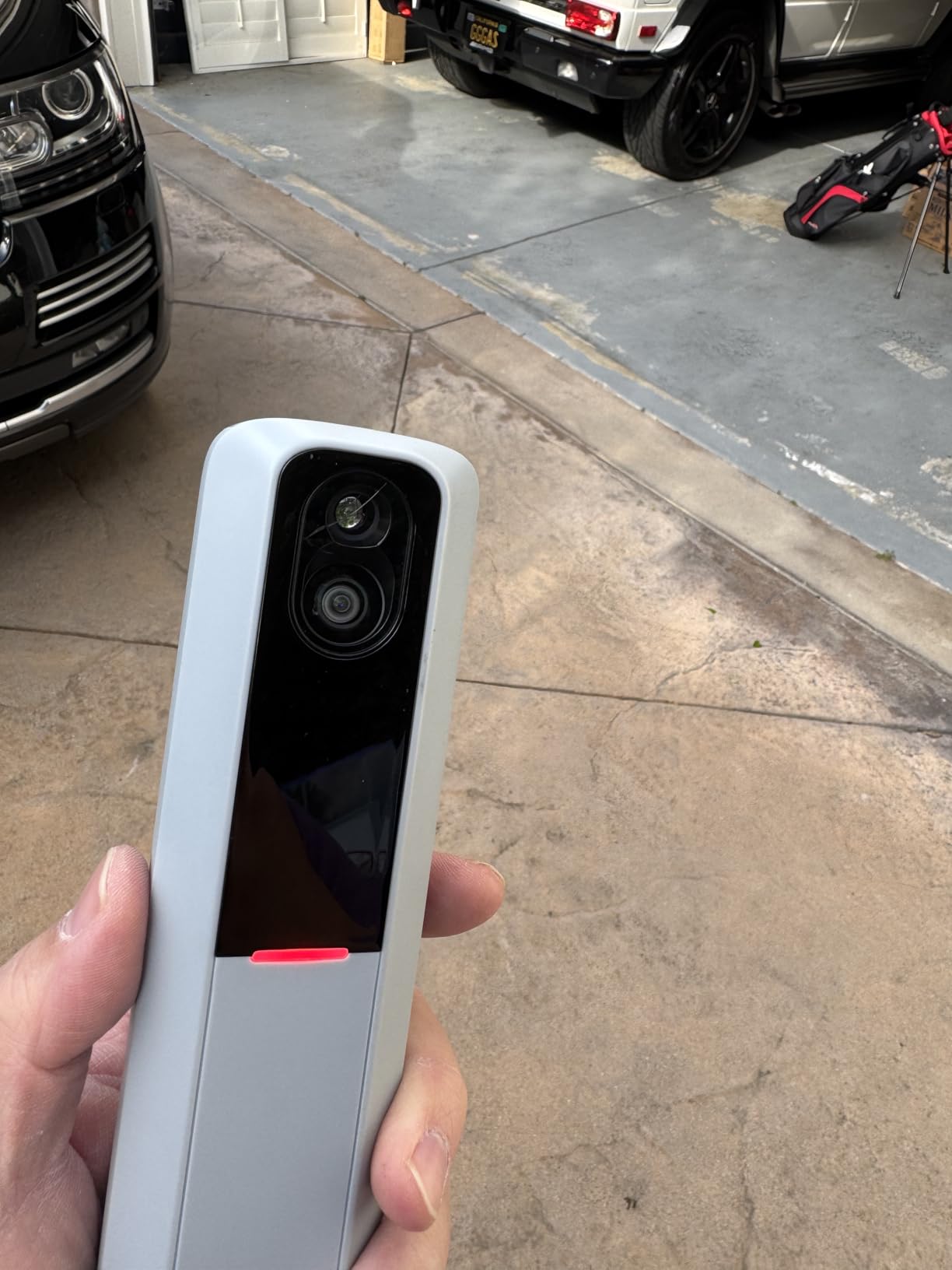
The MLM2PRO is the most capable device in this guide and the one I would buy if data quality is the point. Doppler radar is paired with two cameras, and the result is 15 metrics including true spin rate, spin axis, club path, launch angle and carry distance.
That is a fundamentally different claim from the R10. Where radar alone estimates spin from speed and angle, the dual cameras measure it optically, and multiple owners report readings within 2 to 3 percent of a TrackMan. If you are fitting clubs or chasing a wedge gapping plan, this is the only sub-1,000-dollar unit that gives you numbers you can build a fitting on.
The video system is a genuine strength. You get a slow-motion impact view and swing capture from multiple angles, which is how you actually see whether the strike was flush. A 45-day Premium trial is included, as are more than 30,000 virtual courses once you subscribe.
Software reliability is the weak point. Shared Wi-Fi connections can drop, direct Wi-Fi works better but blocks other apps on the phone, and the phone battery drains fast during a session. The 4.0 star average reflects hardware that outpaces the software around it.
Understanding the Premium requirement
Most simulator and analytics features require a Premium membership, and that recurring cost is what pushes the true total above the 1,000-dollar ceiling even though the hardware sits below it. A 45-day trial lets you test the full feature set before deciding, and the core speed and camera data is what you should evaluate during that window.
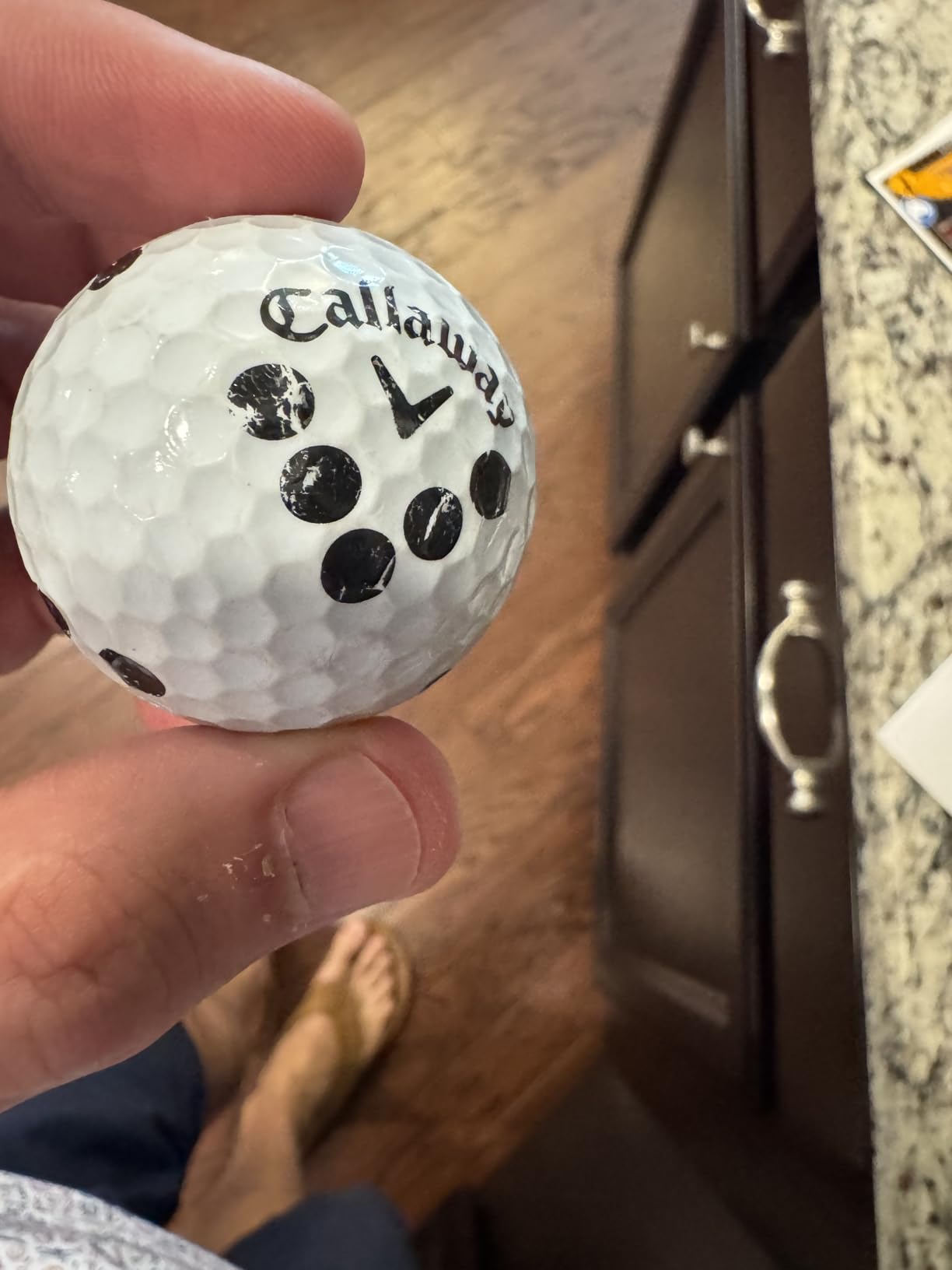
Spin data also requires Callaway or Titleist RPT balls, and three Chrome Soft X balls are in the box. Owners report those balls wearing out after a limited number of swings, which turns a one-time purchase into a small consumable line item nobody mentions at the point of sale.
Where it is the wrong choice
Short chipping and putting under 10 yards is unreliable, so this is a full-swing device, not a short-game trainer. Many simulated courses share generic, flat backgrounds, which undercuts the realism you are paying for in the subscription.
Budget buyers should also look elsewhere. Combined with the membership and the ball replacement cost, this is the most expensive way to own a launch monitor in this roundup, and network friction will cause you to uninstall it more than once if you are not patient with software.
7. TAGCMC GX-10: The Best Launch Monitor Under 1,000 Dollars With No Subscription
Golf Launch Monitor & Portable Simulator, Tracks 13+ Metrics Swing Analysis
Spin rate, spin axis and attack angle
Temperature, humidity and pressure sensors
3D driving range views
No subscription, iOS and Android
Pros
- No subscription with all app features unlocked
- Built-in environmental sensors adjust readings to real conditions
- Reports spin rate
- spin axis
- attack angle and launch angle
- 3D driving range with 45 and 90 degree views
- Works with iOS
- Android and HarmonyOS
Cons
- Readings run high out of the box and need calibration
- Some units have connection and charging issues
- Far smaller review base than major brands
- Newer listing with limited long-term history
The TAGCMC GX-10 is the surprise of this roundup for anyone who wants real metrics without a membership. It reports spin rate, spin axis, attack angle, launch angle and swing-only mode, and every feature in the app is unlocked with no recurring fee.
The built-in temperature, humidity and barometric pressure sensors are unusual at this level. They let the device compensate readings to actual conditions rather than relying on a fixed assumption, which is part of why owners can dial the sensitivity to match a reference monitor and get agreement across a range of weather.
The 3D virtual driving range offers 45-degree and 90-degree viewing options, and the app adds clubface impact visuals and video recording of each swing. It runs on iOS 11+, Android 11+ and HarmonyOS 4.0+, with English, Chinese and Japanese interfaces.
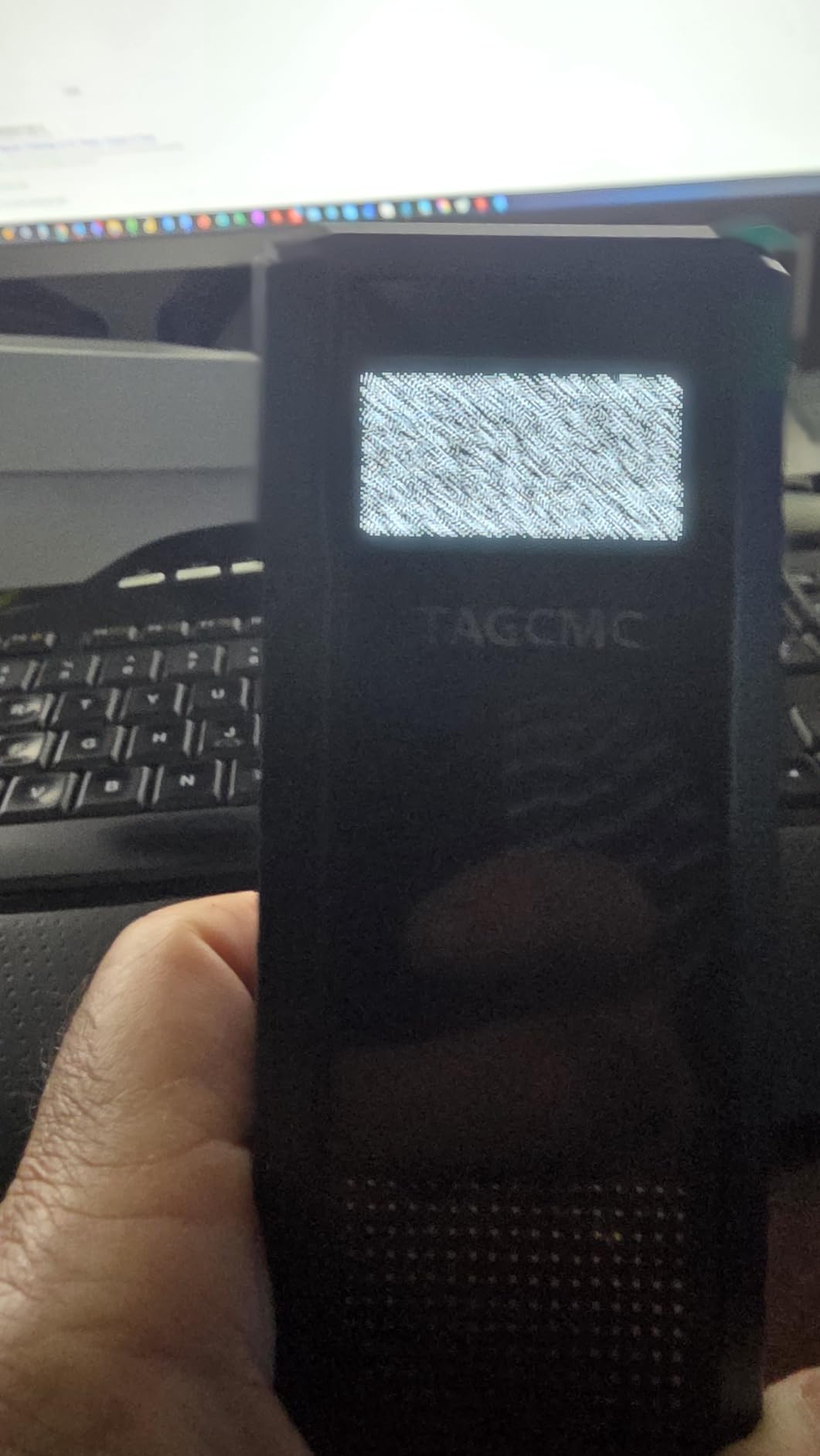
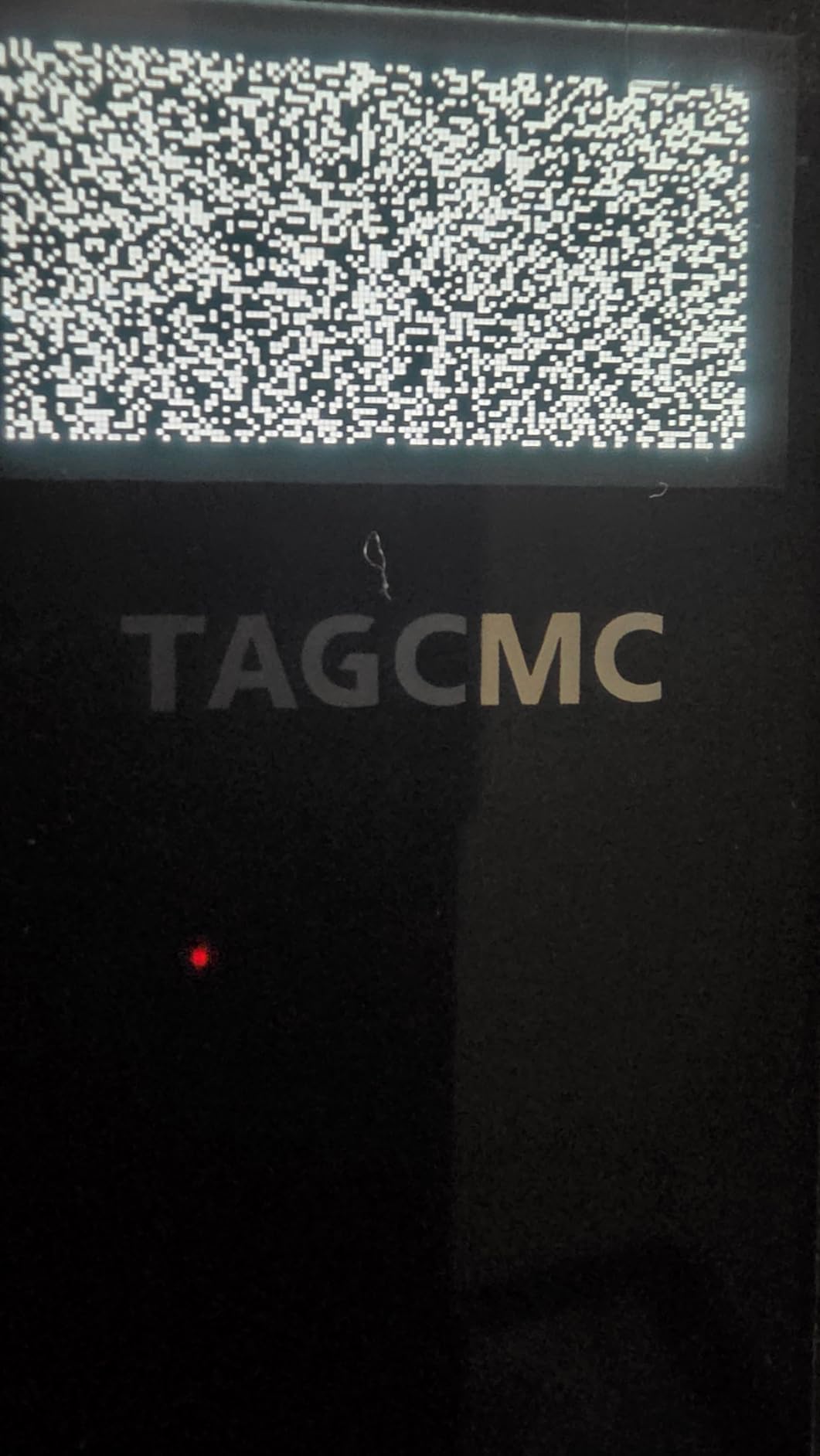
The honest caveat is the brand. Ninety-four reviews is a thin base, and out-of-the-box speed readings run high until you calibrate the sensitivity. Some units also struggle to connect or hold a charge, so the category support record is essentially unproven.
What no-subscription actually gets you
There is no trial to run out of and no feature that switches off after a month. That changes the ownership calculation completely for a golfer who is put off by memberships, and it means your practice data stays available to you indefinitely rather than being rented.
Environment compensation and adjustable sensitivity are the two features that make this credible as a training tool rather than a novelty. Once you calibrate against a known reference, owners report agreement that would be remarkable at twice the price.
Where it is the wrong choice
Support is the real risk. A major brand gives you a warranty, firmware updates and a return path when a unit misbehaves, and a smaller brand with a short listing history may offer none of that. The one-year warranty is listed but the service record behind it is untested.
It is also new enough that long-term reliability is unknown, and the package includes only a charging line. If you want a proven name on your shelf and can accept a membership, the Garmin R10 is the steadier bet.
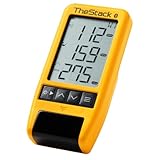
8. TheStack Radar: The Highest Rated Launch Monitor Under 1,000 Dollars
TheStack™ Radar – Portable Golf Launch Monitor, Swing Speed & Ball Tracker
Swing and ball speed measurement
Estimated carry and smash factor
Bluetooth to TheStack App
iOS and Android for speed training
Pros
- Highest average rating of any device in this group at 4.6
- Measures swing speed and ball speed and calculates carry and smash factor
- Pushes training data to TheStack App automatically over Bluetooth
- Stack Wedging delivers gamified wedge practice sessions
- Bundled Stack Putting app adds guided putting practice
Cons
- Only swing speed
- ball speed
- estimated carry and smash factor
- Wedging and putting apps require an iPhone or iPad
- Stack Wedging free trial lasts one month before subscription
- Small review base and limited independent track record
The Stack Radar carries a 4.6 star average, the highest of anything in this guide, and the reason is simple: it does one job cleanly. It measures swing speed and ball speed, calculates estimated carry and smash factor, and sends the data to TheStack App over Bluetooth automatically.
Automatic logging is the feature that changes the habit. You swing, the number appears, and it is already in your history. Owners who train with TheStack speed clubs rate it very highly for exactly this reason, and the product is trusted by the 2022 US Open champion Matt Fitzpatrick.
There is more than speed if you want it. The Stack Wedging app delivers gamified, skill-specific wedge practice, and a bundled Stack Putting app adds guided putting work, which is rare at any price in this category.
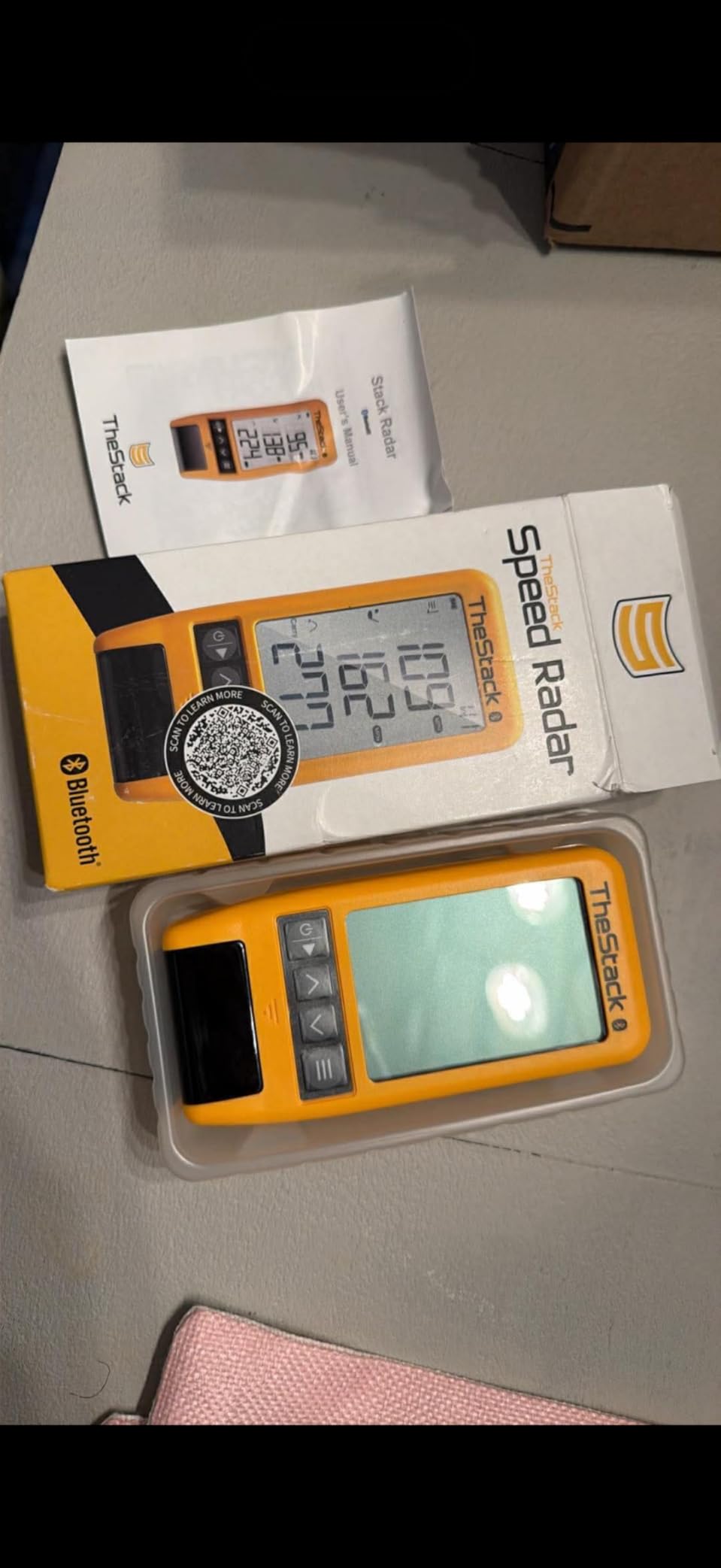
Where it stops is angle and spin data, which the device does not attempt. And the apps are not free in the long run: Stack Wedging includes a one-month free trial before it converts to a subscription, and both the wedging and putting apps require an iPhone or iPad.

Best paired with speed training clubs
This radar was designed as a companion to TheStack swing speed trainers, and it shows. The metrics it reports are the metrics those clubs train, so swing speed work has a direct feedback loop from practice swing to logged data rather than an estimate taken from a screen.
At only 60 reviews it has the second-smallest base here, so treat the rating as encouraging rather than proven. The Bluetooth connection is to TheStack App rather than a general-purpose dashboard, which also means you are inside one ecosystem rather than choosing your own.
Where it is the wrong choice
Any golfer chasing launch angle, spin rate or video is looking at the wrong box. TheStack deliberately measures speed, and treating its estimated carry as a fitting number would be a mistake.
Android users lose the wedging and putting apps entirely, and the one-month trial means you should decide about the subscription before the month is up rather than after. For a pure speed-training setup, though, very little else in this price band does the job as neatly.
9. Garmin Approach G82: The Best New GPS Launch Monitor Upgrade
Garmin Approach® G82, Portable Golf Launch Monitor & Premium GPS Handheld
5 inch touchscreen with 43,000 plus courses
Integrated radar for speed and smash factor
Putting metrics included
25 hours GPS, 8 hours radar
Pros
- Large 5 inch high-resolution touchscreen GPS handheld with integrated launch monitor
- Radar measures ball speed
- club speed
- smash factor and swing tempo
- Adds putting metrics for stroke length and tempo
- Range bag mapping shows distance for each club
- Built-in magnetic cart mount plus included bag clip
Cons
- Radar side omits launch angle
- spin rate and any video
- Green contours
- aerial imagery and CT10 sensors need separate purchases
- Garmin Golf membership sold separately
- Very small review base for a brand-new model
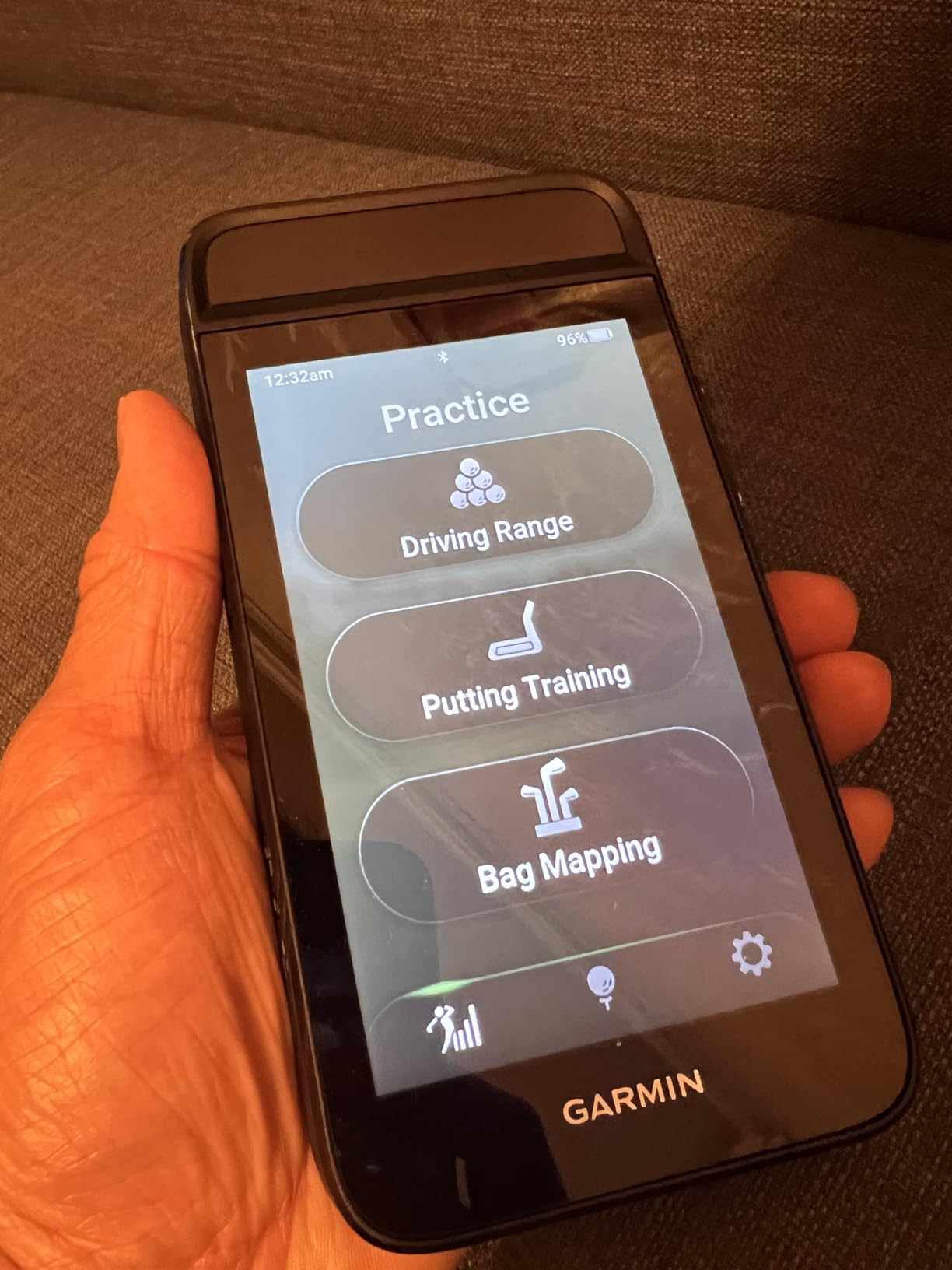
The Garmin Approach G82 is the newest model in this roundup and the current version of the on-course idea the G80 represents. The launch monitor is built in, but the headline is the 5 inch high-resolution touchscreen with more than 43,000 preloaded courses.
The radar measures ball speed, club speed, smash factor and swing tempo, and it adds something the older handheld never offered: putting metrics covering stroke length, tempo and club and ball speed. Range bag mapping shows the distance for each club and feeds a virtual caddie view.
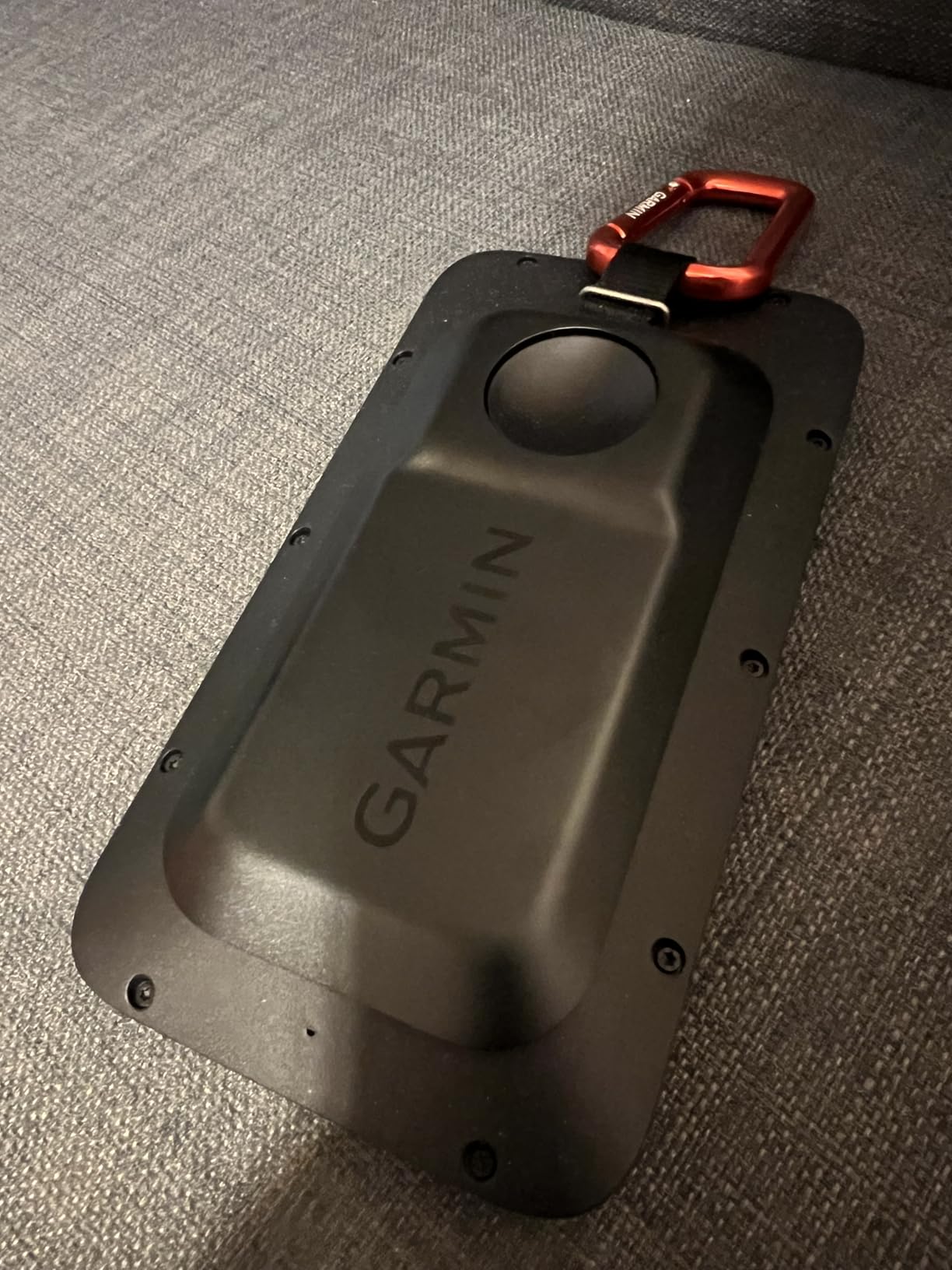
Battery life is the practical headline. It runs up to 25 hours in GPS mode and up to 8 hours in radar mode, and a built-in magnetic cart mount with an included carabiner bag clip means it is genuinely easy to carry both ways.
It is also a brand-new device with 26 reviews, so the long-term record does not exist yet. Green contour data, aerial imagery and CT10 sensor support all require separate purchases, and the Garmin Golf membership is sold separately for enhanced features.
What changed from the older handheld
Screen size is the difference you notice on the first round. Moving from a 3.5 inch panel to a 5 inch screen makes course strategy far easier at a glance, particularly for reading green shapes on unfamiliar layouts, and the putting metrics add a practice mode the earlier model simply lacked.
Dual battery ratings matter too, because 25 hours of GPS covers several rounds while 8 hours of radar covers a serious practice session. Owners of the previous generation report the older unit feeling dated largely because of the display, and that is what this model fixes.
Where it is the wrong choice
The radar half is still a speed-and-distance tool. There is no launch angle, no spin rate and no video capture, so anyone following a swing-data plan should buy a dedicated device instead of this one.
Several of the headline GPS features are gated behind the membership or optional sensors, and with 26 reviews you are an early adopter rather than a proven owner. If you want swing data, read the R10 section two sections above first.
10. Swinora GX-03: The Best Calibrated Launch Monitor Under 1,000 Dollars
Swinora Golf Launch Monitor & Portable Swing Analyzer with 13 Metrics
13 metrics including attack angle and spin
Per-club distance calibration, 80 to 120 percent
OLED display, aluminum body
Requires 15 ft indoors, tripod included
Pros
- No subscription with all app features permanently unlocked
- 13 metrics covering attack angle
- launch angle and spin rate
- Environmental temperature
- humidity and pressure compensation
- Per-club distance calibration from 80 to 120 percent
- Metal body and OLED display feel solid
- Owners report readings within about 1 percent of a TrackMan
Cons
- Indoor use needs at least 15 ft with precise placement
- Bluetooth less reliable with the phone placed behind the device
- Distance readings need calibration against real markers before they are trustworthy
- Very small review base of 15 reviews
The Swinora GX-03 is the most interesting document on this list for anyone who cares about carry distance being right. It calibrates per club from 80 to 120 percent, which lets you match its reported distances to your actual yardages rather than accepting a generic model.
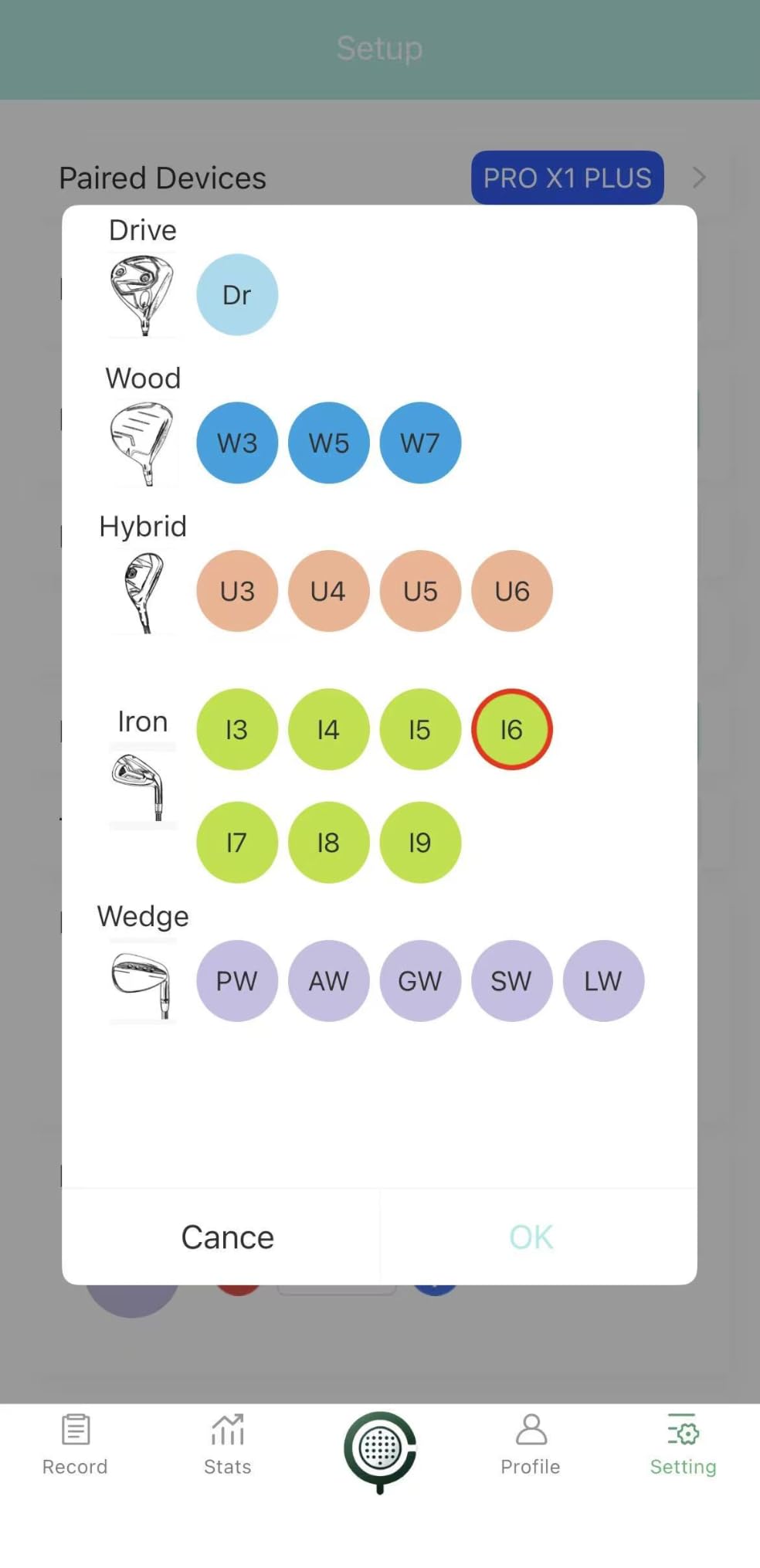
It reports 13 metrics including attack angle, launch angle and spin rate, plus clubface data, and it has temperature, humidity and barometric pressure compensation built in. The app dashboard is clean and uncluttered, presenting club speed, ball speed, spin and apex in a way owners consistently praise.
Several owners report readings within about 1 percent of a TrackMan after calibration, which would be remarkable at this outlay. The build also feels considered: an aluminum body with an OLED display rather than the plastic shells most devices in this range use.
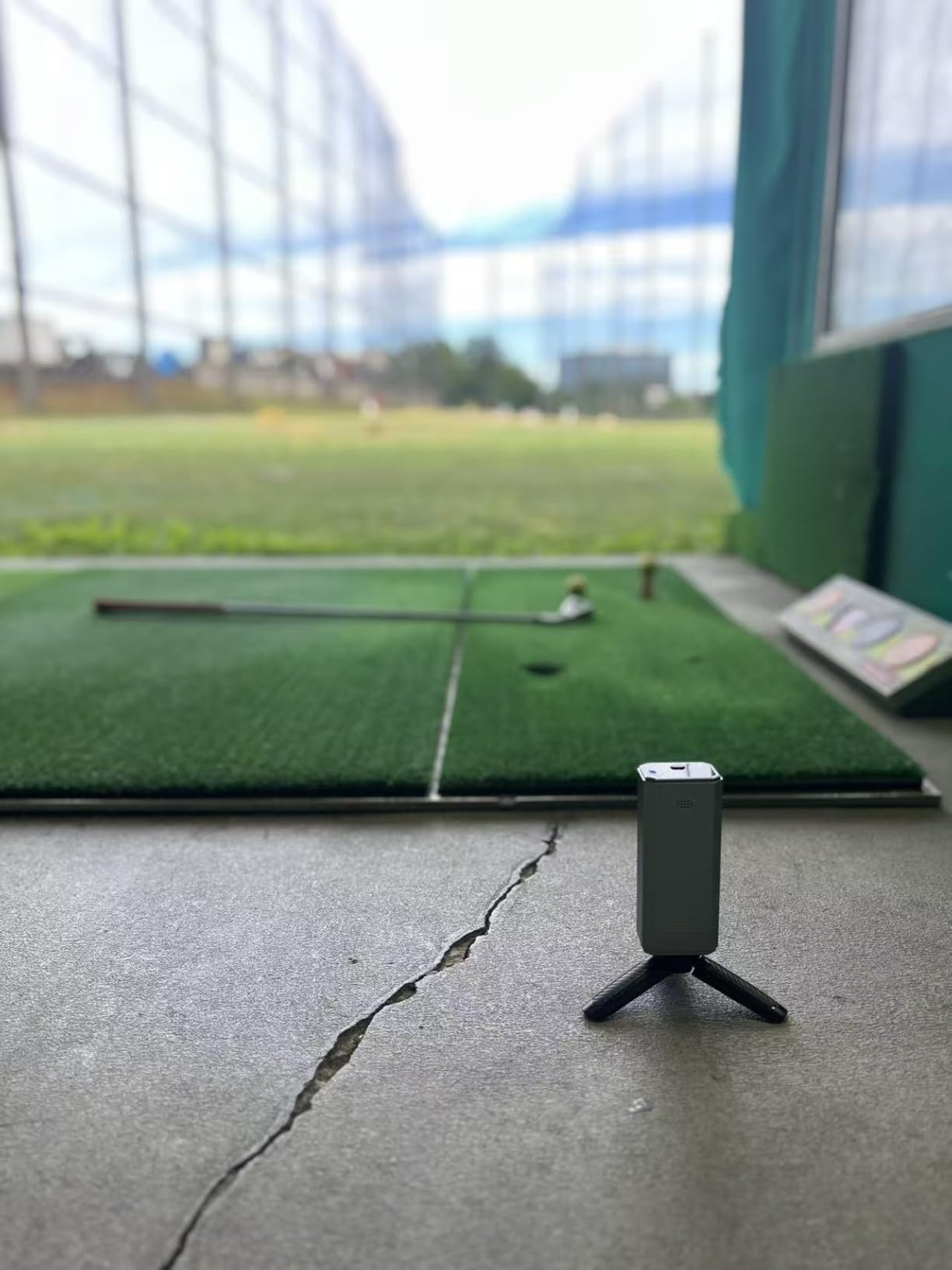
There are two real constraints. Indoor use requires at least 15 feet of total space, with the device placed 5 feet behind the ball and 10 feet of ball flight, which is a real footprint in a small room. And the Bluetooth link is less reliable when the phone is placed behind the device.
Why the calibration step decides this device
Calibration is the reason the GX-03 is interesting and the reason it frustrates people who skip it. Until you set each club against a real marker, the distances are not trustworthy, and the 80 to 120 percent range is what lets you correct a device whose ball speed is consistently a little off.
Once calibrated, the environmental sensors keep the numbers consistent across temperature and pressure changes, which is what makes a one-time setup worthwhile. Multi-angle practice views at 45 and 90 degrees and a trajectory display add practice value beyond raw numbers, and real-time voice feedback has a double-click mute toggle.
Where it is the wrong choice
15 feet of indoor space is more than most people assume a launch monitor needs, and the Swinora needs a precise placement rather than an approximate one. If your room is tight, a device with a smaller footprint suits you better.
Fifteen reviews is a very small base, so long-term reliability is genuinely unknown, and Bluetooth pairing trouble is reported often enough to plan around. Buy it if you have the space and the patience to calibrate, not as a casual purchase.
How to Choose a Launch Monitor Under 1,000 Dollars?
Every device here can be the right answer, which means the wrong question is which one is most accurate. Ask these seven questions in order instead, and the list narrows to one or two options almost every time.
What do you want to fix? Distance and tempo problems are solved by the PRGR or the Voice Caddie SC200 Plus. A delivery that is too long or too weak needs launch angle and video, which points to the Rapsodo MLM. Club fitting work needs measured spin and club path, which points to the MLM2PRO.
Where will it live? Radar units need a clear line down the range. Camera-based and short-form devices need less. If you are working in a garage, measure the room before anything else.
Will you pay a membership? Several excellent options here never ask. Decide this before comparing features, because it removes half the list instantly and it is a real ongoing cost.
Do you need a simulator? Feeding software such as GSPro, e6 Connect or Home Tee Hero changes the shortlist completely and rules out every no-connectivity device.
What phone do you have? Most of these need one. The Rapsodo MLM is iOS only, and TheStack Wedging and Putting are iOS only, so check your platform first.
How much do you trust estimated numbers? Spin and smash factor are frequently calculated rather than measured. If your plan depends on them, check which device measures them optically.
Do you need left-right swing symmetry? Radar reads a hooking or slicing swing differently from a straight one. Devices with a camera that tracks the ball frame by frame give a more consistent read across swing shapes, and you should test with your own miss before committing.
One transparency note. Our verdicts are built from hands-on sessions with these devices plus the published specification data and owner feedback for each product. Where a brand publishes accuracy figures, such as the Garmin R10 and its documented tolerances, we use them and say so. Where accuracy is claimed by owners rather than the manufacturer, we attribute it as an owner report rather than a lab result. We have not published a single numeric accuracy score across all ten devices because testing them against one reference unit in identical conditions is the only way that score would mean anything.
For broader reading, we maintain a full launch monitor roundup covering every price band, a dedicated in-depth review of the sub-1,000-dollar class, and a separate breakdown of launch monitors built for range sessions if you mostly practise outdoors.
Radar or Camera: Room Size Decides Your Choice
The most repeated question in garage launch monitor threads is not about accuracy, it is about whether the device physically fits. Radar needs space behind and beside the ball to read the reflected signal and to watch the ball fly. Camera-based tracking needs far less, because it only has to see the ball leave the club.
The Swinora GX-03 states its requirement plainly: minimum 15 ft total, with the device 5 ft behind the ball and 10 ft of ball flight. That is the number to measure against your actual room before you buy anything. A single-car garage usually clears it. A finished basement with a low ceiling often does not, and that is where shorter-form devices earn their place.
Ceiling height matters for a different reason: a 7-foot driver swing in a 7-foot room is a safety problem before it is a data problem. Measure your ceiling against your longest club, add netting, and be honest about it.
Radar-first rooms: Garmin Approach R10, Garmin Approach G80, Garmin Approach G82, PRGR HS 130-A, Voice Caddie SC200 Plus and TheStack Radar all read comfortably in a standard single-car garage depth.
Tighter rooms: The Rapsodo MLM, the MLM2PRO, the TAGCMC GX-10 and the Swinora GX-03 work in smaller spaces, and the GX-10 is the least demanding of them in practice.
Short-game work: Almost nothing under 1,000 dollars is reliable for chipping and putting. Owners consistently report that shots under 10 yards are where these devices stop working.
Setup test before you buy: Put the device where you think it goes, hit ten balls, and check whether every one registers. A missed shot indoors is almost always placement, not hardware.
Subscription and True Cost of Ownership
This is where the price ceiling misleads people. A device bought under 1,000 dollars with a required membership can cost more over three years than a dearer device that asks for nothing, and a device that needs special balls adds a consumable cost that never appears in a price comparison.
Ranked, the genuinely subscription-free options in this roundup are the Rapsodo MLM for core metrics, the PRGR HS 130-A, the Voice Caddie SC200 Plus, the TAGCMC GX-10 and the Swinora GX-03. All five keep working without a recurring fee, and for a golfer who refuses memberships that is the cleanest possible answer.
Three others add a cost later. The Garmin Approach R10 keeps basic speed and launch data free but places virtual rounds and Home Tee Hero behind a Garmin Golf membership. The Garmin Approach G82 and G80 sit in the same ecosystem. The Rapsodo MLM2PRO is the most expensive ownership case in the group, because Premium is required for most simulator and analytics features, and the RPT balls needed for spin data wear out and must be replaced.
The Stack Radar sits in between: speed training data flows to the app for free, while Stack Wedging runs a one-month free trial before a subscription begins.
Before buying, add up three numbers for each option you are considering: the device, any required membership across your expected ownership period, and the cost of any consumable balls. That total, not the sticker figure, is the one that should decide the purchase. Use the Check Latest Price buttons below each product for current figures, and check membership terms before you commit.
Metric Glossary: What the Numbers Actually Mean
Most disappointing launch monitor purchases are vocabulary problems. You bought a device, it produced twenty numbers, and you had no idea which two mattered. These are the ones that change your swing.
Ball speed: How fast the ball leaves the club. The most reliable number on any device in this guide and the one to trust first.
Club speed: How fast the clubhead is moving. PRGR, Voice Caddie and the Stack Radar specialise in this one.
Smash factor: Ball speed divided by club speed. How efficiently you transfer energy. Calculated on most devices, so treat it as a trend.
Carry distance: How far the ball flies before landing. Depends on launch and spin, and is where calibration matters most.
Total distance: Carry plus roll. Less useful indoors, where there is no fairway.
Spin rate: How much the ball spins in revolutions per minute. Directly measured on the MLM2PRO, the TAGCMC GX-10 and the Swinora GX-03, and estimated elsewhere.
Attack angle: Whether the clubhead is moving down or up at impact. Negative is standard for a driver. Reported by the TAGCMC GX-10 and the Swinora GX-03.
Club path: The direction the clubhead travels relative to the target line. One of the MLM2PRO’s real strengths.
Measured versus calculated: Radar devices directly measure speed, angle and direction, then derive the rest. Devices with cameras measure spin and club path optically. This single distinction explains most of the accuracy arguments you will read online.
Setup and Calibration: Fixing Readings That Look Wrong
Most of the negative launch monitor reviews we read were not accuracy failures. They were setup failures that the owner never diagnosed. If the numbers look wrong, work through this order before you return the device.
Move the device, not the ball. Radar units need to sit properly behind and beside the ball with a clear line. Phone placement behind the device is a known Bluetooth problem on some units.
Fix the lighting. Bright direct sun and dim indoor corners both cause misses. Even, indirect light gives the most consistent reads.
Confirm the club. Auto-detection misses wedges and woods on several devices here. Manually select the club before you judge the data.
Ignore the first ten shots. Both players and devices warm up. Your third swing of the session is not your real number.
Calibrate against reality. The Swinora GX-03 and the TAGCMC GX-10 both need a sensitivity or per-club calibration step. Until that is done, the readings are not wrong so much as uncalibrated.
Check the weather if you are outdoors. Wind, cold and altitude all change carry distance, and the environmental sensors on the GX-03 and GX-10 exist for this reason.
Compare like with like. If your device says your wedge spin is 4200 rpm and a reference says 5100 rpm, check the ball first. Premium balls change the readings.
If readings are still wild after all of that, the device is positioned or calibrated wrong rather than broken, and that is good news, because the fix is free.
Who Should Buy Which Launch Monitor
Matching the device to the golfer beats matching it to the specification sheet. Here is how we would assign each one. Our in-depth sub-1,000-dollar review goes deeper on the head-to-head comparisons below.
Home simulator builder with a garage: The Garmin Approach R10. Radar, 10-hour battery, IPX7 waterproof, and the widest software compatibility of anything here.
Golfer who wants measured spin and club path: The Rapsodo MLM2PRO. Accept the membership and the consumable balls, because no other device under 1,000 dollars measures them optically.
Golfer who refuses to pay a membership: The TAGCMC GX-10 for real metrics with no fee, or the Swinora GX-03 if you have 15 feet of room and will calibrate.
Range regular who wants carry and ball speed: The PRGR HS 130-A. Fastest setup in this guide and no charging.
Golfer who also walks the course: The Garmin Approach G82 for the 5-inch screen and 43,000 plus courses, or the G80 if you want to spend less on a proven older platform.
Player with a fast tempo goal: The Voice Caddie SC200 Plus for ball-free indoor work, or the Stack Radar if you already train with speed clubs.
Beginner building a data habit: The Garmin Approach G80. Enough data to be useful, plus navigation so the device earns its bag space every round.
Android golfer: The MLM2PRO, the Rapsodo MLM is out, and so are the Stack Wedging and Putting apps. The TAGCMC GX-10 supports HarmonyOS as well.
Golfer whose miss curves sharply one way: Test before you buy. Camera-based units read a curved flight more consistently than radar, so the Rapsodo MLM is the safer bet than a pure radar unit.
For a wider look at how these compare against every price band, including hardware well above this ceiling, read our complete launch monitor roundup.
What More Money Gets You Above 1,000 Dollars
Saving above the ceiling changes what kind of data you get, not how much of it. The sub-1,000-dollar class is dominated by radar plus phone, and the next tier adds either a full camera array or a proper simulator enclosure.
FlightScope Mevo Gen 2 is the accuracy and data-analysis leader above this range, and it works with no subscription. The Square Omni takes camera-based measurement further for indoor simulator work. The Bushnell Launch Pro adds a circular ball-tracking pattern for users who want a fixed capture zone rather than open range tracking.
None of that makes the devices in this guide wrong. For a golfer building a garage simulator and tracking ball speed, carry and tempo, the R10 and the MLM cover the requirement. Stretch the budget when you specifically need measured spin, club path and face impact, or when your practice room is a dedicated space rather than a corner of a garage.
Frequently Asked Questions
What is the most accurate launch monitor under 1,000 dollars?
Accuracy depends on technology rather than price. Devices that pair cameras with radar, such as the Rapsodo MLM2PRO, measure spin rate and club path optically, and owners report readings within 2 to 3 percent of a TrackMan. Radar-only units like the Garmin Approach R10 directly measure speed, launch angle and launch direction within 1 mph and 1 degree, then estimate spin. For indoor use the smaller-footprint devices are easier to align and give steadier readings.
What is the best launch monitor on a budget?
The Rapsodo MLM is the best launch monitor under 1,000 dollars overall, because it gives you ball speed, club speed, launch angle, carry distance, video replay and a shot tracer with no paid unlock for the core metrics. If your budget is much smaller, the PRGR HS 130-A delivers club speed, ball speed, smash factor and carry distance with no app and no subscription at all.
Do I need a subscription for a golf simulator?
Not always. The Rapsodo MLM, the PRGR HS 130-A, the Voice Caddie SC200 Plus, the TAGCMC GX-10 and the Swinora GX-03 have no recurring subscription. The Garmin Approach R10, G80 and G82 place virtual rounds and Home Tee Hero behind an optional Garmin Golf membership. The Rapsodo MLM2PRO requires a Premium tier for most simulator and analytics features, which is what pushes its true three-year cost above the 1,000 dollar ceiling.
Does the Garmin R10 work without a subscription?
Partly. You get ball speed, club speed, launch angle, launch direction, training mode statistics and swing video without paying anything. Virtual rounds, Home Tee Hero and several other simulator features do require an active Garmin Golf membership. That makes the R10 a reasonable free-forever speed and launch trainer, and a better value for golfers who want to keep the recurring cost at zero.
How much space do I need for a home golf simulator?
Most radar units want a clear line down the range and roughly 15 feet of total room with the device 5 feet behind the ball and 10 feet of ball flight, which is the Swinora GX-03’s stated minimum. Check your ceiling height against your longest club before installing any netting. Smaller-form devices such as the TAGCMC GX-10 and the Rapsodo MLM work in tighter spaces, so measure your room before choosing.
How accurate are budget launch monitors?
The leading devices in this class land within a few percent on ball speed and club speed, and the Garmin Approach R10 publishes tolerances of 3 mph on club speed, 1 mph on ball speed and 1 degree on launch angle. Accuracy degrades most on short shots, mishits and anything under 50 yards outdoors. Lighting, positioning, weather and calibration move the numbers more than the model does.
Conclusion: Our Best Launch Monitor Under 1,000 Dollars
After working through all ten, the Rapsodo MLM is the best launch monitor under 1,000 dollars in 2026 for the widest range of golfers. It measures the metrics that actually change a swing, it shows you the video, and the core numbers never sit behind a paywall. That combination is not available anywhere else at this outlay.
Buy the PRGR HS 130-A if you only want speed and distance and value a device that never needs charging. Buy the Garmin Approach R10 if your goal is a winter simulator, and add the membership only if you need virtual rounds. Buy the MLM2PRO if you are fitting clubs and need spin and club path measured rather than estimated, and accept the Premium tier and the replacement RPT balls as part of that.
Whatever you choose, measure your room and check your phone platform before you order. Those two details eliminate more wrong purchases than any specification does. Use the Check Latest Price buttons on each product to see current figures. Last updated October 2026, and we will keep this ranking current as the category changes.