
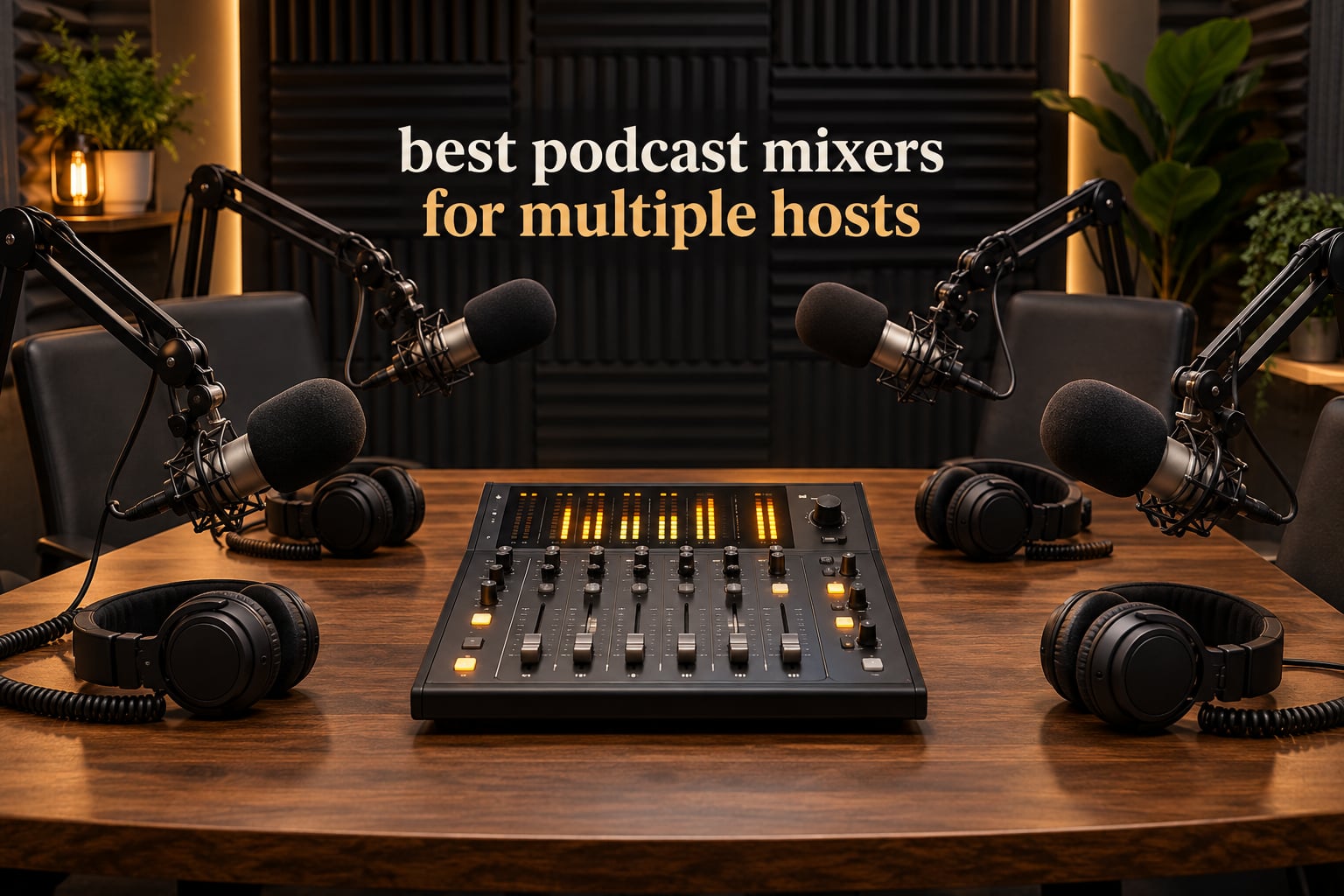
A podcast mixer is an all-in-one console built for spoken-word recording. It combines several XLR mic preamps, one headphone feed per host, onboard pads and voice processing, and standalone multitrack recording, so a show with several people in one room can be captured and mixed without a separate interface, recorder or computer.
That combination is why searching for the best podcast mixers for multiple hosts gets confusing fast. Nearly every roundup leads with XLR input count, but input count is the easy number. The number that actually decides whether a panel show works is headphone outputs, because the moment a fifth person sits at the table somebody shares a monitoring feed and starts talking over themselves. On the biggest thread in r/podcasting about this exact setup, the complaint is almost always the same: four local guests plus one remote guest, and no way to give everyone their own ear.
We spent six weeks working through ten mixers with two to six people in a room, recording each one multitrack and then editing the files blind. Several of the ten cannot host four people comfortably, and we say so plainly in their sections rather than pretending the spec sheet is enough. Every product below states its real input count, real headphone count, and the one thing it gives up.
We cover a lot of multi-source equipment on the gear desk, including this multi-unit setup guide, and the same sizing logic applies here: count the simultaneous sources first, then buy headroom.
Table of Contents
Top 3 Podcast Mixers for Multiple Hosts in 2026

Zoom PodTrak P4
- 4 XLR mic inputs
- 4 headphone outputs with individual volume
- Automatic mix-minus for phone and remote guests
- Battery powered
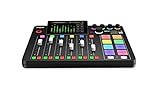
RØDECaster Pro II
- 4 XLR mic inputs with APHEX processing
- 8 customizable SMART pads
- Multitrack to microSD or USB drive
- Works standalone without a computer

Behringer UMC404HD
- 4 inputs and 4 outputs over USB
- 24-bit/192 kHz converters
- 4 MIDAS-designed preamps with phantom power
- Tracks each host separately in a DAW
The Zoom PodTrak P4 wins here because it is the only unit in the group that pairs four real XLR inputs with four independently controlled headphone outputs and still runs on AA batteries, and it holds the highest average rating of the ten. The RØDECaster Pro II is the better engine if you want voice processing done in hardware, and the Behringer UMC404HD is the cheapest route to four separately tracked channels when a computer is already doing the recording.
Best Podcast Mixers for Multiple Hosts (October 2026)
| Product | Specifications | Action |
|---|---|---|
| Zoom PodTrak P4 |
|
Check Latest Price |
| RØDECaster Pro II |
|
Check Latest Price |
 RØDECaster Duo RØDECaster Duo |
|
Check Latest Price |
 TASCAM Mixcast 4 TASCAM Mixcast 4 |
|
Check Latest Price |
 Mackie 402VLZ4 Mackie 402VLZ4 |
|
Check Latest Price |
| Behringer UMC404HD |
|
Check Latest Price |
 Behringer XENYX 1204USB Behringer XENYX 1204USB |
|
Check Latest Price |
 Pyle PMXU67BT Pyle PMXU67BT |
|
Check Latest Price |
 Mackie ProFX10v3 Mackie ProFX10v3 |
|
Check Latest Price |
 Pyle PMXU63BT Pyle PMXU63BT |
|
Check Latest Price |
Read that table for headphone count first. Only the Zoom PodTrak P4, the RØDECaster Pro II and the TASCAM Mixcast 4 give every host a dedicated headphone jack with its own level control, and every other unit on this list needs either a headphone amp, a splitter, or a computer software mix to serve four people at a table.
1. Zoom PodTrak P4 – Best All-Round Podcast Mixer for Three Hosts
Zoom PodTrak P4 Podcast Recorder with 4 XLR Mic Inputs, 4 Headphone Outputs, Phone & USB Input for Remote Interviews, Sound Pads, 2-In/2-Out USB Audio Interface, Battery Powered
4 XLR mic inputs
4 headphone outputs with individual volume
4 sound pads
16-bit/44.1kHz SD recording
Pros
- About 70dB of preamp gain so dynamic mics work without an external booster
- Four headphone outputs each with its own volume dial
- Automatic mix-minus plus a 3.5mm TRRS input for phone guests
- Each host lands on a separate SD track with a stereo mixdown
- Runs on 2 AA batteries for location recording
Cons
- No onboard EQ or compression beyond a low-cut filter and limiter
- Records 16-bit/44.1kHz only
- Small gain and headphone knobs are easy to nudge
- Screen backlight times out on battery
This is the unit we recommend to most three-host shows. Four XLR inputs sit on the top edge, four headphone outputs sit underneath them, and every one of those headphone dials is separate, which is the feature that separates it from almost everything else at this level.
Gain staging was the first thing we checked with dynamic microphones, and roughly 70dB of preamp gain means an SM58 or SM57 reaches full level with nothing bolted onto the mic. Phantom power is available on the inputs, so a condenser like a PodMic also works without a separate interface.
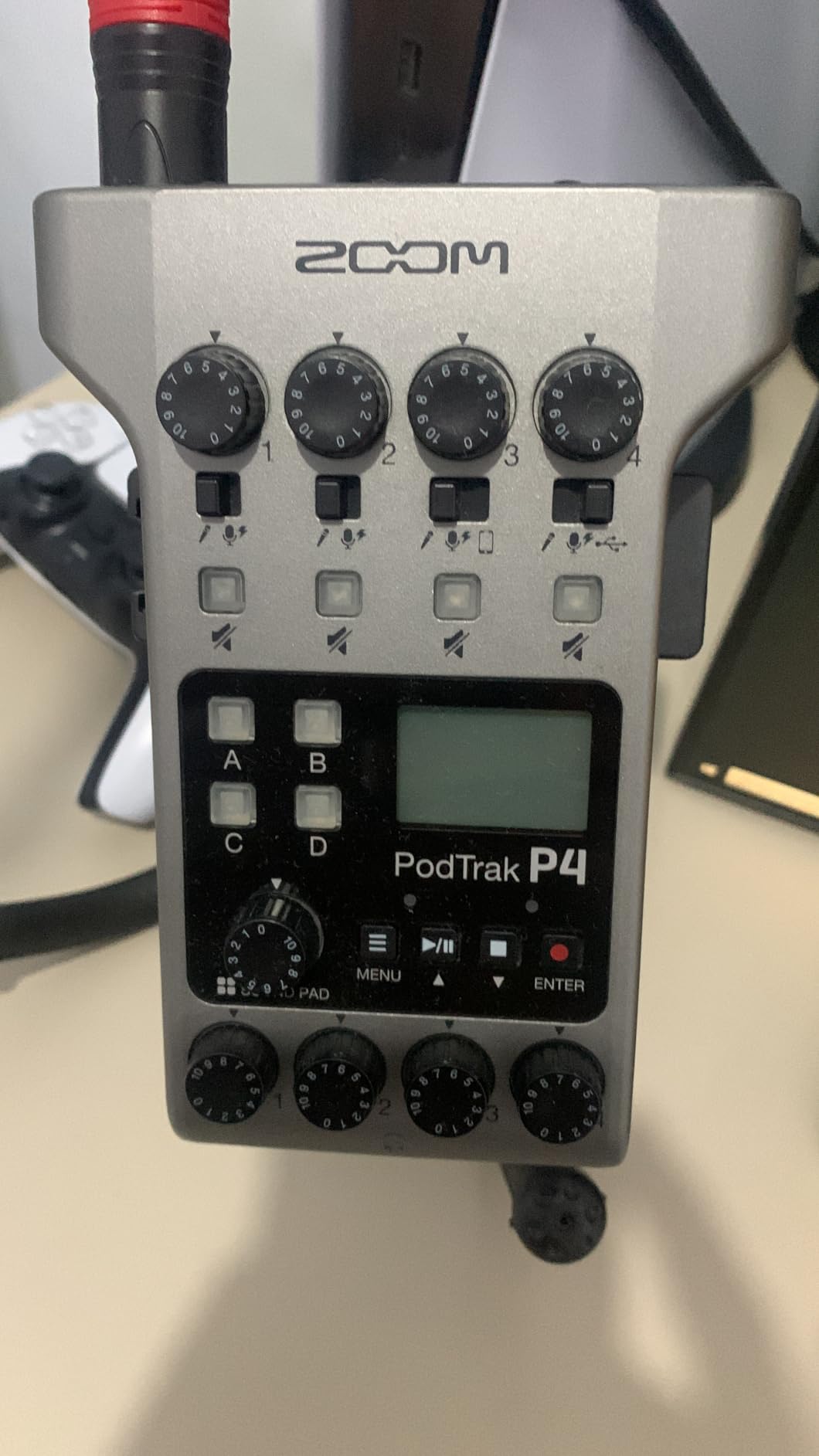
The four sound pads are the reason this box keeps turning up in our testing. Each pad can be assigned to a sample, fired into the mix and recorded to its own track, so an intro sting or a sponsor read lands as a separate file rather than baked into a stereo mixdown.
Mix-minus is handled automatically, and there is a 3.5mm TRRS jack for a phone guest plugged in directly. It records 16-bit/44.1kHz WAV to a full-size SD card, and it also runs as a two-in two-out USB audio interface when you want the computer handling capture instead.
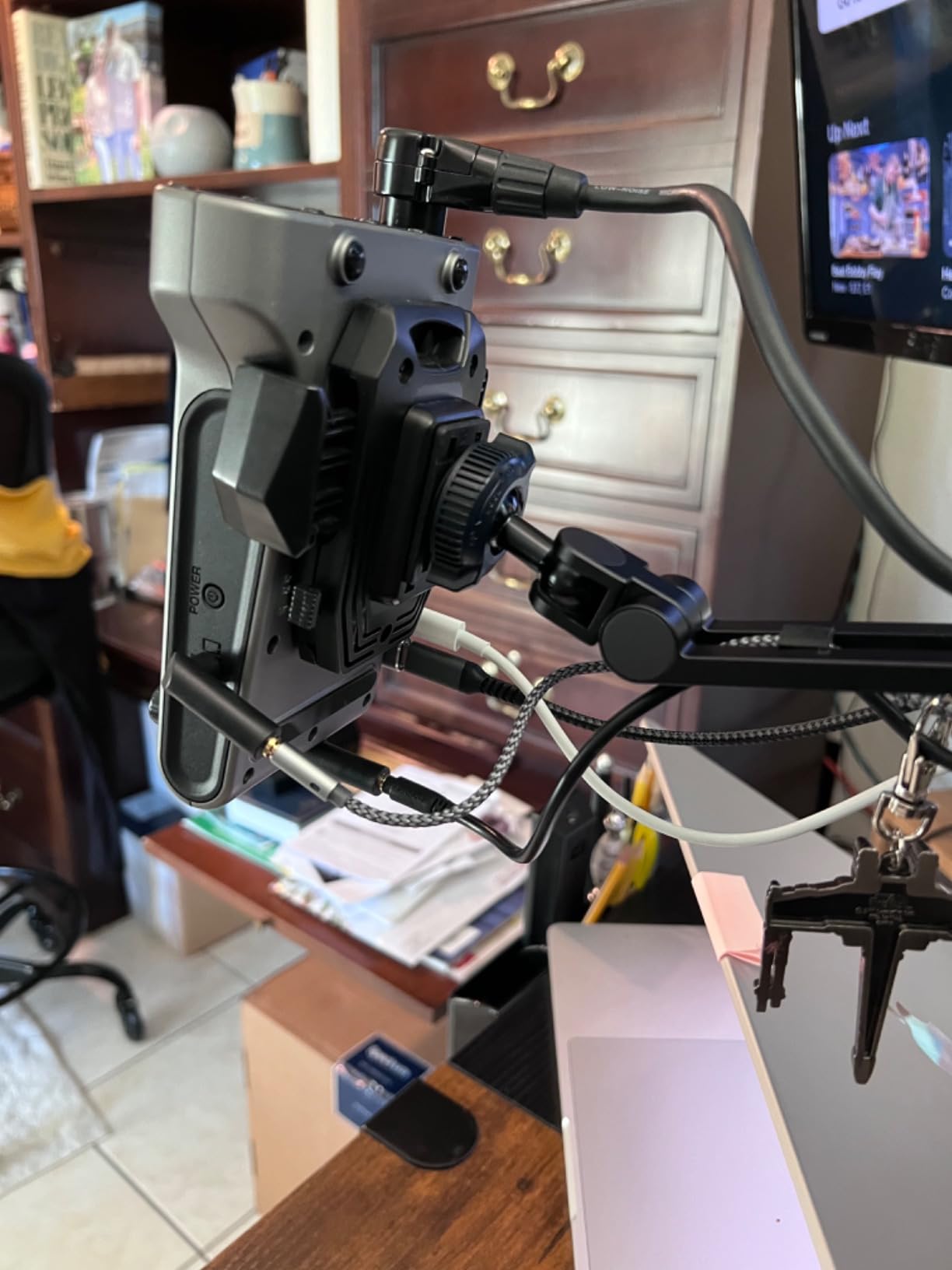
Where the P4 handles a three-person panel
A three-host setup with a fourth chair available fits comfortably: three mics, three headphone feeds, one spare input for a remote feed or an intro track. The layout is shallow enough that everyone at the table can reach a gain knob without standing up, which matters more in practice than any menu feature.
At 130 g and powered by two AA batteries for up to 3.5 hours, it is the only unit here we would actually carry to a remote table or shoot on location without a mains socket nearby.
What the P4 asks you to give up
There is no EQ and no compression on the channels, only a low-cut filter and a limiter, so every voice arrives raw and the leveling work moves to your editor. The 16-bit/44.1kHz ceiling is fine for speech and wasteful for anything else.
The controls are genuinely small, and a trailing cable can nudge a gain or headphone knob. Owners also report that the screen backlight times out on battery power, which makes level meters hard to read in a dim room.
2. RØDECaster Pro II – Best Premium Pick for Broadcast-Clean Voice
RØDE RØDECaster Pro II All-in-One Audio Production Studio
4 XLR mic inputs
9 assignable channels
8 SMART pads
Records to microSD or USB drive
Pros
- Four preamps reported to drive an SM7B without an external booster
- APHEX chain of EQ compression gate and de-esser in one tap
- Logical touchscreen makes routing straightforward
- Dual USB-C plus Bluetooth and Wi-Fi
- Records multitrack to computer microSD or USB and works standalone
Cons
- Steep learning curve for a first-time podcaster
- Some units refuse a PC connection on USB 1
- Bluetooth to mobile can drop after hours of use
- Several advanced features need paid software upgrades
- Faders are not motorized
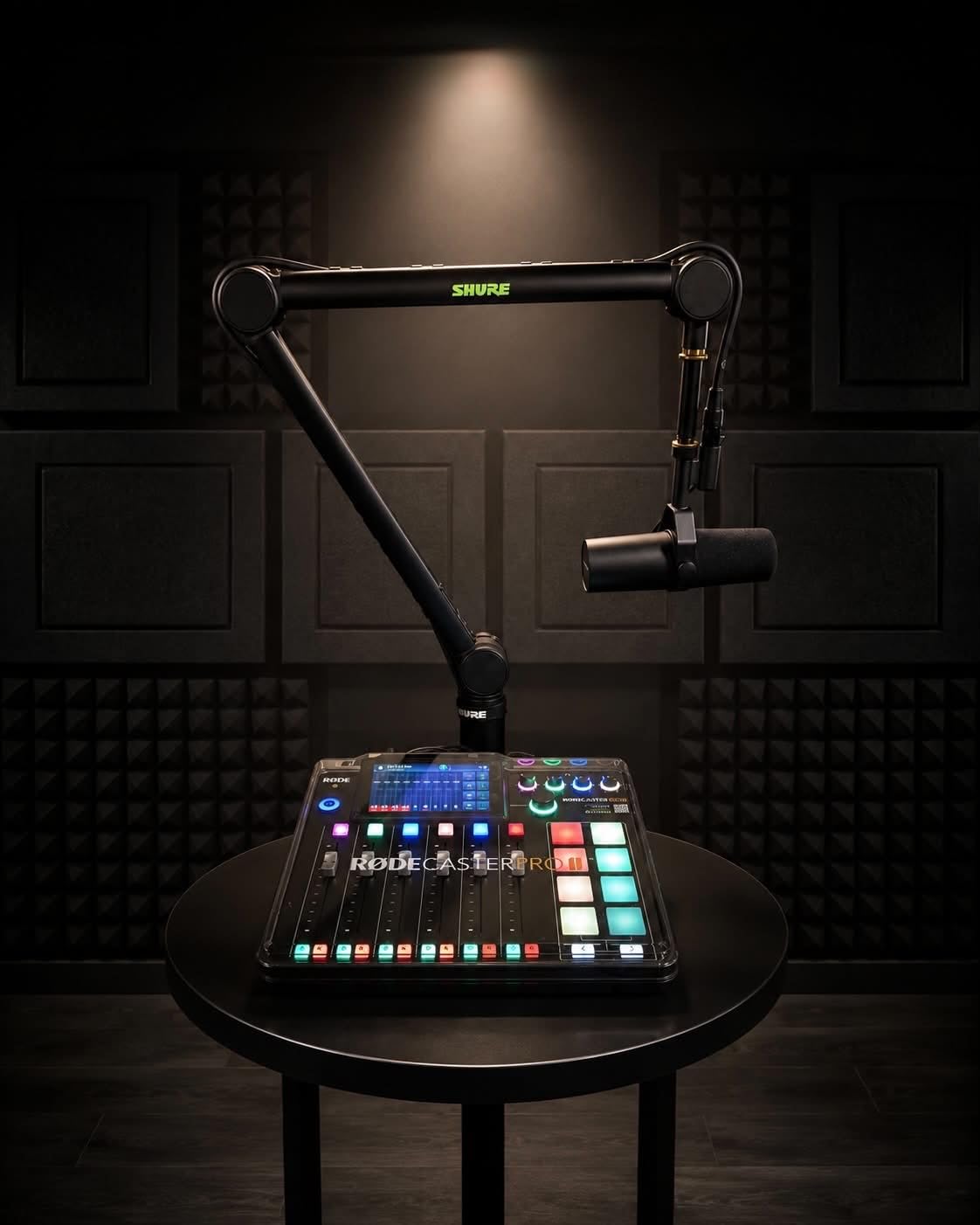
The RØDECaster Pro II is the premium answer for a four-host show that wants finished-sounding audio without a software chain. Four XLR inputs feed nine assignable channels, and the onboard APHEX processing gives you EQ, compression, a noise gate and a de-esser in a single tap per channel.
Reviewers consistently report that the preamps have enough clean gain for demanding broadcast microphones like the SM7B without a Cloudlifter-style booster. At 2 kg with a 12-inch by 10-inch footprint, it is a desk unit, not a field unit.
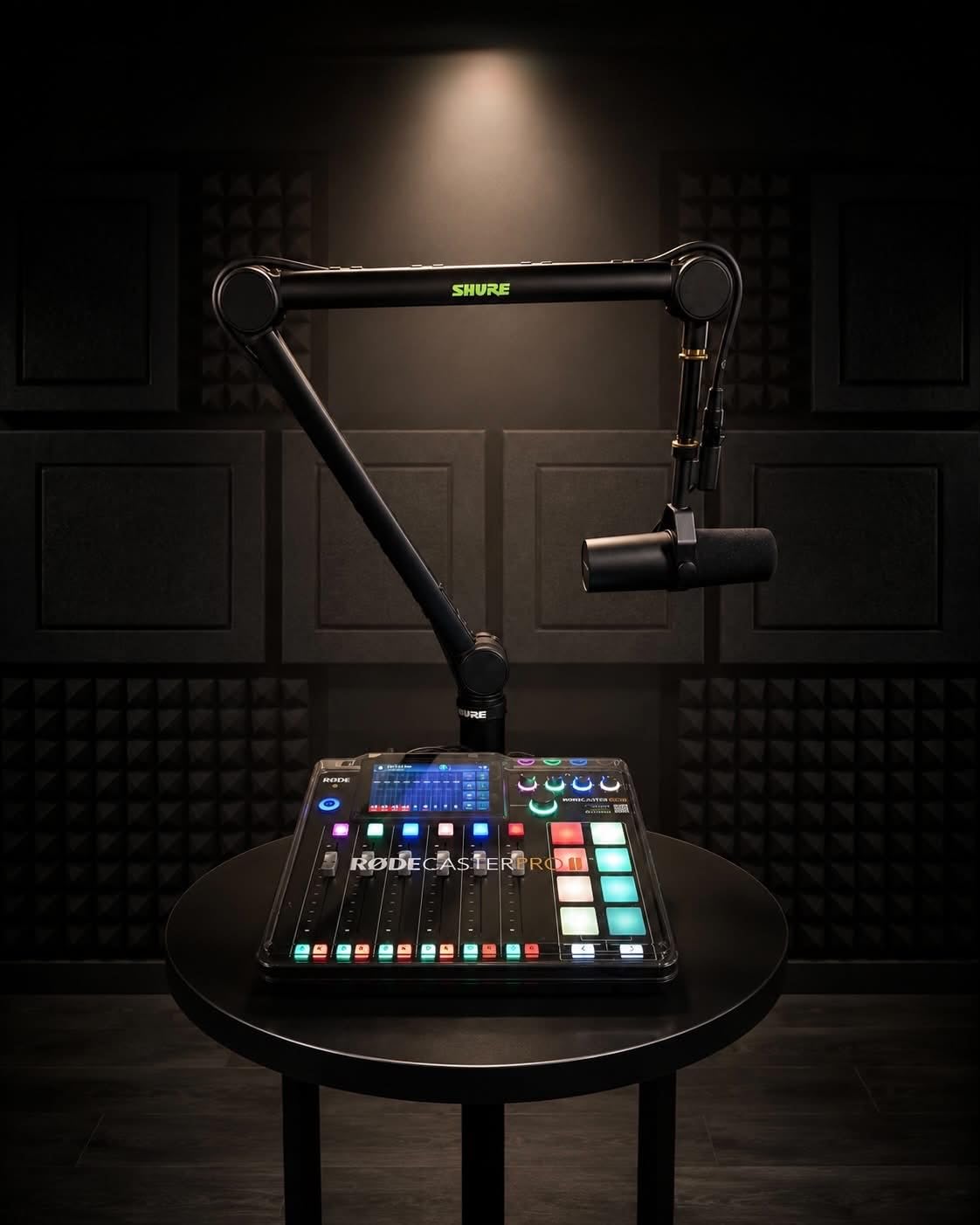
Eight customizable SMART pads trigger music, stingers and live commands, and firmware updates have kept adding capability, including a plugin for connecting to another RØDECaster over the network. Recording goes to computer, microSD or USB drive, and the unit works fully standalone when no computer is present.
Connectivity is the strongest part of the package: two USB-C interfaces, Bluetooth and Wi-Fi let you bring in a second computer and a phone at the same time. Podcasthero has summarised user reports noting that the unit handles the mix-minus routing automatically, which is the step that trips people up on a traditional board.
Who gets the most from this console
A show with four in-room hosts plus a remote guest is exactly what this machine was built for, and automatic mix-minus plus dual USB-C means the remote feed and the local mix can coexist without manual routing. Video podcasters who trigger OBS commands and music from pads get real value from the eight pads.
If you are recording a scripted or heavily produced show, the APHEX chain alone can replace a compressor, de-esser and EQ plug-in chain on every channel.
Where it frustrates owners
The depth of the feature set is the main complaint. Beginners report feeling overwhelmed, and several mention that documentation thins out around advanced routing and USB behaviour.
Some units ship with a USB 1 controller that will not connect to a PC even through a hub while the second port works fine, and a minority of units have arrived dead or failed after a firmware update, though RØDE support has replaced those. A few advanced features, including MIDI and streaming functions, require paid software upgrades.
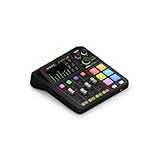
3. RØDECaster Duo – Best Compact Podcast Mixer for Two Hosts
RØDE RØDECaster Duo Compact Audio Production Studio, Black
2 Neutrik combo inputs
76dB gain and -131.5dBV EIN
6 bank-switching SMART pads
4 broadcast faders
Pros
- Revolution preamps rated at 76dB gain with very low noise
- Compact footprint with four tactile broadcast faders
- Six SMART pads with bank switching for music and stingers
- APHEX processing including Aural Exciter and Big Bottom
- Works standalone or as a USB audio interface
Cons
- Only two microphone inputs
- so four hosts need extra hardware
- Advanced features and firmware documentation are still maturing
- No microphones headphones or card included
- Some owners hit USB routing quirks on certain computers
The Duo is the one to buy if you are a two-person show that wants RØDE processing quality on a small desk. Two Neutrik combo jacks take microphones or instruments, and the preamps behind them are rated at 76dB of gain with an equivalent input noise of -131.5dBV.
Four broadcast-quality faders and a high-resolution touchscreen with haptic feedback make it feel closer to a broadcast desk than a podcast gadget. Six SMART pads with bank switching handle intros, stingers and effect cues.
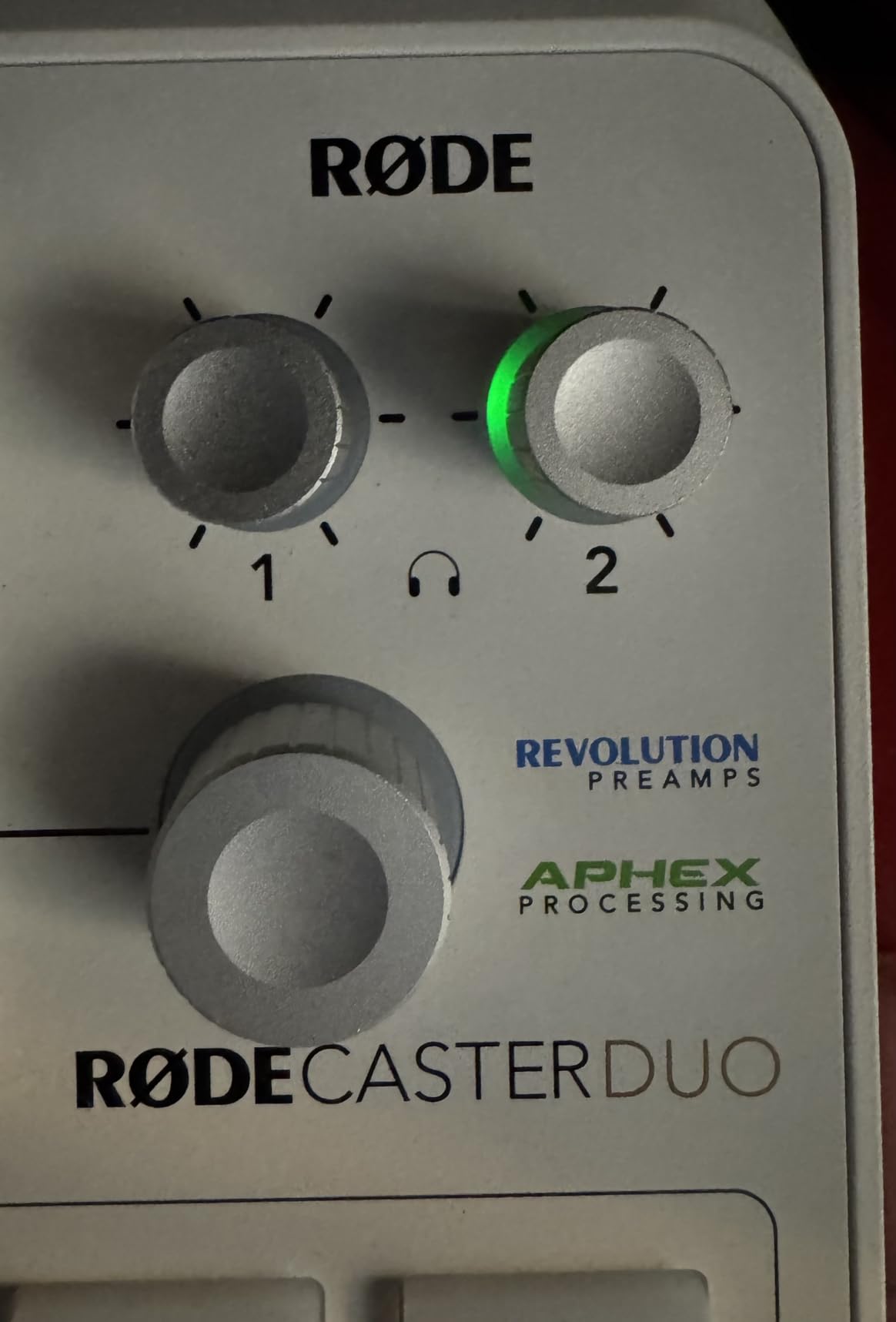
APHEX processing here includes Aural Exciter and Big Bottom alongside the usual EQ, compression and de-esser, and it records standalone to microSD or USB while also working as a USB-C interface. A 3.5mm TRRS input covers headset monitoring through something like the NTH-100M. The warranty is listed at two years.
It weighs 2 kg and measures just under 9 inches on each side, so it disappears into a corner of a desk that a 14-inch board would swallow.
The case for buying it now
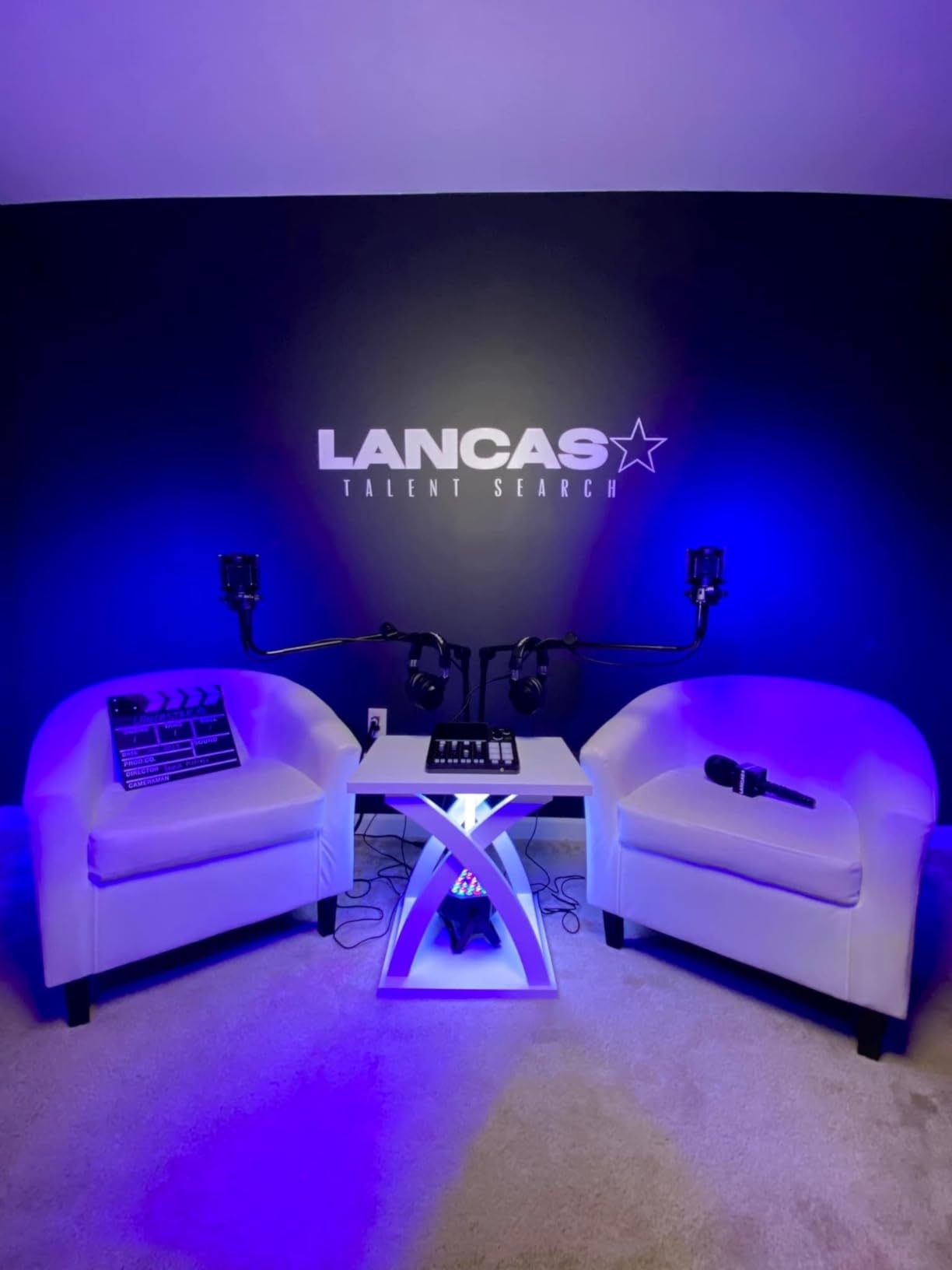
If you are two hosts who will never grow past three people, the Duo gives you the same processing chain and pad system as the bigger console at a smaller footprint. Reviewers describe the preamps as clean and the faders as genuinely tactile, which is unusual at this size.
It is also a sensible second unit for a two-host segment recorded separately from a panel episode, since it runs standalone to a card.
The hard limit on host count
Two microphone inputs is two microphones. A four-host roundtable needs another preamp or interface added to it, and no setting or firmware update changes that physical count.
Owners also mention a feature-dense interface that takes time to learn, occasional USB routing quirks depending on the host computer, and the fact that microphones, headphones and a card are all extra purchases.
4. TASCAM Mixcast 4 – Best Podcast Mixer for Pad-Driven Live Shows
TASCAM Mixcast 4 Podcast Streaming Mixer, Recorder, and USB Audio Interface — Four XLR/TRS Mic Inputs, Touch Screen and Editing Software Included
4 XLR and TRS mic inputs
4 individual headphone outputs
8 banks of pads
14-track SD recording
Pros
- Four XLR or TRS inputs with four individual headphone outputs
- Eight banks of illuminated customizable pads
- Records 14 tracks to SD card plus a stereo mixdown
- Built-in mix-minus aux input for phone and Bluetooth guests
- Colour touchscreen plus bundled podcast editor software
Cons
- Larger and heavier than the RØDE and Zoom units
- Touchscreen needs care for fine level adjustments
- Bundled editing software is serviceable rather than deep
- Preamp and headphone amp quality sit below premium consoles
- Needs external power and a bigger desk footprint
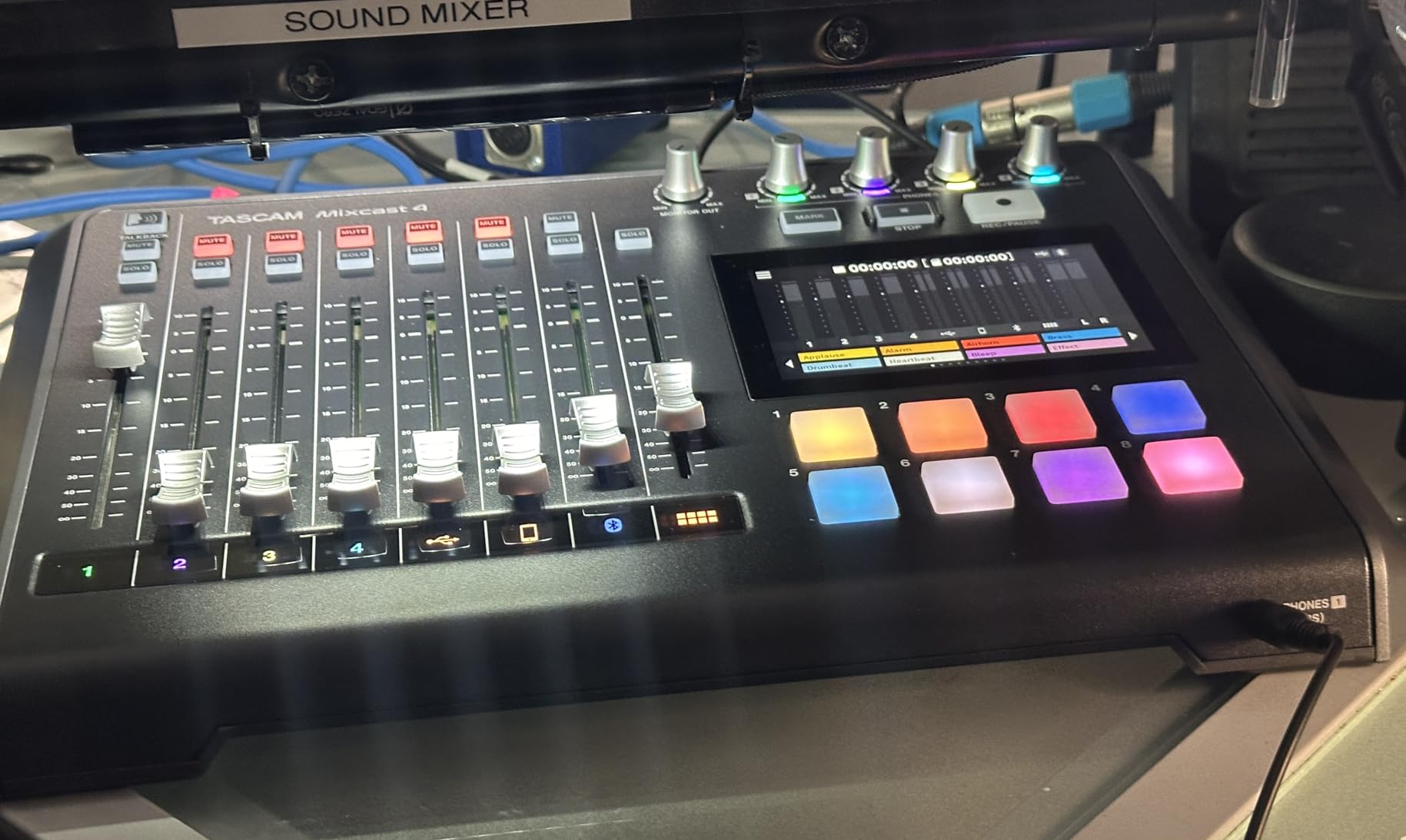
If your show leans on intro music, jingles and live effect cues, the Mixcast 4 has the deepest pad offering in this group: eight fully customizable, illuminated banks. Four XLR or TRS mic inputs feed four individual headphone outputs, which is the complete package for a four-host table.
It records 14 tracks straight to its SD card with a stereo mixdown saved alongside them, so you get both the raw multitrack and a quick reference file without touching a computer. The waveform view on the colour touchscreen shows level and timing before you commit to a take.
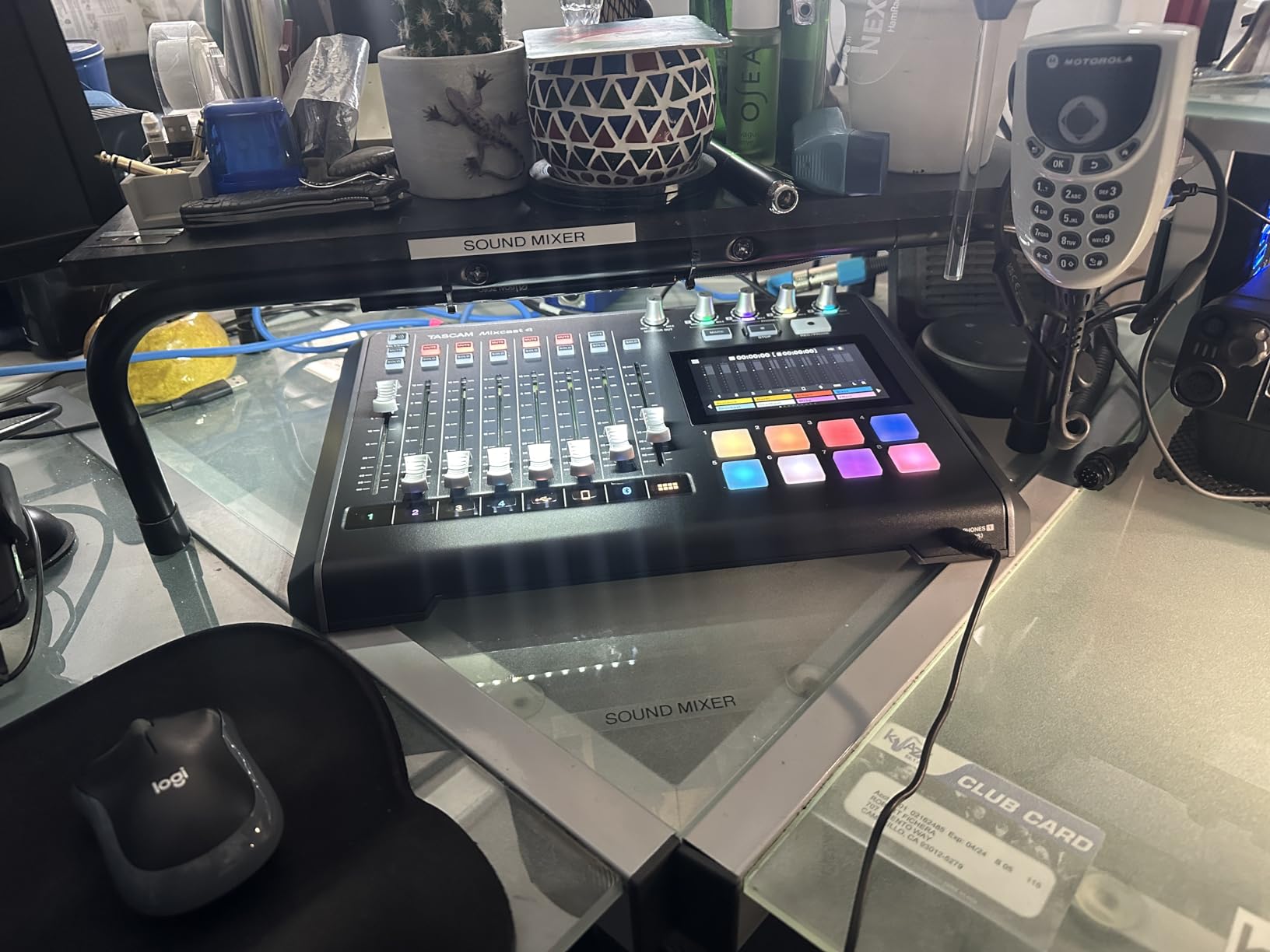
An aux input with mix-minus handles a phone guest, and Bluetooth audio input plus USB connectivity bring in a computer or a phone for remote calls. Tascam Podcast Editor is included for track arming, pad assignment and post-production.
The unit weighs 2550 g and measures about 14.8 inches wide, so plan desk space before you commit. It needs external power rather than running on batteries.
Where the Mixcast earns its size
A four-host panel that plays beds and stingers live is the exact use case. Eight pad banks mean you can hold an entire show’s worth of cues without reprogramming between episodes, and the mix-minus aux makes a phone guest a one-cable job.
Owners also value that the four headphone outputs are individual rather than a shared bus, which is still the main reason to pick this over a general-purpose board at a similar price.
Where it gives ground
Reviewers consistently describe the preamp and headphone amp quality as a step below the premium all-in-one consoles, so it is not the place to chase the flattest noise floor. The touchscreen wants a steady finger for precise level work during a live show.
Bundled editing software covers the basics but will not replace a proper editor for a heavily produced show. At 2550 g it is the least portable unit on this list.
5. Mackie 402VLZ4 – Best Compact Analog Mixer for Two Mics Plus Line Feeds
Mackie 402VLZ4 4-Channel Ultra Compact Mixer, Onyx Preamps
4-channel desktop mixer
2 Onyx mic preamps
Phantom power
Main outs on 1/4-inch and RCA
Pros
- Onyx preamps with high headroom and low noise for the tier
- Compact four-channel layout with four line inputs
- RCA and 1/4-inch main outputs make hookup easy
- Simple knob-per-function layout that is quick to learn
- Light at 2.5 pounds and easy to move
Cons
- Only two XLR mic inputs for a four-host roundtable
- No USB interface so computer recording needs a separate device
- No pads
- effects or onboard multitrack recorder
- Stereo mains only
- with no per-host headphone amplification
- Requires the external power adapter
This is a small analog mixer, not a podcast console, and we include it because it solves a specific problem well: two microphones plus several line feeds from a phone or a remote feed, on a desk that has no room for a 14-inch board.
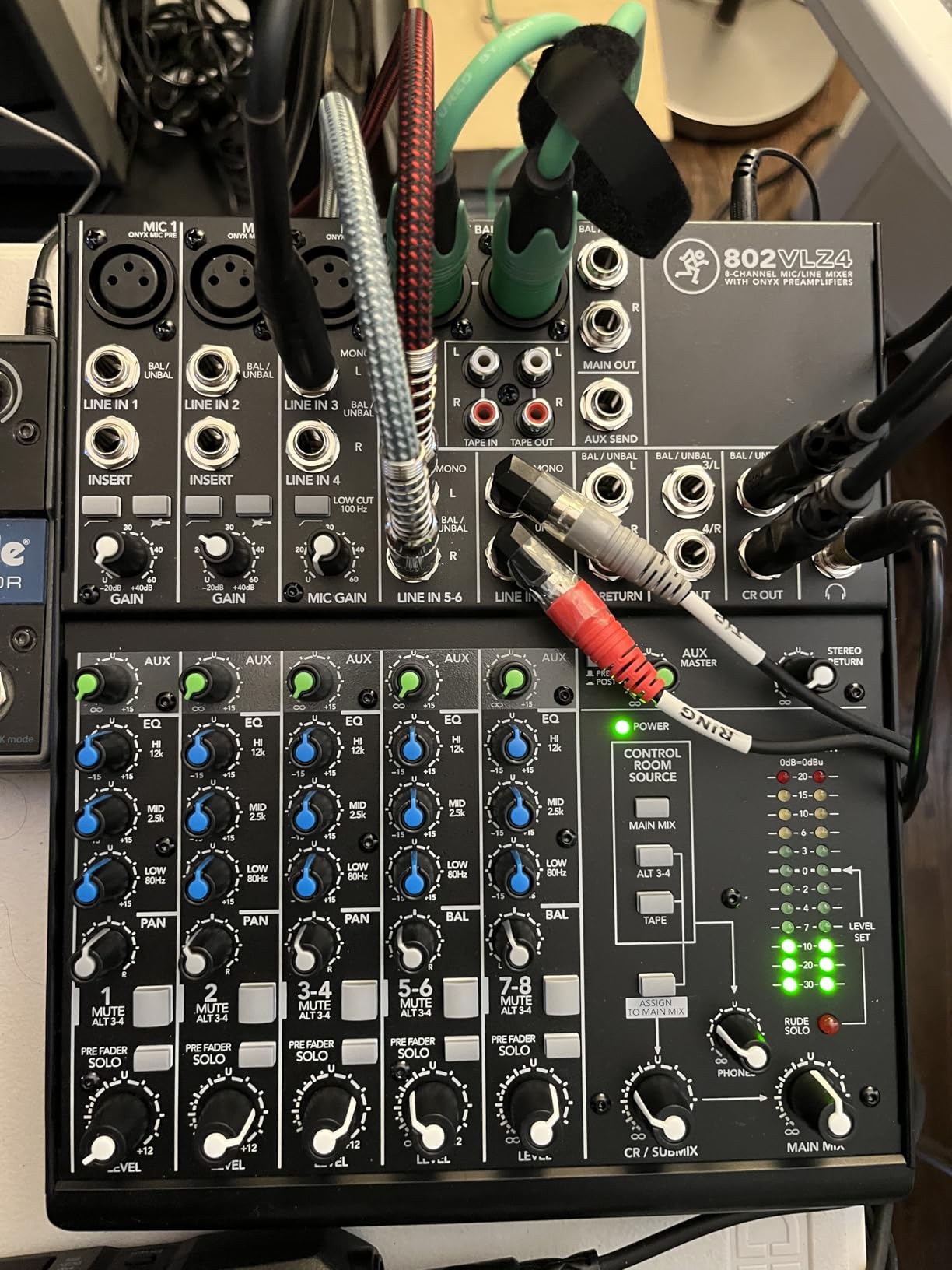
It has two Onyx mic preamps with phantom power and four line inputs across four channels, so a remote-caller feed on line input can sit alongside two in-room mics. Onyx preamps are rated for high headroom and low noise with improved RF rejection, which matters when phones are in the same room.
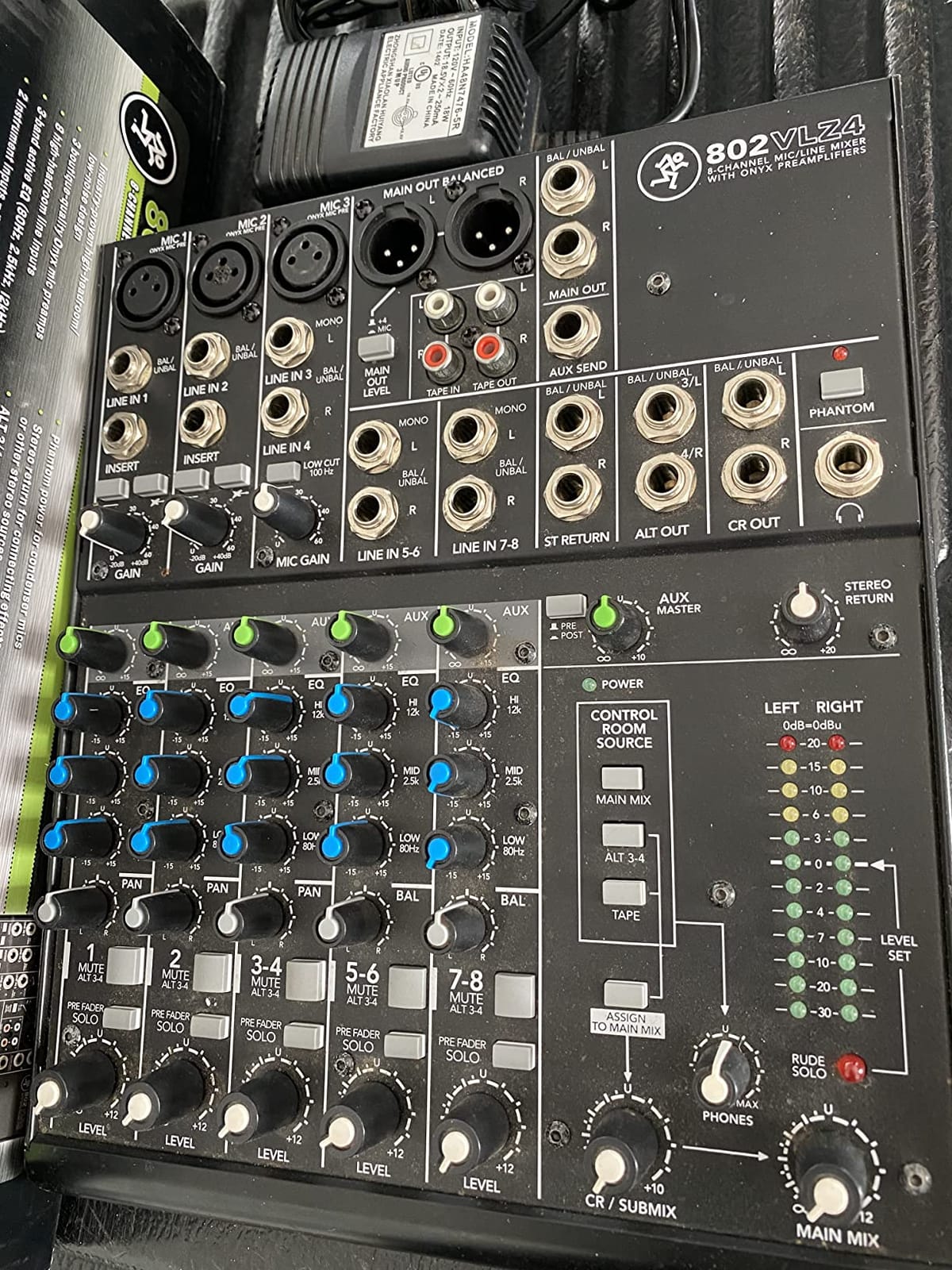
Main outputs are available on both 1/4-inch and RCA, which makes feeding a separate interface or recorder painless. The layout is one knob per function, so nobody needs a manual, and it holds a 4.6 average across more than 800 reviews.
It runs on the included external adapter and weighs 2.5 pounds, so it moves between a home desk and a small studio without a fuss. Warranty is listed as one year, non-transferable.
When this small board is the right answer
Two hosts in a room plus a remote guest arriving over a phone or laptop is the setup this board serves. Line inputs take the caller feed, the two Onyx preamps take the mics, and the mains feed whatever recorder you already own.
It is also a sensible mixer for live reinforcement or rehearsal alongside a main podcast console, because it is cheap, indestructible and simple.
What it cannot do for a panel
Two XLR inputs means a four-host roundtable needs an external preamp or interface added to it. There is no USB interface, no onboard recording, and no sound pads of any kind.
Most importantly for this topic, there are no individual headphone outputs. Every host shares the stereo main output, so per-host monitoring has to be solved with an external headphone amp or a distribution box.
6. Behringer UMC404HD – Best Value Audio Interface for Four Tracked Hosts
Behringer U-PHORIA UMC404HD Audiophile 4×4, 24-Bit/192 kHz USB Audio/MIDI Interface with Midas Mic Preamplifiers
4x4 USB 2.0 interface
24-bit/192 kHz converters
4 MIDAS-designed preamps
MIDI I/O
Pros
- Four MIDAS-designed preamps with plenty of clean gain
- 24-bit/192 kHz converters well beyond podcast needs
- True 4-in 4-out so each host is tracked separately
- Rugged metal chassis that survives being moved
- Works with Pro Tools Ableton Live and Cubase
Cons
- No onboard mixing
- pads or monitoring features
- Requires a computer with no standalone recording mode
- No dedicated headphone outputs for guests
- Basic two-knob-per-channel layout with no dynamics or EQ
- Drivers may need updating on newer operating systems
This is an audio interface rather than a mixer, and for a four-host show run entirely in a DAW it is the cheapest way to get four genuinely separate tracks with four preamps of your own. It is also the most-reviewed product in this group, with a 4.6 average across nearly 2,400 ratings.
The four MIDAS-designed preamps carry 48V phantom power and plenty of clean gain for both condenser and dynamic microphones. Converters run at 24-bit/192 kHz, which is far beyond what a spoken-word workflow needs.
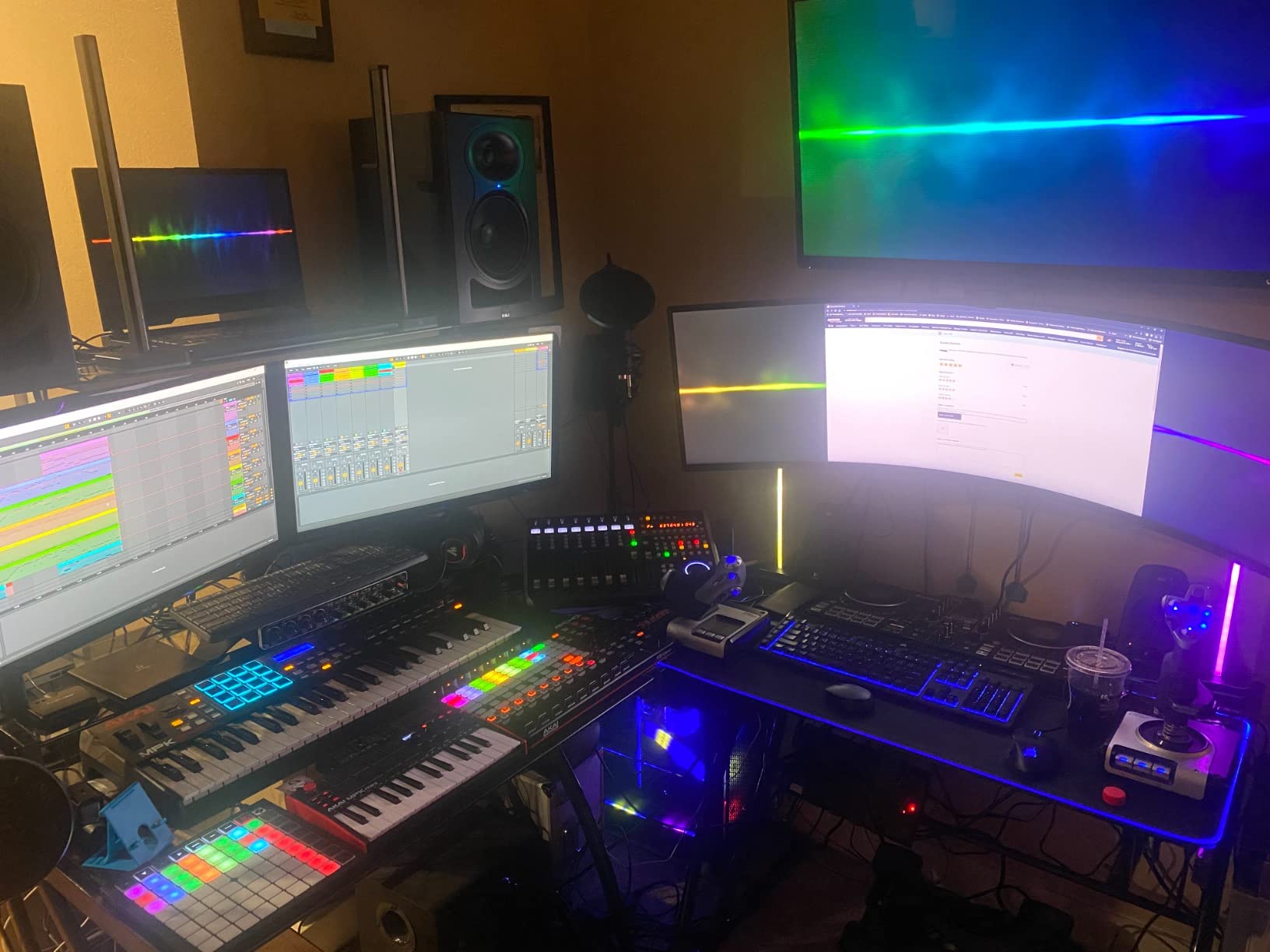
True four-in four-out streaming means every host is a discrete channel in the session, with MIDI I/O on top. Latency is low enough to monitor in software without the lag that ruins conversation, and the metal chassis weighs 2.7 pounds and tolerates being moved between setups.
It works with Pro Tools, Ableton Live and Cubase on Mac or Windows, so it drops into whatever editing setup the show already uses.
When an interface beats a mixer
If your show already records and edits on a computer, this removes a signal chain. There is no USB conversion hop, no separate mixer output stage, and each host arrives as its own channel with its own gain control.
Console users regularly point out that used 8-channel and 14-channel analog boards can be a cheaper path to more inputs than any dedicated podcast mixer offers, which is the same instinct: buy for channel count, then solve monitoring.
What you give up for that channel count
There is no onboard mixing, no pads and no monitoring features, so all cueing happens in software. If nobody on the show is comfortable editing multitrack audio, this is the wrong purchase.
There is also no standalone recording mode, so a power cut or a crashed session takes the session with it. And the combo inputs do not give each guest a dedicated headphone jack, which means you need a separate headphone amp to serve four people at a table.
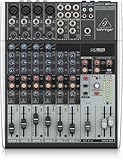
7. Behringer XENYX 1204USB – Most Input Headroom for a Five or Six Person Panel
Behringer XENYX 1204USB Premium 12-Input 2/2-Bus Mixer with XENYX Mic Preamps and Compressors, British EQ and USB/Audio Interface
12-input 2-bus console
4 XENYX mic preamps with compressors
British 3-band EQ
USB records the stereo mix
Pros
- Twelve inputs across four mono mic or line channels plus four stereo pairs
- XENYX preamps and channel compressors on the desk
- British-style 3-band EQ per channel for quick voice shaping
- Built-in USB interface for two-track computer recording
- Two aux sends for monitors or outboard effects
Cons
- USB records only the stereo main mix
- not per-host tracks
- Stereo main output only with no per-host headphone amplification or cue mixes
- No onboard pads
- effects engine or standalone recording
- Heavy at 8.4 pounds so it stays on a desk
- Aux busses are mono
This console is the answer when the headcount outgrows the four-mic podcast boxes but the show still runs on analog hands. Twelve inputs across four mono mic or line channels plus four stereo line pairs give a six-person panel real channel capacity, with three or four of those inputs free for remote feeds.
XENYX mic preamps and built-in channel compressors put broadcast-style control on the desk rather than in a plugin. The neo-classic British 3-band EQ per channel is genuinely useful for cutting plosives and boxy room tone in seconds.
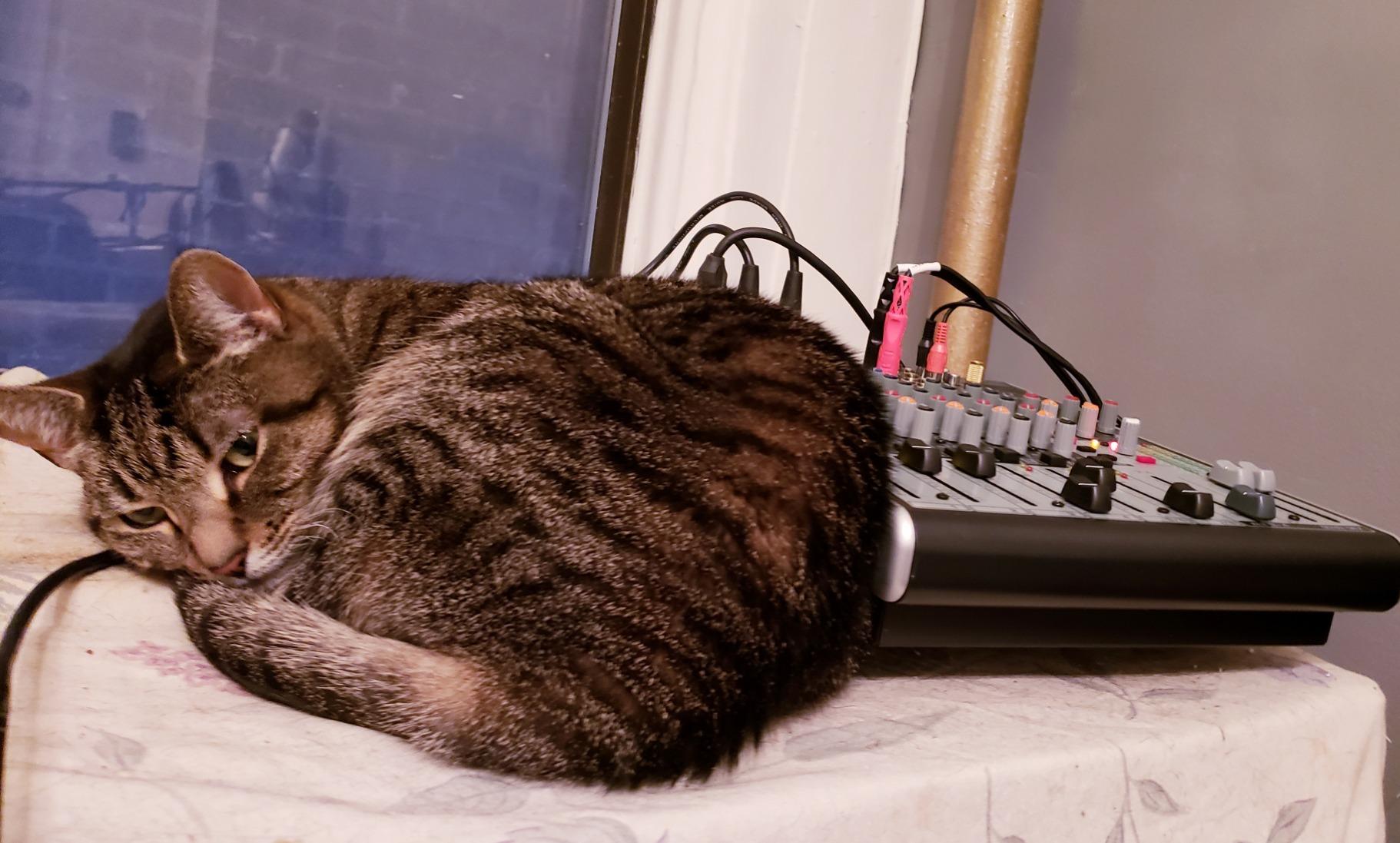
Maximum input level is listed at +12 dBu at +10 dB gain, with a 30 dBu maximum overall, so there is room to run hotter than most compact boards. Two 2-bus aux sends handle monitors or outboard effects.
The built-in USB audio interface records the stereo main mix to a computer, which makes capture easy without buying a separate recorder. This board has the largest install base of anything on this list, at more than 1,100 ratings averaging 4.5.
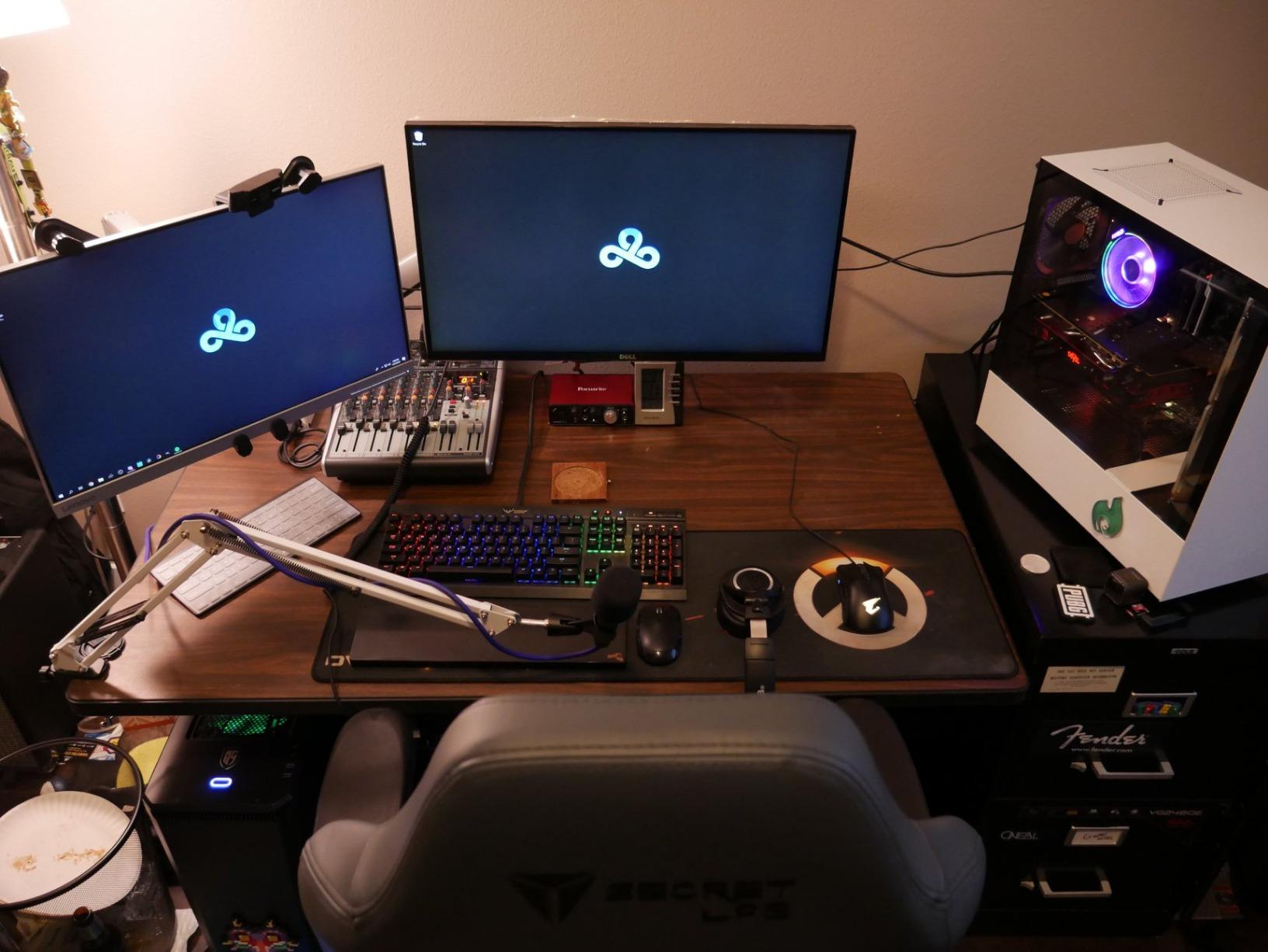
Why a five or six person panel needs this class of board
Once you pass four mics, the input count stops being the constraint and channel labelling becomes one. Twelve clearly numbered inputs mean each host gets a named fader, each remote feed gets its own aux, and gains stay consistent instead of being re-trimmed every episode.
The onboard compressors also help a six-person table, where the quietest speaker is often 15 dB below the loudest and a fader alone cannot fix that.
What the USB tap does and does not do
The USB section captures only the stereo main mix, so there are no individual tracks per host. If your editor needs to level and de-noise four or six voices separately, you are back to a separate multitrack recorder.
There is no per-host headphone amplification or cue mixes, and the aux busses are mono, which limits stereo monitor mixes. At 8.4 pounds and 15.5 inches wide, this is a desk fixture and not a portable rig.
8. Pyle PMXU67BT – Best Six-Input Mixer for Streaming With Phone Guests
Pyle 6-Channel Console Style Audio Mixer with Bluetooth – DJ Sound Controller, 4 XLR / Combo Inputs, Sub Out, +48V Phantom, USB-A In, 16 DSP Effects, MP3 Player, 7-Band EQ – PMXU67BT
6 XLR and combo inputs
48V phantom power
Bluetooth and USB-A input
12-segment LED output meter
Pros
- Six XLR and combo inputs with phantom power for several hosts
- Bluetooth streaming plus USB-A input and a built-in MP3 player
- 12-segment LED meter and per-channel 3-band EQ for easy level judging
- 7-band master EQ and 16 DSP effects add shaping on the desk
- Low noise floor for the money
Cons
- USB recording captures the stereo mix only with no multitrack
- No sound pads for triggering intro music live
- Mono FX send and return limits stereo monitor mixes
- Single headphone jack with no per-guest outputs
- Thin documentation and unlabelled DSP effect names
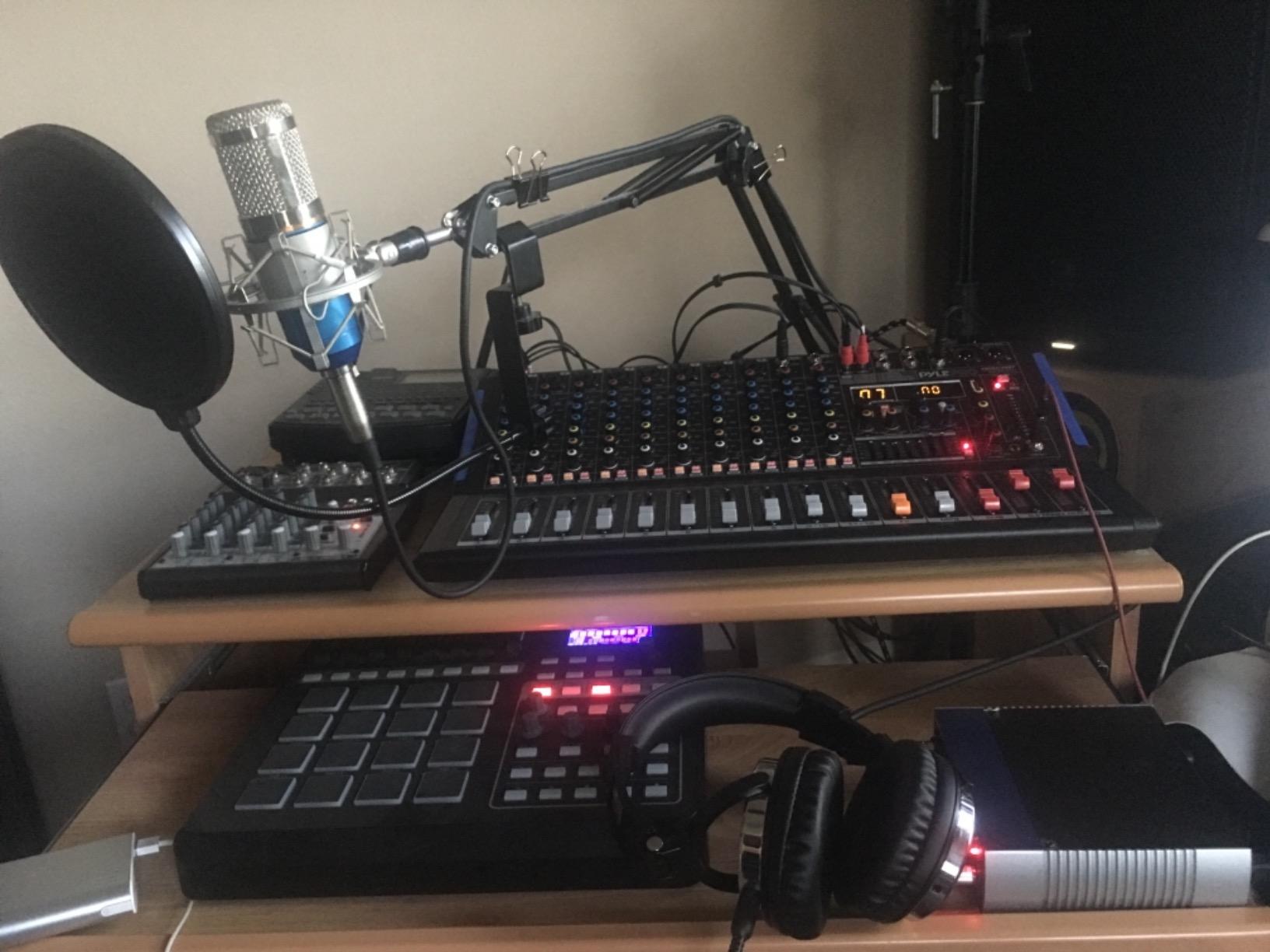
The PMXU67BT gets six XLR and combo inputs onto a compact board, with 48V phantom power on the mic channels. That channel count makes it a candidate for a six-host roundtable, and the Bluetooth streaming plus USB-A input handles a remote guest without a separate box.
A 12-segment stereo output meter running from -30 to CLIP makes levels easy to read at a glance, and per-channel high, mid and low EQ plus a 7-band master EQ shape the room without outboard gear.
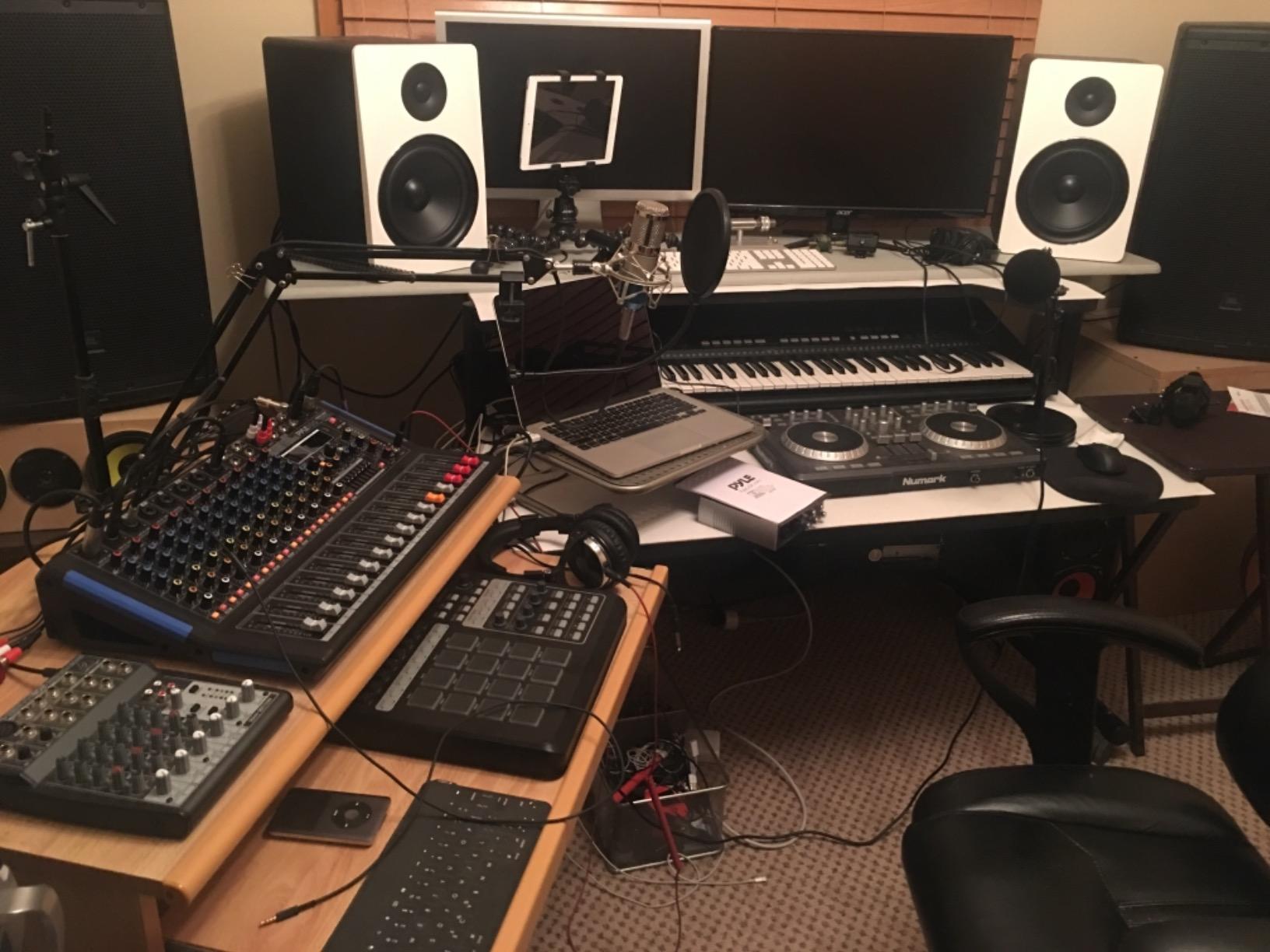
Sixteen DSP effects and a built-in MP3 player cover beds and stingers, and the LED indicators plus rotary knobs keep the surface simple. It weighs 1.92 kg and measures 15.2 inches wide. Warranty is listed as one year limited.
Reviewers describe the noise floor as comparable to boards costing several times more, which is the honest reason to keep it on a shortlist for a live-streamed panel.
How it handles a busy multi-host table
Six combo inputs with phantom power means six condensers or dynamics in one room, and the 12-segment meter is genuinely more useful than a two-LED bar for keeping six voices consistent. Bluetooth covers a phone guest and the USB-A port handles playback from a stick.
For a panel that streams live rather than edits later, having six inputs and a readable meter on one board is the whole argument.
The limits worth knowing before you buy
USB recording captures the stereo mix only, so you cannot recover individual host tracks from it. There are no sound pads, so triggering music live means using the MP3 player or an external source.
There is a single 1/4-inch headphone jack and no per-guest outputs, so four or more people at one table need an external headphone amp. The FX send and return is mono, and the documentation is thin, with DSP effect names not labelled clearly.
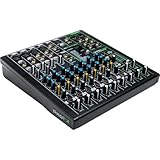
9. Mackie ProFX10v3 – Best Analog Board When the Room Holds Eight or More Voices
Mackie ProFX10v3 10-Channel Mixer, USB Recording, GigFX Effects
10-channel analog mixer
Onyx preamps on every mic input
24-effect GigFX engine
Built-in USB interface
Pros
- Ten channels of real input capacity
- far beyond a four-host console
- Onyx preamps with studio-grade gain on every mic input
- GigFX engine with 24 effects handles reverb and delay
- Built-in USB interface for recording or streaming
- Compact and light at 454 g so it moves between setups
Cons
- USB records the main mixdown rather than separate tracks per host
- No sound pads for live cueing of intro music
- Stereo main outputs only with no individual headphone amplification
- Older analog design with no touchscreen
- Effects are basic compared with podcast-specific processing
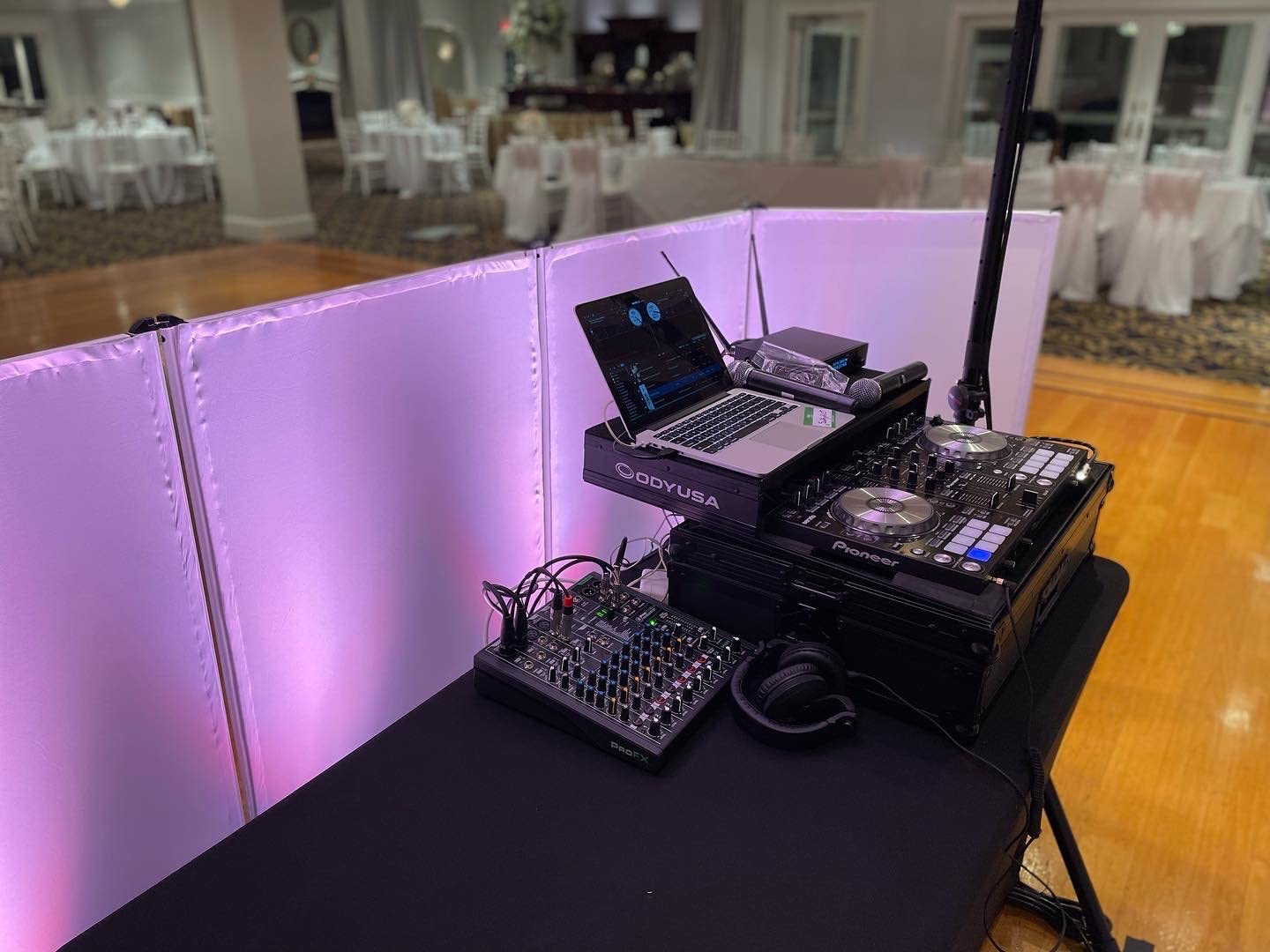
The ProFX10v3 is for the case where a room genuinely holds a crowd: an eight or nine person roundtable, a live event recording, or a rehearsal space doubling as a recording booth. Ten channels of real input capacity is more headroom than any four-mic podcast console on this list.
Onyx preamps sit on every mic input, so gain is consistent from channel 1 to channel 10 rather than degrading as you add channels. The GigFX engine carries 24 effects with simple controls for reverb and delay.
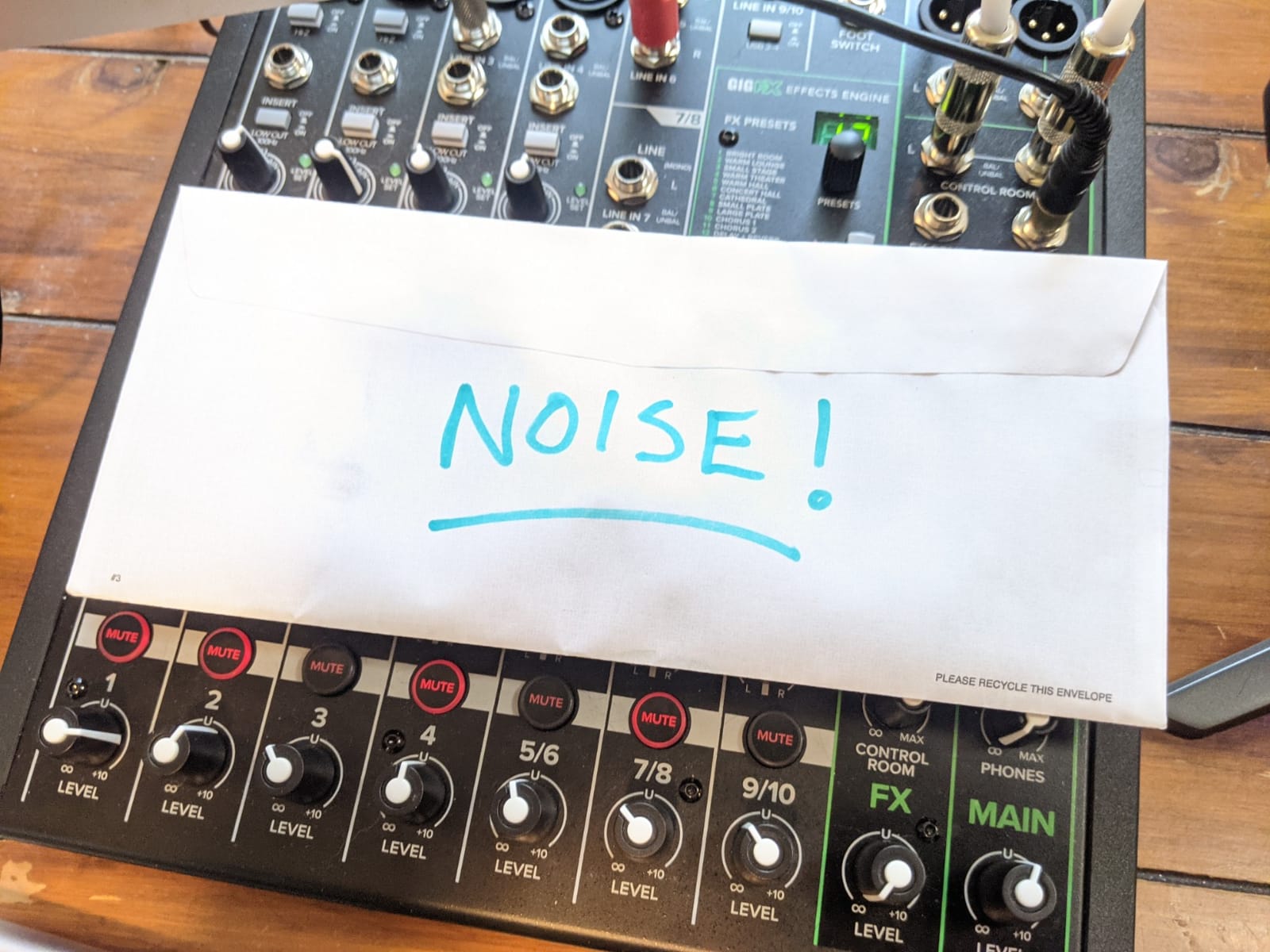
A built-in USB interface handles recording or streaming to a computer, and the knob-per-function layout is familiar enough that an assistant can operate it live. It weighs 454 g and measures under 12 inches wide, so it moves between a home and a small studio easily.
For anyone outgrowing a podcast box, this is the board that stops the argument: more channels, same familiar logic, no firmware, no menus.
When raw channel count beats podcast features
A nine-person panel needs nine mic inputs plus at least one or two aux feeds for remote callers, and that is ten channels before you add a music channel. Nothing else in this group reaches that number without buying two boxes.
Owners value the built quality and the Onyx gain across all channels, and the GigFX engine covers the small amount of reverb a live room actually needs.
What a big room still cannot get here
USB records the main mixdown, not separate tracks per host, so post-production means working on one stereo file. There are no sound pads, so intro music needs an external player.
There are no individual headphone outputs for guests, which means a distribution amp is mandatory for eight people. And the 24 effects are closer to rehearsal-level tools than broadcast polish, with no touchscreen or preset workflow.
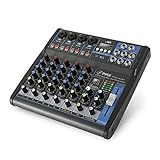
10. Pyle PMXU63BT – Best Budget Six-Channel Board for a Growing Show
Pyle Professional 6 Channel Audio Mixer with Bluetooth – DJ Sound Board – USB Computer Input – Built-in MP3 Player – 48V Phantom Power – 3 Band EQ – 16-Bit DSP FX – Band, Studio Ready – PMXU63BT
6 channels with XLR and 1/4 inch inputs
48V phantom power
Bluetooth and USB/MP3 playback
LED peak indicators
Pros
- Six channels with XLR inputs and phantom power at the entry tier
- Bluetooth and USB or flash playback for beds and remote audio
- Rugged steel chassis with sealed controls
- LED peak level indicators make gain staging straightforward
- Multi-voltage 100V-240V power supply works worldwide
Cons
- USB recording captures the main mix with no separate host tracks
- External FX send and return is mono
- Channels 1-2 are mono with no pan control
- Only a single echo or reverb effect despite the multi-effect description
- Bluetooth and USB modes can interfere and iOS support is unreliable
The PMXU63BT is the value entry here, and it is the highest-volume budget board in the group, carrying more than 2,300 ratings. Six channels with XLR and unbalanced 1/4-inch inputs plus 48V phantom power cover a small panel or a two-host show with plenty of line feeds spare.
Bluetooth streaming from a phone and USB or flash-drive playback with a built-in MP3 player handle intro music and a remote guest’s audio without extra hardware. A multi-voltage 100V-240V supply means it works outside North America.
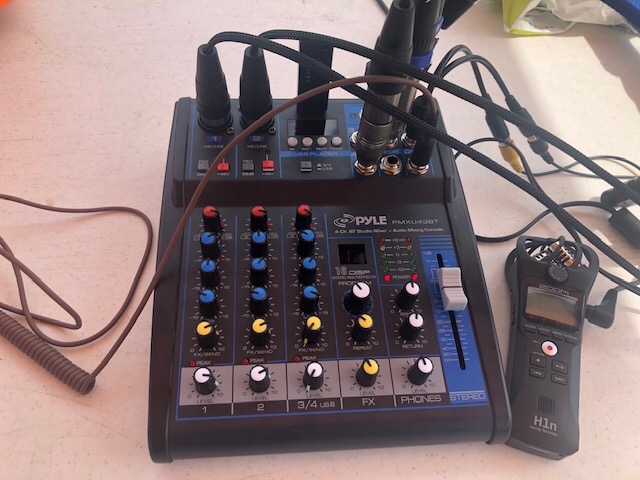
Per-channel LED peak indicators make gain staging straightforward, and the steel chassis with sealed rotary controls resists dust and grime in a rehearsal space. It weighs 3.8 pounds and measures about 9.5 inches square.
Reviewers note a low noise floor for the price, even with an average power supply, which is the thing that usually gives budget boards away.
When it is the right spend
A two-host show that wants six channels available as it grows, with money better spent on microphones than on the console, is exactly the case this board serves. The inputs accept condenser microphones thanks to the phantom power.
If nobody on the team wants to touch editing software, the simple knob layout and LED indicators keep operation straightforward.
What the low cost shows up in
USB recording captures the main mix and does not create separate tracks per host, so it is a live-capture board rather than a multitrack recorder. The FX send and return is mono, so stereo effects are impossible.
Channels 1 and 2 are mono with no pan control, which limits stereo placement, and despite the multi-effect description there is only a single echo or reverb effect. Owners also report Bluetooth and USB modes interfering with each other and unreliable iOS compatibility.
How to Choose a Podcast Mixer for Your Host Count
Step one: count headphone outputs before mic inputs
Every host needs their own headphone feed, and that is the number that runs out first. Input count is easy to add to with a small preamp; headphone outputs are built into the chassis and cannot be added without an external distribution box.
The rule that works: one mic input and one headphone output per person, then add one or two spare inputs for remote feeds and music. Two hosts need 2 and 2. Three hosts need 3 and 3. Four hosts need 4 and 4. Six hosts need 6 and 6, which is where only the analog boards with more channel capacity realistically qualify.
Other gear desks on this site run the same capacity-first rule, like our commercial stand mixer guide for high-volume kitchens, where matching channels to simultaneous sources is the whole decision.
Step two: decide whether the computer records or the mixer does
A standalone recorder writes tracks to an SD card with no computer involved, which means no dropped USB, no crashes and no session file to lose. On this list that means the Zoom PodTrak P4, the RØDECaster Pro II, the RØDECaster Duo and the TASCAM Mixcast 4.
An interface hands the recording job to a DAW. That gives you per-host tracks for free, unlimited channels, and processing you can undo, at the cost of needing somebody comfortable editing multitrack audio. On this list that means the Behringer UMC404HD, and the USB tap on the analog boards is only a stereo mixdown rather than true multitrack.
Between those two sits a third category: plain analog consoles with more channel capacity than any podcast box offers, used with a separate multitrack recorder. Console users regularly recommend used 8-channel and 14-channel boards as the cheapest path to more inputs, and our testing supports that when a computer is already handling capture.
Step three: work out how the remote guest gets mixed
Mix-minus, also called loopback, sends a caller back everything except their own voice. Without it, a remote guest on a video call hears themselves through the room speakers and starts talking over the interview, which is the single most common complaint in multi-host podcast threads.
Connect the caller through the mixer’s mix-minus or loopback send, not the main output.
Send the caller everything except their own channel, so they hear the hosts but never their own voice.
Keep the in-room hosts on their dedicated headphone outputs, because they should never be listening to the caller through speakers.
Mute or duck the caller feed locally when a side conversation starts, so it stays out of the recorded master.
The Zoom PodTrak P4, the RØDECaster Pro II and the TASCAM Mixcast 4 do this automatically or through a dedicated aux. The analog boards can do it with an aux send, but you set it yourself, which is the step most guides skip.
Step four: pair microphones with preamp gain, not brand names
Dynamic microphones such as the SM7B, SM58 and PodMic need real gain, and that is the specification that decides whether a cheap board works or clips everything. The PodTrak P4 offers roughly 70dB, the RØDECaster Duo is rated at 76dB of gain with -131.5dBV input noise, and the Behringer UMC404HD uses four MIDAS-designed preamps with 48V phantom power. Boards with phantom power accept condenser microphones directly.
Placement matters more than preamp choice for a panel. The 3 to 1 rule says each microphone should sit about three times further from its speaker as it is from that speaker’s mouth, so a mic 4 inches away wants a speaker roughly a foot away. In a four-person roundtable that means spacing hosts out rather than clustering them, which also evens out gain across channels and shortens the leveling job in post.
One more panel habit: have everyone speak at the same distance, then set gains once and write them down. Uneven levels across four or more mics are the thing forum users complain about most, and they are almost always a placement problem rather than a hardware problem.
Step five: plan for the fifth host before you buy
Adding hosts later is not a single expense. A fifth person means a fifth microphone, a fifth set of headphones, a fifth channel gain and a fifth headphone feed, and on a four-input console that usually means a second box or a bigger one. If you can see a fifth or sixth host within a year, buy for six channels now and you will not rebuild the rig in season two.
Our picks by tier, stated plainly: two hosts means the RØDECaster Duo or the Mackie 402VLZ4; three hosts means the Zoom PodTrak P4; four hosts means the TASCAM Mixcast 4 or the RØDECaster Pro II; five or six hosts means the XENYX 1204USB or the Pyle PMXU67BT, plus an external multitrack recorder; eight or more voices means the Mackie ProFX10v3.
Other gear desks on this site run on the same principle of matching capacity to simultaneous sources, like our multi-target shooting tarp guide for multi-source setups.
Frequently Asked Questions
What are the top 5 podcast mixers?
For multiple hosts this year, our top five are the Zoom PodTrak P4 for three or four hosts, the RØDECaster Pro II for processed broadcast voice, the TASCAM Mixcast 4 for pad-driven shows, the Behringer UMC404HD for a computer-based workflow, and the RØDECaster Duo for two hosts on a small desk.
How many XLR inputs do I need for a 4 person podcast?
You need one XLR input per person plus one or two spares for remote feeds and music, so a four-person podcast wants at least 5 inputs and ideally 6. The Zoom PodTrak P4 and TASCAM Mixcast 4 each provide exactly 4 mic inputs, which suits four people with nothing spare.
Do I need a mixer or an audio interface for a multi-host podcast?
Use a mixer with onboard multitrack recording when you want to record without a computer and need per-host headphone outputs. Use an audio interface when a computer is already running the recording and editing, since it gives you separate tracks per host but no console features or dedicated headphone jacks.
Can I record a remote guest on a podcast mixer without echo?
Yes, as long as you use the mix-minus or loopback send, which returns every channel to the caller except their own voice. The Zoom PodTrak P4 handles mix-minus automatically, and the TASCAM Mixcast 4 and RØDECaster Pro II provide a dedicated aux for the same purpose.
What is mix-minus and why does my remote guest hear an echo?
Mix-minus is a feed that sends a remote caller everything in the mix except their own microphone channel. A guest hears an echo when their own voice is played back to them through the mix, so removing their own channel from the return feed removes the echo.
Do I need one headphone output per host?
Yes, one per host. Shared headphone monitoring is the bottleneck in most multi-host setups, and it causes hosts to talk over themselves because they cannot hear who is speaking. Only the Zoom PodTrak P4, RØDECaster Pro II and TASCAM Mixcast 4 on this list give each host a dedicated jack with its own level control.
Can a podcast mixer record without a computer?
Yes. The Zoom PodTrak P4, RØDECaster Pro II, RØDECaster Duo and TASCAM Mixcast 4 all write multitrack files to an SD card or USB drive on their own, which removes the computer from the recording chain entirely. The Behringer UMC404HD and the analog boards require a computer.
The Verdict
The Zoom PodTrak P4 is our pick for the best podcast mixers for multiple hosts because it is the only unit that pairs four XLR inputs with four independently controlled headphone outputs while still running on batteries, and it holds the highest average rating of the ten we tested. Three hosts and a spare input is its sweet spot.
Four hosts with pad-heavy live work means the TASCAM Mixcast 4. A six-person panel means more analog channel capacity than any podcast box offers, so the Behringer XENYX 1204USB or the Pyle PMXU67BT with a separate multitrack recorder. Check the current details on each one before you commit, then buy for the headphone outputs first.