
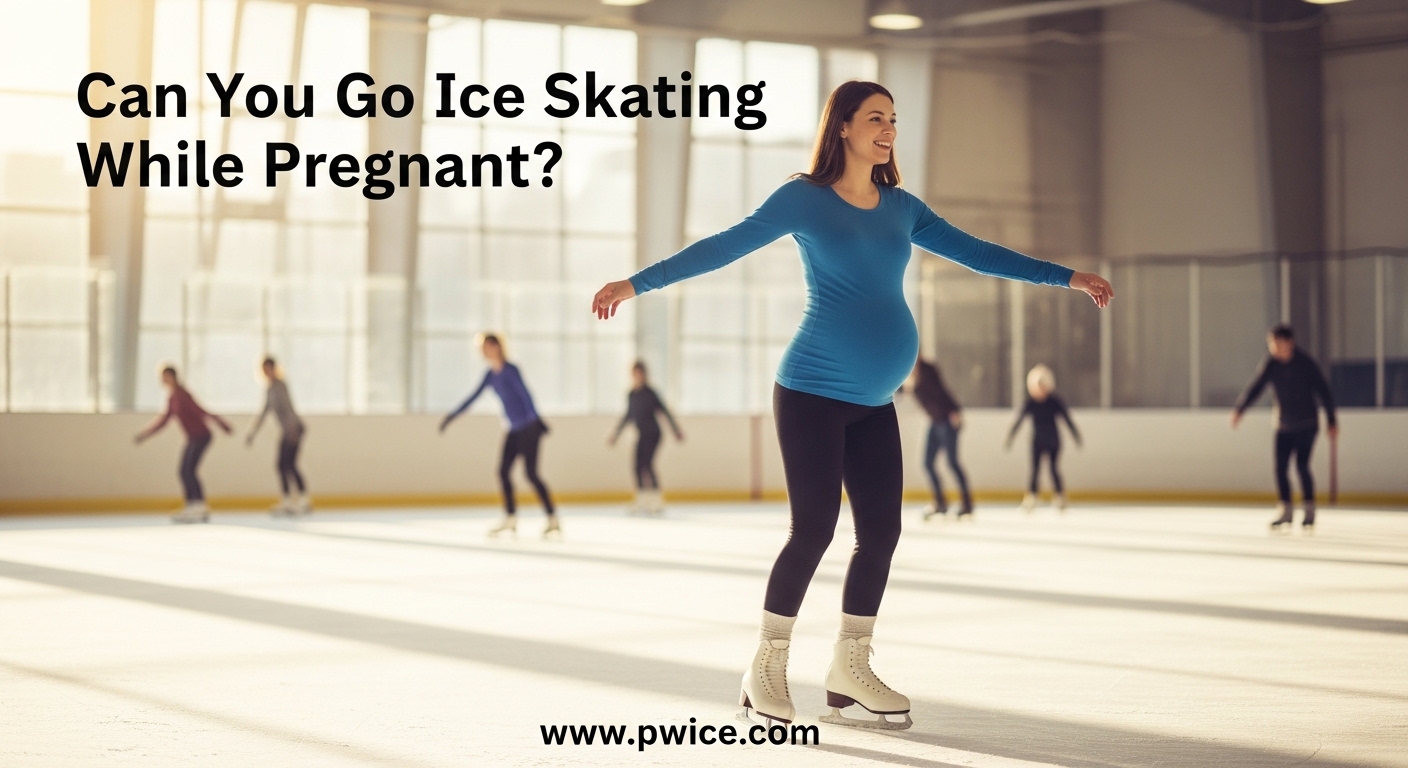
Can you go ice skating while pregnant? The short answer is that most medical professionals advise against it. Ice skating during pregnancy carries a high risk of falls that could lead to serious complications for both you and your baby.
I have researched this topic extensively and spoken with expecting mothers who faced this exact dilemma. The struggle between staying active and protecting your baby is real. This guide will give you the facts you need to make an informed decision.
Table of Contents
Key Takeaways: What You Need to Know?
Here are the essential points to understand about ice skating while pregnant:
- Ice skating is generally not recommended during pregnancy due to fall risk
- Your center of gravity shifts as your belly grows, making balance unpredictable
- The hormone relaxin loosens your joints, increasing injury risk
- A hard fall could cause placental abruption or preterm labor
- Experienced skaters may have more options than beginners, but caution is still essential
- Safer alternatives include swimming, walking, and prenatal yoga
Why Ice skating During Pregnancy Carries Significant Risks
Ice skating presents unique dangers during pregnancy that other activities do not. The combination of a hard, slippery surface and the physical changes your body undergoes creates a risky environment.
The Fall Risk is Unpredictable and Dangerous
Even experienced skaters can fall unexpectedly. Ice is inherently unpredictable, and a sudden loss of balance can happen to anyone. When you are pregnant, that fall becomes more than just a bruised ego.
A fall during pregnancy can cause abdominal trauma. This trauma may lead to placental abruption, a serious condition where the placenta separates from the uterine wall. Placental abruption can cause severe bleeding and deprive your baby of oxygen and nutrients.
The American College of Obstetricians and Gynecologists specifically warns against activities with a high risk of falling during pregnancy. This includes ice skating, downhill skiing, and horseback riding.
Potential Consequences of a Hard Fall
If you fall hard enough to hit your abdomen, you could face several serious complications. These include preterm labor, fetal injury, or in rare cases, miscarriage depending on the stage of pregnancy.
One mother shared her experience in a pregnancy forum: “I fell down a few stairs at home and landed on my butt. They monitored baby’s heart rate for 4 hours, took blood, and did an ultrasound. It was a verrrry long day.” Even a seemingly minor fall can require extensive medical monitoring.
How Pregnancy Changes Your Body and Affects Balance?
Your body undergoes dramatic changes during pregnancy that directly impact your ability to skate safely. Understanding these changes helps explain why an activity you once found easy may now feel risky.
Center of Gravity Shifts as Your Belly Grows
As your uterus expands to accommodate your growing baby, your center of gravity shifts forward. This shift affects your balance in ways you may not immediately notice until you are on unstable ground.
Your body compensates by adjusting your posture, but this can throw off your natural balance instincts. On ice, where split-second balance adjustments are critical, this change increases your fall risk significantly.
Relaxin Hormone Loosens Your Joints
During pregnancy, your body produces a hormone called relaxin. This hormone loosens the ligaments in your pelvis to prepare for childbirth. However, relaxin affects all your joints, not just those in your pelvis.
Looser joints mean less stability in your ankles, knees, and hips. This instability makes it harder to maintain control on ice skates. You may feel wobblier than usual, and your joints are more susceptible to sprains or strains if you do fall.
Coordination Changes May Surprise You
Many pregnant women report feeling clumsier than usual. This is not just in your head. The combination of weight gain, balance changes, and joint looseness can genuinely affect your coordination.
One Reddit user from r/FigureSkating noted: “I guess I would say sure, most skaters will be totally fine skating while pregnant, but as I learned, ice is slippery and you just never know!” This unpredictability is what makes medical professionals cautious.
Can You Go Ice skating While Pregnant: Safety by Trimester
The risks of ice skating vary depending on which trimester you are in. Understanding these differences can help you make a more informed decision about whether to continue skating.
First Trimester: The Relatively Safer Window
Early pregnancy may be the safest time to skate if you choose to do so at all. During the first trimester, your belly is still small and your center of gravity has not shifted significantly. The baby is also well-protected within the pelvic bone structure.
However, even in early pregnancy, the risks remain. Some healthcare providers may allow experienced skaters to continue briefly during this period with strict precautions. Beginners should absolutely avoid starting ice skating during pregnancy.
Second Trimester: When Risks Increase
By the second trimester, your belly becomes more pronounced. Your center of gravity shifts forward, and the relaxin hormone is actively loosening your joints. These changes make falls more likely and more dangerous.
Most healthcare providers recommend stopping ice skating by this stage. The risk of abdominal trauma increases as your uterus expands beyond the protection of your pelvic bones. The potential consequences of a fall become more serious.
Third Trimester: Absolutely Not Recommended
Ice skating in the third trimester is strongly discouraged by all medical authorities. Your balance is significantly compromised at this stage. A fall could trigger preterm labor or cause placental abruption.
Your body is preparing for labor, and your joints are at their loosest. The risk of serious injury to you or your baby far outweighs any benefit of skating. It is best to find alternative activities until after your baby is born.
Experienced Skaters vs Beginners: Is There a Difference?
Your experience level with ice skating matters when considering whether to continue during pregnancy. Medical guidance often differs based on whether you are a seasoned skater or a complete beginner.
Experienced Skaters May Have More Flexibility
If you have been skating regularly for years, you may receive different advice than a beginner. Some healthcare providers may allow experienced skaters to continue gentle, recreational skating in the first trimester with modifications.
Many experienced skaters report skating through early pregnancy without issues. However, even experienced skaters typically stop jumping, spinning, and attempting advanced moves. Simply gliding around the rink at a slow pace becomes the only acceptable activity.
A midwife shared this guidance in an online community: “My midwife said any activity you did before pregnancy is safe but to avoid anything with a significant fall or injury risk, like skating.” This represents the nuanced approach many providers take with experienced athletes.
Figure skating vs Recreational Skating
There is a significant difference between recreational ice skating and figure skating. Figure skating involves jumps, spins, and complex maneuvers that dramatically increase fall risk. Even experienced figure skaters typically stop all jumping and spinning during pregnancy.
Recreational skating at a slow, controlled pace carries less risk than figure skating. However, the ice surface itself remains unpredictable. A simple glide can become dangerous if you hit a rough patch or another skater bumps into you.
Beginners Should Never Start During Pregnancy
If you have never ice skated before becoming pregnant, now is not the time to learn. Learning to skate involves frequent falls, wobbles, and sudden loss of balance. These are exactly the risks you should avoid during pregnancy.
Wait until after your baby is born and you have fully recovered before taking up ice skating. There will be plenty of time to learn this skill when you do not have to worry about protecting a growing baby.
What to Do If You Fall While Ice skating Pregnant
Despite your best precautions, falls can happen. Knowing how to respond is crucial for minimizing potential harm to you and your baby.
Immediate Steps After a Fall
If you fall while ice skating, try to get up slowly and assess yourself. Even if you feel fine initially, the adrenaline may be masking pain or discomfort. Sit down and take a few deep breaths before moving.
Check for any abdominal pain, cramping, or vaginal bleeding. These are warning signs that require immediate medical attention. Also note any decrease in fetal movement if you are far enough along to feel your baby moving regularly.
When to Call Your Doctor Immediately
Contact your healthcare provider or go to the emergency room if you experience any of the following after a fall: vaginal bleeding or fluid leaking, severe abdominal pain, contractions, dizziness or fainting, decreased fetal movement, or persistent headaches.
Even without these symptoms, many healthcare providers recommend getting checked after any significant fall during pregnancy. The monitoring typically includes checking the baby’s heart rate and possibly an ultrasound to ensure everything is okay.
Documentation for Your Healthcare Provider
When you contact your doctor, be prepared to describe exactly how you fell. Include details about whether you hit your abdomen, how hard the impact was, and what part of your body took the force of the fall.
This information helps your healthcare provider assess the level of risk and determine what monitoring you may need. Do not downplay the fall even if you feel embarrassed about it.
Safe Alternatives to Ice skating During Pregnancy
Just because ice skating is off the table does not mean you have to give up winter activities or exercise entirely. There are many pregnancy-safe alternatives that keep you active and engaged.
Pregnancy-Safe Winter Activities
Cross-country skiing on flat terrain can be a good alternative to ice skating. The risk of falling is lower, and you can control your pace. Snowshoeing is another excellent winter activity that provides exercise with minimal fall risk.
Walking in a winter wonderland can be refreshing and safe. Just be sure to wear appropriate footwear with good traction to prevent slipping on icy sidewalks. A leisurely winter hike on well-maintained trails can be beautiful and beneficial.
Indoor Exercise Options
Swimming is one of the best exercises during pregnancy. The water supports your weight, taking pressure off your joints while providing resistance for a good workout. Many pregnant women find swimming relieves back pain and reduces swelling.
Prenatal yoga classes are designed specifically for pregnant bodies. These classes focus on stretching, breathing, and gentle movement that prepares you for labor. Look for classes taught by instructors certified in prenatal yoga.
Stationary cycling on a recumbent bike eliminates the fall risk of outdoor biking while providing cardiovascular benefits. The reclined position also takes pressure off your lower back.
Is Roller skating Safer Than Ice skating During Pregnancy?
Roller skating presents similar risks to ice skating and is generally not recommended during pregnancy either. Both activities involve wheels or blades on hard surfaces with the same balance challenges and fall risks.
Some argue that roller skating wheels have more grip than ice blades, potentially making falls less likely. However, the surface you are skating on matters too. Indoor rink floors are often hard concrete, while outdoor paths may have cracks and debris.
Most healthcare providers group roller skating and ice skating together as activities to avoid during pregnancy. The same trimester considerations and risk factors apply to both.
Frequently Asked Questions
Can you ice skate during pregnancy?
Most medical professionals advise against ice skating during pregnancy due to the high risk of falls that could cause abdominal trauma, placental abruption, or preterm labor. The risk increases as pregnancy progresses and your center of gravity shifts.
Should I avoid ice skating while pregnant?
Yes, you should avoid ice skating while pregnant. The combination of a hard slippery surface, balance changes from your growing belly, and loose joints from pregnancy hormones creates significant fall risks that could harm you and your baby.
Can you ice skate 9 months pregnant?
Ice skating at 9 months pregnant is strongly discouraged. In the third trimester, your balance is significantly compromised and a fall could trigger serious complications including preterm labor or placental abruption. It is best to wait until after delivery.
Is roller skating safer than ice skating while pregnant?
Roller skating is generally considered equally unsafe as ice skating during pregnancy. Both activities involve similar balance challenges and fall risks on hard surfaces. Most healthcare providers advise avoiding both during pregnancy.
What activities are not allowed during pregnancy?
Activities to avoid during pregnancy include ice skating, downhill skiing, horseback riding, contact sports, scuba diving, hot yoga, and any activity with high fall risk or abdominal trauma potential. Always consult your healthcare provider for personalized guidance.
Bottom Line: Making the Safe Choice
Can you go ice skating while pregnant? While the decision is ultimately yours to make with your healthcare provider, the medical consensus is clear. The risks of ice skating during pregnancy outweigh the benefits for most women.
If you are an experienced skater in your first trimester, you may receive permission to continue with extreme caution. However, as your pregnancy progresses, the smart choice is to hang up your skates temporarily. There will be plenty of time to return to the ice after your baby arrives.
Remember the advice from one OB-GYN: “Do not do things you would not do with a newborn in your arms.” This perspective helps put the temporary sacrifice in perspective. Your baby’s safety is worth nine months of modified activities.
Always consult your healthcare provider before making decisions about physical activities during pregnancy. Every pregnancy is different, and your doctor can give you personalized guidance based on your health history and current condition.
This article is for informational purposes only and does not constitute medical advice. Always consult with a qualified healthcare provider before making decisions about activities during pregnancy.