
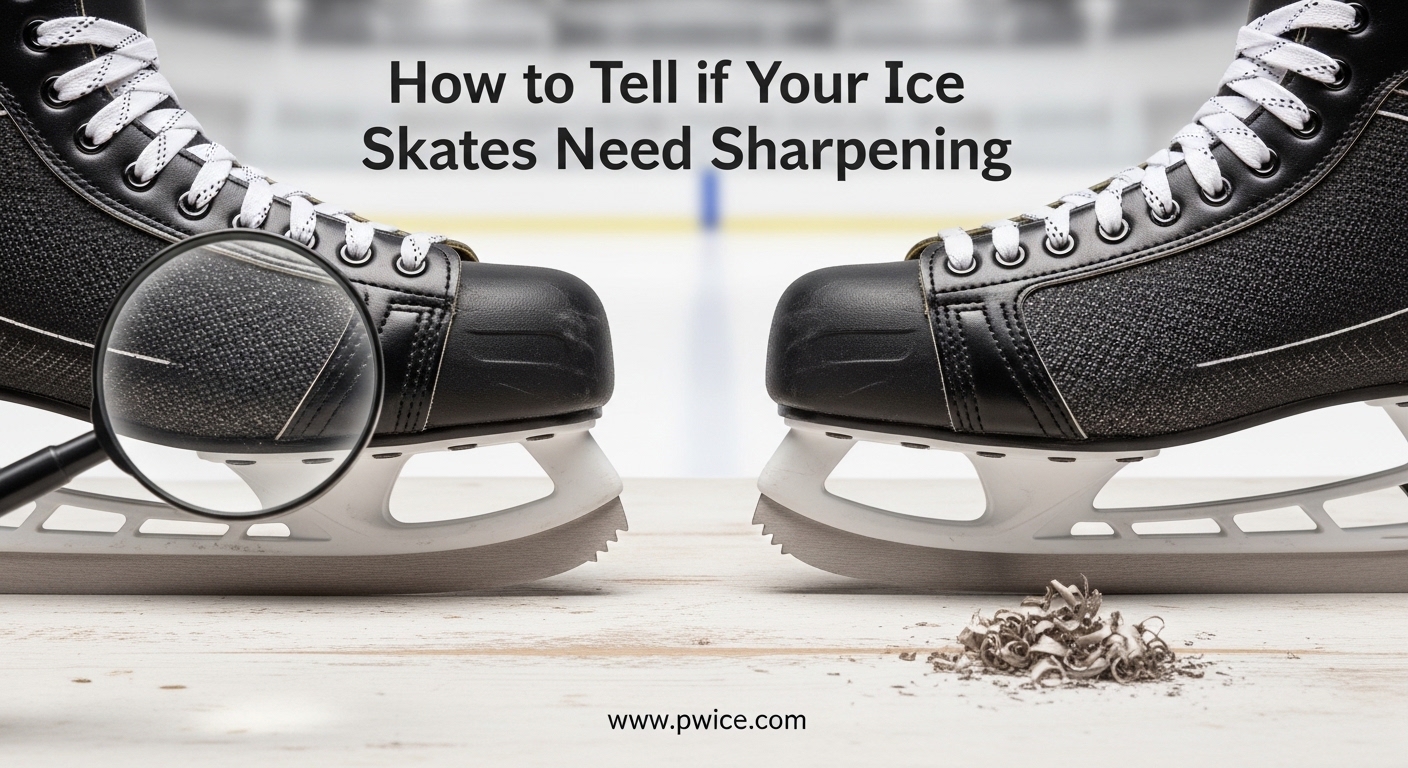
Learning how to tell if your ice skates need sharpening can save you from frustrating falls and wasted practice time. I have been skating for over a decade, and I still remember the first time I realized my blades were dull mid-session. I kept slipping on turns that normally felt solid, and my stops took twice as long to execute.
In this guide, I will show you the exact tests I use to check my skate blade edges before every session. You will learn the thumbnail test, visual inspection techniques, and what dull skates actually feel like on the ice. By the end, you will never again wonder whether it is your technique or your blades causing those slips.
Table of Contents
Quick Signs Your Skates Need Sharpening
Here are the five main indicators that tell you it is time to get your skates sharpened:
The thumbnail test fails. When you drag your thumbnail across the blade edge, a sharp skate will catch and bite. A dull blade feels smooth and offers no resistance.
You slip on edges you normally hold. This is the number one complaint I see in skating forums. If your brackets, counters, or crossovers feel vague instead of precise, your edges are likely fading.
Your stops feel sluggish. Hockey stops and snow plows require bite to create friction on the ice. When blades get dull, stopping takes noticeably longer.
You see visible nicks or rust. Run a visual inspection along both edges. Any significant damage or corrosion means it is time for professional sharpening.
Tango stops feel suspiciously easy. Many figure skaters report this as their personal tell. When the inside edge loses its bite, sliding into a tango stop requires less effort than normal.
The Thumbnail Test: The Safest Way to Check
The thumbnail test is my go-to method for a quick pre-session check. It requires no tools and takes about 10 seconds per skate once you get the hang of it.
Step 1: Position Your Thumb Correctly
Hold your skate firmly by the boot with the blade facing away from you. Extend your thumb and place the edge of your thumbnail against the blade edge at a 90-degree angle.
Step 2: Drag Across the Edge
Gently drag your thumbnail from the heel toward the toe along the outside edge. Do not press hard. A sharp edge will bite into your nail and create a slight scraping sensation.
Step 3: Test Both Edges
Repeat the test on the inside edge of the same blade. Then check both edges on your other skate. All four edges should feel consistent.
What the Results Mean
If your thumbnail catches and you feel a distinct bite, your edges are sharp. If the blade feels smooth and your thumbnail slides without resistance, your skates need sharpening. Uneven results between edges suggest a bad sharpen rather than normal dulling.
Visual Inspection: What to Look For
Sometimes your eyes can spot problems before your fingers do. I make a habit of visually inspecting my blades under good lighting at least once a week.
Nicks and Gouges
Hold your skate up to a light source and look along the length of each edge. Small nicks are normal and can often be smoothed out during sharpening. Deep gouges or multiple large chips indicate your blades have taken serious damage and need immediate attention.
Flat Spots
Run your eye along the edge looking for sections that appear flattened rather than maintaining a consistent thin profile. Flat spots develop from walking on hard surfaces without blade guards or from hitting obstacles on the ice.
Rust and Corrosion
Any orange or brown discoloration on the blade surface means rust has started forming. Even surface rust can pit the steel and affect performance. Prevent rust by drying blades thoroughly after each session and storing skates with soakers.
Edge Alignment
Look down the blade from heel to toe. Both edges should appear symmetrical relative to the center hollow. If one edge looks noticeably thicker or thinner than the other, you likely have a sharpening quality issue rather than simple dulling.
The Feel Test: Running Your Finger Along the Edge
This test provides more detailed feedback than the thumbnail method, but it comes with a serious safety warning that I cannot emphasize enough.
Safety First
Warning: Sharp skate blades can cut you deeply. Always run your finger perpendicular to the edge, never parallel. Use light pressure and move slowly. If you are uncomfortable with this test, stick to the thumbnail method.
How to Perform the Feel Test
Hold the skate steady with one hand. With your other hand, extend your index finger and place it perpendicular to the blade edge near the heel. Lightly drag your finger toward the toe while maintaining perpendicular contact.
A sharp edge will feel distinctly thin and almost sharp to the touch. You should feel the two separate edges with the hollow between them. Dull edges feel rounded, thick, and smooth. The difference becomes obvious once you have felt both.
Testing for Consistency
Run this test along multiple sections of each edge. Sharp skates feel consistent from heel to toe. If you feel variations, some sections may be duller than others, indicating uneven wear or a bad sharpening job.
What Dull Skates Feel Like on the Ice
The ultimate test happens when you actually skate. Performance indicators are often the first signs skaters notice, even before they check their blades physically.
Slipping on Turns and Edges
This is the clearest sign of dull blades. When you try to hold an inside or outside edge, your skate slides outward instead of gripping the ice. Crossovers feel less secure. Three-turns and brackets become unpredictable.
Figure Skating Specific Indicators
Figure skaters report several specific jump-related warning signs. If you start slipping on your salchow takeoff edge, your blades likely need attention. The same applies if your loop jump feels less secure on takeoff. Rockers and counters should feel crisp and precise. When they feel vague, check your edges.
Stopping Problems
Hockey stops require edges to bite and spray snow. With dull blades, your stops slide instead of bite. T-stop drags feel less controlled. Snow plows take longer to execute and cover more ice before you come to a complete stop.
Acceleration and Glide Issues
While glide is partly affected by hollow selection, poor acceleration often indicates edge problems. You will find yourself working harder to maintain speed. Pushes feel less effective. This is especially noticeable in hockey skating where quick bursts matter.
How Often Should You Sharpen Your Ice Skates
The honest answer depends on how much you skate, where you skate, and your skill level. I have compiled guidelines based on industry standards and real experiences from skating communities.
Hours-Based Guidelines
Most skaters and coaches recommend sharpening every 20 to 40 hours of ice time. Beginners often push toward the 40-hour mark because they put less aggressive pressure on their edges. Advanced figure skaters and hockey players typically sharpen every 20 to 30 hours.
I personally skate about 6 hours per week and sharpen my blades every 5 to 6 weeks. Many forum users report similar schedules, with recreational skaters often going 2 to 3 months between sharpenings if they only skate once or twice weekly.
Skill Level Differences
Beginners can often go longer between sharpenings because their movements are less aggressive and edge-dependent. Intermediate and advanced skaters notice dullness faster because they rely on precise edge control for jumps, spins, and quick transitions.
NHL players sharpen their skates far more frequently, often after every game or every other game. Professional figure skaters follow similar schedules, sometimes sharpening multiple times per week during competition season.
Outdoor vs Indoor Skating
Outdoor ice is harder on blades. If you skate on frozen ponds or outdoor rinks, you will need to sharpen more frequently. The ice is often rougher and may contain debris that nicks your edges. Pond hockey players sometimes sharpen after every few sessions.
Signs of a Bad Sharpen (When the Problem Isnt Dullness)
Sometimes your skates feel terrible even after a fresh sharpening. This is a frustrating experience that many skaters encounter. Learning to recognize a bad sharpen can save you money and ice time.
Uneven Edges
After a proper sharpening, both edges on each blade should feel identical. If one edge bites more aggressively than the other, or if one side feels sharper than its partner, the sharpening was not done correctly.
Wrong Hollow Selection
The radius of hollow (ROH) determines how deep the center groove is cut. A deep hollow (1/4 inch) provides more bite but less glide. A shallow hollow (1/2 inch or more) glides better but offers less grip. If your skates feel too bitey or too slippery after sharpening, the technician may have selected a hollow that does not match your preference or skating style.
Finish Quality Issues
Quality sharpening leaves smooth, polished edges. If you feel burrs or rough spots when running your finger along the blade, the finishing work was incomplete. Some sharpeners skip the deburring step, leaving edges that catch the ice unpredictably.
Blade Alignment Problems
If your skates feel like they want to pull left or right consistently, the edges may not be level relative to each other. This is a serious issue that requires re-sharpening to correct.
Common Mistakes That Ruin Your Blades
Even perfectly sharpened blades will dull quickly if you treat them poorly. I have seen skaters ruin fresh edges within days through simple avoidable mistakes.
Walking on Hard Surfaces Without Guards
Concrete, tile, and wood floors are enemy number one for skate blades. Never walk more than a few steps on hard surfaces without blade guards. I keep a pair in my bag at all times and put them on before leaving the ice area.
Improper Storage
Always store skates with soft soakers covering the blades. These absorbent covers prevent rust and protect edges from dings. Never store skates with hard plastic guards on. Trapped moisture causes rust.
Neglecting Post-Session Care
Wipe your blades dry with a cloth immediately after skating. Remove any snow or ice buildup before storing. This takes 30 seconds and dramatically extends the time between sharpenings.
Hitting Obstacles on the Ice
Kicking goal posts, boards, or other hard objects chips and deforms blade edges. Be mindful of your blade placement during practice. Even small chips affect performance.
Do New Ice Skates Come Sharpened
This is one of the most common questions from new skaters, and the answer surprises many people.
New ice skates typically do not come sharpened. Manufacturers ship skates with a basic factory edge that is not skateable. Some high-end models may arrive with a rough edge, but even these require professional sharpening before first use.
I always tell new skaters to budget for a professional sharpening before taking their first steps on the ice. Skating on unsharpened blades is frustrating and potentially dangerous. You will slip constantly and develop bad habits trying to compensate for poor edge control.
Plan to get your first sharpening immediately after purchase. Most hockey shops and rinks offer walk-in sharpening services that take 10 to 15 minutes.
Frequently Asked Questions
How do you know if your skates need sharpening?
You can tell if your skates need sharpening by performing the thumbnail test (dragging your thumbnail across the edge to check for bite), noticing if you slip on turns or edges you normally hold, and visually inspecting for nicks or rust. Performance indicators like sluggish stops and reduced control also signal dull blades.
Can I skate on unsharpened skates?
You should not skate on unsharpened skates. Dull blades provide poor control for turning and stopping, increasing your risk of falls and injuries. New skates typically come unsharpened from the factory and require professional sharpening before first use.
Do NHL players sharpen their skates every game?
Many NHL players sharpen their skates before every game or every other game. Professional players rely on precise edge control for explosive acceleration and sharp turns, so they prioritize maintaining optimal blade condition. Some players even have personal sharpening preferences that technicians follow precisely.
How often should recreational skaters sharpen their blades?
Recreational skaters should sharpen their blades every 20 to 40 hours of ice time. If you skate once or twice per week, this typically means sharpening every 2 to 3 months. Skaters who practice outdoors or skate daily should sharpen more frequently.
What does a bad sharpening job look like?
A bad sharpening job often shows uneven edges where one side feels sharper than the other, burrs or rough spots along the blade, or a pulling sensation where your skates want to drift left or right. If your skates feel worse after sharpening than before, return to the shop for correction.
Conclusion
Knowing how to tell if your ice skates need sharpening is an essential skill for every skater. The thumbnail test gives you a quick pre-session check. Visual inspection catches nicks and rust before they worsen. Performance indicators like slipping on turns tell you when edges have faded mid-session.
I recommend checking your blades before every skate using the thumbnail method. Combine this with weekly visual inspections and attention to how your skates feel on the ice. Stick to a 20 to 40 hour sharpening schedule based on your skill level and skating frequency.
Sharp blades make skating safer, more controlled, and infinitely more enjoyable. Take the time to learn these testing methods 2026, and you will skate with confidence knowing your equipment is ready for everything you ask of it.