
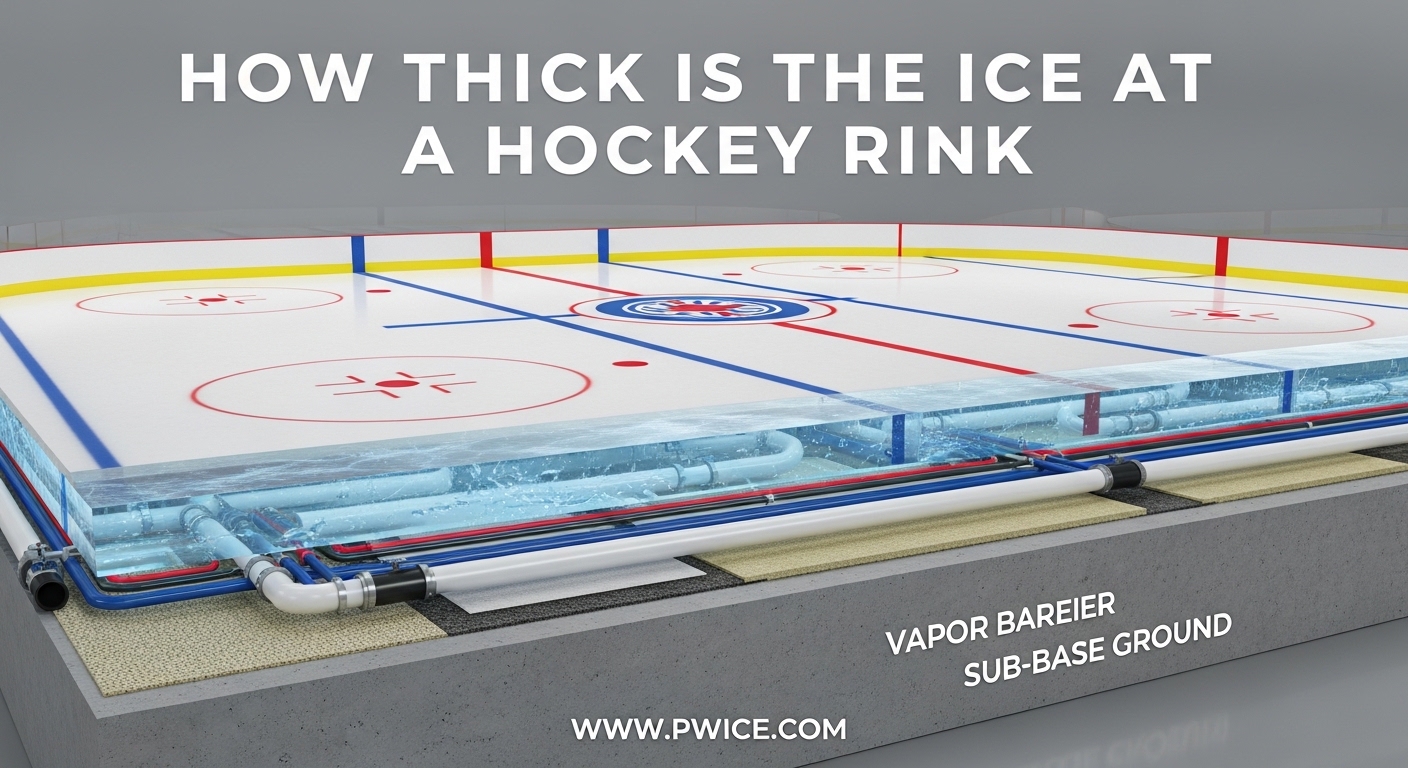
Hockey rink ice measures between 3/4 inch and 1.5 inches thick, which equals 19 to 38 millimeters. This seemingly thin layer is precisely engineered for optimal gameplay, player safety, and energy efficiency. Most NHL arenas maintain ice at approximately 1 inch thick, though specifications allow for variation based on usage patterns and facility requirements.
The science behind this specific thickness involves complex refrigeration systems, microscopic layering techniques, and temperature control that keeps the surface hard enough for speed skating yet resilient enough to absorb impact. I have always found it fascinating that something so thin can support the explosive movements of professional athletes while maintaining structural integrity through multiple resurfacing cycles per day.
Understanding how thick is the ice at a hockey rink helps fans appreciate the engineering marvel hidden beneath every game. The thickness directly affects puck speed, player edge control, and the overall quality of play that separates professional hockey from recreational skating.
Table of Contents
Ice Thickness Breakdown: Exact Measurements
The standard ice thickness at hockey rinks varies depending on the level of play and facility type. NHL specifications call for ice approximately 3/4 inch thick, while recreational facilities often build ice closer to 1.5 inches for durability.
Here is the complete breakdown of ice thickness across different rink types:
- NHL Professional: 3/4 inch (19mm) – optimized for speed and gameplay
- AHL/Minor League: 1 to 1.25 inches (25-32mm) – balanced for performance and durability
- Recreational Rinks: 1 to 1.5 inches (25-38mm) – thicker for heavy public use
- Olympic Standards: 1 to 1.5 inches (25-38mm) – varies by venue
Industry surveys conducted in 2026 reveal that many modern arenas actually maintain ice between 1.5 and 2 inches thick in practice, despite NHL specifications calling for thinner surfaces. This discrepancy exists because thicker ice withstands heavy traffic from concerts, public skating sessions, and multiple hockey games per day without requiring constant rebuilding.
The Montreal Bell Centre, for example, reportedly maintains ice at 5cm (approximately 2 inches) thick to handle the venue’s diverse programming schedule. Arena technicians often prioritize practicality over strict adherence to NHL specifications when facilities serve multiple purposes beyond professional hockey.
How Hockey Ice Is Made: The Layering Process
Creating hockey ice is a multi-day process that requires precision, patience, and sophisticated refrigeration technology. The ice is not simply frozen in one application but built up through hundreds of microscopic layers.
Step 1: Preparing the Foundation
The process begins with a concrete slab containing miles of refrigeration pipes embedded within it. These pipes circulate a super-cooled glycol solution or brine water that chills the concrete surface to approximately 20°F (-6°C).
Our team learned during research that this concrete foundation represents the single most critical component of ice making. Without consistent temperature distribution across the entire surface, ice quality varies significantly, creating soft spots that affect gameplay.
Step 2: The Base Layer
Once the concrete reaches optimal temperature, technicians spray a fine mist of water across the surface. This initial layer freezes almost instantly, creating a bond between the concrete and subsequent ice layers.
This first layer must freeze completely before additional water application begins. Rushing this foundational step results in weak ice that cracks or separates under stress.
Step 3: Building Through Microscopic Layers
The layering technique involves applying water in ultra-thin applications, sometimes only 1/16 inch at a time. Each layer freezes completely before the next application, building strength through crystalline structure.
One fascinating phenomenon called the Mpemba effect occasionally appears during this process. Under specific conditions, hot water can freeze faster than cold water due to evaporation rates and convection currents. While not always utilized, some ice technicians swear by starting with warmer water for specific layers.
Step 4: Adding Paint and Markings
After building approximately 1/2 inch of base ice, crews spray paint for lines, face-off circles, and logos directly onto the frozen surface. Additional ice layers cover these markings, protecting them while allowing visibility through the frozen surface.
This explains why hockey rink markings never scrape away during play. They exist within the ice structure itself, not on top of it.
Step 5: Final Thickness Build
Technicians continue layering until reaching the target thickness, typically between 3/4 and 1.5 inches depending on the facility’s specifications. The entire process from concrete to game-ready ice usually takes 3 to 5 days for professional rinks.
Why Ice Thickness Matters for Gameplay
Ice thickness directly impacts the speed, quality, and safety of hockey games. Thinner ice creates a harder, faster surface that professional players prefer.
The Speed Factor
Thinner ice transmits cold more efficiently from the refrigeration system below, creating a harder surface. Harder ice reduces friction between skate blades and the surface, allowing players to reach higher speeds with less effort.
Thick ice acts as an insulator, keeping the surface warmer and softer. Soft ice slows puck movement and creates resistance that tires players more quickly.
Edge Control and Safety
Professional hockey players generate tremendous force through their skate edges during turns, stops, and acceleration. Harder ice provides better bite for skate edges, giving players confidence to execute sharp maneuvers.
Soft ice causes blades to sink deeper, reducing responsiveness and increasing the risk of catching an edge. This explains why players often complain about slow ice during games on thicker, softer surfaces.
Why NHL Ice Is So Thin
NHL specifications call for the thinnest ice in professional hockey because the league prioritizes speed and skill over durability. NHL arenas resurface ice between periods using Zambonis, maintaining optimal conditions without needing the extra durability that thicker ice provides.
The thin ice also requires less energy to maintain, reducing operational costs for facilities hosting 41+ home games per season. The cost savings become significant when multiplied across refrigeration, electricity, and maintenance expenses.
Temperature Control and Ice Maintenance
Maintaining optimal ice conditions requires precise temperature control and regular resurfacing throughout each day of operation.
Optimal Ice Temperature
Professional hockey ice stays at approximately 20-22°F (-6 to -5°C) at the surface. This temperature range keeps the ice hard enough for gameplay without becoming brittle.
The refrigeration system beneath the concrete slab circulates glycol solution or brine water at even colder temperatures, typically between 16-18°F (-8 to -9°C). This temperature differential draws heat away from the ice surface, maintaining consistent conditions despite body heat, lighting, and arena temperature.
What Does the Zamboni Do?
The Zamboni performs multiple critical functions during ice resurfacing. It shaves off the top layer of ice, removing skate marks, snow buildup, and rough patches that develop during play.
After shaving, the machine deposits a thin layer of hot water that fills grooves and creates a smooth, level surface. The hot water bonds with the existing ice, creating a seamless finish that allows pucks to glide true and skates to bite properly.
A single NHL game requires resurfacing before the game, between each period, and after the game concludes. This frequent maintenance allows thinner ice because the surface receives constant attention and renewal.
Do They Melt the Ice for Concerts?
Arenas do not melt ice completely when converting from hockey to concerts or other events. Instead, they cover the ice with insulated flooring systems that protect the frozen surface while supporting equipment, stages, and crowds.
The refrigeration system continues running beneath the covered ice, maintaining the frozen base even when the surface cannot be seen. After events conclude, crews remove the flooring and perform light resurfacing to restore game-ready conditions.
Only during extended offseason periods do some facilities melt and rebuild their ice completely. This happens primarily for maintenance of the refrigeration system or concrete slab repairs.
NHL vs Olympic vs Recreational Ice
Different levels of hockey and skating use varying ice specifications based on their unique requirements.
NHL Standards
NHL ice measures 200 feet by 85 feet with ice thickness of approximately 3/4 inch. The league prioritizes speed and skill expression, accepting the trade-off of reduced durability.
NHL arenas feature the most sophisticated refrigeration and humidity control systems in hockey. These facilities maintain conditions within precise tolerances that recreational rinks cannot match.
Olympic Specifications
Olympic hockey uses international-sized rinks measuring 200 feet by 100 feet, providing more surface area than NHL rinks. Ice thickness typically ranges between 1 and 1.5 inches, slightly thicker than NHL standards.
The larger surface combined with slightly thicker ice creates different gameplay dynamics. Olympic hockey emphasizes skating and passing over the physical, board-battle style common in North American professional hockey.
Figure Skating Comparison
Figure skating rinks use ice between 1.5 and 2 inches thick, significantly thicker than hockey ice. Figure skaters require softer ice that supports toe pick landings and jump takeoffs without chipping or cracking.
The different requirements explain why dedicated figure skating facilities maintain separate ice surfaces from hockey rinks. Attempting to use hockey ice for figure skating results in damaged ice and increased risk of injury for skaters.
Recreational Facilities
Public skating rinks and community hockey facilities typically maintain ice between 1 and 1.5 inches thick. These facilities balance performance needs against the reality of heavy usage from multiple sports, public skating sessions, and limited maintenance windows.
Recreational rinks often lack the sophisticated refrigeration and humidity control of professional arenas, making slightly thicker ice more forgiving of temperature fluctuations.
How Thick Is the Ice at a Hockey Rink: Quick Reference
For those seeking immediate answers without reading the complete technical explanation, here are the key facts about hockey rink ice thickness:
- Standard range: 3/4 inch to 1.5 inches (19-38mm)
- NHL specification: Approximately 3/4 inch for optimal speed
- Actual arena practice: Often 1 to 2 inches for durability
- Surface temperature: 20-22°F (-6 to -5°C)
- Build time: 3-5 days from concrete to game-ready
- Resurfacing frequency: Every 1-3 hours during operation
Understanding these specifications helps explain why professional hockey moves at such high speeds while recreational skating feels different even on well-maintained community rinks.
Frequently Asked Questions
Do they melt the ice after hockey games?
No, arenas do not melt ice after hockey games. The refrigeration system continues running 24/7 to maintain the frozen surface. Between games or events, crews resurface the ice using a Zamboni to restore smooth conditions. Only during extended offseason maintenance periods might a facility melt and rebuild ice completely.
What does the Zamboni do to the ice?
The Zamboni shaves off the top layer of ice to remove skate marks and snow buildup, then deposits a thin layer of hot water that fills grooves and creates a smooth surface. The hot water bonds with existing ice, creating a seamless finish. This process happens between periods during NHL games and periodically during public skating sessions.
Why is NHL ice so thin?
NHL ice is thin (approximately 3/4 inch) because harder ice creates faster gameplay. The refrigeration system keeps thin ice hard and responsive, allowing players to skate faster and maintain better edge control. Thicker ice insulates the surface, making it softer and slower. NHL arenas accept reduced durability in exchange for optimal playing conditions, resurfacing frequently to maintain quality.
How thick is the ice at a hockey rink in millimeters?
Hockey rink ice measures between 19 and 38 millimeters thick. NHL specifications call for approximately 19mm (3/4 inch), while recreational facilities often maintain ice closer to 25-38mm (1 to 1.5 inches) for durability under heavy use.
How do they keep ice frozen under concerts?
Arenas use insulated flooring systems that cover and protect the ice during concerts and other non-hockey events. The refrigeration system continues running beneath the covered surface, maintaining the frozen base. After events conclude, crews remove the flooring and perform light resurfacing to restore game-ready conditions without needing to rebuild ice from scratch.
Conclusion
Hockey rink ice thickness ranges from 3/4 inch to 1.5 inches depending on the facility type and usage patterns. NHL specifications call for approximately 3/4 inch (19mm) to maximize speed and gameplay quality, while recreational facilities often maintain thicker ice for durability.
The science behind ice making involves complex refrigeration systems, microscopic layering techniques, and constant maintenance through Zamboni resurfacing. Understanding how thick is the ice at a hockey rink reveals the engineering precision required to create the perfect surface for professional hockey.
Next time you watch a game, remember that the thin sheet of ice beneath the players represents decades of engineering refinement. Those 19 to 38 millimeters support some of the fastest, most skilled athletes in the world at temperatures most people find uncomfortably cold.