
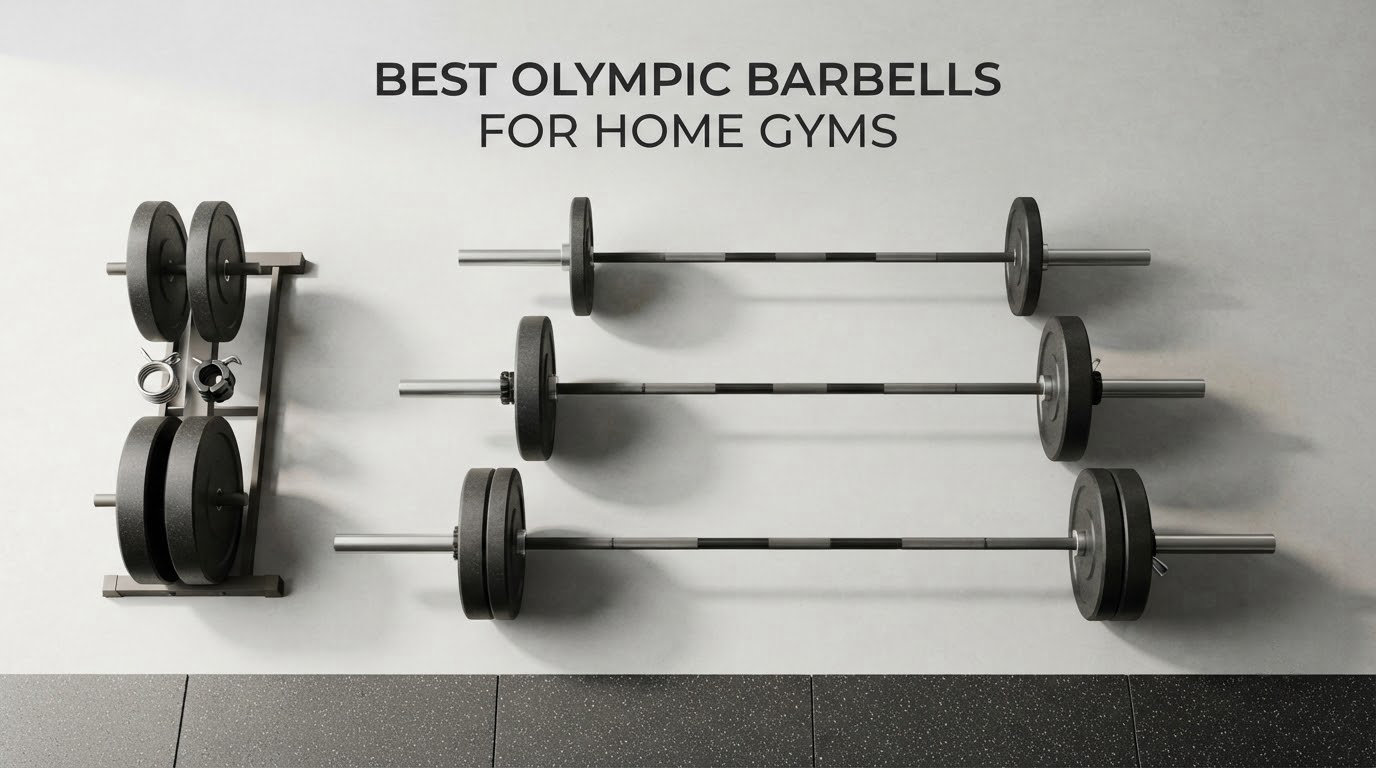
The best Olympic barbell for most home gyms is the CAP 7ft Strength Training Weight Bar (OBIS-85) — a true 7-foot, 2-inch-sleeve steel bar with a center knurl, bronze bushing sleeves and the largest base of owner feedback in this group. If your training is powerlifting-first rather than mixed, the Synergee 45lb Rhino Power Bar is the stiffer, more specialized pick. If you lift in a small room, the 4-foot bars on this list change the fit problem entirely.
We spent weeks comparing the specs, the measurements and the actual owner complaints behind twelve of the most-bought Olympic barbells on the market. Every bar below is a real 2-inch-sleeve Olympic bar, which is the only size that accepts the plates most home gyms already own. That single filter removes an enormous amount of dead-end shopping.
An Olympic barbell is a 7-foot (2.2m), 45lb (20kg) bar with rotating sleeves designed for Olympic weightlifting movements and general strength training. The rotating sleeve is the part that matters: it reduces rotational inertia so a loaded bar wants to leave the floor and rotate cleanly when you pull it, instead of fighting your wrists. Everything else — knurl, finish, whip, sleeve system — is a refinement of that core idea.
Our team compared twelve bars across tensile strength, actual capacity versus material, sleeve mechanics, knurl depth, finish durability, stated weight, warranty length and collar-to-collar fit. We also read the long-form buyer feedback closely, because a bar’s weaknesses almost never show up in a spec sheet. They show up eighteen months in, and that is where the useful information lives.
If you are still building out the rest of the room, start with our overall barbell roundup first, then come back. We also keep a running list of home gym options for small spaces, which matters more than most buyers expect when a 7-foot bar has to rack somewhere.
Table of Contents
Top 3 Olympic Barbell Picks for Home Gyms in 2026

CAP 7ft Olympic Barbell OBIS-85
- 7ft 2-inch sleeve
- 35lb bar with center knurl
- Bronze bushing sleeves
- 100K PSI alloy steel

PAPABABE 7ft 45lb Olympic Barbell
- True 45lb at 7ft
- 190K PSI steel core
- Hybrid needle bearings and bushings
- Chrome finish

HANDBODE 7ft Olympic Barbell
- 190K PSI at 45lb true weight
- Four hybrid needle bearings
- Medium whip
- 51.6 in shaft
Three bars stood out once we lined up the numbers. The CAP OBIS-85 wins on evidence volume and because its center knurl removes the single most common complaint in the category. The PAPABABE bar wins on pure specification — a genuine 45lb weight and 190,000 PSI steel at a budget-tier price is genuinely rare. The HANDBODE bar wins on sleeve mechanics, with four needle bearings and a medium whip that suits mixed training better than most of the field.
All three are honest, well-built 7-foot Olympic bars. None of them has the ultra-stiff feel of a dedicated power bar, and that is a deliberate trade in this price range.
Best Olympic Barbells for Home Gyms (October 2026)
| Product | Specifications | Action |
|---|---|---|
| CAP 7ft Olympic Barbell OBIS-85 |
|
Check Latest Price |
 Rage Fitness 6ft Olympic Training Barbell Rage Fitness 6ft Olympic Training Barbell |
|
Check Latest Price |
| PAPABABE 7ft 45lb Olympic Barbell |
|
Check Latest Price |
 RitFit 4ft Olympic Barbell RitFit 4ft Olympic Barbell |
|
Check Latest Price |
 LIONSCOOL 4ft Olympic Barbell LIONSCOOL 4ft Olympic Barbell |
|
Check Latest Price |
 CAP Pro Series 7FT Olympic Barbell CAP Pro Series 7FT Olympic Barbell |
|
Check Latest Price |
 RitFit Elite 7ft Olympic Barbell RitFit Elite 7ft Olympic Barbell |
|
Check Latest Price |
| HANDBODE 7ft Olympic Barbell |
|
Check Latest Price |
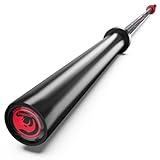 Synergee 45lb Rhino Power Bar Synergee 45lb Rhino Power Bar |
|
Check Latest Price |
 Iron Crush 7ft Olympic Barbell Iron Crush 7ft Olympic Barbell |
|
Check Latest Price |
 Mikolo 7ft Olympic Barbell Mikolo 7ft Olympic Barbell |
|
Check Latest Price |
 POWER GUIDANCE 4ft Olympic Barbell POWER GUIDANCE 4ft Olympic Barbell |
|
Check Latest Price |
Two things in that table are worth calling out before the individual reviews. First, the four short bars at positions 4, 5 and 12 are accessory tools, not primary barbells — they will not go in a squat rack. Second, stated capacity is not the same thing as real-world durability, and the columns that matter most are shaft length, actual bar weight and sleeve system.
1. CAP 7ft Olympic Barbell (OBIS-85) – Our Pick for Most Home Gyms
CAP 35lb 7ft Olympic Barbell, Chrome, Strength Training
7ft 2-inch sleeve
35lb bar weight
Center knurl
100000 PSI alloy steel
500lb rated
Pros
- Center knurl makes back squats noticeably more secure
- Volcano-style knurl is secure without being sharp
- Bronze bushing sleeves spin without metal-on-metal grinding
- Most owner feedback in this group by a wide margin
Cons
- Bar is 35lb rather than the 45lb most 7-foot bars weigh
- Some owners report bending around 230lb
- Confusing variant naming across the chrome options
This is the bar we keep coming back to for generic home strength training, and the reason is not glamour specs — it is that thousands of owners have run this exact model for years and reported the same handful of issues, which means there are no surprises left. The 84% five-star share across its review history reflects a bar that does a narrow job very predictably.
The knurling is volcano-style, meaning the pattern is somewhat sharper than a medium knurl without cutting into your hands on higher-rep work. More importantly for squatting, it has a center knurl, so the bar has a defined contact point in the middle of your back instead of sliding across your spine. For a home lifter doing heavy back squats in a rack, that is a meaningful advantage over the eight bars here that lack one.
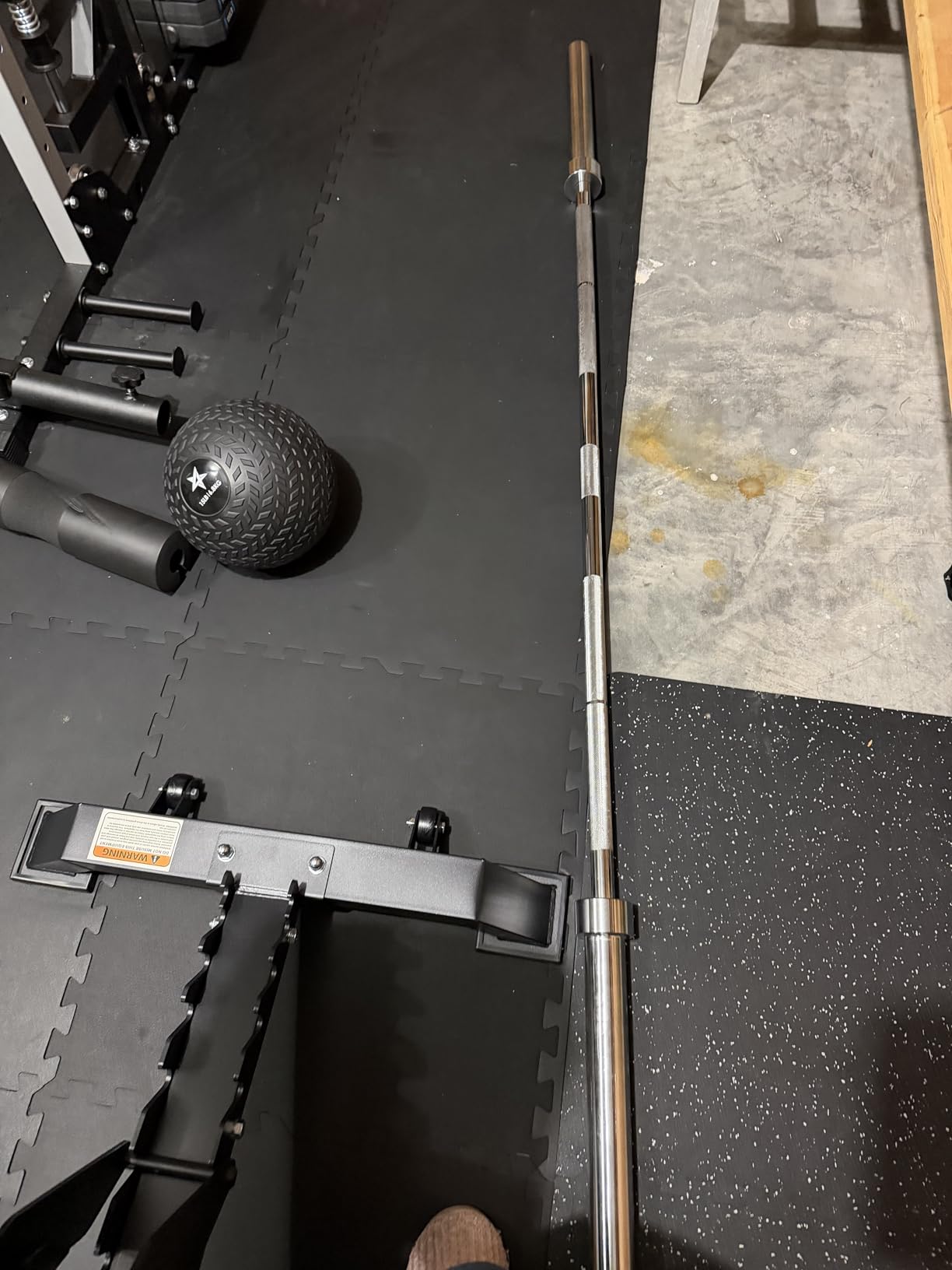
The bronze bushing sleeves are the quiet upgrade over a plain welded sleeve. They rotate smoothly out of the rack, which takes a lot of pressure off your wrists during pressing and rowing movements, and they do not have the metal-on-metal contact that makes budget sleeves grind. Reviews consistently describe the spin as smooth and the rotation as controlled rather than loose.
Now the honest part. This is a 35lb bar in a 7-foot frame, not the 45lb standard, so if you follow a program written in plates, subtract 10lb from every working weight until you replace the bar. The listed 500lb capacity and 100,000 PSI rating also sit at the low end of this field, and a fair number of owners report seeing bend around 230lb. That is well beyond what most home lifters will ever load, but it is not the bar to grow into for a decade of heavy work.
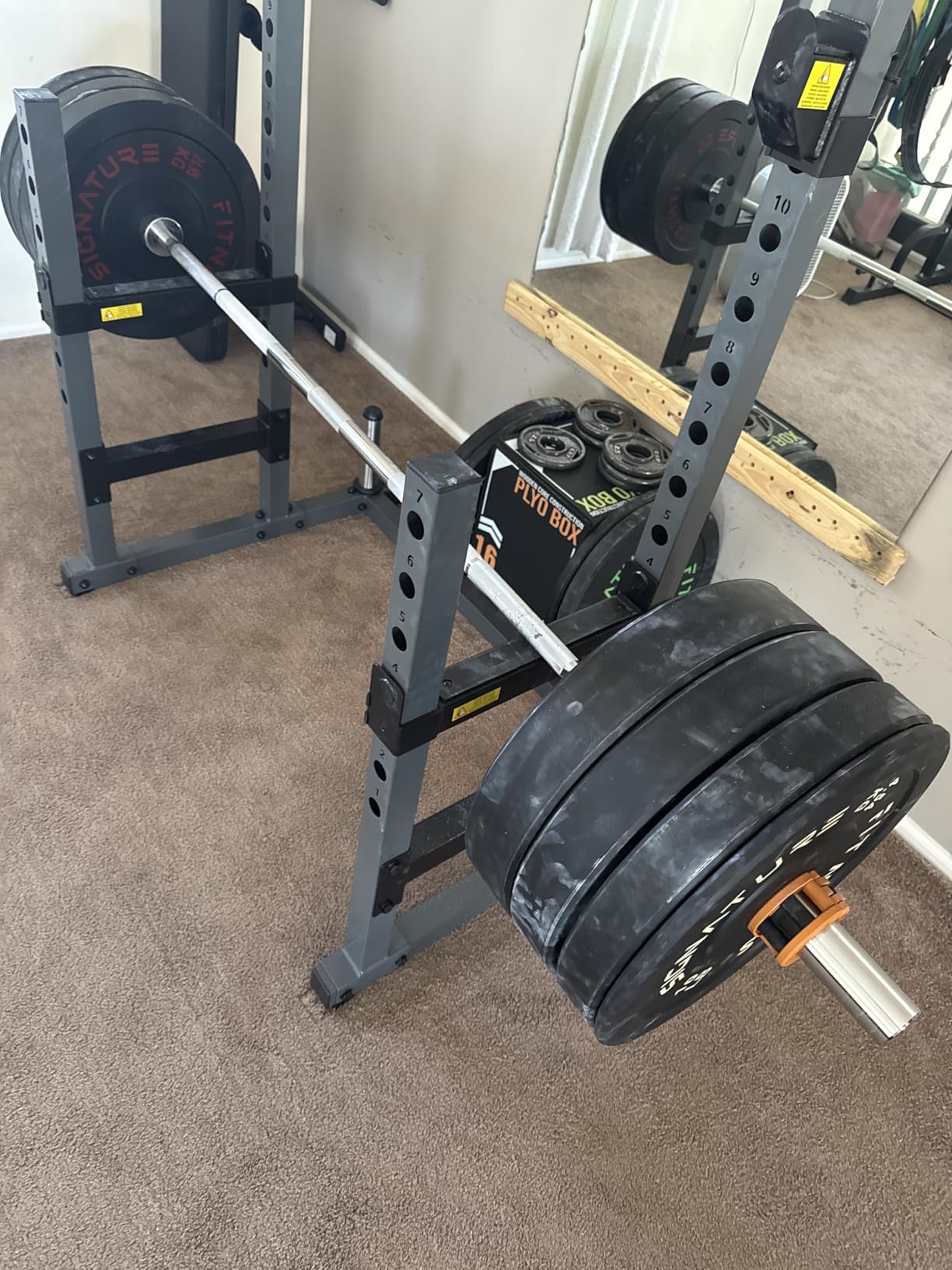
One more practical wrinkle: this product family uses a confusing naming scheme across its chrome 86-inch options, with different actual weights depending on the variant. Check the listed weight before you add it to a cart, and confirm the center knurl is the version you want.
If you want the center knurl and the bushing spin but want more steel headroom, the CAP Pro Series 7FT in position 6 is the same manufacturer moved up a tier. If you want more tensile strength and a true 45lb, move to the PAPABABE bar in position 3.
For a home lifter squatting in a rack with plates on the bar, a moderate knurl and no interest in cleaning chrome every week, this is the one I would put in a garage first. It is not the last barbell anyone ever needs, and it is honest about that.
2. Rage Fitness 6ft Olympic Training Barbell – Best Lightweight Technique Bar
Rage Fitness Olympic Training Barbell 6FT, 15lb Weight, 300LBS Capacity
6ft 2-inch sleeve
15lb aluminum shaft
52.5 in between collars
300lb rated
Pros
- 15lb bar is genuinely light enough to learn lifts on
- 52.5 in collar spacing suits most home racks
- Thick brass bushings with bearing assist for quiet spin
- Compact length is easy to store and unload
Cons
- Aluminum shaft bends or snaps rather than flexing
- 300lb capacity rating is optimistic for aluminum
- No center knurl
This bar exists for one purpose: teaching someone how to move a barbell. At 15lb with a 6-foot frame, it is light enough that a beginner, an older trainee or a youth athlete can practice squat, press and hinge mechanics without the bar fighting back. If you are setting up a home gym for someone who has never barbell-trained, this is a genuinely thoughtful choice rather than a compromise.
The 52.5-inch collar-to-collar distance is the number to check against your rack. Most home racks sit comfortably around that width, and a shorter bar is far easier to load and unload safely than a 7-foot. Reviews note it stays rackable despite being a lighter training bar, and the 28mm shaft with 1.5mm deep diamond knurling across a 49-inch grip area gives a medium, predictable feel.
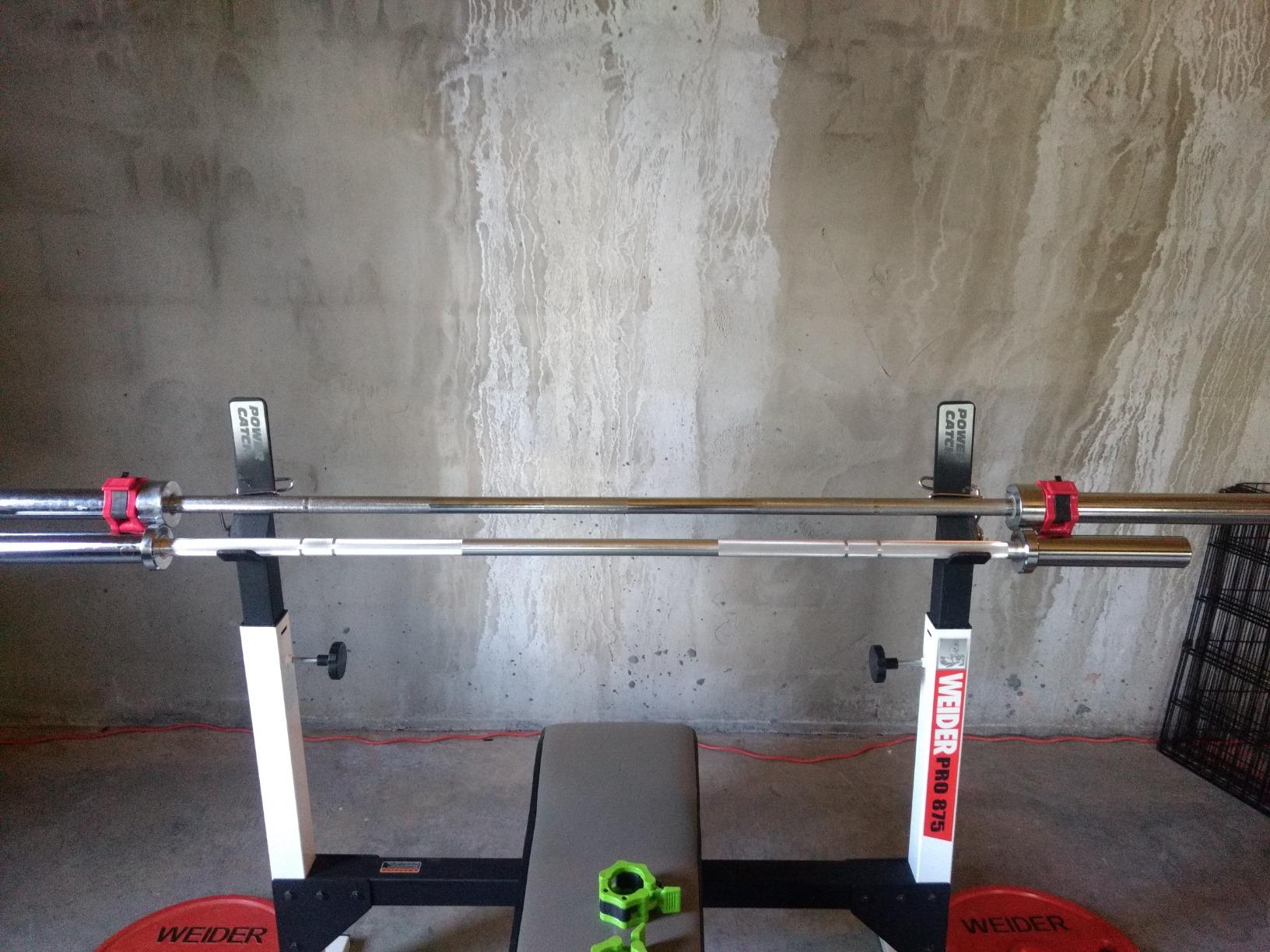
Spin is better than the aluminum price would suggest, because the sleeves use thick brass bushings with bearing assistance. That combination is why owners describe quiet, smooth rotation and reduced force off the floor — the two things that matter most when you are learning to pull the bar instead of muscling it up.
The warnings are consistent and worth stating plainly. The shaft is aluminum, and aluminum does not bend gradually under overload the way steel does; it deforms and then it is done. Nearly every reviewer cautioning against loading near the 300lb rating is being realistic, not excessively cautious. There is also no center knurl, and the chrome is decorative plating rather than hard chrome, so expect cosmetic wear over years.
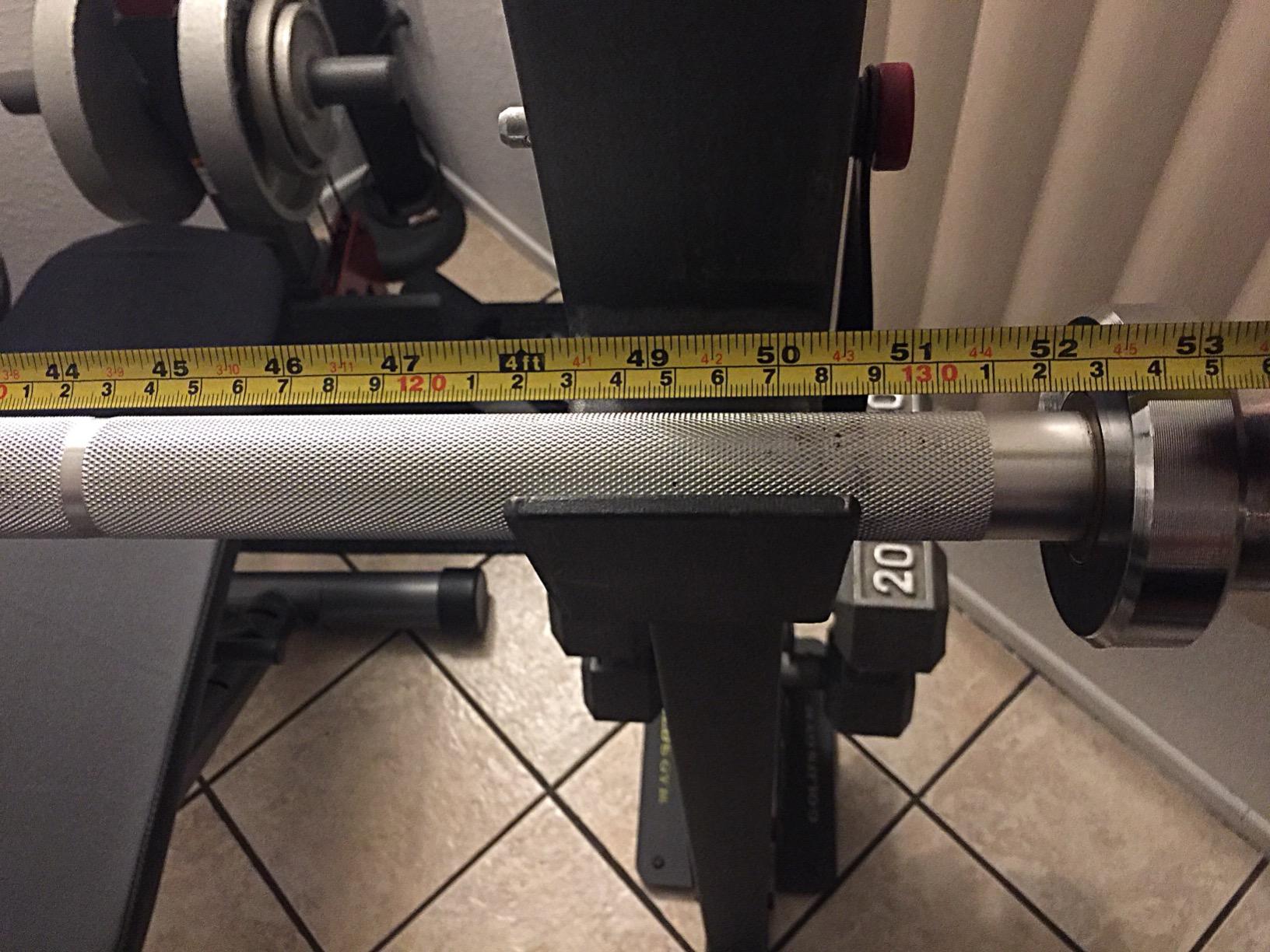
A smaller detail that shows up in reviews: the bar can feel tippy while plates are being loaded onto one side. It is a short, light bar doing what it was designed to do, and a pair of safety arms or a plate-loading aid handles it easily.
Buy this if you are coaching a beginner, training someone much smaller than you, or buying a first bar for a teenager in your house. If you are a 200lb adult who intends to squat, bench and deadlift heavily, skip to position 3 or position 6 — this bar is a teaching tool, not a lifting bar.
3. PAPABABE 7ft 45lb Olympic Barbell – Best Specs for the Money
PAPABABE 7ft Barbell 45lb Olympic Barbell 1000lbs Capacity Home Gym Silver
True 45lb at 7ft
190000 PSI core
1000lb rated
30mm grip and 51.57 in shaft
Pros
- Real 45lb bar in a full 7-foot Olympic length
- 190K PSI core gives genuine heavy-lift headroom
- Hybrid needle bearing and bushing sleeves for stiff low-wobble spin
- Highest five-star share in this group at 90 percent
Cons
- No center knurl on this variant
- Several confusing sibling variants across the product family
- Sleeve grooves mean collars are still worth using
This is the specification outlier of the group. A true 45lb bar, 190,000 PSI steel, a 1000lb power capacity rating, hybrid needle bearing sleeves and a 51.57-inch shaft, in a full 7-foot Olympic frame. When we lined up those numbers against the rest of the field, nothing else at this tier came close, and 90% of its reviewers gave it five stars — the strongest share in the set.
The hybrid sleeve system is what lifts this above a typical budget bar. Needle bearings plus bushings give stiff, wobble-free rotation: the sleeve spins freely when you need it off the floor and stays put when you are holding the bar under load. For press and row work, that is exactly the behavior you want, and it is the same design idea used in bars that cost several times as much.
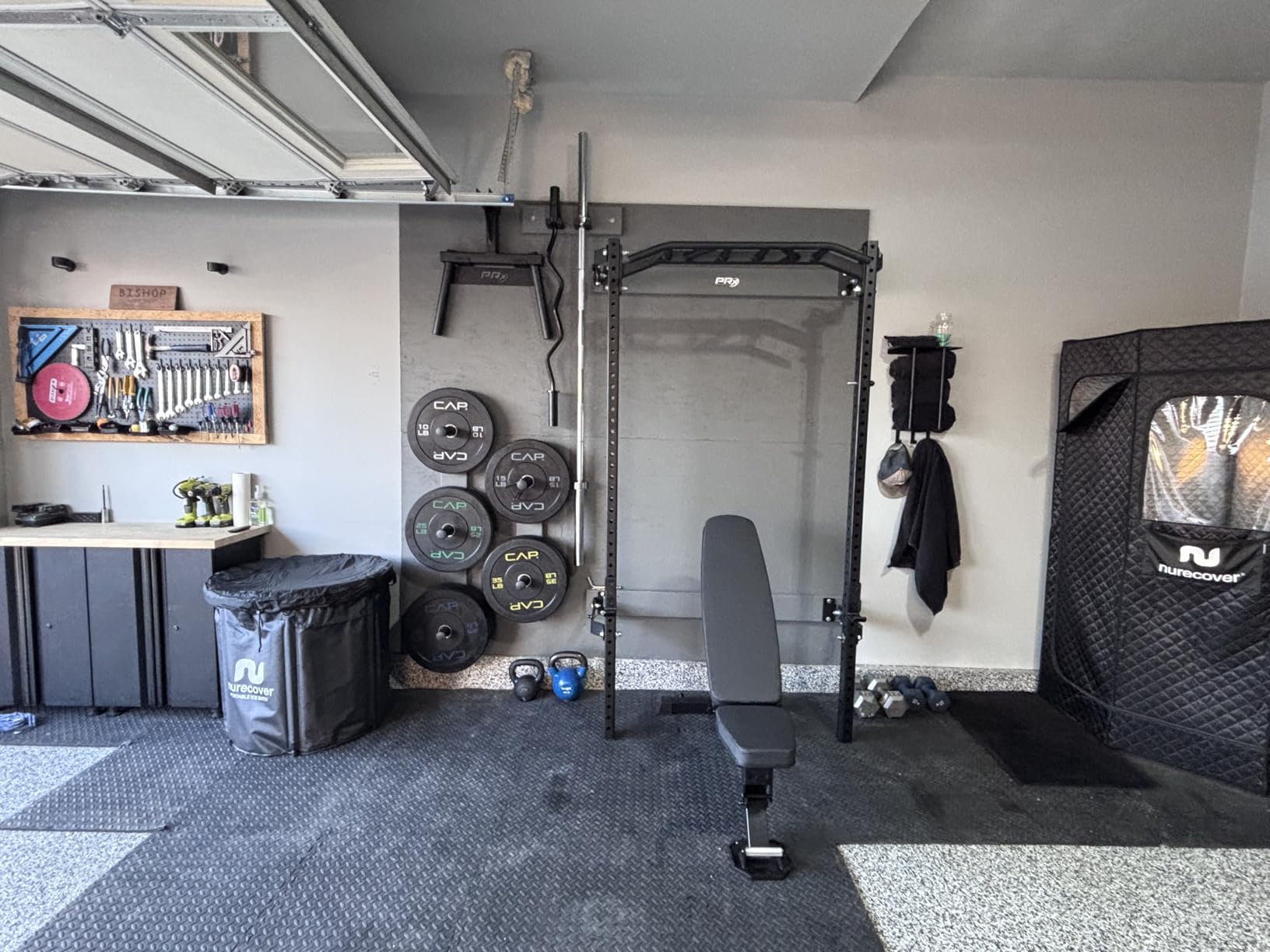
The 30mm grip diameter is slightly thicker than the 28mm standard, and owners describe the knurl as secure without being abrasive. It works for both men and women at that diameter, which is why the 51.57-inch shaft is listed as suitable for a wide range of users. If you have smaller hands and find 28mm bars uncomfortable, this is a bar to look at.
Two practical notes. This variant has no center knurl, so if back squats are your main movement and you want that middle catch, you will need to look elsewhere or accept sliding. And the product family includes Pro 1500lb, Elite 28mm and Standard 30mm variants, so read the variant name carefully before you order — picking the wrong sibling is the most common mistake owners describe.
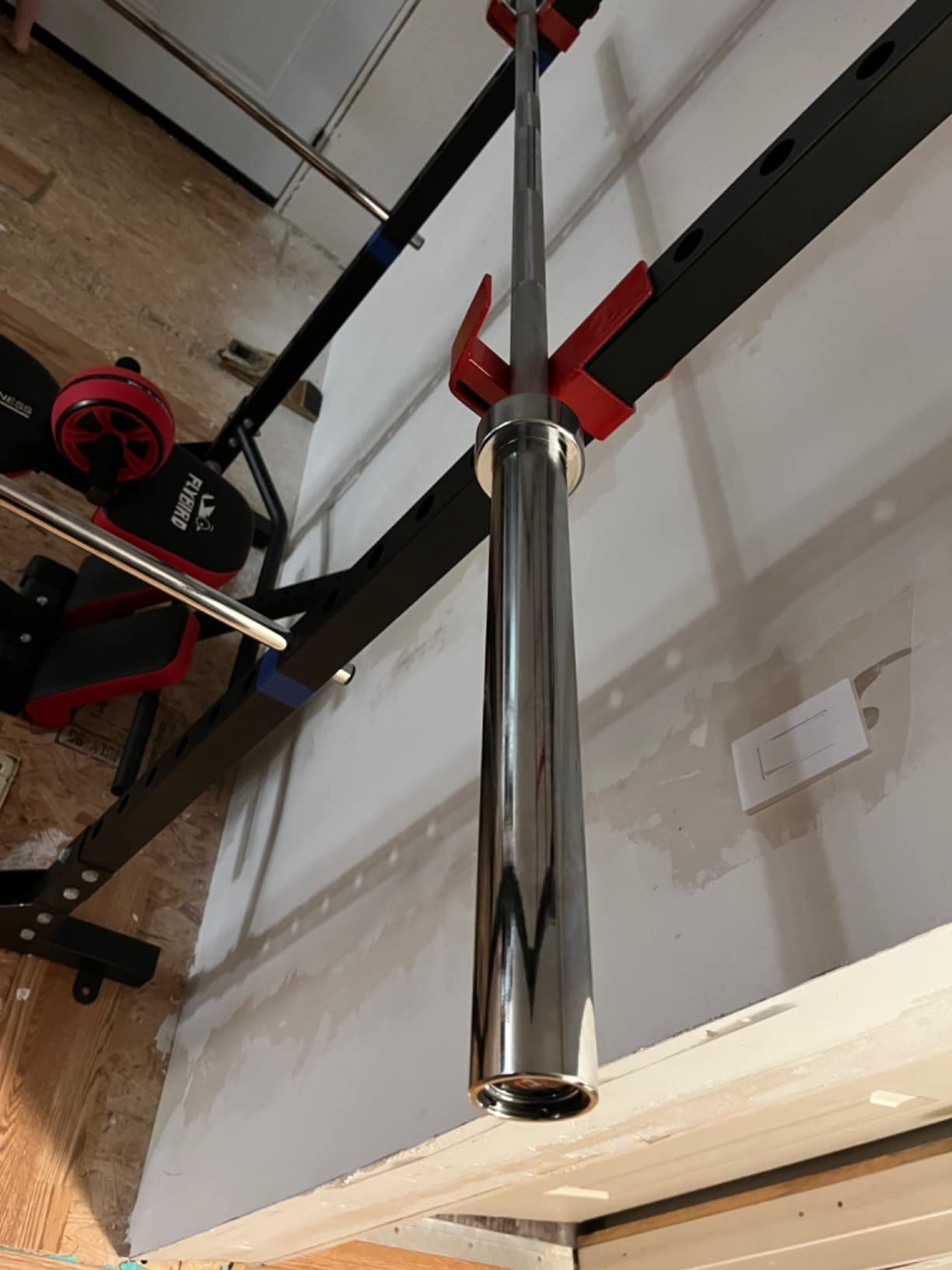
Because the sleeves are grooved, you should still use collars. Cheap or worn collars are the single most dangerous thing in a home gym, and a sleeve that grips plates loosely by design is not a place to economize.
For most people reading this, this is the bar. It is the one in the group that is genuinely correct on weight, on length, on steel and on sleeve technology simultaneously. The only thing you give up relative to the CAP in position 1 is the center knurl, and the only thing you give up relative to the Synergee in position 9 is a slightly softer, more versatile whip.
4. RitFit 4ft Olympic Barbell – Best Compact Accessory Bar
RitFit 4FT Olympic Barbell, Silver
4ft 2-inch sleeve
20lb baseline weight
25mm shaft
Needle bearing spin
Pros
- 4ft length is ideal for hip thrusts curls and bent over rows
- Smooth quiet needle bearing spin with a solid knurl
- Light 20lb baseline makes plate loading easy
- Rigid tube packaging guards the shaft finish
Cons
- 25mm shaft is thinner than the standard 28mm most bars use
- Not suitable for heavy squats deadlifts or bench
- Rated capacity is far above what a 4ft bar will realistically hold
A 7-foot bar is genuinely awkward for accessories. Hip thrusts, curls, bent over rows and close-grip work all want a short bar that fits between your legs or inside a rack without a 7-foot span getting in the way. This 4-foot RitFit is built for exactly that, and at 20lb baseline it is easy to load one plate at a time.
What you are getting is a 25mm shaft, 31.5-inch grip area and 10-inch sleeves, with needle bearings for smooth, quiet spin. Reviews describe the knurling as gripping well and the whole thing as feeling substantially better made than the price suggests. The brand also backs it with a lifetime warranty against bending, which is an unusually confident promise at this level.
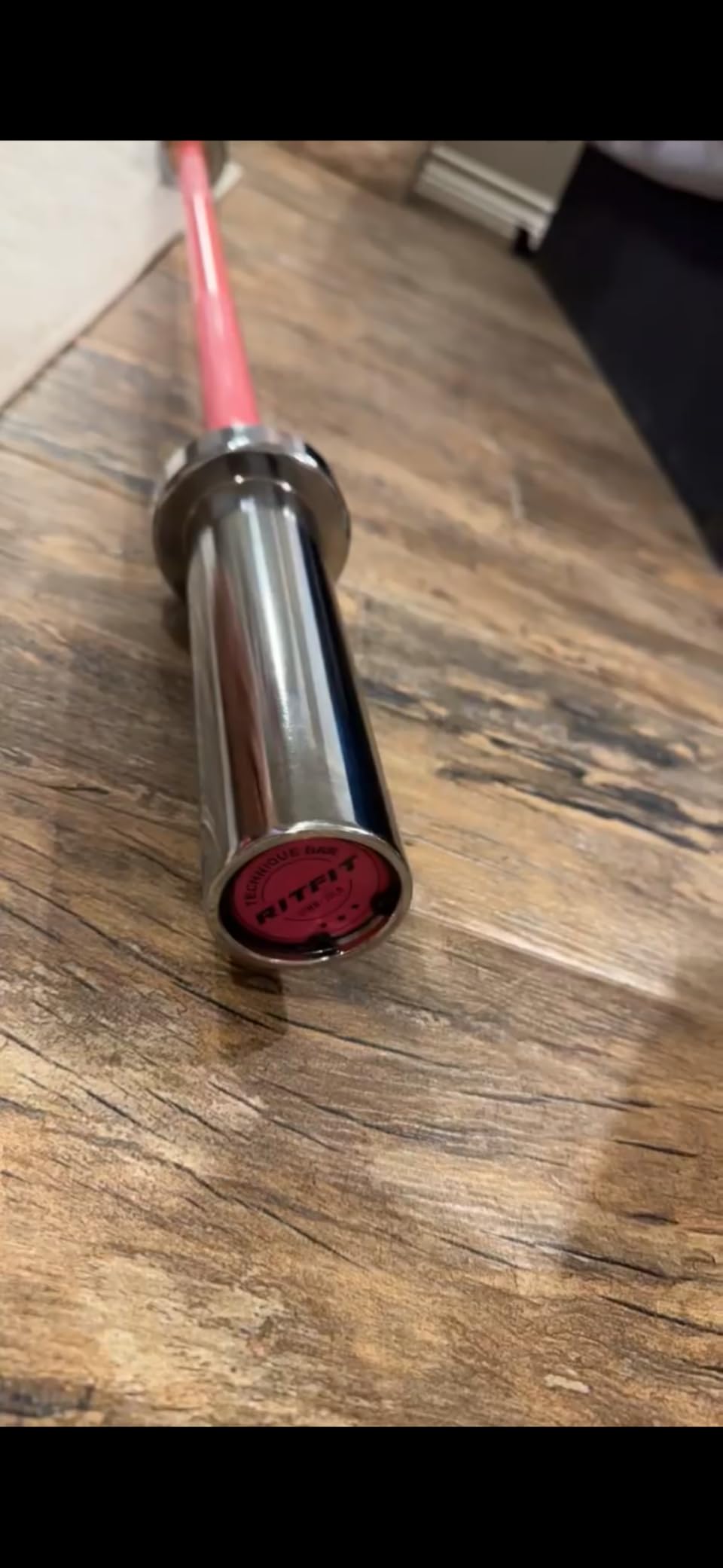
It is also the practical choice for small rooms and for lifters around five foot three. Reviews specifically call it a good choice for a small home gym, and the rigid tube the bar comes in does a better job protecting the finish than a loose box would.
The tradeoff is the shaft diameter. At 25mm this is thinner than the 28mm that most 7-foot Olympic bars use, and lifters used to a full-size bar sometimes describe it as feeling light and less stable under heavier accessory work. That is a real difference, not a defect — it is the cost of making a 4-foot bar that stays balanced when loaded.
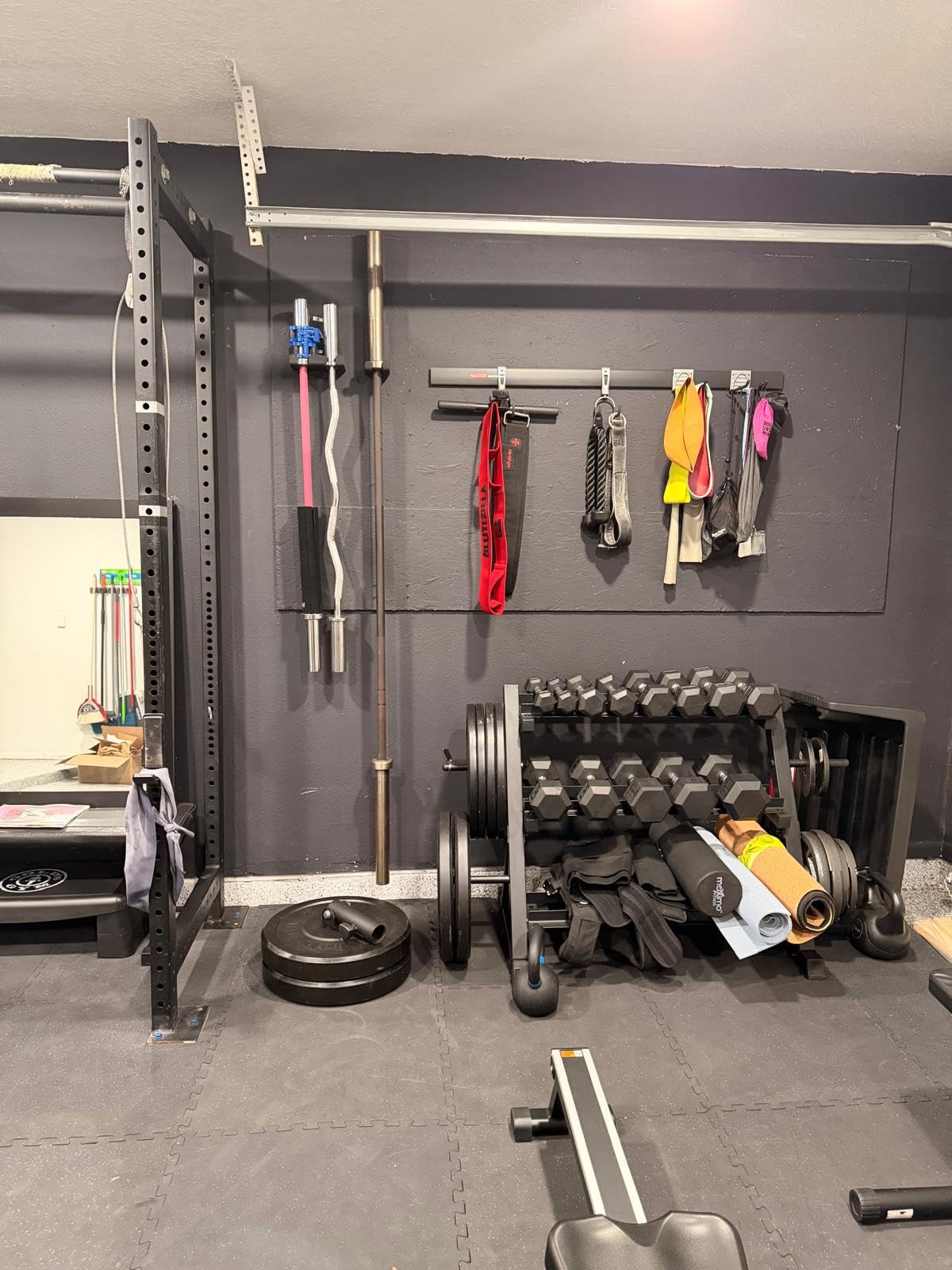
Also note the capacity rating of 350lb is generous for a 4-foot accessory bar, and this is not a bar to squat or deadlift heavy in. Quality control is not perfect — one reviewer reported a small chip on the bar end and scuffed outer packaging — so inspect the ends when you unbox it.
Buy this as a second bar. Most home gyms that get a 7-foot bar eventually add a short one, and the combination does more for workout variety than upgrading to a marginally nicer 7-foot bar ever will.
5. LIONSCOOL 4ft Olympic Barbell – Best Coated Short Bar
LIONSCOOL 4ft/4.9ft/6ft 2-Inch Olympic Barbell for Strength Training (4 ft, Black)
4ft 2-inch sleeve
20lb bar weight
Black E-coat finish
87K PSI and 500lb rated
Pros
- Extra thick brass bushings with bearings give very smooth sleeve spin
- Snap ring retention ends the daily sleeve nut check
- 1.5mm diamond knurl with a trimmed top is kind to hands
- All-black E-coat finish needs almost no maintenance
Cons
- No center knurl
- 87K PSI is low against 7ft power bars in this group
- Collars are not included with the bar
This is the short bar to choose if the word that matters to you is finish. Where most budget bars ship as bright chrome that spots and dulls, this one wears a black E-coat, and owners consistently describe it as looking good in a home gym and needing almost no attention beyond a wipe-down. In an unfinished garage, that is a real quality-of-life difference over time.
The mechanics are the strongest of the 4-foot options. Extra thick brass bushings combined with premium bearings, held by a snap ring retention system, are what make this the smoothest-spinning short bar here. Snap ring retention also eliminates the recurring chore of checking and retightening hex sleeve bolts, which is a failure point on many welded and bolted designs.
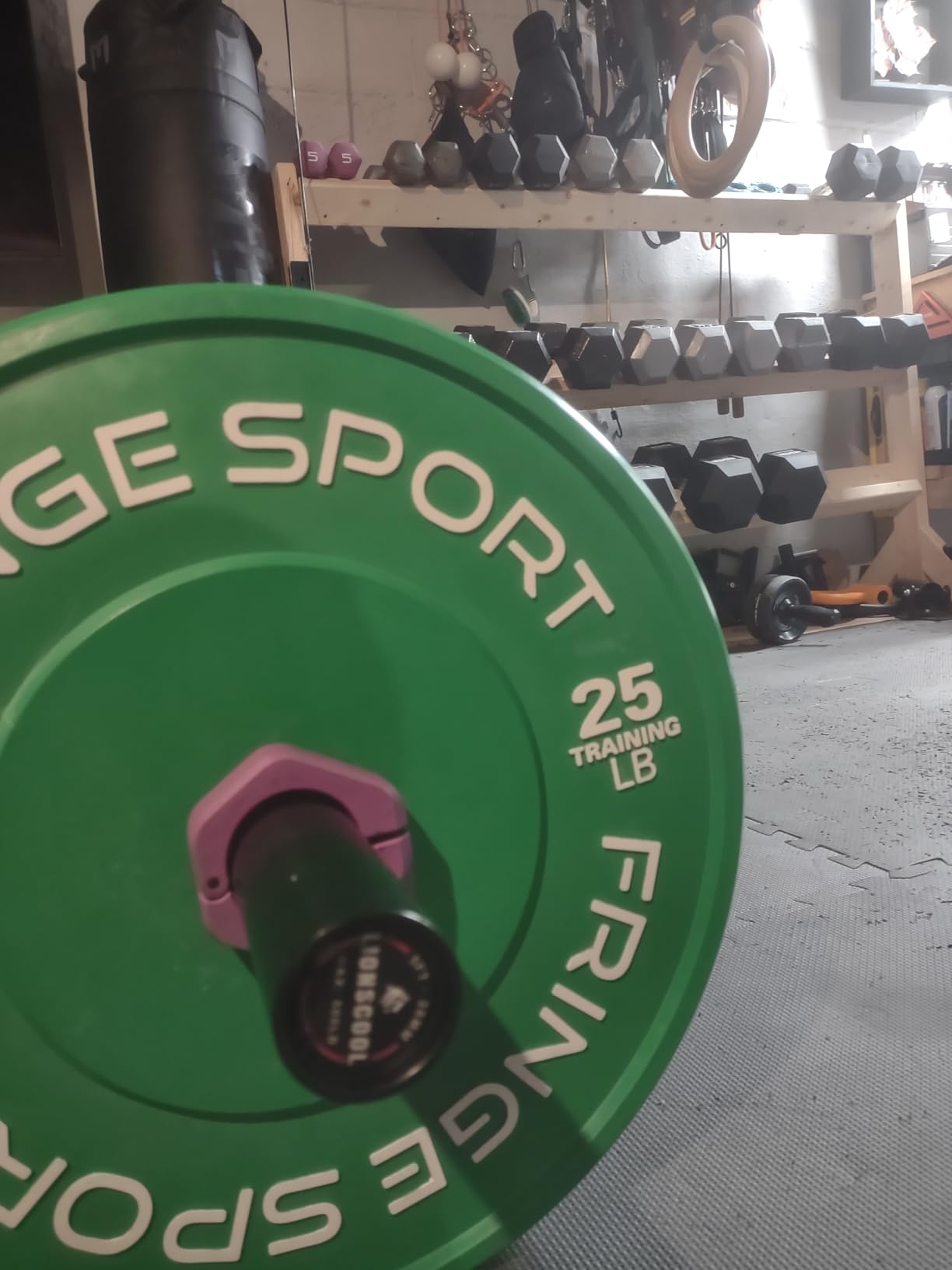
The knurl is 1.5mm diamond with a trimmed top, on a 28mm shaft, which is the same grip diameter as a standard 7-foot bar. That makes it feel more substantial than the 25mm short bars in this group, and reviewers single out the trimmed top as comfortable without shredding hands. It is also backed by a lifetime warranty against bending, and a workout poster is included.
The honest limits: no center knurl, 87,000 PSI tensile which is low next to the 190,000 PSI steel in the full-size bars here, and only 7.1 inches of loadable sleeve per side, which is short when you want to load four plates a side on a hip thrust.
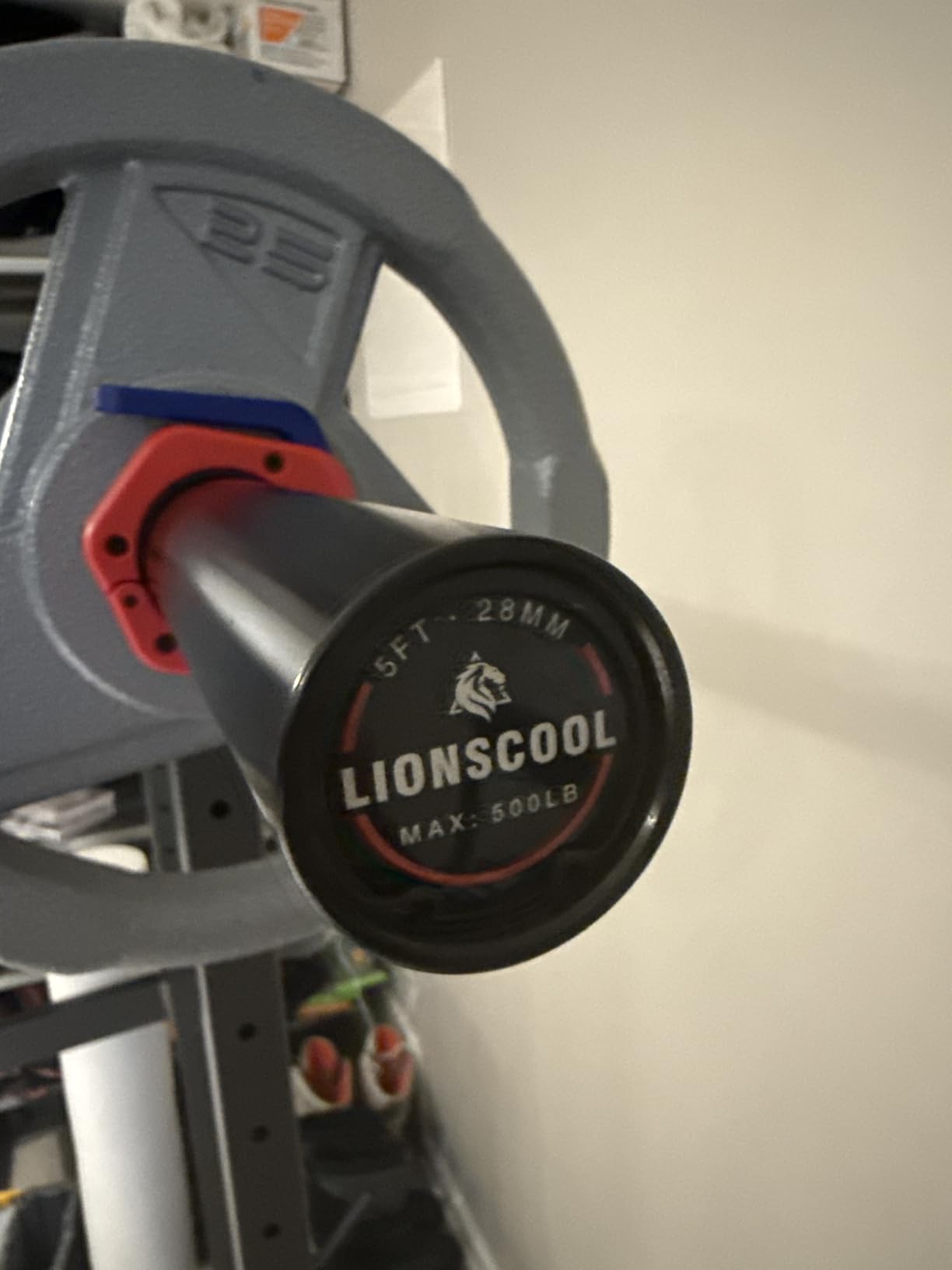
One thing to plan for: collars are not included, so you need to buy them separately before you load anything onto it. Budget for that as part of the cost of the bar rather than an accessory you will get around to later.
This is the short bar I would choose in a damp garage, a basement or a room where a chrome bar would need constant care. For hip thrusts, curls, rows and presses it does everything a 4-foot bar can do, and it does it quietly.
6. CAP Pro Series 7FT Olympic Barbell – Best Loaded-Press Bar
CAP The Beast 7ft Olympic Barbell, Pro Series, 1,200lb Capacity
7ft 2-inch sleeve
44lb bar weight
1200lb rated
Black phosphate finish
Pros
- Standard 45lb-class weight in a full 7-foot length
- Knurl balances a secure grip without excessive sharpness
- Bronze bushing sleeves spin without metal-on-metal contact
- Carries a real warranty rather than a short return window
Cons
- Black finish can scrape or flake with use
- Some owners report metal fragments from the sleeves early on
- Multiple reports of bending past 600lb
This is the sensible step up from the CAP bar in position 1, and it is frequently described by owners as the best of the CAP line. It is a 7-foot, 2-inch-sleeve steel bar weighing 44lb — standard 45lb-class weight — rated to 1200lb with 120,000 PSI tensile strength, in a black phosphate finish. For a home lifter moving real weight on bench and squat, that is a meaningful upgrade.
The knurling is the same volcano-style pattern as the entry CAP bar, and the feedback is consistent: secure, controlled, not so sharp that it tears. That balance is what makes it usable for both heavy singles and higher-repetition work without changing grip strategy between sets. The bronze bushing sleeves again avoid the metal-on-metal grinding that makes cheaper sleeves feel harsh.
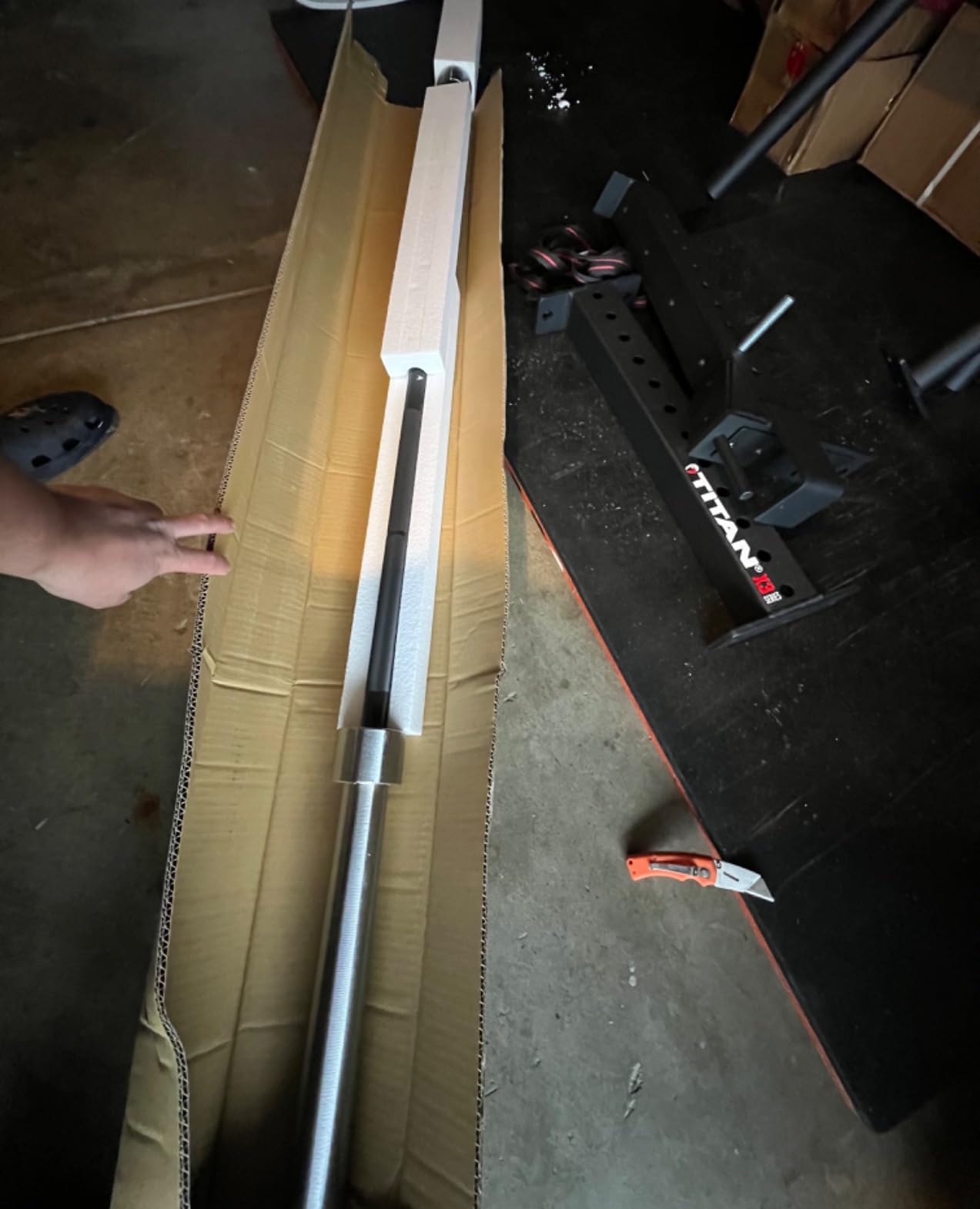
What sets it apart in practice is the warranty and the finish. Where entry-level bars in this category often carry only a short return window, this one has a real warranty behind it, and newer production runs use improved packaging that does not leave the bar scratched before you use it.
The complaints are consistent too, and worth weighing. The black phosphate coating is attractive and rust-resistant but can scrape or flake off after a few racks, and some owners report tiny metal fragments shedding from the sleeves in the first sessions. Separately, several reviewers report the bar beginning to bend at 600lb-plus loads — far beyond a typical home gym, but a reminder that a 1200lb rating is not the same as a 1200lb-tested bar.
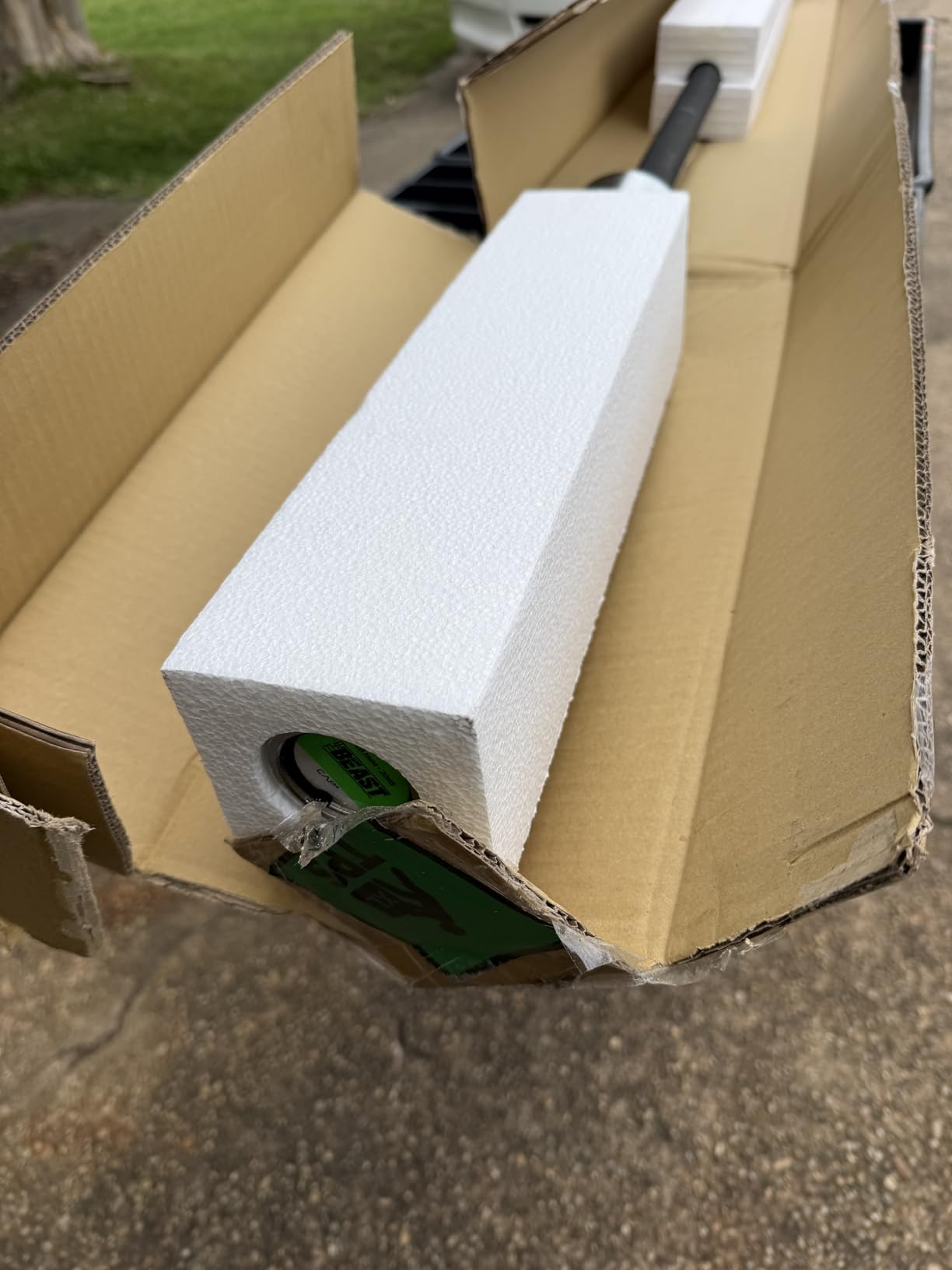
Naming is the other headache: THE BOSS, THE REBEL, center knurl and no-center-knurl variants all sit in the same family. Confirm the center knurl status and the actual weight for the specific listing you are buying.
Choose this over position 1 if your squat and bench numbers are climbing past what a lighter bar should be asked to hold, or if you simply want a bar that looks like it belongs in a garage. If you want even more steel headroom, the PAPABABE in position 3 is the step past this.
7. RitFit Elite 7ft Olympic Barbell – Best Hybrid Starter Bar
RitFit Elite 7ft Olympic Barbell, 500lbs — Black
7.2ft 2-inch sleeve
20kg 28mm shaft
Needle bearings
Volcano knurl
Pros
- Accurate 45lb-class weight and standard 28mm diameter in the hand
- Does not flex under a 225lb working load
- Volcano knurling grips well without being harsh
- Backed by a lifetime warranty against bending
Cons
- This specific variant is only rated for 500lb
- Arrives with a light protective oil that needs wiping
- Bright finish colors are less vivid than expected
The RitFit Elite is designed as an explicit hybrid — a bar the manufacturer positions for both Olympic lifts and slower power movements. At 20kg with a 28mm shaft across 2.2 meters, it is a standard 7-foot bar in every dimension that matters, which makes it an uncomplicated choice for a mixed program.
Owners describe a bar that feels correct in the hand: standard diameter, accurate weight, and a volcano knurl that is comfortable but still friction-driven enough with sweaty palms. The most common practical observation is that it does not flex under a 225lb working load, which is exactly what you want from a first serious bar rather than a decorative one.
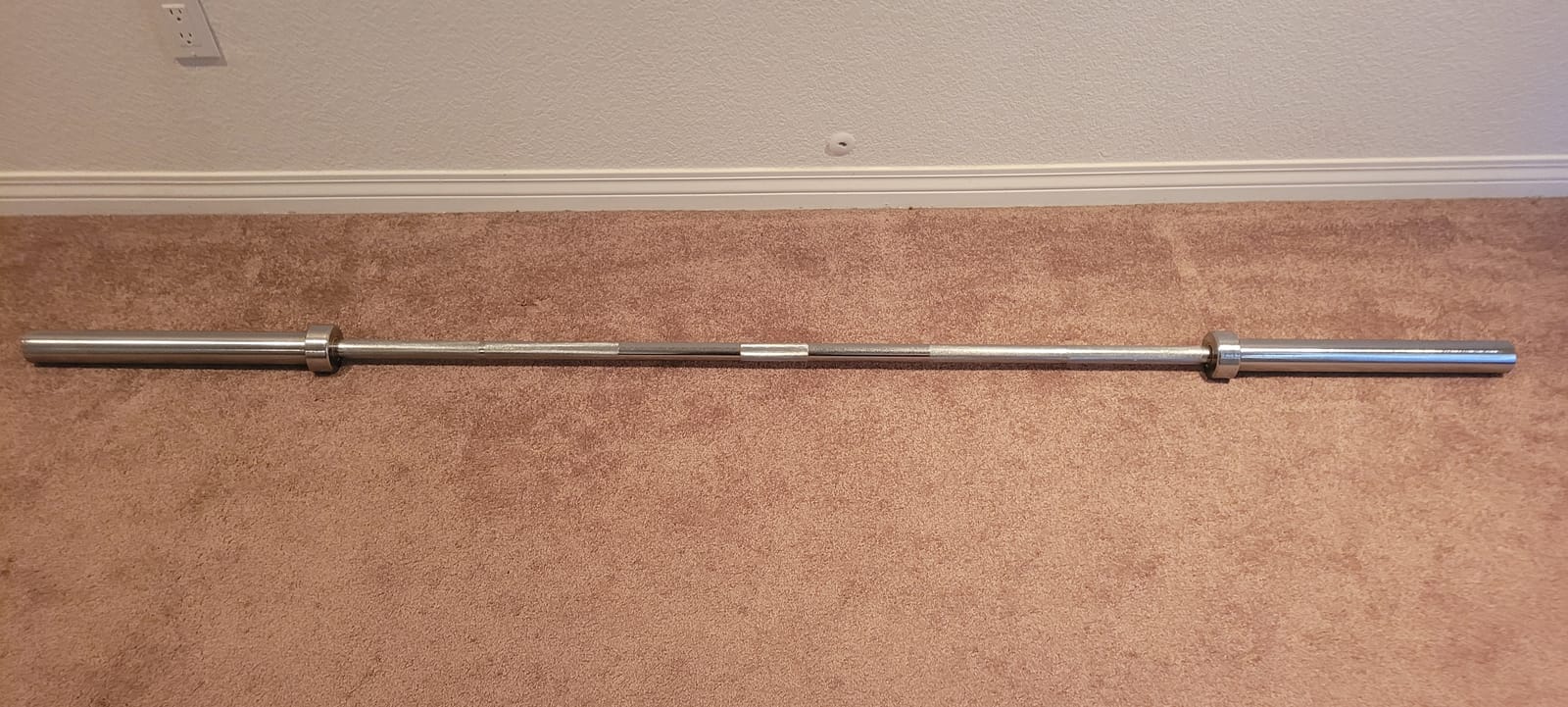
Sleeves use needle bearings for smooth, quiet spin and reliable turnover at load, and the oxide finish is low-maintenance enough that you will not think about it. It also comes with a lifetime warranty against bending, and multiple capacity options across the range from 500lb to 2000lb, so the same bar exists in a heavier-rated version if your training outgrows this one.
Three small things. This specific variant is only rated for 500lb, which some buyers did not notice when they ordered — check the capacity before assuming the number on the listing you picked. Some bars arrive with a light protective oil that needs wiping off before first use. And owners looking at the brighter finish colors report they are less vivid in person than in the listing photos.
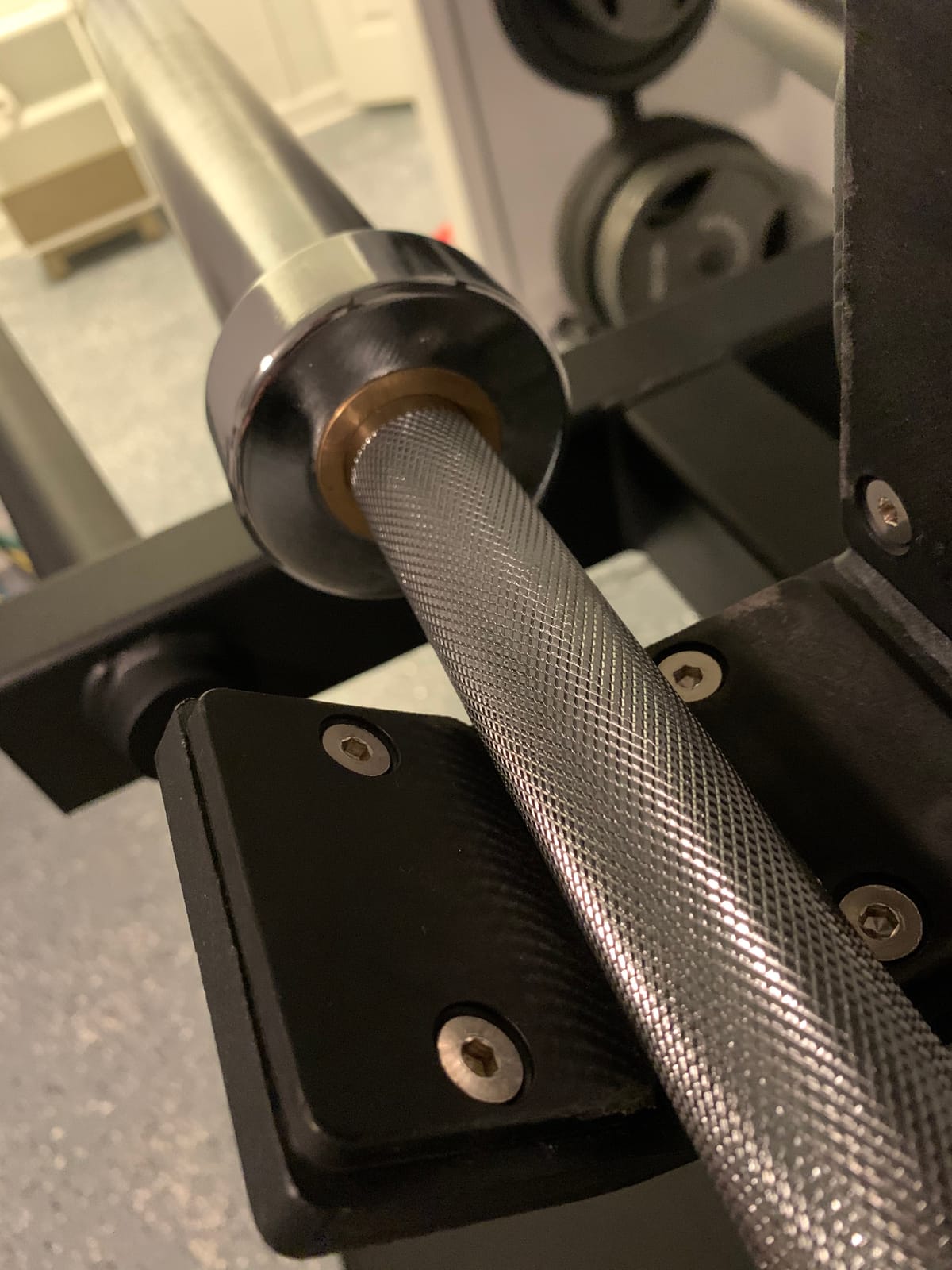
Packaging is handled well, with bars reaching owners without scratches or dents in most reports, which is more than can be said for several competitors here.
Pick this if you want a conventional 7-foot bar with a normal 28mm grip, a hybrid intent, and a lifetime bending warranty, and you are still climbing rather than squatting three plates a side. If you want maximum measured capacity in the same footprint, the HANDBODE in position 8 rates to 1000lb at 190,000 PSI.
8. HANDBODE 7ft Olympic Barbell – Best 190K PSI Hybrid
HANDBODE 7 ft Olympic Barbell, 45 lb Bar, 2-Inch Sleeves, Black
True 45lb at 7ft
190000 PSI and 1000lb rated
Four hybrid needle bearings
Medium whip
Pros
- True 45lb bar at 86.6 inches overall with a 51.6 inch shaft
- Four hybrid needle bearings with brass bushings for smooth rotation
- Medium whip is a good compromise for mixed training
- Two 16.7 inch knurl zones with dual IWF and IPF marks
Cons
- No center knurl
- Check rack clearance against the 51.6 inch shaft before ordering
- Bearings do not reduce drop noise
Spec for spec, this is the most versatile 7-foot bar in the group. A true 45lb weight, 86.6 inches overall with a 51.6-inch shaft, 28mm grip, 16.3-inch sleeves, 190,000 PSI alloy steel rated to 1000lb, and four hybrid needle bearings — two per sleeve — working with brass bushings. Buyers describe it as a high-spec bar at a low price, which is a rare combination.
The medium whip is the detail most worth understanding. A stiffer bar feels solid and transfers force predictably on heavy singles but resists the fast turnover a clean and jerk needs. A whippier bar does the opposite. This one sits in the middle deliberately, which is why it works for squats and deadlifts in the morning and faster movements later without owning two bars.
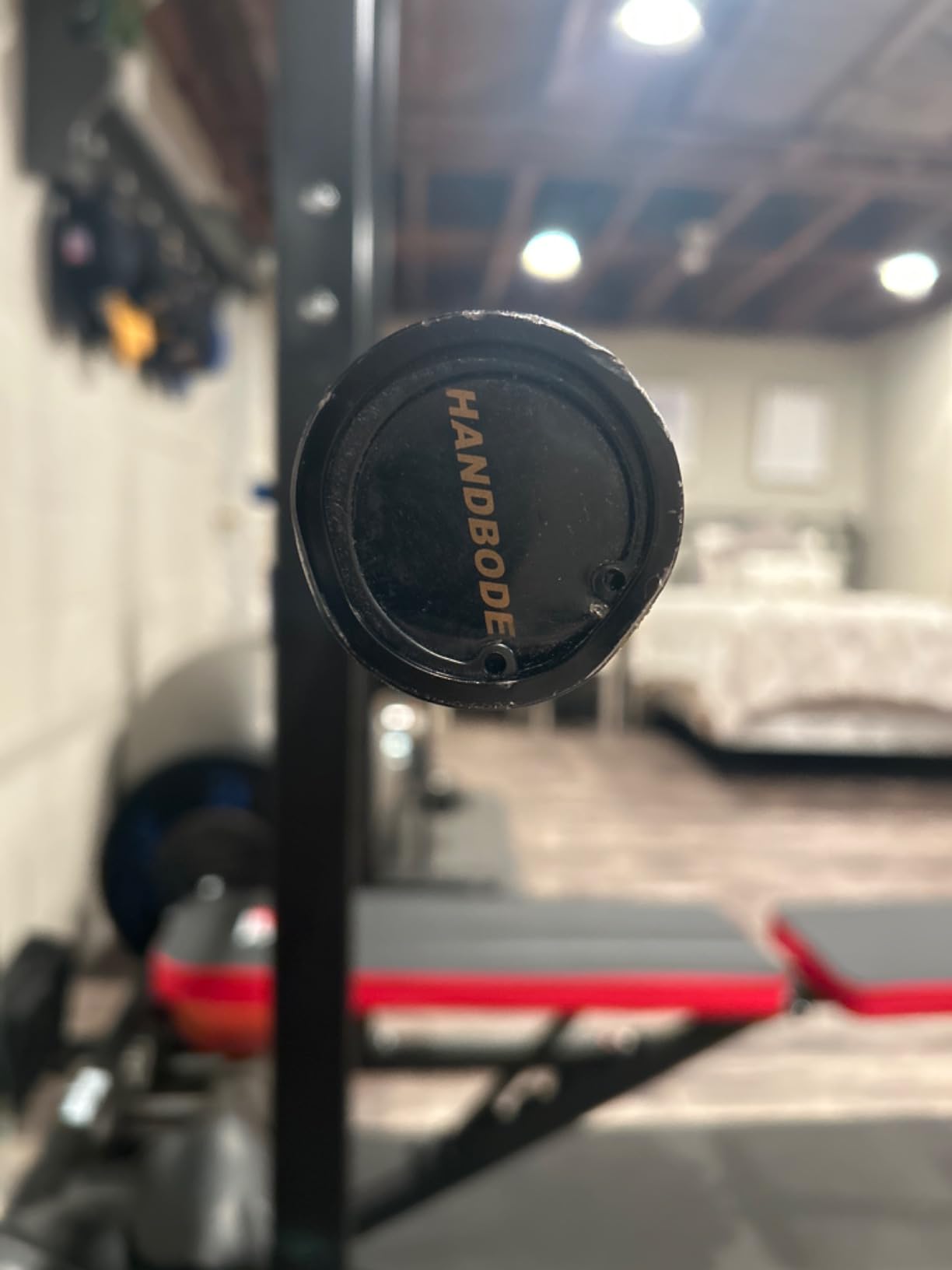
The sleeve system is the strongest mechanical feature here. Four needle bearings give a smooth, controlled rotation that holds position under load instead of drifting, and the knurling is a volcano pattern across two 16.7-inch zones with dual IWF and IPF marks, so you can set up for power or Olympic hand positions repeatably from session to session. The tactile feedback is enough that most lifters stop wishing for a center knurl once they get used to it.
Finish is handled with care too: an oven-cured spray finish on the shaft and electrically applied E-coat on the sleeves, both aimed at corrosion resistance. That is a sensible pairing for a garage.
Three practical points. There is no center knurl. The 51.6-inch shaft means you should check the clearance between your rack uprights before ordering. And needle bearings improve rotation but do nothing about the noise a dropped bar makes — you still need bumper plates and a decent floor if you are dropping.
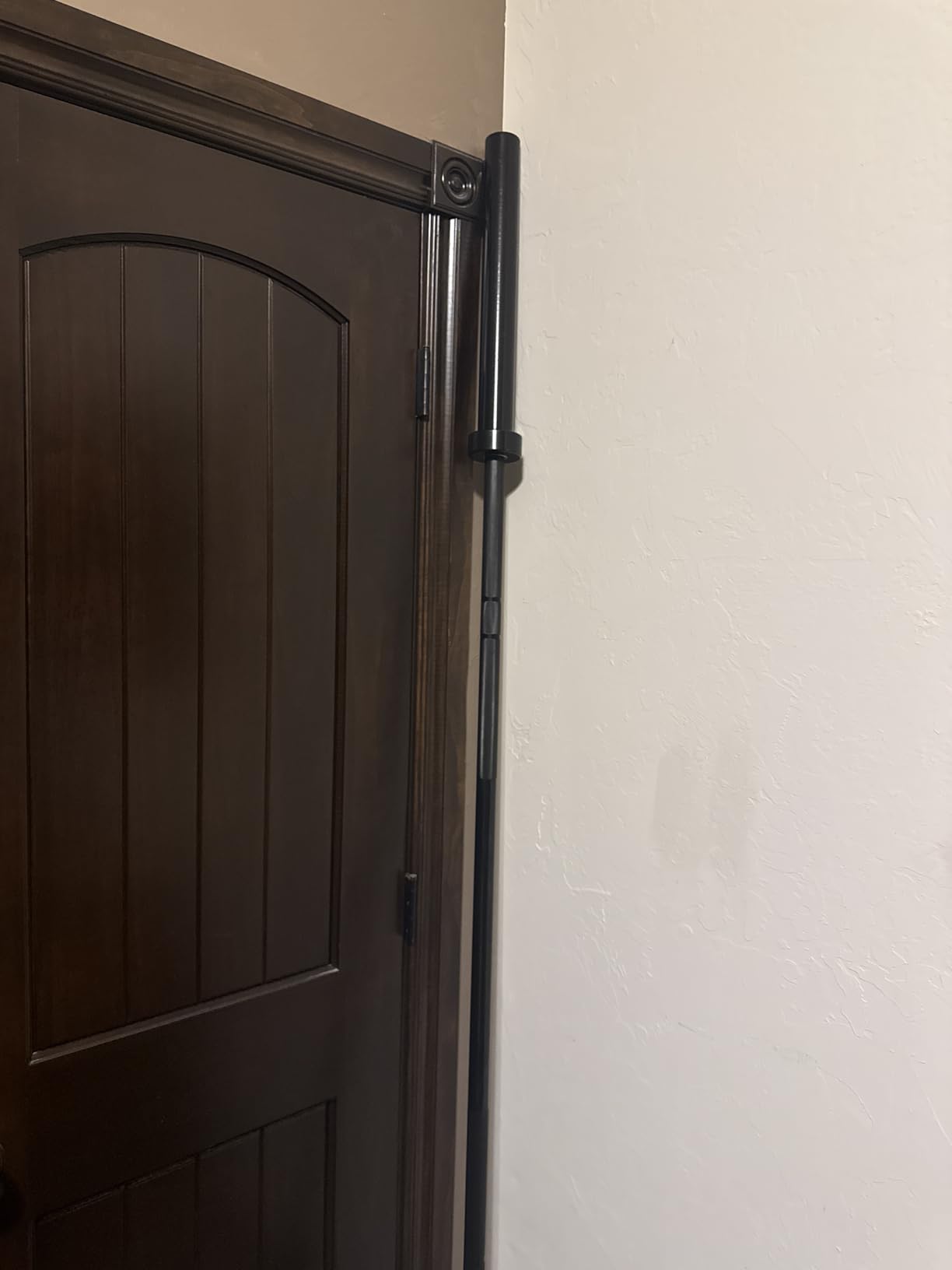
This is the bar I would point someone toward who wants one bar to do everything, is training mixed, and cares more about measured steel quality and sleeve mechanics than about center knurl texture. It sits at the overlap between the PAPABABE’s specification sheet and a more deliberate whip profile.
9. Synergee 45lb Rhino Power Bar – Best Stiff Power Bar
Synergee 45 lb Rhino Power Bar – Cerakote Finish 1500 lb Rated
Stiff low-whip power bar
29mm grip
16.4 in loadable sleeve
190K PSI and 1500lb rated
Pros
- Very stiff with little to no whip under load
- True 45lb weight with 16.4 in of loadable sleeve per side
- Aggressive volcano knurl that builds calluses confidently
- Cerakote shaft finish wipes clean and resists blemishes
Cons
- Too stiff for Olympic-style cleans and snatches
- Metal-on-metal sleeves with no bearings mean sleeve life is a real question
- Protective packaging is sometimes only styrofoam
The Rhino Power Bar is the specialist in this group, and owners are almost unanimous about what it is for: squat, bench and strict press. It is a true 45lb bar at 29mm diameter with 190,000 PSI tensile strength, a 1500lb rating and 16.4 inches of loadable sleeve per side, built without bearings on purpose. That is the design decision that defines the bar.
Removing the bearings makes the sleeve stiffer, which reduces flex and whip and gives a much more stable platform for heavy singles. The trade is explicit: this is not a bar to take fast, whippy Olympic movements on. If your training is powerlifting-first, that trade is exactly what you want. If you split your week between power and Olympic work, you want a hybrid like the HANDBODE in position 8 instead.
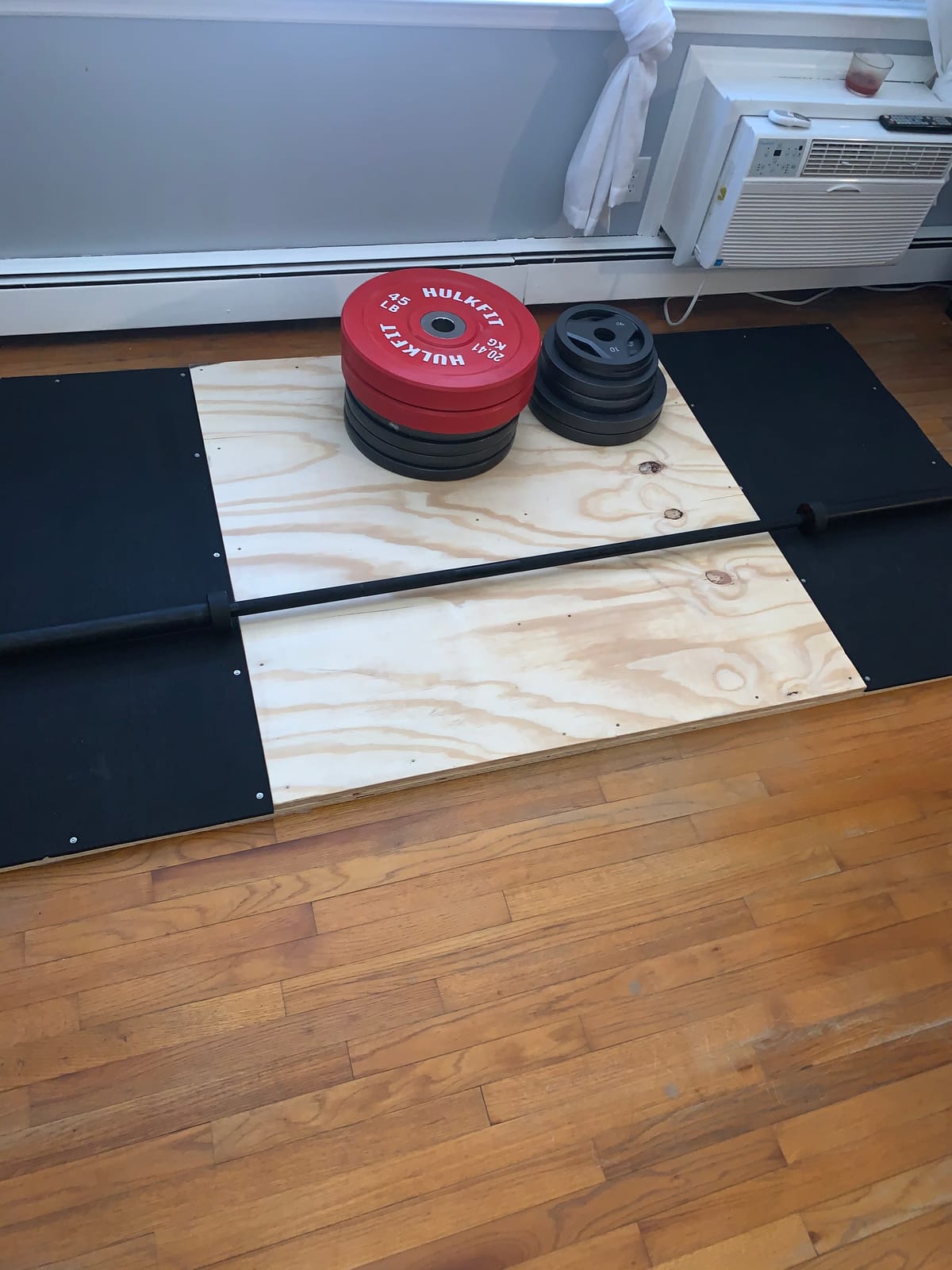
The 29mm diameter and long distance between collars also give you a wider hand position for low bar squats, and the aggressive volcano knurl is described as confident without being tearing — the kind of texture that builds calluses you stop noticing. Owners frequently compare this favorably to name-brand premium power bars while paying a fraction of the cost.
The Cerakote-coated shaft is the finish to copy. It arrives pristine, wipes clean easily and resists blemishes, which means a bar that looks presentable in a home gym for years without a coating specialist. The sleeves are black phosphate, which is harder and more durable than coating them to match.
There are real caveats. Sleeves are metal-on-metal with no bearings, so for someone doing very heavy work every single day, sleeve life is a legitimate question to ask. Some units have a small manufacturing nick or fish hook on a sleeve end. Protective packaging is sometimes only styrofoam rather than a rigid tube, which is how a few bars picked up handling marks.
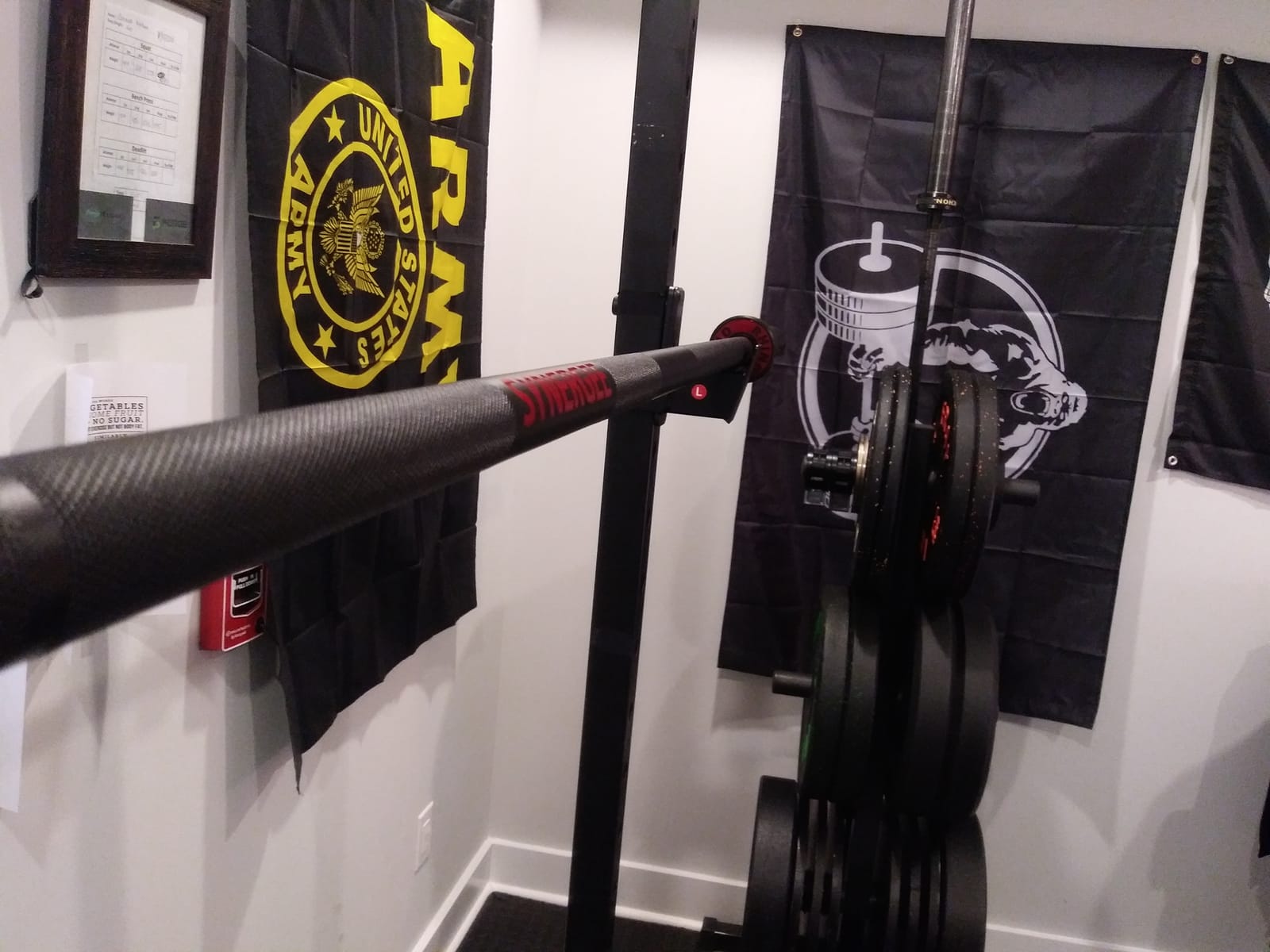
One buyer also reported inconsistent customer service responsiveness, which is worth factoring in if you expect to lean on warranty support. Others describe the opposite, so treat it as a single data point rather than a pattern.
If you squat heavy, bench heavy and want a bar that looks and feels like a piece of competition equipment, this is the one. If you want one bar for everything including cleans and snatches, go back to position 8.
10. Iron Crush 7ft Olympic Barbell – Best No. 45 Steel Bar
Iron Crush Olympic Barbell – Multifunction 7-Foot Weight Bar for Weightlifting, Powerlifting, CrossFit Training – No. 45 Steel, Chrome Finish – 750 lbs Max Load Capacity – Home Gym Fitness Equipment
No. 45 cold-rolled steel
170K PSI and 750lb rated
28mm grip
1.2mm medium knurl
Pros
- Bearing spin instead of plain bushings
- so collars keep rotating under load
- Cold-rolled No. 45 steel at 170K PSI and 750lb
- Aggressive knurl that grips without cutting into hands
- Good balance of whip and spin for powerlifting and CrossFit
Cons
- No center knurling
- Some bars arrive with a slippery oily residue that must be wiped off
- Chrome finish requires care to avoid spotting
Material is the headline here. Most budget bars list generic alloy steel; this one specifies cold-rolled solid No. 45 steel, the classic barbell material, at 170,000 PSI with a 750lb capacity. Reviewers describe the bar as feeling better made than comparably priced competitor bars, and the 86% five-star share backs that up.
The sleeve system is bearings rather than bushings, which is why owners report that collars keep spinning for long stretches under load. For anyone doing high-repetition work, mixed sessions, or anything where the bar is unloaded and re-set up constantly, that is a livelier feel than a bushing bar. The 1.2mm medium-depth knurl rings are marked for both Olympic and powerlifting hand positions.
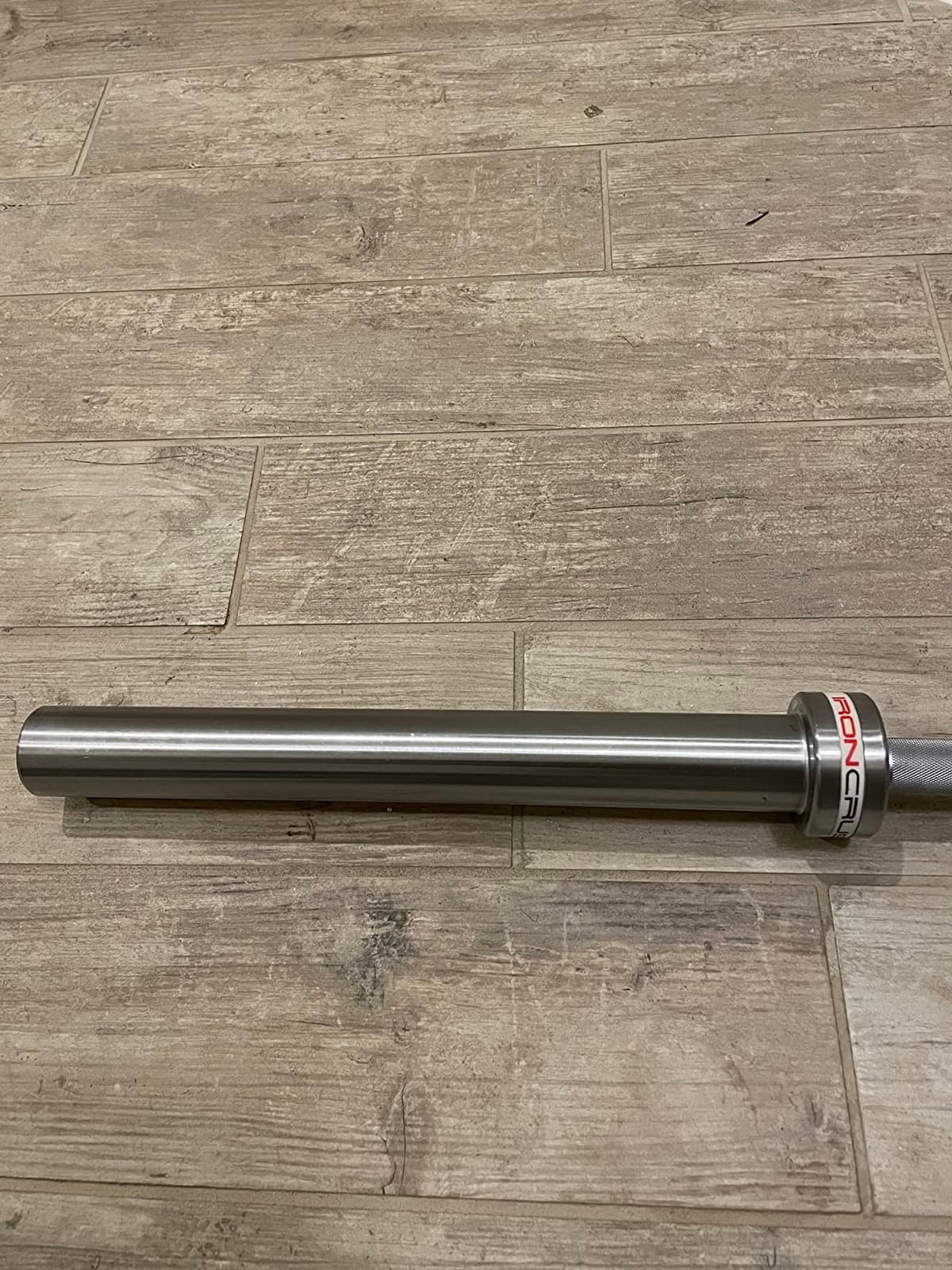
At 7.2 feet, 28mm and a true 45lb, the dimensions are standard, which is what you want in a bar intended for both powerlifting and CrossFit-style work. Reviews specifically praise the balance of whip and spin, meaning it is not as rigid as a dedicated power bar and not as loose as a cheap whippy one.
The three recurring caveats are worth knowing. There is no center knurling, which some lifters consider a dealbreaker for squatting. Some units arrive covered in a slippery oily residue that has to be wiped down before first use — not a defect, just protective oil. And the chrome finish, while it looks the best of the group in photos, needs regular wiping to avoid spotting.
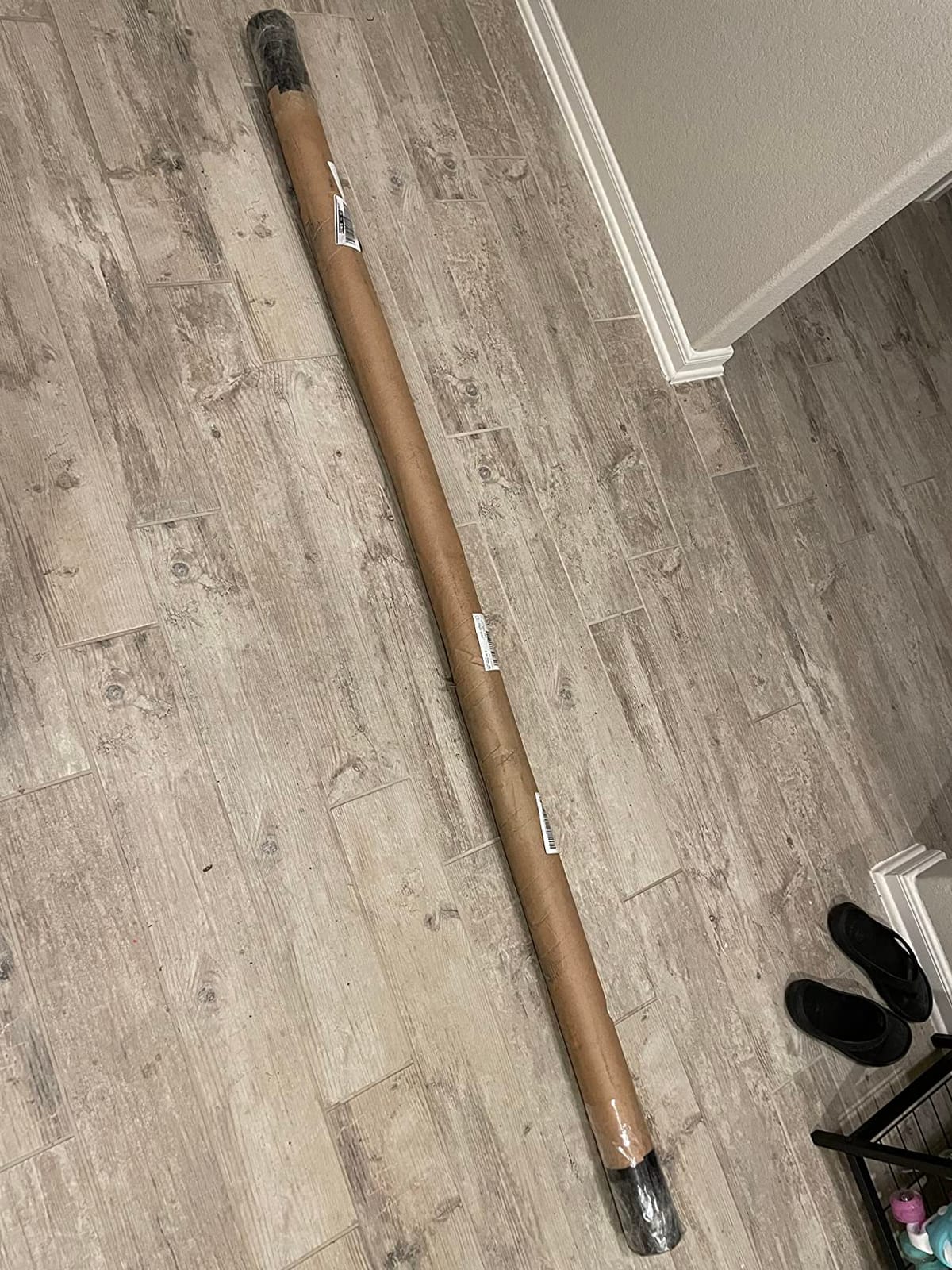
Protective packaging is handled well in most reports, with bars reaching owners undamaged.
Buy this if you do mixed training in a garage and want a lively bar with real steel behind it. It is a strong middle ground between the stiff power bars and the bushing-smooth hybrids on this list.
11. Mikolo 7ft Olympic Barbell – Best Eight-Bearing Spin
Mikolo 7ft Olympic Barbell, Barbell for Weightlifting and Powerlifting 45lb, Olympic Bar for 1500lbs Capacity, Weight Bar Fit 2” Standard Weights (Calssic Red)
IWF standard build
190K PSI and 1500lb rated
Eight needle bearings
28mm grip
Pros
- Eight needle bearings
- four per sleeve
- spin smoothly and silently
- 190K PSI with a 1500lb rating and true 45lb weight
- Feels noticeably heavier and more solid than other 45lb bars
- Dual powerlifting and Olympic marking knurl
Cons
- No center knurling
- 1.2mm knurl is shallower than some prefer for very heavy pulls
- Long sleeves can be awkward to re-rack on a narrow rack
This bar has the highest bearing count of anything we reviewed: eight needle bearings, four per sleeve, working with brass bushings and snap ring retention. The result owners describe is smooth, silent spin with no clanging at the bar ends, which is exactly the failure mode people notice first on cheaper sleeve assemblies.
It is also built to IWF standards at 190,000 PSI with a 1500lb capacity and a true 20kg weight, with a hardened chrome surface for corrosion resistance. At 28mm, the grip is the standard diameter and described as comfortable. Several buyers report that it feels noticeably heavier and more solid in the hand than other 45lb bars they own, and one reports holding 500lb on the deadlift with no bending or damage.
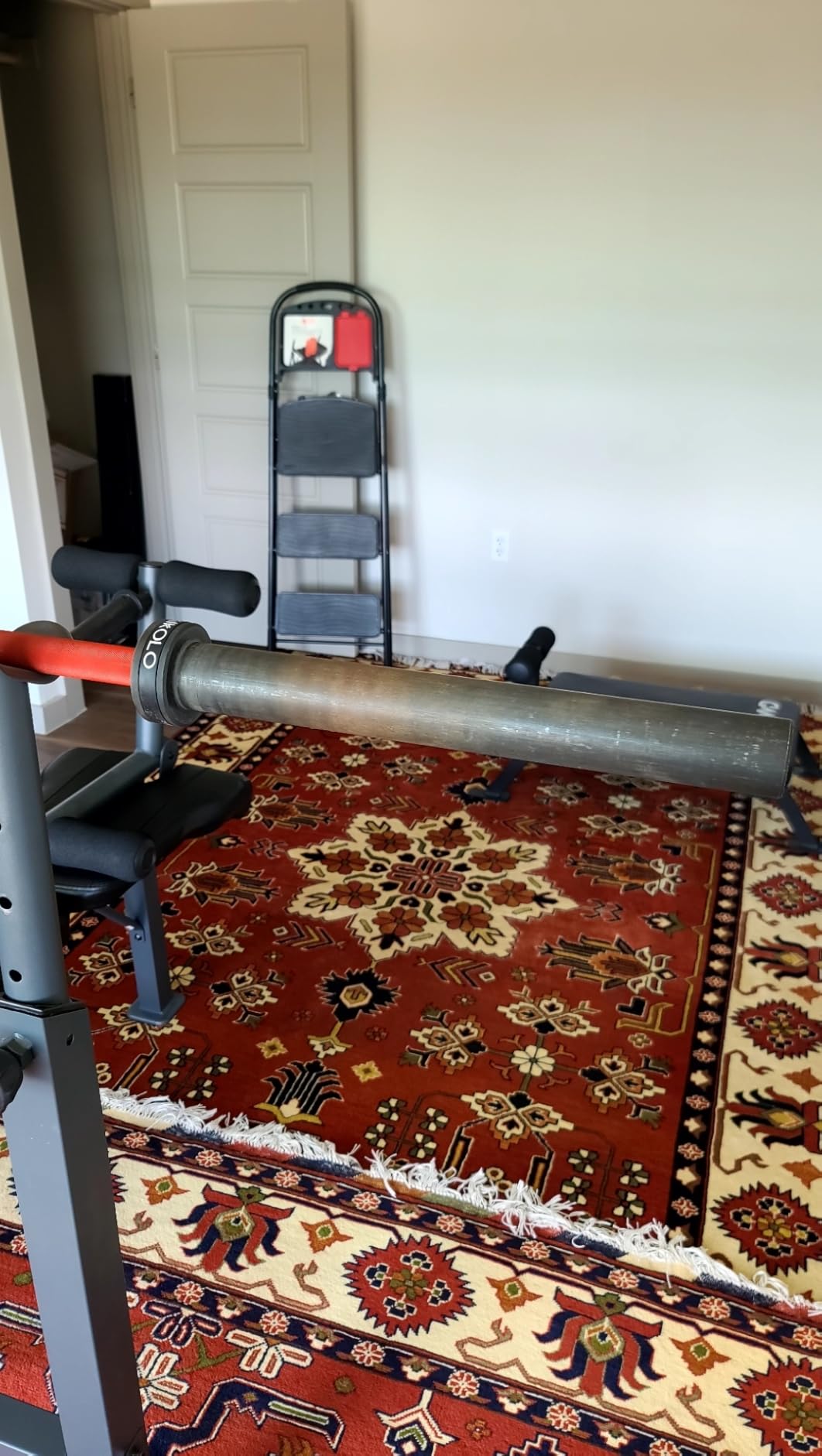
The knurl is 1.2mm diamond with dual marking for powerlifting and Olympic hand positions, and it is specified to hold grip as hands sweat. One detail stood out in the feedback: buyers who also own a well-known premium multi-purpose bar report no perceptible difference in knurl quality or spin between the two, at roughly half the typical cost. That is the single most direct owner comparison in the whole set, and it came up more than once.
The limitations are lift-style preferences more than flaws. There is no center knurl, and some buyers only noticed after it arrived. The 1.2mm knurl is shallower than aggressive competition knurls, which may not bite enough for very heavy pulls for some. And long sleeves need careful centering to re-rack on a rack around four feet wide.
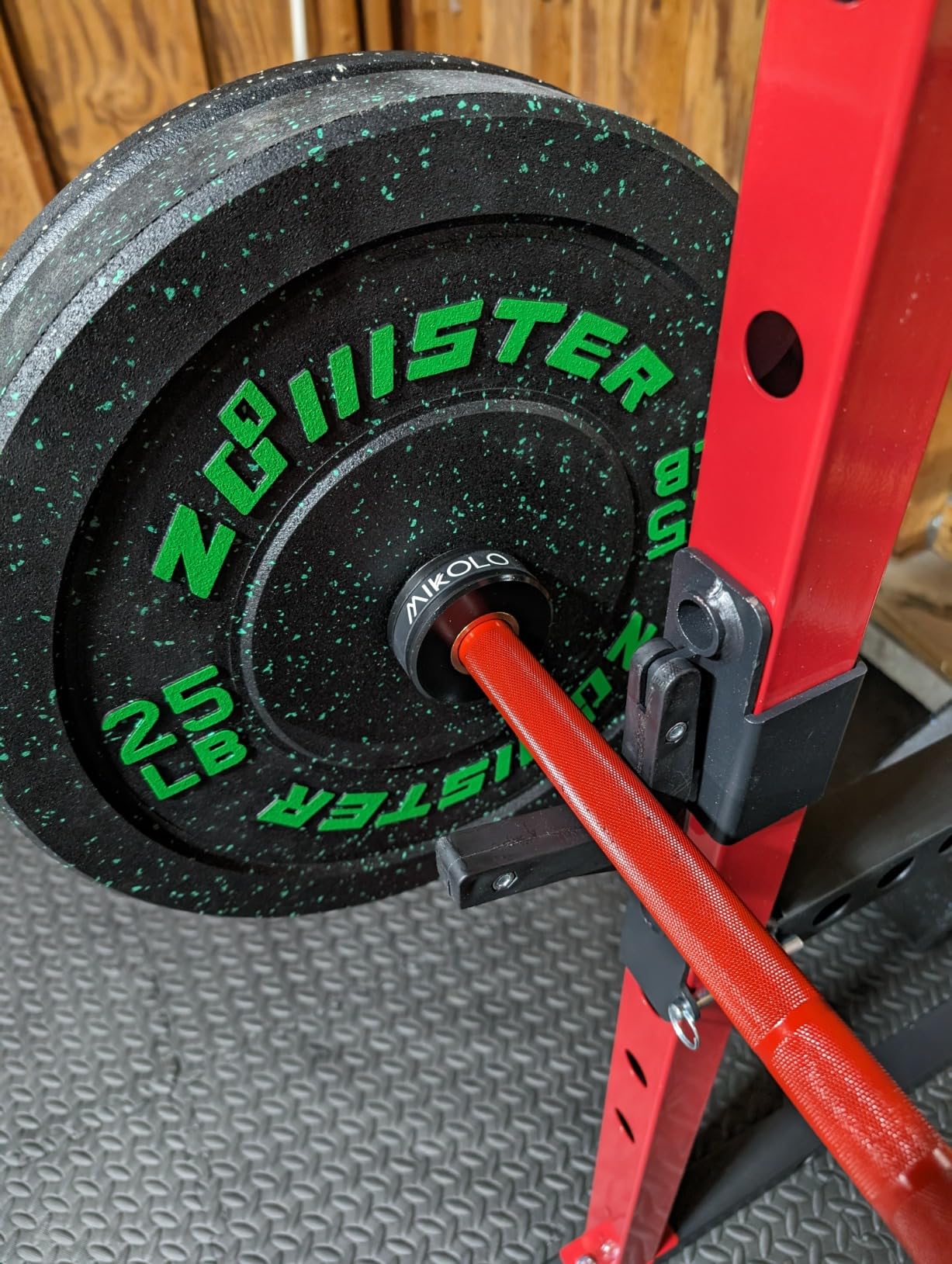
At 197 reviews this is the least-reviewed bar here, so treat the enthusiasm with a little care. What is not in dispute is the spec sheet: IWF-standard construction, 190,000 PSI, 1500lb rated, eight bearings and a true 45lb weight is a strong foundation regardless of how many people have written about it yet.
Choose this if quiet, frictionless sleeve rotation is the thing you notice most about a bar, and you want maximum rated capacity in a standard 28mm frame.
12. POWER GUIDANCE 4ft Olympic Barbell – Best Entry Short Bar
POWER GUIDANCE Chrome Olympic Barbell Bar, Weight Bar for lifting, Hip Thrusts, Universal Strength Training Bars 22lb 4ft/47 inch (Straight)
4ft 2-inch sleeve
22lb bar weight
330lb capacity
Circlip sleeve retention
Pros
- Works as a traditional bar or an Olympic bar with 2-inch plates
- Medium knurl grips precisely without shredding hands on high-rep work
- Circlip structure stops sleeve nuts loosening over time
- Easy entry price for a first short accessory bar
Cons
- 330lb capacity limits it to lighter loading than a full-length bar
- 47 inch length is not rackable on a standard squat rack
- A3 steel is a lower grade than modern alloy bars
This is the shortest, lightest and simplest bar in the group, and it fills a genuine gap: a low-cost short bar for hip thrusts, curls, presses and rows in a room where a 7-foot bar will not fit. It is 47 inches overall with a 33-inch shaft, 6.7-inch sleeves and a 22lb weight, and it works with 2-inch plates or as a plain straight bar depending on what you own.
What you get for the entry money is a well-behaved knurl and a sensible sleeve design. The knurling is medium depth, which owners describe as precise without shark-tooth aggression — ideal for higher-repetition accessory work where an aggressive knurl would just annoy you. The circlip sleeve structure means the sleeve ends do not loosen over time, so there is no recurring nut check, which is a genuine reliability win over hex-bolt designs.
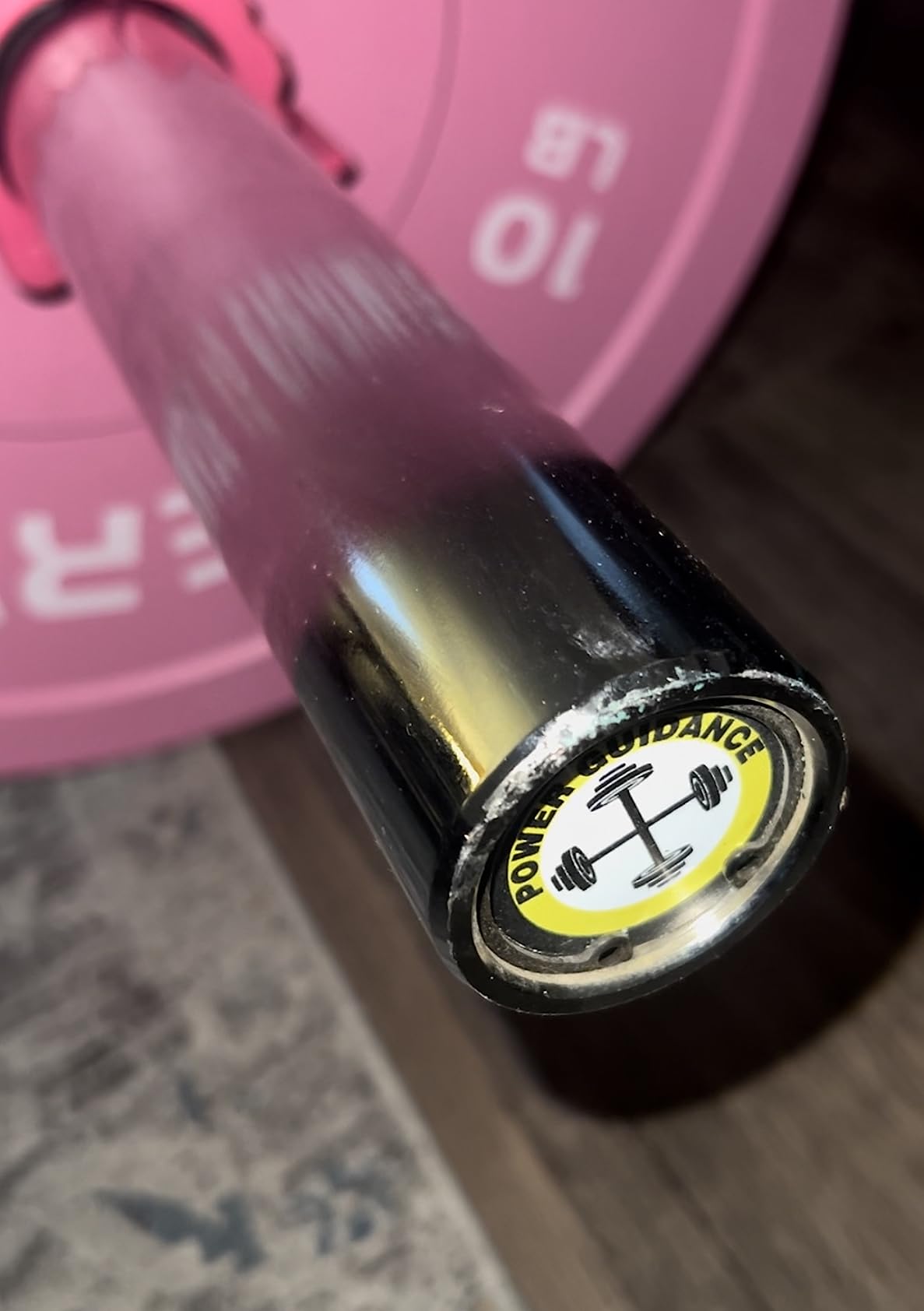
The chrome plating looks good and holds up, and the 86% five-star share reflects a product that does its narrow job without drama.
Now the honest list. The 330lb capacity is well below what a full-length Olympic bar is rated for, which is another way of saying this is not a bar to grow into. At 47 inches it is not rackable on a standard squat rack, so it is floor and accessory work only. The 6.7-inch sleeves limit how much plate you can stack. And the A3 solid steel is a lower grade than the alloy steel used in most modern bars, which shows up as a lighter, less refined feel.
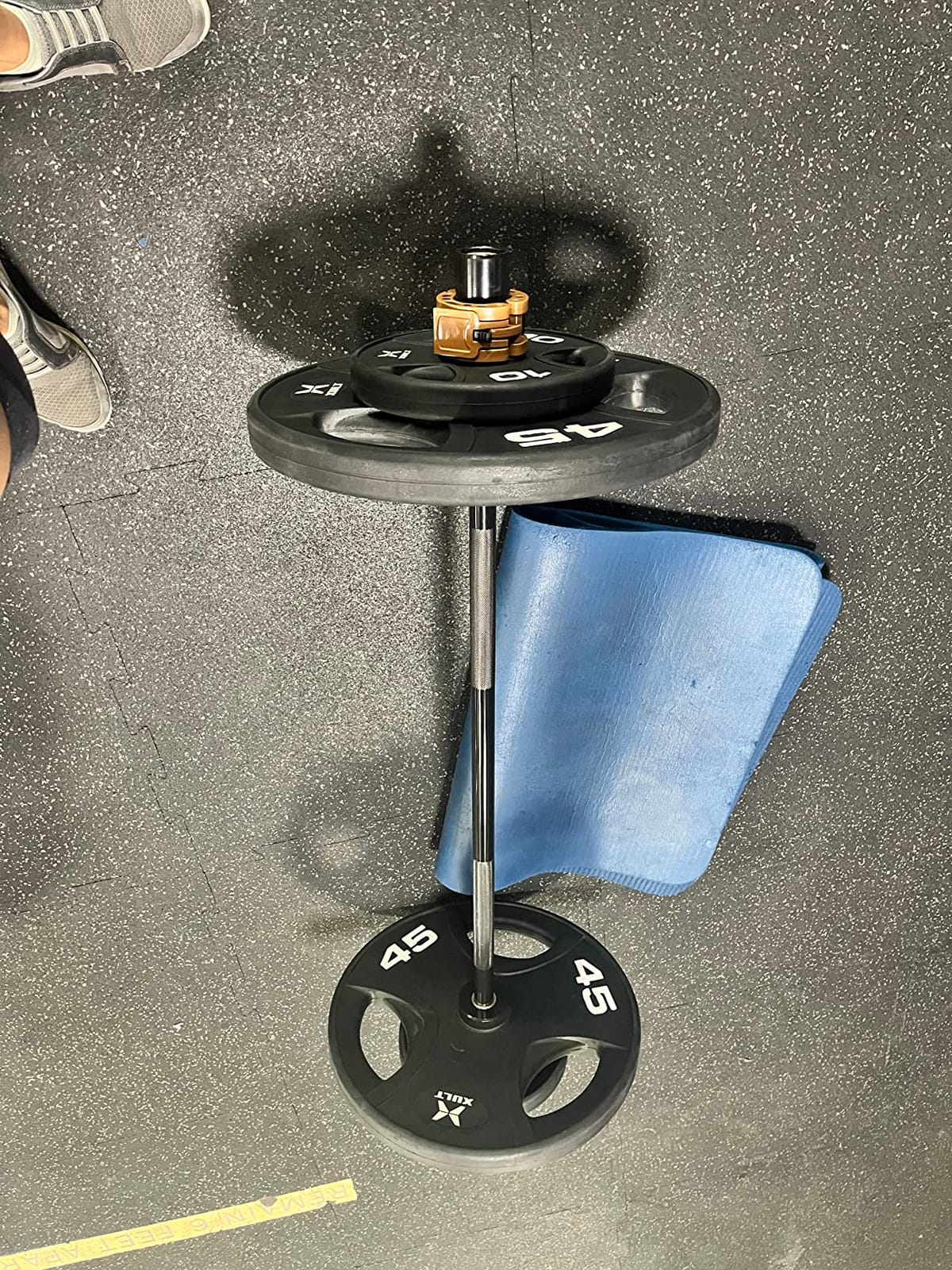
Treat it as a supplement rather than a primary bar. If you already own a 7-foot bar and want a second tool for hip thrusts and curls without spending real money, it does the job well. If you are buying your first bar, choose one of the 7-foot options instead.
The short-bar question generally is worth settling early though, and it comes up constantly. Our full Olympic barbell roundup covers the length options in more depth, and the four-foot decision is usually about rack width and room to move, not about training goals.
What to Look For in an Olympic Barbell
Most buying mistakes come down to six decisions, and each one is quicker to make once you know the question. Work through them in order rather than comparing spec sheets, because most of the spec differences only matter once one of these earlier choices is settled.
1. Bar type: multi-purpose, power, Olympic, short or technique
Multi-purpose bars are built to do everything adequately: a 28mm shaft, medium whip, moderate knurl, bearings or hybrid sleeves. Power bars are stiffer, usually 29mm or thicker with aggressive knurl and little whip, optimized for squat, bench and press. Olympic weightlifting bars are the whippiest and lightest-feeling, with a thinner shaft and faster sleeve rotation for speed work. Short bars of 4 to 6 feet are accessory tools. Technique bars are light aluminum bars for learning movements.
For most home gyms, a multi-purpose bar is the right default. Power bars reward you only if you are training heavy singles and can accept a stiff sleeve. Olympic bars make sense if your program is primarily snatch and clean and jerk.
2. Bar weight accuracy, and why 35lb matters
An Olympic bar should weigh 45lb (20kg). The exception in this group is the CAP OBIS-85, which is 35lb in a 7-foot frame. If your programming is written in plates rather than total barbell weight, that is a 10lb discrepancy on every single working set. Light technique bars sit far below that by design.
3. Capacity, but read it alongside the material
Capacity ratings in this group range from 330lb on a short bar to 1500lb on a 7-foot. But a rating means little without the material and tensile strength behind it. Aluminum shafts and lower-grade steels have different failure behavior under overload than alloy steel, and the honest signal is the combination: 190,000 PSI alloy steel at a 1000lb rating is a meaningfully different object from a 100,000 PSI steel with a 500lb rating.
4. Bushing, bearing or hybrid sleeves
Bushings are pressed rings, usually bronze or composite, that are quiet, durable and cheap to maintain. They spin smoothly for a long time and then eventually grind, at which point a sleeve replacement is straightforward. Needle bearings use hardened rollers, spin faster and quieter for longer, and cost more. Hybrids combine both, which is where several of the strongest bars in this group sit. For mixed training, a hybrid or bearing bar is worth the money; for straight powerlifting on a budget, bushings are hard to argue with.
5. Knurl depth, and the center knurl question
Knurl patterns generally fall into three families: aggressive, medium, and passive or shallow. Aggressive knurl bites and builds calluses, which powerlifters prefer. Medium knurl is the safest all-round choice. Shallow knurl is easier on the hands for high-repetition or injury-sensitive lifters.
Center knurl is a genuine split decision. A raised knurl patch in the middle of the bar gives your back a defined contact point for squats, and powerlifters treat it as near-essential. Olympic lifters and CrossFit athletes often dislike it, because the extra texture interferes with a fast turnover and wrist rotation. There is no correct answer, only a better match for your training.
6. Finish, warranty and rack fit
Finish determines maintenance. Chrome and bare steel are the highest maintenance and need regular wiping to avoid rust and spotting, especially in a humid garage. Black phosphate and black zinc sit in the middle. E-coat and ceramic coatings like Cerakote are the lowest maintenance, resist blemishes, and wipe clean. Stainless steel is essentially maintenance-free. If you are not going to wipe a bar down regularly, buy a coated one.
Warranty is the confidence signal. Four bars in this group carry a lifetime warranty against bending, which tells you the manufacturer trusts the steel enough to back it indefinitely. Then check the fit: measure the distance between your rack uprights and compare it to the shaft length. A 51.6-inch shaft in a wider-than-average rack may not clear properly, and that is the single most common reason a bar gets returned.
Frequently Asked Questions
What is the best Olympic barbell on a budget?
The PAPABABE 7ft 45lb Olympic Barbell is the strongest budget option because it combines a true 45lb weight, 190,000 PSI steel, a 1000lb rating and hybrid needle bearing sleeves. If your program needs a center knurl for back squats, the CAP 7ft OBIS-85 covers that, but note it is a 35lb bar. Cheaper short accessory bars like the POWER GUIDANCE 4ft are fine for hip thrusts and curls, but not as a primary bar.
What barbell should I buy for a home gym?
For most home gyms, a 7-foot, 45lb, 28mm multi-purpose bar with a hybrid or bushing sleeve system covers every major lift. Pick the CAP 7ft OBIS-85 if you want a center knurl, the PAPABABE if you want maximum measured specs, or the HANDBODE if you want a medium whip for mixed training. Buy a short 4-foot bar as a second tool rather than as your primary bar.
What is the best barbell for Olympic lifting?
Olympic lifting favors a whippy bar with fast sleeve rotation and a moderate knurl. Among these picks, the HANDBODE 7ft bar with four hybrid needle bearings and a medium whip is the best fit, followed by the Mikolo with eight needle bearings for the smoothest spin. The Synergee Rhino Power Bar is the opposite of what you want, since it is deliberately stiff and built without bearings.
What is the best barbell for powerlifting at home?
For heavy squats, benches and deadlifts, look for a stiff, low-whip bar with a thicker grip and aggressive knurl. The Synergee 45lb Rhino Power Bar is built exactly this way, with 29mm diameter, 16.4 inches of loadable sleeve and a Cerakote shaft. The CAP Pro Series 7FT is a softer alternative that still handles standard home gym loads.
What is better, a 6ft or 7ft barbell?
A 7-foot bar is the standard Olympic length at 86 inches overall and is what nearly every squat rack and power cage is built around. A 6-foot bar is easier to load, store and handle, and often fits tighter rooms. If your rack uprights are far apart, a 7-foot bar may not clear them, so measure the collar-to-collar distance of your rack first.
What are the different types of barbell knurling patterns?
Knurl patterns fall into three practical groups. Aggressive knurl bites hard and builds calluses, favored by powerlifters. Medium knurl, the most common choice here, grips securely without tearing skin during higher-repetition work. Passive or shallow knurl is the gentlest and suits injury-sensitive lifters and high-rep sets. Volcano, mountain and hill are the pattern names manufacturers use for the raised diamond texture itself.
Why do some barbells have centre knurling?
Center knurling adds a raised patch of texture at the exact middle of the bar so the bar has a defined contact point against your upper back during squats, instead of sliding across the spine. Powerlifters treat it as close to essential for heavy back squats. Olympic lifters and CrossFit athletes often dislike it, because the extra texture interferes with fast turnover and wrist rotation during cleans and snatches.
Final Verdict: Which Olympic Barbell Should You Buy
After comparing all twelve, the CAP 7ft Olympic Barbell (OBIS-85) is the best Olympic barbell for most home gyms in 2026, because it is the only bar here that combines a center knurl, bronze bushing sleeves, a full 7-foot frame and the deepest well of long-term owner feedback. Just remember it weighs 35lb, not 45lb, and it is a starter-to-intermediate bar rather than a forever bar.
If specifications matter more to you than center knurl, buy the PAPABABE 7ft — a true 45lb weight at 190,000 PSI with hybrid bearing sleeves is a better foundation. If you are powerlifting-first, the Synergee Rhino Power Bar is the specialist. If your room is tight or you are buying for a beginner, the short bars and the Rage Fitness 6ft technique bar solve real problems no 7-foot bar can.
Whatever you choose, check three things before the first session: measure your rack clearance, buy proper collars, and decide honestly whether you will wipe the bar down. That last habit alone decides whether a plated bar still looks good to you in three years.