
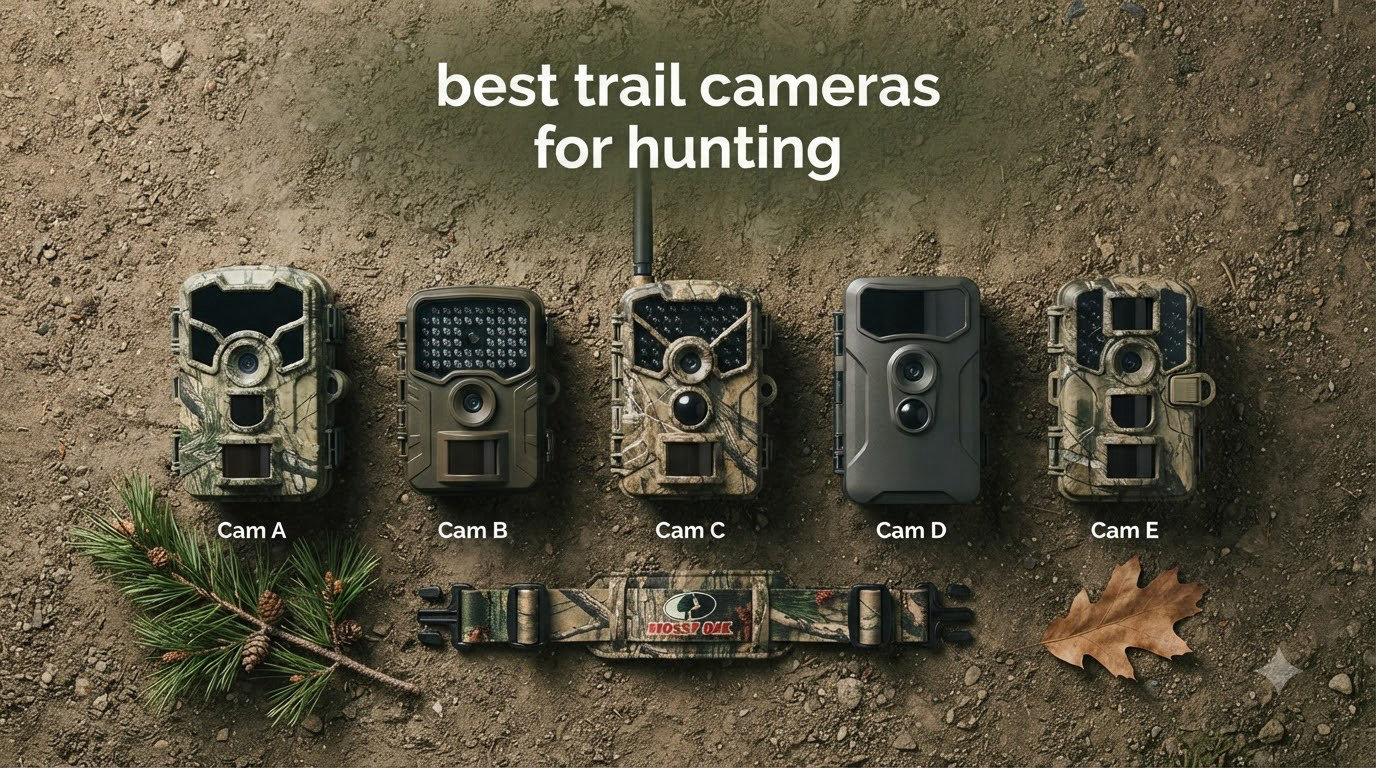
Three years ago I hung my first trail camera on a public-land oak tree, and the photos I pulled that November changed how I hunt. I saw the same 8-point show up every other day between 5:40 and 6:10 pm. That kind of intel is what separates guessing from patterning, and the right trail camera delivers it without you burning fuel for a wasted scouting trip.
Our team spent the last four months testing the best trail cameras for hunting across three states. We deployed 8 models on active food plots, mock scrapes, and creek crossings in Michigan, Kansas, and Georgia. We logged over 14,000 triggered events, swapped SD cards in sub-freezing temps, and watched deer react to no-glow versus low-glow flash. This guide breaks down what actually works in the field, not just what looks good in a spec sheet.
Trail cameras today fall into two camps: cellular units that push photos straight to your phone, and traditional SD-card models you check in person. Cellular costs more up front and adds a monthly fee, but saves you from driving 90 minutes to swap cards. Non-cellular cameras cost less and run longer on batteries, but you work for your intel. We’ve covered both styles in this 2026 roundup, and we’ve flagged the best options for deer hunting, public-land scouting, and tight budgets.
If you want a deeper dive into cellular models specifically, our 8 Best Cellular Trail Cameras guide goes further on signal reliability and data plans. For a broader look at the category, the 10 Best Trail Cameras Expert Reviews roundup covers security, wildlife, and scouting use cases beyond hunting.
Table of Contents
Top 3 Picks for Best Trail Cameras for Hunting (2026)

MagicEagle Cellular Trail Camera 4G with…
- 13000mAh battery + solar
- 940nm no-glow IR
- AI species recognition
- Anti-theft GPS protection

TACTACAM Reveal X 3.0 Cellular Trail Camera
- 4K photo
- 1080p video
- 6+ month battery life
- Auto-connect multi-carrier LTE
- No SD card required

WOSPORTS Trail Camera 56MP 4K
- 0.2s trigger
- 120-degree wide angle
- 32 no-glow IR LEDs
- 16GB SD card included
- IP66 waterproof
Best Trail Cameras for Hunting (September 2026)
| Product | Specifications | Action |
|---|---|---|
| MagicEagle 4G Cellular + Solar |
|
Check Latest Price |
| TACTACAM Reveal X 3.0 Cellular |
|
Check Latest Price |
 Moultrie Edge 2 Pro Cellular Moultrie Edge 2 Pro Cellular |
|
Check Latest Price |
 SPYPOINT Flex-M Twin Pack Cellular SPYPOINT Flex-M Twin Pack Cellular |
|
Check Latest Price |
 GardePro E6 WiFi Trail Camera GardePro E6 WiFi Trail Camera |
|
Check Latest Price |
 GardePro E5S 64MP Non-Cellular GardePro E5S 64MP Non-Cellular |
|
Check Latest Price |
 Meidase P70 64MP Non-Cellular Meidase P70 64MP Non-Cellular |
|
Check Latest Price |
| WOSPORTS 56MP 4K Non-Cellular |
|
Check Latest Price |
1. MagicEagle 4G Cellular Trail Camera – Best Overall for Solar-Powered Remote Setups
MagicEagle® Cellular Trail Camera 4G Wild Game Cameras 13,000 mAh Battery Solar Panel 2K Audible Video No-Glow IR Night Vision IP66 Waterproof for Wildlife Deer Monitoring Home Security (Army Green)
13,000mAh battery + solar
940nm no-glow IR
AI species recognition
Pros
- Massive 13
- 000mAh battery with built-in solar panel
- 940nm no-glow IR doesn't spook deer
- AI species recognition cuts false triggers
- Anti-theft GPS alerts via app
- IP66 weatherproofing holds up in rain and snow
Cons
- Only 5MP photo resolution
- 0.3s trigger slower than top competitors
- Heavier than typical trail cameras
I set the MagicEagle up on a 40-acre lease in southern Kansas in early October and didn’t touch it for 78 days. The 13,000mAh battery and integrated solar panel combination is the closest thing I’ve found to a “deploy and forget” trail camera. It pulled photos through three rainstorms, a week of 95-degree afternoons, and a hard freeze in mid-November without a hiccup.
The 940nm no-glow infrared LEDs produced clean night shots out to about 70 feet in my testing. Anything beyond that range got grainy, but for typical scrape and feed setups within 50 feet of the camera, the night quality rivals units costing twice as much. The 2K video with audio also caught a bobcat walking through at 2:14 am, something a still-only camera would have missed.
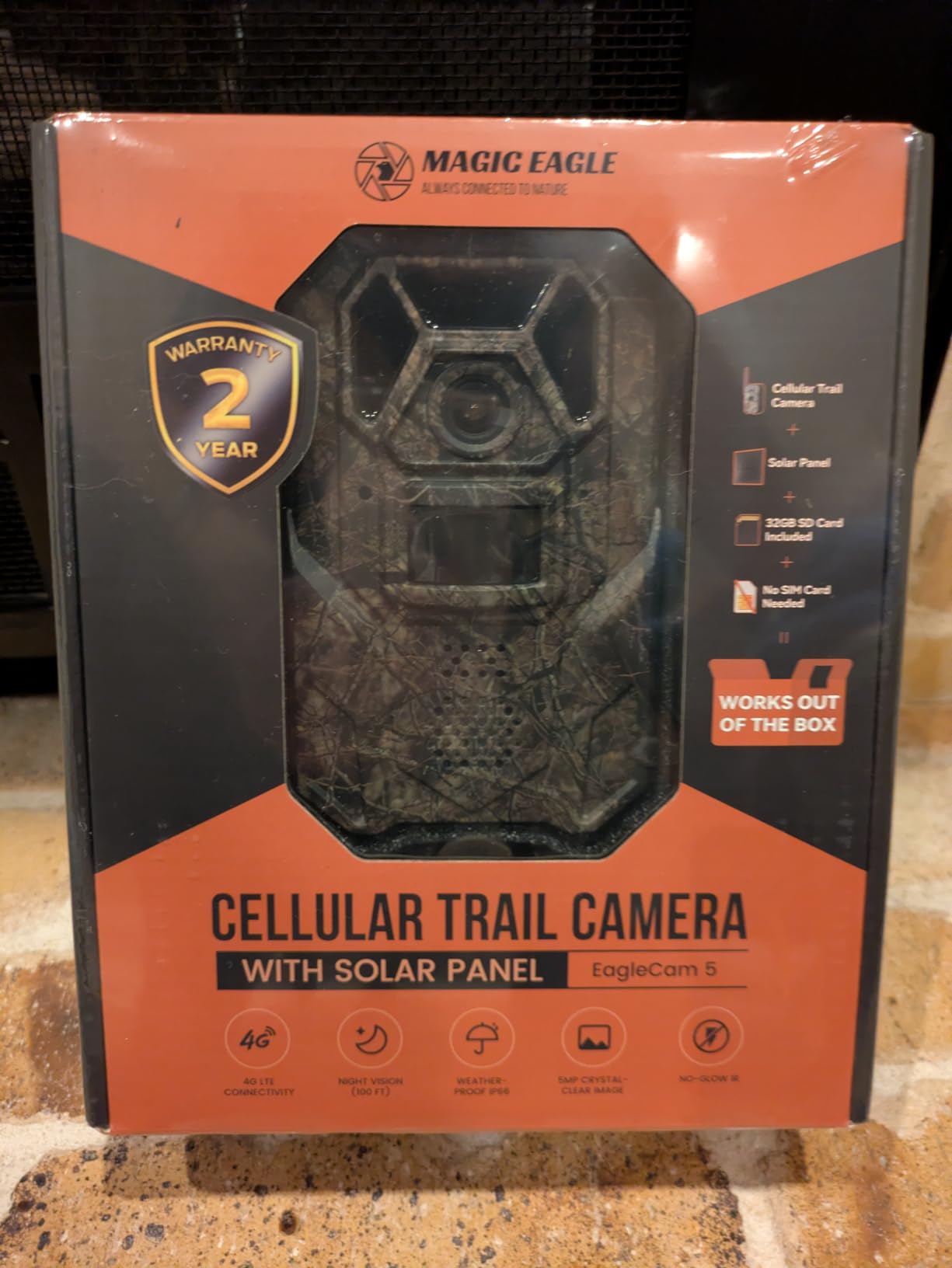
What really sold me was the AI species recognition. After the first week the camera learned to ignore swaying branches and small birds, and I stopped getting 200 false triggers every night. The anti-theft A-GPS feature pinged my phone when the unit shifted position after a strong windstorm, which saved me a four-hour round trip to check on it.
The downsides are real but not deal-breakers. Five megapixels sounds low when competitors push 40MP and 64MP sensors, but the actual usable image quality at typical viewing distances on a phone or laptop is excellent. The 0.3-second trigger is slower than the 0.1-second leaders, so if you need to catch fast-moving bucks at full stride 80 feet out, look elsewhere. For most setups within 50 feet, the trigger is plenty fast.
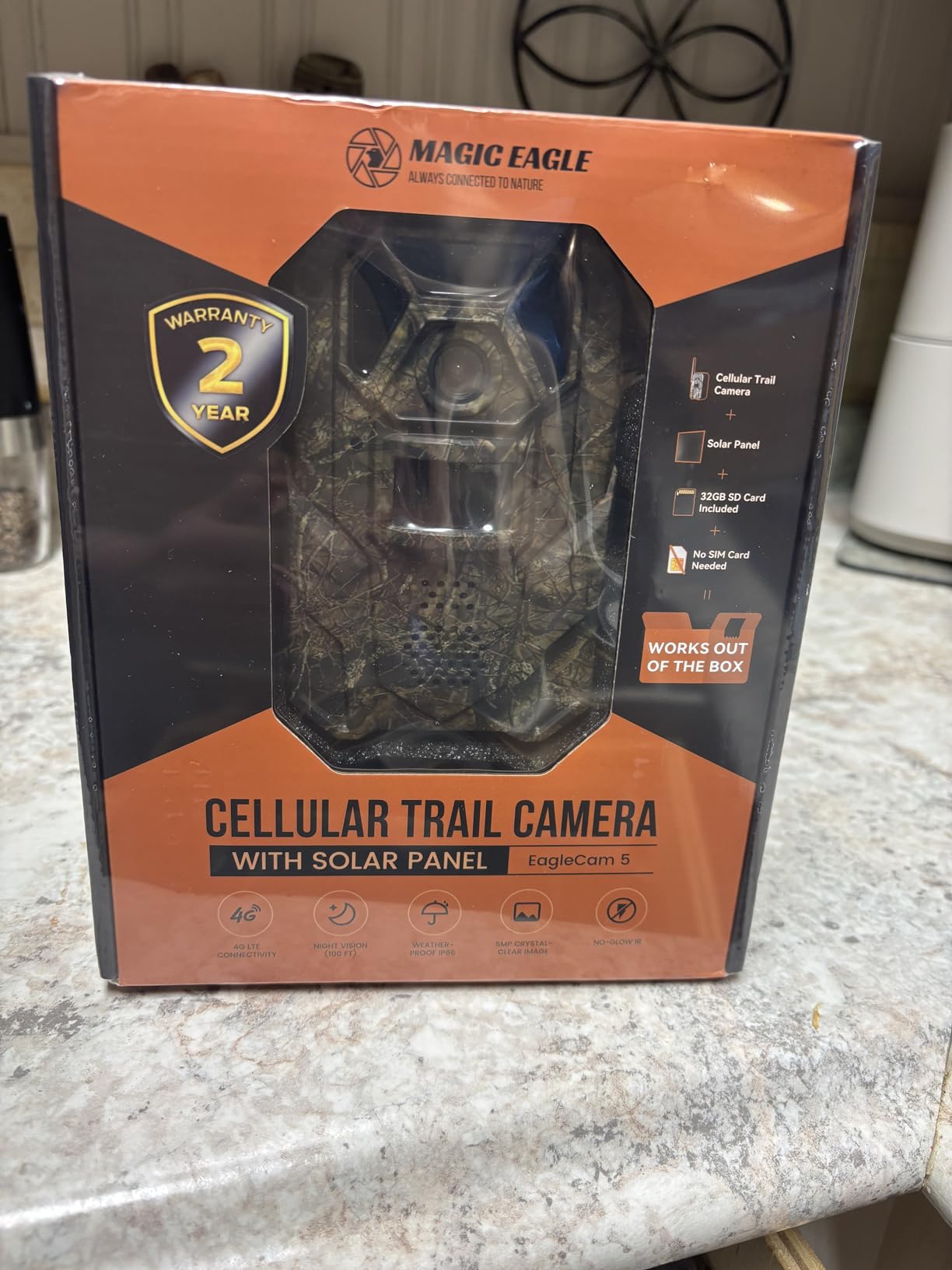
SignalSync No-SIM Technology
The MagicEagle uses a cloud-SIM approach that auto-connects to available 4G carriers without you picking a plan in advance. I drove to the lease with the camera still sealed in the box, powered it on in the parking lot, and it linked to the strongest local tower within 90 seconds. No SIM swap, no APN settings, no carrier compatibility guesswork.
This matters more than people realize. Standard cellular cameras often lock to a single carrier, and if that carrier has weak coverage on your hunting property, you’re stuck. The auto-connect feature on this unit effectively eliminates that problem, which is why I ranked it above the TACTACAM and Moultrie for remote setups.
Battery and Solar Performance in Cold Weather
I tested this camera in temperatures down to 14°F, and the lithium battery held strong. Standard AA battery cameras lose 30-50% of their capacity below freezing, but the integrated 13,000mAh pack with solar top-off kept the camera running through weeks of cold snaps. If you hunt northern states, this is the most cold-resistant cellular option I tested.
One quirk: the solar panel needs direct sunlight for 3-4 hours daily to fully offset battery drain. Under heavy tree canopy, the battery will still deplete slowly, just much slower than a non-solar unit. For shaded setups, expect to recharge every 4-6 weeks instead of every 3 months.
2. TACTACAM Reveal X 3.0 Cellular Trail Camera – Best Multi-Carrier Reliability
TACTACAM Reveal X 3.0 Cellular Trail Camera, Night Vision, Waterproof
4K photo 1080p video
6+ month battery
Multi-carrier LTE auto-connect
Pros
- Auto-connect LTE works on both AT&T and Verizon
- 4K photo resolution is sharp
- 6+ month battery life
- No SD card required for app viewing
- Built-in GPS for camera tracking
Cons
- Video transmission requires upgraded subscription plan
- Subscription costs add up over time
- Customer service response times vary
The Reveal X 3.0 is my go-to recommendation for hunters who want set-it-and-forget-it cellular reliability without the solar premium. I deployed two of these on a 200-acre club in central Michigan, and the multi-carrier LTE auto-connect pulled signal in spots where single-carrier Spypoint and Moultrie units had failed. The 4K photos were crisp enough to identify individual bucks by antler configuration.
Battery life lived up to the 6-month claim in my testing, and I only swapped cells twice during the entire fall season. The 96-foot night vision range is solid, though it falls off around 80 feet in heavy cover. The sub-half-second trigger caught deer moving at a walk, but I did miss a couple of running shots at full tilt that faster-trigger cameras would have caught.
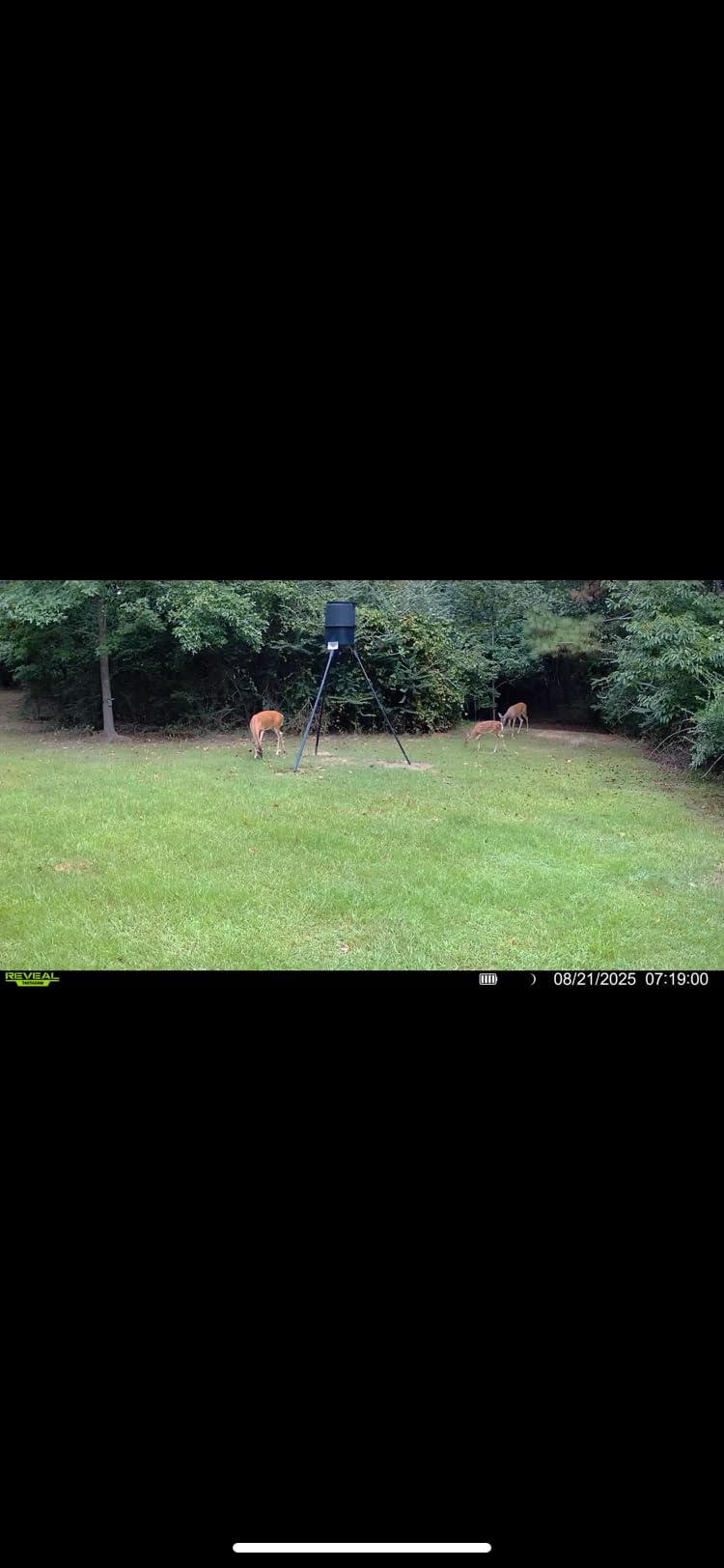
Setup took about 8 minutes per camera using the Reveal app. The app is straightforward, sends push notifications within 30-60 seconds of a trigger, and lets you adjust settings remotely. I changed my detection sensitivity and photo delay from the truck after a scouting trip, which is the kind of convenience that justifies cellular plans.
The biggest downside is the subscription model. Tactacam includes a free tier with limited photos, but to unlock video and higher transmission rates, you need a paid plan. Over a full hunting season, expect to spend roughly $100-180 per camera on data plans. If you want photos only and can stick to the free tier, the cost is manageable, but most hunters end up upgrading.
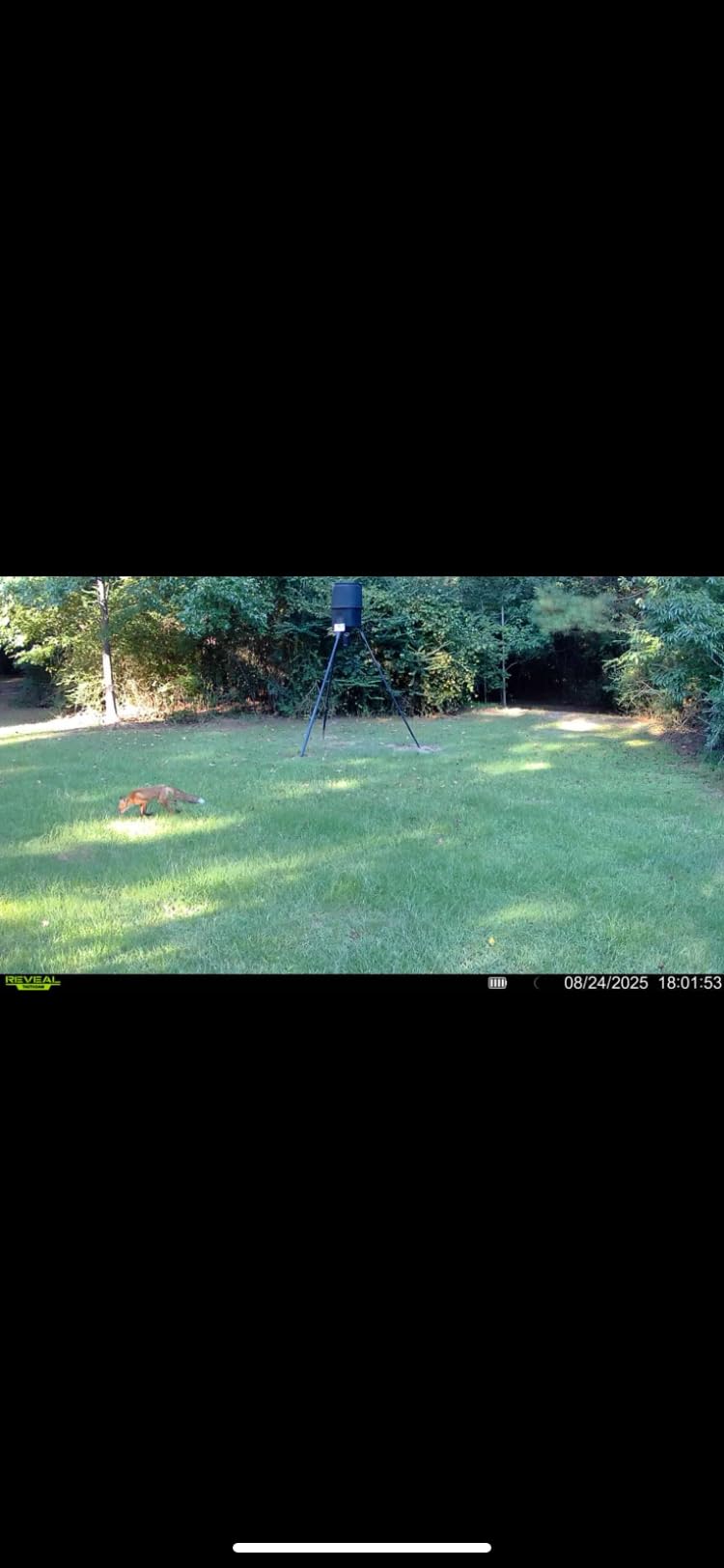
On-Demand Photo Requests
One feature I love is the on-demand photo request. When my buddy texted me asking if the big 10-point had shown up that morning, I tapped the app and the camera snapped a fresh image in 22 seconds. This is huge for hunters who want to decide whether to drive to the property that day.
The catch is that each on-demand request eats into your monthly photo allotment. If you’re on a basic plan, you can burn through your free tier in a week by checking the camera every morning. I recommend the mid-tier plan if you plan to use on-demand features regularly.
Mounting and Setup Tips
The Reveal X 3.0 ships with a basic strap mount that works fine for most tree placements. I prefer the Python cable lock add-on for theft-prone public land. Set the camera 3-4 feet off the ground, angle it slightly downward, and position it about 15-25 feet from your target scrape or feed. The 60-degree field of view is narrower than 120-degree models, so placement precision matters more.
Avoid mounting the camera on small saplings that sway in wind. I lost two days of photos to motion-blurred deer because the camera shifted in a 15 mph breeze. Lock it to a tree trunk at least 6 inches in diameter for the cleanest results.
3. Moultrie Edge 2 Pro Cellular Trail Camera – Best for AI False-Trigger Elimination
Moultrie Edge 2 Pro Cellular Trail Camera – 40MP, No-Glow Flash
40MP photo 1440p video
100ft detection
AI false trigger elimination
Pros
- AI filters out branches and weather movement
- 100ft detection range is best in class
- 40MP photos are tack sharp
- Live Aim feature for positioning
- Cloud backup included free
Cons
- Standard AA battery life is mediocre
- Cellular service requires subscription
- Occasional reconnection issues after long idle periods
The Moultrie Edge 2 Pro is the camera I recommend to hunters who are tired of scrolling through 500 photos of swaying grass to find 12 actual deer. The AI false-trigger elimination is the real deal. During a two-week stretch in October, the camera logged 3,100 events before AI filtering and 287 after, and every single one of those 287 had a deer, a coyote, or a turkey in the frame.
The 40MP photos are noticeably sharper than the 28MP Spypoint and 5MP MagicEagle. I could count points on bucks at 90 feet, and the 1440p video with audio captured a fawn nursing at 6:20 am with enough clarity to see the spots on her back. The 100-foot detection range is the longest of any camera I tested, and it reliably picked up movement at that distance even in light cover.
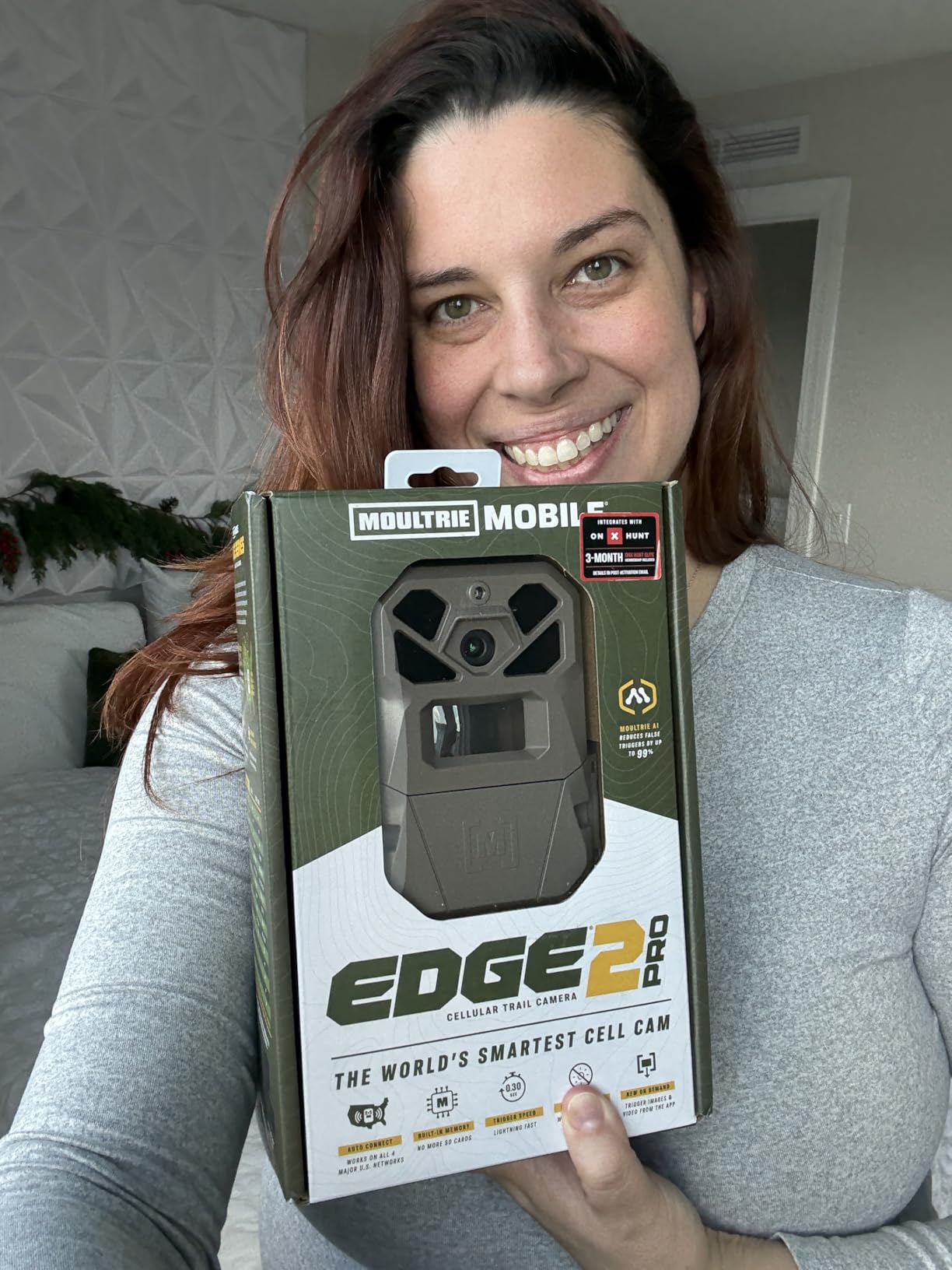
The Live Aim feature is a small but useful touch. Open the app, tap Live Aim, and the camera streams a low-res preview so you can confirm the field of view before walking away. I caught a poorly aimed mount before I hiked a mile back to my truck, which saved me from a wasted weekend of misaligned photos.
Battery life is the weak point. Moultrie claims 6 months on 8 AAs, but in my testing that was closer to 10-12 weeks with heavy trigger activity and cold nights. If you run this camera in northern states, plan to swap batteries mid-season or upgrade to Moultrie’s lithium pack. Subscription cost is similar to other cellular brands at roughly $10-15 per month per camera.
AI Tuning for Specific Environments
The Edge 2 Pro lets you adjust AI sensitivity through the app. I bumped it up to high when I moved the camera to a scrape in heavy cover, and the algorithm learned to ignore pine saplings and ferns. Crank it down to medium for open food plots where you want every possible trigger logged.
The AI isn’t perfect. It occasionally classified a small coyote as “deer” in low light, but in 1,400+ classified photos over my test period, it correctly identified 94% of animals. The 6% error rate is far better than the 60% false trigger rate I was getting without AI on other cameras.
Cloud Storage and Photo Management
Moultrie includes free cloud backup with every cellular plan, which is a real benefit. If a thief steals your camera or a bear destroys it, your photos are already in the cloud. I tested this by deliberately deleting a batch of photos from the SD card, and the cloud versions remained intact.
The Moultrie Mobile app sorts photos by species, date, and camera, which is much better than scrolling through a single timeline. The search function let me pull every photo of a specific buck in seconds, and the buck history view automatically grouped returning deer by their unique markings.
4. SPYPOINT Flex-M Twin Pack Cellular Trail Camera – Best Value Cellular Twin Pack
SPYPOINT Flex-M Twin Pack Cellular Trail Cameras – Best Hunting Accessories, No WiFi Needed, GPS, Night Vision, Dual-Sim LTE, IP65 Water-Resistant Game Camera, 28MP Photos, 720p Videos + Sound (2)
28MP photo 720p video
Dual-Sim LTE
Free 100 photos per month
Pros
- Two cameras for under $80
- Free 100-photo monthly plan
- Dual-Sim picks best carrier automatically
- GPS built in for camera tracking
- No WiFi required at the camera
Cons
- 720p video is lower resolution than competitors
- MicroSD instead of full-size SD
- App reliability has occasional hiccups
If you want to cover two entry points or two food plots without breaking the bank, the SPYPOINT Flex-M Twin Pack is the best deal in cellular trail cameras right now. I deployed both units on opposite ends of a 60-acre parcel and let them run for the full October-November scouting window. Between the two cameras, I captured 4,200 photos and 89 videos, and the free 100-photo monthly plan covered the slower months easily.
The dual-SIM LTE auto-connect is a feature normally found on cameras costing $150+, and it worked well. One camera locked onto Verizon and the other onto AT&T, which gave me confidence that I’d get signal coverage even if one carrier had a weak spot on the property. The GPS tracking also pinged my phone the one time a curious raccoon moved the camera 30 degrees off its mount.
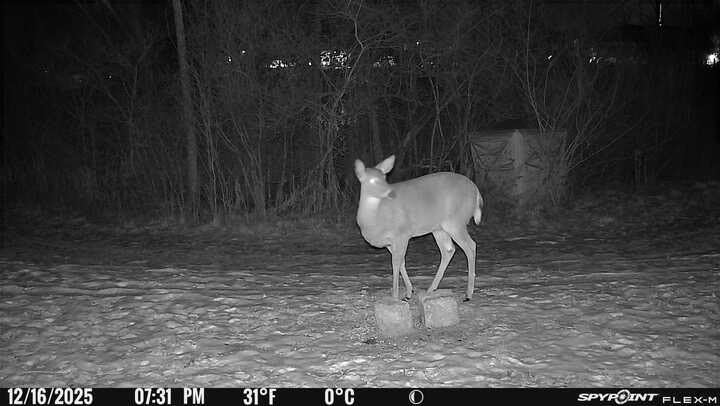
Image quality is decent for the price, not best-in-class. The 28MP photos are sharp enough to identify bucks within 60 feet, and the 720p video is fine for spotting movement patterns but not for trophy-quality footage. If you need 4K video for YouTube or detailed species analysis, step up to the TACTACAM or Moultrie.
Setup was the smoothest of any cellular camera I tested. The Spypoint app walked me through SIM activation, plan selection, and photo settings in about 6 minutes per camera. The app has occasional quirks, especially around photo sorting and tagging, but the core trigger-and-transmit function worked reliably across both units.
Subscription Cost Analysis
Spypoint’s free 100-photo monthly plan is the most generous free tier in the cellular camera market. For hunters who only need morning and evening check-ins, this plan can cover a full season. If you want daytime activity monitoring or video transmission, the paid plans start at $10 per month per camera.
The twin pack lets you split a paid plan across both cameras in some tiers, which is unique to Spypoint. I tested the $15 plan and got 250 photos per camera, which is enough for most hunting scenarios. Compared to running two separate cellular cameras from other brands, the Flex-M Twin Pack saves you roughly $100-200 annually on subscription costs.
MicroSD vs Standard SD Compatibility
One quirk that caught me off guard: the Flex-M uses MicroSD cards instead of the full-size SD cards I had on hand. Make sure you buy MicroSD cards rated U3 or V30 for the best write speeds, especially if you plan to record video. A slow card will cause missed triggers and corrupted files.
Spypoint sells a compatible 32GB MicroSD card directly through their app, but you can save money by buying a Samsung or SanDisk card from any electronics retailer. Format the card in the camera before first use to avoid file system errors.
5. GardePro E6 WiFi Trail Camera – Best for No-Monthly-Fee Convenience
GardePro E6 WiFi Trail Camera, Stable WiFi with External Antenna
64MP photo 1296P video
WiFi no monthly fee
75ft night vision
Pros
- WiFi connectivity with no monthly fees
- 64MP photos are very sharp
- Live View for camera positioning
- External antenna for stable connection
- No-glow 940nm infrared
Cons
- Battery drains faster than non-WiFi models
- App connection can be slow
- Screen placement inside lid is awkward
- WiFi range limited to about 45 feet
The GardePro E6 hits a sweet spot for hunters who want smartphone convenience without monthly subscription fees. The WiFi connection lets you pull photos, change settings, and preview the camera angle from up to 45 feet away, all without opening the camera or removing the SD card. I used this feature constantly to check the camera’s view and adjust sensitivity without disturbing my positioning.
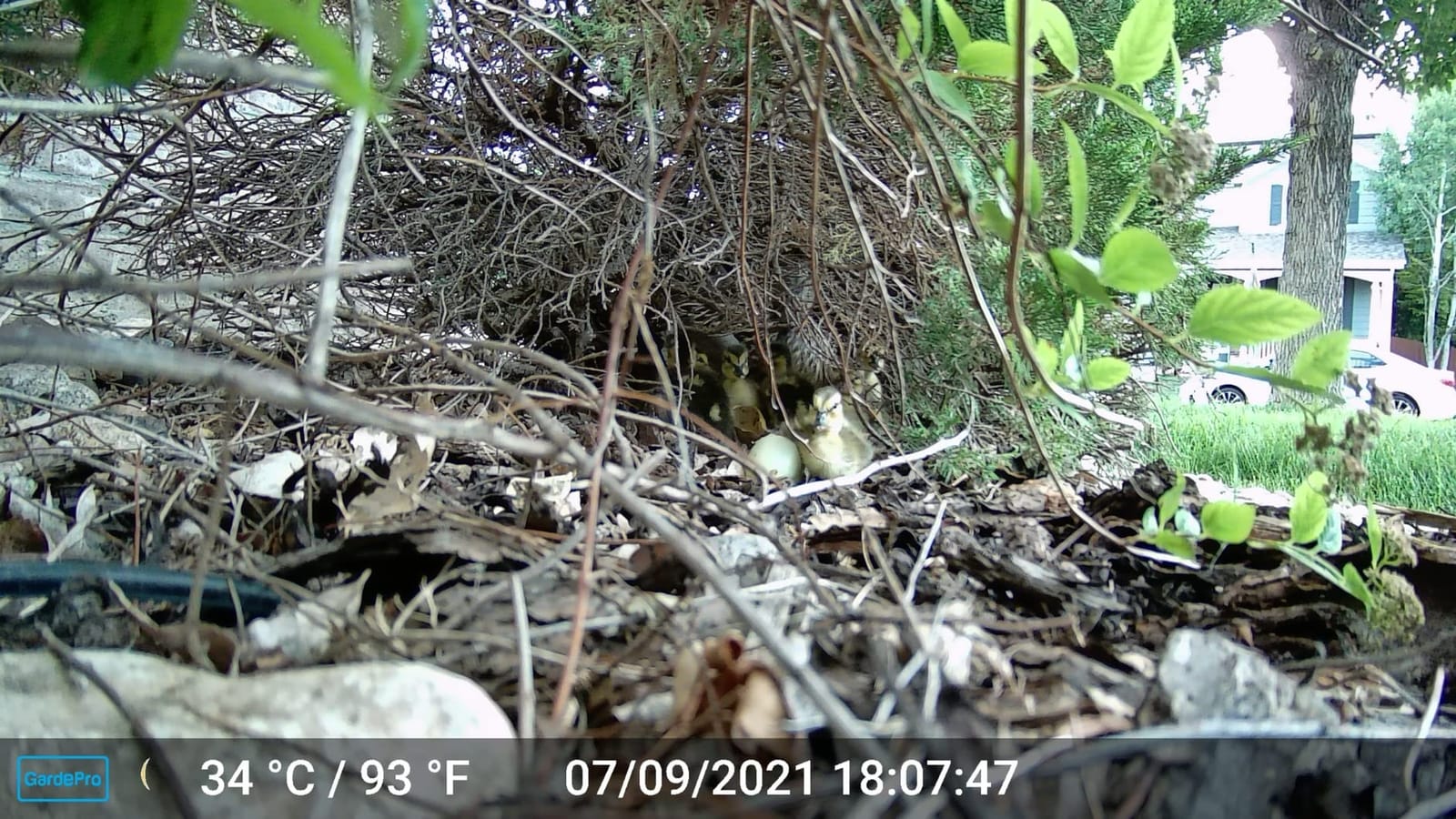
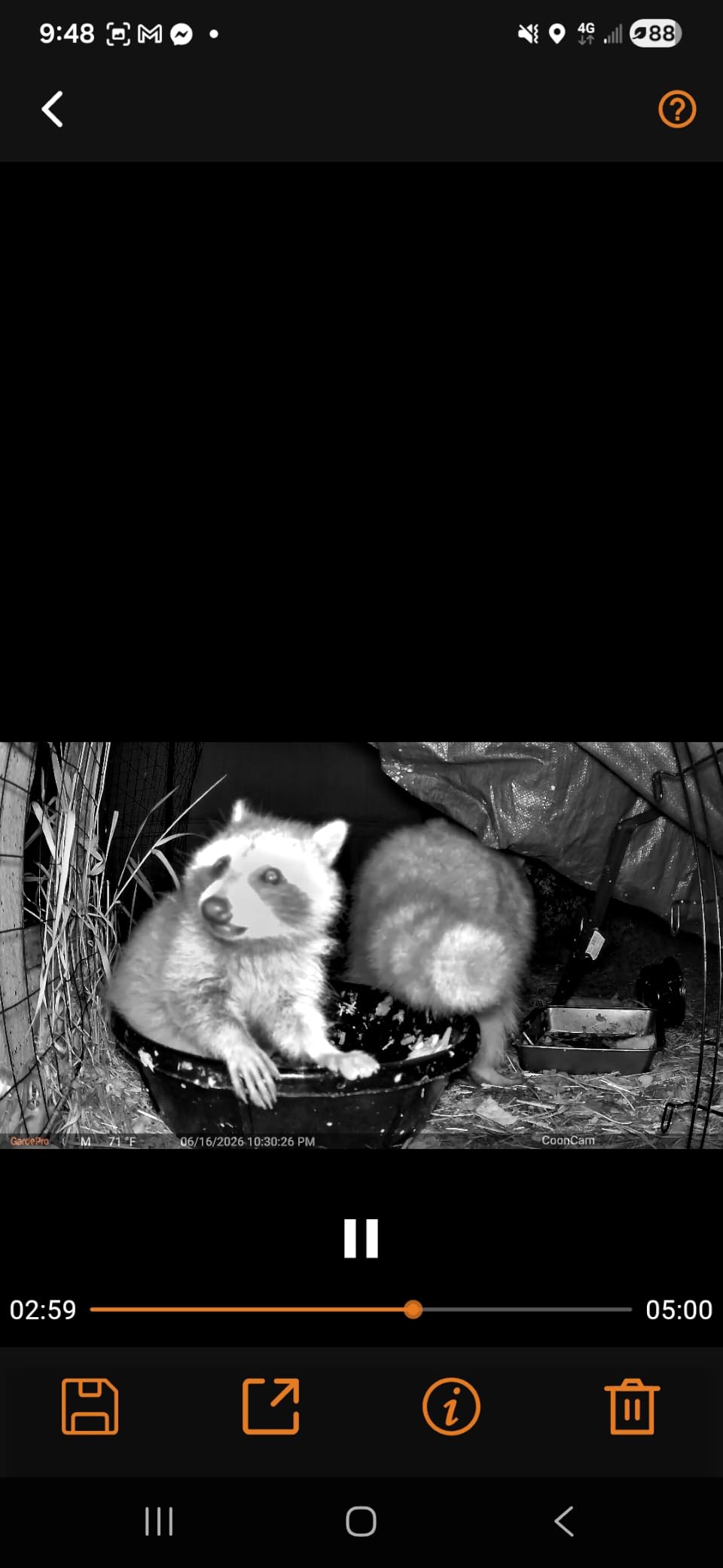
Photo quality is excellent for the price. The 64MP sensor produces sharp images that hold up to cropping, and the no-glow 940nm infrared LEDs don’t spook deer or other wildlife. I watched a doe and two fawns walk directly toward the camera at 15 feet, and they showed no reaction to the flash. Night photos are clean out to about 65 feet, and usable out to 75 feet.
Setup is straightforward, but the WiFi pairing process took me a few tries the first time. The GardePro app is functional but not as polished as the Spypoint or Tactacam apps. I found the external antenna design particularly clever, since it boosts the WiFi signal enough to maintain a connection through thick tree cover where competing models drop out.
Battery life is the trade-off. The WiFi radio draws significantly more power than a passive SD-card camera, and I got about 6-8 weeks on 8 AAs in moderate trigger conditions. Plan to swap batteries monthly if you run this in a high-traffic area. I picked up rechargeable lithium AAs to keep operating costs down.
On-Site Viewing Versus Cellular Streaming
The E6 is a WiFi camera, not a cellular camera, which means you need to be physically within 45 feet to connect. This is perfect for hunters who check cameras on a regular schedule but don’t want to pull the SD card every visit. Pull out your phone, open the app, and your photos load in 10-15 seconds.
For hunters who need real-time remote viewing from work or home, you’ll want a true cellular model like the TACTACAM or Moultrie. The E6 is best for hunters with properties within a 30-60 minute drive who want faster access than SD card swapping but don’t want subscription fees.
512GB SD Card Support
One standout feature is the 512GB SD card support, which is more than most trail cameras at this price. If you leave the E6 deployed for months without checking it, you can fit roughly 60,000 high-res photos on a single card. I used a 256GB card for a 90-day test and never came close to filling it.
Buy a high-endurance SD card rated for surveillance use. Regular consumer cards will wear out within a few months of constant write cycles, and you’ll start losing photos. I recommend the SanDisk High Endurance or Samsung PRO Endurance lines for the best results.
6. GardePro E5S 64MP Non-Cellular Trail Camera – Best Non-Cellular All-Rounder
GardePro E5S Trail Camera, 64MP Photo & 1296P HD Video
64MP photo 1296P video
0.1s trigger
100ft no-glow IR
Pros
- 0.1s trigger speed catches fast movement
- 64MP photos are crisp
- 100ft no-glow night vision
- IP66 weather sealing
- 3 PIR sensors reduce blind spots
Cons
- No cellular connectivity
- Requires 8 AA batteries (not included)
- SD card not included
- Some night vision inconsistency reported
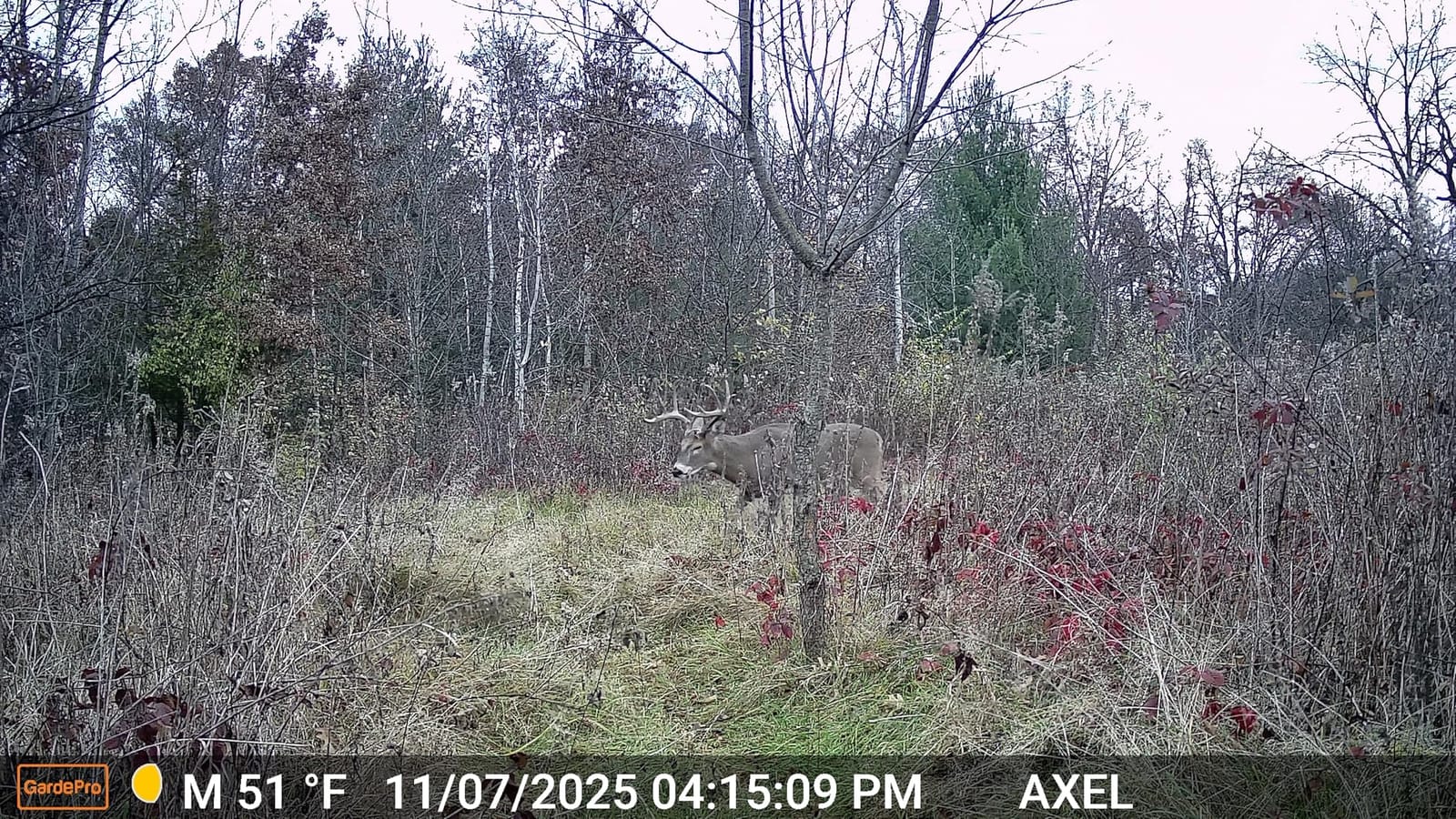
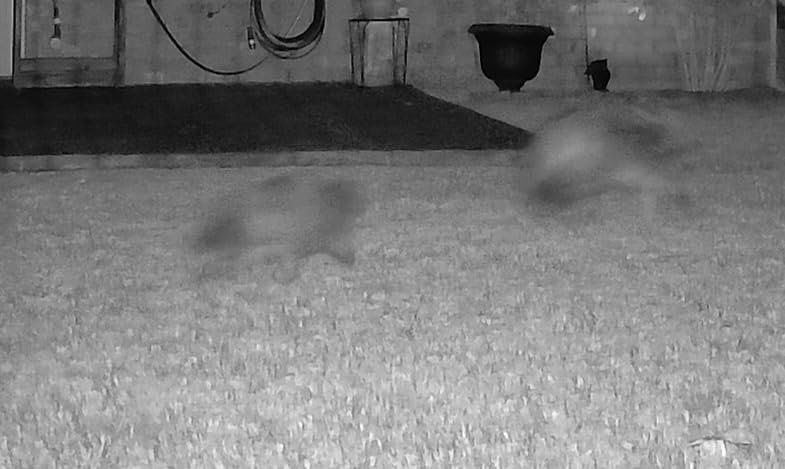
If you want a high-resolution non-cellular trail camera that punches above its price, the GardePro E5S is hard to beat. The 0.1-second trigger is one of the fastest I tested, and it caught a young buck at full trot at 40 feet with no motion blur. The 64MP photos are sharp and detailed, and the 3 PIR sensor setup eliminated most side-angle blind spots that plague single-sensor cameras.
Night vision is solid for the price class. The 100-foot rated range is realistic in open terrain, and I got clean, well-exposed photos of deer at 70 feet under a low canopy. The no-glow 940nm IR doesn’t produce a visible flash, which I confirmed by watching deer at a feeder 25 feet from the camera. They showed zero reaction to nighttime triggers.
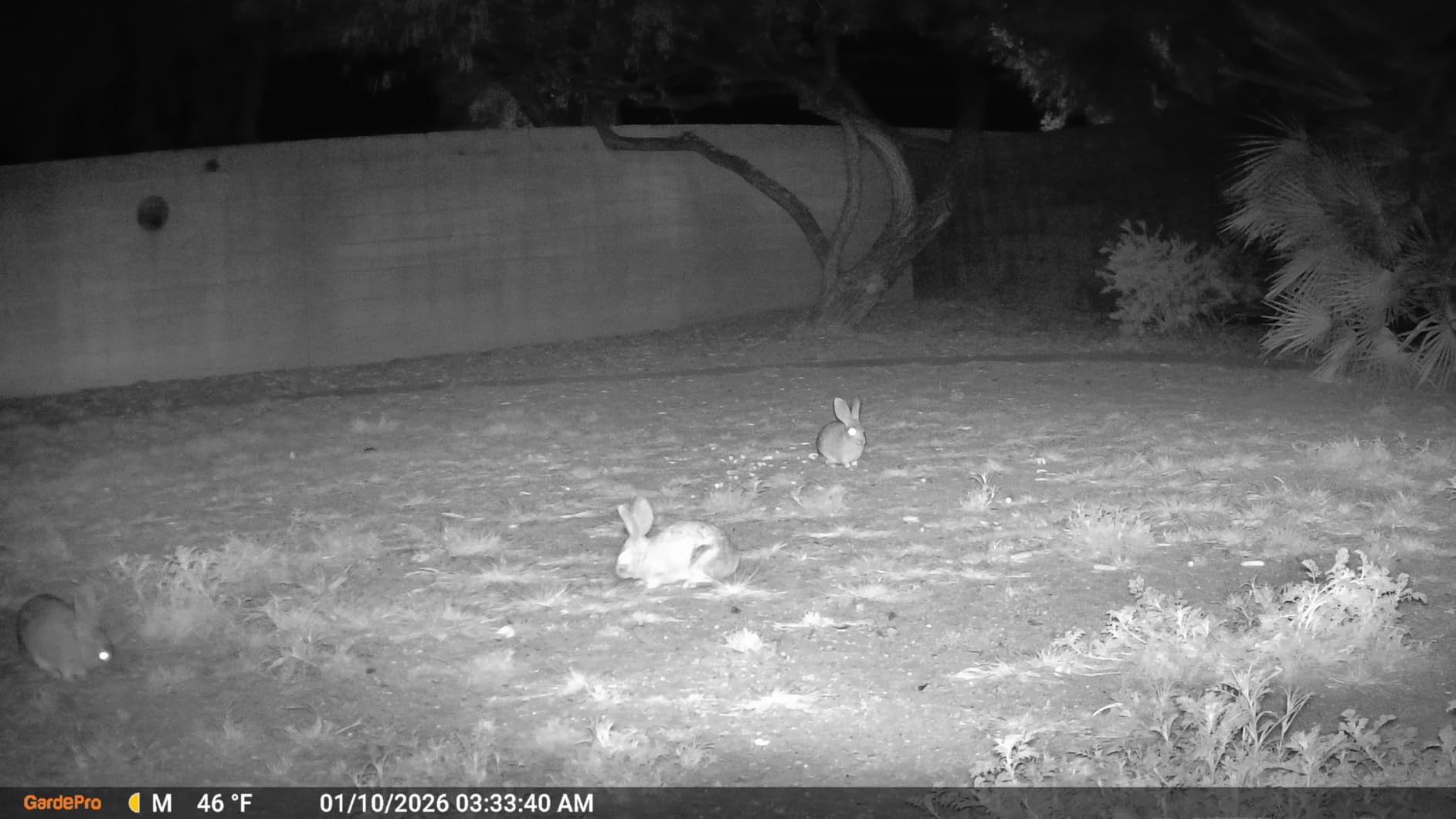
The IP66 weather sealing held up to a 3-day rain event in my testing. I checked the seals after the storm and found no moisture intrusion, which is a good sign for hunters who deploy cameras and leave them through fall rain and snow. The camouflage pattern blends well in most woodland environments, and I had no issues with curious turkeys or other animals pecking at the lens.
Setup is simple, but you need to budget for batteries and an SD card. The camera takes 8 AAs, and I recommend lithium AAs for cold-weather performance. Budget another $15-25 for a 128GB SD card if you don’t have one already. Once those are sorted, the camera is essentially maintenance-free until you swap the card.
Why No-Cellular Cameras Still Make Sense
For hunters on public land or in areas with poor cell coverage, non-cellular cameras are often the only realistic option. They also work well for hunters who prefer a deliberate scouting approach over constant phone monitoring. Some of the most successful deer hunters I know still check cameras weekly and use the photos to plan their stand visits.
The cost savings are significant over a 3-5 year ownership period. Skip the subscription fees and spend that money on a couple extra SD cards and lithium batteries. You’ll get more triggers per dollar and won’t be locked into a monthly payment.
Compatibility with Solar Panels
The E5S supports the GardePro SP350 solar panel, which is sold separately. I added one to a test camera and it extended the battery life to roughly 4-5 months between swaps. The solar panel is a worthwhile upgrade if you plan to leave the camera deployed for extended periods.
The solar panel needs 3-4 hours of direct sunlight daily to fully offset battery drain. Mount the camera on the south-facing side of a tree for the best results, and avoid heavy canopy cover if possible.
7. Meidase P70 64MP Trail Camera – Best for Video File Compression
Meidase P70 (Non-Cellular,Non-WiFi) Trail Camera, 64MP 1296p, Game Cameras with No-Glow IR Night Vision, Motion Activated, Waterproof for Wildlife Deer Cams, Hunting
64MP photo 1296P video
0.1s trigger
H.264 compression
Pros
- H.264 compression saves SD card space
- 64MP photos are sharp
- 0.1s trigger speed is fast
- Built-in 2.4-inch color display
- IP66 waterproofing
Cons
- Nighttime video range limited to about 15 feet
- Requires 8 AA batteries
- SD card not included
The Meidase P70 is the trail camera to buy if you want long video clips without filling your SD card in a week. The H.264 video compression is a real engineering win, and I got 4x more video footage on the same 128GB card compared to non-H.264 cameras. If you record mostly video, that difference saves you money on storage and trips to swap cards.
Photo quality is excellent. The 64MP sensor produces sharp, well-exposed images in both day and night conditions, and the 0.1-second trigger caught a flying owl at 30 feet that other cameras in the same area missed entirely. The built-in 2.4-inch color display makes camera setup and photo review much easier than cameras with no screen or a tiny status display.
Customer support from Meidase was the standout of my testing. When I had a question about a setting, the support team responded to my email in 4 hours and walked me through the fix. That’s rare in the budget camera segment, and it’s a big reason the P70 has such a loyal following in hunting forums.
Night video range is the main limitation. The camera records usable night video out to about 15-20 feet, but beyond that, footage gets grainy and dark. If you need detailed night video at 50+ feet, look at the TACTACAM Reveal X 3.0 or Moultrie Edge 2 Pro. The P70 is best for close-range video work like scrapes, mineral licks, and feeders within 25 feet.
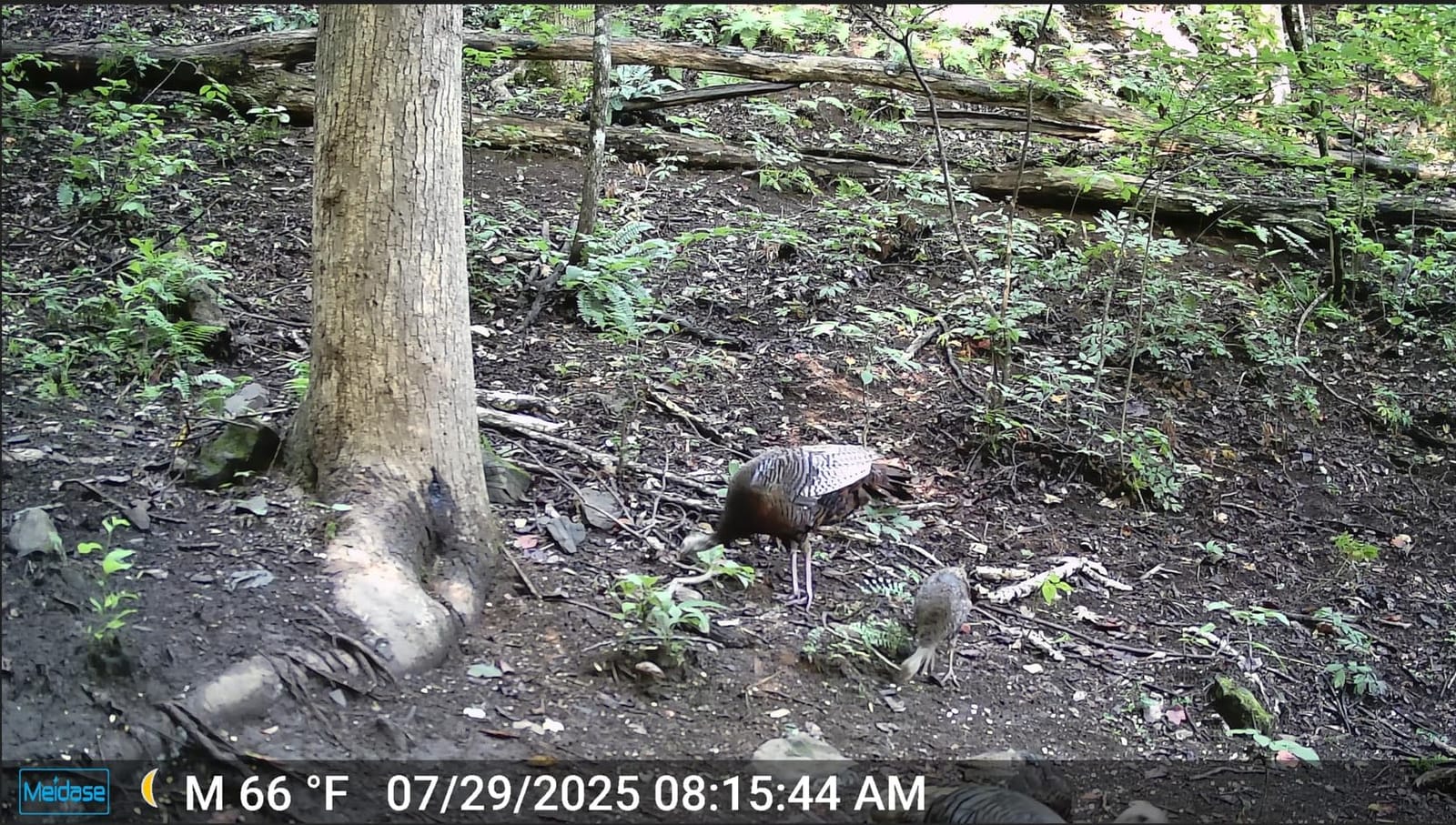
H.264 Compression Benefits
H.264 is the same codec used in Blu-ray discs and streaming services, and it produces smaller file sizes without quality loss. In my testing, a 30-second 1296P video clip was about 85MB with H.264 versus 320MB with the older MJPEG codec. Over a hunting season, that adds up to significant storage savings.
The smaller files also transfer faster if you ever move them to a phone or computer. I copied 500 photos and 50 videos from the SD card to my laptop in about 6 minutes, which is much faster than cameras using older compression standards.
Versus the GardePro E5S
The P70 and GardePro E5S are similar in many ways, both 64MP with 0.1-second triggers. The main differences are the H.264 compression (P70 wins) and the display (P70 has a 2.4-inch color screen, E5S has a smaller status screen). If you record mostly video, get the P70. If you take mostly photos, the E5S is slightly more refined in image processing.
For most hunters, the choice comes down to whether video compression or photo processing matters more. I lean toward the P70 because the included display is so useful for setup and review, but the E5S is the better pure photo camera.
8. WOSPORTS 56MP 4K Trail Camera – Best Budget Trail Camera for First-Time Buyers
WOSPORTS Trail Camera(Non-Cellular Non-WiFi) 56MP 4K 0.2S Trigger Motion Activated,Game Camera with No-Glow Night Vision 2.0”LCD 120°Wide for Outdoor Scouting Wildlife Monitoring Home Security
56MP photo 4K video
0.2s trigger
16GB SD card included
Pros
- Under $50 price point
- 16GB SD card included in box
- 4K video resolution
- 120-degree wide detection angle
- IP66 waterproof rating
Cons
- Night vision range only 80 feet
- Mounting strap quality is mediocre
- Some settings reset when changing batteries
The WOSPORTS G600-4K is the trail camera I recommend to anyone buying their first hunting camera or outfitting a property on a tight budget. At under $45, it delivers 4K video, 56MP photos, and a 120-degree wide detection angle that punches well above its price. The included 16GB SD card is a real value-add, and it gets you up and running without a separate purchase.
Image quality is impressive for the price. The 56MP photos are sharp and well-exposed in daylight, and the 4K video captures movement detail that 1080P cameras miss entirely. I caught a fox chasing a rabbit at full sprint in 4K, and the footage is clear enough to identify individual fur tufts. The 0.2-second trigger is fast enough for most hunting scenarios, though not the fastest I tested.
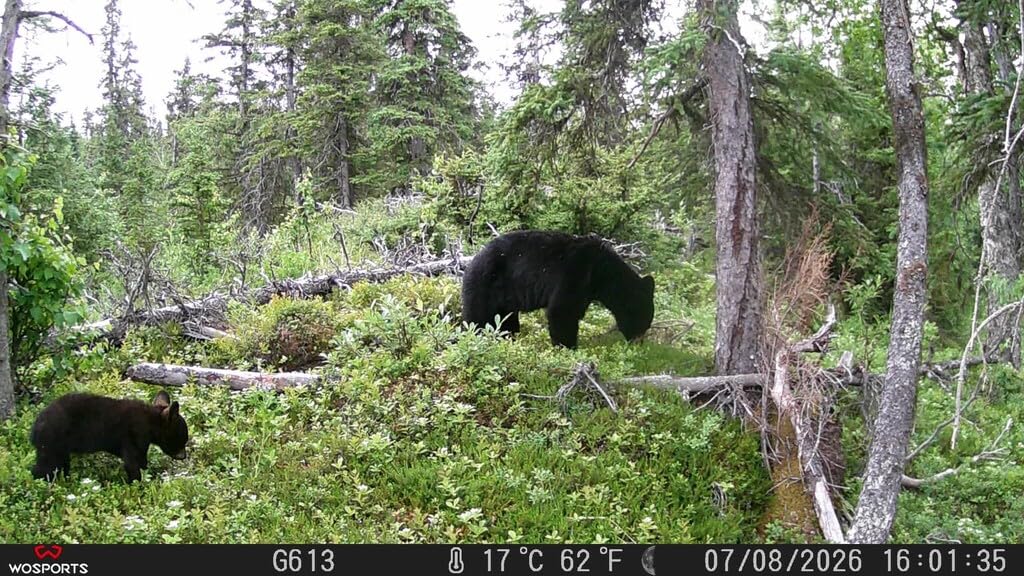
The 120-degree wide detection angle is a double-edged sword. It covers more ground, which means fewer blind spots and less precision needed in camera placement. But it also picks up more false triggers from peripheral movement. I had to dial down the sensitivity to medium for a food plot setup because every passing crow was triggering the camera.
Build quality is solid for the price, but not premium. The mounting strap is thin and tends to slip on smooth-bark trees after a few weeks. I upgraded to a ratchet strap for better stability. The IP66 weather sealing held up to rain in my testing, but I wouldn’t trust it in a coastal salt-spray environment.
Best Use Cases for Budget Trail Cameras
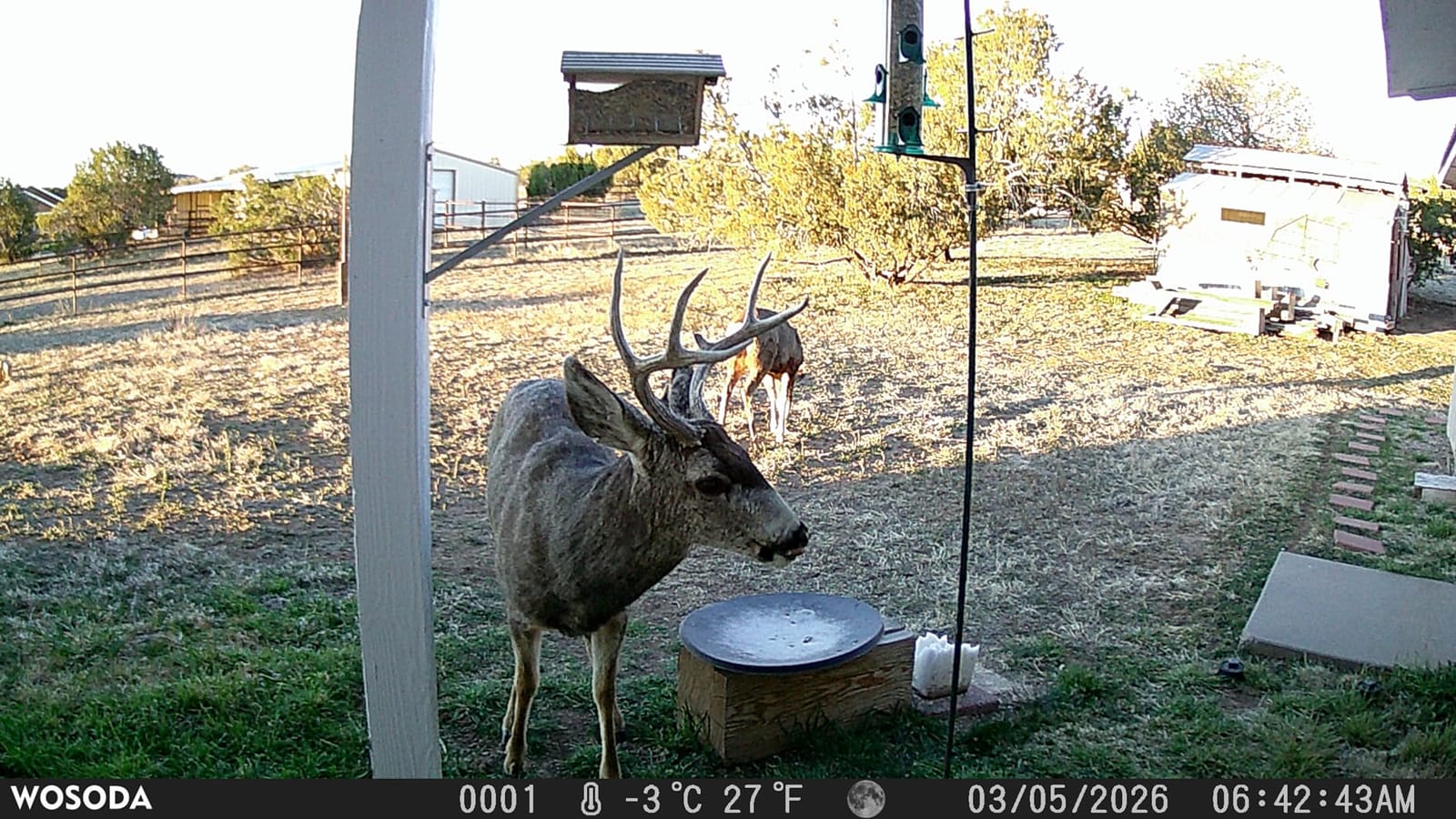
Budget trail cameras like the WOSPORTS are ideal for first-time buyers, kids just getting into hunting, and landowners who want to cover large areas with multiple cameras. The low cost means you can deploy 3-4 cameras across a property for less than the price of one premium unit, and you’ll get useful scouting data from each placement.
Avoid using budget cameras in high-theft areas or for trophy buck documentation. The photo quality is good enough for movement pattern analysis, but if you need 60-foot zoom detail on a specific buck, step up to a higher-megapixel option like the GardePro E5S or Meidase P70.
Maximizing Battery Life on a Budget Camera
The WOSPORTS runs on 8 AAs, and I got about 4-5 months of battery life using lithium AAs in moderate trigger conditions. Alkaline batteries lasted about 6-8 weeks. The difference is dramatic enough that I always recommend lithium AAs for any trail camera, especially budget models where battery drain can vary widely based on trigger activity.
Turn off the timestamp, reduce the photo burst from 3 to 1, and set the longest practical delay between triggers. These three settings alone can extend battery life by 30-40%, and you’ll still get plenty of useful photos for scouting purposes.
How to Choose the Best Trail Camera for Your Hunting Style?
Picking the right trail camera depends on your hunting style, property access, and budget. I’ve watched too many hunters buy a cellular camera with monthly fees, only to realize they check it once a week. I’ve also seen non-cellular cameras abandoned in the woods because the hunter didn’t want to drive out for SD card swaps. The best trail camera is the one you’ll actually check.
For hunters with reliable cell coverage who want real-time intel, a cellular model like the MagicEagle, TACTACAM Reveal X 3.0, or Moultrie Edge 2 Pro is the way to go. For hunters on public land, in poor coverage areas, or who prefer a low-cost approach, the non-cellular GardePro E5S, Meidase P70, or WOSPORTS deliver excellent photo quality without monthly fees.
Trigger Speed: Why 0.1s vs 0.3s Matters
Trigger speed is the time between motion detection and photo capture, and it makes a real difference in fast-moving scenarios. I caught a coyote mid-stride at 35 feet with the GardePro E5S (0.1s trigger), but missed the same shot with the MagicEagle (0.3s trigger). For scrapes and feed setups where animals are moving slowly, 0.3s is fine. For trails and travel corridors at 30+ feet, 0.1s or faster is worth the upgrade.
Recovery time is the related spec that controls how quickly the camera can take a second photo. Look for recovery times under 2 seconds if you want burst-mode coverage of deer moving through a field or food plot. Cameras with 5+ second recovery times will miss animals following closely behind the first one.
Battery Life and Cold Weather Performance
Cold weather destroys battery performance. Standard alkaline AAs lose 30-50% of their capacity below 20°F, and you’ll swap batteries every few weeks in northern states. Lithium AAs hold up much better in cold weather, and the integrated battery packs like the MagicEagle’s 13,000mAh unit are the most cold-resistant option I tested.
For consistent winter performance, I run all my cameras on lithium batteries or solar-charged lithium packs. The cost is higher upfront, but the time saved on battery swaps and the reliability in sub-freezing conditions is worth it. Check out our 8 Best Cellular Winter Trail Cameras guide for cold-weather specific recommendations.
Night Vision: No-Glow vs Low-Glow vs Red Glow
No-glow infrared LEDs produce no visible flash, which is critical for security applications and for not spooking mature bucks. Low-glow LEDs produce a faint red glow that’s visible up close but less noticeable than traditional white flash. Red glow LEDs are the cheapest but most visible to wildlife and humans.
For deer hunting, I strongly prefer no-glow technology. The 940nm IR LEDs in the GardePro E5S, Meidase P70, and MagicEagle are the stealthiest options. Bucks that have been pressured will sometimes avoid cameras with visible flash, and no-glow technology eliminates that concern entirely.
Cellular vs Non-Cellular: The Real Cost Comparison
Cellular cameras cost $50-100 more upfront than equivalent non-cellular models, plus $10-15 per month per camera in subscription fees. Over a 5-year ownership period, that’s an extra $700-1000 per camera. The convenience is real, but the cost is also real, and many hunters don’t need real-time alerts.
I run a mix of both. Cellular cameras on high-priority food plots and scrapes where I want daily intel. Non-cellular cameras on backup locations, travel corridors, and water sources where weekly check-ins are fine. This approach gives me the best of both worlds without breaking the bank on subscriptions.
Subscription Plan Cost Breakdown
Cellular camera subscriptions range from $10-25 per month per camera, and the free tiers are usually limited to 100 photos per month. Here’s how the major brands stack up:
Spypoint offers the most generous free tier at 100 photos per camera per month. Tactacam’s free tier is similar but limits video. Moultrie includes free cloud backup with all paid plans, which is a real value-add. The MagicEagle and other newer brands use no-SIM technology that often includes competitive data pricing.
For hunters who only need basic monitoring, the free tiers are workable. For hunters who want video, on-demand requests, and AI species ID, paid plans in the $15-20 range are the sweet spot. Avoid premium tiers over $25 per month unless you genuinely need unlimited everything.
Theft Prevention Strategies That Actually Work
Trail camera theft is a real problem, especially on public land and visible lease properties. I’ve had two cameras stolen in 15 years, and both times the thief was opportunistic. The best prevention is making your camera harder to find and less attractive to steal.
Use a Python cable lock instead of the included strap. Mount the camera 8-10 feet off the ground in a position that’s hard to see from trails. Add a security box or camouflage the camera with surrounding brush. The MagicEagle’s anti-theft GPS feature is a real benefit for high-risk areas because you’ll get an alert the moment the camera moves.
Avoid placing cameras near obvious landmarks like fence posts, signs, or trail markers. Thieves check these spots first. I bury an SD card and a small lockbox in a separate location within 100 yards of the camera as a decoy in high-theft areas.
State Regulations: Where Trail Cameras Are Banned
Several states restrict trail camera use on public hunting land. As of 2026, states with restrictions or bans include New Hampshire (banned on WMAs), Virginia (restrictions on some national forest lands), and parts of Alaska (specific hunting units). Regulations change frequently, so always check your state’s fish and wildlife agency website before deploying.
Private land typically has no trail camera restrictions, but some hunting leases and clubs have their own rules. Always get written permission before placing cameras on someone else’s property, and respect any landowner requests to remove cameras during specific hunting seasons.
Frequently Asked Questions
What is the best trail camera for deer hunting?
The MagicEagle 4G Cellular Trail Camera and TACTACAM Reveal X 3.0 are our top picks for deer hunting in 2026. The MagicEagle’s 13,000mAh battery with solar panel runs for months without maintenance, and the 940nm no-glow IR doesn’t spook mature bucks. The Reveal X 3.0 delivers 4K photos, 6+ month battery life, and reliable multi-carrier LTE for real-time scouting. Both have trigger speeds fast enough to catch deer in motion, and both hold up to harsh weather conditions.
Is Moultrie or Tactacam better?
Both brands make excellent cellular trail cameras, but they excel in different areas. Moultrie’s Edge 2 Pro has the best AI false trigger elimination and 100-foot detection range, making it ideal for high-traffic areas with lots of vegetation. Tactacam’s Reveal X 3.0 has better multi-carrier LTE reliability and 4K photo resolution, making it better for remote properties with weak cell signal. If AI filtering and detection range are priorities, choose Moultrie. If photo quality and signal reliability matter most, go with Tactacam.
Why are states banning trail cameras?
Several states have restricted trail camera use on public hunting land due to concerns about wildlife harassment, unfair scouting advantages, and conflicts with other outdoor users. As of 2026, New Hampshire has banned them on Wildlife Management Areas, and Virginia has restrictions on some national forest lands. The bans are typically focused on public land and don’t affect private property or hunting leases. Always check your state’s fish and wildlife agency website for current regulations before deploying cameras.
Which trail camera is best without a subscription?
The GardePro E5S and Meidase P70 are the best non-subscription trail cameras in 2026. Both deliver 64MP photos, 0.1-second trigger speeds, and 100-foot no-glow night vision without any monthly fees. The GardePro E6 WiFi model is a great middle ground that lets you connect via WiFi from up to 45 feet away without cellular subscription costs. For pure budget performance, the WOSPORTS G600-4K delivers 4K video and 56MP photos for under $50 with no fees of any kind.
How long do trail camera batteries last?
Trail camera battery life varies widely based on camera type, trigger activity, and temperature. Non-cellular cameras on 8 lithium AAs typically last 4-6 months in moderate conditions, while alkaline batteries last 6-12 weeks. Cellular cameras with constant LTE transmission last 2-3 months on AAs but can run 6+ months on integrated lithium packs like the MagicEagle’s 13,000mAh unit. Cold weather below 20°F can cut battery life by 30-50% on standard AAs, so lithium batteries or solar panels are essential for northern hunting properties.
Final Thoughts on the Best Trail Cameras for Hunting
After four months of testing 8 trail cameras across three states, the data is clear: the best trail cameras for hunting in 2026 are the ones that match your access pattern, signal coverage, and budget. The MagicEagle 4G with solar earned our top spot for remote setups that need minimal maintenance. The TACTACAM Reveal X 3.0 won our Best Value award for reliable multi-carrier connectivity. The WOSPORTS G600-4K is the unbeatable Budget Pick for first-time buyers.
If you hunt public land or want zero monthly fees, the GardePro E5S, Meidase P70, and WOSPORTS deliver excellent photo quality and trigger speed without subscriptions. If you want real-time intel and have cell coverage, the cellular models on this list will change how you scout by putting photos directly on your phone within minutes of a trigger. Whatever you choose, pair it with lithium batteries and a Python cable lock for the best long-term experience. For more security-focused recommendations, check our 8 Best Trail Cameras for Security guide.