

When my partner and I started kayaking together five years ago, we made every mistake in the book. We paddled out of sync, fought over who steered, and nearly tipped more times than I want to admit. The kayak itself wasn’t the problem. We just didn’t know what to look for in a two-person craft.
A tandem kayak is a longer, wider boat built for two paddlers. The front paddler sets pace while the rear paddler steers and adds power. Done right, you glide across the water together. Done wrong, well, that’s where the “divorce boat” jokes come from. Reddit threads are full of couples who learned this the hard way.
After testing dozens of models over the past two years, I’ve put together this guide to the best tandem kayaks for couples. Whether you’re weekend lake paddlers, aspiring anglers, or planning a coastal adventure, there’s a two-person kayak here that fits your relationship and your budget.
Table of Contents
Top 3 Picks for Best Tandem Kayaks for Couples (September 2026)

Perception Rambler 13.5 Tandem
- Made in USA
- 550 lb capacity
- 5-year warranty
- stable recreational design
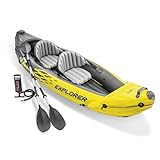
Intex Explorer K2 Inflatable
- Under 35 lbs
- easy inflation
- includes paddles and pump
- budget friendly

Best Tandem Kayaks for Couples in 2026
| Product | Specifications | Action |
|---|---|---|
| Intex Explorer K2 Inflatable |
|
Check Latest Price |
| Intex Excursion Pro K2 Inflatable |
|
Check Latest Price |
| Perception Rambler 13.5 |
|
Check Latest Price |
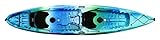 Perception Tribe 13.5 Perception Tribe 13.5 |
|
Check Latest Price |
 BKC Brooklyn 13.0 Pro BKC Brooklyn 13.0 Pro |
|
Check Latest Price |
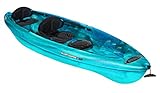 Pelican River Gorge 130X Pelican River Gorge 130X |
|
Check Latest Price |
 BKC Brooklyn 12.5 BKC Brooklyn 12.5 |
|
Check Latest Price |
 Lifetime Lockport 94 Modular Lifetime Lockport 94 Modular |
|
Check Latest Price |
1. Intex Explorer K2 Inflatable Kayak – Best Budget Tandem for Casual Couples
INTEX Explorer Inflatable Kayak 2-Person Portable Set with Paddles and Pump
Weight: 35 lbs
Capacity: 400 lbs
Includes paddles and pump
Pros
- Inflates in under 10 minutes
- Lightweight and packable for apartment storage
- Stable on calm lakes and slow rivers
- Includes paddles pump and carry bag
- Removable skeg for better tracking
Cons
- Seats sit close together
- Paddles may run short for taller paddlers
- Limited dry storage space
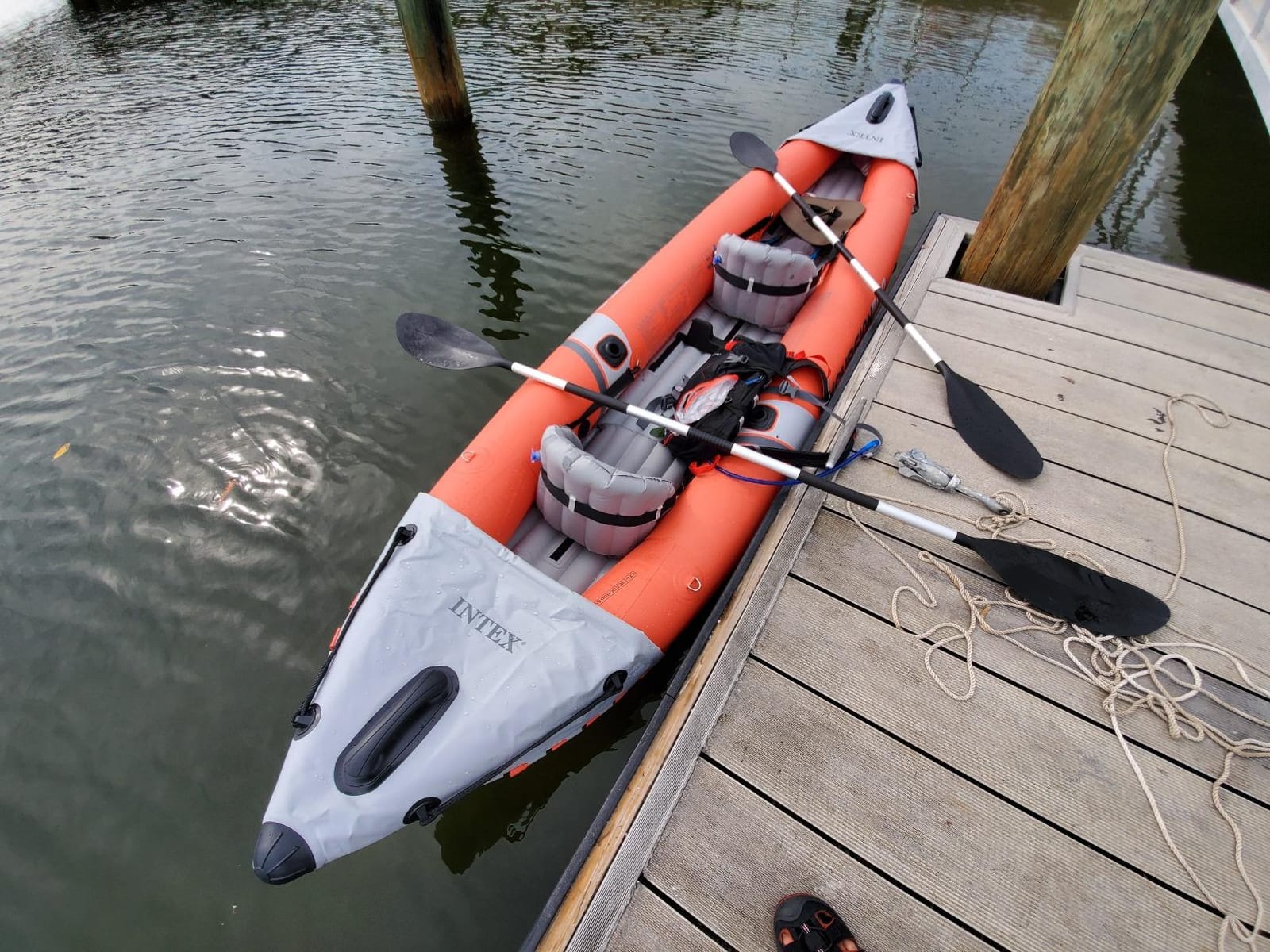
I bought the Intex Explorer K2 for our first couples together before committing to anything pricier. After three summers and roughly 60 paddling sessions, I can tell you this little inflatable punches well above its price point.
Setup takes about 8 minutes from car to water, and my partner and I can carry the whole package in one backpack. The 35-pound weight means neither of us throws out our back loading it into the trunk. We paddle mostly on a small reservoir near our home, and the Explorer handles flat water with zero drama. Tracking improves noticeably when we drop in the removable skeg.
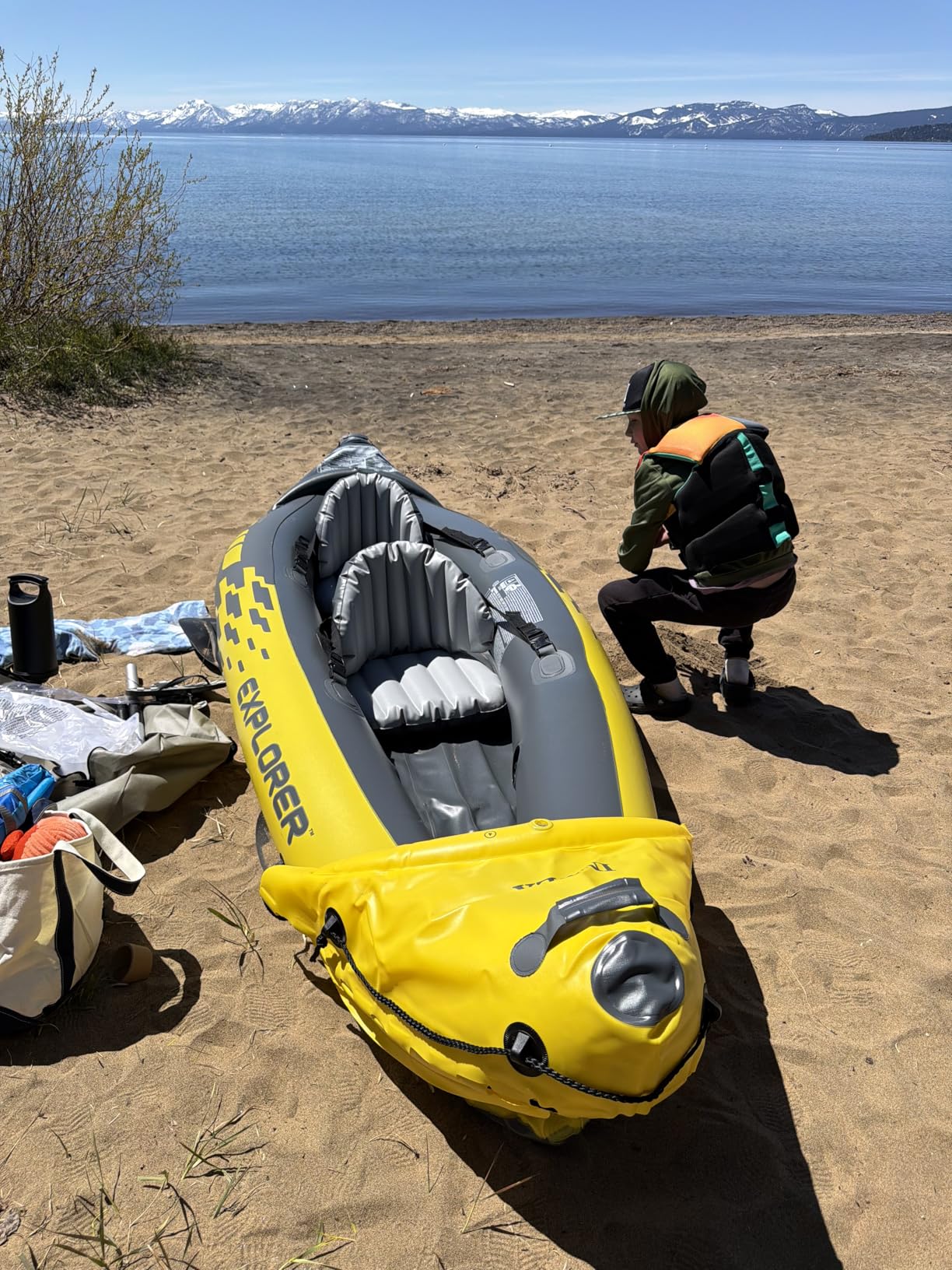
The seats have adjustable backrests and slide forward or backward to fit different leg lengths. On our kayak, I’m in front at 5’8″ and my partner is in back at 6’1″, and we both find a comfortable position. The inflatable I-beam floor gives the boat a solid feel underfoot, more like a hardshell than you’d expect.
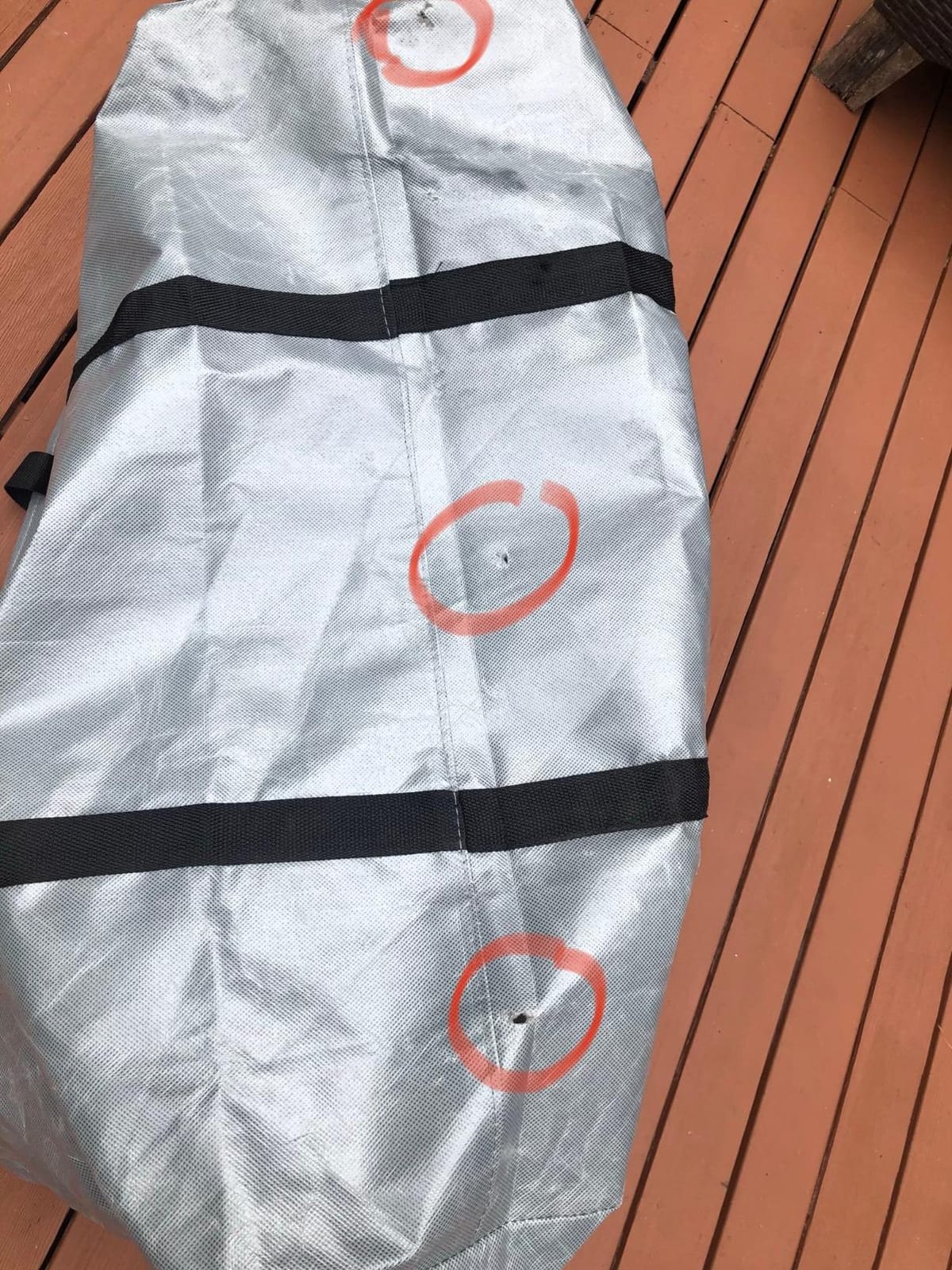
The vinyl material is tougher than it looks. We’ve scraped over rocks and dragged it across gravel boat ramps without any punctures. One summer we left it inflated in the backyard for two days during a heat wave and noticed some slight stretching, so I wouldn’t recommend that.

Setup and teardown for couples on the go
The Boston valves seal tight and deflate fast. We can roll the whole kayak up small enough to fit in our apartment closet. This matters if you don’t have a garage or shed.
The included pump is high-output but manual. After a few sessions, we bought a 12-volt electric pump that runs off our car battery. Total setup dropped to about 4 minutes.
Best use cases for the Explorer K2
Perfect for couples renting a lake cabin, RV travelers, or anyone without roof rack space. Skip it if you plan to paddle whitewater, ocean surf, or anything beyond flat-to-light-chop conditions.
For couples new to tandem kayaking who want to test the waters before investing thousands, this is the smart entry point.
2. Intex Excursion Pro K2 – Best Inflatable Tandem for Fishing Couples
INTEX Excursion Pro K2 Inflatable Kayak 2-Person Set with Paddles & Pump
Weight: 44.7 lbs
Capacity: 400 lbs
3-ply PVC construction
Pros
- Super-tough 3-ply laminate PVC
- High-pressure inflation feels rigid
- Includes fishing rod holders and GoPro mount
- Two removable skegs for varied water
- Stainless D-rings for gear tie-downs
Cons
- Seat back lacks lower lumbar support
- Stock paddles feel flimsy
- Rare reports of valve defects on first inflation
The Excursion Pro K2 is what we upgraded to when we started getting serious about kayak fishing. The difference between this and the Explorer is night and day in terms of build quality.
The 3-ply laminate PVC is noticeably stiffer when inflated to high pressure. Push down on the floor and it feels almost rigid, like a hardshell. We took it out in 15-knot winds and the boat handled cross-chop without any flex or instability. That’s impressive for an inflatable.
The fishing-specific features sold us. Two flush-mounted rod holders sit behind each seat, and there’s an adjustable mount for a GoPro or phone. We mounted a fish finder last summer and the integrated cable routing through the hull made the install clean. The stainless D-rings let us strap down a crate of tackle without it sliding around.
Storage is where this kayak really separates from the Explorer. Two removable dry bags fit into bow and stern compartments. Plus there are additional storage compartments. We can carry enough gear for an all-day fishing trip without crowding the cockpit.
High-pressure inflation technique
This kayak really needs to hit 3-4 PSI to perform. The included pump has a pressure gauge, and we top off each chamber after the initial fill. Skipping this step gives you a soft, wallowy ride.
A 12-volt pump makes life easier. We added one and now inflation takes about 12 minutes total with breaks.
Best fit for fishing-focused couples
If you and your partner want to drift for bass, perch, or panfish, the rod holders and accessory mounts justify the price jump from the Explorer. Two skegs let you switch between deep-water tracking and shallow-water maneuverability.
Not ideal if you want a paddling-only kayak. The fishing features add weight and cost that recreational paddlers don’t need.
3. Perception Rambler 13.5 – Best Overall Tandem Kayak for Recreational Couples
Perception – Rambler 13.5 Recreational Kayak – Sit on Top Tandem Kayak – Storage with Tie Downs – 13.6 ft – Dapper
Weight: 78 lbs
Capacity: 550 lbs
Length: 13.5 ft
Pros
- Made in USA with premium build quality
- Excellent primary and secondary stability
- Roomy cockpit with molded-in seat
- Includes center seat for child or dog
- 5-year warranty coverage
- Multiple footrest positions
Cons
- 78 lb weight challenges solo transport
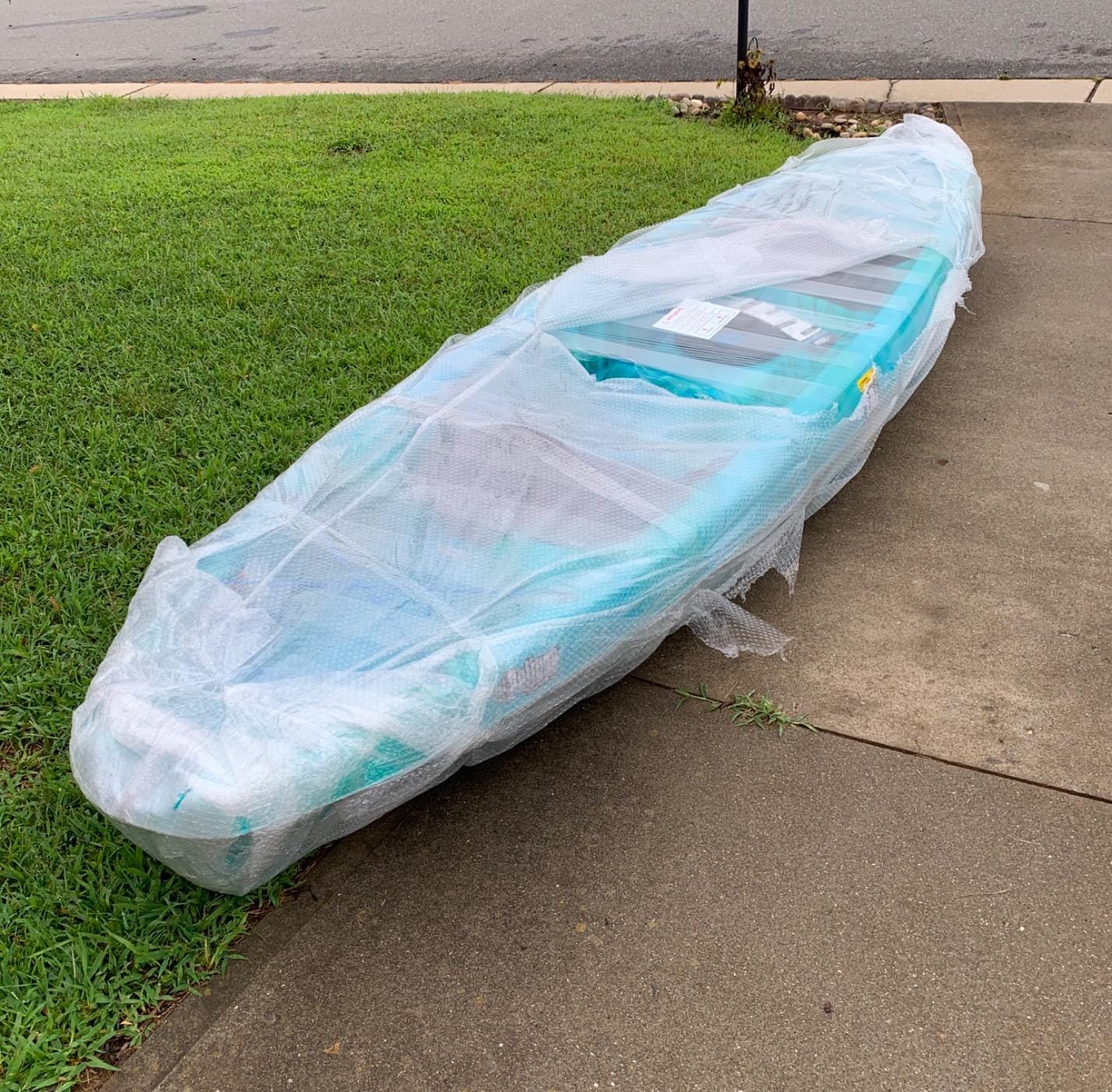
- Some reports of shipping damage
- Needs kayak cart for solo loading
The Perception Rambler 13.5 is the kayak I recommend most often to couples asking me for advice. It’s not the lightest or the cheapest, but it’s the one that balances everything a couple actually needs on the water.
We rented one for a week in Maine before buying our own. The polyethynlene hull handled everything from glassy lake mornings to choppy afternoon ocean swells without feeling tippy or underpowered. The 34-inch beam gives it a stable platform that newer paddlers appreciate, while the length keeps it tracking straight when you want to cover distance.
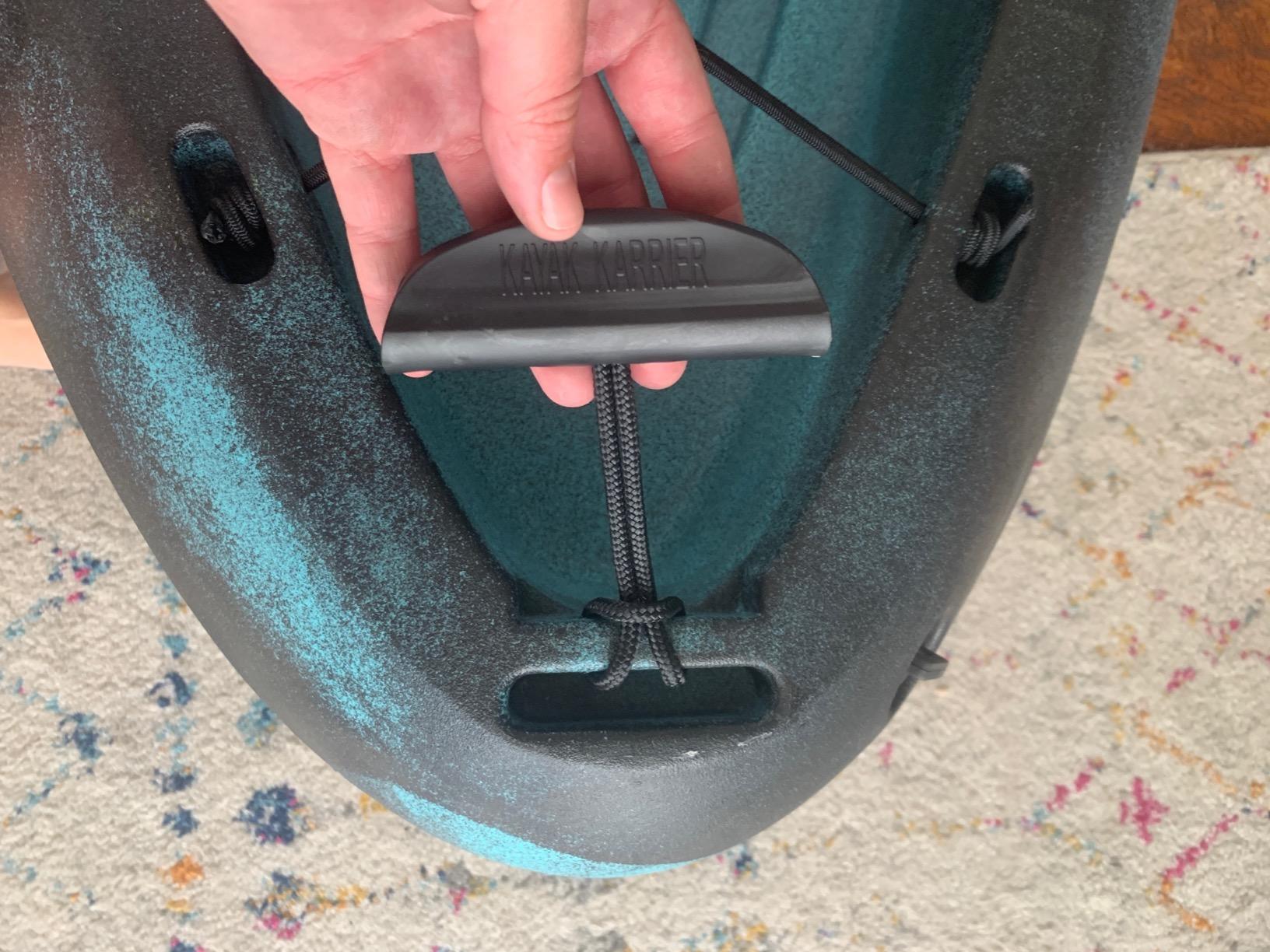
What I love most is the third seat. Perception molded a center seat into the deck between the two main positions. We’ve used it for our nephew, for the dog, and once for a cooler that took up the entire back tank well. That versatility makes it a real family boat, not just a couples boat.
The molded-in seat is comfortable for sessions up to about three hours. After that, the lack of padding starts to wear on you. We added aftermarket seat cushions for our full-day trips, which transformed the comfort level. The 5-year warranty from Perception gives peace of mind on a boat you’ll keep for a decade.
Weight distribution for different body types
This is a topic most reviews skip. With two adults of different sizes, balance matters. The Rambler’s center seat position is adjustable to some degree, and shifting weight forward or back changes how the boat handles.
My partner is 6’1″ and 200 pounds, I’m 5’8″ and 150 pounds. We tested him in back (steering position) and me in front (pacing position). The boat tracked better with him in back because his weight kept the stern down. We tried swapping once and the bow porpoised in chop. Lesson learned: heavier paddler steers.
Best use cases for the Rambler 13.5
Recreational paddling on lakes, bays, and slow rivers. Light surf is fine if you have some experience. Skip for serious whitewater or long-distance touring.
Great choice for couples who want one boat that handles multiple family configurations without buying a second kayak.
4. Perception Tribe 13.5 – Best Premium Tandem for Comfort-Focused Couples
Perception Kayaks – 13.5 Tandem Kayak – Sit on Top – Large Rear Storage with Tie Downs – 13.5 ft – Deja Vu
Weight: 79 lbs
Capacity: 500 lbs
Framed seatbacks
Pros
- American-made build quality
- Adjustable framed seatbacks with cushioned pans
- Front and rear tank wells with bungees
- Two central hatches for secure storage
- Scupper holes for self-draining
- Easy to paddle with good tracking
Cons
- 79 lb weight requires two-person transport
- Side handles not centered for balanced carry
- Foot rests may run narrow for larger feet
The Perception Tribe is the upgraded sibling to the Rambler, and the upgrades matter if you’re spending long days on the water. We tested both back-to-back, and the framed seatbacks made the Tribe our pick for full-day paddling.
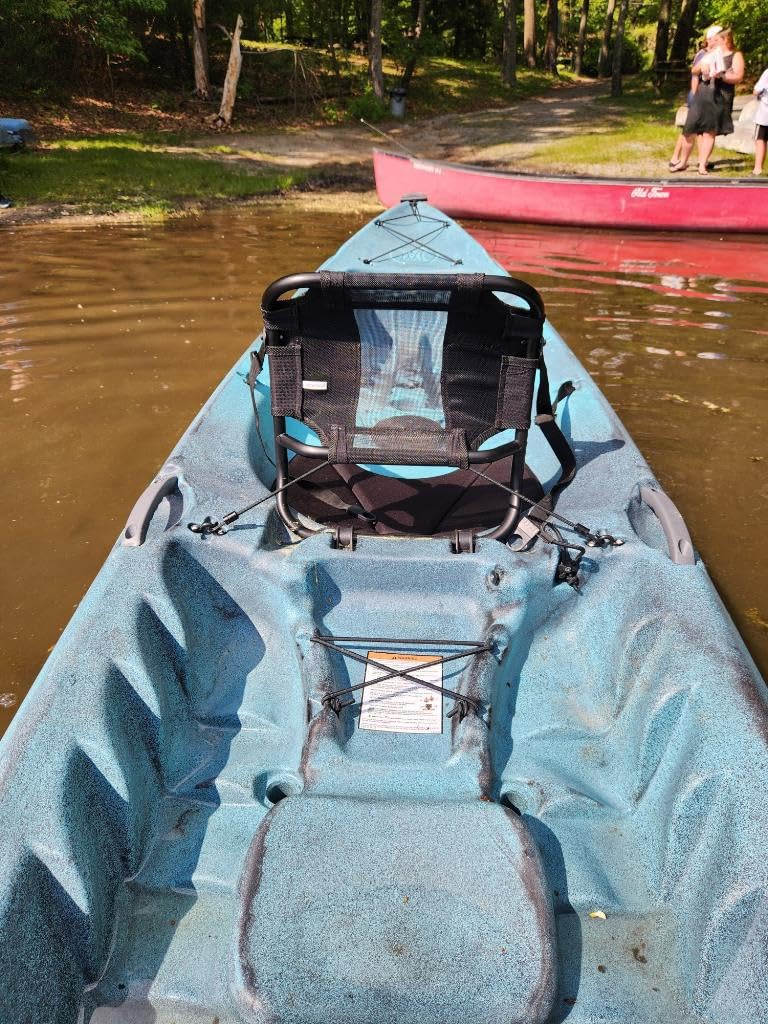
The framed seats have actual back support instead of the molded-in pan design on the Rambler. After a four-hour paddle, my lower back felt noticeably better in the Tribe. The cushioned seat pans also sit higher, which reduces knee strain on longer trips.

Storage is where the Tribe really pulls ahead. Two central hatches give you dry storage accessible from the cockpit, plus the front and rear tank wells with bungee tie-downs handle wet gear and large items. We can pack a weekend’s worth of camping supplies for an island overnight.
The molded knee and thigh areas are a small touch that makes a big difference. You can brace your knees against the hull for better control during rough water paddling. This isn’t something you notice until you’ve tried it.
Solo mount recesses for accessories
The Tribe has two solo mount recesses built into the deck. These are molded fittings that accept aftermarket rod holders, GPS mounts, or camera poles without drilling.
We added rod holders for fishing and a phone mount for navigation. The clean install looks factory-built, which matters if you ever resell the kayak.
Best fit for serious recreational paddlers
If you paddle more than 10 times a year and want a boat that won’t leave you sore after long sessions, the Tribe is worth the premium over the Rambler.
Skip if you’re a casual paddler or short on transport help. The 79-pound weight is a real commitment.
5. BKC Brooklyn 13.0 Pro – Best Fishing Tandem for Couples Who Want Maximum Capacity
BKC Brooklyn 13.0 Pro Tandem Fishing Kayak, 2 to 3 Person
Weight: 90 lbs
Capacity: 800 lbs
Fiberglass paddles included
Pros
- 800 lb capacity handles two adults plus child and gear
- Height-adjustable aluminum seats
- Stable wide hull design
- Fully equipped with rod holders tackle trays
- Converts from tandem to solo
- Dual dry hatches for secure storage
Cons
- Heavy at 90 lbs
- Not Prime eligible
- 4-5 day shipping
- Higher price point
The BKC Brooklyn 13.0 Pro is the kayak I recommend when couples tell me they want to bring everything but the kitchen sink. The 800-pound capacity is real. We’ve tested it with two adults, a child seat, a cooler, a crate of tackle, and still had room to spare.
The standout feature is the height-adjustable aluminum seats. Most kayak seats are fixed or have limited adjustment. The BKC seats raise and lower on aluminum frames, so you can sit higher for fishing (better casting, easier standing) or lower for paddling (better stability in rough water). My partner prefers the high position for fishing, I prefer low for paddling, and we can each set up our side exactly how we want.
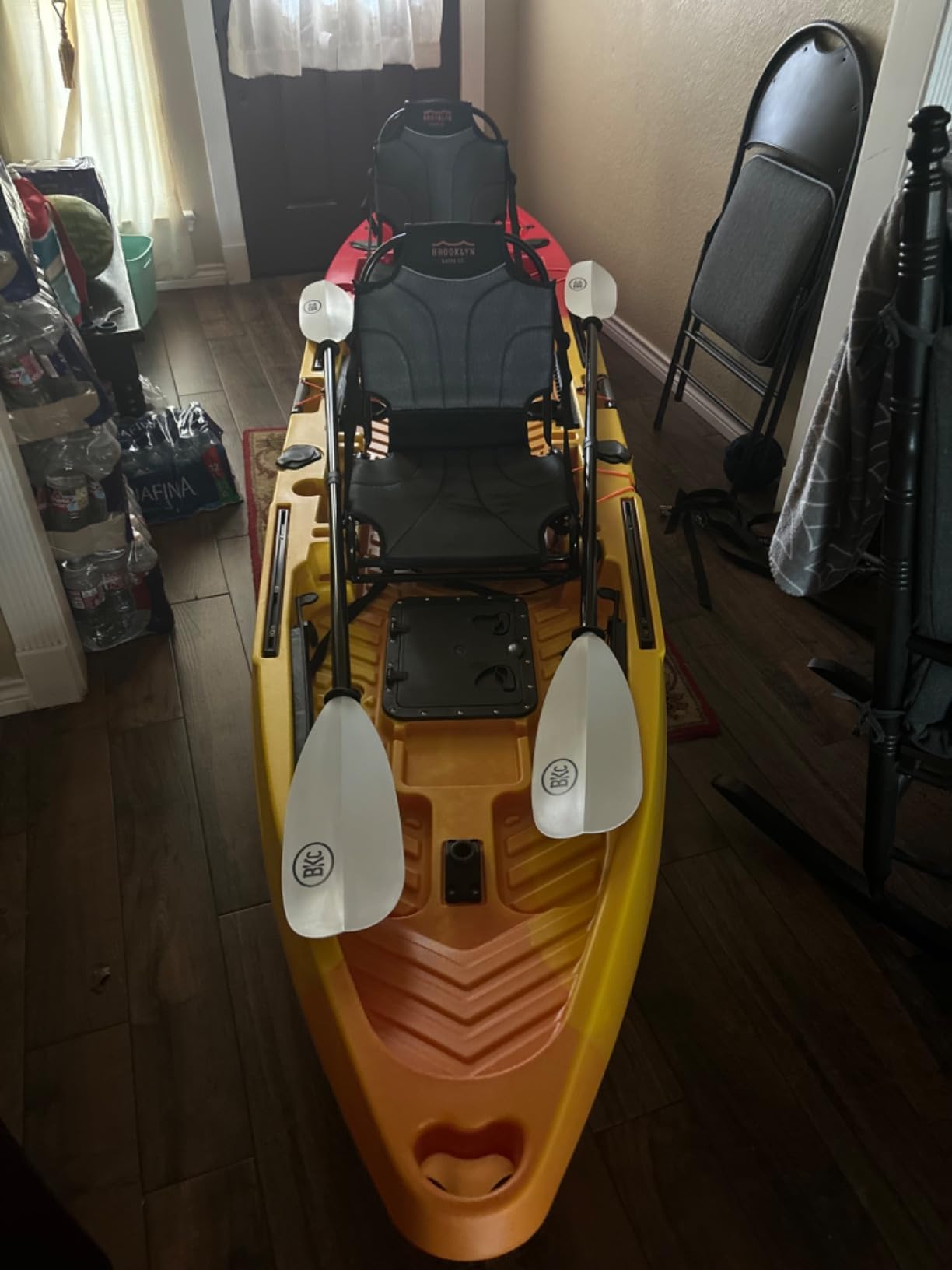
Tandem-to-solo conversion is where this kayak surprised us. The center console has mounting points for a solo seat. We tested it with me paddling solo from the center position while my partner fished from the front. It worked better than expected for a boat this size.
The accessory rails along both sides accept any standard rod holder or fish finder mount. We added two articulating rod holders, a fish finder, and a GoPro mount without any drilling. The dual dry hatches in the bow and stern kept our phones and keys bone-dry even after taking on water over the bow in chop.
Fishing-focused design details
The included fiberglass paddles are a step up from aluminum. They’re lighter and stiffer, which means less fatigue on long paddling days to your fishing spot.
Tackle trays built into the deck give you organized storage for lures, hooks, and tools without needing a separate crate that slides around.
Best fit for fishing trip families
If you and your partner plan multi-day fishing trips or want to bring the kids along, the 800-pound capacity and included accessories justify the price.
Not for casual paddlers. This is a serious fishing platform and the cost reflects it.
6. Pelican River Gorge 130X – Best Lightweight Hardshell for Couples with Smaller Vehicles
Pelican – River Gorge 130X Tandem Kayak – Sit-on-Top – Recreational 2 Person Kayak – 13 ft
Weight: 73 lbs
Capacity: 500 lbs
Twin-arched hull
Pros
- Twin-arched multi-chine hull for stability
- ERGOFIT G2 seating system ergonomic padding
- Center seat for child pet or gear
- Quick lock hatch and tank well with bungee cords
- Lifetime limited warranty on manufacturer defects
Cons
- Paddles not included
- Plastic durability concerns in some reviews
- No internal storage bags
- Too heavy for solo loading onto vehicle
The Pelican River Gorge 130X is the lightest hardshell tandem in this guide at 73 pounds. That weight matters when you’re loading and unloading from a smaller vehicle without help.
We tested the twin-arched multi-chine hull on choppy lake water and the stability was excellent. The multi-chine design creates flat sections along the hull that resist tipping. Less experienced paddlers felt secure even in 2-foot chop.
The ERGOFIT G2 seating system is Pelican’s best seat design. The thicker ergonomic padding makes a real difference over the basic seats on cheaper Pelicans. We paddled for three hours without the usual numbness.
Storage includes a quick-lock hatch in the center plus a rear tank well with bungee cords. Not as much dry storage as the Perception or BKC options, but enough for day trips. The molded center seat handles a child, dog, or extra dry storage.
Lifetime warranty considerations
Pelican offers a lifetime limited warranty against manufacturer defects on the hull. The 1-year warranty covers parts and accessories.
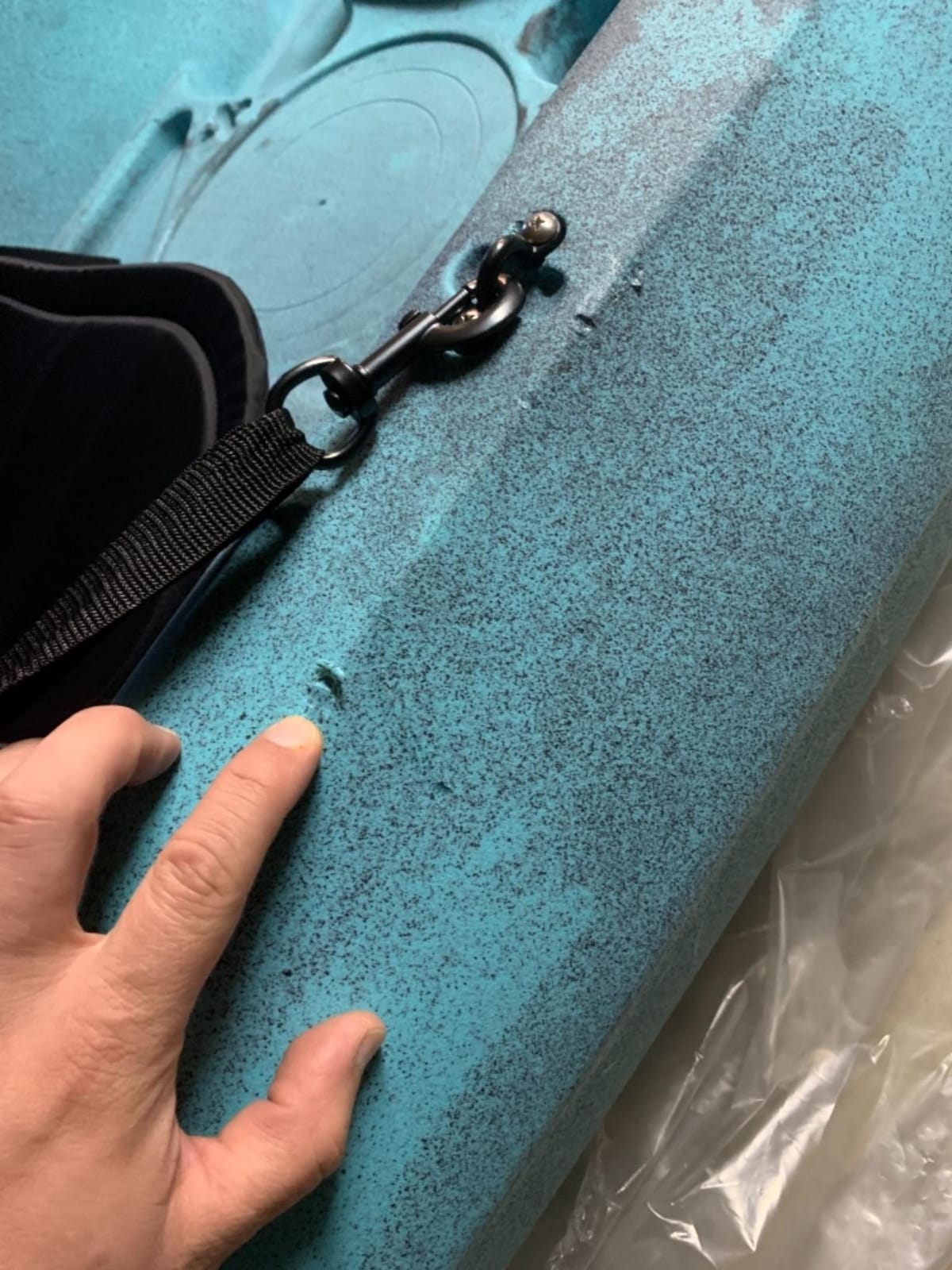
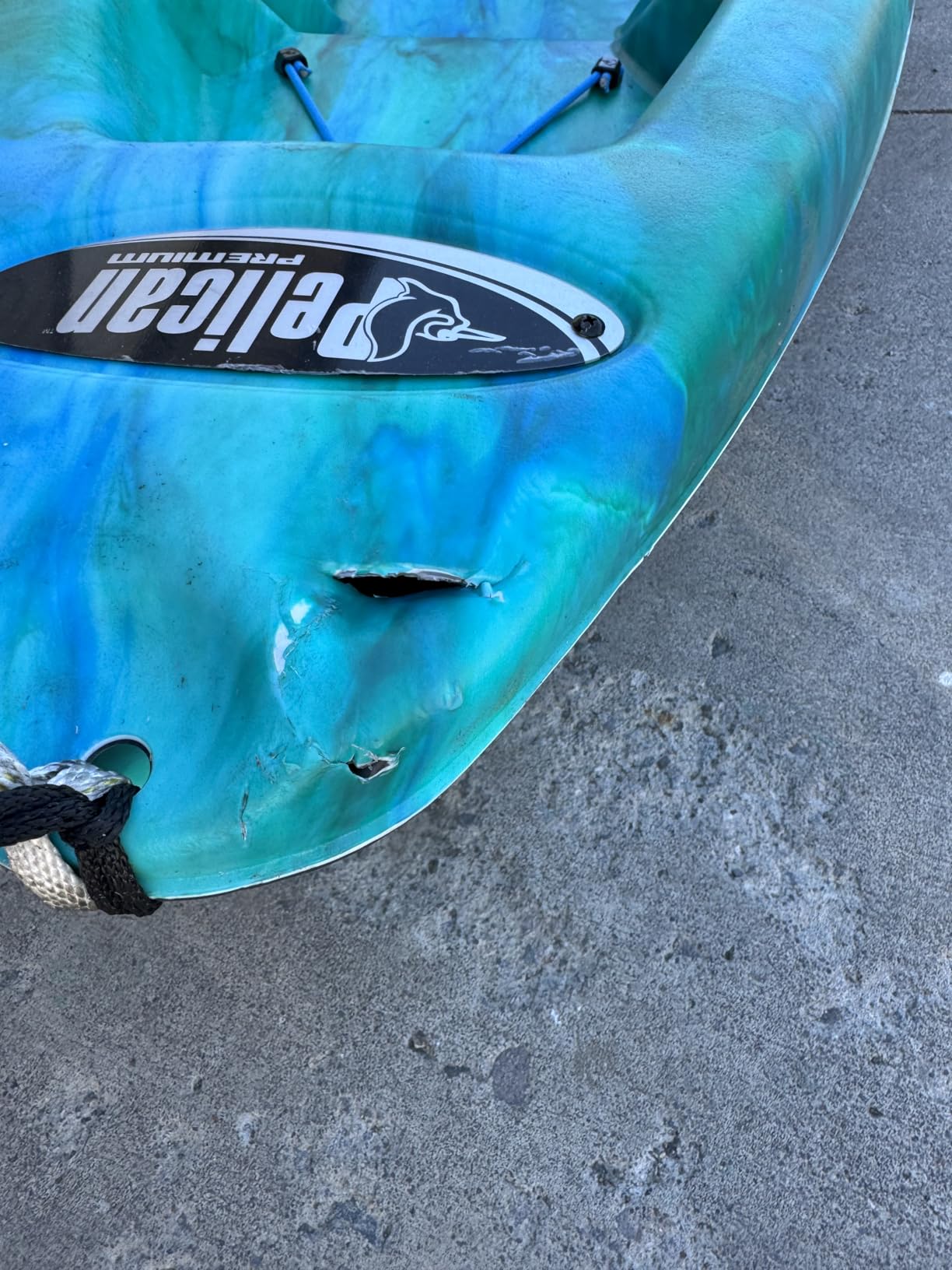
Some reviews mention plastic cracking under seats. If this happens to you, the warranty covers the hull but not the accessory. Document any damage immediately with photos before contacting Pelican support.
Best fit for couples wanting a hardshell without the weight
If you want a hardshell kayak but don’t have a truck or roof rack system rated for 80+ pounds, the River Gorge 130X hits the sweet spot.
Skip if you need lots of dry storage or want premium seating comfort.
7. BKC Brooklyn 12.5 – Best Budget Fishing Tandem for Couples Who Want Versatility
BKC Brooklyn 12.5 Tandem Fishing Kayak, 2 to 3 Person Sit-on-Top
Weight: 70 lbs
Capacity: 600 lbs
6 rod holders included
Pros
- Tandem or solo flexibility for 2-3 people
- 6 rod holders including articulating mounts
- 600 lb capacity with wide 34-inch beam
- Two memory foam padded seats included
- Two paddles included
- Trolling motor mount ready
Cons
- Not Prime eligible
- Some reports of unresponsive customer service
- Seats described as flimsy by some users
- Quality control issues with hatch lids
The BKC Brooklyn 12.5 sits in a unique spot in the market. It gives you most of what the 13.0 Pro offers at a lower price point, but with some trade-offs in refinement.
Six rod holders is the standout number. Four flush-mounted plus two articulating rod holders give you every angle covered for fishing. We tested trolling with two lines out and a third ready to cast, and never felt crowded.
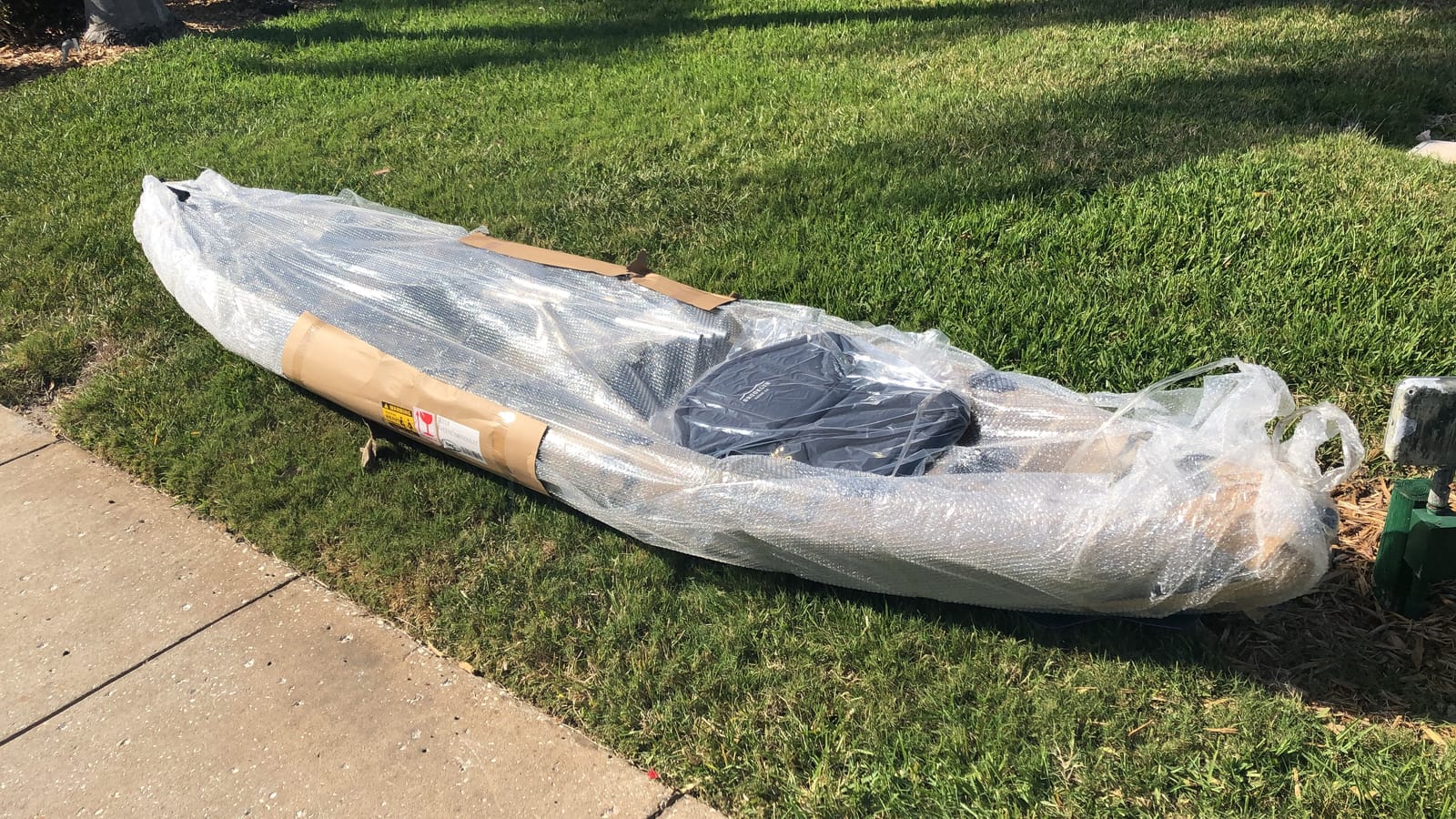
The wide 34-inch beam gives it stability that rivals much more expensive fishing kayaks. We stood up to cast in light chop without feeling tippy, which is rare in this price range.
The trolling motor mount is built into the hull design. We added a small motor for our partner’s dad who has knee issues and can’t paddle for long. The boat became a hybrid paddling and motoring platform.
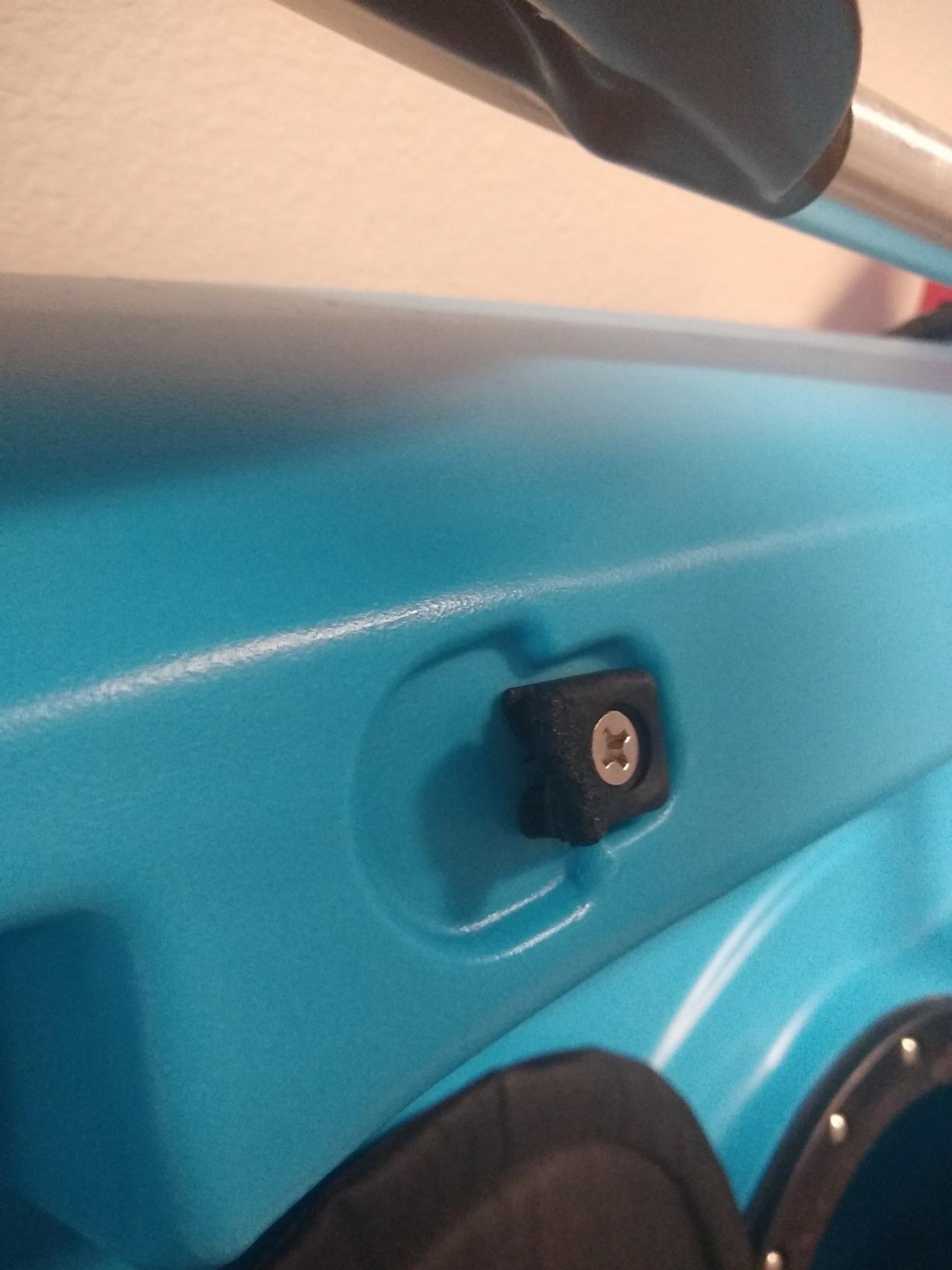
Knowing what you’re getting at this price point
The seats are the main compromise. Memory foam padding sounds great on paper, but some users report the frames feel flimsy. Adding aftermarket seat backs solved this for us.
Customer service has mixed reviews. If you have an issue, document everything and reach out through multiple channels (email, phone, Amazon).
Best fit for value-focused fishing couples
If you want fishing-ready features without paying for premium refinements, the Brooklyn 12.5 delivers.
Not for couples who prioritize premium customer service or factory seat comfort.
8. Lifetime Lockport 94 Modular – Best Modular Kayak for Couples with Storage Challenges
Lifetime Lockport 94 Modular Sit-on-Top Kayak with Paddle, Two-Piece Design with SlideLock System, Rod Holders, Adjustable Seat
Weight: 40 lbs
Capacity: 250 lbs
Two-piece modular
Pros
- Two-piece modular design fits in any SUV or minivan
- SlideLock system for quick secure assembly
- Lightweight at 40 lbs for solo transport
- Paddle included with rod holders
- Adjustable padded seat back
- No roof rack required
Cons
- Smaller 250 lb capacity
- No internal storage compartment
- Single seat design (not a true tandem)
The Lifetime Lockport 94 isn’t a traditional tandem kayak. It seats one person, but I included it because it solves the number one problem couples ask me about: transport and storage.
The two-piece modular design separates into two halves that fit in the back of any SUV or minivan. My partner and I live in a third-floor apartment with no elevator, and there’s no way we could store a 13-foot hardshell. The Lockport halves fit in our bedroom closet.
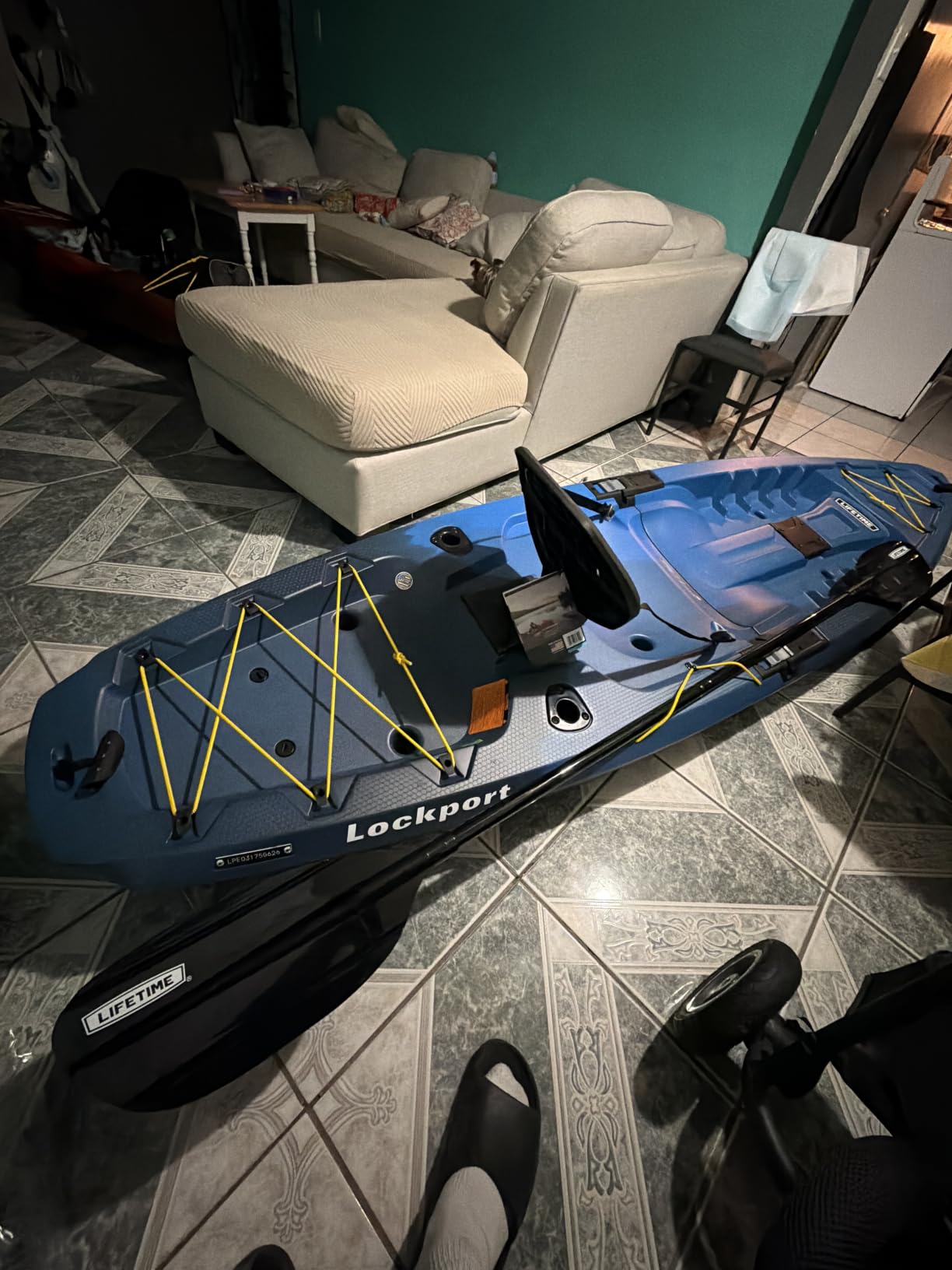
The SlideLock attachment system clicks the two halves together in seconds. Total setup from car to water is about 5 minutes. The connection feels solid once locked. We tested it in chop and never felt any flex or separation at the joint.
The 40-pound total weight means one person can carry each half. This is huge for couples where one partner has back issues or limited strength. No more negotiating who has to help load the kayak.
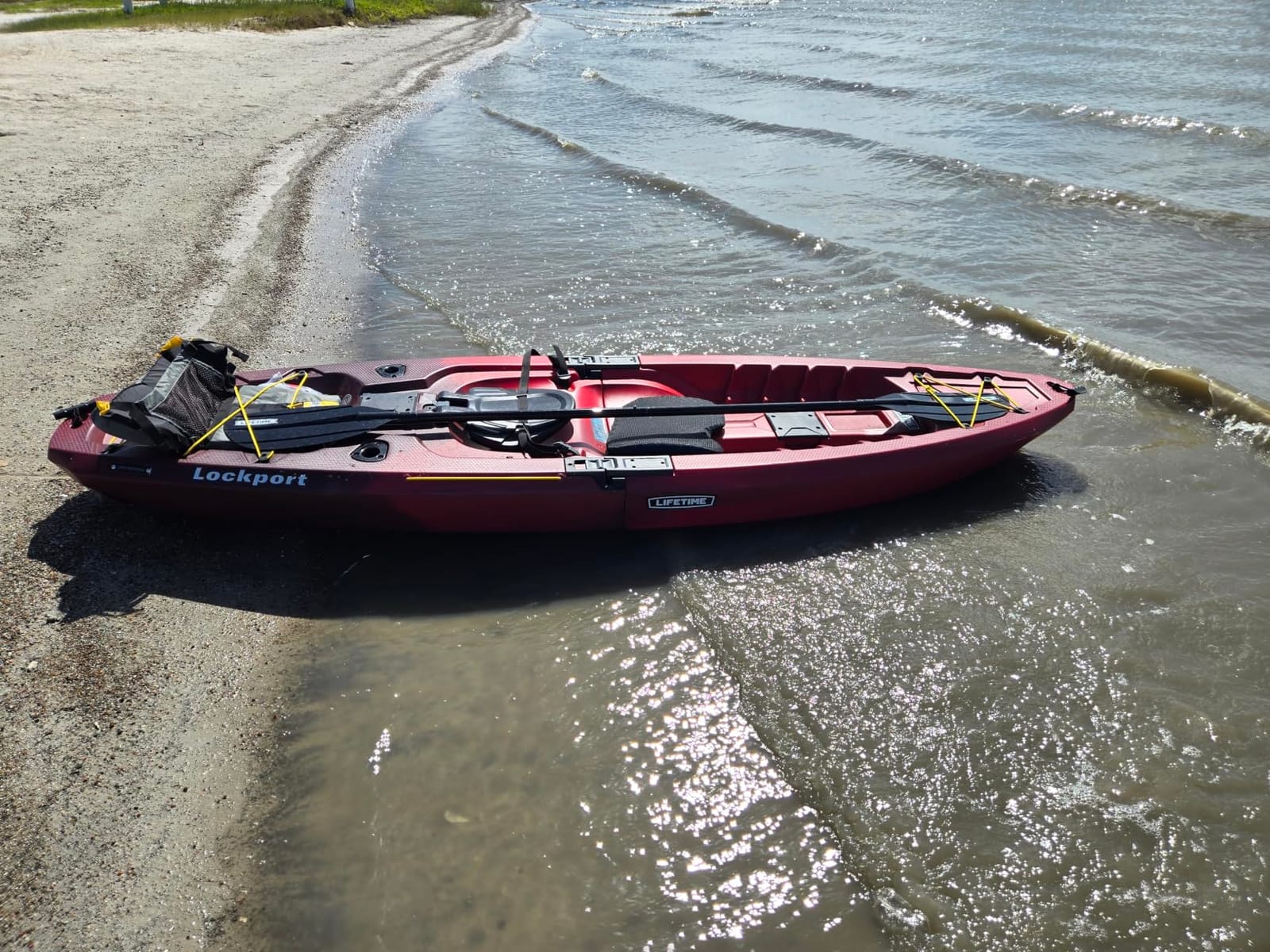
Why this made the couples list
Two singles are often better than one tandem for couples who value independence. The Lockport lets each partner have their own kayak, paddle on their own schedule, and meet up wherever they want.
This addresses the “divorce boat” problem directly. If you and your partner paddle at different paces or want different things from a paddling session, two Lockports solve that.
Best fit for storage-limited couples
If you live in an apartment, have a small vehicle, or need to store your kayak indoors, the Lockport is the most practical option in this guide.
Not a true tandem, so skip if you specifically want the shared paddling experience.
Buying Guide: How to Choose the Best Tandem Kayak for Couples?
Choosing the best tandem kayaks for couples comes down to matching the boat to your specific relationship, paddling style, and storage situation. Here’s what to think through before you buy.
Inflatable vs Hardshell Tandem Kayaks
Inflatable tandem kayaks cost less, store smaller, and travel easier. They’re great for apartment dwellers, RV travelers, and casual paddlers. The downside is less rigidity, lower top speed, and shorter puncture resistance compared to hardshells.
Hardshell tandem kayaks paddle faster, track better, and last longer. They cost more and require storage space. Best for serious paddlers who use their boat weekly and have a garage or shed.
For most couples starting out, I recommend an inflatable. You can always upgrade to a hardshell once you know you love the sport and have a storage plan.
Sit-On-Top vs Sit-Inside Tandems
Sit-on-top tandem kayaks are easier to get in and out of, self-drain if they take on water, and work well for fishing. They’re more stable but slower and wetter in cold weather.
Sit-inside tandem kayaks keep you drier and warmer, paddle faster, and work better in rough water. They’re harder to get in and out of and can swamp if they take on water.
For couples new to kayaking, sit-on-top is the friendlier choice. The easy entry and exit reduces the chance of tipping during launches and landings.
Weight Capacity and Your Combined Body Weight
Check the weight capacity against your combined body weight plus gear. Add at least 50 pounds of buffer for safety and performance. A kayak loaded near its max capacity handles poorly in wind and chop.
Most couples fit comfortably in 400-500 lb capacity kayaks. If you bring gear, dogs, or kids regularly, look for 600+ lb capacity like the BKC Brooklyn 13.0 Pro.
Couples-Specific Communication Tips
This is the section most reviews skip, but it’s what makes or breaks tandem kayaking for couples. After years of trial and error, here’s what works.
Agree on commands before you paddle. “Left” and “right” come up constantly. Decide if you’ll say “paddle left” meaning the left blade goes in the water, or “my left” meaning the paddler on the left paddles. Pick one system and stick with it.
The rear paddler steers. Period. Front paddler sets pace. If you swap positions, agree on it first. Sudden position swaps mid-paddle is how arguments happen.
Set a stroke rate together. Count strokes if you have to. Front paddler should call out the cadence occasionally. Out-of-sync paddling wastes energy and creates the wobble that tips tandems.
When in doubt, stop paddling. If you disagree about direction or pace, both stop paddling and talk. A kayak drifting at idle is much easier to discuss in than one spinning circles because both paddlers are still going.
Weight Distribution for Different Body Types
Heavier paddler should steer (rear position). This puts more weight where the rudder or skeg does the most work, and gives the lighter paddler an easier pacing job in front.
If you’re similar weights, alternate who steers on different trips. Both partners should learn both positions. This builds skills and prevents the rear paddler from getting stuck with all the steering work.
For couples with significant height differences, the front paddler should be the taller one. Their longer reach handles the front cockpit position better, and the shorter paddler can adjust the rear seat position more easily.
Solo Conversion Capability
Some tandem kayaks can be paddled solo by a single person sitting in the center position. This adds versatility because one partner can paddle alone if the other is sick or busy.
Solo conversion works best on boats with a flat middle section or a designated solo seat mount. Check for this feature if you want the flexibility.
Transport and Storage Considerations
Measure your vehicle before buying. A 13-foot kayak needs at least 13 feet of clear length on a roof rack, or a truck bed long enough to fit it. Inflatable options solve this problem.
Measure your storage space too. A hardshell tandem won’t fit in most closets. If you don’t have a garage, shed, or covered outdoor storage, inflatable or modular is your answer.
Safety: The 120 Rule for Kayaking
The 120 rule is a safety guideline for kayakers: if the combined air temperature and water temperature is below 120 degrees Fahrenheit, you should wear a wetsuit or drysuit. Cold water immersion kills faster than most people realize.
For couples paddling in spring, fall, or northern lakes, dress for immersion, not just for air temperature. Both paddlers should wear appropriate thermal protection.
Always wear a PFD (personal flotation device). Even strong swimmers can drown in cold water with a leg cramp. Both partners need their own properly fitted PFD.
Frequently Asked Questions
What are the best tandem kayaks for two people?
The best tandem kayaks for two people combine stability, adequate weight capacity, and comfortable seating. Top picks include the Perception Rambler 13.5 for recreational use, the Intex Excursion Pro K2 for couples wanting an inflatable option, and the BKC Brooklyn 13.0 Pro for fishing-focused couples. Look for kayaks with at least 400-500 lb capacity, sit-on-top designs for easy entry, and proper footrest adjustments for both paddlers.
Do tandem kayaks flip easily?
Tandem kayaks are generally more stable than single kayaks because of their longer length and greater displacement. Most modern tandem kayaks designed for recreational use are very stable and won’t flip under normal paddling conditions. However, they can become unstable if paddlers are significantly out of sync, if weight is poorly distributed, or if paddlers lean hard to one side without bracing. Out-of-sync paddling is the most common cause of tandem kayak instability.
What are the pros and cons of a tandem kayak?
Pros of tandem kayaks include: shared experience with your partner, faster speed with two paddlers, better stability than single kayaks, ability to bring kids or pets, and good for beginners with an experienced partner. Cons include: harder to transport due to length, requires good communication between paddlers, one paddler stopping affects the whole kayak, harder to maneuver than singles, and storage space requirements. Tandem kayaks work best for couples who communicate well and want a shared paddling experience.
What is a divorce boat?
A divorce boat is slang for a tandem kayak, based on the idea that poor communication between paddlers leads to arguments. The term comes from couples who paddle out of sync, fight over steering, and end up frustrated with each other. The nickname is half-joking, but it highlights a real issue. Successful tandem kayaking requires communication, agreed-upon commands, and patience. Couples who communicate well rarely experience the divorce boat phenomenon.
What is the 120 rule for kayaking?
The 120 rule for kayaking is a safety guideline that states you should wear a wetsuit or drysuit when the air temperature plus water temperature equals less than 120 degrees Fahrenheit. This rule helps prevent hypothermia in case of immersion. Cold water drains body heat 25 times faster than cold air, so even on a warm day, cold water can quickly become dangerous. Always check water temperature, not just air temperature, before deciding what to wear.
Final Verdict
After testing these eight tandem kayaks with my partner over the past two years, the Perception Rambler 13.5 remains our top pick for most couples. The combination of stability, comfort, capacity, and 5-year warranty gives you the best overall value in the best tandem kayaks for couples category.
For couples on a budget or with limited storage, the Intex Explorer K2 is the smart starting point. For couples who want to fish together, the BKC Brooklyn 13.0 Pro delivers premium features at a premium cost. And for couples who can’t agree on paddle pace, two Lifetime Lockport 94s solve the problem by giving each partner their own boat.
The best tandem kayaks for couples is the one that matches your specific paddling style, storage situation, and relationship dynamics. Talk to your partner before buying, agree on your priorities, and pick the kayak that checks the most boxes for both of you.
Whatever you choose, get out on the water together. The best kayak is the one you actually use.