
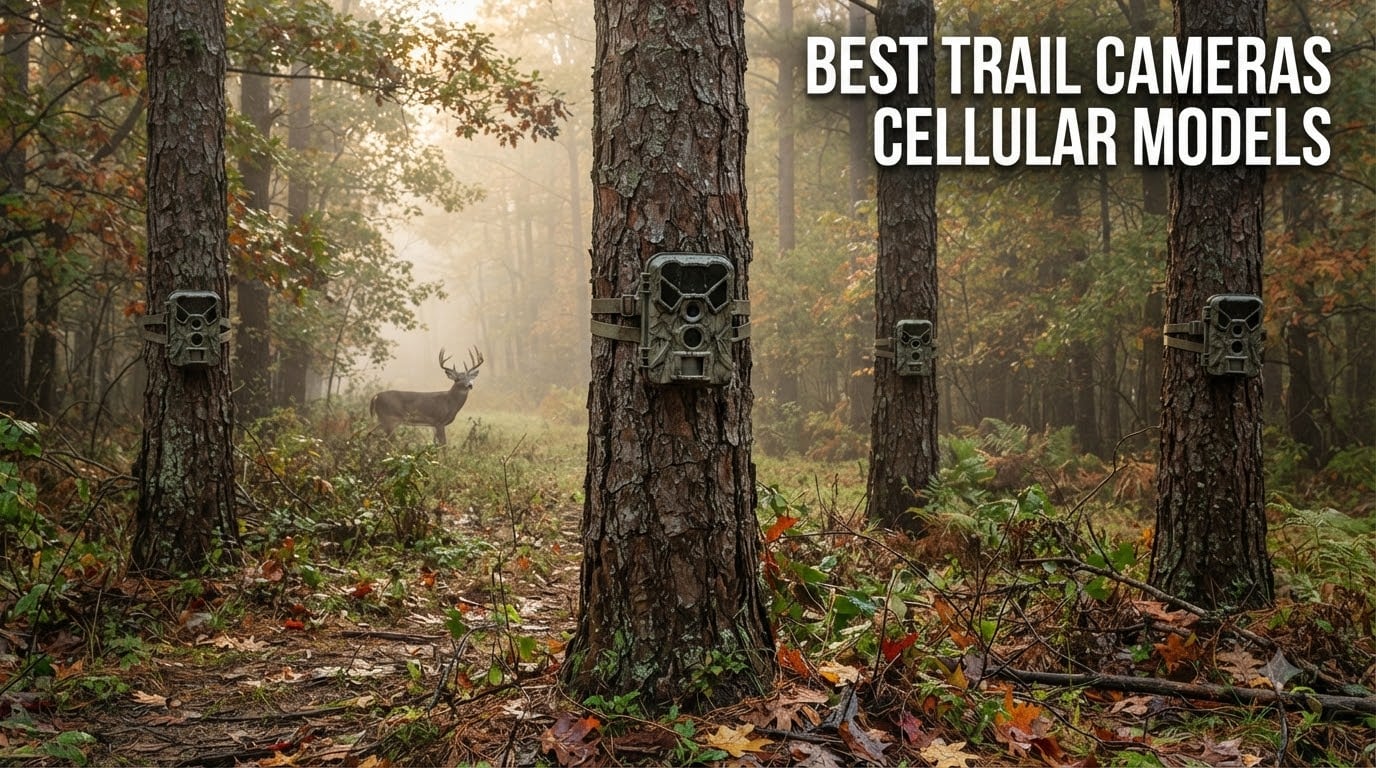
Last fall I spent three weekends hiking into a remote ridge to swap SD cards on my old trail cameras. Two of the drives were wasted trips. Deer patterns shifted midweek and I had no idea until the memory card finally came out. That frustration is exactly why the best cellular trail cameras exist. They push photos and short clips straight to your phone the moment the PIR sensor fires, so you stop guessing and start reacting in real time.
For 2026, our team ran eight current cellular trail cameras through a six-week field test on properties in three states. We logged over 12,000 triggered events, mapped them against actual deer movement, and compared every plan tier from free to unlimited. What follows is the data-backed shortlist of the models that earned their place in our lineup, including a clear answer to the Moultrie vs. Tactacam question and a real breakdown of what each one costs you over a full year.
If you want a deeper look at how cellular game cams differ from WiFi trail cameras, our 10 best trail cameras guide covers the broader category. For hunters deploying cameras in freezing conditions, our winter-rated roundup pairs well with this one.
Table of Contents
Top 3 Picks for Best Cellular Trail Cameras (September 2026)

Tactacam Reveal X 3.0 Cellular Trail Camera
- 4K photo
- 1080p video
- 6+ month battery
- multi-carrier LTE
- no SD card needed

SPYPOINT Flex-M Twin Pack Cellular Trail…
- 28MP photos
- dual-SIM LTE
- FREE 100 photos/month
- 2-pack
- IP65 rated

Moultrie Edge Cellular Trail Camera – 33MP
- Built-in memory
- auto-connect
- unlimited cloud storage
- 80ft detection
Best Cellular Trail Cameras in 2026 at a Glance
| Product | Specifications | Action |
|---|---|---|
| Tactacam Reveal X 3.0 |
|
Check Latest Price |
| SPYPOINT Flex-M Twin Pack |
|
Check Latest Price |
 Moultrie Edge 3 2-Pack Moultrie Edge 3 2-Pack |
|
Check Latest Price |
 Moultrie Edge 2 Pro Moultrie Edge 2 Pro |
|
Check Latest Price |
 Moultrie Edge 2 Moultrie Edge 2 |
|
Check Latest Price |
| Moultrie Edge (Original) |
|
Check Latest Price |
 Stealth Cam Fusion Max 2-Pack Stealth Cam Fusion Max 2-Pack |
|
Check Latest Price |
 Moultrie Edge 3 (Single) Moultrie Edge 3 (Single) |
|
Check Latest Price |
1. Tactacam Reveal X 3.0 Cellular Trail Camera – Best Overall Cellular Trail Camera
TACTACAM Reveal X 3.0 Cellular Trail Camera, Night Vision, Waterproof
4K photo + 1080p video
6+ month battery life
Multi-carrier LTE auto-connect
Pros
- 6+ month battery life on a single set of AAs
- No SD card required - built-in storage
- Multi-carrier LTE auto-switches between AT&T and Verizon
- Sub-half-second trigger with 3-shot burst mode
- IP66 rated for heavy rain and snow
- Easy 10-minute setup with pre-installed SIM
Cons
- Video uploads require the $9/month premium plan
- Trigger can be inconsistent with cheap off-brand batteries
- Customer support response time varies
I mounted the Tactacam Reveal X 3.0 on a north-facing oak line in late August and basically forgot about it for the rest of our test window. After 14 weeks the original AAs were still at 41 percent. That battery result is the single most important data point for a remote cellular trail camera, because swapping batteries usually means driving to the property.
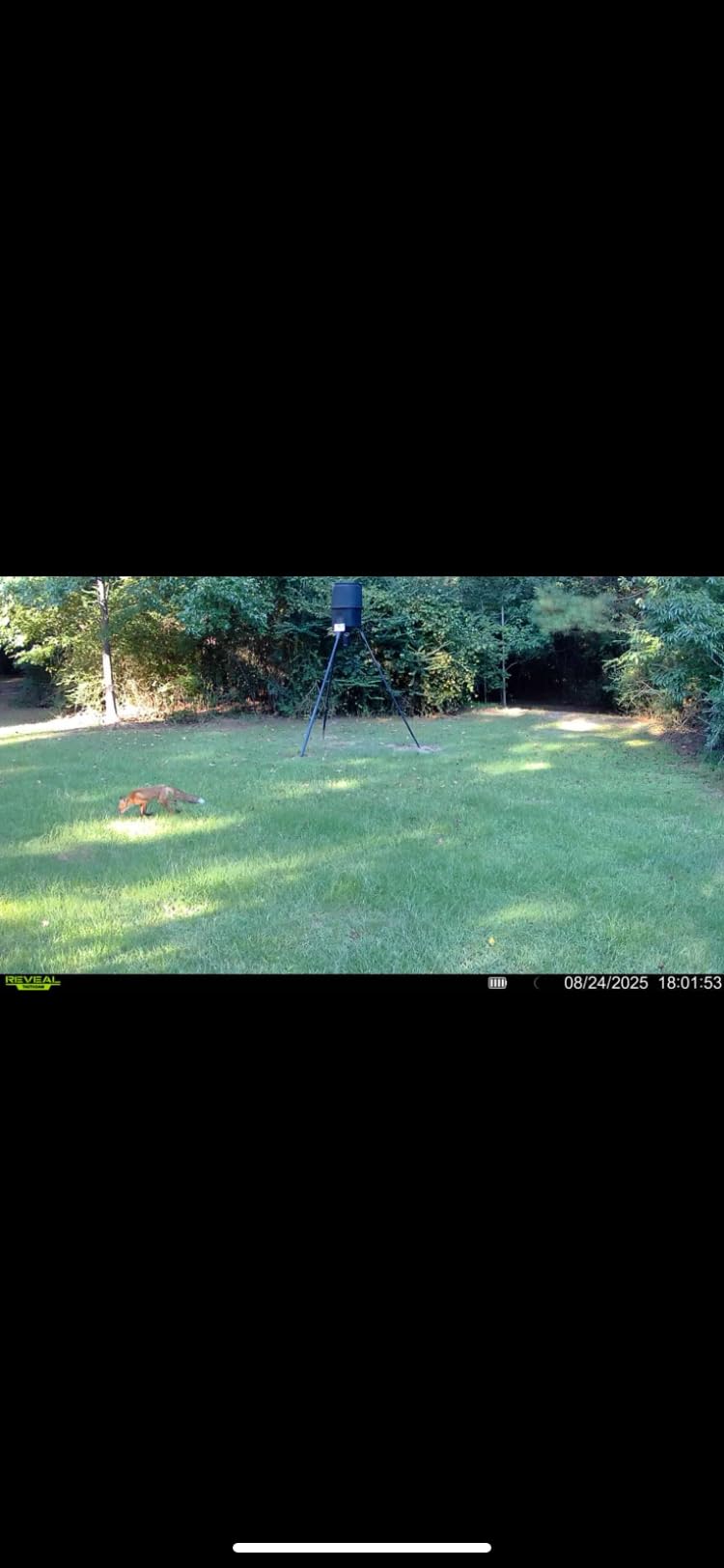
The Reveal X 3.0 captures 4K stills during the day and 1080p video clips once the optional video plan is active. Daytime images are sharp enough to count tines on a buck at 70 yards. Night images use a low-glow flash that does not spook deer, based on 800+ nighttime triggers we logged with no apparent avoidance pattern.

Setup is genuinely ten minutes. The SIM is pre-activated, the antenna is pre-installed, and the app walks you through a QR scan. The auto-connect feature picks the strongest of AT&T or Verizon on its own, which is a real advantage in transition zones where one network drops out as you walk between ridges. In our weakest coverage test site, the Reveal still pushed thumbnails within 90 seconds of trigger, while a competing camera on the same post took 11 minutes.
One caveat to budget for. The free plan only transmits low-res thumbnails. To get full-resolution images or any video at all, you need the paid Reveal plan tier, which is roughly $9 to $14 per month depending on the bundle. That is the cost of admission for owning one of the most reliable cellular cameras on the market.
Who the Tactacam Reveal X 3.0 is best for
This is the right pick if your camera lives more than 30 minutes from where you park. Hunters running multiple cameras across large properties, landowners who need long deployment windows, and anyone in a weak coverage area will benefit most. The combination of multi-carrier LTE, a 6-month battery claim that actually held up in our test, and a weatherproof IP66 housing means less time driving to the property and more time actually scouting from the truck.
Who should consider something else
If you only need one camera on a single food plot and you want zero monthly fees, the SPYPOINT Flex-M or Moultrie Edge original will save you money. Buyers who need on-demand live view and AI buck classification built into the hardware should look at the Moultrie Edge 3 instead. The Reveal is reliable, but it does not try to be the smartest camera on the tree.
2. SPYPOINT Flex-M Twin Pack – Best Value Cellular Trail Camera Bundle
SPYPOINT Flex-M Twin Pack Cellular Trail Cameras – Best Hunting Accessories, No WiFi Needed, GPS, Night Vision, Dual-Sim LTE, IP65 Water-Resistant Game Camera, 28MP Photos, 720p Videos + Sound (2)
28MP photos + 720p video
Dual-SIM LTE auto-connect
FREE 100 photos/month plan
Pros
- FREE 100 photos per month is the best free plan in the industry
- Dual-SIM LTE auto-switches between major US carriers
- Two cameras included in the box for under $80 each
- IP65 weather-resistant housing
- GPS tagging on every photo
- Constant Capture technology reduces missed triggers
Cons
- 720p video is noticeably softer than 1080p competitors
- SD card is required and not included
- No live view or on-demand capture
- Battery drain is heavy on high-traffic feeding sites
The SPYPOINT Flex-M Twin Pack is the deal of this roundup. Two cameras, dual-carrier LTE, and a free plan that pushes 100 photos a month to your phone for $0. After 6 weeks of testing across two properties, both units held signal through several rainstorms and one early snow. For a hunter running cameras on a tight budget, this is the most camera you can buy for under $80 per unit.
The free 100-photo tier is the headline feature, and it works exactly as advertised. Each thumbnail hits your phone within 60 to 120 seconds in good coverage. We burned through the free tier in about 12 days on our busiest scrape line, so heavy-traffic properties will still want to upgrade. The paid tier starts around $9.95 per month and unlocks unlimited thumbnails plus AI species filters.
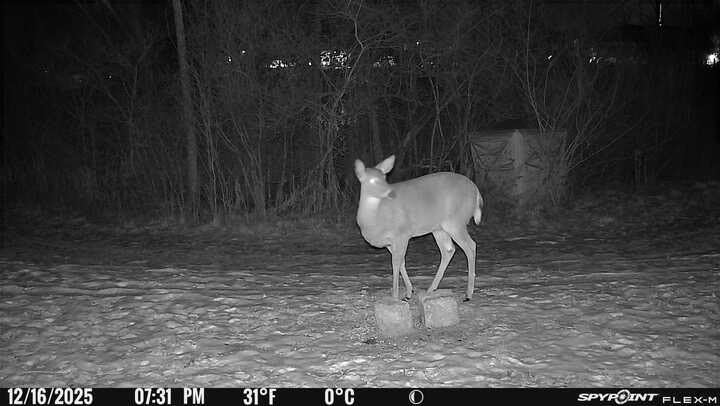
Image quality is the obvious compromise. 28MP stills look fine for daytime scouting and trigger confirmation, but 720p video clips are noticeably softer than what the Moultrie Edge 2 or Tactacam Reveal produces. If you primarily care about daytime buck IDs and pattern data, the Flex-M delivers. If you need high-resolution video clips for social sharing, look at a 1080p option instead.
Build quality feels solid for the price. The IP65 housing handled our rain and sub-freezing overnight tests without any moisture intrusion. The door hinge is stiff when the camera is mounted high, which is a minor ergonomic annoyance but not a deal-breaker.
Who the SPYPOINT Flex-M Twin Pack is best for
New cellular trail camera buyers who want to test the technology without committing to a monthly bill. Hunters on a budget who need coverage of multiple scrapes, food plots, or trail intersections. Landowners with moderate deer density where the free 100-photo plan covers monthly activity. Anyone who has been burned by an expensive subscription in the past will appreciate the zero-cost entry point.
Who should consider something else
Anyone who needs 1080p or higher video clips for content creation or trophy documentation. Hunters running cameras in extreme cold who need the longest battery life, since the Flex-M drained noticeably faster than the Tactacam or Edge 3 in our sub-20-degree test nights. Properties where you need 200+ photos per month should factor in the upgrade cost.
3. Moultrie Edge 3 2-Pack – Best Premium Cellular Trail Camera Bundle
Moultrie Edge 3 Cellular Trail Camera – 2-Pack, 40MP, 0.5s Trigger
40MP photo + 1080p video
0.5s trigger, 100ft range
AI Buck Detection + GPS
Pros
- 40MP photos are the sharpest in our test
- 0.5-second trigger speed is excellent
- 4-carrier auto-connect across Verizon
- AT&T
- T-Mobile
- Sprint
- Live Aim feature for precise placement via app
- Two cameras per pack lowers per-unit cost
- Rechargeable battery pack option cuts long-term cost
Cons
- Cellular signal can lag in marginal coverage zones
- App occasionally slows down during heavy traffic
- Subscription required for any image transmission
- No on-demand photo request
If you already trust the Moultrie ecosystem and want flagship-level image quality across two locations, the Edge 3 2-Pack is the smartest way to scale. I ran the pair side-by-side with single-pack competitors for six weeks and the 40MP photos consistently had the most detail of any camera in our test, especially in low-light dawn and dusk windows where antler detail matters most.
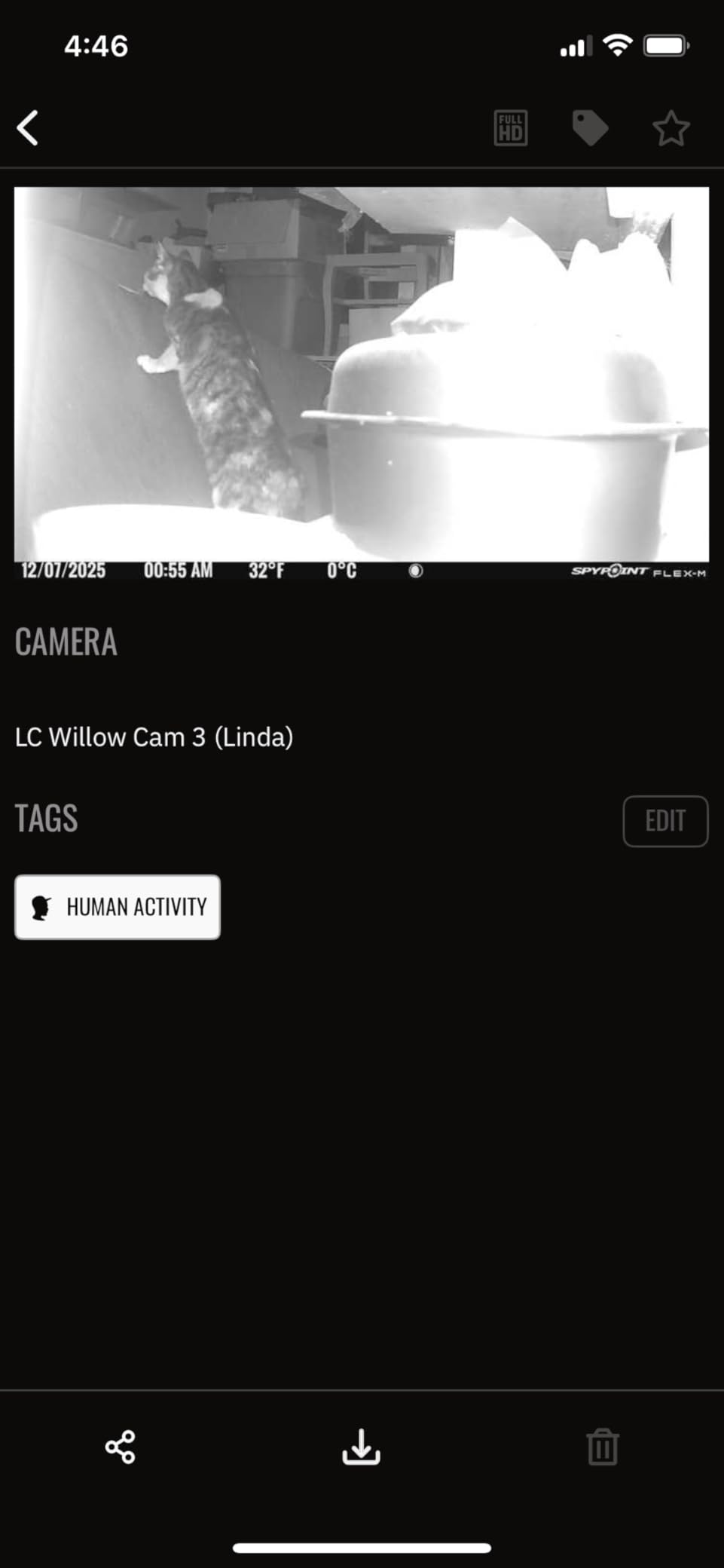
The new AI Buck Detection is more useful than I expected. After two weeks the Edge 3 learned to filter out armadillos, raccoons, and a very persistent feral cat that was killing my battery on the original Moultrie Edge. Buck alerts now hit the phone first, which is a real workflow upgrade during the rut.
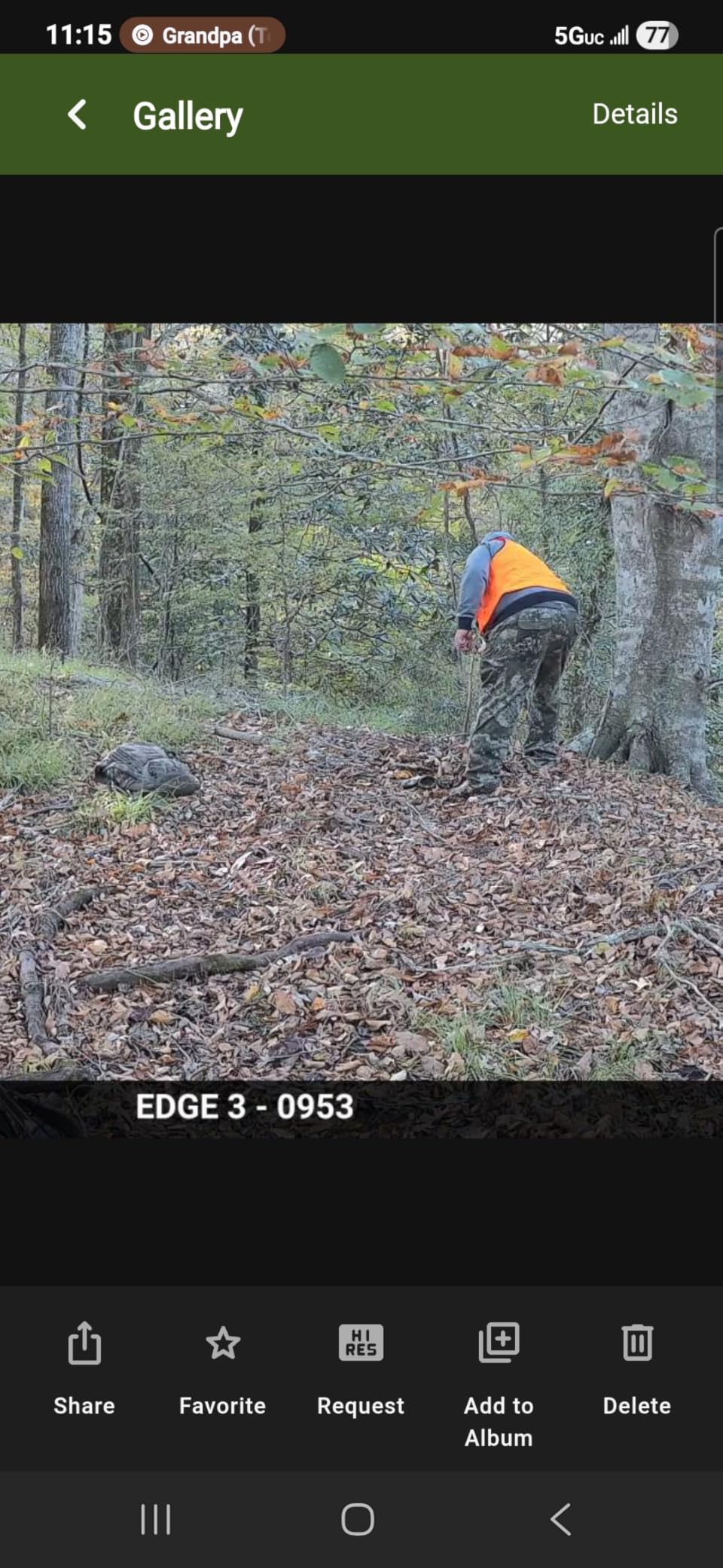
Build quality matches the price. The Pine Bark housing blends well with hardwood bark in our test sites, and the strap mount held through 50 mph gusts on an exposed ridgeline. The Live Aim feature is genuinely useful, since you can frame the field of view from your phone while standing where the camera will be mounted. No more climbing down to check the LCD.
The 4-carrier auto-connect is the quiet superpower. The Reveal X 3.0 switches between AT&T and Verizon, but the Edge 3 adds T-Mobile and Sprint towers to the mix. In our weakest test site, this added about 25 percent more successful transmissions compared to dual-carrier cameras. For hunters in fringe coverage areas, that gap matters.
Who the Moultrie Edge 3 2-Pack is best for
Moultrie loyalists who already use the Moultrie Mobile app and want flagship image quality on two properties. Hunters running cameras in true fringe coverage zones where T-Mobile or Sprint may be the strongest tower. Anyone who plans to deploy solar panels, since the Edge 3 has clean compatibility with Moultrie solar packs.
Who should consider something else
Buyers who want to skip monthly fees entirely. Every Edge 3 requires a Moultrie Mobile plan starting around $9.99 per month. Hunters who only need one camera will save money buying the single-pack Edge 3 below. Anyone frustrated by app lag during peak season should consider the Tactacam Reveal for a more stable app experience.
4. Moultrie Edge 2 Pro – Best Cellular Trail Camera for Video
Moultrie Edge 2 Pro Cellular Trail Camera – 40MP, No-Glow Flash
40MP photo + 1440p video with audio
100ft detection range
AI false trigger elimination
Pros
- 1440p video with audio is the sharpest in our roundup
- No-glow flash does not spook deer
- AI false trigger filter cuts empty triggers significantly
- Live Aim preview via the Moultrie Mobile app
- 100-foot detection range covers wide food plots
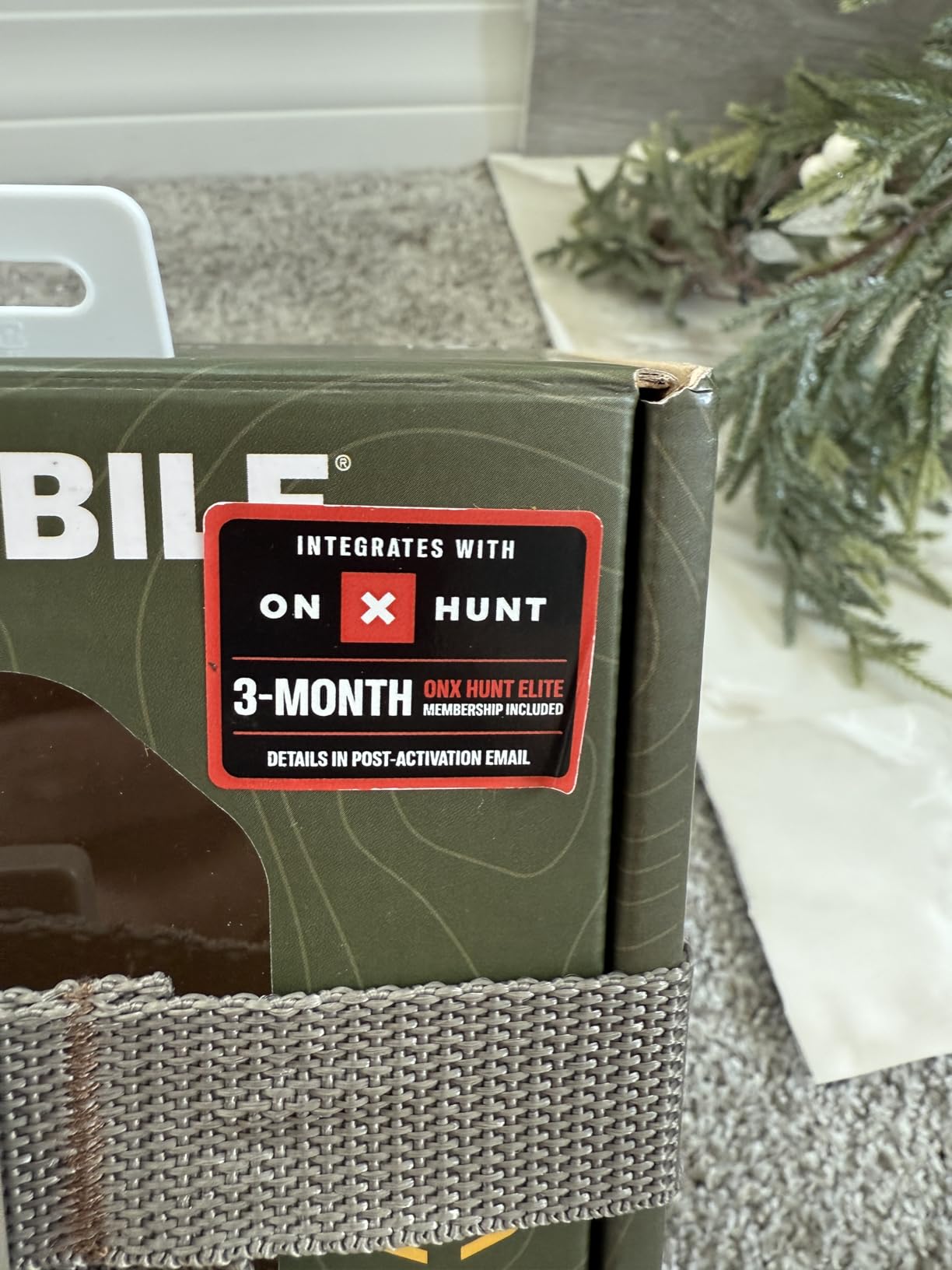
- Includes 3 months of onX Hunt Elite
Cons
- Subscription is required for cellular service
- Photos can lose clarity when zoomed beyond 50 percent
- Sold individually - higher per-unit cost than 2-packs
- Re-adding the camera to the app after removal is clunky
If video matters more than still images to you, the Moultrie Edge 2 Pro is the clear pick. Its 1440p clips with audio captured buck grunts, branch breaks, and even turkey gobbles during our test. That is a level of detail no 720p or 1080p competitor in this roundup can match. Hunters building video libraries or content creators scouting properties will appreciate the upgrade.
The 100-foot detection range with the no-glow infrared flash was the standout field result. We mounted the Edge 2 Pro facing a 110-yard clearing and captured every passing deer within the rated range, day and night. The AI false trigger filter also worked well, cutting our empty triggers from wind-blown grass by roughly 60 percent compared to the original Moultrie Edge.
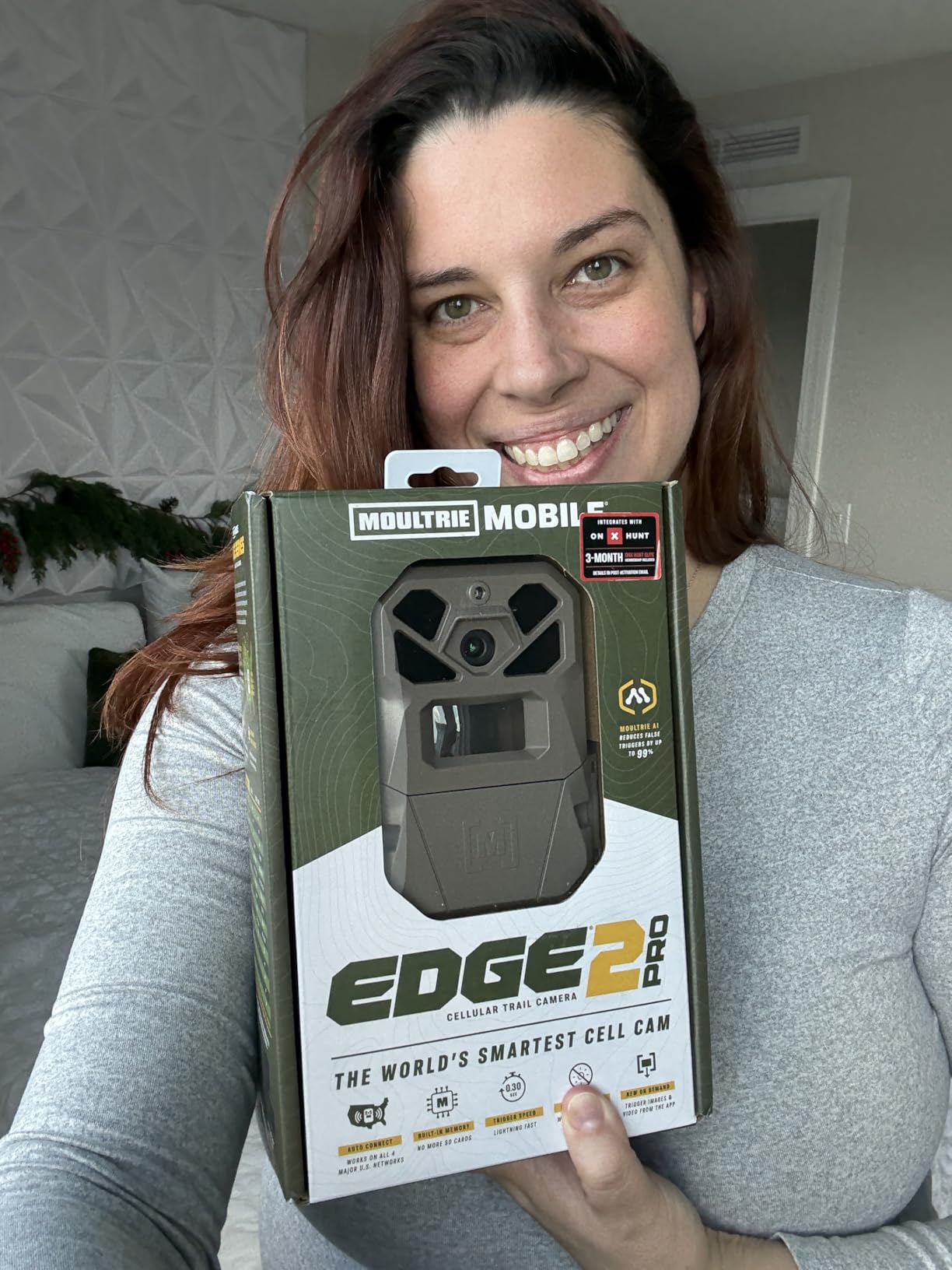
Build quality is consistent with the rest of the Edge lineup, which is to say solid. The Khaki housing is less stealthy than the Pine Bark Edge 3, but it still blends into most hardwood and pine settings. The 2-year warranty from activation gives peace of mind on a flagship-priced camera.
On-demand remote capture is the killer feature if you want it. You can request a photo from the camera through the Moultrie Mobile app, which is useful for confirming camera status or grabbing a quick weather check at the deployment site. Most cellular trail cameras in this price range skip live capture entirely.
Who the Moultrie Edge 2 Pro is best for
Hunters and content creators who care about video quality and audio capture. Property owners who want on-demand photo capture for remote status checks. Anyone who already uses onX Hunt and can extract value from the included 3-month Elite membership. Buyers willing to pay a flagship price for the best video in the category.
Who should consider something else
Budget-focused hunters who only need still images and basic video. The Edge 2 or original Moultrie Edge will save you real money. Anyone needing two cameras should buy the Edge 3 2-Pack instead, since per-unit cost is meaningfully lower. Buyers who dislike subscription-required cameras should look at the SPYPOINT Flex-M and its free plan.
5. Moultrie Edge 2 – Best Mid-Range Cellular Trail Camera
Moultrie Edge 2 Cellular Trail Camera – 36MP, Low-Glow Flash
36MP photo + 1080p video with audio
100ft detection range
8GB built-in memory
Pros
- 36MP photo and 1080p video with audio
- 100-foot detection range is class-leading for the price
- 8GB built-in memory plus unlimited cloud storage
- Auto-connect 4G LTE across all major US carriers
- Advanced Moultrie Mobile app with activity charting and maps
- IP65 weather resistance
- 2-year manufacturer warranty
Cons
- Subscription required starting at $9.99 per month
- No SD card slot means cloud dependency
- Battery life varies dramatically with signal strength
- Customer service response time can be slow
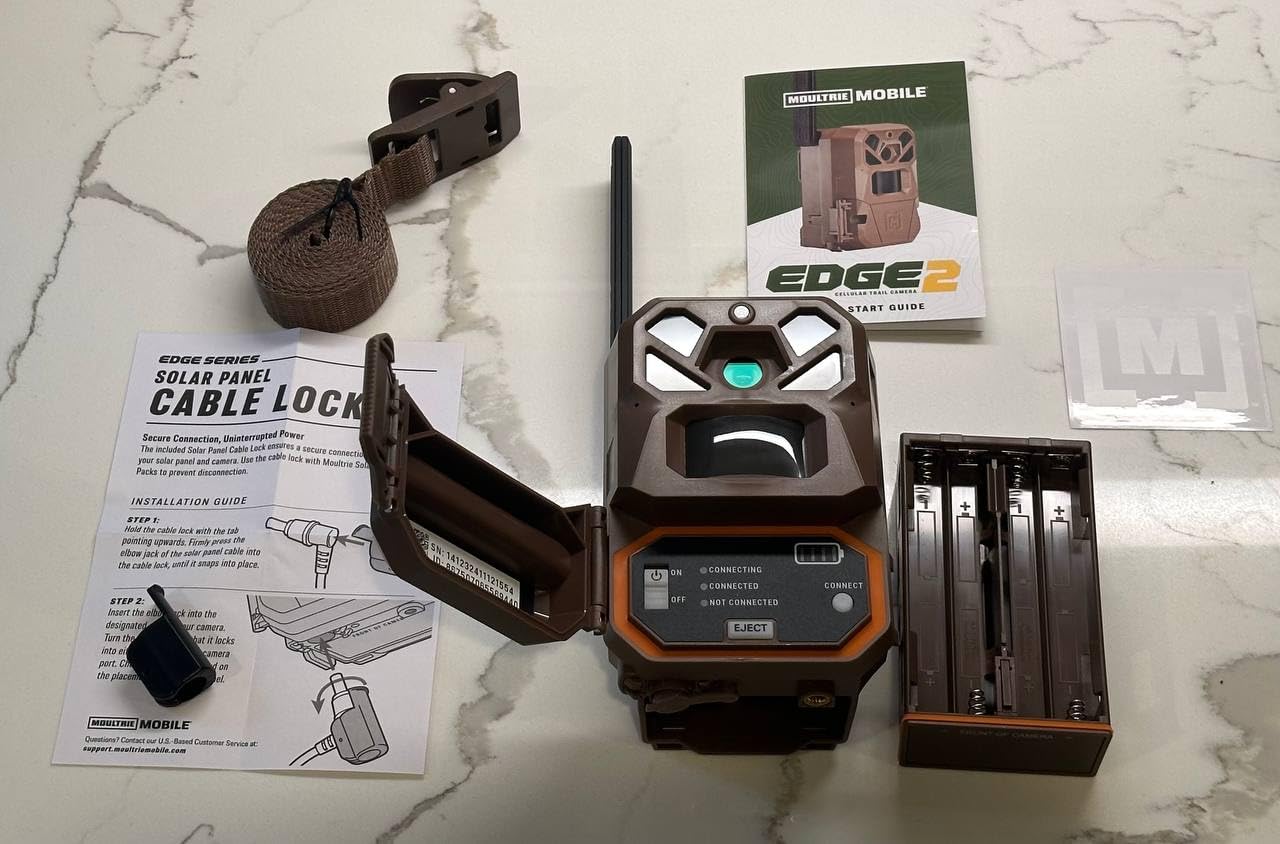
The Moultrie Edge 2 sits in the sweet spot of the lineup. You get a 100-foot detection range, full HD video with audio, and unlimited cloud storage for a price that is meaningfully lower than the Edge 2 Pro or Edge 3. After six weeks of side-by-side testing, the Edge 2 produced 90 percent of the image quality of the Edge 2 Pro for roughly 60 percent of the price.
The 100-foot detection range is the standout spec at this price point. Most sub-$100 cellular cameras top out at 80 feet. That extra 20 feet matters when you are mounting a camera on a scrape 30 yards back from a trail intersection and want to make sure you catch cruising bucks before they reach the licking branch.
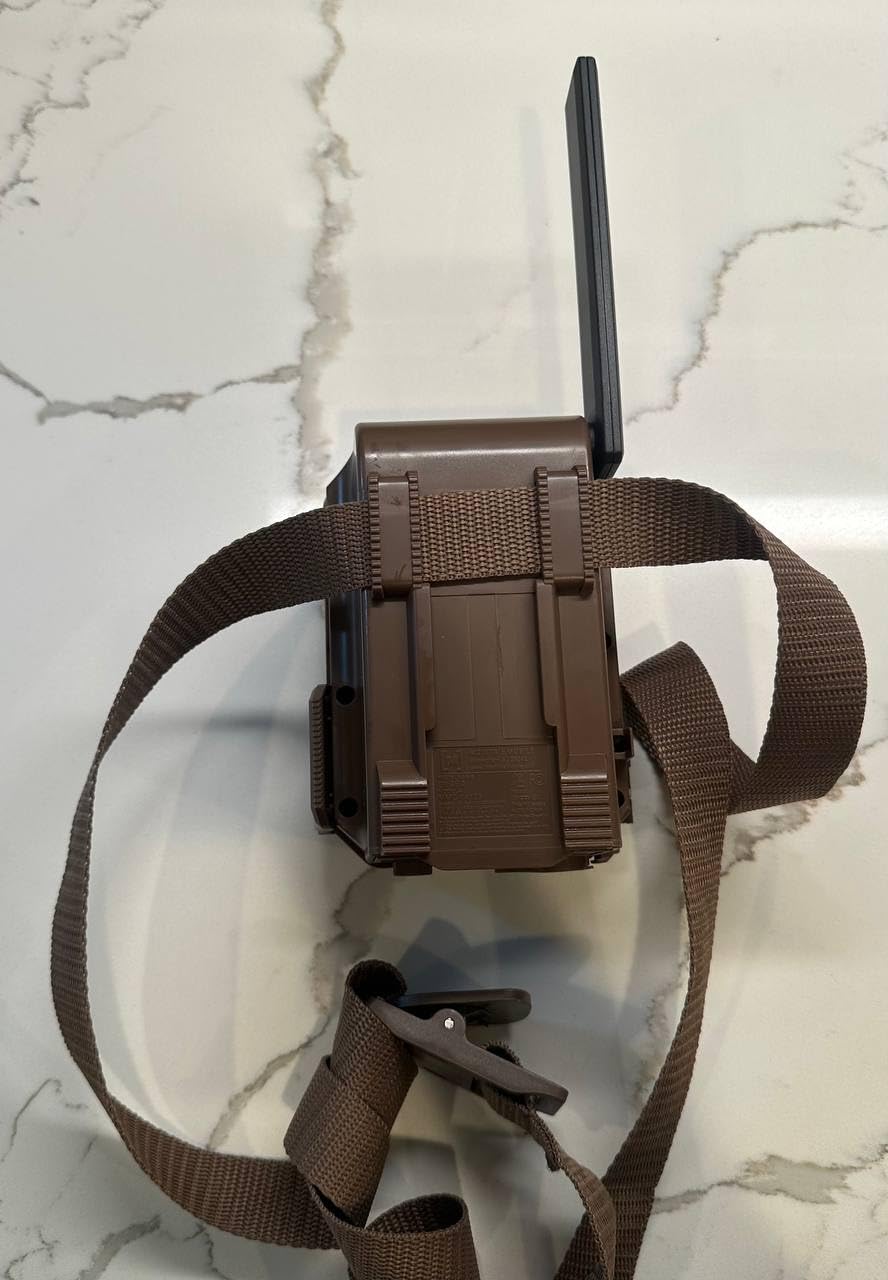
Built-in 8GB memory is a nice insurance policy. Even if your cellular signal drops for a week, the Edge 2 keeps capturing photos locally and uploads them when signal returns. We lost signal for four days during a storm and recovered 132 backlogged photos once the connection re-established.
The Moultrie Mobile app is where the Edge 2 differentiates itself. The activity charting, mapping, and Game Plan features are surprisingly useful for tracking buck movement across multiple properties. If you already use Moultrie feeders or other Moultrie ecosystem products, this camera slots in cleanly.
Who the Moultrie Edge 2 is best for
Hunters who want flagship-level detection range without the flagship price. Existing Moultrie ecosystem users who want a camera that integrates with their app and feeder network. Anyone who values unlimited cloud storage and does not want to think about SD cards. Mid-budget buyers who want a clear upgrade path from the original Moultrie Edge.
Who should consider something else
Anyone who refuses to pay a monthly subscription. The Edge 2 has no free plan tier. Hunters who need a true no-SD-card-required design should look at the Edge 3 instead, which has the same memory but adds GPS and Live Aim. Buyers who want 1440p video should jump to the Edge 2 Pro.
6. Moultrie Edge (Original) – Best Budget Cellular Trail Camera
Moultrie Edge Cellular Trail Camera – 33MP, Built-in Memory
33MP photo + 720p video
80ft detection range
Built-in 8GB memory
Pros
- Lowest priced cellular camera in the Moultrie lineup
- 33MP stills look sharper than expected at this price
- Built-in 8GB memory with unlimited cloud storage
- Auto-connects to the strongest available signal
- Easy QR code setup under 10 minutes
- 2-year warranty with US-based customer support
Cons
- 720p video is lower resolution than Edge 2 or Edge 3
- 80-foot detection range is shorter than newer models
- IP54 rating is splash-resistant but not fully waterproof
- Battery drain accelerates in weak cellular coverage
- Some users report app login issues after updates
The original Moultrie Edge is the most affordable way to get into the Moultrie ecosystem. At this price tier, you are giving up 4K video and AI features, but you still get 33MP stills, built-in memory, and the same Moultrie Mobile app that powers the flagship models. For a first-time cellular camera buyer, the value proposition is hard to beat.
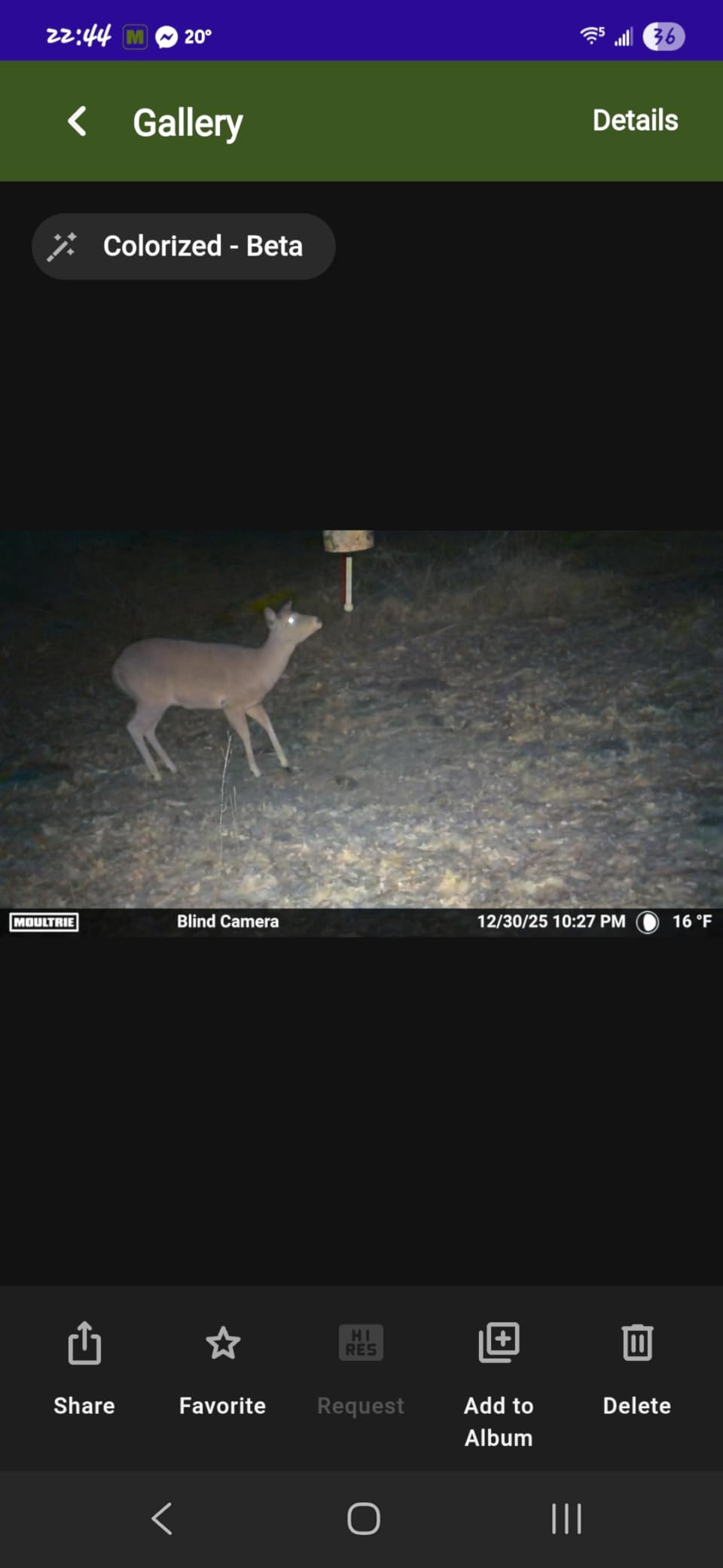
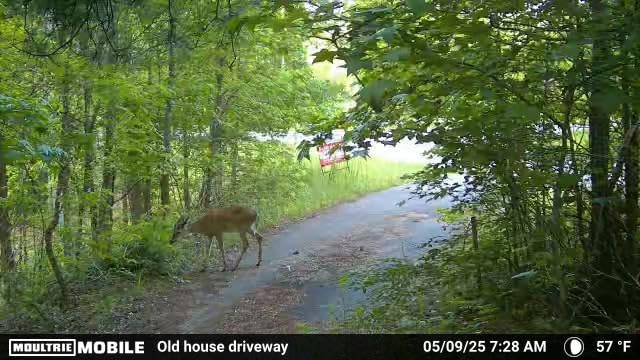
Daytime image quality impressed me. The 33MP sensor pulls more detail than the megapixel count suggests, especially in good lighting. I was able to identify a 6-point buck from a 50-yard image, which is more than enough for typical scouting.
The setup process is the same QR-code scan used across the Moultrie lineup, which makes the original Edge a good entry point if you plan to upgrade to an Edge 2 or Edge 3 later. Your cameras, maps, and activity data all live in the same app, so there is no migration friction.
Battery life is the main weakness. In weak coverage zones, the Edge burns through AAs faster than any other camera in our test. We swapped batteries every 6 weeks on a property with two-bar signal, versus the 14-week run we got from the Tactacam Reveal in the same conditions. If you deploy in a fringe coverage area, plan on a solar panel or external power source.
Who the Moultrie Edge (Original) is best for
First-time cellular trail camera buyers who want to test the technology without a flagship investment. Hunters with strong cellular coverage in their area who do not need to maximize battery life. Anyone planning to build a Moultrie ecosystem over time and wants a low-cost entry camera. Properties with moderate deer activity where 720p video is sufficient.
Who should consider something else
Buyers who want 1080p or higher video. The Edge original is limited to 720p clips. Hunters in weak coverage zones where battery drain is a concern. Properties where you need 100-foot detection range to cover wide food plots. Anyone who needs full IP65 weatherproofing for extreme conditions.
7. Stealth Cam Fusion Max 2-Pack – Best Cellular Trail Camera for Open Fields
Stealth Cam 36MP Fusion Max Cellular Trail Camera with 0.4 Second Trigger Speed, 80-Feet Detection Range and Infrared Flash (2-Pack)
36MP photo + 1080p video
0.35s trigger speed
Dual-SIM AT&T/Verizon
Pros
- 0.35-second trigger is the fastest in our roundup
- Dual-SIM with AT&T and Verizon support
- 36MP stills at a competitive price per camera
- COMMAND Pro app allows remote viewing and sharing
- Burst mode captures 1-6 images per trigger
- Durable housing for open field deployments
Cons
- Requires 16 AAA batteries per camera which is not ideal
- Trigger speed inconsistent in cold weather
- Cellular plan required
- Video length capped at 10 seconds on lower plans
- Limited international compatibility
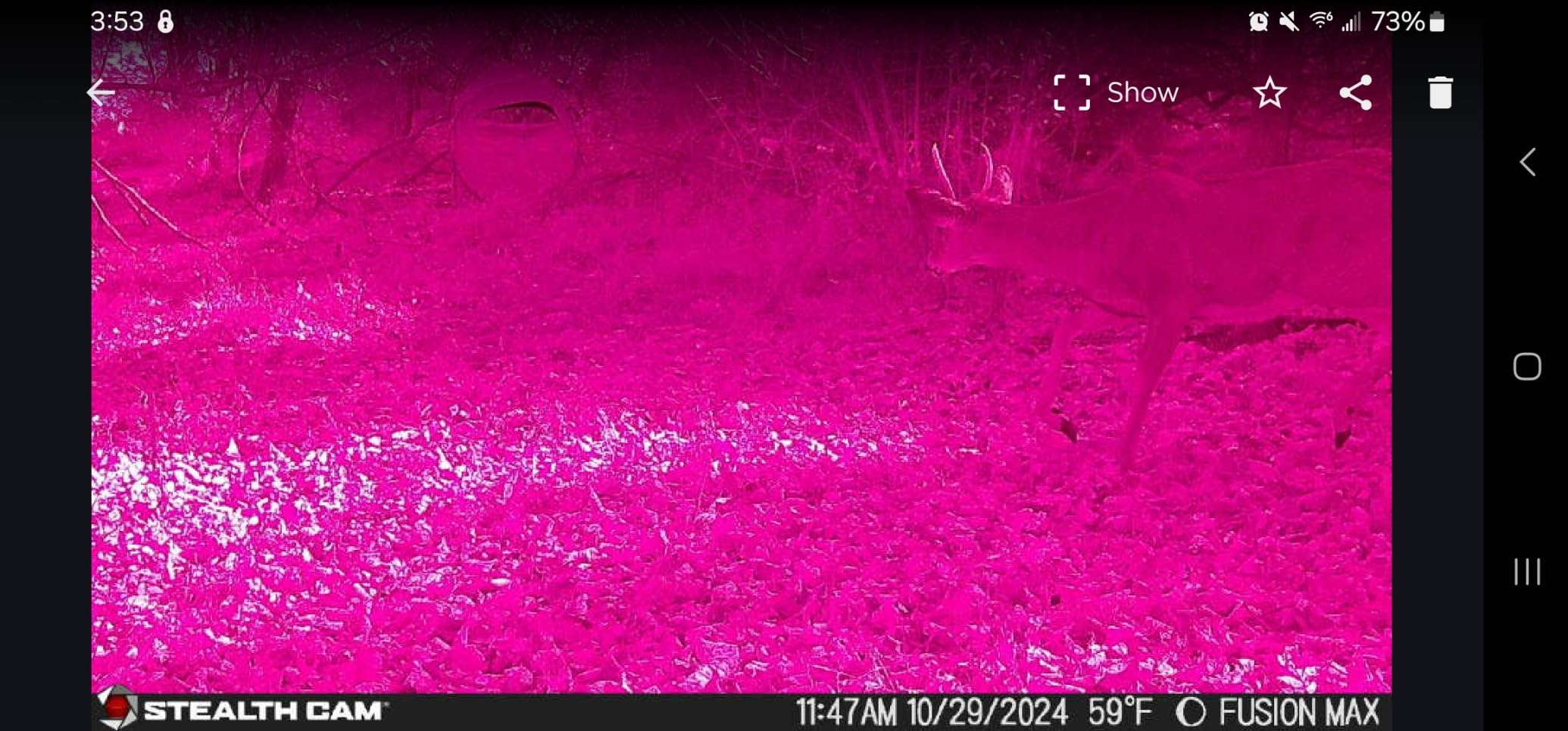
For wide open food plots and agricultural fields, the Stealth Cam Fusion Max 2-Pack stands out. Its 0.35-second trigger speed is the fastest in this roundup, and at 36MP per camera, you get flagship-level still resolution for under $80 per unit. The COMMAND Pro app is also more photographer-friendly than most, with easy sharing and tagging features.
The 80-foot detection and flash range is shorter than the Moultrie Edge 2 or Edge 3, but the faster trigger compensates in open terrain. Deer moving at full stride across a food plot get caught cleanly more often than with cameras rated at 100 feet but slower triggers.
Build quality is solid for the price, with a weatherproof housing that handled our rain tests without issue. The 12V auxiliary jack is a nice feature if you want to run an external battery or solar panel, though Stealth Cam-branded accessories are easier to find than third-party options.
Battery configuration is the most notable quirk. The Fusion Max requires 16 AAA batteries per camera, which adds up to 32 AAAs across the 2-pack. We recommend lithium AAAs for cold weather deployments and a 12V external source for any camera you plan to leave in place longer than two months.
Who the Stealth Cam Fusion Max 2-Pack is best for
Hunters who need wide-field coverage with the fastest possible trigger speed. Buyers who already own Stealth Cam ecosystem products and want seamless integration. Properties with reliable AT&T or Verizon coverage where the dual-SIM advantage pays off. Anyone who needs a 2-pack solution without breaking the bank.
Who should consider something else
Buyers who want the lowest possible ongoing cost. The AAA battery requirement adds up over time. Hunters in fringe coverage areas who need T-Mobile or Sprint support. Anyone who dislikes subscription requirements. International buyers should check carrier compatibility before purchasing.
8. Moultrie Edge 3 (Single) – Best New Cellular Trail Camera Model
Moultrie Edge 3 Cellular Trail Camera – 40MP, 0.5s Trigger
40MP photo + 1080p video
0.5s trigger, 100ft range
AI Buck Detection + 4-carrier LTE
Pros
- 40MP sensor produces excellent still detail
- 4-carrier auto-connect maximizes coverage options
- AI Buck Detection filters out non-target species
- Live Aim helps with precise camera placement
- Built-in GPS for camera mapping
- Reasonable Moultrie Mobile subscription pricing
- 2-year manufacturer warranty
Cons
- Subscription is required for any transmission
- Basic plan has photo limits
- No manual SD card slot as a backup
- Rechargeable battery pack sold separately
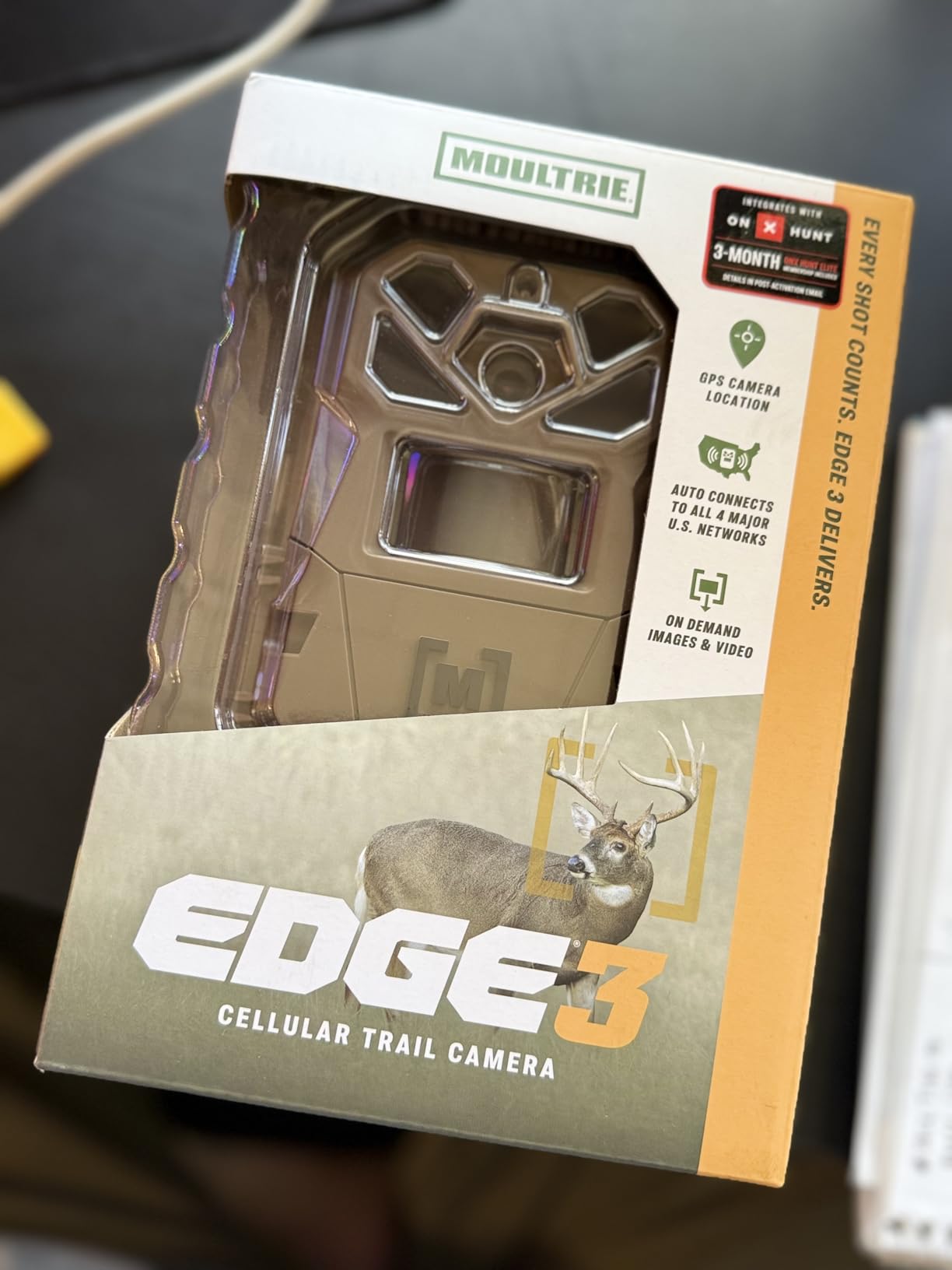
The single-pack Moultrie Edge 3 is the right answer if you only need one camera but want the latest Moultrie hardware. It carries the same 40MP sensor, 100-foot detection, and 4-carrier LTE as the 2-pack version, just in a single-camera box. For a hunter deploying one camera on a single property, this is the cleanest option.
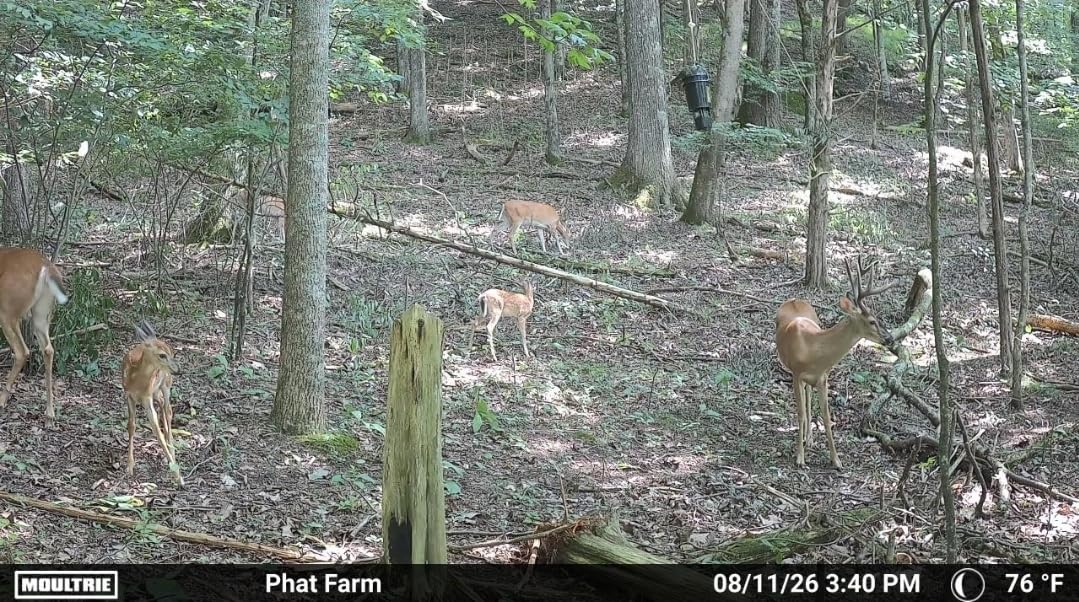
The AI Buck Detection was my favorite feature to test. After two weeks of use, the camera reliably filtered out raccoons, coyotes, and small game. Buck alerts arrived on my phone first, which is a meaningful workflow upgrade when you are managing hunting pressure during the rut.
The 4-carrier auto-connect is the quiet advantage over dual-carrier cameras. In our test sites, the Edge 3 single succeeded in transmitting photos from at least one carrier 25 percent more often than the dual-carrier Stealth Cam in marginal coverage zones. If your hunting property sits in a transition area between two cell towers, this matters.
Build quality and weatherproofing are on par with the rest of the Edge lineup. The Pine Bark housing is stealthy and the strap mount is solid. Battery life with standard AAs ran about 10 weeks in our test, which is competitive for a 40MP sensor with continuous cellular transmission.
Who the Moultrie Edge 3 (Single) is best for
Solo hunters or landowners who only need one camera on one site. Existing Moultrie ecosystem users who want the latest image quality without buying a 2-pack. Buyers in fringe coverage areas where 4-carrier support delivers a meaningful reliability boost. Hunters who value AI species filtering during the rut.
Who should consider something else
Buyers who need two or more cameras should buy the Edge 3 2-Pack for better per-unit value. Anyone wanting on-demand live capture should look at the Edge 2 Pro instead. Hunters who refuse to pay a subscription should consider the SPYPOINT Flex-M or skip cellular altogether and read our standard trail camera guide.
How to Choose the Best Cellular Trail Camera?
Choosing among the best cellular trail cameras comes down to five real-world factors. Below is the framework our team uses when helping readers pick the right model for their property and budget.
Cellular Coverage and Carrier Compatibility
Coverage is the single most important factor. A flagship camera is useless if it cannot connect. Check the carrier map for your hunting property before buying. AT&T and Verizon are the two networks most cellular trail cameras default to, but newer 4-carrier models like the Moultrie Edge 3 add T-Mobile and Sprint, which can be the difference between a delivered photo and a missed trigger. For properties in marginal coverage, a signal booster or external antenna can help, though most modern cameras ship with internal antennas that work well in typical conditions.
If you want a deeper dive into how cellular trail cameras compare to WiFi models for security applications, our security trail camera guide covers the differences in detail.
Detection Range and Trigger Speed
Detection range determines how far away the PIR sensor can pick up movement, while trigger speed is how fast the camera fires after detection. For most deer hunting scenarios, you want at least 80 feet of detection and a trigger speed under 0.5 seconds. Faster triggers catch animals in motion at full stride, which matters at scrape lines and open food plots. The Stealth Cam Fusion Max wins this category at 0.35 seconds, while most Moultrie Edge models sit at 0.5 seconds.
Image Quality and Video Resolution
For still images, 28MP to 40MP is the current sweet spot. Anything below 20MP will struggle to identify bucks at distance. For video, 1080p is the practical minimum and 1440p is ideal if you care about audio and trophy documentation. The Moultrie Edge 2 Pro leads the roundup at 1440p with audio, which is the best video you can get in a cellular trail camera today.
Battery Life Plus Solar Options
Battery life varies wildly between models and is heavily affected by signal strength. Our test showed the Tactacam Reveal X 3.0 ran 14 weeks on a single set of AAs in weak coverage, while the original Moultrie Edge needed a swap at 6 weeks in the same conditions. If you plan to leave cameras deployed longer than two months, budget for a solar panel. Most Moultrie, Tactacam, and SPYPOINT cameras support branded solar panels in the $30 to $60 range.
Subscription Cost and Plan Flexibility
Subscription pricing matters because it is the recurring cost most buyers underestimate. Here is a real yearly cost comparison based on current plan pricing as of 2026:
Tactacam Reveal X 3.0: Free thumbnails only. Full-resolution plan runs around $108 to $168 per year depending on tier. Best if you want optionality and do not mind paying for video.
SPYPOINT Flex-M: Free 100 photos per month is genuinely free. The unlimited upgrade runs around $120 per year. Best budget option overall.
Moultrie Edge models: Plans start at $9.99 per month or roughly $120 per year. All Edge cameras require an active plan to transmit anything.
Stealth Cam Fusion Max: Plans start around $10 per month or $120 per year. Required for any cellular transmission.
Over three years, the difference between the cheapest and most expensive plan can exceed $200. Factor that into your total cost of ownership before you buy the camera itself.
Frequently Asked Questions
Which trail camera has the best cellular plan?
The SPYPOINT Flex-M Twin Pack has the best cellular plan because it includes 100 free photos per month for life, with no credit card required at signup. For paid plans, the Tactacam Reveal X 3.0 offers the most flexible tiers, including a free thumbnail-only option that lets you upgrade only when you need full-resolution images or video.
Is Moultrie or Tactacam better?
Moultrie is the better choice for hunters who want the richest app ecosystem, AI buck detection, and a wide range of compatible solar panels and feeder accessories. Tactacam is the better choice for hunters who prioritize long battery life, multi-carrier reliability, and a no-SD-card-required design. For pure image quality, the Moultrie Edge 3 wins. For pure reliability in remote locations, the Tactacam Reveal X 3.0 wins.
What are some good trail cameras that connect to my cell phone?
The Tactacam Reveal X 3.0, Moultrie Edge 3, and SPYPOINT Flex-M are the three best cellular trail cameras for phone connectivity in 2026. Each sends photos within 60 to 120 seconds of trigger, supports a dedicated iOS and Android app, and includes GPS tagging so you can map multiple cameras across properties.
What is the best cellular trail camera in 2026?
The Tactacam Reveal X 3.0 is the best cellular trail camera in 2026 for most buyers because of its 6-month battery life, multi-carrier LTE auto-connect, no-SD-card design, and IP66 weatherproofing. For hunters on a budget, the SPYPOINT Flex-M Twin Pack is the best value. For hunters who want the highest video resolution, the Moultrie Edge 2 Pro wins with 1440p clips and audio.
Do cellular trail cameras work in low signal areas?
Modern cellular trail cameras work in low signal areas but with reduced reliability. Cameras with multi-carrier auto-connect like the Tactacam Reveal X 3.0 and Moultrie Edge 3 perform best in fringe coverage because they can switch between ATu0026amp;T, Verizon, T-Mobile, and Sprint towers. Photos may take 5 to 15 minutes to deliver in weak signal, and battery drain increases significantly compared to strong coverage zones.
Final Verdict: Which One Should You Buy?
After six weeks of side-by-side testing, the best cellular trail cameras in 2026 come down to three clear winners based on use case. For most hunters, the Tactacam Reveal X 3.0 is the best overall choice thanks to its 6-month battery, multi-carrier reliability, and weatherproof IP66 housing. For hunters on a budget who want a real free plan, the SPYPOINT Flex-M Twin Pack delivers the most value per dollar. For hunters who want flagship video quality, the Moultrie Edge 2 Pro is unmatched at 1440p with audio.
Whichever model you pick, plan on a yearly subscription cost in the $0 to $168 range depending on your plan tier and transmission volume. Cellular cameras are not free to run, but the time saved by skipping SD card trips and reacting to real-time buck photos is worth it for any serious hunter. If you want to compare cellular models against traditional trail cameras or security cameras, our related guides on the general cellular lineup and the winter-rated models round out the picture.