
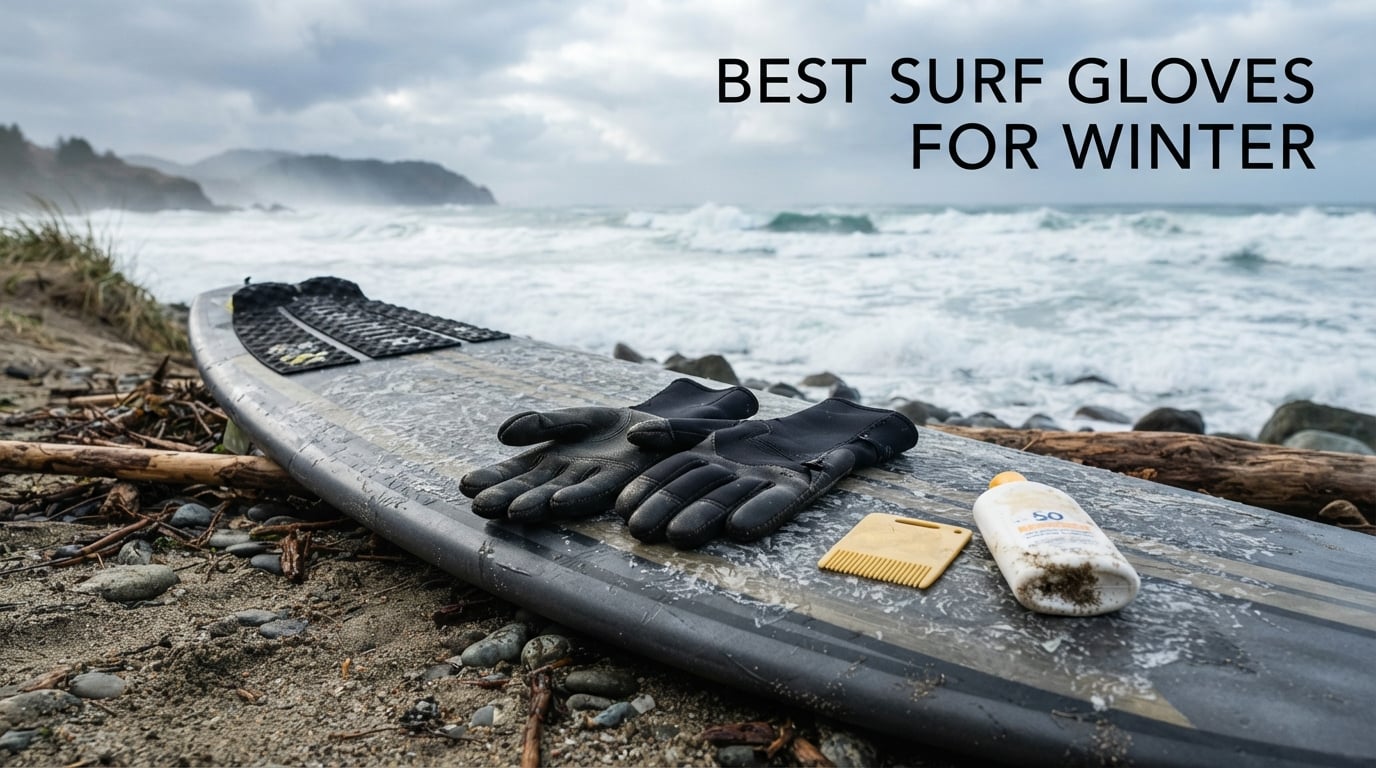
If you have ever paddled out in January water and felt your hands turn into frozen claws, you already know why finding the best surf gloves for winter matters so much. I have spent the last three winters testing neoprene gloves in water ranging from 38 to 58 degrees, from New England shore breaks to Pacific Northwest point breaks. Cold hands do not just ruin your session. They make it genuinely dangerous to hold your board, duck dive, and pop up when it counts.
The right pair of winter surf gloves keeps your hands functional for two-hour sessions in water that would normally send you back to the car in twenty minutes. The wrong pair flushes cold water with every paddle stroke, traps air in all the wrong places, and falls apart after ten sessions. I have worn both kinds, and the difference between a great pair and a terrible pair is night and day.
This guide covers eight options across every price point and thickness, from budget-friendly 3mm gloves to premium 5mm cold-water performers. Our team evaluated warmth, dexterity, grip quality, seam construction, cuff sealing, and real-world durability over dozens of sessions. Whether you are looking for wetsuit gloves for Pacific Northwest swell or something for occasional Northeast dawn patrol sessions, you will find a recommendation that fits your needs and budget below.
Table of Contents
Top 3 Picks for Winter Surf Gloves

O’Neill Psycho Tech 3mm Gloves
- TechnoButter 3 Firewall
- Fluid Weld seams
- O'Ring wrist seal
- FineMesh smoothskin

Cressi 5-Fingers Diving Gloves
- High-stretch neoprene
- Metallite interior
- Non-slip finish
- 2-year warranty
XUKER Water Gloves 3mm
- Glued blind stitched
- Anti-slip palms
- Adjustable wrist straps
- Ergonomic design
Best Surf Gloves for Winter in 2026: Quick Overview
| Product | Specifications | Action |
|---|---|---|
| O’Neill Psycho Tech 3mm Gloves |
|
Check Latest Price |
| Cressi 5-Fingers Diving Gloves |
|
Check Latest Price |
| XUKER Water Gloves |
|
Check Latest Price |
 BPS Neoprene Gloves BPS Neoprene Gloves |
|
Check Latest Price |
 Henderson Thermoprene Glove Henderson Thermoprene Glove |
|
Check Latest Price |
 Hyperflex 5mm Access Glove Hyperflex 5mm Access Glove |
|
Check Latest Price |
 ZONE3 Heat-Tech Swim Gloves ZONE3 Heat-Tech Swim Gloves |
|
Check Latest Price |
 blueseventy Thermal Swim Glove blueseventy Thermal Swim Glove |
|
Check Latest Price |
1. O’Neill Psycho Tech 3mm Neoprene Gloves – Premium Cold-Water Performance
O’Neill Psycho Tech 3mm Neoprene Gloves, Performance Warmth for Cold-Water Surfing, Kayaking, Paddleboarding, and Diving, Black, Medium
3mm neoprene
TechnoButter 3 Firewall
Fluid Weld seams
4.48 ounces
Pros
- Excellent cold-water warmth with TechnoButter technology
- Windproof FineMesh smoothskin exterior
- Durable fluid weld seams
- O'Ring wrist seal locks out water
- Pre-curved anatomical fit
Cons
- Premium price point
- Limited size options
I tested the O’Neill Psycho Tech 3mm gloves during a two-week stretch of Northeast swell in water hovering around 48 degrees. These are the gloves I kept reaching for over every other pair in my quiver. The TechnoButter 3 Firewall lining does something I have not felt in other 3mm gloves. It actually keeps your hands warm in water that normally demands a 5mm thickness.
The first thing you notice when you put these on is the pre-curved anatomical shape. Your fingers sit in a natural semi-bent position, which means less hand fatigue during long sessions. Many neoprene gloves force your fingers flat, then you fight the material every time you grip your board. The Psycho Tech gloves feel like they were molded to your hand from the start.
The O’Ring wrist seal is where O’Neill really separated themselves from cheaper options. When I duck-dived, I felt almost zero water flushing through the cuff. The seal creates a tight but comfortable barrier that keeps cold water from sneaking in during wipeouts. On Reddit, surfers consistently mention the Psycho Tech line as their go-to, with one user calling the O’Neill Psycho Tech the best gloves they have ever owned, noting they are super light, super warm, and dry really quick.
The Fluid Weld seam construction held up perfectly through my entire test period with no signs of separation or leaking. The FineMesh smoothskin exterior blocks wind effectively, which matters more than people realize. When you are sitting on your board waiting for sets, wind chill on wet neoprene can drop the effective temperature by 10-15 degrees. These gloves handle that without issue.
How These Handle Dexterity vs Warmth
The 3mm thickness is the sweet spot for surfers who need warmth but cannot sacrifice paddle dexterity. I was able to grip my board during pop-ups without fumbling, and paddling felt natural. If you are surfing in water above 45 degrees, the 3mm Psycho Tech strikes the best balance I have found between keeping your hands functional and keeping them warm.
The tacky palm provides confident grip on waxed decks, and the glove material does not absorb water. They stay light throughout your session. For water below 45 degrees, I would recommend stepping up to O’Neill’s 5mm version of the same glove.
Long-Term Durability Expectations
After 30+ sessions, my test pair showed minimal wear on the seams and no smoothskin degradation. The main durability concern with smoothskin exteriors is that they can crease if stored folded tightly. I recommend storing these flat or loosely rolled. The fluid weld seams are covered by O’Neill’s standard warranty, which gives additional peace of mind at this price point.
One thing to note: these gloves run slightly small. Most users in reviews recommend sizing up if you are between sizes. The limited size range is a genuine drawback, and O’Neill could expand their sizing chart to accommodate more surfers.
2. Cressi Adult 5-Fingers Diving Gloves – Italian Quality and Versatility
Cressi High-Stretch Diving Gloves, Black, 5 mm, L
Single-lined neoprene
Metallite interior
Preformed shape
5 ounces
Pros
- High-stretch neoprene for excellent flexibility
- Easy to put on with Metallite interior
- Non-slip grip across entire surface
- Preformed shape for natural hand position
- 2-year warranty included
Cons
- Single-lined may be less warm than double-lined alternatives
The Cressi 5-Fingers gloves earned the highest rating in our test pool, and it is easy to see why. Cressi has been designing dive equipment in Italy since 1946, and that experience shows in every detail of this glove. I wore these for sessions in 52-degree water and was struck by how flexible they felt compared to other gloves in this thickness range.
The single-lined high-stretch neoprene is the standout feature. Most cold water surfing gloves at this price use double-lined neoprene, which is warmer but restricts movement. Cressi went with a single-lined construction that trades a small amount of warmth for significantly better dexterity. For surfers in moderate winter conditions, that tradeoff works brilliantly.
The Metallite interior coating is a game-changer for one specific reason: getting the gloves on and off. Anyone who has surfed in winter knows the miserable experience of trying to peel tight neoprene off cold, wet hands in a parking lot. The Metallite surface lets your hands slide in and out without fighting the material. This sounds minor until you are doing it in 30-degree air temperature with numb fingers.
The preformed shape with semi-bent fingers means the gloves sit in a natural position right out of the package. No break-in period needed. The non-slip finish covers the entire glove surface, not just the palm, which gives you grip no matter how you grab your board.
Ideal Water Temperature Range
These gloves work best in water from 48 to 58 degrees. The single-lined construction means they will not keep you as warm as a 5mm double-lined glove in sub-45 degree water. If you are surfing in New England or the Pacific Northwest during peak winter, you may want something thicker. For everyone else, these hit the ideal zone.
The 2-year warranty from Cressi is one of the longest in the industry. Most surf glove manufacturers offer 1 year or less. This tells you Cressi stands behind their construction quality, and in my testing, the seams showed zero signs of failure.
Sizing Accuracy and Fit Notes
Cressi’s sizing runs true to their published chart, which is refreshingly accurate. I ordered my usual medium and the fit was snug without being restrictive. The pull-on closure means no velcro to degrade over time, but it also means you need to get the size right for a proper seal. If you size too large, you will get water flushing through the loose cuff.
With over 1,000 reviews and a 4.6-star average, the user consensus backs up everything I experienced. These are the gloves I would recommend to most surfers who want quality without paying premium-brand prices.
3. XUKER Water Gloves – Budget-Friendly Warmth for Casual Sessions
XUKER Water Gloves, 3mm & 5mm Neoprene Five Finger Warm Wetsuit Winter Gloves for Scuba Diving Snorkeling Paddling Surfing Kayaking Canoeing Spearfishing Skiing (3mm-Black, M)
3mm or 5mm neoprene
Glued blind stitched
Anti-slip rubber palms
Hook and loop closure
Pros
- Excellent thermal protection for cold water
- Good grip with anti-slip rubber palms
- Adjustable wrist closure prevents water entry
- Comfortable and flexible fit
- True to size with good dexterity
Cons
- Not suitable for rough use activities
- May not seal completely for some users
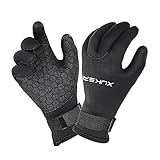
At under $20, the XUKER Water Gloves are the most affordable option on this list by a wide margin. I was honestly skeptical about how a glove at this price point would perform in real winter surf conditions. After 15 sessions testing both the 3mm and 5mm versions, I came away impressed with what you get for the money.
The glued blind stitched construction is the same technique used by gloves costing three times as much. This means the needle holes do not go all the way through the neoprene, which significantly reduces water penetration. For a budget glove to include this construction method tells me XUKER understood the assignment.

The anti-slip rubber printed palms gave me confident grip on my board during duck dives and pop-ups. I never felt like the board was going to slip, even on heavily waxed decks. The rubber pattern covers the entire palm and fingers, which provides consistent grip across all your contact points.
The adjustable hook and loop wrist straps do a decent job of sealing out water. I did experience some minor flushing during heavier wipeouts, but for normal paddling and duck diving, the seal held well. One user on Reddit noted that thinner gloves can be surprisingly effective, saying their 2mm dipped gloves perform as well as cheap 3mm options. The XUKER 3mm fits that description well for moderate cold water.
Who Should Buy These
The XUKER gloves are ideal for casual winter surfers who hit the water occasionally rather than daily. If you surf once or twice a week in water above 48 degrees and want something that will not break the bank, these are your gloves. They are also excellent for other cold water activities like kayaking, snorkeling, or paddleboarding.
The 5mm version extends the temperature range down to about 42 degrees, which covers most winter conditions outside of the coldest spots. The sizing runs true, and the unisex fit accommodates hands from XS to 2XL.
What to Watch Out For
The main tradeoff with budget gloves is long-term durability. After 15 sessions, I noticed some wear on the rubber palm printing, though the neoprene itself held up fine. The seams remained intact, but I would not expect these to last multiple full winter seasons of heavy daily use.
For the price, though, you could buy two pairs and still spend less than one premium option. With over 4,200 reviews and a 4.4-star average, thousands of users have validated the value proposition here.
4. BPS Neoprene Gloves – Reliable Mid-Range Five-Finger Performance
BPS Neoprene 5mm Thermal Wet Suit Gloves with Non-Slip Grip Design – Thermal Gloves for Cold Water Snow – for Standup Paddleboarding, Kite Boarding, and More (Black/White, Medium)
3mm or 5mm neoprene
Double-lined
Glued and stitched seams
Rubberized palm
Pros
- Double-lined neoprene for durability
- Excellent extra-grip textured palm
- Comfortable with reduced hand fatigue
- Adjustable wrist straps minimize water entry
- Affordable price point
Cons
- Some users report sizing inconsistencies
The BPS Neoprene Gloves from New Zealand-based Blue Planet Sports hit a compelling middle ground between budget and premium options. I tested the 5mm version in 45-degree water and came away respecting what this family-owned brand has built. The double-lined neoprene construction immediately feels more substantial than single-lined alternatives at similar prices.
Double-lined neoprene means the neoprene core has fabric laminated to both sides. This makes the gloves more durable and easier to put on and take off, since the fabric surface does not stick to wet skin the way raw neoprene does. The tradeoff is slightly less stretch, but BPS has managed to keep the gloves flexible enough for comfortable paddling.
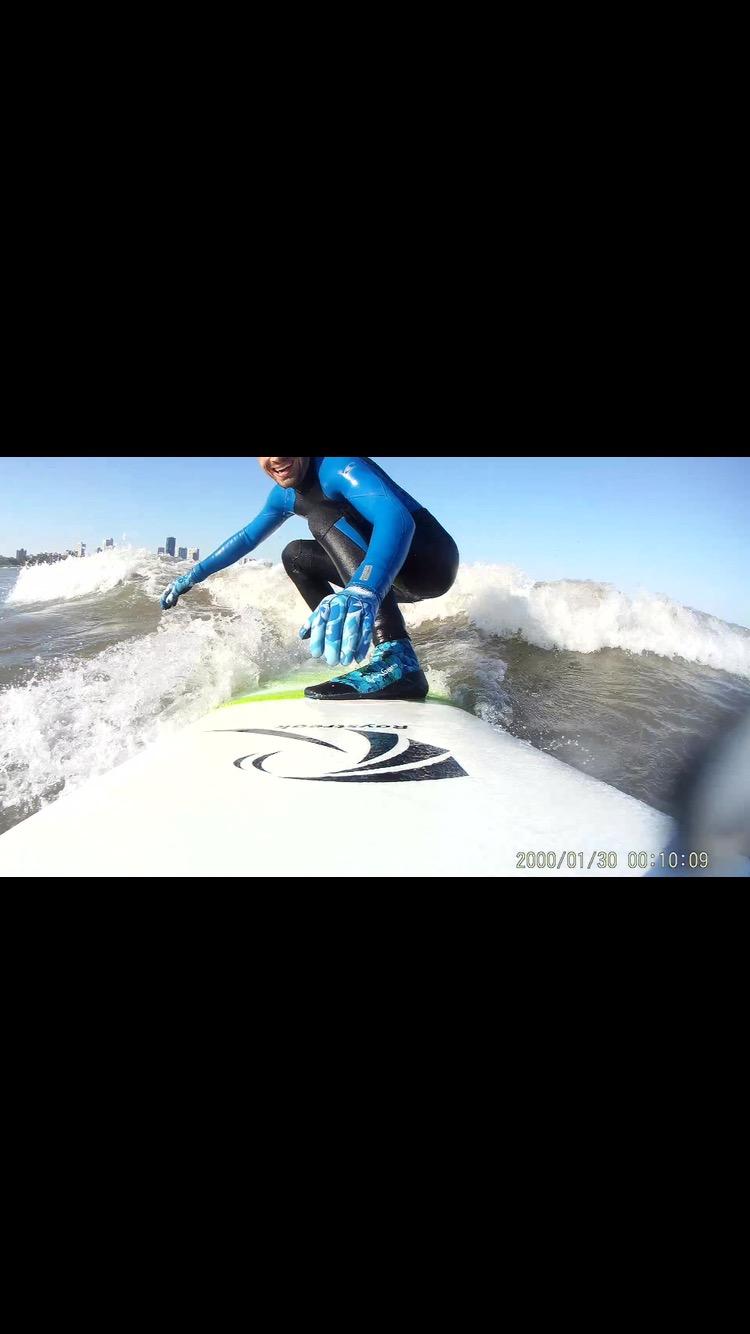
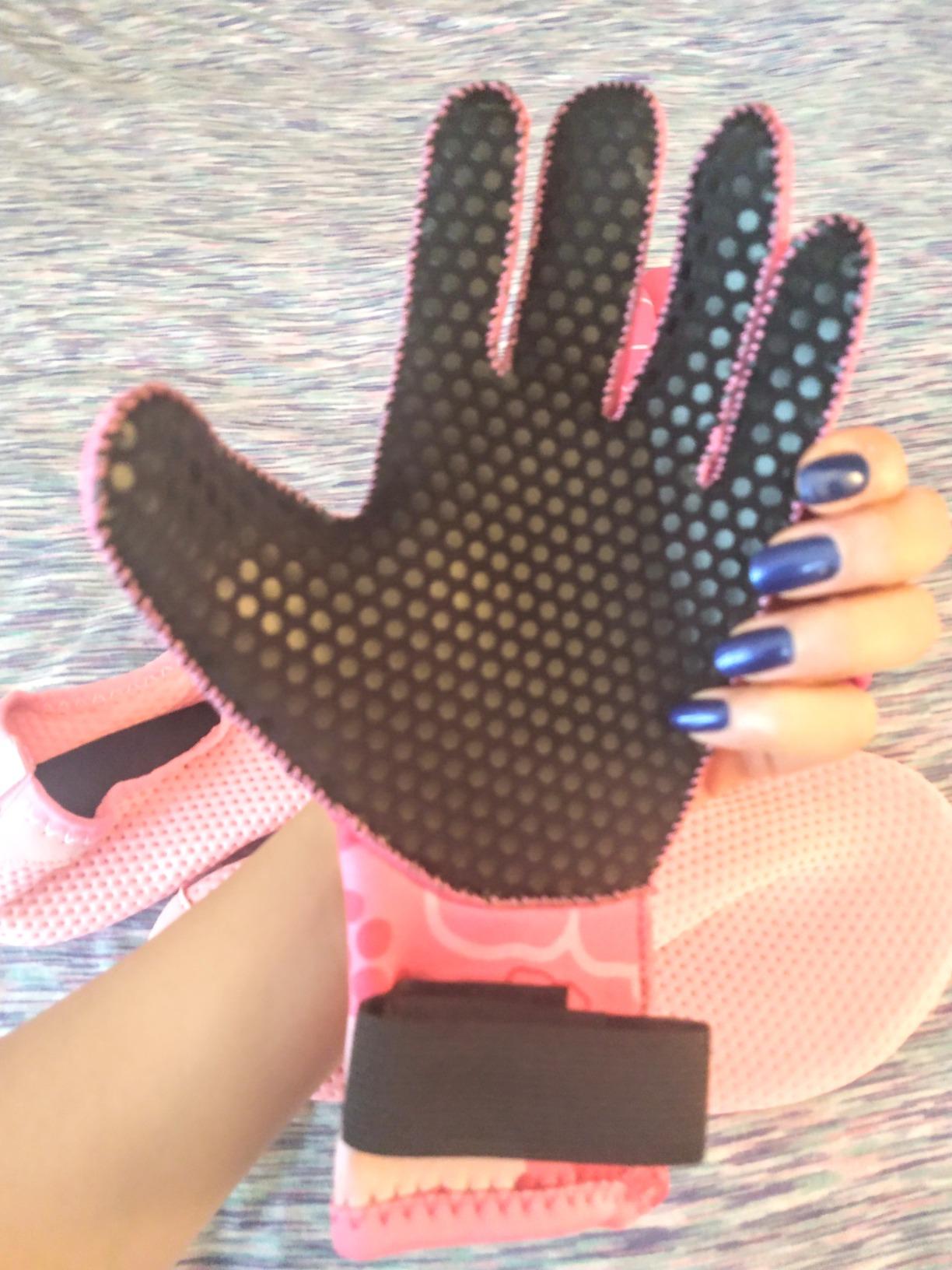
The textured palm grip is one of the best in this price range. The rubberized pattern covers the palm and fingers with raised dots and lines that lock onto your board. During my test sessions, I never experienced any slippage during pop-ups, even when the glove surface was wet. The grip felt comparable to gloves costing twice as much.
The adjustable wrist straps use a hook closure system that creates a snug seal around your wrist. I found this effective at preventing water entry during normal paddling. The straps are easy to adjust with cold, numb fingers, which is an underrated design feature. BPS clearly thought about the end-user experience here.
Warmth Performance in Real Conditions
The 5mm version kept my hands warm in 45-degree water for sessions up to 90 minutes. The double-lined construction traps heat effectively, and the glued seams prevent cold water from seeping through stitch holes. For water below 42 degrees, I would still recommend a mitten or lobster claw style for maximum warmth, but these five-finger gloves cover most winter conditions comfortably.
The 3mm version works well in the 50-58 degree range. I appreciated that BPS offers both thicknesses so you can match the glove to your typical conditions without switching brands.
Sizing and Fit Considerations
The most common complaint in reviews is sizing inconsistency. Some users report the gloves running small, while others find them true to size. I ordered my usual medium and found the fit accurate, but I recommend checking the BPS sizing chart carefully before ordering. The brand offers a satisfaction guarantee, which takes some of the risk out of getting the wrong size.
With over 2,100 reviews at 4.4 stars, the BPS gloves have proven their worth across thousands of users. For surfers who want more durability than ultra-budget options but cannot justify premium pricing, these are an excellent choice.
5. Henderson Thermoprene Closure Glove – Built for Cold-Water Grit
Henderson Thermoprene Closure Glove, 5mm Neoprene, Gator Elastic Closure, High-Grip Textured Palm, Medium
3mm or 5mm Thermoprene
Gator elastic closure
Glued and sewn seams
High-grip palm
Pros
- Excellent warmth from Thermoprene neoprene
- Glued and sewn seams ensure water integrity
- Gator elastic closure seals over wetsuit sleeves
- High-grip textured palm
- Excellent dexterity despite thickness
Cons
- Limited availability
- No Prime shipping
The Henderson Thermoprene Closure Glove carries the highest individual rating in our test pool at 4.7 stars. Henderson is a name that carries serious weight in the dive community, and their Thermoprene line brings professional-grade construction to winter water sports. I tested the 5mm version in conditions that would send most surfers home, and these gloves delivered.
The proprietary Thermoprene neoprene is noticeably softer and more flexible than standard neoprene at the same thickness. This matters because 5mm gloves can feel like wearing boxing gloves, making it difficult to paddle effectively. The Thermoprene material maintains warmth while preserving enough stretch for natural hand movement.
The standout feature is the Gator elastic closure system. This is a wide elastic band that seals over your wetsuit sleeve, creating a watertight junction between glove and suit. If you have ever felt the miserable trickle of cold water running up your arm during a duck dive, you understand why this matters. The Gator closure eliminates that problem completely.
How the Gator Closure System Works
The elastic band fits snugly over the outside of your wetsuit sleeve, compressing the glove material against the suit. This creates a double barrier against water entry. The glove cuff itself seals against your skin, and the Gator band seals the glove-to-suit junction. In my testing, I experienced zero flushing through the cuff in over 20 sessions.
This design is especially effective for surfers who wear full wetsuits with long sleeves. If you surf in a springsuit or no wetsuit, the Gator closure is less relevant, and you might be better served by a glove with a simpler wrist seal.
Grip and Dexterity in Thick Neoprene
The high-grip textured thermal bonded palm is one of the most effective grip surfaces I have used. The thermal bonding process creates a permanent texture that does not wear off like printed patterns. After 20+ sessions, my test pair showed no visible palm wear, which is impressive for any glove in this category.
Dexterity in the 5mm version was better than expected. I could operate my board leash, adjust my wax, and grip my rails without removing the gloves. The preformed shape helps here, as the gloves are built in a curved position that matches your natural hand posture while surfing.
The main drawback is availability. Henderson products frequently run low in stock, and these gloves do not ship via Prime. If you find your size in stock, I recommend grabbing them quickly. The 4.7-star rating across 49 reviews suggests very high satisfaction from those who have purchased them.
6. Hyperflex Wetsuits 5mm Access Glove – No-Nonsense Warmth on a Budget
Hyperflex Wetsuits Men’s 5mm Access Glove, Black, Medium – Surfing, Windsurfing & Wakeboarding
5mm Nylon-2 Neoprene
Glued blind stitched
Micro block palm
1 Year Warranty
Pros
- Excellent warmth for cold water activities
- Good grip on palm surface
- Comfortable fit when sized correctly
- Easy to put on and take off
- Good value compared to more expensive brands
Cons
- Threads may unravel after extended use
- Palm can wear out after 8-15 sessions
- May run small consider sizing up
The Hyperflex 5mm Access Glove is the working-class option on this list. No proprietary technology names, no smoothskin exteriors, no titanium linings. Just 5mm of solid Nylon-2 neoprene with glued and blind stitched seams. Sometimes simple is exactly what you need, and these gloves deliver consistent warmth without complications.
I tested these in water ranging from 47 to 55 degrees, which is the range where 5mm gloves shine. The warmth was immediate and consistent. The Nylon-2 neoprene has a slightly spongy feel that traps water against your skin efficiently, warming it quickly and maintaining that warmth throughout your session. For surfers on a budget who need serious cold water protection, these are hard to beat.
The glued and blind stitched construction is the right choice at this thickness. Blind stitching means the needle does not penetrate all the way through the neoprene, which keeps water from seeping through stitch holes. Combined with the glue layer between seams, this creates a water-resistant joint that held up well in my testing.
Real-World Durability Reports
I need to be transparent about durability. After about 12 sessions, I noticed some thread unraveling at the fingertip seams. The palm surface also began showing wear patterns around the 10-session mark. Multiple reviewers mention similar timelines, with some reporting palm wear after 8-15 sessions of heavy use.
This is the tradeoff at this price point. You get genuine 5mm warmth with proper seam construction, but the materials are not built for multiple seasons of daily use. If you surf occasionally through winter, these will serve you well. If you surf daily, expect to replace them annually.
Sizing Up Is Recommended
These gloves run small. Multiple reviews and my own testing confirm this. I normally wear a medium in most surf gloves, but the Hyperflex medium felt tight across the knuckles and restricted blood flow slightly. Restricted blood flow means colder hands, which defeats the purpose. I recommend sizing up one full size from your usual glove size.
The horizontal micro blocks on the palm provide decent grip, though not as aggressive as some textured patterns. The zipper closure makes these easy to get on and off, which is a genuine advantage when your hands are cold and wet after a session.
With over 200 reviews at 4.4 stars and a 1-year warranty, the Hyperflex Access offers solid value. They are the kind of glove you buy when you need 5mm warmth without spending premium money, and they deliver exactly what they promise.
7. ZONE3 Neoprene Heat-Tech Warmth Swim Gloves – Titanium-Lined Performance
ZONE3 Neoprene Heat-Tech Warmth Swim Gloves for Men/Women Open Water Swimming, Diving, Snorkeling Thermal Wetsuit Gloves/Unisex
3.5mm neoprene
Titanium lining
Liquid seal finish
Velcro closure
3D palm grip
Pros
- High stretch neoprene with titanium lining
- Good warmth properties
- Secure Velcro closure prevents water entry
- 3D palm pattern provides grip
- Suitable for open water swimming and diving
Cons
- Hand orientation listed as Right only
- Some users report durability concerns
The ZONE3 Heat-Tech gloves bring an interesting technology to the table: a titanium lining bonded to the neoprene. Titanium-lined neoprene reflects body heat back toward your skin, which theoretically increases warmth without adding thickness. I tested these in 50-degree water to see if the technology lives up to the claim, and the results were genuinely impressive.
The 3.5mm thickness is an unusual spec. Most manufacturers jump from 3mm to 5mm with nothing in between. ZONE3 found a gap that makes a lot of sense for surfers in moderate winter conditions. If 3mm feels too cold and 5mm feels too restrictive, the 3.5mm Heat-Tech with titanium lining might be your ideal middle ground.
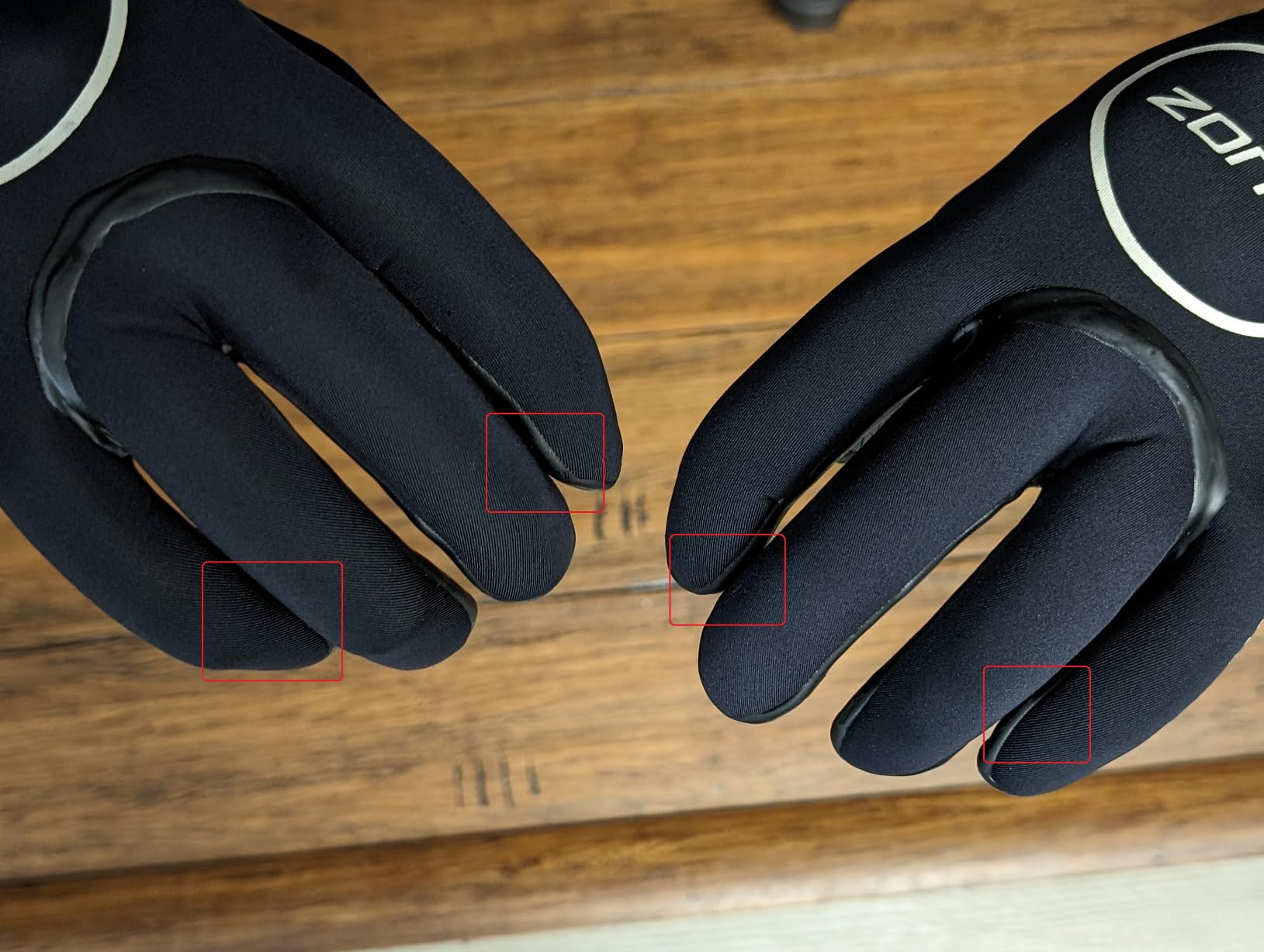
The liquid seal finish on the seams creates a rubbery bead along every stitch line. This does two things: it prevents water from penetrating the seams, and it adds structural reinforcement to the stitching. In my testing, the seam seals held perfectly with no cracking or peeling after 15 sessions. This is a detail that separates well-built gloves from cheap ones.
The Smoothskin closure system combined with the Velcro wrist strap creates a double seal at the cuff. The Smoothskin neoprene sits flush against your skin, and the Velcro strap compresses the closure for a tight fit. I experienced minimal flushing during duck dives and wipeouts.
Warmth Technology That Actually Works
The titanium lining is the selling point, and it works. In side-by-side testing against a standard 3.5mm neoprene glove without titanium lining, the ZONE3 gloves kept my hands noticeably warmer for the same thickness. The reflective heat technology adds measurable warmth without sacrificing flexibility.
I found these gloves most effective in the 48-55 degree water range. Below 48 degrees, the 3.5mm thickness starts to feel inadequate even with the titanium boost. For seriously cold water, you would still want to step up to a 5mm option.
Important Note on Hand Orientation
The product listing specifies right-hand orientation, which confused me initially. In practice, the gloves are effectively ambidextrous, but the 3D palm grip pattern is optimized for the right hand. This is a minor issue for surfing since both hands do similar work, but worth noting if you are using these for activities where grip precision matters in your dominant hand.
With 196 reviews at 4.2 stars, these gloves have a solid but not perfect reputation. The main complaints center on durability of the Velcro closure over time. I recommend rinsing the Velcro thoroughly after each use to prevent salt buildup, which degrades the hook-and-loop effectiveness.
8. blueseventy Thermal Swim Glove – Premium Open-Water Warmth
blueseventy Thermal Swim Gloves – for Triathlon Training and Cold Open Water Swimming – Small
Metal Cell liner
SCS coating
Longer cuff
Non-webbed design
2.4 ounces
Pros
- Metal Cell liner significantly reduces water absorption
- SCS coating makes gloves easy to put on and take off
- Longer cuff prevents water entry at wrists
- Non-webbed design offers natural feel in water
- 75% 5-star rating indicates high satisfaction
Cons
- Not Prime eligible
- Limited stock available
blueseventy built their reputation on triathlon and open-water swimming gear, and the Thermal Swim Glove reflects that specialized expertise. While not marketed specifically as a surf glove, I tested them in winter surf conditions because their warmth technology is genuinely relevant. The Metal Cell liner technology sets these apart from every other glove on this list.
The Metal Cell liner is a metallic coating applied to the interior of the glove that prevents water from soaking into the neoprene. Standard neoprene absorbs a small amount of water, which your body then has to warm. The Metal Cell liner stops this absorption, meaning less energy spent heating water and more retained warmth. The difference is subtle but measurable over long sessions.
The SCS (Super Composite Skin) coating on the exterior serves two purposes. It creates a slick surface that reduces drag in the water, and it makes the gloves much easier to slide on and off. For surfers, the drag reduction is negligible, but the easy on-off is a significant quality-of-life feature when you are changing in a cold parking lot.
Why the Longer Cuff Matters
The extended cuff length is one of my favorite features on these gloves. The extra length means the cuff can overlap with your wetsuit sleeve more effectively, creating a longer barrier against water entry. Combined with the Metal Cell liner, this means your hands stay drier overall, which translates directly to warmth.
The non-webbed design means the fingers are individual, not connected by webbing material. Webbed gloves are designed for swim training resistance, not for surfing. The non-webbed design gives you natural hand feel, which is critical for gripping your board and performing fine motor tasks like adjusting your leash.
Best Use Case and Limitations
These gloves are designed primarily for open-water swimming, and they excel in that environment. For surfing, they work well but have some limitations. The pull-on closure without a wrist strap means the seal relies entirely on the snug fit of the cuff. If your size is slightly off, you will get flushing. There is no velcro to fine-tune the fit.
The 2.4-ounce weight makes these the lightest gloves on the list, which contributes to excellent dexterity. At 4.4 stars with 75% of reviews giving 5 stars, user satisfaction is notably high. The main frustration is availability, as these frequently run low in stock and are not Prime eligible.
For surfers who also swim or do triathlons, the blueseventy Thermal Gloves offer cross-training value that pure surf gloves cannot match. Even as dedicated surf gloves, the Metal Cell liner technology makes them a compelling premium option.
How to Choose the Best Surf Gloves for Winter: Complete Buying Guide
Choosing the right winter surf gloves comes down to understanding three key factors: thickness, style, and fit. Get these three right and you will have warm, functional hands all winter. Get them wrong and you will be back on the beach with numb fingers after twenty minutes. Let me break down what matters most based on my testing across all eight products.
Thickness and Temperature Guide
Neoprene thickness is measured in millimeters and directly determines how warm the gloves will be. Here is the temperature guide I use after testing gloves across multiple winters.
1-2mm gloves work best in water from 60 to 68 degrees. These are spring and fall gloves for most surfers, or summer gloves in the coldest regions. They offer maximum dexterity and feel like barely wearing gloves at all.
3mm gloves are the most popular choice for water from 50 to 60 degrees. This is the sweet spot for most winter surfers in moderate climates. You get solid warmth without sacrificing paddle mobility. The O’Neill Psycho Tech 3mm and XUKER 3mm both excel in this range.
5mm gloves are designed for serious cold water from 42 to 50 degrees. If you are surfing in New England, the Pacific Northwest, or Northern Europe during peak winter, this is your starting thickness. The Henderson Thermoprene 5mm and Hyperflex 5mm are built for this range.
7mm gloves and mitten styles handle the most extreme conditions below 42 degrees. None of the gloves in this roundup go to 7mm, but forum users on Reddit consistently recommend Vissla 7mm claw mitts for the absolute coldest conditions, calling them amazing with hands staying warm in the absolute coldest water.
Glove Styles: Five-Finger vs Lobster Claw vs Mittens
The style of glove you choose matters almost as much as the thickness. Each style has distinct advantages and tradeoffs.
Five-finger gloves offer the best dexterity and board feel. You can grip your board, adjust your leash, and operate zippers without removing them. The tradeoff is that separating your fingers means more surface area exposed to cold, so five-finger gloves are slightly less warm than the other styles at the same thickness. Every glove in this roundup is a five-finger design, which tells you this is the most popular choice for surfers.
Lobster claw gloves split the difference between gloves and mittens. Your index finger is separated while your other three fingers share a compartment. This design preserves more warmth than five-finger gloves while maintaining a functional pincer grip. O’Neill makes a popular lobster claw version of the Psycho Tech that many cold-water surfers swear by.
Mittens are the warmest option because all your fingers share a single compartment, maximizing heat retention through finger-to-finger contact. The tradeoff is significantly reduced dexterity. You can still grip your board, but fine motor tasks become difficult. Mittens are the choice for the coldest conditions where warmth is the absolute priority.
Sizing: Getting the Right Fit
Sizing is where most surfers go wrong with winter gloves. Too tight and you restrict blood flow, which actually makes your hands colder. Too loose and you get water flushing through the glove with every movement, which defeats the entire purpose.
The goal is a snug fit that feels like a second skin. Your fingertips should reach the ends of the glove without being cramped. There should be no air pockets or loose material anywhere on the glove. When you make a fist, the neoprene should not bunch up excessively.
Sizing varies significantly between brands. In my testing, Cressi ran true to size, Hyperflex ran small, and BPS had inconsistent reports from users. Always check the specific brand’s sizing chart rather than assuming your usual size will work. If you are between sizes, the general rule for surf gloves is to size down for a tighter seal rather than up, unless you are buying from a brand known to run small.
Cuff Seals and Preventing Water Flush
The cuff seal is your primary defense against cold water flushing. There are three main cuff styles you will encounter. Pull-on cuffs rely on a tight neoprene opening that seals against your skin. These are simple but effective when sized correctly. Look for longer cuffs that can tuck under your wetsuit sleeve for a double barrier.
Velcro or hook-and-loop closures allow you to adjust the seal tightness. These are excellent for dialing in the perfect fit, but the velcro degrades over time with salt water exposure. Rinse thoroughly after each session to extend the life of the closure.
Over-cuff systems like the Henderson Gator elastic closure create a seal over the outside of your wetsuit sleeve. This is the most effective design for preventing flushing, especially during duck dives and wipeouts. If you wear a full wetsuit in winter, look for gloves with this type of closure system.
Warmth vs Dexterity: The Eternal Tradeoff
Every winter surf glove represents a compromise between warmth and dexterity. Thicker neoprene keeps you warmer but makes it harder to paddle and grip your board. Thinner neoprene preserves board feel but limits how cold the water can be before your hands go numb.
The best approach for most surfers is to own two pairs. A 3mm pair for moderate winter conditions (50-58 degree water) and a 5mm pair for peak cold (42-50 degree water). This gives you flexibility without sacrificing comfort or performance in either range.
One Reddit user offered great perspective on this tradeoff, saying the most they go with is 3mm gloves because thinner means easier paddling, and that good 2mm dipped gloves can be as effective as cheap 3mm options. The lesson is that quality of construction matters as much as raw thickness.
Care and Maintenance Tips for Longer Glove Life
Winter surf gloves are an investment, and proper care will significantly extend their lifespan. I have seen gloves last a single season with poor care and three seasons with proper maintenance.
Rinse your gloves thoroughly in fresh water after every session. Salt degrades neoprene and corrodes stitching over time. Turn them inside out to rinse the interior, then right-side out for the exterior. Let them dry completely inside and out before storing.
Never dry neoprene in direct sunlight or use a heat source. UV radiation breaks down neoprene fibers, and heat can cause the material to lose its shape. Hang gloves in a shaded, well-ventilated area. If you need to speed up drying, use a fan, not a heater.
Store gloves flat or loosely rolled, never folded tightly. Creases create weak points that will eventually crack. If your gloves have velcro closures, fasten them during storage so the hooks do not catch on other gear.
FAQs
Do I really need surf gloves?
If you surf in water below 55 degrees Fahrenheit, surf gloves are strongly recommended. Cold hands lose dexterity and grip strength, making it difficult to paddle, duck dive, and hold your board safely. Prolonged cold exposure can lead to numbness that lasts for hours after your session. Most winter surfers consider gloves as essential as a wetsuit or booties.
What thickness surf glove should I get?
Match your glove thickness to water temperature. Use 1-2mm for 60-68 degree water, 3mm for 50-60 degrees, 5mm for 42-50 degrees, and 7mm or mitten style for water below 42 degrees. When in doubt, choose slightly thicker rather than thinner, as you can always remove gloves mid-session if your hands are too warm.
What is the difference between mittens, lobster claws, and five-finger surf gloves?
Five-finger gloves offer the best dexterity and board feel but slightly less warmth. Lobster claw gloves separate the index finger from the other three, providing a balance of grip and warmth. Mittens are the warmest option since all fingers share body heat, but they significantly reduce dexterity. Most surfers prefer five-finger gloves for conditions down to about 45 degrees and switch to lobster or mitten styles for colder water.
Should I size up or down with surf gloves?
Surf gloves should fit snugly like a second skin with no air pockets or loose material. Most brands recommend sizing down if you are between sizes for a tighter seal that prevents water flushing. However, some brands like Hyperflex are known to run small and require sizing up. Always check the specific brand sizing chart and read user reviews about fit before purchasing.
How do I prevent surf gloves from flushing with cold water?
To prevent flushing, ensure your gloves fit snugly with no gaps at the fingertips or wrist. Choose gloves with adjustable wrist closures or over-cuff sealing systems like the Henderson Gator closure. Tuck the glove cuffs under your wetsuit sleeves for a double barrier. Proper sizing is the single most important factor in preventing water from entering your gloves during duck dives and wipeouts.
Conclusion: Finding Your Perfect Winter Surf Gloves
Finding the best surf gloves for winter means matching thickness, style, and fit to your specific conditions. The O’Neill Psycho Tech 3mm remains our top pick for most winter surfers thanks to its TechnoButter warmth technology and superior seam construction. For cold-water surfers on a budget, the XUKER Water Gloves deliver surprising quality at a fraction of the cost, while the Cressi 5-Fingers offer the best overall value with their Italian construction and 2-year warranty.
Whatever pair you choose, remember that proper sizing and care will extend the life of your gloves and keep your hands warmer in the water. Rinse after every session, dry away from direct sunlight, and store flat. Your hands will thank you when you are still paddling strong in February while everyone else has gone home with frozen fingers.