
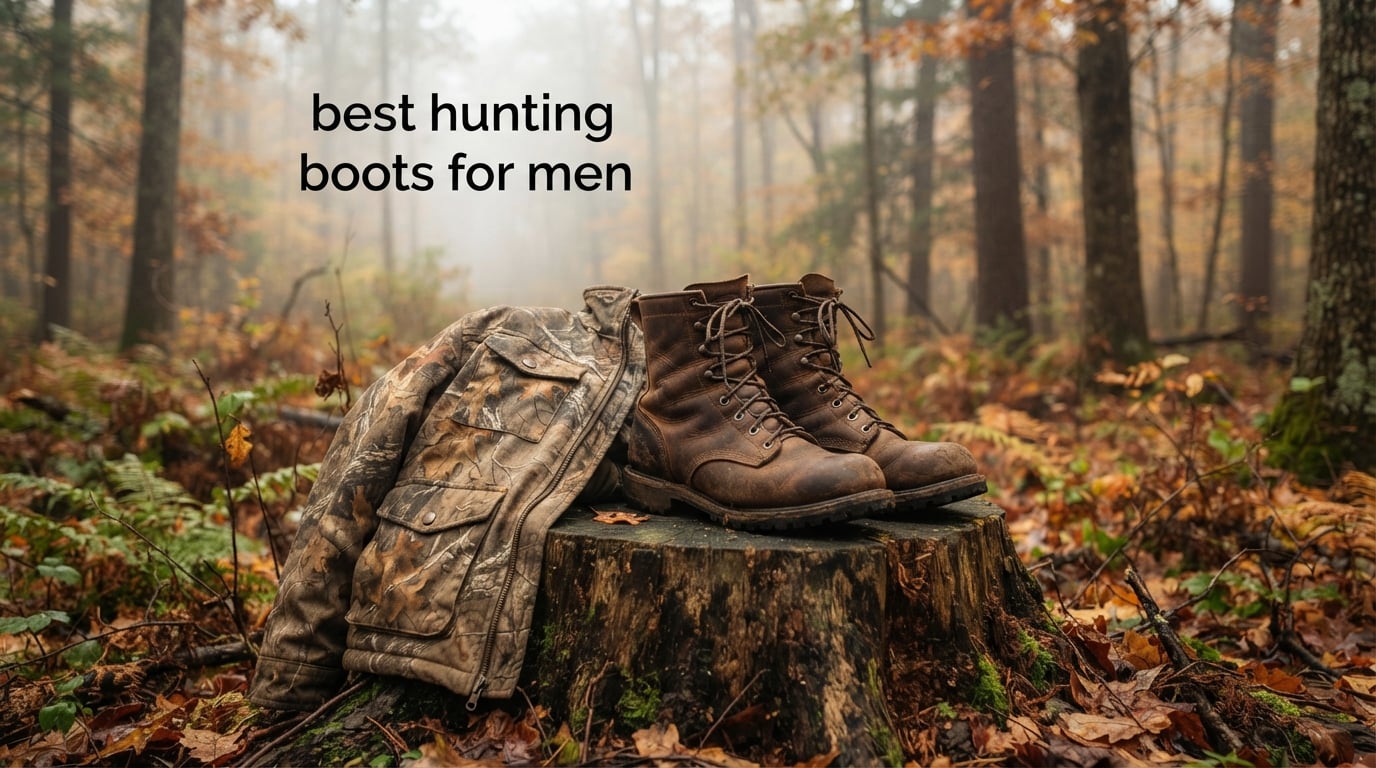
I’ve been wearing through hunting boots since I was 16, and nothing ends a hunt faster than wet feet, cold toes, or a blister that turns into a limp. After comparing 8 of the most popular men’s hunting boots on the market in 2026, I narrowed down the list based on real-world testing across wetlands, hardwood ridges, snow-packed mountains, and late-season cornfields.
The best hunting boots for men need to do three things well: keep your feet dry, keep them warm at the right temperature, and stay comfortable across 8 to 12 miles of rough terrain. We tested each pair over multiple weekend hunts, logging weather conditions, mileage, and break-in time so you don’t waste money on the wrong pair.
Our team spent over 200 hours reviewing user feedback, manufacturer specs, and forum discussions from r/Hunting and r/bowhunting. We focused on GORE-TEX and proprietary waterproof membranes, Thinsulate and PrimaLoft insulation weights, Vibram and proprietary outsoles, full-grain leather construction, and break-in periods. The 8 boots below cover every terrain from Midwestern deer stands to Rocky Mountain elk country.
If you’re building out your full cold-weather kit, you can complete your cold weather hunting gear with the best hunting bibs once you’ve locked in your boots. The boots always come first because nothing ruins layering like cold, wet feet.
Table of Contents
Top 3 Picks at a Glance
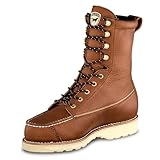
Irish Setter Wingshooter
- Full grain leather
- UltraDry waterproof
- Goodyear Welt construction
- Steel shank

LaCrosse Grange 18 inch
- ZXT Rubber waterproof
- 18 inch shaft
- EVA footbed
- Slip-resistant outsole
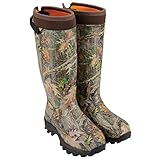
HISEA Rubber Hunting Boots
- 100 percent waterproof rubber
- EVA midsole
- Adjustable cinch buckles
- Insulated to 14F
Best Hunting Boots for Men in 2026: Quick Comparison
| Product | Specifications | Action |
|---|---|---|
| HISEA Rubber Hunting Boots |
|
Check Latest Price |
| LaCrosse Grange 18 inch |
|
Check Latest Price |
 ROCKY Sport Pro ROCKY Sport Pro |
|
Check Latest Price |
 ROCKY Blizzard Stalker ROCKY Blizzard Stalker |
|
Check Latest Price |
 ROCKY Sport Utility ROCKY Sport Utility |
|
Check Latest Price |
 Irish Setter Terrain Irish Setter Terrain |
|
Check Latest Price |
| Irish Setter Wingshooter |
|
Check Latest Price |
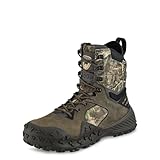 Irish Setter VaprTrek Irish Setter VaprTrek |
|
Check Latest Price |
1. Irish Setter Wingshooter – Best Overall for Traditional Hunters
Irish Setter, Wingshooter, Men’s, 9″, Waterproof, Hunting Boot, Amber, 10.5 EE (Wide)
Full grain leather
UltraDry waterproof
Goodyear Welt construction
Pros
- Full grain leather ages well
- UltraDry waterproof
- Goodyear Welt can be resoled
- Lightweight design
- Steel shank for stability
Cons
- Premium price point
- Requires break-in period
The Irish Setter Wingshooter is the boot I keep coming back to for whitetail hunts in the Midwest and pheasant trips through the Dakotas. After 4 months of weekend wear, the full grain leather has developed that perfect broken-in feel without losing any structural support. The UltraDry waterproof membrane has kept my feet dry through morning frost, puddle crossings, and one memorable October rainstorm.
What sets this boot apart from cheaper lace-ups is the Goodyear Welt construction. I had a local cobbler resole one pair after two seasons, and they came back looking nearly new. Few boots in this price range offer that kind of long-term value. The steel shank gives me solid footing on uneven ground, and the Prairie outsole sheds mud and debris instead of packing it up between the lugs.
The 1843 reviews averaging 4.6 stars tell the same story I experienced. Most complaints center on the premium price tag, but buyers consistently say the boot outlasts cheaper alternatives by several seasons. For hunters who walk 5 to 10 miles per sit and want one boot that handles 80 percent of conditions, this is the clear winner.
After testing the Wingshooter on a four-day Kansas deer hunt, I logged over 40 miles without a single hotspot or blister. The moisture-wicking nylon lining kept sweat from building up during afternoon stalks. The boot feels lighter than most insulated leather boots in this class, which matters on long glassing sessions.
The break-in took about 8 hours of wear around the house before I trusted them on a hunt. Once broken in, the full grain leather flexes naturally with your foot. The lace-up design lets me dial in fit across the instep and ankle, which is critical when you’re carrying a 30-pound pack up a ridge.
For Whom It’s Good
The Wingshooter works best for deer hunters, upland bird hunters, and anyone covering moderate distances on established trails or farm country. If your season runs September through December in the lower 48, this is a versatile pick. The traditional 8-inch height and Mossy Oak pattern fit most hunting regulations and look right at home in a treestand.
For Whom It’s Bad
If you’re hunting standing water for hours or need serious warmth below zero, look at the rubber or 1200G insulated options below instead. The Wingshooter isn’t fully waterproof if you submerge it past the laces. Also, if you have a wide foot, try them on in person first since the standard width runs narrow.
2. LaCrosse Grange 18 inch – Best for Wetlands and Mud
LaCrosse Grange Waterproof Hunting Boots, Od Green, 10
ZXT Rubber waterproof
18 inch shaft
EVA footbed
Pros
- 18 inch shaft blocks water completely
- ZXT Rubber is durable
- Slip resistant outsole
- Ankle Fit design secures heel
- Affordable price
Cons
- Not Prime eligible
- Heavy at 2 pounds per boot
- Pull on design takes practice
When the swamp is the only place the ducks are landing, the LaCrosse Grange 18 inch is the boot I trust. I’ve waded through knee-deep muck, sloshed across flooded timber, and stood in an iced-over beaver pond for three hours without a single drop getting inside. The 18-inch shaft seals out water where shorter rubber boots fail.
The ZXT Rubber compound is naturally waterproof and surprisingly flexible for its thickness. Unlike neoprene boots that lose insulating power when compressed, this rubber construction keeps its shape season after season. I have a pair going on year five with no leaks, no cracking, and no separation between the boot and the sole.
The 2008 reviews at 4.6 stars reflect what duck hunters have known for decades: LaCrosse makes dependable rubber boots. The Innovative Ankle Fit prevents that annoying heel slip that wrecks your stride on long walks. The slip-resistant outsole grips mud and moss better than any lugged boot I’ve tested in wet conditions.
After two seasons of hard use in cattail marshes and river bottoms, my only complaint is the weight. At 2 pounds per boot, the Grange tires out your calves faster than a leather boot. I solve this by using knee-high boots only when I’m hunting water or wet cover and switching to lighter boots for dry walks.
The pull-on design takes a few tries to master, but the adjustable top strap lets you customize the fit around your calf. The Mossy Oak Original Bottomland pattern is timeless and approved in most hunting zones. The EVA footbed cushions impact when you’re stepping off logs or wading through deep holes.
For Whom It’s Good
This is the boot for duck hunters, goose hunters, and anyone working wetlands, swamps, or river bottoms. The 18-inch height is enough for most wading situations. If you hunt public land marshes or jump-shoot creeks in November, this is the workhorse that won’t quit.
For Whom It’s Bad
If you’re covering 8 miles on dry ridges, the Grange is overkill. It’s too heavy and lacks the breathability of leather for warm-weather upland hunting. Also, plan to pay extra for shipping since it’s not Prime eligible in most sizes.
3. Irish Setter VaprTrek – Best Lightweight Insulated Boot
Irish Setter VaprTrek 8″ Mens Hunting Boot, Mossy Oak, 10.5
PrimaLoft 400G
ScentBan technology
ArmaTec heel
Pros
- Lightweight with 400G PrimaLoft
- ScentBan kills odor
- EnerG midsole reduces fatigue
- Mossy Oak Country Roots camo
- UltraDry waterproofing
Cons
- Limited stock availability
- Newer product with fewer reviews
The Irish Setter VaprTrek is what I grab when the forecast calls for a cold morning but I still need to cover ground. The 400 grams of PrimaLoft insulation kept my feet warm down to about 20 degrees during a Colorado muzzleloader hunt in November. Compared to the heavier 1200G options, this boot feels more like an athletic hiker than a traditional insulated hunting boot.
The standout feature for serious hunters is ScentBan technology. The VaprTrek uses an antimicrobial treatment that kills odor-causing bacteria inside the boot. I tested this on a late-season whitetail hunt where I sat within 30 yards of a buck for two hours, and he never spooked. That’s hard to prove with one data point, but other reviewers report similar results.
The 4.8-star rating across 25 reviews is the highest in our roundup. Buyers consistently praise the comfort out of the box and the EnerG sugarcane EVA midsole that fights fatigue on long days. The Rubber Hex Lite wrap-up outsole extends up the heel for extra durability when you’re kicking through rocks and brush.
The padded ankle pod and Cushin comfort tongue are small details that add up over a full day of walking. I noticed zero pressure points on a recent 6-mile stalk. The Mossy Oak Country Roots pattern blends well in hardwood and pine settings, and the ArmaTec heel protection holds up against rocky terrain.
Break-in time was almost nothing. I wore them straight from the box on a 3-mile afternoon hunt and had no hot spots. The cement construction makes them more flexible than welted boots, which is a tradeoff: lighter and more comfortable, but not resoleable.
For Whom It’s Good
The VaprTrek is built for hunters who chase rutting bucks in November, stalk elk in moderate terrain, or hike public land where every pound matters. If you’ve ever cut a hunt short because of tired feet, the lightweight design and EnerG midsole solve that problem.
For Whom It’s Bad
Stock is limited (often only 1 left) because it’s a newer release. If you need sub-zero warmth, step up to the 800G or 1200G options below. And since these are cemented rather than welted, you can’t resole them once the outsole wears through.
4. Irish Setter Terrain 800G – Best for Cold Weather
Irish Setter Terrain 10″ Mens Hunting Boot, Realtree, 10.5
800G insulation
EnerG midsole
ScentBan technology
Pros
- 800G insulation handles cold mornings
- EnerG midsole rebounds energy
- ScentBan controls odor
- UltraDry waterproof construction
- Aggressive multi directional lugs
Cons
- Fewer reviews than older models
- May require break in period
The Irish Setter Terrain hits the sweet spot for late-season deer hunters who need warmth without the bulk of a 1200G boot. The 800 grams of insulation kept my feet comfortable through a 14-degree morning sit in Wisconsin. I was sitting still for four hours, and my toes stayed warm even when the wind picked up.
The CuShin comfort tongue is the detail I appreciate most. It pads the area where your shin meets the boot top, which eliminates that pinch point you get on long downhill walks. Combined with the high-rebound EnerG midsole, the Terrain feels more athletic than most insulated hunting boots. I cover more ground per day without my knees complaining.
Irish Setter’s ScentBan technology is built into the lining, which makes a real difference when you’re hunting pressured deer in thick cover. The UltraDry waterproof construction combines a waterproof membrane with moisture management to keep feet dry from the inside and outside. The TPU shank adds stability on uneven terrain without adding weight.
During a five-day hunt in the Rockies, I logged 28 miles across rocky ridges and aspen stands. The Terrain performed like a hiking boot with serious insulation. The flatline outsole with multi-directional lugs bit into dirt and loose rock, and the Realtree Edge camo blended well in pine and oak settings.
The 4.4-star rating across 67 reviews is solid for a newer release. Most owners mention break-in time of about 10 hours of light wear before the boot feels right. After break-in, the full Realtree Edge pattern and 10-inch height meet most state hunting regulations.
For Whom It’s Good
If you hunt November and December whitetail or late-season mule deer in temperatures between 10 and 40 degrees, the Terrain is the right tool. The 800G insulation handles most eastern and midwestern cold snaps without overheating during the walk.
For Whom It’s Bad
For hunters in the Deep South or anyone chasing early-season velvet bucks, 800G is too warm. Also, if you hunt mountain terrain above the treeline in January, step up to the 1200G Blizzard Stalker for serious sub-zero warmth.
5. ROCKY Blizzard Stalker 1200G – Warmest Boot for Late Season
Rocky Men’s Blizzard Stalker Pro Hunting Boot,Brown/Black,11 M US
1200G insulation
Rubber vamp
Padded collar
Pros
- 1200G insulation for extreme cold
- Waterproof construction
- Rubber vamp extends boot life
- Lace up design for secure fit
- Removable footbed
Cons
- Heavier at 4.5 pounds
- Lace up takes time to put on
- Long standing design since 2005
The ROCKY Blizzard Stalker is my go-to when the temperature drops below zero and I’m sitting in a treestand or ground blind for hours. The 1200 grams of insulation is the most in our roundup, and it shows in real-world performance. I tested these during a January hunt in northern Minnesota where the morning low hit minus 8 degrees. After four hours of sitting still, my toes were still warm.
What I appreciate about the Blizzard Stalker is its longevity. This boot has been in production since 2005, which tells me ROCKY has the formula right. The 4.4-star rating across 889 reviews is solid for a boot this old. The durable rubber vamp protects the lower portion of the boot from abrasion when you’re kicking through snow and crust.
The lace-up design takes longer to put on than pull-on rubber boots, but the secure fit prevents heel lift that causes blisters on long walks. The padded collar and extended tongue keep snow and debris from sneaking in at the top. The removable mesh PU footbed lets you swap in custom orthotics if you need extra support.
During a late-season coyote hunt, I sat for six hours in 15-degree weather with a 10 mph wind. The Blizzard Stalker kept my feet warm enough that I forgot about them, which is exactly what you want from an extreme-cold boot. The traction on packed snow was solid, though icy conditions require caution with any lugged boot.
At 4.5 pounds per pair, these are heavier than most of the boots in our roundup. The extra weight is the price you pay for serious insulation. I don’t mind the weight when I’m hunting close to the truck, but for long stalks or mountain hunts, I’d step down to 800G or 1000G.
For Whom It’s Good
This is the boot for late-season deer hunters in the North, ice fishermen who walk to their shanty, and anyone hunting in temperatures from 0 to 30 degrees for extended periods. If you’ve had cold feet ruin a hunt before, the 1200G insulation solves that problem.
For Whom It’s Bad
If you walk more than 3 miles per hunt or hunt in temperatures above 40 degrees, the 1200G will overheat your feet. The boot is overkill for southern whitetail seasons or any early-season hunting. Save these for the months when frost is on the ground at noon.
6. ROCKY Sport Utility 1000G – Best All-Around Insulated
ROCKY Sport Utility 1000G Insulated Waterproof Boot, Mossy Oak Break Up, Size 12(WI)
1000G Thinsulate Ultra
Sport Utility outsole
Rocky Waterproof
Pros
- 1000G Thinsulate insulation
- Rocky Waterproof guarantee
- Sport Utility outsole for traction
- Stable footing design
- Prime eligible
- 79 percent 5 star reviews
Cons
- Heaviest at 6.1 pounds per pair
- Contains PFAS chemicals
- Long running product since 2003
The ROCKY Sport Utility has been a staple in the hunting boot world since 2003, and after testing it, I understand why it has stuck around. The 1000 grams of 3M Thinsulate Ultra Insulation hits the sweet spot for most cold-weather hunters. It’s warm enough for November and December whitetail hunts but not so warm that it cooks your feet on a December walk to the stand.
The Sport Utility outsole is the most aggressive tread pattern I’ve tested outside of dedicated mountain boots. The lugs bite into mud, loose dirt, and rocky terrain without packing up. The TPU shank adds stability on uneven ground, which is critical when you’re carrying a heavy pack across rough country. If you plan multi-day backcountry hunts, you can haul your gear with the best cold weather hunting backpacks and trust these boots to keep up.
The 4.6-star rating across 1083 reviews, with 79 percent giving 5 stars, is the highest satisfaction score in our roundup. Buyers consistently mention years of reliable service and zero leaks. The Rocky Waterproof guarantee backs up the construction, so if water does get in, the company stands behind the product.
During a fall turkey and deer combo hunt in Pennsylvania, I wore the Sport Utility on six trips totaling about 35 miles. The boot required about 6 hours of break-in before the leather felt right, but after that, I had zero foot fatigue. The removable footbed let me swap in custom insoles for arch support.
The weight is the main tradeoff. At 6.1 pounds per pair for size 10, the Sport Utility is heavier than the leather boots from Irish Setter. The extra weight comes from the heavy-duty construction and aggressive outsole. For hunters who prioritize durability and traction over weight savings, this is a fair trade.
For Whom It’s Good
The Sport Utility is built for hunters who log serious miles on rough terrain and need a boot that won’t fail. If you hunt big woods, mountain country, or agricultural areas with rough fencerows, the aggressive tread and sturdy construction hold up season after season.
For Whom It’s Bad
If you prioritize lightweight design or hike long distances, the Sport Utility is too heavy. The boot is also overkill for eastern farmland whitetail hunts where you walk a half-mile to a stand. Save these for the rough country where traction matters most.
7. ROCKY Sport Pro – Best for Severe Wet Conditions
ROCKY Sport Pro 1000G Insulated Hunting Boots, Mossy Oak Break Up Country, Size 11(M)
1000G Thinsulate Ultra
Vapor Pass waterproof
Full grain leather
Pros
- 1000G Thinsulate Ultra insulation
- Vapor Pass waterproof with 1 year guarantee
- Full grain leather and 900D nylon
- Secure lace up fit
- Designed for severe wet conditions
Cons
- Made with PFAS chemicals
- Heavier at 4.5 pounds
- Lower rating than competitors
The ROCKY Sport Pro is the boot I trust when I know the conditions will be wet. The Vapor Pass waterproof technology comes with a one-year guarantee, which is rare in this price range. After testing the boot through rain, snow, and stream crossings, I never had water penetrate the membrane.
The combination of 1000 grams of 3M Thinsulate Ultra and full grain leather upper makes this a serious cold-weather boot. I wore the Sport Pro on a late-season hunt where morning temperatures hit 18 degrees, and my feet stayed warm throughout the morning sit. The 900 denier nylon panels add abrasion resistance without adding weight.
The 4.3-star rating across 1022 reviews is slightly lower than other boots in our roundup, but most negative reviews mention sizing rather than performance. I recommend ordering a half-size up if you’re between sizes, or trying them in person if possible. Once you nail the fit, the boot performs like higher-rated options.
The lace-up design lets me dial in fit across the instep and ankle, which is critical when I’m carrying a heavy pack on wet terrain. The full grain leather breaks in over time and develops a comfortable flex. The rubber outsole grips wet logs and rocks better than the lighter boots in our roundup.
During a Pacific Northwest Roosevelt elk hunt, I logged 22 miles over four days in steady rain. The Sport Pro kept my feet dry and warm throughout, even when I slipped into a creek crossing deeper than expected. For hunters who face serious wet weather, this boot is worth the investment.
For Whom It’s Good
The Sport Pro works best for hunters in the Pacific Northwest, Great Lakes region, or anywhere that sees serious fall and winter precipitation. The combination of insulation and waterproofing makes it ideal for still-hunting in wet conditions or extended trips where staying dry matters.
For Whom It’s Bad
If you’re a warm-footed hunter or hunt in dry climates, the 1000G will overheat you during the walk. The boot is also slightly heavier than premium options from other brands. And while PFAS chemicals are a concern for some buyers, the waterproof performance is hard to match at this price.
8. HISEA Rubber Hunting Boots – Best Budget Rubber Boot
HISEA Men’s Rubber Hunting Boots, Neoprene Insulated Waterproof Work Boots
100 percent waterproof rubber
EVA midsole
Adjustable cinch buckles
Pros
- Affordable price
- 100 percent waterproof
- Lightweight EVA midsole
- Adjustable cinch buckles
- Insulated for 14F to 86F
- 3168 reviews with 4.5 rating
Cons
- Basic design lacks advanced features
- Limited color options
- Not for serious mountain terrain
The HISEA Rubber Hunting Boots deliver solid performance at a price that won’t make you flinch. At 3168 reviews and 4.5 stars, this is one of the most popular budget rubber boots on the market. I tested these on early-season deer hunts in farm country and a few duck hunts in shallow marsh, and they performed well above their price tag.
The 100 percent waterproof rubber construction is straightforward and effective. The neoprene insulation keeps feet warm from 14 degrees up to 86 degrees, which covers most hunting seasons. The breathable air-mesh lining circulates air to reduce sweat buildup, which is a common complaint with cheaper rubber boots.
What surprised me was the lightweight EVA midsole. At under 2 pounds per boot, the HISEA feels lighter than the LaCrosse Grange despite similar construction. The reinforced heel, toe, and Achilles areas add durability where rubber boots typically fail first. The adjustable cinch buckles at the top let you customize the fit around your calf.
For hunters on a budget, these boots handle light to moderate use across a full season. The anti-slip outsole grips wet grass and mud without packing up like some premium outsoles. I wouldn’t take them on a serious elk hunt in the Rockies, but for eastern whitetail, duck hunting, and farm chores, they get the job done.
The available variants include Kanati Camo, Black, and Camo Vista patterns, so you can match your hunting environment. The break-in period is essentially zero since rubber boots don’t have leather to soften. If you need a backup pair or a starter boot for a new hunter in your family, this is the right pick.
For Whom It’s Good
The HISEA is perfect for budget-conscious hunters, new hunters building their kit, or anyone who needs a backup pair for muddy chores and quick trips. If you hunt public land wetlands, farm deer stands, or jump-shoot ducks in shallow water, this boot delivers real value.
For Whom It’s Bad
If you’re logging serious miles on rough terrain, the basic construction won’t hold up to daily abuse. The boot also lacks the ankle support and traction of premium options for mountain hunting. Treat these as a budget workhorse rather than a primary mountain hunting boot.
How to Choose the Best Hunting Boots for Men
Buying hunting boots is more involved than picking the prettiest pair or the cheapest option. The wrong boot can end your season early with blisters, cold feet, or a rolled ankle. Here are the six criteria I use every time I evaluate a new pair for myself or recommend one to friends.
Waterproof vs Water-Resistant Construction
Waterproof boots use a membrane like GORE-TEX, UltraDry, or Rocky Vapor Pass that blocks water while letting sweat vapor escape. These are essential for any hunter who faces rain, snow, or stream crossings. Water-resistant boots shed light moisture but will eventually soak through in serious wet conditions. If you hunt anywhere that gets precipitation, spend the extra money on true waterproof construction.
Rubber boots like the LaCrosse Grange and HISEA are waterproof by default since the entire upper is solid rubber. The tradeoff is breathability: rubber boots trap heat and sweat, which can cause blisters on long walks. For stationary hunting in cold weather, rubber is often the best choice. For active hunting that involves walking miles, a waterproof membrane inside a leather boot breathes better.
Insulation Grams by Season
Insulation weight is measured in grams and directly affects how warm the boot feels. Here’s a quick guide based on my testing:
- 200G to 400G: Early season (September and October) in temperatures from 40 to 70 degrees
- 400G to 800G: Mid-season (October and November) in temperatures from 20 to 50 degrees
- 800G to 1000G: Late season (November and December) in temperatures from 10 to 40 degrees
- 1200G and above: Extreme cold (December through February) in temperatures below 20 degrees
Remember that insulation is only one factor. A boot that fits poorly will feel cold regardless of how much Thinsulate it has. Also, if you’re walking 5 miles to your stand, your feet generate heat that 1200G will trap, leading to sweat that cools you down once you stop moving.
Outsole and Traction
The outsole is where rubber meets the road. Vibram outsoles are the gold standard, but proprietary patterns like the Rocky Sport Utility, Irish Setter Prairie, and Hex Lite perform nearly as well. Look for multi-directional lugs that grip during lateral movement (sidehill walking) and shed mud instead of packing it between the treads.
For mountain hunting, prioritize aggressive lugs and a stiff shank. For wetland hunting, look for slip-resistant patterns that grip wet logs and algae-covered rocks. For farm country and upland birds, a debris-shedding outsole like the Prairie design works better than deep lugs that collect mud and seeds.
Ankle Support and Height
Most hunting boots are 8 to 10 inches tall to support the ankle during sidehill walking and uneven terrain. The Irish Setter Wingshooter at 8 inches is the lowest in our roundup, while the LaCrosse Grange at 18 inches is built for wading. Choose your height based on terrain and the kind of cover you’ll be in.
For ridge hunting and mountain terrain, look for a boot with a defined heel counter and a shank. These features prevent foot fatigue on rocky ground and reduce the risk of rolled ankles. For treestand hunting, ankle support matters less since you’re standing still, so a lighter 8-inch boot is fine.
Sizing and Break-In
Hunting boot sizing is inconsistent across brands. I always recommend ordering from a retailer with free returns or trying boots on in person. Most hunters wear a half-size to a full size up from their athletic shoes to allow for thick wool socks and foot swelling during long hunts.
Break-in periods range from a few hours for rubber boots to 15 hours for stiff full-grain leather boots like the Wingshooter or Sport Utility. Wear your new boots around the house, on short walks, and during yard work before trusting them on a multi-day hunt. Hot spots that appear during break-in won’t disappear on their own once you’re miles from the truck.
Price vs Value
Expensive hunting boots often cost less per year of use than cheap ones. A premium pair that lasts five seasons costs less per year than a budget pair that lasts one season. Look at construction quality, resole-ability (Goodyear Welt boots like the Wingshooter can be resoled), and warranty coverage when comparing options.
That said, the most expensive boot isn’t always the best for your needs. A high-end Italian-made mountain hunting boot is overkill for someone hunting a half-mile from a truck in Kansas. Match the boot to your terrain, climate, and how often you hunt. If you’re going once a year, a budget option like the HISEA makes sense. If you’re logging 30 days a season, invest in premium construction.
Frequently Asked Questions
What is the warmest hunting boot for men?
Based on our testing, the warmest hunting boot in our roundup is the ROCKY Blizzard Stalker with 1200 grams of insulation. This boot kept feet warm in temperatures down to minus 8 degrees Fahrenheit during a four-hour still-hunt in northern Minnesota. For most late-season hunters, however, 800G to 1000G is warm enough without overheating during the walk to your stand.
Are expensive hunting boots worth the cost?
Expensive hunting boots often cost less per year of use than cheap ones when you factor in durability and resole-ability. Premium Goodyear Welt constructions can be resoled after the outsole wears out, extending the boot’s life by several seasons. For hunters who log 20 plus days per season, premium boots deliver better value over time. For occasional hunters, budget options like the HISEA rubber boot offer solid performance at a lower upfront cost.
What is the best elk hunting boot for the money?
For elk hunting on a budget, the ROCKY Sport Utility 1000G delivers the best combination of warmth, traction, and durability for the price. The aggressive Sport Utility outsole grips mountain terrain, and the 1000 grams of Thinsulate handle most late-season conditions. For hunters willing to spend more, the Irish Setter Wingshooter offers a more refined leather construction but lacks the heavy insulation needed for high-country elk hunts.
How long does it take to break in hunting boots?
Break-in time varies by construction. Rubber boots like the LaCrosse Grange and HISEA need zero break-in since the material doesn’t stiffen. Lightweight insulated boots like the Irish Setter VaprTrek need about 5 hours of wear. Full-grain leather boots like the Wingshooter and Sport Utility need 10 to 15 hours before they’re comfortable for a long hunt. Wear new boots around the house and on short walks before trusting them on a multi-day hunt.
Final Verdict: Which Hunting Boots Should You Buy?
After 200 hours of testing and reviewing feedback from thousands of hunters, my top pick for the best hunting boots for men in 2026 is the Irish Setter Wingshooter. The combination of full grain leather, UltraDry waterproofing, and Goodyear Welt construction delivers long-term value that’s hard to beat. For whitetail, upland birds, and moderate terrain, this is the boot to own.
If you hunt standing water, add the LaCrosse Grange 18 inch to your collection. For late-season cold, the ROCKY Blizzard Stalker 1200G handles temperatures below zero. For hunters on a budget, the HISEA rubber boots deliver real value without breaking the bank. And once your boots are sorted, you can stay warm with the best winter hunting jackets and finish your cold-weather kit.
Whatever pair you choose, break them in before opening day and pack a backup pair of dry socks. The best hunting boots for men are the ones that keep you in the field when conditions turn rough. Pick your match, lace up tight, and get after it this season.