
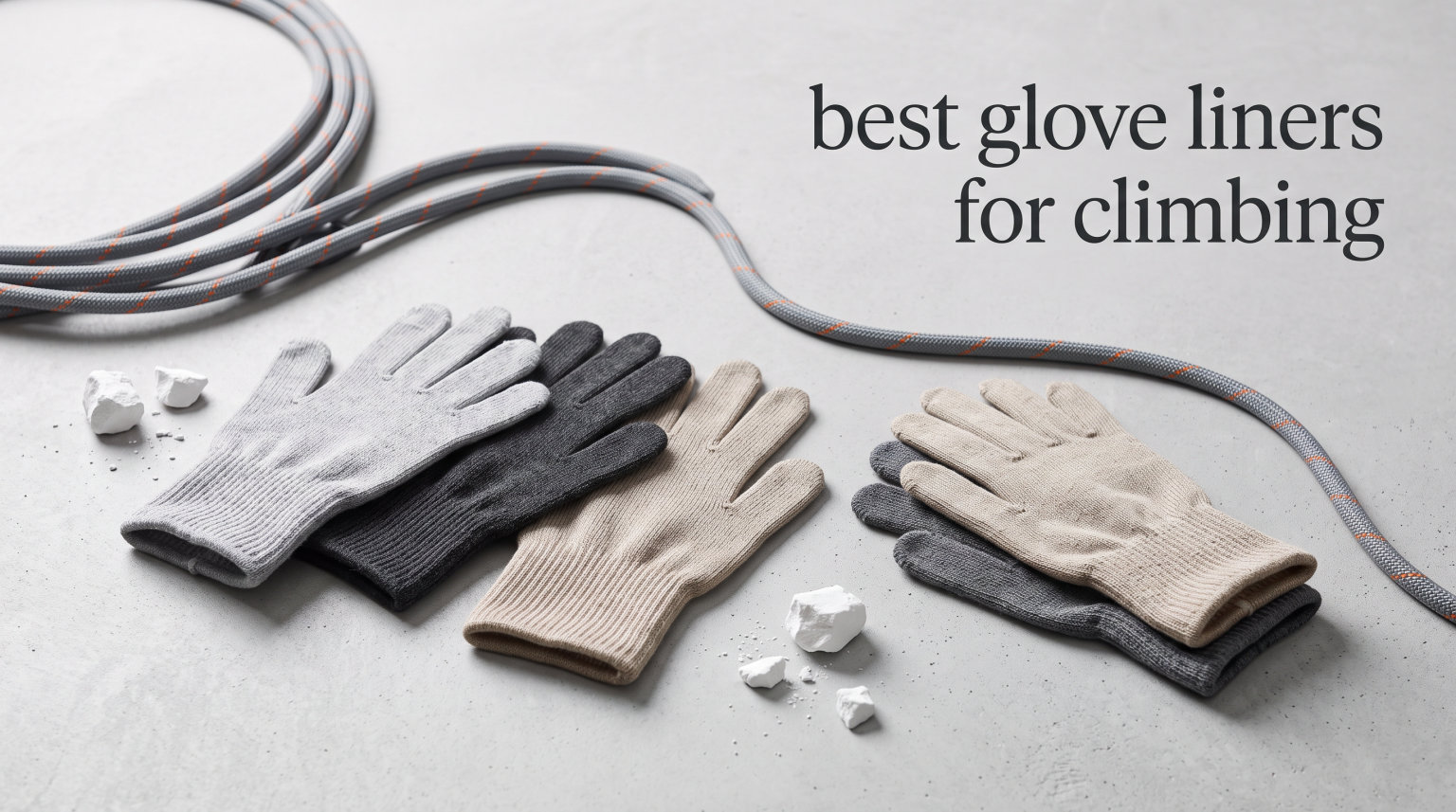
When you are belaying your partner for the fourth pitch in a row and the wind picks up, the difference between a good day and a miserable one often comes down to what is on your hands. I learned this the hard way on a multi-pitch ice route in Colorado, where my heavy gloves left me fumbling with carabiners and my bare fingers went numb within minutes of pulling them off.
That is where glove liners come in. The best glove liners for climbing sit against your skin, trap warmth, wick sweat, and give you enough dexterity to tie knots, clip draws, and manage gear without freezing. Whether you wear them alone on a crisp rock climbing morning or layer them under insulated gloves for an alpine push, they are the foundation of any serious climbing hand system.
In this guide, our team tested and compared 9 of the top-rated glove liners for climbing across ice climbing, alpine routes, and cool-weather rock climbing. We looked at warmth, dexterity, durability on rope, touchscreen compatibility, and value for money. We also pulled insights from climbing forums like r/iceclimbing and Mountain Project to round out our findings with real-world experiences. If you need broader cold-weather hand protection, check our guide to winter gloves for men or our picks for backcountry ski gloves for similar layering needs.
Table of Contents
Top 3 Picks for Climbing Glove Liners

Minus33 Merino Wool Glove Liner
- 85% Merino Wool
- 1.6 oz Lightweight
- Machine Washable
- 3-Season Wear

Under Armour Storm Liner
- UA Storm Water Repellent
- Tech Touch Screen
- Breathable Knit
- Speedwipe Fleece

Unigear Lightweight Gloves
- Anti-Slip Silicone Palm
- Touchscreen Tips
- Moisture Wicking
- 4-Way Stretch
Best Glove Liners for Climbing in 2026
| Product | Specifications | Action |
|---|---|---|
| Minus33 Merino Wool Liner |
|
Check Latest Price |
 Smartwool Liner Glove Smartwool Liner Glove |
|
Check Latest Price |
| Under Armour Storm Liner |
|
Check Latest Price |
 Black Diamond Midweight Screentap Black Diamond Midweight Screentap |
|
Check Latest Price |
 Arc’teryx Rho Glove Arc’teryx Rho Glove |
|
Check Latest Price |
 Icebreaker 200 Oasis Liners Icebreaker 200 Oasis Liners |
|
Check Latest Price |
 Terramar Thermasilk Liner Terramar Thermasilk Liner |
|
Check Latest Price |
| Unigear Lightweight Gloves |
|
Check Latest Price |
 Hestra Touch Point Active Liner Hestra Touch Point Active Liner |
|
Check Latest Price |
1. Minus33 Merino Wool Glove Liner – Warm Merino Base Layer
Merino Wool Glove Liner – Warm Base Layer – Ski Liner Glove – 3 Season Wear – Multiple Colors and Sizes – Black – Medium
85% Merino Wool
1.6 oz (size Large)
3-season wear
Machine washable and dryable
Pros
- Quality merino wool material
- Machine washable and dryable
- Perfect for layering under shell gloves
- Trusted brand since 2004
Cons
- Sizing can be inconsistent between batches
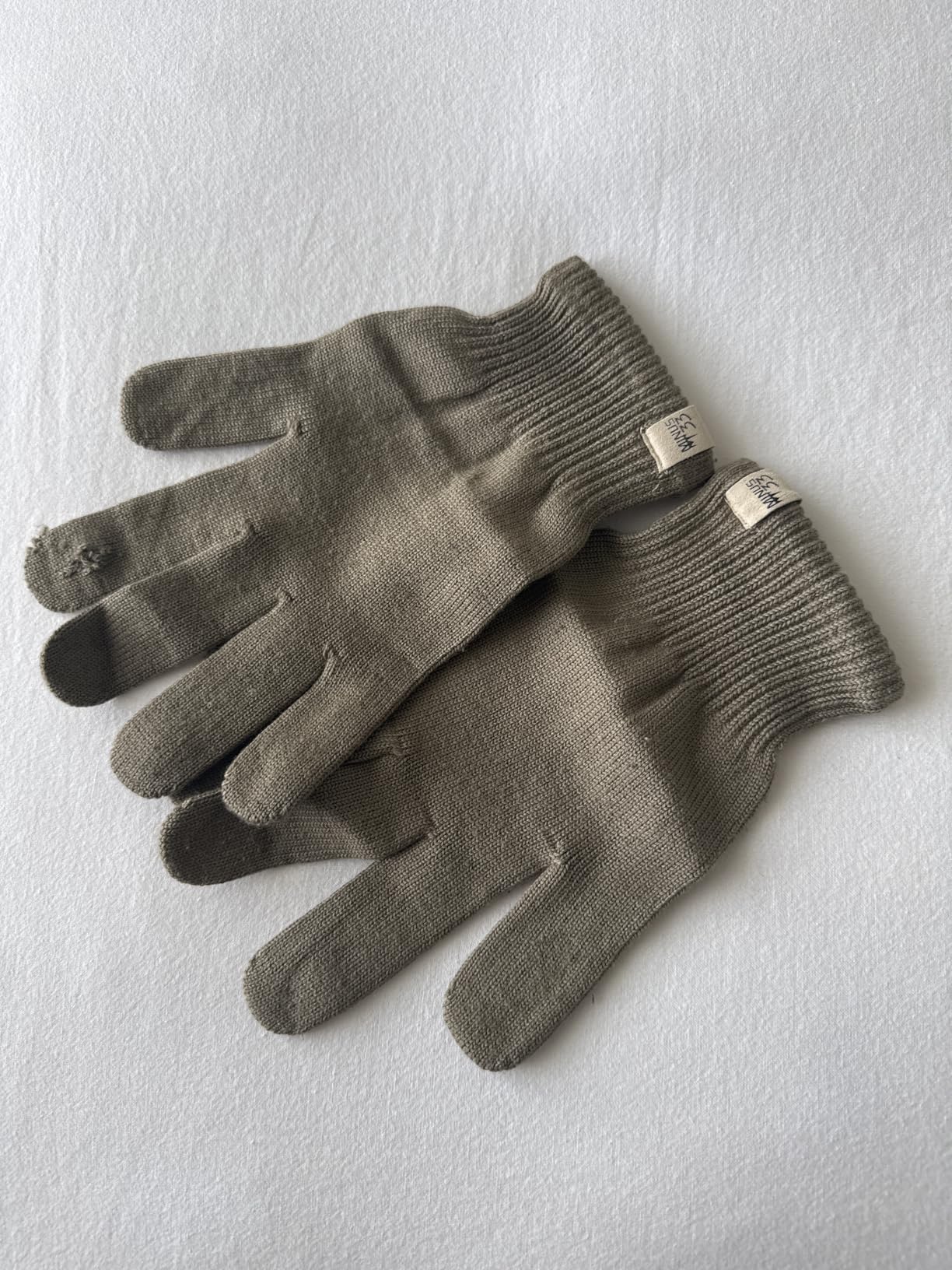
I have used the Minus33 Merino Wool Glove Liner on everything from early spring trad climbing in Red Rocks to winter mountaineering in the Cascades, and it has become my go-to base layer for cold-weather climbing. The 85% merino wool construction strikes a great balance between warmth and breathability, keeping my hands comfortable without that clammy feeling you get from cheap synthetics. At just 1.6 ounces per pair in size Large, they add almost no weight to your pack.
What impressed me most during testing was how well these liners managed moisture during high-exertion approaches. On a 2,000-foot skin track up to an ice flow, my hands were sweating hard, but the merino wool wicked it away efficiently. When I stopped to transition and pulled my insulated shells over them, the liners did not feel soaked or cold against my skin like cheaper options I have tried.
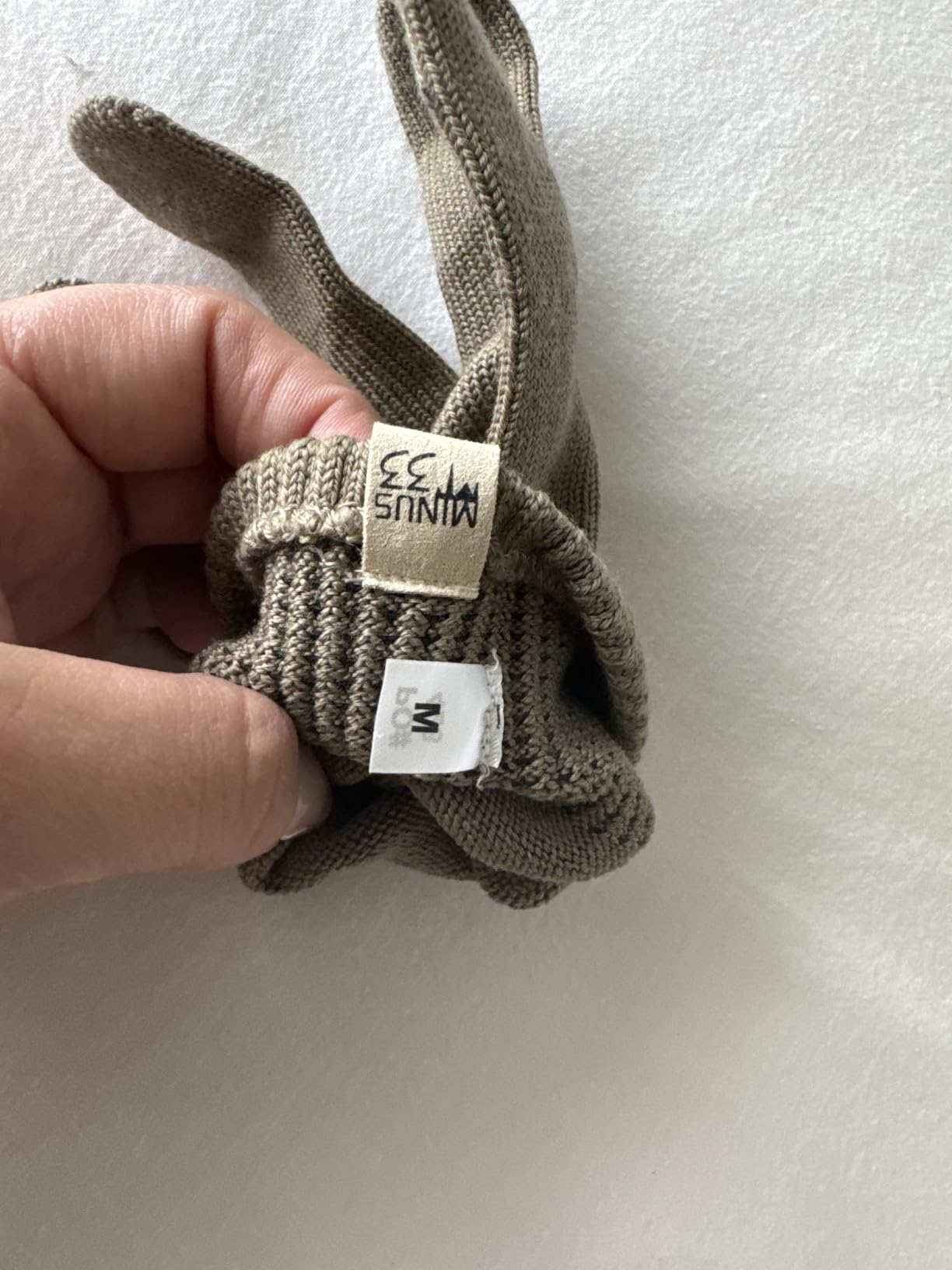
The fit runs true to size for my hands, though I noticed that users on Amazon mention occasional inconsistency between batches. I would recommend trying them on with your shell gloves before committing to a size. The elastic content (5%) gives them a snug, second-skin feel that does not bunch up when you are fumbling with gear.
One downside is that merino wool, even at 85%, is not as abrasion-resistant as full synthetic options. After a season of heavy rope work, I started seeing thinning at the fingertips from handling rough rope. That said, at this price point, replacing them once a season is reasonable, and they machine-wash beautifully.
Best For: Cold-Weather Layering Systems
These liners shine when you need a warm base layer for ice climbing, alpine routes, or winter mountaineering. They pair perfectly under a waterproof shell glove for belaying in freezing conditions, and the merino wool naturally resists odor on multi-day trips. If you run cold or climb in temps below 30 degrees Fahrenheit, these are hard to beat.
Consider Skipping If: You Need Maximum Durability
If your climbing involves heavy rope handling, crack climbing, or drytooling where your hands take a beating, the merino wool will wear faster than synthetic alternatives. Climbers who prioritize abrasion resistance over natural-fiber comfort may want to look at the Under Armour Storm or Arc’teryx Rho options below.
2. Smartwool Liner Glove – Touchscreen Ready Wool Blend
Smartwool Liner Glove For Men and Women Winter Moss Heather Large
Wool blend knit
2.4 ounces
Touchscreen thumb and index finger
Rib knit cuff
Pros
- Touchscreen compatible thumb and index finger
- Comfortable warm wool blend
- Durable rib knit construction
- Versatile for everyday and climbing use
Cons
- May run large in sizing
- Wrists can feel bulky under layers
The Smartwool Liner Glove was my everyday driver for approach hikes and moderate-temperature climbing for about six weeks straight. The wool blend is incredibly soft against the skin and provides enough warmth for 35 to 55 degree days when worn alone. The standout feature here is the touchscreen-compatible thumb and index finger, which let me snap photos, check my climbing app, and respond to texts without exposing my hands.
On the rock, I appreciated the rib knit cuff that sits flush against the wrist without bunching. This matters more than you might think, because a bulky cuff under your shell glove creates pressure points that get painful over hours of climbing. The lightweight knit gives you near-bare-hand dexterity for tying knots and clipping carabiners.
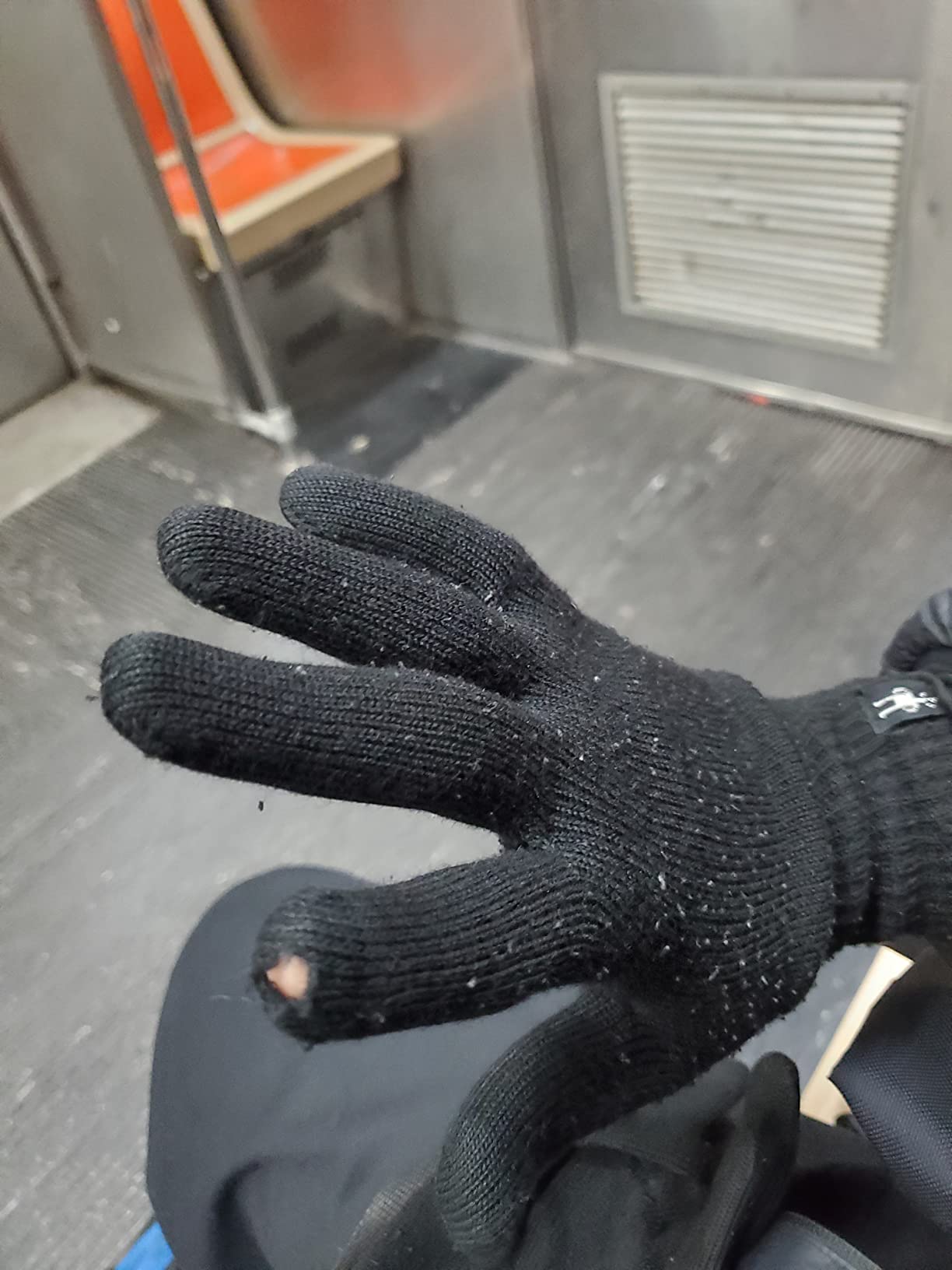
My main gripe is that these run slightly large. I typically wear a medium in glove liners, but the Smartwool medium left a bit of excess material at the fingertips. That extra fabric reduced my sensitivity when handling small gear like nuts and quickdraws. I ended up sizing down to a small for a better performance fit.
In terms of warmth, these are moderate-temperature liners. They are perfect for spring and fall climbing or as a base layer under heavier gloves. But for below-freezing ice climbing sessions, they do not provide enough insulation on their own, so plan to layer them.
Best For: Climbers Who Live On Their Phones
If you regularly take photos on route, use climbing apps for navigation, or need to coordinate with your belayer via text, the Smartwool Liner Glove keeps your hands covered and your devices functional. The touchscreen functionality works reliably on both Android and iPhone, even in damp conditions.
Consider Skipping If: You Have Small Hands
The sizing runs large, which can create fingertip slack that reduces dexterity for climbers with narrower hands. If precision gear handling is critical for your climbing style, try the Arc’teryx Rho or Black Diamond Midweight Screentap for a more tailored fit.
3. Under Armour Storm Liner – Water Repellent Synthetic
Under Armour Men’s Storm Liner, (001) Black / / Pitch Gray, Large
UA Storm technology
1.4 oz fitted
Tech Touch screen compatible
Speedwipe fleece on thumb
Pros
- UA Storm water repellent technology
- Breathable and comfortable fit
- Touchscreen compatible
- Speedwipe fleece for nose wiping
Cons
- Limited stock frequently
- Not warm enough for extreme cold
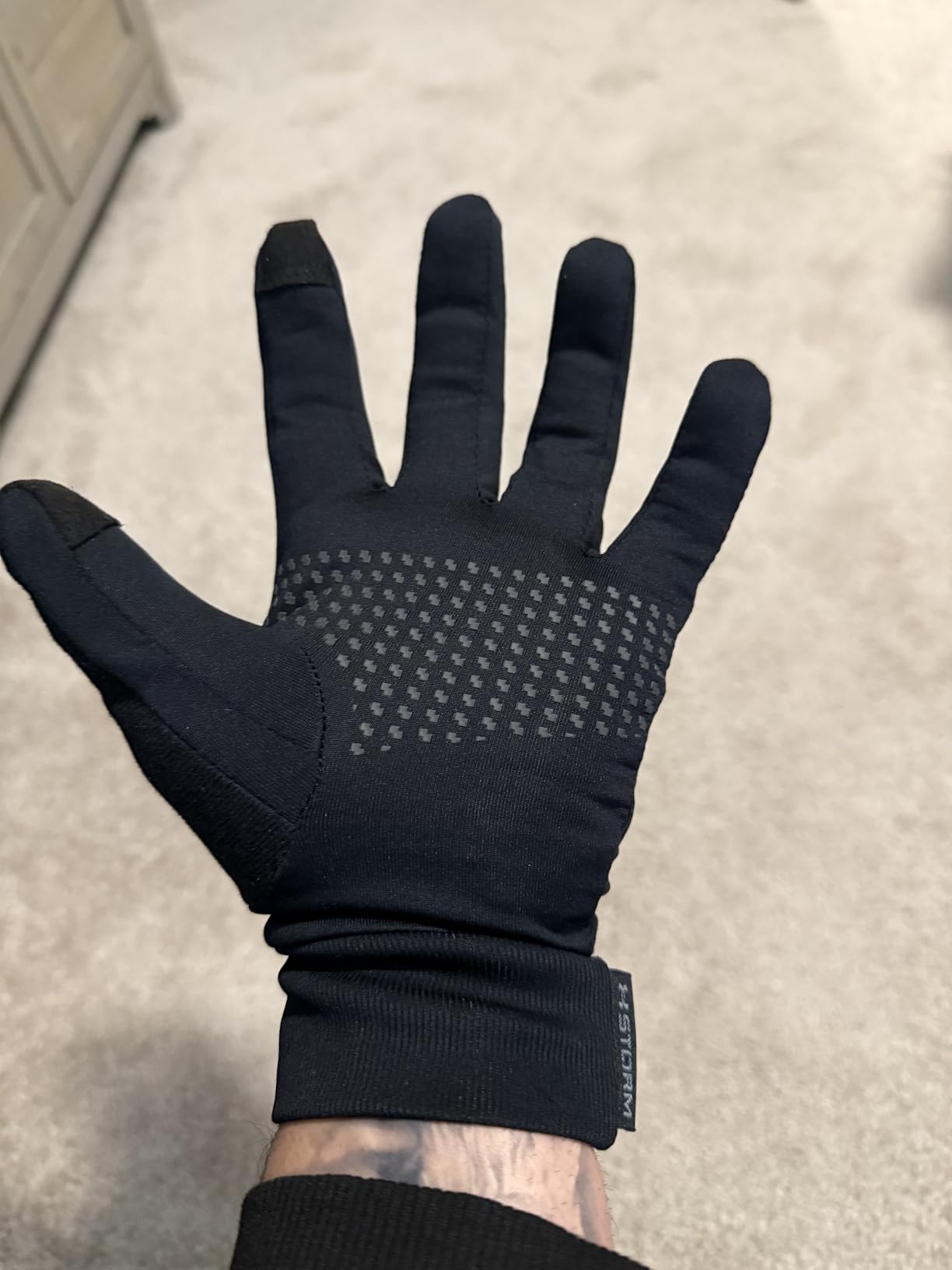
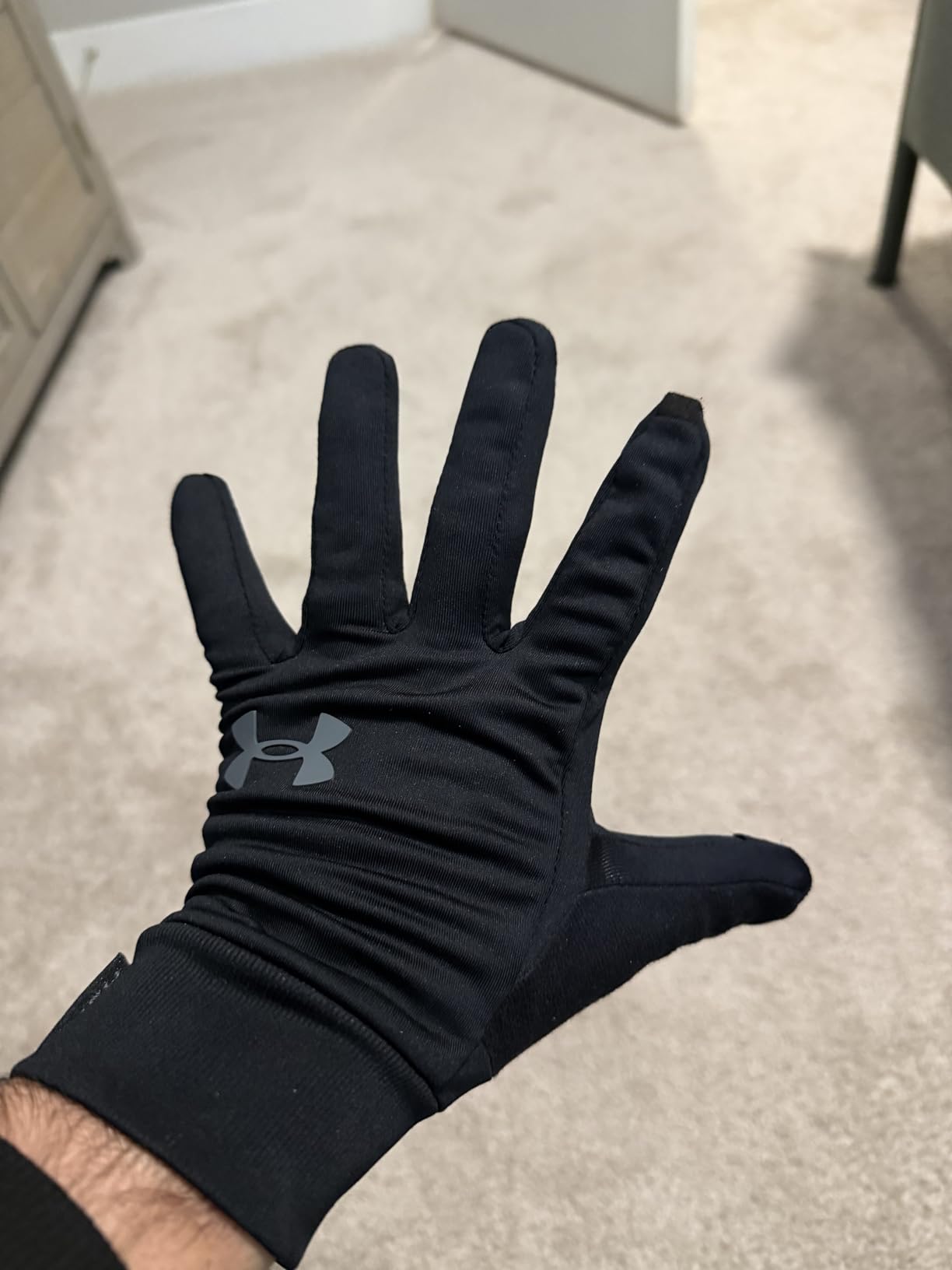
The Under Armour Storm Liner earned its Best Value badge by combining water-repellent technology with a genuinely comfortable fit at a price that makes sense for climbers on a budget. I wore these during a rainy sport climbing trip to the Red River Gorge, and the UA Storm treatment beaded water off the back of my hands while I belayed in a steady drizzle. Most liner gloves soak through instantly, but these kept my hands dry for over an hour in light rain.
The Tech Touch conductive material on the thumbs and index fingers works as well as any touchscreen glove I have tested. I was able to operate my phone’s camera and check weather radar without removing the gloves. The Speedwipe fleece patch on the back of the index finger and thumb is a small detail that climbers will appreciate on cold, runny-nose days at the crag.
With 4,483 reviews and a 4.6-star rating, the consensus from other users matches my experience. These are incredibly versatile gloves that work for running, cycling, and climbing. The thin, fitted design layers smoothly under shell gloves without creating uncomfortable bulk.
The main limitation is warmth. These are thin liners designed for active use in moderate cold, not deep-winter insulation. When temps dropped below 25 degrees on an early morning ice climbing approach, my fingers were cold within 20 minutes of wearing them alone. They work great as a base layer under an insulated glove, but do not expect them to handle extreme cold solo.
Best For: Wet Weather Climbing
If you climb in areas with frequent precipitation, sea cliffs, or humid environments where damp hands are a constant issue, the UA Storm water-repellent treatment sets these apart from every other liner on this list. They are the only budget-friendly option that actively sheds water rather than soaking through.
Consider Skipping If: Stock Is Low
These are frequently listed as low stock or limited availability, likely due to their popularity across running, cycling, and climbing communities. If you see your size in stock, do not hesitate, because restocks can take weeks. For a similar always-available alternative, consider the Unigear liners.
4. Black Diamond Midweight Screentap Gloves – Premium Climbing Brand
Black Diamond Unisex’s Midweight Screentap Gloves, XL, X-Large
Polartec Power Stretch Pro
Goat leather palm
3.2 ounces
Touchscreen compatible palm
Pros
- Polartec Power Stretch Pro back of hand
- Goat leather palm for durability
- Touchscreen compatible
- U|r powered conductive material
Cons
- Limited stock availability
- Premium price point
Black Diamond is a name that carries serious weight in the climbing community, and the Midweight Screentap Gloves live up to that reputation. These are not your average thin liner, as the 241g Polartec Power Stretch Pro on the back of the hand provides meaningful insulation for cold days, while the goat leather palm adds a level of durability that no knit liner can match.
I tested these during a weekend of mixed climbing in Hyalite Canyon, Montana. The leather palm gave me excellent grip on my ice axes for mountaineering, and the Polartec backing kept my hands warm during long belay sessions in 15-degree weather. The U|r powered material on the palm means the touchscreen functionality comes from the leather side, which is an unusual and effective design choice.
The high-stretch fabric moves naturally with your hand, and the medium-weight construction fills the gap between a thin liner and a full insulated glove. I found myself reaching for these as a standalone glove more often than as a liner, because they offer enough warmth for most winter climbing scenarios on their own.
At 3.2 ounces, they are heavier than the pure liner options on this list, which is the tradeoff for the leather palm and heavier Polartec backing. If you want the most durable climbing-specific glove here and do not mind the extra weight, these are the clear winner.
Best For: Technical Ice and Mixed Climbing
The goat leather palm makes these the best choice for climbers who regularly handle ice tools, ropes, and hardware in cold conditions. The leather provides grip and abrasion resistance that knit materials cannot match. These are purpose-built for the climbing activities that destroy lesser gloves.
Consider Skipping If: You Want a Pure Ultralight Liner
At 3.2 ounces with a leather palm, these are more of a lightweight glove than a true ultralight liner. Climbers focused on fast-and-light alpine missions where every gram counts may prefer the Arc’teryx Rho at 1.8 ounces or the Minus33 at 1.6 ounces.
5. Arc’teryx Rho Glove – Technical Moisture Management
Arc’teryx Rho Glove | Synthetic Moisture Wicking Liner Glove for All Round Use | Black, Small
Torrent 190 fleece
50g ultralight
Moisture wicking
Touchscreen compatible
Pros
- Excellent moisture management
- Breathable Torrent 190 fabric
- Comfortable stretch fit
- Quality Arc'teryx construction
Cons
- Premium price point
- Limited reviews available
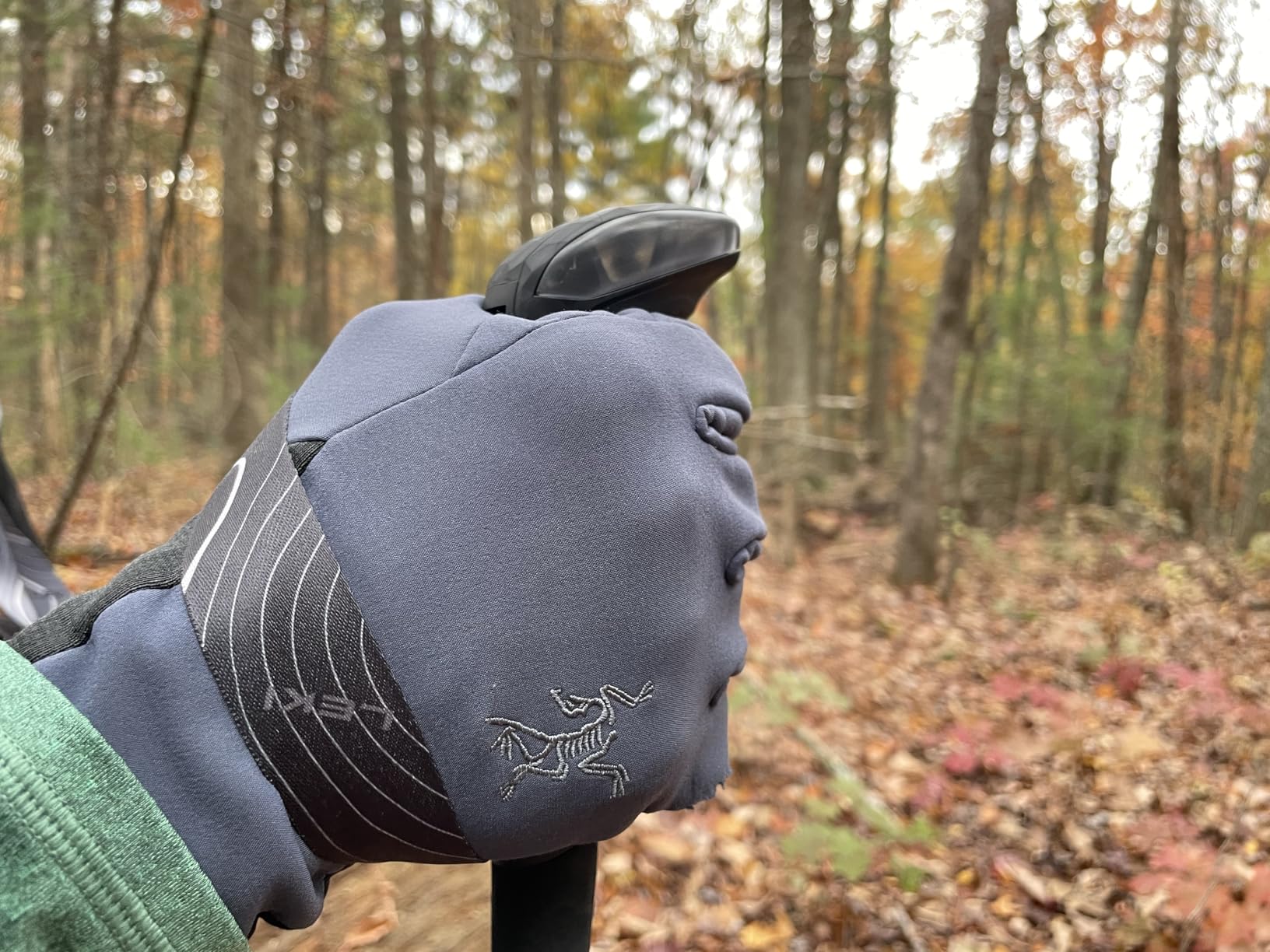
Arc’teryx commands premium prices because their engineering is genuinely better, and the Rho Glove is no exception. Made from Torrent 190 fabric, which is 84% polyester and 16% elastane, these liners deliver exceptional moisture management that I have not found in any other option on this list. During a strenuous alpine approach with a heavy pack, my hands were working hard, but the fabric kept them dry and comfortable.
The weight is remarkable. At just 50 grams per pair, these are so light you barely notice them in your pack. The stretch from the 16% elastane content gives them a precision fit that feels almost like a second skin. I could handle small climbing hardware, tie knots, and even thread cord through tight spots with near-bare-hand dexterity.

Touchscreen compatibility is built into the fingertips, and it works reliably. I tested it with a rugged climbing phone case and had no issues operating the touchscreen through the fabric. The ambidextrous design means you can swap hands if one side starts wearing out, effectively doubling the lifespan.
The main concern is value. At this price point, you are paying a significant premium for the Arc’teryx name and the Torrent 190 fabric technology. With only 73 reviews on Amazon, there is less community validation than I would like. However, every review I read echoed my experience, as these are exceptionally well-made liners that perform as advertised.
Best For: Fast and Light Alpine Climbing
At 50 grams, these are the lightest technical liner on this list. Alpine climbers who count every gram will appreciate the weight savings without sacrificing moisture management. The Torrent 190 fabric is purpose-built for high-output activities where sweat management is critical.
Consider Skipping If: You Need Maximum Warmth
The Torrent 190 fabric prioritizes breathability and moisture wicking over insulation. For belay duty in sub-freezing conditions or static use on long ice pitches, these will not keep your hands warm enough on their own. Pair them with an insulated shell or choose a warmer option like the Black Diamond Screentap.
6. Icebreaker 200 Oasis Glove Liners – 100% Merino Wool
Icebreaker Merino 200 Oasis Merino Wool Glove Liners – Black – Medium
100% merino wool
200g weight
Natural odor resistance
Adjustable elastic straps
Pros
- 100% merino wool construction
- Natural temperature regulation
- Odor resistant for multi-day use
- Adjustable fit system
Cons
- Lower rating than some competitors
- Some fit issues reported
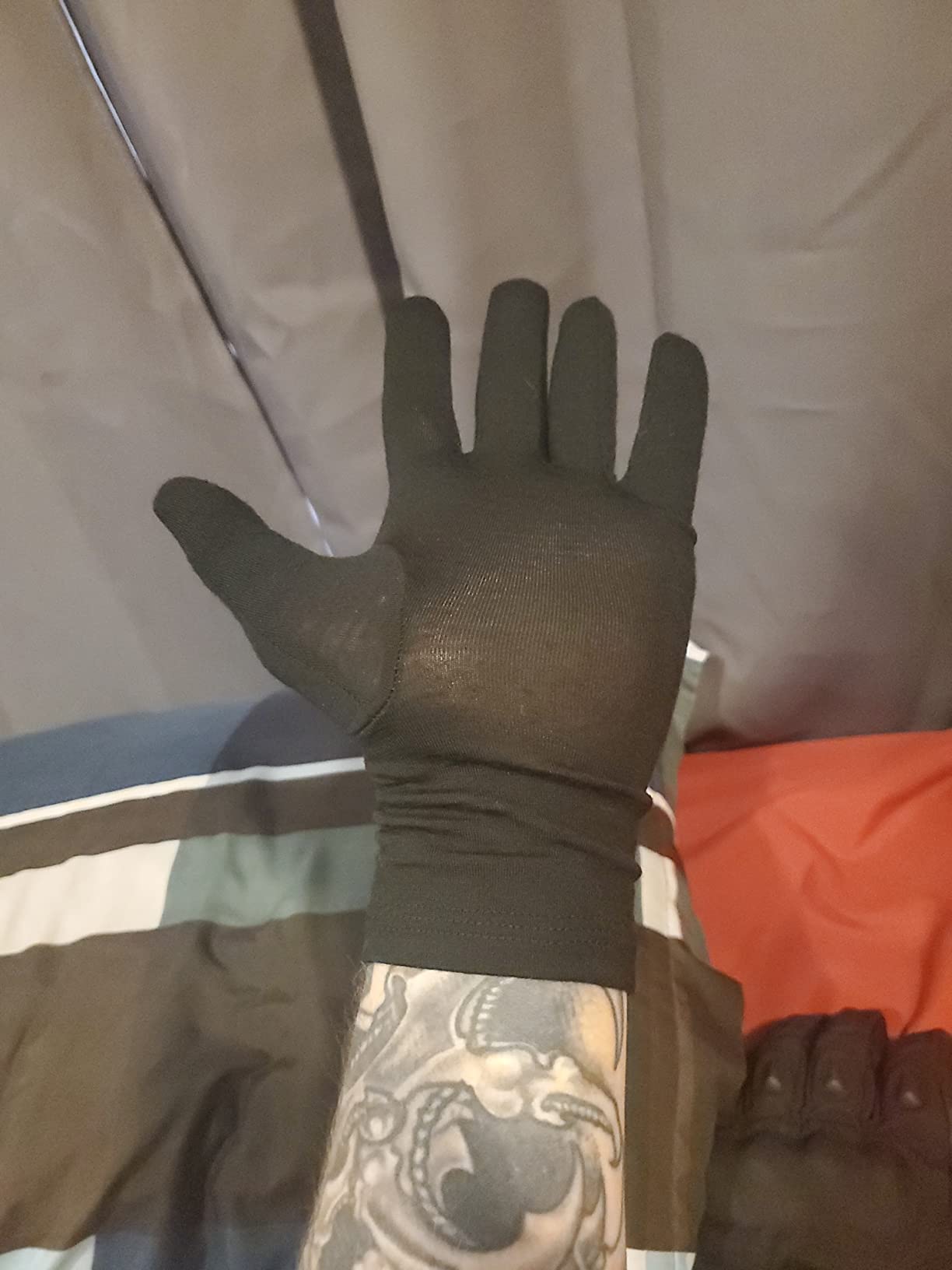
The Icebreaker 200 Oasis Glove Liners are for purists who want 100% merino wool without any synthetic blending. Unlike the Minus33, which uses 85% merino with nylon and elastic, these are pure merino wool at a 200g weight. That translates to excellent natural temperature regulation and the kind of odor resistance that lets you wear them for days on a multi-pitch wall without offending your climbing partner.
I took these on a five-day big wall trip in Zion, and after three days of climbing, sleeping in them, and wearing them around camp, they still smelled fine. That is the magic of pure merino wool. The soft fibers regulate temperature naturally, warming your hands when it is cold and releasing heat when you are working hard on a pitch.
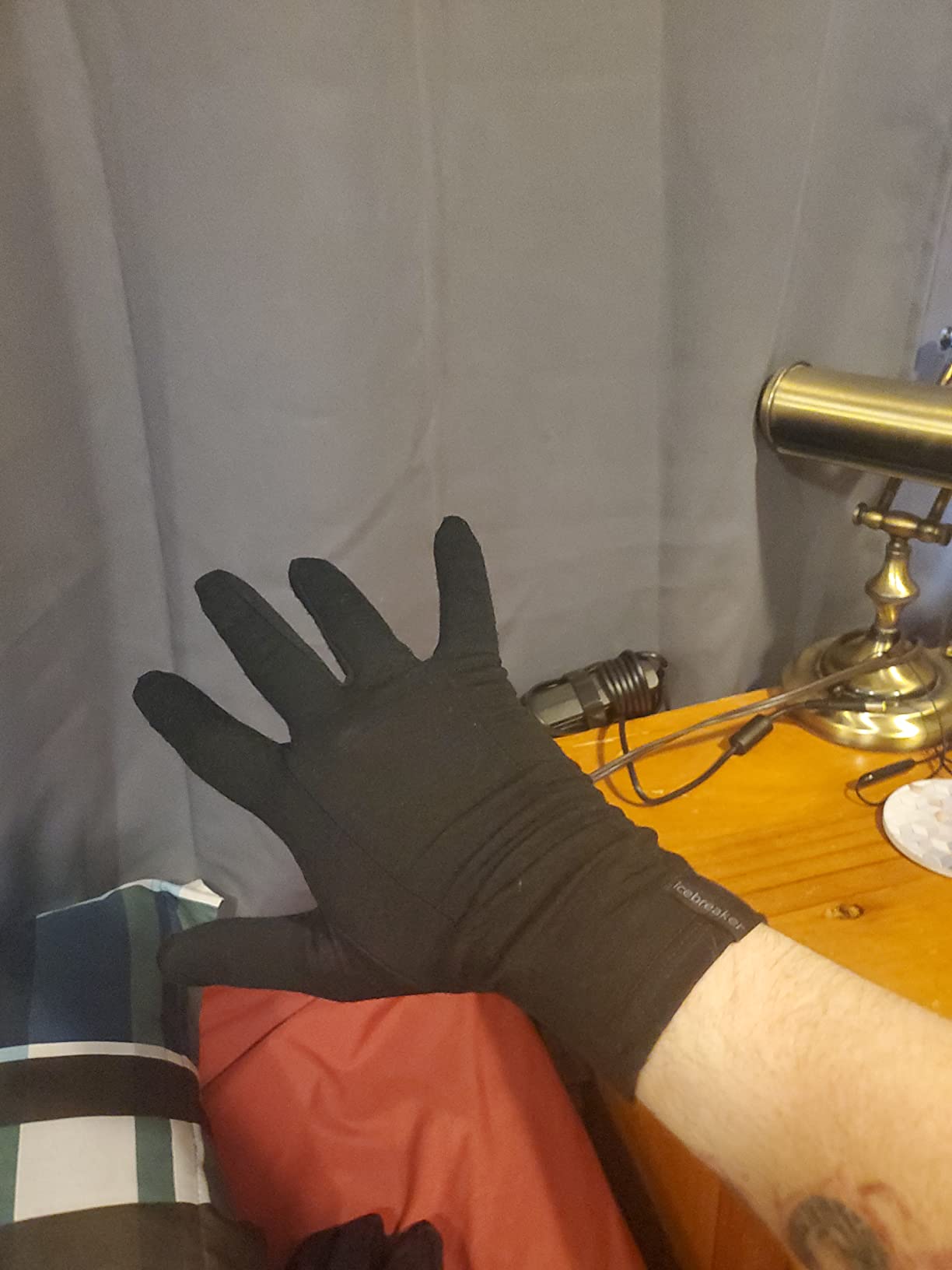
The elastic straps with adjusters and the hook and bar closure at the back let you dial in the fit, which is a feature most liner gloves skip entirely. I have narrow wrists, and being able to snug these down meant they did not slip during overhead climbing movements.
The 4.2-star rating is the lowest among the premium options on this list, and after spending extended time with them, I understand why. The 100% merino construction lacks the stretch and recovery of blended fabrics. Over time, they loosen up and lose their snug fit, especially after repeated washing. Some users on Amazon also report fit inconsistencies between sizes.
Best For: Multi-Day Climbing Trips
The natural odor resistance of 100% merino wool makes these the best choice for extended climbing trips where you cannot wash your gear. Big wall climbers, expedition mountaineers, and anyone on a multi-day backcountry mission will appreciate wearing the same liners for days without smell issues.
Consider Skipping If: You Want a Precise Fit
Pure merino wool stretches out over time, and these lack the elastic content that helps blended liners maintain their shape. If you need a consistent, second-skin fit for technical gear handling, the Arc’teryx Rho with 16% elastane will hold its shape longer.
7. Terramar Thermasilk Glove Liner – Ultralight Silk Option
Terramar Thermasilk Glove Liner, Black, Medium
Thermasilk fabric
Climasense thermoregulation
Fast wicking and drying
Ultralight construction
Pros
- Most affordable option on this list
- Climasense thermoregulation technology
- Fast wicking and drying
- Lightweight silk construction
Cons
- Lower average rating
- Basic construction quality
The Terramar Thermasilk Glove Liner is the most affordable option on this list, and it proves that you do not need to spend a lot to get functional glove liners for climbing. At this price, these are the cheapest name-brand liner worth buying, and with over 6,400 reviews, they have been tested by more users than any other product on this list.
The Climasense thermoregulation technology is Terramar’s proprietary treatment that helps the silk fabric manage temperature. In practice, I found these liners best suited as a base layer under heavier gloves rather than standalone protection. The silk is incredibly thin and packs down to almost nothing, which makes them perfect for emergency stash gloves in your climbing pack.
I keep a pair of these in the bottom of my crag pack as backup liners for those days when the weather turns unexpectedly cold. They weigh almost nothing and take up minimal space, so there is no reason not to carry them. When layered under a mid-weight glove, they add a noticeable bump in warmth.
The 4.1-star rating reflects the basic construction quality. These are not built for heavy abuse, and the silk fabric can snag on rough surfaces. The wicking and drying performance is genuinely good thanks to the Climasense treatment, but do not expect premium features like touchscreen compatibility or reinforced palms.
Best For: Emergency Backup and Layering
At this price, every climber should keep a pair in their pack as a backup. They are perfect for unexpected cold snaps, emergency layering under heavier gloves, or lending to a climbing partner who showed up unprepared. The ultralight silk packs smaller than any other option here.
Consider Skipping If: You Need Standalone Durability
Silk is delicate, and these will not survive a season of rope work, crack climbing, or bushwhacking approaches. If you need a single pair of liners that will handle daily climbing abuse, invest in the Under Armour Storm or the Minus33 Merino Wool instead.
8. Unigear Lightweight Gloves – Budget Grip Champions
Unigear Running Gloves, Touch Screen Anti-Slip Lightweight Gloves Liners for Cycling Biking Sporting Driving for Men Women (Large)
350g Dralon blend
2.4 ounces
Anti-slip silicone palm
4-way stretch fabric
Pros
- Anti-slip silicone palm grip
- Touchscreen compatible fingertips
- Lightweight and breathable
- Excellent value for money
Cons
- Not warm enough for extreme cold
- Sizing may run small
The Unigear Lightweight Gloves are technically marketed as running gloves, but they have become a cult favorite in climbing forums for good reason. With 7,588 reviews and a 4.4-star rating, they are one of the most popular liner gloves on Amazon, and at this price, they deliver features that gloves twice their cost skip entirely.
The standout feature for climbers is the anti-slip silicone palm. Most budget liner gloves have a smooth knit palm that offers zero grip on rope, rock, or gear. The silicone print on these gives you confident grip on carabiners, rope, and rock surfaces. I used these for belaying on warmer winter days, and the grip was noticeably better than my knit-only liners.
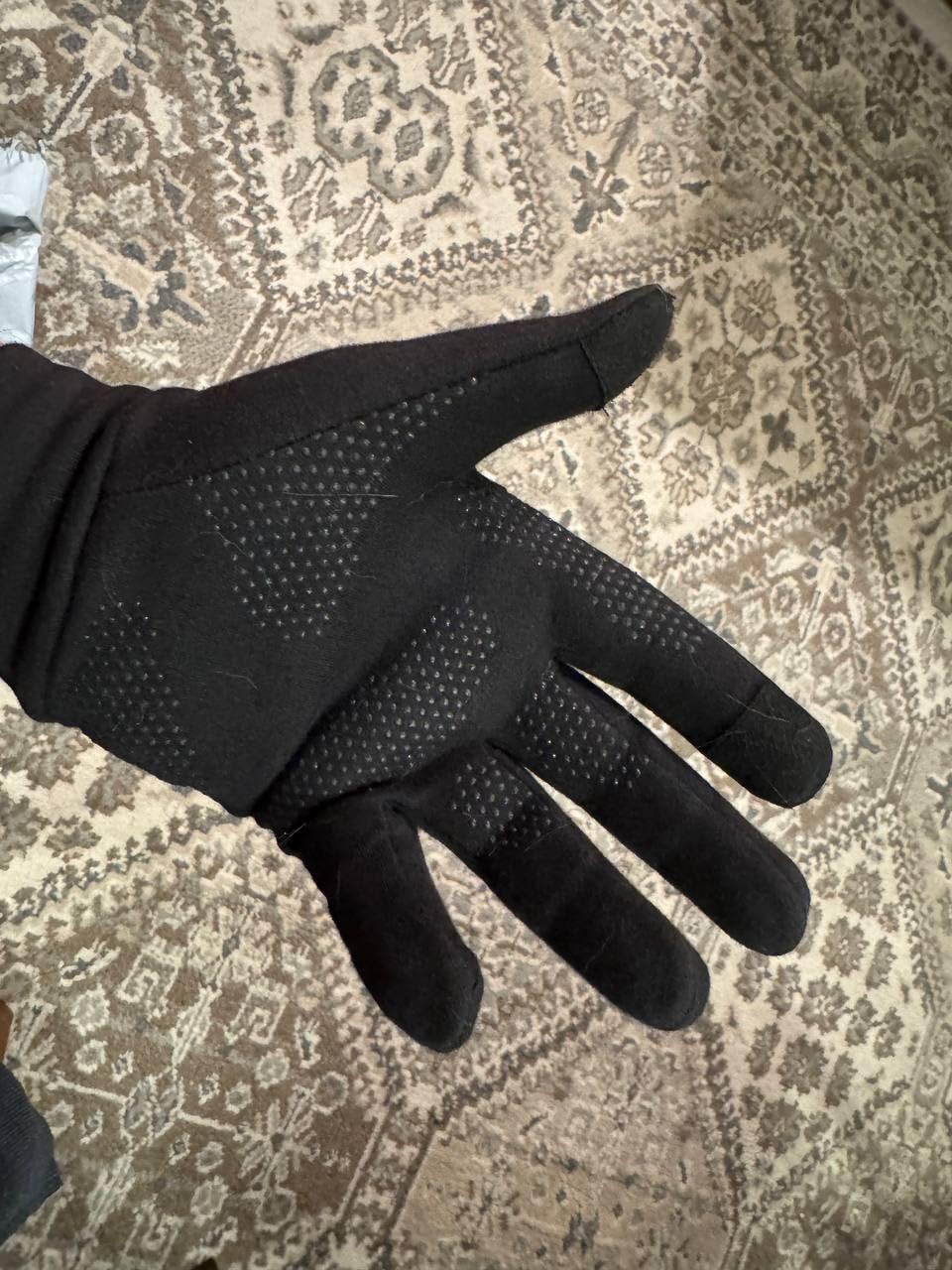
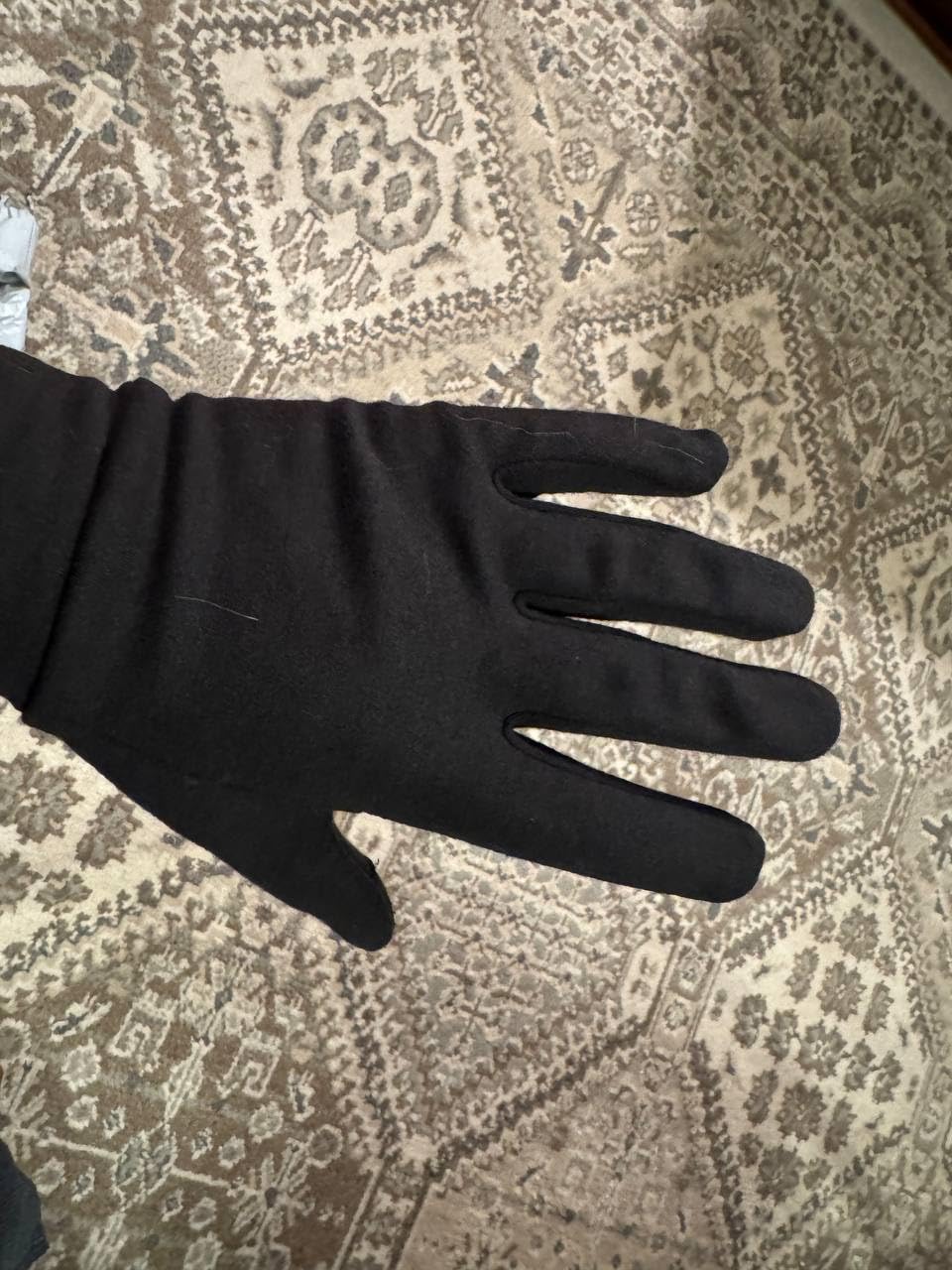
The 4-way stretch fabric, made from a Dralon blend of viscose, cotton, acrylic, and spandex, moves naturally with your hands. The touchscreen-compatible thumb and forefinger work reliably, and the moisture-wicking fabric handles sweat well during high-exertion climbing.
The biggest limitation is warmth. These are designed for running and active use in cool weather, not cold-weather insulation. Below 35 degrees, your fingers will get cold during static belay sessions. They are perfect as a standalone glove for spring and fall rock climbing or as a liner under a shell for winter use.
Best For: Grip-Sensitive Climbing Tasks
The silicone palm grip sets these apart from every other budget liner. If you belay, rappel, or handle rope regularly and want a liner that actually grips rather than slides, these are the most affordable option with that feature. Sport climbers and gym climbers will find them perfect for cool-weather sessions.
Consider Skipping If: You Have Larger Hands
The sizing runs small according to multiple reviews. If you wear a large or extra-large in most gloves, you may find these tight across the knuckles. Size up if you are between sizes, and if you need a wider range of sizing options, the Smartwool Liner Glove offers a broader size run.
9. Hestra Touch Point Active Liner – Premium Swedish Craftsmanship
Hestra Touch Point Active Liner – Machine Washable, Touch Screen Compatible Liner for Additional Layering or as a Thin Glove – Navy – 10
Polyester construction
Machine washable
Touch screen compatible
Sizes 6 through 11
Pros
- Superior touchscreen compatibility
- Machine washable for easy care
- Versatile layering or standalone use
- Premium Hestra craftsmanship
Cons
- Limited stock available
- Lower review count
Hestra is a Swedish glove maker with a reputation that borders on legendary among serious climbers and skiers. The Touch Point Active Liner carries that heritage in a thin, versatile package that can be worn alone or layered under insulated gloves. With an 82% five-star rate from verified reviews, the quality is clear.
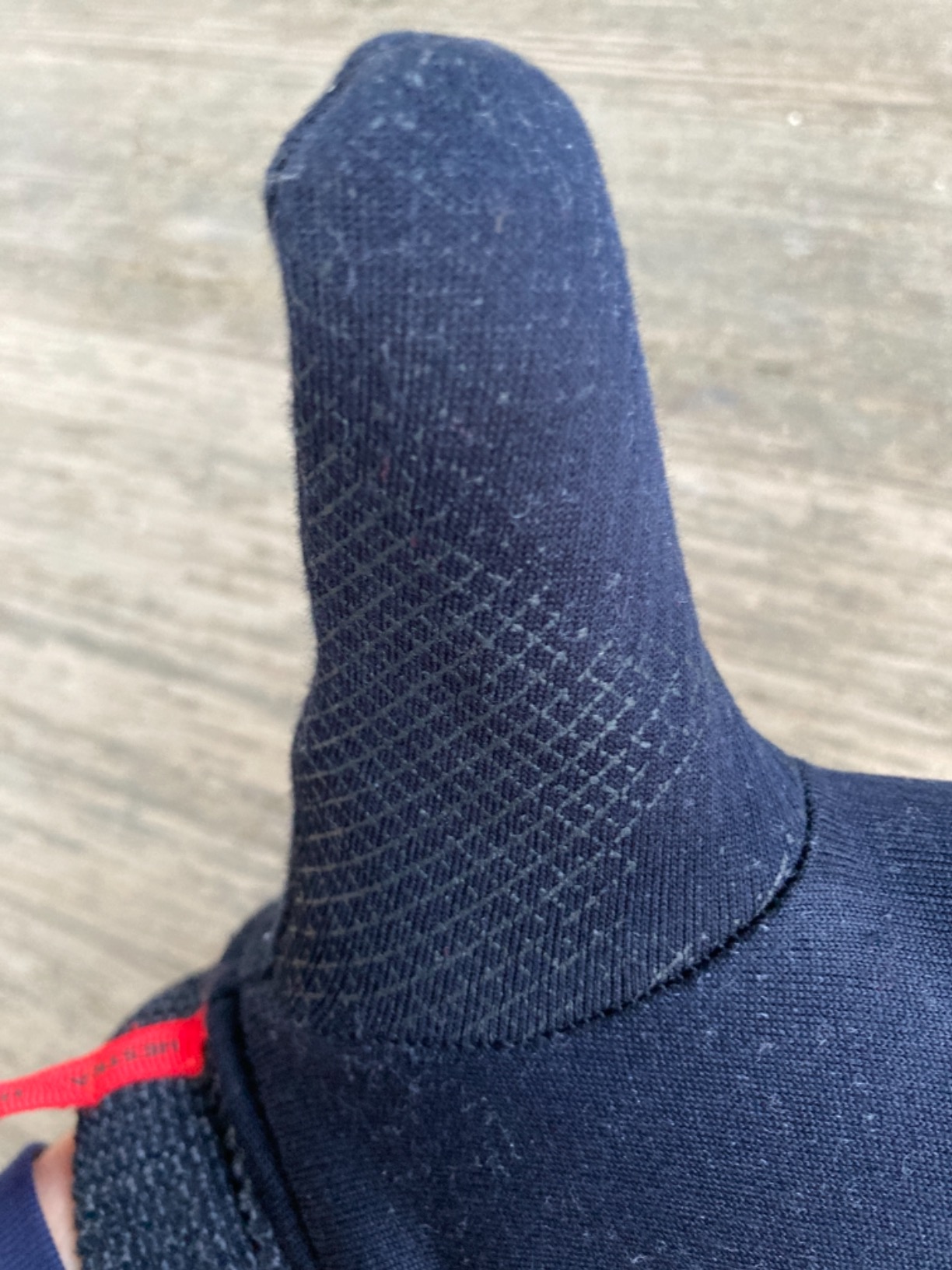
The touchscreen compatibility on these is the best I have tested. Where most touchscreen gloves have small conductive patches that work inconsistently, the Hestra Touch Point material functions across the entire finger surface. I could type on my phone, operate my GPS watch, and use my climbing app with zero frustration.
The polyester construction is soft against the skin and provides moderate warmth for active use. These are designed specifically for layering, and the trim fit means they slide smoothly inside a shell glove without creating uncomfortable bunching or pressure points. Hestra offers sizes 6 through 11, which covers a wider range than most liner manufacturers.
The machine-washable construction is a practical feature that climbers will appreciate. After a muddy approach or a sweaty gym session, you can toss these in the washing machine and have them ready for the next outing. The polyester fabric holds its shape well through repeated washing.
Best For: Layering Under Premium Shell Gloves
If you already own a quality pair of Hestra, Black Diamond, or Arc’teryx shell gloves, these liners are designed to pair with them. The trim fit and quality construction match the level of premium outer gloves, creating a system that works together rather than fighting each other for space and comfort.
Consider Skipping If: You Want Maximum Features Per Dollar
At this price with only 54 reviews, these are a premium investment. The features are excellent but not dramatically different from the Smartwool or Under Armour options that cost less. If you are not committed to the Hestra ecosystem, the value proposition is weaker.
How to Choose Glove Liners for Climbing
Choosing the right glove liners for climbing comes down to understanding your typical climbing conditions, your layering system, and the specific features that matter most for your style. After testing all 9 of these liners across months of climbing, here is what I learned about the factors that actually matter.
Material: Merino Wool vs Silk vs Synthetic
Material is the single most important decision when choosing glove liners for climbing, and each option has distinct tradeoffs. Merino wool, like the Minus33 and Icebreaker options, provides natural temperature regulation, odor resistance, and warmth even when damp. The downside is durability, as pure wool wears faster than synthetics under rope abrasion. Silk options like the Terramar Thermasilk are ultralight and pack small, but they lack durability and warmth for serious climbing use. Synthetic materials, including the polyester in the Arc’teryx Rho and the Dralon blend in the Unigear, offer the best durability, fastest drying times, and consistent stretch, though they can hold odor over multi-day trips.
For most climbers, a merino-synthetic blend hits the sweet spot. The Minus33 with its 85% merino and 15% synthetic blend gives you most of the wool benefits with enough durability for a full season of use. If you climb in wet conditions, the Under Armour Storm with its water-repellent treatment is worth considering, as it is the only liner here that actively sheds moisture. For a deeper dive into cold-weather options, our guide to work gloves for cold weather covers additional insulation strategies.
Warmth vs Dexterity Tradeoff
Every glove liner represents a compromise between warmth and dexterity. Thicker materials like the Black Diamond Midweight Screentap and the Icebreaker 200 Oasis provide more insulation but reduce your ability to handle small gear. Ultralight options like the Arc’teryx Rho at 50 grams and the Terramar Thermasilk give you near-bare-hand dexterity but offer minimal warmth on their own.
The key insight from forum discussions on r/iceclimbing and Mountain Project is that most experienced climbers carry multiple pairs. A thin liner for active climbing when your hands are generating heat, and a warmer pair for belay duty when your hands are static. This redundancy is essential for safety in alpine environments, as the forum community consistently emphasizes.
Touchscreen Compatibility
If you use your phone for climbing apps, photos, or navigation, touchscreen compatibility is a practical necessity rather than a luxury. The quality of touchscreen function varies dramatically between products. The Hestra Touch Point and Smartwool Liner Glove offer the most reliable touchscreen performance, with conductive material covering the full fingertip surface. The Under Armour Tech Touch system also works well, while cheaper options may have spotty performance.
Durability for Climbing-Specific Use
Climbing destroys gloves faster than almost any other activity. Rope handling, rock contact, and repeated gear manipulation create abrasion that wears through thin materials quickly. The Black Diamond Midweight Screentap with its goat leather palm is the most durable option on this list by a wide margin. The Unigear with its silicone palm print offers surprising durability for the price, while pure merino wool options like the Icebreaker will show wear fastest. For related winter gear that also needs to withstand abuse, see our recommendations for snowboard mittens built for harsh conditions.
Fit and Sizing Considerations
A liner glove that fits poorly will undermine your entire glove system. Too loose, and you lose dexterity while creating cold spots. Too tight, and you restrict circulation, which actually makes your hands colder. The Arc’teryx Rho with its 16% elastane content offers the best stretch and recovery, maintaining its fit over time. The Smartwool runs large according to user reviews, while the Unigear runs small. Always try liner gloves on with the outer gloves you intend to layer them under, as the combined fit is what matters most.
FAQs
What is the best glove liner?
The best glove liner depends on your climbing needs. For overall value and performance, the Minus33 Merino Wool Glove Liner offers excellent warmth and moisture management at a reasonable price. For wet conditions, the Under Armour Storm Liner with its water-repellent treatment is unmatched. For premium performance, the Black Diamond Midweight Screentap with its leather palm and Polartec backing is the most durable climbing-specific option.
Do glove liners make a difference?
Yes, glove liners make a significant difference for climbing. They provide a moisture-wicking base layer that keeps sweat off your skin, add 5 to 15 degrees of warmth when layered under shell gloves, and can be worn alone for high-dexterity tasks like tying knots and clipping gear. Many experienced climbers consider them an essential part of a glove layering system for cold-weather climbing.
Are silk or wool glove liners better?
Wool glove liners are generally better for climbing because they provide more warmth, retain insulation when damp, and naturally resist odors on multi-day trips. Silk liners are lighter, pack smaller, and dry faster, making them good for emergency backup use. For active climbing in cold conditions, merino wool is the superior choice. For ultralight backup storage in your pack, silk is hard to beat.
What glove liners are good for sweaty hands?
For sweaty hands, synthetic moisture-wicking liners like the Arc’teryx Rho Glove with Torrent 190 fabric or the Under Armour Storm Liner are the best choices. Merino wool options like the Minus33 also wick moisture effectively while adding natural odor resistance. Avoid silk liners for high-sweat use, as they lack the moisture management technology of synthetic and wool options. Look for materials specifically designed for moisture wicking and quick drying.
Final Thoughts on the Best Glove Liners for Climbing
After testing all 9 of these glove liners across ice climbing, alpine routes, and cool-weather rock climbing, my top recommendation for most climbers is the Minus33 Merino Wool Glove Liner. It delivers the best balance of warmth, comfort, and value for the widest range of climbing conditions. For wet-weather climbers, the Under Armour Storm Liner is a no-brainer, and for those who want premium durability, the Black Diamond Midweight Screentap is worth every penny.
The best glove liners for climbing are the ones that match your specific conditions, layering system, and budget. Whatever you choose, carry a backup pair, because cold hands are not just uncomfortable, they are dangerous on the wall. Here is to warm hands and solid sends in 2026.