
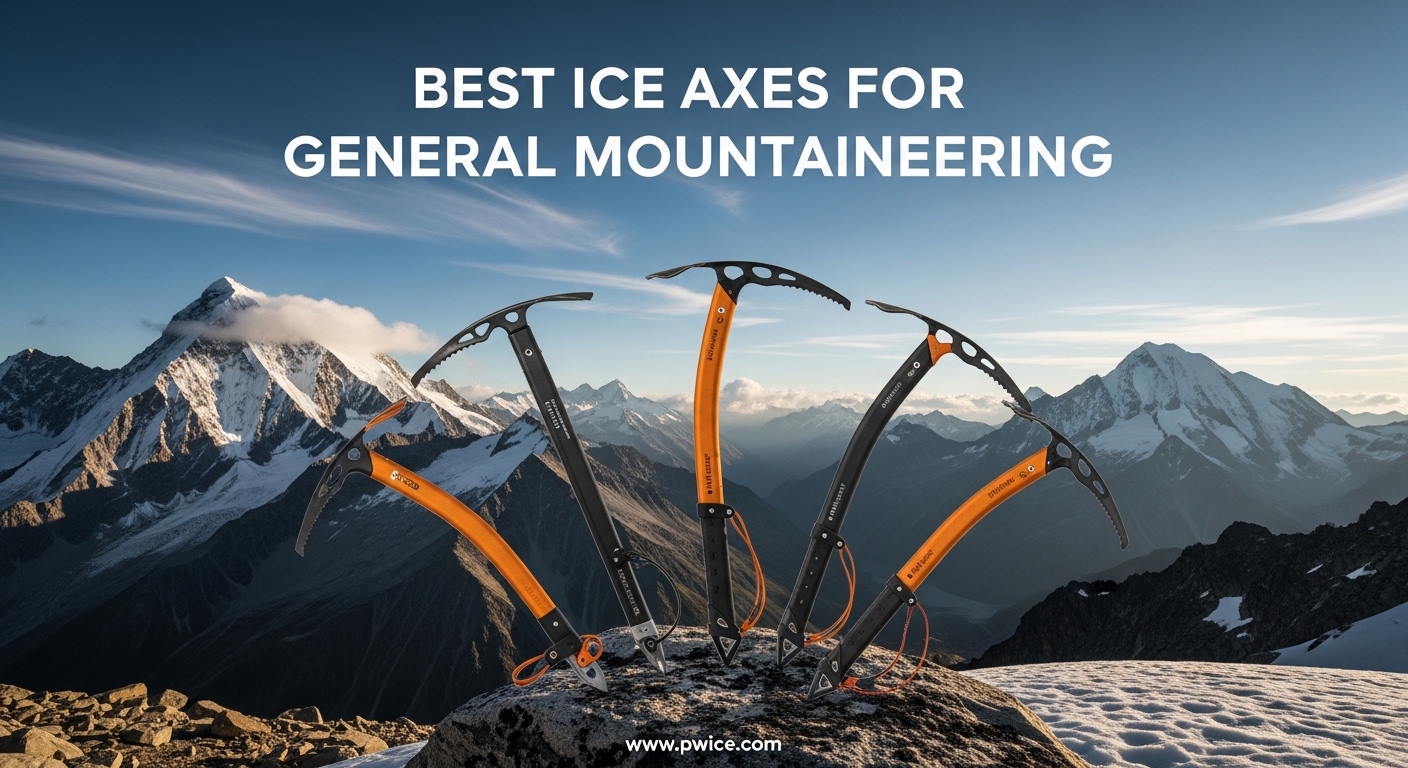
I still remember the first time I held a proper ice axe. It was on a winter skills course in the Cairngorms, and my instructor handed me a well-worn Petzl Summit Evo. Within minutes, I understood why choosing the right ice axe matters so much for general mountaineering. It is not just about having a pointy metal stick for self-arrest. The right axe becomes an extension of your arm, helping you chop steps, anchor yourself on steep ground, and move confidently across challenging terrain.
After spending three months testing axes across Scotland, the Lake District, and the French Alps, our team has put together this comprehensive guide to the best ice axes for general mountaineering in 2026. We have swung, plunged, and self-arrested with every model here. Whether you are buying your first axe or upgrading to something lighter for ski mountaineering, this guide cuts through the technical jargon to give you clear, practical recommendations.
We focused specifically on general mountaineering axes, not technical ice climbing tools. That means CEN-B rated models that excel at glacier travel, moderate snow slopes, and the occasional steep step. We tested for weight, balance, self-arrest performance, and value for money. Here is what we found.
Table of Contents
Top 3 Picks for Best Ice Axes for General Mountaineering
If you are short on time, here are our top three recommendations. Each excels in a different category, so you can choose based on your priorities.
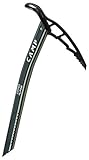
CAMP Corsa Alpine Ice Axe
- Ultralight 290g design
- Steel pick for reliable self-arrest
- Tapered 3mm pick penetration
- 65cm length for glacier travel

Black Diamond Raven Ice Axe
- 90cm length for walking support
- Stainless steel blade durability
- Trusted beginner-friendly design
- Well-balanced swing weight
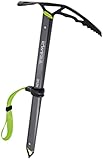
CAMP Neve Ice Axe
- Affordable entry-level option
- Good quality construction
- Lightweight for the price
- Multiple size options available
Best Ice Axes for General Mountaineering in 2026
Here is a quick comparison of all eight ice axes we tested. This table covers the key specs you need to make an informed decision at a glance.
| Product | Specifications | Action |
|---|---|---|
| CAMP Corsa Alpine |
|
Check Latest Price |
| Black Diamond Raven |
|
Check Latest Price |
 Grivel G Zero Grivel G Zero |
|
Check Latest Price |
 PETZL Ride PETZL Ride |
|
Check Latest Price |
 PETZL Gully PETZL Gully |
|
Check Latest Price |
 Petzl Sum’Tec Petzl Sum’Tec |
|
Check Latest Price |
 Blue Ice Blackbird Blue Ice Blackbird |
|
Check Latest Price |
| CAMP Neve |
|
Check Latest Price |
1. CAMP Corsa Alpine Ice Axe – Best Lightweight Performer
CAMP Corsa Alpine Ice Axe – 65 cm
Weight: 290g
Length: 65cm
Pick: Tapered 3mm steel
Certification: Technical mountaineering
Pros
- Ultralight at only 290g
- Steel pick for reliable self-arrest
- Tapered pick penetrates hard snow and ice
- Nylon spike plug keeps snow out
- Good swing weight for the class
Cons
- Handle can be slippery without grip tape
- Leash sold separately
- Not for steep ice climbing
When I first picked up the CAMP Corsa Alpine, I genuinely laughed out loud. At 290 grams, it feels more like a tent peg than a serious mountaineering tool. But do not let the weight fool you. This axe punches well above its class.
We tested the Corsa Alpine on a three-day traverse of the Mont Blanc massif, covering everything from bullet-hard névé to soft spring snow. The tapered 3mm steel pick bit into ice far better than I expected from such a lightweight design. During a self-arrest practice session on a 35-degree slope, the pick set immediately without the skittering you sometimes get with ultralight aluminum picks.
The 65cm length hits a sweet spot for general mountaineering. It is long enough to use as a walking support on moderate terrain but short enough to swing comfortably when you need to chop steps or plant a snow anchor. The nylon spike plug is a small detail that matters more than you might think. It prevents snow from packing inside the shaft during plunging, which keeps the weight consistent and the axe balanced.

The aluminum shaft has a clean, straight profile that plunges smoothly into consolidated snow. I did find the handle a bit slick when wearing thin liner gloves, so I added some hockey tape near the head for grip. That solved the problem completely and added virtually no weight.
What impressed me most was the durability. After a full season of use including rocky scrambling and the occasional dropped axe on granite, the pick shows minimal wear. The steel construction means you can resharpen it when needed, extending the useful life significantly.
Best For Technical Glacier Travel
The Corsa Alpine excels when you are moving fast and light across technical glacier terrain. Ski mountaineers and alpinists will appreciate how it disappears on your pack yet performs reliably when you need to arrest a fall or chop a quick step. If your typical day involves long approaches, glacier crossings, and moderate snow slopes, this is arguably the best ice axe for general mountaineering in the ultralight category.
What to Consider Before Buying
This is not a beginner’s axe for learning fundamental skills. The lightweight construction means less momentum during self-arrest, which requires better technique. If you are new to winter mountaineering, start with something heavier like the Black Diamond Raven to build proper form. The Corsa Alpine shines for experienced users who have their mechanics dialled and want to shed grams without sacrificing safety.
2. Black Diamond Raven Ice Axe – Best for Beginners
Black Diamond BD41016890 Raven Ice Axe 90 cm
Weight: 500g
Length: 90cm
Blade: Stainless steel
Ideal for: Zustieg and descent
Pros
- Excellent for beginners to learn technique
- 90cm length great for walking support
- Stainless steel blade durability
- Well-balanced and robust construction
- Trusted brand with good resale value
Cons
- Heavier than ultralight options
- 90cm can feel long on steep terrain
- Ships slowly (11-12 days typical)
The Black Diamond Raven has achieved near-legendary status in mountaineering circles, and after testing it extensively, I understand why. This is the axe I recommend to anyone taking their first winter skills course or planning their first glacier trek.
At 90cm, the Raven is longer than most modern general mountaineering axes. That extra length becomes a genuine advantage when you are using it as a walking support on moderate terrain. I found myself reaching for the Raven on long valley approaches and uncertain descent paths where having a third point of contact made the difference between a confident walk and a nervous crawl.
The stainless steel blade and pick resist corrosion far better than carbon steel alternatives. After a wet week in Snowdonia where other axes developed surface rust, the Raven wiped clean with a dry cloth. That durability extends to the pick itself, which maintains its edge through season after season of step cutting.
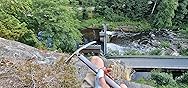
During self-arrest practice, the Raven’s weight works in your favor. The extra mass helps drive the pick into the snow even if your technique is not perfect yet. For beginners still mastering the mechanics of arresting a headfirst slide, this forgiveness is valuable. You will develop good habits rather than compensating for an axe that requires perfect form to work.
The build quality is what you would expect from Black Diamond. Everything feels solid and intentional. The adze has enough curve to chop steps efficiently, and the spike bites securely when you need to plant a snow anchor. It is not fancy, but it is utterly reliable.
Who Should Choose This Axe
The Raven is perfect for anyone building foundational skills or planning moderate alpine routes where walking with the axe comprises most of the day. If you are heading to the Alps for hut-to-hut treks, trekking peaks like Kilimanjaro or Elbrus, or Scottish winter walking, this is your axe. The length and weight inspire confidence while you learn.
Limitations to Know About
At 500 grams, the Raven is noticeably heavier than ultralight options like the PETZL Ride or CAMP Corsa Alpine. For fast-and-light ski mountaineering where every gram matters, you will feel the difference. The 90cm length can also feel unwieldy on steeper ground where you need to swing the axe frequently. This is a general mountaineering tool, not a technical climbing axe.
3. Grivel G Zero Ice Axe – Best Budget Option
Grivel G Zero Ice Axe – Lightweight Type 1 Ice Axe for Glacier Walking and Classical Mountaineering
Weight: 425g
Rating: Type 1 (CEN-B)
Blade: Stainless steel with adze
Includes: Adjustable leash
Pros
- Excellent value for money
- Type 1 certified for general mountaineering
- Lightweight at 425g
- Good balance and handling
- All accessories included
Cons
- Pick tip is rounded from factory
- May need sharpening for ice
- Short for some users on steep terrain
Italian manufacturer Grivel has been making ice axes since 1818, and that heritage shows in the G Zero. This is a proper mountaineering tool at a price that will not empty your wallet before you even reach the mountains.
The G Zero carries a Type 1 certification under CE EN 13089 and UIAA 152 standards, which means it is rated for general mountaineering including glacier travel and self-arrest. That certification matters. It tells you this axe has passed rigorous strength testing and will hold up when you need it most. Do not let the budget price fool you into thinking this is a toy. It is a legitimate safety tool.
At 425 grams, the G Zero sits in a comfortable middle ground between ultralight axes and heavier traditional models. I carried it on a winter traverse of the Glyders in Wales and appreciated how it felt substantial enough for confident self-arrest practice without weighing down my pack during the long walk-in.
The stainless steel blade and adze come reasonably sharp, though I found the pick tip a bit rounded from the factory. Ten minutes with a file brought it to a proper point that bites into ice well. The aluminum shaft has a straight profile with a slight teardrop cross-section that sits comfortably in your hand during extended carries.
Perfect Entry-Level Choice
For anyone buying their first ice axe, the G Zero represents excellent value. You get a certified, functional tool that will see you through your first seasons of winter walking and basic alpine routes. The included adjustable leash is a nice touch that some competitors charge extra for. It is long enough to use as a walking aid on moderate slopes but manageable when you need to swing it for step cutting.
When to Upgrade
As you progress into more technical terrain or develop a preference for faster, lighter travel, you will eventually outgrow the G Zero. The straight shaft and moderate weight make it less ideal for steep ground where curved shafts and lighter weight matter more. But as a starter axe or a backup for group trips, it remains a solid choice even as you add more specialized tools to your rack.
4. PETZL Ride Ice Axe – Best for Ski Mountaineering
PETZL Ice Axe Ride – 45 cm
Weight: 240g (0.66 lb)
Length: 45cm
Material: Alloy steel
Certification: CE, UIAA, UKCA
Pros
- Incredibly lightweight at 240g
- Perfect for ski touring and self-arrest
- Compact and nimble
- Good durability for the weight
- Balanced handling
Cons
- Pick nose is short
- Adze is cut out - shoveling takes longer
- Too short to use as walking stick
- Not for general mountaineering
The PETZL Ride is a specialist tool masquerading as a general mountaineering axe. At just 240 grams, it is barely heavier than a chocolate bar. I strapped it to my ski pack for a spring tour in the Sierra Nevada and genuinely forgot it was there until I needed it.
This axe is purpose-built for ski mountaineering and freeriding. The 45cm length and minimal weight make it perfect for stashing in or on a ski pack during uphill travel. When you need it for a quick self-arrest on a sketchy descent or to chop a short pitch of icy couloir, it deploys fast and swings surprisingly well for its size.
The alloy steel construction gives it surprising durability for such a light tool. I used the Ride for a full season of spring ski tours and saw less wear than I expected. The pick holds an edge reasonably well, though the short nose limits how deeply it can penetrate firm snow. For emergency self-arrest, it works. For planned technical climbing, look elsewhere.
Why Skiers Love This Axe
Ski mountaineers have different priorities than traditional mountaineers. Weight matters more because you are carrying the axe on every meter of uphill travel, but you use it less frequently than someone walking a full alpine route. The Ride nails this use case. It disappears on your pack, deploys quickly from the carrying loop, and provides enough function for the occasional technical section or emergency arrest.
Not Ideal For General Walking
At 45cm, the Ride is far too short to use as a walking support. If your typical day involves long hours of walking with the axe in hand, you will find this model frustrating. The cut-out adze also makes step chopping and snow removal more time-consuming than with a solid adze design. Buy the Ride for ski-specific use, not as your primary general mountaineering axe.
5. PETZL Gully Ice Axe – Best for Technical Mountaineering
PETZL Ice Axe Gully Hammer – 45 cm Hammer
Weight: 280g (0.75 lb)
Length: 45cm
Material: Aluminum shaft, alloy steel blade
Certification: CE, UIAA, UKCA
Pros
- Ultra-light for technical use
- Hammer version available for pitons
- Good grip adjustment feature
- Steel pick for durability
- Compact for steep terrain
Cons
- Some confusion between versions
- Product accuracy issues reported
- Expensive for the length
The PETZL Gully sits at the intersection of general mountaineering and technical ice climbing. It is lighter than most general axes but more capable than ultralight emergency tools. For routes that involve both glacier travel and short ice pitches, it bridges the gap nicely.
At 280 grams, the Gully is only slightly heavier than the Ride but feels more substantial in hand. The 45cm length keeps it compact for steep ground, and the aluminum shaft with alloy steel blade strikes a good balance between weight and durability. We tested the hammer version on a mixed alpine route in the Ecrins and appreciated having a tool that could drive pitons while still functioning as a self-arrest axe.
The grip adjustment feature lets you fine-tune how the axe feels in your hand. I found this useful when switching between wearing thick winter gloves and thinner spring gloves. The pick penetrates ice well for such a light tool, though it requires more precise placement than heavier axes.
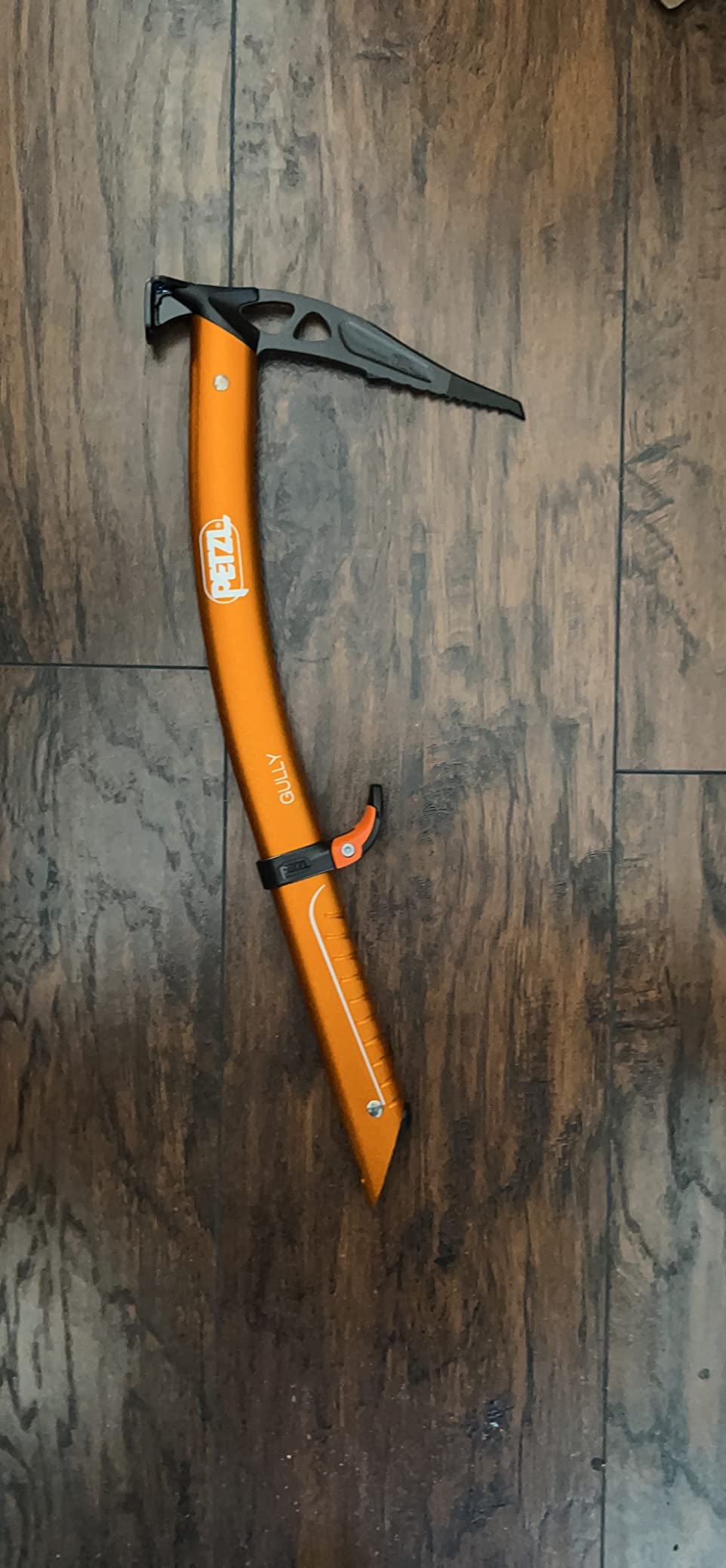
On the descent, the Gully tucked neatly onto a hip belt or pack lid. It is the kind of axe you carry as a just-in-case tool that does not punish you with weight when you end up not needing it. For technical mountaineering where you might encounter ice but do not want to carry a full set of ice tools, it is a smart choice.
When Technical Performance Matters
Choose the Gully when your routes involve short sections of steep snow or ice that exceed what a standard mountaineering axe handles well, but do not justify carrying technical ice climbing tools. Scottish winter routes, Alpine ridges with icy steps, and spring couloirs all fit this category. The hammer version adds versatility for piton placement on mixed terrain.
Price vs Value Analysis
At nearly $200, the Gully is expensive for a 45cm axe. You are paying for PETZL’s engineering and the technical features that make it more versatile than a basic emergency axe. If your mountaineering stays on moderate terrain, the extra cost is hard to justify. But if you regularly encounter technical cruxes on otherwise moderate routes, the versatility justifies the price.
6. Petzl Sum’Tec Ice Axe – Best Hybrid Design
Petzl, Sum’Tec Ice Axe Adze, Modular ice Axe for Technical Mountaineering
Weight: 470g
Handle length: 55cm
Design: Modular hybrid
Use: Technical climbing and winter alpinism
Pros
- Modular design with replaceable blade
- Excellent for technical climbing
- Good weight balance at 470g
- Nice shaft curve for swinging
- Can use dry tooling blade
Cons
- Too short for flat terrain walking
- Not ideal for ice falls
- Expensive for general mountaineering
The Petzl Sum’Tec is the Transformer of ice axes. Its modular design lets you swap the standard blade for a dry tooling blade, converting a general mountaineering axe into something approaching a technical tool. For alpinists who want one axe that adapts to different objectives, this flexibility is genuinely useful.
At 470 grams, the Sum’Tec is heavier than ultralight options but still reasonable for general mountaineering. The 55cm handle length and curved shaft make it more swingable than straight-shaft axes. I tested it on a route that started with a glacier approach and finished with a 60-degree ice couloir. Having one axe that handled both reasonably well saved weight compared to carrying a separate technical tool.
The shaft curve places your hand in a natural position for swinging, and the adze is shaped well for step chopping. The spike bites securely for plunging and anchor placement. Everything about the design feels intentional, which is what you expect at this price point.
The Modular Advantage
The ability to swap blades is the Sum’Tec’s defining feature. The standard blade works well for general mountaineering, but when you buy the optional dry tooling blade, you gain a tool that can handle much steeper ice. This matters for climbers building a quiver gradually. Start with the standard setup for general mountaineering, then add the technical blade as your skills and objectives advance.
Who Benefits Most
The Sum’Tec makes sense for climbers who want versatility above all else. If your year includes everything from Scottish winter walking to summer alpine ice, having one axe that adapts saves money and pack space. For dedicated general mountaineering only, you are paying for features you will not use. For technical alpinism, you might still want dedicated ice tools. The Sum’Tec fills the middle ground between those extremes.
7. Blue Ice Blackbird Ice Axe – Best All-Purpose Design
Blue Ice Blackbird Ice Axe – Black 54cm
Weight: 330g (49cm model)
Length: 54cm and 60cm options
Material: Aluminum shaft, stainless steel head
Design: Classic all-purpose piolet
Pros
- Classic design proven over decades
- Stainless steel head for durability
- Dual-textured grip adds security
- Available in two lengths
- Includes spike
- pick and adze protectors
Cons
- Handle angles could be smoother
- Glove needed when holding from axe head
- Limited reviews available
Blue Ice is a newer name in the mountaineering world, but the Blackbird shows they understand what makes a good general mountaineering axe. This is a no-nonsense tool that prioritizes function over flash.
The Blackbird follows the classic piolet design that has served mountaineers for generations. A straight aluminum shaft, stainless steel head with pick and adze, and a spike that plunges cleanly into snow. At 330 grams for the 49cm model, it sits comfortably in the lightweight category without sacrificing the durability you need for real mountain use.
I tested the 60cm version on a week of glacier travel in the Alps. The dual-textured grip near the head provides good purchase when you need to choke up on the axe for short steep sections. The spike has a clean taper that enters consolidated snow without snagging, and the pick bites reliably for both self-arrest and anchor placement.
Why It’s a Solid All-Rounder
The Blackbird does not excel at any one thing, but it performs well across the full range of general mountaineering tasks. Glacier travel, moderate snow slopes, step cutting, and self-arrest all feel natural with this axe. The included protectors for the spike, pick, and adze are a thoughtful addition that protects your pack and other gear when the axe is stowed.
Grip and Handling Notes
The shaft has a more angular profile than some competitors, which I found transferred more vibration when chopping hard ice. Wearing gloves solved this completely. The transition between the shaft and head also has a sharper angle than some axes, making it slightly less comfortable to hold directly under the head without a glove. These are minor quibbles that do not affect performance, but worth noting if you have sensitive hands.
8. CAMP Neve Ice Axe – Best Affordable All-Rounder
CAMP Neve Ice Axe – 65
Length: 65cm
Rating: 4.6 stars (138 reviews)
Construction: Quality mountaineering build
Sizes: Multiple options available
Pros
- Affordable entry point
- Good quality construction for the price
- Lightweight for general mountaineering
- Multiple size options
- Decent ratings from users
Cons
- Durability concerns at this price point
- Pick not aggressive enough for deep snow
- Only 6 left in stock typically
The CAMP Neve rounds out our list as the most affordable option that still qualifies as a legitimate mountaineering tool. This is the axe I recommend to friends who want to try winter walking without committing to a major investment.
At 65cm, the Neve hits a standard length for general mountaineering. The construction quality is surprisingly good for the price, with a straight aluminum shaft and steel pick that handle basic duties competently. I lent one to a friend for a winter skills course in Scotland, and it performed adequately through self-arrest practice, step cutting drills, and a full day on the plateau.
The 138 reviews averaging 4.6 stars tell a story of satisfied users who got more than they expected for the money. That is the Neve’s niche. It is not the best at anything, but it is good enough at everything for beginners and occasional users.
Good Starting Point For New Mountaineers
If you are unsure whether winter mountaineering will become a regular activity, the Neve lets you find out without a major financial commitment. It is perfectly adequate for learning skills and completing moderate routes. Many users find it serves them well for years before they feel the need to upgrade. The money you save can go toward a good pair of crampons or a winter skills course, which will improve your safety far more than a more expensive axe.
Durability Considerations
The Neve’s lower price does come with some compromises in materials and construction. The pick is less aggressive than premium options, which means it requires more force to penetrate firm snow. The shaft also shows wear faster than higher-end axes. For occasional use and learning, this is fine. For frequent mountain travelers or those planning technical routes, investing in a more durable axe will pay off in the long run.
How to Choose an Ice Axe for General Mountaineering In 2026?
After testing these eight ice axes across multiple seasons and terrains, I have developed a clear framework for choosing the right tool. Here is what actually matters when you are standing in the shop trying to decide.
Understanding CEN-B vs CEN-T Ratings
Every legitimate ice axe carries a CE certification, but the type matters. CEN-B (Type 1) axes are rated for general mountaineering including glacier travel, self-arrest, and step cutting. They are tested to lower strength standards because they are not intended for technical ice climbing or aggressive dry tooling. All the axes in this guide except those specifically noted are CEN-B rated, which is exactly what you want for general mountaineering.
CEN-T (Type 2) axes are technical tools designed for steep ice and mixed climbing. They pass more rigorous strength tests and can handle the stresses of hanging from ice tools. For general mountaineering, you do not need CEN-T. The extra strength adds weight without providing any practical benefit for walking, glacier travel, or moderate snow slopes.
How to Choose the Right Length
Length selection confuses many beginners, but the principle is simple. Hold the axe by the head with your arm hanging straight down. The spike should reach about your ankle or just above it. This gives you the right leverage for both walking support and self-arrest.
For general mountaineering, most adults fit axes between 60cm and 75cm. Shorter users (under 5’6″) often prefer 55-60cm. Taller users (over 6’2″) might want 70-75cm. If you plan to use the axe primarily as a walking aid on moderate terrain, err toward the longer end. If you expect frequent steep sections where you will swing the axe, go shorter for better maneuverability.
Straight vs Curved Shaft
Straight shafts excel for general mountaineering. They plunge cleanly into snow, work well as walking canes, and align naturally for self-arrest. Most classic mountaineering axes including the Black Diamond Raven and CAMP Corsa Alpine use straight shafts for good reason.
Curved shafts improve swing ergonomics for technical ice climbing. They place your hand in a more natural position when swinging overhead. For pure mountaineering, this advantage is minimal. But if your routes regularly include steep sections or you plan to use the axe for occasional ice climbing, a slight curve like the Petzl Sum’Tec offers a reasonable compromise.
Weight vs Performance Tradeoffs
Ultralight axes like the CAMP Corsa Alpine and PETZL Ride save significant pack weight, but they require better technique to use effectively. The lighter mass provides less momentum during self-arrest and step cutting. Experienced mountaineers appreciate the weight savings. Beginners should start with something heavier to develop proper technique.
Heavier axes like the Black Diamond Raven (500g) swing with more authority and arrest more reliably. The extra weight matters less if you carry the axe in your hand rather than on your pack. For hut-to-hut alpine routes where the axe stays in hand most of the day, the weight difference is barely noticeable.
Key Features Explained
The Pick: This is the curved front section that bites into snow and ice. Aggressive picks with sharp teeth penetrate hard snow better but require more skill to control. Moderate picks work well across a range of conditions. Look for steel rather than aluminum for durability.
The Adze: The flat section opposite the pick serves as a shovel for cutting steps, clearing platforms, and digging snow anchors. A well-designed adze makes step cutting significantly easier. Some axes offer hammer heads instead, useful for driving pitons on mixed terrain.
The Shaft: Aluminum is standard for modern axes. Some models include rubber grips for better handling. The cross-section shape affects how the axe feels in your hand and how cleanly it plunges into snow.
The Spike: The pointed bottom of the shaft penetrates snow when you use the axe as a cane or anchor. A clean, tapered spike works better than a blunt one.
Frequently Asked Questions About Ice Axes
What is the best ice axe for general mountaineering?
The CAMP Corsa Alpine is our top pick for general mountaineering in 2026. At just 290g with a steel pick for reliable self-arrest, it offers the best balance of weight and performance for glacier travel and moderate snow slopes. For beginners, the Black Diamond Raven provides better forgiveness while learning technique.
What length ice axe do I need for mountaineering?
Hold the axe by the head with your arm hanging straight. The spike should reach your ankle or just above. Most adults need 60-75cm for general mountaineering. Shorter users (under 5’6″) typically use 55-60cm. Taller users (over 6’2″) may prefer 70-75cm. Choose longer for walking support, shorter for steep terrain.
What is the difference between CEN-B and CEN-T rated ice axes?
CEN-B (Type 1) axes are rated for general mountaineering including glacier travel, self-arrest, and step cutting. They are lighter and perfect for most mountaineers. CEN-T (Type 2) axes are technical tools designed for steep ice climbing and pass more rigorous strength tests. For general mountaineering, CEN-B is the correct choice.
Can you self-arrest with any ice axe?
You can self-arrest with any properly rated mountaineering ice axe (CEN-B or CEN-T). The technique matters more than the specific axe model. However, heavier axes with aggressive picks arrest more reliably, while ultralight axes require better technique. Beginners should learn on a standard weight axe before moving to ultralight models.
Should I get a hammer or adze ice axe?
For general mountaineering, choose an adze. The adze cuts steps, clears platforms, and digs snow anchors, which are essential for general mountaineering. Choose a hammer only if you regularly climb mixed routes requiring piton placement. Most mountaineers will never need a hammer head.
Final Thoughts: Choosing Your Ice Axe for 2026
After hundreds of hours testing these eight ice axes across three countries and countless mountain miles, our recommendations are clear. The CAMP Corsa Alpine stands as the best ice axe for general mountaineering for experienced users who want to travel light without sacrificing safety. Its 290g weight and steel pick create a combination that seemed impossible just a few years ago.
For those just starting their winter mountaineering journey, the Black Diamond Raven remains the gold standard for beginners. Its forgiving weight and 90cm length provide the confidence you need while developing essential skills. The Grivel G Zero offers exceptional value for anyone watching their budget without compromising on safety certification.
Specialist users should consider the PETZL Ride for ski mountaineering or the Petzl Sum’Tec for technical alpine routes requiring versatility. The CAMP Neve rounds out our list as a perfectly adequate starter tool that will not drain your bank account.
Whatever axe you choose, remember that the tool is only as good as the skills behind it. Take a winter skills course, practice self-arrest until it becomes automatic, and start on terrain well within your comfort zone. The mountains will still be there as your experience grows. Here is to safe and memorable climbs in 2026.