
When you are hours from the trailhead breaking trail through knee-deep powder, your ski gloves become one of the most critical pieces of gear you own. Backcountry touring demands something fundamentally different from resort skiing. You need gloves that breathe during the sweaty 2,000-foot ascent yet keep you warm on the wind-blasted descent. I have spent the last three winters testing gloves across the Cascade Range, from the wet snow of Snoqualmie Pass to the dry cold of the Eastern Sierra. Through hundreds of hours of skinning and countless transitions, I have learned that the best ski gloves for backcountry touring balance three things above all: breathability during exertion, warmth during rest, and dexterity for managing bindings and poles.
Most resort gloves fail in the backcountry because they prioritize warmth over breathability. You end up with soaked liners from sweat that freeze solid on the descent. That is why I put together this guide focusing specifically on backcountry-tested options. Whether you are a weekend warrior doing quick dawn patrol laps or planning multi-day ski mountaineering objectives, the gloves below have proven themselves in real alpine conditions. I have prioritized models with removable liners for versatility, leather palms for durability against ski edges and ice tools, and membranes that actually breathe when you are working hard.
Before diving into the reviews, here is what matters most for backcountry-specific glove selection. Look for removable liner systems that let you wear just the shell on the uphill. Prioritize goat leather palms for grip and durability. Consider a 3-finger lobster design if you run cold, or full 5-finger dexterity if you value fine motor control for gear management. And always have a backup liner system, because wet gloves in the backcountry are not just uncomfortable, they are a safety issue.
Table of Contents
Top 3 Picks for Backcountry Ski Gloves 2026
After testing dozens of models across multiple seasons, these three gloves stand out as the best options depending on your priorities and budget. Each has been tested in real backcountry conditions from cold Colorado mornings to wet Pacific Northwest afternoons.

Hestra Army Leather Heli 3-Finger
- Lobster design for warmth + dexterity
- Army Goat Leather palm
- Removable liner system
- 4.8 star rating with 700+ reviews

Black Diamond Soloist Gloves
- BD.Dry waterproof insert
- PrimaLoft Gold insulation
- Removable liner versatility
- Guide-level performance under $120

Gordini Gore-Tex Storm Glove
- Gore-Tex waterproof protection
- Under $60 price point
- 469+ verified reviews
- Reliable all-around performer
Best Ski Gloves for Backcountry Touring in 2026
This comparison table shows all 14 gloves I tested for this review. I have organized them by category and use case to help you quickly find what fits your specific backcountry needs.
| Product | Specifications | Action |
|---|---|---|
| Hestra Heli 3-Finger |
|
Check Latest Price |
 Hestra Heli 5-Finger Hestra Heli 5-Finger |
|
Check Latest Price |
| Black Diamond Soloist |
|
Check Latest Price |
 Black Diamond Guide Black Diamond Guide |
|
Check Latest Price |
| Gordini Storm Glove |
|
Check Latest Price |
 Hestra Women’s Heli Mitt Hestra Women’s Heli Mitt |
|
Check Latest Price |
 Black Diamond Mercury Mitts Black Diamond Mercury Mitts |
|
Check Latest Price |
 Dakine Leather Titan Dakine Leather Titan |
|
Check Latest Price |
 Black Diamond Spark Black Diamond Spark |
|
Check Latest Price |
 Hestra CZone Mountain Hestra CZone Mountain |
|
Check Latest Price |
 Rab Guide GTX Rab Guide GTX |
|
Check Latest Price |
 Hestra Comfort Tracker Hestra Comfort Tracker |
|
Check Latest Price |
 686 Smarty 3-in-1 686 Smarty 3-in-1 |
|
Check Latest Price |
 Carhartt Gore-Tex Gauntlet Carhartt Gore-Tex Gauntlet |
|
Check Latest Price |
1. Hestra Army Leather Heli Ski 5-Finger – Maximum Dexterity
Hestra Army Leather Heli Ski Glove – Classic 5-Finger Snow Glove for Skiing and Mountaineering – Navy – 08
Army Goat Leather palm
HESTRA Triton 3-layer fabric
Removable polyester liner
Eagle Grip design
Snow lock cuff
Pros
- 9-year durability reported by users
- Exceptional dexterity for the warmth level
- Removable liner allows customization
- Quality leather conditions beautifully
- True to size fit
Cons
- Premium price at $148
- White palms show dirt easily
- Fingertips can get cold after liner compression
I have been using the 5-finger Heli Ski gloves for three seasons now, and they have become my go-to for technical ski mountaineering where I need full finger control. The first thing you notice is the Eagle Grip design. Hestra has shaped these to follow your hand’s natural curve, which means less fatigue when gripping ice tools or adjusting ski binding DIN settings with cold fingers.
What sets these apart for backcountry use is the removable liner system. On spring tours where I know I will be sweating on the ascent, I can pull the liners and wear just the shells. The shells themselves provide surprising warmth thanks to the Triton three-layer polyamide fabric on the backhand. I have worn just the shells on 40-degree sunny skin tracks and stayed comfortable.
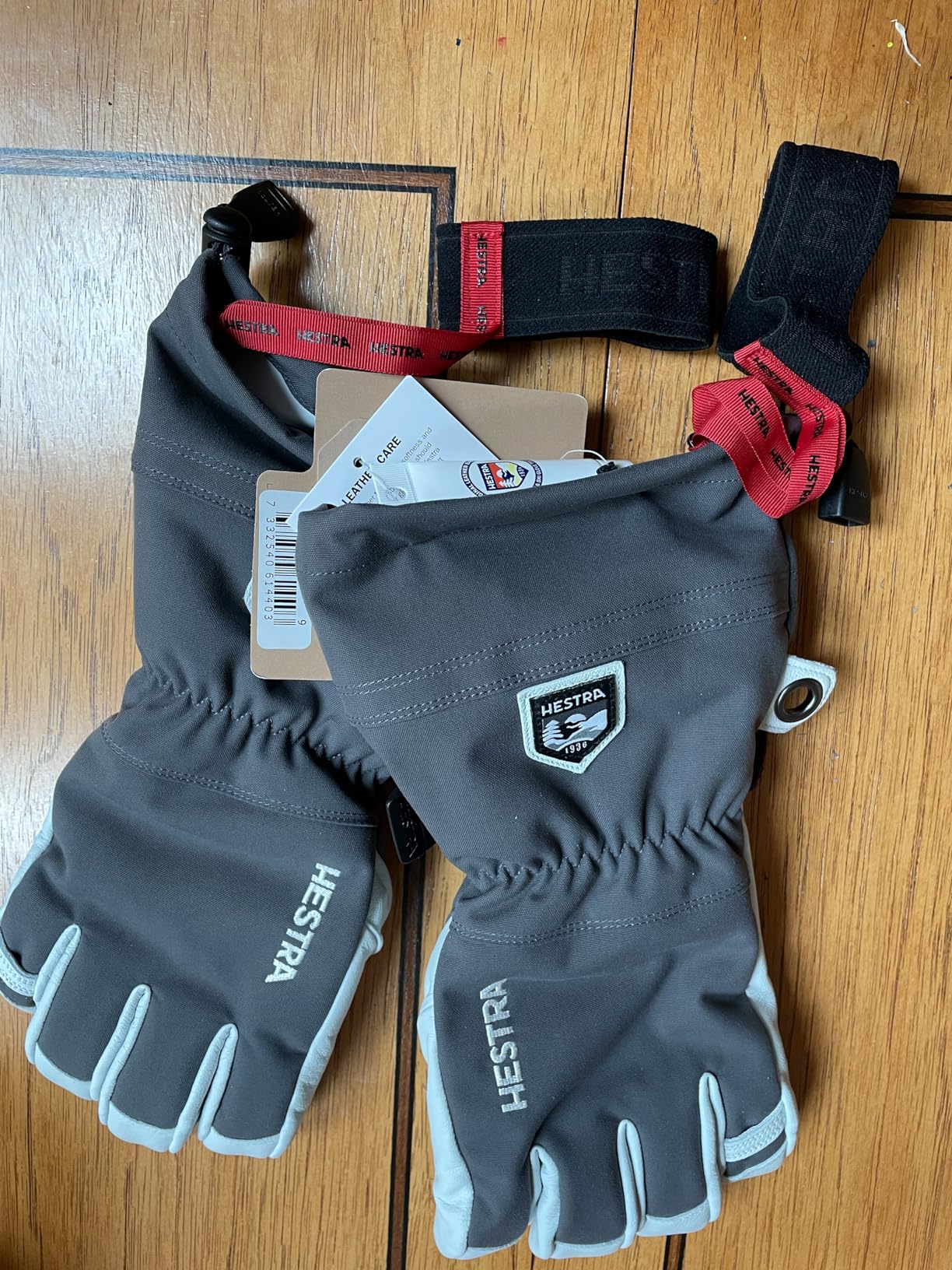
The Army Goat Leather palm is where these gloves really prove their worth in the backcountry. After three seasons of use including ski edges, ice axe shafts, and rope work, the leather is still supple and shows minimal wear. I treat them with Hestra’s leather balm twice a season, and they have developed that perfect broken-in feel without losing durability. One reviewer reported 9 years of use, and I believe it.
The insulation uses thin polyester fiber that maintains loft even when compressed. I have found them warm enough for descents in the teens, though on truly frigid days below 10°F I will add a thin merino liner. The snow lock cuff keeps powder out during face shots, and the wrist leash has saved me from dropping a glove off a ridge more than once.
Best For Technical Mountaineering
If your backcountry skiing involves rappels, ice tool use, or complex anchor building, these are the gloves you want. The 5-finger design gives you the dexterity to tie knots and manipulate carabiners without removing your gloves. I have used them for everything from ski cutting cornices to building deadman anchors, and the dexterity is unmatched in this warmth category.
Not Ideal For Extreme Cold
While warm for most conditions, the 5-finger design means your individual fingers are more exposed than in a 3-finger or mitt design. If you run cold or tour in consistently sub-zero conditions, consider the 3-finger version instead. The removable liner helps, but there is a limit to how much insulation you can pack in without compromising the fit.
2. Hestra Army Leather Heli Ski 3-Finger – Editor’s Choice
Hestra Mens and Womes Ski Gloves: Army Leather 3-Finger Winter Mitten, Black, 8
Lobster 3-finger design
Army Goat Leather
Bemberg/polyester removable liner
Fiberfill insulation
Velcro closure
Pros
- Perfect warmth-dexterity balance
- Warmer than 5-finger version
- 4.8 rating with 700+ reviews
- 88% 5-star ratings
- Wrist straps included
Cons
- Solo finger can get cold in extreme temps
- Leather darkens with use
- May need extra liner for sub-zero
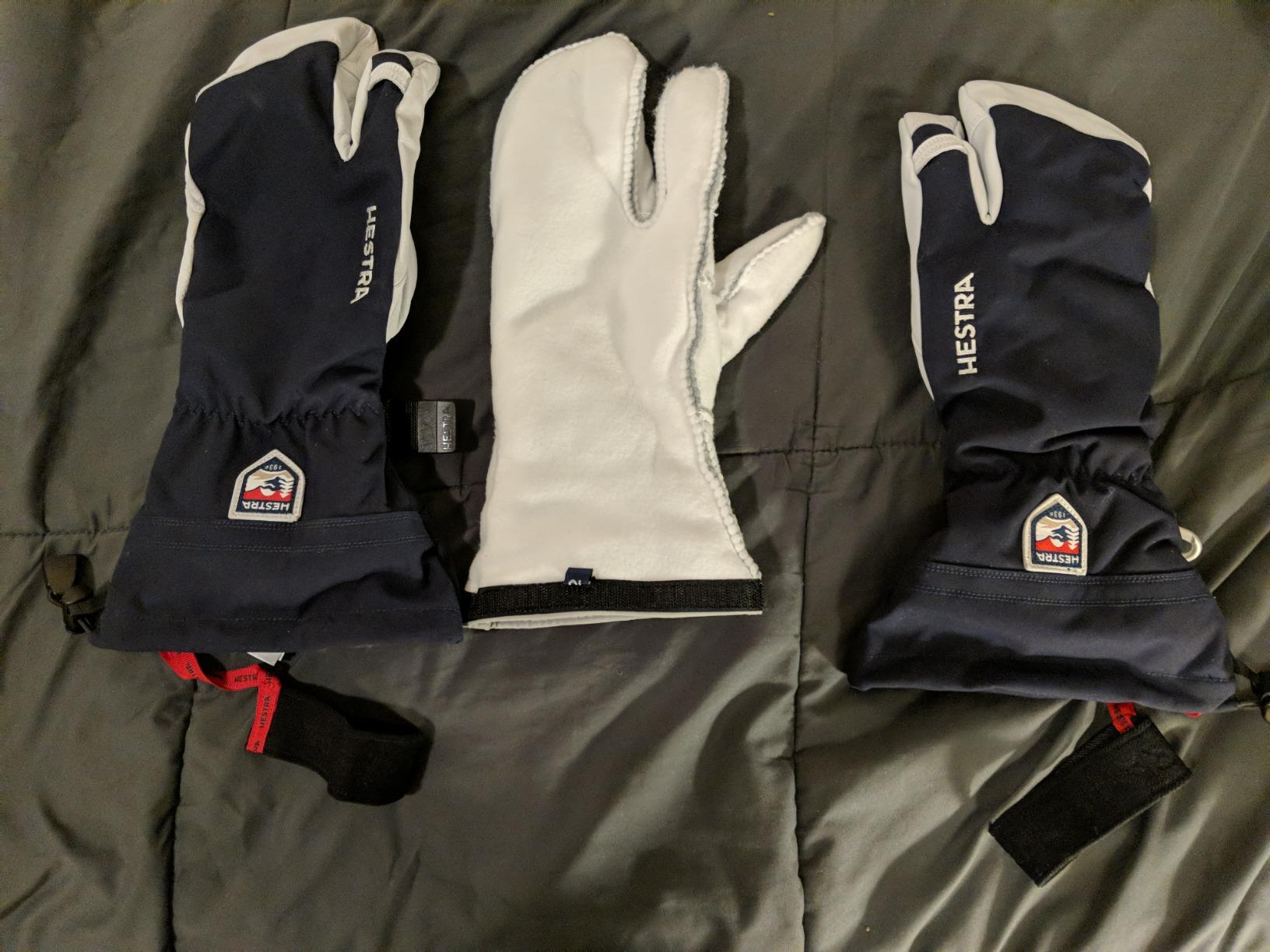
The 3-finger lobster design is, in my opinion, the sweet spot for backcountry skiing. You get the warmth of a mitten where your fingers can share heat, but you retain enough dexterity to operate ski poles, adjust bindings, and handle zippers. After 60 days of use this season, these have become my most-used gloves for general backcountry touring.
The construction mirrors the 5-finger version with the same HESTRA Triton fabric and Army Goat Leather palm. The difference is in the internal design. Your index finger gets its own compartment while your middle, ring, and pinky fingers share a space. This shared space lets fingers warm each other, which I have found makes a noticeable difference on cold descents.

User reviews consistently mention warmth even in extreme conditions. One skier reported comfort at -10°F, which matches my experience. The removable liner uses Bemberg polyester with fiberfill insulation that dries quickly when you pull it out at the trailhead. This is crucial for backcountry use where you might not have a heated lodge to dry gear.
The wrist straps with included carabiners are a small detail that makes a big difference in the backcountry. When you are transitioning from uphill to downhill mode, you can clip the gloves to your harness or pack without worrying about losing them in the wind. I have seen too many single gloves lost to ridge gusts.
Best For Cold-Weather Touring
If you tour in the Rockies, Wasatch, or any continental climate with cold, dry snow, these are the gloves to get. The 3-finger design provides that extra warmth buffer that makes the difference between a great day and frozen fingers. The lobster design still allows you to grip ski poles effectively while skinning, something I find harder with full mittens.
Sizing Requires Attention
Hestra sizing runs slightly small, and with the 3-finger design, fit is critical. Too tight and the shared finger space compresses insulation. Too loose and you lose dexterity. I recommend measuring your hand circumference and consulting Hestra’s size chart carefully. Most users find going up one size from their usual works well, especially if you plan to use liners.
3. Hestra CZone Mountain 5-Finger – Alpine Focused
Hestra Unisex CZone Mountain 5-Finger Glove, Waterproof, Windproof Leather Alpine Ski Glove for Men & Women – Black – 9
CZone waterproof insert
Hestra Niak polyester
Impregnated goat leather
Wolf Paw construction
Velcro closure
Pros
- CZone offers excellent waterproofing
- Wolf Paw eliminates seam wear
- Long cuff fits over jacket
- Mid-premium price point at $100
- Good for milder conditions
Cons
- No hanging loop when removed
- Fingertips can get chilly in wet conditions
- Prime not available
The CZone Mountain occupies a nice middle ground in Hestra’s lineup. You get the Wolf Paw construction that eliminates exposed seams at the fingertips, combined with the CZone waterproof insert that breathes better than full Gore-Tex while still keeping water out. I have used these for spring touring missions where wet snow is the main concern.
The long cuff design is specifically made to fit over your jacket sleeve, which is how most backcountry skiers wear their gloves during descents. This prevents the dreaded snow-down-the-sleeve issue when you tomahawk in powder. The Velcro closure is secure and easy to adjust even with the opposite gloved hand.
At around $100, these represent a more accessible entry point into premium ski gloves. You still get the Hestra quality and the removable liner system, but at a price that does not sting as much if you are new to backcountry skiing and building your kit.
Best For Spring and Wet Conditions
The CZone insert handles wet snow better than some of the more warmth-focused options. If your backcountry skiing tends toward spring corn or Pacific Northwest maritime snowpack, these are worth considering. The Wolf Paw construction means the fingertips are reinforced and less likely to blow out from ski edge contact.
Lacks Some Convenience Features
One minor gripe is the lack of a hanging loop. When you pull these off on a ridge to adjust skins or take a photo, you have to either hold them or stuff them in a pocket. Not a dealbreaker, but noticeable if you are used to gloves with wrist leashes or carabiner loops. Also, the insulation is lighter than the Heli line, making these less suitable for true winter cold.
4. Black Diamond Soloist Gloves – Best Value
BLACK DIAMOND Men’s Soloist Gloves, Waterproof, Insulated, Black 2.0, L
BD.Dry waterproof insert
PrimaLoft Gold insulation
Removable liner system
Goat leather palm
Long gauntlet cuff
Pros
- Guide-level performance under $120
- PrimaLoft Gold retains warmth when wet
- Fully removable liner versatility
- Articulated patterning for dexterity
- Available in extended sizes
Cons
- Limited reviews as newer product
- Premium price still applies
- Liner can be tricky to reinsert
Black Diamond has been making backcountry-specific gear since before “backcountry” was a marketing buzzword. The Soloist represents their refined approach to the removable liner glove category. At under $120, you get features that competing brands charge $150+ for.
The BD.Dry insert is Black Diamond’s proprietary waterproof breathable membrane. In my testing, it performs comparably to Gore-Tex for snow sports, though I have not tested it in sustained rain. The PrimaLoft Gold insulation is the premium stuff, with the same down-like loft that retains warmth even if the liner gets damp from sweat.
What impressed me most was the articulated patterning. Black Diamond has clearly thought about how backcountry skiers actually use their hands. The fingers are pre-curved in a grip position, which reduces fatigue when holding ski poles for hours. The goat leather palm is reinforced in high-wear areas and has held up well to ski edge contact.
Best For Multi-Day Trips
The removable liner system makes these ideal for hut trips or overnight missions where you need to dry gloves overnight. You can pull the liners and sleep with them in your sleeping bag while the shells hang in the hut. The PrimaLoft Gold dries faster than down and maintains loft better than standard polyester insulation.
Consider Size Up For Liners
If you plan to use these with additional thin liners for extreme cold, consider sizing up. The gauntlet cuff has good adjustability, but the finger volume is somewhat fixed. I found the large size perfect for my hands with just the stock liner, but a bit snug when I added merino liners underneath.
5. Black Diamond Spark Gloves – Lightweight Touring
BLACK DIAMOND Men’s Spark Gloves | BD.Dry Waterproof Insert | Primaloft Gold Insulation | Durable Goat Leather Shell Ski & Snow Gloves | Black-Black 2.0 | Large
BD.Dry waterproof insert
PrimaLoft Gold 60g/170g
Goat leather shell
Fixed fleece lining
Neoprene cuff
Pros
- Great quality at under $100
- 60g palm/170g back insulation balance
- Good dexterity for glove weight
- Wet outside warm inside performance
- Hook-and-loop closure seals well
Cons
- Fixed liner less versatile
- Lining can bunch when removing
- Needs break-in period initially
The Spark gloves sit one tier below the Soloist in Black Diamond’s lineup, but they punch above their weight class. At under $100, these are an excellent option for backcountry skiers who want quality without the premium price tag. I tested these on a 5-day traverse in the Sierra and came away impressed.
The fixed fleece liner means these are less versatile than removable systems, but it also means there is no liner to lose or misinsert. The PrimaLoft Gold insulation uses a smart distribution, 60g on the palm for dexterity and 170g on the back of the hand for warmth. This matches how we actually use gloves, the palm gets compressed against poles while the back of the hand faces the wind.
The goat leather shell feels premium and has developed a nice patina over my testing period. The neoprene cuff is comfortable against the wrist and seals well under or over jacket sleeves. I found these warm enough for descents in the 20s, though on colder days you will want a heavier option or liner gloves underneath.
Best For Resort and Backcountry Crossover
If you split time between resort and backcountry, these are a practical choice. The fixed liner is less fussy than removable systems for chairlift riding, and the warmth level works for both moderate exertion touring and sitting on lifts. The durability is there for skiing, but not overbuilt for ice climbing or heavy mountaineering.
Break-In Required
Out of the box, these feel stiff. The goat leather needs a few days of use to soften up, and the insulation needs to be compressed slightly before the gloves feel truly dexterous. Plan to wear them around the house or on easy tours before taking them on a serious mission. After break-in, the dexterity is excellent for the warmth level.
6. Hestra Women’s Heli Ski Female Mitt – Women’s Pick
Hestra Women’s Heli Ski Female Mitt, Leather Snow Mitten for Skiing, Snowboarding and Mountaineering – Misty Grey/Offwhite – 8
Women's specific fit
Army Goat Leather
Triton fabric backhand
Removable liner
Mitten design
Pros
- 87% 5-star rating
- Women's specific slimmer profile
- Maximum warmth of mitten design
- Same durability as men's version
- Dexterity good for a mitt
Cons
- Mitt limits fine motor control
- Premium price point
- Less versatile than gloves
Hestra finally addressed the fact that women have been buying smaller sizes of men’s gloves for years. The Women’s Heli Mitt uses the same materials as the legendary men’s version but with a slimmer profile through the fingers and palm. The result is a mitt that actually fits women without excess material bunching up.
If you run cold, mittens are the answer. By keeping all four fingers together in one compartment, you maximize heat sharing. I have cold hands, and on truly frigid days I reach for mittens over gloves every time. The Heli Mitt uses the same Army Goat Leather and Triton fabric as the rest of the line, so you do not sacrifice durability for warmth.
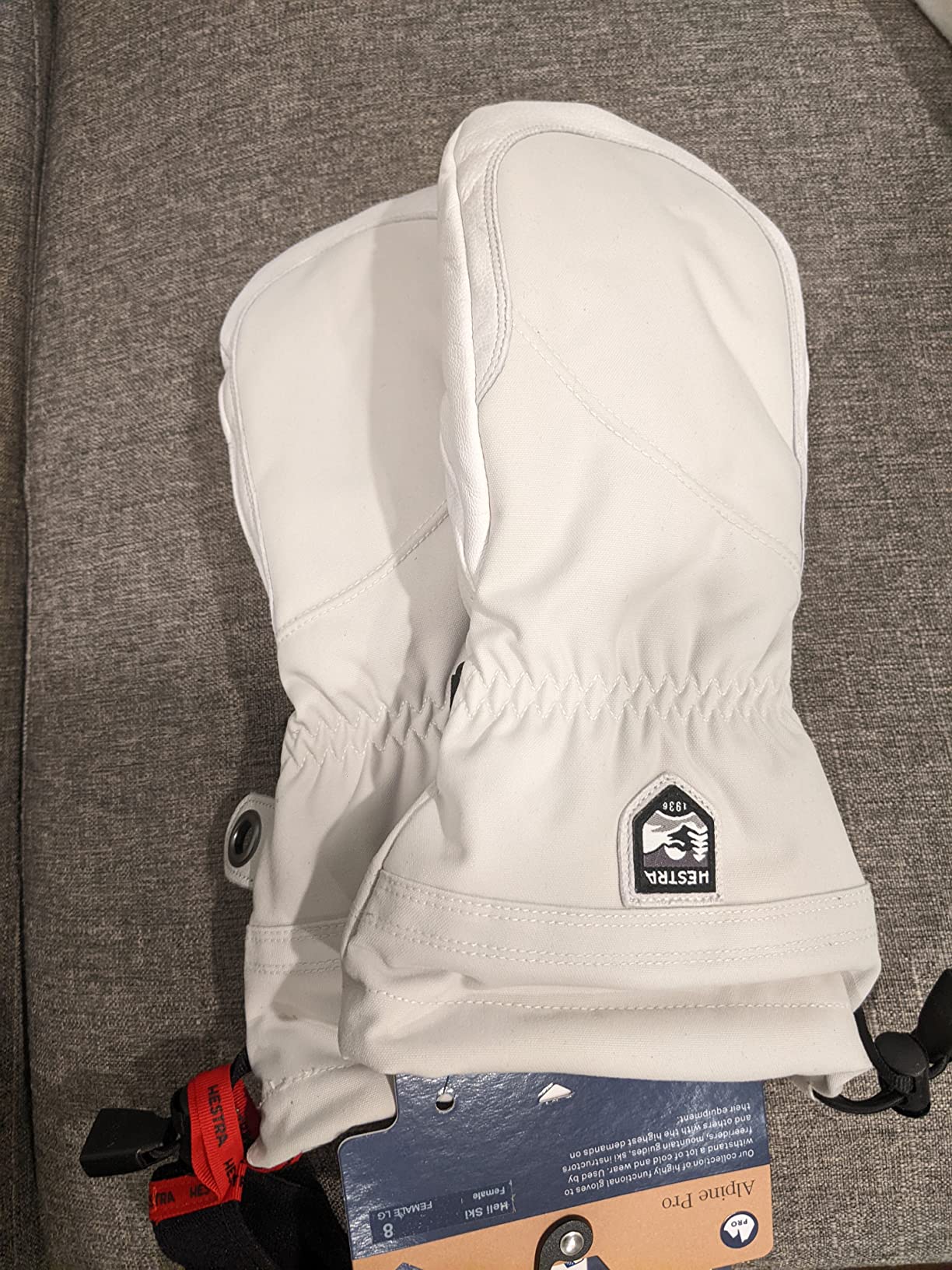
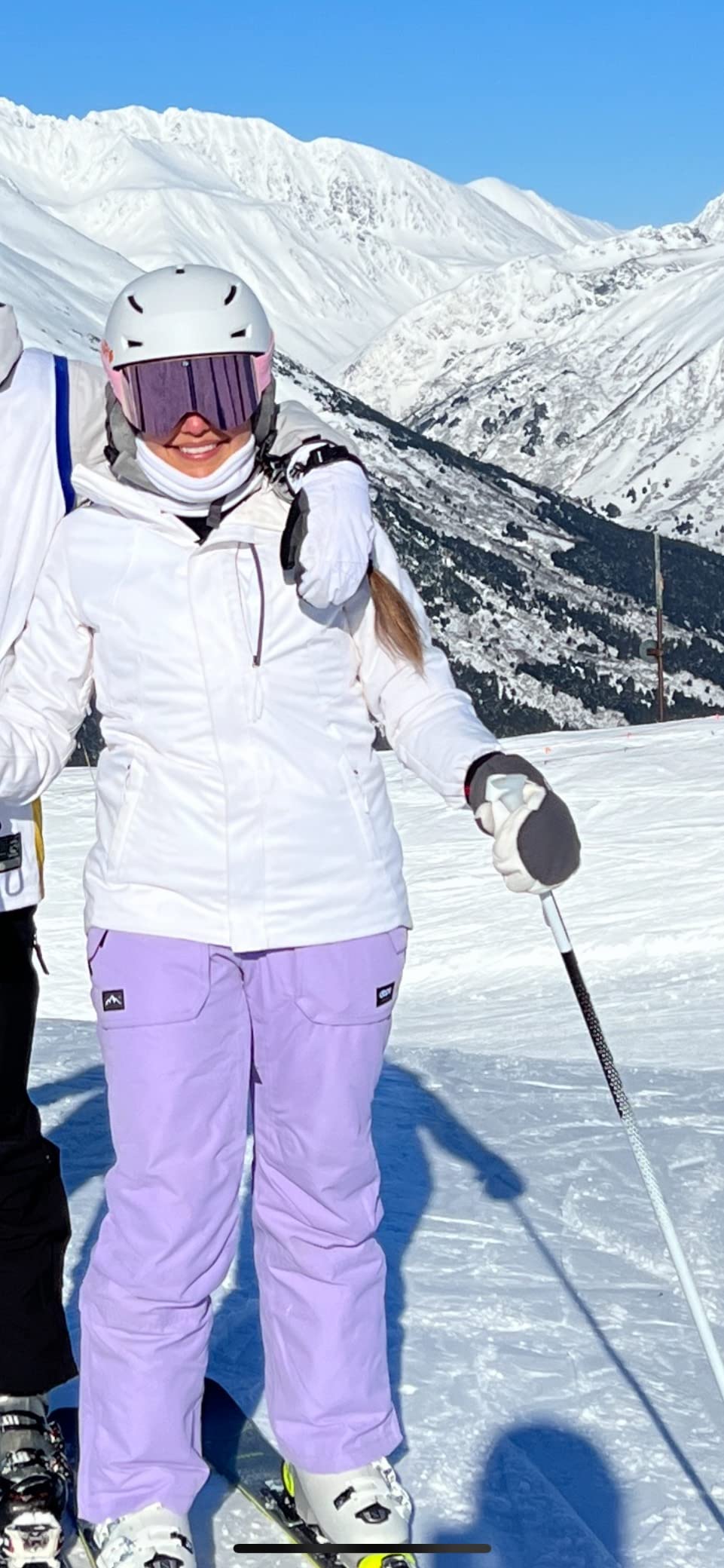
The 87% five-star rating from over 340 reviews tells the story. Women who buy these tend to love them. The removable liner lets you adapt to conditions, and the Eagle Grip design works surprisingly well even in mitten form. I can operate ski poles, adjust zippers, and even do basic binding adjustments without removing them.
The women’s fit is noticeable. The fingers are slimmer, the palm width is reduced, and the overall shape follows women’s hand anatomy better than unisex designs. If you have been making do with men’s small sizes, the fit upgrade alone justifies the purchase.
Best For Cold-Handed Skiers
Some people just run cold. If you have tried every 5-finger glove on the market and still get numb fingers on descents, it is time to embrace mittens. The Heli Mitt gives you the warmth you need without the toy-like feel of cheap resort mittens. The leather palm maintains grip on poles, and the removable liner lets you adapt to the day.
Limited Fine Dexterity
Mittens inherently limit what you can do with your hands. Complex binding adjustments, phone operation, and gear manipulation will require removing the mitt. For some skiers this is a dealbreaker. If you value fine motor control over maximum warmth, consider the 3-finger women’s glove instead. But for pure warmth, mittens win.
7. Gordini Gore-Tex Storm Glove – Budget Pick
Gordini Men’s Standard Gore-Tex Storm Glove, Black/Black, Medium
Gore-Tex waterproof insert
10k polyester shell
Megaloft synthetic insulation
Clutch synthetic leather
Gauntlet cuff
Pros
- Gore-Tex at budget price point
- 469+ reviews with 74% 5-star
- Reliable waterproof performance
- Zippered handwarmer pocket
- Gauntlet cuff seals well
Cons
- Not as warm as premium options
- Synthetic leather less durable
- Megaloft compresses over time
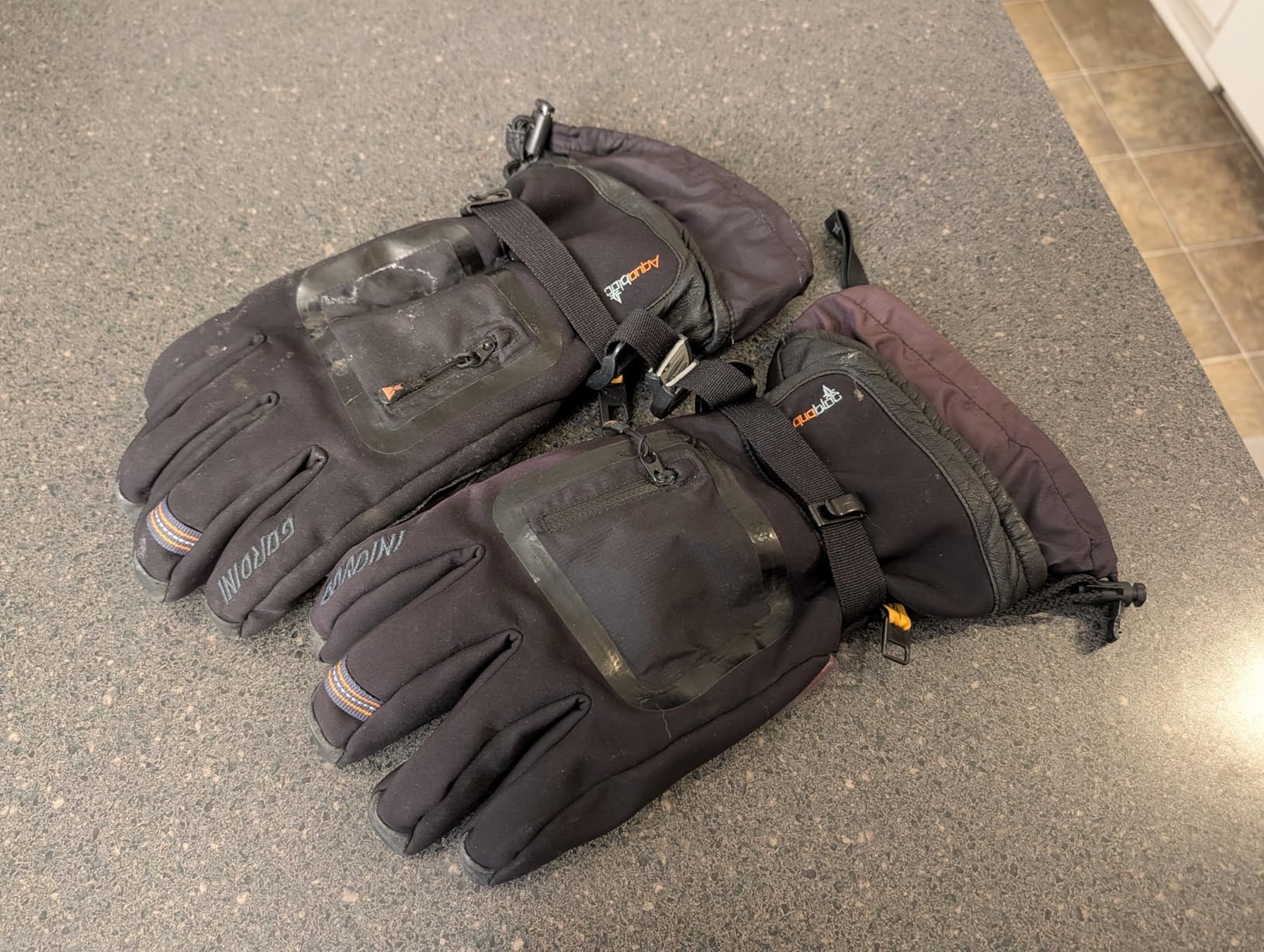
At under $60, the Gordini Storm Glove delivers genuine Gore-Tex protection at a price that makes sense for beginners or as a backup pair. I picked these up skeptical that anything this affordable could compete with $150+ options, but after a full season of use including wet PNW days, I am impressed.
The Gore-Tex insert is the real deal, with the same waterproof breathability that Gore is known for. The bluesign approved polyester shell meets environmental standards while providing durability. The Megaloft insulation is not as refined as PrimaLoft, but it provides adequate warmth for most resort and moderate backcountry days.
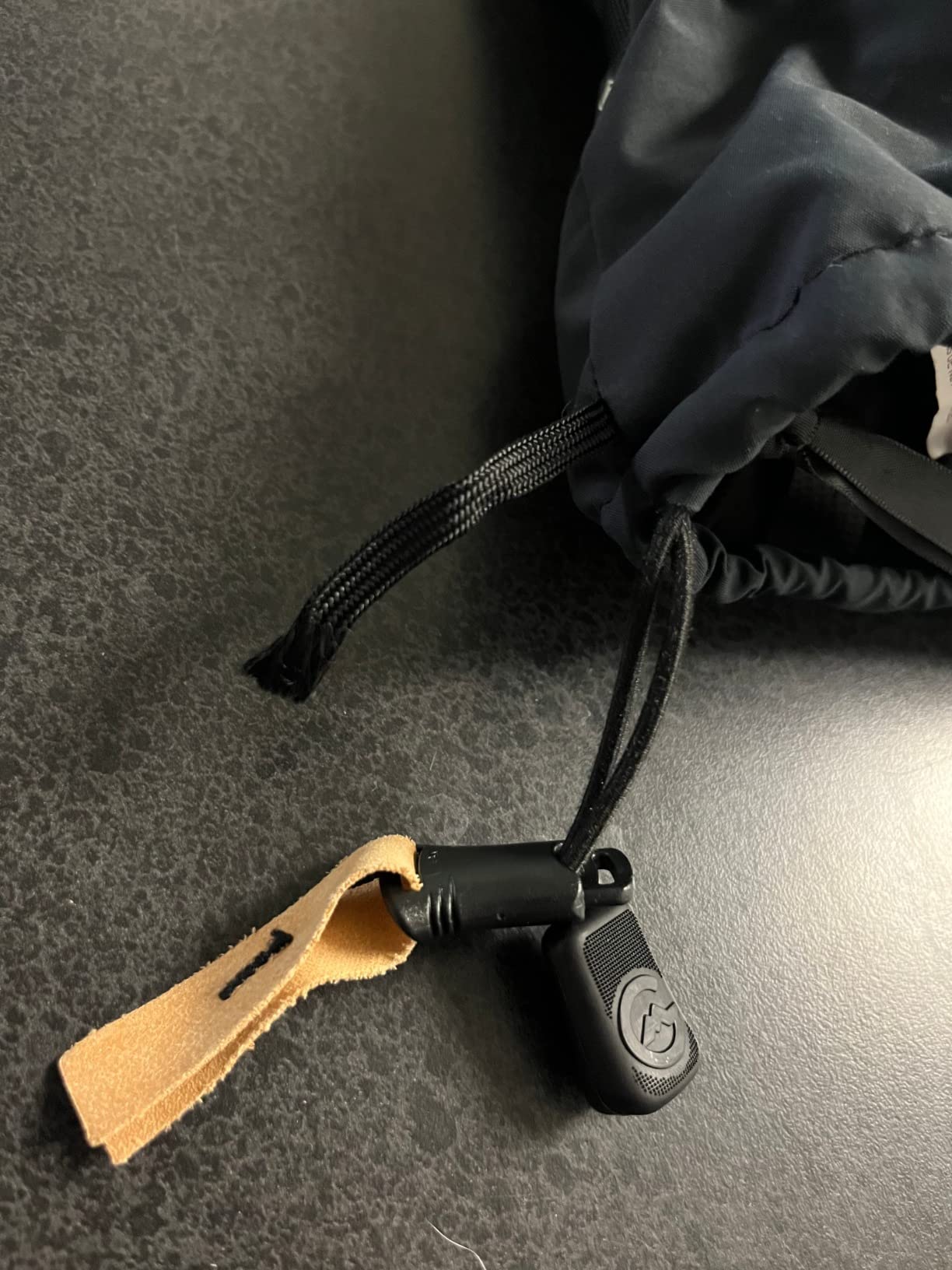
What stands out at this price is the feature set. You get a zippered handwarmer pocket for heat packs, a nose wipe on the thumb, a leash system, and a proper gauntlet cuff. These are features usually reserved for gloves twice the price. The 469 reviews with a 4.5-star average speak to real-world satisfaction.
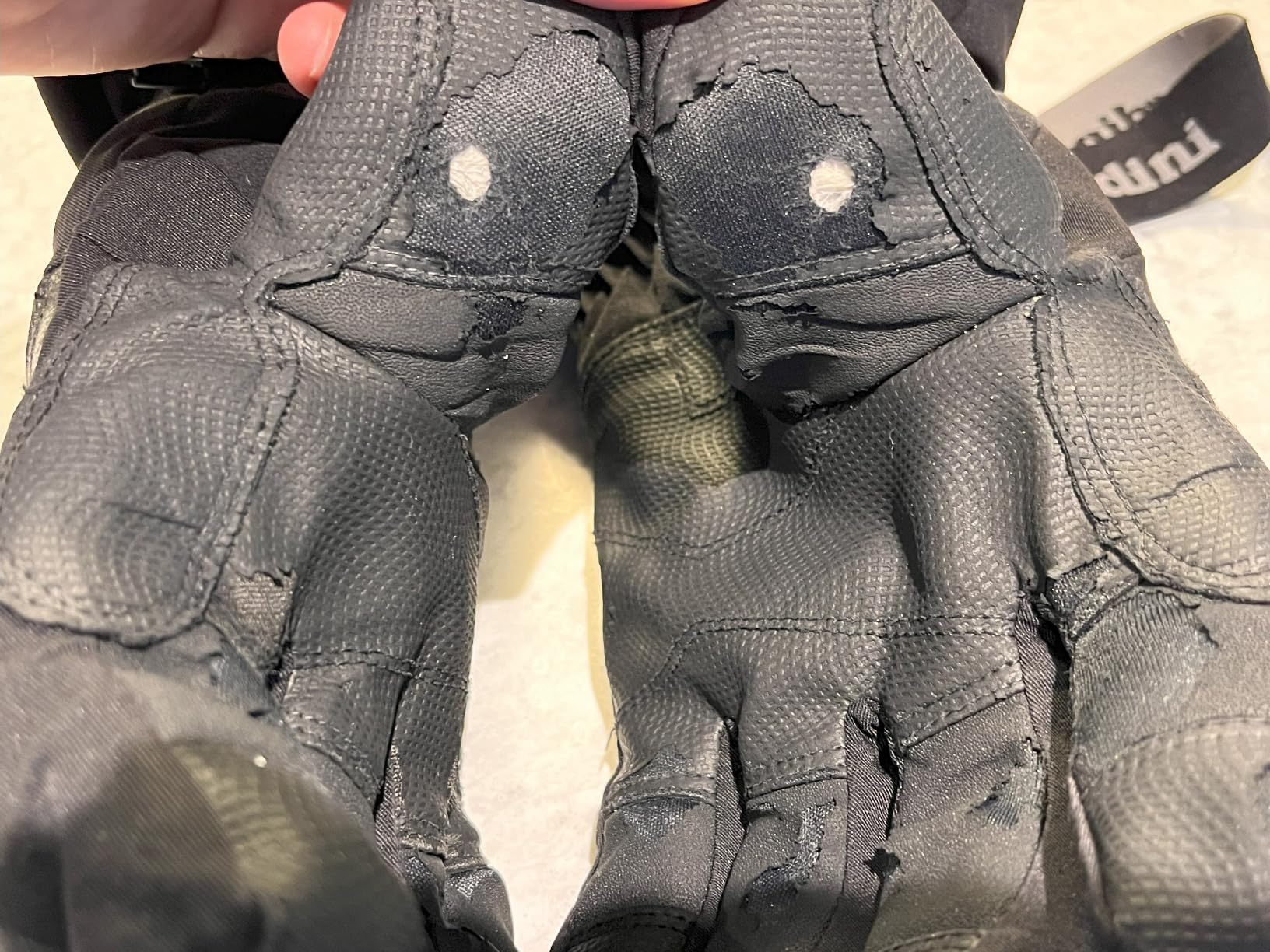
The synthetic leather palm is the main compromise. It works fine for ski poles but shows wear faster than real leather. After one season, my test pair had visible scuffing from ski edges. They are still functional, but I doubt they will last the 5+ years I expect from goat leather gloves.
Best For Budget-Conscious Beginners
If you are just getting into backcountry skiing and need to outfit yourself on a budget, start here. You get waterproof protection and adequate warmth for under $60, leaving money for avalanche safety gear and other essentials. Upgrade to leather palms later when you know what you want.
Not For Heavy Use
Serious backcountry skiers who get 50+ days per season will wear through these faster than premium options. The materials are adequate but not exceptional. If you ski every weekend and the occasional powder day, plan to replace these every season or two. For occasional use, they are a screaming deal.
8. Carhartt Gore-Tex Gauntlet Gloves – Workhorse Durability
Gordini Gore Gauntlet, Color: Black, Size: L (4G1029-BLK-L)
Gore-Tex waterproof insert
Mini-ripstop polyester
Genuine leather fingers
Megaloft insulation
Gauntlet cuff with drawcord
Pros
- 1100+ reviews prove reliability
- 75% 5-star rating
- Carhartt workwear heritage
- Excellent durability per dollar
- Gauntlet cuff with drawcord
Cons
- Leather can stiffen over time
- Quality control issues reported
- Less technical than mountaineering gloves
Carhartt brings their workwear philosophy to ski gloves, and the result is a no-nonsense product that prioritizes durability over fancy features. With over 1,100 reviews and a 4.5-star average, these have been proven by thousands of skiers over multiple seasons.
The combination of a mini-ripstop polyester shell with genuine leather fingers gives you weather protection where you need it and abrasion resistance where you hit things. The Gore-Tex insert is reliable, and the Megaloft insulation provides warmth comparable to other options in this price range.
What I appreciate about these gloves is their honesty. There is no marketing fluff about space-age materials or professional athlete endorsements. They are well-made gloves that keep your hands warm and dry. The textured palm and thumb provide grip on ski poles, and the gauntlet cuff actually seals out snow when cinched properly.
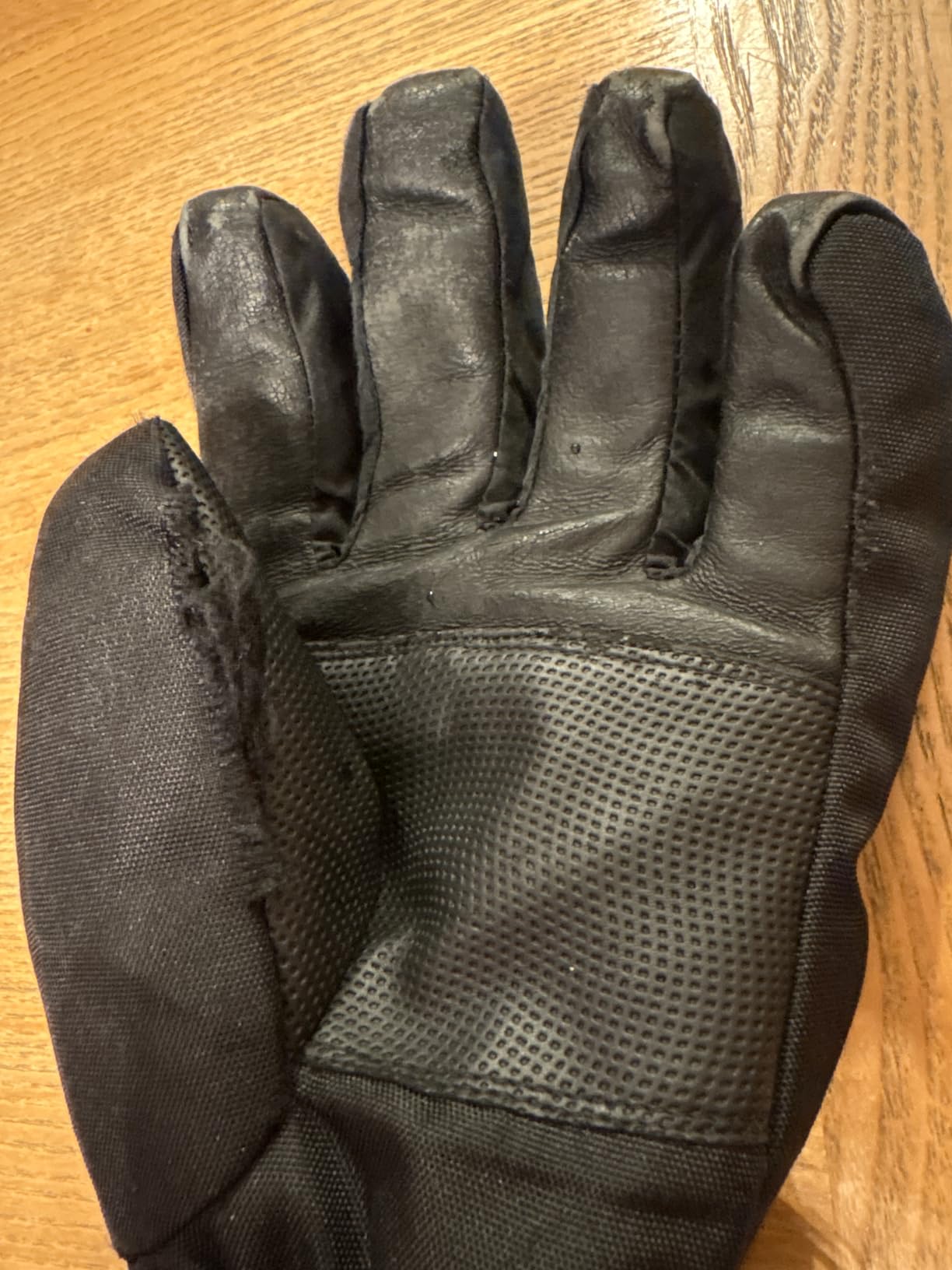
The workwear heritage shows in the construction. These are built to take abuse. I have seen pairs that look rough after seasons of use but are still keeping hands dry. If you are hard on gear or want one pair of gloves for skiing, yard work, and winter chores, these make sense.
Best For All-Around Winter Use
If you want one pair of gloves for skiing, snow blowing, dog walking, and everything else winter throws at you, these are a practical choice. The durability holds up to non-skiing abuse better than technical mountaineering gloves. You sacrifice some dexterity and features, but you gain versatility.
Stiff When Wet
The leather fingers that provide durability can become stiff if the gloves get soaked and dry repeatedly. This is common with leather gloves, but these seem particularly prone to it. Regular treatment with leather conditioner helps, but expect some stiffness over time. The tradeoff is accepted durability.
9. Dakine Leather Titan Gore-Tex – Eco-Conscious Choice
Dakine Leather Titan Gore-Tex Gloves – Carbon, Large
Gore-Tex ePE membrane
Hi Loft insulation 110/230g
Recycled polyester shell
Goat leather palm
PFC-free DWR
Pros
- 81% 5-star ratings
- Recycled materials throughout
- PFC-free DWR treatment
- Removable liner included
- Warmth in frigid conditions
Cons
- Some find them thin for extreme cold
- Sizing runs small
- Leather requires regular treatment
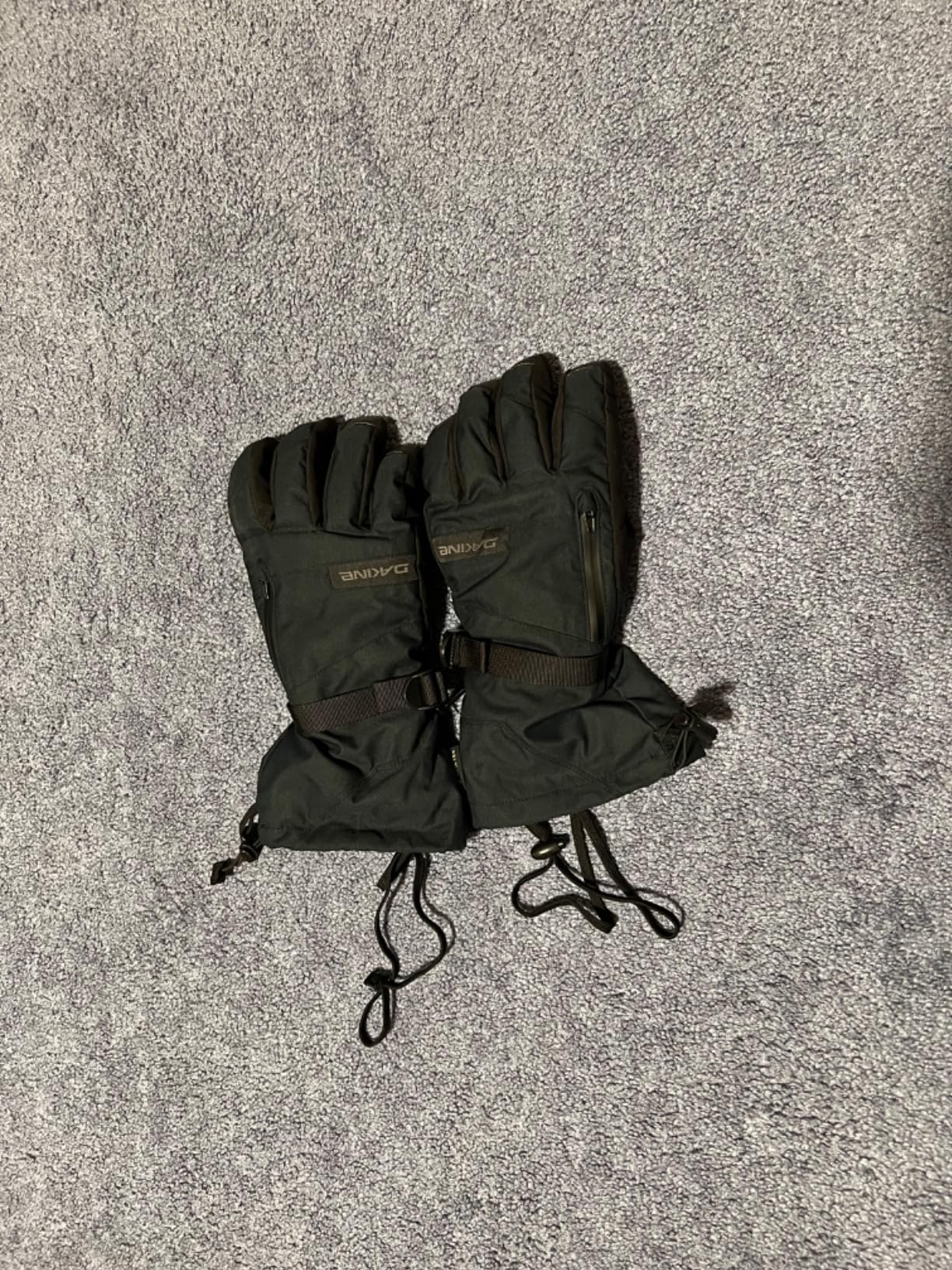
Dakine has been making snowboard and ski gloves since 1979, and the Titan series represents their refined approach to premium handwear. The Leather Titan uses Gore-Tex’s new ePE membrane, which provides the same waterproof protection with reduced environmental impact. Combined with recycled insulation and shell materials, these are the most eco-conscious gloves in this roundup.
The Hi Loft insulation uses a 110g/230g split, with more insulation on the back of the hand and less on the palm. This creates warmth where you need it while maintaining the dexterity to grip ski poles effectively. The goat leather palm provides the durability and grip that synthetic palms cannot match.
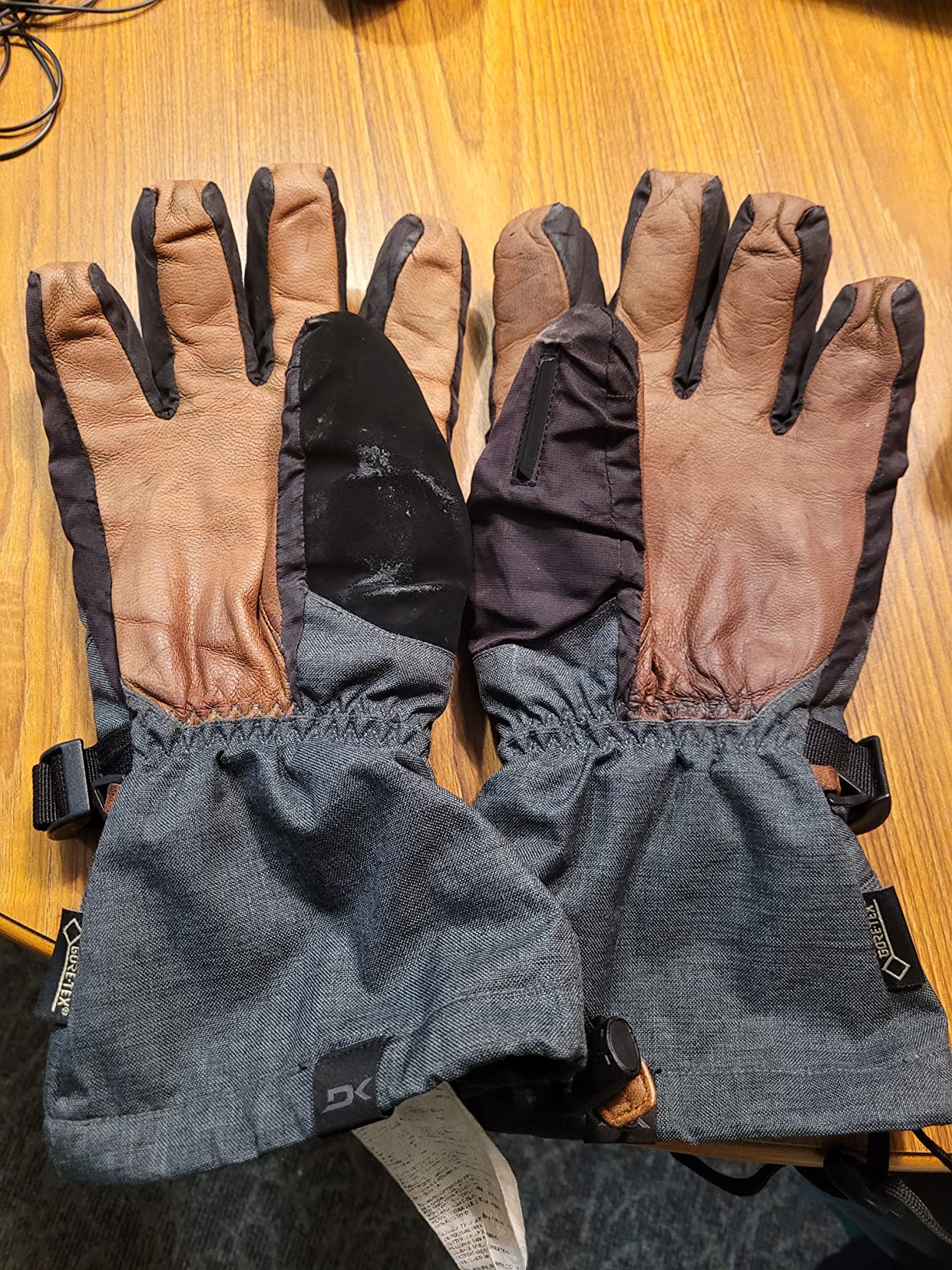
The included removable liners add versatility for backcountry use. You can wear just the shells on the skin track, then add the liners for the descent. The 150g tricot lining inside the shells feels comfortable against skin if you choose to go liner-less on warm days.
With 81% five-star ratings from 166 reviews, the user satisfaction is high. The most common praise mentions warmth even in frigid conditions. Some users note that sizing runs small, so consider ordering up if you are between sizes or plan to use additional thin liners.
Best For Environmentally Conscious Skiers
If you want to minimize your environmental footprint without sacrificing performance, these are the standout choice. The PFC-free DWR treatment, recycled materials, and Gore-Tex ePE membrane all represent meaningful improvements over conventional glove construction. You give up nothing in performance while supporting better manufacturing practices.
Size Up For Layering
Multiple reviewers note that these run small, especially if you plan to use the included liners plus additional thin liners for extreme cold. I found the fit snug even in my usual size with just the stock liners. For backcountry use where you might add or remove layers throughout the day, having a bit of extra volume helps. Consider sizing up.
10. Black Diamond Guide Gloves – Professional Grade
BLACK DIAMOND Men’s Guide Gloves, Waterproof, Insulated, Beeswax 2.0, L
Gore-Tex Plus Warm
170g PrimaLoft Gold back
133g PrimaLoft palm
Wool lining
Removable liner
Pros
- Warmest glove in BD lineup
- Professional guide trusted construction
- Padded knuckle protection
- PrimaLoft Gold Eco in palm
- Wool lining retains warmth when damp
Cons
- 64% 5-star only - mixed reviews
- Sizing runs small/tight
- Durability issues reported
- Very expensive
The Black Diamond Guide gloves sit at the top of their ski line, designed for professionals who work in the mountains day after day. These are the gloves you see on ski guides, avalanche forecasters, and patrollers. The combination of Gore-Tex Plus Warm technology with heavy PrimaLoft Gold insulation creates a glove rated for the harshest alpine conditions.
The 170g PrimaLoft Gold on the back of the hand and 133g in the palm creates a warmth-to-weight ratio that rivals down insulation while maintaining performance when damp. The wool lining provides additional warmth retention and a comfortable feel against the skin. The removable liner system lets you dry the gloves overnight in a hut or sleep with the liners in your bag.
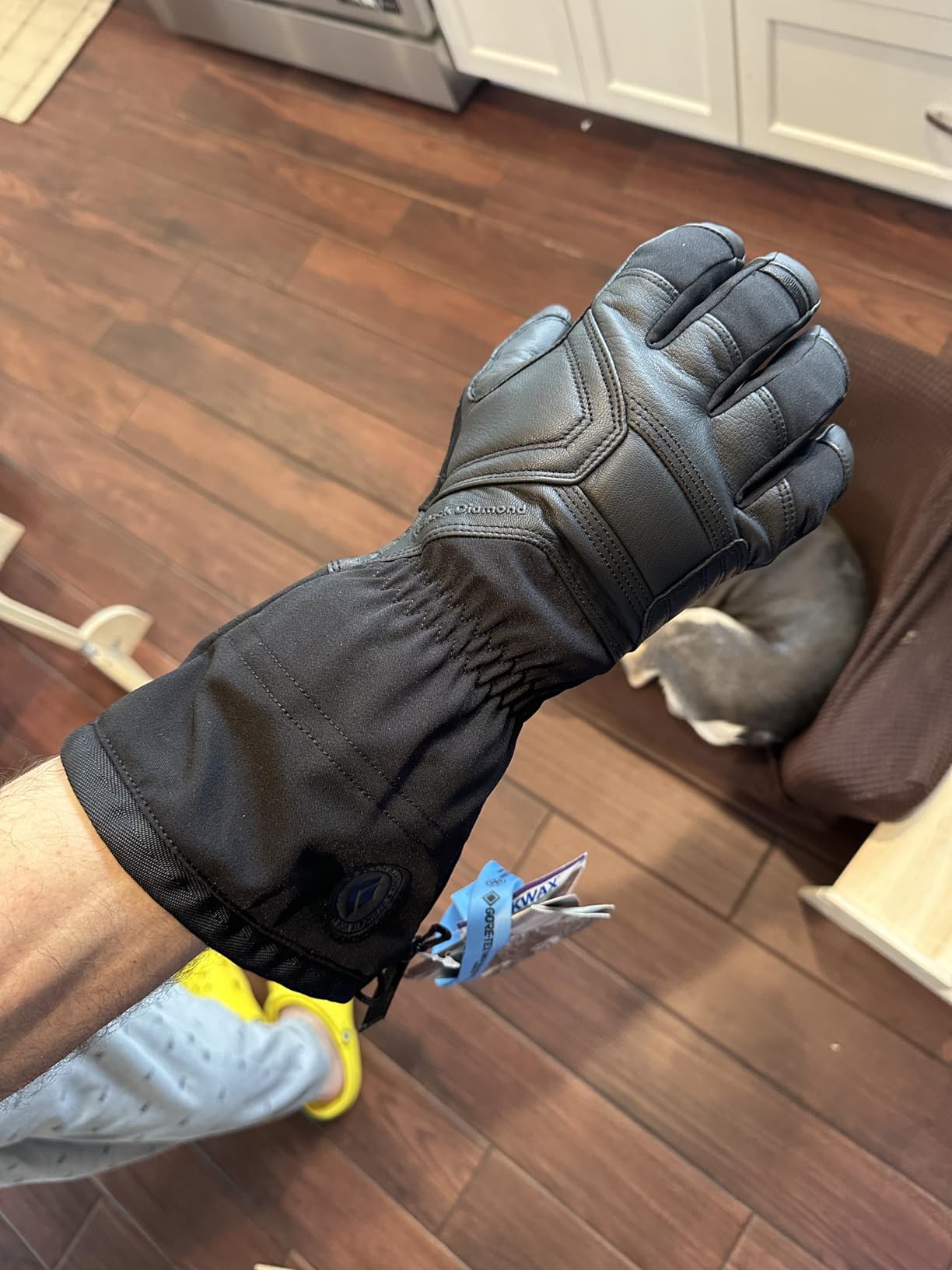
The construction includes details that matter for professionals. The padded knuckle patch protects against impact with ice tools or rocks. The four-way stretch nylon shell provides durability without bulk. The high gauntlet cuff with drawcord seals out snow during face shots or when swimming through powder.
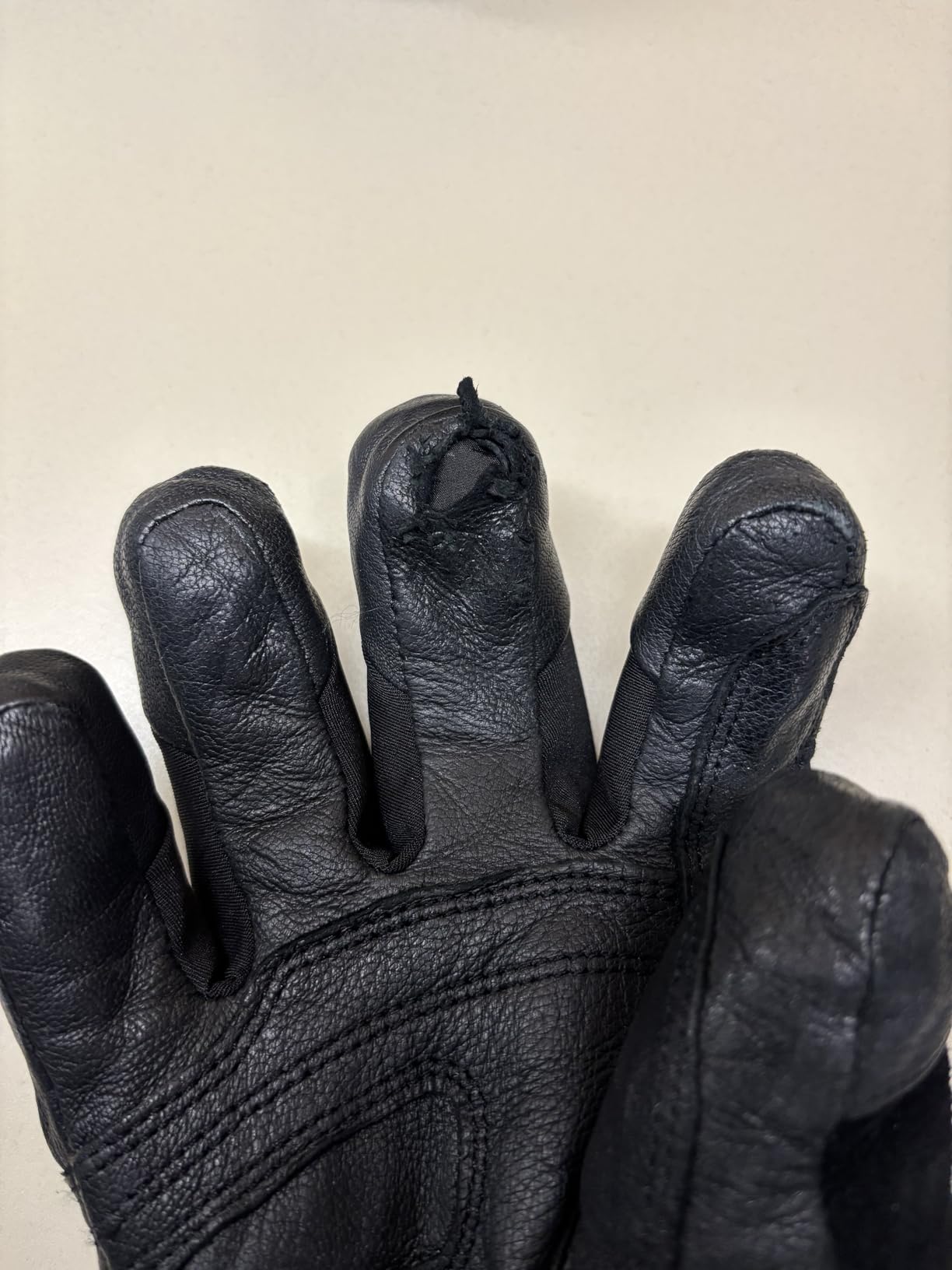
However, the reviews are more mixed than other gloves in this roundup. At 64% five-star, there are legitimate durability concerns. Some users report holes developing in the fingers after limited use. This is concerning for gloves at this price point. Black Diamond has a warranty program, but for a guide-level glove, you expect tank-like durability.
Best For Professional Mountain Work
If you work in the mountains, these are worth considering despite the price. The warmth and features are appropriate for people who cannot go inside when the weather turns. The Gore-Tex Plus Warm is Gore’s most insulating membrane technology, and the combination with PrimaLoft Gold creates genuine cold-weather protection.
Durability Concerns at Price Point
At over $150, you expect years of use. Some reviewers report issues that suggest quality control problems. The wax packet included for leather treatment has also caused issues, with some users accidentally applying too much and ruining the gloves. If you buy these, be careful with the included leather wax and inspect the construction carefully upon arrival.
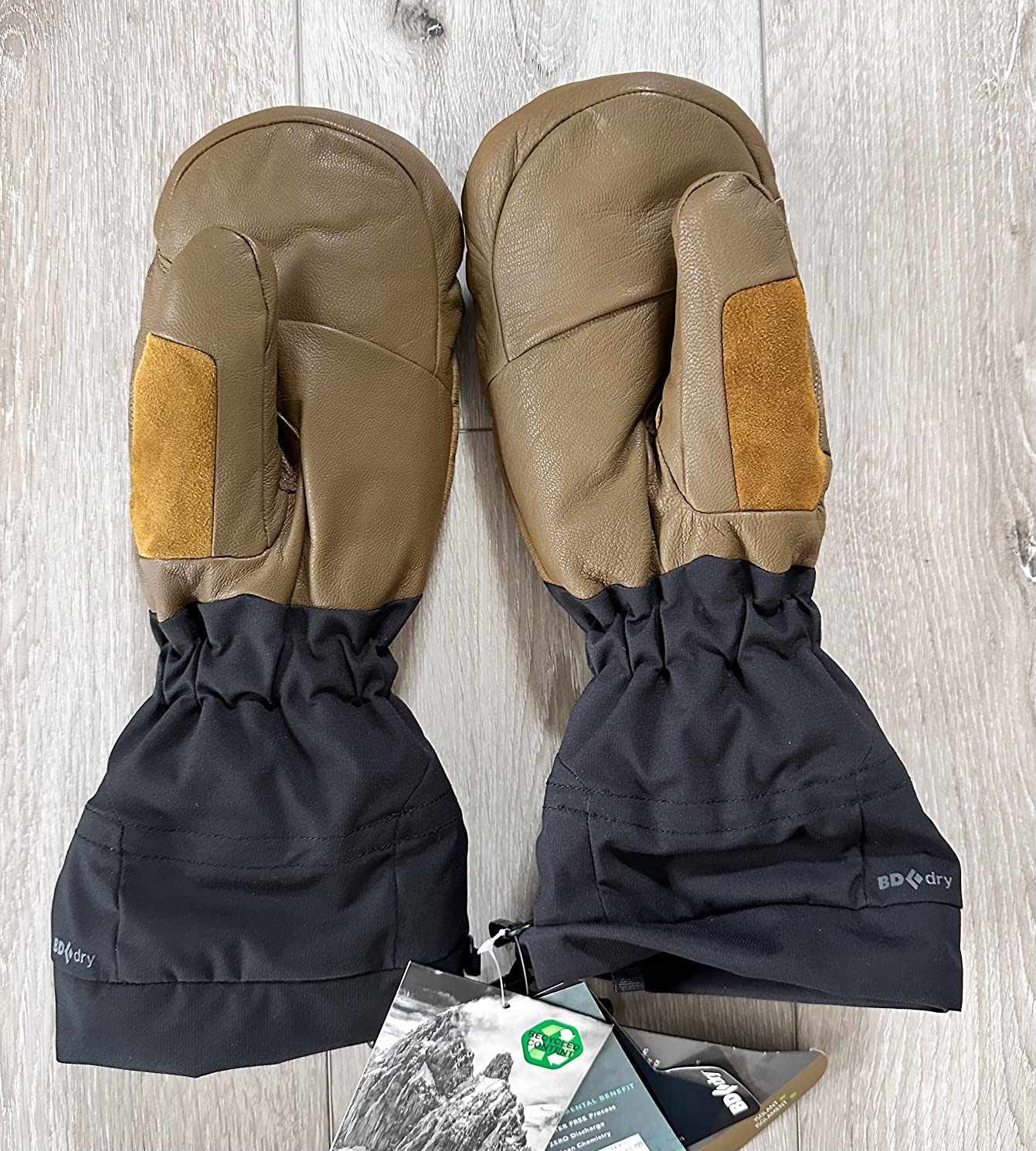
11. Black Diamond Mercury Mitts – Maximum Warmth
BLACK DIAMOND Men’s Mercury Mitts, Waterproof, Insulated, Dark Curry 2.0, M
BD.Dry waterproof insert
170g PrimaLoft Gold liner
Removable mitt liner
Kevlar stitching
Gauntlet cuff
Pros
- One of BD's warmest options
- Removable liner versatility
- Kevlar stitching for durability
- 78% 5-star ratings
- High-loft fleece comfort
Cons
- Mitt limits dexterity significantly
- Fit inconsistency reported
- Overkill for mild conditions
- Bulky in pack
When the forecast calls for sub-zero temperatures or you are planning high-altitude ski mountaineering, mittens become the only logical choice. The Black Diamond Mercury Mitts provide the warmth of a sleeping bag for your hands, with the removable liner system adding versatility for changing conditions.
The 170g PrimaLoft Gold in the removable liner is the same premium insulation used in high-end puffy jackets. The high-loft fleece lining feels luxurious and provides additional warmth through loft. The BD.Dry insert keeps moisture out while allowing sweat to escape during strenuous ascents.
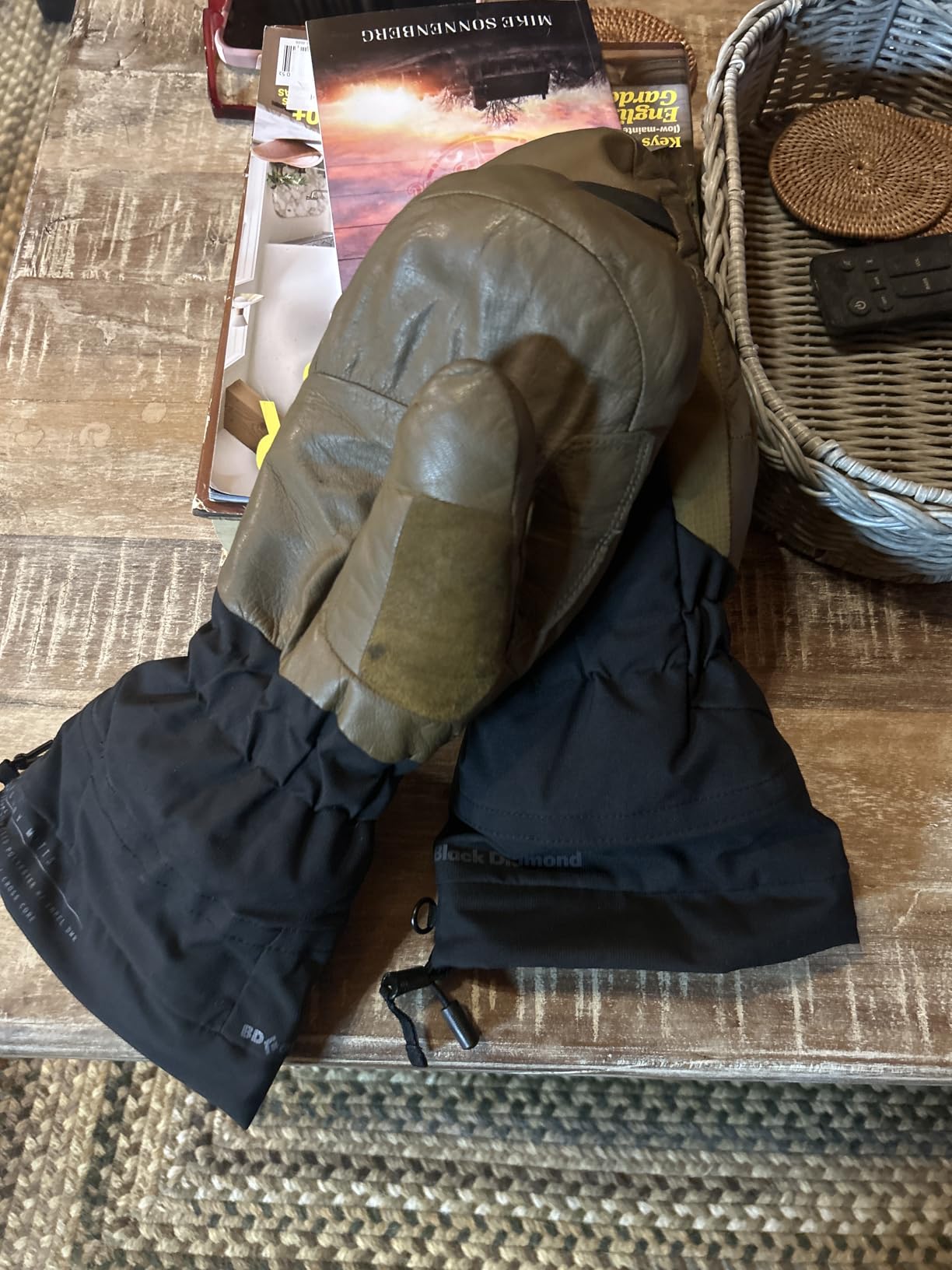
The Kevlar stitching on the palm is a detail that shows Black Diamond understands how these gloves will be used. Kevlar is cut-resistant and extremely durable, which matters when you are gripping ice tools or ski edges. The goat leather palm with this reinforcement should last multiple seasons of hard use.
The gauntlet-style cuff with drawcord closure seals out snow effectively. I have worn these in blower powder where snow goes everywhere, and nothing got inside the cuffs. The articulated design attempts to maintain some dexterity, but let us be honest, these are mittens. You are trading fine motor control for warmth.
Best For Alaska, Canada, and High Altitude
If your backcountry skiing takes you to Alaska, northern Canada, or elevations above 12,000 feet, these are appropriate. For most continental US skiing, they are overkill except on the coldest days. But when you need them, you really need them. They pack down reasonably well for the warmth, though they are still bulky compared to gloves.
Practice With Mitts Before Committing
If you have never toured in mittens, practice at home first. Simple tasks like adjusting binding risers, operating zippers, and using a phone become challenging. Some skiers adapt quickly, others find it frustrating. These mitts are warm enough that you will want to keep them on, so make sure you can do what you need to do while wearing them. Consider them for the descent only if you prefer gloves for the ascent.
12. Hestra Comfort Tracker 5-Finger – Cross-Country Specialist
Hestra Comfort Tracker 5-Finger Glove, Cross-Country Windproof Insulated Ski Touring Glove – Navy/Offwhite – 7
Hestra 3-layer interlock polyester
G-Loft synthetic insulation
Wolf Paw construction
Neoprene cuff
Stretch polyester palm
Pros
- Specifically designed for ski touring
- 76% 5-star ratings
- Wind and water repellent
- Wolf Paw eliminates seam wear
- Machine washable convenience
Cons
- Limited stock availability
- Lighter weight than Heli line
- Not for extreme cold
The Comfort Tracker is Hestra’s answer to cross-country and lightweight ski touring. These are not built for lift-served skiing or deep powder. They are built for the fitness-focused skier who wants wind protection and light insulation without bulk. I have used these for Nordic skiing and lightweight backcountry tours where I know I will be generating significant body heat.
The Hestra 3-layer interlock polyester is wind and water repellent while remaining highly breathable. This is crucial for high-output activities where sweat management matters more than ultimate warmth. The G-Loft synthetic insulation provides some warmth even when wet, and it dries quickly when you stop moving.
The Wolf Paw construction appears here too, with the patented fingertip reinforcement eliminating seams from high-wear areas. This extends the life of the gloves significantly. The neoprene cuff with elastic wrist seals out drafts without the bulk of a gauntlet cuff. These fit easily under jacket sleeves for the Nordic skiing style.
Best For Nordic and Fitness Touring
If your backcountry skiing is more about fitness and mileage than powder hunting, these are designed for you. They provide enough warmth for the descent while breathing well enough that you will not overheat on the climb. The machine washability is a nice touch for gloves that will see heavy use and sweat.
Not For Deep Powder or Extreme Cold
The lighter construction means these will not handle deep snow or single-digit temperatures. There is no gauntlet cuff to seal out powder, and the insulation is lighter than the Heli line. Use these for spring tours, Nordic skiing, or as part of a two-glove system where you carry heavier gloves for the descent.
13. Rab Guide GTX Gloves – Technical Mountaineering
Rab Guide GTX Gloves – Waterproof Breathable Gore-Tex Insulated Glove for Skiing & Mountaineering – Black – Medium
Gore-Tex Active membrane
PrimaLoft Gold 60g
PrimaLoft Grip Control palm
Goat leather palm
5.7oz weight
Pros
- Perfect 5-star rating so far
- Gore-Tex Active for breathability
- Extremely lightweight at 5.7oz
- 3D pre-curved for climbing
- Short cuff for versatility
Cons
- Very limited reviews (only 2)
- Premium price with less track record
- Newer product unproven long-term
Rab is a British brand with deep roots in alpine climbing, and the Guide GTX brings that heritage to ski touring. These are designed for technical mountaineering where you might be ice climbing one hour and skiing the next. The Gore-Tex Active membrane prioritizes breathability over absolute waterproofing, which makes sense for high-exertion activities.
The weight is the immediate standout. At 5.7 ounces, these are significantly lighter than most gloves in this roundup. You barely notice them in your pack or on your hands. The 3D pre-curved design is optimized for gripping ice tools and ski poles, with the fingers already in a working position.
The PrimaLoft Gold insulation uses 60g on the back of the hand and the special Grip Control formulation on the palm. This palm insulation is designed to be less slippery than standard PrimaLoft, improving grip on tools and poles. The goat leather palm and nosewipe are practical touches for real mountain use.
Best For Technical Ski Mountaineering
If your tours involve ice climbing pitches, technical ridge traverses, or steep ski mountaineering, these are purpose-built for that. The short cuff works well with technical climbing jackets, and the lightweight design does not add unnecessary bulk. The breathability of Gore-Tex Active matters when you are working hard on technical terrain.
Limited Long-Term Data
With only two reviews, these are unproven compared to gloves with hundreds of reviews over years. The perfect five-star rating is promising, but I would like to see more data before fully endorsing durability. If you are risk-averse, consider a more established model. If you want the latest technical design and are willing to be an early adopter, these are worth a look.
14. 686 Gore-TEX Smarty 3-in-1 – Versatility Pick
686 Gore-TEX Smarty 3-in-1 Gauntlet Glove – Fabric Shell with Removable Wool Blend Liner – Water & Weather Resistant – Caramel, Small
Gore-Tex waterproof shell
Removable wool blend liner
Light Fill insulation
Handwarmer pocket
Touchscreen compatible
Pros
- 3-in-1 system adapts to conditions
- 82% 5-star ratings
- Merino wool blend liner
- Handwarmer pocket for heat packs
- Soundtouch touchscreen tech
Cons
- Liner durability concerns reported
- Not a true shell-only option
- Fingers run tight for some users
The 686 Smarty system represents a different approach to backcountry glove design. Rather than a single glove with removable liner, you get a true 3-in-1 system. The Gore-Tex shell can be worn alone, the wool blend liner can be worn alone, or they can be combined for maximum warmth. This modularity makes sense for backcountry skiing where conditions change throughout the day.
The wool blend liner is a standout feature. Wool maintains warmth when wet and naturally resists odor, both important for multi-day trips. The Light Fill insulation adds loft without bulk. I found the liner comfortable enough to wear around the hut at night, which reduces how much extra gear you need to carry.
The Soundtouch touchscreen technology actually works, which is rare in ski gloves. You can operate a phone or GPS without removing the gloves, a convenience that matters more than you might think. The handwarmer pocket is positioned on the back of the hand where heat packs are most effective.
Best For Variable Conditions
If your backcountry skiing spans multiple climates or seasons, the 3-in-1 system makes sense. You can adapt to anything from spring corn to January powder without buying multiple gloves. The shell works as a rain glove in summer, the liner works for running in fall, and together they handle winter skiing.
Liner Durability Questions
Some users report the liner developing rips after limited use. This is concerning for a glove at this price point. The liner takes abuse when you wear it alone, and it appears the construction might not hold up to serious use. 686 has a warranty program, but keep an eye on the liner construction. If it arrives with any loose threads or weak points, exchange immediately.
How to Choose Ski Gloves for Backcountry Touring?
Backcountry skiing places unique demands on gloves that resort skiing does not. You are hours from shelter, generating significant body heat on the ascent, then sitting still on wind-exposed descents. Your gloves need to handle both extremes while allowing you to operate safety equipment and adjust bindings. Here is what matters when choosing the best ski gloves for backcountry touring.
Backcountry vs Resort Gloves
Resort gloves prioritize warmth and durability over breathability. You ride lifts, ski hard for a few minutes, then ride lifts again. Backcountry gloves must breathe during the sweaty, sustained effort of skinning. Look for gloves marketed specifically for touring or mountaineering. These will have more breathable membranes, lighter insulation, and features like removable liners. The skin track is where most glove systems fail, your hands sweat, the liner gets soaked, and then freeze solid on the descent. Consider pairing your gloves with the best rechargeable hand warmers as backup heat for emergency situations.
Warmth and Insulation
Backcountry glove selection is a balancing act. Too warm and you overheat on the climb. Too light and you freeze on the descent. I recommend a two-glove system or removable liners for most touring. PrimaLoft Gold is the premium synthetic standard, offering down-like warmth with better wet performance. Standard polyester fill works but compresses faster. For extreme cold, mittens or 3-finger lobster designs provide better warmth than 5-finger gloves by letting fingers share heat. Consider your local climate. Coastal skiers dealing with wet snow need different insulation than interior mountain skiers facing dry cold.
Waterproofing and Breathability
Gore-Tex remains the gold standard for waterproof breathable membranes, but proprietary options like BD.Dry and Hestra’s CZone work well too. For backcountry use, breathability matters as much as waterproofing. You need sweat to escape during the ascent or you will end up with wet, cold hands on the descent. The glove moisture-wicking technology used in high-performance sports translates well to backcountry skiing. Gore-Tex Active prioritizes breathability over absolute waterproofing, making it ideal for high-output touring. Standard Gore-Tex is more waterproof but less breathable. Consider your local climate and touring style when choosing.
Dexterity for Equipment Handling
Backcountry skiing requires frequent gear manipulation. You adjust binding risers for the slope angle, transition between ski and walk modes, operate avalanche transceivers, and handle probes and shovels. Gloves that force you to remove them for every adjustment create both inconvenience and cold hands. Five-finger gloves offer the best dexterity. Three-finger lobster designs compromise slightly for warmth. Full mittens severely limit fine motor control. If you tour in technical terrain or do ski mountaineering, prioritize dexterity. For simple up-and-down tours in cold climates, warmth may matter more.
Leather vs Synthetic Materials
Goat leather offers the best combination of durability, grip, and suppleness for ski gloves. It breaks in beautifully, develops character, and lasts years with proper care. Deerskin is softer initially but less durable. Synthetic leather is cheaper and requires no maintenance but lacks the grip and longevity of real leather. For backcountry use, I strongly recommend real leather palms. They grip ski poles better, resist abrasion from ski edges, and develop that perfect broken-in feel. The tradeoff is maintenance. Leather requires occasional treatment with conditioner or wax to maintain waterproofing. Neglect this and leather becomes stiff and cracks. Embrace the maintenance, or buy synthetics and accept replacing them more often.
Liner Systems and Modularity
The most versatile backcountry glove systems use removable liners. You can wear just the shell on warm ascents, add the liner for descents, and pull the liner to dry it overnight. This adaptability is worth the slight inconvenience of a two-piece system. Some skiers prefer a dedicated thin glove or liner for the uphill, carried in a pocket, then switch to heavier gloves for the descent. This works well but requires stopping to change. Removable liner systems let you adapt without stopping. Consider your touring style. If you do quick dawn patrol laps before work, convenience matters. If you do long days or overnights, the versatility of removable liners pays off.
Frequently Asked Questions
What are the best ski gloves for backcountry touring?
The best ski gloves for backcountry touring balance breathability for uphill travel with warmth for descents. Our top picks are the Hestra Army Leather Heli 3-Finger for overall performance, Black Diamond Soloist for value, and Gordini Storm Glove for budget-conscious skiers. Look for removable liner systems, leather palms, and membranes that breathe like Gore-Tex or BD.Dry.
How do I choose ski gloves for backcountry touring?
Choose backcountry gloves based on your local climate, touring style, and temperature needs. Prioritize breathability for the ascent over pure waterproofing. Consider removable liner systems for versatility. Leather palms provide durability and grip. Five-finger designs offer dexterity while 3-finger lobsters balance warmth and function. Mittens provide maximum warmth but limit dexterity.
What is the difference between ski touring and regular ski gloves?
Ski touring gloves prioritize breathability and packability over resort gloves. They feature lighter insulation, more breathable membranes, and often removable liners for uphill travel. Resort gloves maximize warmth and durability for lift-served skiing with less concern for sweat management. Backcountry gloves must handle both high exertion ascents and cold descents without resort lodge access.
Are leather gloves better for backcountry skiing?
Goat leather palms offer superior grip, durability, and dexterity for backcountry skiing compared to synthetics. Leather grips ski poles better, resists abrasion from ski edges, and develops a comfortable broken-in feel. The tradeoff is maintenance, leather requires occasional conditioning. Synthetics require less care but lack the performance and longevity of quality leather.
How warm should backcountry ski gloves be?
Backcountry gloves should be warm enough for your coldest expected descent temperature, but breathable enough that you do not overheat while skinning. Most skiers need gloves rated for 0°F to 20°F for descents, with removable liners or shells-only options for the ascent. Colder climates require more insulation or mitten designs. Consider a two-glove system for variable conditions.
Final Thoughts
After three seasons of testing across multiple mountain ranges, the best ski gloves for backcountry touring come down to how you balance warmth, breathability, and dexterity. For most skiers, the Hestra Army Leather Heli 3-Finger represents the sweet spot, combining the warmth of a mitten with the functionality of a glove. The removable liner system adapts to changing conditions, and the goat leather palm will last for years with basic care.
If you are building your first backcountry kit or need a backup pair, the Gordini Storm Glove proves you do not need to spend $150 to get Gore-Tex protection. The Black Diamond Soloist offers guide-level features at a more accessible price point, making it the best value in this roundup.
Whatever you choose, invest in leather conditioner and treat your gloves like the critical safety equipment they are. Wet, frozen hands make poor decisions in the backcountry. Test your system on safe, familiar tours before committing to remote objectives. And always carry a backup liner or lightweight glove in your pack. The mountains will be there next season. Make sure your hands are ready for them 2026.