
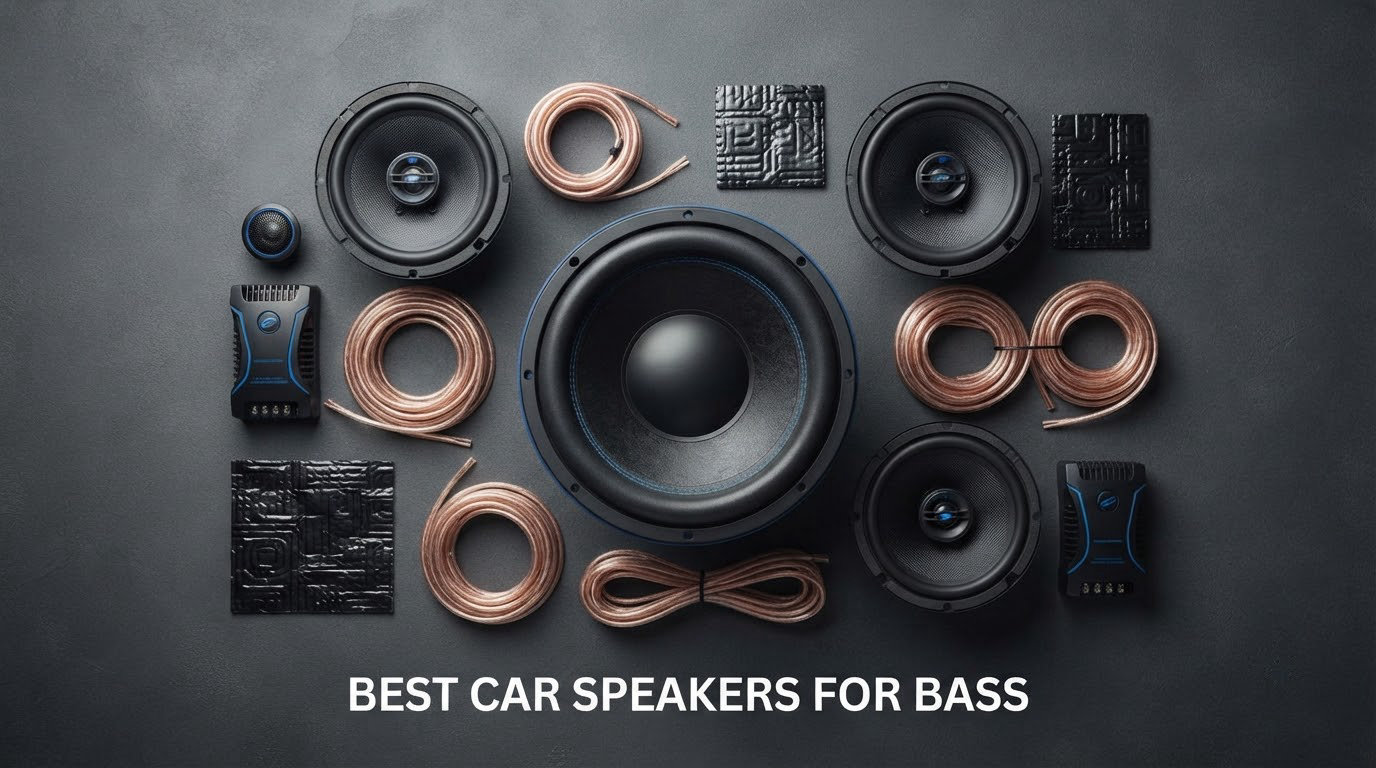
Here is the honest answer before we get into the list: the best car speakers for bass are 6×9 coaxial or component sets rated on RMS power, with more cone surface area and higher sensitivity than the paper drivers your car came with. A factory door speaker handles bass down to roughly 300 Hz well. Nothing mounted in a door reaches true sub-bass below about 60 Hz, and no amount of amplifier power changes that. If sub-bass is the goal, a subwoofer is part of the plan.
That said, most drivers never replace their factory speakers at all, and those who do often see a bigger jump than they expect because the factory system is the real bottleneck. We went through ten sets currently sold in the car audio category, read the RMS and peak claims side by side, checked impedance, sensitivity, cone area, mounting depth and cutout size, then matched each one to the amplifier it actually needs. Our wider picks on car speakers for sound quality cover a different brief, so everything here is filtered for low-end output first.
Two numbers did most of the work in this roundup. Sensitivity decides how loud a set gets from a weak factory radio, and cone area decides how much air it can move on the low end. Peak wattage on the box decided nothing, which is exactly why enthusiasts on r/CarAV ignore it. This list is current as of 2026, and the winners have not changed since we last checked the listings.
Table of Contents
Top 3 Picks for Bass in 2026

KICKER DSC6930 6×9 3-Way
- 6x9 three-way design
- 92 dB sensitivity
- 30 Hz to 20 kHz response
- 360W peak handling


Pioneer TS-A1671F 6.5 3-Way
- 70W continuous power
- 37 Hz to 31 kHz response
- 91 dB sensitivity
- Multi-fit adapters
Best Car Speakers for Bass (October 2026)
| Product | Specifications | Action |
|---|---|---|
| KICKER DSC6930 6×9 3-Way |
|
Check Latest Price |
| Pioneer TS-A1671F 6.5 3-Way |
|
Check Latest Price |
| KICKER DSC650 6.5 Coaxial |
|
Check Latest Price |
 JBL GTO609C 6.5 Component JBL GTO609C 6.5 Component |
|
Check Latest Price |
 Kicker CS Series 6×9 Kicker CS Series 6×9 |
|
Check Latest Price |
 Pioneer TS-M651PRO Component Pioneer TS-M651PRO Component |
|
Check Latest Price |
 CT Sounds Meso 6×9 CT Sounds Meso 6×9 |
|
Check Latest Price |
 Rockford Fosgate R165-S Rockford Fosgate R165-S |
|
Check Latest Price |
 Kenwood KFC-6966S 6×9 Kenwood KFC-6966S 6×9 |
|
Check Latest Price |
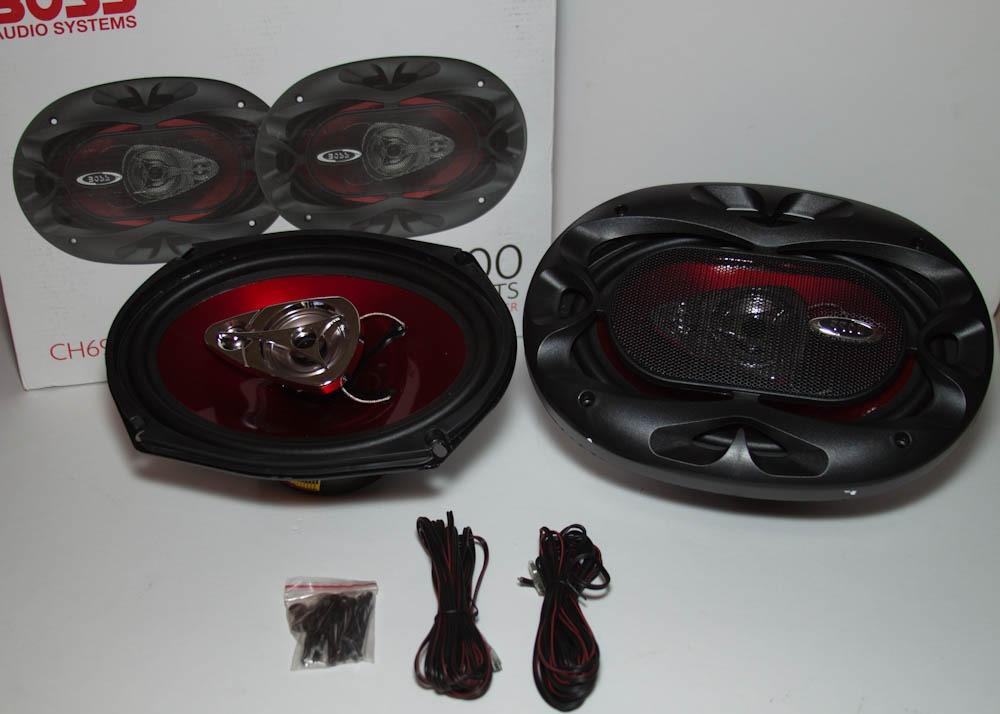
 BOSS Audio CH6930 6×9 BOSS Audio CH6930 6×9 |
|
Check Latest Price |
1. KICKER DSC6930 6×9 3-Way – The Best Bass From a Factory Drop-In
KICKER DSC6930 6×9-Inch (160x230mm) 3-Way Speakers, 4-Ohm (Pair)
6x9 3-Way
4-Ohm
92 dB Sensitivity
30 Hz to 20 kHz
360W Peak
Pros
- Three drivers in one 6x9 frame
- 92 dB sensitivity gets loud from a factory radio
- 30 Hz bottom end
- 4-ohm pair works with most amplifiers
Cons
- Coaxial layout fixes tweeter placement
- No crossover adjustment for staging
This is the set I kept coming back to. The 6×9 oval format is the single biggest lever you can pull without touching your subwoofer, because the cone area is larger than a 6.5 inch round driver and the frame still drops into a factory opening in most cars. Owners consistently describe punchy low end and clear mids, and typical installs land in a door or rear deck.
The numbers back up the impression. A 92 dB sensitivity rating means it converts a weak factory radio into real volume, and the published response runs from 30 Hz to 20 kHz, which is genuinely low for a coaxial this size.
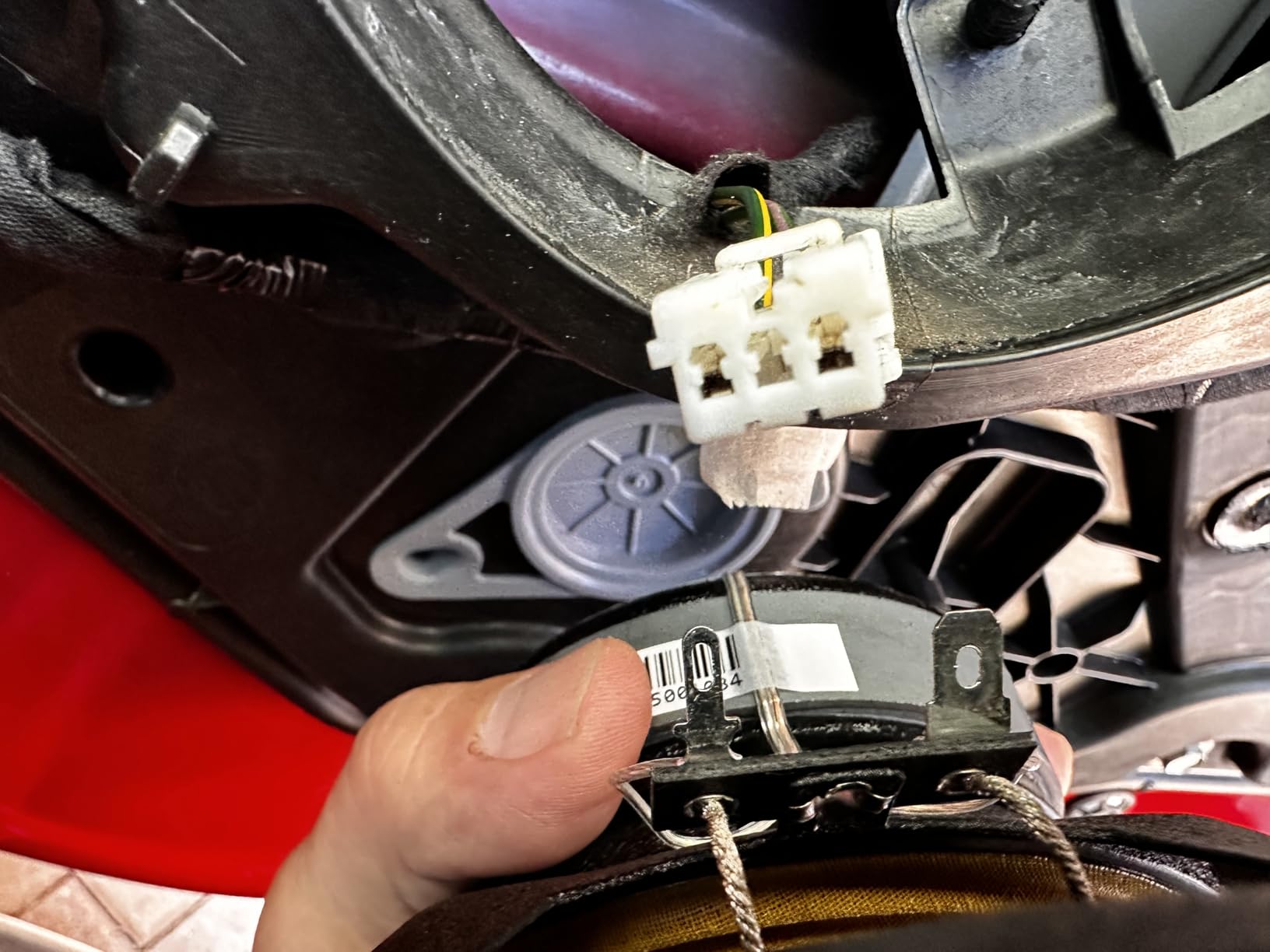
It is a three-way design, so a midrange driver and tweeter sit alongside the woofer rather than fighting it. That is why the mids stay clear while the bottom end is pumping, and it is unusual in a factory-shaped 6×9 at this level.
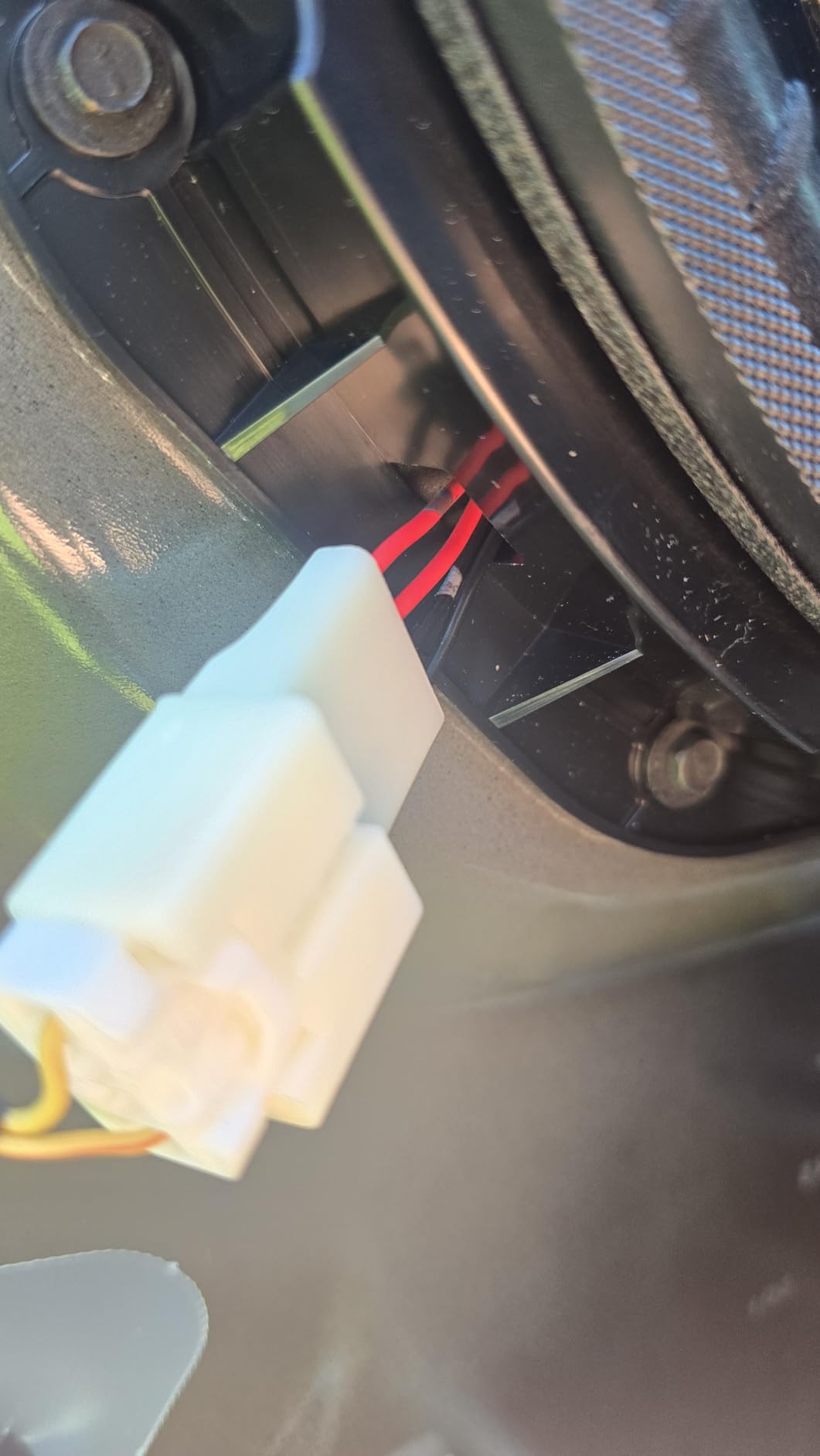
With 4-ohm impedance and 360W peak handling, it pairs with essentially any head unit or four-channel amplifier. Note that 360W is a peak figure, not continuous power, so size your amplifier on RMS rather than that number.
Who this is for
If you want one change that lifts bass and clarity at the same time and your car has factory 6×9 openings, this is the shortest path. The 92 dB sensitivity means it still performs when all you have is a factory radio.
Who should skip it
Anyone chasing a wide, tunable soundstage. Because the tweeter is fixed to the woofer, the high end comes out of the door, and on a coaxial there is no crossover control to move it. For a stage you can aim, look at the component sets later in this list.
2. Pioneer TS-A1671F 6.5 3-Way – Best Value Door Upgrade
PIONEER A-Series Standard TS-A1671F 6.5″ 3-Way Coaxial Speakers 320W Max
6.5 inch 3-Way
4-Ohm
91 dB
37 Hz to 31 kHz
70W Continuous
Pros
- 70W continuous power handling
- 37 Hz low-end extension for a 6.5
- Multi-fit adapters and wire included
- 91 dB sensitivity is efficient
Cons
- Requires splicing rather than plug-and-play fit
- Adapters can interfere with trim clips
- Foam surround rings can detach
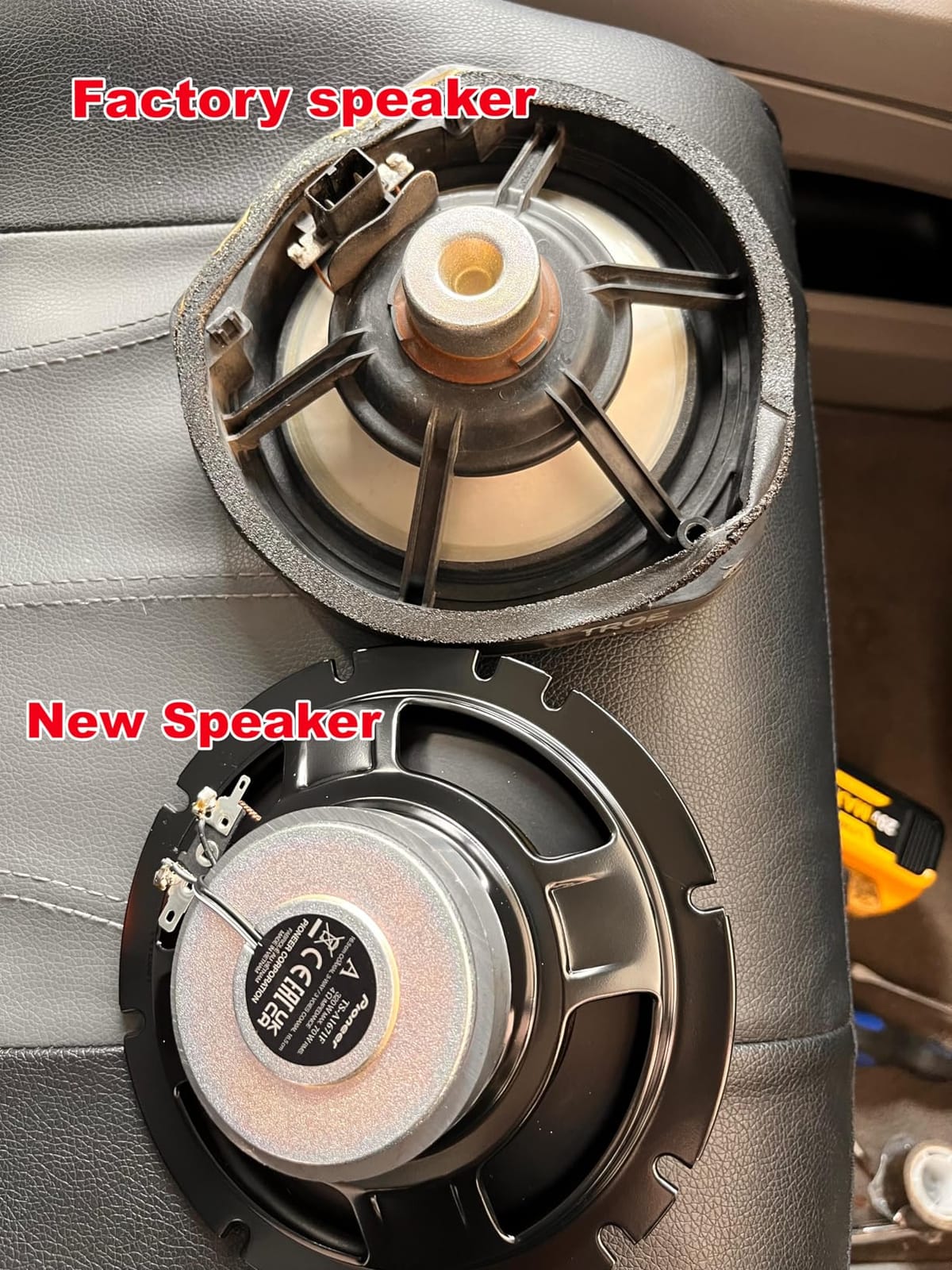
This is the set I recommend to people who want more bass and a proper three-way design on a normal door budget. Across 2710 reviews the low end is described as good enough that one owner cancelled a planned subwoofer purchase, which tells you how much of a jump it makes over paper factory cones.
The response is listed from 37 Hz to 31 kHz, which is the widest top end here, and 91 dB sensitivity means it gets loud without much amplifier help. Continuous power handling is 70W per speaker, with 320W listed as maximum.
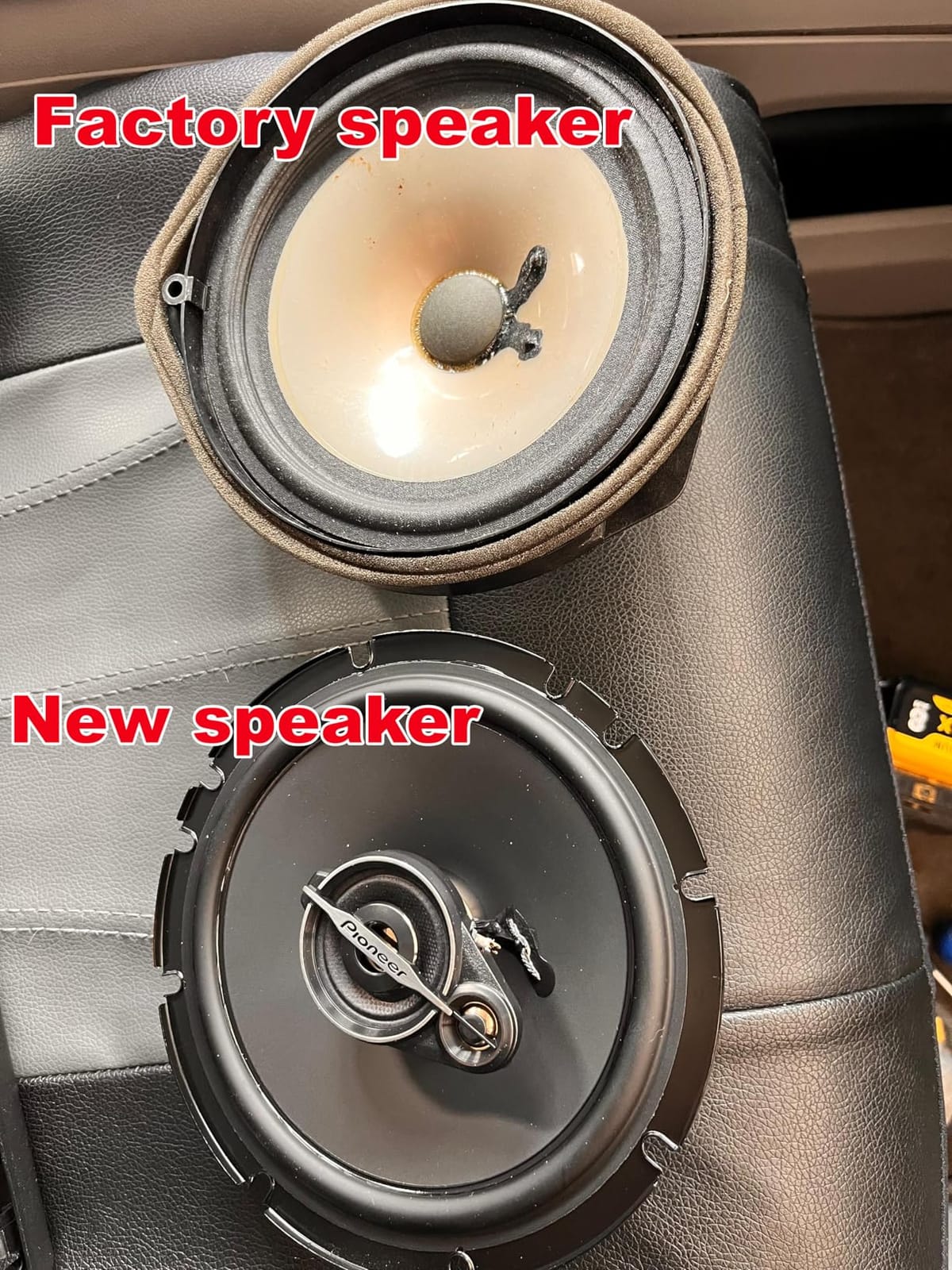
Everything needed for the install is in the box: multi-fit mounting adapters, speaker wire, grilles and screws. That is a genuine advantage if you are doing the job in a driveway rather than a shop.
Buyers should plan for a small electrical job. There are no plug-and-play connectors, so the leads get spliced or soldered to the factory harness, and on some vehicles the adapter sits proud enough to fight the trim panel clips.
Check this before buying
Measure your depth clearance and the shape of your factory opening. The adapters handle diameter variation well, but they do not solve a shallow door, and the foam surround rings on certain pairs can detach and need re-gluing over time.
Who this is for
Daily drivers on a factory radio who want a clear upgrade in both detail and low end. It is the least fiddly way to move from a two-way to a three-way without changing the door hardware.
3. KICKER DSC650 6.5 Coaxial – Most Reliable Factory Door Swap
KICKER DSC650 6.5-Inch (160-165mm) Coaxial Speakers, 4-Ohm (Pair)
6.5 inch Coaxial
4-Ohm
PEI Domed Tweeters
Loud High-Output Design
Pair
Pros
- Domed PEI tweeters stay clean
- Thousands of installed owners
- 4-ohm matches most factory radios and amps
Cons
- Two-way coaxial gives less bass than a 6x9
- 100W peak rating is modest in this class
With 3141 reviews at 4.6 stars, this is one of the most proven designs in the roundup, and it is named constantly in forum threads about door upgrades run straight off a factory radio. That track record matters more than a spec sheet when you want something that fits, sounds clean and still does in three years.
The PEI domed tweeters deliver the highs without fatigue, which is the main reason it is chosen over a paper-cone factory driver. It is a loud, high-output two-way coaxial at 4 ohms, so wiring is simple.
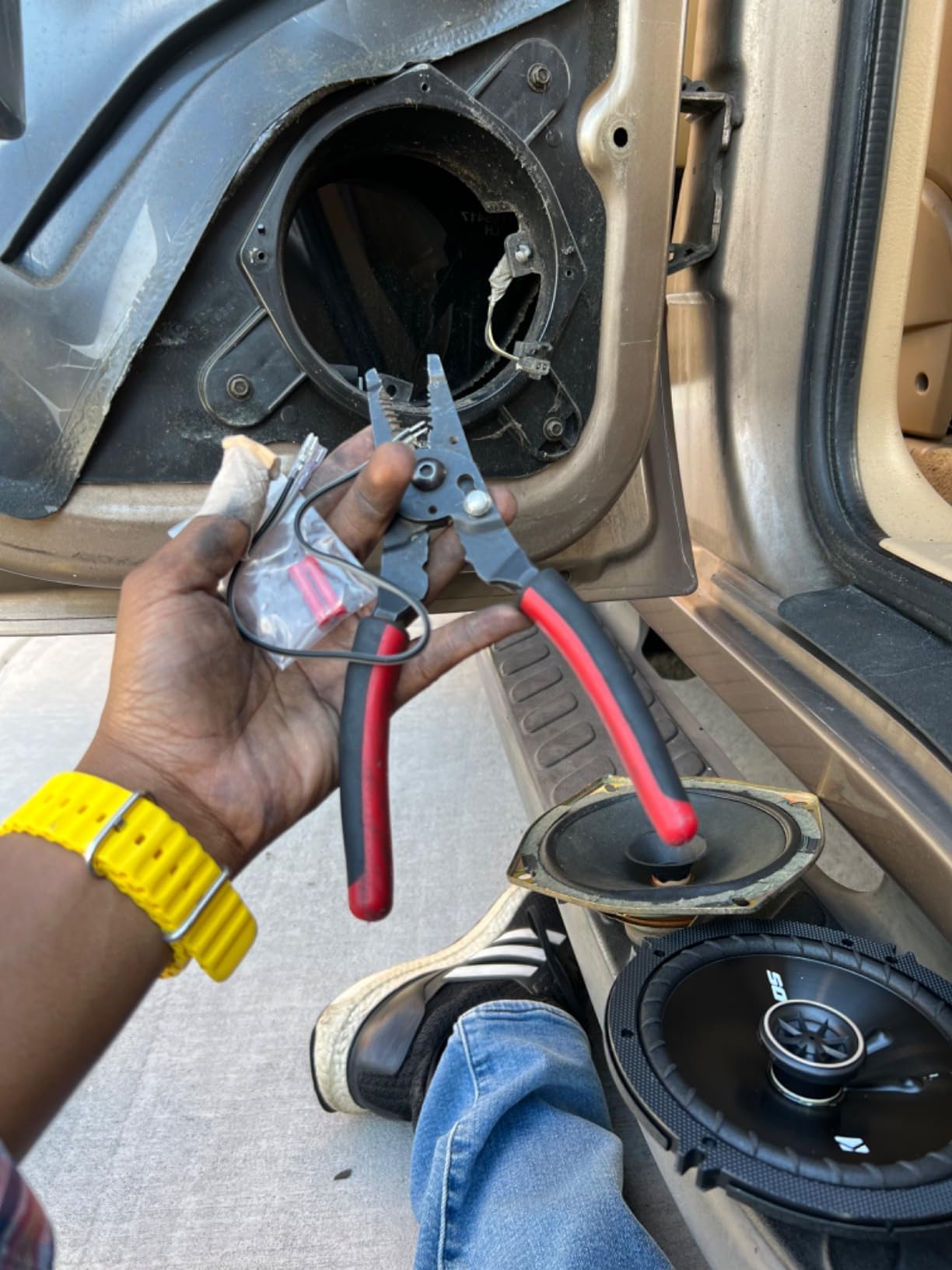
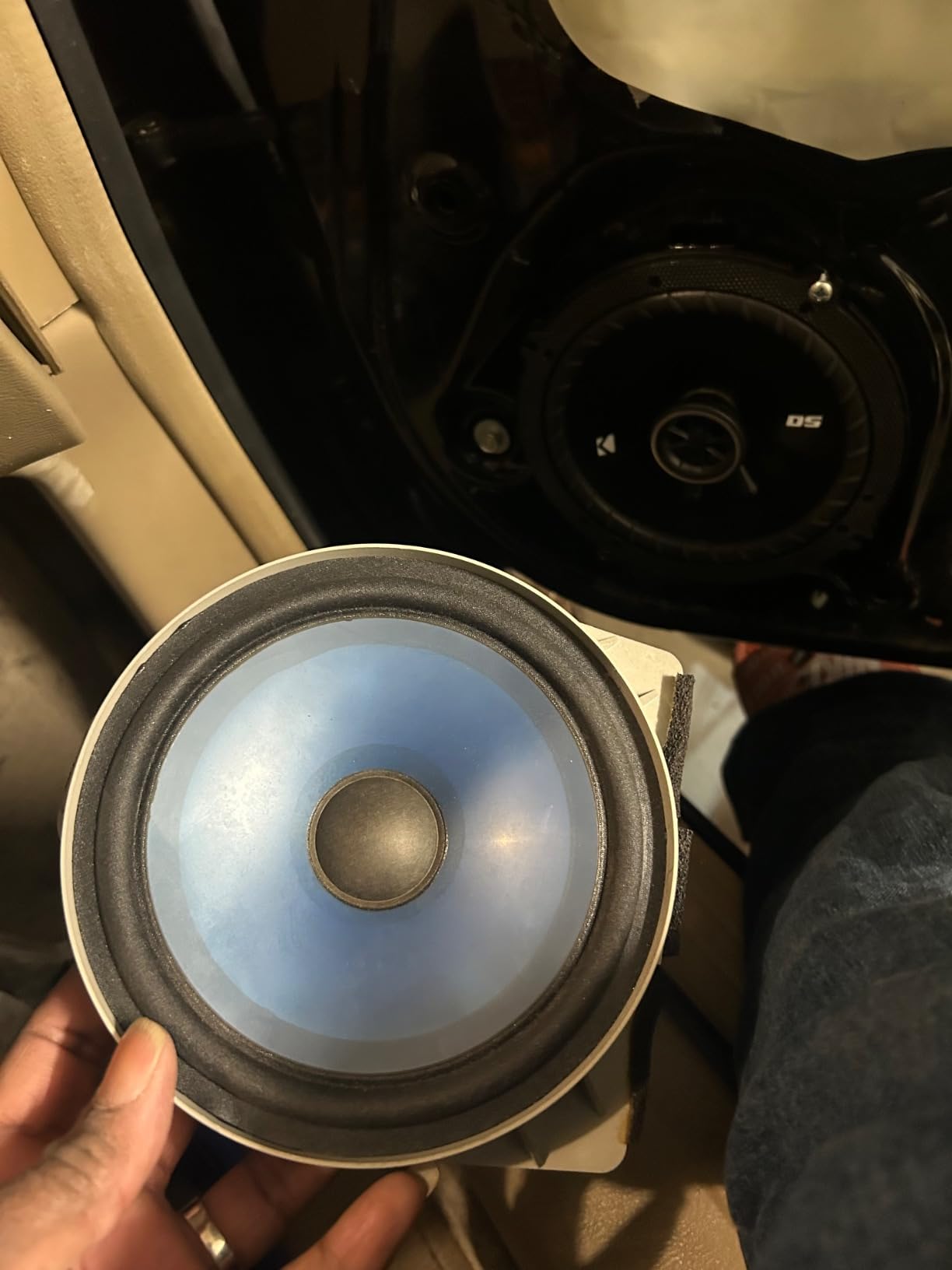
Owners describe it as a dependable full-range replacement rather than a bass specialist. Clarity and volume improve immediately, and the fit is straightforward in standard 6.5 inch openings.
The honest limitation is cone area. A 6.5 inch round driver simply cannot move as much air as the 6×9 sets in this list, and the 100W peak figure is unremarkable next to the numbers on the bigger Kicker coaxial.
Where the bass ceiling is
If your target is music with weight in it rather than a clean upgrade, look at the 6×9 options instead. The extra oval area is worth more than any amplifier you could add to a 6.5.
Who this is for
Drivers replacing blown or tired factory 6.5 inch speakers who want the shortest possible install and no amplifier. It is the safe middle of this list for a reason.
4. JBL GTO609C 6.5 Component – Most Bass From a 6.5 Opening
JBL GTO609C 270 Watts 6-1/2″ Premium Car Audio Component Stereo Speaker System with Patented Plus One Woofer-Cone Technology
6.5 inch Component
3-Ohm
Plus One Cone
I-Mount Tweeters
Soft-Dome Tweeters
Pros
- Plus One cones are larger than the class average
- Separate tweeters can be aimed for imaging
- Dual-level tweeter volume adjustment
- 3-ohm design pulls more from thin factory wiring
Cons
- Component install is more involved than a coaxial
- I-Mount hardware can clash with tight factory grilles
The Plus One cone is the reason this set belongs in a bass roundup. JBL makes the carbon-injected cone larger than other drivers in the same size class, and more cone area means more air moved per excursion, which is the core of bass output.
Owners regularly report bass that outperforms factory 6.5 inch drivers by a wide margin. The soft-dome tweeters use oversized voice coils for smooth, fatigue-free highs, and the 3-ohm design is a clever trick that compensates for undersized car wiring.
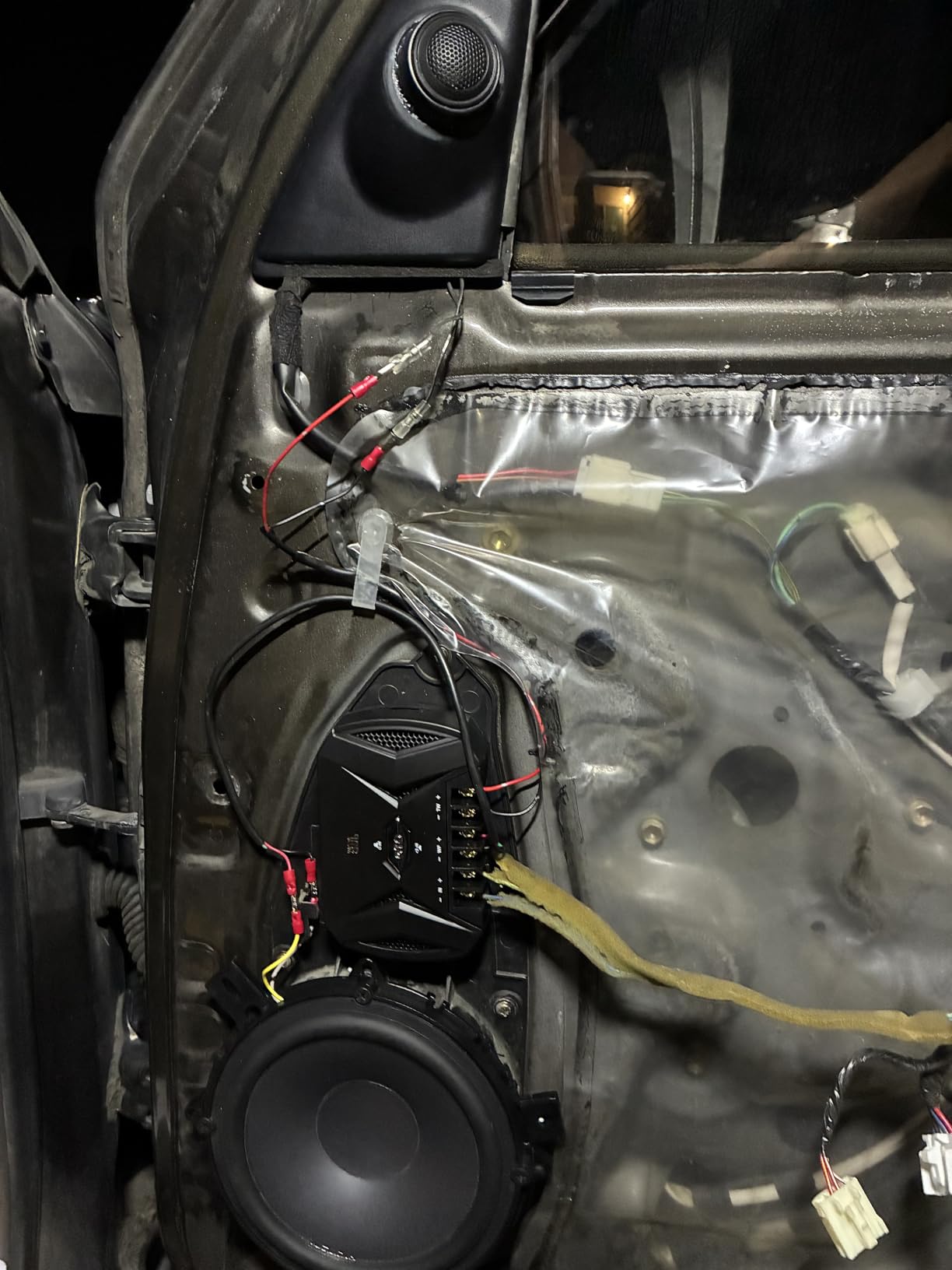
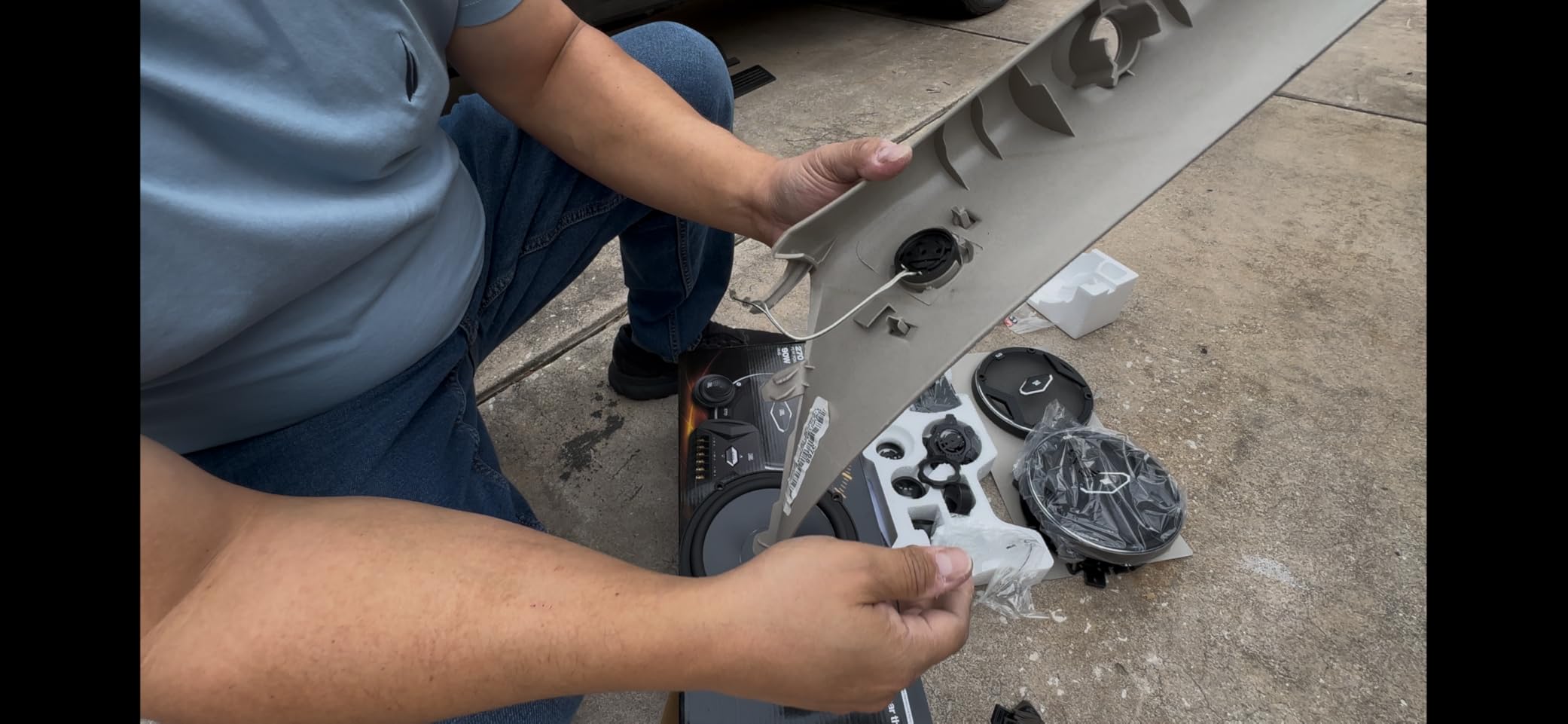
Because the tweeters are separate, you can aim them at the listeners and place the crossover where it suits the door. The patented I-Mount system supports flush or surface mounting, and a dual-level tweeter volume control lets you compensate for imperfect placement.
That same separation is the cost. Component systems need separate mounting and wiring, and the most common complaint is the extra installation effort compared with dropping in a coaxial.
Check this before buying
The I-Mount tweeter hardware can conflict with tight factory grilles, and you need a spot behind the door card for the crossovers. If your door has nowhere to hide them, this is not the right set.
Who this is for
Anyone with 6.5 inch openings who wants a real front stage and refuses to compromise on bass. The 3-ohm load is a genuine advantage in older vehicles with thin factory harnesses.
5. Kicker CS Series 6×9 – Deepest Bass in a Shallow Factory Mount
Kicker CS Series 150 Watt 6 x 9 Inch Car Audio Coaxial Speaker Pair, Black
6x9 Coaxial
4-Ohm
Extended Voice Coil
Reduced Mounting Depth
Neodymium Tweeters
Pros
- Highest average rating in the roundup
- Extended Voice Coil motor for deeper cleaner lows
- Shallow depth fits nearly every 6x9 opening
- UV-treated surround resists heat
Cons
- Peak figure conflicts with the 150W in the product name
- Coaxial means no aimable tweeter
This is the highest rated set we reviewed, at 4.7 stars, and the extended voice coil motor structure is aimed squarely at low-end output. Owners consistently single out the low end as the reason to pick it, and the 6×9 footprint means it fits factory locations that a 6.5 never will.
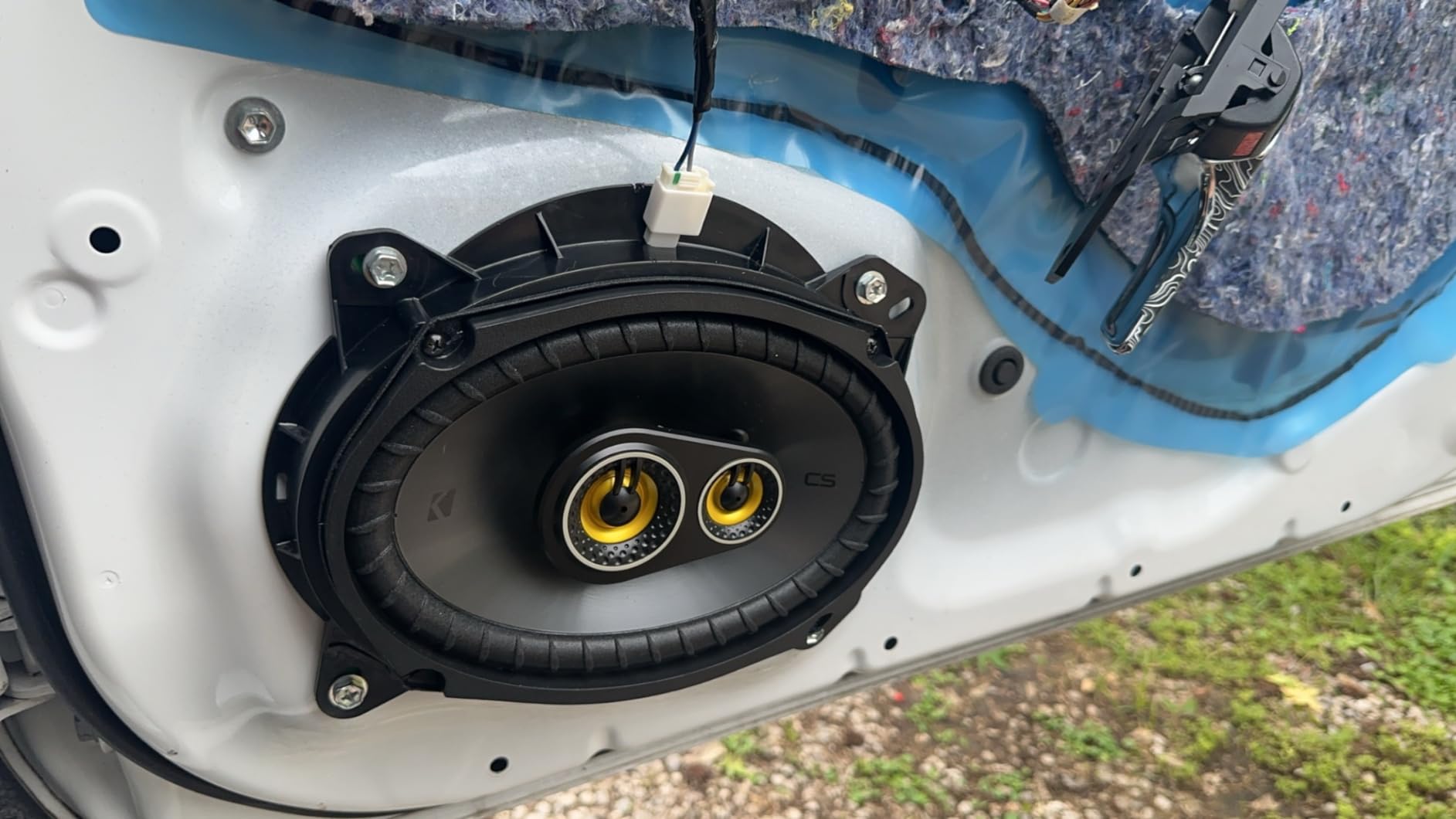
Two build details protect that bass. The mounting depth is drastically reduced, so it clears nearly every vehicle opening, and the UV-treated poly-foam surround resists the heat and direct sunlight that destroy cheap foam surrounds in parked cars.
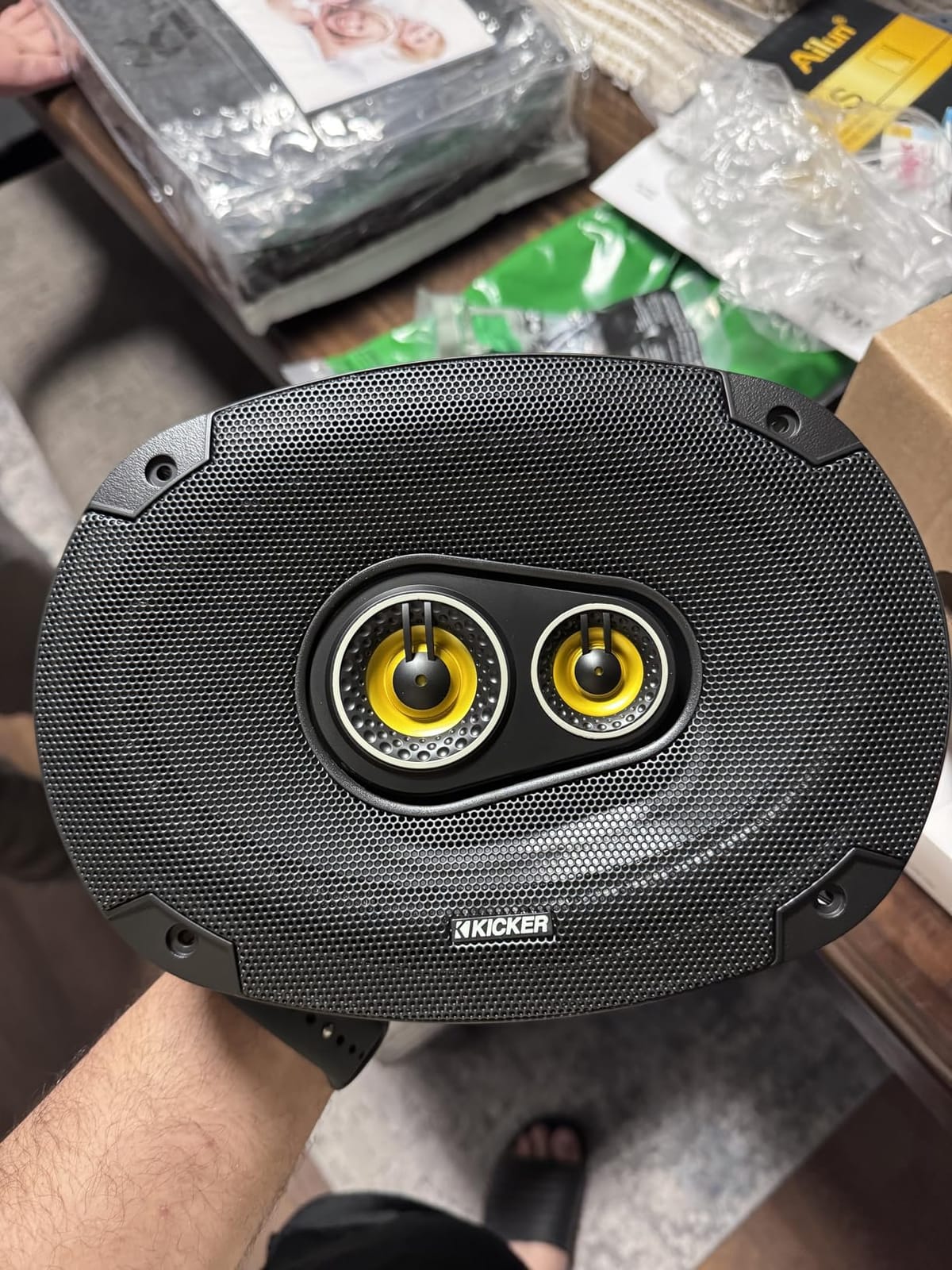
The stamped-steel basket and rigid polypropylene cone add stiffness, and the neodymium tweeter magnets give the high end more volume than a typical 6×9 coaxial manages. At 4 ohms it drops into a factory harness without an adapter.
Expect a coaxial compromise on staging. The mid and tweeter are wired as one unit, so the soundstage stays locked to the door and there is no crossover adjustment available.
Reading the power numbers
The listing shows 300W peak while the product name says 150W, which trips people up. Judge the continuous figure and let the cone and motor design tell you the rest.
Who this is for
Installers who want the most bass a factory-shaped 6×9 can deliver, especially in hot climates where a UV-treated surround matters. It is the pick for a truck or SUV door and rear deck.
6. Pioneer TS-M651PRO 6.5 Component – Loudest and Cleanest on Modest Power
Pioneer P.R.O. Series TS-M651PRO 6.5″ Component Car Speakers 500W Max
6.5 inch Component
94 dB Sensitivity
50 Hz to 18 kHz
120W Continuous
Pulp Cone
Pros
- 94 dB sensitivity gets very loud on modest power
- Light-weight pulp cone keeps distortion low
- Excellent midrange clarity
- Built for high sound pressure levels
Cons
- Optimised for midrange rather than deep bass
- Component layout needs separate tweeter mounting
- Door trimming may be needed for fitment
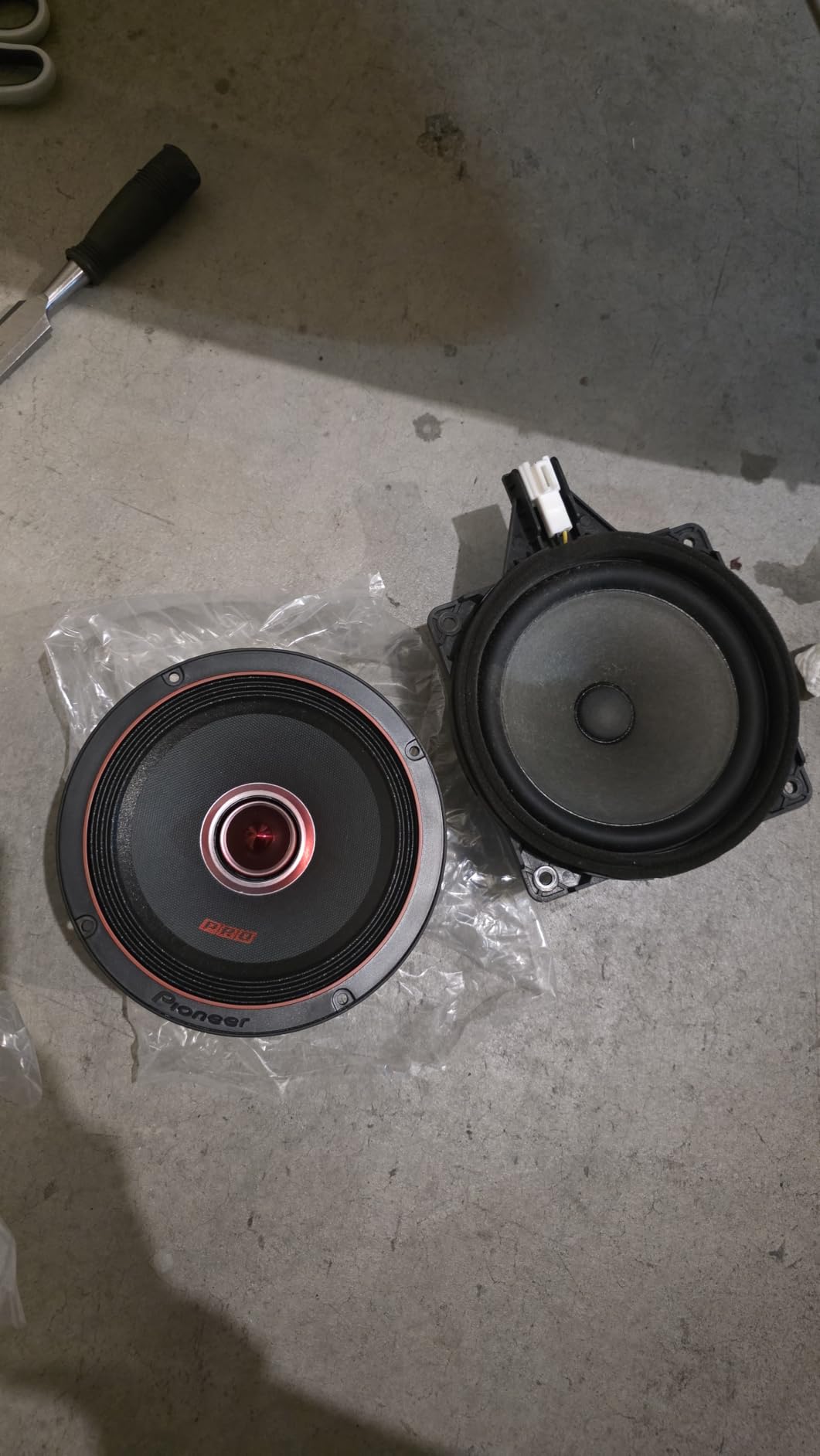
At 94 dB sensitivity this is the most efficient design in the roundup, and efficiency is what lets a modest amplifier reach serious volume. The P.R.O. series is built for show-style installs where the goal is clean, high sound pressure levels rather than polite listening.
The light-weight pulp cone is the reason distortion stays low at higher volume, and owners frequently call the midrange a large upgrade over the factory set. Continuous power handling is 120W per speaker, with 500W listed as maximum.
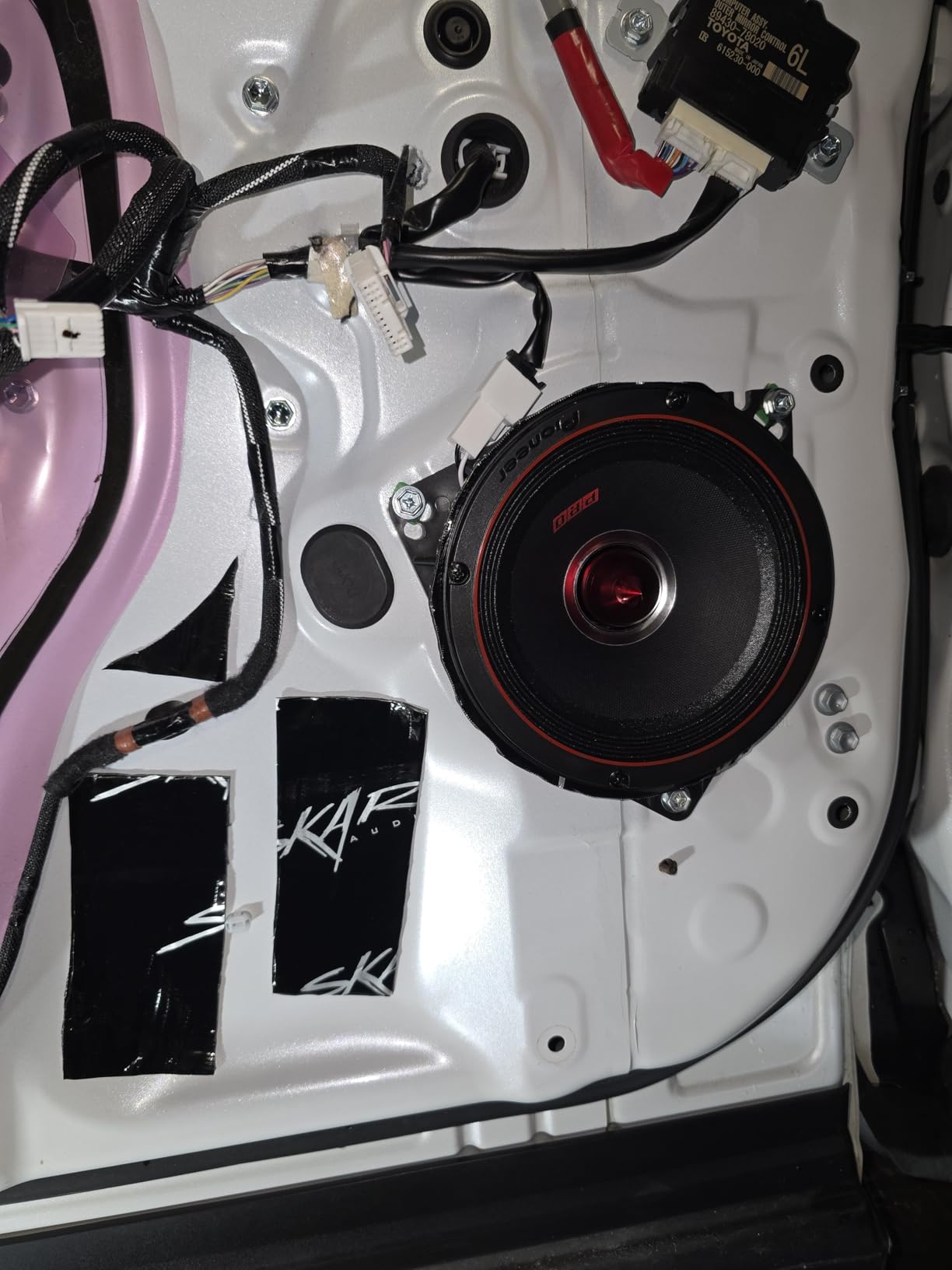
Frequency response is listed from 50 Hz to 18 kHz, which tells you where this design concentrates. The low end is present and clean, but 50 Hz is a midbass-first floor, not a sub-bass one.
Multiple owners caution that this is a midrange speaker that wants a separate subwoofer for hard bass. Fitment can also demand work, since the high output design may need door panel trimming to clear an adapter or spacer.
Amplifier advice
Because it is efficient, you do not need a huge amp to get loud, but you do need a clean one. A factory radio will run out of clean power well before the speakers do.
Who this is for
Builders pairing a dedicated subwoofer with a loud, articulate front stage. If your plan already includes a sub, this is where the clarity gain is.
7. CT Sounds Meso 6×9 – Bass-First Oval With a Real Power Figure
CT Sounds Meso 6×9” 400 Watt 2-Way Premium Coaxial Car Speakers, Pair
6x9 2-Way
4-Ohm
100W RMS Per Speaker
Fiberglass Cone
Silk-Dome Tweeter
Pros
- Genuinely deep bass reaching the low 30s Hz when mounted properly
- 100W RMS per speaker is a real number
- Fiberglass cone handles power without drama
- Silk-dome tweeters stay smooth
Cons
- Very large magnets cause front door fitment issues
- An amplifier is effectively required for full output
- Narrow grilles limit tweeter dispersion
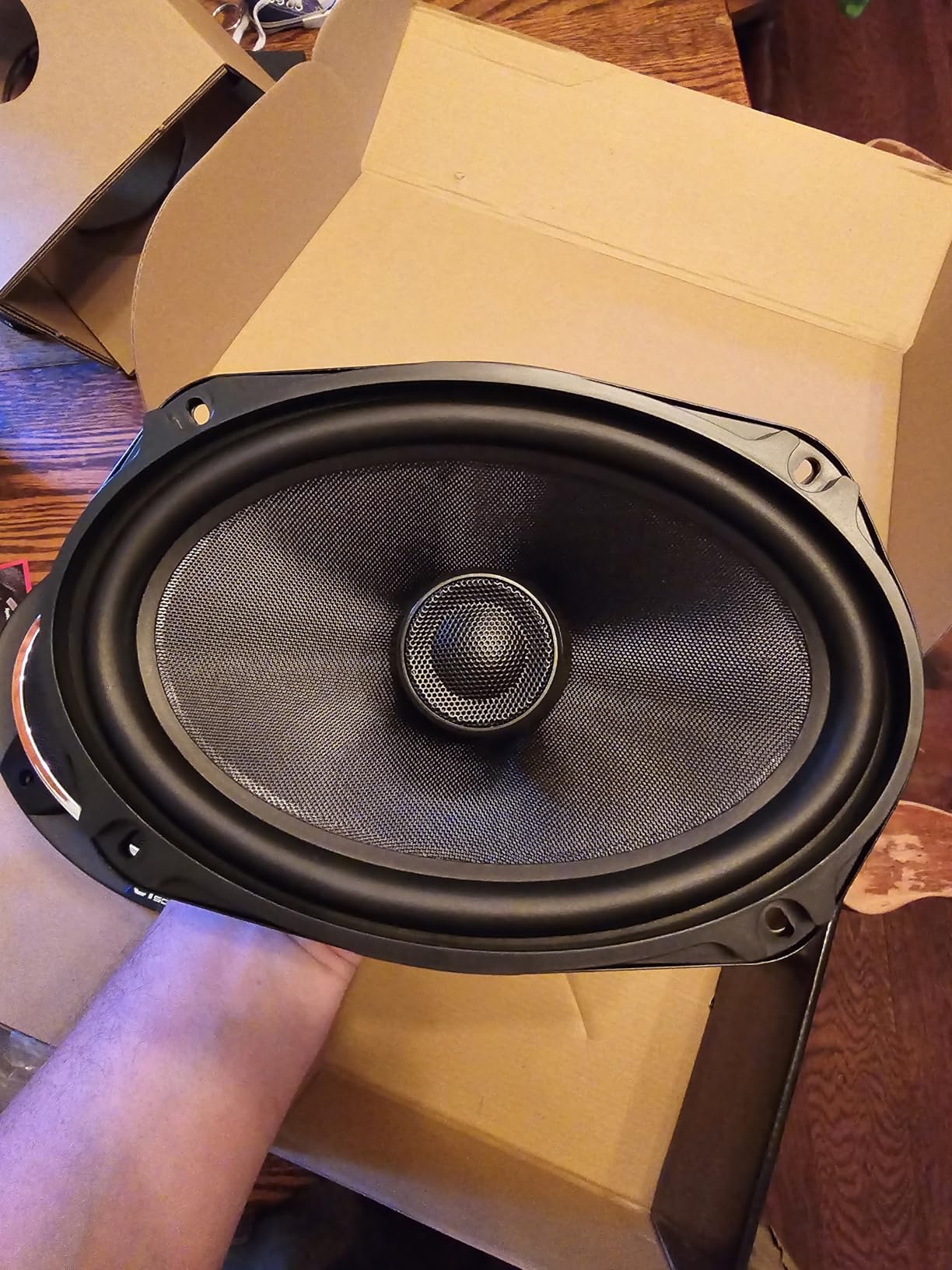
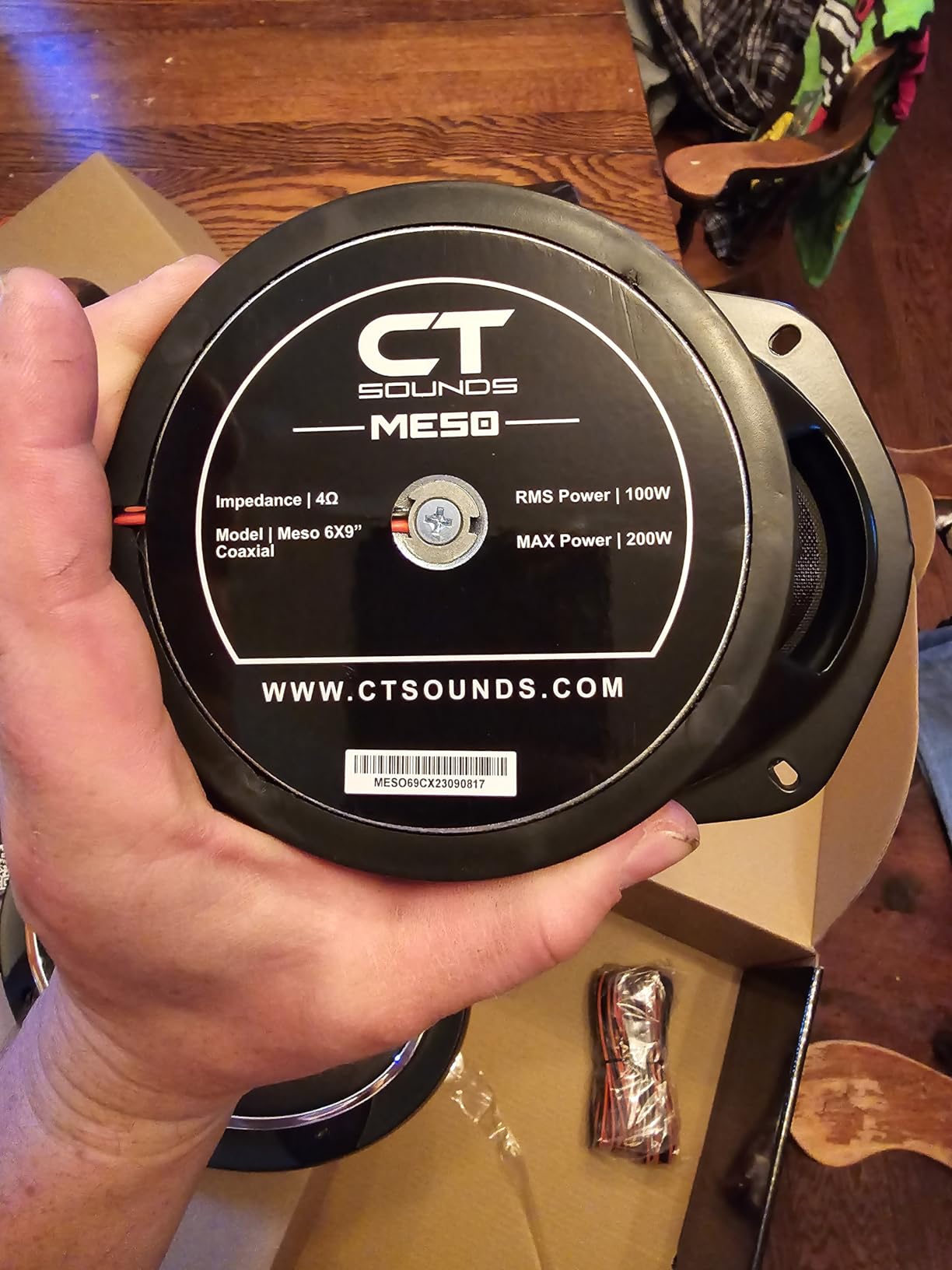
Most 6×9 co-axials quote inflated peak numbers. This one publishes 100W RMS and 200W maximum per speaker, 200W RMS and 400W maximum per set, and experienced builders describe it as entry-level high-performance audio reaching into the 30s in Hz.
The fiberglass cone with a nitrile butadiene rubber surround is built for power, and the silk-dome tweeters with a copper voice coil and neodymium magnet sound smooth rather than piercing, which matters in a long drive.
Push-down binding posts keep the terminal wires secure, a small detail that prevents the intermittent connection that causes a woofer to cut out on bumps.
Fitment is the real conversation here. The magnets are very large, and some front door installs need the window regulator track cut. Heavy construction also means spacers between the speaker and the door card.
Why the amplifier is not optional
Sensitivity is low by design, so this set needs real amplification to reach the volume the power rating suggests. Budget for a proper four-channel amp, and expect the low end to change character as you add power.
Who this is for
Enthusiasts who want sub-bass-adjacent output from a door and rear deck and can measure their clearance. Mounted properly in a sealed baffle, it outperforms lighter 6×9 designs in this list on low end.
8. Rockford Fosgate R165-S 6.5 Component – Cleanest Detail, Modest Bass
Rockford Fosgate Prime R165-S 6.5” 2-Way Component Speaker System (Pair)
6.5 inch 2-Way Component
4-Ohm
40W RMS
Mylar Dome Tweeter
In-Line Crossover
Pros
- Integrated in-line crossover keeps the install compact
- Crisp clear highs and mids
- Mica injected polypropylene cone
- Tweeters support flush surface and angled mounting
Cons
- Limited bass output versus larger drivers
- Only 40W RMS so it benefits heavily from an amp
- Frequency response leans bright
- Grille-to-mount spacing can leave a sealing gap
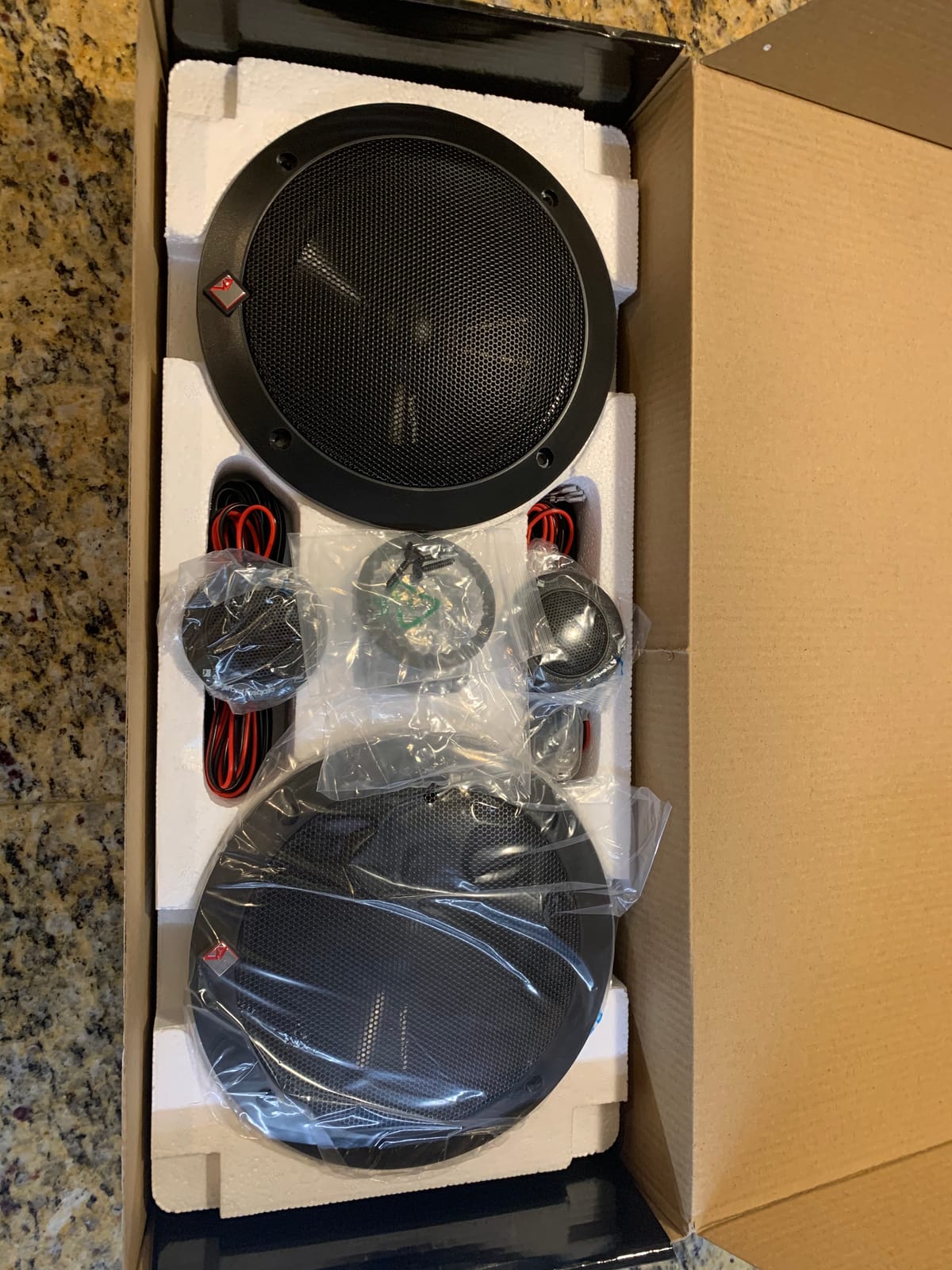
This is the compact option. The crossover is built into the tweeter lead as an in-line unit, which is exactly what you want in a door with no room for a separate crossover box, and the full kit covers two woofers, two tweeters, grilles and mounting hardware.
Owners like the crisp, clear highs and mids, and the mica injected polypropylene cone gives an extended, even response. The tweeters support flush, surface and angled mounting, so you can improve imaging without drilling new holes.
The honest headline from 601 reviews at 4.4 stars is that bass output is modest. Several owners report little low-end improvement over their factory speakers, and the tuning is brighter than the factory set, with highs some listeners find intense.
At 40W RMS per speaker it wants an amplifier to come alive, and the spacing between the grille and the mounting surface can leave a small sealing gap on some vehicles that leaks output and colour.
Check this before buying
Do not buy this one chasing bass. If low end is your priority, the 6×9 sets earlier in this list give you more output for the same effort.
Who this is for
Detail-oriented listeners with tight factory openings who want clean highs and mids from a component set. It comes with a one-year manufacturer warranty.
9. Kenwood KFC-6966S 6×9 – Budget Three-Way With Real Low End
Kenwood KFC-6966S 6 x 9 Inch 400-Watt 3-Way Flush Mount Coaxial Car Speaker Easy Installation – Pair
6x9 3-Way
400W Peak
Polypropylene Cone
Flush Mount Design
Sold as a Pair
Pros
- Three-way coverage at a budget level
- 400W peak handling supports solid bass
- Flush mount drops into standard 6x9 openings
- Durable polypropylene cone
Cons
- One inch tweeter is small so detail is modest
- Impedance is not stated in the listed specifications
- Bass does not reach the level of the premium 6x9 sets
At 2313 reviews and 4.5 stars, this is a dependable budget drop-in that reliably adds noticeably more bass than the thin factory paper cones. Owners treat it as a value upgrade rather than a high-fidelity build, and for a rear deck on a daily driver that is exactly the right expectation.
The three-way flush mount design gives you a dedicated midrange and tweeter on a single frame, so the door or deck opening only needs to be as large as a standard 6×9. Mounting hardware is included, and the set is sold as a pair.
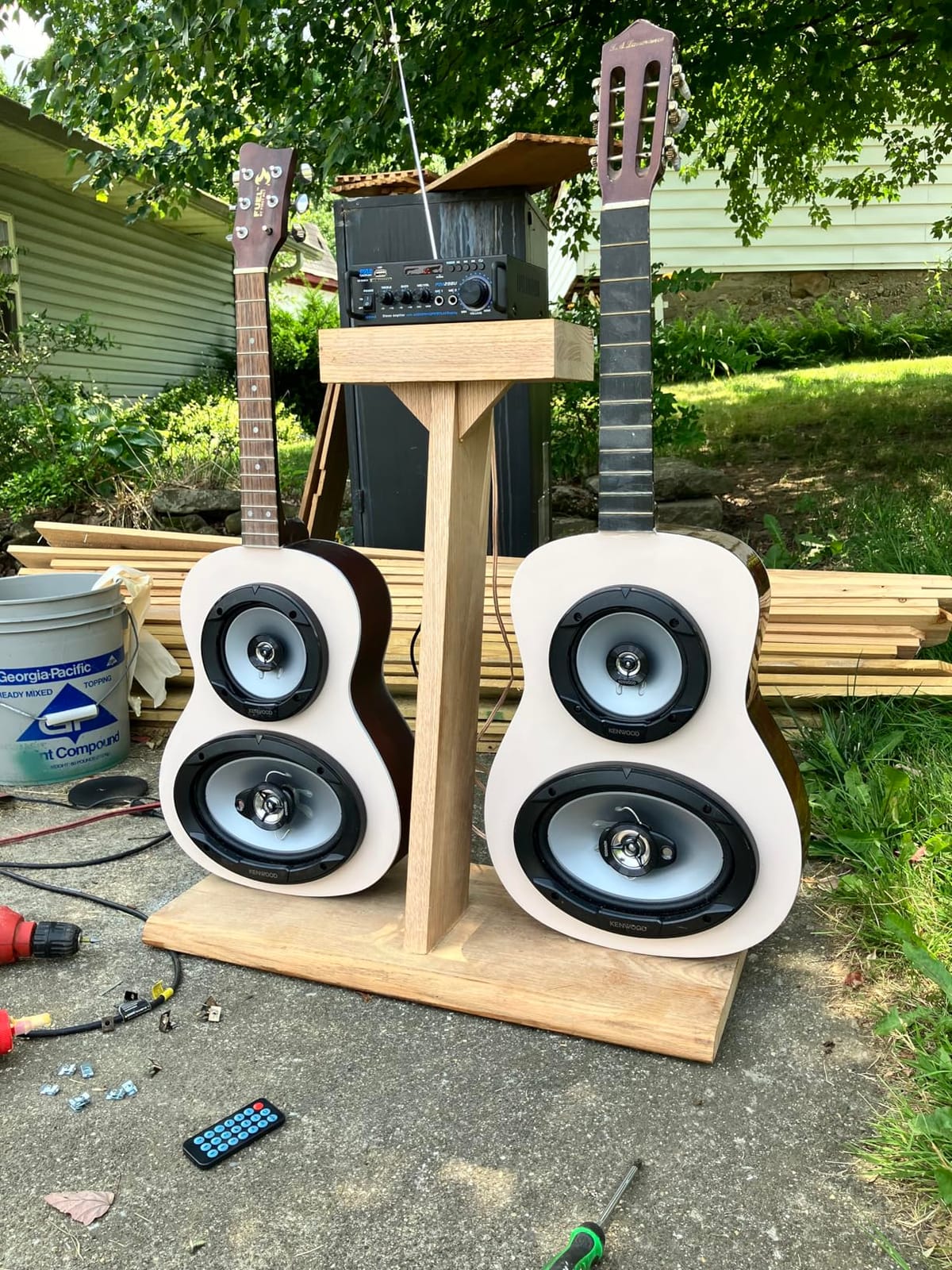
The polypropylene cone is chosen for longevity, and the 400W peak handling figure gives a reliable sense of headroom on a factory radio or a small amplifier.
Two caveats. The one inch tweeter is smaller than the competition, so high-end detail is modest, and the listed specifications do not state impedance, so confirm it matches your amplifier before ordering.
Where it fits in a bigger system
These make strong rear-fill speakers behind a component front stage. You get the 6×9 cone area for low end without spending front-stage money, and the soundstage stays where you put the tweeters.
Who this is for
Drivers who want a three-way 6×9 without stretching the budget, and anyone who needs a guaranteed drop-in fit. It comes with a one-year manufacturer warranty.
10. BOSS Audio CH6930 6×9 – Most Reviewed Budget Starting Point
BOSS Audio Systems CH6930 6 x 9 Car Speakers, 400 Watts Per Pair, 3 Way
6x9 3-Way
4-Ohm
92 dB Sensitivity
3.2 inch Mounting Depth
50 Hz to 20 kHz
Pros
- Most reviewed set in the roundup
- 92 dB sensitivity gives volume from a factory radio
- Shallow 3.2 inch depth fits most 6x9 openings
- Three-year dealer warranty
Cons
- Lowest average rating here at 4.3 stars
- 0.75 inch piezo tweeter is less refined
- Peak figure overstates real-world output
With 4534 reviews, this is the most reviewed product in the roundup, and at 4.3 stars it carries the widest spread of results. That is the honest characterisation: a functional budget upgrade that beats factory speakers on clarity and volume, with inconsistent outcomes across vehicle fitments.
The spec sheet is more useful than the star distribution. Mounting depth is 3.2 inches with an 8.9 by 6 inch mounting hole, frequency response runs 50 Hz to 20 kHz, and sensitivity is 92 dB at one watt and one meter.
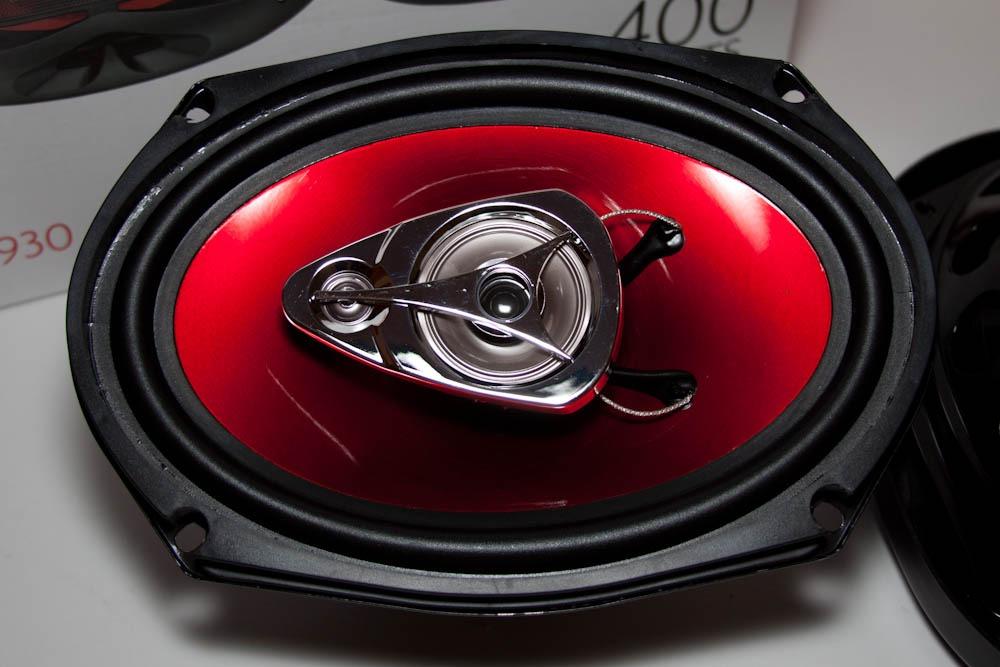
The three-way layout uses a 0.75 inch piezo tweeter and a 2 inch polyimide midrange, and the poly-injected cone with a rubber surround and high-temperature voice coil is a sensible, durable combination.
Expect modest refinement. The piezo tweeter delivers less detailed highs than the silk- or soft-dome rivals here, and the 400W per pair peak figure is not matched by real-world output.
Why the ratings spread
Only 66 percent of reviews are five star, the lowest share in this roundup. Fitment and expectations both play a part, so check the 8.9 by 6 inch hole and the 3.2 inch depth against your door or deck.
Who this is for
First-time upgraders on a strict budget who want a 6×9 fit and 92 dB efficiency. It is a three-year platinum online dealer warranty when sold through Amazon, which adds real cover.
Coaxial vs Component vs 6×9 for Bass
Component speakers give the most bass from a 6.5 inch opening because the woofer is designed to do one job, and a 3-ohm load also extracts more output from thin factory wiring. A coaxial is quieter per dollar and installs in minutes, which matters when a factory opening is tight. For raw low end, a 6×9 oval beats both because cone area is the constraint nobody can engineer around.
That is the ordering behind this list: 6×9 first for bass, component 6.5 for staging plus bass, coaxial 6.5 for simplicity. If your openings are oval factory positions, the 6×9 route is effectively the only one that gets you serious low end without a subwoofer.
RMS Power, Sensitivity and Amp Matching
Peak power is a surge rating and tells you nothing about sustained output, which is why the 400W and 500W figures on some boxes here are not comparable to the 100W RMS printed beside them. Match your amplifier to the RMS number and, more importantly, to the sensitivity. Six decibels of extra sensitivity is roughly a doubling of output level, which is why a 94 dB set sounds dramatically louder than a 88 dB set on the same amplifier.
A factory head unit delivers roughly 15 to 25W RMS per channel before it starts clipping, so a 70W continuous speaker is already at the limit of what the radio can feed it. Speakers rated 100W and above are amplifier speakers, and powering them from a factory radio leaves most of their capability unused.
Two common causes of disappointing bass show up again and again in these forums. A mismatched impedance load and an unknown amplifier both limit output, and gain set too high adds distortion rather than volume.
Fitment: Cutout Diameter, Mounting Depth and Adapters
Measure the cutout diameter and the depth behind the grille before ordering anything, and treat the 6.5 inch opening as a range rather than a number. Multi-fit adapters, as supplied with the Pioneer TS-A1671F, handle diameter variation but not depth.
For 6×9 sets, check the magnet diameter rather than the frame, because the CT Sounds Meso has very large magnets that can force a window regulator modification in a front door. The BOSS CH6930 publishes its 8.9 by 6 inch hole and 3.2 inch depth, which makes it the easiest to plan around, and the Kicker CS Series is built specifically for reduced mounting depth.
Add sound deadening to the same visit. A stiffened door panel gives the driver a stable enclosure, and that work usually changes the perceived bass more than a step up in speaker class.
Frequently Asked Questions
What type of speaker is best for bass?
A 6×9 coaxial or a component set with a large cone area is best for bass in a car. Cone area is the deciding factor: a 6×9 oval moves more air than a 6.5 inch round driver, and a component woofer is built to handle more excursion than a coaxial. All of them bottom out around 300 Hz, so a subwoofer is still needed below about 60 Hz.
How to get deeper bass in your car?
Work in this order: buy more cone area rather than more peak watts, deaden the door panel with butyl mat, confirm mounting depth before ordering, set amplifier gain so the amp reaches clean full power instead of clipping, set the low-pass filter around 80 Hz, then add a subwoofer for anything below 60 Hz.
Do I need an amplifier for aftermarket car speakers?
For sets rated 70W RMS and under, a factory head unit is enough. Anything rated at 100W RMS or more needs a real four-channel amplifier to reach its potential, and high-sensitivity sets rated around 91 to 92 dB will sound noticeably better with one.
What are the best 6.5 inch coaxial speakers for bass?
The Pioneer TS-A1671F and the KICKER DSC650 are the strongest 6.5 inch co-axials for bass, both at 4.6 stars with more than 2700 reviews each. The Pioneer reaches down to 37 Hz and comes with multi-fit adapters, while the Kicker is the more proven factory-radio upgrade with PEI domed tweeters.
Which speakers are the loudest and clearest?
The Pioneer TS-M651PRO is the loudest design here with 94 dB sensitivity and 120W continuous power handling, and it is praised for midrange clarity. For clarity on a tighter budget, the JBL GTO609C component set uses larger Plus One cones and a 3-ohm load to pull more output from thin factory wiring.
What car speakers are best for sound quality versus bass?
Bass picks favour 6×9 coaxials such as the KICKER DSC6930 and the Kicker CS Series, where cone area rules. Sound quality picks favour component systems with a separate tweeter, such as the JBL GTO609C or the Pioneer TS-M651PRO, because you can aim the tweeters and control the crossover. Our broader sound quality roundup covers the full-range options in more detail.
Conclusion: Which Speakers Should You Buy?
If you want one answer, the KICKER DSC6930 is our pick for the best car speakers for bass, because 6×9 cone area, 92 dB sensitivity and a 30 Hz floor deliver the biggest jump from a factory system without changing the opening. If your doors are 6.5 inch, move up to the JBL GTO609C for bass plus a stage you can aim. If you are sticking with a factory radio and a tight budget, the Pioneer TS-A1671F and the KICKER DSC650 are the two safest buys.
Whichever you pick, add a subwoofer when you want sub-bass, and give the door a sound deadening treatment while it is apart. Our picks were verified against current listings for 2026. For a wider look at the full-range side of things, read our car speaker roundup too.