
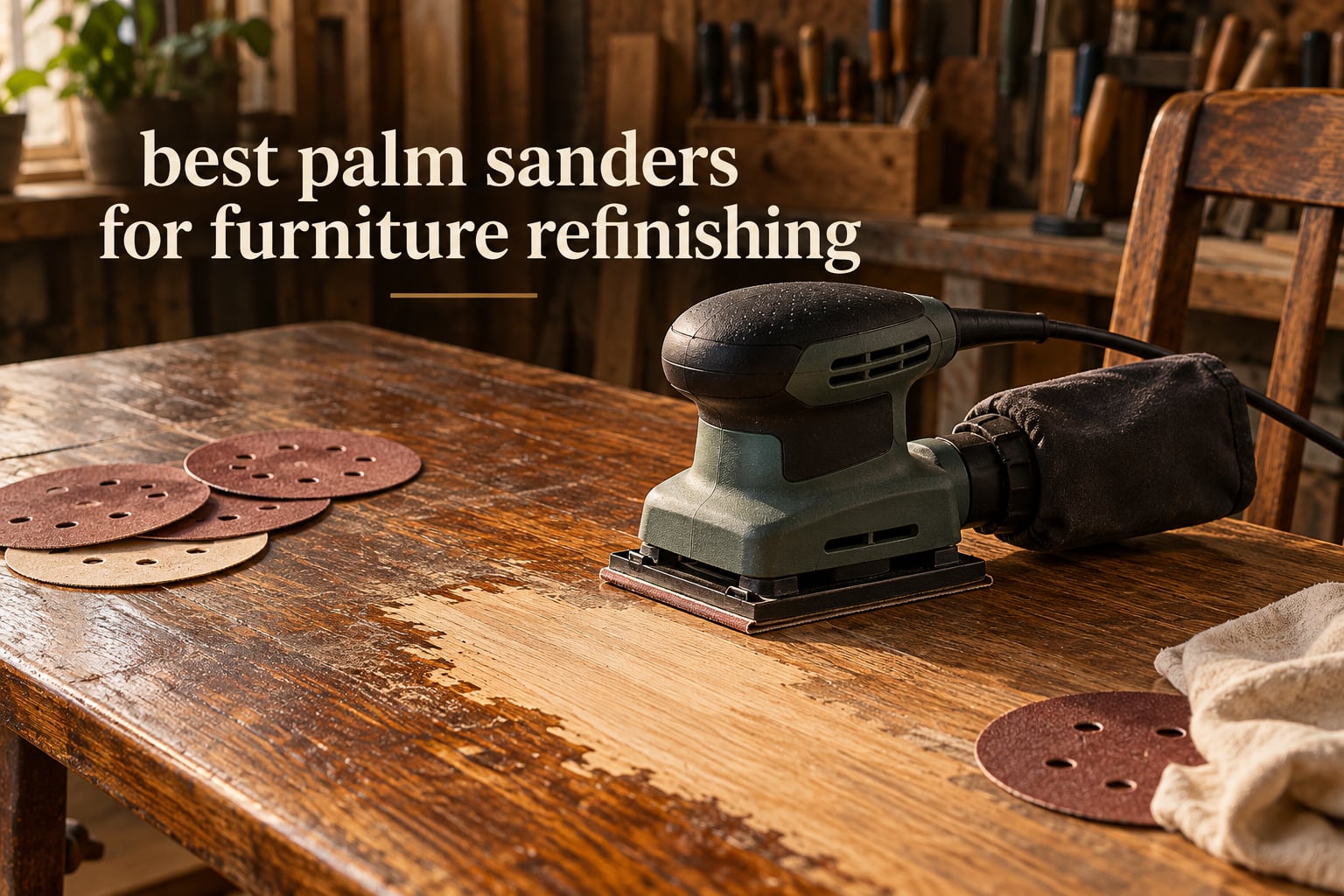
Choosing the right palm sander decides how fast a furniture piece comes apart and whether the finish survives the process. After working through a stack of dressers, nightstands and a badly painted credenza over several months, I keep coming back to the same shortlist. The BLACK+DECKER BDERO100 is the best overall pick for most people: a 5 inch random orbit pad spinning at 12,000 OPM, a 3.2 pound body that stays comfortable in one hand, and a hook-and-loop face that changes discs in seconds. That combination covers the large majority of furniture refinishing work, and it is why I start nearly every recommendation here.
This roundup covers the best palm sanders for furniture refinishing across the decisions that actually come up in a shop. A 5 inch random orbital handles flat tabletops, dresser tops and cabinet doors. A quarter-sheet or detail sander covers legs, spindles, grooves and raised panels. Cordless units free you from a cord snagging on a workpiece. The ten tools below span all three categories, and I have used them long enough to know where each one stops being the right tool.
Two details drive almost every verdict below. The first is dust: anyone sanding furniture indoors treats extraction as a requirement, not a feature, and that single requirement eliminates several otherwise fine sanders. The second is swirl marks, the circular scratches that show up on a finished tabletop when a random orbital keeps moving in one spot too long. Understanding how pad-dampening systems and speed control fix that problem tells you more than any star rating will.
For the wider picture on random orbit sanders in other applications, our guide to the best random orbital sanders goes deeper on pad systems and grit choices. If your project is outdoor rather than indoor, the best patio furniture sets guide covers the pieces most people are actually sanding on a weekend.
Table of Contents
Top 3 Best Palm Sander Picks for Furniture Refinishing in 2026


The BLACK+DECKER BDERO100 wins on the combination of rating, review volume and weight. The Bosch ROS20VSC wins on control and dust filtration. The SKIL SR211601 wins on value, vibration handling and dust box convenience.
Quick Overview: Every Palm Sander in This Roundup
1. BLACK+DECKER BDERO100 5 Inch Random Orbital Sander – Best Overall
BLACK+DECKER Orbital Sander, 5 Inch, 2.0 Amp, 12000 OPM, Corded, 1 Sandpaper Sheet and Dust Bag Included (BDERO100)
5 inch random orbit pad
12000 OPM
2.0 amp corded motor
3.2 pounds
Pros
- Light 3.2 pound body suits long sessions
- Comfort grip handle reduces hand fatigue
- Swirl-free random orbital finish at 12000 OPM
- Hook-and-loop face holds up to heavy work
Cons
- Single speed with no dial to slow down for finishing
- Fabric dust bag captures only part of the fine dust
- No vacuum adapter in the box
- Only one sanding sheet included
This is the sander I reach for first on almost any furniture job. At 3.2 pounds it is the lightest 5 inch random orbital in this group, and that weight difference is not cosmetic on a large dining table where you spend an hour in overlapping passes.
The 12,000 OPM speed clears old varnish and thin lacquer quickly without the machine bogging down. The comfort grip handle covers the palm area well, and owners report using it for years on decks and guitar bodies without the motor or switch giving out.
Swirl marks show up on any random orbital if you park the pad in one place, and this one has no speed dial to slow down with. What keeps the finish predictable is the light weight, because a light tool is easy to keep moving rather than grinding into a single spot.
The honest weakness is dust. The included fabric bag catches the coarse debris but lets a real share of the fine particulate through, so I run a shop vacuum through a vacuum adapter for anything beyond scuffing. Most owners reach the same conclusion and advise a mask and good extraction regardless of the bag.
Who This Sander Suits
This one fits first-time refinishers who want a single tool that handles a dresser top, a set of cabinet doors and a nightstand without adaptation. It also suits anyone working on more than one piece a week, because the 3.2 pound frame rarely produces the hand fatigue that ends a session early.
If your work is mostly detail on legs, spindles and carved trim, this pad is too wide to reach into a groove. Pair it with a small detail sander rather than forcing the round pad into tight spaces.
Where It Falls Short
Single-speed operation is the real limitation. There is no dial to slow the orbit down for a final 220 grit pass, so you manage finesse by changing grit rather than changing speed. That is workable but slower than a variable-speed tool.
The absence of any vacuum adapter in the box also means indoor jobs start with a separate purchase. Budget for a hose adapter and a canister with a filter if you sand inside.
2. SKIL SR211601 5 Inch Random Orbital Sander – Best Value
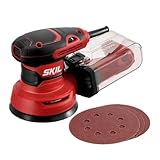
SKIL 5” Random Orbital Sander with Cyclonic Dust Box & 3pc Sanding Sheet – SR211601, Multicolor
5 inch pad
13000 OPM
2.8 amp motor
Variable speed control
3.4 pounds
Pros
- Counterweight balance reduces hand fatigue
- Variable speed handles several materials
- Transparent cyclonic dust box empties easily
- Three sanding sheets included
Cons
- Faint swirl marks still possible on very flat surfaces
- One year limited warranty
- No fine on/off modulation from the trigger
This is the tool I recommend to anyone with a sensitive grip or a long sanding day ahead. The counterweight balance and soft rubber grip cut transmitted vibration noticeably, which shows up as comfort rather than as a spec you can measure at the bench.
It runs a 2.8 amp motor at up to 13,000 OPM, and the variable speed control lets you drop the orbit for delicate veneer and raise it for hardened paint. The compact body reaches the inside corners of a drawer or the gap between two turned legs without much fuss.
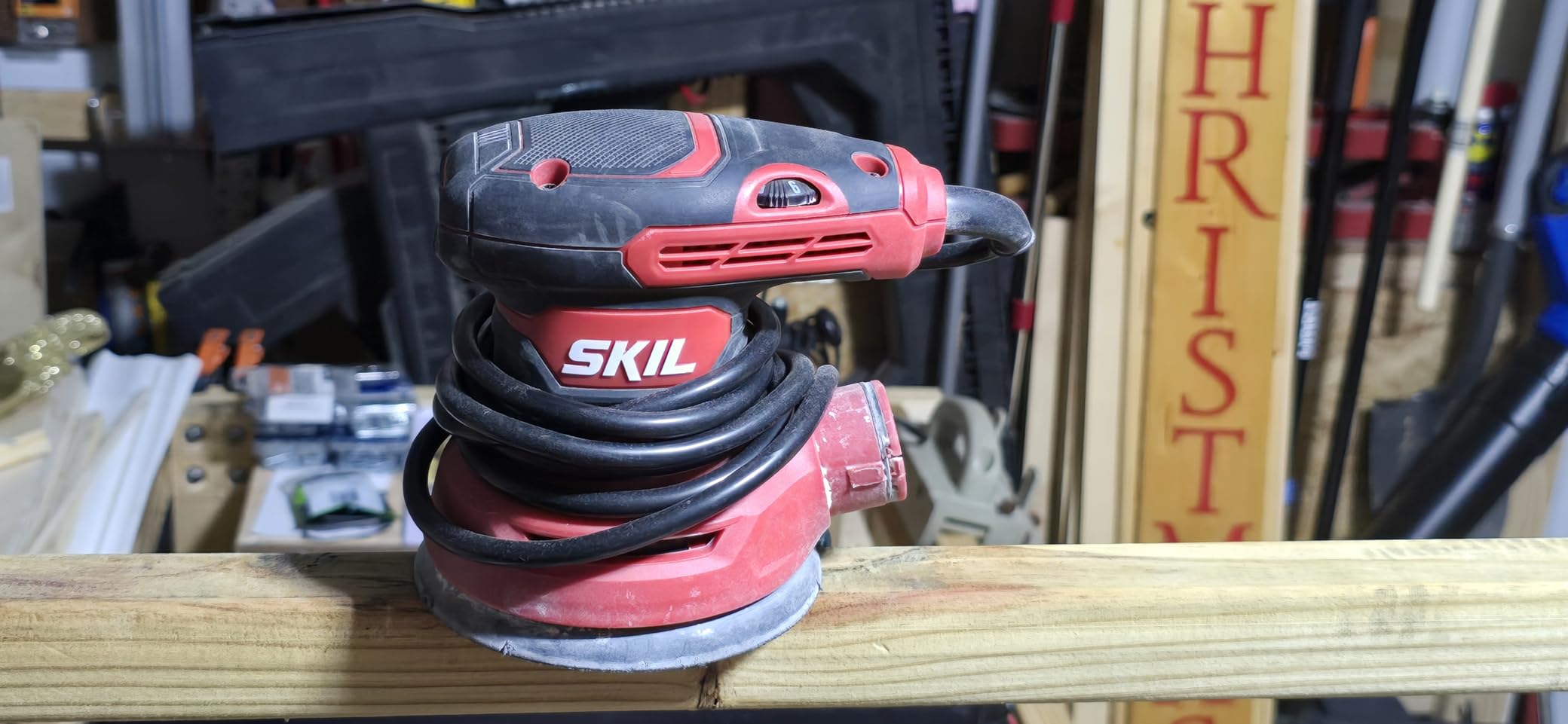
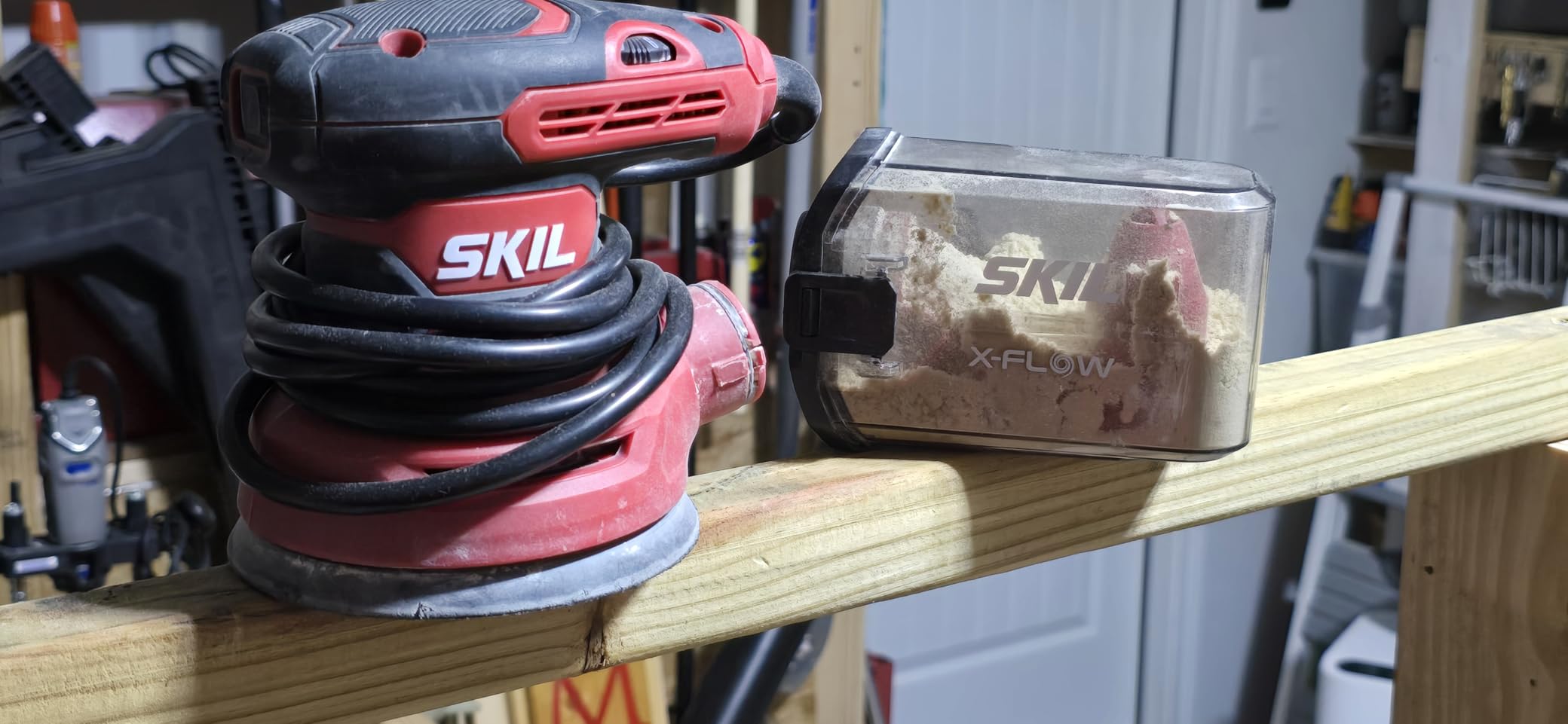
The cyclonic dust box is the part I did not expect to like as much as I do. You can see the fill level through the clear plastic, empty it without getting dust on the bench, and get back to work. On an indoor job that container discipline matters more than most spec sheets suggest.
Buyers consistently report a smooth finish on furniture and cabinets and easy emptying as the standout benefits. The complaints cluster around two things: occasional faint swirl marks on very flat surfaces, and a one year limited warranty that is shorter than several competitors here.
Who This Sander Suits
Shop owners doing volume cabinet work tend to land here, because the vibration handling is what keeps someone sanding for a full day without burning out their hand. It also makes sense for anyone refinishing softwood, where a gentle touch reduces the risk of denting the surface.
Buyers who want the lowest purchase cost on a variable-speed random orbital also get a fair deal here. Three sanding sheets in the box mean you can start working before a shopping trip.
Where It Falls Short
Random orbital action still leaves faint swirl marks on very flat surfaces, particularly with a fine grit. If the piece is a high-gloss tabletop that must look perfect, take extra passes at low pressure and finish by hand.
The one year warranty is the shortest in this roundup. Experienced woodworkers on woodworking forums also rate SKIL more cautiously than its retail ratings suggest, so treat it as a capable value tool rather than a long-term shop investment.
3. DEWALT DWE6411K Quarter Sheet Palm Sander – Best for 1/4 Sheet Paper

DEWALT Palm Sander, 1/4 Sheet, 14,000 OPM (DWE6411K)
Quarter sheet clamp
14000 OPM
2.3 amp motor
2.8 pounds
3 year warranty
Pros
- Paper clamp holds sheets without tearing
- Low profile keeps you close to the work
- Separate counterweight reduces vibration
- Locking dust port accepts a vacuum hose
Cons
- Needs quarter sheet paper instead of 5 inch discs
- Single speed with no dial
- Bag catches most dust but not all of it
If you prefer buying cheap sheets of sandpaper instead of discs, this is the sander to buy. The quarter-sheet format takes standard cut sheets, and the improved paper clamp grips them firmly without tearing, which matters when you are pushing hard on old varnish.
The 2.3 amp motor drives 14,000 OPM, the highest straight-line figure in this group, and the reduced overall height keeps the body low to the surface so you can sand flush against a cabinet back or a drawer side.
Long-term owners describe using the same unit for two decades on doors, cabinets and fine hardwood trim. Quiet operation, low vibration and reliable paper retention are the three things they name most, and the 3 year limited warranty backs that reputation more solidly than most tools here.
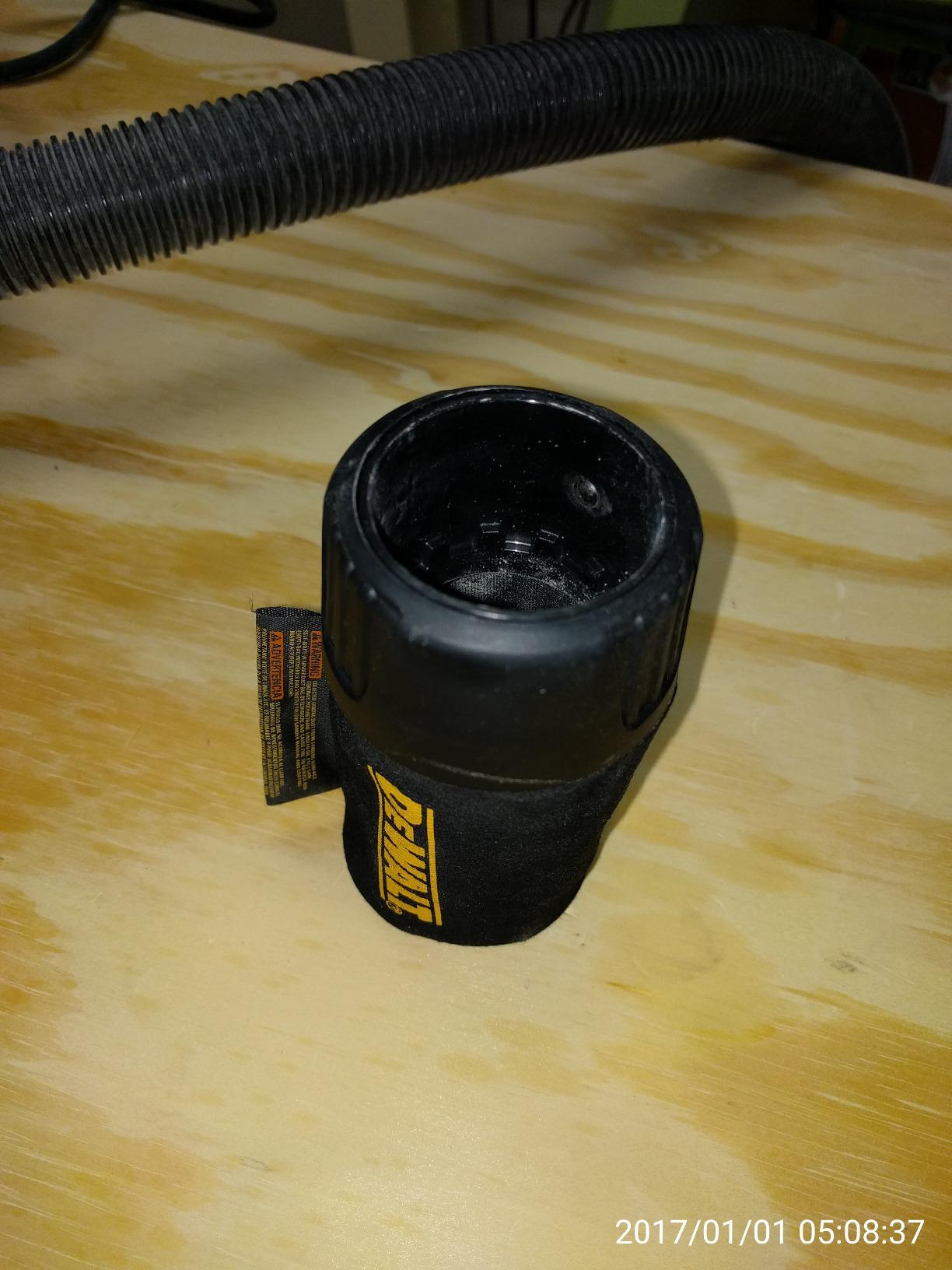
You also get a separate counterweight and a rubber overmold, which together take the edge off vibration. The locking dust port accepts a vacuum hose or the included bag, and a paper punch in the box means you can cut correctly sized sheets from a full sheet.
Who This Sander Suits
This suits anyone who already has a vacuum and wants stronger extraction than a bag can give, since the port locks in place rather than falling off mid-session. It also suits people restoring built-ins and cabinet runs where you sand the same profile repeatedly.
The low profile helps on furniture with tight clearances, such as the underside of a cornice or the inside face of a shallow drawer. If your abrasive budget matters, quarter sheets are among the cheapest formats to buy in volume.
Where It Falls Short
There is no variable speed control. On veneer or a finished surface you have no dial to slow down with, so you manage pressure and grit instead.
The format itself is the other cost. If you have built up a habit of buying 5 inch hook-and-loop discs, switching to quarter sheets means carrying two stacks of paper and punching your own sheets.
4. Bosch ROS20VSC Variable Speed Random Orbital Sander – Most Versatile
BOSCH ROS20VSC Palm Sander, Variable Speed Random Orbital Sander
5 inch pad
Variable 7500-12000 OPM
2.5 amp motor
Pad dampening system
3.5 pounds
Pros
- Variable speed dial matches speed to each workpiece
- Pad dampening reduces swirl marks on flat and contoured surfaces
- Microfilter captures particles down to 1/2 micron
- Vacuum adapter and carrying bag included
Cons
- Heaviest tool in this roundup at 3.5 pounds
- One year manufacturer warranty
- Longer body is less suited to tight corners
The pad-dampening system is the reason this sander keeps appearing in serious furniture discussions. By resisting pad spin at low speed, it lets you stop the tool on a finished surface without grinding a swirl mark into it, and the variable dial lets you work from 7,500 up to 12,000 OPM on the same workpiece.
Dust handling is the best in this group. The microfilter system traps particles down to a half micron, the twist-off canister has a fill-level window, and a vacuum hose adapter is included in the kit. If sanding indoors is part of your routine, that is the deciding feature.
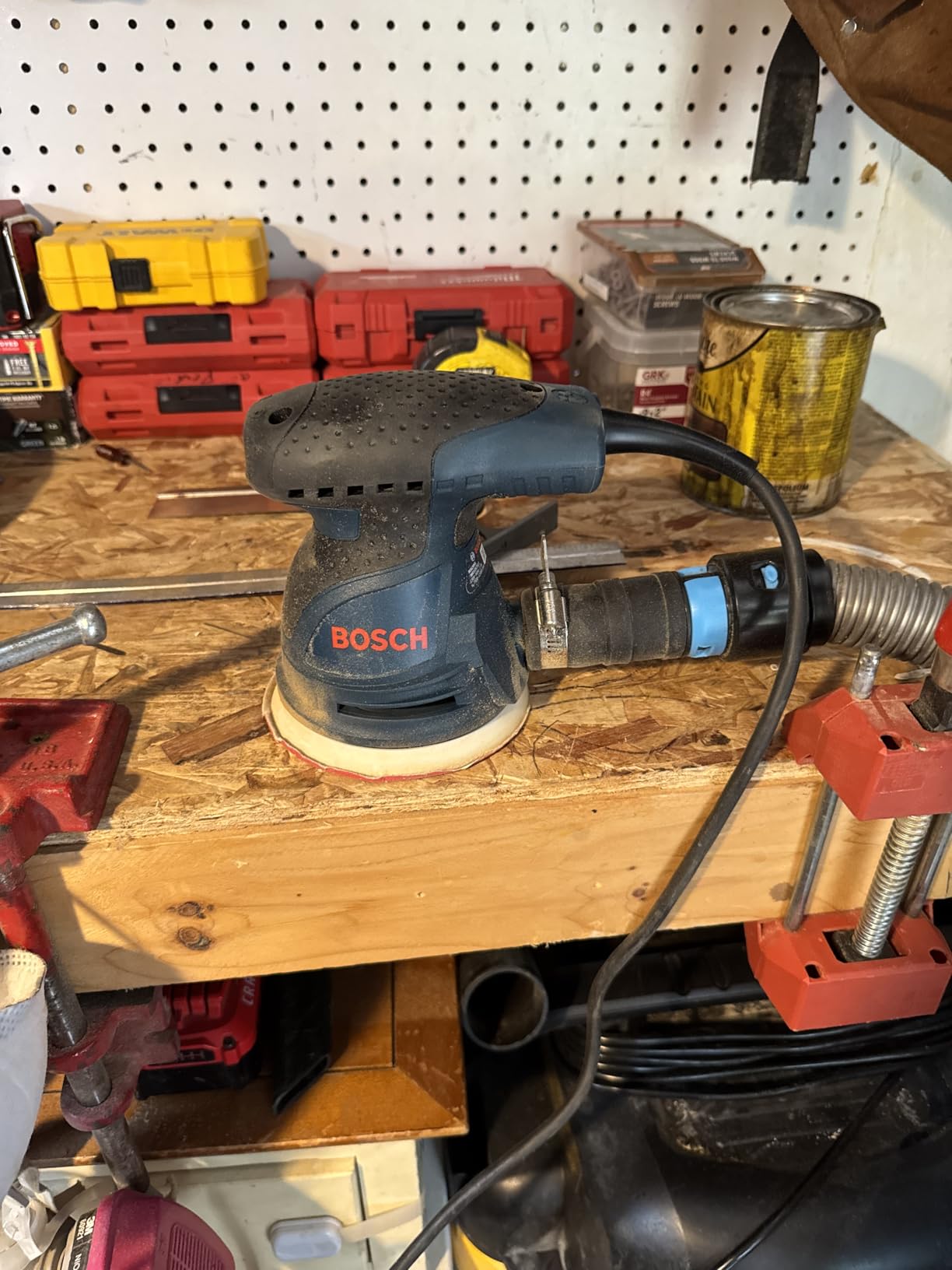
Owners on woodworking forums repeatedly describe keeping one of these for small jobs even after buying a premium sander, which tells you something about how it performs on partial pieces rather than full refinishing jobs. The 35,000-hook attachment system grips discs firmly enough that they survive heavy stripping.
Reviewers consistently favour the fine speed control and the dampening system for producing clean furniture surfaces, plus the filtration quality. The trade-off named most often is the 3.5 pound weight, which tires the hand over long sessions.
Who This Sander Suits
This suits refinishers working on pieces with visible flat surfaces where swirl marks would be obvious, such as a painted dresser top or a stained oak table. The dampening system plus the variable dial is the closest thing to a cure for the complaint I hear most often about random orbitals.
It also suits anyone sanding in a home rather than a garage. Between the canister, the microfilter and the included adapter, it collects more of what you do not want to breathe than anything else here.
Where It Falls Short
At 3.5 pounds it is the heaviest sander in the roundup, and on a long cabinet job that weight compounds. If your hands tire early, a lighter corded or cordless unit will get more done per session.
The one year manufacturer warranty is also the shortest here. And the longer body means the 5 inch pad sits further from your grip, which makes it a poor choice for the tight inside corners of a drawer.
5. Milwaukee 2648-20 M18 Cordless Random Orbit Sander – Best Cordless

Milwaukee Electric Tools 2648-20 M18 Random Orbit Sander
18 volt lithium-ion
2 pound tool body
Corded-free random orbit
M18 platform
Pros
- No cord to snag on legs or workpieces
- Lightest full-size option here at 2 pounds
- Plugs into an existing M18 battery ecosystem
- Consistent even finish on cabinets and trim
Cons
- Battery and charger sold separately
- Fixed speed with no dial
- Lower review volume than the corded picks here
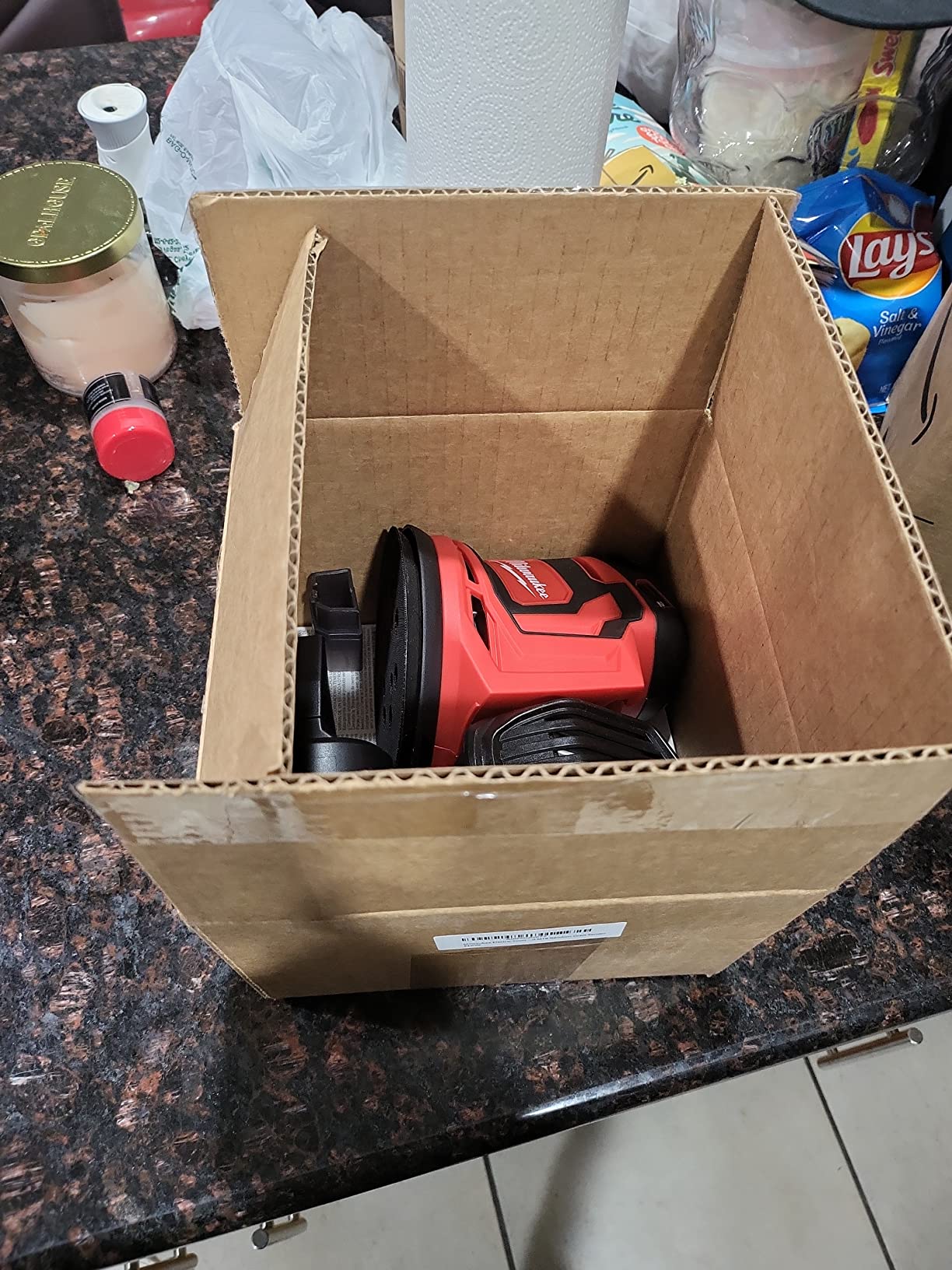
A cord is a real hazard in a furniture shop. It catches on a leg, yanks the sander across a finished top, and forces you to stop every few minutes to untangle it. This sander removes that problem entirely, which is why it is the pick I recommend for house calls and small rental spaces.
At 2 pounds it is the lightest full-size sander in the roundup, and buyers point to that low weight as the main reason to choose it over a corded palm sander. The finish comes out consistent and even on cabinets and trim.
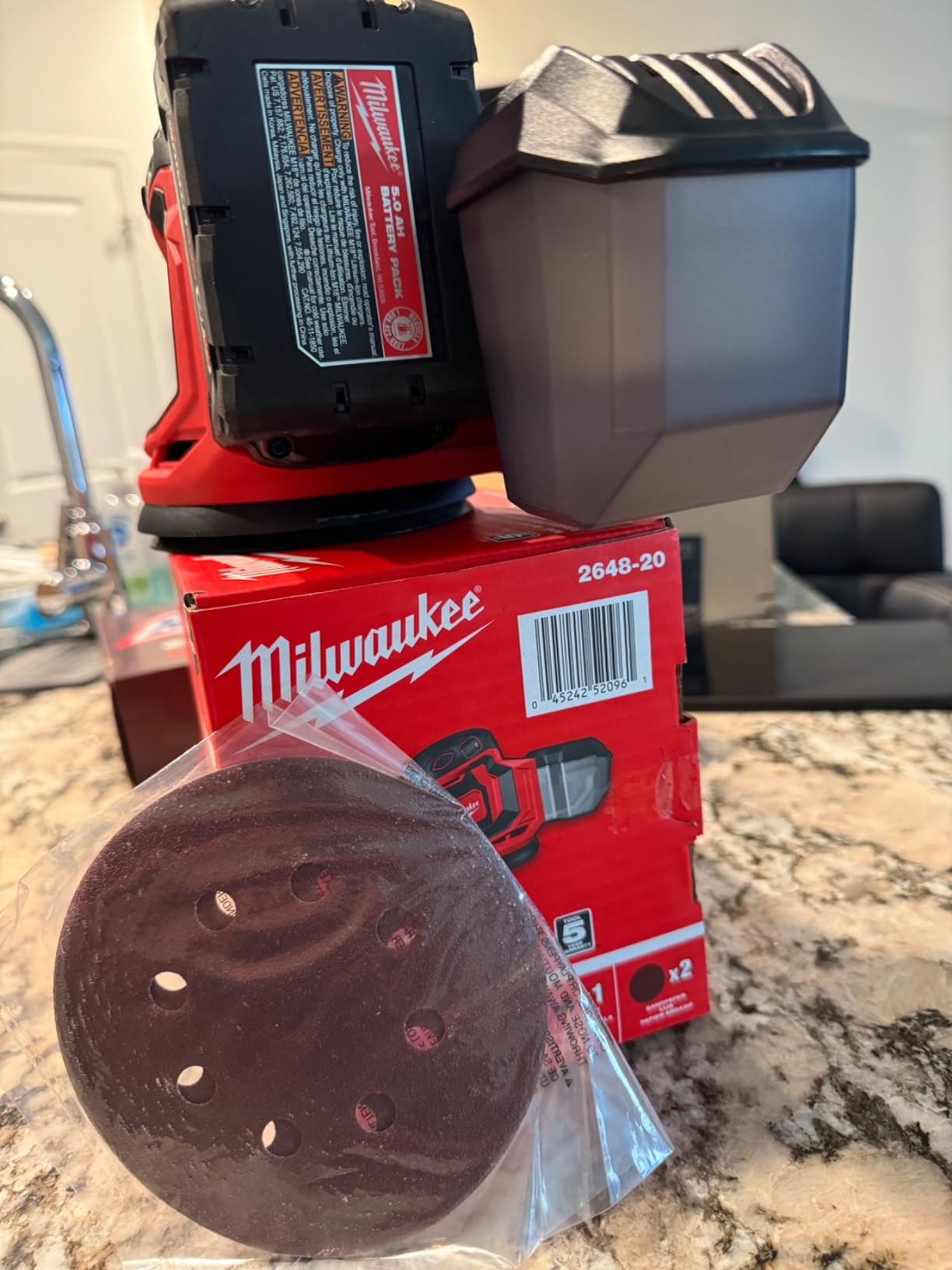
The real decision here is platform math. If you already own M18 lithium-ion batteries, this tool slots straight into that ecosystem and the only added cost is the sander itself. If you own nothing, you are buying a battery and a charger to go with it.
Owners report cordless freedom and low weight as the deciding benefits. The caveat that comes up again and again is that the battery and charger are sold separately, so factor that into the total cost before you commit.
Who This Sander Suits
This suits anyone already invested in the M18 platform with batteries on hand. It also suits people sanding in a rented room, a garage with no outlet nearby, or a customer site where running a cord across a walkway is not an option.
Two-pound weight suits longer sessions and anyone who finds vibration tiring. It is a comfortable pick for cabinet door runs where you are moving the tool constantly rather than leaning on it.
Where It Falls Short
There is no variable speed dial. Speed is fixed, so you cannot slow the orbit for a final finishing pass the way you can on the Bosch or the Makita.
Battery runtime is the practical limit on a large tabletop, and the tool is only as good as the pack you fit it with. Plan on a second battery if you plan on a full day of sanding.
6. DEWALT DWE6421 5 Inch Random Orbital Sander – Best for Flat Surface Finish

DEWALT Orbital Sander, 5 Inch Palm Sander Tool, 12,000 OPM (DWE6421)
5 inch random orbit pad
12000 OPM
3.0 amp motor
3 year warranty
3.4 pounds
Pros
- 3.0 amp motor gives steady even removal
- Shorter body height sands flush and close
- Separate counterweight reduces vibration
- Rubber overmold in all critical grip areas
Cons
- Fixed speed with no variable dial
- Bag-only dust collection with no vacuum port
- No sanding discs in the box
The DWE6421 is the one I trust when a tabletop has to look right. The 3.0 amp motor at 12,000 OPM gives steady, even removal without bogging, and owners rate the resulting finish as smooth and swirl-free on cabinet and furniture work.
The shorter overall height is the underrated feature. It lets you get the pad close to the surface and sand flush against a workpiece, which matters when you are leveling a dresser top that sits at an angle to the pad.
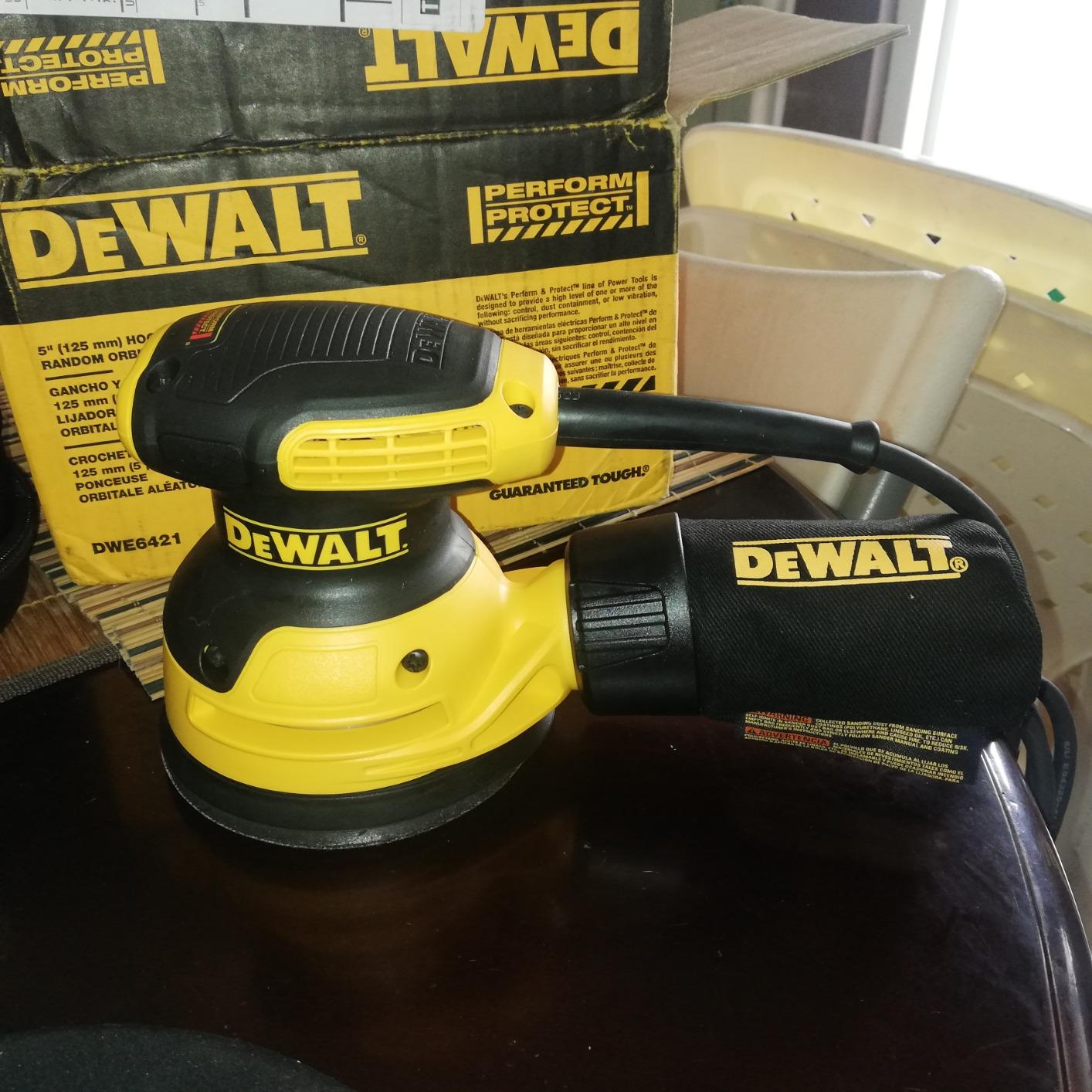
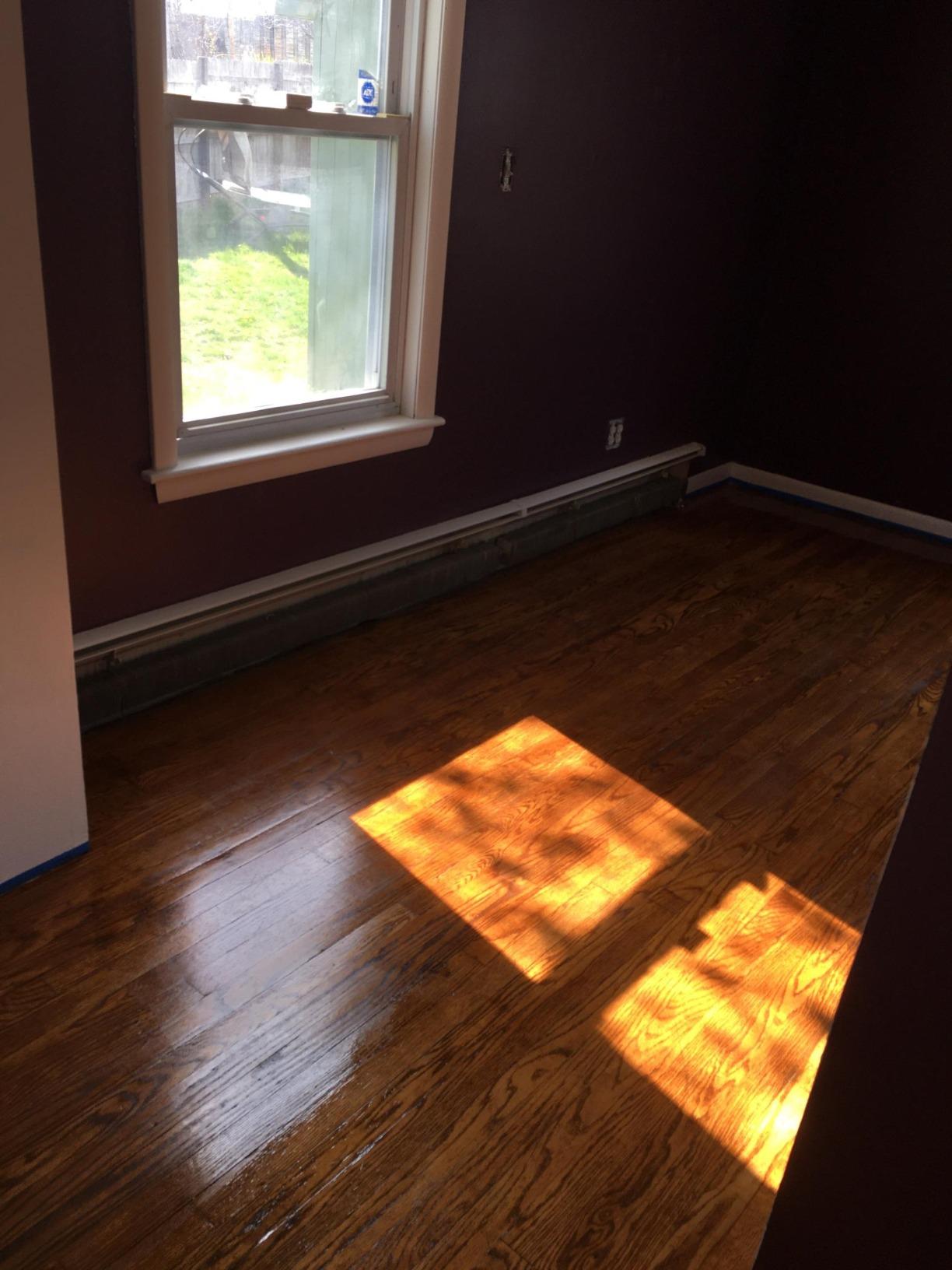
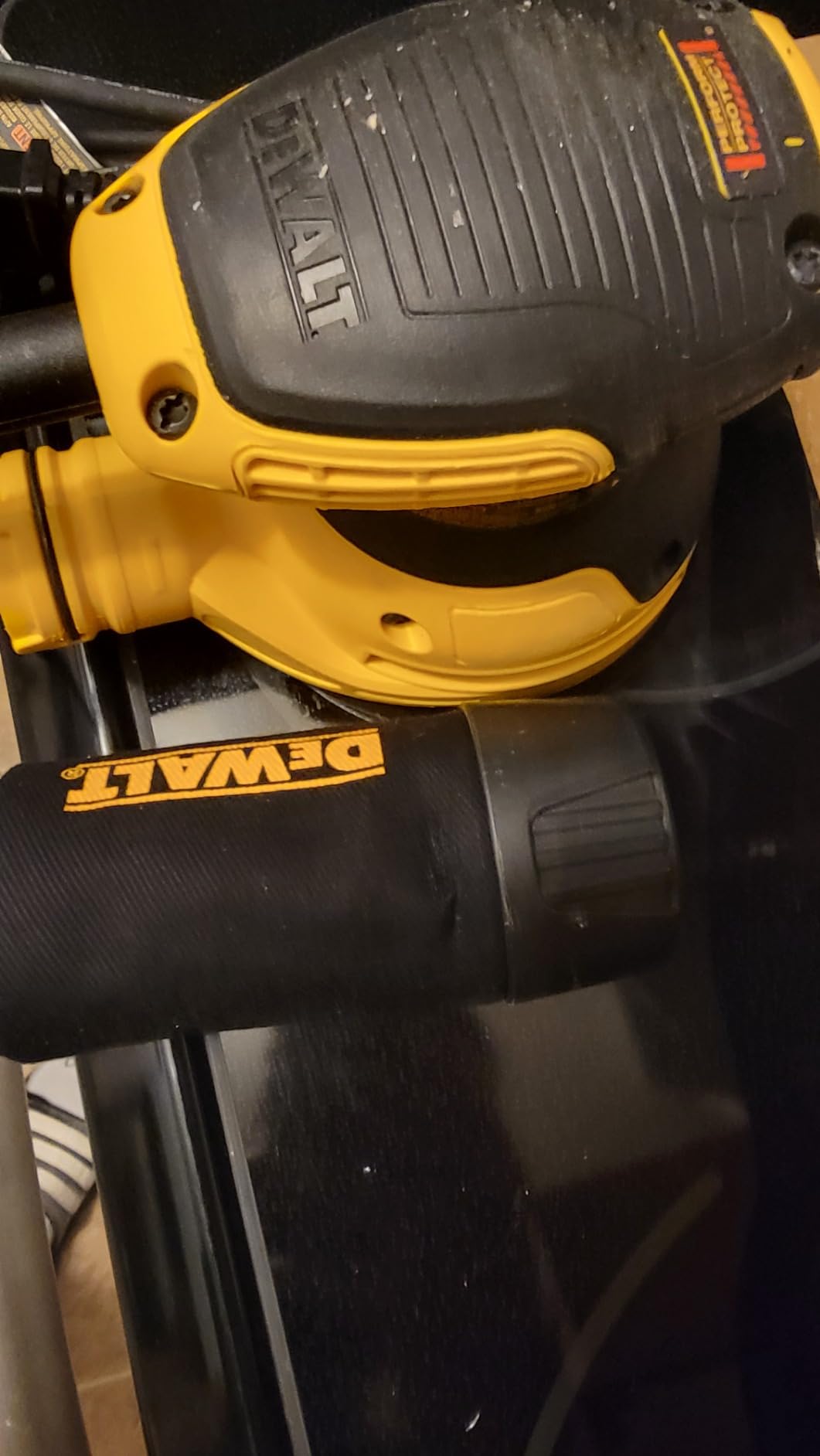
Vibration control comes from a separate counterweight design, and the rubber overmold covers all the critical grip areas. The dust-sealed switch protects the switch from dust ingestion, which lengthens its life in a dusty shop where you are grinding down old paint.
Complaints are narrow: fixed speed, bag-only dust collection and buying your own paper. Everything else about this sander gets consistent praise in owner reviews, and the 3 year limited warranty adds confidence for a tool meant to last.
Who This Sander Suits
This suits anyone restoring flat horizontal surfaces such as tabletops, dresser tops and bench seats, where an even result matters more than speed control. The low profile also makes it useful on the inside of drawers and cabinet boxes.
Buyers who want a durable daily corded workhorse with a solid warranty will find that here. It is a straightforward tool that does the core job without added complexity.
Where It Falls Short
Dust collection is the limitation that matters most. There is a dust bag but no locking port for a vacuum hose, so indoor sanding means replacing the bag constantly and still breathing fine particulate. On an interior job I would use a different machine.
Single-speed operation removes the fine control you get on a dial-equipped sander, and no discs are included, so you are buying paper before you start.
7. DEWALT DCW200B 20V MAX Cordless Quarter Sheet Sander – Best Cordless Speed Control

DEWALT 20V MAX XR Brushless Cordless 1/4 Sheet Variable Speed Sander (Tool Only) (DCW200B)
Quarter sheet format
8000-14000 OPM variable
Brushless motor
2.1 pounds
Pros
- Wide 8000 to 14000 OPM range covers stripping through polishing
- Brushless motor runs cooler and more efficiently
- Lightest full featured quarter-sheet sander here
- Low profile for close surface work
Cons
- Battery and charger sold separately
- Requires punching your own quarter sheets
- Bag alone will not capture all fine dust
- Long dust chute is a separate accessory
This is the highest rated cordless option here, and the reason is the speed range. Eight thousand to 14,000 OPM means one tool takes you from stripping decades-old paint down to a final polishing pass, which is exactly the progression a furniture refinishing job demands.
The brushless motor is the other reason it holds its rating. It runs cooler and more efficiently than a brushed equivalent, and at 2.1 pounds this is the lightest full-featured quarter-sheet sander in the group.
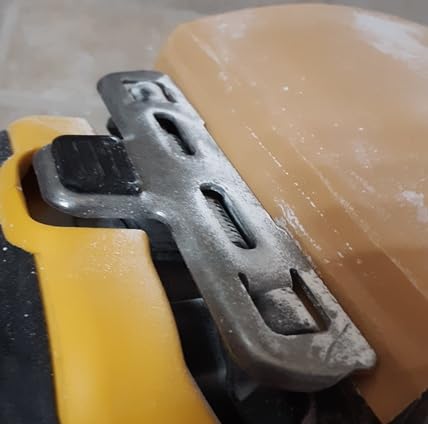
Owners single out the wide speed range as the feature that lets them move from heavy finish removal to final smoothing without switching machines. The low profile body keeps you close to the work for detail sanding, and the paper clamp holds sheets securely.
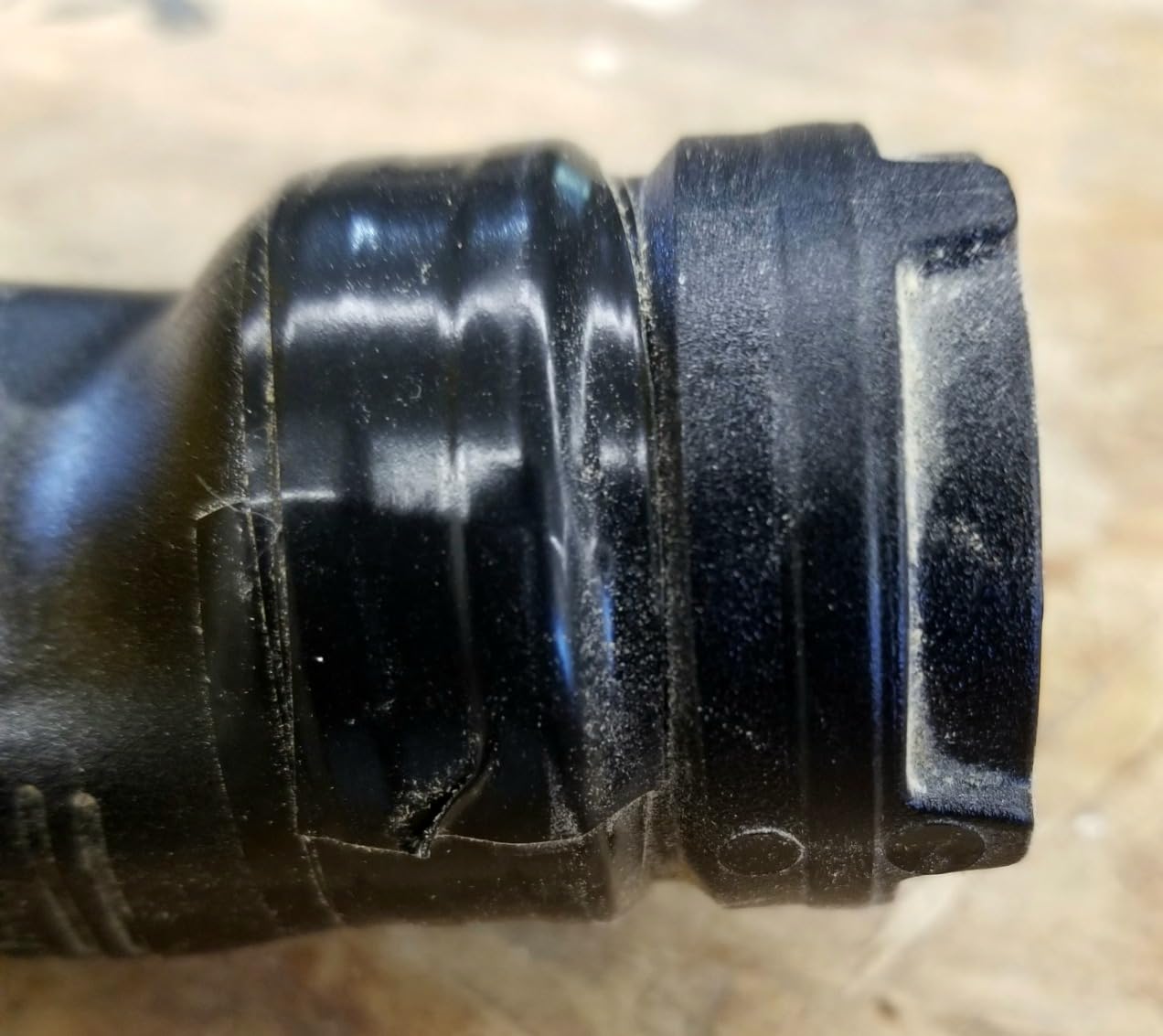
The dust bag locks in one-handed, and the port fits DeWalt collectors directly or other vacs through a universal connector. A hole punch in the box saves you measuring quarter sheets by hand.
Who This Sander Suits
This suits refinishers who already own 20V MAX batteries and want cordless freedom plus real speed control. It is also the better choice if your work spans a cabinet run where you want one tool for both heavy stripping and a careful final pass.
The 2.1 pound weight and low profile suit long sessions and tight clearances. Anyone who finds vibration tiring will find this one of the gentlest tools to hold.
Where It Falls Short
Battery and charger are sold separately, which is the standard cost of platform cordless tools. The quarter-sheet format also means punching your own paper, a habit you have to build if you are used to hook-and-loop discs.
The dust bag on its own will not capture all fine dust, and the long dust chute that improves collection is a separate accessory. Budget for that if you sand indoors.
8. Makita BO5041K 5 Inch Random Orbital Sander – Best for Fine Finishing Passes

Makita BO5041K 5″ Random Orbit Sander
5 inch pad
4000-12000 OPM variable
3.0 amp motor
3.1 pounds
Carrying case
Pros
- Widest low end speed range for gentle finishing
- 3.0 amp motor sands smooth and fast
- Rubberized palm grip and handle cut fatigue
- Carrying case included for job storage
Cons
- Highest cost in this roundup
- One year warranty only
- Dust collection trails the Bosch microfilter system
- Lower review count than the budget picks
The speed dial on this one runs from 4,000 up to 12,000 OPM, and that low end is the point. When you are finishing a tabletop after stripping, you can slow the pad enough to avoid cutting through a thin layer of remaining stain, which no fixed-speed tool lets you do.
The 3.0 amp motor sands smoothly and quickly, and the rubberized palm grip and handle reduce fatigue across an extended session. Owners consistently describe build quality and finish as a step above the category.
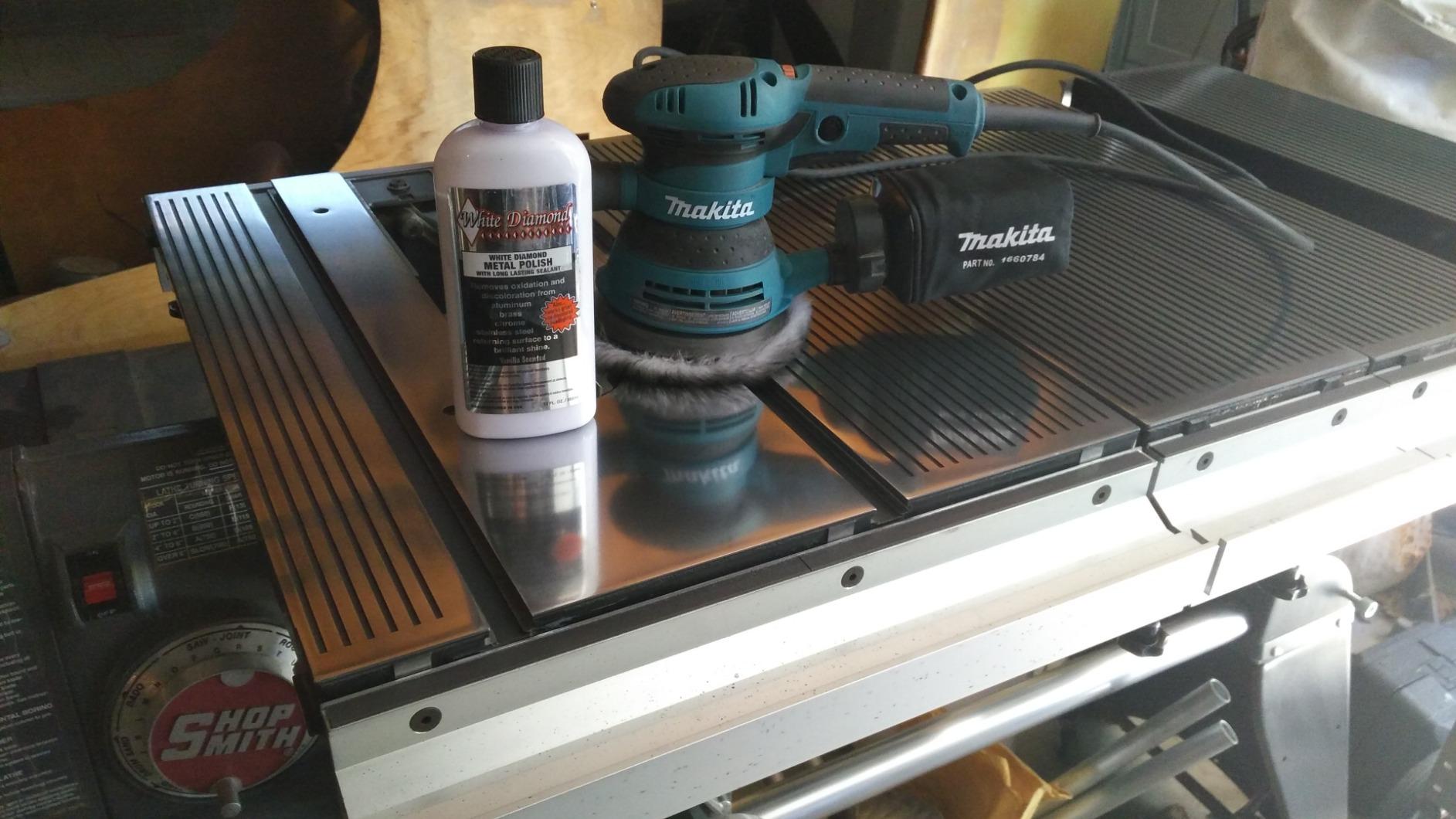
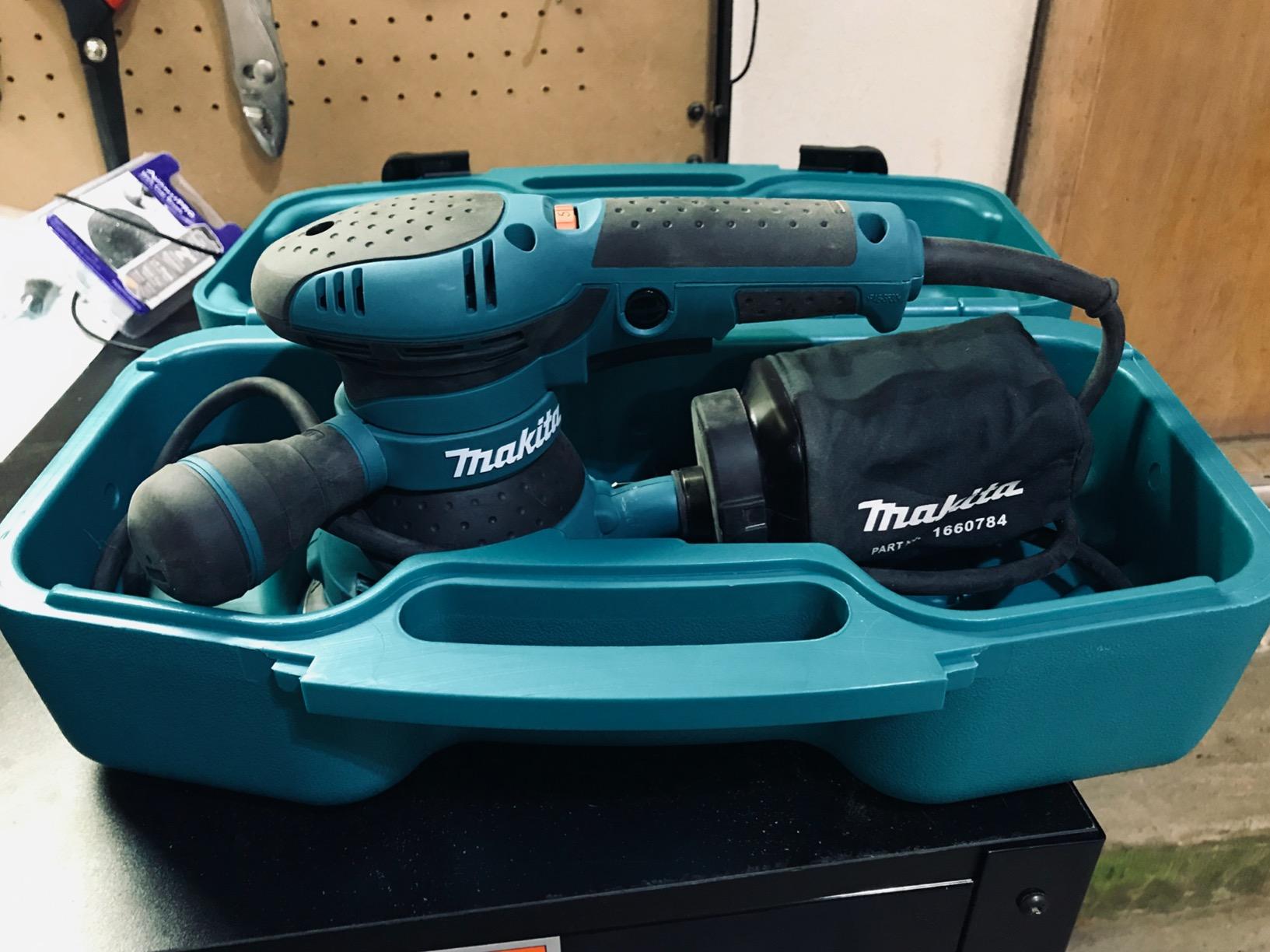
The included carrying case is a small thing that matters when you are moving between jobs or storing the tool in a crowded van. It keeps the pad and dust port protected and the sander accounted for.
Reviewers treat this as the premium pick, with the wide speed range singled out as ideal for the fine work that follows coarse stripping. The consensus drawback is the cost, and the warranty is only one year.
Who This Sander Suits
This suits someone finishing valuable pieces where cutting through stain or damaging veneer is unacceptable. The low speed range gives you the control to work carefully on a final pass with fine grit.
It also suits experienced refinishers who already own a mid-range sander for stripping and want a second tool dedicated to the finishing stage. The carrying case makes that role practical.
Where It Falls Short
It carries the highest purchase cost in this roundup, and the one year warranty is the second shortest here. If you sand occasionally, the value case is hard to make.
Dust collection is less capable than the Bosch microfiltration system, so indoor work still needs a vacuum setup. And with fewer owner reviews than the budget picks, you have less long-term feedback to draw on.
9. HYCHIKA OS300W 5 Inch Random Orbital Sander – Budget Pick

HYCHIKA 5-Inch Random Orbital Sander, 13000RPM Electric Palm Sander with 6 Variable Speeds, Powerful Motor, 12PCS Sandpapers and Efficient Dust Collection Bag, for Woodworking, Finishing and Polishing
5 inch pad
6 speed settings
300W motor,13000 RPM
2.4 pounds
12 sanding discs
Pros
- Lowest cost in the roundup with six speed settings
- 12 sanding discs across 80120 and 240 grit included
- Eight vacuum holes collect roughly 90 percent of debris
- Textured rubber grip for horizontal and vertical work
Cons
- Least established brand with no warranty coverage listed
- Light swirl marks on very flat glossy surfaces
- Dust bag trails a vacuum attached setup
For a first refinishing project on a piece you can afford to be wrong about, this does the job at the lowest entry point. The 300W motor drives up to 13,000 RPM across six speed settings, which is more control than most tools at this level usually offer.
The accessory pack is genuinely generous. Twelve discs across 80, 120 and 240 grit cover a full strip-scuff-finish progression without a separate shopping trip, which is the practical difference for someone starting out.

The dust bag uses eight vacuum holes and is claimed to capture roughly 90 percent of debris. In practice that beats a basic fabric bag, though it still trails a vacuum-attached setup on fine airborne particulate.
Buyers treat it as a capable starter sander, noting the disc pack, the six-speed control and dust collection that performs better than expected. A 5 percent one-star share is the highest in this group, mostly durability and swirl-mark complaints.
Who This Sander Suits
This suits a beginner, a student, or anyone who wants to try furniture refinishing without committing serious money. It also works as a second machine for scuffing and light touch-ups where you would not want to risk your main sander.
The 2.4 pound weight and textured rubber grip are comfortable, and the angled body handles both horizontal surfaces and vertical detail work one-handed.
Where It Falls Short
Brand support is the honest caveat. No warranty coverage is listed, and spare parts for a lesser-known name are harder to find, so plan on replacing the tool rather than repairing it.
Random orbital action can still leave light swirl marks on very flat glossy surfaces. On a piece where the finish matters more than the outlay, choose a sander with a pad-dampening system.
10. CRAFTSMAN CMEW231 5 Inch Random Orbital Sander – Best Spare Parts Support

CRAFTSMAN Orbital Sander, 5 inch, 12,000 OPM, 3 Amp, Corded (CMEW231)
5 inch pad
12000 OPM
3.0 amp motor
3.4 pounds
3 year warranty
Pros
- 3 year limited warranty with three years of spare part availability
- On-board bag plus a port for 1-3/4 inch vacuum hose
- Dust sealed switch for dusty shop durability
- Smooth even finish at 12000 OPM
Cons
- No variable speed control
- Vacuum hose not included
- Not the lowest cost despite mid-range specs
The reason to consider this one is the warranty. A 3 year limited warranty backed by three years of spare part availability is the strongest long-term support package in this roundup, and for a shop that keeps tools for a decade it matters more than a slightly cheaper sticker.
The 3.0 amp motor at 12,000 OPM handles furniture refinishing comfortably, and owners report smooth, even finishes on the pieces they have used it on.
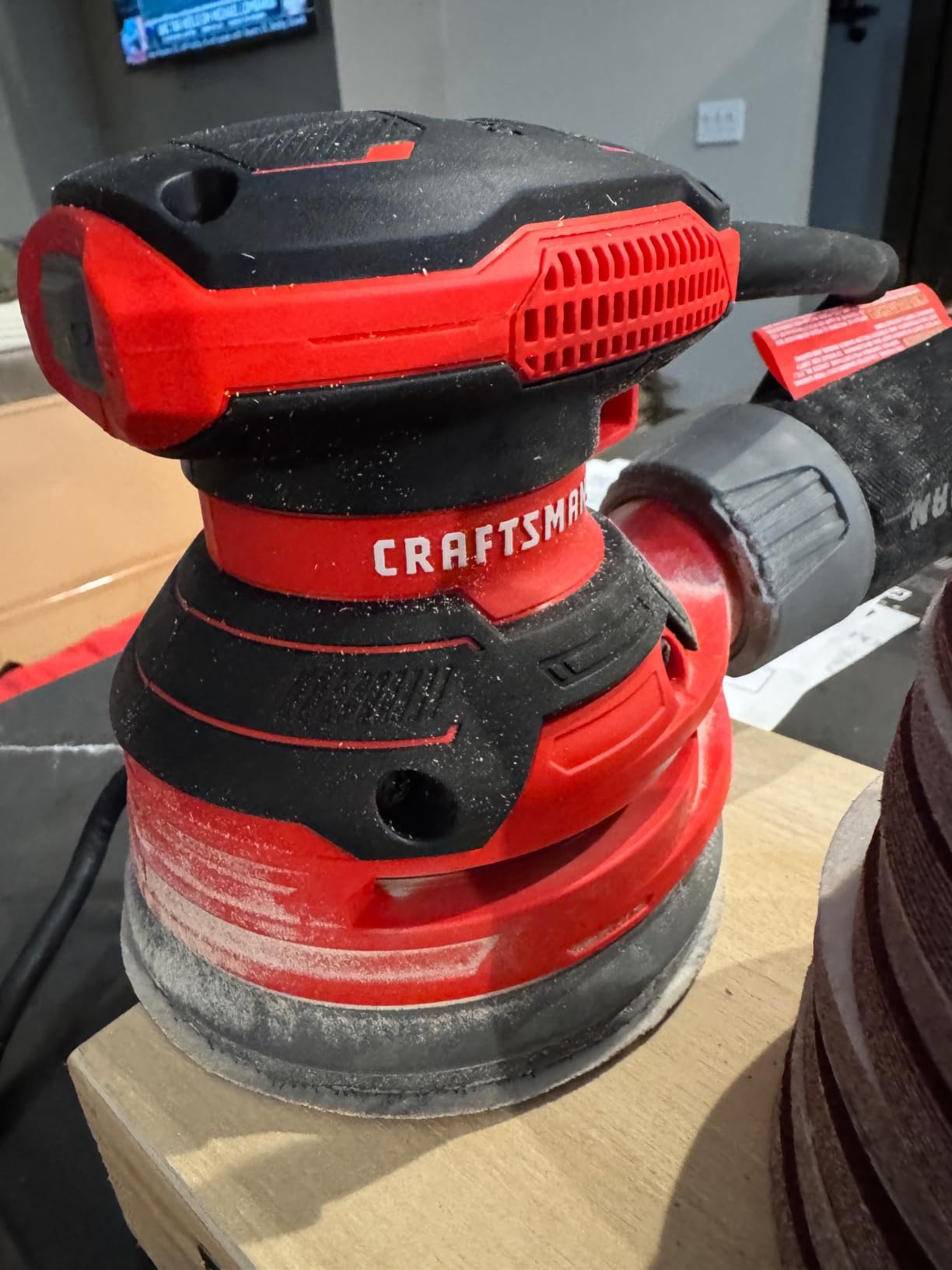
Dust handling is the practical strength. You get an on-board bag plus a port that accepts 1-3/4 inch vacuum hose, so you can move from bag work indoors to extraction for a big stripping session without changing tools.
The dust-sealed switch adds durability in a dusty workshop, and sample sandpaper is included in the box. Owners mostly cite the lack of speed control as the one real limitation.
Who This Sander Suits
This suits anyone who plans to keep a sander for years and wants replacement pads, bags and switches available years later. It also suits indoor refinishers who already own a vacuum with a 1-3/4 inch hose.
For a straightforward corded workhorse with mid-range power and real warranty backing, it is hard to argue against. It does the core job without adding features you may never touch.
Where It Falls Short
No variable speed control means you cannot slow the orbit for finishing work or delicate veneer. You manage those situations with pressure and grit instead.
The vacuum hose is not included, so you will need your own or an adapter. And with mid-range specs it is not the lowest-cost way to get the same basic function.
Palm Sander vs Random Orbital Sander vs Detail Sander
A palm sander is any small handheld sander held in one hand over the workpiece. The name covers several machines that behave very differently, and the confusion between them causes most bad purchases.
A random orbital sander spins its pad in a randomized oval while the disc vibrates. That combined motion removes material quickly and leaves a finish free of the directional scratches a belt or straight-line orbital leaves behind. Five inch models are the standard for flat furniture surfaces.
An orbital sander with a plain circular pad moves in a fixed, straight-line circle. It sands faster and cheaper on flat surfaces but leaves distinct swirl marks, which is why it is rarely the right choice for furniture you intend to finish visibly.
A finishing sander, also called a 1/4 sheet palm sander, uses a rectangular pad driven by an offset crank. It is cheap, simple and takes ordinary sandpaper sheets, but it is a single-direction machine, so you still need to work carefully across a visible surface.
A detail sander or mouse sander has a small triangular or teardrop pad. It reaches inside corners, along grooves in trim, around spindles and into the tight spaces a 5 inch pad cannot enter. Its small size is its entire purpose.
My rule for matching a tool to a surface, after finishing a lot of dining tables and a wall of cabinet doors:
Dining table tops, dresser tops, bench seats: a 5 inch random orbital with variable speed.
Cabinet doors and drawer fronts: the same 5 inch random orbital, with a vacuum attached.
Turned legs and spindles: a detail sander, or a random orbital with a sanding drum attachment.
Carved moldings, trim and raised panels: a detail sander with a finger attachment.
Grooves and inlays: a detail sander, ideally with a triangle pad.
Thin veneer or a piece you cannot replace: a detail sander at low speed, or hand sanding.
One clarification worth making, because it comes up constantly: a random orbital sander and an orbital sander are not the same thing, even though both names start with “orbital”. Only the random orbital moves unpredictably, which is why the finish it leaves is swirl-free.
Do You Need One Sander or Two for Furniture Work?
Most people asking this question are already circling the right answer. Across furniture refinishing forums, the recurring practical answer is that one sander covers flat work and a second small sander covers everything the first one cannot reach. The question is really whether you need to buy both now.
If your furniture is primarily flat panels, one 5 inch random orbital with a vacuum attached will do most of the work. Tabletops, doors, drawer fronts and shelves are all within a 5 inch pad, and nobody regrets buying the better machine for the surfaces they spend most time on.
Add a second machine when the piece has shape. Turned legs, carved aprons, spindles, fluted columns and the inside corners of a casket-style sideboard all need a detail sander. Buying one good 5 inch random orbital and one good detail sander covers effectively every furniture surface you will meet.
There is a third path worth naming. Sanding drums and hook-and-loop delta pads let some random orbital sanders reach into corners and contours, which reduces the case for a separate detail tool. It is not the same as a finger-and-triangle-pad detail sander, but for moderate detail it can be enough.
My practical sequence: start with the 5 inch random orbital, finish a piece or two, and see what you keep reaching for. Most refinishers buy the second tool within a month, and having just used the first makes it obvious whether they want a corded detail sander or a cordless one.
Key Features to Consider When Choosing a Palm Sander
Pad shape and pad size decide what the tool can physically reach. A 5 inch round pad is the standard for flats. A triangular or teardrop pad reaches corners and grooves. A rectangular quarter-sheet pad covers surface fast and takes the cheapest paper.
Amps and OPM tell you how aggressively the machine cuts. A 2.0 to 2.5 amp motor handles furniture refinishing comfortably, while a 3.0 amp motor gives you more headroom on hardened paint and thick varnish without bogging. OPM, or orbits per minute, is the more meaningful number for orbital motion; ranges from about 8,000 to 14,000 OPM cover nearly all furniture work.
Variable speed control is the feature experienced users treat as close to essential. It lets you start at high speed to remove finish and drop to low speed for a final pass, which reduces swirl marks and the chance of cutting through veneer. Of the ten sanders here, five offer a dial or multi-speed control.
Dust extraction deserves to be treated as a requirement rather than a nicety. Furniture dust is fine enough to stay suspended for hours, and refinishers who sand indoors without extraction report a serious cleanup problem. Look for a locking dust port that accepts a vacuum hose, not just a fabric bag.
How a pad-dampening or orbit-control system works is worth understanding. These systems resist pad rotation at low speed so the pad stops rather than spinning on the workpiece, which is precisely the mechanism that prevents swirl marks on a finished surface.
Vibration and ergonomics decide how long you can work. Look for a separate counterweight, rubber overmold on the grip areas and a body weight you can hold for an hour. Weight in this roundup ranges from 2 pounds to 3.5 pounds, and the difference shows up in your hands on a large project.
Corded versus cordless is mostly about your shop and your battery ecosystem. Corded sanders run indefinitely and cost nothing to keep running. Cordless sanders free you from snagging a cord on furniture legs and suit on-site work, but the battery and charger are usually extra and runtime limits a big tabletop.
Abrasives deserve a mention because they are a real cost. Owners on woodworking forums are emphatic about quality discs once sanding starts, and a good abrasive plus a sander with a firm hook-and-loop face changes how the tool feels more than any other upgrade. Grit progression runs roughly 60 to 80 for stripping, 120 to 150 for scuffing and 180 to 220 for finishing.
A final note on brand reputations, because retailer ratings and experienced-user opinion do not always agree. BLACK+DECKER and SKIL draw scepticism from experienced woodworkers on forums, while Bosch, Milwaukee and Makita are treated as safe defaults. The ratings tell a different story, and neither side is entirely wrong. Use the ratings for build consistency and the forum view for longevity on hard jobs.
Dust, Lead Paint and Respirator Safety for Indoor Sanding
Furniture sanding produces dust fine enough to stay in the air for hours, and the material matters. If the piece was made before 1978, assume any existing finish may contain lead until you know otherwise, and treat the dust as hazardous.
Work outside or in a well-ventilated space wherever the job allows it. If you must sand indoors, run a vacuum with a filter rated for fine particulate through the sander port, and empty the canister before it reaches the fill line, because dust bypasses the filter at capacity.
Wear a respirator rated for particulate when sanding old paint or working in an enclosed room. Sanding masks designed for sawdust are not the same thing, and the fit matters more than the label. Gloves and eye protection complete the setup.
On thinner pieces, approach with restraint. Veneer is often under a millimeter thick, and the same aggressive pass that removes finish in seconds can cut through to the substrate in the next. Start with a coarser grit on a hidden back edge, test constantly, and finish by hand.
One habit worth building: vacuum the workpiece between grit changes. A layer of coarse dust under a fine disc sands like abrasive paper and defeats the whole point of changing grits.
If the piece you are sanding is an outdoor set rather than an indoor cabinet, protecting it after the finish cures matters as much as the sanding itself. Our guides to the best outdoor furniture covers and the best heavy duty patio furniture covers for winter cover that side of the job.
Frequently Asked Questions
What type of sander is best for sanding furniture?
A 5 inch random orbital sander is the best general choice for furniture, because it removes finish quickly and leaves a swirl-free surface on tabletops, doors and drawer fronts. Add a small detail sander for legs, grooves and carvings, since a 5 inch pad cannot reach into tight spaces.
What is the best rated palm sander?
The BLACK+DECKER BDERO100 is the best rated pick in this roundup at 4.6 stars across more than 15,000 reviews, with a 5 inch pad at 12,000 OPM and a 3.2 pound body. For pure finish quality the Bosch ROS20VSC leads on pad dampening and dust filtration, and the Makita BO5041K holds a 4.8 rating with the widest speed range.
What is the best sander for upcycling furniture?
For upcycling painted furniture, a 5 inch random orbital with a vacuum port and variable speed handles the heavy stripping, and a detail sander covers legs and trim. The DEWALT DWE6411K at 14,000 OPM cuts through thick paint quickly, while the SKIL SR211601 suits beginners with three sanding discs and a dust box included.
Which is better, a palm or orbital sander?
For furniture, a random orbital is better than a straight-line orbital sander. The random orbit combines a spinning pad with an oscillating disc, so it cuts fast and leaves no directional scratches. A plain orbital sander moves in a fixed circle and leaves visible swirl marks on finished surfaces.
What are the downsides of using an orbital sander?
A straight-line orbital sander leaves swirl marks because the pad turns in a fixed circle. Random orbital sanders avoid most of that but still mark a surface if you keep the pad in one spot. Dust output is the second drawback, since bag-only collection releases fine particulate into the room.
What is the difference between a finishing sander and an orbital sander?
A finishing sander, or quarter-sheet sander, uses a rectangular pad and an offset crank to move in a straight line, and it takes ordinary sheets of sandpaper. An orbital sander uses a round pad and spins it in a circle or random orbit. Quarter sheets are cheaper per sheet while random orbitals finish cleaner.
What is the best sander for sanding awkward places?
A detail sander, also called a mouse sander, is the best tool for awkward places. Its small triangular or teardrop pad fits inside corners, along grooves in trim, around turned spindles and inside carved moldings, which a 5 inch pad physically cannot reach.
Final Verdict: Which Palm Sander Should You Buy?
After all of this, the best palm sanders for furniture refinishing still come down to one clear recommendation. Buy the BLACK+DECKER BDERO100 if you want one tool for flat surfaces: a 5 inch pad at 12,000 OPM in a 3.2 pound body that stays comfortable through long sessions.
Buy the Bosch ROS20VSC instead if swirl marks on visible flat surfaces worry you most, since the pad-dampening system and half-micron microfiltration address both finish and dust. Buy the SKIL SR211601 if hand fatigue is the bigger problem, and the DEWALT DCW200B if you want cordless freedom with genuine speed control.
Whatever you choose, attach a vacuum, start coarse on a hidden edge, and change grit more often than you think you need to. That method matters more than any model on this list, and it is why the recommendations here still hold in 2026.