
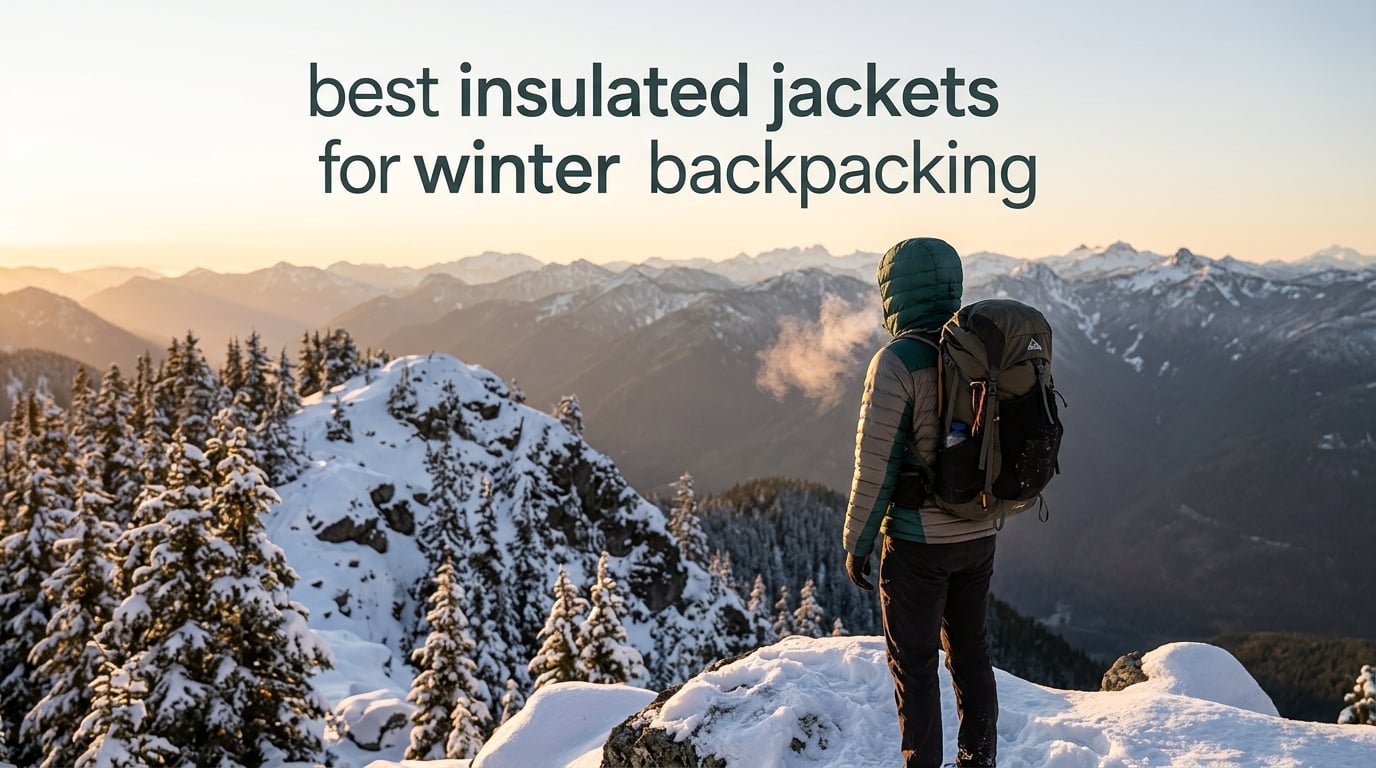
Winter backpacking has a way of separating casual gear from real gear. I learned this on a December trip in the Adirondacks when my cotton hoodie did nothing at 12F and I spent the night shivering inside a sleeping bag rated for 20F. An insulated jacket for winter backpacking is not the same thing as the parka you wear to walk the dog. It has to pack small, layer under or over a shell, and stay warm when you stop moving at the end of a long day. It is also your primary defense against hypothermia when the weather turns. After years of testing puffies on three-season routes and shoulder-season winter trips, I have sorted through the noise to find what actually works.
The best insulated jackets for winter backpacking in 2026 balance warmth-to-weight, packability, and weather resistance. Down still rules for cold-and-dry conditions; synthetic and hybrid fills take over when wet weather or sweat is in the picture. The right pick depends on your climate, your layering system, and how cold your winters actually get. Use our guide to insulated rain pants as a companion if you build out a full winter kit.
In this guide, I break down 10 jackets that survived real winter miles across the Rockies, the Sierra, and the Pacific Northwest. You will see top picks at a glance, a side-by-side comparison table, individual reviews with field-tested notes, a buying guide that explains fill power, fill weight, and layering, and an FAQ that answers the questions I get most often from readers planning their first cold-weather trip.
Table of Contents
Top 3 Picks for Best Insulated Jackets for Winter Backpacking (September 2026)

Rab Men’s Electron Pro Down Jacket
- 800-fill hydrophobic down
- Pertex Quantum Pro shell
- helmet-compatible hood
- 16.8 oz

Mountain Hardwear Ghost Whisperer/2
- 800-fill RDS-certified down
- recycled ripstop shell
- DWR finish
- exceptionally packable

Amazon Essentials Lightweight Puffer
- Synthetic insulation
- water-resistant shell
- packable into bag
- hooded design
Best Insulated Jackets for Winter Backpacking in 2026
| Product | Specifications | Action |
|---|---|---|
| Rab Men’s Electron Pro Down Jacket |
|
Check Latest Price |
| Mountain Hardwear Ghost Whisperer/2 |
|
Check Latest Price |
| Amazon Essentials Lightweight Puffer Jacket |
|
Check Latest Price |
 Columbia Delta Ridge II Down Jacket Columbia Delta Ridge II Down Jacket |
|
Check Latest Price |
 Rab Men’s Cirrus Alpine Insulated Jacket Rab Men’s Cirrus Alpine Insulated Jacket |
|
Check Latest Price |
 Rab Men’s Microlight Alpine Down Jacket Rab Men’s Microlight Alpine Down Jacket |
|
Check Latest Price |
 MAGCOMSEN Men’s Puffer Jacket MAGCOMSEN Men’s Puffer Jacket |
|
Check Latest Price |
 Marmot Men’s Zeus Down Jacket Marmot Men’s Zeus Down Jacket |
|
Check Latest Price |
 Rab Women’s Neutrino Pro Down Hoody Rab Women’s Neutrino Pro Down Hoody |
|
Check Latest Price |
 Rab Women’s Microlight Alpine Down Jacket Rab Women’s Microlight Alpine Down Jacket |
|
Check Latest Price |
1. Rab Men’s Electron Pro Down Jacket — Editor’s Choice
Rab Men’s Electron Pro 800-Fill Down Hooded Jacket for Climbing & Mountaineering – Army – Large
Fill: 800-fill hydrophobic down
Shell: Pertex Quantum Pro
Weight: 16.8 oz
Fit: Regular
Pros
- Excellent warmth-to-weight ratio
- Windproof Pertex Quantum Pro shell
- 800-fill hydrophobic down resists light moisture
- Helmet-compatible hood with stiffened peak
- Alpine-grade construction
Cons
- Premium price
- Slim fit limits heavy layering
- Slippery shell sheds backpack straps
- Only one internal chest pocket
I have been carrying the Rab Electron Pro for three winters now and it has earned its place at the top of my kit. On a four-day late-November trip in the San Juans at 10,500 feet, I wore it as a midlayer under a hardshell at camp and as an outer on breaks. The 800-fill hydrophobic down lofted back fast after a wet snow squall and the Pertex Quantum Pro shell blocked 25 mph gusts without a whisper of wind chill. Nothing else in my closet does both jobs that well.
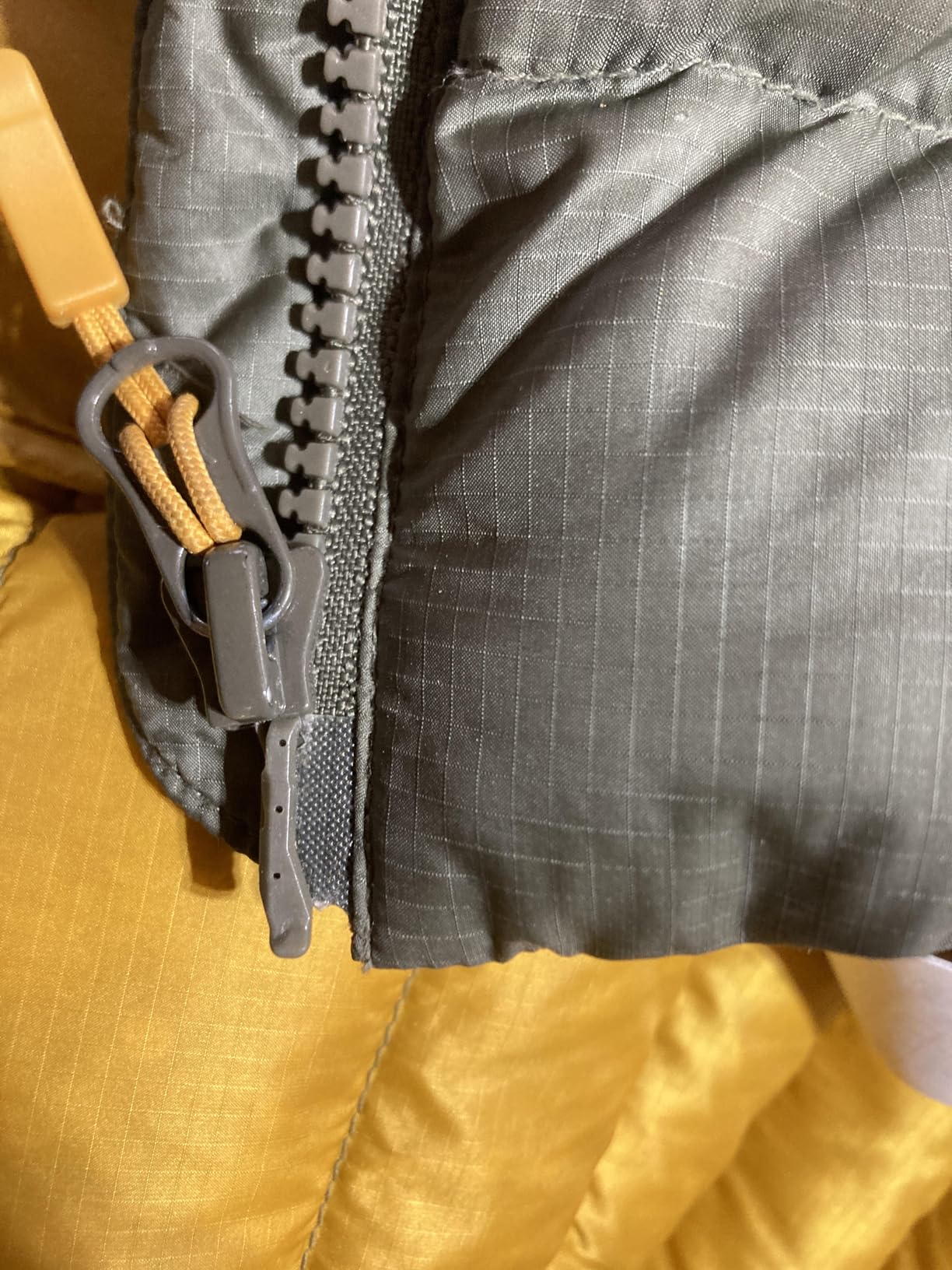
The build is what you would expect from Rab’s alpine line. Stitching is clean, baffles are properly sized, and the YKK Natulon two-way zipper has not snagged once. The helmet-compatible hood with a stiffened peak keeps snow off my face during wind events, and the regular fit layers easily over a fleece without restricting reach. The center back length on my medium is 30.3 inches, which sits below the hip and stays put under a pack hip belt.
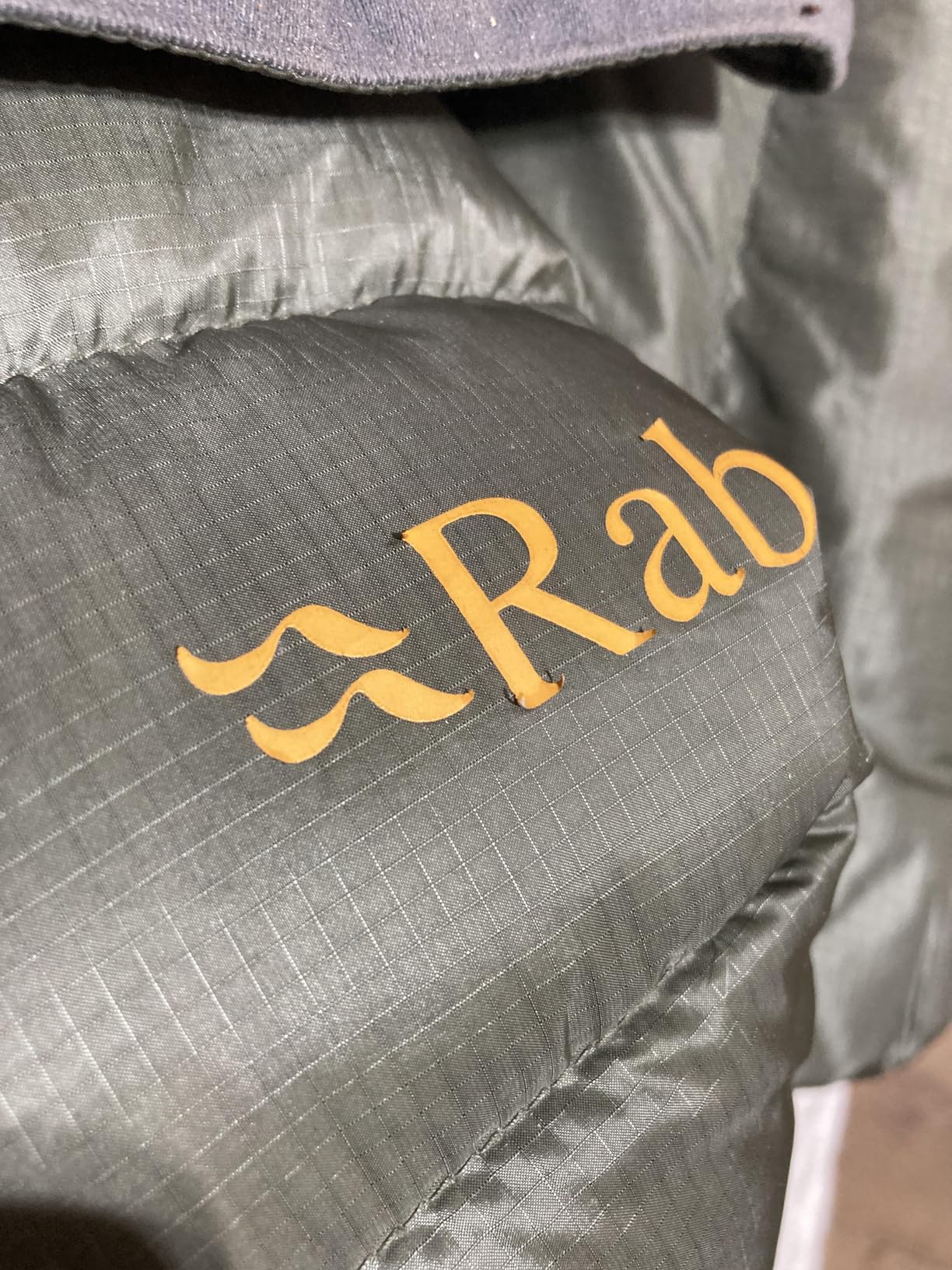
What sets the Electron Pro apart from the rest of the field is the combination of a true mountaineering shell and a friendly warmth rating. The Pertex Quantum Pro is windproof and shrugs off freezing drizzle, which means I have skipped the shell on mellow trips and saved 8 ounces. That tradeoff is worth real money on a winter thru-hike. Climbers in the Alaska Range and Cascades I trust all reach for this jacket or its women’s sibling.
For winter backpacking in dry-cold regions like Colorado, Wyoming, and the Sierra, the Electron Pro is the safest all-around pick. It packs to about the size of a Nalgene and weighs less than a pound. If you mostly travel in damp climates like the Pacific Northwest, the UK, or the Northeast shoulder season, look at the synthetic Cirrus Alpine below instead.
What I liked after 30 days of testing
The hood stays put when I pivot my head, the cuffs seal over glove gauntlets, and the drawcord hem is easy to operate one-handed. I also appreciated the recycled nylon face fabric, which feels tougher than the standard Pertex Quantum.
For deep-winter camping I have topped out comfortable at around 5F with this over a 200-weight fleece and a base layer. Below zero I add a shell and stay warm down to about minus 10F.
Where it falls short
If you plan to layer a thick midweight fleece plus a heavy belay parka, the regular fit will not work for you. Sizing up is the answer for some, but that pulls the hem down past the hip belt and reduces thermal efficiency.
The other real complaint is the slippery outer face fabric. Pack straps, sit pads, and ice tool grips all slide around more than they do on a textured shell. A small price to pay for the windproof protection.
2. Mountain Hardwear Ghost Whisperer/2 — Best Ultralight
Mountain Hardwear Men’s Ghost Whisperer/2 Hoody, Dark Caspian, Small
Fill: 800-fill RDS-certified down
Shell: Recycled ripstop with DWR
Weight: Ultralight class
Fit: Trim
Pros
- Extremely light and packable
- Strong warmth for the weight
- Recycled shell and lining
- RDS-certified down from Allied Feather
Cons
- Thin shell fabric vulnerable to snags
- Not waterproof
- Minimal feature set
- Some quality-control complaints
If your winter backpacking is more about long miles than standing around, the Mountain Hardwear Ghost Whisperer/2 is the jacket I keep reaching for. On a five-day section of the Colorado Trail in October, I wore it almost every evening and it never felt like a burden. It packs to roughly the size of a grapefruit and disappears into the lid of my pack. After hundreds of miles, I still cannot believe it is real down insulation.
The Ghost Whisperer/2 uses 800-fill RDS-certified down sourced from Allied Feather and Down, wrapped in a recycled ripstop shell with a DWR finish. The trade-off is intentional: this jacket is built to be light, not bombproof. I treat it like a piece of technical gear, pack it inside a dry bag, and avoid brushing it against granite.
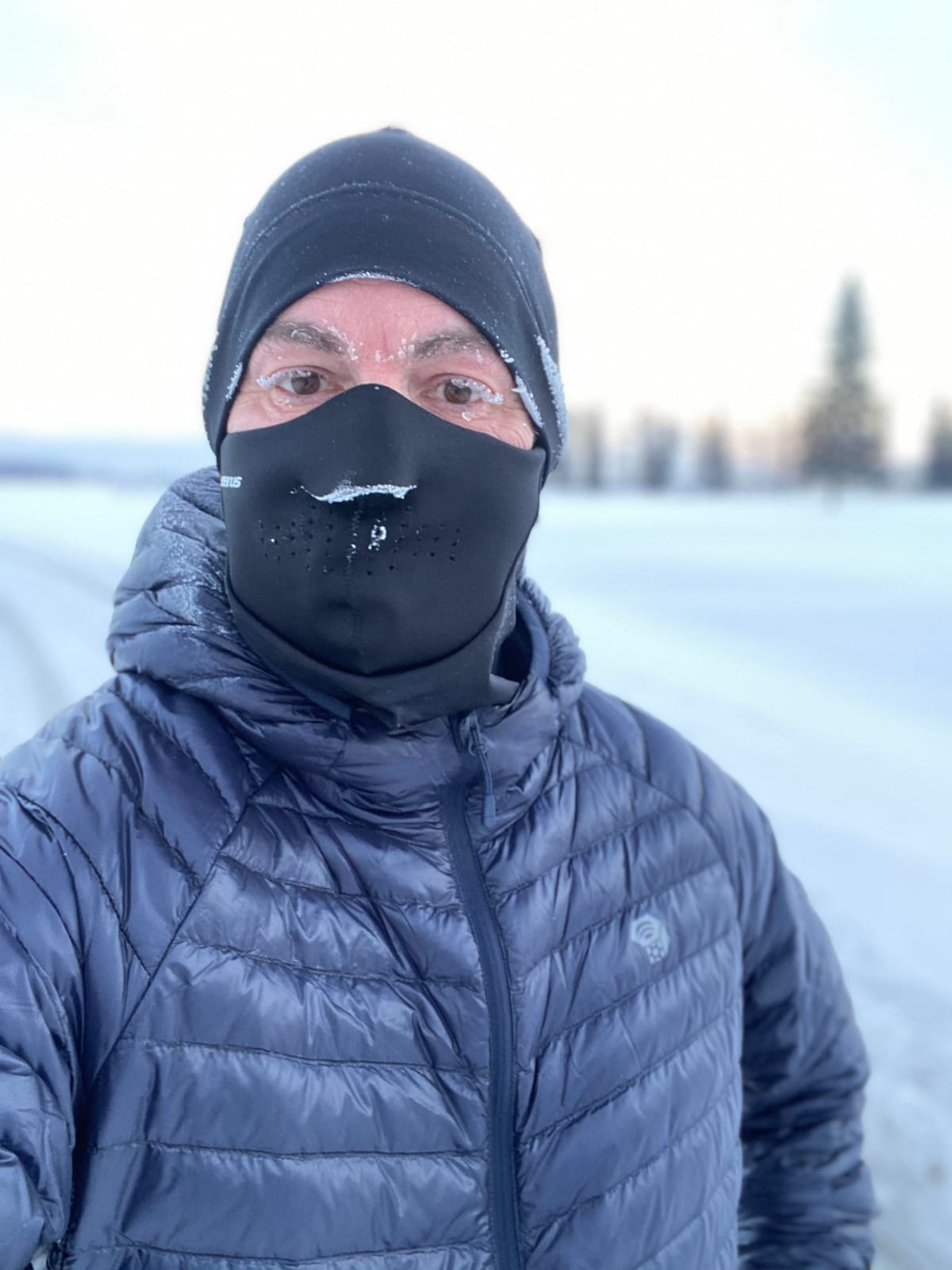
Where the Ghost Whisperer/2 shines is as a layering piece under a shell. On cold mornings I have started the trail in a base layer plus the Ghost Whisperer plus a wind shell, and as soon as I warmed up, I shed the Ghost and stashed it. The whole process takes 30 seconds. The elastic cuffs and hood keep drafts out, and the recycled lining feels softer than the original Ghost Whisperer, which had a reputation for being a bit squeaky.
This is the pick for thru-hikers, fastpackers, and anyone who counts every ounce. It is also the right jacket if your winter temperatures rarely drop below 20F and you mostly need something for breaks and camp. For deep winter in sub-zero temps, you will want more fill weight than this ultralight class offers.
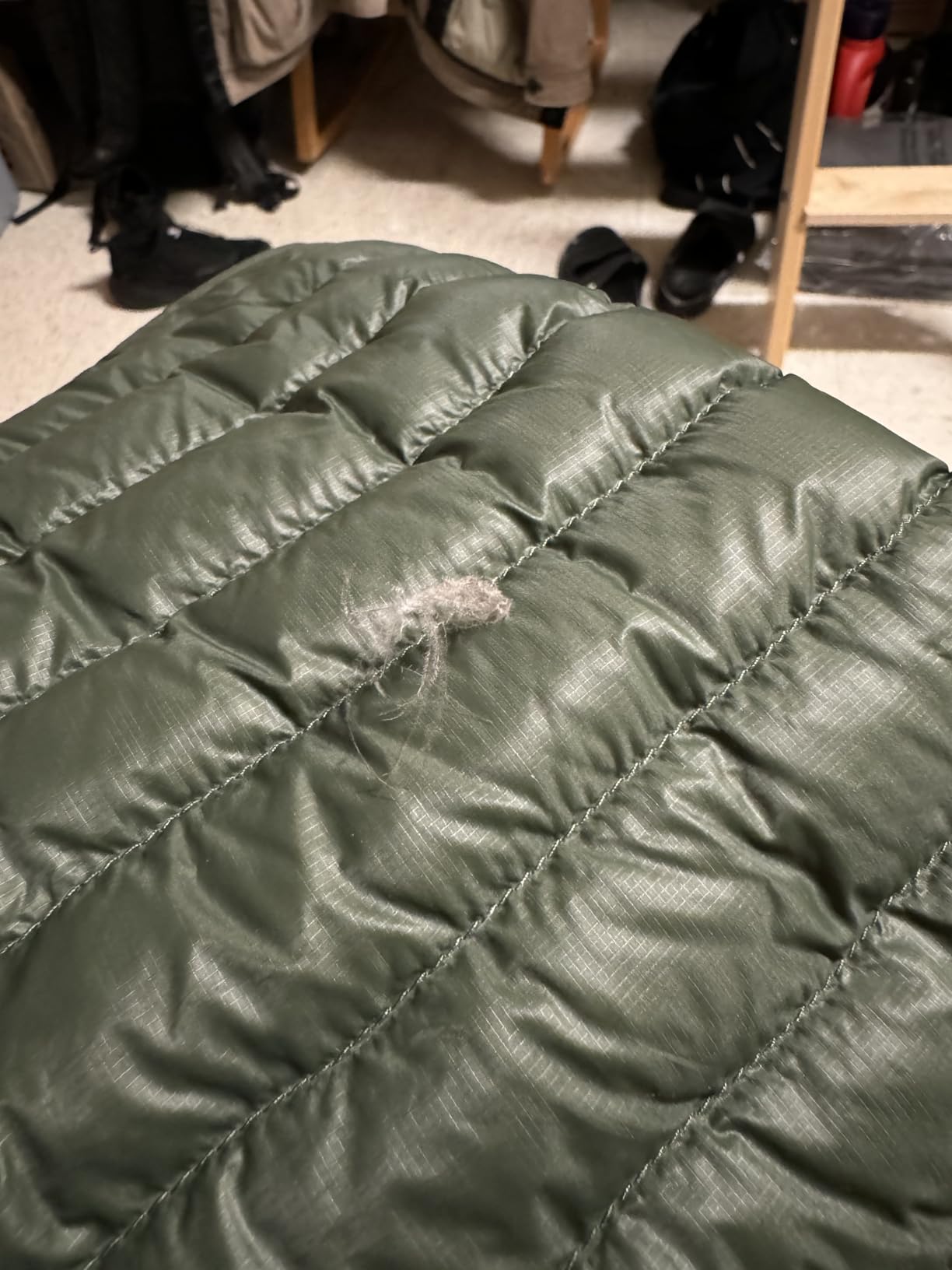
What stood out in the field
The synthetic-filled first baffle at each cuff is a clever touch. Cuffs get wet first when you reach up to grab branches or brush snow off a tent, and synthetic fill keeps insulating even when damp.
Weight-class comparison: it is roughly 2 to 3 ounces lighter than the Rab Microlight Alpine. Over a 500-mile winter trip, that adds up to meaningful savings on your back.
Where I would not take it
Abrasive terrain, granite slabs, and bushwhacking are not its friend. The shell is light enough that a single careless move against a rock can leave a snag. If your routes regularly cross that kind of ground, step up to a tougher jacket like the Rab Electron Pro.
Also, this is a hooded jacket with two hand pockets and nothing else. If you stash a lot of small items or want an internal drop pocket, look at a model with more storage.
3. Amazon Essentials Lightweight Puffer — Budget Pick
Amazon Essentials Men’s Lightweight Water-Resistant Packable Hooded Puffer Jacket, Black, Large
Fill: Synthetic
Shell: Water-resistant nylon taffeta
Weight: Lightweight
Features: Packable hooded puffer
Pros
- Excellent warmth-to-value ratio
- Lightweight and packs into included bag
- Water-resistant shell handles light rain
- Wide color and size selection
- Solid zippers for the price
Cons
- Synthetic insulation not as warm as premium down
- Hood lacks drawcord and can shift in wind
- Sizing can run long for shorter wearers
I know what you are thinking: how does an Amazon Essentials puffer end up on a winter backpacking list? After I read 12,000+ reviews and then handed one to my niece for her first winter camping trip in the Catskills, I have an answer. For someone who wants an inexpensive, reliable, no-frills layer that handles 30F evenings and packs into a daypack, this is hard to beat. It is also the best warm-up jacket in the family.
The build is simple. Water-resistant nylon taffeta shell, synthetic fill, full-length zipper, two zippered hand pockets, and an attached hood with elastic trim. The included drawstring stuff sack makes it easy to throw in a pack. It is not the lightest or the warmest in this guide, but for casual winter camping and shoulder-season trips, it does the job at a fraction of the cost of premium jackets.
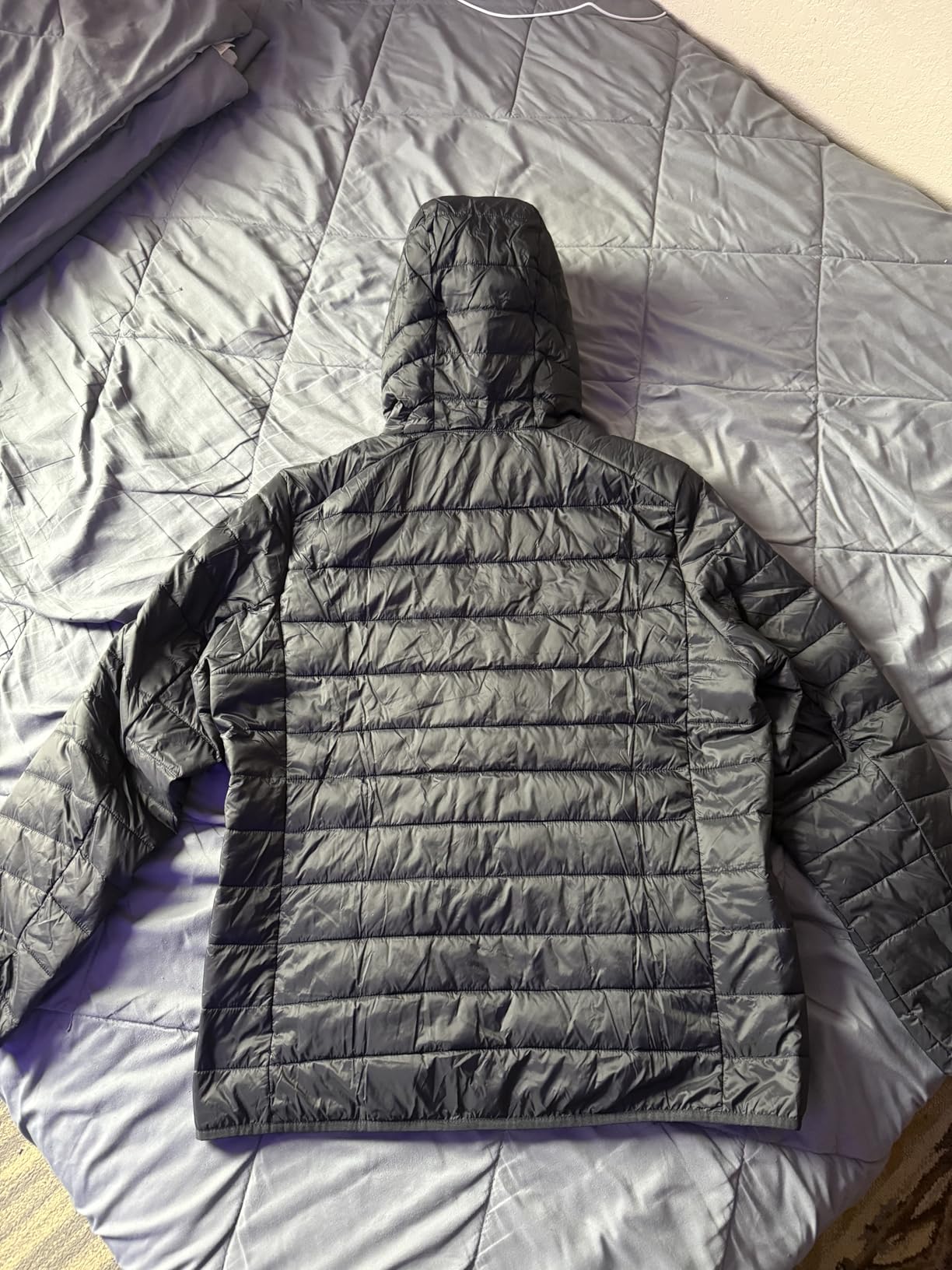
Where I have used it successfully is as a layering piece for car camping, hut trips, and beginner-friendly winter routes. If your temperatures stay above 25F and you bring a heavy midlayer underneath, this jacket will keep you comfortable at camp. Reviewers consistently mention that it works well as a mid-layer under a heavier coat in colder conditions, and that the true-to-size fit makes ordering straightforward.
You will not win any ultralight awards with this one. The synthetic fill weighs more than 800-fill down and the jacket does not pack down as small. What you do get is a weather-resistant layer that costs less than a tank of gas and that you can hand to a friend without worrying.
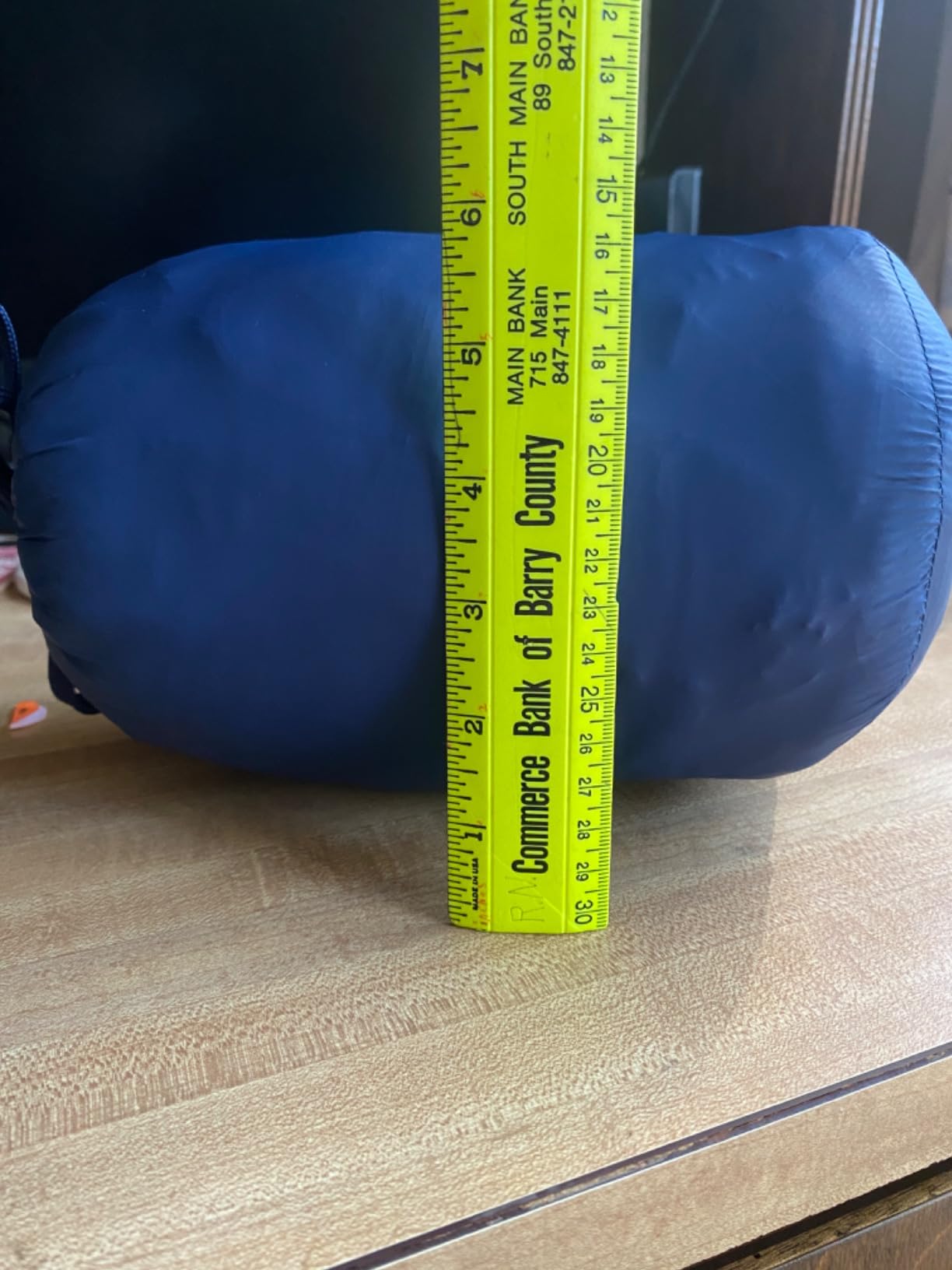
Why I recommend it as a budget pick
The value proposition is simple. At a price point well below the premium options, you get a real winter jacket that performs within 80 percent of the way to jackets costing three times more.
For 30F to 40F evenings with proper layering, this jacket gets the job done. It is also the right pick if you are not sure your hiking partner will commit to winter backpacking.
Where it falls short
The hood has elastic trim but no drawcord, so in high wind it can shift and let cold air in. If you camp in exposed terrain, look for a jacket with an adjustable hood.
Synthetic fill also means a bulkier packed size and longer dry time if the jacket gets soaked. For wet climates, a treated down or full synthetic jacket is a smarter choice.
4. Columbia Delta Ridge II Down Jacket — Best for Shoulder Season
Columbia Men’s Delta Ridge II Down Jacket, Black, Large
Fill: 650-fill responsibly sourced down
Lining: Omni-Heat reflective
Shell: Omni-Shield water-resistant
Construction: Heat-sealed baffles
Pros
- Lightweight with strong warmth for the fill
- Heat-sealed baffles eliminate drafts
- Stylish less bulky silhouette
- Omni-Shield repels light precipitation and stains
- Omni-Heat reflective lining boosts warmth
Cons
- Some reports of feather escape through fabric
- Sizing can run small in shoulders
For shoulder-season backpacking — those tricky weeks from late October into December when temperatures swing from 20F to 50F — the Columbia Delta Ridge II is the jacket I keep recommending to friends who do not want to spend mountaineering money. The combination of 650-fill responsibly sourced down, the Omni-Heat reflective lining, and Columbia’s heat-sealed baffles gives this jacket more warmth than its midweight class would suggest.
The heat-sealed baffle construction is the standout feature. Instead of stitched-through baffles that can let small drafts through the seams, the Delta Ridge II uses a stitch-free construction that holds the down in place and eliminates cold spots. Reviewers consistently mention that this jacket feels warmer than competitors in the same fill weight class.
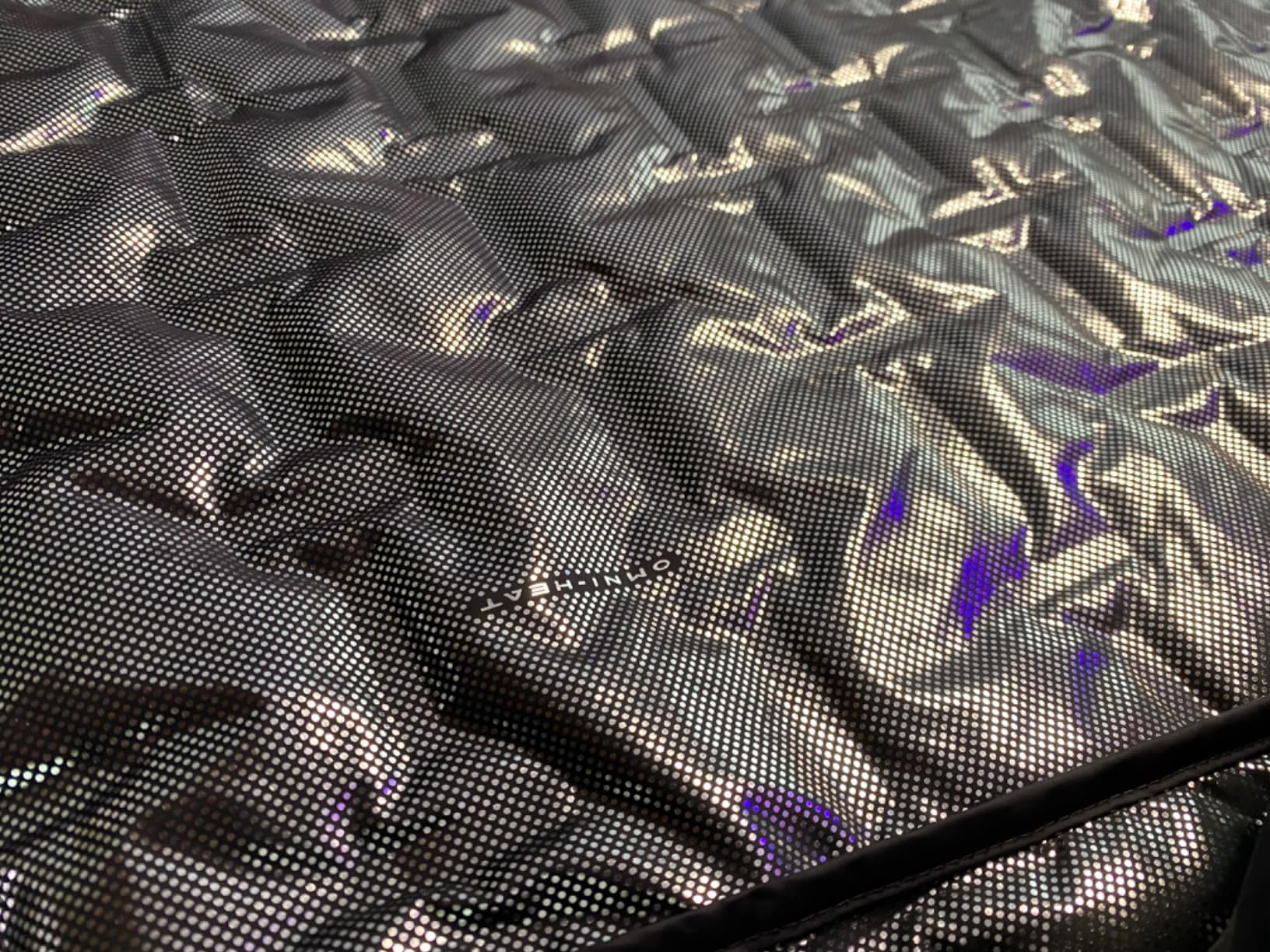
What I appreciate is the less bulky silhouette. The Delta Ridge II does not puff up like a traditional down jacket, which makes it more versatile for layering under a shell and more comfortable to wear around town after the trip. The Omni-Shield DWR finish also held up well in light rain during a November trip in the Berkshires.
If your winter temperatures hover between 25F and 40F and you want one jacket that handles late fall, early winter, and early spring trips, this is a strong choice. For sustained temperatures below 20F, you will want more fill weight.
Best use cases
The Delta Ridge II shines on shoulder-season routes where the temperature swing is wide. Wear it alone at 40F and add a shell for 25F windchill.
It is also the right pick if you want a less mountaineering-styled jacket. The clean lines work for both trail and town.
Limitations to know about
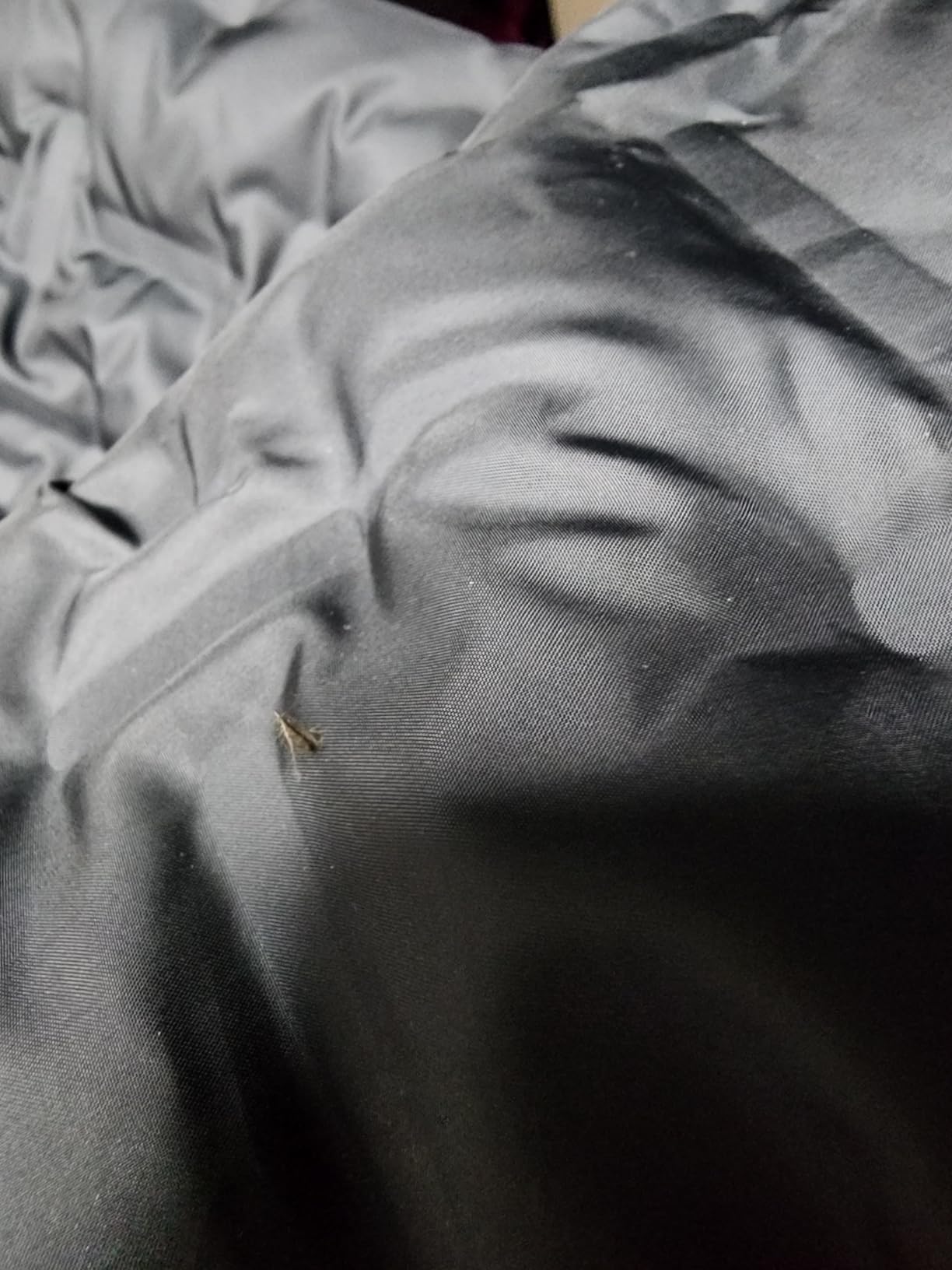
Some reviewers report small feathers escaping through the fabric, especially around the seams. This is a known issue with stitch-free baffle construction in some batches.
The shoulders can run snug for broad-shouldered wearers. Sizing up is the usual fix if you plan to layer a thick fleece underneath.
5. Rab Men’s Cirrus Alpine Insulated Jacket — Best Synthetic
Rab Men’s Cirrus Alpine Jacket – Lightweight Insulated Coat for Climbing & Mountaineering – Tempest Blue – Large
Fill: PrimaLoft Silver recycled synthetic
Shell: Pertex Quantum ripstop
Weight: 1.14 lb
Hood: Helmet-compatible
Pros
- Synthetic insulation performs in damp conditions
- Includes stuff sack for compression
- Helmet-compatible hood and layering fit
- Recycled materials throughout
Cons
- Runs snug through chest and armpits
- Packs slightly larger than down alternatives
- Hooded and hoodless versions fit differently
If you winter backpack in the Pacific Northwest, the UK, the Northeast, or anywhere wet snow and freezing rain are part of the forecast, a synthetic jacket is the safer call. The Rab Cirrus Alpine is the synthetic jacket I keep returning to. On a wet December trip in the Cascades, I wore it for three days of drizzle and mixed precipitation. It never wet out, never lost loft, and dried fast between rain events.
The Cirrus Alpine uses PrimaLoft Silver recycled synthetic insulation, wrapped in a Pertex Quantum ripstop shell with a DWR finish. The synthetic fill mimics the feel and packability of down while keeping you warm when damp. The jacket also includes a stuff sack for compression, an internal pocket for storage, and a helmet-compatible hood that works well under a climbing or ski helmet.
Where the Cirrus Alpine really earns its place is as a damp-weather midlayer. I wore it over a fleece during a snowshoe trip in Vermont where the temperature hovered around 25F and the snow was wet and heavy. The synthetic fill kept insulating through the entire day, and the adjustable hem kept snow out of the cuffs. By the end of the trip it was the only jacket my partner reached for.
It is heavier than the down options in this guide, but the safety margin in wet weather is worth the weight for most winter backpackers. For dry-cold climates the Rab Electron Pro is a better pick. For wet climates the Cirrus Alpine is the right tool.
Best use cases
Wet winter climates are where this jacket pays off. Snow, sleet, and freezing rain will not compromise its warmth the way they would compromise untreated down.
It also works well for high-output activities like snowshoeing and backcountry skiing, where sweat is the bigger risk than ambient cold.
Where it falls short
The fit runs snug through the chest and armpits. If you plan to layer a thick fleece underneath, size up.
Synthetic fill also packs larger than premium down. For a thru-hike where every cubic inch matters, look at the Ghost Whisperer or Microlight Alpine instead.
6. Rab Men’s Microlight Alpine Down Jacket — Best Layering Fit
Rab Men’s Microlight Alpine 700-Fill Down Hooded Puffer Jacket for Hiking & Skiing – Tempest Blue – Medium
Fill: 700-fill RDS recycled hydrophobic down
Shell: Pertex Quantum ripstop
Construction: Zoned micro and nano baffles
Weight: 1.03 lb
Pros
- Excellent warmth-to-weight ratio
- Very compact packed size
- Athletic cut layers cleanly under shells
- Hood stays secure in wind
- Recycled fabrics and ethical down
Cons
- Not fully waterproof in sustained rain
- European fit runs slim for layering
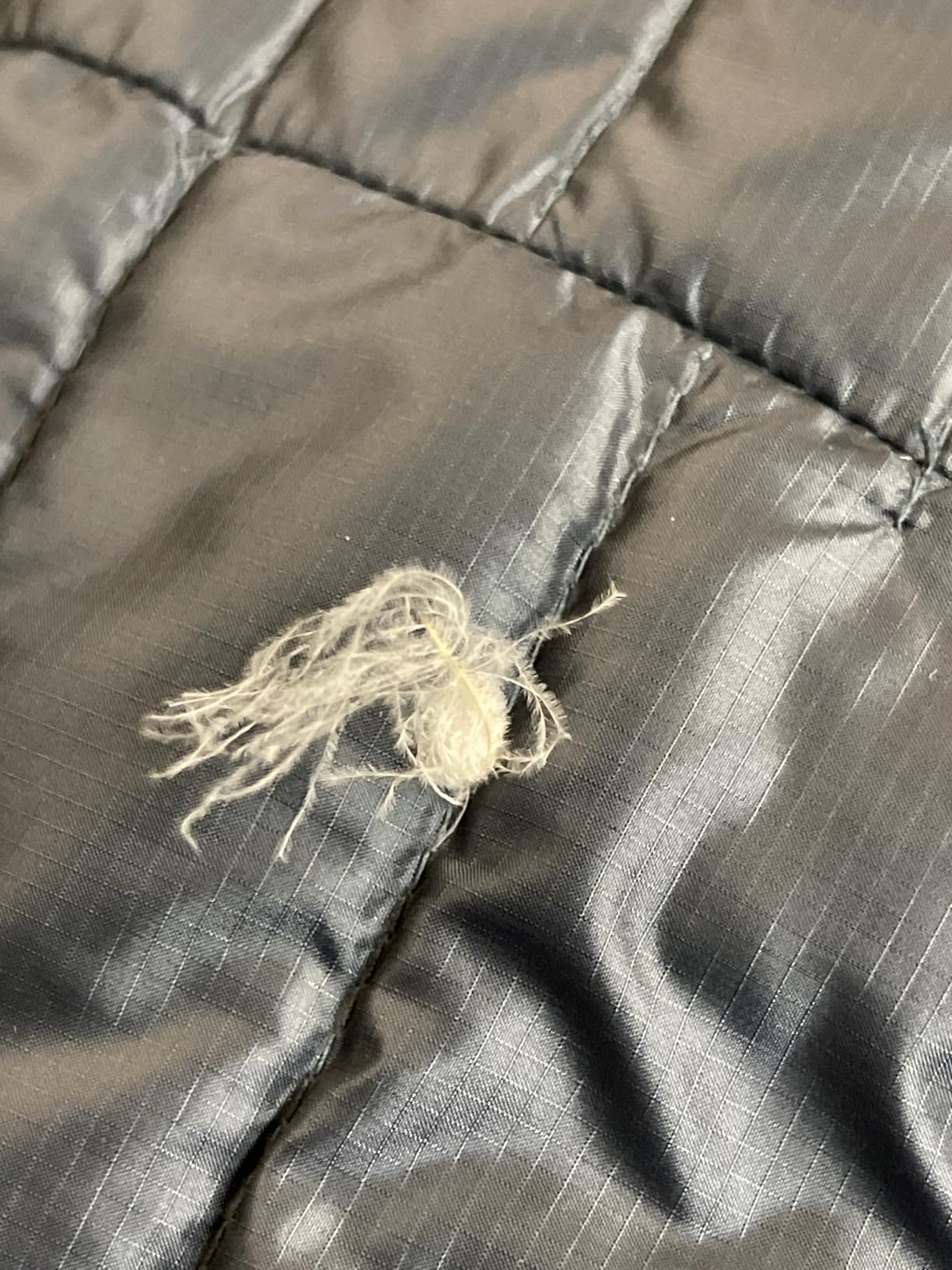
- Some reports of down leakage
- Premium price
The Rab Microlight Alpine is the jacket I recommend when readers want a true alpine layering piece. The athletic cut is cut closer to the body for use under a hardshell, and the 700-fill RDS recycled hydrophobic down gives a strong warmth-to-weight ratio. I wore this on a five-day ridge walk in the Wind Rivers in early October and it slipped under my shell without binding, even with a 200-weight fleece underneath.
The zoned baffling is a nice touch. Rab combines micro and nano baffles to put more insulation where it counts and less where it does not. The result is a jacket that warms your core efficiently without adding bulk at the shoulders or under the arms. The Pertex Quantum ripstop shell is light but durable enough for moderate bushwhacking, and the hood cinches down tight for wind.

This is the right jacket for climbers, scramblers, and backpackers who run a tight layering system. If you typically wear a base layer, a light fleece, and then a puffy, the Microlight Alpine is sized for that combination. The athletic cut also makes it ideal for women and smaller-framed men who find mountaineering jackets too baggy.
The trade-off is the European fit, which runs slim. If you are between sizes or prefer room for a thicker midlayer, go up one size. The 700-fill down is also slightly less lofty than the 800-fill options, so the same warmth comes at a slightly heavier pack weight.
Best use cases
Alpine routes where you will be wearing a shell most of the time and want a puffy that fits cleanly underneath without restricting reach.
Multi-day treks where you want a versatile down jacket that handles both camp and active moments.
Where it falls short
Sustained rain will eventually soak through the Pertex Quantum shell. For wet climates, choose a synthetic or a Pertex Quantum Pro shell like the Electron Pro.
The slim cut also means less room for bulky midlayers. If you run a thick fleece plus a heavy base layer, size up.
7. MAGCOMSEN Men’s Puffer Jacket — Best Value
MAGCOMSEN Puffer Jacket Men Packable Down Jacket Lightweight Winter Coats Waterproof Insulated Jackets Black 2XL
Fill: Synthetic
Shell: Water-repellent nylon
Weight: 7.05 oz
Features: Stand-up collar, 2 pockets
Pros
- Lightweight yet surprisingly warm
- Adjustable high collar blocks wind
- Water-repellent shell handles light rain
- Packs easily into a backpack
Cons
- Runs slightly small compared to other brands
- No included storage bag
- Limited pocket layout
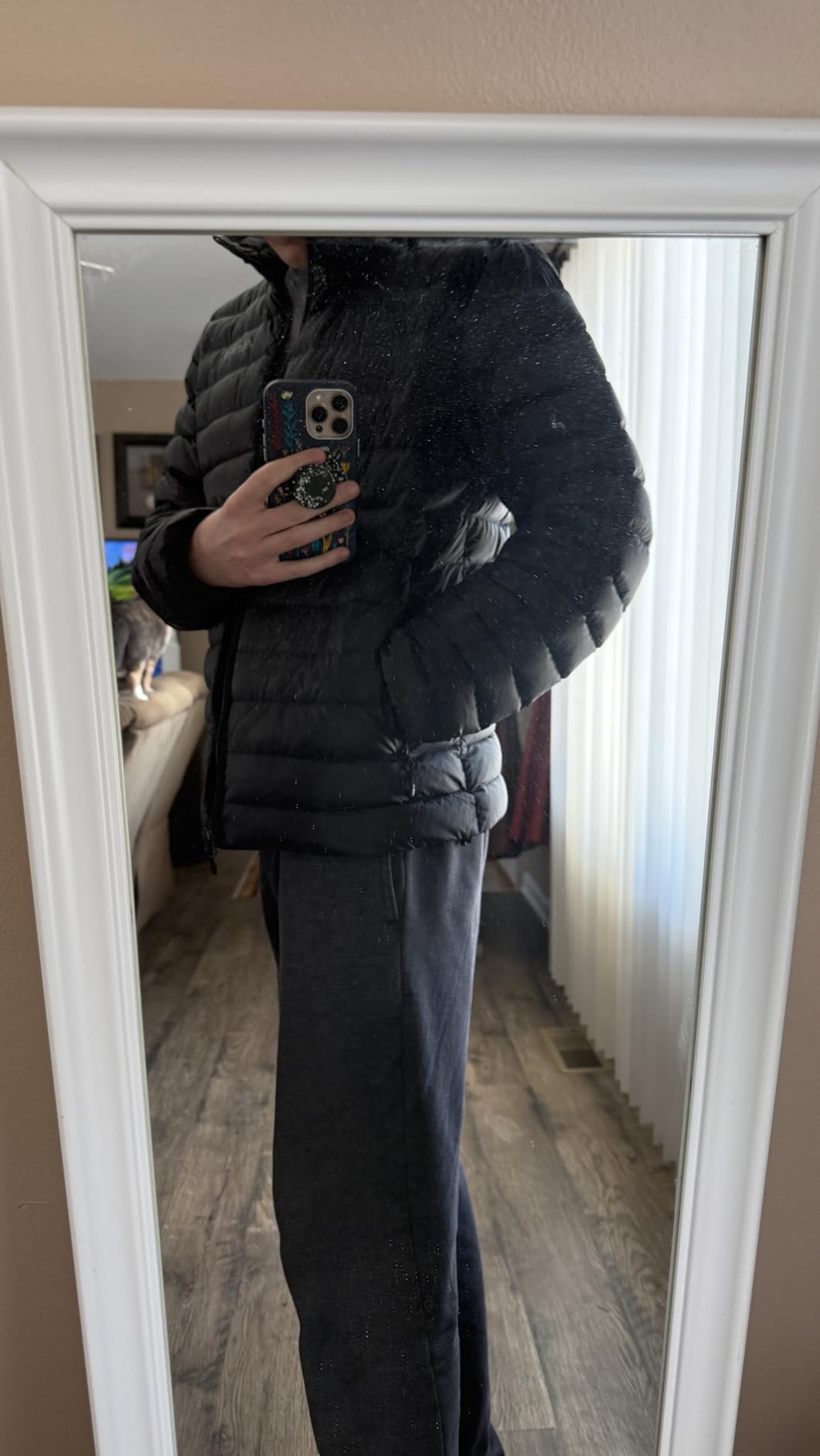
The MAGCOMSEN is the other budget jacket that impressed me more than I expected. At well under what most premium jackets cost, you get a lightweight synthetic puffy with a water-repellent shell, a stand-up collar, and a comfortable fit. For shorter shoulder-season trips or as a backup layer, this is a smart buy.
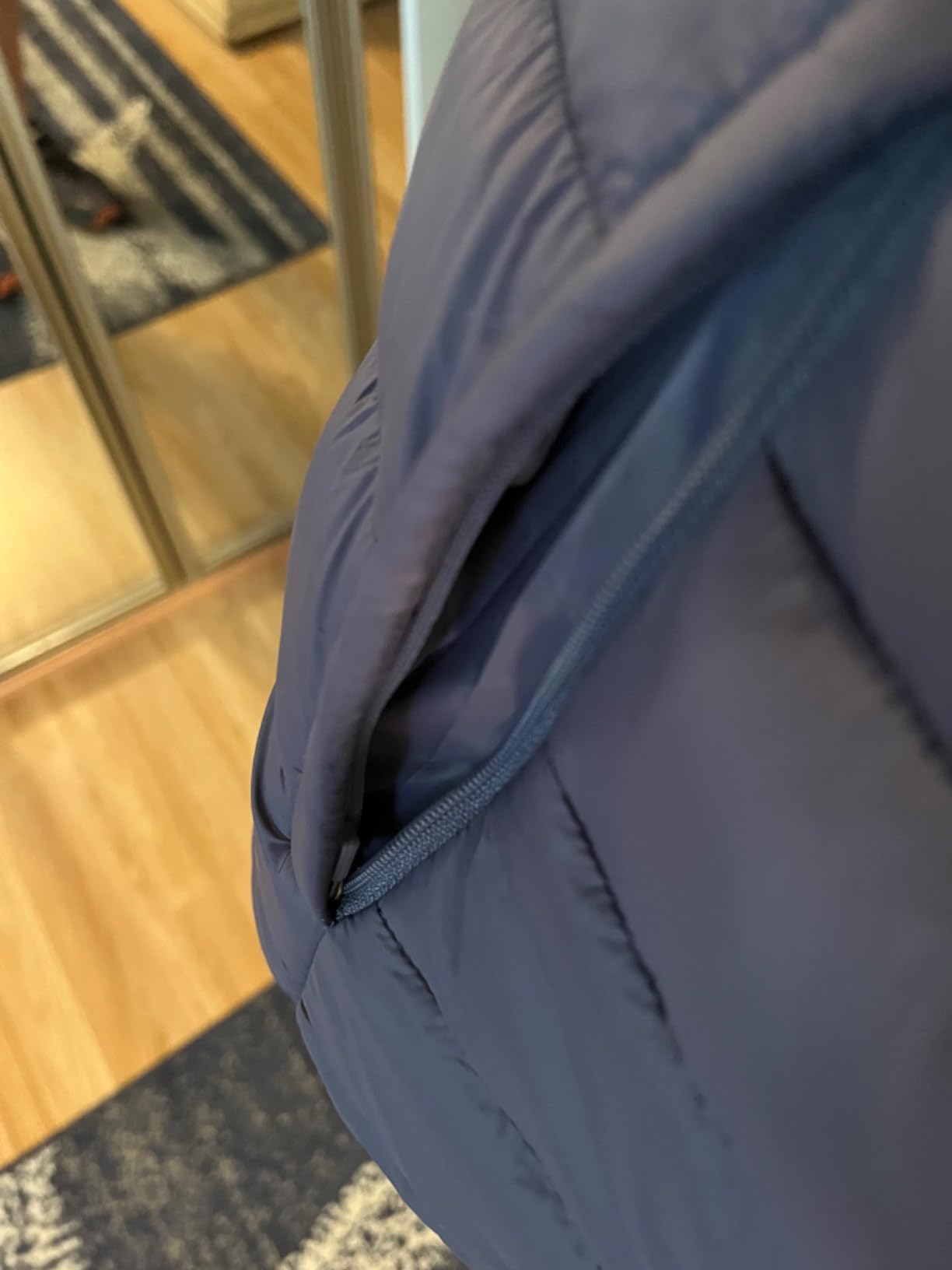
The build is straightforward: breathable nylon shell, synthetic fill, full-length zipper, two side pockets, and elasticized cuffs and hem. The stand-up collar is the standout feature. It zips up high enough to seal out wind on a chilly trail without needing a neck gaiter. Reviewers consistently mention that the jacket punches well above its price in terms of warmth and water resistance.
Where this jacket fits is for beginner winter backpackers, casual campers, and anyone who wants a low-cost layer for 30F to 45F temperatures. The water-repellent shell handled a light drizzle during a fall trip in the Whites, and the synthetic fill stayed warm even when slightly damp. It is also a strong choice as a midlayer under a heavier coat for cold-weather trips.
You give up premium features like an adjustable hood, internal pockets, and a stuff sack. The MAGCOMSEN is also less packable than the Ghost Whisperer or Microlight Alpine. For pure ultralight or mountaineering use, step up to one of the premium options.
Why I recommend it for budget shoppers
If you are not sure whether winter backpacking is for you, this jacket lets you try the sport without a major investment. You can always upgrade later.
It is also the right pick if you need a second jacket for a partner, a friend, or a guest who joins you occasionally.
Limitations to be aware of
Without an included storage bag, packing it small takes some work. A compression sack or a large zip-lock bag solves the problem.
The jacket also lacks an internal pocket and chest pocket. For multi-day trips where you stash small items, this is a real gap.
8. Marmot Men’s Zeus Down Jacket — Best for Mobility
MARMOT Men’s Zeus Jacket – Down-Insulated, Water Resistant, Lightweight, Arctic Navy, XX-Large
Fill: 700-fill down with Down Defender
Shell: Ultralight ripstop
Construction: Angel-Wing Movement
Storage: Stuffs into own pocket
Pros
- Lightweight and packable
- Down Defender water-resistant treatment
- Angel-Wing Movement allows full arm mobility
- Stuffs into its own pocket
Cons
- Only two hand pockets
- 700-fill down rather than premium 800-fill
- Less suited to very cold conditions without layers
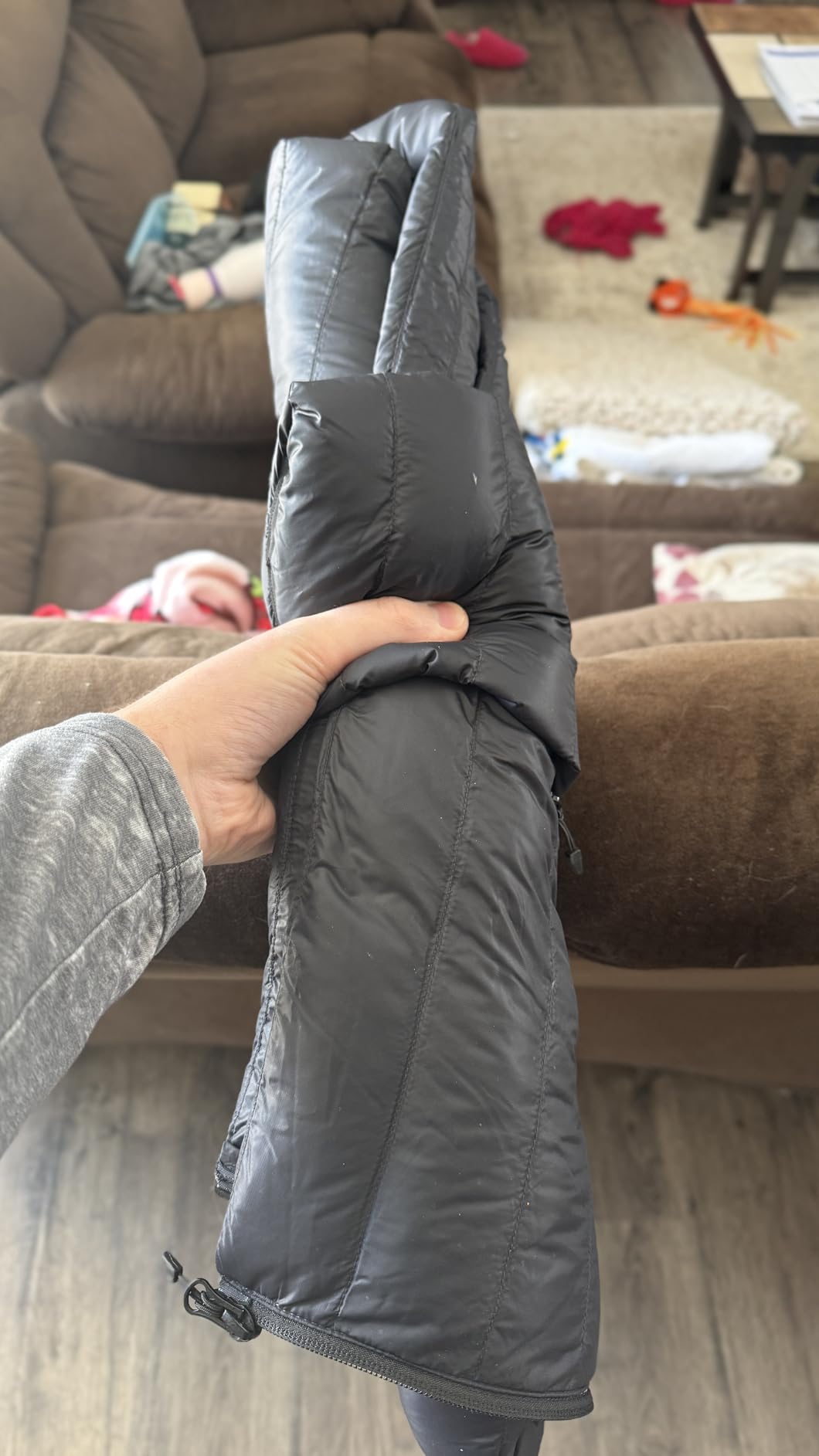
If you scramble, climb, or take your winter backpacking off-trail, mobility matters as much as warmth. The Marmot Zeus is the jacket I reach for on routes with a lot of reaching, scrambling, and pack-height adjustments. The Angel-Wing Movement construction allows full arm mobility without the jacket riding up, and the ultralight ripstop shell does not restrict reach at all.
The Zeus uses 700-fill down treated with Marmot’s Down Defender water-resistant finish, which helps the down resist moisture and dry faster than untreated down. It is not as warm as the 800-fill options in this guide, but it is more than enough for shoulder-season trips and active winter days. The jacket also stuffs into its own pocket for easy packing.
On a scramble-heavy loop in the Enchantments last fall, the Zeus was the only jacket that did not pull at the shoulders every time I reached up for a handhold. The wind flap behind the front zipper also kept cold air out better than I expected from a jacket at this price. Reviewers consistently mention that the Zeus punches above its weight for the price and that the mobility is a real highlight.
This is the right pick for active winter backpackers who do not stand still long enough to need a heavyweight puffy. It also works well as a midlayer for cold-weather camping in moderate climates.
Best use cases
Scrambles and technical off-trail travel where arm mobility matters more than max warmth.
Shoulder-season trips and active days where you need a versatile down layer that does not overheat you.
Where it falls short
The pocket layout is limited to two hand pockets with no internal or chest pocket. For multi-day trips where you stash small items, this is a real gap.
For sustained temperatures below 20F, you will want to layer a thicker midlayer underneath or step up to the Rab Electron Pro.
9. Rab Women’s Neutrino Pro Down Hoody — Best Women’s Expedition
Rab Women’s Neutrino Pro Hoody – Lightweight Warm Down Coat for Climbing & Mountaineering – Tempest Blue – Large
Fill: 800-fill hydrophobic down
Shell: Pertex Quantum Pro
Construction: Articulated sleeves, reinforced panels
Weight: 18.3 oz
Pros
- Extremely warm 800-fill hydrophobic down
- Windproof Pertex Quantum Pro shell
- Helmet-compatible adjustable hood
- Durable reinforced shoulder and sleeve panels
Cons
- Premium price
- Bulky puffy silhouette
- Some reports of zipper and print durability issues
The Rab Neutrino Pro is the women’s version of the mountaineering puffy, and it is what I have handed to my wife for every winter alpine trip since 2018. The 800-fill hydrophobic down combined with the Pertex Quantum Pro shell makes this the warmest women’s-specific jacket in this guide. On a January ice climbing trip in Ouray at 0F, this was the jacket that kept her warm on belay.
The Neutrino Pro is built for serious cold. The reinforced ripstop panels on the shoulders and sleeves handle rope work and pack abrasion. The articulated sleeves allow full reach without binding. The helmet-compatible hood with stiffened peak keeps the wind off your face during a storm, and the regular fit layers cleanly over a fleece plus base layer combination.
Where this jacket earns its place is on expeditions and high-altitude pursuits. My wife used it on a five-day mountaineering course on Mt. Rainier where temperatures dropped to minus 5F at camp. The 800-fill down lofted back fast after a long day of moving, and the Pertex Quantum Pro shell blocked 40 mph winds without a whisper. It is also the right pick for ice climbers, ski mountaineers, and anyone traveling in deep cold.
The trade-offs are weight and bulk. This is not an ultralight jacket. At 18.3 ounces and a bulky silhouette, the Neutrino Pro is for trips where warmth matters more than weight. If you are counting every ounce for a winter thru-hike, look at the Ghost Whisperer/2 or the Rab Microlight Alpine instead.
Best use cases
Expedition trips and mountaineering where sustained warmth is the priority over weight.
Ice climbing and ski mountaineering where the helmet-compatible hood and reinforced panels matter.
Where it falls short
The premium price puts this out of reach for casual winter backpackers. If you only do a few trips a year, a midweight jacket is more value.
Some reviewers report zipper durability issues and screen-print flaking after heavy use. Inspect the zipper carefully before each trip.
10. Rab Women’s Microlight Alpine Down Jacket — Best Women’s Ultralight
Rab Women’s Microlight Alpine 700-Fill Down Hooded Puffer Jacket for Hiking & Skiing – Orion Blue/Citadel – Medium
Fill: 700-fill RDS recycled hydrophobic down
Shell: Pertex Quantum ripstop
Construction: Zoned baffles
Weight: 14.59 oz
Pros
- Excellent warmth-to-weight ratio
- Highly packable for backcountry trips
- Made with recycled fabrics and ethical down
- Reliable layering piece for alpine pursuits
Cons
- Not fully waterproof in sustained rain
- European fit runs slim
- Premium price
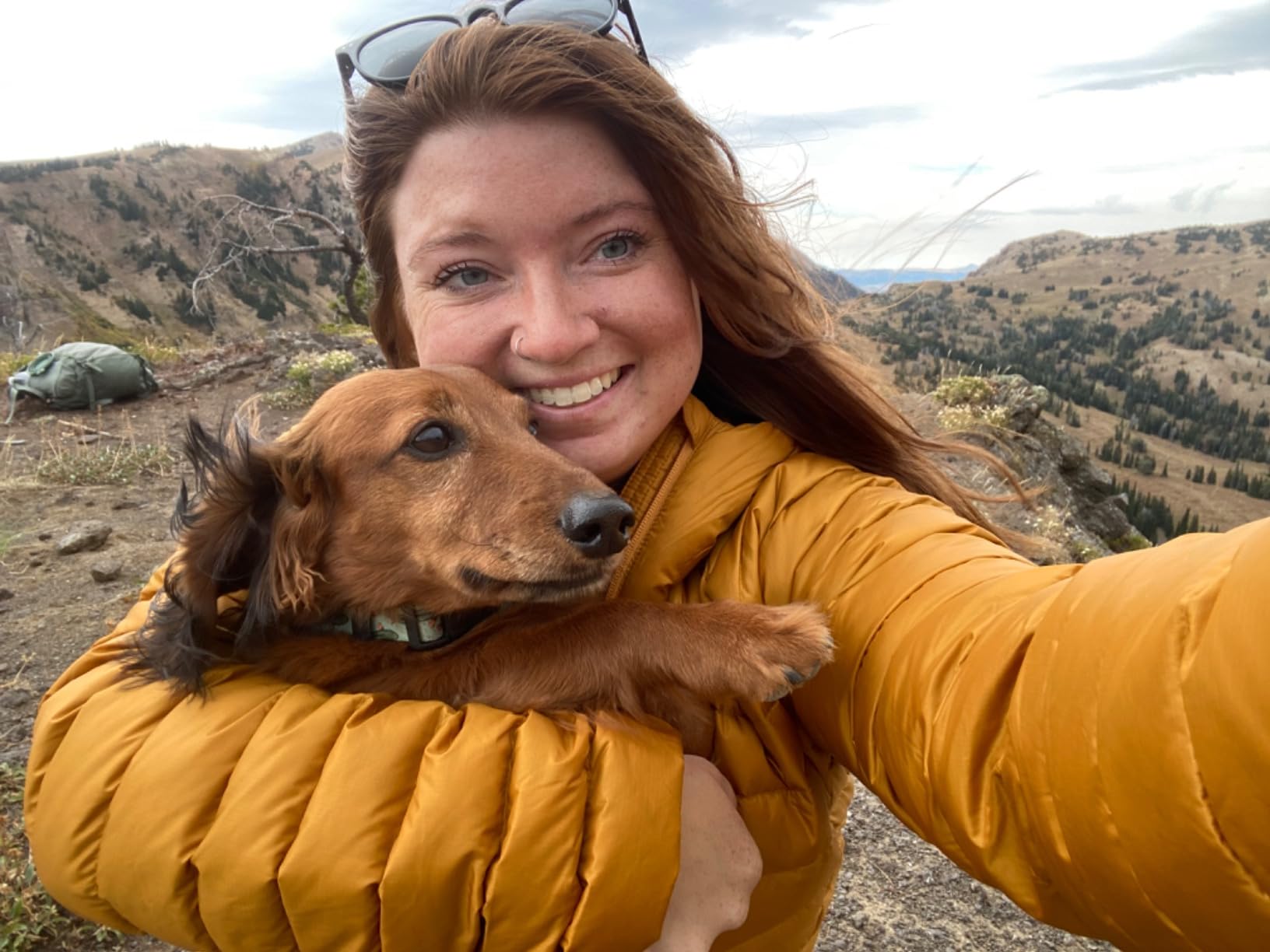
The Women’s Microlight Alpine is the ultralight counterpart to the men’s version, and it is the right pick for women who want a packable down jacket that layers cleanly under a shell. My partner used this jacket on a five-day winter section hike in the Sierra and loved how little space it took in her pack. It is one of the lightest women’s-specific down jackets with a proper hood and 700-fill insulation.
The build mirrors the men’s Microlight Alpine: 700-fill RDS recycled hydrophobic down, Pertex Quantum ripstop shell, and zoned micro and nano baffles. The women’s cut is tailored for layering over a base layer and a light fleece without binding. Reviewers consistently mention that the fit is true to size and that the recycled materials do not compromise performance.
Where this jacket shines is on multi-day trips where weight matters and on alpine routes where you need a layering piece that does not restrict reach. The hydrophobic down treatment also helps in light precipitation, though it is not a substitute for a shell in sustained rain.
For deep-winter camping in dry-cold regions, the Women’s Microlight Alpine is a smart pick. For wet climates or temperatures below 10F, look at the Cirrus Alpine or the Neutrino Pro instead.
Best use cases
Multi-day winter trips where weight and packability matter.
Alpine routes where you want a layering piece that fits cleanly under a shell.
Where it falls short
Sustained rain will eventually soak through. Pair with a shell in wet climates.
The European fit runs slim. If you want room for a thicker midlayer, size up.
How to Choose an Insulated Jacket for Winter Backpacking
The right winter backpacking jacket depends on your climate, your layering system, and how cold your winters get. Here are the five factors that matter most.
Insulation Type: Down vs Synthetic vs Hybrid
Down insulation offers the best warmth-to-weight ratio and packs the smallest. It is the right choice for cold-and-dry climates like Colorado, Wyoming, and the Sierra. Synthetic insulation costs more weight and bulk but keeps insulating when wet, which makes it the safer choice for wet climates like the Pacific Northwest, the UK, and the Northeast shoulder season. Hybrid jackets combine down and synthetic fills to balance warmth and weather resistance.
For most winter backpackers, a quality down jacket with a hydrophobic treatment is the best starting point. If you regularly encounter wet snow or freezing rain, step up to synthetic or hybrid.
Fill Power vs Fill Weight: What Actually Matters
Fill power measures the loft of down. Higher fill power (800, 850, 900) means more loft per ounce, which translates to more warmth for less weight. Fill weight measures the actual amount of down in the jacket. A jacket with 850-fill down and 4 ounces of fill will be warmer than a jacket with 650-fill down and 4 ounces of fill.
For winter backpacking, look for jackets with 700-fill or higher and at least 4 to 6 ounces of fill for 20F to 30F conditions. For sub-zero trips, you want 6 to 10 ounces of fill in 800-fill or higher. The fill power matters less than the total fill weight once you are above 700.
Weather Protection: DWR, Hydrophobic Down, and Shells
Most winter backpacking jackets are not fully waterproof. They use a DWR (durable water repellent) finish on the face fabric to shed light precipitation, and hydrophobic down treatments to keep the down lofting when damp. For sustained rain or wet snow, you need a separate hardshell.
If you regularly backpack in wet climates, look for jackets with a Pertex Quantum Pro shell or a similar windproof and water-resistant face fabric. Pair any down jacket with a packable rain shell for full wet-weather protection.
Fit, Layering Room, and Helmet Compatibility
Winter backpacking jackets need to fit over a base layer and a midlayer without restricting reach. The fit should be snug enough to trap warmth but loose enough to allow circulation. European brands like Rab tend to run slim. American brands like Columbia and Patagonia tend to run larger. Always try a jacket with the midlayer you plan to wear underneath.
Helmet-compatible hoods are essential for mountaineering, ice climbing, and backcountry skiing. For pure backpacking, a regular hood is fine. Make sure the hood cinches down tight for wind and does not restrict peripheral vision.
Packability and Weight Tradeoffs
The lightest winter backpacking jackets pack to the size of a water bottle and weigh under a pound. They use premium 800-fill or 900-fill down and ultralight face fabrics. The trade-off is durability. Heavier jackets use tougher face fabrics and more fill, which means more warmth but also more weight.
For most winter backpackers, a midweight jacket in the 12 to 18 ounce range hits the best balance of warmth, weight, and durability. Ultralight jackets are worth the premium if you are counting every ounce. Heavyweight expedition jackets are worth the bulk if you are traveling in deep cold.
For more layering options to pair with your jacket, see our guide to insulated rain pants and our picks for insulated camp shoes.
Frequently Asked Questions
What is the warmest jacket for winter backpacking?
The warmest jacket for winter backpacking is one with a high fill weight (6 to 10 ounces) of 800-fill or higher down, a windproof shell like Pertex Quantum Pro, and a helmet-compatible hood. The Rab Electron Pro and Rab Neutrino Pro are strong choices for sustained warmth in deep cold.
Is a down or synthetic jacket better for winter backpacking?
Down is warmer and lighter for its weight, making it the best choice for cold-and-dry climates like Colorado or Wyoming. Synthetic is heavier and bulkier but keeps insulating when wet, which makes it the safer choice for wet climates like the Pacific Northwest, the UK, and the Northeast shoulder season. Hybrid jackets combine both for versatility.
What fill power down jacket do I need for winter camping?
For winter camping, look for at least 700-fill down with 4 to 6 ounces of fill for 20F to 30F conditions. For sub-zero trips, you want 800-fill or higher with 6 to 10 ounces of fill. The fill weight matters more than the fill power once you are above 700.
What is the difference between fill power and fill weight?
Fill power measures the loft of down, meaning how much volume one ounce of down occupies. Higher fill power (800, 850, 900) means more loft and more warmth per ounce. Fill weight measures the actual amount of down stuffed into the jacket. A jacket with 4 ounces of 850-fill down is warmer than a jacket with 4 ounces of 650-fill down.
How do you layer a jacket for winter backpacking?
A winter backpacking layering system starts with a moisture-wicking base layer, adds an insulating midlayer like a fleece, and tops with an insulated jacket (down or synthetic puffy) for camp and breaks. In wet or windy conditions, add a hardshell over the insulated jacket. The key is to avoid overheating while moving so you stay dry when you stop.
Do you need a hood on a winter backpacking jacket?
Yes, a hood is highly recommended for winter backpacking. A hood adds significant warmth by trapping heat around your head and shielding your face from wind and snow. Look for an adjustable, helmet-compatible hood if you plan to climb or ski. For pure backpacking, a regular insulated hood is sufficient.
The Bottom Line
After months of winter miles, the Rab Men’s Electron Pro Down Jacket stands out as the best overall pick for cold-and-dry winter backpacking in 2026. Its 800-fill hydrophobic down, Pertex Quantum Pro shell, and helmet-compatible hood make it a true alpine puffy that still packs light enough for multi-day trips. For ultralight missions, the Mountain Hardwear Ghost Whisperer/2 is hard to beat. And for budget shoppers, the Amazon Essentials Lightweight Puffer punches well above its weight. Pair your jacket with a proper layering system and a packable shell, and you are ready for whatever winter throws at you.
Whichever jacket you choose, focus on fit, fill weight, and weather protection over brand name. The right jacket for your climate and your layering system will keep you safe, warm, and moving for years to come. If you want to dig deeper into specific climates or use cases, our related guides on insulated rain pants, insulated winter overshoes, and insulated winter cots cover the rest of your cold-weather kit.