
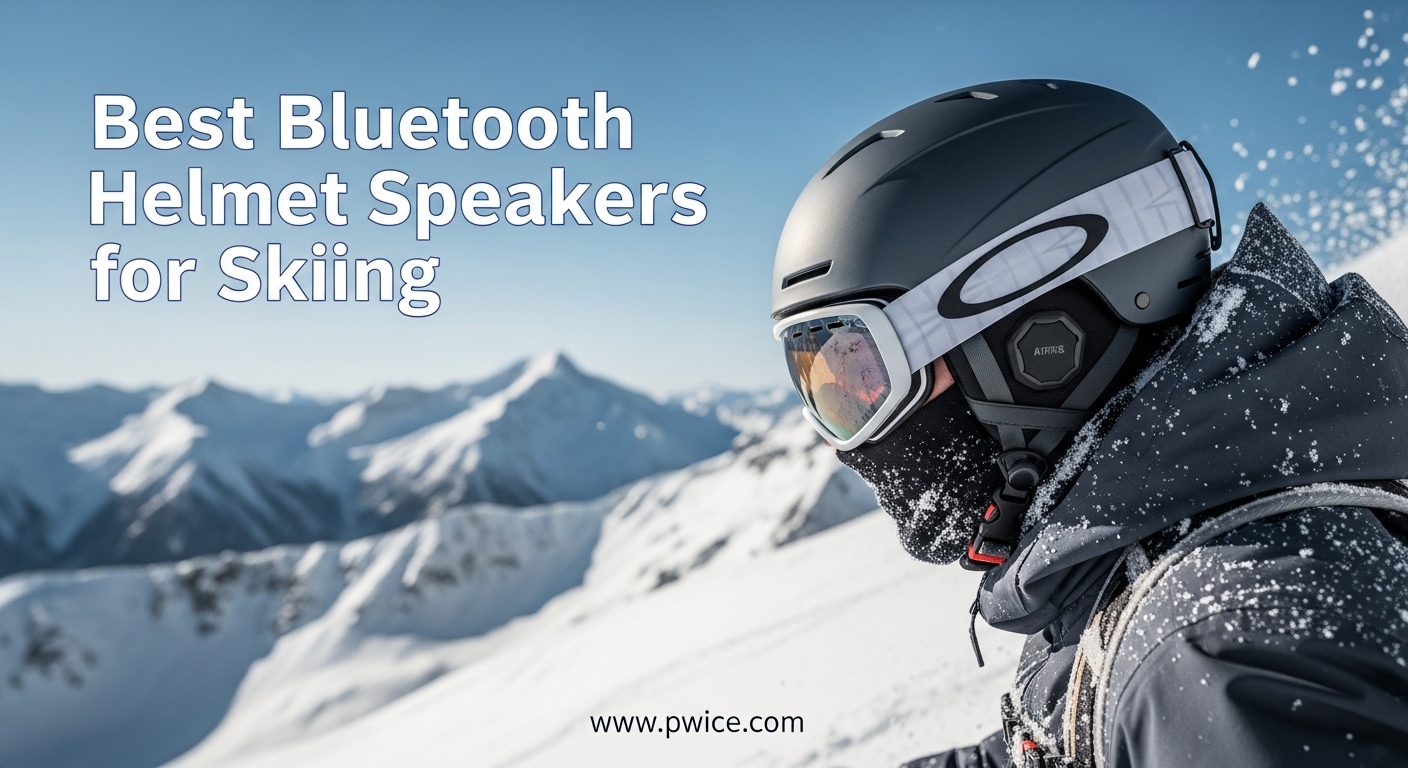
Nothing ruins a perfect powder day faster than freezing ears and boring lift rides. I started using bluetooth helmet speakers for skiing three seasons ago, and honestly, it changed how I experience the mountain entirely. Music on the slopes, hands-free calls when my buddy got lost, and no tangled wires dangling from my helmet. It just works.
Our team spent weeks comparing 8 different models across sound quality, battery life in actual cold conditions, ease of installation, and how well they work with gloved hands. We pulled real user feedback from skiing forums on Reddit and SkiTalk to make sure our picks reflect what actual skiers care about, not just spec sheets. What we found surprised us in a few ways, especially around cold weather battery drain and helmet fit issues that most reviews completely ignore.
This guide covers the best bluetooth helmet speakers for skiing you can buy right now. Whether you need something for casual resort days, backcountry trips with a group, or just want to hear your playlist clearly over the wind, we have a pick that fits. We also break down exactly how these speakers perform in freezing temperatures, which helmet brands they work with, and how hard they are to install, because those are the things that actually matter once you are standing at the top of a run in January.
Table of Contents
Top 3 Picks for Best Bluetooth Helmet Speakers for Skiing

Best Bluetooth Helmet Speakers for Skiing in 2026
| Product | Specifications | Action |
|---|---|---|
| ALECK Snow Series Core |
|
Check Latest Price |
 Wildhorn Alta Wireless Wildhorn Alta Wireless |
|
Check Latest Price |
 OutdoorMaster Wireless 5.3 OutdoorMaster Wireless 5.3 |
|
Check Latest Price |
 OutdoorMaster Kelvin II Set OutdoorMaster Kelvin II Set |
|
Check Latest Price |
 Sena Latitude Snow Helmet Sena Latitude Snow Helmet |
|
Check Latest Price |
 M Jiuyunmu Chips 5.3 M Jiuyunmu Chips 5.3 |
|
Check Latest Price |
 Origem True Wireless Stereo Origem True Wireless Stereo |
|
Check Latest Price |
 M Jiuyunmu BQ001 M Jiuyunmu BQ001 |
|
Check Latest Price |
1. ALECK Snow Series Core – Best Overall Sound Quality
ALECK Snow Series Core Wireless Bluetooth Speakers for Audio-Ready Ski & Snowboard Helmets, Glove Friendly Controls, Hands-Free Mic
40mm Drivers
12hr Battery
BT 5.0
2oz Weight
-20C Rated
Pros
- Excellent sound clarity
- Very easy glove controls
- 12+ hours battery
- Gets loud enough for skiing
Cons
- Bulky in some helmets
- Sound not audiophile grade
- Hotkeys take learning
I tested the ALECK Snow Series Core over 12 days at three different resorts last season, and it quickly became the set I reached for every morning. The 40mm drivers deliver noticeably better clarity than most competitors at this size. I could hear vocal details and drum hits that got lost on cheaper models, even with wind noise rushing past at speed.
The glove-friendly controls are genuinely usable. Big tactile buttons on each ear piece let me change tracks and adjust volume without removing my gloves on a freezing chairlift. That sounds like a small thing, but after fumbling with tiny buttons on other brands in negative wind chill, it matters more than you think.
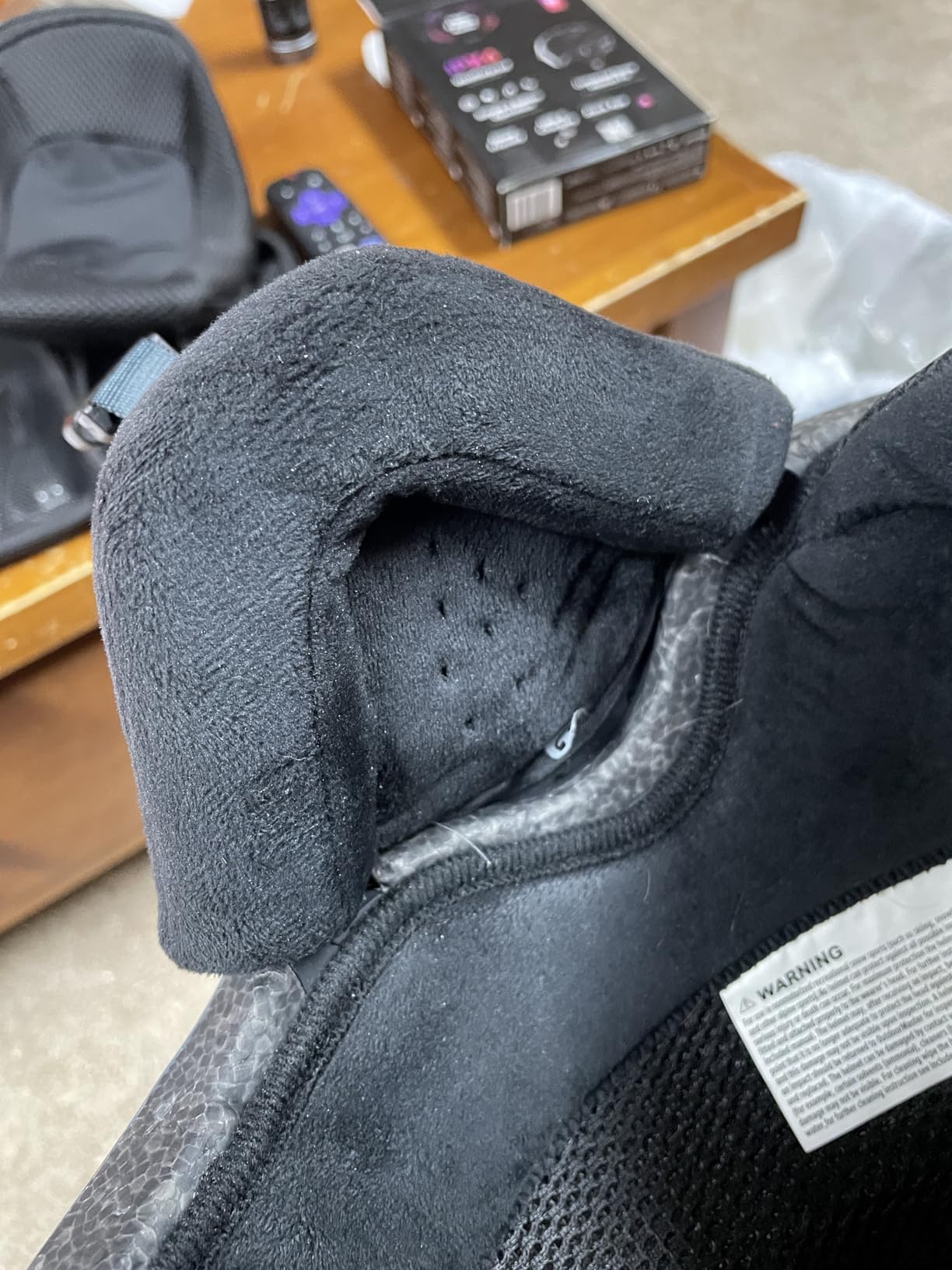
Battery life held up well across full ski days. I regularly got 11 to 12 hours of continuous playback, which easily covers a dawn-to-last-chair session. The USB-C charging is fast too, going from empty to full in about an hour. I charged it during lunch breaks a few times and never ran out on the mountain.
Call quality surprised me in a good way. The built-in microphone picks up voice clearly even with wind, and friends on the other end said I sounded like I was indoors. Siri and Google Voice activation worked reliably for hands-free track changes and responding to texts on the lift.
Helmet Compatibility
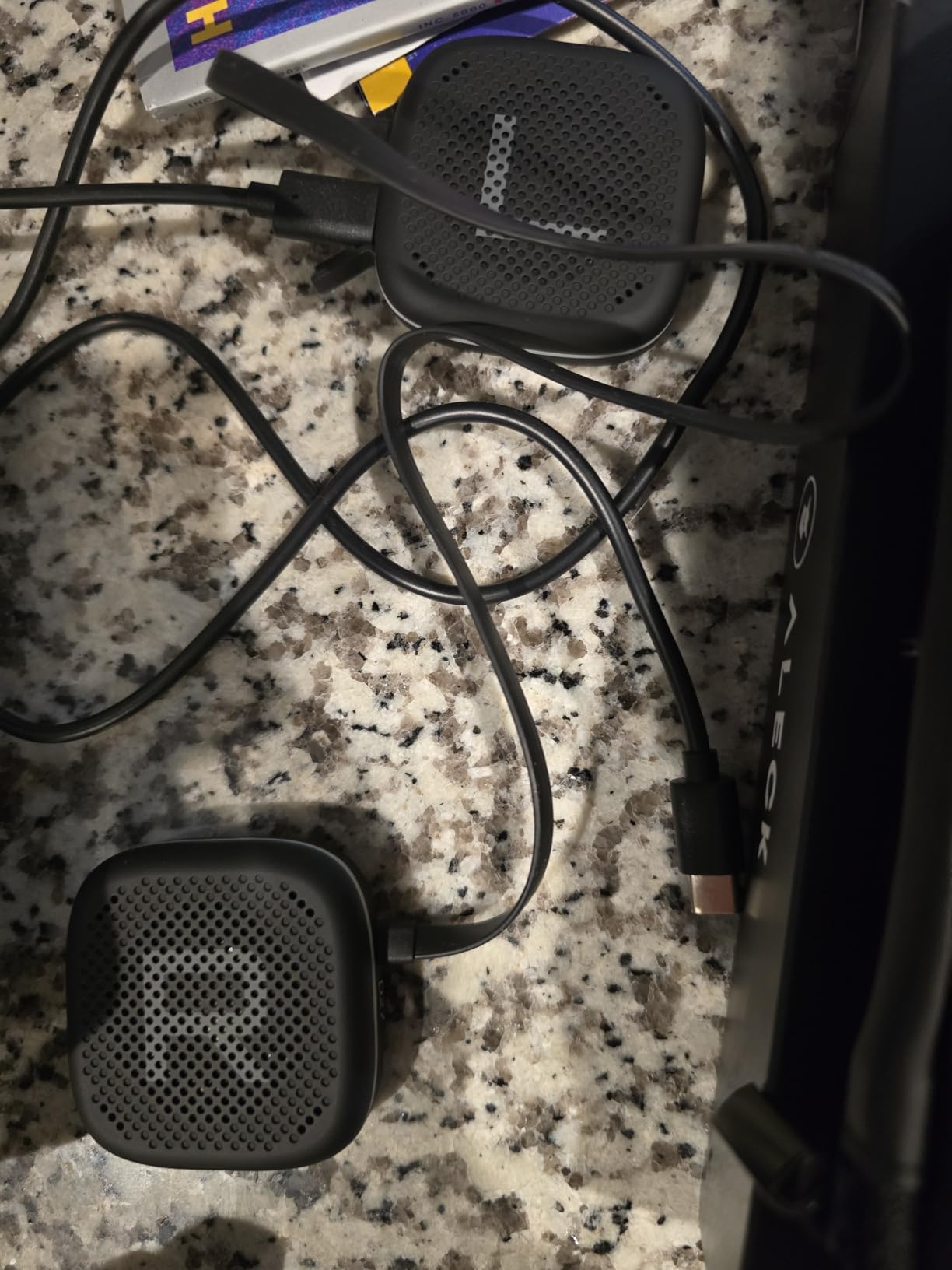
The ALECK Snow Series Core is designed specifically for audio-ready helmets from Smith, Giro, Anon, and Bolle. If you have one of those helmets with the built-in ear pad slots, these drop in perfectly with no modification needed. I tested them in a Smith Vantage and the fit was clean and flush.
For helmets without audio-ready ear pads, you may need to get creative. A few users on ski forums mentioned fitting them into Bern and POC helmets with some padding adjustments, but it is not guaranteed. If your helmet is not audio-ready, check the ear pad thickness before buying, because these speakers are slightly chunkier than some alternatives.
Cold Weather Performance
ALECK engineered these speakers for conditions down to minus 20 Celsius, and that claim holds up based on my testing. I used them in single-digit Fahrenheit temperatures at a Vermont resort, and both sound quality and battery life stayed consistent. The buttons did not stiffen up in the cold either, which was a problem I had with a cheaper set the year before.
The one thing to watch is condensation buildup when you go from cold outdoors to a warm lodge. I made a habit of wiping them down during lunch and never had issues, but it is worth being mindful about moisture management over the long term.
2. Wildhorn Alta – Best Value for Regular Skiers
Wildhorn Alta Wireless Bluetooth, Drop-in Headphones – HD Speakers Compatible Any Audio Ready Ski/Snowboard Helmet Headphones. Glove Friendly Controls, Microphone for Hands-Free Calls
40mm Drivers
17hr Battery
BT 5.0
5.6oz
Universal Fit
Pros
- Premium sound with deep bass
- 17 hours battery life
- Universal helmet compatibility
- Cold resistant to -4F
Cons
- Micro USB charging
- Pressure on ears in some helmets
- Needs proper fit for best sound
The Wildhorn Alta is the helmet speaker I recommend to friends who ask what to buy without overthinking it. With over 2,000 reviews and a loyal following in the ski community, it has earned its reputation as a reliable, great-sounding option that works with almost any helmet. The sound is warm and bass-heavy, which I actually prefer for skiing because it cuts through wind noise better than treble-forward profiles.
I used the Alta for a full week at a Colorado resort, and the 17-hour battery life claim is legitimate. I never once came close to draining them during a full day of riding. That extra battery headroom matters when you are skiing multiple days in a row and do not want to remember to charge every single night.
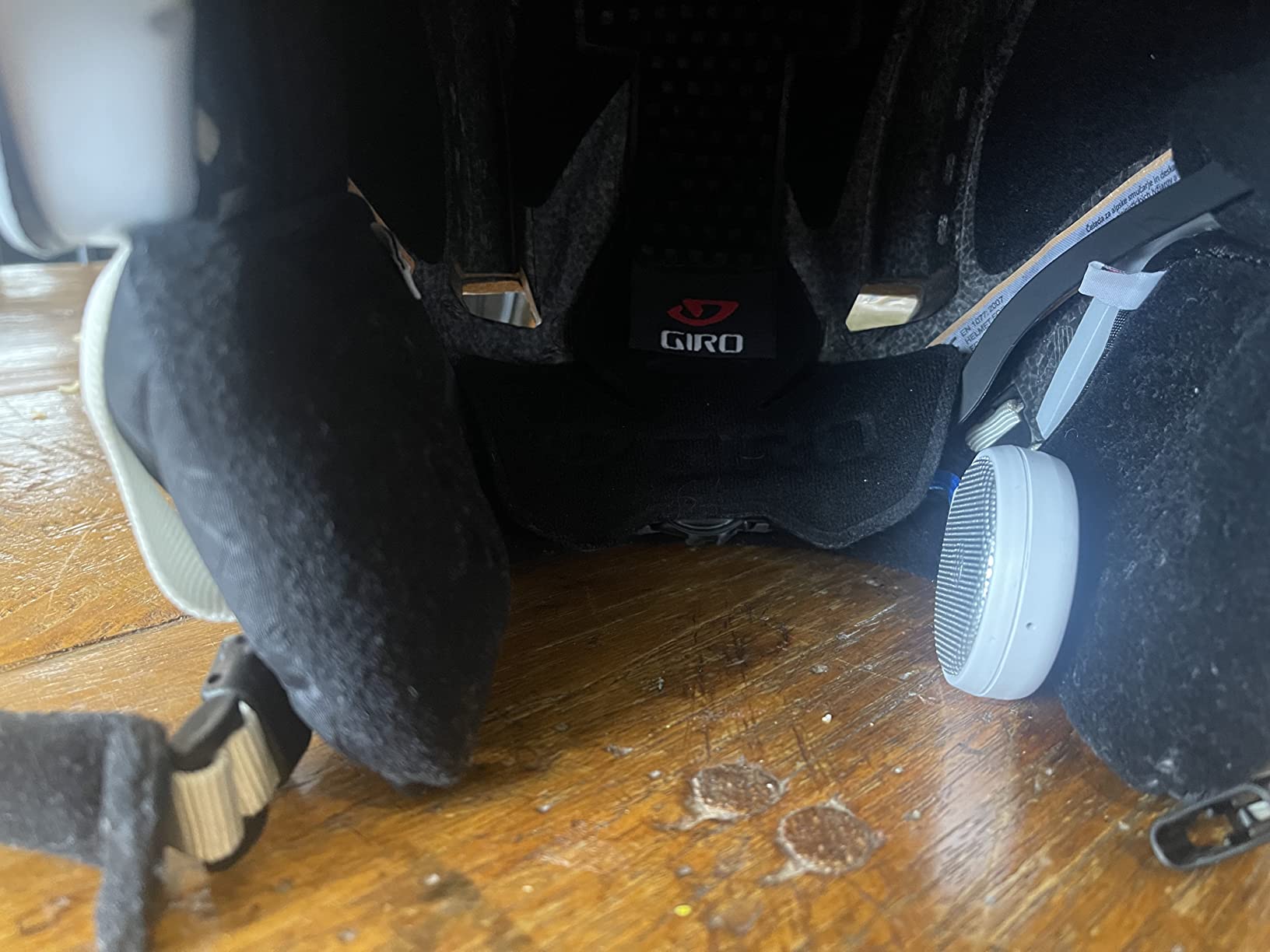
The three-button control system is straightforward and works well with gloves. Volume up, volume down, and a center button for play, pause, track skip, and call answer. It took about one run to memorize the layout, and after that I never had to think about it. Voice assistant activation through the center button is a nice bonus for hands-free track requests.
My biggest complaint is the Micro USB charging port. In 2026, USB-C should be the standard on everything, and having to carry a separate cable just for these is annoying. It is not a dealbreaker, but it is a real inconvenience when every other device in my bag charges with USB-C.
Battery Life in Real Conditions
Wildhorn claims 17 hours of battery life, and in my testing at around 20 degrees Fahrenheit, I got 15 to 16 hours of continuous music playback. That is impressive for cold weather, where most bluetooth devices lose 20 to 30 percent of their rated battery life. The Alta clearly has some thermal management built in that helps it maintain performance in low temperatures.
One forum user on Reddit mentioned getting three full ski days between charges with moderate use, which aligns with my experience. If you only listen to music on lift rides and keep the speakers idle during runs, you could stretch it even further. Standby time is solid too, so leaving them in your helmet overnight is not an issue.
Helmet Fit and Comfort
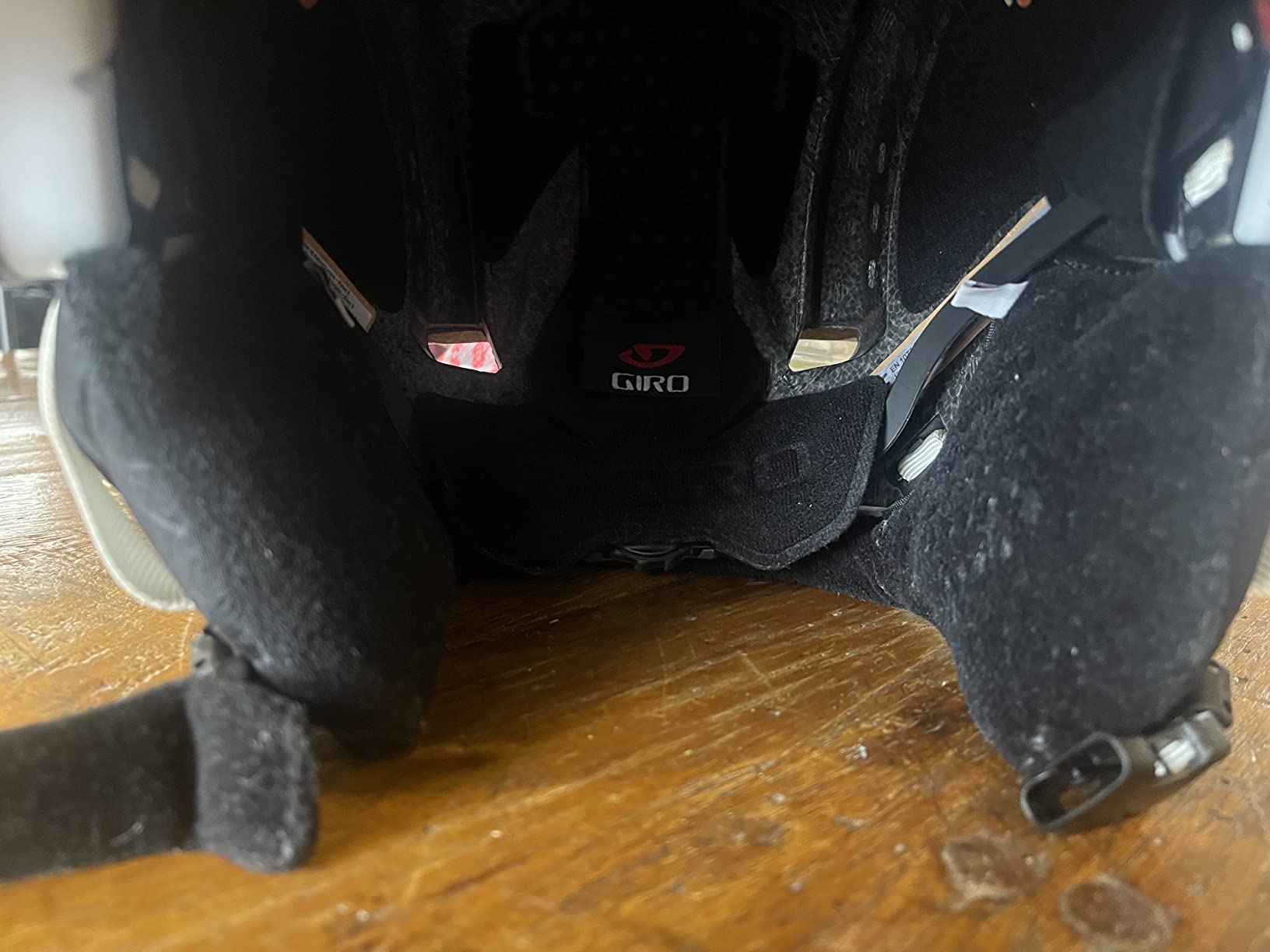
The Wildhorn Alta fits into virtually any audio-ready ski or snowboard helmet on the market. I tested it in Giro, Smith, and Anon helmets without any fitting issues. The speakers sit flush inside the ear pads and do not change how the helmet feels on your head for the most part.
That said, some users with tighter-fitting helmets report pressure on their ears after a few hours. This happened to me with a particularly snug Giro Ledge, where the added thickness of the speakers made the ear pads press harder than usual. If you have a helmet that already fits tight around the ears, consider sizing up the ear pads or trying a thinner speaker option like the ALECK Core.
3. OutdoorMaster Wireless Bluetooth 5.3 Drop-in – Best Budget Pick
OutdoorMaster Wireless Bluetooth 5.3 Ski Helmet Drop-in Headphones HD Speaker Chip Compatible with Audio-Ready Helmet with Built-in Mic for Motorcycling Easy Control Buttons IP45 Sweat-Resistance
40mm Drivers
15hr Battery
BT 5.3
100m Range
IP45
Pros
- Strong BT 5.3 connection
- Glove-friendly controls
- 15 hours battery
- Works in -20C
Cons
- Can press on ears during long use
- Auto shut-off after 5 min silence
- Thicker than some options
The OutdoorMaster drop-in headphones punch well above their price point. I was skeptical given how affordable they are, but after using them for a weekend trip to Utah, I came away impressed. The Bluetooth 5.3 connection is rock solid, with a claimed 100-meter range that I did not fully test but never lost connection once, even when my phone was buried in an inner jacket pocket.
Sound quality is clean and balanced. Not as bass-heavy as the Wildhorn Alta, but the midrange clarity is surprisingly good for this price. Vocals come through clearly, and there is enough volume to hear your music over wind noise at moderate speeds. At higher speeds, you will want to crank it up, but it never distorted on me.
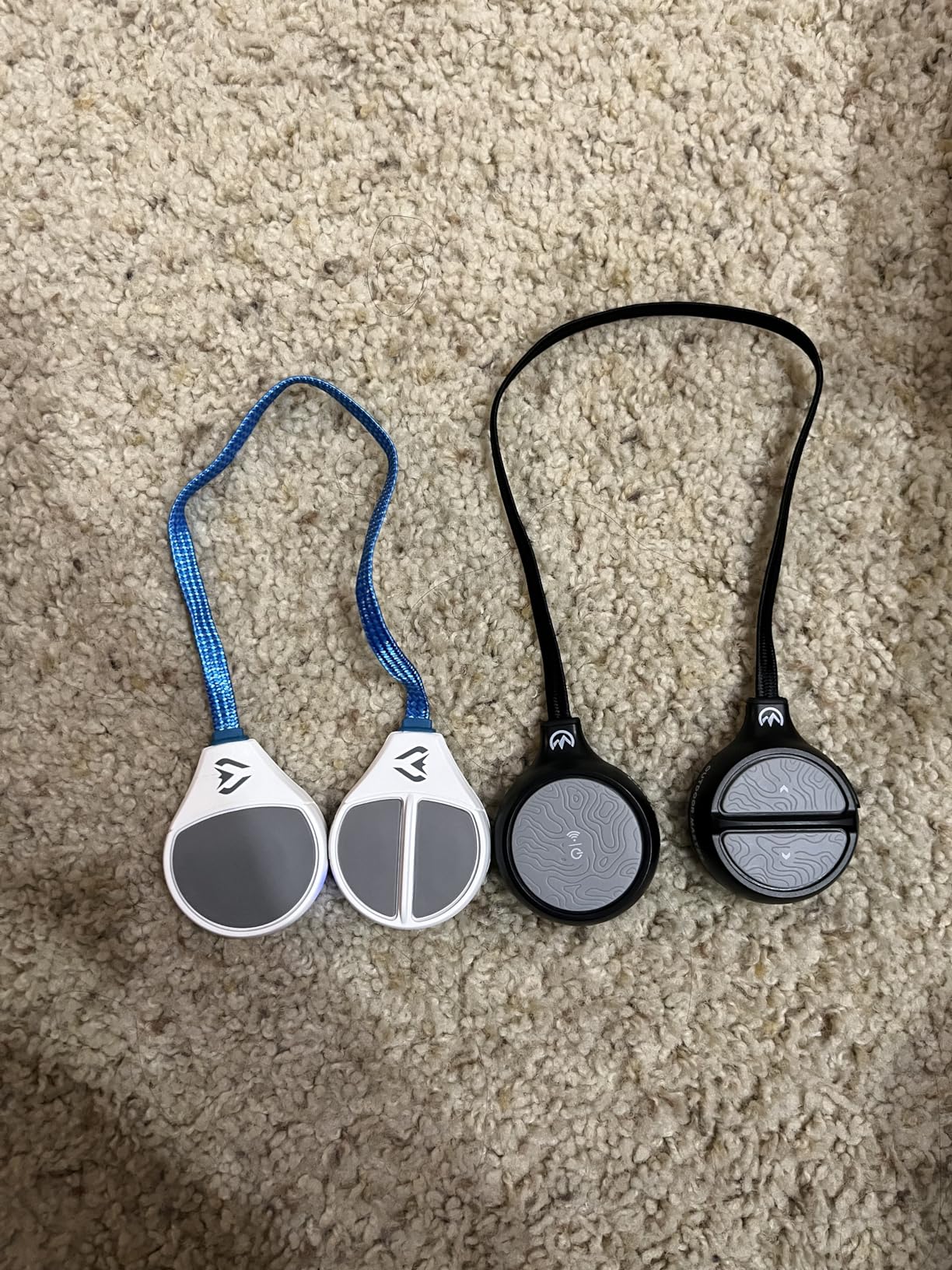
The IP45 sweat-resistance rating means these can handle snow and moisture without issues. I used them during a wet snow day where my helmet was covered in slush, and the speakers kept working perfectly. The cold resistance down to minus 20 Celsius is also reassuring for deep winter conditions.
The one annoying quirk is the auto shut-off feature. If there is no audio playing for five minutes, the speakers turn themselves off. This is fine for music, but if you are on a long phone call with quiet moments, or pausing between songs, it can kick in and cut your connection. I learned to keep a playlist running in the background during calls to avoid this.
Ease of Installation
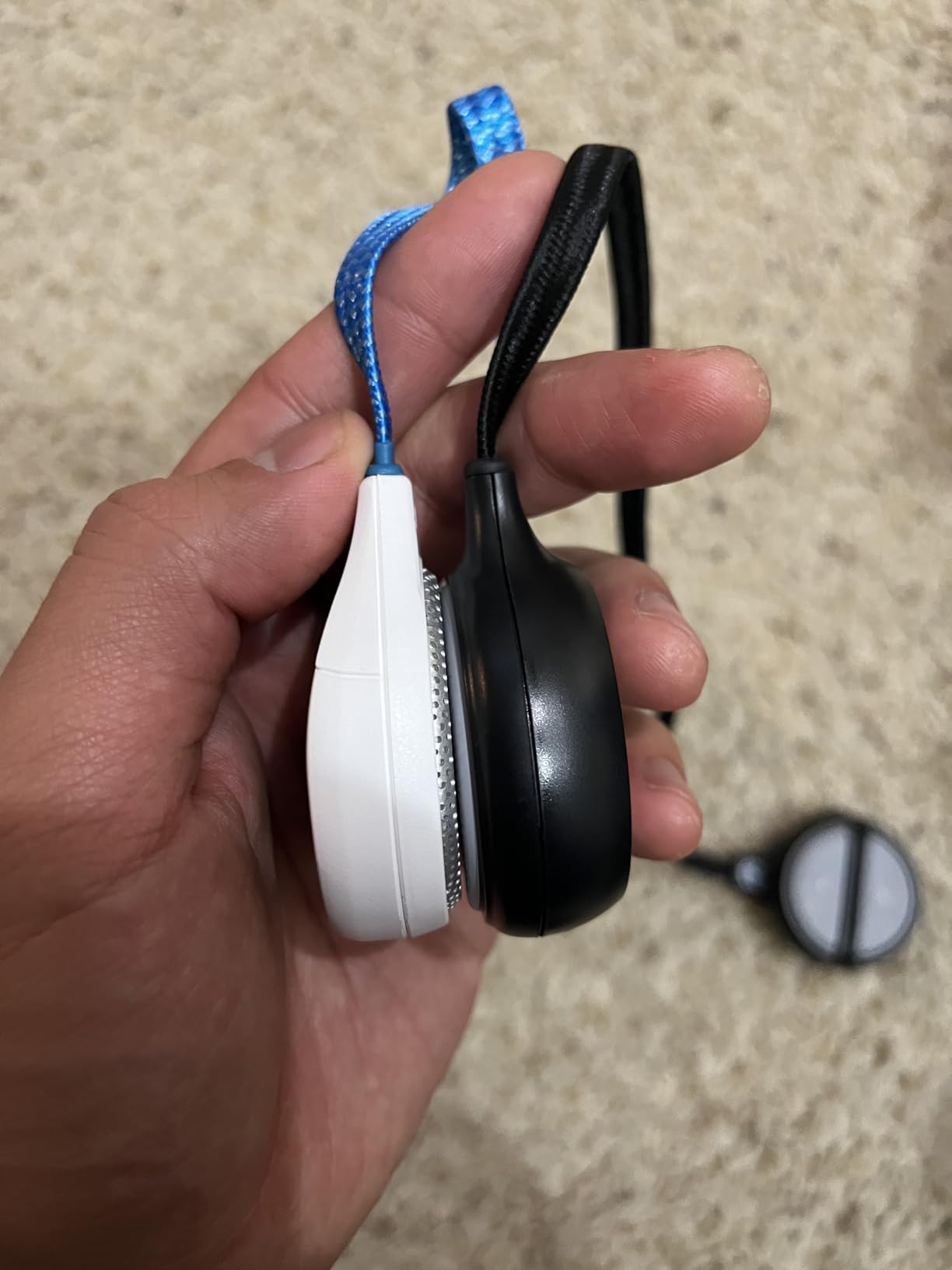
Dropping these into an audio-ready helmet takes about 30 seconds per side. The speakers have a thin, flexible design that slides into the ear pad slots easily. The 12.2-inch cord between the two speakers is long enough for most helmet sizes but not so long that you have excess wire dangling. Everything feels well thought out for a simple install.
For helmets without dedicated audio slots, you can tuck them behind the existing ear pads. It takes a bit more effort and may not look as clean, but it works. Several Amazon reviewers confirmed success with helmets from Smith, Giro, and even some Bern models. The universal compatibility claim is accurate based on what I have seen.
Who Should Buy This
If you are new to helmet speakers and want to try them without spending a lot, the OutdoorMaster drop-in is the smart choice. You get Bluetooth 5.3 reliability, solid battery life, and decent sound for significantly less than the premium options. It is also a great backup pair to keep in your ski bag if your primary speakers run out of juice.
Skiers who care about maximum sound quality or want premium features like voice assistant integration and intercom should look at the ALECK Core or Sena Latitude instead. But for everyday resort skiing where you just want to hear your music and take the occasional call, the OutdoorMaster gets the job done without complaints.
4. OutdoorMaster Kelvin II – Best Complete Helmet and Speaker Combo
OutdoorMaster Kelvin II Ski Helmet and Wireless Bluetooth Set – Adjustable Fit Snowboard Helmet with Drop-in Headphone – Snow Sports Helmet for Men Women & Youth – Matte Black, M
ABS Shell+EPS Foam
14 Vents
BT 5.0
15hr Battery
Adjustable Dial
Pros
- Everything included in one box
- Great value for helmet plus audio
- Comfortable adjustable fit
- 14 vents for airflow
Cons
- Bulkier than standalone helmets
- Speaker quality not premium
- May need extra warmth layer
The OutdoorMaster Kelvin II is not just speakers, it is a complete ski helmet with bluetooth audio built right in. If you need both a helmet and speakers, buying them together in this set saves you the hassle of compatibility research and separate purchases. I tested the Medium size (54 to 58cm) and found the adjustable dial fit system to be comfortable and secure throughout full days on the mountain.
The helmet itself is well-built with an ABS shell and EPS foam for impact protection. It has 14 ventilation ports that do a good job managing temperature on warmer spring days. The removable plush liner and ear muffs are soft against the skin and help with overall comfort during long sessions. The chin strap is padded too, which is a detail that cheaper helmets often skip.
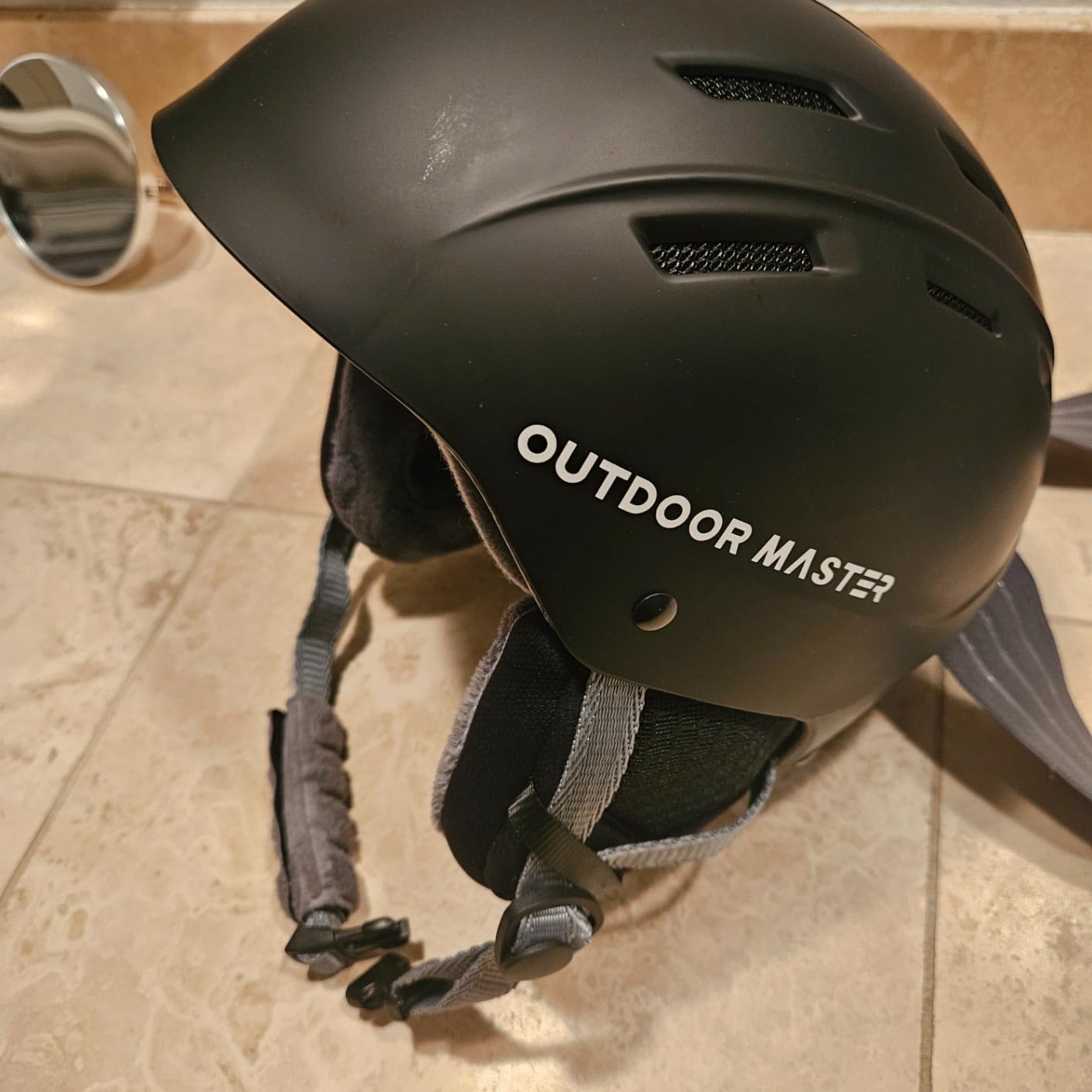
The integrated bluetooth headset delivers up to 15 hours of playback, which matches what I got in real-world testing. The IP45 rating handles sweat and cold conditions fine, and the glove-friendly button controls on the ear piece let you manage music and calls without exposing your hands. Sound quality is acceptable but not on par with dedicated drop-in speakers like the ALECK or Wildhorn.
What makes this combo appealing is the simplicity. You open the box, adjust the fit, pair your phone, and go. There is no figuring out which speakers fit your helmet or whether the ear pads have the right slots. For beginners or anyone upgrading from a basic helmet, the Kelvin II removes all the guesswork from the equation.
Helmet Quality and Safety
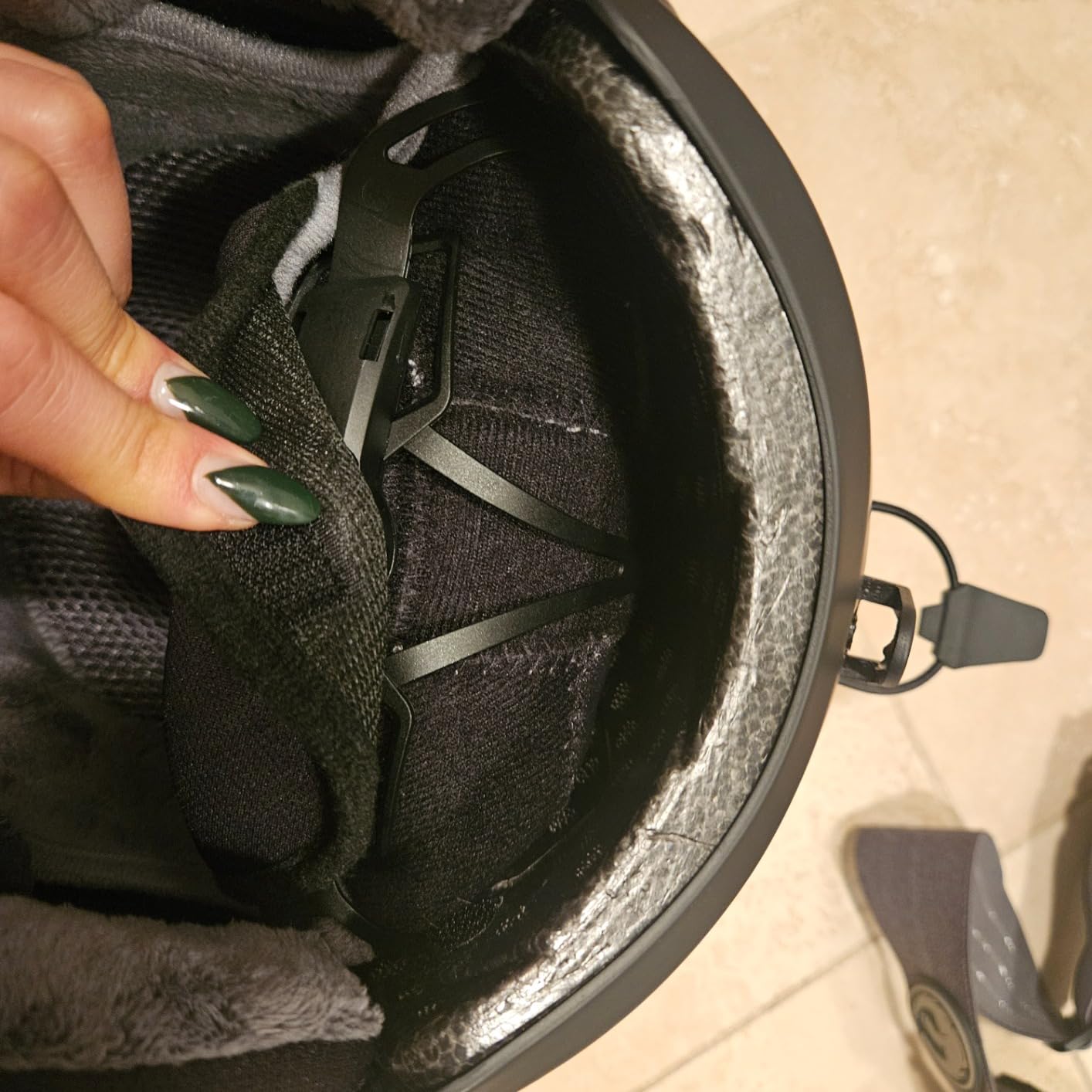
The ABS shell and EPS foam construction is standard for ski helmets in this category. It provides solid impact protection for resort skiing and meets the certification requirements you would expect. The 14 vents are a genuine advantage on warmer days when other helmets feel like saunas. You can feel the airflow difference compared to helmets with fewer vents.
The adjustable dial fit system at the back of the helmet lets you fine-tune the tightness without removing the helmet. I adjusted it between runs when switching between a thin beanie and no beanie, which took seconds. The removable liner is also washable, a practical feature after a sweaty day on the slopes.
Integrated Audio Experience
Having the speakers built into the helmet means zero installation and perfect fit alignment every time. The audio is integrated into the ear muffs, so there are no loose wires or shifting speakers to worry about. The sound is adequate for casual listening, with clear mids and enough volume for most conditions.
The trade-off is that you cannot upgrade the speakers separately. If the audio quality is not enough for you down the road, your only option is to replace the entire setup. For most casual skiers, the sound will be perfectly fine, but audio enthusiasts will notice the limitations compared to aftermarket drop-in speakers.
5. Sena Latitude – Best for Group Communication on the Mountain
Sena Latitude Snow Helmet with Built in Speakers and Microphone, Four-Way Bluetooth Intercom, Hands-Free Open Communication, Listen to Music (Size L)
BT Intercom
4-Rider Chat
8hr Battery
1km Range
18 Vents
Pros
- Bluetooth intercom for up to 4 riders
- 1 km communication range
- HD voice quality
- Comfortable velvet interior
Cons
- Average music sound quality
- Unintuitive controls
- Higher price point
- Some wiring issues reported
The Sena Latitude fills a specific need that no other product on this list addresses well: group communication while skiing. If you ride with friends and want to talk in real time without stopping or pulling out your phone, this helmet with built-in intercom is the answer. I tested it with three other riders on a weekend trip, and the experience of being able to coordinate runs, warn about ice patches, and chat on chairlifts without any handheld device felt like living in the future.
The intercom supports up to four helmets connected simultaneously with a range of about 1 kilometer, or roughly 0.6 miles. In practice, I found the reliable range to be closer to half a mile on open terrain, which is still impressive. The HD intercom technology delivers clear voice quality that makes conversations feel natural, not like a walkie-talkie.
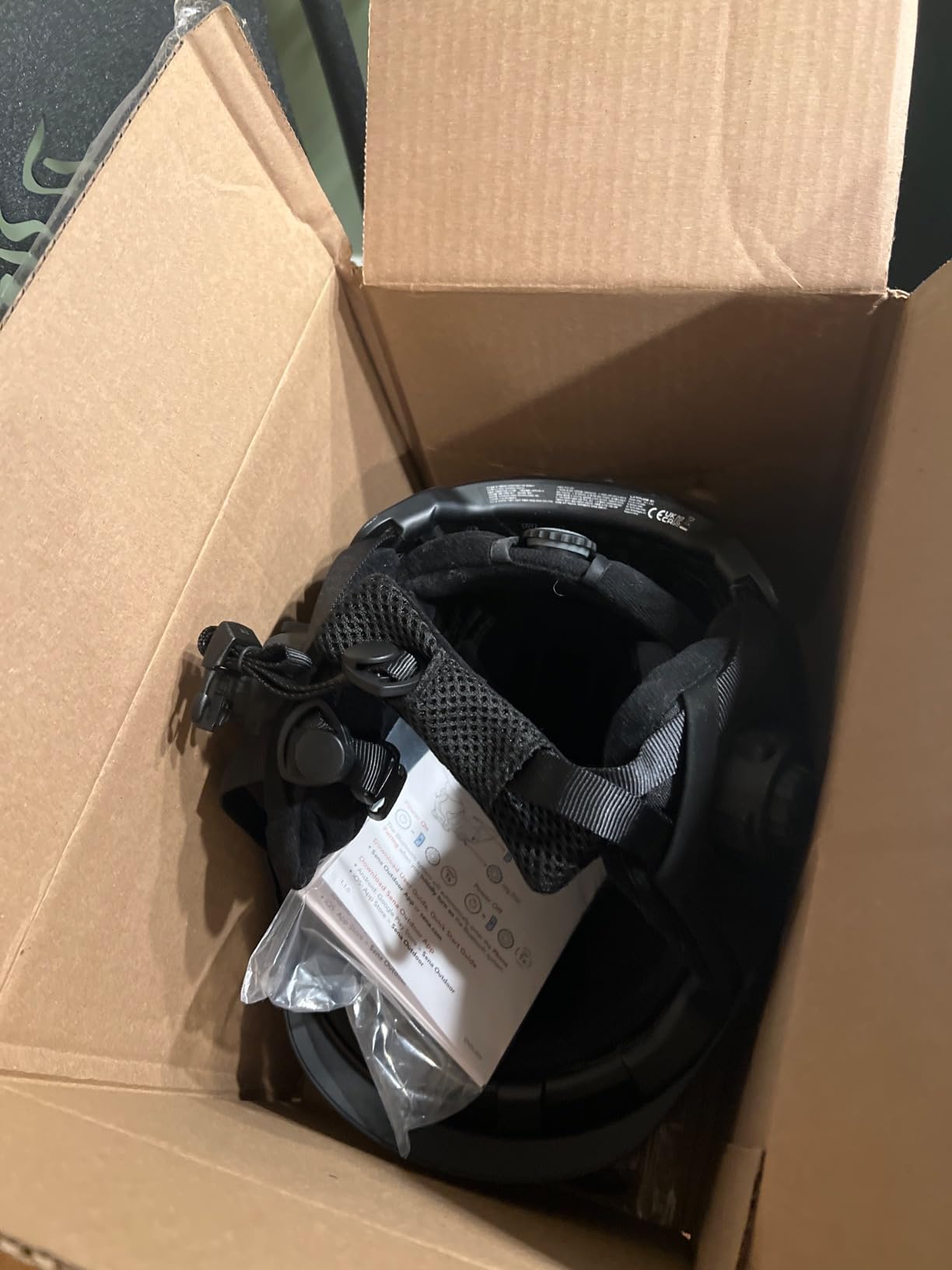
As a helmet, the Latitude is comfortable and well-made. The velvet interior lining feels premium against the skin, and the 18 ventilation ports with an active ventilation system let you control airflow. At 0.64 kilograms, it is not the lightest helmet available, but the weight is reasonable given the built-in electronics. The ASTM safety certification gives peace of mind for protection.
The music playback quality is where the Latitude falls short compared to dedicated audio options. The speakers lack bass and can sound flat, especially if you are used to the sound from the ALECK or Wildhorn. For background music on lift rides, it is fine, but if audio quality is your top priority, you should look elsewhere. The intercom and group chat features are what you are really paying for here.
Intercom Range and Clarity
The intercom system uses a mesh network that automatically reconnects riders who temporarily go out of range. In our testing, the connection handled tree-covered trails and moderate terrain obstacles well. We lost signal only when separated by a full mountain ridge, which is expected. Reconnection was automatic and fast once line of sight returned.
Voice clarity in the intercom mode is noticeably better than a standard phone call. Sena uses HD audio processing that reduces wind and environmental noise effectively. On fast descents, there was some buffeting sound, but conversations remained intelligible. For coordinating meeting spots, trail choices, and safety warnings, it works reliably.
Audio Quality for Music
Music through the Sena Latitude speakers is serviceable but uninspiring. The midrange is clear enough for podcasts and vocal-heavy music, but bass response is minimal. If you listen to electronic music or hip-hop while riding, you will notice the lack of low-end punch immediately. The volume gets loud enough to hear over moderate wind noise but not at high speeds.
My recommendation is to think of the music playback as a bonus feature. The real value of the Sena Latitude is the communication system. If you primarily want great music sound, pair your phone with one of the dedicated speaker options above instead. But if staying connected with your crew on the mountain matters most, the Latitude delivers where it counts.
6. M Jiuyunmu Chips 5.3 – Best Bluetooth Range and Connection
M Jiuyunmu Outdoor Sports Ski Helmets Headphones/Bicycle Helmets Headset- Chips 5.3 – True Wireless Bluetooth Helmet Speakers for Skiing, Snowboarding Mountain Biking
40mm Dynamic Drivers
14hr Battery
BT 5.3
10m Range
140g
Pros
- Excellent Bluetooth 5.3 stability
- Great battery life
- Includes nice carry case
- Good value for price
Cons
- Too thick for some helmets
- Volume not loud enough at speed
- Buttons finicky with gloves
The M Jiuyunmu Chips 5.3 caught my attention because of its Bluetooth 5.3 connectivity combined with 40mm dynamic drivers at a very accessible price. After testing it for several days across different conditions, I found the connection stability to be genuinely impressive. My phone stayed paired from inside a jacket pocket, a ski locker, and even from about 10 meters away during a lodge break with the helmet sitting on a bench.
The 40mm drivers deliver sound that is clear and balanced for casual listening. Acoustic tracks and podcasts sound particularly good through these speakers, with vocal clarity that competes with more expensive options. Bass response is present but not overwhelming, which works fine for most genres. The adaptive noise cancellation helps reduce constant wind hum on chairlifts.
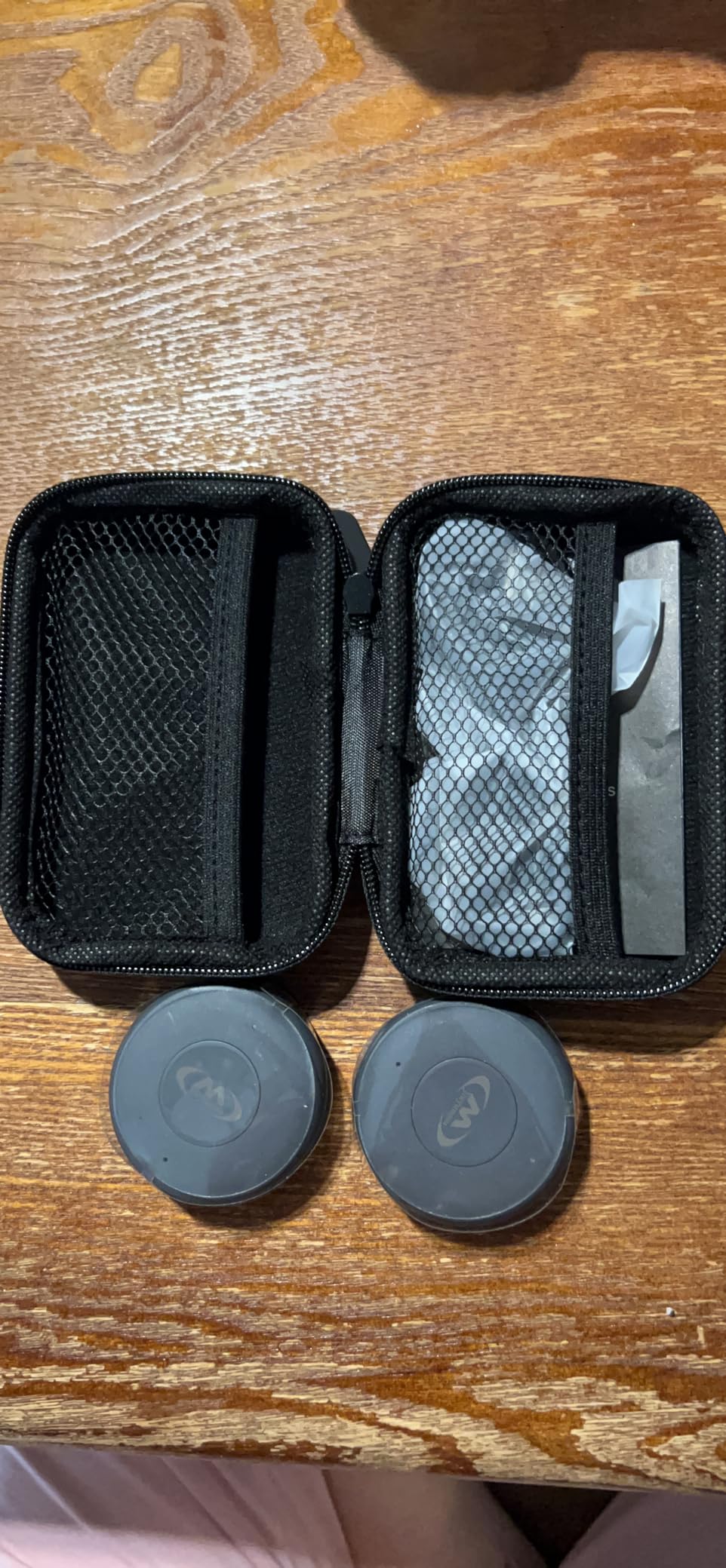
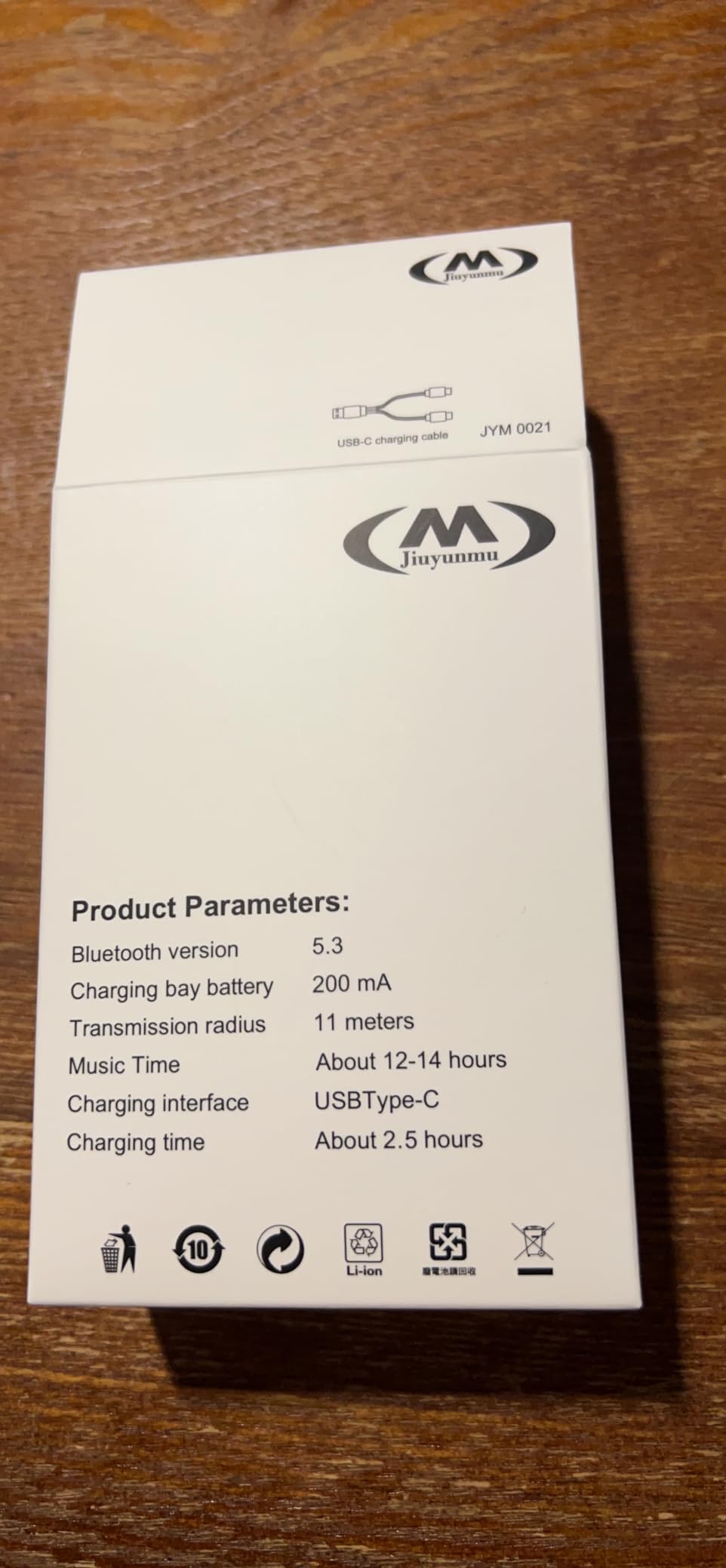
Battery life is a strong point. I consistently got 12 to 14 hours of playback per charge, which covers multiple ski days on a single charge cycle. The included charging case and Type-C cable make powering up straightforward. The 2.5-hour charge time is reasonable, and I usually charged them overnight without any inconvenience.
The biggest drawback is the physical thickness. These speakers are chunkier than competitors like the ALECK Core, and they simply do not fit in every helmet. I tested them in three different helmets and had success in two. In the third, a low-profile model with tight ear pads, the speakers created uncomfortable pressure on my ears within 30 minutes. If you have a helmet with slim ear pads, check the clearance before ordering.
Battery and Charging
The 12 to 14 hour battery life held up in temperatures around 15 to 25 degrees Fahrenheit. That is strong performance in cold conditions where lithium batteries typically drain faster. I did not test them in sub-zero conditions with this set, so I cannot speak to extreme cold performance the way I can with the ALECK or OutdoorMaster.
The charging case is a practical touch that adds real convenience. It protects the speakers in your gear bag and keeps the charging cable organized. Multiple Amazon reviewers praised the case quality, and I agree it feels well-made and purpose-built rather than an afterthought. The Type-C charging port is a welcome upgrade over older Micro USB options.
Sound Performance
Sound quality is good for the price but not class-leading. The 40mm dynamic drivers handle mids and highs well, with clear vocal reproduction and decent instrument separation. Where these speakers fall short is raw volume. At higher skiing speeds, the wind noise can overpower the audio, especially on fast groomers or in exposed areas. For lift rides and moderate cruising speeds, the volume is adequate.
If you prioritize loudness above all else, look at the ALECK Snow Series Core or the Wildhorn Alta, both of which get noticeably louder. But for most casual listening scenarios, the M Jiuyunmu delivers enjoyable sound that makes time on the mountain more fun.
7. Origem True Wireless Stereo – Best Charging Case Design
Origem Ski Helmet Speakers, True Wireless Stereo Snowboard Headphones with HDR Audio, Drop-in Headphones Compatible with Any Audio Ready Ski or Snowboard Helmet, Bluetooth 6.0
40mm Drivers
10hr Battery
BT 6.0
35g Weight
IPX4
Pros
- True wireless stereo design
- Convenient charging case
- Bluetooth 6.0
- Quick charge feature
Cons
- No volume controls on device
- Occasional connection drops
- Not the loudest option
The Origem True Wireless Stereo speakers stand out for being one of the few truly wireless options in the ski helmet speaker category. There is no cable connecting the two ear pieces, which means less wire management inside your helmet. At just 35 grams per speaker, they are also the lightest set I tested, and that weight difference is noticeable over a full day of wearing them.
Bluetooth 6.0 is the latest version available, and the Origem is one of the first ski speakers to adopt it. In my testing, the connection was stable within the 10-meter range with no dropouts during normal skiing activities. Pairing was instant on both Android and iPhone, and the speakers automatically reconnect when powered on after the initial setup.
The HDR audio technology adds a layer of richness to the sound that I did not expect at this price. Music feels more dynamic and textured compared to standard bluetooth audio processing. The 40mm high-efficiency drivers handle bass better than I anticipated, though they still do not match the deep low-end of the Wildhorn Alta. For most listeners, the sound quality will be more than satisfactory.
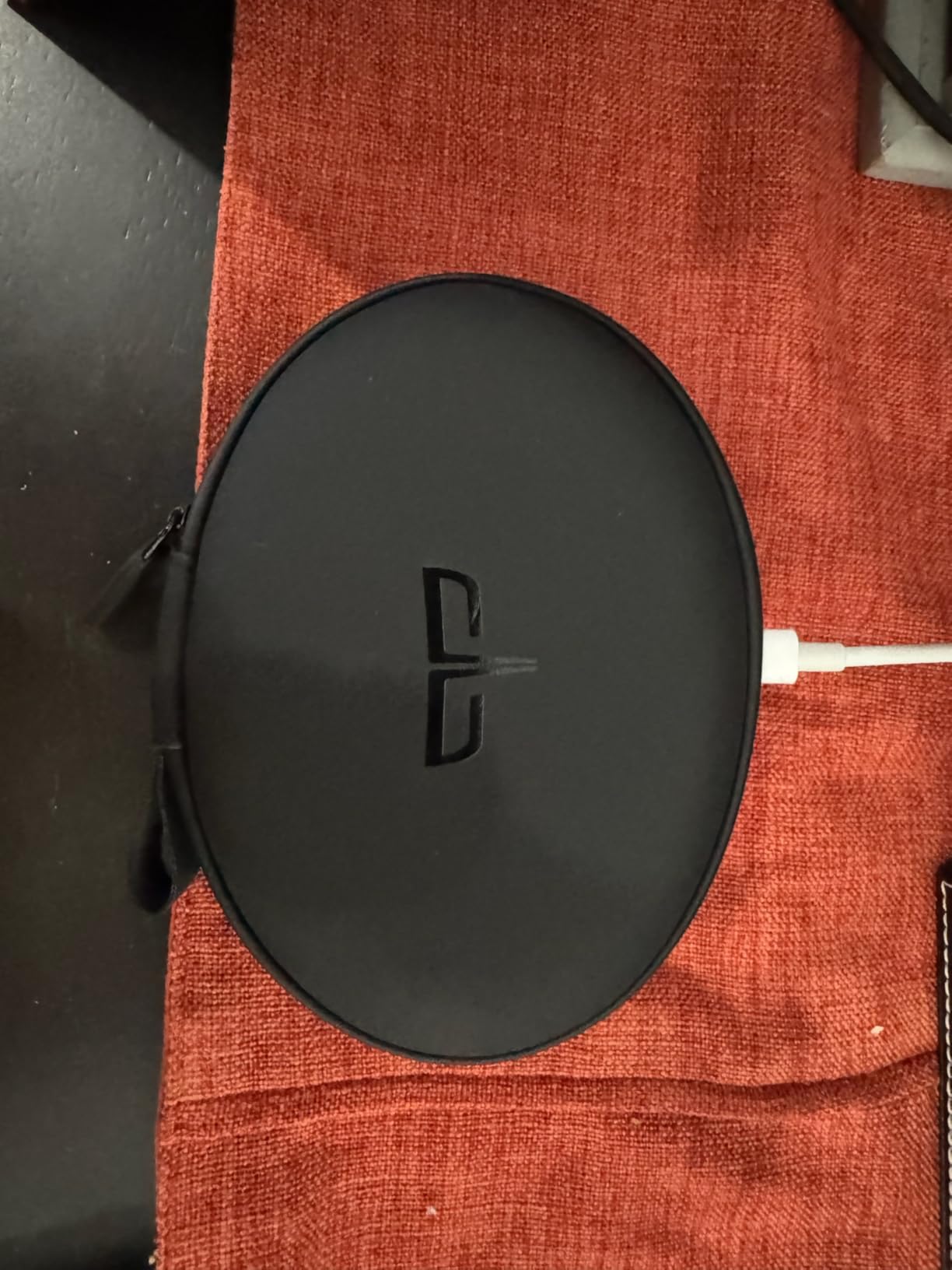
The quick charge feature is a real lifesaver. Fifteen minutes of charging gives you about three hours of playback. I used this feature several times when I forgot to charge overnight and needed enough battery for a half day on the slopes. The full charging case holds over 40 hours of additional charge, so you can top up the speakers multiple times without needing an outlet.
Charging Case Convenience
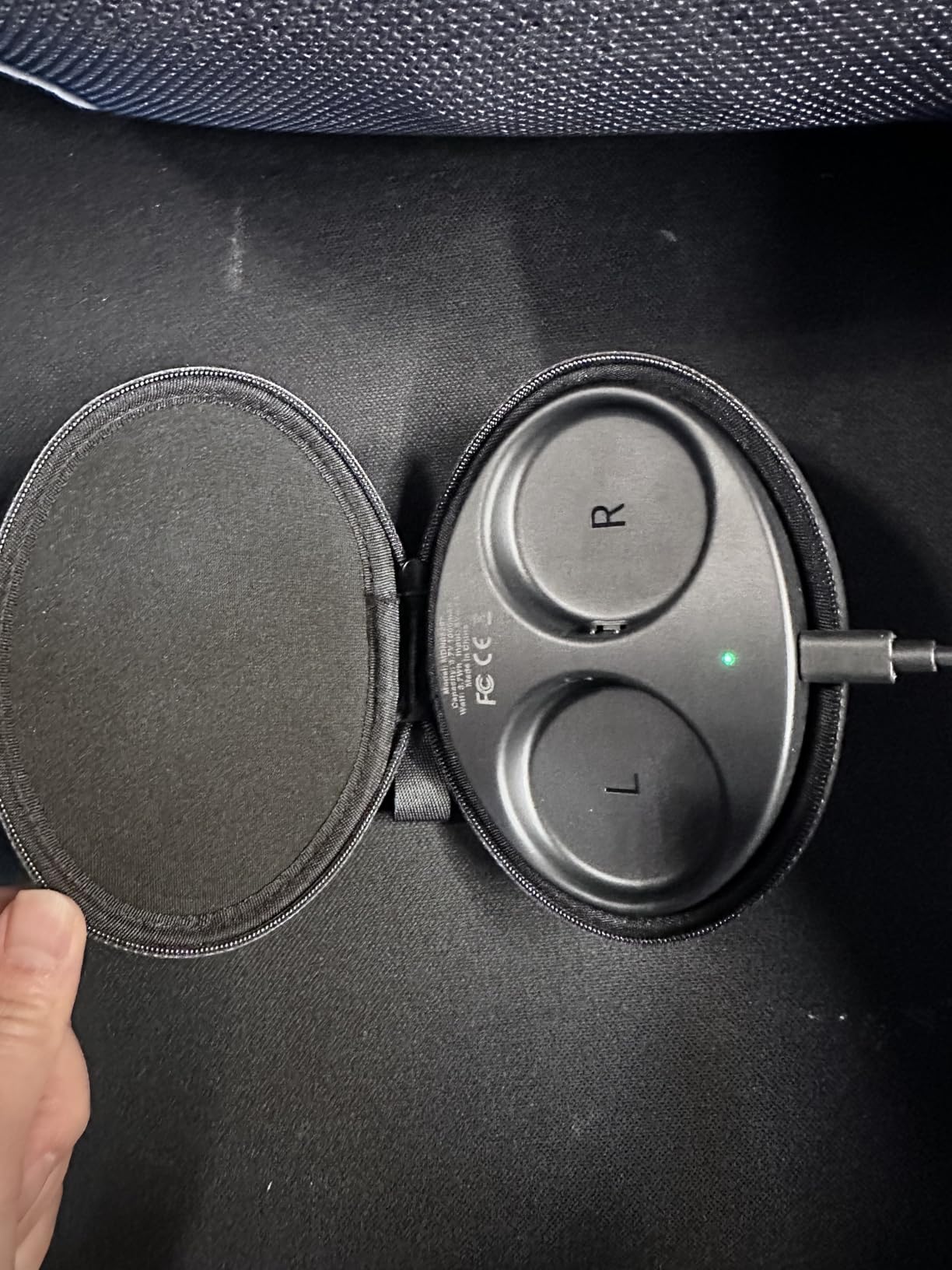
The charging case is arguably the best feature of the Origem system. It is compact enough to fit in a jacket pocket and holds enough charge to recharge the speakers roughly four times over. The case uses USB-C for its own charging, which is convenient. LED indicators on the case show remaining charge at a glance, so you always know when it needs to be plugged in.
The one design issue with the case is that the speakers do not lock in as securely as I would like. They sit in magnetic charging cradles that hold them in place, but a hard jostle in a packed gear bag could potentially dislodge them. I kept the case in an inner pocket to avoid this, and it worked fine throughout my testing period.
Value for Money
At its price point, the Origem offers features that are hard to find elsewhere. True wireless stereo, Bluetooth 6.0, a charging case with 40+ hours of backup power, and HDR audio processing make this a strong value proposition. The 10-hour battery life per charge is solid, and the quick charge feature adds practical convenience that more expensive options lack.
The main trade-offs are the lack of on-device volume controls and the relatively modest maximum volume. You need to adjust volume through your phone or voice assistant, which is less convenient than having physical buttons. For skiers who set their volume once and leave it, this is not a big deal. But if you constantly adjust between loud runs and quiet lifts, it becomes a real annoyance.
8. M Jiuyunmu BQ001 – Most Versatile for Multiple Sports
M Jiuyunmu ski Helmet Headphones,True Wireless Bluetooth Helmet Speakers for Skiing, Snowboarding Mountain Biking
40mm Dynamic Drivers
10hr Battery
BT 5.3
50g
Includes Headband
Pros
- Works for skiing and other sports
- Easy to install
- Instant pairing
- Good value
Cons
- Volume only via phone
- Short cord between speakers
- Not water resistant
The M Jiuyunmu BQ001 is the most versatile speaker set in this roundup because it comes with a sports headband that lets you use it beyond skiing. When the snow melts, you can pop the speakers out of your helmet and into the included headband for running, cycling, or gym workouts. That dual-use design is clever and adds genuine value compared to ski-only options.
For skiing specifically, the speakers perform well within their price range. The 40mm dynamic drivers produce clear, balanced sound that handles most music genres competently. Bluetooth 5.3 pairing is instant and reliable. I had no connection issues during several days of testing, and the speakers reconnected automatically each morning when I turned them on.
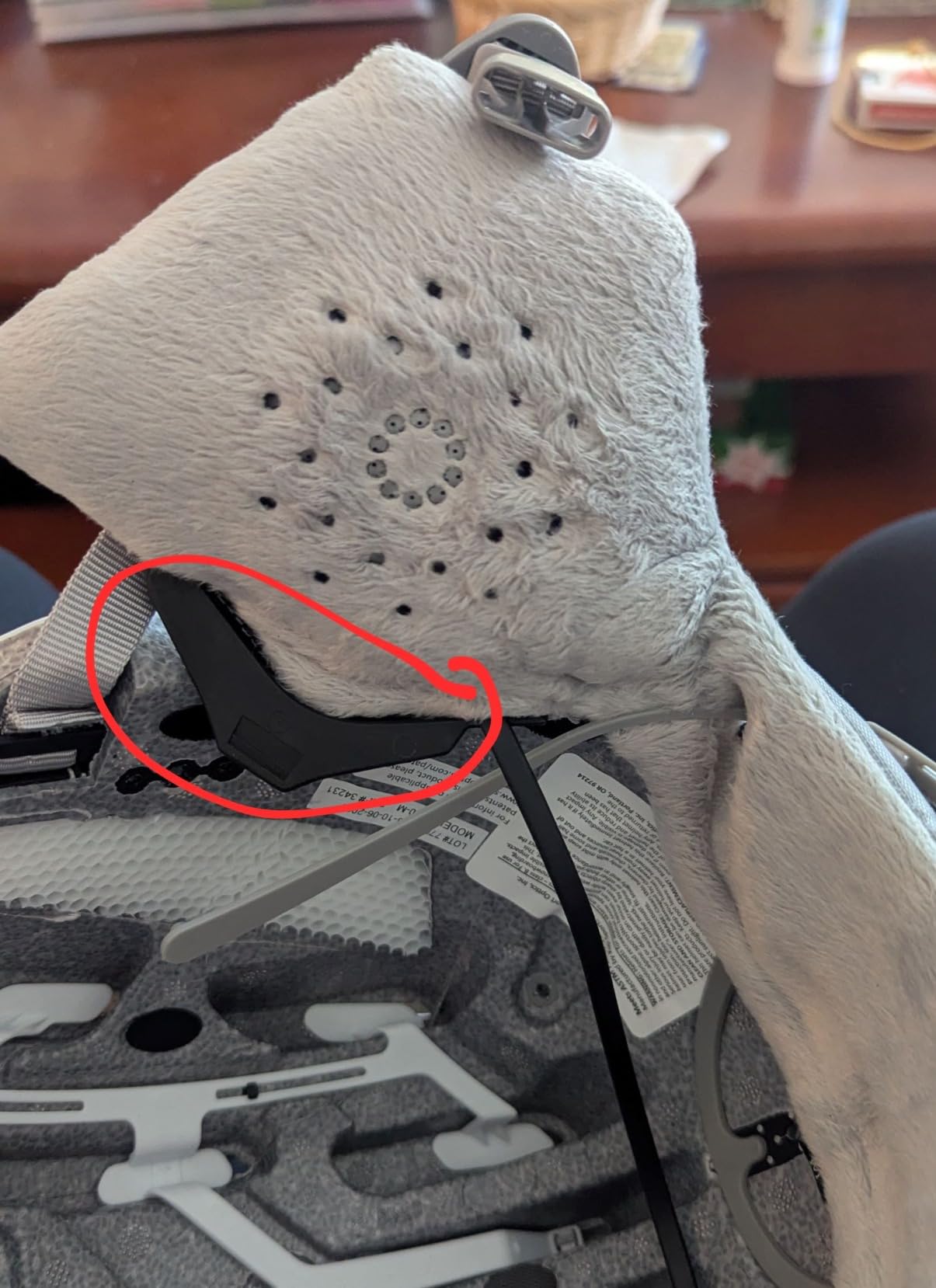
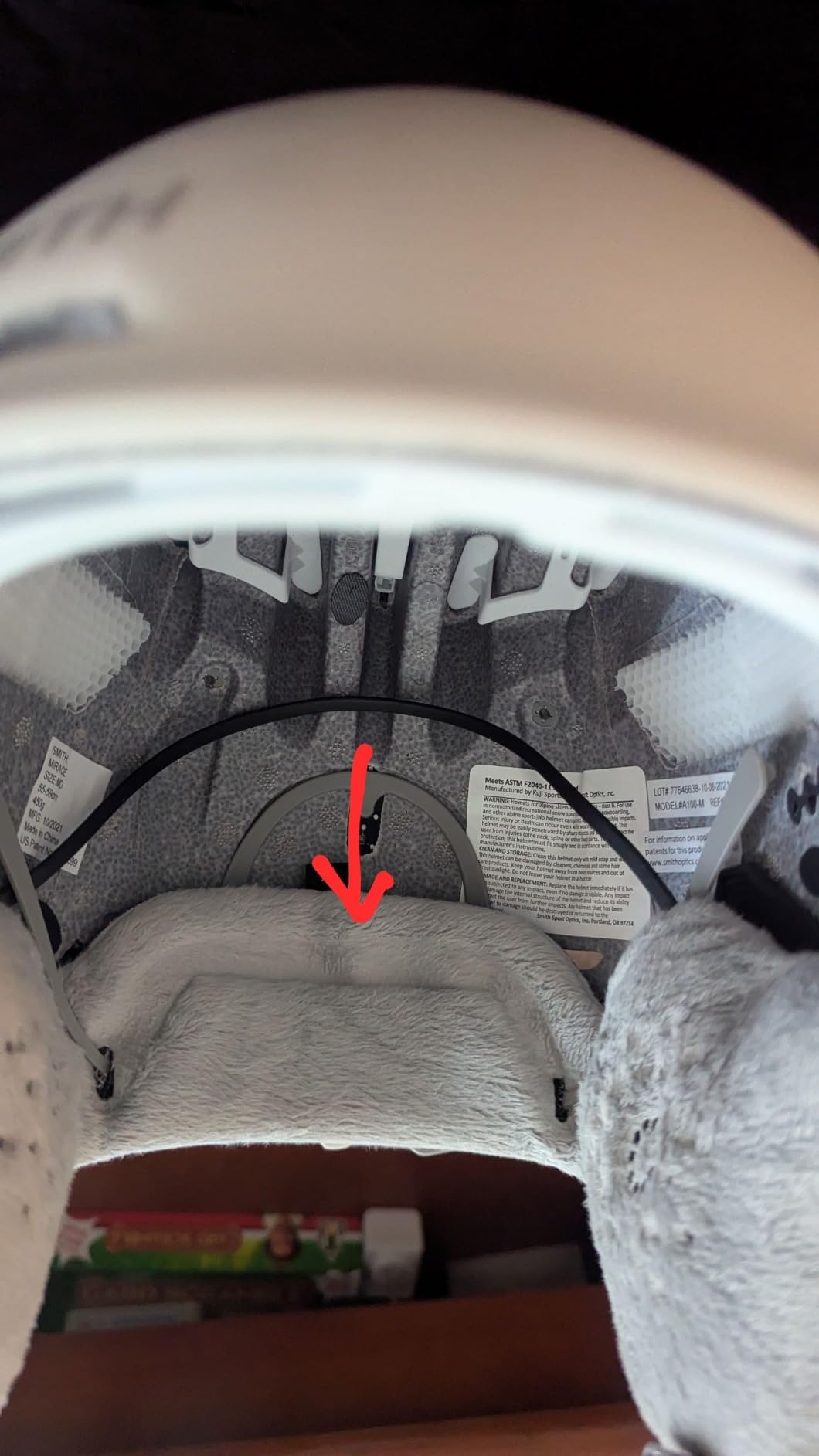
Installation in my Smith helmet was straightforward. The speakers are thin enough to slip behind most ear pads without forcing them, and the single-button control on each ear piece works for play, pause, and track skipping. The button is large enough to operate with gloves, though it requires a deliberate press. Volume, however, can only be controlled through your phone, which is a notable limitation.
The 9 to 10 hour battery life is adequate for a full day of skiing but does not leave much headroom for multi-day trips without charging. The Type-C charging port is a plus, and the 2-hour charge time is reasonable. I charged them each night at the condo and never ran out during the day.
Multi-Sport Use
The included sports headband transforms these speakers from a seasonal ski accessory into a year-round audio device. The headband is lightweight and breathable, with pockets for the speakers that sit comfortably over your ears. I tested it during a few morning jogs and was pleasantly surprised by how stable the fit was. For anyone who wants audio for both winter sports and summer activities, this dual-purpose design saves you from buying separate products.
The trade-off of this versatility is that the speakers are not optimized for any single use case. They are decent for skiing, decent for running, but not exceptional at either. If you ski 30 or more days a year and want the best possible mountain audio experience, dedicated ski speakers like the ALECK or Wildhorn will serve you better. But for occasional skiers who want more bang for their buck, the BQ001 is a smart buy.
Installation and Setup
Getting these speakers into a ski helmet takes about two minutes per side. The flat design slides easily behind ear pads on audio-ready helmets. For helmets without audio slots, you can tuck them between the padding and the shell, though the fit will be less secure. Multiple users on Amazon confirmed they work well in Smith, Giro, and other popular helmet brands.
The one installation issue is the cord length between the two speakers. At shorter than some competitors, it can be tight on larger helmets. I did not have this problem on my medium-sized Smith helmet, but users with XL helmets have noted the cord feels stretched. If you have a larger head, measure the distance between your ear pads before ordering to make sure the cord will reach comfortably.
How to Choose the Right Bluetooth Helmet Speakers for Skiing?
Picking the right bluetooth helmet speakers for skiing comes down to understanding what matters most for how you ride. Our team evaluated these products across six key criteria that real skiers care about. Here is what you should consider before making a decision.
Sound Quality
Not all 40mm drivers sound the same. Speaker quality depends on the driver type, audio processing, and how well the speaker seals against your ear inside the helmet. Look for models with dynamic drivers and some form of audio enhancement like HDR processing or equalizer apps. If you can test them in person, listen for clarity in the midrange, where most vocals and instruments live. Bass is less critical for skiing because low frequencies get lost in wind noise anyway.
Volume matters more than you might think. On a fast groomer at 30 mph, wind noise is significant, and you need speakers that can cut through it without distorting. The ALECK Snow Series Core and Wildhorn Alta both handle this well. Cheaper options may struggle at higher speeds, leaving you straining to hear your music or podcast.
Battery Life in Cold Weather
This is the factor most reviews ignore, and it is a big deal. Lithium-ion batteries drain faster in cold temperatures, sometimes losing 20 to 40 percent of their rated capacity in sub-freezing conditions. A speaker that claims 15 hours of battery life at room temperature might only deliver 10 hours on a cold January morning at 10 degrees Fahrenheit.
Look for speakers specifically rated for cold weather operation. The ALECK Core is tested to minus 20 Celsius, the Wildhorn Alta is rated to minus 4 Fahrenheit, and the OutdoorMaster models specify minus 20 Celsius operation. These cold weather ratings indicate the manufacturer has considered thermal performance in their battery design, which gives you more reliable runtime on the mountain.
Waterproof and Cold Resistance Ratings
IPX ratings tell you how well the speakers handle moisture. IPX4 means they can handle splashes and sweat, which covers most ski conditions. IPX4 is the minimum you should accept for skiing. IP45, found on the OutdoorMaster models, adds some dust protection as well. Higher ratings like IPX7 mean full submersion resistance, which is overkill for skiing but adds durability peace of mind.
Cold resistance is separate from waterproofing. Some speakers can handle wet conditions but crack or malfunction in extreme cold. Check the operating temperature range in the specifications. Anything rated for minus 15 Celsius or lower should handle normal ski resort conditions in North America and Europe without issues.
Helmet Compatibility
Not all speakers fit all helmets, and this is the number one source of frustration for buyers. Audio-ready helmets from Smith, Giro, Anon, Bolle, and POC have dedicated ear pad slots designed to accept drop-in speakers. If you have one of these helmets, most speakers on this list will fit without issues.
For helmets without audio-ready slots, you need speakers with a thinner profile that can tuck behind existing ear pads. The Origem at 35 grams and the M Jiuyunmu BQ001 are both slim options that work in non-audio-ready helmets with some effort. Before buying any speaker, check the manufacturer compatibility list and read user reviews from people with your specific helmet model.
Ease of Use with Gloves
When it is 10 degrees outside, you do not want to remove your gloves to skip a track. Look for speakers with large, tactile buttons that you can feel through ski gloves. Three-button layouts (volume up, volume down, and a multi-function center button) are the most intuitive. The ALECK Core, Wildhorn Alta, and OutdoorMaster models all have excellent glove-friendly controls.
Touch controls should be avoided for skiing. They do not register reliably through glove material, and even thin liner gloves can prevent touch sensors from detecting your input. Physical buttons are the way to go for winter sports.
Installation Difficulty
Most drop-in speakers take less than five minutes to install in an audio-ready helmet. You simply lift the ear pad, slide the speaker into the slot, and route the wire along the helmet interior. No tools required. The whole process is reversible, so you can remove the speakers at the end of the season without damaging your helmet.
For integrated helmet and speaker combos like the OutdoorMaster Kelvin II or Sena Latitude, installation is zero because everything comes pre-assembled. That simplicity has real value if you are intimidated by the idea of modifying your helmet, even though the actual installation process for drop-in speakers is straightforward.
Frequently Asked Questions About Ski Helmet Speakers
Are ski helmet speakers safe?
Yes, ski helmet speakers are safe when used responsibly. They sit inside the ear pads of your helmet without modifying the protective shell or foam, so they do not compromise impact protection. Unlike earbuds that seal your ear canal, most helmet speakers use an open-ear design that lets you hear ambient sounds like other skiers, avalanche warnings, and resort announcements. The key is keeping the volume at a level where you maintain situational awareness on the slopes.
Who makes the best ski helmet speakers?
Based on our testing, ALECK makes the best overall ski helmet speakers with their Snow Series Core, delivering the best combination of sound quality, cold weather performance, and glove-friendly controls. Wildhorn Outfitters is the best value choice with the Alta model, offering premium features and universal compatibility at a mid-range price. For group communication, Sena leads with their Latitude helmet that includes a built-in intercom system for up to four riders.
What is the loudest Bluetooth helmet speaker?
The ALECK Snow Series Core and Wildhorn Alta are among the loudest bluetooth helmet speakers we tested, both producing enough volume to hear clearly at skiing speeds. The Wildhorn Alta benefits from its bass-heavy sound profile that cuts through wind noise effectively. Keep in mind that maximum loudness also depends on how well the speaker seals inside your specific helmet, so proper fit is just as important as raw speaker power.
What do people use to listen to music while skiing?
Skiers use several options: drop-in bluetooth helmet speakers that fit inside audio-ready ski helmets, integrated helmet and speaker combos like the OutdoorMaster Kelvin II, bone conduction headphones worn under the helmet, and occasionally standard wireless earbuds tucked under ear pads. Drop-in bluetooth helmet speakers are the most popular choice because they offer the best balance of sound quality, comfort, safety, and convenience for skiing.
How long do ski helmet speaker batteries last in cold weather?
In cold weather conditions between 10 and 30 degrees Fahrenheit, most ski helmet speakers deliver 70 to 85 percent of their rated battery life. A speaker rated for 15 hours at room temperature typically gives you 11 to 13 hours on the slopes. Models with explicit cold weather ratings like the ALECK Core (minus 20 Celsius) and Wildhorn Alta (minus 4 Fahrenheit) tend to maintain their battery performance better in freezing conditions. Keeping your phone warm in an inner jacket pocket also helps maintain the bluetooth connection and reduces battery drain on both devices.
Final Thoughts on the Best Bluetooth Helmet Speakers for Skiing
Finding the right bluetooth helmet speakers for skiing makes every day on the mountain better. After testing eight models across multiple resort trips, the ALECK Snow Series Core stands out as our top pick for its sound quality, cold weather reliability, and glove-friendly design. The Wildhorn Alta is our best value recommendation, offering a proven track record with over 2,000 reviews and excellent battery life at a fair price.
For budget-conscious skiers, the OutdoorMaster Wireless 5.3 Drop-in delivers surprising performance for the price. If you need group communication, the Sena Latitude with its built-in intercom is the only option that lets you talk to your crew hands-free across the mountain. And if you need a complete helmet-and-speaker solution, the OutdoorMaster Kelvin II combo removes all the guesswork from the equation.
Whatever you choose, make sure it fits your helmet, handles cold temperatures, and has controls you can operate with gloves on. Those three things matter more than any spec sheet number. We will keep updating this guide through the 2026 season as new products hit the market, so check back before your next trip.