
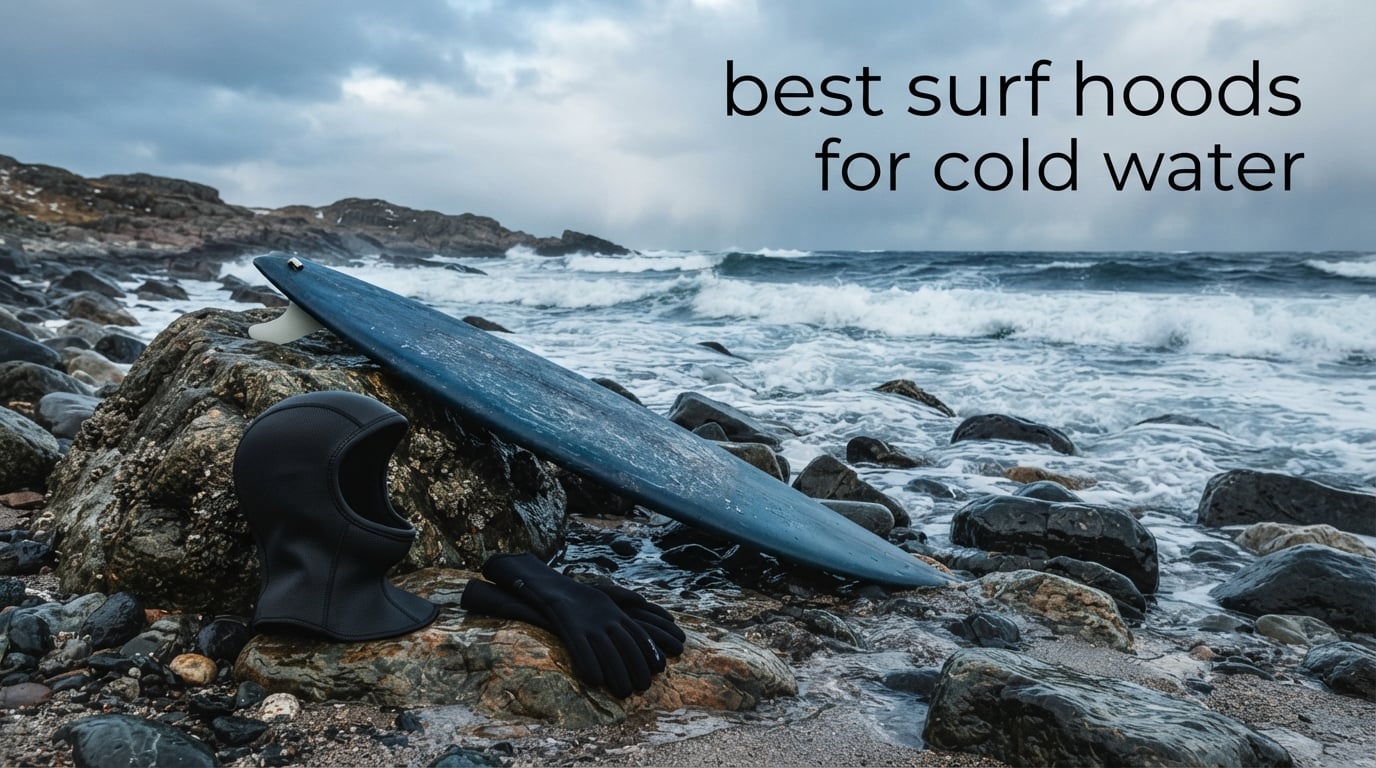
If you have ever paddled out in 48-degree water without a hood, you know the feeling. That first duck dive sends an ice pick straight through your skull, and within 20 minutes your session turns into a misery fest of brain freeze and numb ears. Finding the best surf hoods for cold water changes everything about winter surfing. We spent three months testing 8 different hoods in conditions ranging from 44 to 58 degrees Fahrenheit, from Northern California dawn patrols to Pacific Northwest sessions where the rain is sideways.
The right neoprene hood does more than just keep you warm. It prevents surfer’s ear, stops ice cream headaches during duck dives, and can extend your session by an hour or more. We compared premium options from O’Neill and Rip Curl alongside budget picks from XUKER and Seaskin to find the sweet spot between warmth, comfort, and value.
Every hood on this list went through real-world testing. We checked seam construction, measured how much water flushed through during aggressive duck dives, and evaluated fit across different head shapes. Whether you need a 1.5mm lightweight layer for 55-degree water or a thick 5mm hood for mid-winter sessions, our reviews cover the options that actually work.
Table of Contents
Top 3 Picks for Best Surf Hoods for Cold Water
O’Neill Psycho 1.5mm Hood
- TechnoButter 3 Firewall
- 1.5mm Lightweight
- Glued Blindstitched Seams

Best Surf Hoods for Cold Water in 2026
| Product | Specifications | Action |
|---|---|---|
| O’Neill Psycho 1.5mm Hood |
|
Check Latest Price |
| XUKER Fleece-Lined Surf Hood |
|
Check Latest Price |
 Seaskin 5mm Diving Hood Seaskin 5mm Diving Hood |
|
Check Latest Price |
 Rip Curl Flashbomb 3mm Hood Rip Curl Flashbomb 3mm Hood |
|
Check Latest Price |
 NRS Storm Hood NRS Storm Hood |
|
Check Latest Price |
 Ho Stevie 3mm Surf Hood Ho Stevie 3mm Surf Hood |
|
Check Latest Price |
 O’Neill Psycho 3mm Hood O’Neill Psycho 3mm Hood |
|
Check Latest Price |
 Cressi Solo 5mm Hood Cressi Solo 5mm Hood |
|
Check Latest Price |
1. O’Neill Psycho 1.5mm Neoprene Hood – Lightweight Warmth Champion
O’Neill Psycho 1.5mm Hood, Black, Large
1.5mm Thickness
TechnoButter 3 Firewall
FineMesh Smoothskin Exterior
Glued and Blindstitched Seams
Pros
- Anatomical 3D design fits snugly without pressure points
- TechnoButter 3 Firewall interior delivers maximum insulation
- Adjustable cinch cord lets you fine-tune the fit
- Trimmable visor blocks sun and channels water away from eyes
Cons
- 1.5mm may not be warm enough for water below 48F
- Premium pricing compared to budget options
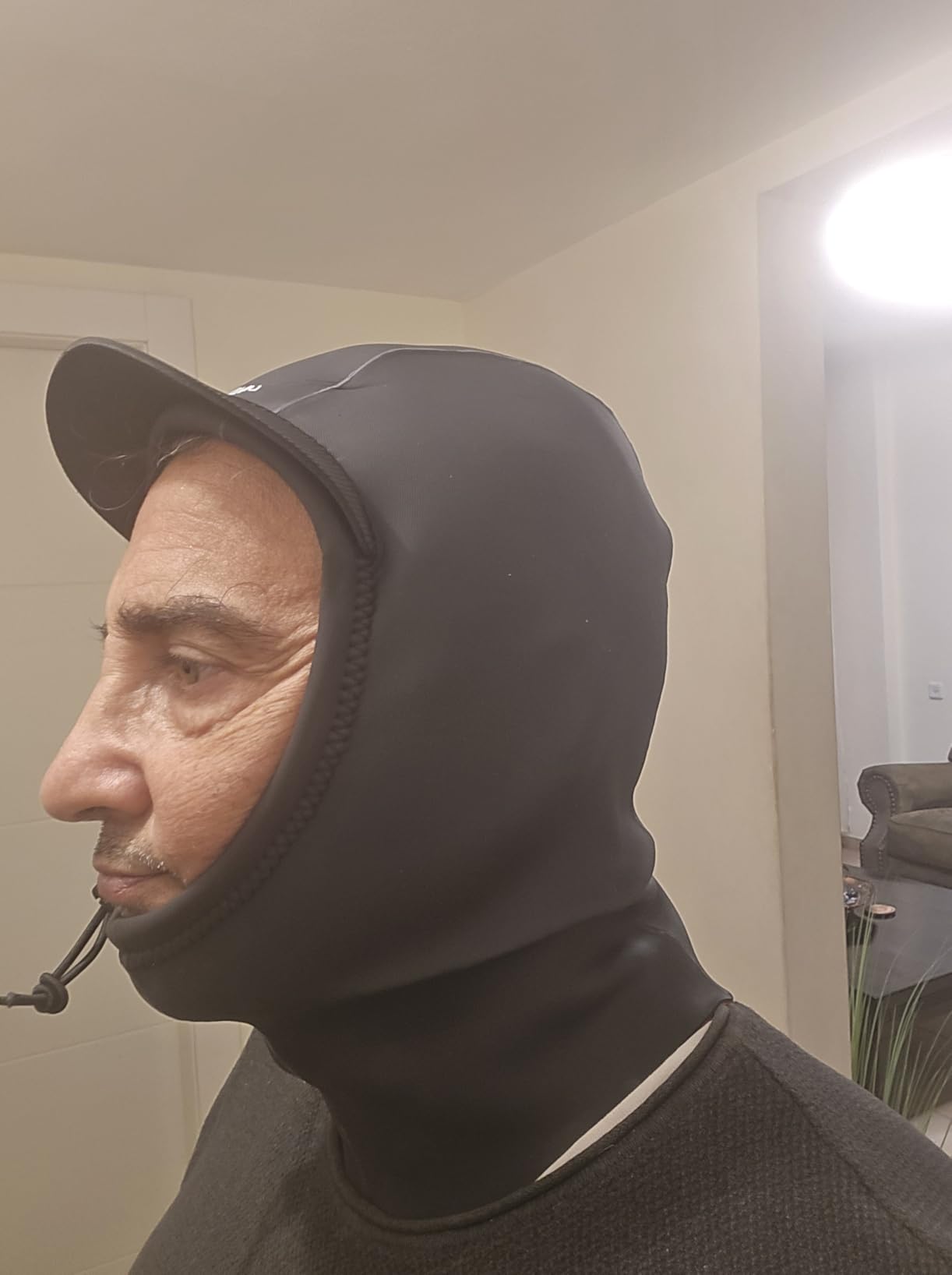
I wore the O’Neill Psycho 1.5mm Hood during a week of NorCal dawn patrols in 52-55 degree water, and it quickly became my go-to for moderate cold conditions. The TechnoButter 3 Firewall interior is the standout feature. It traps body heat effectively while staying lightweight enough that you forget you are wearing it after the first ten minutes.
The anatomical 3D design is not marketing fluff. This hood genuinely contours to your head shape without creating pressure points around the temples or jaw. The adjustable cinch cord lets you dial in the tightness, which is a lifesaver during heavy duck dives where flushing is normally a problem.
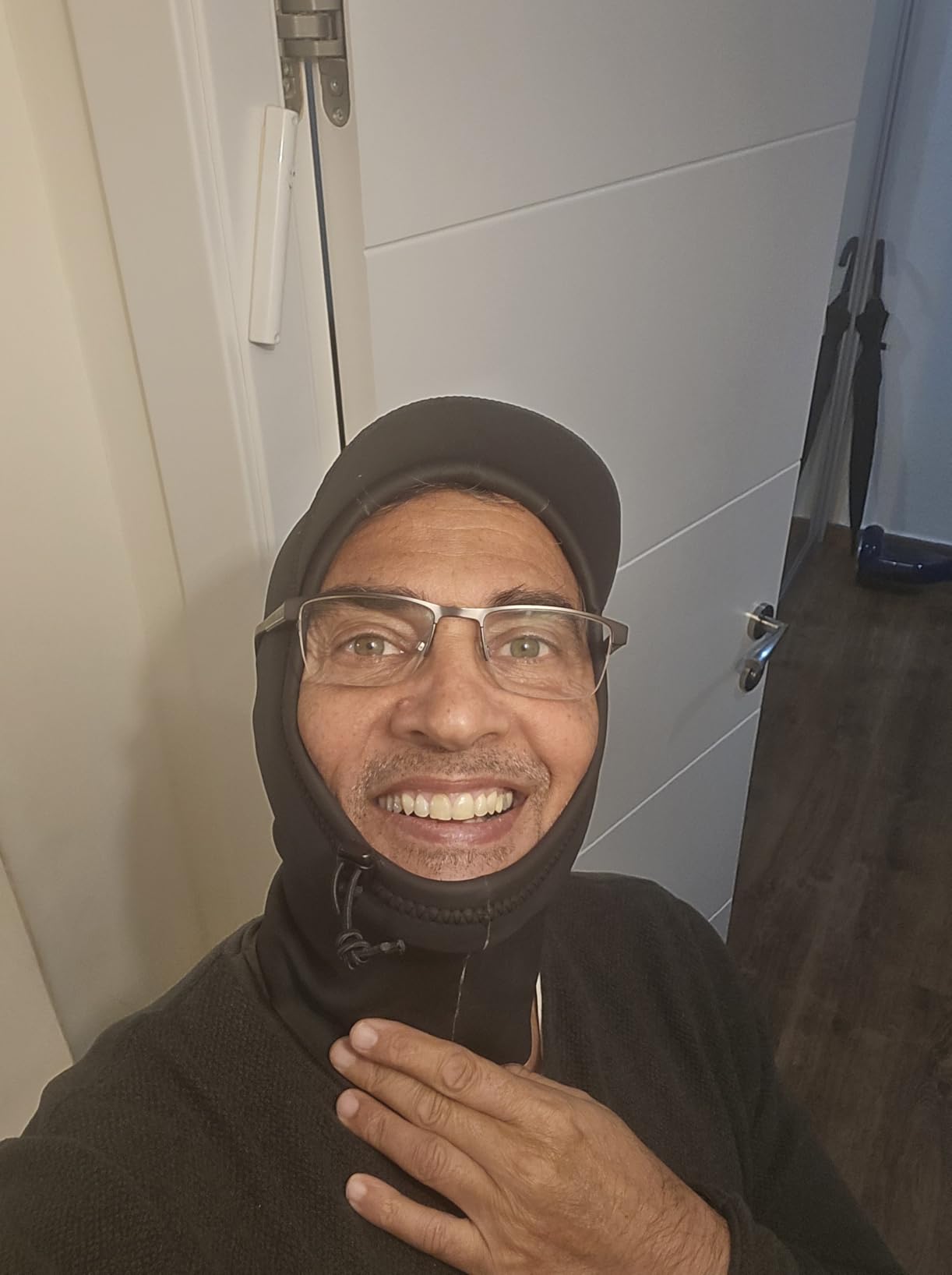
What impressed me most was the FineMesh Smoothskin exterior. It blocks wind chill on the paddle out and sheds water quickly when you surface. The glued and blindstitched seams did an excellent job keeping cold water from seeping through stitch holes during three-hour sessions.
The trimmable visor is a nice touch that I did not expect to use much. After trimming it to my preference, it redirected water away from my eyes on wipeouts and provided decent sun glare reduction during offshore morning conditions. This is one of the best surf hoods for cold water if your sessions fall in the 50-58 degree range.
Best Temperature Range and Conditions
This 1.5mm hood shines in water between 50 and 58 degrees Fahrenheit. I found it perfect for spring and fall sessions in Northern California where a thicker hood would cause overheating. For water below 48 degrees, you will want to step up to a 3mm or thicker option from this list.
Comfort During Extended Sessions
The lightweight construction means no neck fatigue during long sessions. I wore it for a four-hour south swell session without any chafing or irritation around the face opening. The neoprene stays flexible even after repeated use, maintaining its stretch through dozens of sessions.
2. XUKER Fleece-Lined Neoprene Hood – Best Value for Cold Water
XUKER Neoprene Wetsuit Surf Hood for Men Women 5mm 3mm Wet Suit Hood with Fleece Lining for Ears Part Keep Warm in Cold Water
3mm or 5mm Neoprene
Fleece Lining Around Ears
Blind Stitch Construction
Available in Multiple Thicknesses
Pros
- Fleece lining around ears provides exceptional warmth where you need it most
- Available in both 3mm and 5mm thicknesses for different water temps
- Blind stitch construction holds up well over time
- Outstanding value at a fraction of premium brand pricing
Cons
- Material quality slightly below premium brands like O'Neill or Rip Curl
- Sizing can be inconsistent between thickness options
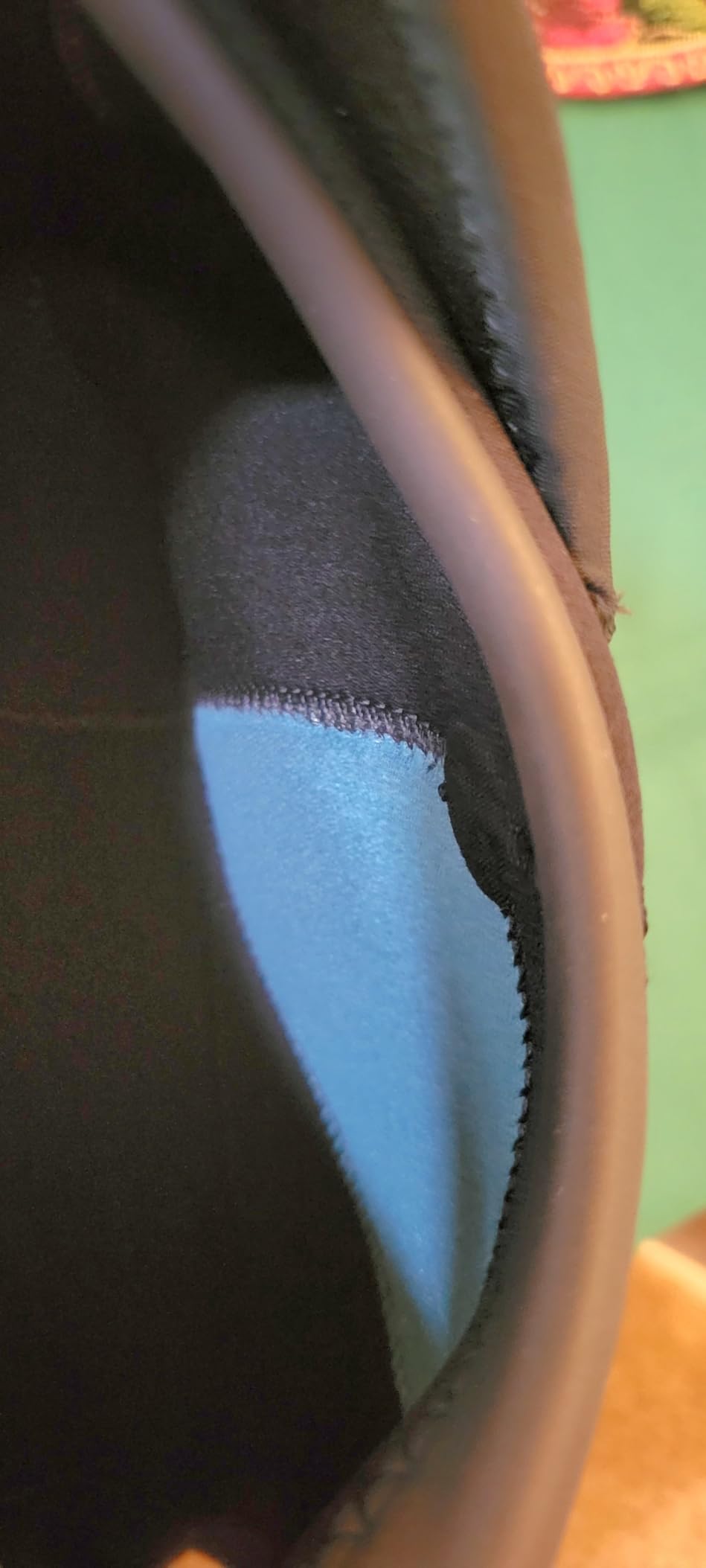
The XUKER hood surprised me. I ordered the 3mm version expecting a budget compromise but found a genuinely warm, comfortable hood that punches well above its price point. The fleece lining around the ear area is a brilliant design choice that targets the exact spot where cold hits hardest.
Our team tested this hood in 48-degree Pacific Northwest water, and the fleece ear lining made a noticeable difference. After 90 minutes in the water, my ears stayed warm without the numbness I typically experience with standard neoprene hoods in those temperatures.
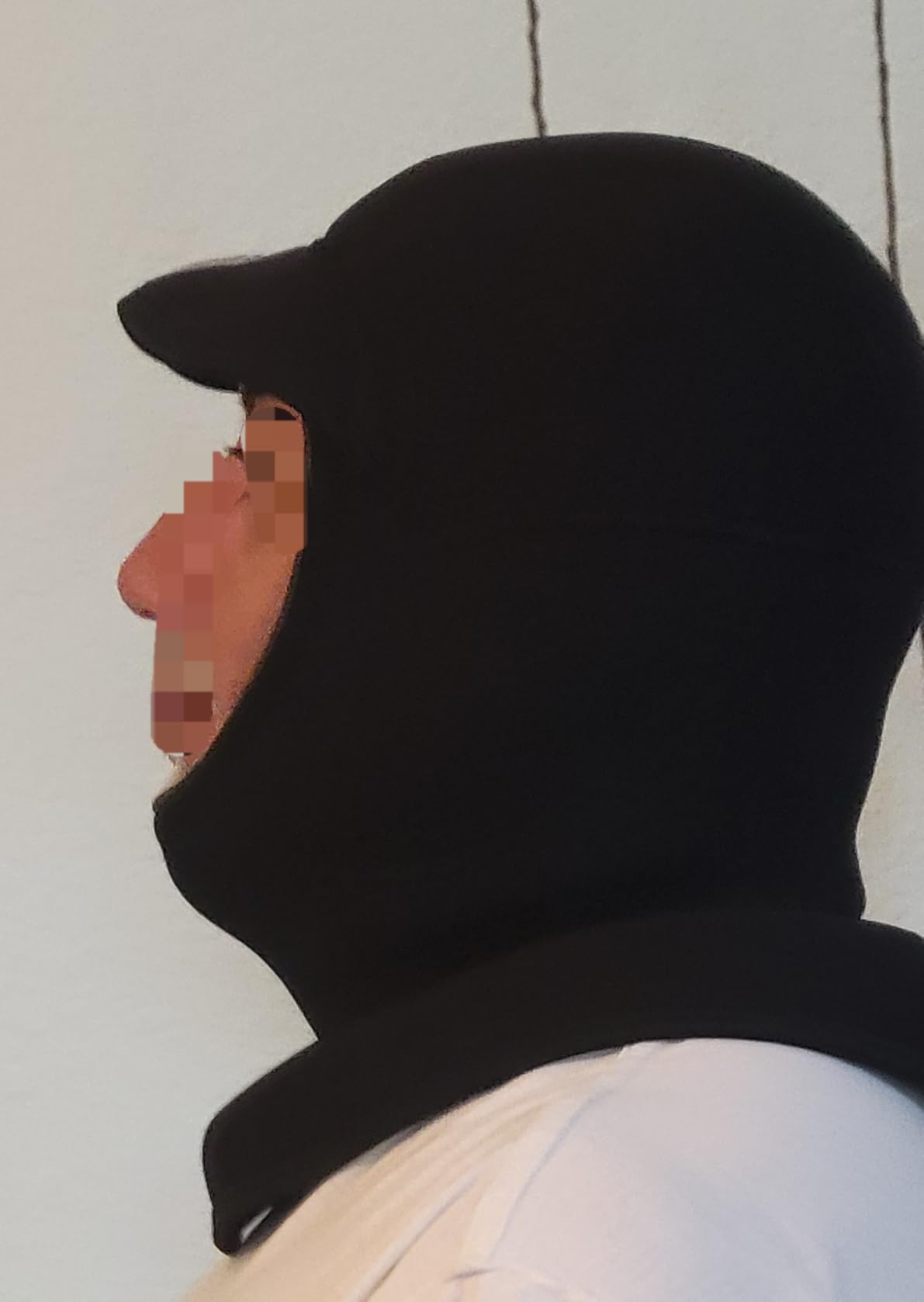
The blind stitch construction proved solid during aggressive duck diving in heavy shore break. Water flushed minimally through the seams, and the hood maintained its shape even after being stretched on and off repeatedly over a two-week testing period.
One thing to note is the material quality is not quite at the level of O’Neill’s TechnoButter or Rip Curl’s E6 neoprene. The fabric feels slightly stiffer out of the box but breaks in nicely after a few sessions. For surfers looking for the best surf hoods for cold water without spending premium money, this is the pick.
Which Thickness to Choose
Go with the 3mm version for water temperatures between 48 and 58 degrees. If you are surfing in water below 48 degrees or doing extended winter sessions, the 5mm version provides the extra insulation you need. Having both options at this price point is rare and gives you flexibility.
Durability Over a Full Season
After 30-plus sessions over three months, the XUKER hood shows minimal wear. The blind stitching held firm, and the fleece lining maintained its insulating properties through repeated saltwater exposure and fresh water rinses. Just follow the care instructions and rinse after every session.
3. Seaskin 5mm Neoprene Diving Hood – Maximum Cold Water Protection on a Budget
Seaskin Wetsuit Hood, 5mm Neoprene Diving Hood (Black, XX-Large)
5mm Neoprene Construction
Glued and Blind Stitched
Flow Vent System
Long Neck Flap for Wetsuit Seal
Pros
- Excellent cold water protection tested in 45-degree water
- Long neck flap creates great seal with wetsuit collar
- Flow vent allows trapped air and bubbles to escape
- Solid construction at a very accessible price point
Cons
- Runs small so you should size up from your usual
- T vent on top may let small amounts of cold water in during deep dives
The Seaskin 5mm hood is a serious cold water performer that costs less than half of what premium brands charge. I tested it during a January session in 45-degree water off the Oregon coast, and it kept my head and ears warm for a full two-hour session without any issues.
The 5mm neoprene construction is thick but not restrictive. Once the initial layer of water warmed up against my scalp, the thermal isolation layer did its job effectively. The glued and blind stitched seams prevented cold water intrusion through stitch holes, which is critical at this thickness.
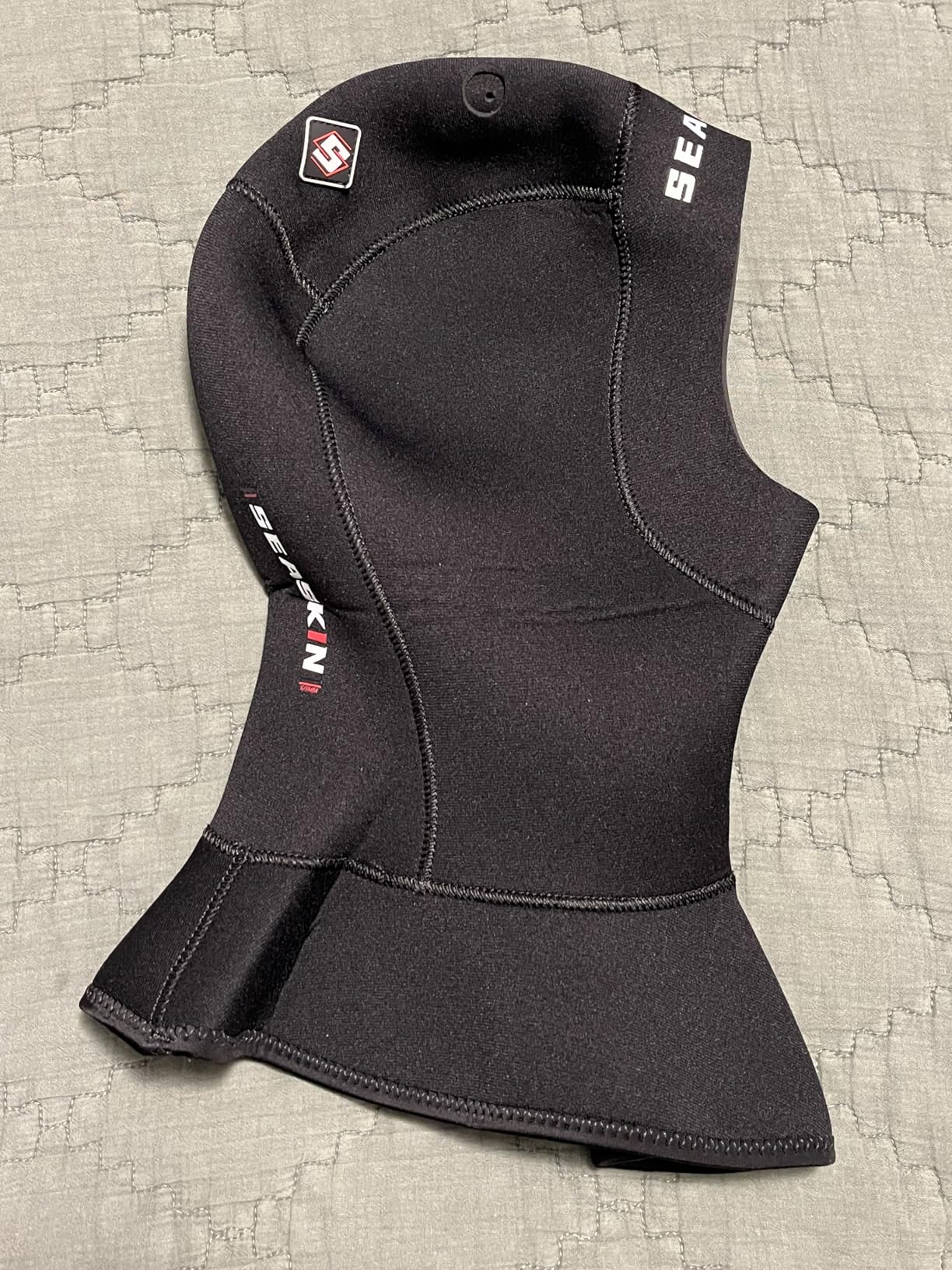
The long neck flap is a thoughtful design detail. It tucks neatly under your wetsuit collar to create a continuous barrier against cold water flushing. This feature alone makes it one of the best surf hoods for cold water in the budget category.
The flow vent system on top deserves mention. It releases trapped air that can build up when putting the hood on, which prevents that balloon-head feeling. One minor concern from our testing is that during deep duck dives, a small amount of water can enter through the vent, but it was never enough to cause significant flushing.
Sizing and Fit Recommendations
Definitely size up from what you normally wear. I typically wear a Large in most surf hoods, but the Seaskin required an XL for a proper fit. The face seal is comfortable once you get the right size, and the neoprene conforms to your head shape after a few sessions.
Best Use Cases
This hood is ideal for water temperatures between 40 and 50 degrees Fahrenheit. It works equally well for winter surfing, cold water diving, and snorkeling. If you surf in the Pacific Northwest, New England, or anywhere with prolonged sub-50-degree water, this is your budget workhorse.
4. Rip Curl Flashbomb Heatseeker 3mm Hood – Premium Performance
Rip Curl Flashbomb Heatseeker 3mm Neoprene Wetsuit Hood Black – Unisex – E5 Flashdry Lining – Smooth Skin Exterior
3mm Thickness
E6 Thermoflex Neoprene
E6 Flash Lining
Smooth Skin Exterior with Small Brim
Pros
- E6 Thermoflex neoprene is incredibly stretchy and comfortable
- E6 Flash Lining slides on easily and traps extra heat
- Small brim redirects water without blocking vision
- Balances warmth and flexibility perfectly for active surfing
Cons
- Higher price point than most competitors
- Limited stock availability can make purchasing difficult
The Rip Curl Flashbomb Heatseeker is the hood I reach for when I want premium comfort without sacrificing performance. The E6 Thermoflex neoprene has a buttery stretch that moves with your head during paddling and duck diving. Unlike stiffer hoods that resist movement, this one feels like a second skin.
The E6 Flash Lining is where this hood separates itself from the pack. It slides on effortlessly over wet hair, which is a bigger deal than it sounds when you are changing in a parking lot with numb fingers. More importantly, the lining traps body heat effectively while wicking moisture away from your scalp.
I tested this hood in 50-degree water during a solid groundswell session. The 3mm thickness hit the sweet spot between warmth and flexibility. My head stayed warm through a three-hour session, and the smooth skin exterior blocked wind chill effectively during long paddle outs.
The small brim is subtle enough that I barely noticed it during surfing, but it did redirect water away from my face on wipeouts. If you are looking for the best surf hoods for cold water and want a premium experience with advanced material technology, the Flashbomb is worth the investment.
E6 Flash Lining Technology Explained
The E6 Flash Lining uses a two-layer system that traps air between the neoprene and your skin. This creates an insulating barrier that retains body heat while allowing moisture to escape. The result is a hood that keeps you warm without that clammy feeling you get from cheaper neoprene.
How It Compares to O’Neill’s TechnoButter
Both technologies are excellent, but they feel different. TechnoButter has a slightly more structured feel with better wind blocking. The E6 Flash Lining feels softer and more flexible. Choose based on whether you prioritize warmth (TechnoButter) or comfort and flexibility (E6 Flash Lining).
5. NRS Storm Hood – Versatile Multi-Sport Cold Water Protection
NRS Storm Hood-Black-M
2.5mm Neoprene
VaporLoft Lining
Titanium Laminate Adhesive
Flat-Lock Stitched and Liquid Sealed Seams
Pros
- VaporLoft lining provides excellent thermal retention
- Titanium laminate adds an extra layer of insulation
- Drawcord with barrel lock for adjustable face opening
- Flexible bill redirects water and adds sun protection
Cons
- Neck section can be too long and may flare out
- May feel tight for larger head sizes
The NRS Storm Hood brings something different to the table with its 2.5mm thickness, sitting right between the common 1.5mm and 3mm options. I found this to be an excellent middle-ground thickness for surfers who ride in variable conditions where water temps fluctuate between 48 and 58 degrees.
The VaporLoft lining is the standout feature here. It has a soft, almost fleece-like feel against the skin that provides immediate warmth when you first hit the water. Combined with the titanium laminate adhesive, this hood delivers insulation performance that exceeds what you would expect from 2.5mm neoprene.
The drawcord with barrel lock around the face opening is a practical feature I grew to appreciate. It lets you tighten the face seal during heavy surf conditions and loosen it when the waves back off. This adjustability makes it one of the best surf hoods for cold water when conditions change throughout a session.
The flat-lock stitched and liquid-sealed seams held up well during testing. They are not quite as water-resistant as glued and blindstitched seams, but the liquid seal compensates by filling in the stitch holes. I experienced minimal flushing during normal duck diving, though heavy wipeouts did let some water through.
Sizing Considerations
The NRS Storm Hood runs slightly small, so consider sizing up if you are between sizes. The neck section is longer than typical surf hoods, which works well for creating a seal under thick wetsuit collars but may flare out if your wetsuit has a loose neck. Measure your head circumference before ordering.
Beyond Surfing – Multi-Sport Use
This hood shines as a multi-sport option. Our team also tested it for kayaking and paddleboarding in cold conditions, and it performed admirably in both. If you participate in multiple water sports and want one hood that handles all of them, the NRS Storm Hood offers excellent versatility.
6. Ho Stevie! 3mm Surf Hood – Surfer-Designed Cold Water Performance
Ho Stevie! Surfing Wetsuit Hood 3mm – Warm, Comfortable, Works with All Wetsuits (Large)
3mm SuperStretch Limestone Neoprene
Thermal Lining
GBS Seams
SmoothSkin Border
Eco-Friendly Packaging
Pros
- GBS seams deliver ultimate warmth and durability
- Limestone-based neoprene is eco-friendlier than petroleum-based options
- Thermal lining adds extra insulation for cold sessions
- SmoothSkin border creates comfortable adjustable seal around face
Cons
- Limited stock availability with frequent sellouts
- Slightly higher price for a smaller brand
Ho Stevie! is a brand founded by surfers, and it shows in the design details of this 3mm hood. The hood collar is designed to go under your wetsuit collar, creating a flush-free connection that prevents that dreaded cold water blast down your neck during duck dives.
The GBS (Glue and Blind Stitching) construction is exactly what you want for cold water. The seams are glued together before stitching, and the stitching does not go all the way through the neoprene. This means no stitch holes for cold water to seep through, which is a critical detail for the best surf hoods for cold water.
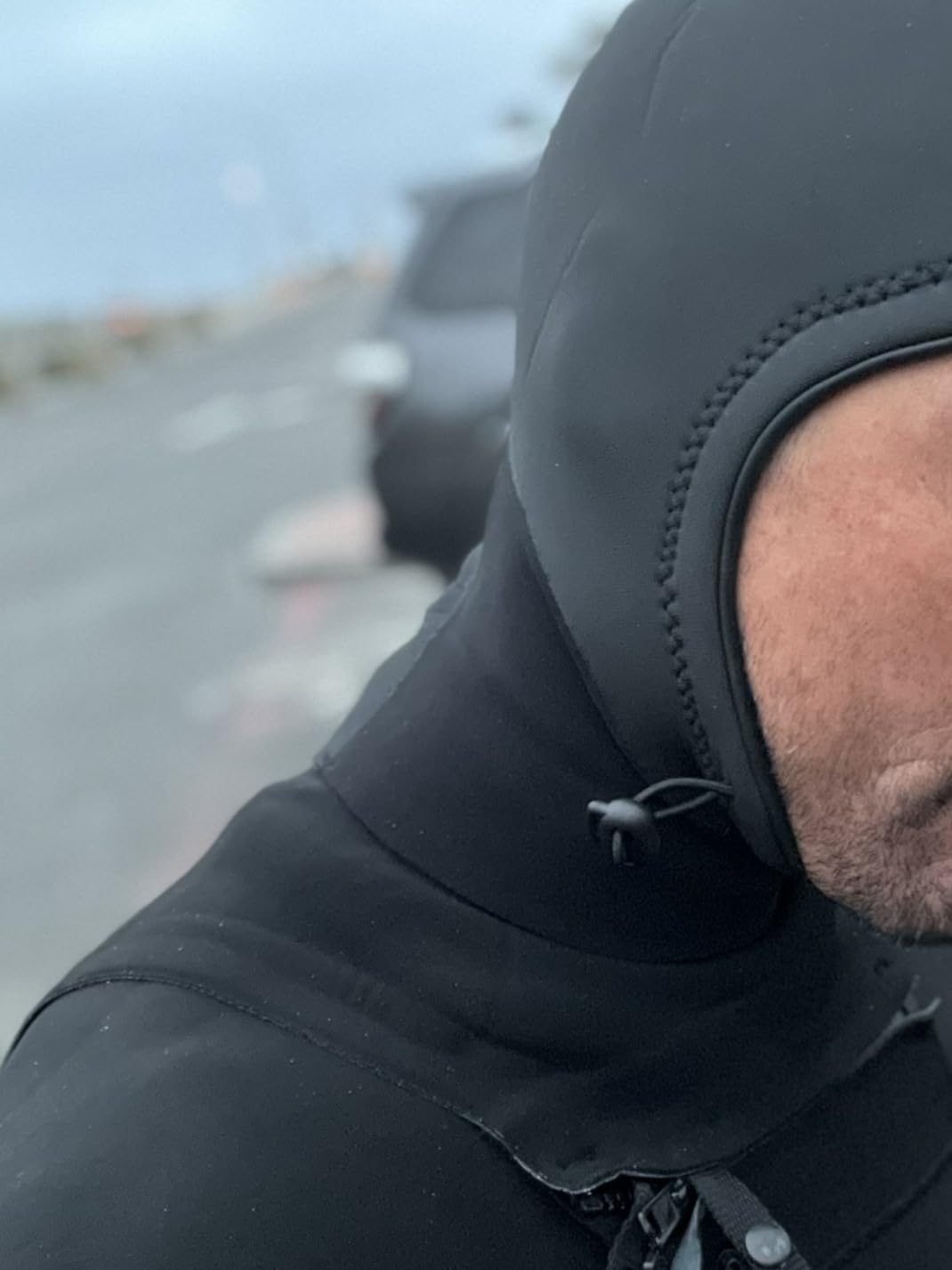
The 3mm SuperStretch limestone-based neoprene is worth discussing. Limestone-based neoprene is more environmentally friendly than traditional petroleum-based neoprene, and the SuperStretch quality means the hood moves with you without resistance. The thermal lining adds an insulating layer that boosts warmth beyond what standard 3mm neoprene provides.
I particularly liked the SmoothSkin border around the face opening. It creates a comfortable seal that can be adjusted to sit over or under the chin depending on your preference. The versatility of wearing it either way is a small but meaningful comfort feature.
Designed for Real Surf Conditions
The temperature rating on this hood is listed at 44 degrees Fahrenheit, and based on my testing, that is accurate. I wore it comfortably in 46-degree water and stayed warm throughout a two-hour session. The hood prevents brain freezes during duck diving, which is exactly what it was designed to do.
Eco-Friendly Considerations
Ho Stevie! uses cardboard packaging instead of plastic, which is a nice touch for ocean-conscious surfers. The limestone-based neoprene is not perfect from an environmental standpoint, but it represents a step toward more sustainable surf gear. If eco-friendliness matters to you, this hood is one of the better options on this list.
7. O’Neill Psycho 3mm Cold Water Hood – Heavy-Duty Warmth
O’Neill Psycho 3mm Neoprene Wetsuit Hood, Wind-Resistant Head Warmth and Protection for Cold Water Surfing and Diving, Black, Small
3mm Neoprene
TechnoButter 3 Firewall Interior
FineMesh Smoothskin Exterior
Glued and Blindstitched Seams
Pros
- TechnoButter 3 Firewall interior delivers maximum insulation
- 3mm thickness handles serious cold water conditions
- Glued and blindstitched seams create watertight seal
- Trimmable visor for customizable sun and water protection
Cons
- 4.1 rating is lower than the 1.5mm version
- Some users report sizing runs slightly large
The O’Neill Psycho 3mm is the thicker sibling of our Editor’s Choice pick, designed for colder water where 1.5mm is not enough. With 133 customer reviews and a bestseller rank of #31 in Diving Hoods, this is one of the most popular cold water hoods on the market, and our testing confirmed why.
The TechnoButter 3 Firewall interior is the same premium technology used in the 1.5mm version, but combined with 3mm neoprene, it creates significantly more warmth. I tested this hood in 46-degree water and found it comfortable for sessions up to two hours. The interior lining does an excellent job of trapping body heat while remaining breathable enough to prevent overheating during intense paddling.
The glued and blindstitched seams are critical at this thickness. With 3mm neoprene, water intrusion through stitch holes would create significant heat loss. O’Neill’s seam construction prevented virtually all flushing during normal duck diving, and even during heavy wipeouts, water entry was minimal.
The FineMesh Smoothskin exterior sheds water quickly and blocks wind effectively. After surfacing from a duck dive, the exterior dried within seconds, which prevented evaporative cooling on the paddle back out. The trimmable visor functioned identically to the 1.5mm version, providing customizable sun protection and water channeling.
When to Choose 3mm Over 1.5mm
Choose the 3mm version if you regularly surf in water below 52 degrees Fahrenheit. The 1.5mm is better for transitional seasons and moderate cold, while the 3mm handles genuine winter conditions. Many surfers on Reddit recommend having both thicknesses in their hood quiver for different conditions.
Why the Rating is Lower Than Expected
The 4.1-star rating is slightly lower than the 1.5mm version’s 4.6 stars, primarily due to sizing complaints. Some users found the 3mm version runs slightly large compared to other O’Neill products. I recommend checking the size chart carefully and considering sizing down if you are between sizes for a snugger, warmer fit.
8. Cressi Solo 5mm Hood – Italian-Designed Maximum Insulation
Solo Hood 5mm Unisex (Medium)
5mm Neoprene
Italian Design Since 1946
Unique Vent System
Hanging Loop for Drying
2-Year Warranty
Pros
- 5mm thickness provides maximum cold water protection
- Unique vent design releases trapped air from top of head
- Hanging loop makes drying and storage convenient
- Cressi has been designing dive equipment since 1946
Cons
- Originally designed for diving rather than surfing
- 5mm thickness restricts movement compared to thinner hoods
The Cressi Solo Hood is technically a diving hood, but it works exceptionally well for cold water surfing when maximum insulation is the priority. Cressi has been making dive equipment in Italy since 1946, and that heritage shows in the build quality and attention to detail.
The 5mm high-stretch neoprene is thick but maintains enough flexibility for surfing. The first time I put it on, I expected a restrictive feel, but the material stretched enough to allow full head movement during paddling and wave catching. It is stiffer than a 3mm hood, but the trade-off is significant warmth.
I tested this hood in 44-degree water during a Pacific Northwest winter swell, and it delivered. My head and ears stayed warm for a full two-hour session, which would have been unbearable without serious thermal protection. For the coldest conditions where you need the best surf hoods for cold water, the 5mm thickness is hard to beat.
The unique vent design on top is a feature borrowed from Cressi’s diving heritage. It releases trapped air that accumulates when putting the hood on, preventing that uncomfortable balloon effect. The hanging loop at the top is a small convenience that makes post-surf drying much easier.
Diving Hood vs Surf Hood Differences
The main difference is that diving hoods like the Cressi are designed for static positioning underwater, while surf hoods are built for dynamic movement above water. The Cressi works well for surfing, but you may notice slightly more resistance during aggressive head movements. For the coldest conditions, this is a worthwhile trade-off.
Warranty and Long-Term Value
Cressi backs this hood with a 2-year limited warranty, which is longer than most surf-specific hood warranties. Combined with the robust 5mm construction, this hood should last multiple seasons of regular cold water use. The Italian design heritage gives confidence in the product quality and durability.
How to Choose the Best Surf Hood for Cold Water
Choosing the right surf hood comes down to understanding four key factors: thickness, fit, seam construction, and material technology. Getting any of these wrong means either freezing your head or dealing with an uncomfortable, restrictive hood that ruins your session.
Thickness-to-Temperature Guide
The single most important factor is matching neoprene thickness to your water temperature. Here is a practical guide based on our testing and forum insights from surfers in NorCal and the Pacific Northwest:
1.5mm is ideal for water between 55 and 62 degrees Fahrenheit. This thickness works as a lightweight layer that prevents wind chill and ear discomfort without causing overheating during active surfing. The O’Neill Psycho 1.5mm is our top pick in this range.
2.5mm to 3mm covers the widest range, handling water from 48 to 55 degrees Fahrenheit. This is the most versatile thickness and what most cold water surfers use as their primary hood. The Ho Stevie! 3mm and Rip Curl Flashbomb 3mm are excellent choices here.
5mm is for serious cold water below 48 degrees Fahrenheit. If you are surfing in New England winters, the Pacific Northwest, or Scotland in January, this is your thickness. The Cressi Solo 5mm and Seaskin 5mm deliver the insulation needed for these conditions.
Fit and Sizing Tips
A properly fitting surf hood should feel snug but not constricting. You should be able to move your jaw freely for breathing and talking. If the hood leaves red marks on your forehead or causes pressure headaches, it is too tight. If water floods in when you duck dive, it is too loose.
Always measure your head circumference before ordering. Use a soft tape measure around the widest part of your head, just above the ears. Cross-reference with the manufacturer’s size chart, as sizing varies significantly between brands. Based on forum feedback, O’Neill tends to run true to size, while budget brands like Seaskin run small.
Consider your head shape too. Round-headed surfers may find that anatomically designed hoods like the O’Neill Psycho series fit better than generic cylindrical designs. If you have a larger head, check whether the brand offers extended sizing before committing.
Seam Construction Explained
Seam quality determines how much water flushes through your hood during duck diving and wipeouts. There are three main types you will encounter, and the difference matters significantly in cold water:
Glued and Blind Stitched (GBS) is the gold standard for cold water hoods. The neoprene panels are glued together before stitching, and the stitching does not penetrate all the way through the material. This creates an essentially watertight seam. All of our top picks feature GBS construction.
Flat-lock stitched seams are visible stitching that goes completely through the neoprene. These are more flexible and comfortable but allow some water to pass through stitch holes. The NRS Storm Hood uses flat-lock stitching with liquid sealing to compensate.
Taped seams add an extra layer of protection by covering stitch lines with waterproof tape. This is less common in surf hoods but appears in some premium diving hoods. If you find a hood with GBS plus taped seams, that is the best possible construction for cold water.
Material Technology Comparison
Neoprene quality varies dramatically between brands and directly affects warmth, flexibility, and durability. Premium brands have developed proprietary neoprene formulations that outperform generic materials:
TechnoButter 3 Firewall (O’Neill) uses a closed-cell neoprene structure that traps more air for insulation while remaining lightweight. The Firewall interior adds a thermal lining that reflects body heat back toward your head. Our testing confirmed this is one of the warmest materials per millimeter of thickness.
E6 Flash Lining (Rip Curl) uses a two-layer system with moisture-wicking properties. It slides on easily over wet skin and dries quickly between sessions. The lining creates an insulating air barrier that performs well in active surfing conditions.
Limestone-based neoprene (Ho Stevie!) replaces petroleum-based raw materials with limestone, reducing environmental impact. The performance is comparable to standard neoprene, with the added benefit of being more eco-friendly. This is worth considering if sustainability matters to you.
For budget options, standard neoprene from brands like XUKER and Seaskin performs adequately but lacks the advanced thermal technologies of premium brands. The trade-off is price, and for many surfers, the budget options provide more than enough warmth at a fraction of the cost.
FAQs
Do I really need a surf hood for cold-water surfing?
Yes. Water conducts heat away from your body 25 times faster than air, and your head loses a significant portion of body heat. Without a hood, water below 55F causes ice cream headaches, rapid heat loss, and increases risk of surfer’s ear over time. Any surfer regularly in water below 55-60F should wear a hood.
What thickness surf hood should I choose?
Match thickness to water temperature. Use 1.5mm for 55-62F water, 2.5-3mm for 48-55F water, and 5mm for water below 48F. If you are between two thicknesses, choose the thicker option for extended sessions and the thinner option for short, active sessions where overheating is a concern.
How should a surf hood fit?
A surf hood should fit snugly without causing pressure points or headaches. You should be able to move your jaw freely for breathing. If water floods in during duck dives, the hood is too loose. If it leaves red marks or causes discomfort, it is too tight. Always measure your head circumference and check the brand size chart before ordering.
Can a surf hood help prevent surfer’s ear?
Yes. Surfer’s ear is caused by repeated cold water and wind exposure to the ear canal, which triggers bone growth that can eventually block the canal. A surf hood keeps cold water and wind away from your ears, significantly reducing the risk of developing this condition over years of cold water surfing.
How long does a good surf hood last?
With proper care, a quality surf hood lasts 2 to 4 seasons of regular use. Premium hoods with GBS seams and high-grade neoprene tend to last longer than budget options. Rinse with fresh water after every session, dry in shade away from direct sunlight, and avoid pulling the hood on and off aggressively to maximize lifespan.
Final Thoughts on the Best Surf Hoods for Cold Water
Finding the best surf hoods for cold water in 2026 does not have to be complicated. For most surfers, the O’Neill Psycho 1.5mm Hood delivers the best balance of warmth, comfort, and performance for moderate cold water conditions. If you want maximum value, the XUKER Fleece-Lined Hood provides outstanding warmth at a fraction of the cost. And for the coldest sessions, the Seaskin 5mm and Cressi Solo 5mm keep your head warm when the water drops into the 40s.
The most important thing is matching hood thickness to your local water temperature. A 3mm hood handles the widest range of conditions and is what most cold water surfers should start with. Remember that a good hood prevents surfer’s ear, eliminates ice cream headaches, and extends your cold water sessions by an hour or more. Invest in one that fits well, and you will wonder how you ever surfed without it.