
If you shoot anything with a camera, the DJI Mic Mini is the one to watch during Amazon’s Prime Big Deal Days sale this year. Two 10 g lavalier transmitters, 400 m of range and up to 48 hours of recording with the charging case make it the easiest single upgrade you can add to a camera bag, and it holds the highest rating of anything in this list.
For people who want the camera rather than the audio, the DJI Osmo Pocket 3 pairs a 1-inch sensor with a real mechanical gimbal. Interviewers and podcasters shooting more than one speaker should look at the DJI Mic 3 instead, which adds four-channel output and 32-bit float backup recording. Prime Big Deal Days runs October 6-7, 2026, and most offers need a Prime membership.
Table of Contents
Our Top 3 Picks for Best Amazon Prime Big Deal Days DJI Deals

DJI Mic Mini
- 10 g lavalier transmitters
- 400 m transmission range
- Up to 48h with charging case
- Two noise cancellation levels
DJI Osmo Pocket 3
- 1-inch CMOS sensor
- 4K at 120fps
- 3-axis mechanical gimbal
- 166 minutes battery life

DJI Mic 3
- Four-channel output
- 32-bit float backup recording
- Up to 4 transmitters paired
- Dual-band anti-interference
Best Amazon Prime Big Deal Days DJI Deals Compared (2026)
| Product | Specifications | Action |
|---|---|---|
| DJI Mic Mini |
|
Check Deal Price |
| DJI Osmo Pocket 3 |
|
Check Deal Price |
| DJI Mic 3 |
|
Check Deal Price |
 DJI Mini 4K DJI Mini 4K |
|
Check Deal Price |
 DJI Mini 3 Fly More DJI Mini 3 Fly More |
|
Check Deal Price |
 DJI Osmo Action 6 DJI Osmo Action 6 |
|
Check Deal Price |
 DJI Avata 2 DJI Avata 2 |
|
Check Deal Price |
 DJI Flip DJI Flip |
|
Check Deal Price |
 DJI Neo 2 DJI Neo 2 |
|
Check Deal Price |
 DJI Mini 5 Pro DJI Mini 5 Pro |
|
Check Deal Price |
How We Chose
Every DJI pick here was compared on the specs that decide whether a purchase works: sensor size, video format, stabilization, flight time, transmission range, weight, battery options and what sits in the box. We also read the owner reviews and ratings on Amazon, since the recurring gripes matter more than the brochure. The data was checked in October 2026.
1. DJI Mic Mini: Editor’s Choice for Audio
DJI Mic Mini (2 TX + 1 RX + Charging Case), Ultralight, Detail-Rich Audio
Type: Wireless lavalier mic
Standout: 48h battery with case
Weight: 178 g
Pros
- 10 g transmitters that disappear on camera
- 400 m range holds up outdoors
- 48 hours of total recording with the case
- Connects straight to Osmo cameras without the receiver
- Automatic limiting stops clipping
Cons
- No hardware mute button
- Mimo app offers no mute control either
- Charging case is bulky if you only carry transmitters
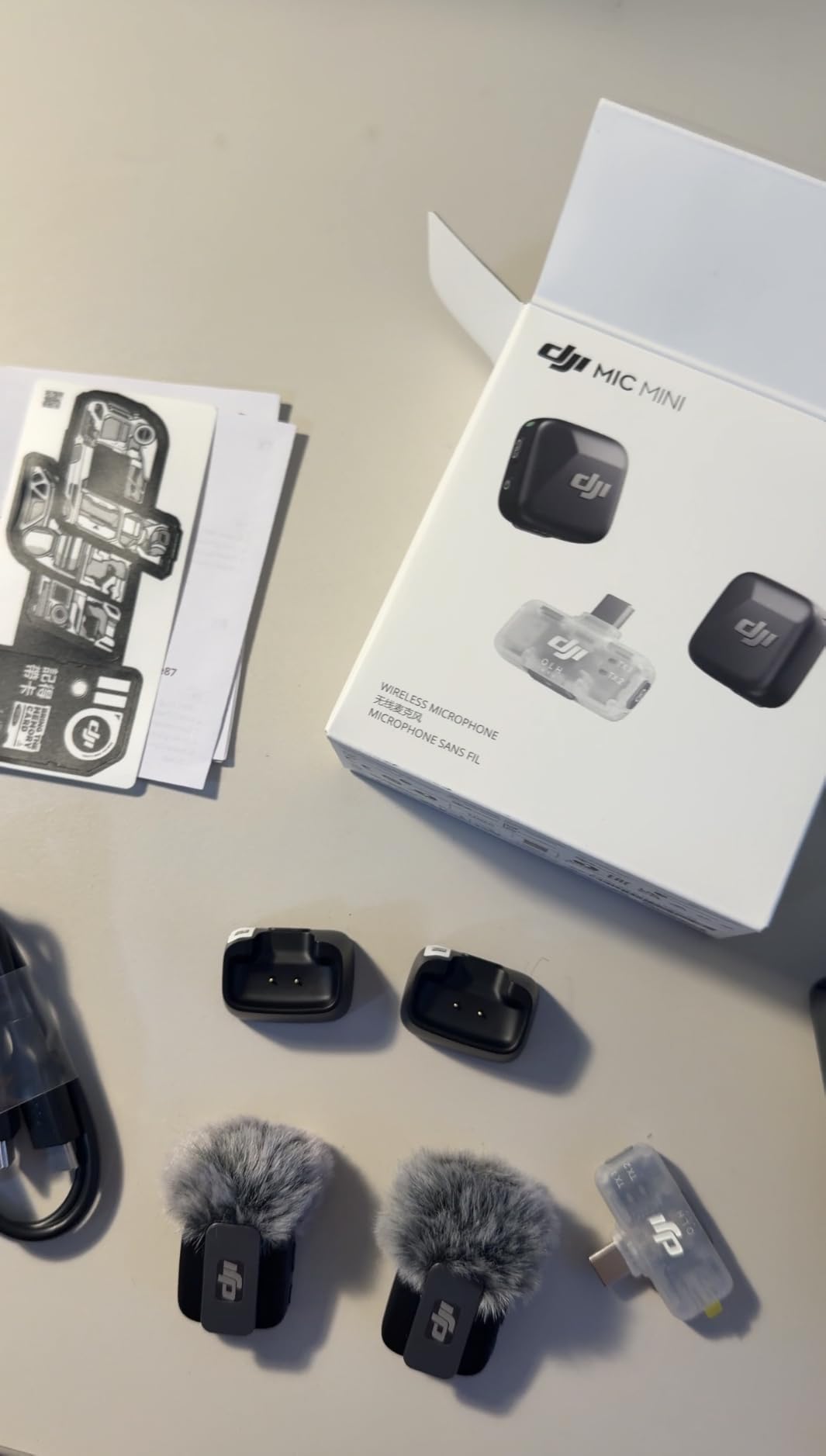
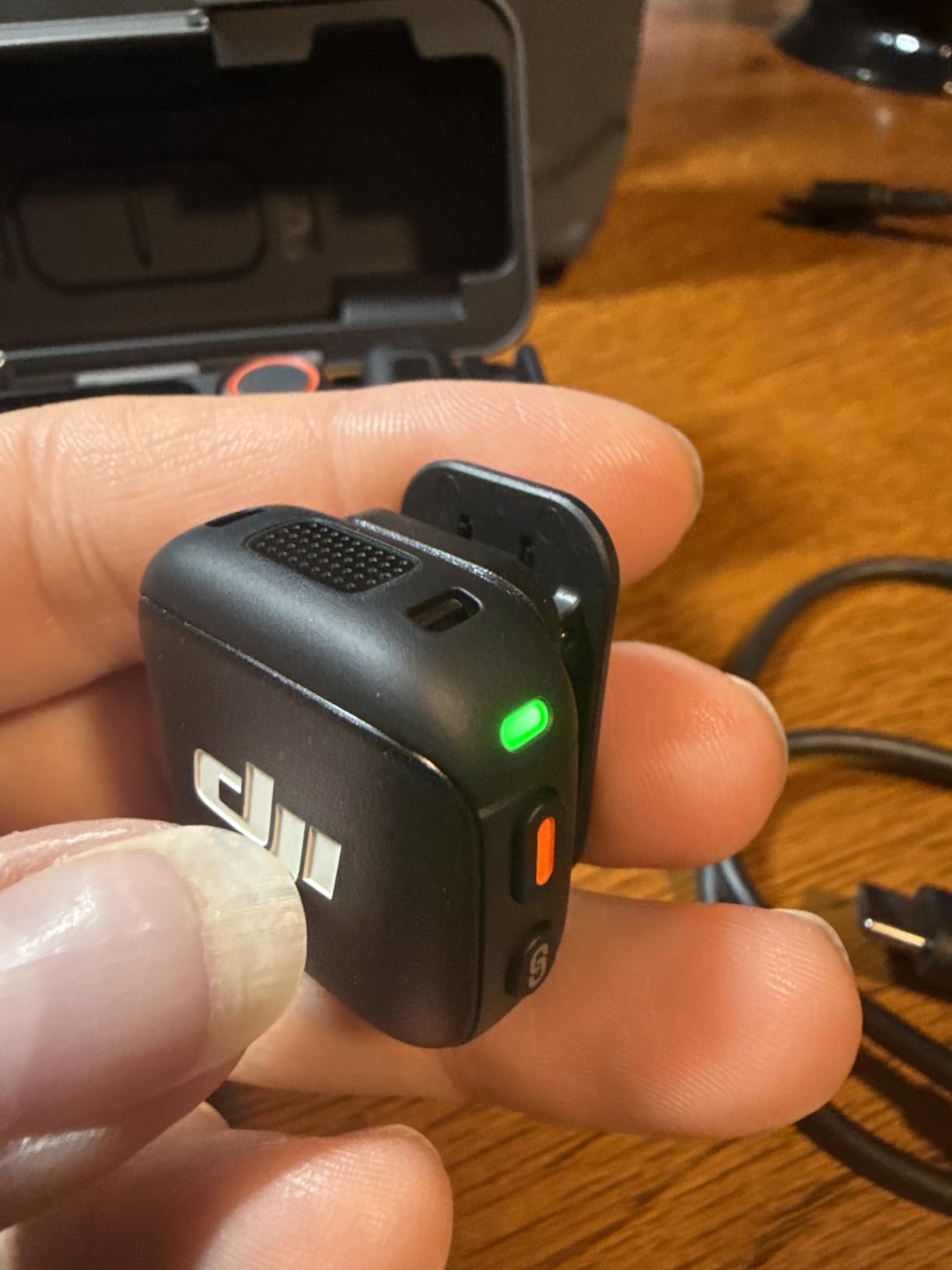
Buy the Mic Mini if you shoot a single speaker. The two transmitters weigh 10 g each, so they vanish under a collar and never tug at a jacket. Owners repeatedly single out the magnetic clips and the machined buttons as details that feel considered rather than cheap.
The numbers behind the praise are straightforward: 20 Hz to 20,000 Hz response, 48 kHz sampling, a 70 dB signal-to-noise ratio and automatic limiting that pulls levels down before the audio distorts. There are two noise cancellation settings, one for quiet rooms and one for wind and traffic.
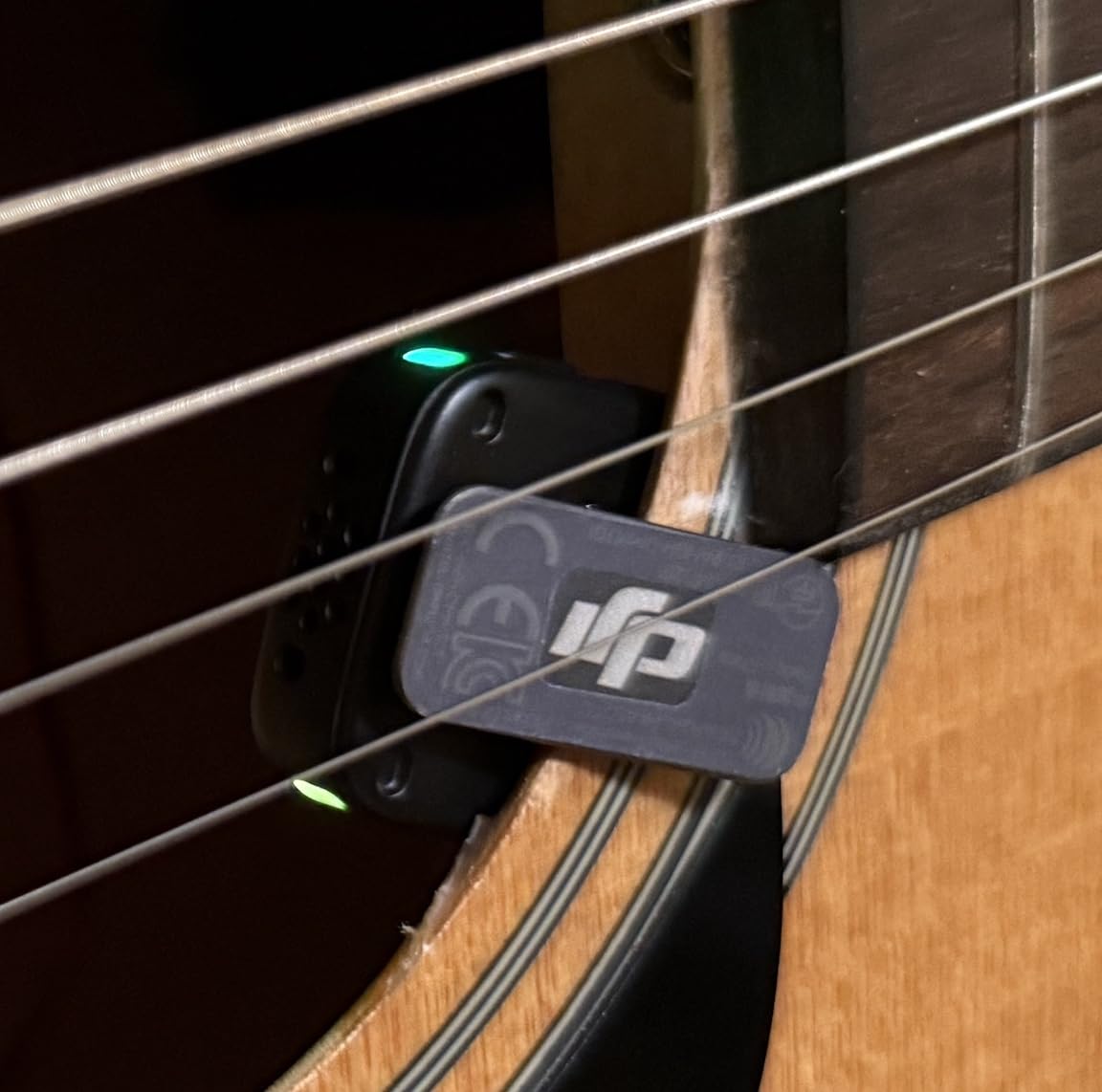
One transmitter plugs straight into a phone, tablet or Osmo body through USB-C, and the second pairs to the same receiver, so a solo creator gets two lavalier channels without touching a mixing app. The whole set lives in a charging case that holds 48 hours of recording in total, and the case doubles as a power bank.
Several reviews ask for one thing and only one thing: a mute button on the microphone body. There is not one, and the Mimo app does not offer a mute control either, so the unit gets switched off instead. The other mild irritation is that the charging case is the bulkiest part of the kit if you only want to carry the transmitters.
Compare it with the Mic 3 if you regularly record two or more people at once. The Mic Mini wins on size and battery life; the Mic 3 wins on channel count. For a walk-and-talk or a course video, this is the one to buy.
2. DJI Osmo Pocket 3: Best for Vlogging
DJI Osmo Pocket 3 Vlogging Camera with 1” CMOS & 4K/120fps Video
Type: Gimbal camera
Standout: 1-inch CMOS at 4K/120fps
Weight: 179 g
Pros
- Genuinely good low-light image from a 1-inch sensor
- Mechanical gimbal smooths walking shots
- Rotating screen makes self-framing easy
- ActiveTrack 6.0 holds a face in frame
- Plugs into two DJI wireless mic transmitters
Cons
- Must be activated in the app before the fifth use
- Mimo app is not standards-compliant
- No internal storage so a microSD card is required
Owners treat this as the camera that replaces a phone rig. At 179 g it disappears in a jacket pocket, and the 2-inch screen rotates to face you so framing a solo vlog shot needs no extra hardware.
Where it earns its place is the sensor. A 1-inch CMOS with a 20 mm equivalent lens and an f/2 aperture holds detail at 4K, and 120 fps capture gives you slow-motion without dropping resolution. Owners comparing it to the newer Pocket 4 say the difference is hard to see in finished footage.
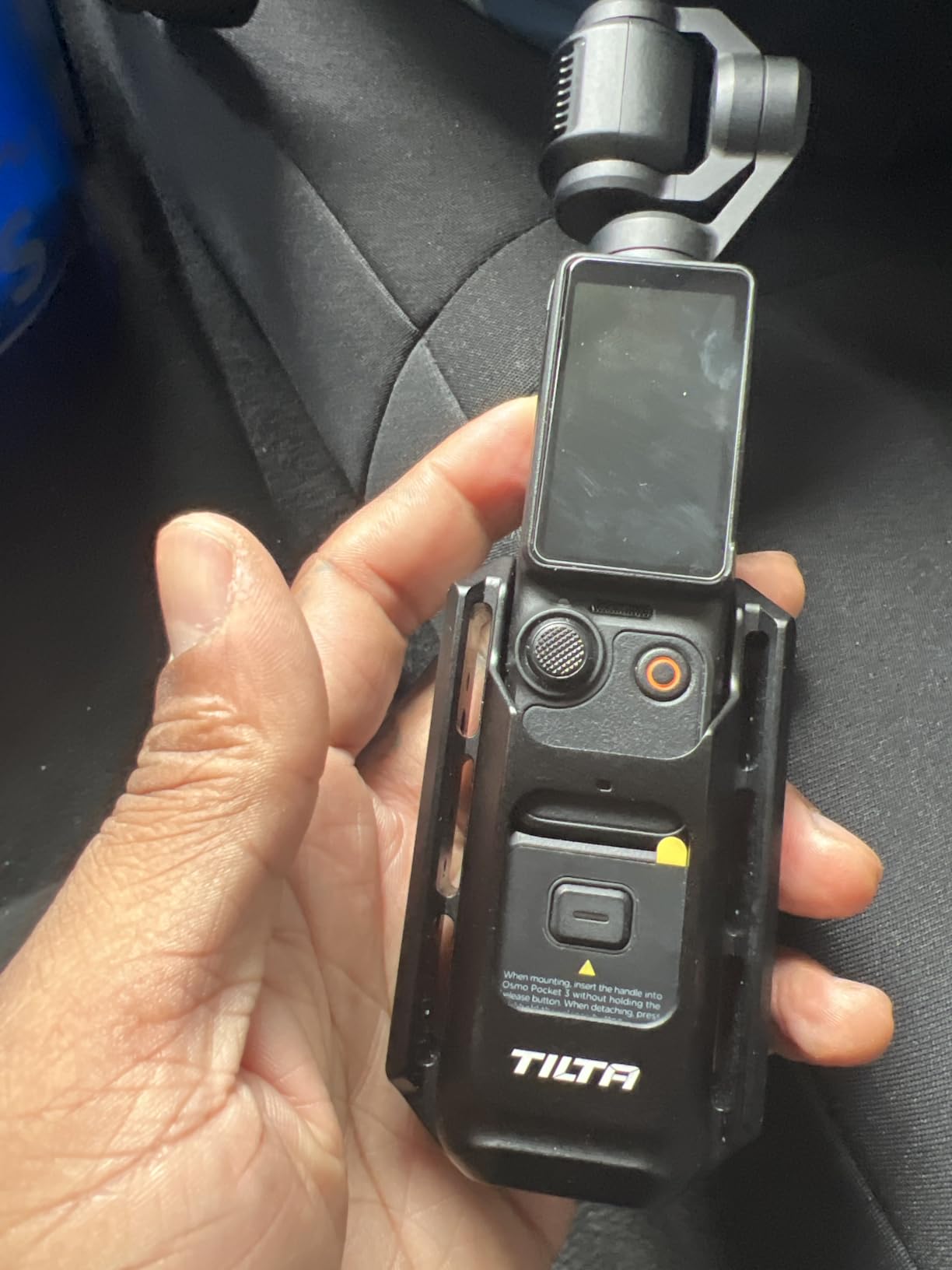
Two things catch people out. The camera has to be activated in the DJI Mimo app before the fifth use or it simply will not run, and that same app is not distributed through standard app stores, so some owners install it manually.
Long 120 fps takes also generate heat. Owners report throttling after roughly eight to ten minutes of continuous recording at that frame rate, which is worth knowing before you plan a long sunset sequence on it. Continuous autofocus and ActiveTrack 6.0 handle the rest, and D-Log M with 10-bit colour is there when you want to grade later.
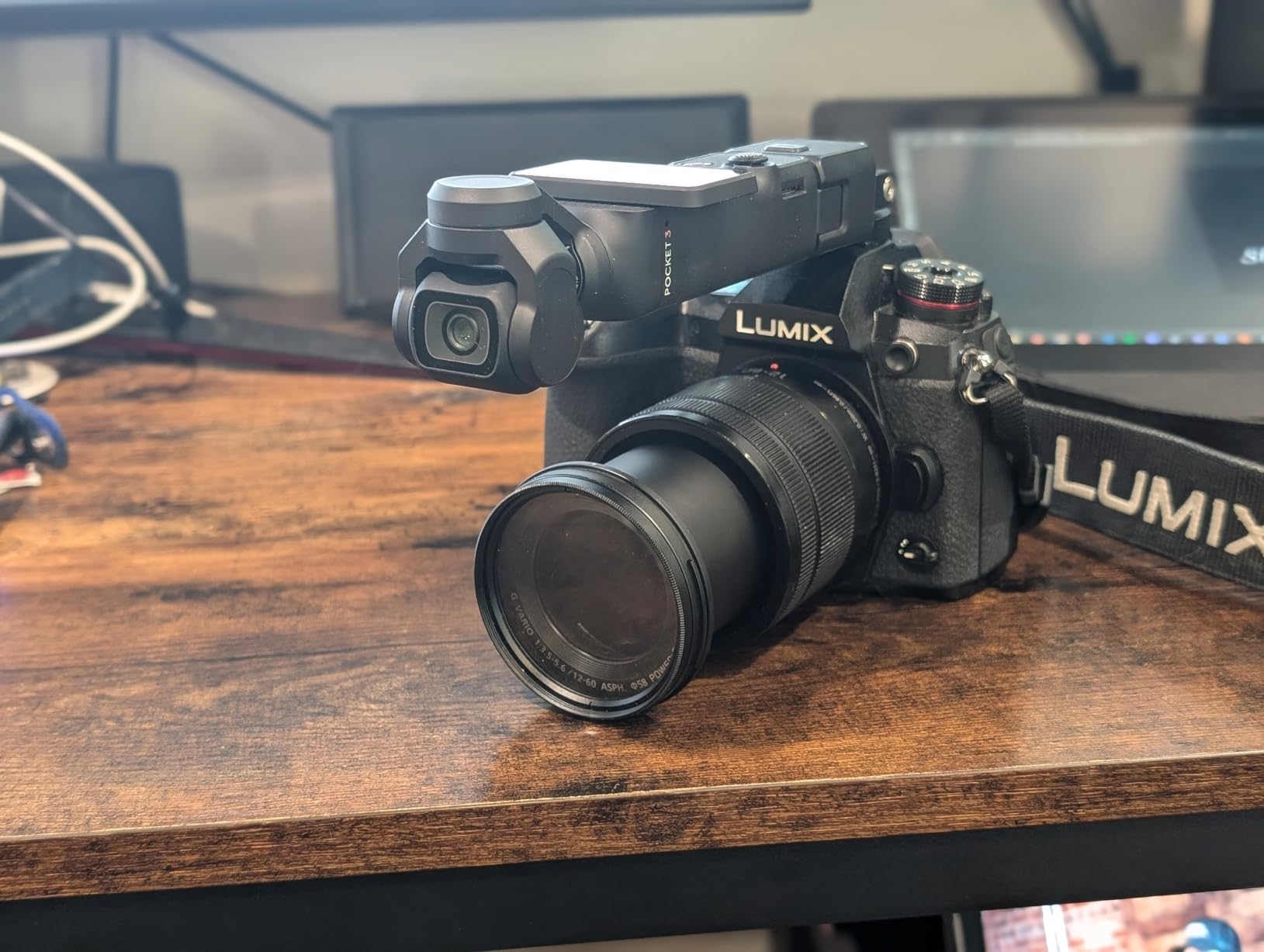
Stacked with two Mic Mini transmitters over OsmoAudio, this is a complete vlogging rig in a pocket. Pick the Mic 3 instead when a second speaker is the priority, or the Osmo Action 6 when the camera will get wet.
3. DJI Mic 3: Best for Group Recording
DJI Mic 3 (2 TX + 1 RX + Charging Case), Wireless Microphone
Type: Wireless lavalier mic
Standout: Four-channel output
Weight: 221 g
Pros
- Four transmitters pair with one receiver
- Seven more receivers can sync to the same audio
- 32-bit float internal recording backs up every take
- Dual-band transmission resists interference in crowds
- 28 hours of total recording
Cons
- Overkill when you only record one speaker
- Heavier kit than the Mic Mini at 221 g
- Four-channel output needs more than two transmitters to matter
Two people, one camera, no boom operator. The Mic 3 receiver pairs with four transmitters and can sync to seven further receivers, which turns a two-person interview into a proper multi-speaker shoot without a second audio recorder.
The feature owners quote most is the 32-bit float internal recording on each transmitter. Every take is written to the unit itself before it reaches the receiver, so a dropout or a failed RF link no longer means re-recording the conversation.
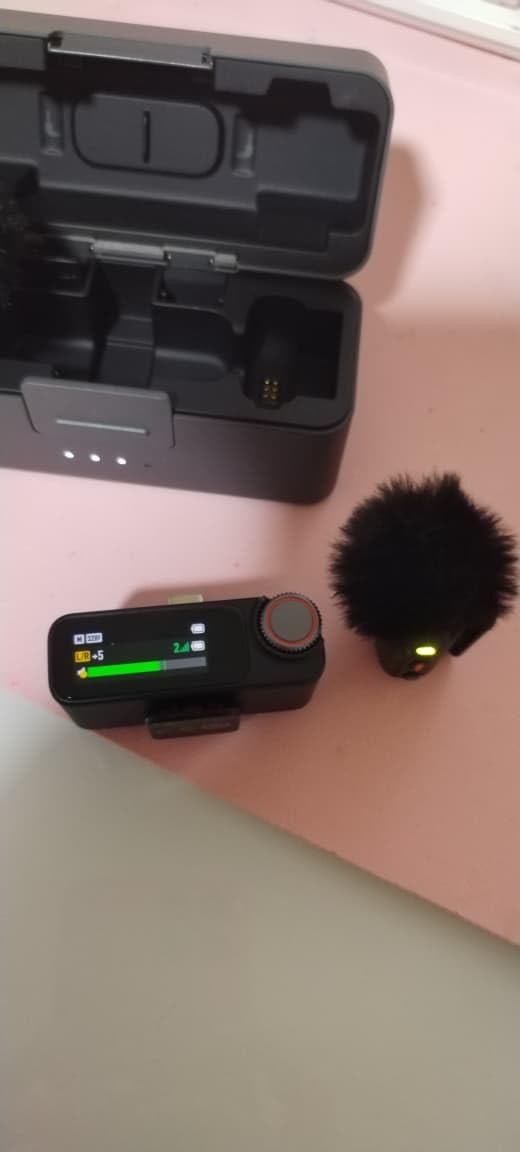
Adaptive gain control keeps levels even in a busy cafe, and dual-band anti-interference transmission holds clean audio where single-band kits tend to break up. You also get three voice tones and two noise-cancelling levels, plus 28 hours of total recording across the kit.
The trade-off is honest: for a solo creator this is capability you will not use, and the kit is heavier than the Mic Mini at 221 g. The Mic Mini is the better buy for one speaker. This one makes sense the day a second voice enters the frame.
Both connect directly to Osmo bodies and gimbals through OsmoAudio, so the receiver stays in the bag. A transmitter also works with newer Osmo Pocket, Action and Mobile models without any receiver at all.
4. DJI Mini 4K: Most Versatile
DJI Mini 4K, Drone With 4K UHD Camera, Under 249 g
Type: Sub-249g camera drone
Standout: 10 km transmission
Weight: 240 g
Pros
- Simplest flight controls in the list
- 4K footage on a 3-axis mechanical gimbal
- Under 249 g so recreational flying needs no registration
- QuickShots patterns automate a moving shot
- RC-N1C controller and one battery included
Cons
- No obstacle avoidance sensing at all
- Only 31 minutes per battery in the base kit
- DJI Fly app is no longer on Google Play
This is the cheapest way into DJI’s ecosystem, and the gap between it and the Mini 3 is smaller than the price step suggests. Same 3-axis gimbal, same 10 km video transmission, same Level 5 wind resistance at 38 kph.
At 240 g it sits under the 249 g threshold, so recreational flying in the US needs no FAA registration and no Remote ID. That alone changes who can legally fly it, and it is the reason many first-time buyers start here.

What you give up is safety sensing. There is no obstacle avoidance, so the pilot is responsible for every metre of the flight, and professional users say that rules it out for paid work. The base kit also carries a single battery for 31 minutes of flight.
Two, three-battery and Fly More bundles take that to 62 and 93 minutes. One-tap takeoff and landing, stable hover and GPS Return to Home handle the basics, and Intelligent QuickShots fly Helix, Dronie, Rocket, Circle and Boomerang patterns on command.
Good to know: the DJI Fly app is no longer distributed through Google Play, so you download it from DJI’s own site before your first flight. If you want a screen controller and three batteries in the box, move up to the Mini 3 Fly More.

5. DJI Mini 3 Fly More: Best for a First Drone
DJI Mini 3 Fly More Combo With DJI RC, 3 Batteries
Type: Sub-249g camera drone
Standout: Screen controller with 3 batteries
Weight: 248 g
Pros
- Three batteries give about 114 minutes of flight
- Bright 5.5-inch screen remote readable in sunlight
- 4K HDR with True Vertical Shooting
- Batteries carry over to newer Mini models
- QuickTransfer works without the remote
Cons
- No obstacle avoidance or object detection
- Batteries drain slowly in the charging hub
- Propeller guards can push weight past 249 g
The DJI RC controller with its 5.5-inch display is the real reason to buy this bundle over the Mini 4K. It means no phone in the loop, no drained handset halfway through a flight, and a screen owners describe as readable in direct sun.
Three Intelligent Flight Batteries add up to 114 minutes of flying, which turns a hobby into a usable tool. The two-way charging hub refills them in parallel, and a shoulder bag is included.
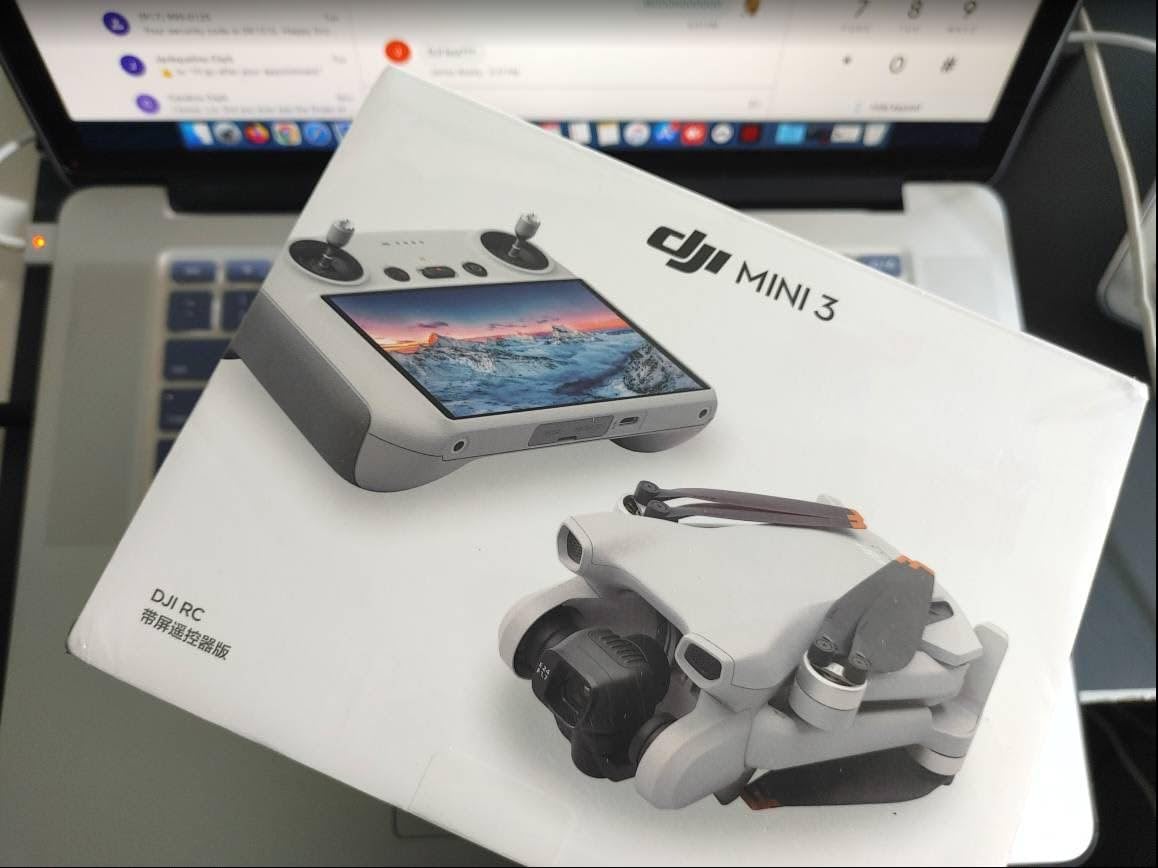
Image quality is a step up from the Mini 4K: 4K HDR with Dual Native ISO Fusion keeps detail at both ends of the day, stills reach 48 mp, and True Vertical Shooting records natively for social posts without cropping.
Compared with the Mini 5 Pro, the trade is safety systems. There is no obstacle sensing here, the plastic airframe feels thin in the hand, and a handful of owners report intermittent control-link loss that triggers an unwanted return to home. Batteries also lose charge slowly while parked in the hub.
Watch the weight with propeller guards fitted. Owners note that adding them can push the aircraft past 249 g, which changes the registration position for recreational flying. If night or crowded-space flying is your plan, the Mini 5 Pro is the safer buy.
6. DJI Osmo Action 6: Best for Water and Low Light
DJI Osmo Action 6 Enhanced Combo, 8K Waterproof Action Camera
Type: Action camera
Standout: Variable f/2.0-f/4.0 aperture
Weight: 149 g
Pros
- 8K video from a 1/1.1-inch square sensor
- Variable aperture widens for night scenes
- Waterproof to 20 m without a housing
- Up to 4 hours per battery
- 50 GB built-in storage plus gesture and voice control
Cons
- Fixed focus lens with no manual focus ring
- Only 2x maximum zoom
- 8K clips fill the 50 GB of internal storage fast
Most action cameras expose more light by cranking up ISO. This one stops down instead: a variable aperture from f/2.0 to f/4.0 on a 1/1.1-inch square sensor keeps 8K footage clean in low light, which is where the older generations fell apart.
Stabilisation is the other headline. HorizonSteady levels the frame through a full 360 degrees while RockSteady 3.0 smooths movement, both working up to 4K/60 fps, and 4K Custom Mode reframes a single take into several aspect ratios.
You can submerge it to 20 m with no housing, run a full four hours per battery in normal conditions, and start recording immediately thanks to 50 GB of storage on board. Two DJI mic transmitters connect directly, no receiver needed.
The fixed focus lens is the limitation that matters most if you shoot anything close up, and zoom stops at 2x. 8K files are also large, so the internal storage fills faster than the card slot can be replaced.
The Enhanced Combo bundles a 1.5 m extension rod, a second battery and a multifunctional battery case. Buyers who mostly film dry and in daylight should read the Pocket 3 section above instead, since the gimbal does the stabilising for you.
7. DJI Avata 2: Best for FPV Flying
DJI Avata 2 Fly More Combo (3 Batteries), FPV Drone With Camera 4K
Type: FPV drone with goggles
Standout: 155-degree field of view
Weight: 377 g
Pros
- Genuinely immersive first-person feed through the goggles
- Motion controller needs no button practice
- Full-coverage propeller guards suit indoor flying
- 4K/60 fps from a 1/1.3-inch sensor and 155-degree view
- Three batteries plus a balancing charging hub
Cons
- Roughly 15 minutes per battery in real use
- Motion controller cannot yaw without forward motion
- Full manual mode needs a separate RC controller
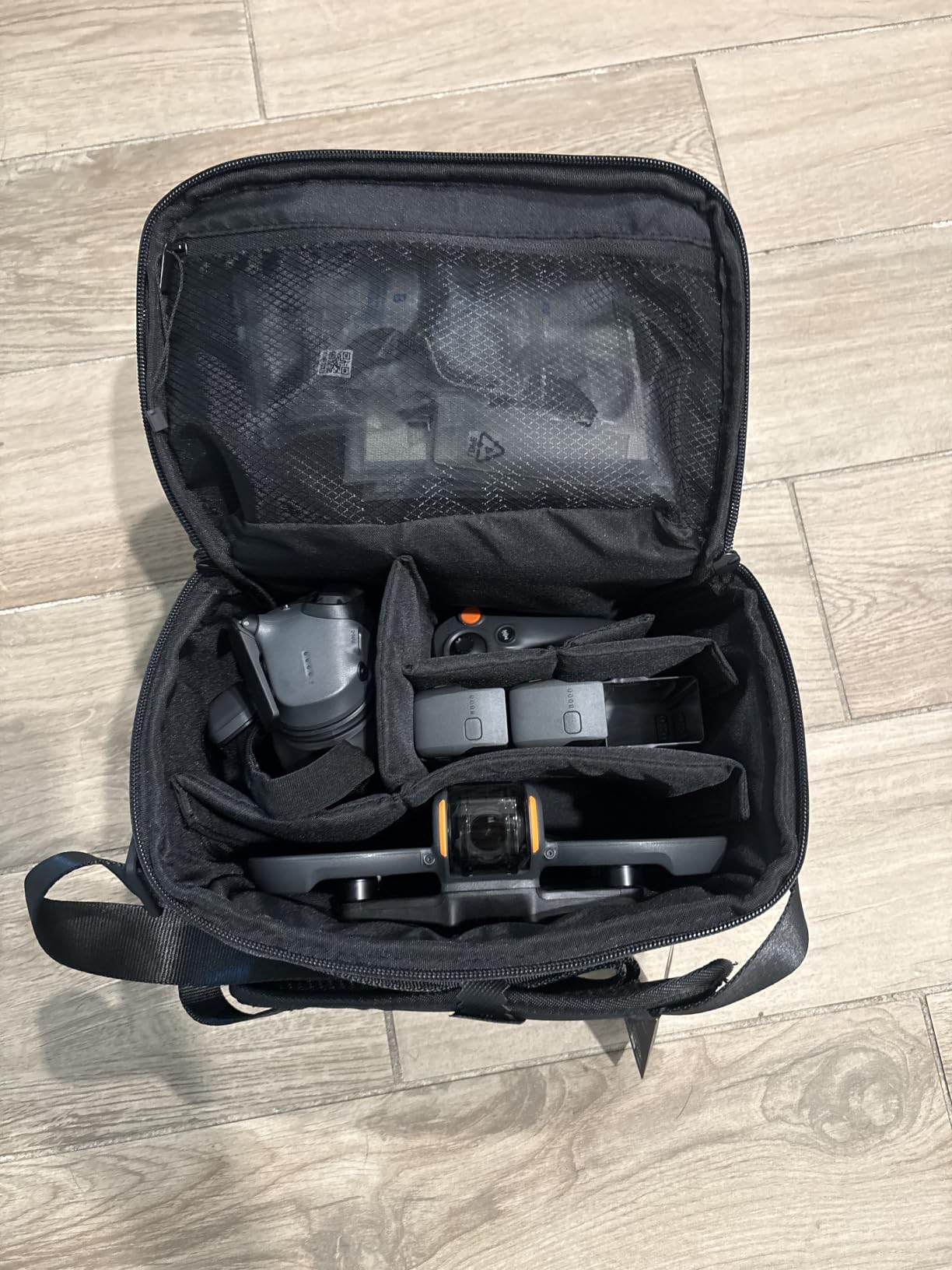
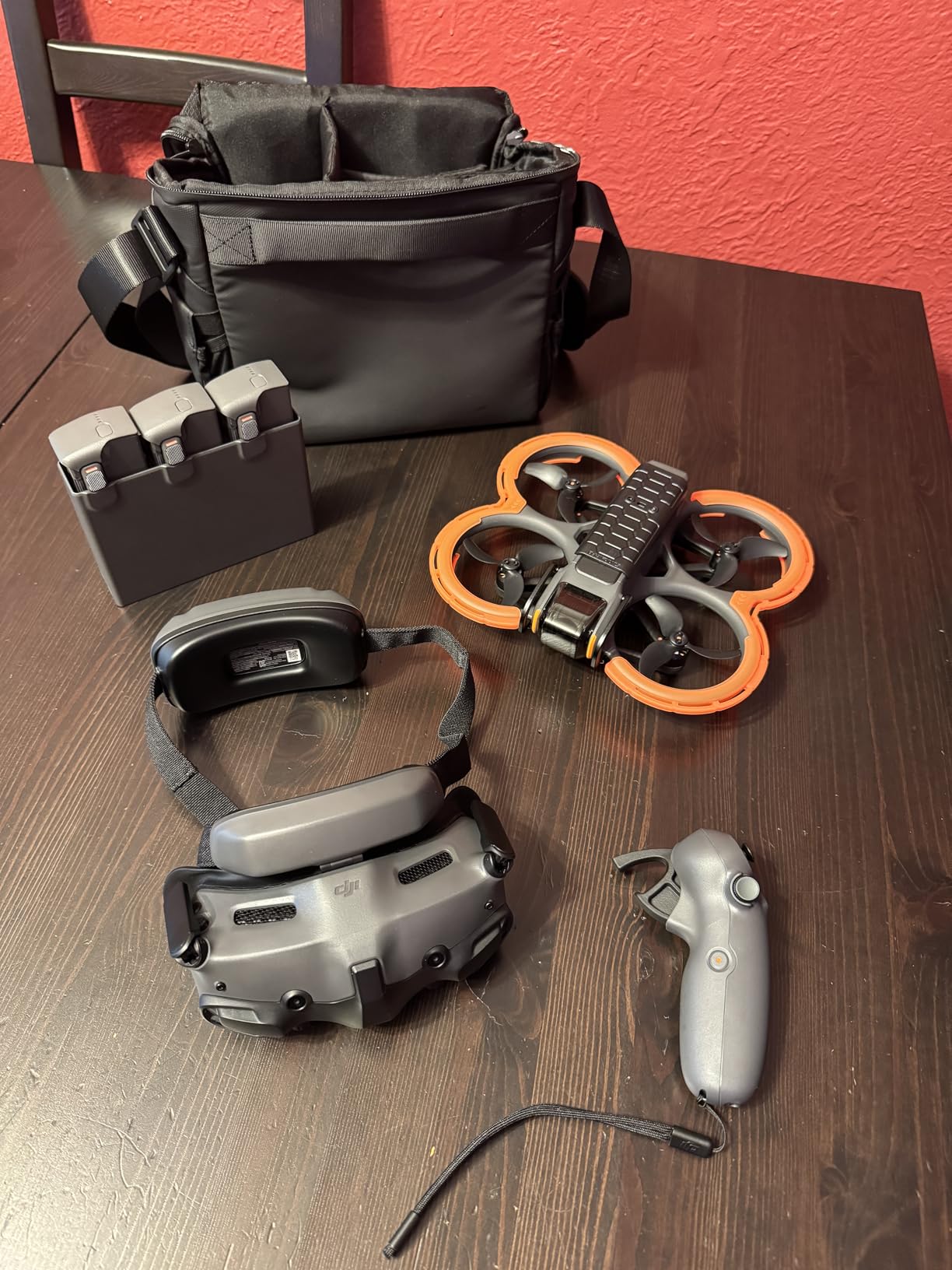
Nothing else in this list puts you inside the aircraft. The Avata 2 Fly More Combo comes with DJI Goggles 3 and the RC Motion 3 controller, and you steer it by tilting your hand rather than working sticks.
That control scheme is why owners call it a gateway into FPV flying. You launch, it hovers, you move, and acrobatics like flips, rolls and 180-degree drifts arrive without practice. The pause button airbrakes the drone mid-air, which builds confidence fast.
Endurance is the catch. Real-world battery life is roughly 15 minutes per pack, and three batteries with the two-way hub only takes you so far before you are back on the floor. Video transmission reaches 13 km, though the goggles feed degrades under dense tree cover.
Worth knowing before you commit: the motion controller cannot yaw the drone on the spot, so turning in place means moving forward first. Moving into true manual mode means buying a separate RC controller, and the goggles fit smaller faces comfortably.
The built-in guards are the reason it doubles as an indoor drone. Nothing else here is safe to fly in a hallway, and the 155-degree field of view on a 1/1.3-inch sensor makes tight shots look wider than the drone actually is.
8. DJI Flip: Best for Indoor and Family Flying
DJI Flip Fly More Combo With RC 2 Screen Remote Controller, Drone With 4K UHD Camera for Adults, Palm Takeoff, Auto Return, Intelligent Flight, 3 Batteries for 93-Min Flight Time
Type: Guarded camera drone
Standout: Folding carbon-fiber guards
Weight: 249 g class
Pros
- Folding carbon-fiber guards allow indoor and close flying
- 1/1.3-inch sensor records 4K/60 fps HDR
- RC 2 screen controller works in direct sunlight
- Subject tracking keeps a person framed
- Survives minor crashes and folds for travel
Cons
- Holds position poorly in wind and warns to return
- Guards cut top speed to about 18 mph
- No onboard lights for low-light visibility
The guards are the product. Made from lightweight carbon fibre, they fold flat for the bag and unfold to cover the props completely, which is what makes this the drone you can hand to a teenager or fly across a living room without bracing for the worst.
Image quality surprises people. A 1/1.3-inch sensor records 4K at 60 fps with HDR, and owners compare the output favourably with larger drones. Subject tracking holds a person in frame without any stick input.
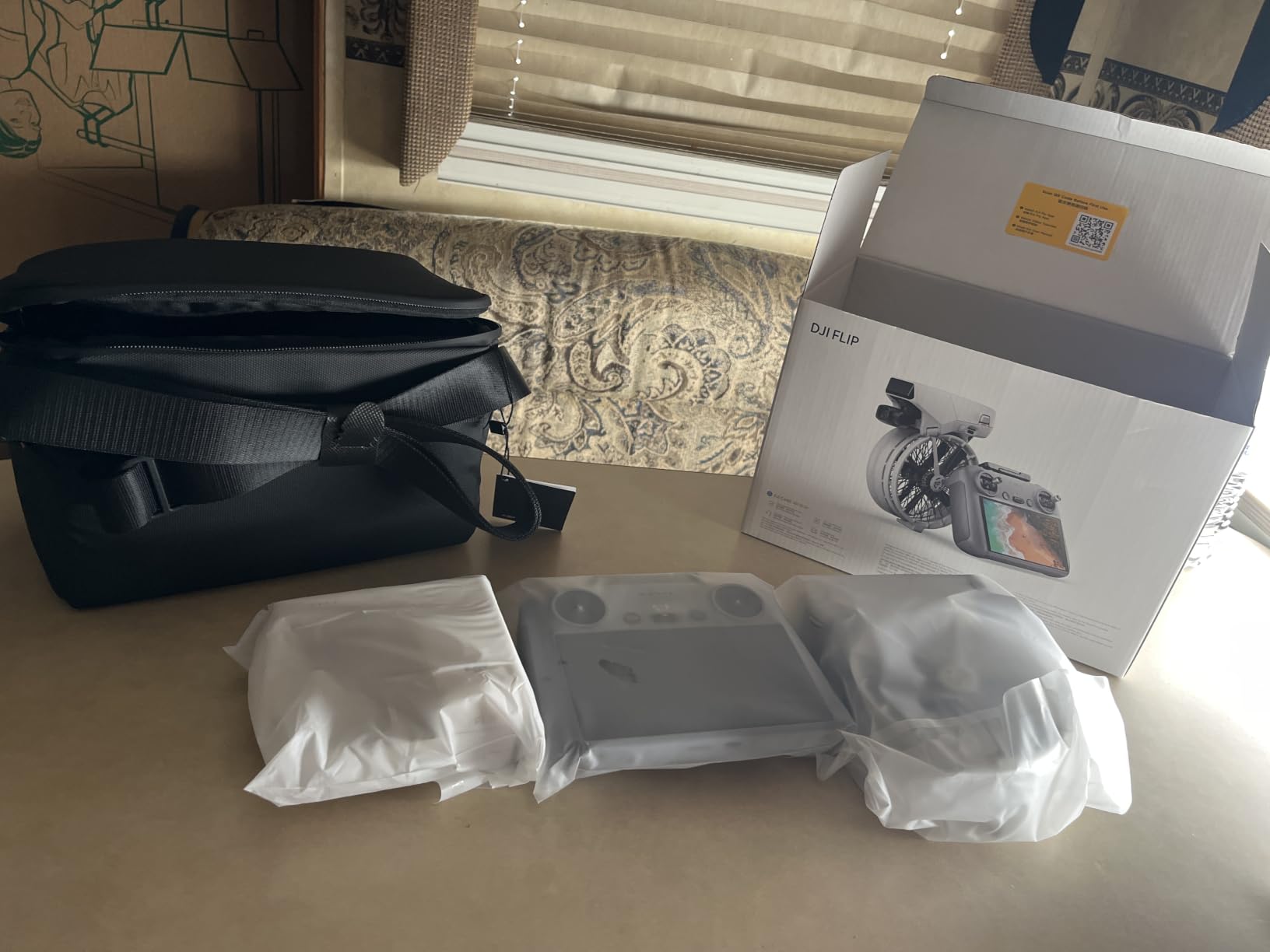
What the guards cost is performance. Owners report reduced top speed around 18 mph and roughly 24 to 25 minutes of flight per battery in practice, and the aircraft starts issuing return warnings in wind that larger drones ride through.
There are no lights for evening flying, return to home is less accurate than on the Mini Pro series, and subject tracking follows people only. The RC 2 remote has no internet connection, so offline maps have to be downloaded in small tiles before you leave.
Compared with the Neo 2, the Flip shoots better video but flies more conservatively. If the plan involves a lot of wind, open fields and long distances, the Mini 3 Fly More or Mini 5 Pro is the better aircraft.

9. DJI Neo 2: Best for First-Time Pilots
DJI Neo 2 Fly More Combo With RC-N3 Remote Controller
Type: Palm-size camera drone
Standout: Palm takeoff and gesture control
Weight: 151 g
Pros
- Palm takeoff and landing with gesture control
- ActiveTrack subject tracking with Apple Watch support
- Omnidirectional obstacle sensing in a 151 g body
- RC-N3 remote and three batteries included
- Exceptionally quiet and easy to set up
Cons
- Real battery life of roughly 10-17 minutes per pack
- Weak low-light and night performance
- Non-folding body is bulkier than pocket drones
At 151 g this is the smallest drone here, and it does things the larger ones do not. It takes off from your palm, lands on your palm and responds to hand gestures, so a first flight needs no controller experience at all.
More unusual at this size is omnidirectional obstacle sensing. Combined with full-coverage propeller guards, it means the Neo 2 can be flown close to walls and furniture with more margin than the Mini 4K or Mini 3, which have no avoidance systems whatsoever.
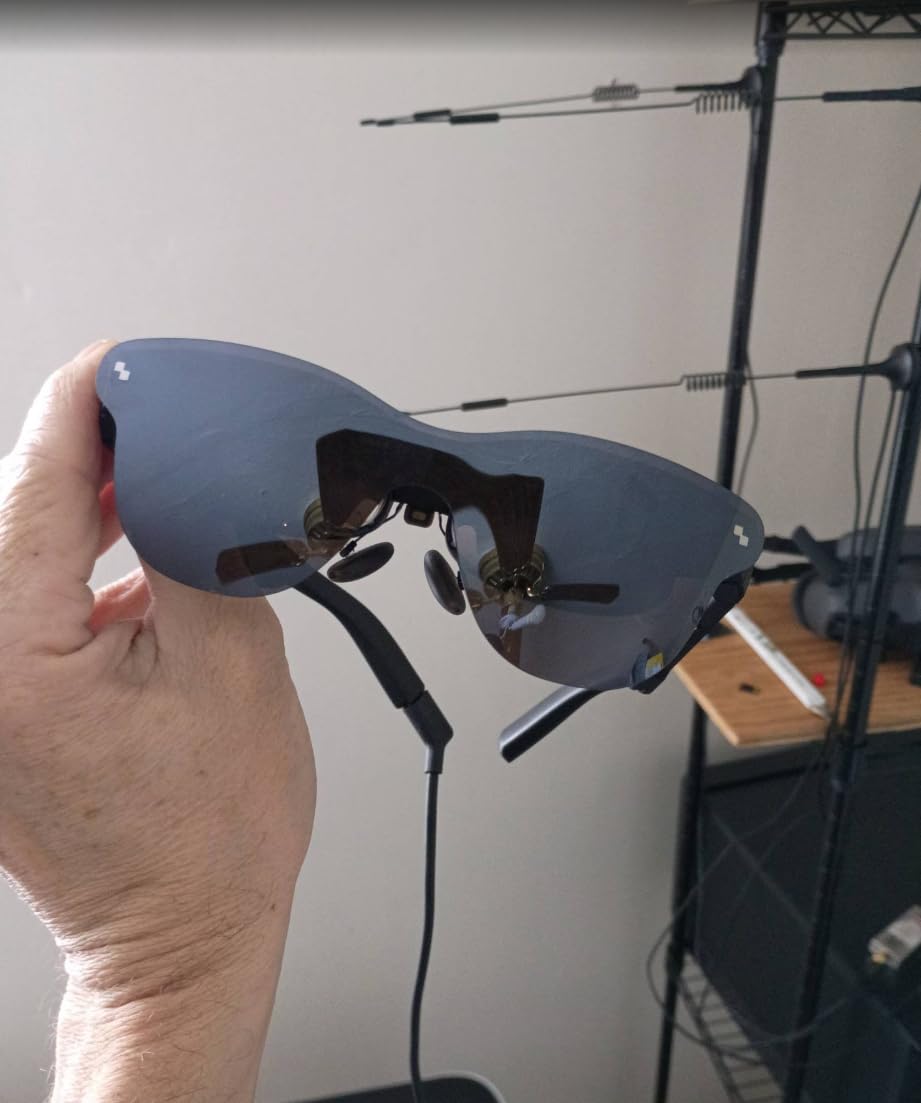
Tracking works well. ActiveTrack follows a moving subject reliably, and the RC-N3 remote in this bundle brings a digital transceiver for a steadier live feed. The Fly More contents cover three batteries, a charging hub, the remote and the guards.
Owners are consistent about the limits: real battery life runs 10 to 17 minutes per pack, night footage is weak, and the non-folding body is bulkier than other pocket drones despite the low weight. Follow mode can also crash if you fly alongside it at speed, and internal storage fills quickly with 4K clips.
Treat the sensing as a safety net rather than a promise, since owners report clipping a sign and a parked car. Start here if you are unsure about flying, and step up to the Mini 5 Pro when you want better footage.
10. DJI Mini 5 Pro: Best for 1-Inch Image Quality
DJI Mini 5 Pro Fly More Combo With DJI RC 2, 1-Inch CMOS
Type: Sub-250g camera drone
Standout: 1-inch CMOS with LiDAR
Weight: 249 g
Pros
- 1-inch CMOS records 4K/60 fps HDR
- LiDAR plus vision sensors for omnidirectional sensing
- 225-degree gimbal rotation for true vertical framing
- Up to 36 minutes per battery
- 42 GB internal storage and ND filters included
Cons
- The most expensive drone in this list
- Weight sits right at the 249 g registration limit
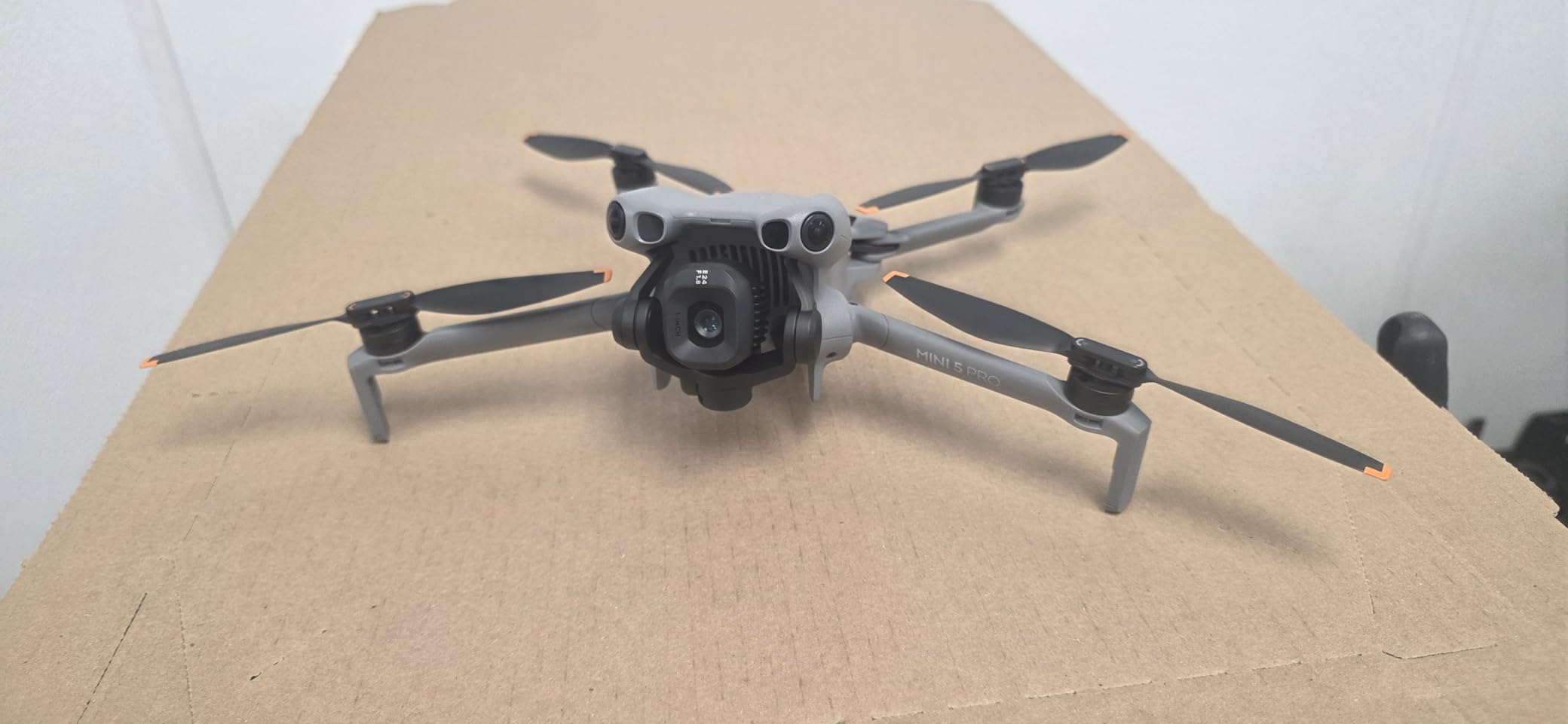
This is the ceiling of DJI’s folding Mini line, and the sensor is the reason. A 1-inch CMOS records 4K at 60 fps with HDR, a clear step over the 1/1.3-inch sensors in the Flip, the Neo 2 and the Avata 2.
It also adds the safety gear the cheaper Minis lack. Nightscape omnidirectional obstacle sensing uses forward-facing LiDAR alongside vision sensors, and ActiveTrack 360 degrees offers selectable tracking modes. Owners rate the improvement in safety at dusk and night as the biggest practical upgrade.
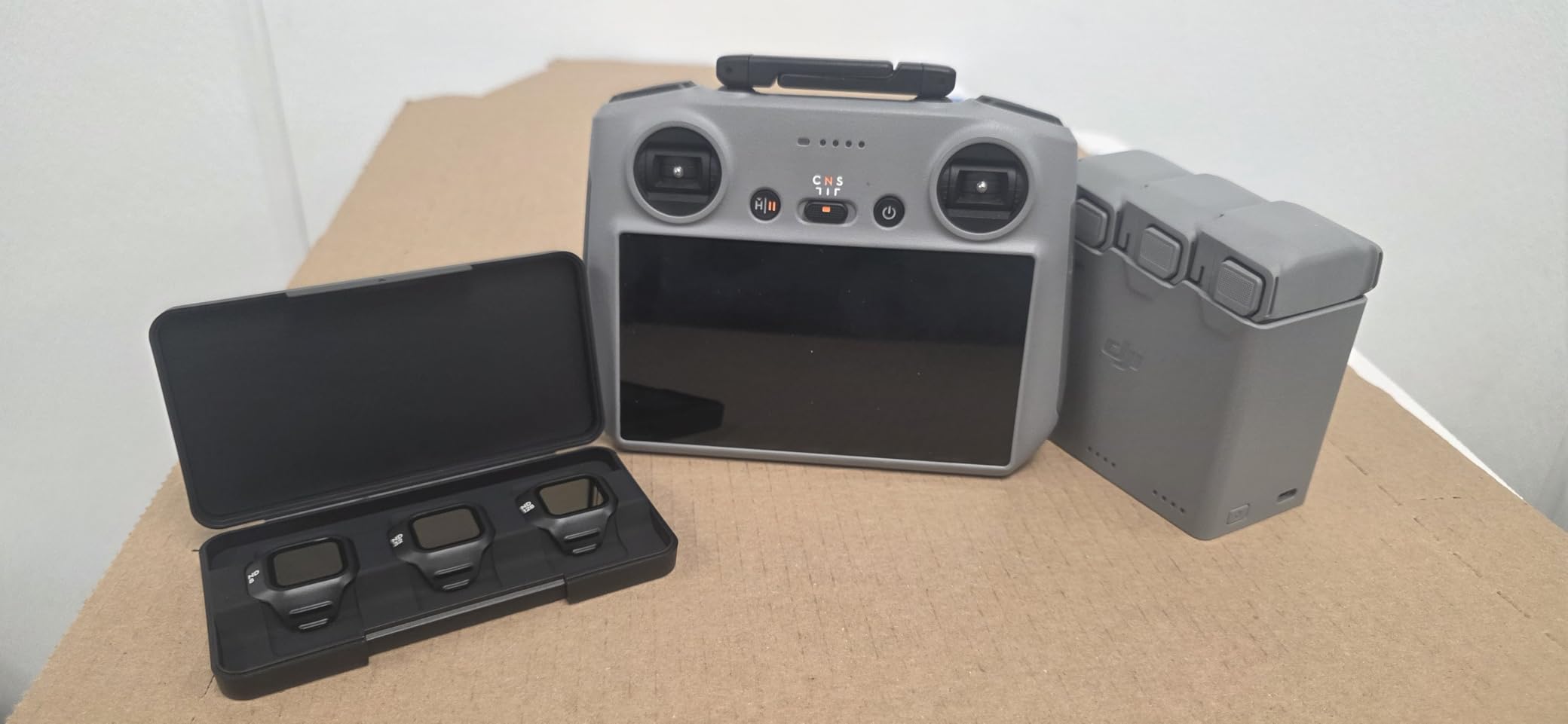
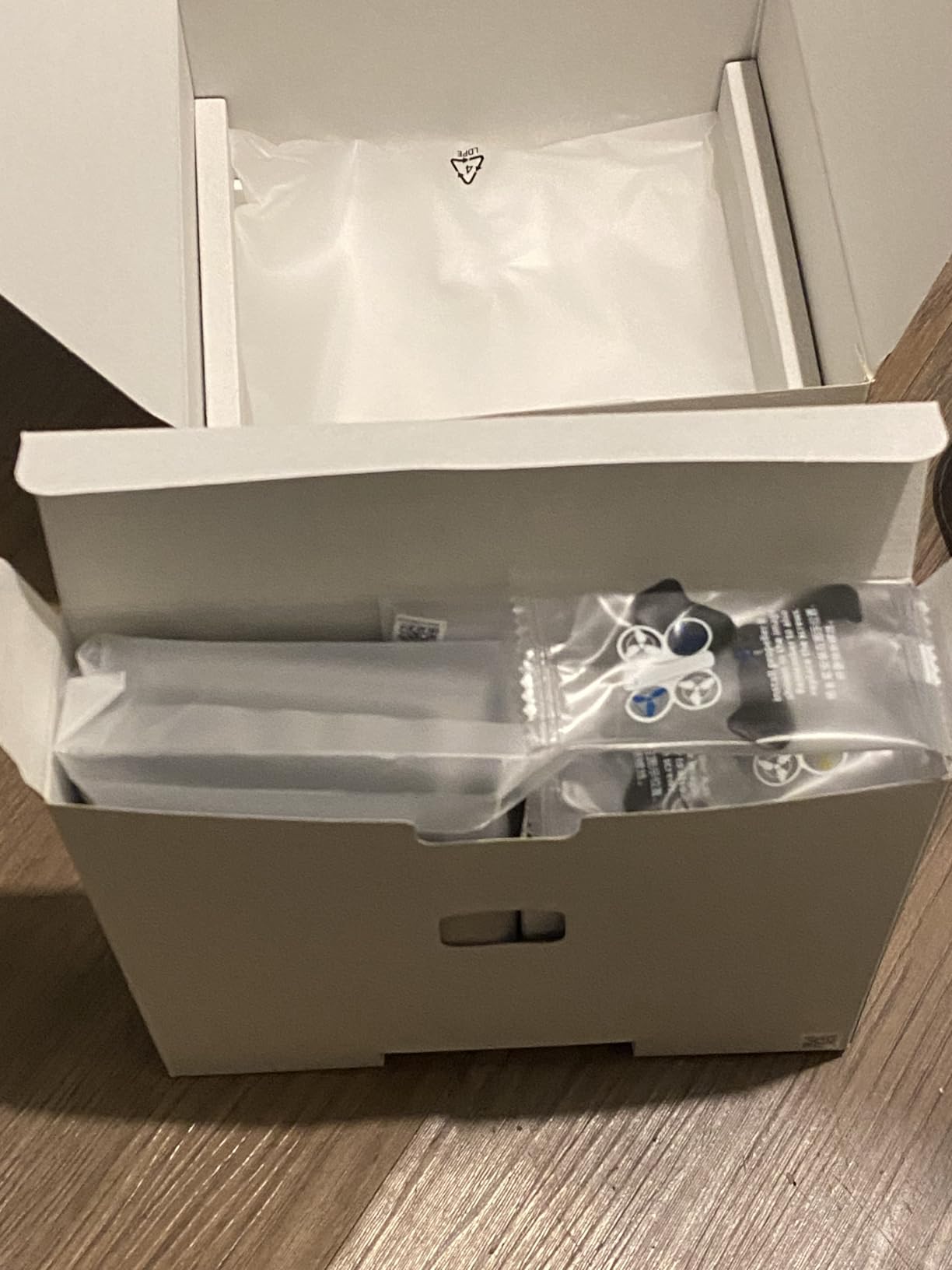
The gimbal rotates 225 degrees, which enables true vertical filming without cropping, and 42 GB of internal storage means you can start shooting without a card. Three batteries charge in about 115 minutes, and the bundle adds spare propellers, a charging hub and an ND filter set.
It folds to palm size, which keeps the travel case honest. The catch is weight: at roughly 249.9 g it sits directly on the recreational registration threshold, and rules vary by country, so check yours before you fly.
Owners are candid that this is the most expensive drone in the range. If the extra sensor size does not change your footage, the Mini 3 Fly More gives you three batteries and a screen remote for a fraction of the outlay.
How to Choose DJI Drones During Prime Big Deal Days
How to Choose a DJI Drone Camera and Resolution
Sensor size predicts how the camera behaves in low light, not how sharp the daylight footage looks. The 1-inch sensors in the Mini 5 Pro and the Osmo Pocket 3 hold up at dusk and at night; the 1/1.3-inch sensors in the Flip, Neo 2 and Avata 2 need daylight; the 1/1.1-inch square sensor in the Osmo Action 6 pairs its size with a variable aperture for the same reason.
Resolution only matters above 4K if you crop. If you reframe vertical clips for social, look for True Vertical Shooting on the Mini 3 Fly More or the 225-degree gimbal on the Mini 5 Pro. If you grade footage, D-Log M with 10-bit colour on the Pocket 3 and Action 6 gives you room to work.
Match Flight Time and Range to Your Flights
Do the arithmetic before you pick a bundle. The Mini 4K gives 31 minutes per battery and 93 minutes in a three-battery set, the Mini 3 Fly More and the DJI Flip bundle 114 and 93 minutes, and the Mini 5 Pro reaches 36 minutes per pack. The Avata 2 looks generous with three batteries and delivers roughly 15 minutes each in practice.
Range matters less than battery. The listed 10 km on the Mini 4K, Mini 3 Fly More and Neo 2 and 13 km on the Flip and Avata 2 exceed what most recreational pilots will ever legally fly. If your flying is not drone-specific, our picks for drone deals for other flying needs cover the rest of the category.
Choose Between Compact and Full-Size DJI Drones
Every drone in this list is under 249 g except the Avata 2 at 377 g, and that threshold decides paperwork rather than performance. Under 249 g, recreational flying in the US needs no FAA registration and no Remote ID. Check the weight with any propeller guards fitted, since owners of the Mini 3 report guards pushing it over.
Within that class, the real split is folding versus fixed. The Mini 4K, Mini 3 Fly More and Mini 5 Pro fold into a case. The Neo 2 does not, and it is bulkier than pocket drones despite weighing only 151 g. The Avata 2 is the only full-size option and the only one that needs goggles.
Check Obstacle Sensing and Flight Safety Features
Only three of the ten picks have obstacle sensing: the Mini 5 Pro with forward LiDAR, the Neo 2 with omnidirectional sensing, and the Avata 2 with its integrated guards. The Mini 4K, Mini 3 Fly More and Flip have none, so the pilot is responsible for every metre.
Safety gear is not a guarantee. Neo 2 owners report clipping a sign and a parked car despite the sensing, so treat avoidance as a net rather than a promise. Every pick here does return home automatically, and the Flip folds its carbon-fiber guards so it can be flown indoors at all.
Evaluate Controls and Required Pilot Experience
A screen controller changes the experience more than most buyers expect. The DJI RC in the Mini 3 Fly More and the RC 2 in the Flip and Mini 5 Pro bundles put a bright display in your hands instead of a phone, which avoids battery drain and glare problems.
For a first aircraft, the Neo 2 is the least demanding. Palm takeoff, gesture control and a pause button mean a new pilot can get airborne without touching a stick. Professional work needs obstacle sensing, which rules the Mini 4K and Mini 3 out for paid shoots. The Avata 2 needs real practice, and full manual mode requires a separate RC controller.
How to Shop DJI Drone Deals During the Sale
Read the model code before you click. The same name appears with different controllers and battery counts: the Mini 3 Fly More bundles the DJI RC screen remote while the base Mini 3 does not, and the Neo 2 bundle adds a digital transceiver. Check the box contents line for batteries, charging hub, ND filters and spare propellers, because that is where bundles differ.
Look at who sells the listing. A DJI warranty applies either way, but a marketplace seller changes the return path. Confirm the condition is new rather than renewed, and note that the DJI Fly app now comes from DJI’s own site on the Mini 4K, Flip, Neo 2 and Mini 5 Pro listings. Most offers during Prime Big Deal Days need a Prime membership, and the listings change through the event.
- Confirm the exact model code and controller variant before buying
- Count the batteries and check whether a charging hub is included
- Check the seller and the condition, new or renewed
- Download the DJI Fly app from DJI’s site if the listing says it is off Google Play
- Compare the weight with guards fitted against the 249 g threshold
- Confirm you have an active Prime membership before the offer ends
Frequently Asked Questions
When does Amazon Prime Big Deal Days run and do I need Prime to use these DJI deals?
Prime Big Deal Days runs October 6-7, 2026, and most offers need an active Prime membership, though a free trial counts. Deals on DJI drones, action cameras and audio gear typically change through the two days, so the listing you see in the morning may differ by the afternoon.
Is buying DJI on Amazon legit?
Yes, DJI products sold through Amazon’s DJI storefront come with the same DJI warranty as a direct purchase. The thing to check is who the seller is, because a third-party marketplace seller changes the return path even when the product itself is genuine. Look for a line naming DJI as the manufacturer and check whether the condition is new or renewed.
Is Amazon Prime Big Deal Days actually cheaper for DJI gear?
DJI hardware rarely discounts deeply outside major events, which is why the sale window matters. The honest test is whether the sale price beats what the same model sold for at a previous event, not whether the crossed-out number looks large. Read the review history on the listing and compare against what the model cost earlier in the year.
How do I know which DJI drones are discounted during the sale?
You cannot know in advance which lines move. DJI releases, Fly More bundles and accessory kits are the ones that change most, while current-generation models usually hold steadier. Watch the listing for a Fly More bundle rather than a bare aircraft, since bundle contents move more often than the drone itself.
Why is it hard to find DJI drones during big sale events?
DJI inventory moves quickly once a deal opens, and many models ship from the manufacturer rather than from a warehouse. Owners report delivery dates moving during the window. If a bundle becomes hard to find, the single-battery version of the same aircraft is usually easier to get, and the accessories reappear a few days later.
Which DJI deal is best for a first drone?
The DJI Neo 2 is the easiest aircraft to learn on, with palm takeoff, gesture control, a pause button and omnidirectional obstacle sensing in a 151 g body. For longer flights and a screen controller, the DJI Mini 3 Fly More bundles three batteries and the DJI RC remote. The DJI Mini 4K is the cheapest route in but has no obstacle sensing at all.
Final Verdict: Best Amazon Prime Big Deal Days DJI Deals
Buy the DJI Mic Mini if you shoot one person. Two 10 g transmitters, 400 m of range and 48 hours with the case make it the single most useful upgrade in this list. For two or more speakers, the DJI Mic 3 adds four-channel output and 32-bit float backup, and for the camera itself the DJI Osmo Pocket 3 puts a 1-inch sensor and a mechanical gimbal in your pocket.
The DJI Mini 4K is the budget-friendly drone route in, cheap enough that a first mistake hurts less, but it has no obstacle sensing and one battery. The DJI Mini 3 Fly More is the better first drone because it adds a screen remote and 114 minutes of flight. For the best image quality in a folding drone, the DJI Mini 5 Pro is the one, and the DJI Neo 2 is the friendliest aircraft to learn on.
Check the listing contents and the seller, then use the button on any pick above to see the current price during the sale.