
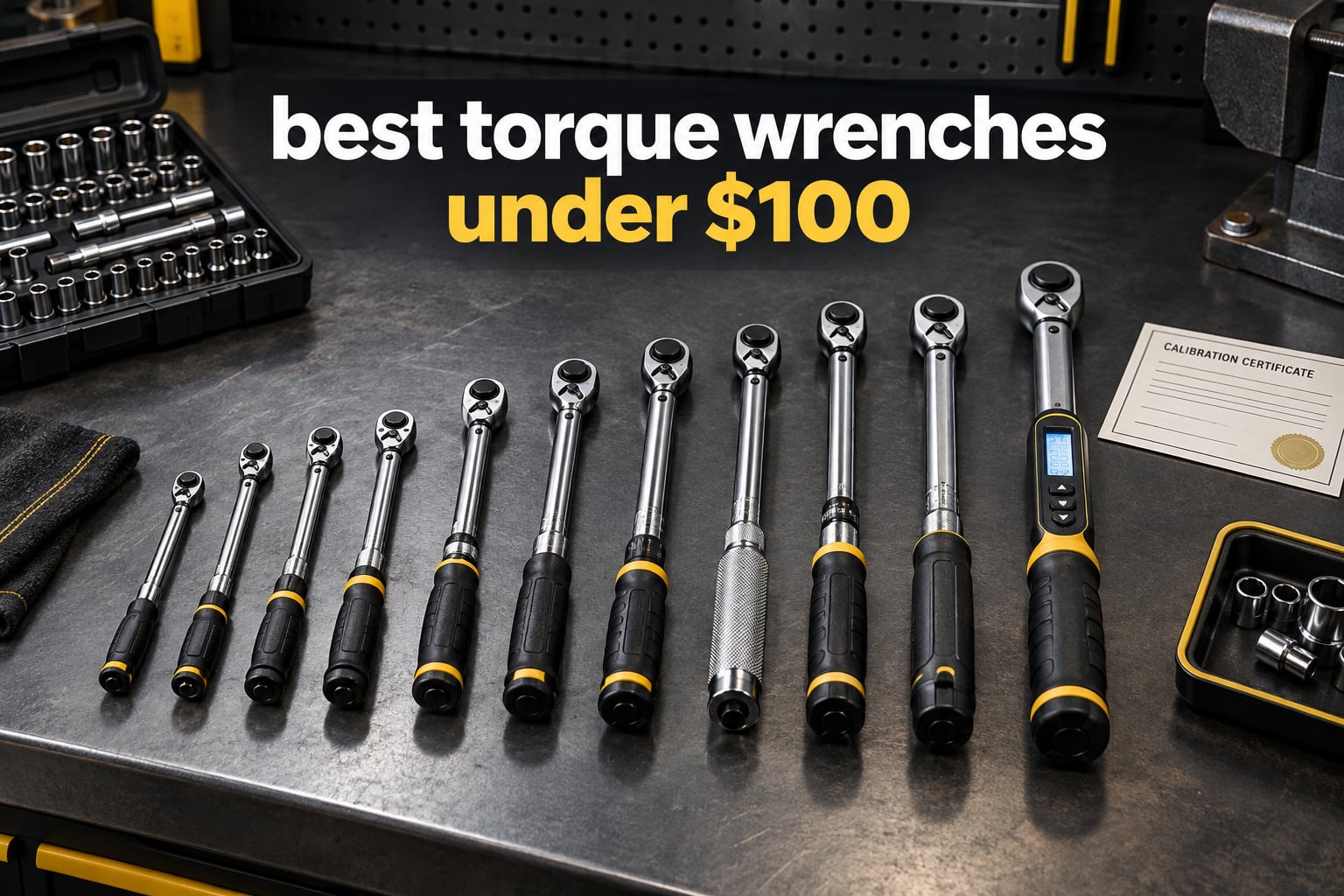
A torque wrench is the cheapest insurance in a garage. Over-torque a head bolt or a wheel nut and the fix can run into hundreds of dollars in parts alone, while under-torquing lets a fastener walk loose on the first cold morning. The trouble is that the good torque wrenches live in a different price bracket, and the marketing blur makes it hard to tell which sub-100 dollar tools are actually calibrated and which are just shaped like a torque wrench.
So we built the list we wanted ourselves. Every one of the 10 torque wrenches below sits under 100 dollars, ships as a hand tool rather than a gimmick, and has enough owner reviews to judge. We read the fine print on the listings, compared stated accuracy, drive size, range, ratchet design and what comes in the box, and flagged the specific complaints that show up again and again in owner feedback: clicks too faint to hear, torque measurement that only works one way, scale markings that wear off, and a digital model whose auto-off timer gets in the way.
If you are shopping this category, our picks for the best torque wrenches under 100 dollars are the EPAuto 1/2-inch click wrench as the all-round choice, the LEXIVON LX-183 when a calibration certificate matters to you, and the ACDelco ARM601-4 if you want a live digital readout. Prices shift constantly on these tools, so check the current figure with the buttons below before you commit.
Table of Contents
Top 3 Best Torque Wrenches Under 100 Dollars (October 2026)

EPAuto 1/2-Inch Drive Click
- 10-150 ft-lb range
- Plus or minus 4% accuracy
- Hardened chrome vanadium ratchet
- Case and extension bar
LEXIVON LX-183 1/2-Inch Click
- 10-150 ft-lb range
- Calibration certificate included
- Electro-Black finish
- High-contrast dual scale

ACDelco ARM601-4 Digital
- 14.8-147.5 ft-lb range
- Live ft-lb and Nm readout
- Buzzer and LED alert
- NIST-traceable certificate
All 10 Torque Wrenches Under 100 Dollars at a Glance (October 2026)
| Product | Specifications | Action |
|---|---|---|
| EPAuto 1/2-Inch Drive Click Torque Wrench |
|
Check Latest Price |
| LEXIVON LX-183 1/2-Inch Drive Click Torque Wrench |
|
Check Latest Price |
 EPAuto 3/8-Inch Drive Click Torque Wrench EPAuto 3/8-Inch Drive Click Torque Wrench |
|
Check Latest Price |
 LEXIVON LX-182 3/8-Inch Drive Click Torque Wrench LEXIVON LX-182 3/8-Inch Drive Click Torque Wrench |
|
Check Latest Price |
 Amazon Basics 3/8-Inch Drive Click Torque Wrench Amazon Basics 3/8-Inch Drive Click Torque Wrench |
|
Check Latest Price |
 CRAFTSMAN 1/2-Inch Drive Torque Wrench CMMT99434 CRAFTSMAN 1/2-Inch Drive Torque Wrench CMMT99434 |
|
Check Latest Price |
 CRAFTSMAN 3/8-Inch Drive Torque Wrench CMMT99433 CRAFTSMAN 3/8-Inch Drive Torque Wrench CMMT99433 |
|
Check Latest Price |
 Hairich 1/2-Inch Drive Torque Wrench Hairich 1/2-Inch Drive Torque Wrench |
|
Check Latest Price |
| ACDelco ARM601-4 1/2-Inch Digital Torque Wrench |
|
Check Latest Price |
 LEXIVON LX-181 1/4-Inch Drive Inch-Pound Torque Wrench LEXIVON LX-181 1/4-Inch Drive Inch-Pound Torque Wrench |
|
Check Latest Price |
1. EPAuto 1/2-Inch Drive Click Torque Wrench – Best Overall
EPAuto 1/2-inch Drive Click Torque Wrench, 10-150 ft/lb, 13.6-203.5 N/m
10-150 ft-lb (13.6-203.5 N-m)
1/2 inch drive
Plus or minus 4% accuracy
Chrome vanadium steel
Pros
- Pre-calibrated to plus or minus 4% accuracy
- Holds 23k+ reviews at 4.6 stars
- Case and 5 inch extension bar included
- Knurled handle with a clear audible click
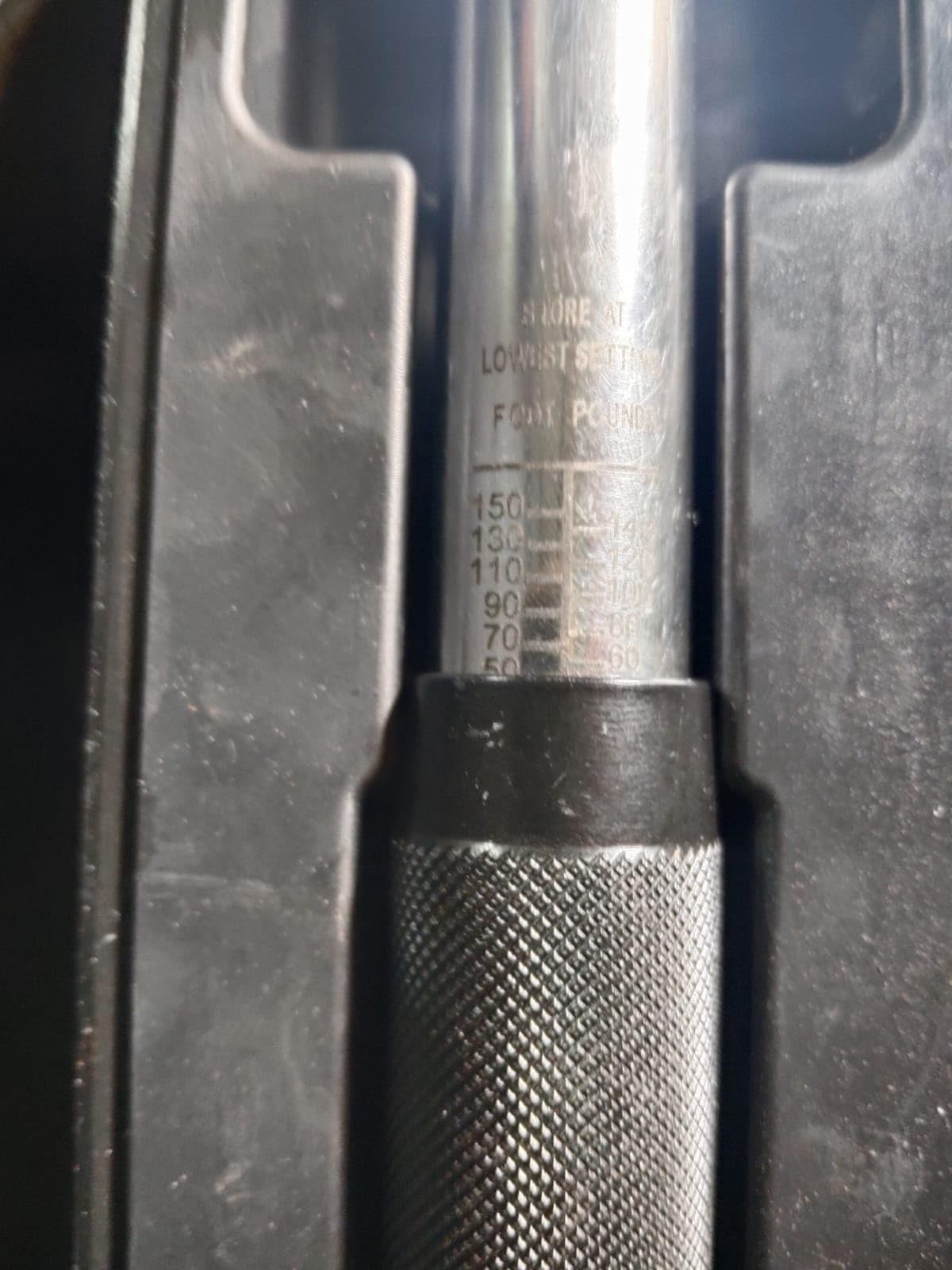
- High-contrast dual-range scale
Cons
- No calibration certificate in the box
- Occasional ratchet mechanism failure when used for breaking loose bolts
- Heavier than the LEXIVON half-inch at 3.5 pounds
Among the three top picks in this roundup, this is the one I would hand to a friend buying their first torque wrench. It covers 10 to 150 ft-lb, which is the range that covers wheel nuts, caliper bolts, suspension hardware and most of what comes off a passenger car. The dual scale reads in both ft-lb and N-m along the handle, so you are not doing mental math at midnight in a cold driveway.
The build is heavier than it looks at 3.5 pounds and 16.25 inches long, and that weight is mostly ratchet head. The head is hardened, heat-treated chrome vanadium steel with a satin finish, and the click is audible and tactile enough that you feel the release even if you cannot hear it. That combination is what I look for in a first torque wrench, because a wrench that clicks quietly gets ignored and a wrench that clicks loudly at the wrong time gets ignored too.
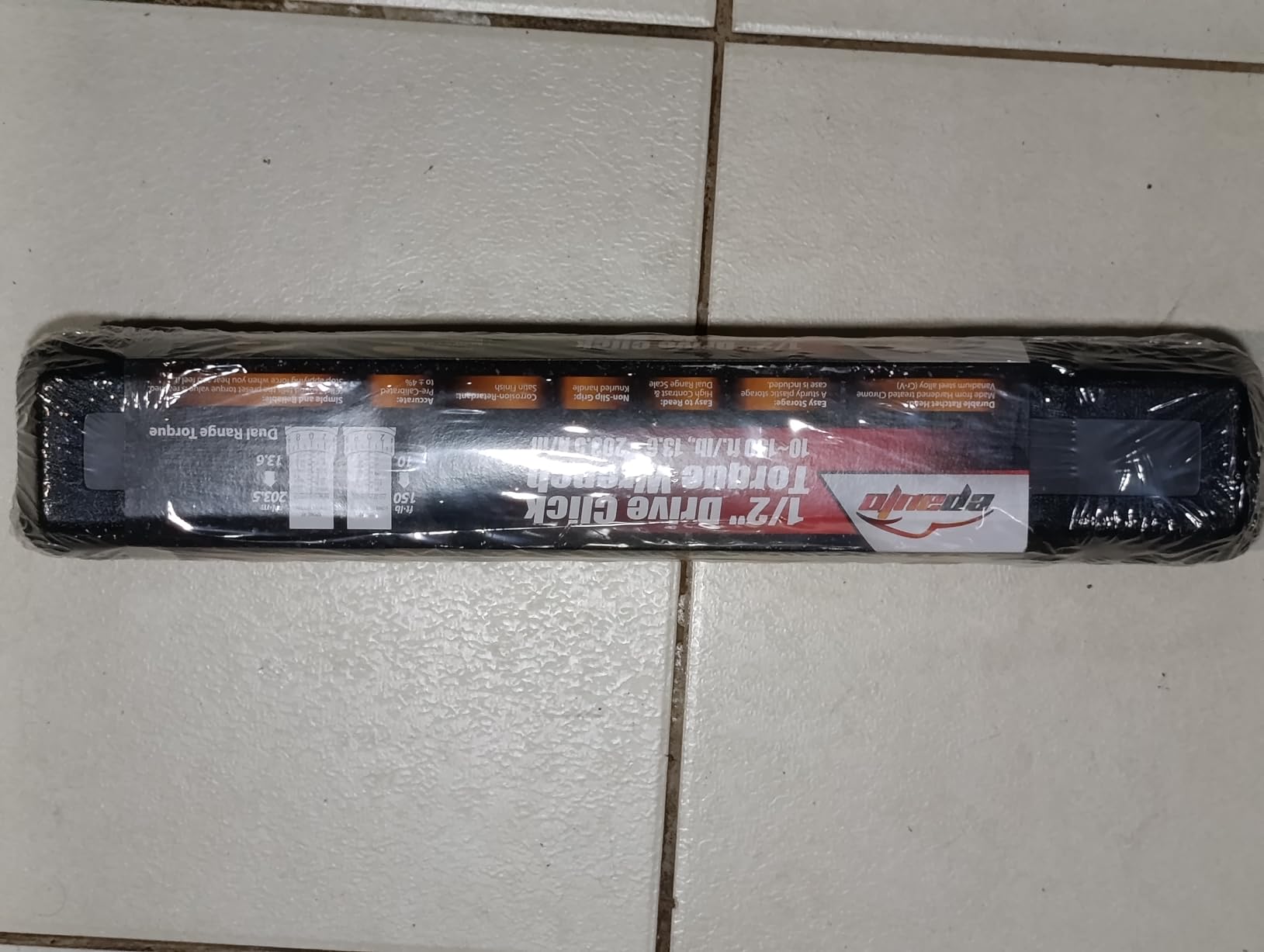
Owner feedback is overwhelmingly positive at 23k+ reviews and a 4.6 rating, with 79 percent five-star. The recurring praise names the readable dual scale, the knurled grip and the fact that the case and the 5 inch extension bar are actually in the box, which is more than several rivals manage. Buyers also point out that it holds the number three spot in the whole torque wrench category on Amazon, which is a reasonable proxy for how many people have leaned on it.
The honest downside is what a small share of reviewers describe: a few units cracking inside the ratchet mechanism when someone uses the wrench to break loose a seized fastener instead of tightening. That is misuse, and it is the same failure the pro brands see, but the cheap internals give up sooner. There is also no calibration certificate, so if you want documented proof of factory accuracy, this is not the one.
Why this one works for everyday car work
Most home maintenance lands somewhere between 20 and 100 ft-lb, and this range covers that with room to spare at both ends. The 10 ft-lb floor is low enough for exhaust hardware and small engine work, and the 150 ft-lb ceiling reaches the heavier undercarriage bolts you would meet on a truck or a crossover. One wrench, one drive size, and the drive adapters you need for smaller fasteners come in the box as standard sockets on the same 1/2 inch drive.
If your work is mostly wheels, brakes and suspension, this is the one I would buy. It is also the one I would buy first if you have never owned a torque wrench, because the range and the drive size leave almost no common job uncovered. The one thing it will not do is reach the heavy truck-and-trailer territory that the CRAFTSMAN half-inch model covers from 50 ft-lb upward.
Where it falls short
Torque measurement here is a mechanical click, so the accuracy figure is a factory claim rather than a measured value in your hands. If a critical fastener depends on the number, check the click against a known reference before you trust it. The weight is also the heaviest in this group along with the Craftsman, which becomes noticeable during a long brake job when you are applying more than 50 ft-lb.
One more limitation: it drives in either direction with the ratchet head, but only measures torque when you tighten clockwise. That is fine for ninety percent of work, and it matters only on reverse-threaded fasteners. For counterclockwise torque measurement you would need a wrench like the Hairich, later in this list.
2. LEXIVON LX-183 1/2-Inch Drive Click Torque Wrench – Best Calibrated Pick
LEXIVON Torque Wrench 1/2-Inch Drive Click 10~150 Ft-Lb/13.6~203.5 Nm (LX-183)
10-150 ft-lb (13.6-203.5 N-m)
1/2 inch drive
Plus or minus 4% with certificate
Electro-Black finish
Pros
- Includes a traceable calibration certificate
- Highest rated here at 4.7 stars
- Electro-Black finish resists rust and corrosion
- Yellow-on-black scale reads in low light
- Knurled handle reduces hand fatigue
Cons
- Measures torque clockwise only
- Heavier and longer than 3/8 inch alternatives
Same 10 to 150 ft-lb range as the EPAuto, and in my view the better-made tool of the two. The head is a reinforced ratchet gear in hardened, heat-treated chrome vanadium alloy, and the whole body carries an electro-black coating that shrugs off rust and corrosion in a damp garage. At 3 pounds and 17 inches it is a touch longer than the EPAuto but lighter, and it carries a knurled handle shaped to reduce hand fatigue over a long session.
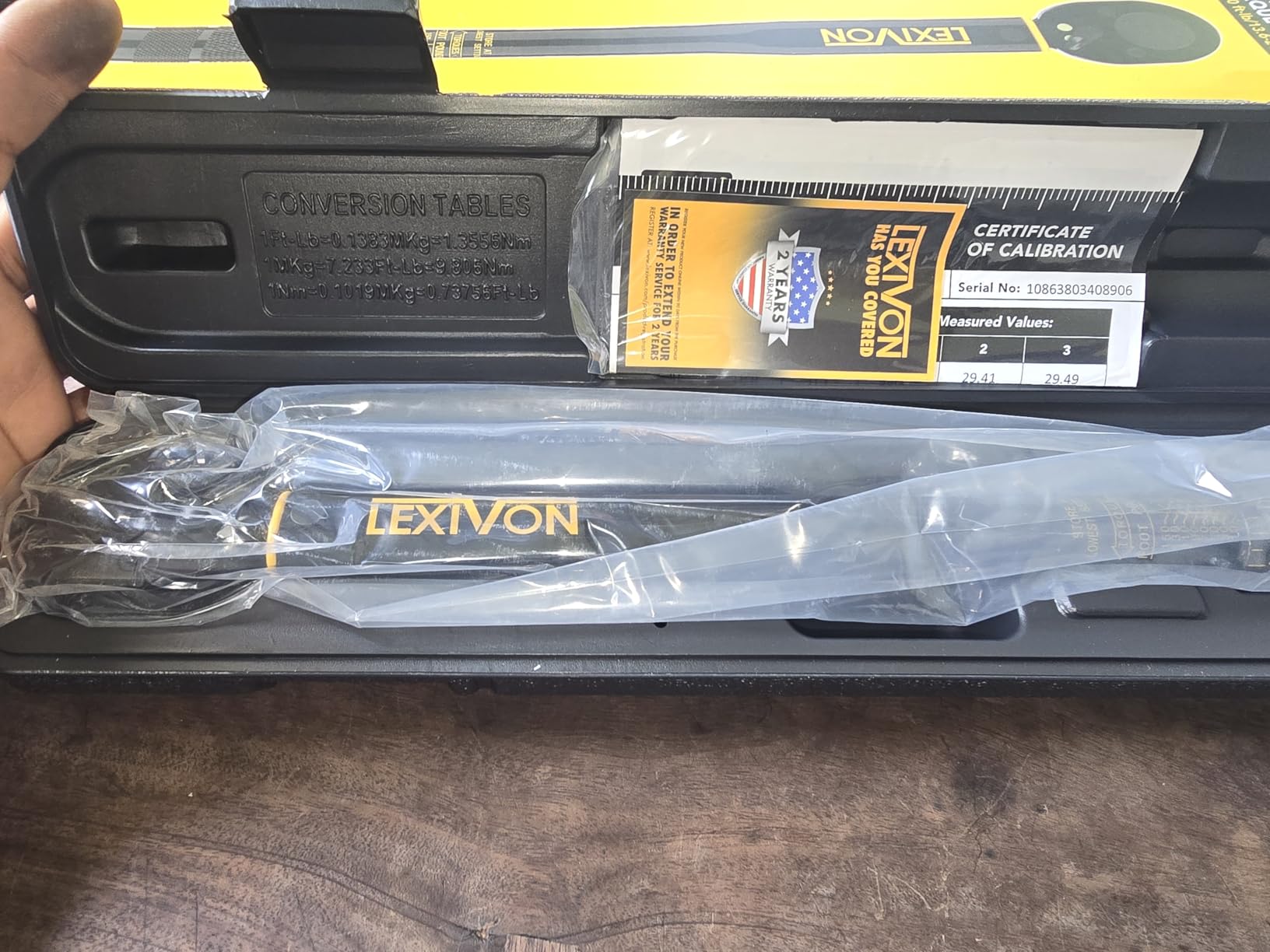
What separates it is paperwork. This one includes a calibration certificate carrying a traceable serial number, which almost nothing else under 100 dollars does. If you maintain your own vehicles or work on brakes and steering, that document turns an assertion into a reference point. It also holds the number one position in the torque wrench category with 12k+ reviews and a 4.7 rating, the highest average here, with 81 percent of owners giving five stars.
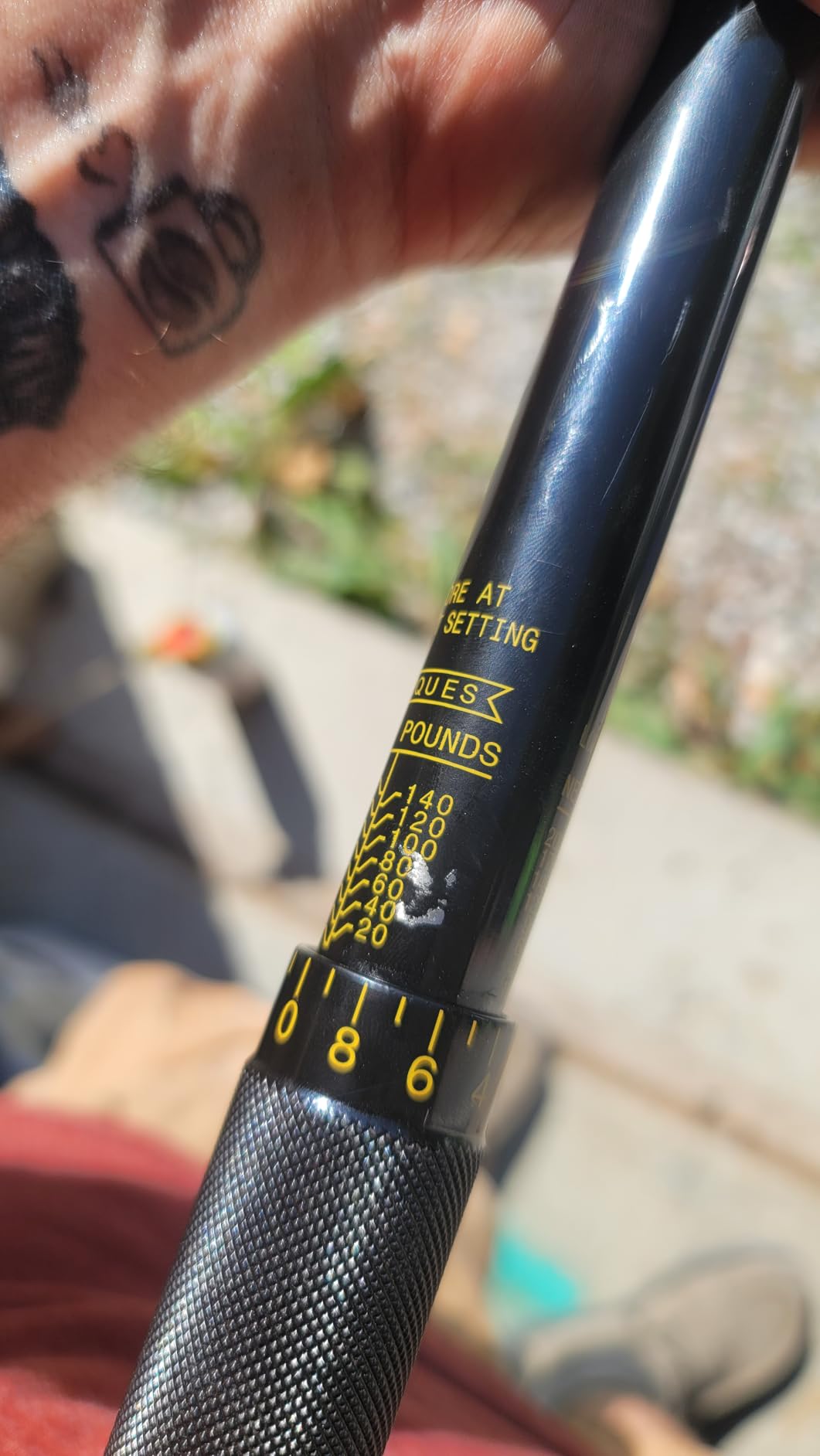
The scale is the other thing people notice. LEXIVON uses a patent-pending dual-range marking in yellow on black, and the contrast is noticeably better than the usual white-on-steel, particularly under a dim work light or with older eyes. The ratchet head is reversible, so you can drive the socket back off a bolt without resetting the wrench, but measurement happens clockwise only.
It is worth being clear about what that means in practice. Tightening is what the tool measures, and loosening a reverse-threaded or left-hand-threaded fastener can be over-torqued if you trust the click. The catalogue lists the same one-direction limitation for the smaller LEXIVON drives, so it is a family trait rather than a defect on this unit.
Why the certificate matters more than the rating
Accuracy claims are cheap to print. A calibration certificate with a serial number ties the tool to a specific instrument and a specific date, which means you have somewhere to start if the click starts drifting. Owners who test cheap wrenches against a shop reference usually find budget tools land within five to ten percent of it, which is inside the rated tolerance but not always inside it at the ends of the scale. Having the certificate lets you check that assumption rather than guess.
The electro-black finish also earns its place. Chrome plating on a budget wrench is the first thing to fail cosmetically and then functionally as it pits, while the electro-black coating on this model has held up well in owner photos taken months after purchase. If your wrench lives in a damp shed or an unheated garage, that difference shows up first.
Where it falls short
At 3 pounds and 17 inches, it is not a tool you will thread into a tight engine bay. For fuel rail work or anything buried between the engine and the firewall, the 14.5 inch EPAuto 3/8-inch or the 10.75 inch LEXIVON quarter-inch reaches where this one cannot. Buy it for wheel, brake and suspension work, where the length is an advantage because the leverage helps you feel the release.
The second limitation is again direction of measurement. If you work on bicycles with reverse-threaded components, or on older hardware where counterclockwise torque is common, add that to the list of reasons to look at the bidirectional option further down.
3. EPAuto 3/8-Inch Drive Click Torque Wrench – Best 3/8-Inch Starter
EPAuto 3/8-Inch Drive Click Torque Wrench 10-80 Ft-lb./ 13.6-108.5 Nm
10-80 ft-lb (13.6-108.5 N-m)
3/8 inch drive
Plus or minus 4% accuracy
Drive adapters both ways
Pros
- Compact 14.5 inch length reaches tight spaces
- Richer adapter kit than most rivals
- Case and extension bar included
- 10k+ reviews at 4.5 stars
Cons
- No calibration certificate shipped
- Clockwise torque measurement only
- Weak click at the very lowest settings
- Some quality variance between batches
The 3/8 inch drive is the most useful intermediate size for home mechanics, and this is the best of the three we tested in the category. At 14.5 inches and 1.1 kg it is short enough for engine bays and light enough to work all day, and its 10 to 80 ft-lb range covers head bolts, intake work, exhaust manifold nuts and most suspension fasteners on a compact car.
Where it beats the competition is the accessory package. It includes a 3/8 to 1/4 drive adapter, a 3/8 to 1/2 drive adapter and a 3/8 drive extension bar, plus a plastic storage case. That means you can start work on small hardware and step up to larger fasteners without buying a second wrench, which is exactly the gap that stops people from buying a second wrench at all.
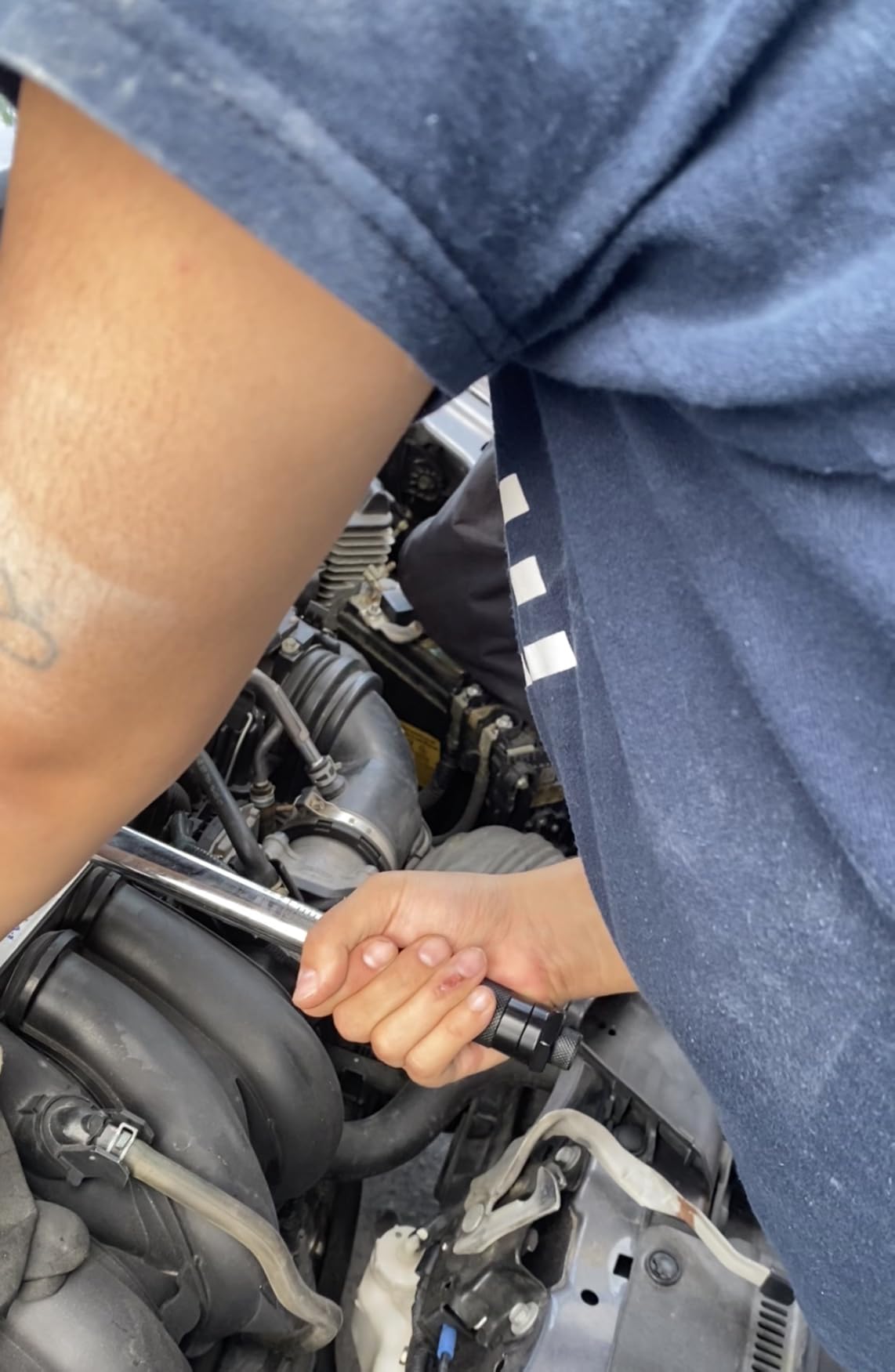
Owner feedback sits at 10k+ reviews and 4.5 stars, with a long-form review noting repeatable readings within one to two percent across the range on a good unit. Buyers commonly praise the compact size, the complete adapter kit and a click that is clearly felt through the handle. The head is hardened, heat-treated chrome vanadium steel with a fixed square drive, and the dual-range scale is high contrast.
There is honest variance in the reviews. Some buyers report cracked ratchet mechanisms under load, and a few note the click can be weak at the very lowest settings on the scale, which is the same low-end complaint that comes up across the whole budget category. The 5 percent one-star share is the second highest in this group, so treat this as a very good tool with a normal budget-quality distribution rather than a flawless one.
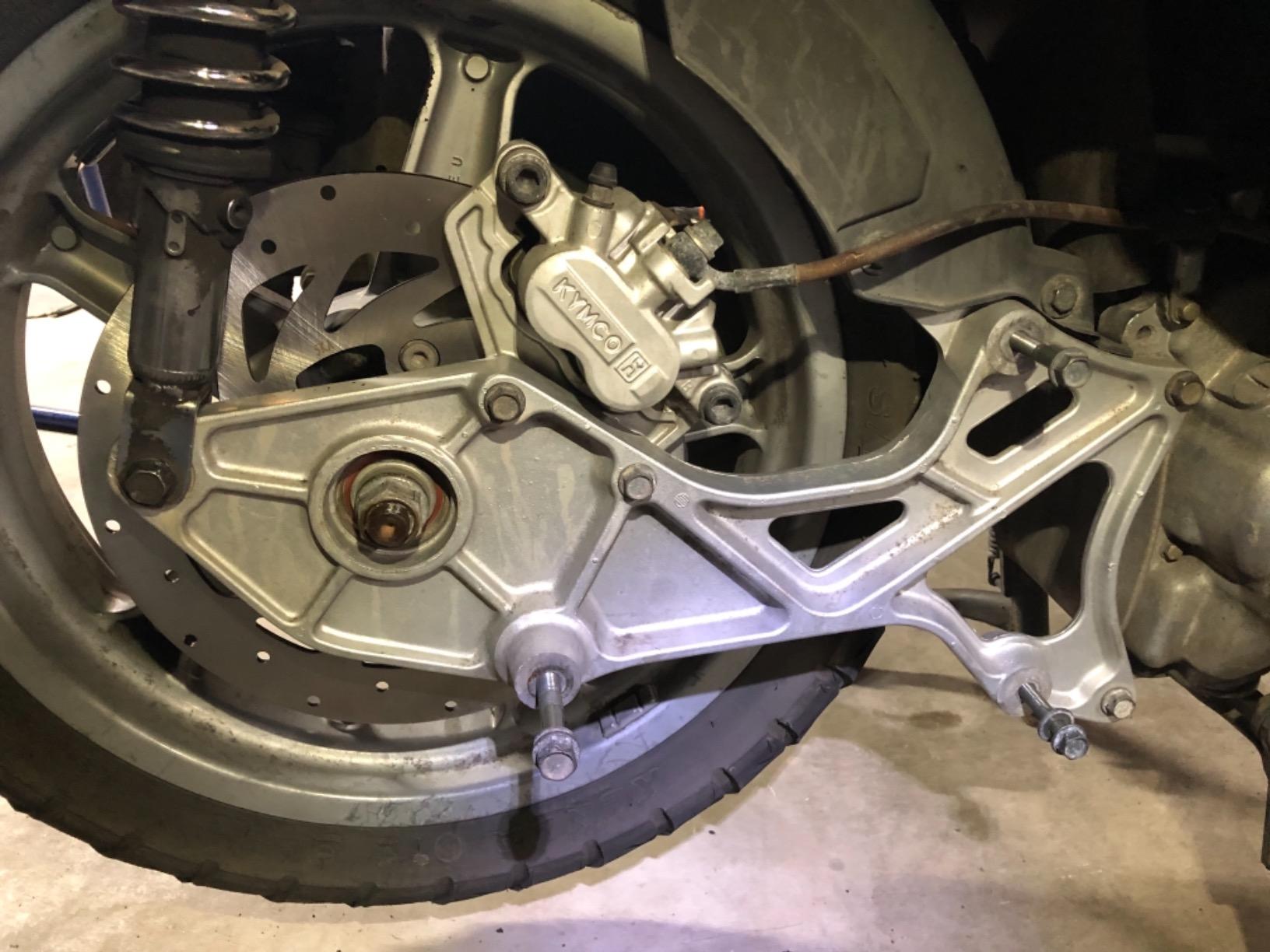
Why 3/8 inch covers more jobs than you expect
Drive size is really about the bolts you can reach and the torque you can apply, not just about which sockets fit. A 3/8 inch drive lands in the middle: it accepts most mid-size sockets, it works on a large share of motorcycle and car hardware, and its shorter handle reaches into the spaces a half-inch wrench will not. The 80 ft-lb ceiling is the limiting factor, since anything above that wants a half-inch drive.
With both adapters in the box, the practical range widens considerably. Run a 1/4 inch socket through the adapter for small fasteners, or a 1/2 inch socket on the other adapter when a job needs the extra strength. Our guide to torque wrenches for lug nuts covers the wheel-side details that this size handles well on smaller vehicles.
Where it falls short
The click at the bottom of the scale is the weak point. If your work sits between 10 and 20 ft-lb constantly, check the release on a known reference first, because that is where budget mechanisms are least reliable. The listing also states that torque function operates clockwise only, which is not spelled out as clearly as it should be.
A second caution: with no calibration certificate, some units need verifying on arrival. If you care about documentation, step up to a LEXIVON model in the same drive size, which costs a similar amount and comes with the paperwork.
4. LEXIVON LX-182 3/8-Inch Drive Click Torque Wrench – Best for Spark Plugs
LEXIVON 3/8-Inch Drive Click Torque Wrench 10~80 Ft-Lb/13.6~108.5 Nm (LX-182)
10-80 ft-lb (13.6-108.5 N-m)
3/8 inch drive
Plus or minus 4% with certificate
14.76 inch length
Pros
- Includes a calibration certificate with traceable serial number
- Scale readable in low light
- Hardened ratchet gear head
- Sensitive enough for low-torque work
- Snap-lock storage case
Cons
- Release feels like a bump stop on the small drive
- Metric scale uses decimal graduations
- Clockwise torque measurement only
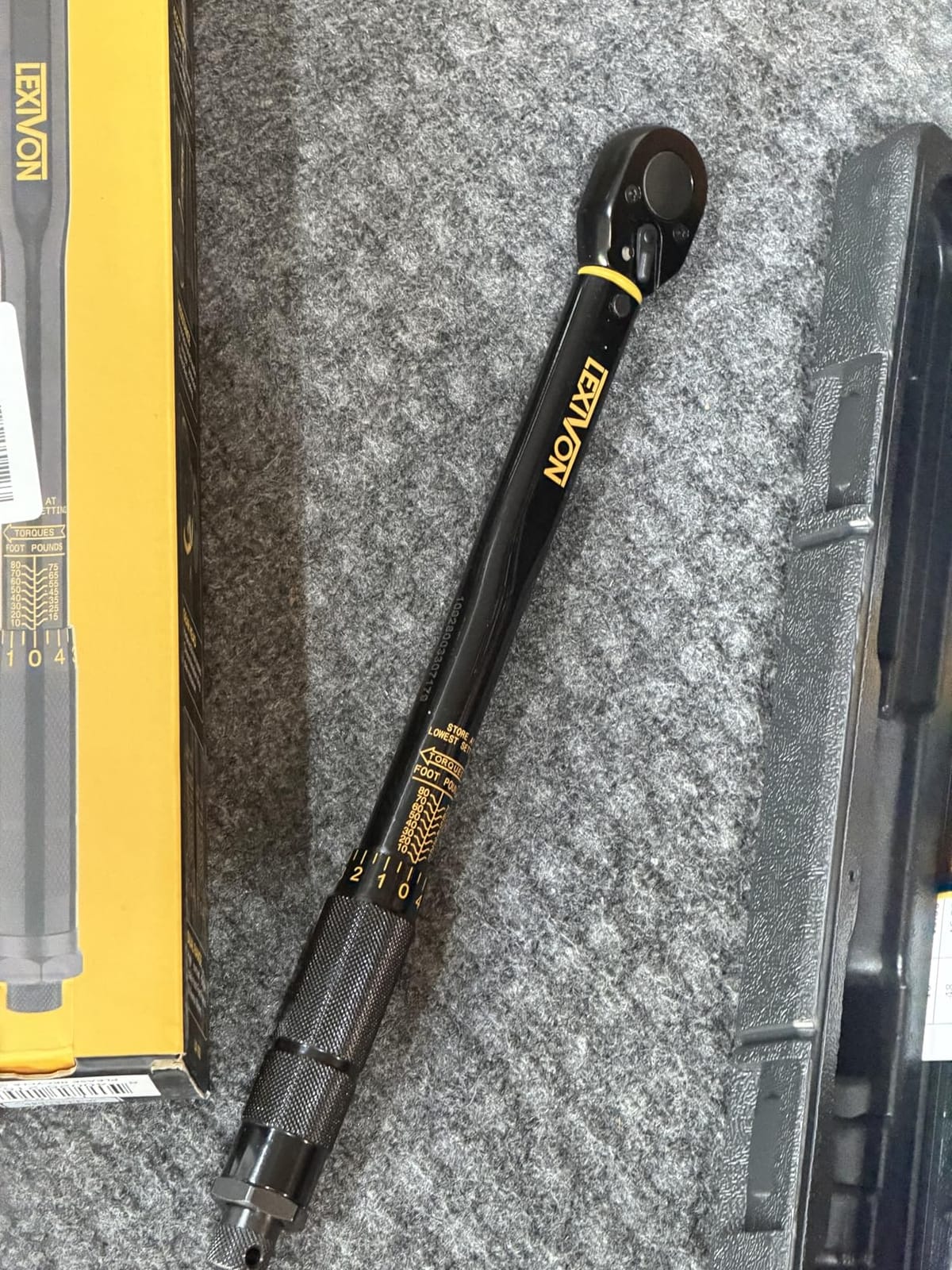
This is the same body as the half-inch LEXIVON scaled down to a 3/8 inch drive and a 10 to 80 ft-lb range. You get the electro-black finish, the yellow-on-black dual scale and, importantly, the calibration certificate with a traceable serial number. At 14.76 inches and 2.3 pounds it is a compact, well-balanced tool that sits nicely in the hand.
It holds the number one rank in the torque wrench category with 7.7k+ reviews at 4.5 stars, and 74 percent of owners hand out five stars. The recurring praise is about the scale legibility, the finish and the build quality, and several owners specifically say it is sensitive enough for spark plug work, which lands in the low end of the range.
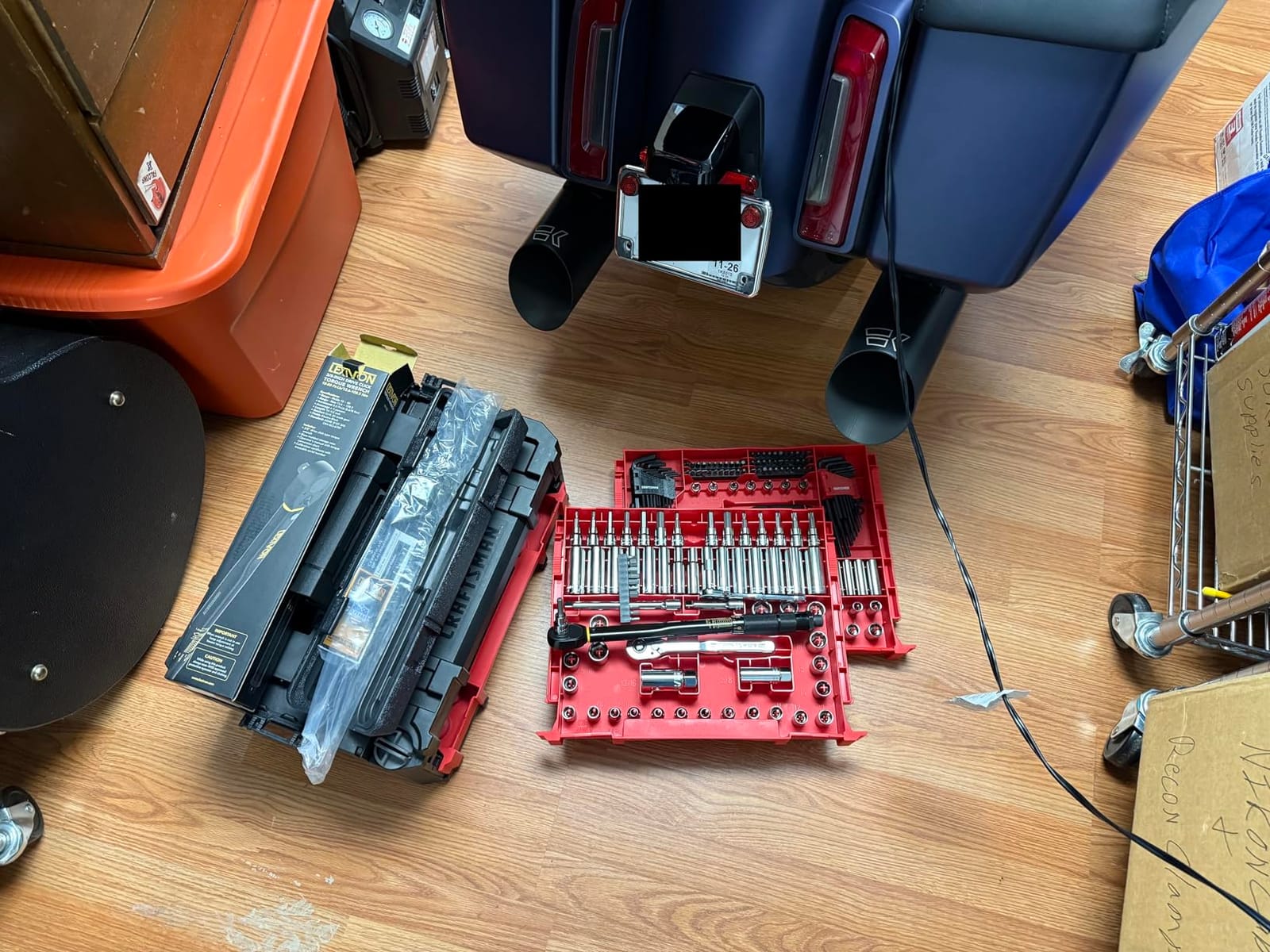
The ratchet head is a reinforced gear in hardened, heat-treated chrome vanadium alloy, and it is reversible so you can back a socket off without resetting. As with the rest of the family, torque measurement itself is clockwise only. A snap-lock storage case is included, which matters more than it sounds when the tool has to live in a car rather than on a bench.
The gripes are consistent enough to plan around. First, on the smaller drives the release feels more like a bump stop than a sharp audible click, so you need to pay attention to the tactile break rather than listening for it. Second, the metric scale is graduated in decimals rather than round numbers, which makes metric settings slightly awkward to dial in if you work in N-m.
Why the certificate and the scale beat the alternatives
For a spark plug or a small engine bolt, you are working near the bottom of the range, which is exactly where accuracy claims get thinnest. Having a serial-numbered certificate lets you verify the tool on arrival against a known reference and know whether the low end is honest before you depend on it. Buyers report the certificate is the reason they came back to the brand for a second size.
The high-contrast scale matters more on this model than on the larger one. Small fasteners, small numbers, and often a dark garage or a phone light clamped to your jaw. Yellow on black is the easiest combination here to read quickly, and reviewers with older eyes single it out as the reason they stopped squinting.
Where it falls short
The 80 ft-lb ceiling is the practical limit. Frame and subframe bolts, head bolts on a larger engine and many suspension fasteners want more than this wrench can deliver, and forcing it past its range is how mechanisms get damaged. If your work regularly exceeds 80 ft-lb, budget for a half-inch model instead of stretching this one.
You will also want a good grip on the release rather than relying on sound. The bump-stop feel is normal for small-drive budget wrenches, but it means you should practice the feel a few times on a known fastener before trusting it on something you cannot replace cheaply.
5. Amazon Basics 3/8-Inch Drive Click Torque Wrench – Budget Pick
Amazon Basics 3/8-inch Drive Click Torque Wrench Ratchet, 15-80 ft.-lb, 20.4-108.5 Nm
15-80 ft-lb (20.4-108.5 N-m)
3/8 inch drive
Plus or minus 4% accuracy
Polished chrome finish
Pros
- Lowest cost in this roundup
- Full 15-80 ft-lb range for the money
- Polished chrome finish wipes clean
- Storage case included
- Clear lock-ring handling guidance
Cons
- Lowest rating here at 4.3 stars
- 11 percent one-star reviews
- No calibration certificate
- Fixed square drive blocks counterclockwise work
This is the cheapest tool on the list and the one to buy when the budget is genuinely tight. It still covers 15 to 80 ft-lb, which is a 65 ft-lb spread on a 3/8 inch drive, and the ratchet head is hardened, heat-treated chrome vanadium steel. At 15.55 inches and just over a kilogram, it is the lightest half-drive-class tool here.
It holds a 4.3 rating across 3.8k+ reviews with 70 percent five-star. Buyers credit the ratchet head, the bright polished chrome finish that wipes clean and resists rust, and the included plastic case. The instruction sheet also spells out the lock-ring procedure clearly, which is genuinely useful because that ring is the part people misuse most.
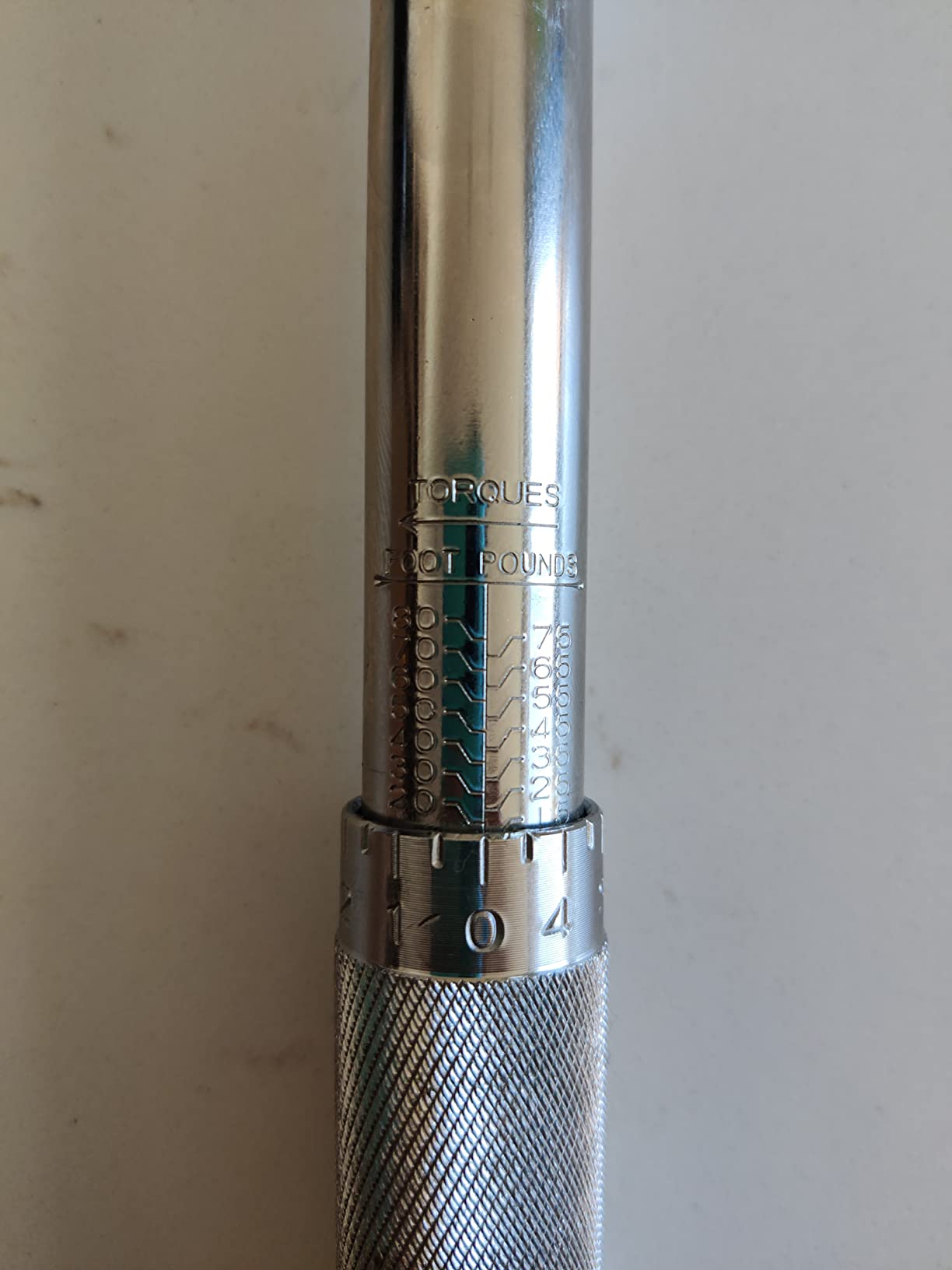
Being straight about it: this is also the lowest-rated tool in the group, and the 11 percent one-star share is the highest here by a wide margin. Those reviews cluster around entry-level accuracy and durability complaints. If you only need the tool occasionally, for a weekend project or seasonal work, that is an acceptable trade. If you are about to torque wheel studs, the rating gap is not worth the saving.
The fixed square drive means the ratchet cannot be reversed, so the tool tightens and loosens with the same direction of operation and has no counterclockwise ratcheting. It also stores at the lowest setting, which is the right habit, but the setting drifts if you move the collar without unlocking and re-locking it as directed.
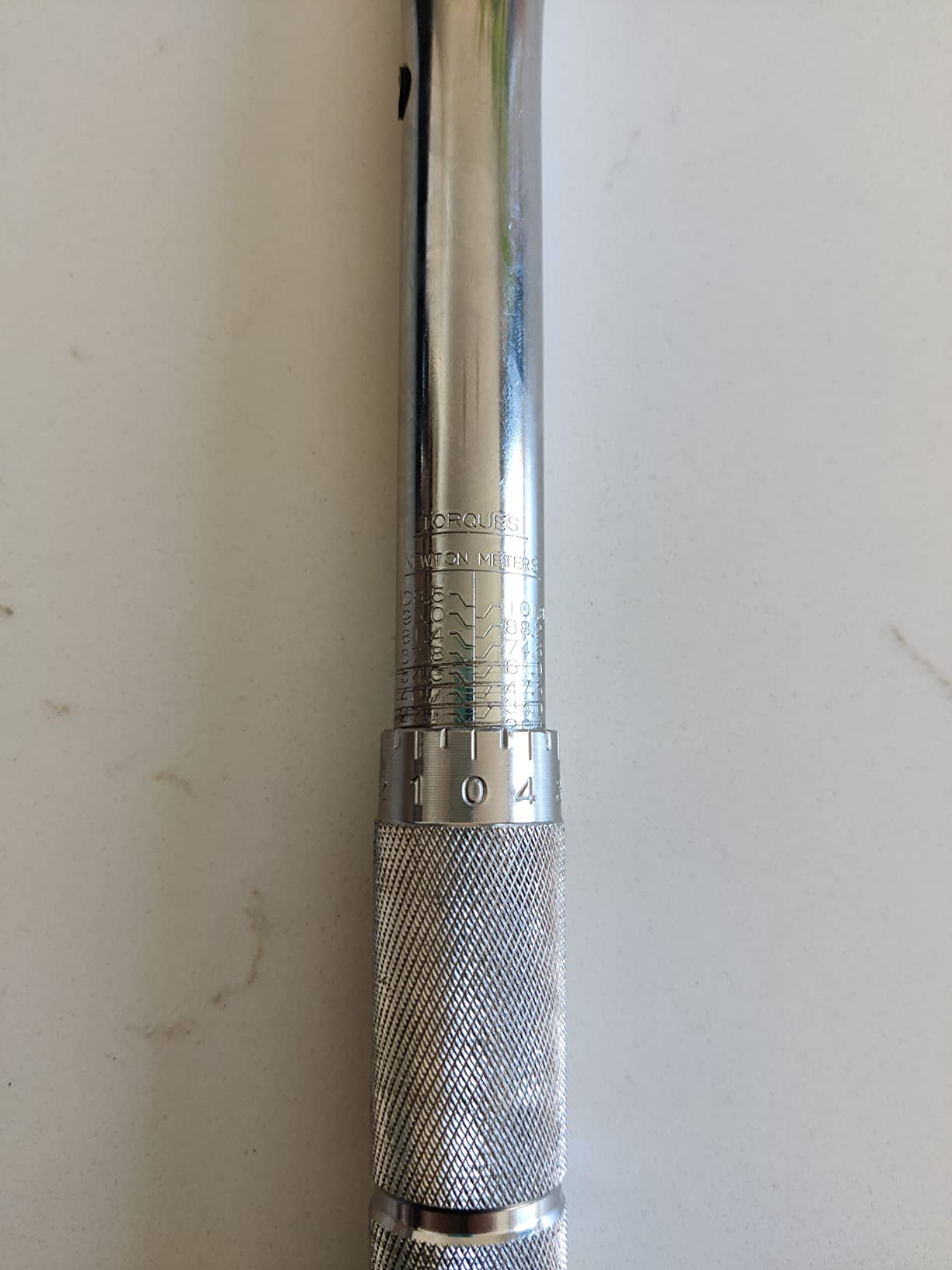
When spending less is the right call
There are honest reasons to buy this one. If you are equipping a rental property, a student workshop or a first tool bag and the wrench will live in a drawer, this covers a real range at the bottom of the budget. The 15 to 80 ft-lb window suits general maintenance on smaller vehicles, and the included case means it will not rattle around loose with your sockets.
It is also a reasonable second wrench. If your primary tool is a quarter-inch inch-pound model, a 3/8 inch click covering 15 to 80 ft-lb fills the gap for fasteners that are too large for the small drive. Two wrenches is a common recommendation in DIY circles precisely because one tool rarely covers both ends of a range.
Where it falls short
Accuracy is the first concern. There is no calibration certificate, and the listed tolerance of plus or minus 4 percent is a factory claim with nothing behind it. For non-critical fasteners that is fine. For anything safety-related, buy a tool that comes with proof.
Build durability is the second. The fixed drive and lighter steel mean it is the least substantial of the three 3/8 inch click wrenches here, and the rating distribution shows it. Treat it as an occasional-use tool and inspect the click periodically rather than trusting it indefinitely.
6. CRAFTSMAN 1/2-Inch Drive Torque Wrench – Best High-Torque Pick
CRAFTSMAN Torque Wrench, 1/2″ Drive, 50-250 FT-LB (CMMT99434)
50-250 ft-lb (68-339 N-m)
1/2 inch drive
Meets ASME specifications
29.65 inch length
Pros
- Tied highest rating here at 4.7 stars
- Meets or exceeds ASME specifications
- Scales stamped into the housing
- Bi-material handle for grip comfort
- Durable case included
Cons
- Very long at 29.65 inches
- 50 ft-lb floor rules out small fasteners
- Fixed square drive restricts counterclockwise work
- Heaviest and bulkiest tool here
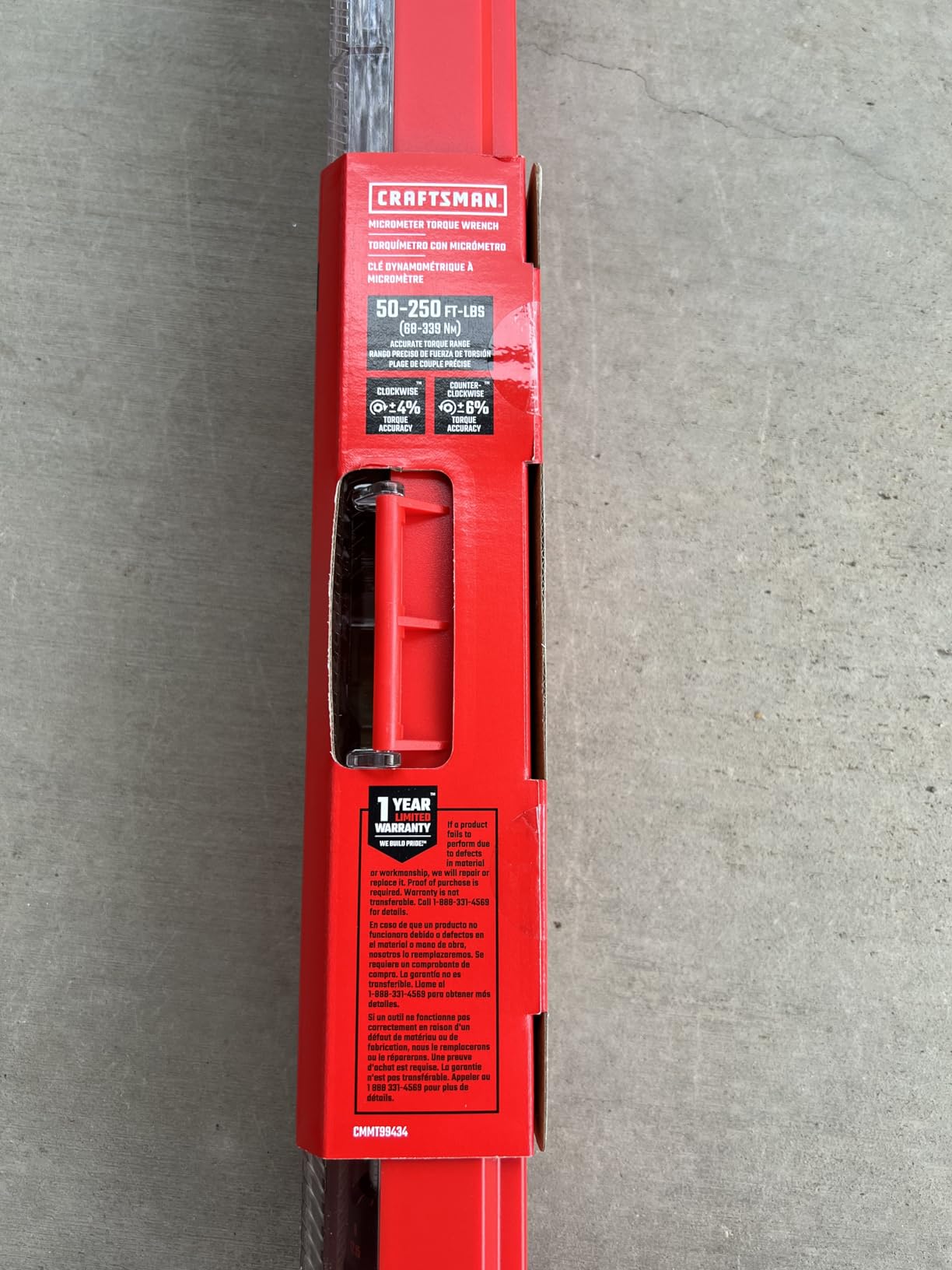
This is the only wrench on the list that reaches real heavy-duty territory. It spans 50 to 250 ft-lb, or 68 to 339 N-m, on a 1/2 inch drive, and it meets or exceeds ASME specifications. That range covers the high-torque fasteners on trucks, trailers and heavy SUVs, which every other tool here is simply too light to touch.
It also ties for the highest rating in the group at 4.7 stars, with 85 percent five-star reviews and only 3 percent one-star, across 3k+ reviews. That is a remarkably clean distribution for a tool in this bracket, and it reflects the brand name rather than a surprise.
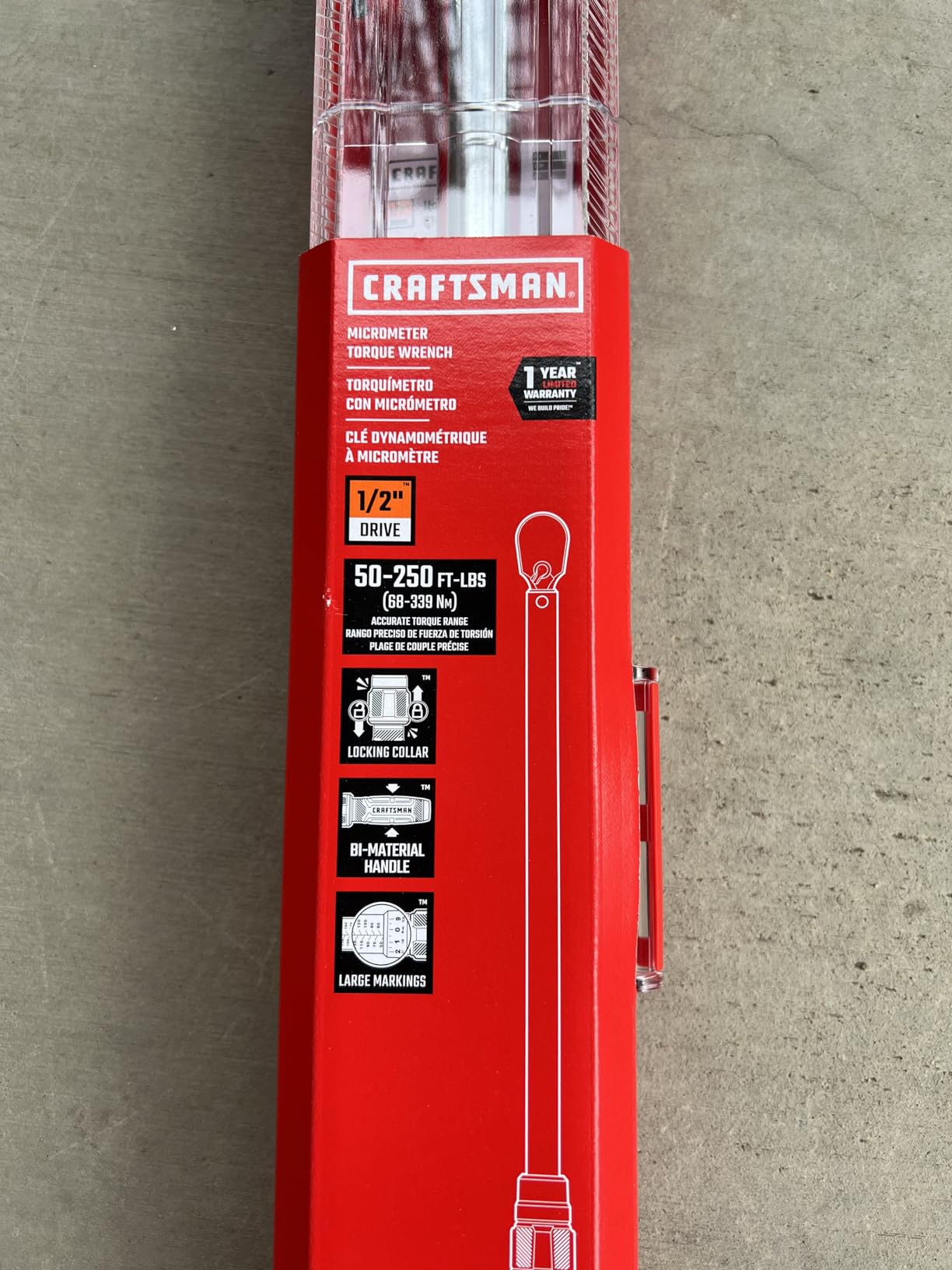
The detail I like most is that the scales are stamped into the housing rather than printed or laser-etched. Once the paint wears through, which owners say happens eventually, the numbers are still there and still readable. On budget tools, printed markings are the first casualty of a year in a workbench and the reason a wrench quietly becomes inaccurate because you cannot read the setting.
The bi-material handle improves comfort and grip, the quick-adjust locking feature sets the value quickly and stably, and a durable case is included for storage or transport. The 1/2 inch drive is the right choice here because the higher torque needs the strength and the leverage.
Why stamped scales matter on a long-term tool
Accuracy is only as good as the setting you can read. A worn laser print on a drive-through-wrench-washing job is how a calibrated tool becomes an uncalibrated one without anyone noticing. Stamped scales survive that, which means a ten-year-old tool of this type is still readable and still trustworthy if the mechanism is sound.
The other reason to respect the ASME specification claim is that it gives you a reference standard to point at. Combined with the 4.7 rating and the 85 percent five-star share, this is the most conservative purchase in the roundup for anyone whose work regularly exceeds 150 ft-lb.
Where it falls short
Length is the real trade-off, and it is severe. At 29.65 inches this is the longest tool on the list by a wide margin, and that length is a genuine problem in a crowded engine bay or between a motor and a firewall. It is a wrench for open spaces: under a truck, on a lift, on a frame.
The 50 ft-lb floor is the second limitation. Anything lighter than that, from small hardware to electronics, is outside its window, so it cannot replace a general-purpose wrench. The fixed square drive also rules out counterclockwise ratcheting. Many owners pair it with a smaller model for exactly this reason.
7. CRAFTSMAN 3/8-Inch Drive Torque Wrench – Best Compact 3/8-Inch
CRAFTSMAN Torque Wrench, 3/8″ Drive (CMMT99433)
3/8 inch drive rated to 100 ft-lb
Meets ASME specifications
Stamped dual scales
17.2 inch length
Pros
- 4.6 stars with 81 percent five-star ratings
- Meets or exceeds ASME specifications
- Stamped inch and metric scales
- Bi-material handle for comfort
- 17.2 inch length suits tight spaces
Cons
- Fewer reviews than the larger CRAFTSMAN
- Fixed square drive limits counterclockwise work
- No replacement parts offered if it fails
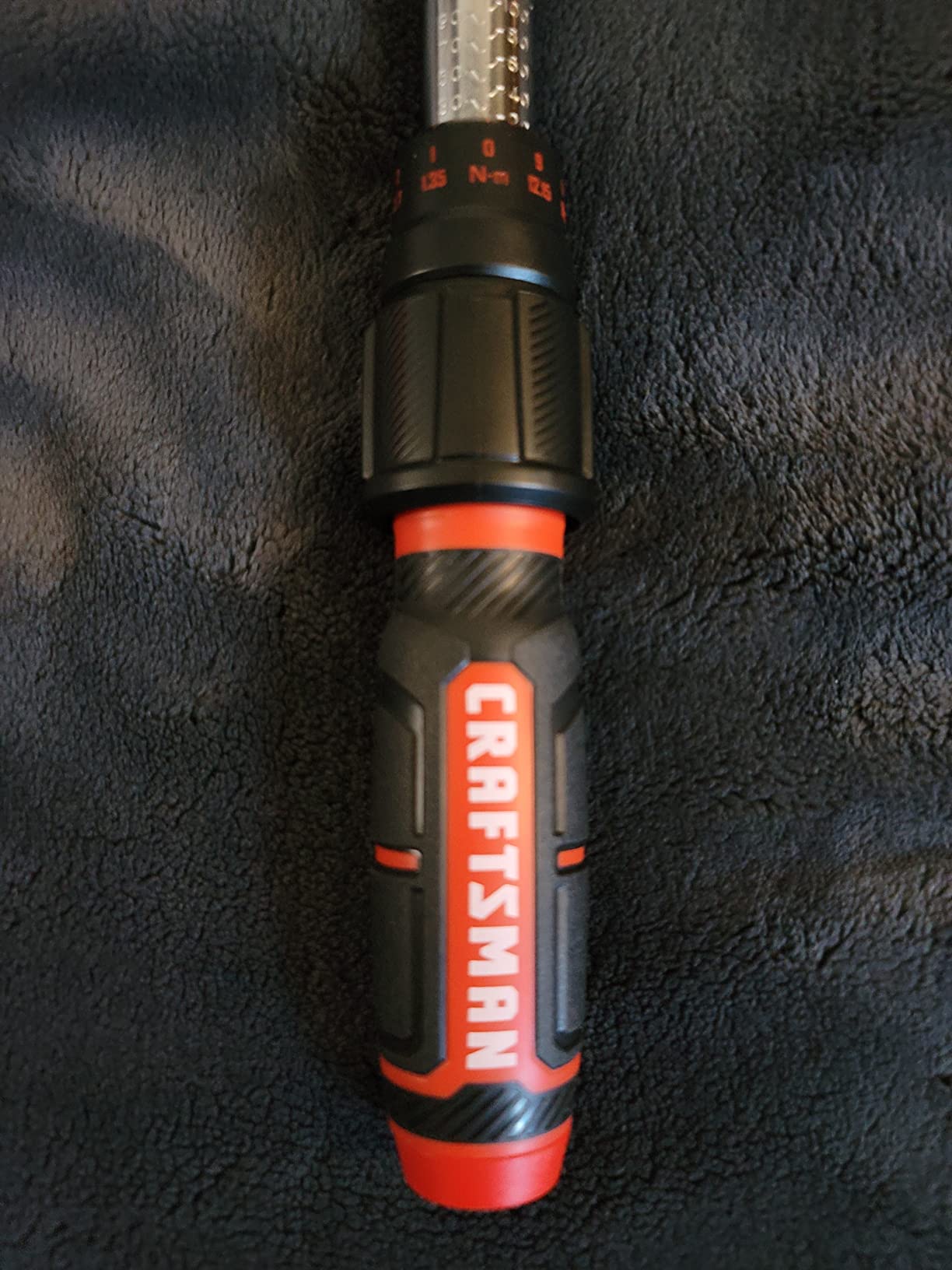
The smaller CRAFTSMAN is the same design philosophy at a size that works for most people. It is a 3/8 inch drive micrometer torque wrench rated to 100 ft-lb, 17.2 inches long, meeting or exceeding ASME specifications with inch and metric scales stamped into the housing. At that length it is far more maneuverable than the nearly 30 inch half-inch model in the same family.
It carries a 4.6 rating across 1.7k+ reviews with 81 percent five-star and no two-star reviews at all. The quick-adjust locking feature makes setting the value fast, and the bi-material handle is the same comfortable grip as the larger wrench.
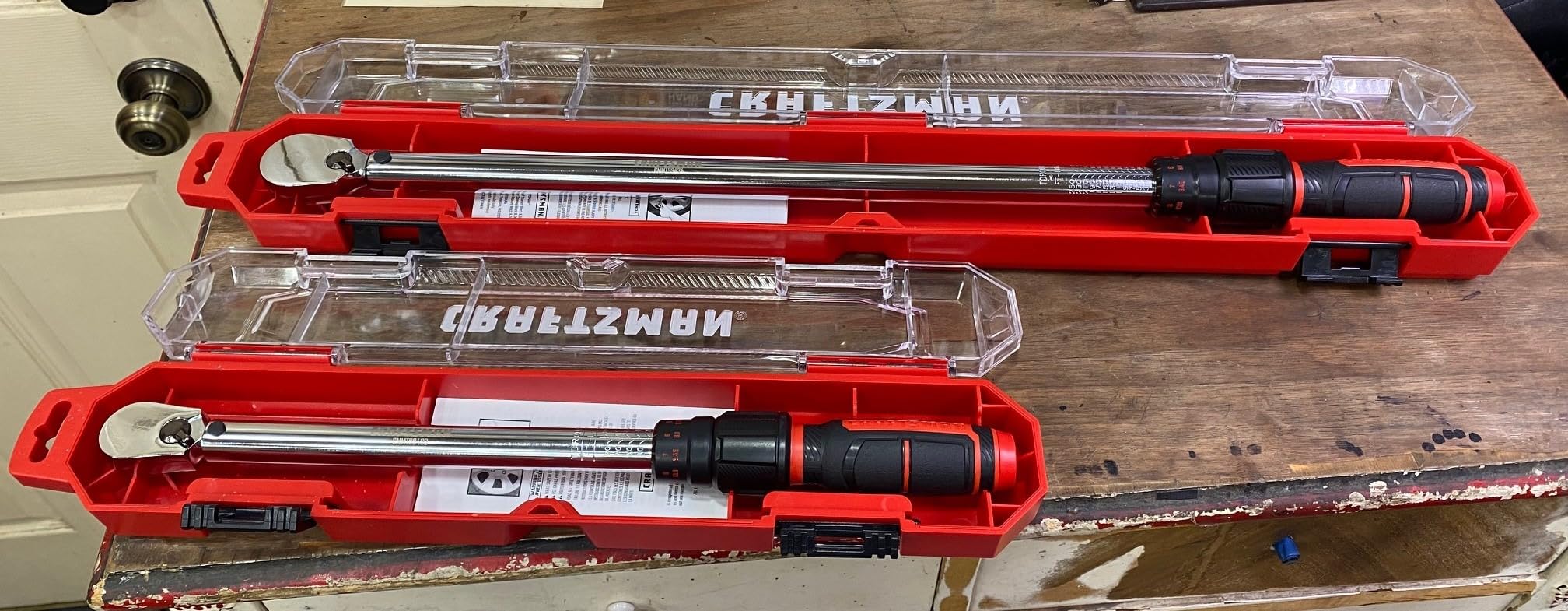
Compared with the click wrenches earlier in the list, the main difference is the micrometer feel of the adjustment. You rotate the handle to accumulate torque rather than turning a collar against a scale, which many mechanics find faster once you get used to it and which holds the setting more positively under load.
The honest limitation is the review base. 1,742 reviews is small next to the 23k on the EPAuto or the 12k on the LEXIVON half-inch, so the rating is a thinner signal. Owners also mention that replacement parts are not readily available if the mechanism fails, which is a long-term availability consideration for a tool you might own for a decade.
Why this size is the most versatile of the three CRAFTSMAN options
A 100 ft-lb rated 3/8 inch drive is the sweet spot for the majority of home work. It reaches higher than the 80 ft-lb click wrenches without the 29 inch length of the half-inch model, and the stamped dual scales mean you can set either ft-lb or N-m without squinting at a printed line. For most garages, that is the single most useful combination on this list.
It is also the pick I would make for someone who values a readable scale over a loud click. The micrometer adjustment is continuous rather than stepped, and the numbers are stamped, so both setting and reading stay dependable over a long ownership.
Where it falls short
The fixed square drive limits counterclockwise work, which is the same limitation as the larger CRAFTSMAN and the Amazon Basics model. If you regularly work reverse-threaded hardware, look at a bidirectional wrench instead.
The 100 ft-lb rating is also a cap rather than a stated range in the listing, so check your highest expected spec before committing. And with the smallest review base here, verify the click against a known reference when it arrives.
8. Hairich 1/2-Inch Drive Torque Wrench – Best Bidirectional Pick
Hairich torque wrench 1/2, 10-170ft.lb/13.6-230Nm, ±3% HIGH PRECISION
10-170 ft-lb (13.6-230.5 N-m)
1/2 inch drive
Plus or minus 3% accuracy
72-tooth 5-degree ratchet
Pros
- Tightest stated accuracy at plus or minus 3%
- Measures torque clockwise and counterclockwise
- 72-tooth ratchet with 5-degree arc
- Calibration certificate plus box and manual included
- 24-month warranty
Cons
- Click is faint below roughly 5 N-m
- Laser-printed scale can wear with heavy use
- Newer listing with a smaller review base
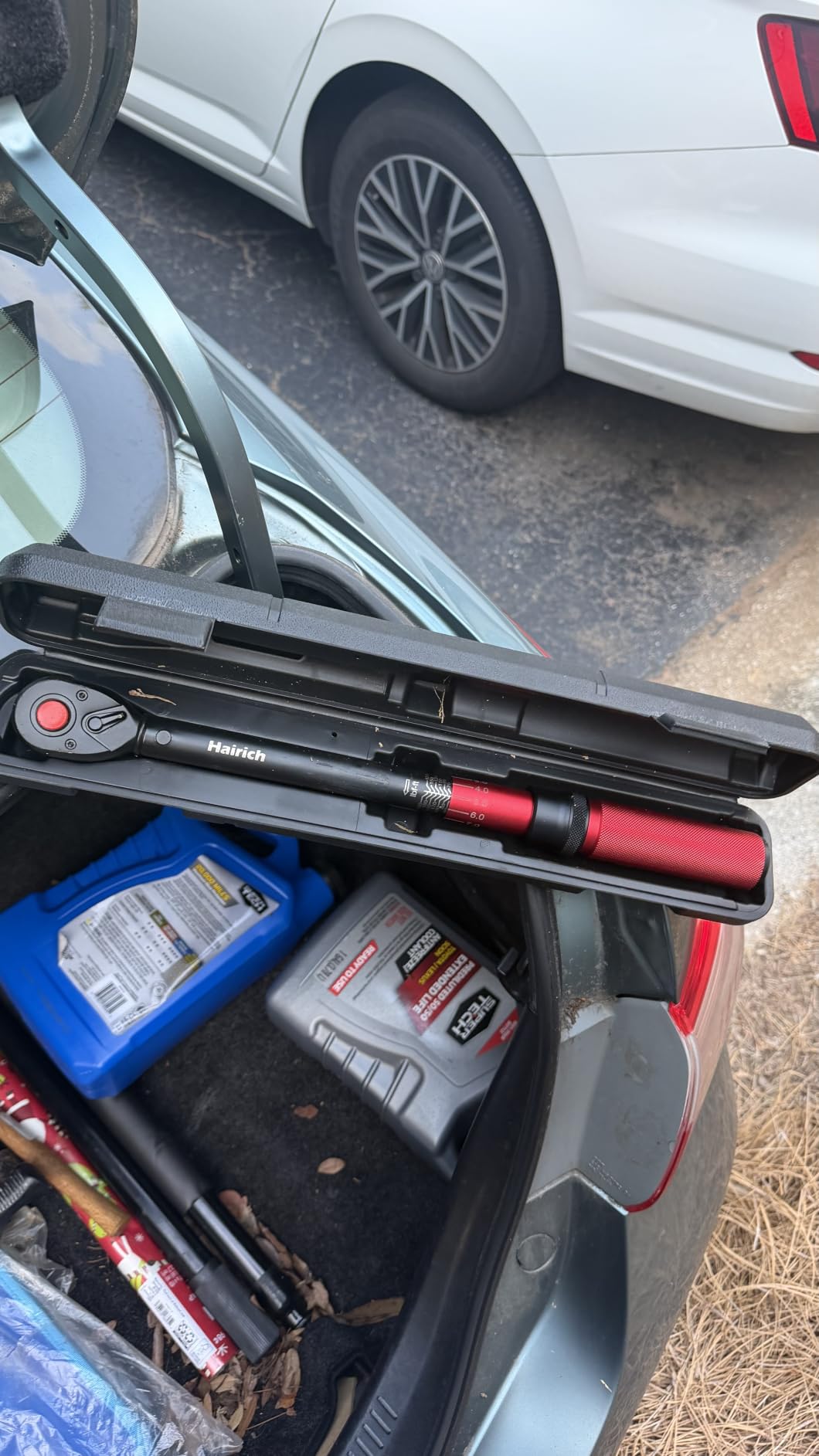
Specs-wise, this is the most capable wrench in the roundup. It covers 10 to 170 ft-lb, or 13.6 to 230.5 N-m, on a 1/2 inch drive, with a stated calibration error of plus or minus 3 percent and a serial number for traceability. No other mechanical tool here claims tighter than plus or minus 4 percent; only the digital ACDelco is measured more tightly.
It is also the only one here that measures torque in both directions. The ratchet head is bidirectional, so counterclockwise tightening on reverse-threaded fasteners is measured properly rather than silently ignored. The head is a 72-tooth ratchet with a 5 degree ratcheting arc and a quick-release button for loading sockets, which is exactly what you want in a confined engine bay.
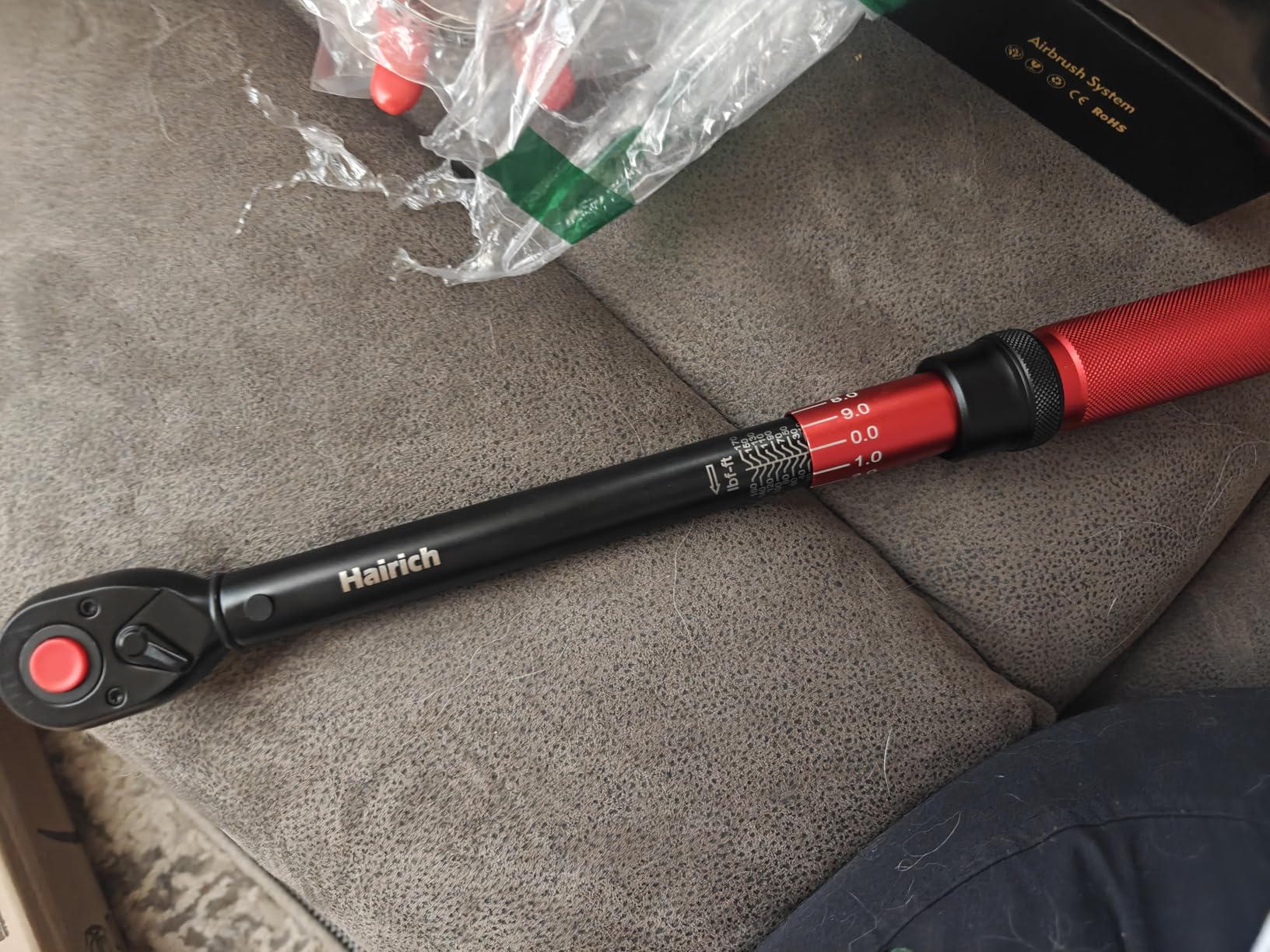
Owner feedback at 1.5k+ reviews and 4.6 stars includes some interesting scrutiny. Buyers with metrology backgrounds are candid that this is not in the Snap-on or CDI class, while still describing the fit and finish as unusually good for the money, and one describes a convincing arm test against a vintage beam wrench. A separate buyer reports the support team resolved a low-setting accuracy issue quickly and professionally under the 24-month warranty.
The box includes a calibration certificate, a storage box and a manual. The handle is a knurled aluminum titanium alloy rather than plain steel, and the dual-range scale is laser-printed in ft-lb and N-m.
Why the 5 degree ratchet arc changes your workflow
Ratchet tooth count is not a spec-sheet curiosity. A 24-tooth head needs fifteen degrees of swing per click, a 72-tooth head needs five. In a space where you can only move the handle a few degrees at a time, that difference decides whether the tool is usable or whether you are reassembling a bracket to get more room.
This wrench, and the EPAuto half-inch, are the two here built for that situation. The quick-release button also means you can drop a socket without fighting a ball detent with gloves on, which sounds minor until you have done it under a car.
Where it falls short
The click is faint below roughly 5 N-m, and that caveat comes from both the maker and buyers. On small-fastener work at the bottom of the scale, you need to feel the break rather than hear it, and one buyer reports the tool not reading accurately at lower settings. If your work sits mostly under 20 ft-lb, a dedicated inch-pound wrench is the better tool.
The laser-printed dual-range scale can wear off with heavy use, which is the opposite of the stamped CRAFTSMAN scales, and the listing is newer with a smaller review base. Check the click on arrival.
9. ACDelco ARM601-4 1/2-Inch Digital Torque Wrench – Best Digital
ACDelco ARM601-4 1/2” (14.8 to 147.5 ft-lbs.) Heavy Duty Digital Torque Wrench with Buzzer and LED Flash Notification – ISO 6789 Standards with Certificate of Calibration
14.8-147.5 ft-lb (20-200 N-m)
1/2 inch drive
2% clockwise 3% counterclockwise
NIST-traceable certificate
Pros
- Real-time ft-lb and Nm readout
- Buzzer plus LED flash at target torque
- Peak and Trace modes log maximum torque
- Meets ASME B107.14.14 and ISO 6789
- NIST-traceable certificate of calibration
Cons
- Very short auto-off timer interrupts setup
- Heavy battery drain even when idle
- Alarm cannot be set below roughly 10 ft-lb
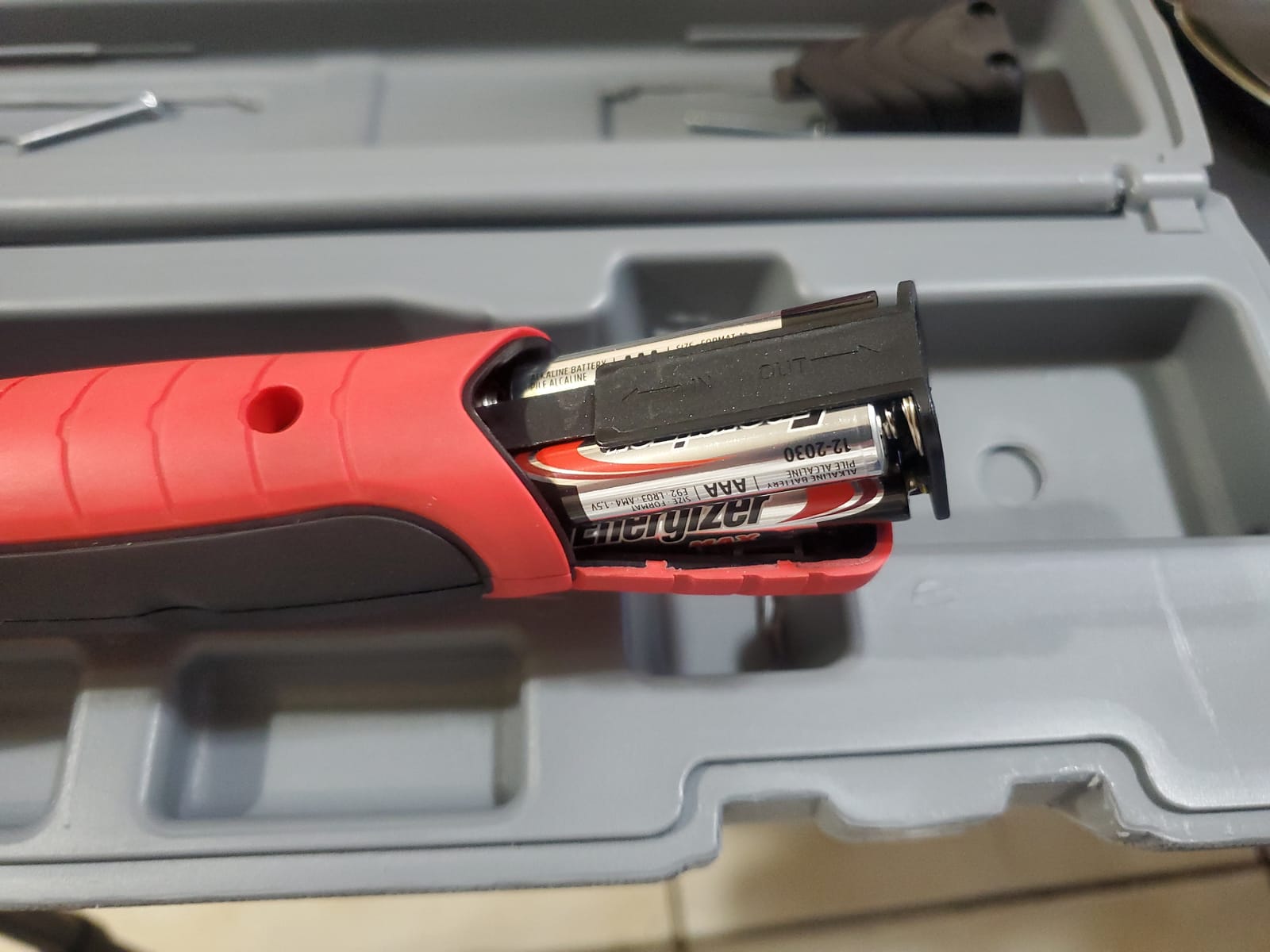
- Requires 4 AAA batteries
- not included
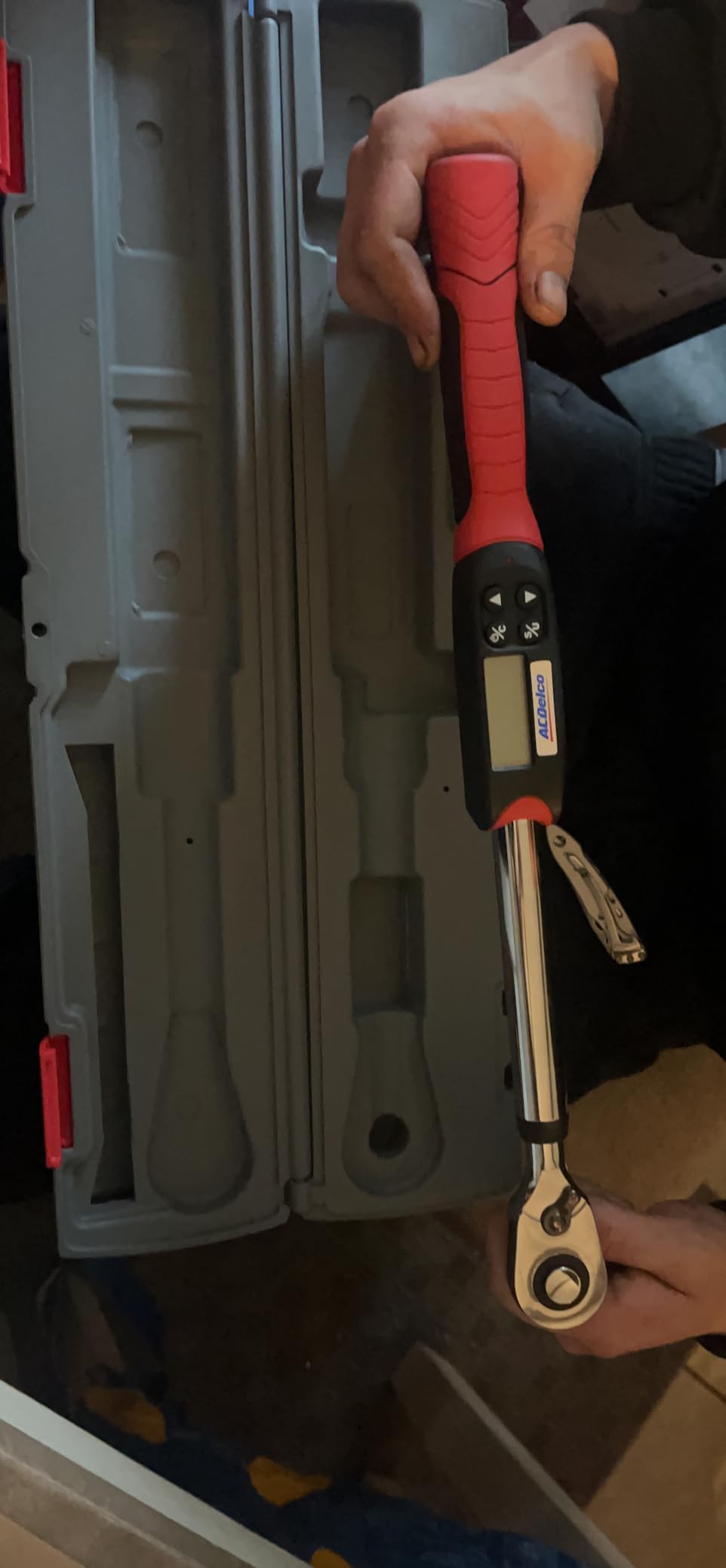
This is the only digital wrench in the roundup, and it changes how the job feels. Instead of setting a value and listening for a release, you watch the number climb in real time in both ft-lb and Nm, and the tool buzzes and flashes an LED when you reach your target. For anyone who has misread a scale in poor light, that is worth a lot.
It measures 14.8 to 147.5 ft-lb, or 20 to 200 Nm, with accuracy of 2 percent clockwise and 3 percent counterclockwise of the indicated value, held from 20 percent to 100 percent of full scale. It meets or exceeds ASME B107.14.14-2004 and ISO 6789, and each unit is individually serialized with a certificate of calibration traceable to NIST. That is real documentation, and it is the reason this tool still fits under the ceiling.
Peak and Trace modes log the maximum torque reached, which solves a genuine problem: working over a wheel well where you cannot see the display. The buzzer plus LED flash combination is genuinely useful in a noisy engine bay, and the lightweight composite housing with a soft grip reduces fatigue over a long session. A hard-shell case and manual are included.
The dominant complaint is the auto-off timer, and it is severe. It is short enough that the tool shuts down during setup, and restarting means removing and reseating the battery pack, which is impractical under a car. Owners also report heavy drain even when the display is idle, and the alarm cannot be set below roughly 10 ft-lb even though the meter reads down to 4 ft-lb.
There are also documentation and power gaps. The instructions do not match the actual functions and omit the CR2032 battery compartment, and it takes 4 AAA batteries that are not included. It carries a one-year limited warranty, the shortest here, and a 4.4 rating across 1.4k+ reviews with 8 percent one-star.
When a digital readout genuinely beats a click wrench
Three situations. First, anywhere you cannot hear the release clearly, which is most engine bays with a running engine. Second, when you are assembling something repeatedly and want to see the actual number rather than trust a mechanism. Third, when the fastener is reverse-threaded or left-hand threaded, because this tool measures counterclockwise as well as clockwise, unlike every mechanical click wrench in this list.
Its accuracy figures are the tightest here too, at 2 percent clockwise and 3 percent counterclockwise, validated across most of the scale with NIST-traceable documentation. For a safety-critical fastener, that combination of measured accuracy and paperwork is the strongest in the roundup.
Where it falls short
The auto-off timer is the dealbreaker for a lot of people, and it is a design choice rather than a fault. If you plan to work on a car outdoors, carry a spare set of AAA batteries and expect to wake the tool up more than once per job. Heavy idle drain compounds that.
The other limits are practical. The alarm floor of roughly 10 ft-lb rules out delicate low-torque work, the missing batteries mean an extra purchase before first use, and the 44 cm length is longer than most of the click wrenches here. At 3.9 pounds it is also the heaviest tool on the list.
10. LEXIVON LX-181 1/4-Inch Drive Inch-Pound Torque Wrench – Best for Bikes and Small Fasteners
LEXIVON Inch Pound Torque Wrench 1/4-Inch Drive | 20~200 in-lb/2.26~22.6 Nm (LX-181)
20-200 in-lb (2.26-22.6 N-m)
1/4 inch drive
Plus or minus 4% with certificate
10.75 inch length
Pros
- Only inch-pound wrench in the set
- Shortest tool here at 10.75 inches
- Includes a calibration certificate
- Electro-Black rust-resistant finish
- High-contrast yellow-on-black scale
Cons
- Clockwise torque measurement only
- Small-drive release feels like a bump stop
- Metric scale uses decimal graduations
Here is the gap most car-focused roundups leave open. A 1/2 inch drive torque wrench cannot physically reach a bicycle bottom bracket bolt, a stem cap or a seat clamp, and its scale starts far above the torque those fasteners need. This wrench fills exactly that hole.
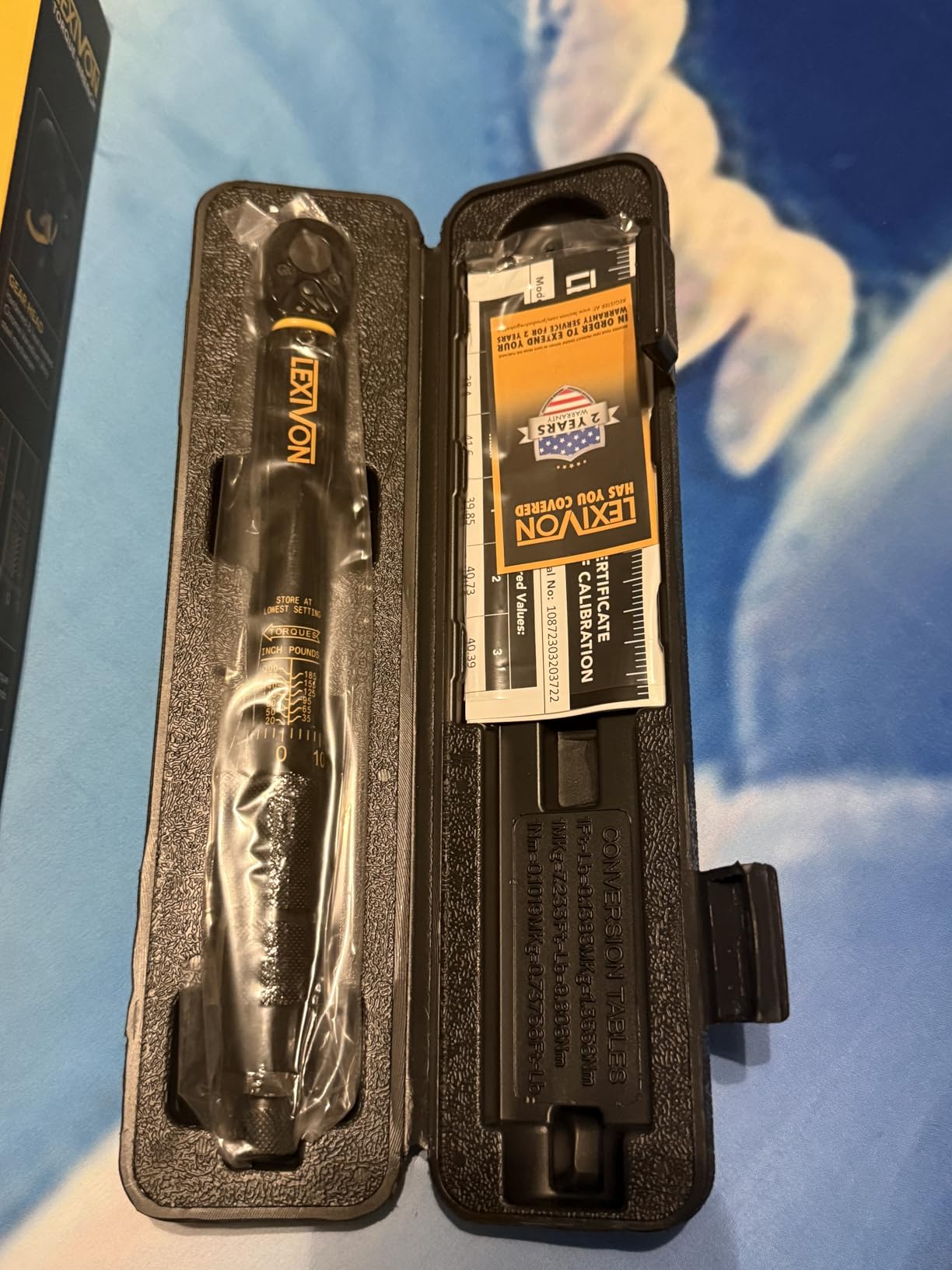
It measures 20 to 200 in-lb, or 2.26 to 22.6 Nm, on a 1/4 inch drive, and at 10.75 inches it is the shortest tool in the roundup. That length gets into tight frame junctions and cramped motor mounting areas where nothing else on this list fits. It is also the lightest of the three LEXIVON drives at 1.8 pounds.
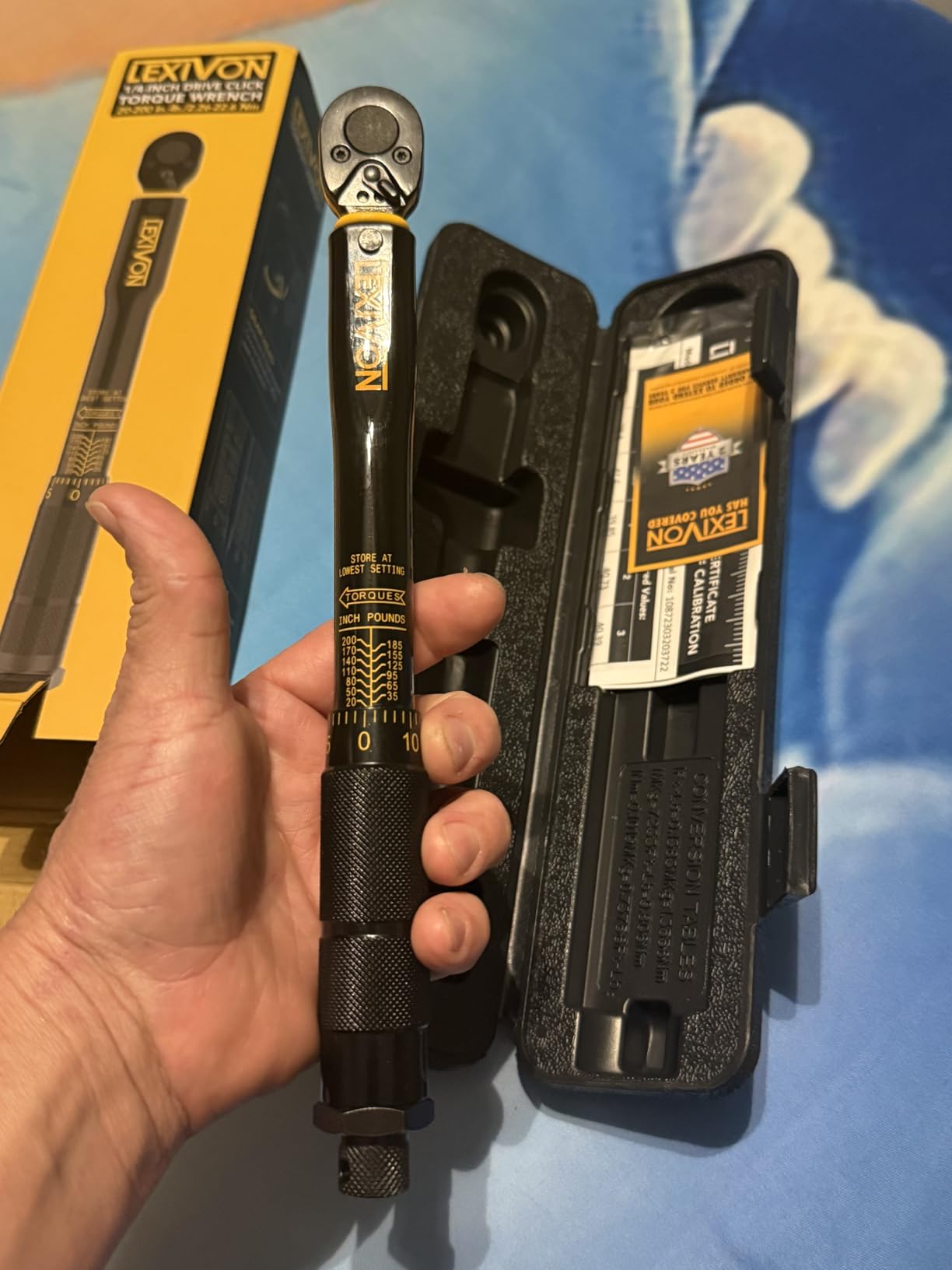
You get the family standards here: a pre-calibrated plus or minus 4 percent rating with a calibration certificate and traceable serial number, the electro-black rust and corrosion resistant finish, and the patent-pending high-contrast yellow-on-black dual scale. The ratchet head is reinforced, in heat-treated chrome vanadium alloy, and the knurled handle is designed to reduce hand fatigue.
It holds a 4.5 rating across 7.7k+ reviews with 75 percent five-star, and the appeal is clear from the reviews: buyers who need inch-pound torque on smaller hardware get a range and a length that nothing else here provides. That is also why it holds the number one rank in its category alongside its siblings.
Why inch-pounds matter for bicycle and e-bike work
Bicycle and e-bike torque specs are almost always written in Newton-meters, with inch-pound equivalents, and the values sit far below anything a car wrench covers. A handlebar stem, a crankset bolt and a disc brake caliper bolt are all in the low tens of Newton-meters, which on a 1/2 inch drive tool is off the bottom of the scale. This is why dedicated small bike torque wrenches exist at all, and why forums treat them as accurate rather than a novelty.
The 2.26 to 22.6 Nm range covers the bulk of frame, cockpit, drivetrain and braking hardware on both conventional bikes and e-bikes, including the motor mount hardware that heavier e-bikes add. For anyone who maintains a bike rather than a car, this is the wrench that gets used and the one that is worth owning.
Where it falls short
The ceiling is 200 in-lb, so it stops well short of anything automotive. It will not touch a crank arm bolt, a stem, a seat post clamp or a hub on a car, and using it above its range risks damaging the mechanism. Treat it as a dedicated second tool rather than a general replacement.
The same two family caveats apply. Torque measurement is clockwise only, and on the small drive the release feels more like a bump stop than a sharp click, so learn the feel rather than listening for it. The metric scale also uses decimal values rather than round numbers, which is mildly awkward if you set everything in Nm.
How to Choose a Torque Wrench Under 100 Dollars?
Click, beam, split beam or digital: which type you need
Choose a click-type wrench for tightening work, which is what almost every home job needs. It is a spring-loaded mechanism: you set the target on the handle, tighten, and the mechanism releases with an audible and tactile click at the value. It is simple, rugged and cheap, and every mechanical wrench in this roundup except the CRAFTSMAN pair is a click or micrometer type.
Choose a beam-type wrench when you want to see the applied force live without a release event. A flexing beam shows torque proportionally, which is useful for settings below the range of a click wrench. Under this ceiling there is very little beam selection, which is one of the trade-offs covered below.
Choose a split beam when accuracy matters more than cost. A split beam has no spring, so it does not take a set or drift over time and effectively never needs calibration. That is why it is the enthusiast favourite in forums, and also why it prices well out of this category.
Choose a digital wrench when you need a readout, an audible and visual target alert, or measurement in both directions. One digital model is in this roundup, and it is the only one that also carries NIST-traceable calibration paperwork.
Drive size: 1/4 inch, 3/8 inch or 1/2 inch
Drive size is about socket fit, access and the torque the tool can apply. A quarter-inch drive reaches small fasteners in tight spaces but cannot produce high torque. A half-inch drive handles the heavy work but is long and will not fit in a confined space. The 3/8 inch sits in the middle and covers the most home jobs.
Start with what your sockets already are. If your socket set is metric-heavy and mostly 1/2 inch, a 1/2 inch drive wrench is the direct match. Adapters bridge the gap, and three of the wrenches here ship with them, which is often cheaper than buying a second wrench.
Two wrenches is a genuinely common recommendation among people who work on their own vehicles, one small unit for low torque and one larger unit for high torque. A quarter-inch inch-pound model plus a half-inch click covers almost everything, and the pair of wrenches on this list are built for exactly that split.
What plus or minus 4 percent accuracy actually means
Rated accuracy is a tolerance band around the indicated value, and it is the number to check first. A wrench rated plus or minus 4 percent set to 100 ft-lb will break somewhere between 96 and 104 ft-lb. On a lug nut that is a window of roughly eight foot-pounds, which is usually fine. On a head bolt it is a window you would want narrowed.
Two practical notes. First, accuracy is generally best in the middle of a wrench’s range and drifts at both ends, which is why budget wrenches disappoint most in their lowest 20 percent of scale, exactly where small engine, bicycle and small-fastener work lives. Second, you can verify a wrench yourself. Set it to a value, apply the torque with a beam-type reference or a known-good wrench, and check where the break actually occurs at three points across the range.
Doing that check on arrival takes ten minutes and tells you more than any rating. If the tool has a calibration certificate, you have a documented baseline to compare against later.
Torque range and units: ft-lb, in-lb, Nm and N-cm
Most automotive fasteners are specified in foot-pounds, and metric tooling uses Newton-meters. Small work is usually in inch-pounds or Newton-centimeters. A dual-scale handle reads both, which is why every mechanical wrench in this roundup has one, either printed on the handle or stamped into the housing.
One caution on dual scales: the two are not linearly graduated in the same way. The Amazon Basics listing specifically recommends setting the imperial scale for precise adjustment, and the LEXIVON small drives use decimal graduations on the metric side that are awkward to read. Pick one scale, learn it, and set everything on it.
Buy for the top of your range, not the middle. A wrench you constantly max out will fatigue you and wear its mechanism sooner, and it leaves no headroom when a spec goes up.
What you give up by staying under 100 dollars
Split beam is the headline absence. The mechanism most enthusiasts recommend, and the one that essentially never needs calibration, starts above this ceiling and climbs fast. Professionals on mechanic forums consistently point to Snap-on and its CDI line, plus Precision Instruments, as the professional standard.
Calibration certificates are the second gap. Only four of the ten tools here ship one, which means most sub-100 wrenches ask you to take the accuracy figure on faith. The ACDelco digital, the Hairich and all three LEXIVON click models are the exceptions.
Warranty length is the third. One tool here carries a 24-month warranty and one a one-year limited warranty, while the rest fall somewhere in between with varying clarity. For a tool you may own for a decade, that is a real consideration.
Beam-type options are the fourth. Under this ceiling the selection is thin, so if you need low-torque proportional feedback for delicate assembly, you will be looking beyond this bracket.
How to check and maintain your torque wrench
Return a click-type wrench to its lowest setting after every use. The internal spring takes a permanent set if you leave it loaded, and that is the single mistake most likely to make a good tool inaccurate over time. It is also the mistake most likely to affect your warranty.
Check accuracy at least once a year, and immediately after any drop, hard impact, or use near the top of the range. If a click wrench fails to break within a few percent of its setting, replace it rather than working around it. Digital models need their batteries replaced or recharged regularly so the readout stays trustworthy.
Store it in its case at the lowest setting, and keep it away from moisture. The electro-black LEXIVON finishes and the polished chrome Amazon Basics finish are both corrosion-resistant, but no coating is a substitute for a dry drawer.
Which Torque Wrench for Bikes, E-Bikes, Motorcycles, Cars and HVAC
For bicycles and e-bikes, the LEXIVON LX-181 is the answer, and the reason is simple. Bike and e-bike torque specs live between roughly 2 and 25 Nm, and no 1/2 inch drive wrench on this list reaches that low. A dedicated small inch-pound wrench is the correct tool rather than a compromise.
For motorcycles, a 3/8 inch drive covers the widest share of the work. A lot of motorcycle hardware is smaller and lower-torque than car hardware, so the EPAuto or LEXIVON 3/8 inch model with its included adapters is the practical starting point. Reserve the half-inch tools for engine and driveline work that needs real force.
For cars, the half-inch click wrenches do the bulk of routine work, and our guide to torque wrenches for lug nuts goes deeper on wheel-specific setup and the crossing-pattern technique. Add the CRAFTSMAN half-inch when you own a truck or trailer and need 150 to 250 ft-lb.
For HVAC and plumbing, torque values are usually low and space is always tight, so a 3/8 inch drive with a good extension bar beats a half-inch tool you cannot physically position. The 3/8 inch click wrenches here both ship with adapters and an extension bar for exactly that reason.
One last distinction worth making. A torque wrench tightens to a specification, while an impact wrench delivers high bursts of twisting force to remove a fastener fast. If you are loosening a rusted wheel nut, a cordless impact wrench is the right tool, and a torque wrench is the wrong one. Use the torque wrench to set final torque, not to break bolts loose, and you will avoid the ratchet mechanism failures we flagged in several reviews above.
Frequently Asked Questions
What is a torque wrench used for?
A torque wrench tightens nuts and bolts to an exact twisting force specified by the manufacturer, so parts do not get overtightened, stripped or under-secured. It is essential for lug nuts, brake components, engine, driveline and suspension fasteners, and it is also used for bicycle, motorcycle, plumbing and HVAC work.
Are cheap torque wrenches accurate?
Most torque wrenches under 100 dollars are factory-calibrated to within plus or minus 3 or 4 percent of the indicated value, and independent testing often shows budget tools landing within 5 to 10 percent of a professional reference. The catch is that accuracy is usually best in the middle of the range, so a cheap wrench drifts most at the very bottom of its scale.
How often should you calibrate a torque wrench?
Check click and beam torque wrenches at least once a year, and immediately after any drop, hard impact, or use near the top of the range. Always return a click-type wrench to its lowest setting after use so the internal spring does not take a permanent set. Digital models should be re-zeroed and their batteries replaced regularly.
Do torque wrenches require special sockets?
No. Torque wrenches use the same standard sockets as a ratchet, as long as the drive size matches. A 1/2 inch drive torque wrench needs 1/2 inch sockets, and you can add a 3/8 to 1/2 inch drive adapter for more flexibility. Match the drive size to your socket set before you buy.
What is the difference between a torque wrench and an impact wrench?
A torque wrench is a hand tool that tightens a bolt to an exact specified force and stops or clicks at that value. An impact wrench is a power tool that delivers short, powerful bursts of twisting force to loosen or install fasteners quickly, but it cannot guarantee a precise torque value. Use the impact wrench to break a bolt loose and the torque wrench to set final torque.
Is EPAuto a good brand for a torque wrench?
Yes. EPAuto is one of the most recommended budget torque wrench brands, and its 1/2 inch click wrench is frequently named the best value pick, with more than 23,000 owner reviews at 4.6 stars. The hardened ratchet head, included extension bar and plastic storage case make it a strong first torque wrench.
Our Verdict on the Best Torque Wrenches Under 100 Dollars
The EPAuto 1/2-inch drive click wrench is our pick for the best torque wrenches under 100 dollars. A 10 to 150 ft-lb range, a plus or minus 4 percent rating, more than 23,000 reviews at 4.6 stars and an extension bar in the box cover almost everything a home mechanic will ever tighten, and nothing else in this list does it with that much owner history behind it.
Buy the LEXIVON LX-183 instead if you want documented factory accuracy, since it comes with a traceable calibration certificate. Buy the EPAuto 3/8 inch or LEXIVON LX-182 for a shorter body that fits in an engine bay. Buy the Hairich if you need counterclockwise torque measurement, a 72-tooth five-degree ratchet head or a plus or minus 3 percent claim. Buy the ACDelco digital if you want a live readout and can live with its short auto-off timer. Buy the CRAFTSMAN half-inch if you need 250 ft-lb for a truck.
For bikes and e-bikes, the 10.75 inch LEXIVON quarter-inch inch-pound wrench is not optional, it is the only one of these that can reach the bolts you need.
Whichever you pick, verify the click against a known reference when it arrives and return it to its lowest setting after every use. That single habit protects the accuracy you just paid for. Check the current price with the button above, since sub-100 dollar tool pricing moves often.