
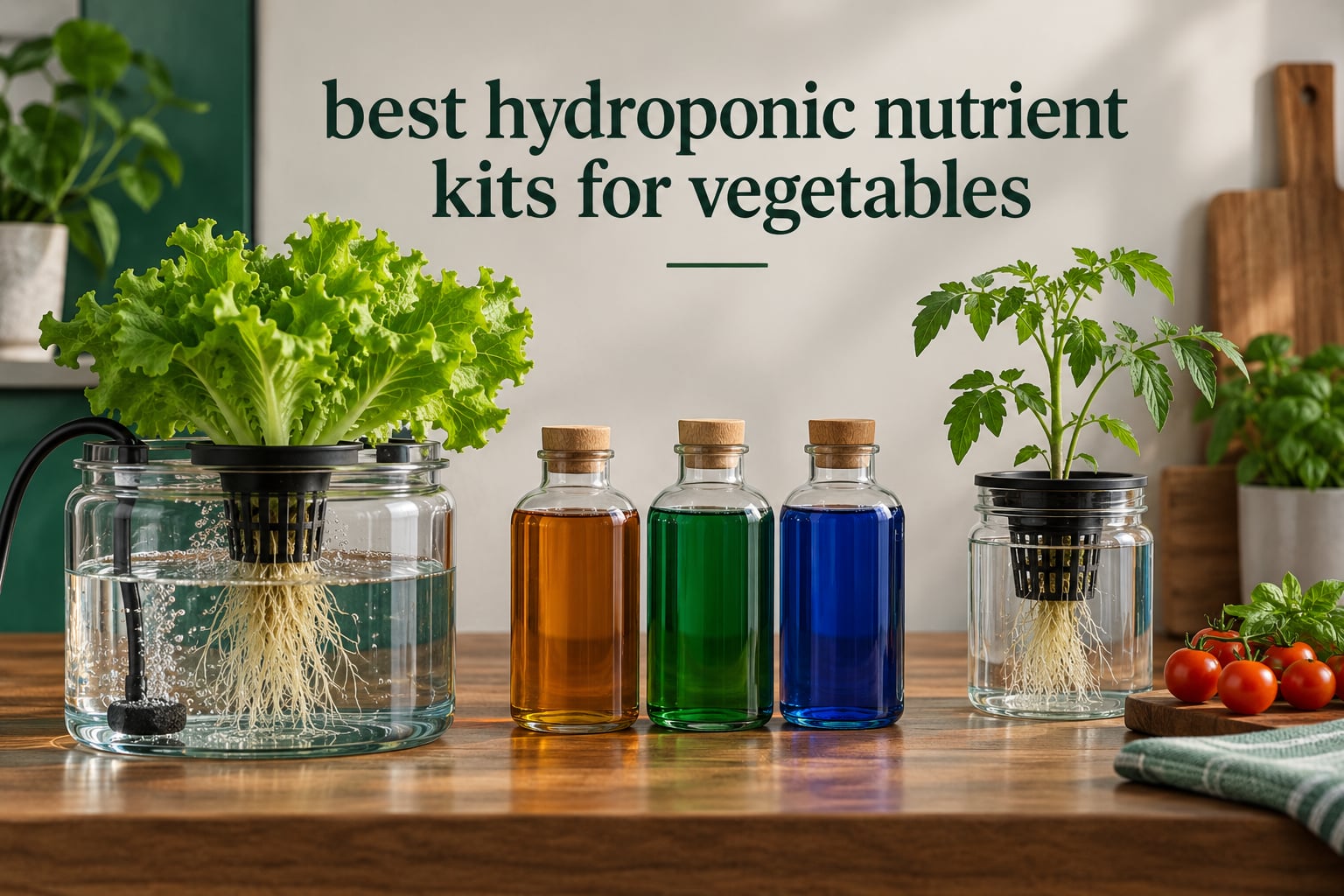
If you grow vegetables in water instead of soil, the nutrient solution is the entire diet your plants get. There is no buffer, no slow release, and no second chance. Pick the wrong balance and you get stalled growth, tip burn, and blossom end rot within a week.
So here is the short answer. The Masterblend 4-18-38 Complete Combo Kit is the best hydroponic nutrient kit for most fruiting vegetables because it ships with all three components in correct ratios. The Advanced Nutrients Micro, Grow and Bloom 3-Part is the one to buy if you want the least amount of pH babysitting. The General Hydroponics Flora Series remains the most widely trusted starter system, and the Humboldts Secret Base A and B 32oz set is the cleanest two-bottle option for a real reservoir.
We narrowed the field to eight nutrient kits that are complete enough to actually run a vegetable system, and we judged them on three things: whether the kit contains everything you need or forces a second purchase, how much water it actually treats, and how forgiving it is to a beginner mixing at midnight. We also paid attention to what happens in the second month, when the pH starts drifting and the bottle is half empty.
One thing worth saying up front, because it trips up nearly every new grower. A bottle labelled Micro is not a fertilizer on its own. It is one component of a system. Several kits on the market are sold as if a single bottle feeds a plant, and that is how people end up with cloudy water and stalled roots. Every pick below is audited for completeness, including what you still need to buy separately.
While you are setting up, it also helps to have the physical side sorted. Our hydroponic grow tent kit roundup covers the enclosure and lighting side for anyone growing indoors, and if you are running a mixed setup, our raised garden bed kit roundup covers the soil side of the same garden.
Table of Contents
Top 3 Picks for Hydroponic Nutrient Kits for Vegetables in 2026

Masterblend 4-18-38 Complete Combo Kit
- Three dry components in correct ratios
- Includes calcium nitrate and Epsom salt
- 100% water soluble
- Bulk sizing for long cycles

Advanced Nutrients Micro Grow Bloom 3-Part
- One liter of each component
- pH Perfect buffering
- Stage-by-stage control
- Carrier molecules
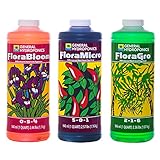
GH Flora Series 3-Part System
- Quart bottles of all three parts
- Cleans mixing and stable pH
- Works in soil and coco too
- Long track record
8 Best Hydroponic Nutrient Kits for Vegetables (October 2026)
| Product | Specifications | Action |
|---|---|---|
| Masterblend 4-18-38 Complete Combo Kit |
|
Check Latest Price |
| Advanced Nutrients Micro Grow Bloom 3-Part |
|
Check Latest Price |
| General Hydroponics Flora Series 3-Part |
|
Check Latest Price |
 FoxFarm Hydro Liquid Trio FoxFarm Hydro Liquid Trio |
|
Check Latest Price |
 Humboldts Secret Starter Kit Humboldts Secret Starter Kit |
|
Check Latest Price |
 VIVOSUN Base A and B 8oz Set VIVOSUN Base A and B 8oz Set |
|
Check Latest Price |
 Humboldts Secret Base A and B 32oz Set Humboldts Secret Base A and B 32oz Set |
|
Check Latest Price |
 Haligo A and B Nutrients 800ml Haligo A and B Nutrients 800ml |
|
Check Latest Price |
A note on the table above. Five of these eight are liquid, two are dry powder, and one is a mixed powder-and-salt bundle. That matters more than brand loyalty, which is why the buying guide below spends time on form before it spends time on labels.
1. Masterblend 4-18-38 Complete Combo Kit – Best Overall for Fruiting Vegetables
MASTERBLEND 4-18-38 Complete Combo Kit Fertilizer Bulk (12.5 Pound Kit)
Dry powder
Three components
1:1:0.5 mixing ratio
10 pound kit
Pros
- Complete three-part kit in pre-measured ratios
- No need to source calcium nitrate and Epsom salt separately
- 100% water soluble and dissolves reliably
- 10 pound sizing covers many full cycles
Cons
- Dry powder takes more mixing effort than liquids
- Less flexible for dialing in a single nutrient
- All three components must be used together
The Masterblend combo is the only kit in this roundup that arrives genuinely complete. You get the 4-18-38 base, calcium nitrate at 15.5-0-0, and magnesium sulfate in Epsom salt form, already weighed out in the ratio the Masterblend recipe calls for. That is a bigger deal than it sounds, because calcium nitrate is the component most beginners forget to buy and most bottles never include.
The 4-18-38 ratio itself is built for vegetables that flower and fruit. Potassium and phosphorus are high relative to nitrogen, which is what tomatoes, peppers, cucumbers, and strawberries want once they set fruit. Lettuce and spinach growers can still use it, though they will be running a stronger solution than those crops prefer.
Measured by weight, the kit is packed 1 to 1 to 0.5, which is 12 grams of Masterblend to 12 grams of calcium nitrate to 6 grams of Epsom salt. Growers in r/Hydroponics repeatedly describe the dry systems, Masterblend included, as a ritual rather than a convenience. They are not wrong. Weighing powder in a dim reservoir at the end of a long day is more work than pouring two bottles.

What you get in exchange is the lowest ongoing cost per gallon of anything on this list, and the reason is that you are mixing water, not shipping water. A liter bottle is mostly water. A pound of powder is not. For a 20 gallon reservoir that gets topped off weekly, that difference shows up within a single season.
It is also the formula with the longest professional pedigree here. The listing describes it as used by professional growers worldwide, and at a 4.8 average across more than 4700 ratings it is one of the most reviewed products we looked at.
What is actually in the kit
Three components and nothing else, so nothing is missing and nothing is filler. The 4-18-38 base carries the bulk of the macro and micro nutrition, the calcium nitrate supplies the calcium your plants need for cell wall strength, and the Epsom salt supplies magnesium, which sits at the centre of the chlorophyll molecule.
The proportions are pre-set, so you are not doing stoichiometry in a dark shed. You weigh equal parts by volume of the first two, and half that of the third, and you can adjust the overall strength up or down by changing how much you mix per gallon.
How it handles hard water and calcium
Calcium is the nutrient people fight hardest over, because more is not always better. This kit supplies it as calcium nitrate, which is the correct form for hydroponics and does not fight the phosphate in the base mix the way some cheaper sources do.
On very hard tap water you may end up with more calcium than you need, which shows up as a slight haze in the reservoir and occasionally as a gritty ring on the reservoir wall. That is cosmetic more than harmful, but it is worth knowing before you spend an evening trying to fix it.
On reverse osmosis water the same kit works well and gives you much more control, because the incoming water contributes almost nothing to the balance. If your tap water is heavily alkaline, mixing a test batch of the base and calcium components ahead of time will tell you quickly whether you need to treat the water first.
2. Advanced Nutrients Micro, Grow and Bloom 3-Part – Best pH Stability
Advanced Nutrients Bloom, Micro & Grow, Pack of 3, 1 L Each
Liquid
1 L each of three parts
1:1:1 mixing ratio
pH Perfect
Pros
- pH Perfect technology holds solution pH stable
- Three-part package with an online mixing calculator
- Concentrated so each liter lasts multiple cycles
- Users report vigorous growth and good aroma
Cons
- Thick Micro can clog narrow lines or dribble
- Can burn young plants at full strength
- Costs more than generic three-part systems
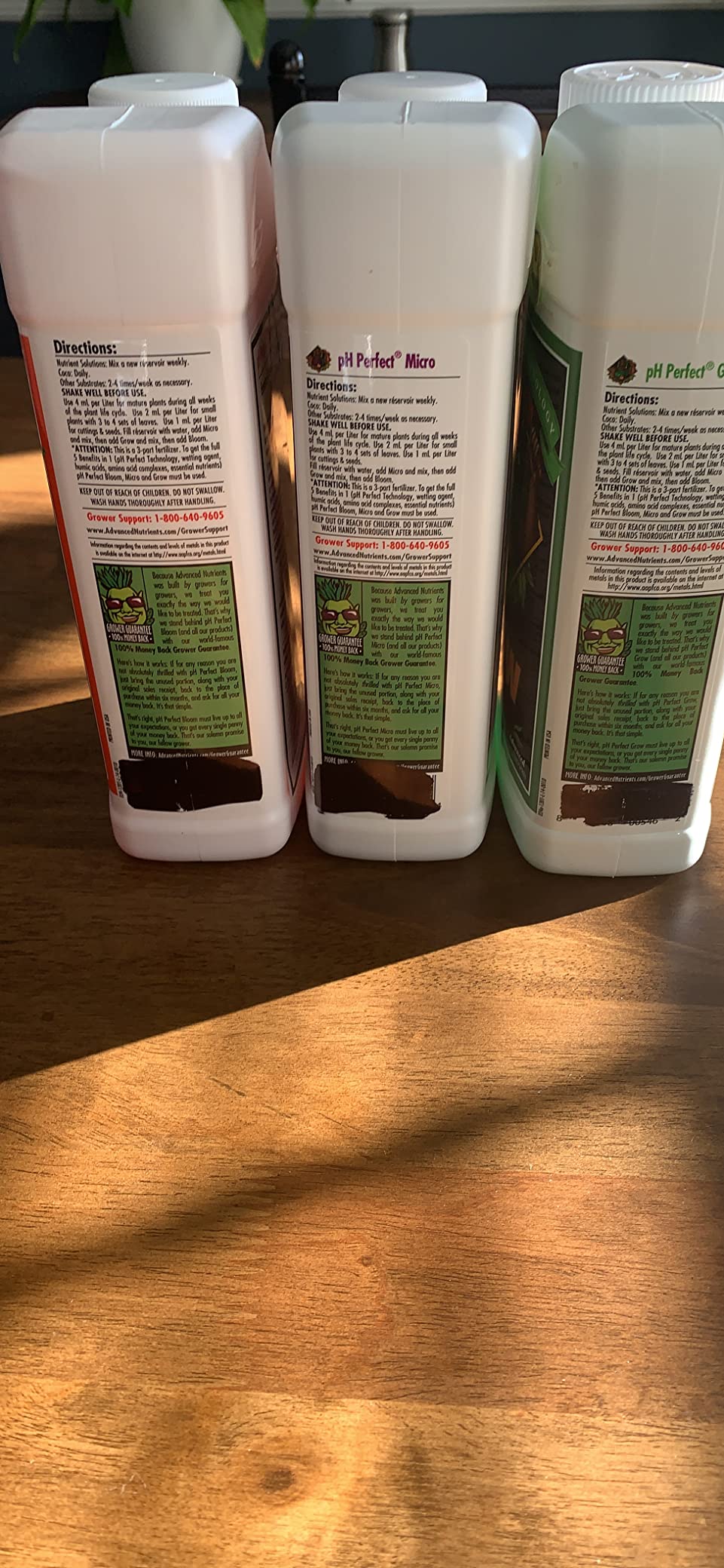
This is the kit to buy if pH drift is the thing that keeps ending your grows. The Advanced Nutrients system uses carrier molecules that hold the solution pH in a narrow band, so you measure less often and adjust less often. For a countertop tower running on a pump timer with no one home, that stability is genuinely valuable.
The package is a clean 1 to 1 to 1 mix. One liter each of Micro, Grow, and Bloom, mixed at equal parts, with an online calculator to translate a target volume into milliliters per bottle. The formula covers the full range from vegetative growth through flowering, so the same three bottles carry lettuce and tomatoes without a swap.
It is also the most reviewed kit here, with a 4.6 average across more than 5200 ratings. Owners frequently mention having used it for years without changing. That longevity is worth something in a category where growers bounce between brands after a single bad week.
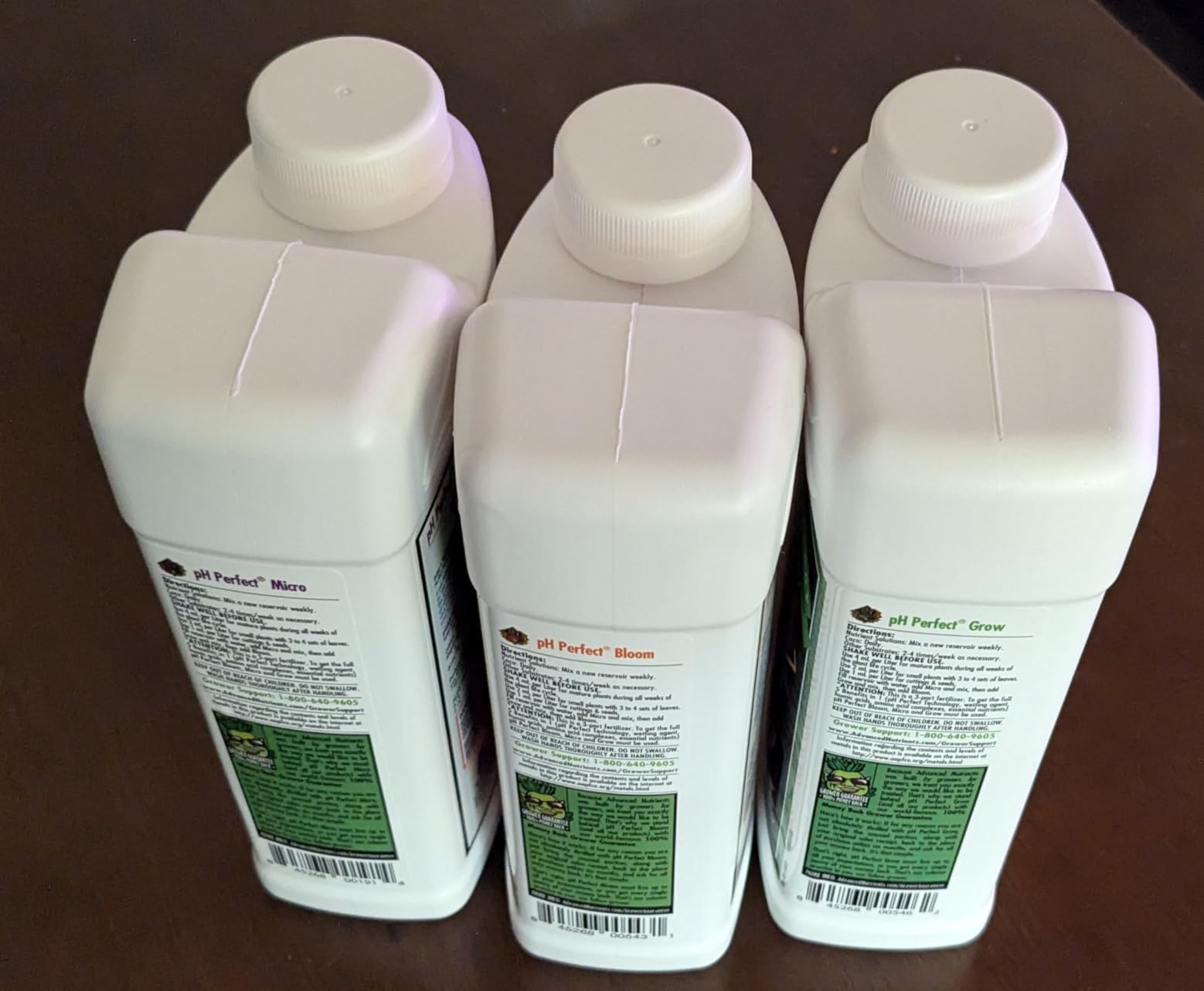
Two practical notes before you commit. The Micro bottle is noticeably thicker than the other two, and reviewers report it dribbling out of the neck or clogging narrow channels if you do not shake it properly. And while pH Perfect reduces how often you adjust, it does not remove the need to check, especially in a system where the roots themselves push pH upward as they grow.
The company recommends a CalMag supplement alongside the base trio, which is an extra purchase on top of this box. Budget for that, or plan your program around it from day one instead of discovering the gap during week three.
What is actually in the kit
Three one liter bottles and nothing else. Micro brings calcium and the trace minerals, Grow supplies the nitrogen for leafy and structural growth, and Bloom adds the phosphorus and potassium that fruit set depends on. No CalMag, no supplements, no extras hidden in the box.
Because the three parts are mixed at equal volume, this is one of the easier three-part systems to keep straight. You measure, you pour, you stir. The stage control still exists, but it lives in the ratios you choose between Grow and Bloom rather than in a complicated schedule.
How the pH Perfect claim holds up
The claim is not that pH stays at a perfect number forever. It is that the buffering holds the solution inside a range where nutrients remain available, which slows both the upward drift from plant activity and the swing that happens as a reservoir heats up.
In practice you still want a meter and a weekly check. The biggest drift happens in small reservoirs, and the smallest reservoirs in this roundup are the ones most likely to be running this kit on a tower.
One more caution from reviews. This is a strong formula, and several owners report tip burn on seedlings or on young plants moved in at full strength. Start new transplants at roughly half the label dose and step up over a week.
3. General Hydroponics Flora Series 3-Part – Best Known Starter System
General Hydroponics Flora Series: FloraMicro, FloraBloom, FloraGro – 3-Part Hydroponic Nutrient System, 1 qt. Bottles
Liquid
1 qt each of three parts
2:1:6 mixing ratio
Three part system
Pros
- Long-established system with per-stage control
- Mixes cleanly with minimal residue
- Quarts cover multiple cycles for a small garden
- Clear measurement marks and tight seals
Cons
- CalMag and magnesium sulfate are not included
- Higher per bottle cost than all-in-one kits
- Some growers find it less potent than premium lines
The Flora Series is the kit most people mean when they say hydroponic nutrients. It has been in continuous use for decades, it sells in enormous volume, and it works in soil, coco, and aeroponic towers as well as in pure water culture. That versatility is why it keeps showing up in forum recommendations for first-time growers.
The system is three parts with a 2 to 1 to 6 mixing ratio by volume. FloraMicro supplies nitrogen, calcium, and trace minerals as the base. FloraGro adds nitrogen and potassium for structural and foliar growth. FloraBloom brings phosphorus, potassium, magnesium, and sulfur for flower and fruit development.
At 4.8 across 1434 ratings it sits at the top of this list on rating, and the review pattern is unusually consistent. Owners describe using the same bottles for six years or more, mixing clean, and watching pH stay put. It is not the cheapest option, but it is the one people are least likely to abandon mid-cycle.
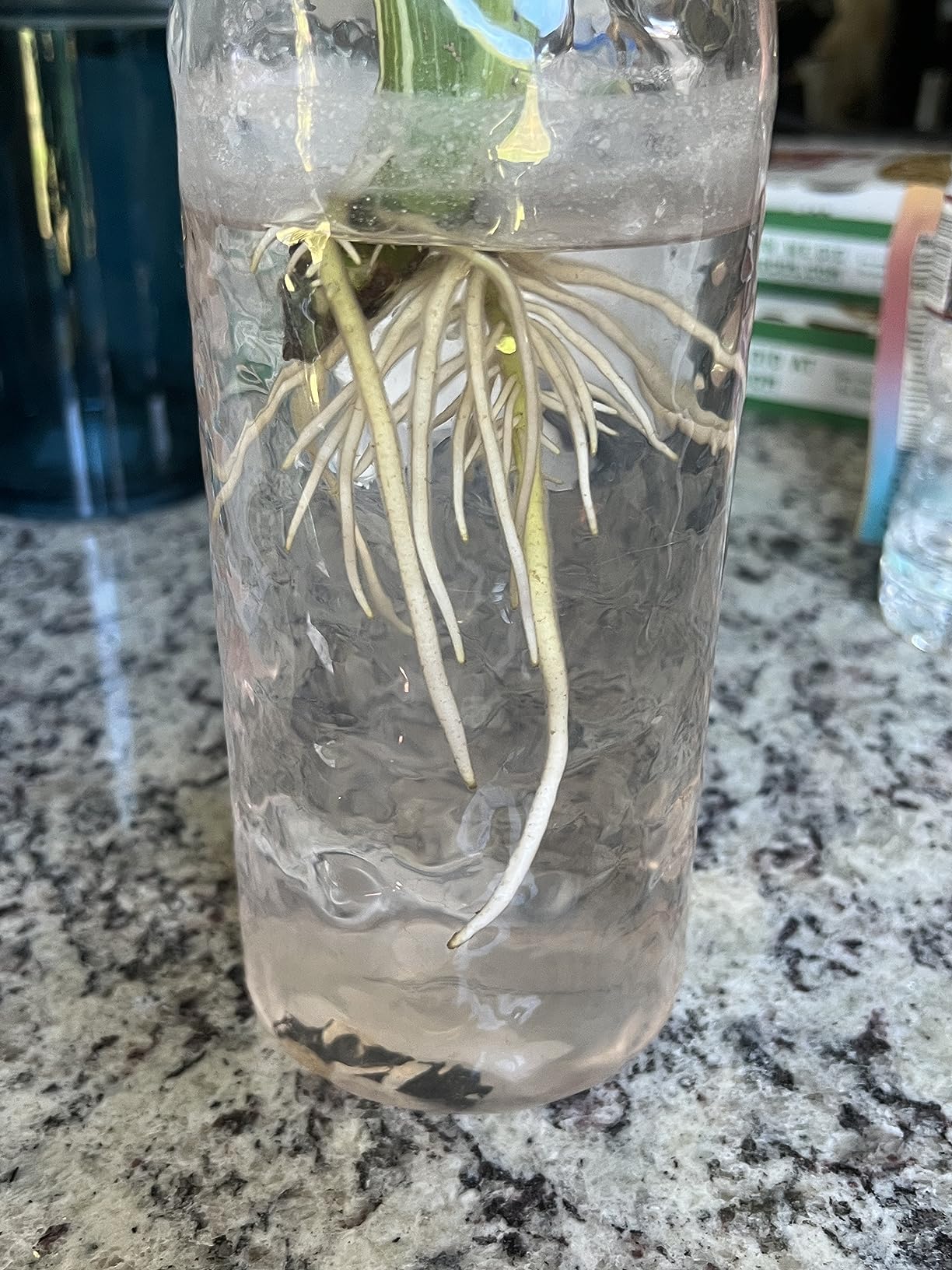
The formula mixes cleanly with very little residue, which matters more than it sounds in a system with narrow NFT channels or drip lines. Cloudy residue in a line narrows the channel, and a narrowed channel means uneven flow, and uneven flow means uneven feeding across the channel.
Because the bottles carry measurement markings and tight seals, dosing is repeatable. That repeatability is the quiet reason this kit has survived so long: it removes the two things beginners get wrong, which is measuring wrong and spilling nutrients down the side of a bottle.
What is actually in the kit
Three quart bottles: FloraMicro, FloraGro, and FloraBloom. That is the complete base system, and it is genuinely enough to run a plant from seedling to harvest if you keep the ratios straight.
What is not in the box matters just as much. A CalMag product and additional magnesium sulfate are the standard companions to this line, and many growers add them from the start rather than waiting for a deficiency. If you buy only one bottle from this brand, you have not bought a system.
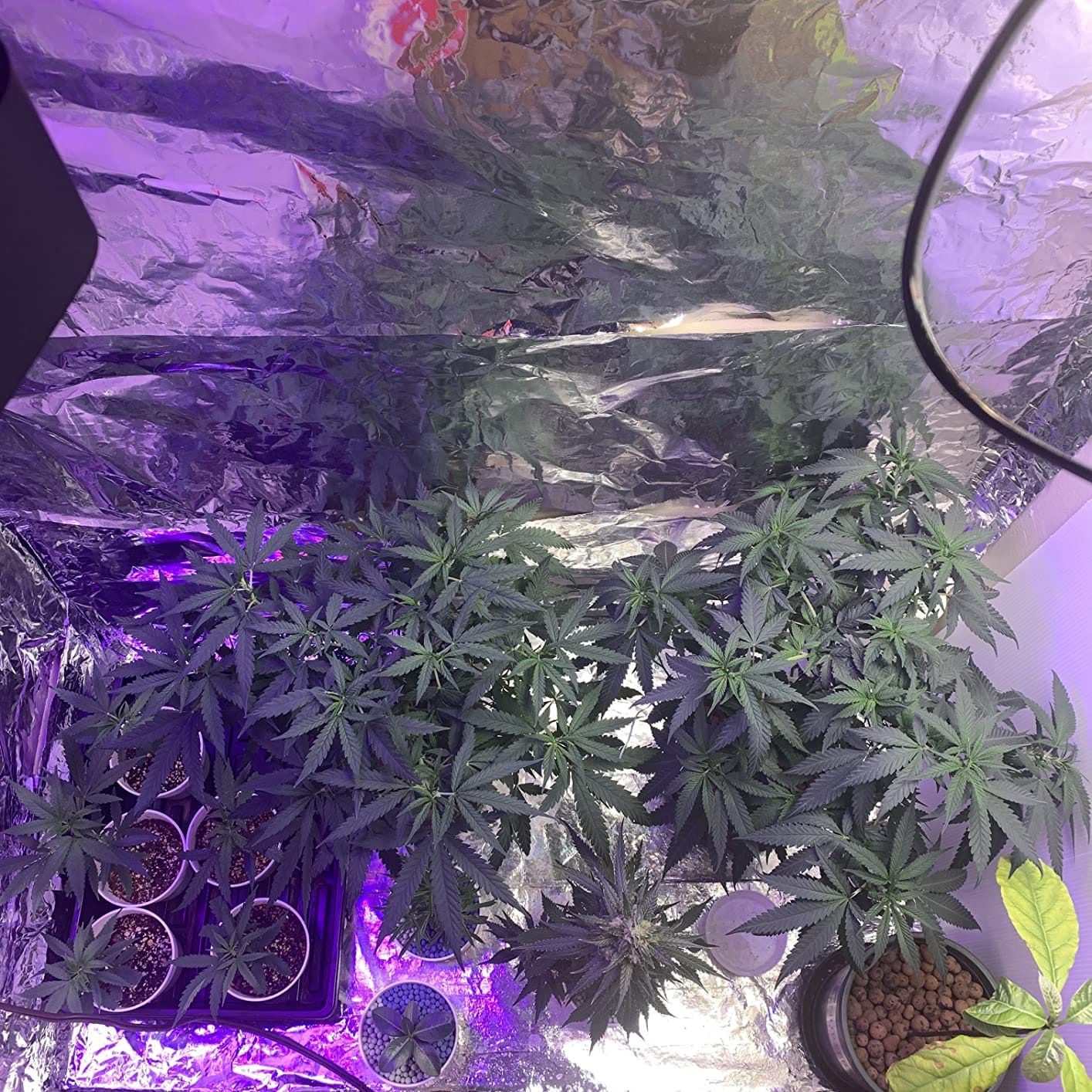
The CalMag gap most buyers miss
On soft or treated water you can run the trio alone for a full cycle with no problems. On reverse osmosis water, or on very hard tap water, the ratio swings because your water is contributing a variable amount of calcium and magnesium on its own. That is the situation the CalMag product exists for.
The practical version of this advice is to check your source water before you decide. If your water is middle of the road, the trio alone is fine. If it is very soft or very hard, budget for the supplement.
One honest note from reviewers. A handful of growers judge the results slightly less forceful than the pricier premium three-part systems, particularly in heavy flowering crops. If you are chasing maximum yield in a dense commercial run, look at the Advanced Nutrients option. For a home vegetable system, the difference is usually invisible.
4. FoxFarm Hydro Liquid Trio – Best for Growers Chasing Flavor
FoxFarm Hydro Liquid Trio Pack – Big Bloom, Grow Big Hydroponic, Tiger Bloom Fertilizers for Plant Growth, Bud Development & Abundant Fruit – Complete Hydroponic Plant Food Set – 3 Pint Bottles
Liquid
3 pint bottles
1:100 dilution for Grow
Three formula set
Pros
- Three formulas cover growth flowering and fruiting
- Reviewers repeatedly praise flavor and aroma
- Seals well with no transit leaking
- Suits vegetables and houseplants
Cons
- Pint bottles are smaller than buyers expect
- Needs more dilution than the label on sensitive plants
- Value per ounce has slipped over time
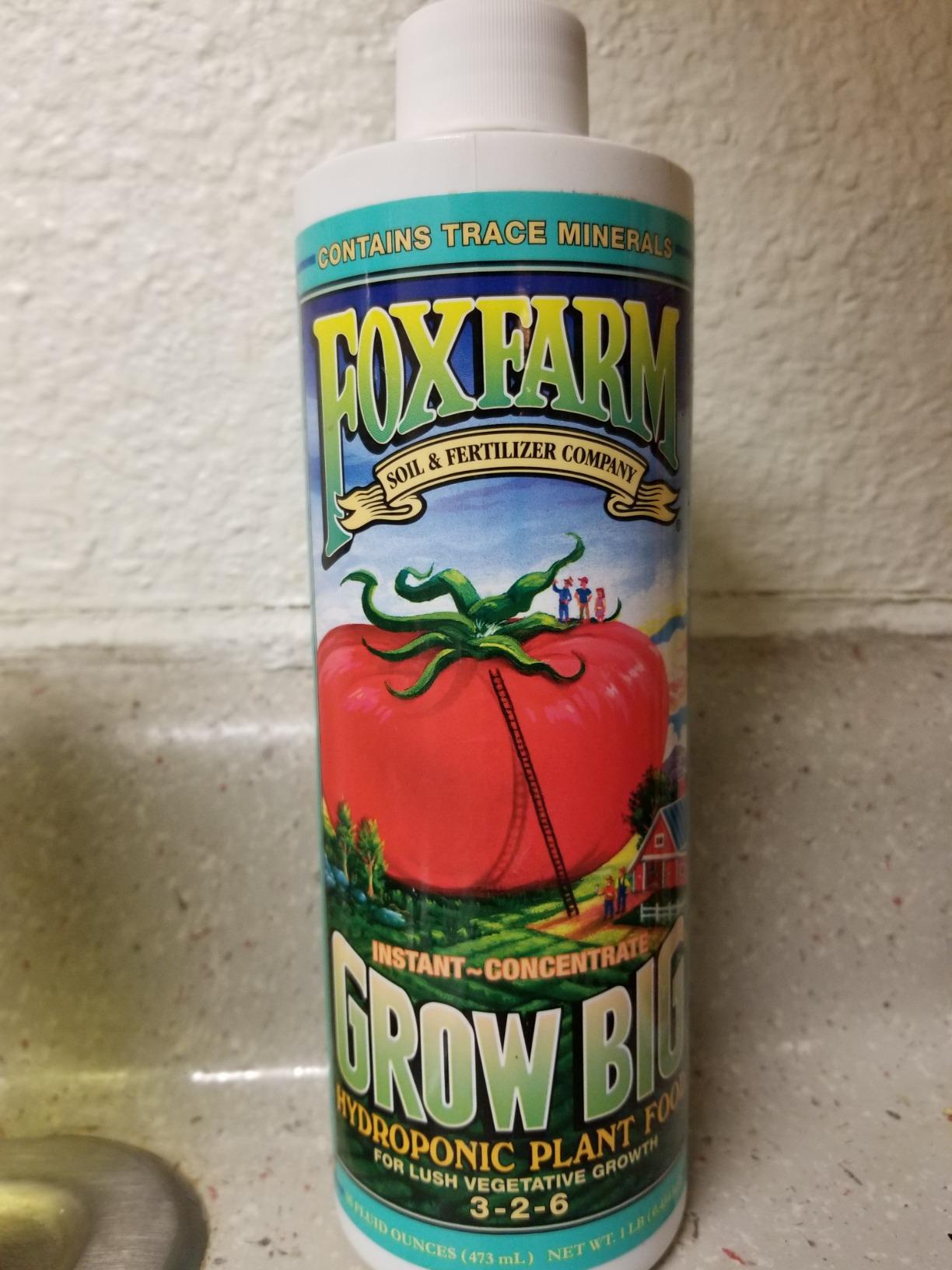
Owners of the FoxFarm trio talk about flavor more than yield, and that is the honest headline for this kit. If the plants you care about are basil, strawberries, or fruiting tomatoes and you care how they taste, this is the set most likely to satisfy you.
It ships with Big Bloom, Grow Big Hydroponic, and Tiger Bloom. Grow Big Hydro is the vegetative component and dilutes at roughly 1 to 100. Tiger Bloom is a 2-8-4 formulation built for immediate availability, and Big Bloom supports plants through every stage with readily accessible nutrients. Tiger Bloom and Big Bloom both dilute closer to 2 to 100.
FoxFarm has made fertilizers since 1984 and each formula is greenhouse tested, so this is a mature product rather than a new entrant. The 4.7 average across 2025 ratings is a large sample for a nutrient line.
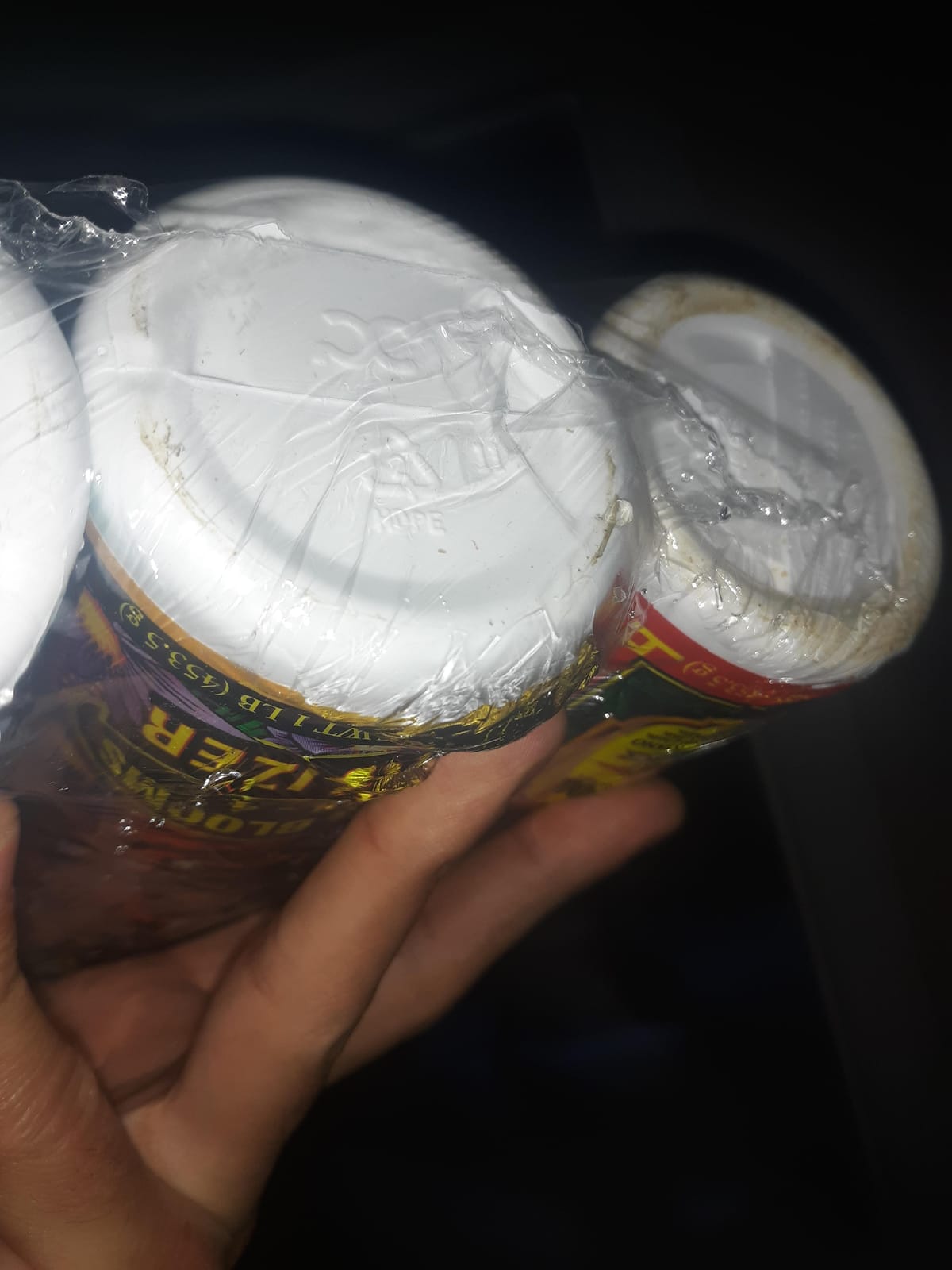
The single most common complaint in the reviews is not quality, it is size. The bottles are pints, not quarts, and a lot of people read the product photos and assume something larger. Plan your coverage accordingly, and if you are feeding more than a handful of plants you will go through these quickly.
The second pattern worth heeding is dilution. Reviewers advise cutting the strength more than the label suggests on sensitive plants, particularly seedlings and herbs. Treat the label dose as a ceiling rather than a target and ramp up over the first week.
What is actually in the kit
Three pint bottles, total 48 fluid ounces across the set. Big Bloom, Grow Big Hydroponic, and Tiger Bloom. Nothing else is included, so treat it as a base trio that you supplement if your crop and water demand it.
Because this is a hydro-specific line rather than a soil line, you are not importing a soil product into a water system. That is the mistake forum users warn about repeatedly with crossover fertilizer, and this kit avoids it.
It also works beyond vegetables. Owners use it on houseplants and container plants, which means it is a reasonable option if the same system grows both.
Dilution and bottle size gotchas
Strong growth is its own problem. Multiple owners note that plants push taller than the available light height under this regimen. In an indoor setup with a fixed light height, that translates into stretching and shading, so plan your training and your fixture clearance before you switch on full strength.
Run it slightly cooler in strength than the label and the flavor profile still comes through. The aroma and taste reports are consistent enough that you do not need maximum concentration to get the effect these growers describe.
For a small countertop garden, this trio is honestly more than you need. For a twelve site tower or a pair of deep water buckets, the pint bottles make sense and the value per ounce is reasonable.
5. Humboldts Secret Starter Kit – Best All-in-One Bundle
Humboldts Secret Starter Kit Pack, Plant Fertilizer & Hydroponic Nutrients
Liquid
Six products
125 to 150 gallons mixed
11 pound kit
Pros
- Six products cover seedling through harvest
- Enormous mixed volume from one purchase
- Works in hydro soil and coco coir
- Handles leafy greens herbs and flowers
Cons
- Costs far more than a basic two-part base
- More measuring and scheduling for beginners
- Some transient seedling setbacks before adjustment
This is the only kit here that tries to hand you a complete program rather than a base. Six products cover the full life cycle in one box, and the mixed volume, 125 to 150 gallons of solution from a single kit, is by far the largest of anything on this list.
The contents are Base A and B in a quart set, Flower Stacker in a quart, CalMag and Iron in a quart, Golden Tree at 16 ounces, and Plant Enzymes at 8 ounces. That is a feeding schedule, not just a fertilizer. You are getting the cal-mag product that the other liquid kits on this list leave out.
It works in hydro systems, potting soil, and coco coir, indoors and out, and it delivers nitrogen, phosphorus, potassium, calcium, and magnesium to strengthen roots and support growth. For someone who does not want to research a program from scratch, that is the appeal.
At 11 pounds and 152 fluid ounces it is also the heaviest package here, which matters if you are carrying it up stairs or to a garage. The trade is that you make one trip instead of four.
Reviews note a handful of transient setbacks, mostly seedlings that stalled after a full-strength start. Same advice as everywhere else: half dose for new transplants, full dose once roots are white and thick.
The 125 to 150 gallon figure is worth pausing on, because it tells you this is built for a substantial system rather than a small tower. On a four plant countertop garden it would sit on the shelf for a year. On a twenty gallon reservoir with weekly top-offs, it is the longest-lasting kit here.
What is actually in the kit
Six products, listed above, and no hidden gaps. The CalMag and Iron quart is the piece that usually costs you a second purchase elsewhere, and its inclusion is the strongest argument for this kit over a cheaper base.
Golden Tree and Plant Enzymes are the two small bottles. They are not core nutrition, but owners credit them with root development and better uptake, and they are included rather than upsold later.
The Base A and B pair mixes 1 to 1, which is the simplest possible ratio, and the Flower Stacker handles the fruiting stage on top. That structure is why the kit supports a full cycle rather than only vegetative growth.
When six bottles are too many
Complexity is the real cost. Each product is one more measurement, one more decision about when it goes in, and one more thing to get wrong. Several owners who loved the results admitted the routine was harder to run than a three-part system.
If you are a confident grower with a decent reservoir, the cheaper route to the same coverage is a two-part base plus a separate cal-mag plus a bloom supplement. If you are buying your first nutrient kit and want the shortest path to a working program, this bundle is that path.
One more consideration. The kit works across grow media, so it is also a reasonable pick if you are running a mixed operation where some plants sit in coco and some sit in water. One program, several systems.
6. VIVOSUN Liquid Nutrients Base A and B 8oz – Best Two-Bottle Starter Set
VIVOSUN Liquid Nutrients Base A & B Bundle, Set of 8oz
Liquid
Two 8 ounce bottles
1:1 mixing ratio
Two part base
Pros
- Two bottle system with no complicated planning
- Odorless and does not spoil if it sits
- Mess free storage and easy strength checks
- Works in soil hydro and coco coir
Cons
- 8 ounce bottles run out fast on long grows
- Calcium and sulfur salts must stay separate
- Smaller bottles than earlier versions
The VIVOSUN pair is the shortest possible path from an empty reservoir to a fed plant. Two bottles, equal parts, no stage schedule to learn. It ranks in the top two of its category on Amazon right now, and at 4.6 across 931 ratings the feedback is consistent and positive.
It is a genuine two-part base, delivering nitrogen, phosphorus, potassium, calcium, magnesium, and trace elements from vegetative development through flowering. The base is 100% water soluble, stabilizes solution pH, and improves nutrient absorption. The same box works in soil, hydroponics, aquaponics, and coco coir.
Reviewers specifically call out that the formula is odorless and does not spoil if it sits for a few days. In a small reservoir that gets topped off in a warm room, that is not a trivial detail.
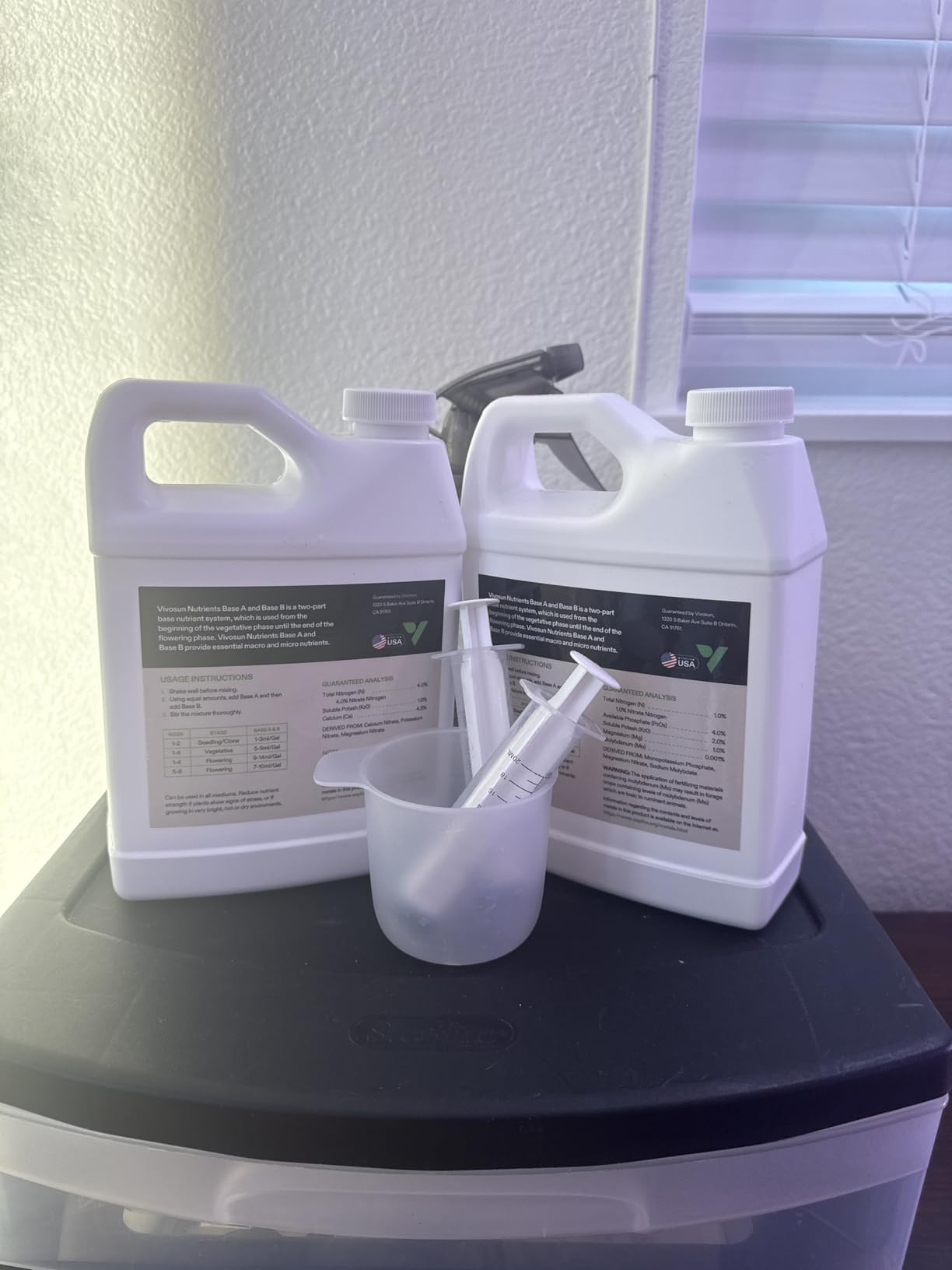
The limitation is volume, and the reviews are clear about it. Eight ounce bottles are small. Owners running anything beyond a short cycle are pushed toward the 32 ounce or 128 ounce versions of the same formula. For a four or six plant countertop tower, a set will carry you a long way.
There is also a quieter frustration. Some buyers note that the bottle sizes have shrunk relative to earlier versions. If you are used to a larger bottle, check the volume before you commit, because the formula being the same does not mean the quantity is.
What is actually in the kit
Two 8 ounce bottles, Base A and Base B, 16 fluid ounces total. That is it, and it is worth being blunt that this is a base, not a full program. It covers macro and micro nutrition across vegetative growth and flowering, but experienced growers layer in supplements.
The equal-parts dosing is the appeal. No milliliter calculators, no gram scales, no ratios to memorize. You pour, you stir, you check.
It ranks number two in Hydroponic Nutrients and Additives, which tells you this is a mainstream product with steady demand rather than a listing that appeared last month.
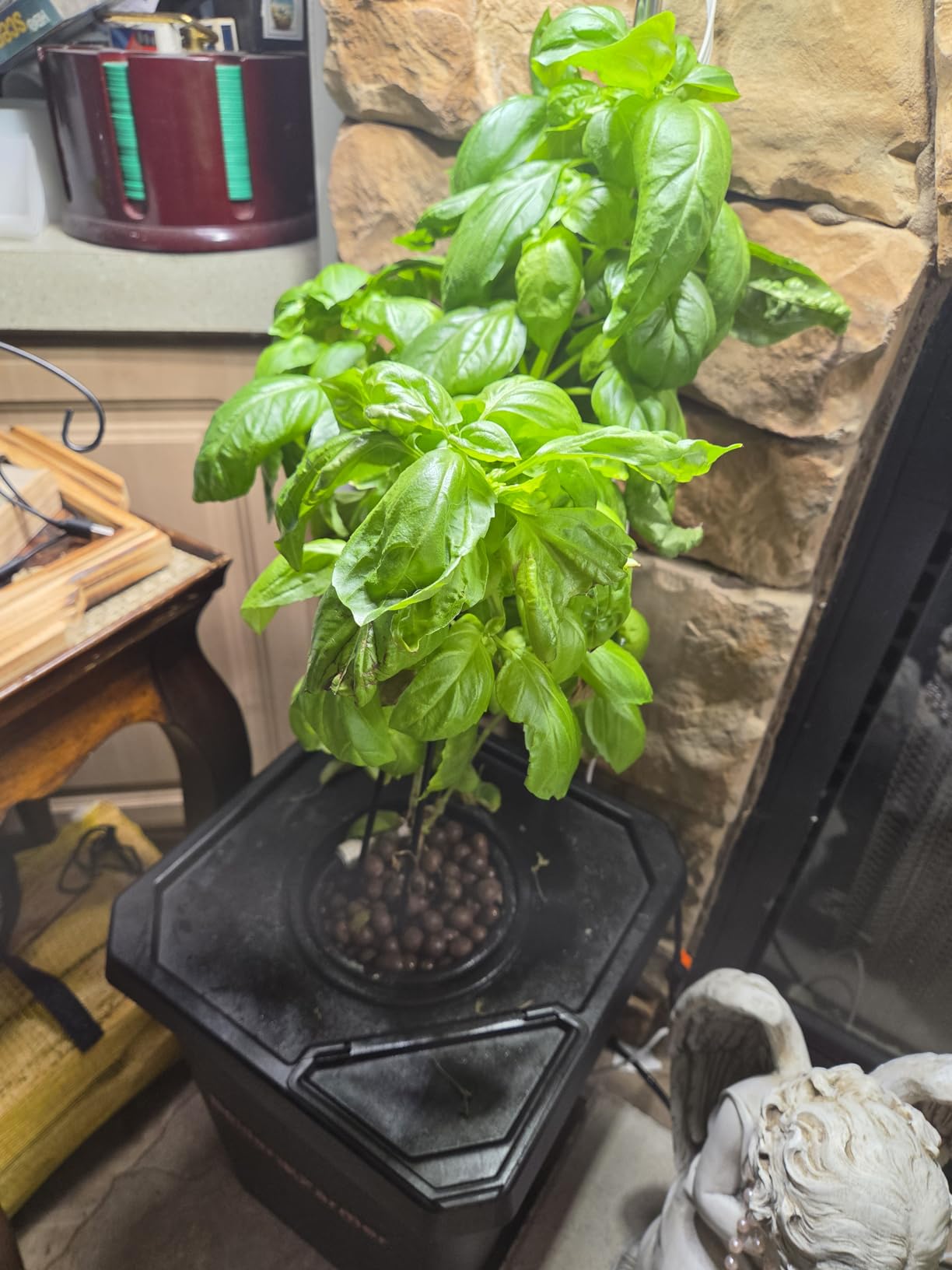
Why A and B must stay apart
Base A carries calcium, Base B carries phosphorus and sulfur. If you pour both into the same undiluted jug, they react and form a solid you cannot dissolve. The label is explicit that the bases must not be mixed in concentrated form.
The rule is simple and absolute. Dilute A into your water fully, then dilute B into the same water fully. Never combine them first. Getting this wrong is the most common beginner error with two-part systems, and it usually shows up as cloudy, unusable solution.
Once each is separately diluted, the calcium and phosphorus coexist happily. This is the same precipitation trap that shows up in dry three-part systems, and the fix is the same in both cases: never concentrate salts together.
7. Humboldts Secret Base A and B 32oz Set – Best Two-Part for Bigger Reservoirs
Humboldts Secret Base A & B Liquid Fertilizer, Hydroponic, 32 Ounce Set
Liquid
64 fluid ounces total
1:1 mixing ratio
Full spectrum base
Pros
- Equal parts A and B with no schedule to learn
- Mixes fast and clean without clogging lines
- Works across hydro coco soil and aquaponics
- Full spectrum with calcium and magnesium included
Cons
- Base only
- so most growers add CalMag and bloom
- Spread of ratings includes critical reviews
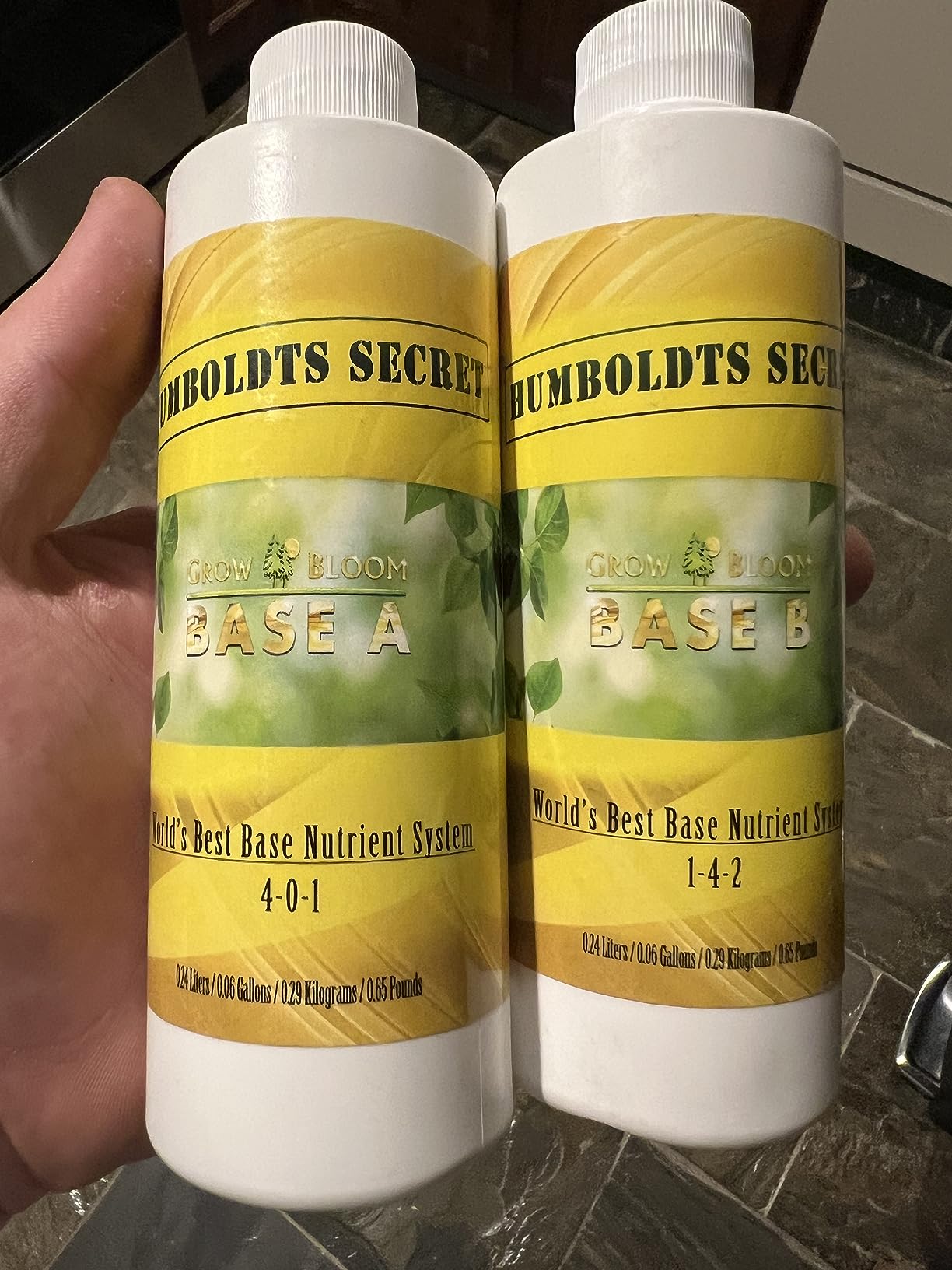
Same two-part logic as the set above, sized for a system that matters. Sixty four fluid ounces total, equal-parts mixing, and a full spectrum formula carrying nitrogen, phosphorus, potassium, calcium, and magnesium in one base. It suits deep water culture, aquaponics, pots, raised beds, and coco coir.
At 4.5 across 3422 ratings it sits just behind the two three-part kits on review volume. The rating spread is wider than the other two-part option, which is normal for a product with this many owners. The consistent theme in the positive reviews is that it mixes fast and leaves no residue or clogged lines, which is exactly what automated systems need.
Owners also highlight how well it works outside pure hydroponics. If your vegetables sit in coco or raised beds alongside a hydro reservoir, one formula covering both is a genuine simplification.
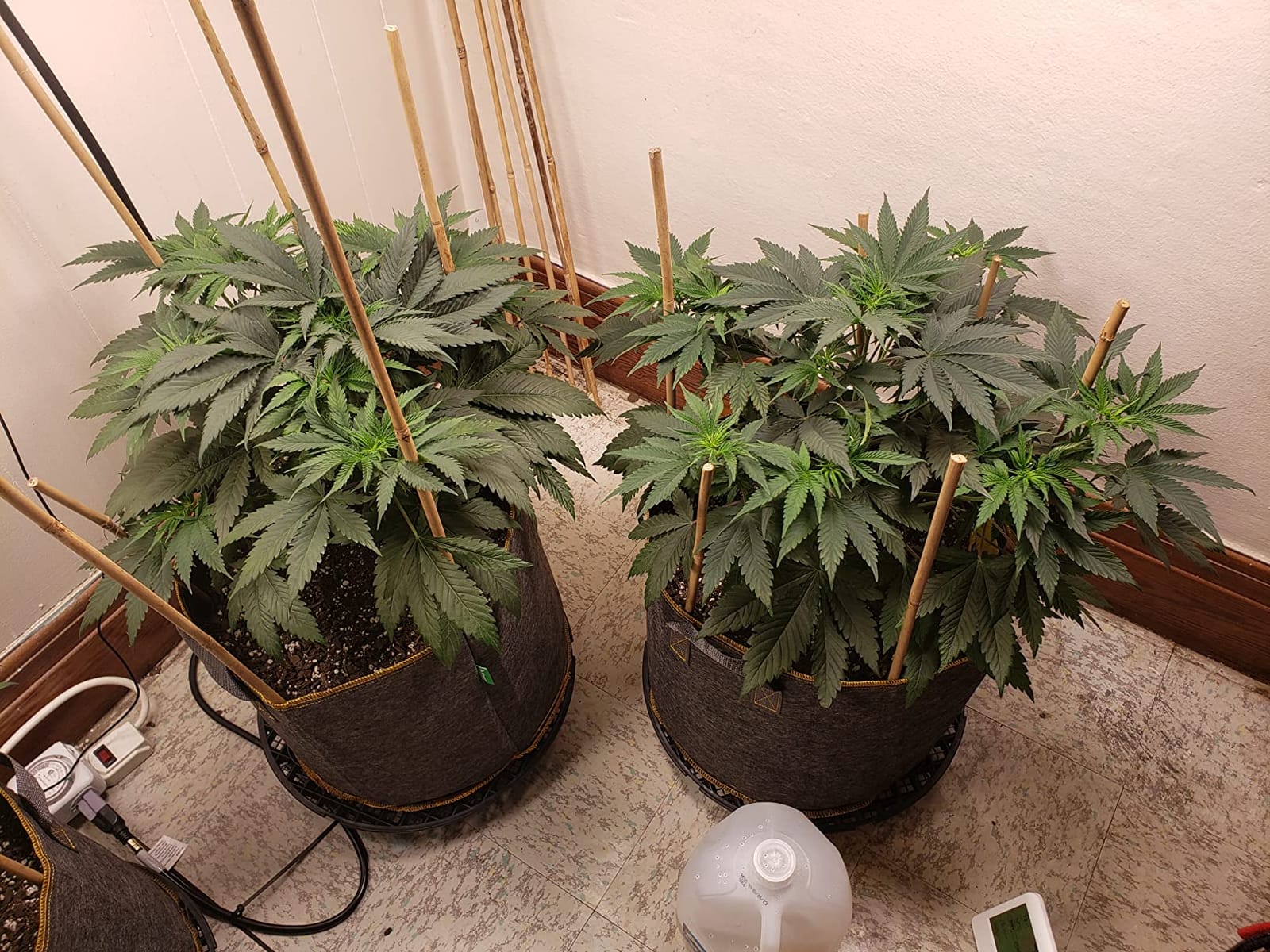
Strength control is easy here, which reviewers mention as a real advantage. Because it is equal parts with no stage ratios, you adjust the whole feed strength with one number, and a syringe makes small increments easy on seedlings.
For reservoir sizing, this is the kit that scales. A 20 gallon reservoir with weekly top-offs will draw through 64 ounces across a full run, and the leftover carries into the next one rather than going to waste.
What is actually in the kit
Two 32 ounce bottles, Base A and Base B, 64 fluid ounces in total, mixing at 1 to 1 with every feeding. The formula is pH balanced and fully water soluble, and it mixes fast without leaving residue in lines.
Be clear-eyed about what a base is. It covers the full macro and micro spectrum, but experienced growers still add CalMag and a bloom or flower supplement on top, because a base alone does not handle every stage of a heavy flowering crop.
That is the honest version of the deal. This is the cheapest way into a full spectrum two-part program, and it is the natural next purchase for anyone who outgrows an eight ounce bottle.
Where a base-only program falls short
Two limits show up repeatedly. First, bloom phase demands more phosphorus and potassium than a vegetative-leaning base supplies, and growers chasing fruit set report adding a bloom product to close that gap. Second, on reverse osmosis water the calcium contribution is low enough that a cal-mag supplement earns its place.
Neither is a reason to skip this kit. It is a reason to plan the full program from the start rather than discovering the missing pieces during flowering.
The critical reviews tend to cluster around two things: expecting a complete solution from a base, and using it at full strength immediately on young plants. Both are expectations problems, not formulation problems.
8. Haligo A and B Nutrients 800ml – Best Budget Countertop Set
Hydroponics Nutrients for Aerogarden(800ml in Total), Plant Food A & B Hydroponics Supplies, Indoor Plant Fertilizer for Hydroponics Growing System, Hydroponic Solution for Vegetables Thrive
Liquid
800ml total
Eight packs
5ml A plus 5ml B per liter
Pros
- Simple measured dosing that beginners can follow
- Includes a dispensing cup for measuring
- One box holds eight packs of nutrients
- Made for Aerogarden style towers
Cons
- Total 800ml suits small systems only
- Runs out quickly on multi plant setups
- Needs accurate ml dosing to avoid over concentrating
This is the kit for the Aerogarden and countertop tower crowd, and it solves a problem the other picks here do not. It ships as eight packs, so you are not measuring out of a bottle that sits for months and goes cloudy. Open a pack, use it, discard the rest.
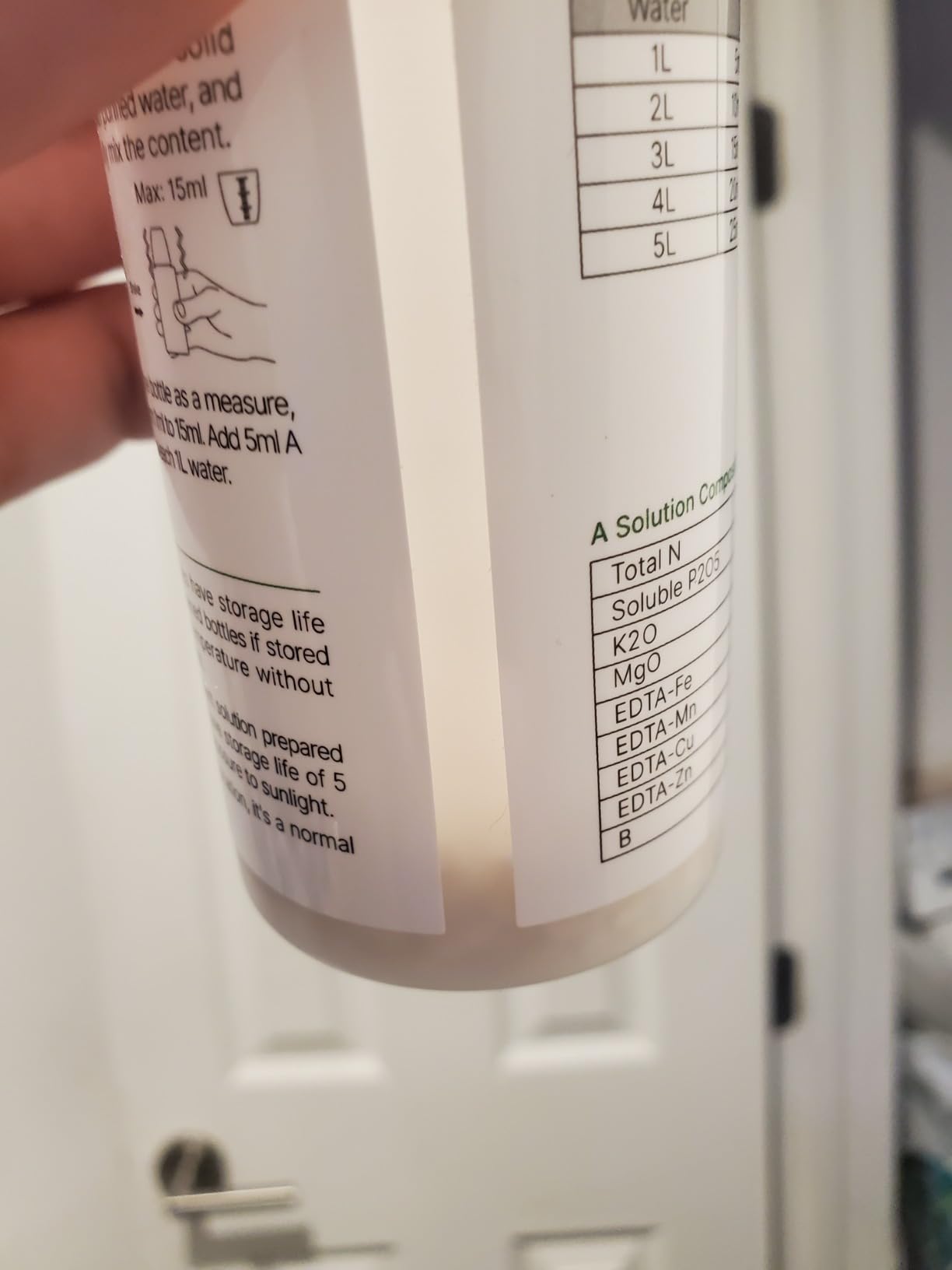
Dosing is dead simple. Five milliliters of A plus five milliliters of B per liter of water, with a dispensing cup included in the box. The formula is 100% water soluble and pH balanced, and buyers report strong, fast growth in herb and vegetable towers.
At 4.7 across 1450 ratings it holds the second highest rating in this roundup, which is notable for a budget-oriented product. The formula is not the reason; the format and the dosing simplicity are.
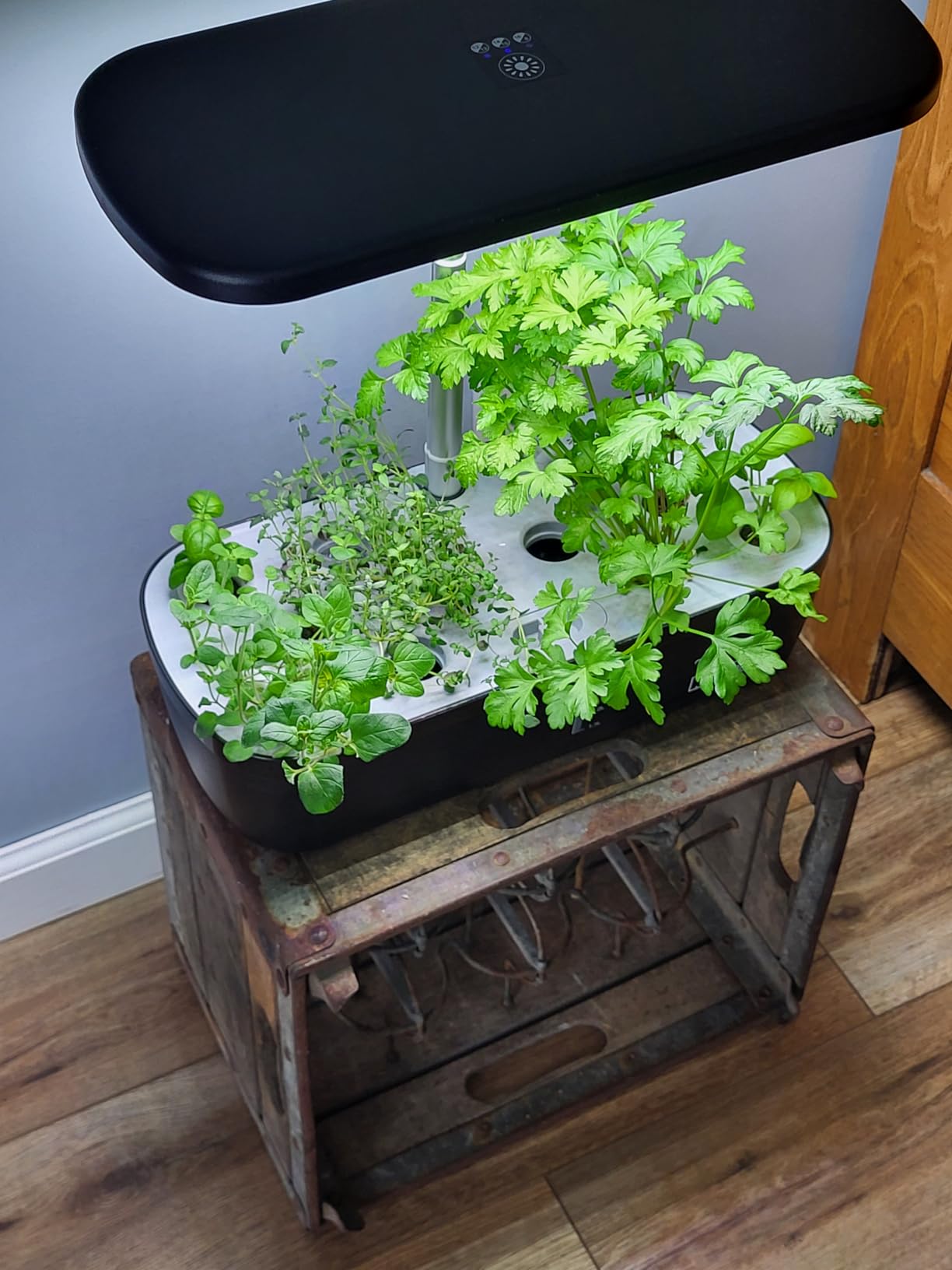
The limitation is total volume, and it is a hard limit. Eight hundred millilitres across the whole bundle is enough for a small system with a few plants. It is not enough for a twelve site tower, a pair of deep water buckets, or anyone running a long grow without repurchasing.
Reviewers are candid about this. The value here is the number of packs and the convenience, not the concentration. If you want the lowest cost per gallon for a large reservoir, this is the wrong product and the Masterblend bulk kit is the right one.
The dosing does require accurate measuring. Five milliliters is a small volume, and eyeballing it in a liter bottle is how people accidentally run a tower at double strength. Use the cup.
What is actually in the kit
Two bottles plus an extra six pack of A and B nutrients, 800 millilitres total. It is directly compatible with Aerogarden and with a wide range of indoor hydroponic grow systems, and it also works for houseplants, container plants, and garden plants outside the tower.
It is a straightforward two-part system, so the same separation rule applies as with every other two-part kit on this list. Dilute A fully, then dilute B fully, and never combine the concentrates.
Because it is sold in single-use packs, the spoilage question largely disappears. That is a real advantage over liquids for anyone with a small reservoir and an irregular schedule.
How far 800ml actually stretches
Run the numbers before you buy. At 5 milliliters of each part per liter, 400 milliliters of A plus 400 milliliters of B treats 80 liters of solution. A small countertop reservoir of a few liters, topped off every week through a short grow, fits comfortably inside that.
Stretch it across a large reservoir and you are repurchasing mid-run, at which point the cost per liter advantage disappears. This is a small system product and it is honest about that.
It is also the natural first kit. Users in r/kratky describe exactly this situation, having used up the plant food that shipped with the system and needing a specific replacement recommendation. For a jar or bucket of two or three litres growing lettuce or basil, this is the simplest answer we found.
How to Choose a Hydroponic Nutrient Kit for Vegetables
Most nutrient decisions get made on brand when they should get made on form. Start here instead: match the system size to the mixed volume, match the crop to the nitrogen-to-potassium balance, and only then decide which bottle brand to trust.
If you are running a mix of systems, our raised garden bed kit guide covers the soil side of a dual setup, and the same formulas in this article will carry you across the water side.
Dry vs Liquid: Which Form Should You Buy?
Dry powder costs less per gallon because you are not paying to ship water. That advantage is real and it compounds every time you mix a reservoir. The cost is effort: a scale, a spoon, and a little more cleanup.
Liquid is faster and less precise. You pour measured amounts, you do not weigh, and you are done. The tradeoff is cost per gallon, which is the single biggest recurring complaint in hydroponic forums, and the reason many growers switch from a liquid line to a dry system after finishing their first set of bottles.
For a large reservoir with long cycles, dry wins on value. For a small countertop system you top off weekly, liquid wins on convenience, and the volume you use is small enough that the difference does not bite.
1-Part vs 2-Part vs 3-Part: What the Numbers Actually Mean
One-part means a single bottle or a single pre-weighted set that covers the whole life cycle. Simple, and the strength is the only number you adjust.
Two-part means two components mixed in equal parts. The parts are usually calcium based and phosphate based, which is why they must be diluted separately. You gain simplicity, and you lose the ability to push phosphorus and potassium independently.
Three-part gives you a micro component, a grow component, and a bloom component. That is real per-stage control, and it is why growers running tomatoes and peppers lean toward it. The forum consensus treats three-part as foolproof if you follow the order, and demanding if you do not.
Match the complexity to the crop. Lettuce, spinach, kale, and basil are forgiving. Strawberries, tomatoes, and peppers are not.
Mixing Order and Precipitation
This is where most nutrient lockout comes from, and it costs nothing to get right. Concentrated salts that react will form a solid you cannot dissolve, and it sits in your reservoir.
The rule across every system on this list is the same. Start with water in the reservoir. Add each component separately, fully diluted, one at a time. With dry systems, dissolve the base completely before adding the calcium component. With two-part liquids, dilute A fully, then dilute B fully, and never combine the concentrates.
Never add calcium and concentrated phosphate salts together. If your solution clouds, that is what happened. Dilute further, add more water, and mix again.
Do You Need Cal-Mag Supplements?
Sometimes, and you can work out whether you need it in thirty seconds. Find out how much calcium and magnesium your source water already contributes.
On reverse osmosis water, you need it. RO strips the minerals out, and the plants get nothing but what the bottle provides. On very hard tap water, you probably do not, because the water is already doing that job. In the middle, a base that already carries calcium and magnesium may be enough on its own.
Two of the kits here ship without a cal-mag product, and one ships with a full quart of it. That single fact changes the true cost of each option more than any other item in the box.
EC and pH Targets by Vegetable
EC measures total dissolved salts and pH measures how available those salts are. Both matter, and they matter together. A solution at the right EC but the wrong pH is effectively an empty solution, because the plant cannot take up what is in it.
Leafy greens and herbs sit at the low end, around 0.8 to 1.2 mS/cm, and prefer a slightly more acidic water at roughly 5.6 to 6.2. Fruiting vegetables want more, around 2.0 to 2.8 mS/cm, with pH closer to 6.0 to 6.5. Strawberries sit in between, nearer 1.2 to 1.8 mS/cm.
Use a meter, check weekly, and adjust after the plants are established rather than during the first week. Seedlings want a weaker solution than mature plants, and full strength too early is one of the most common causes of tip burn across every line we tested.
Frequently Asked Questions
What are the best nutrients for hydroponic vegetables?
The Masterblend 4-18-38 Complete Combo Kit is the strongest all-round pick because it ships with all three components in correct ratios. The Advanced Nutrients Micro, Grow and Bloom 3-Part is best if you want the least pH adjustment, and the General Hydroponics Flora Series is the most trusted starter system. For fruiting vegetables the higher potassium and phosphorus ratio in Masterblend and the bloom stage in the three-part liquids both work well.
Are liquid or dry hydroponic nutrients better?
Dry powder costs less per gallon because you are not paying to ship water, but it takes more mixing effort and a scale. Liquid is faster to use and easier to dose, but the ongoing cost per gallon is higher. Large reservoirs with long cycles benefit from dry. Small countertop systems you top off weekly are fine with liquid because the volume is small.
Do I need extra supplements with hydroponic nutrients?
It depends on your water. On reverse osmosis water, where minerals are stripped out, a cal-mag supplement is close to essential. On very hard tap water you usually do not need one because the water already supplies calcium and magnesium. In between, check your source water first. A base nutrient alone also leaves gaps in heavy flowering crops, where a bloom supplement helps.
How often should I add nutrients to my hydroponic system?
Check pH and EC weekly at minimum, and more often in small reservoirs or warm rooms where drift is faster. Top off with plain water between full changes rather than adding more nutrients every time, because plants drink water and the ratio stays roughly stable. Do a full reservoir reset every two weeks in a recirculating system to prevent salt buildup.
Can I use regular garden fertilizer for hydroponics?
Generally no. Soil fertilizers are built to release slowly and buffer themselves, and they leave salts that accumulate in a recirculating water system where there is no soil to absorb them. Use a hydroponic formulation, which is fully water soluble and balanced for root-zone uptake. Forum growers report the usual result of using soil products in water is tip burn and stalled growth.
Which hydroponic nutrient kit is best for a small countertop system?
The Haligo A and B 800ml set is built for countertop towers and measures 5 milliliters of each part per liter with an included dispensing cup. The VIVOSUN Base A and B 8oz pair is the other small-system option, with equal-parts dosing and no odor. Both run out quickly on anything larger than a few plants, so match the volume to your reservoir before buying.
Which Kit Should You Buy?
The best hydroponic nutrient kits for vegetables are not one product, they are three depending on your system. For a real reservoir growing tomatoes, peppers, or strawberries, the Masterblend 4-18-38 Complete Combo Kit wins because it is the only option here that is complete the moment it arrives, and it costs the least per gallon over a long run.
For a countertop tower or anything you cannot check daily, the Advanced Nutrients Micro, Grow and Bloom 3-Part is worth the higher outlay for how much less pH work it creates. For a first grow on a budget, the General Hydroponics Flora Series plus a cal-mag product is the most proven path, and the Haligo A and B set covers small systems without a full bottle commitment.
Whichever you choose, check the completeness audit before you buy, dilute every component separately, and start new transplants at half strength. Those three habits solve more problems than any brand on this list.