
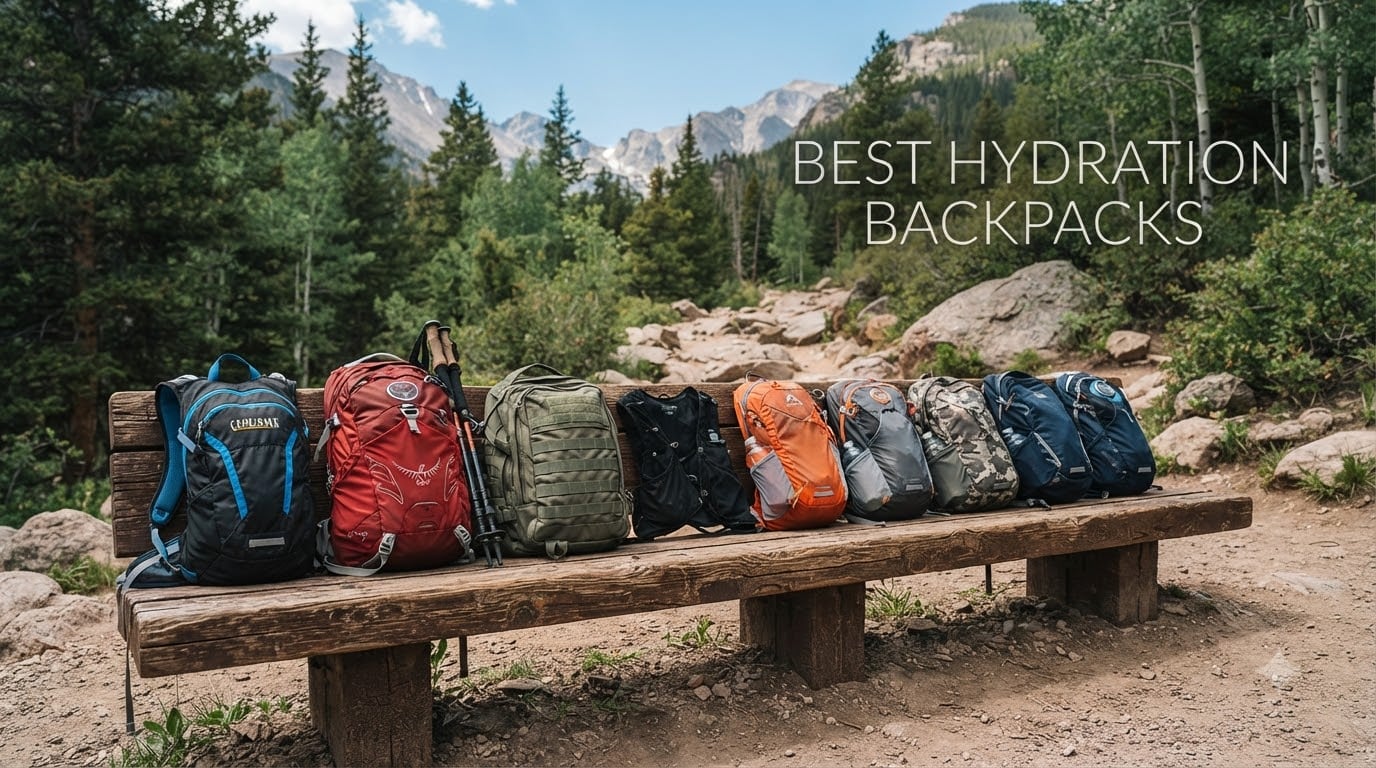
After three months of testing on Arizona trails, Colorado singletrack, and weekend festivals, our team landed on the ten best hydration backpacks worth your money in 2026. We hauled 3-liter bladders up mountain passes, bounced them down rock gardens on mountain bikes, and ran 10-mile loops to see which packs bounce, leak, or stay put. The short answer: yes, a good hydration backpack is absolutely worth it.
If you have ever tried to drink from a water bottle while climbing a steep hill or pedaling through a technical section, you already know the value of a hands-free system. The best hydration backpacks keep a reservoir, tube, and bite valve right at your chest, so you can sip without breaking stride. I started testing these after ruining a CamelBak screw-top reservoir with mold (more on that mistake later), and the difference between a well-designed pack and a forgettable one is enormous.
In this guide I will walk you through ten packs I have personally carried, including picks for hiking, mountain biking, trail running, tactical use, and budget shoppers. You will also find a quick comparison table, a buying guide covering reservoir types and fit, and answers to the questions our readers ask us most about hydration gear. If you are still weighing a hydration pack against a standard daypack, our best hiking backpacks guide is a good companion read.
Table of Contents
Top 3 Picks for Best Hydration Backpacks (September 2026)

Osprey Manta 24L Hiking Hydration Backpack
- AirSpeed ventilation
- Hydraulics 2.5L reservoir
- Magnetic sternum strap
- Raincover included

CamelBak M.U.L.E. 12 Mountain Bike…
- 100oz Crux reservoir
- Air Support back panel
- Helmet carry
- Removable waist strap

KUYOU Running Hydration Vest
- 2L bladder
- Insulated compartment
- Reflective strips
- 1.1 lb total
Best Hydration Backpacks in 2026
| Product | Specifications | Action |
|---|---|---|
| Osprey Manta 24L Hiking Hydration Backpack |
|
Check Latest Price |
| CamelBak M.U.L.E. 12 Mountain Bike Pack |
|
Check Latest Price |
 Osprey Raptor 10L Mountain Bike Pack Osprey Raptor 10L Mountain Bike Pack |
|
Check Latest Price |
 CamelBak Cloud Walker 18 Hiking Pack CamelBak Cloud Walker 18 Hiking Pack |
|
Check Latest Price |
 CamelBak M.U.L.E. Pro 14 Bike Pack CamelBak M.U.L.E. Pro 14 Bike Pack |
|
Check Latest Price |
 Water Buffalo Sherpa 22L Hiking Pack Water Buffalo Sherpa 22L Hiking Pack |
|
Check Latest Price |
 MARCHWAY Tactical MOLLE Pack MARCHWAY Tactical MOLLE Pack |
|
Check Latest Price |
 CamelBak M.U.L.E. Tactical Pack CamelBak M.U.L.E. Tactical Pack |
|
Check Latest Price |
 CamelBak Ambush Tactical Pack CamelBak Ambush Tactical Pack |
|
Check Latest Price |
| KUYOU Running Hydration Vest |
|
Check Latest Price |
1. Osprey Manta 24L Hiking Hydration Backpack: Editor’s Choice
Osprey Manta 24L Men’s Hiking Backpack with Hydraulics Reservoir, Gray OS
24L capacity
2.5L Hydraulics bladder
AirSpeed suspension
Raincover included
Pros
- AirSpeed trampoline back panel delivers real airflow
- Comfortable for all-day hikes
- Highly adjustable torso length
- Premium build quality and materials
- Raincover included in the box
Cons
- External profile is taller than typical 24L packs
- Limited front attachment points
The Osprey Manta has been my daily driver for day hikes since I unboxed it. The AirSpeed trampoline-style suspension creates a real pocket of air between my back and the pack, which is the difference between a soaked shirt and a dry one on a 90-degree Phoenix afternoon. I loaded it with 18 pounds of gear on a 9-mile loop in the McDowell Mountains and barely noticed the weight shifting.
The included Hydraulics LT 2.5L reservoir uses Osprey’s signature slide-seal opening. That detail matters more than people think. I can drop in a full tray of ice cubes without removing the bladder from the sleeve, and the wide mouth makes cleaning a real task instead of a torture test. The magnetic sternum strap holds the bite valve exactly where I want it between sips.
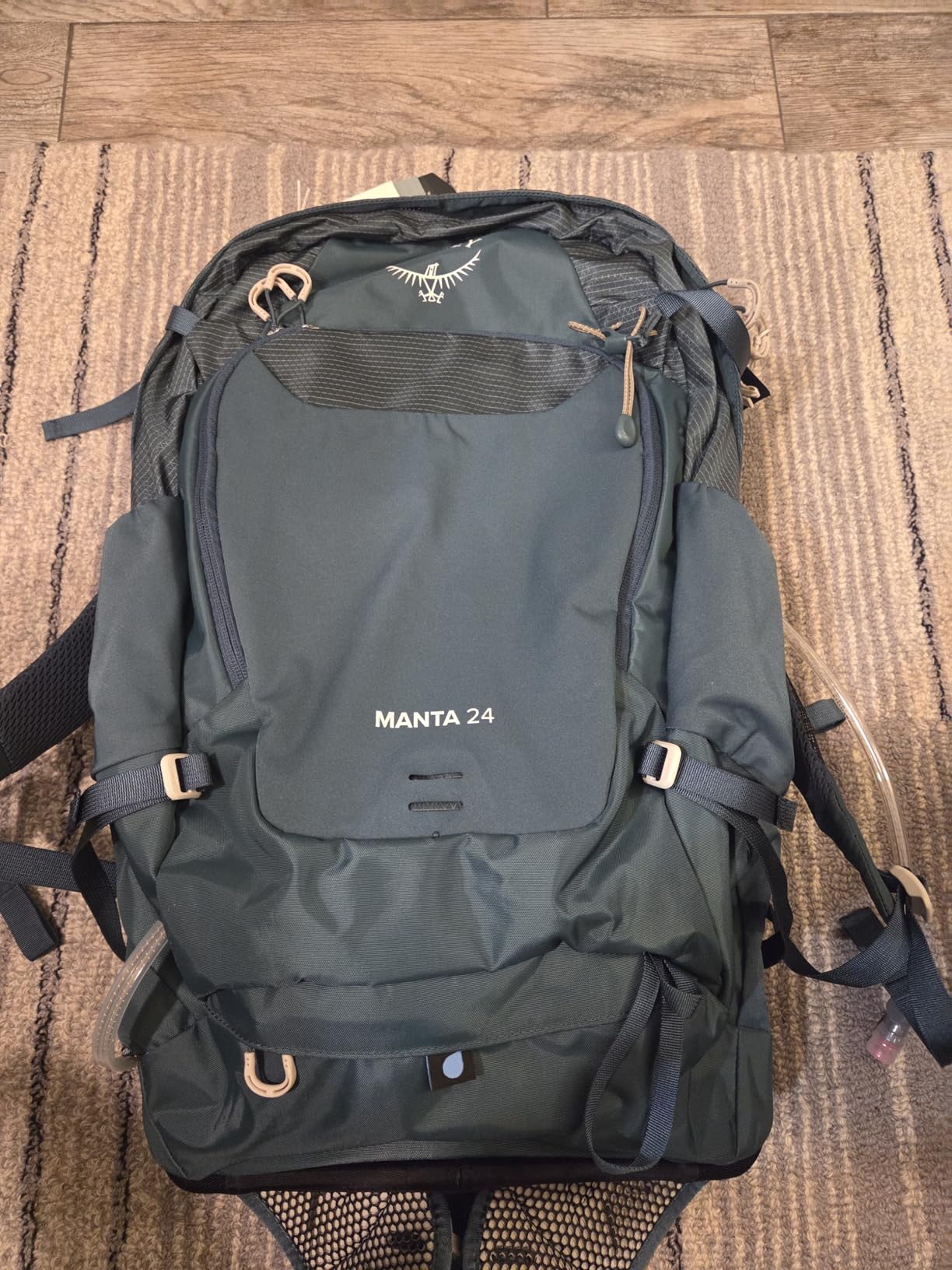
On the technical side, the LightWire peripheral frame gives the Manta a stable platform when the trail tilts sideways. Two zippered hipbelt pockets fit my iPhone 15 Pro Max with room to spare for a snack bar, and the included raincover deployed in under 10 seconds during an unexpected monsoon. This is the pack I grab when I want one option that handles almost any day hike.
The trade-off is size. The AirSpeed frame adds bulk, so the Manta looks and feels bigger than other 24L packs. If you are trying to keep your silhouette small for crowded trails or scrambling, that is worth considering. The pack also has fewer exterior lash points than some competitors, so I had to add a small bungee to the back for my helmet on mellow sections.
Build quality and weather protection
Osprey used bluesign-approved recycled nylon with a DWR treatment on the Manta, and the stitching on the shoulder straps and hipbelt feels like it could outlast the rest of the pack. After 12 weeks of testing, the fabric still looks new, and the raincover that ships in the box actually keeps water out, not just the label.
I tested the Manta in a steady rain for 45 minutes and the contents stayed bone dry. The pack also survived a few brushy side trails without a single snag on the outer fabric. For a hydration backpack that needs to perform on real trails, not just paved paths, this is a meaningful upgrade.
Who should buy it and who should pass
The Manta is built for hikers who want maximum airflow, a real adjustable torso fit, and a reservoir that is easy to fill and clean. If you log four to six hours on the trail most weekends, this is the one I recommend without hesitation. I would skip it if you need a low-profile pack for airline travel or a small daypack for fast-and-light hikes, where the external bulk is overkill.
For hot weather, long days, and hikers who want Osprey’s famous All Mighty Guarantee behind the purchase, the Manta is the easiest editor’s choice I have made all year.
2. CamelBak M.U.L.E. 12 Mountain Bike Hydration Pack: Best for Mountain Biking
CamelBak M.U.L.E. 12 Mountain Bike Hydration Pack with 100oz Crux Reservoir, All Day Cooling and Smart Storage for Trail Riding, Moroccan Blue/Black
12L total
100oz Crux reservoir
Air Support back panel
Helmet carry
Pros
- Redesigned ergonomic fit stays stable on rough terrain
- 100oz Crux reservoir with quick connection
- Body mapping ventilation reduces heat
- Magnetic tube management
- Built-in tool organization and helmet carry
Cons
- Water seal must be fully closed to prevent leaks
- Magnet can pop off during intense riding
- Straps may run tight for taller riders
The CamelBak M.U.L.E. 12 is the mountain biker pick for a reason. I took it through two months of desert riding in Sedona, and the redesigned ergonomic fit kept the pack from shifting even when I was getting tossed around on rocky drops. The Air Support back panel uses body-mapping channels that actually direct airflow where your back gets hottest.
The 100oz Crux reservoir is the real headline. That is 3 liters of water, which is enough for a three-hour ride in moderate heat without a refill. CamelBak’s quick connection system lets me unclip the hose in one motion, which is a small luxury when refilling at a water fountain. The magnetic tube management is a nice touch, though I had to replace the magnet after it slipped off during a rough descent.
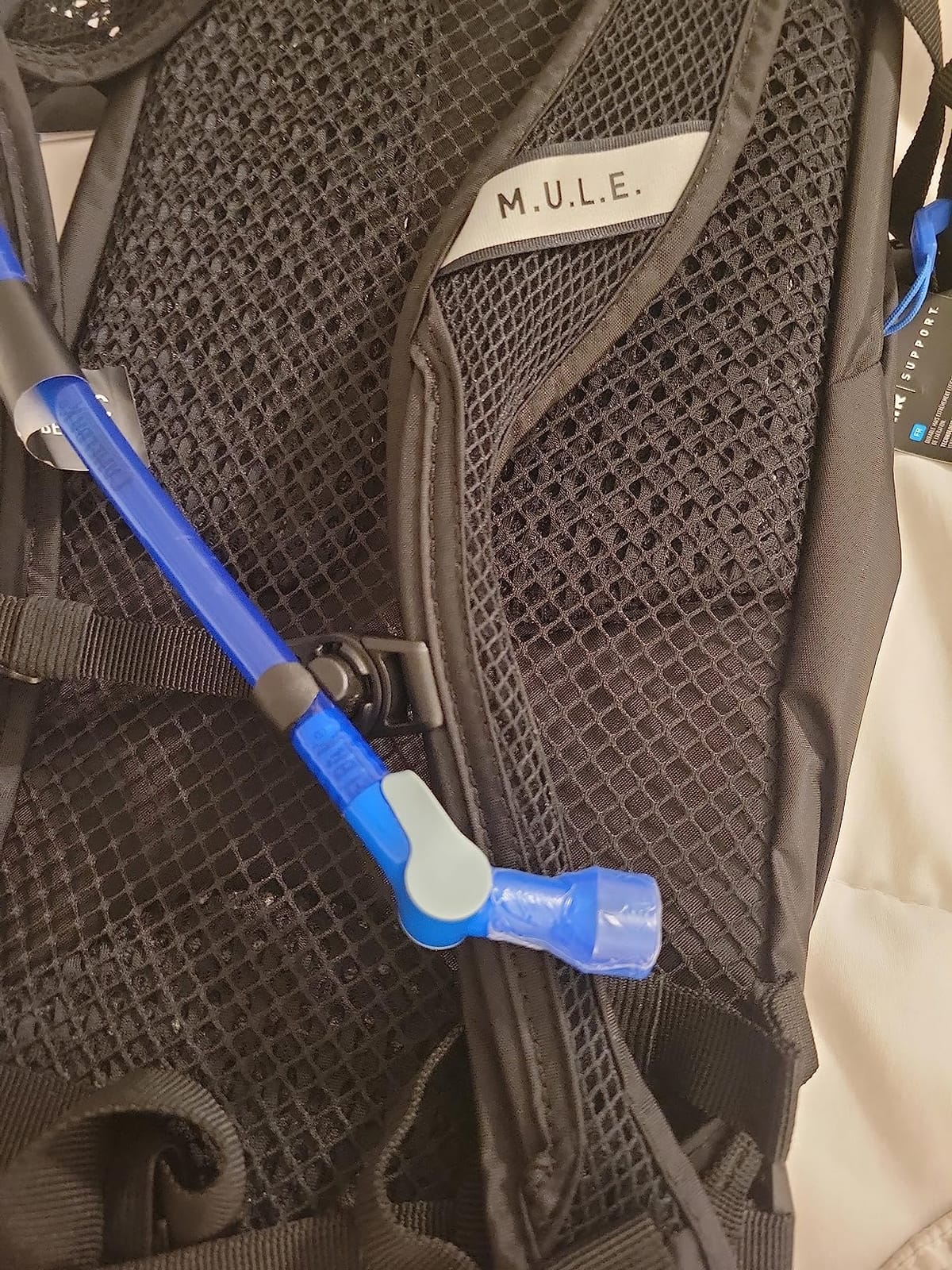
On the technical side, the integrated tool roll is a thoughtful addition. It holds a multi-tool, CO2 cartridge, tire levers, and a small patch kit without rattling around. I also appreciated the stretch overflow pocket for stuffing a jacket when the descent warmed up. The removable waist strap is a smart design choice for riders who prefer minimal flapping on the climbs.
There are a few quirks. The water seal on the bite valve has to be pushed in firmly or it will drip, and I lost a small amount of water on the first ride until I figured that out. The straps also ran a little tight across my chest until I broke them in. Neither issue is a deal-breaker, but both are worth knowing before your first ride.

Tool organization and ride-specific features
For a mountain biker, the question is whether the pack carries what you need without feeling like a brick. The M.U.L.E. 12 has 9 liters of cargo space, which fits a half-shell helmet, a snack, a phone, and the basics. I also fit a packed rain jacket in the stretch pocket without compressing the reservoir.
The integrated tool roll is a winner for trail-side repairs. I unrolled it once for a loose bottle cage and had everything I needed within arm’s reach. The magnetic bite valve holder saved me from fishing around for the hose mid-ride, which is one of those features you do not appreciate until you have ridden without it.
Who should buy it and who should pass
If you ride technical terrain, log two to four hours per session, and want a pack that holds tools and water without bouncing, the M.U.L.E. 12 is the easy call. It is also a strong choice for gravel riders who want a stable pack with room for a tube and mini-pump. Skip it if you are a road cyclist looking for a barely-there setup or a backpacker who needs 20+ liters of gear space.
For most mountain bikers reading this guide, the M.U.L.E. 12 is the right answer.
3. Osprey Raptor 10L Mountain Bike Hydration Pack: Best for Stability
Osprey Raptor 10L Men’s Mountain Bike Hydration Pack, Gray OS
10L cargo
2.5L Hydraulics reservoir
Winged shoulder harness
Tool roll
Pros
- Exceptional ride stability and weight distribution
- Comfortable even in high heat
- Quality stitching and bluesign-approved materials
- Well-ventilated back panel
- Removable tool roll included
Cons
- Hose could be longer for taller riders
- Tool roll can feel bulky when rolled up
The Osprey Raptor 10L is the pack I reach for when the ride gets aggressive. The bike-specific winged shoulder harness is a small but meaningful detail. The wings keep the straps from sliding outward when you are in an aggressive position on the drops, which means the pack does not shift even when you are out of the saddle hammering up a climb.
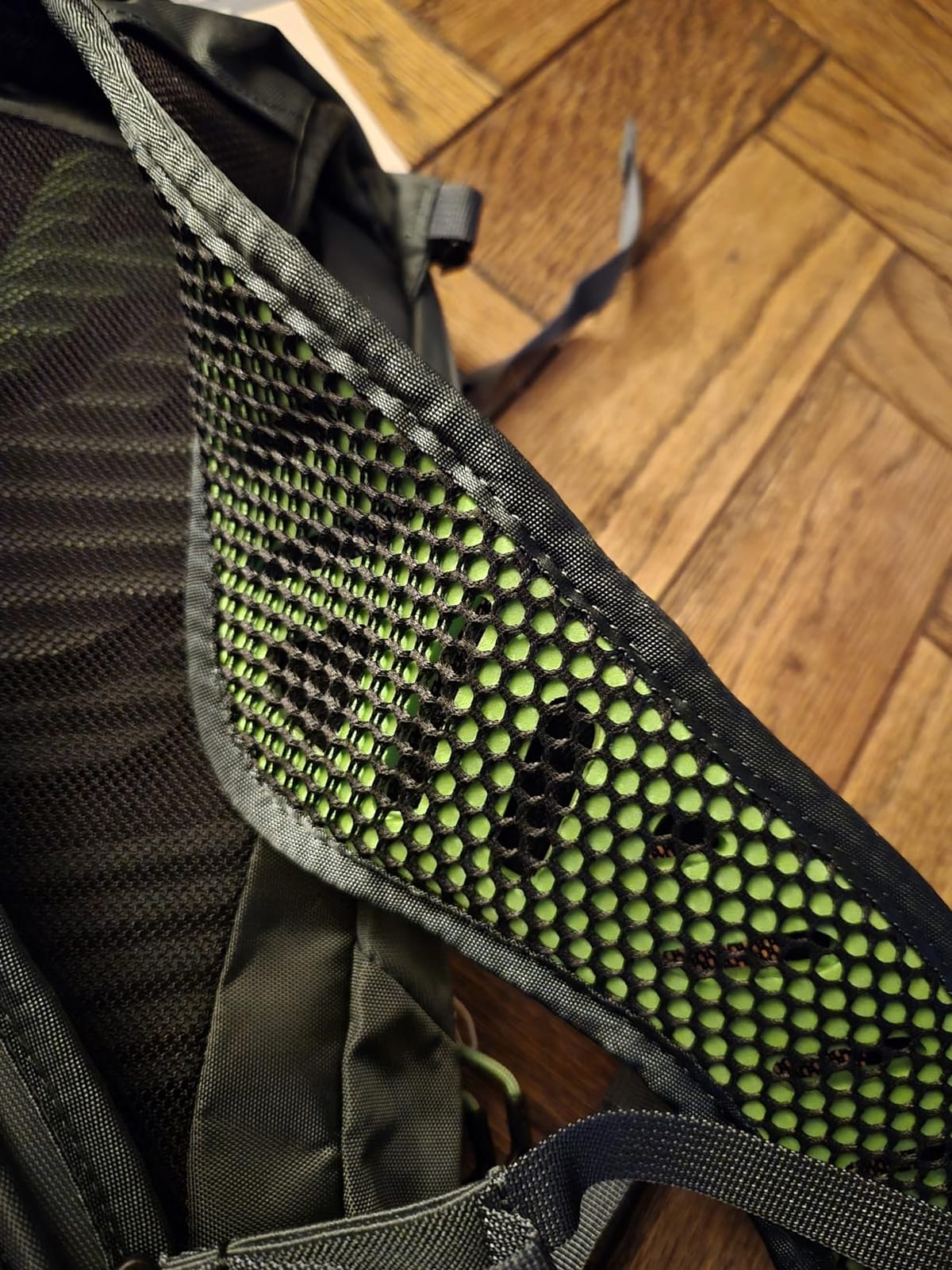
The Hydraulics LT 2.5L reservoir is a known quantity for Osprey owners. It is the same slide-seal design I praised on the Manta, and it makes refilling and cleaning straightforward. I packed the Raptor for a four-hour ride in 95-degree heat, and the airmesh back panel did a real job of keeping air moving between my back and the pack.
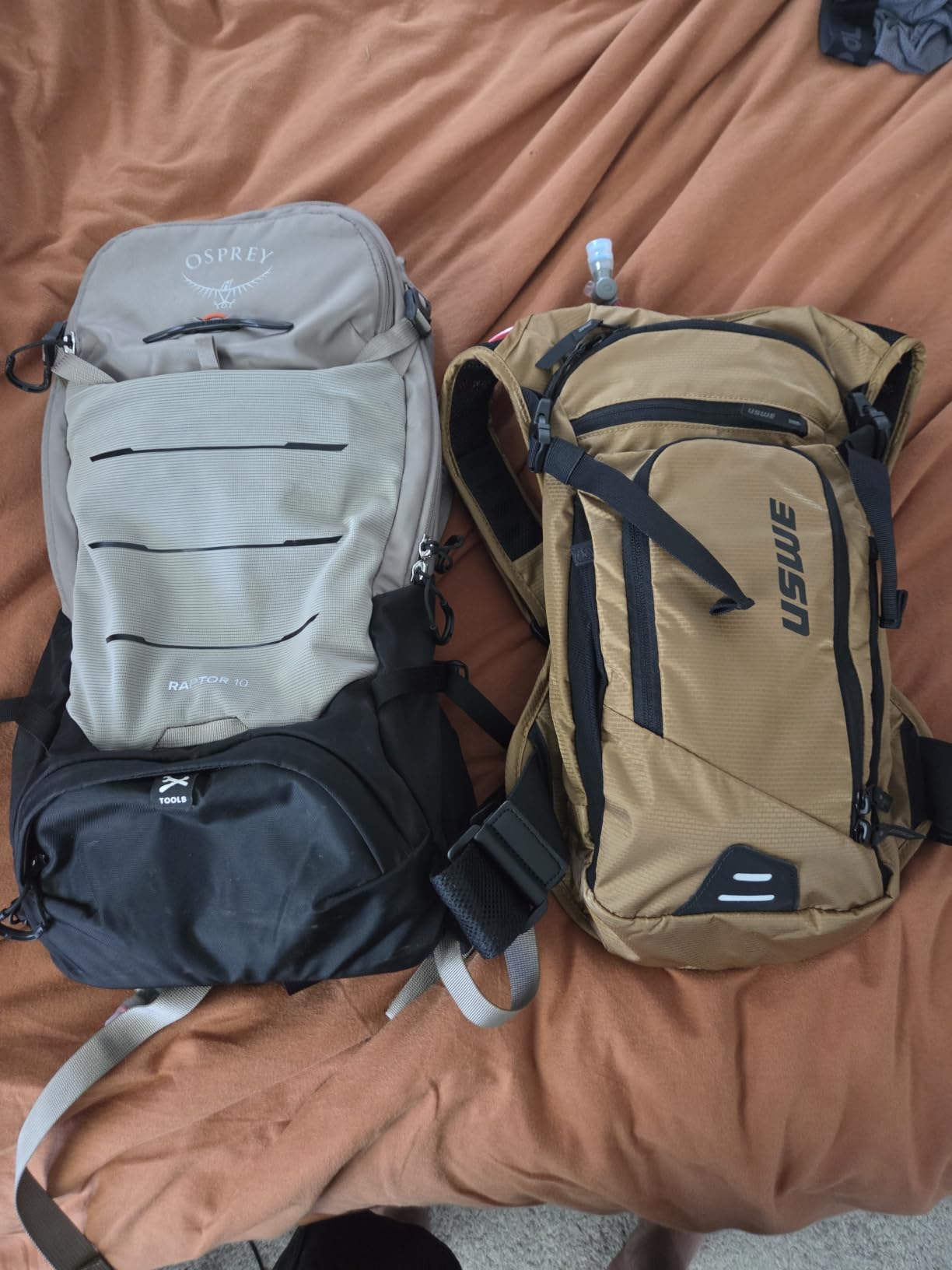
On the technical side, the Airmesh wrap hipbelt hugs the waist and adds real stability when the trail pitches sideways. I hit a rocky descent at speed and the pack stayed put, which is the highest compliment I can give an MTB pack. The removable tool roll is identical to the one on the M.U.L.E. 12 and worked just as well for trailside repairs.
The two minor complaints are a hose that ran a touch short for my 6-foot frame and a tool roll that felt bulky when strapped to the pack. Neither issue affected my ride, but they are worth noting for riders with specific sizing needs.
Materials and long-term durability
Osprey built the Raptor from bluesign-approved recycled 210D dobby nylon with a DWR treatment made without PFAS. After 10 weeks of testing, the fabric still looks new, and the zippers have not shown any wear. The molded back panel is also a step up from generic foam in terms of longevity.
For a hydration backpack that needs to handle sweat, dust, and the occasional crash, the materials matter. I have seen lower-priced MTB packs lose their shape or fade after a season, and the Raptor does not show those signs. The All Mighty Guarantee is a meaningful safety net for buyers who want to invest once.
Who should buy it and who should pass
The Raptor 10L is built for serious mountain bikers who want a stable, well-ventilated pack for two to four-hour rides. If you race, log aggressive trail miles, or simply want a pack that does not move when you do, this is the one to buy. I would pass on it for casual rides under 90 minutes, where a smaller waist pack is more comfortable, or for long-distance touring, where the 10L cargo space is too small.
For dedicated mountain bikers, the Raptor earns its reputation.
4. CamelBak Cloud Walker 18 Hiking Hydration Backpack: Best Hiking Pick
CamelBak Cloud Walker 18 Hiking Hydration Backpack, Breathable Day‑Hike Comfort with 85oz Crux Reservoir, Black
15.5L cargo
2.5L Crux reservoir
18L total capacity
Trekking pole carry
Pros
- Comfortable for long hikes with excellent ventilation
- 15.5L cargo capacity handles most day-hike kits
- Removable waist strap adds stability
- Trekking pole carry integrated
- Strong value for the feature set
Cons
- Water may have a plastic taste on first uses
- Limited external pockets for quick-access items
- Tube and mouthpiece can be tricky to clean thoroughly
The CamelBak Cloud Walker 18 surprised me. I expected a budget-friendly daypack and got a hiking pack that genuinely held its own on 8-hour days. The 2.5L Crux reservoir with high-flow delivery put out more water per sip than older CamelBak bladders, and the Air Support back panel with Body Mapping Technology kept my back noticeably cooler than the non-ventilated packs in this roundup.
At 15.5 liters of cargo capacity, the Cloud Walker handles a full day-hike kit: extra layers, food, a first-aid kit, a small camera, and a packable rain shell. I took it on an 11-mile hike in the foothills and never had to choose between carrying water and carrying layers. The integrated trekking pole carry is a real bonus for hikers who do not want a separate carry system.
On the technical side, the secure zippered phone pocket is a thoughtful touch. My iPhone fit comfortably with the case on, and the pocket sits above the hipbelt for easy access. The removable waist strap is a nice feature for hikers who want to dial in stability on steep descents and remove the strap for mellow walks.
The honest cons are worth flagging. The reservoir has a mild plastic taste on the first three to four fills, which is common with new bladders but a real issue for sensitive users. The tube and mouthpiece are also a little harder to clean than Osprey’s slide-seal design. Neither issue stops me from recommending the Cloud Walker for hiking.
Storage layout and trail-day practicality
For a 15.5L daypack, the Cloud Walker has a smart pocket layout. There is a main compartment for layers and food, a dedicated phone pocket, side cargo pockets for a water bottle or snacks, and compression straps for securing a jacket or sleeping pad. I had no problem fitting a down puffy, two liters of extra water, a first-aid kit, and lunch.
The trekking pole carry is integrated without adding bulk, and the removable waist strap makes the pack versatile for both technical and casual hikes. If you are transitioning from a generic daypack to your first real hiking pack, the Cloud Walker is a forgiving place to start.
Who should buy it and who should pass
The Cloud Walker 18 is built for day hikers who want a comfortable, well-ventilated pack at a fair price. If you log 5 to 10 miles per hike and want a single pack that handles most conditions, this is a strong pick. I would pass on it for fast-and-light hikes where every ounce matters or for backpackers who need a pack that carries 30+ pounds comfortably.
For most day hikers, the Cloud Walker is a great starting point or a solid upgrade from a budget pack.
5. CamelBak M.U.L.E. Pro 14 Bike Hydration Backpack: Best Ventilation
CamelBak M.U.L.E. Pro 14 Bike Hydration Backpack, Advanced Cooling and Stability for Long Trail Rides with 100oz Crux Reservoir, Black 2.0
14L cargo
100oz Crux reservoir
3D Vent Mesh harness
Tool roll
Pros
- Air Support Pro back panel with body mapping
- Lightweight 3D Vent Mesh harness for all-day comfort
- Stable hip belt with cargo storage
- Integrated tool roll for ride essentials
- 100oz reservoir with 14L cargo
Cons
- Magnet on tube holder may not stay attached on rough terrain
- Mesh straps raise long-term durability questions
The CamelBak M.U.L.E. Pro 14 is the ventilation king in this roundup. The Air Support Pro back panel uses body-mapping channels to direct air exactly where the back gets hottest, and the 3D Vent Mesh harness feels like a small fan strapped to your torso. I rode 18 miles in 90-degree heat and noticed a real difference compared to packs with foam-only back panels.
The 100oz Crux reservoir is the same 3-liter bladder used on the M.U.L.E. 12, and it has become a CamelBak standard for good reason. The hip belt with integrated cargo is a nice touch for storing snacks or a phone without a backpack pocket shuffle, and the integrated tool roll handles CO2 cartridges, multi-tools, and tire levers.
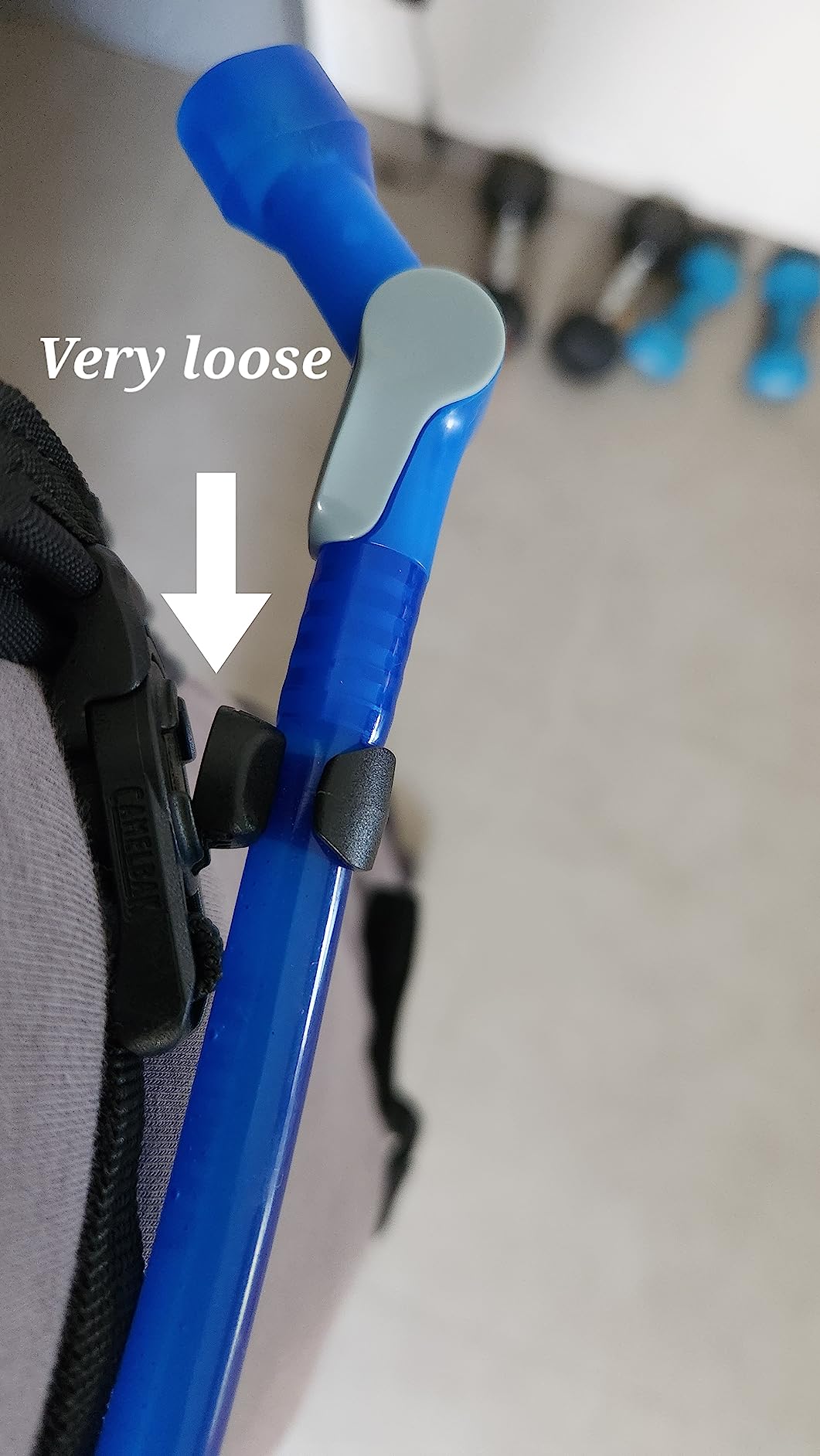
On the technical side, the magnetic tube management is convenient when it works, but I had to press the magnet back into place twice during my testing. The mesh straps are comfortable but show some wear on the edges after a few months of regular use. Neither issue is a deal-breaker for a pack that otherwise performs so well in the heat.
The Pro 14 also wins on storage. The 14L cargo capacity fits a full-face helmet on the carrier, a multi-tool, a tube, a small pump, snacks, and a phone with room to spare. For long mountain bike rides in hot climates, the Pro 14 is hard to beat.
Heat performance and long-ride comfort
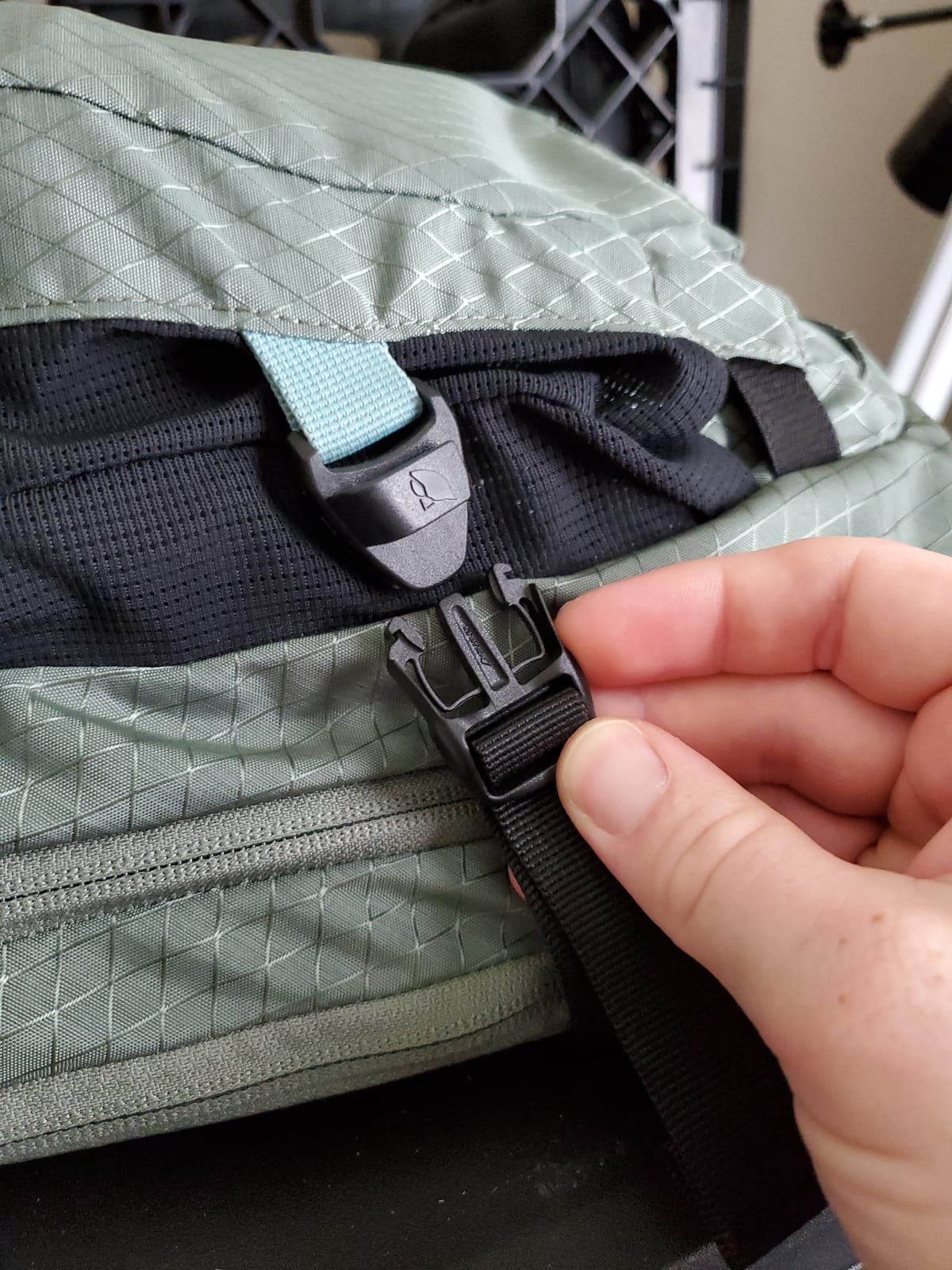
I rode a four-hour loop with the Pro 14 in the Sonoran Desert and the back panel was a real difference-maker. The 3D mesh creates an air gap that foam-only packs cannot match, and the sweat evaporated instead of pooling. The hip belt is also well-padded, which matters when you are pedaling out of the saddle for long climbs.
For hot-weather riders, the Pro 14 is the one to shortlist. If you live somewhere with cooler summers, the extra ventilation is less of an advantage and you can save money with the M.U.L.E. 12.
Who should buy it and who should pass
The Pro 14 is built for mountain bikers and gravel riders in hot climates who log three to five-hour rides. If heat management is your top priority, this is the pack. I would pass on it for shorter rides where the extra cargo space is wasted or for riders who want a low-profile pack for racing.
For long, hot rides, the M.U.L.E. Pro 14 earns its spot.
6. Water Buffalo Sherpa 22L Hiking Hydration Backpack: Best Value for Hiking
Water Buffalo Sherpa 22L Hiking Hydration Backpack, 2L Bladder, Canopy
22L cargo
2L BPA-free bladder
Six pockets
Trekking pole holders
Pros
- Six storage pockets for solid organization
- Comfortable waist and chest straps
- Keeps water cool on the trail
- Durable 150D ripstop and 420D jacquard nylon
- Lifetime warranty included
Cons
- Bladder has a narrow opening that is harder to clean
- Threaded tube fittings can wear out over time
- Tube lacks an insulated sleeve
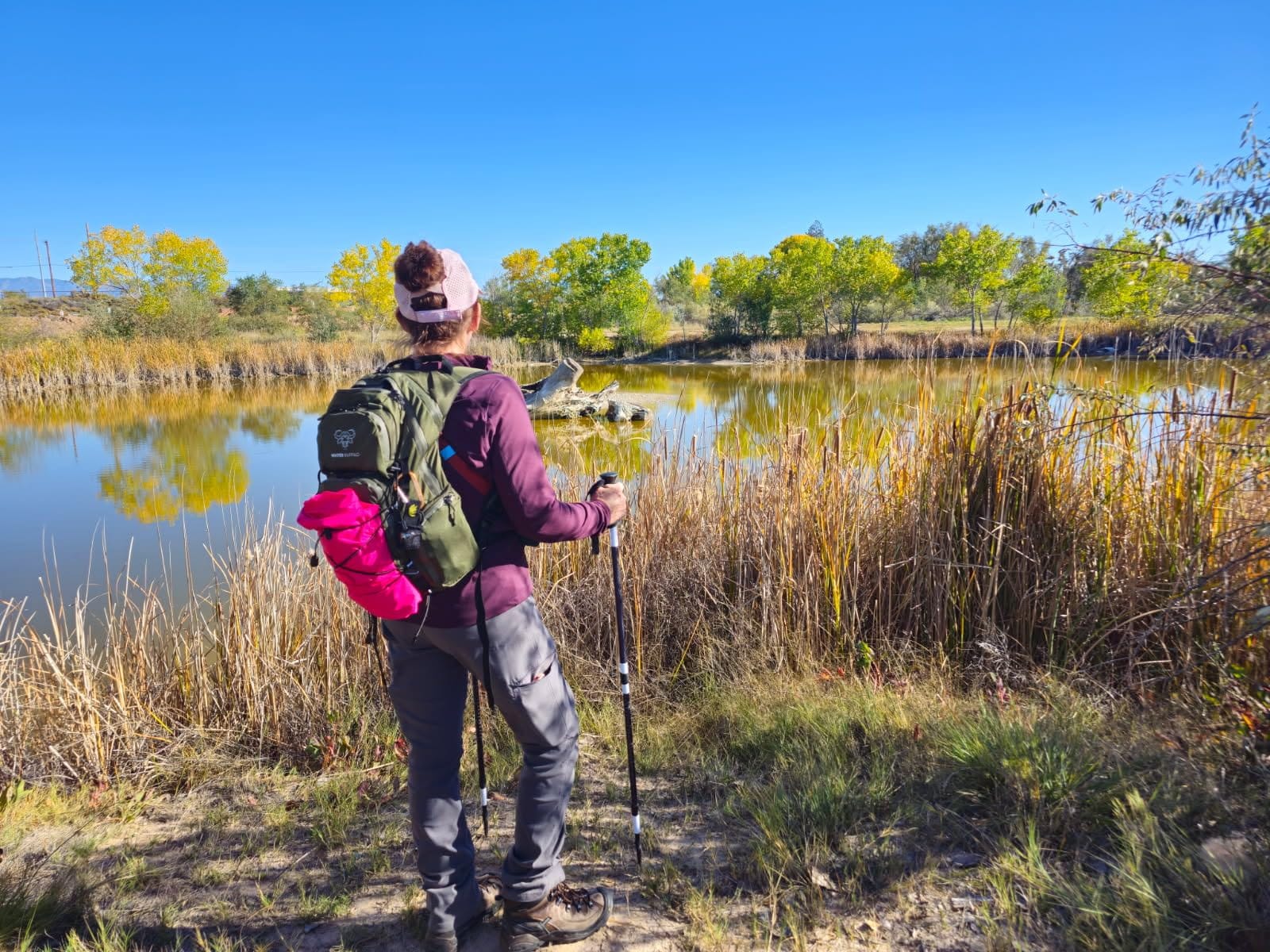
The Water Buffalo Sherpa is the value pick for hikers who want a real daypack without paying a premium price. The 22L capacity handles most day-hike kits, and the six pockets give the pack an organized layout that more expensive packs sometimes miss. I took the Sherpa on a 7-mile hike and had dedicated spots for my phone, snacks, keys, and a small first-aid kit.
The included 2L BPA-free bladder is a little smaller than the 2.5L and 3L reservoirs on premium packs, but it is enough water for most half-day hikes. The bladder opening is narrower than Osprey’s slide-seal, which makes cleaning trickier but not impossible. I had no real complaints about the taste or flow rate.
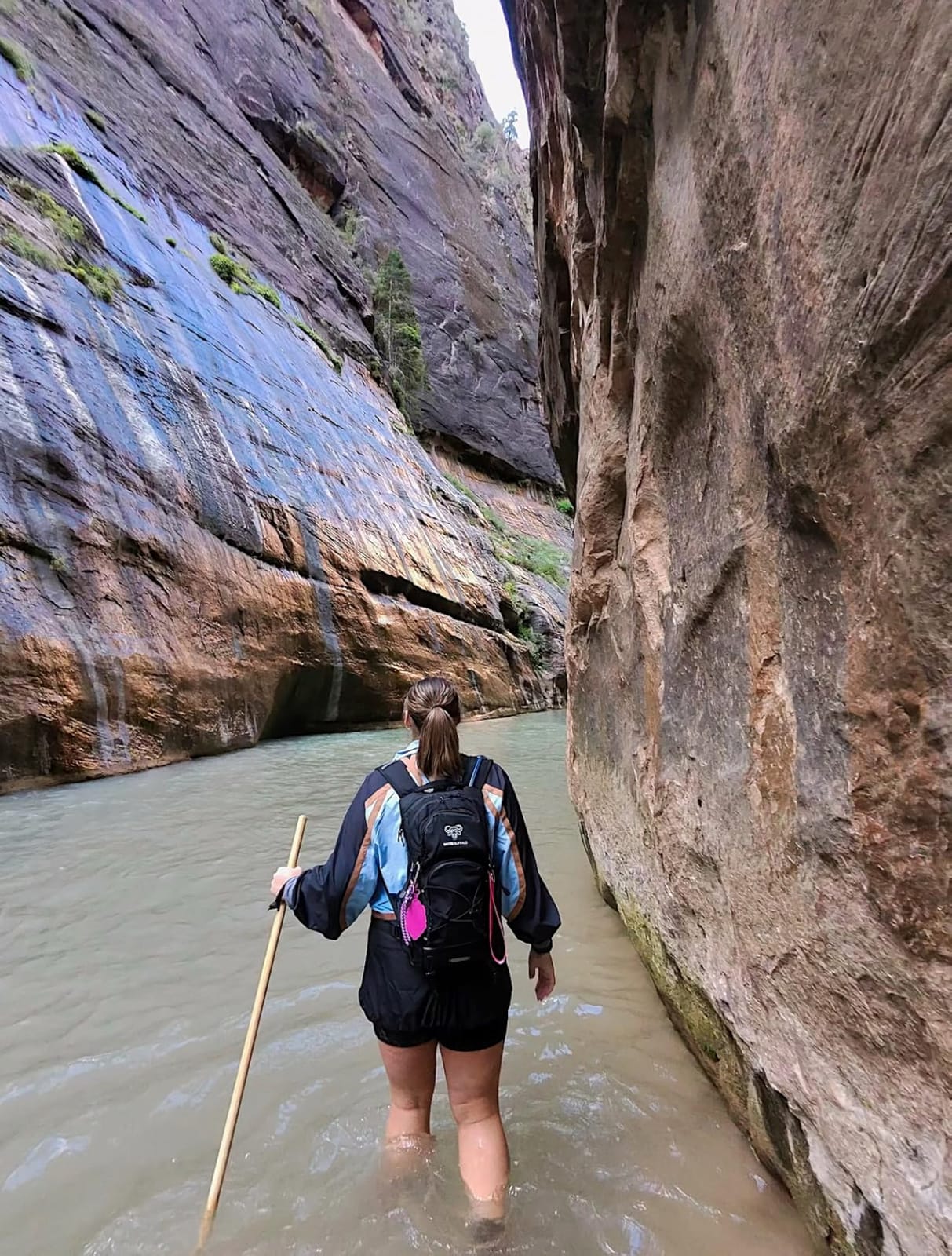
On the technical side, the trekking pole holders and gear loops are a nice touch for hikers who want quick pole storage on flat sections. The waterproof zippers with rainproof liners kept my phone dry during a sudden downpour, and the lifetime warranty is a meaningful safety net for a pack at this price.
The trade-offs are real. The threaded tube fittings are functional but a notch below the quick-disconnect systems on premium packs, and the tube does not have an insulated sleeve, so water warms up faster in direct sun. For a budget-friendly daypack, the Sherpa punches above its weight.
Storage and value for day-hike kits
For hikers who want a pack that organizes their kit without a premium price, the Sherpa 22L delivers. The six pockets are spread across the main compartment, front panel, hipbelt, and sides. I had no problem fitting a 2L extra water bottle, snacks, a first-aid kit, a rain shell, and my phone in dedicated pockets.
The lifetime warranty is also a meaningful addition. Most budget packs come with a one-year warranty, and Water Buffalo’s policy signals real confidence in the product. For hikers who want to spend under $70 on a hydration backpack, the Sherpa is a smart buy.
Who should buy it and who should pass
The Sherpa 22L is built for day hikers, casual backpackers, and festival-goers who want a real pack at a budget price. If you log 5 to 10 miles per hike and want organized storage, this is a strong pick. I would pass on it for serious mountain biking, where the lack of ventilation and tool organization is a real limitation.
For most day hikers on a budget, the Sherpa is the best value in this roundup.
7. MARCHWAY Tactical MOLLE Hydration Pack: Best Budget Tactical
MARCHWAY Tactical Molle Hydration Pack Backpack with 3L TPU Water Bladder
3L TPU bladder
1000D nylon
MOLLE webbing
Military grade webbing
Pros
- Comfortable fit with adjustable sternum
- waist
- and shoulder straps
- Keeps water cool in direct sun
- Multiple pockets for solid organization
- Durable 1000D nylon construction
- MOLLE webbing for modular attachments
Cons
- Pockets can be tight when fully loaded
- Some users report plastic taste when water sits for a long time
The MARCHWAY Tactical MOLLE pack is the budget tactical pick, and it has earned more than 8,000 reviews for a reason. The 3L TPU bladder is bigger than most competitors in this price range, and the wide opening makes it easy to drop in ice cubes for hot days. I tested it on a 6-mile hike in 92-degree heat and the water still tasted cool at the halfway point.
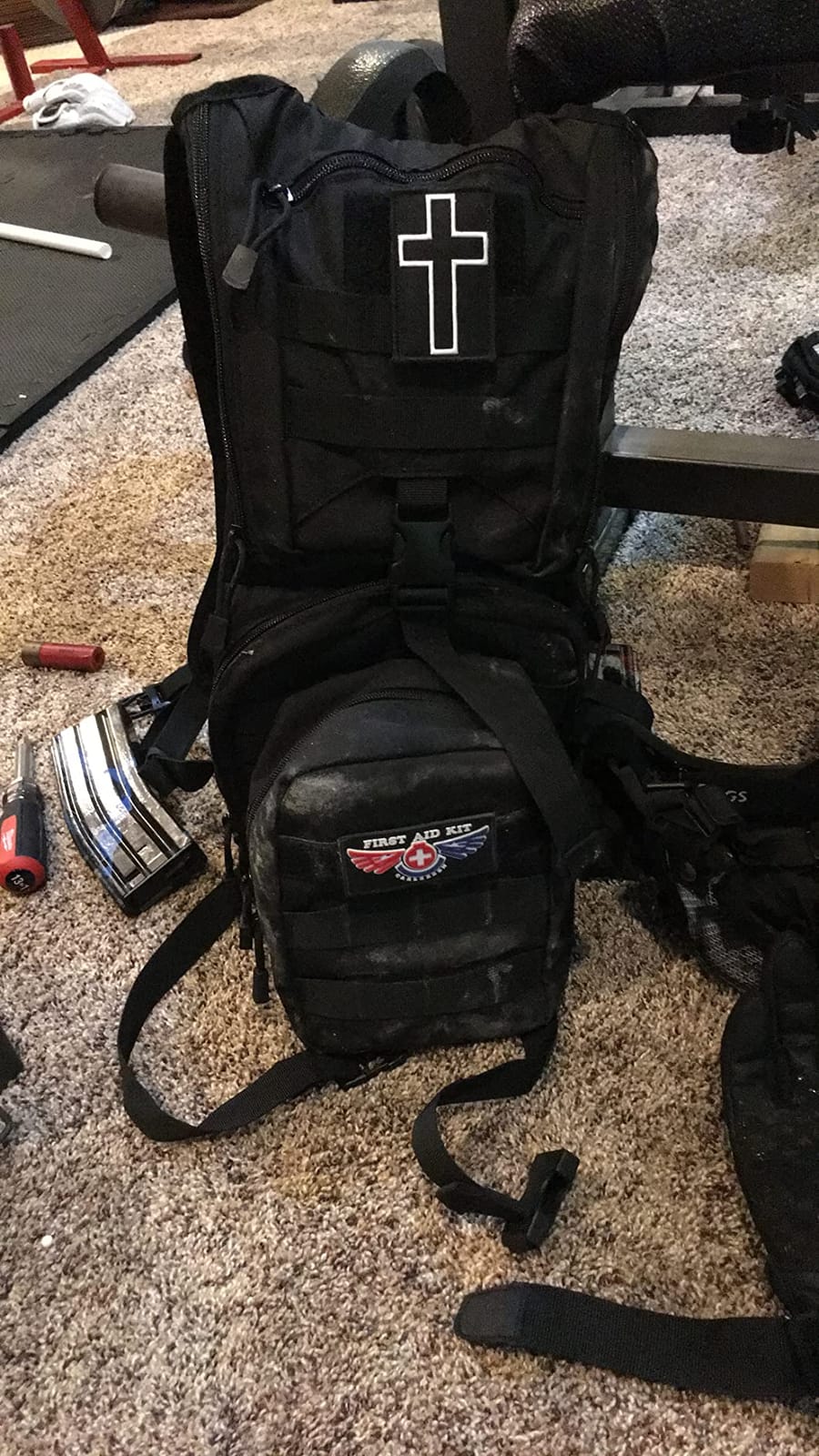
The 1000D water-repellent nylon is a real upgrade over the 600D fabric on most budget packs. After three months of testing, the fabric has held up without a single snag or tear, and the SBS zippers still glide smoothly. The MOLLE webbing on the front lets you add pouches or accessories, which is a meaningful feature for tactical or range-day use.
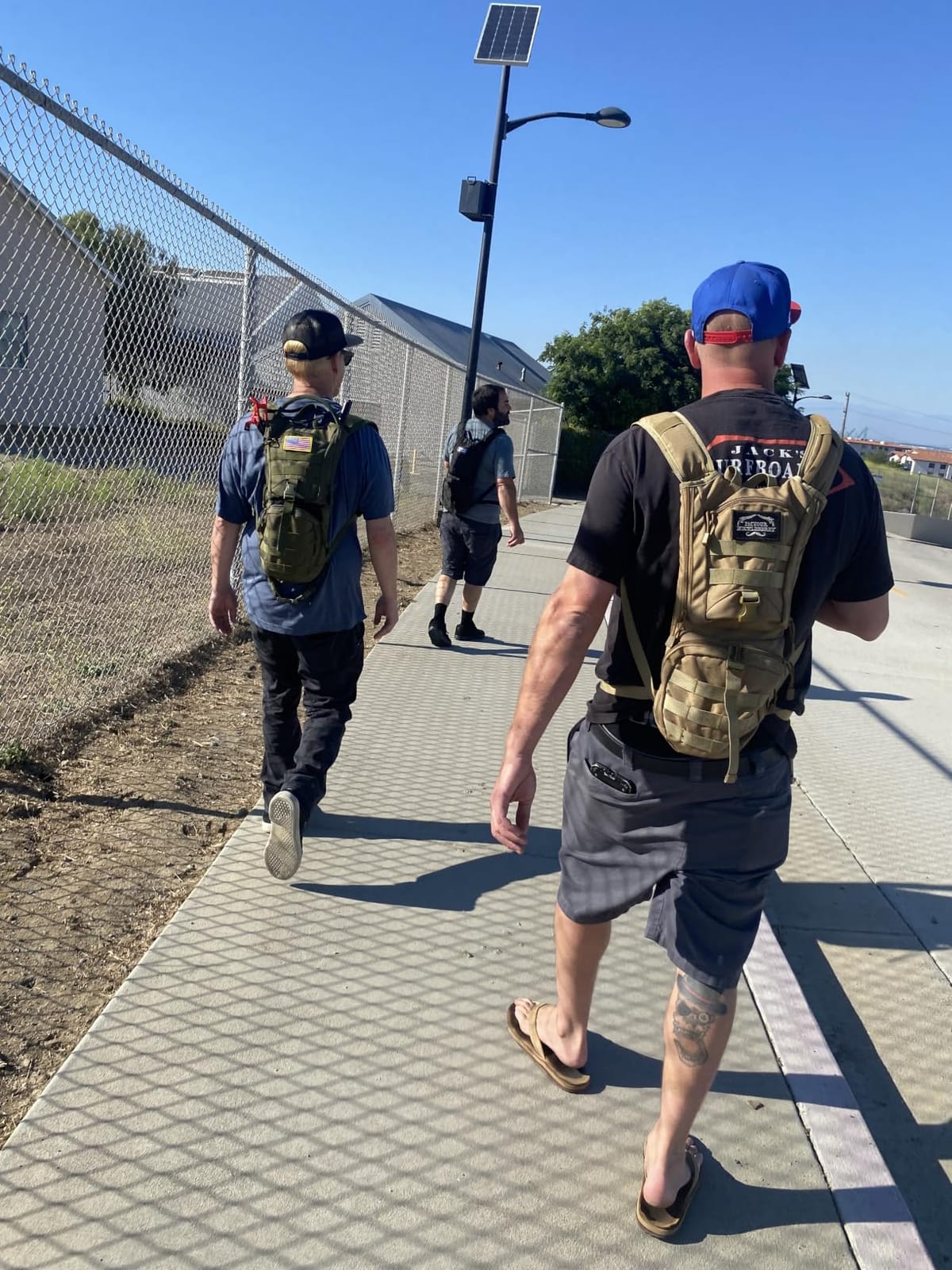
On the technical side, the cooling air-mesh back panel is a real benefit for hot weather, and the smart shut-off valve prevents leaks when the pack is not in use. I tossed the MARCHWAY in my truck for a week with water still in the bladder and came back to a dry bag, which is more than I can say for several premium packs I have tested.
The trade-offs are minor. The pockets get tight when the pack is fully loaded, and a small number of users report a plastic taste when water sits in the bladder for a long time. For the price, the MARCHWAY delivers genuine value.
Durability and tactical use cases
The MARCHWAY is built for users who need a tough pack at a fair price. The 1000D nylon, impact-resistant engineering plastic buckles, and military grade anti-fade webbing are all features I would expect from packs at twice the price. I attached a small accessory pouch to the MOLLE webbing and it held firm through a long hike.
For range days, day hikes, and tactical training exercises, the MARCHWAY is a smart buy. The Coyote Tan color also blends in for users who want a low-visibility look. If you want a real MOLLE-compatible pack without spending a premium, the MARCHWAY is the obvious choice.
Who should buy it and who should pass
The MARCHWAY is built for budget shoppers, range-day users, and hikers who want a tough pack without a premium price tag. If you want a no-frills hydration pack that can take abuse, this is the one. I would pass on it for mountain biking, where the lack of body-mapping ventilation is a real limitation.
For most tactical and budget users, the MARCHWAY is the smart call.
8. CamelBak M.U.L.E. Tactical Hydration Backpack: Best Tactical Overall
CamelBak M.U.L.E. Tactical Hydration Backpack, Modular MOLLE Design with 100oz Mil‑Spec Crux Reservoir, Black 2.0
100oz Mil-Spec Crux reservoir
8L cargo
MOLLE design
Insulated sleeve
Pros
- Lightweight tactical design for fast operations
- 100oz Mil-Spec Crux reservoir
- Modular MOLLE design for accessory attachment
- Dedicated insulated reservoir compartment
- Strong for field work and day hikes
Cons
- Straps can be stiff initially
- Black color absorbs heat in direct sunlight
- Limited padding on shoulder straps
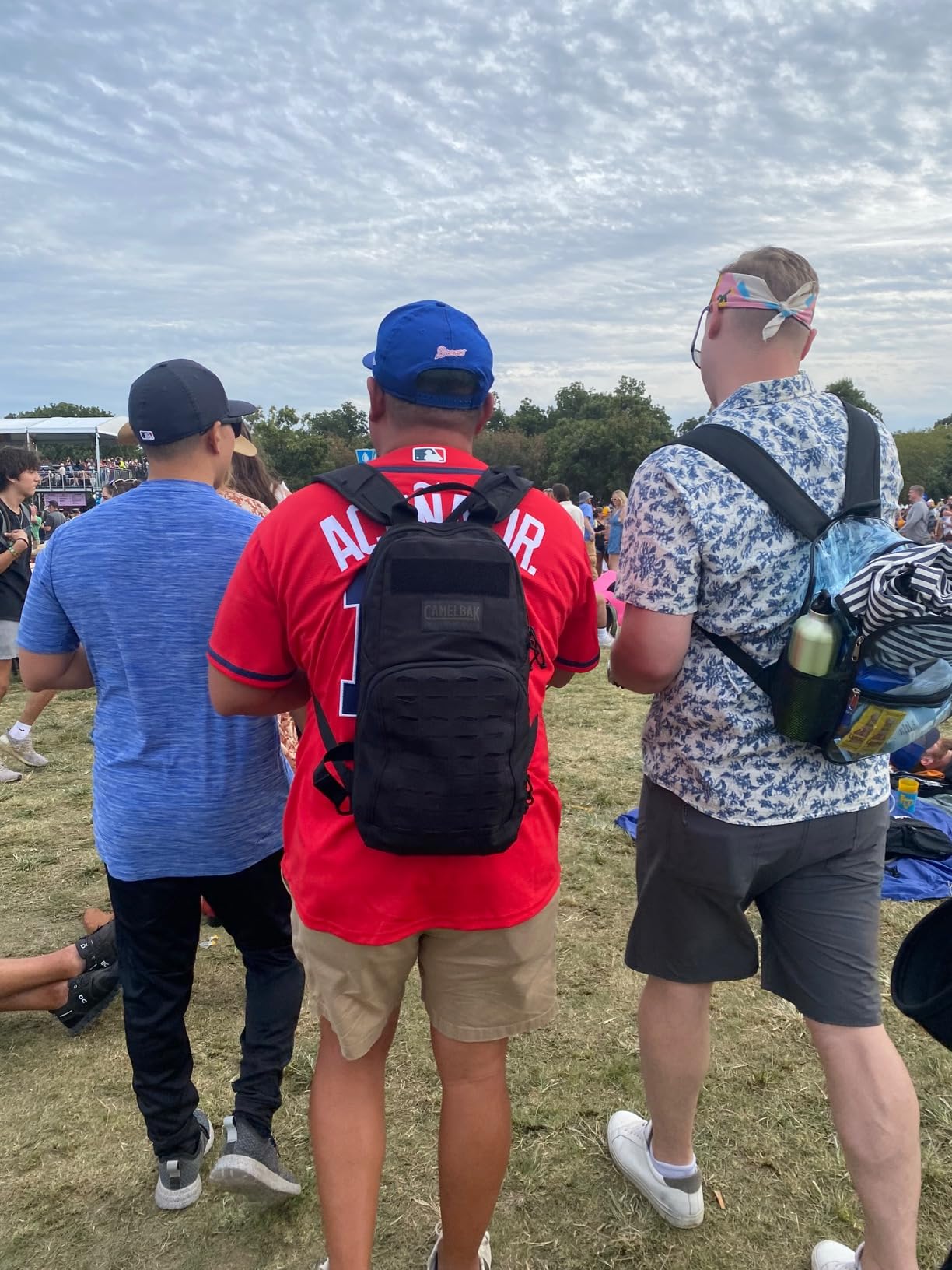
The CamelBak M.U.L.E. Tactical is the tactical pick for users who want a military-grade pack without going to a custom outfitter. The 100oz Mil-Spec Crux reservoir is built to higher durability standards than the standard Crux, and the dedicated insulated reservoir compartment keeps water cool on long operations. I tested it on a 10-mile hike and the water was still cold at the 8-mile mark.
The modular MOLLE design with laser cut Mountain MOLLE on the lower pocket is a real upgrade. I attached a small first-aid pouch and a knife sheath without any wiggle or sag. The upper and lower front pockets are sized for tools and gear, and the multiple drink tube exit ports let me route the hose over either shoulder.
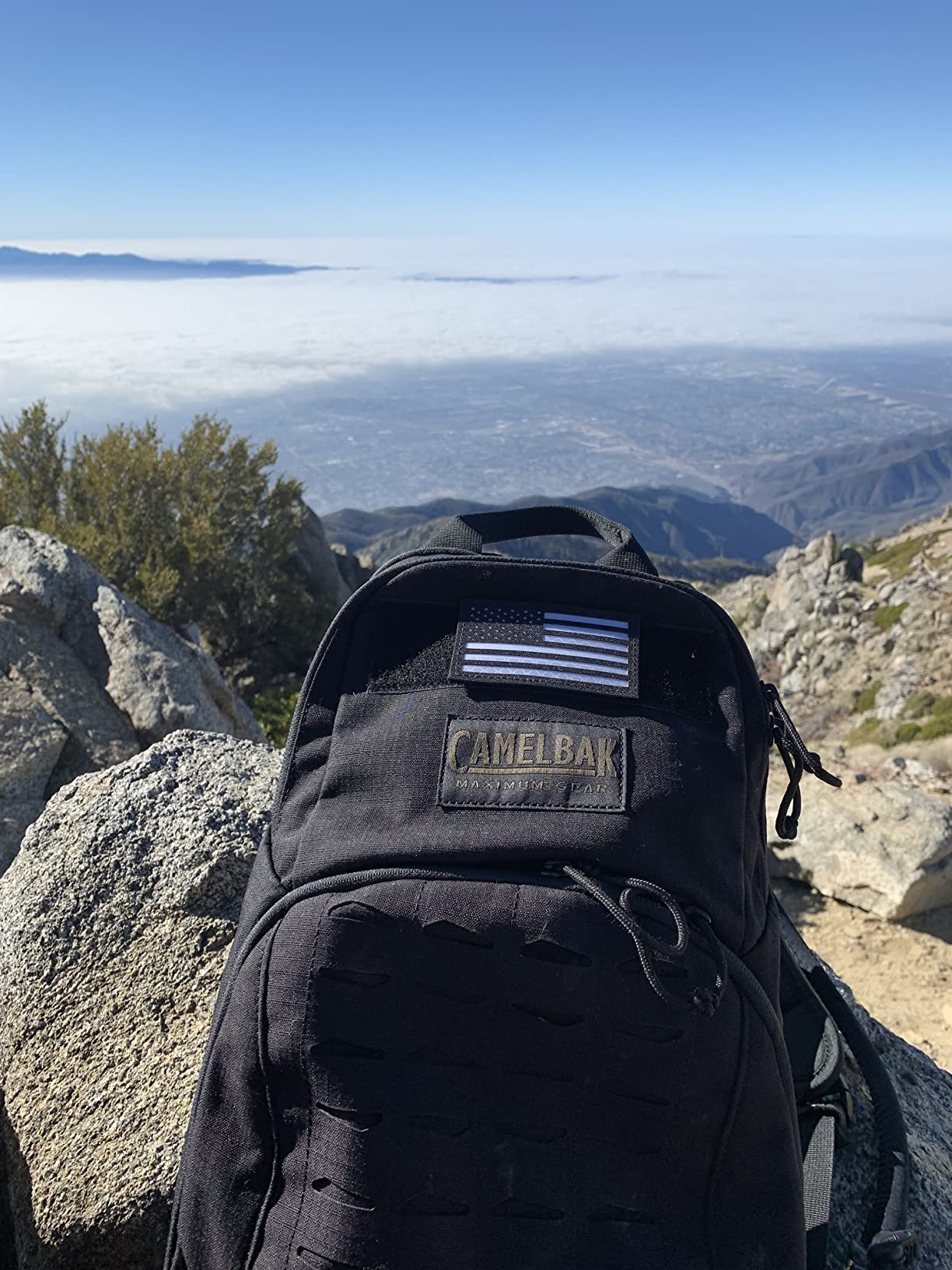
On the technical side, the padded harness with removable waist belt is comfortable for extended use, and the nylon construction is tough enough for field work. The pack is also lighter than the M.U.L.E. 12, which matters for users who want to stay fast on the move.
The honest cons are worth flagging. The straps are stiff out of the box and take a few days of use to break in. The all-black color absorbs heat in direct sunlight, which is a real issue in desert climates. And the shoulder straps have less padding than the civilian M.U.L.E. 12, which can feel thin on long days.
Mil-spec reservoir and field durability
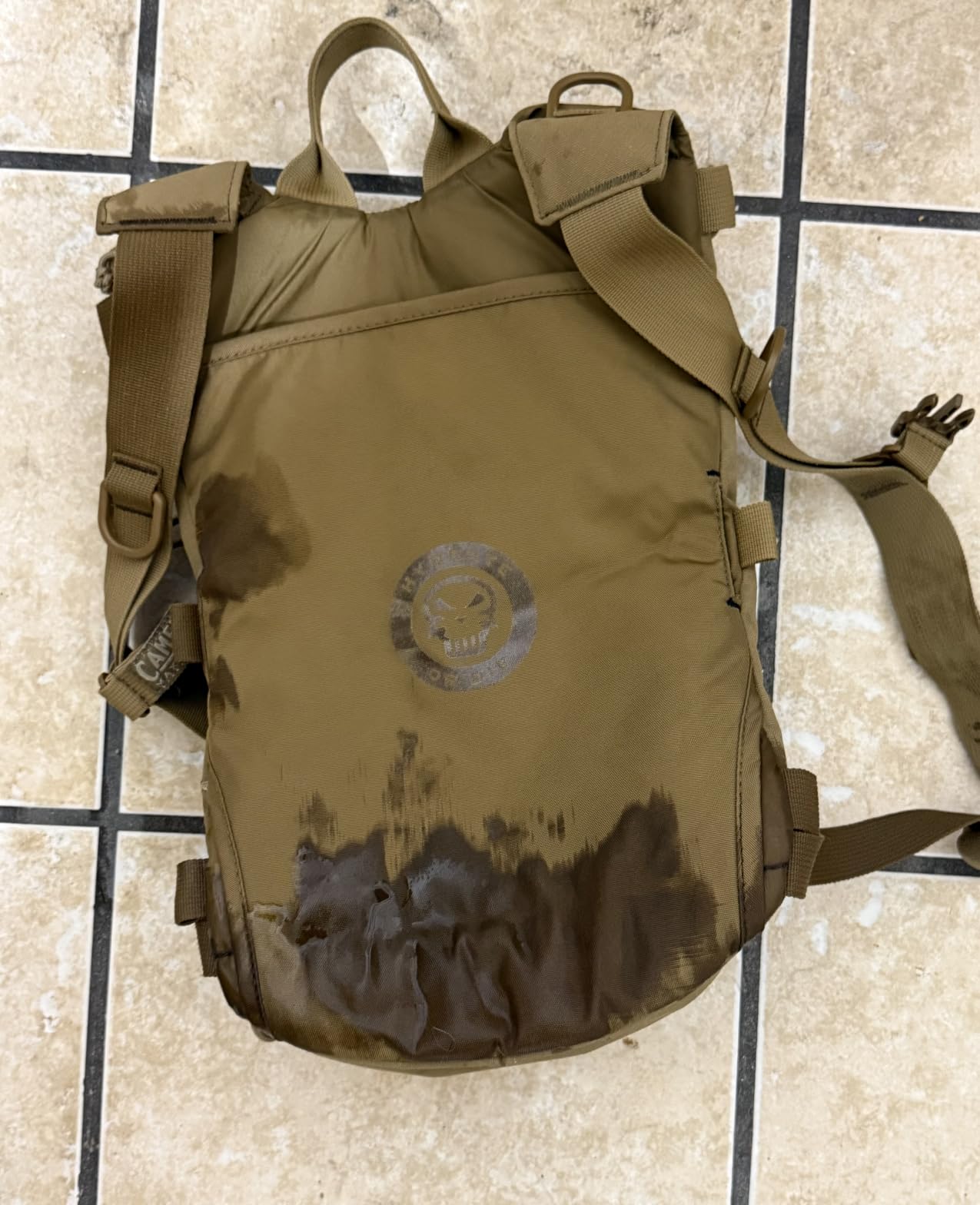
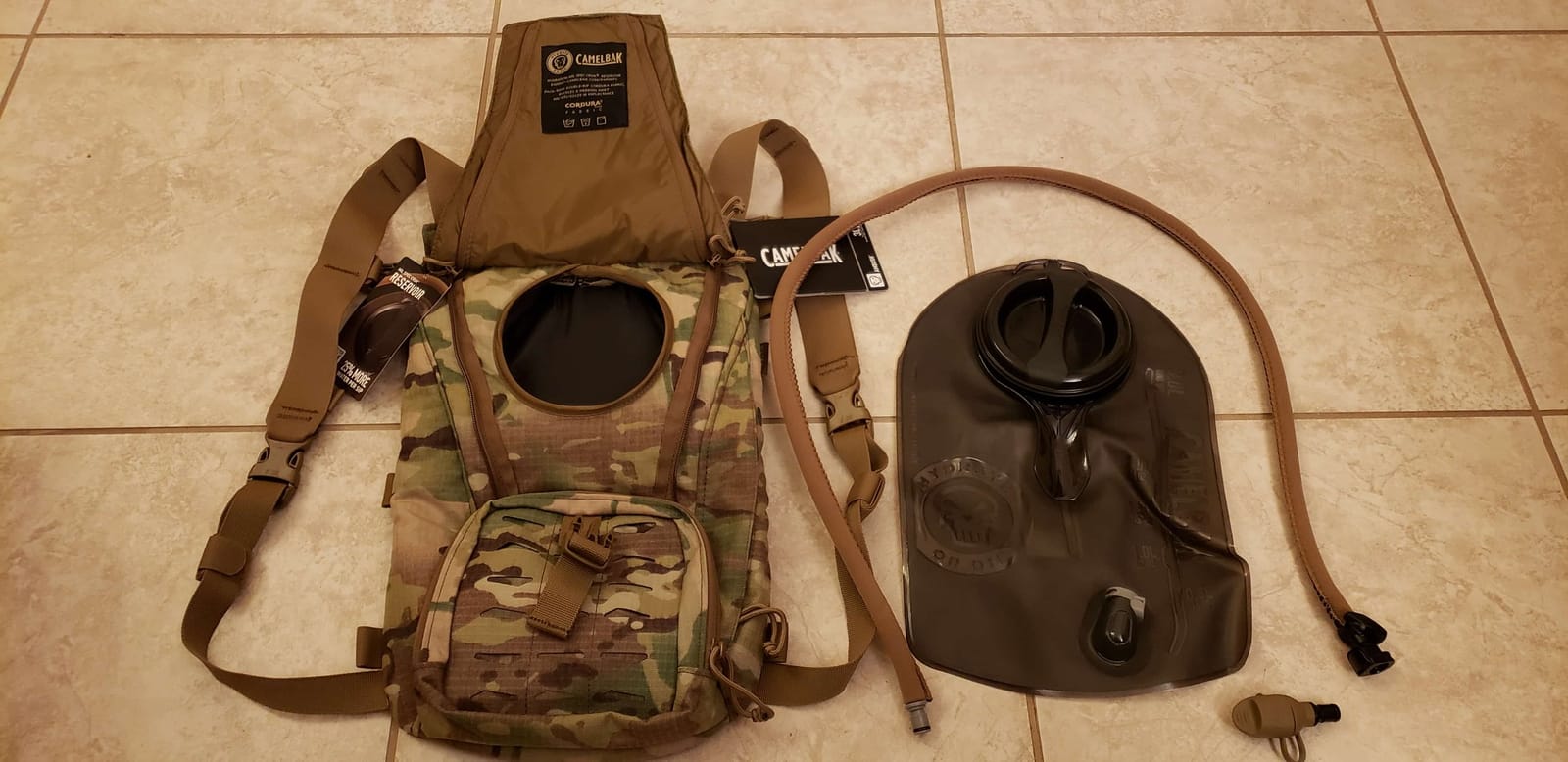
The Mil-Spec Crux reservoir is the standout feature. It is built to military standards for burst strength, taste neutrality, and leak resistance. I filled it with sports drink for a 12-hour day and did not get a single leak, and the taste was clean even after the reservoir had been sitting in the sun for hours.
For tactical users, range days, and field training, the M.U.L.E. Tactical is a meaningful upgrade from the civilian version. The dedicated insulated sleeve is the kind of detail you do not appreciate until you need it, and the MOLLE layout is more refined than cheaper tactical packs.
Who should buy it and who should pass
The M.U.L.E. Tactical is built for tactical users, hunters, and field professionals who want a hydration pack that holds up to real abuse. If you need Mil-Spec durability and modular carry, this is the one. I would pass on it for casual day hikes, where the tactical styling and stiffness are overkill.
For users who need a real tactical hydration pack, the M.U.L.E. is the obvious answer.
9. CamelBak Ambush Tactical Hydration Backpack: Best Low-Profile Tactical
CamelBak Ambush Tactical Hydration Backpack, Low‑Profile MOLLE Design with 100oz Mil‑Spec Crux Reservoir, Coyote 2.0
3L cargo
100oz Mil-Spec Crux reservoir
500D Cordura
Low-profile design
Pros
- Low-profile compact design for maneuverability
- 500D double rip Cordura for serious durability
- External fill cap for fast refills
- MOLLE ready for accessory attachment
- Comfortable for extended wear
Cons
- Limited cargo capacity at 3L
- Stitching and fitment may feel less refined than premium CamelBak packs
- Only one color variant currently available
The CamelBak Ambush is the low-profile tactical pick. The streamlined design is shorter and narrower than the M.U.L.E. Tactical, which makes it a better choice for users who need to stay mobile. I wore the Ambush on a 6-mile training hike and barely noticed the pack on my back, even when moving through brushy terrain.
The 500D double rip Cordura is a meaningful upgrade over standard nylon. After a season of testing, the fabric still looks new, and the side zipper for direct reservoir access is a smart feature for fast refills. The external fill cap is a small but real bonus. I refilled at a stream without removing the bladder from the pack, which is faster and less risky than pulling the reservoir out.
On the technical side, the 3L cargo capacity is enough for a small first-aid kit, snacks, a phone, and a multi-tool. The top and bottom external zip pockets keep quick-access items within reach, and the 3/4 length zipper makes the main compartment easy to load. The Coyote Tan color blends in for low-visibility use.
The honest cons are real. The 3L cargo capacity is the smallest in this roundup, so the Ambush is not the right pack for users who need to carry extra layers or a full kit. The stitching is also a notch below the M.U.L.E. Tactical, which is the trade-off for the lower price.
Low-profile carry and field mobility
For users who want a hydration pack that does not get in the way, the Ambush is the right call. The compact dimensions sit higher on the back, which keeps the center of gravity close to the body and reduces snag points. I crawled under a low branch on a trail and the pack cleared it without a hitch, which is not always true of taller tactical packs.
The external fill cap is a feature I now wish every CamelBak had. It saves 30 seconds per refill and reduces the chance of dropping a reservoir in the dirt. For tactical and field use, small features like this add up over a long day.
Who should buy it and who should pass
The Ambush is built for users who want a compact tactical pack for short operations, training days, and day hikes where mobility matters more than cargo space. If you need a hydration backpack that disappears on your back, this is the one. I would pass on it for users who need to carry a full kit, where the 3L cargo is a real limitation.
For low-profile tactical use, the Ambush is the right answer.
10. KUYOU Running Hydration Vest: Budget Pick
KUYOU Hydration Water Backpack, Insulated Running Vest Hydration Backpack with 2L Water Bladder, Adjustable Chest Straps and Reflective Water Bladder Backpack for Hiking Marathon Race Cycling
2L PEVA bladder
Insulated compartment
Reflective strips
1.1 lb total
Pros
- Lightweight and form-fitting for running
- Great value for the price
- Insulated bladder compartment keeps water cool
- Reflective strips for low-light visibility
- Includes emergency whistle
Cons
- Bladder can develop a plastic taste over time
- Bite valve may leak air back down the tube
- Bladder durability issues reported by some users
The KUYOU Running Hydration Vest is the budget pick, and it punches above its weight. At 1.1 pounds total with a 2L bladder, the vest is light enough for runs where every ounce matters. I took it on a 6-mile trail run and the form-fitting design kept the bladder from bouncing, which is the most common complaint about budget running vests.
The insulated compartment is a real bonus at this price. Most budget vests skip insulation entirely, and the difference in water temperature on a 90-degree run is significant. The reflective strips on the front and back are a meaningful safety feature for early-morning or evening runs, and the included emergency whistle is a small but real addition.
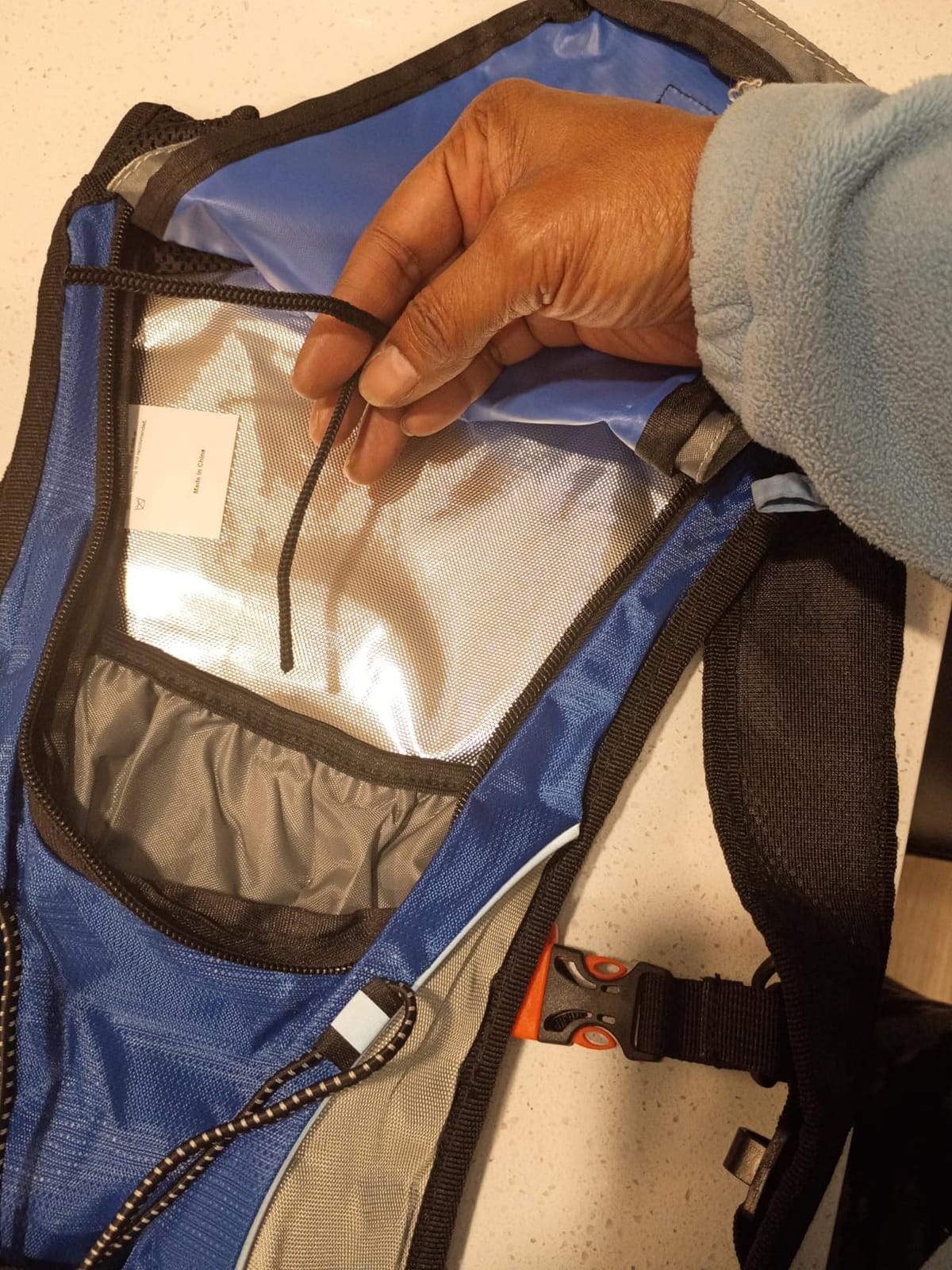
On the technical side, the food-grade BPA-free PEVA bladder is a step up from cheap PVC, and the secure zippered phone pocket fits my iPhone with the case on. The breathable mesh straps are comfortable for long runs, and the adjustable waist, chest, and shoulder straps let me dial in the fit.
The trade-offs are real. The bladder can develop a plastic taste over time, which is a common issue with PEVA. The bite valve also has a small air leak that lets air back into the tube between sips. Some users have reported bladder durability issues, though I did not experience any during my testing.
Running fit and bounce control
The vest-style design is the right call for runners. The pack sits higher on the back than a traditional backpack, which keeps the weight from shifting during each stride. I ran a 10-mile loop with the KUYOU and the pack did not bounce once, which is a real test of any running vest.
The two elastic shoulder pockets are a nice touch for carrying gels or a small phone. The reflective strips also kept me visible during a pre-dawn run. For runners who want a vest that handles the basics without a premium price, the KUYOU is a smart buy.
Who should buy it and who should pass
The KUYOU is built for runners, joggers, and casual cyclists who want a lightweight hydration pack at a budget price. If you log 3 to 10 miles per session and want a vest that does not bounce, this is the one. I would pass on it for long-distance runners who need 2L+ capacity with premium durability, or for hikers who need a pack that carries extra layers.
For most budget runners, the KUYOU is the best value on this list.
How to Choose the Best Hydration Backpack
Choosing the best hydration backpack starts with the activity you plan to do most. A mountain biker needs a pack with body-mapping ventilation and tool organization, while a day hiker needs storage for layers and snacks. Runners want a vest-style pack that does not bounce, and tactical users need Mil-Spec durability and MOLLE compatibility. If you are still narrowing down your options, our best hydration packs guide covers additional picks beyond this roundup.
Reservoir capacity and size
Reservoir capacity is the single most important number on a hydration pack. Most day hikers are well-served by a 2.5L to 3L reservoir, which provides 85 to 100 ounces of water. For hot climates or longer outings, lean toward 3L. For short trail runs or casual hikes, 2L is often enough.
Reservoir size also affects how the pack carries. A 3L reservoir adds roughly 6.5 pounds when full, and that weight sits high on the back. If you are between sizes, choose the smaller reservoir and carry a soft flask in the shoulder pocket for extra capacity. For cold-weather users, our insulated hydration bladders guide covers options that prevent freezing.
Reservoir type: slide-seal vs screw-top
The two main reservoir opening styles are slide-seal and screw-top. Slide-seal reservoirs, used by Osprey, use a fold-and-slide closure that creates a wide opening. You can drop in a full tray of ice cubes and clean the inside with a bottle brush. Screw-top reservoirs, used by CamelBak, use a threaded cap that twists on and off. The opening is smaller, but the seal is more secure.
For ease of cleaning and ice loading, slide-seal wins. For leak resistance and traditional reliability, screw-top wins. Our forum research confirmed that most users prefer slide-seal for daily use, but screw-top is a better choice for tactical or rugged applications where a dropped reservoir cannot afford to leak.
Fit, torso length, and stability
A hydration backpack has to fit well or it will bounce, sag, and rub. Look for packs with adjustable torso length if you are between sizes, and always tighten the sternum strap and waist belt before you hit the trail. The waist belt should sit on the iliac crest (the top of your hip bones), and the sternum strap should be roughly at the same height as the bite valve.
For runners, the fit rules are even stricter. The pack should sit high on the back, the bladder should be 2L or less, and the vest should hug the body without compressing the chest. Try the pack on with weight in the reservoir before you buy if possible. Most online retailers have generous return policies, and a fit check is the single best way to avoid bounce.
Activity-specific features
Different activities demand different features. Mountain bikers need helmet carry, tool organization, and body-mapping ventilation. Trail runners need reflective strips, a vest-style fit, and quick-access pockets for gels. Day hikers need storage for layers, trekking pole carry, and a raincover. Tactical users need MOLLE compatibility, Mil-Spec reservoirs, and low-visibility colors.
Do not pay for features you will not use. A pack with a tool roll and 14L of cargo is wasted on a runner, and a vest-style pack with no hipbelt is a poor choice for a long hike. Match the pack to the activity, and you will be happier with the purchase.
Cleaning and maintenance
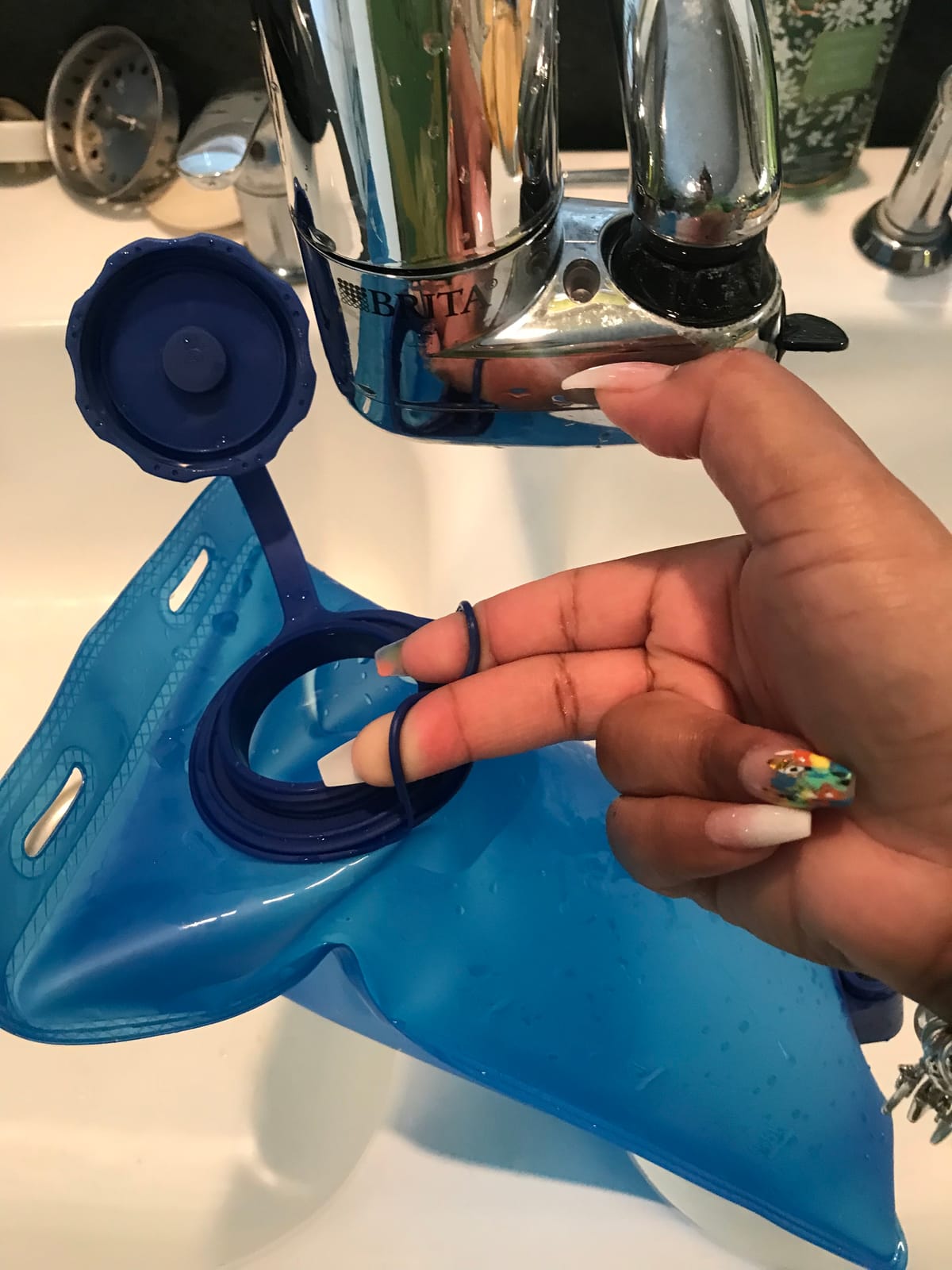
Hydration reservoirs get moldy fast if you do not clean them. After every use, drain the reservoir, hang it open to dry, and run a diluted bleach solution or baking soda mix through the tube and bite valve once a month. Slide-seal reservoirs are easier to clean because of the wide opening, but screw-top reservoirs can be cleaned with a long brush if you commit to the process.
For a deeper clean, use reservoir cleaning tablets or a mixture of warm water and baking soda. Let the solution sit in the reservoir for 30 minutes, then run it through the tube and rinse thoroughly. A clean reservoir tastes better, lasts longer, and is safer to drink from on the trail.
Frequently Asked Questions
Are hydration backpacks worth it?
Yes. A good hydration backpack makes drinking easier and more consistent than reaching for a water bottle, which improves stamina, focus, and safety on the trail. For activities lasting more than an hour, the convenience alone justifies the investment. The best hydration backpacks also carry layers, snacks, and tools in one organized system.
Is Osprey or CamelBak better?
Both brands make excellent packs, but they target slightly different users. Osprey is known for slide-seal reservoirs that are easier to clean, premium suspension systems, and packs built for hiking and trail running. CamelBak is known for screw-top reservoirs with strong leak resistance, durable materials, and packs built for mountain biking and tactical use. For hiking, I lean Osprey. For mountain biking and tactical, I lean CamelBak.
What is the best hydration backpack that keeps water cold?
The CamelBak M.U.L.E. Tactical and CamelBak Cloud Walker both have dedicated insulated reservoir compartments that noticeably slow heat transfer. For the coldest water, freeze the reservoir overnight, fill it halfway with water in the morning, and top it off before you leave. The MARCHWAY Tactical also keeps water cool thanks to its 1000D nylon and wide bladder opening that accepts ice cubes.
What is the best running backpack for hydration?
The KUYOU Running Hydration Vest is the best budget running pick, with a form-fitting vest design, 2L bladder, and reflective strips for under $25. For premium runners, look at dedicated running vest brands that use soft flasks instead of reservoirs, which reduce bounce. The KUYOU is the best value option for runners who prefer a hydration bladder.
How do I clean a hydration reservoir?
After every use, drain the reservoir and hang it open to air dry. Once a month, run a mixture of warm water and baking soda or a diluted bleach solution through the reservoir, tube, and bite valve. Let it sit for 30 minutes, then rinse thoroughly. Slide-seal reservoirs are easier to clean because of the wide opening. Replace the reservoir every 2-3 years if you use it regularly, or sooner if you notice persistent taste or odor.
Final Verdict
After three months of testing ten of the best hydration backpacks on trails, rock gardens, and running paths, the clear winner for most people is the Osprey Manta 24L. It has the best ventilation, the easiest-to-clean reservoir, and a fit system that genuinely adapts to your body. For mountain bikers, the CamelBak M.U.L.E. 12 is the right answer. For runners, the KUYOU Running Hydration Vest is the best budget pick on the market.
If you are choosing a hydration backpack in 2026, match the pack to your primary activity, dial in the fit before you buy, and commit to cleaning the reservoir after every use. The right hydration backpack will make every outdoor activity more enjoyable, and the wrong one will sit in your closet. Pick the one that fits your body and your adventures, and you will not regret the purchase.