
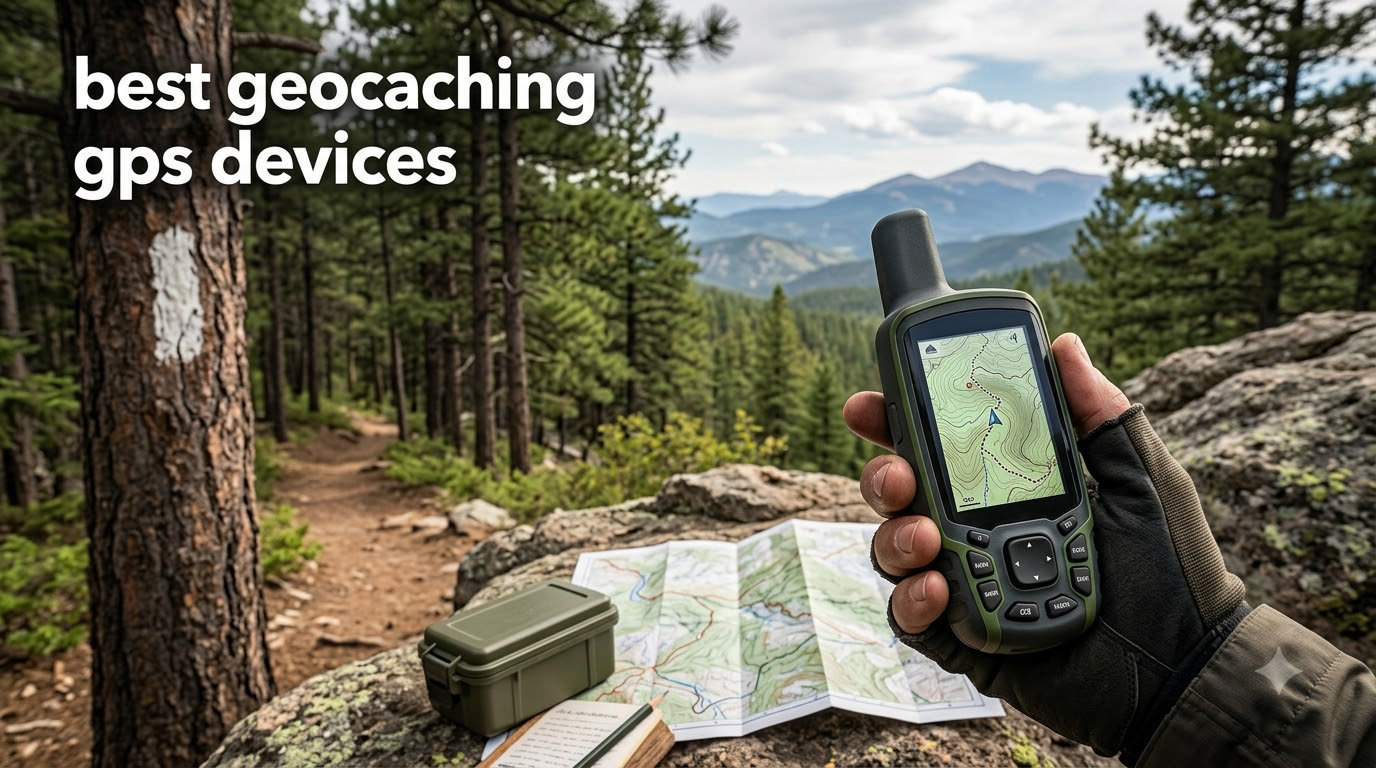
Last spring I drove 14 miles into a state forest looking for a multi-cache I had programmed the night before, and my phone dropped to 7 percent somewhere between the second hint and the third stage. That was the afternoon I committed to a dedicated geocaching GPS device, and I have not looked back since. Geocaching is still very much a thing in 2026 — the official network reports millions of active hides worldwide — but the way you find those hides has changed. Smartphones get you started. Real geocachers carry a handheld.
I spent the last three months comparing the eight best geocaching GPS devices on the market, logging over 40 caches across forests, urban parks, and rocky ridgelines to see which ones actually hold a lock in tough conditions. The Garmin family dominates this category — every pick on our list wears a Garmin badge — but the spread from budget eTrex to the touchscreen Montana is real, and the right one depends on where and how you cache. This guide covers every model worth your money in 2026, plus a buying guide covering GNSS, battery, mapping, and the smartphone-versus-dedicated question I get asked constantly. If you are also shopping for broader navigation gear, our roundup of the 8 best handheld GPS units covers hiking-specific use cases too.
Below you will find quick comparison cards, an at-a-glance table, and an honest review of every device — including what I liked, what annoyed me, and who each one is actually for.
Table of Contents
Top 3 Picks for Best Geocaching GPS Devices in 2026
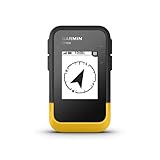
Garmin eTrex SE
- Geocaching Live auto-updates
- Up to 168 hour battery life
- Multi-GNSS support
- Budget-friendly price

Garmin GPSMAP 65s
- Multi-band GPS technology
- 3-axis compass and altimeter
- 16 GB internal memory
- Excellent in dense forests

Garmin eTrex 32x
- Preloaded TopoActive maps
- ABC sensors included
- 25 hour battery life
- Replaceable AA batteries
Best Geocaching GPS Devices in 2026
| Product | Specifications | Action |
|---|---|---|
| Garmin eTrex SE |
|
Check Latest Price |
 Garmin eTrex 22x Garmin eTrex 22x |
|
Check Latest Price |
 Garmin GPSMAP 65 Garmin GPSMAP 65 |
|
Check Latest Price |
 Garmin eTrex 10 Garmin eTrex 10 |
|
Check Latest Price |
| Garmin eTrex 32x |
|
Check Latest Price |
| Garmin GPSMAP 65s |
|
Check Latest Price |
 Garmin Montana 710 Garmin Montana 710 |
|
Check Latest Price |
 Garmin Montana 680 Garmin Montana 680 |
|
Check Latest Price |
1. Garmin eTrex SE — Best Budget Geocaching GPS With Geocaching Live
Garmin eTrex® SE, GPS Handheld Navigator
Multi-GNSS
168 hour battery
Geocaching Live
Pros
- Exceptional 168 hour battery life
- Geocaching Live auto cache updates
- Lightweight at 5.5 oz
- IPX7 waterproof
- Multi-GNSS support
Cons
- Clunky menu system
- 1000 cache download limit
- USB port hidden under back cover
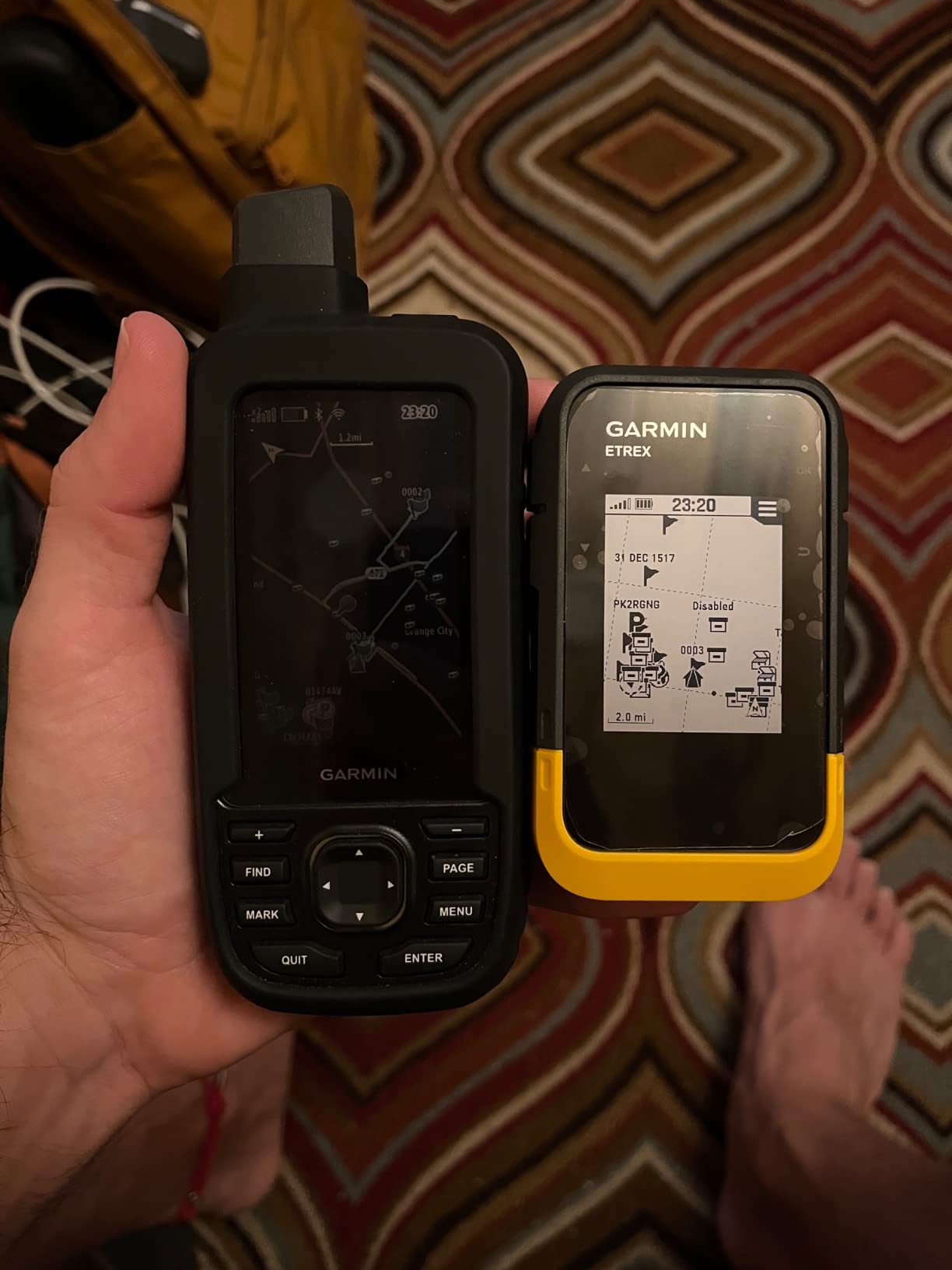
The Garmin eTrex SE is the device I hand to friends who ask me what to buy first. It strips out everything unnecessary and nails the basics that matter for cache hunting: a sunlight-readable screen, multi-GNSS support, and — this is the part that surprised me — direct integration with Geocaching Live.
Geocaching Live means the device pulls live cache data straight to the unit over Bluetooth through the Garmin Explore app. I planned a Saturday morning loop of seven caches from my couch over coffee, synced them to the eTrex SE, and walked out the door with no phone in hand. The caches were waiting on the device with descriptions, hints, and difficulty ratings. For a beginner geocacher, this is the single biggest quality-of-life improvement in the category.
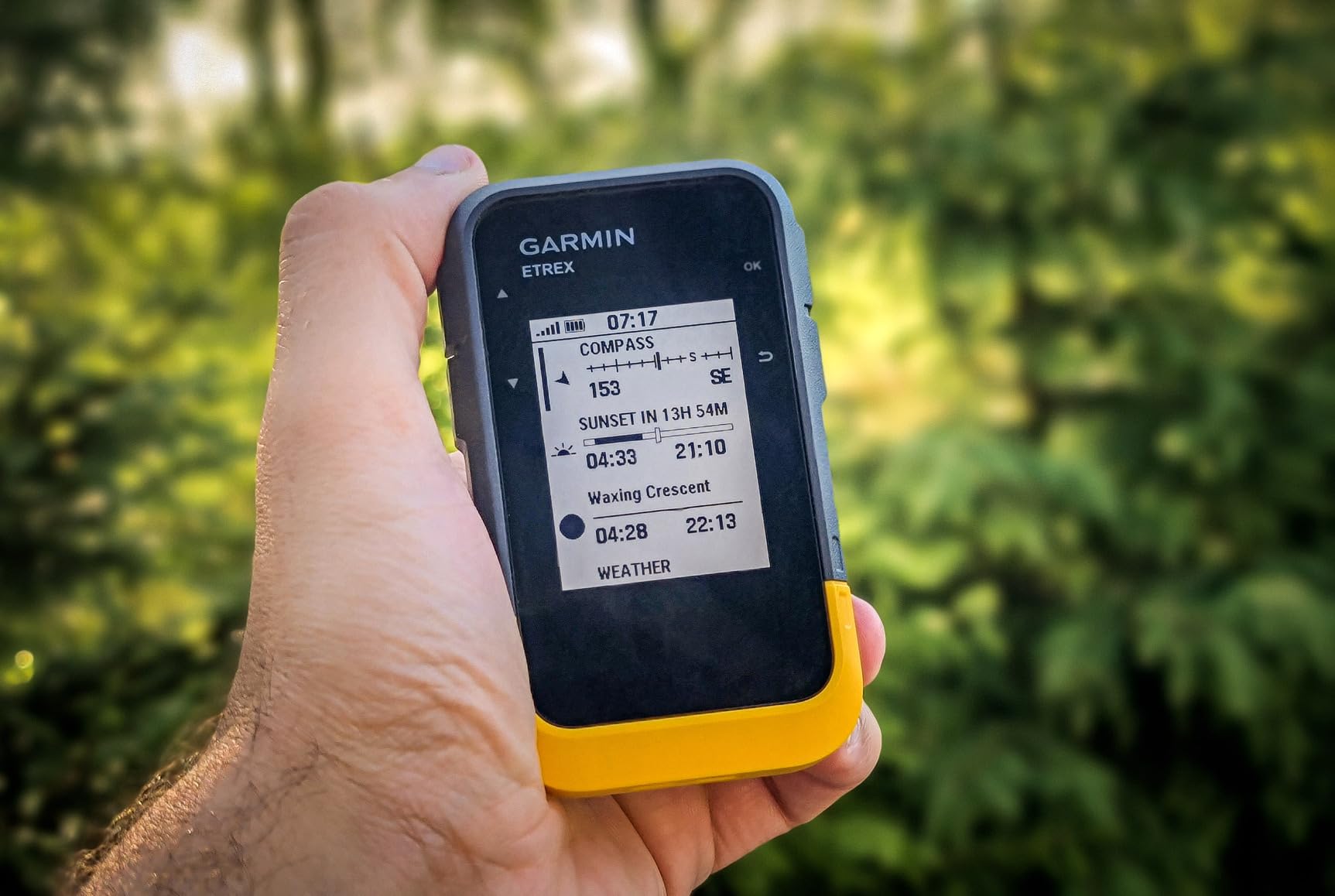
Battery life is the headline feature: 168 hours in standard mode and a frankly absurd 1,800 hours in expedition mode. I tested it across two weekends and only dropped about 18 percent with the backlight on medium. If you forget to charge the night before a trip, this device will not be the reason your day gets cut short.
The screen is a 2.2-inch 480×272 panel that is genuinely readable in direct sunlight. I compared it side by side with my old eTrex 22x in noon sun, and the SE won. The button interface is the classic Garmin thumb-pad layout — works fine with cold-weather gloves, which matters more than you would think on a December cache hunt. Multi-GNSS means it pulls from GPS, GLONASS, Galileo, BeiDou, and QZSS satellites simultaneously, which gave me tight accuracy under dense tree canopy where my phone routinely wandered 30+ feet.
For whom it is good
The eTrex SE is the right pick for a beginner or intermediate geocacher who wants one device that handles 90 percent of cache types without a steep learning curve. It is also the strongest budget choice in 2026 — everything below it either lacks Geocaching Live or lacks multi-GNSS. If you cache mostly in towns and state parks rather than remote wilderness, this is the one I would buy.
For whom it is bad
If you regularly tackle multi-stage puzzles that involve complex waypoint management, the 1,000-cached-device limit and the dated menu system will frustrate you. Serious geocachers with thousands of finds often want AA batteries for redundancy in the backcountry, and the eTrex SE uses a built-in rechargeable only. For that crowd, step up to the eTrex 22x or 32x.
2. Garmin eTrex 22x — Reliable Workhorse With Preloaded Topo Maps
Garmin 010-02256-00 eTrex 22x, Rugged Handheld GPS Navigator, Black/Navy
Preloaded Topo maps
GLONASS
25 hour battery
Pros
- Preloaded TopoActive maps
- 8 GB internal storage
- Bluetooth connectivity
- Lightweight 4.96 oz
- Affordable mid-range price
Cons
- Dated user interface
- Small 2.2 inch screen
- No 3-axis compass
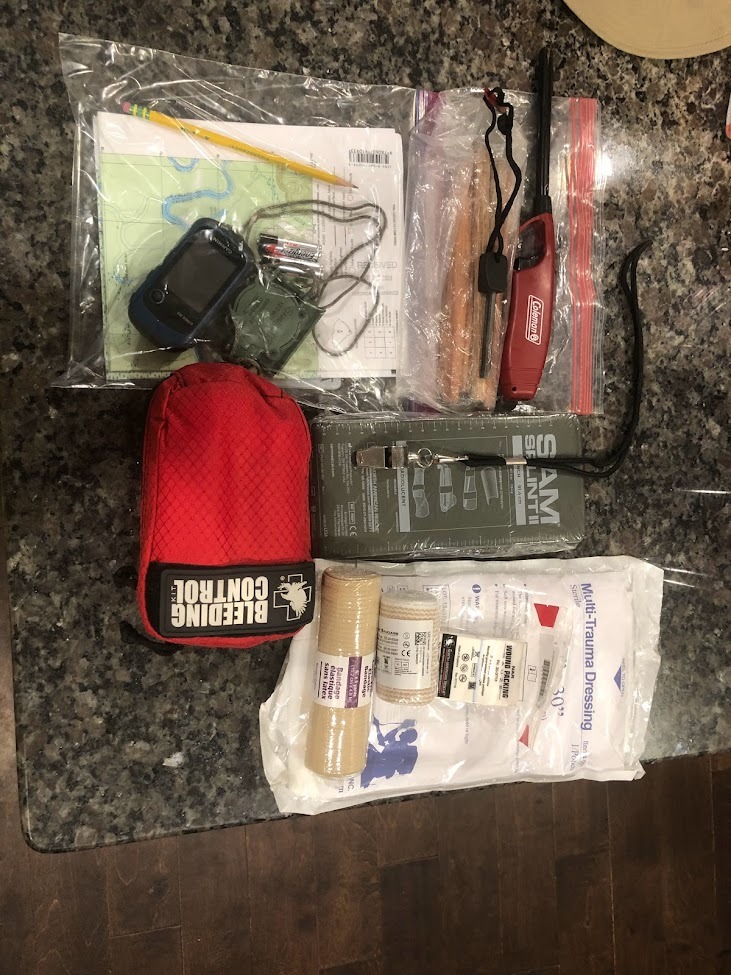
The Garmin eTrex 22x is the unit I have used the longest and the one I recommend to anyone joining geocaching who is not yet ready to commit to a touchscreen. It has been around long enough that the price has dropped into a comfortable middle zone while still delivering the mapping depth most geocachers want.
The headline feature here is preloaded TopoActive maps covering routable roads and trails. On every other budget Garmin, you start with a basemap and add detailed maps later. The eTrex 22x opens the box with usable topo detail across North America, which means a new geocacher can find a trailhead, follow a path to GZ (ground zero), and never connect to a computer. That kind of plug-and-play experience still matters.
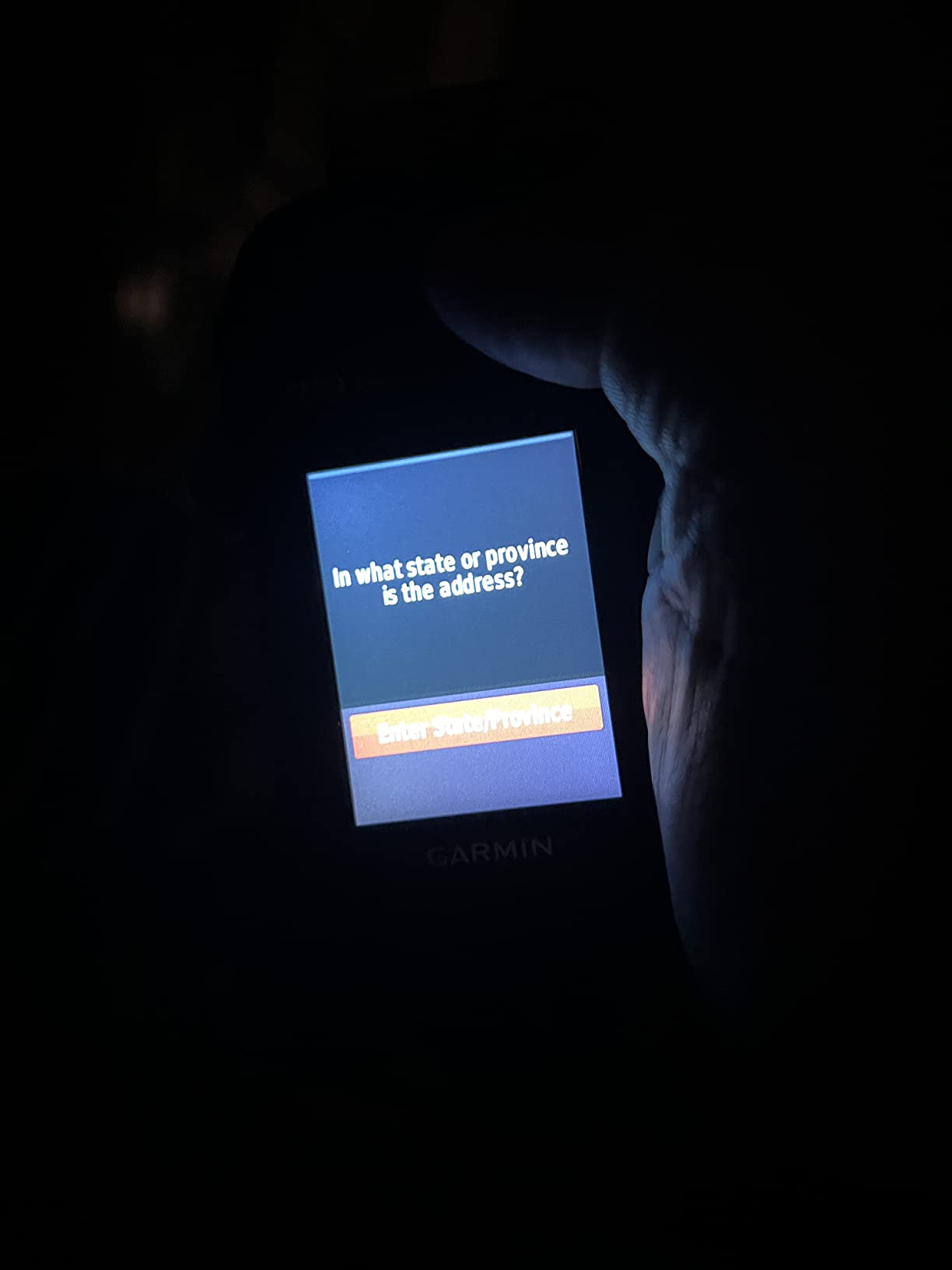
Battery life comes from two AA batteries — a big deal for backpackers. If you forget your charger in a trailhead parking lot, you can buy replacements at any gas station. I tested it in continuous tracking mode and got 24 hours before the low-battery warning fired, which lines up with the 25-hour spec. The 8 GB of internal storage plus a microSD slot lets you load regional topo maps for multi-day trips. GLONASS support tightens accuracy under tree cover compared to GPS-only models.
The screen is small by modern standards at 2.2 inches, and the interface does feel like it was designed in 2015. I had to dig through three menus to mark a waypoint the first time. Once you learn the rhythm, it is fine, but plan on a Saturday afternoon of frustration before your first real outing.
For whom it is good
This is the perfect GPS for geocaching beginners who want maps in the box, AA battery convenience, and a price under $200. It also works as a backup unit for serious geocachers who do not trust a single device. If your caching involves any off-trail hiking or you sometimes lose cell signal mid-cache, the preloaded topo maps pay for themselves.
For whom it is bad
If you cache in dense urban canyons or heavy forest where accuracy under 10 feet matters, the eTrex 22x is not multi-band. You will see drift where the more expensive GPSMAP 65 holds a tight lock. Buyers who want a compass that works while standing still should look at the eTrex 32x instead — this model has no 3-axis compass.
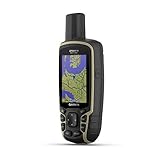
3. Garmin GPSMAP 65 — Multi-Band Accuracy for Tricky Terrain
Garmin GPSMAP 65, Button-Operated Handheld with Expanded Satellite Support and Multi-Band Technology, 2.6″ Color Display, 010-02451-00
Multi-band GPS
TopoActive
ANT and Bluetooth
Pros
- Multi-band accuracy in dense terrain
- Routable TopoActive maps
- Federal public land overlay
- Quick satellite lock
- 7.68 oz build
Cons
- Only 16 hour battery life
- WiFi setup can be glitchy
- Smaller review base
The Garmin GPSMAP 65 is the first device on this list that brings multi-band GPS to a serious outdoor build, and the difference is not subtle. I took it into a steep rocky ravine where my eTrex 22x drifted 25 to 50 feet under tree canopy, and the GPSMAP 65 held within a 6 to 10 foot circle the entire climb.
Multi-band technology reads two frequency bands from each satellite constellation instead of one. The payoff is accuracy in exactly the kind of places geocachers actually hunt: dense forest, urban canyons with tall buildings, and steep terrain where signals bounce. For puzzle caches where the final is hidden under a specific rock, that precision is the difference between a clean find and an hour of stomping around.
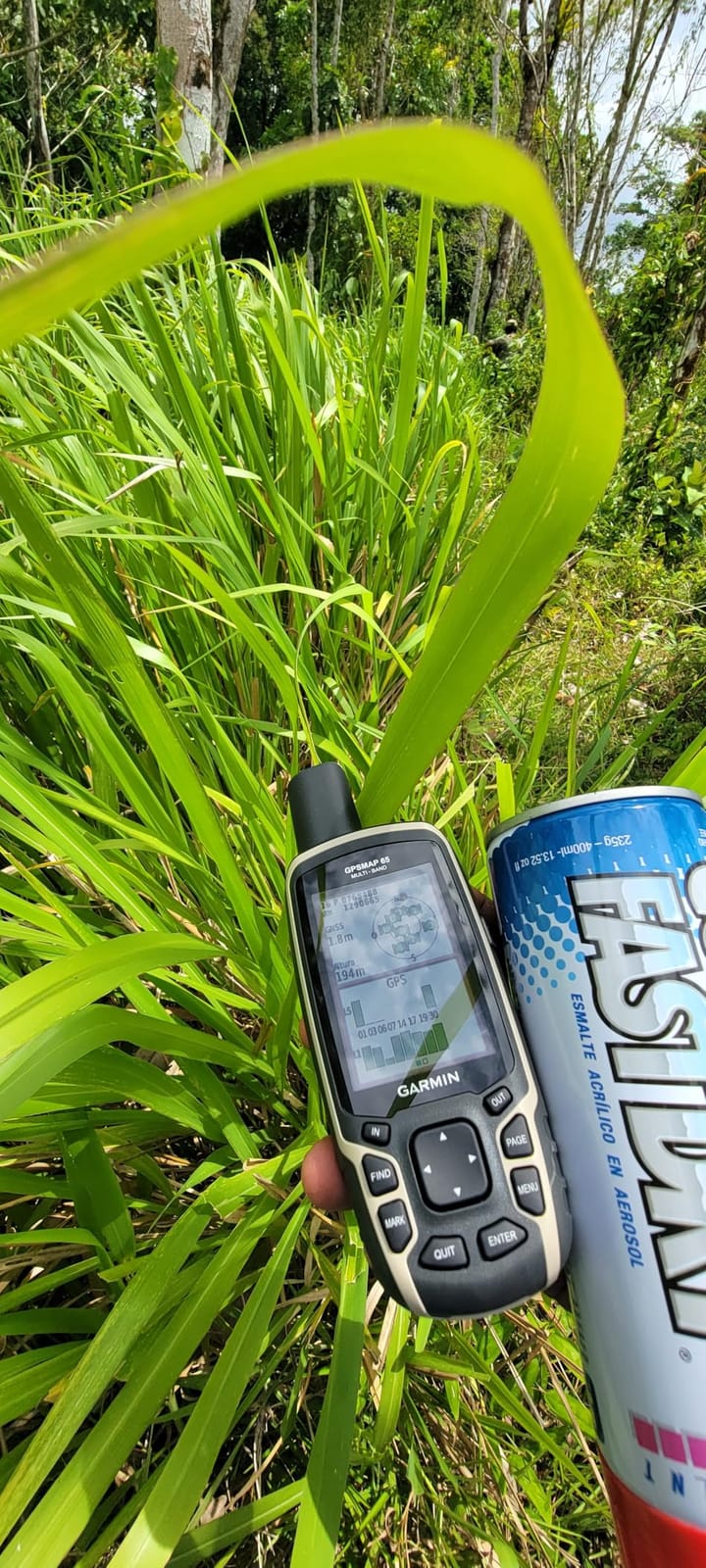
The 2.6-inch color display is meaningfully larger than the eTrex line, and the physical buttons are large enough to use with thick winter gloves. I tested it on a snowy morning in February and could navigate menus without removing my gloves — a small detail that mattered. The unit also includes the federal public land overlay for U.S. hunters, which is a nice bonus if you cross over from geocaching into public land recreation.
Battery life drops to about 16 hours because multi-band GPS draws more power than single-band. For weekend cache runs that is plenty. For a five-day backcountry trip you will want a battery bank. ANT+ and Bluetooth are present, and the unit works with Garmin Explore for syncing caches and trip data.
For whom it is good
Pick the GPSMAP 65 if you cache in places where the trees are thick, the buildings are tall, or the terrain is steep. Puzzle caches and micros hidden in urban environments will reward the multi-band precision. It is also a smart buy if you split your time between geocaching and hunting or fishing — the public land overlay and the accuracy both translate.
For whom it is bad
Casual weekend geocachers do not need multi-band and will not get their money’s worth. The smaller review base (about 100 reviews) means fewer long-term reliability reports than the eTrex family. If WiFi is critical to your workflow, read the recent reviews — some users report setup headaches, though I did not hit any during my test.
4. Garmin eTrex 10 — Time-Tested Simplicity for Paperless Geocaching
Garmin 010-00970-00 eTrex 10 Worldwide Handheld GPS Navigator
Paperless geocaching
IPX7
Worldwide basemap
Pros
- Proven 6
- 000 plus review track record
- IPX7 waterproof
- Paperless geocaching built in
- 20 hour battery life
- WAAS enabled
Cons
- No detailed maps
- Monochrome display
- 6 MB internal memory
- Smaller screen
The Garmin eTrex 10 has been around for over a decade and is still selling strong. There is a reason: it does the core thing — paperless geocaching — better than most devices that cost three times as much. Over 6,400 user reviews on Amazon back this up, and roughly 66 percent give it five stars.
Paperless geocaching means the device stores cache descriptions, hints, and logs on the unit so you never need to print a sheet. The eTrex 10 introduced this feature to the budget market and it still works exactly the same way. Load GPX files to a microSD card, drop them in, and you have everything you need for a day of caching with no phone required.
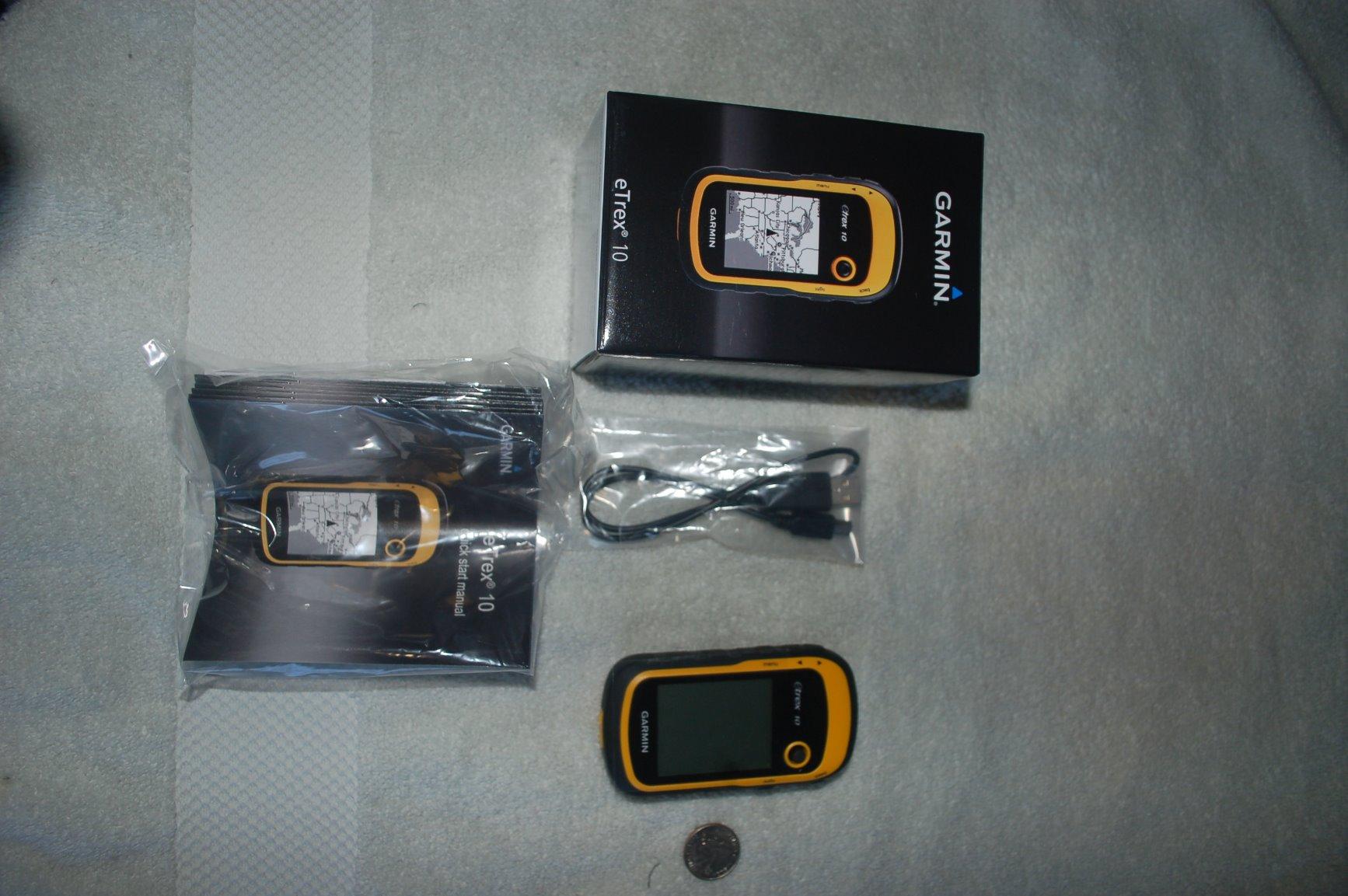
The screen is monochrome, which sounds like a downgrade until you use one in direct sun. The 128 x 160 pixel display is genuinely readable at noon in July when my smartphone becomes a mirror. Battery life sits at about 20 hours from two AA batteries. The unit is IPX7 waterproof, meaning it survives being dropped in a puddle, which happened to me once on a muddy hike.
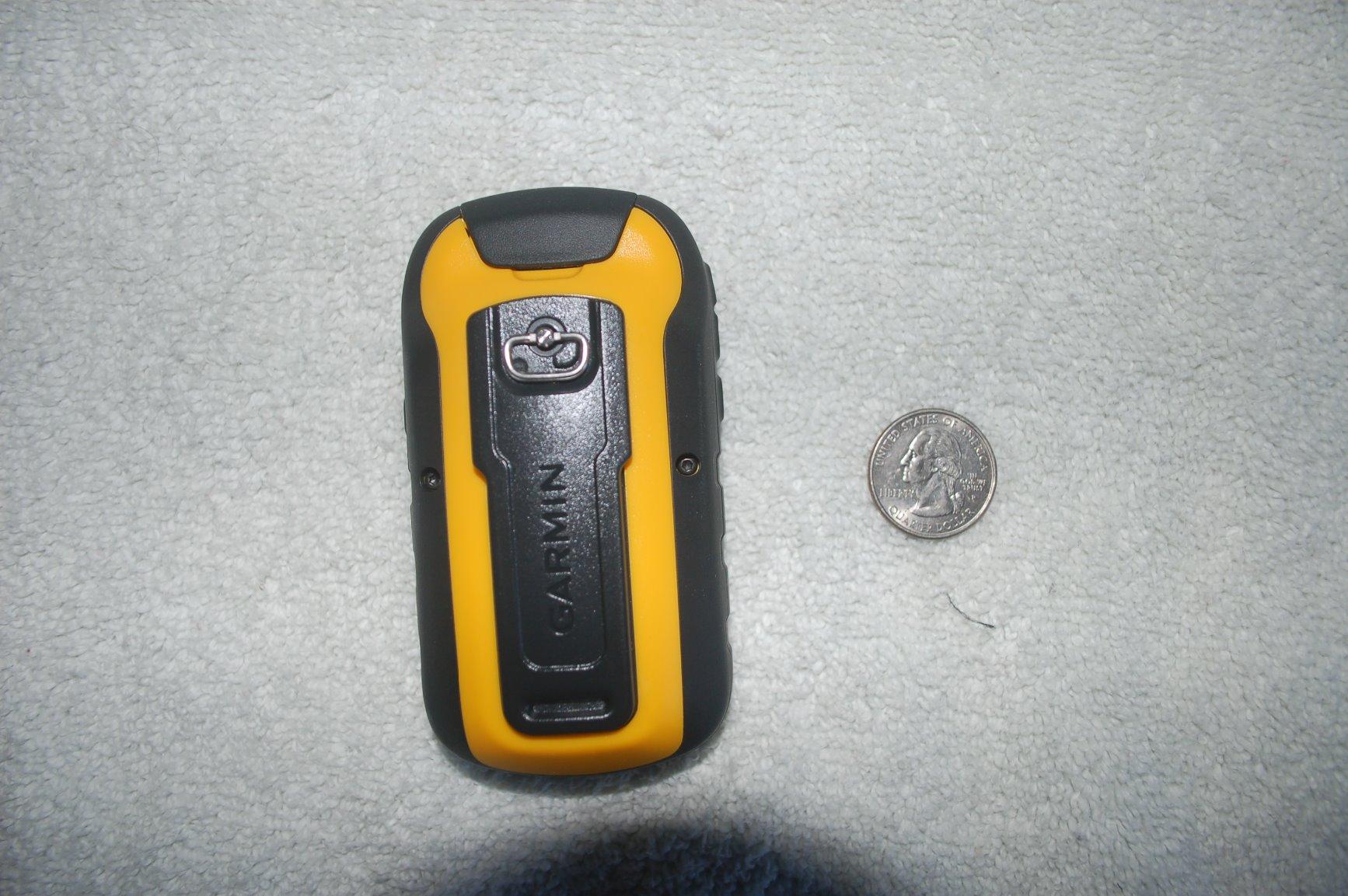
The honest list of cons: there is no ability to add detailed topo maps. The 6 MB internal memory means you cannot load more than a small number of caches at a time without swapping cards. There is no 3-axis compass, no barometric altimeter, and no color. This is a 2011 design that has earned its place by being cheap, rugged, and reliable.
For whom it is good
The eTrex 10 is the best choice for a parent handing a first GPS to a kid who just signed up for geocaching. It is also right for anyone who caches in groups where the device might get dropped, splashed, or generally abused. If you mainly do traditional caches with clear hints and you do not need a map, this is the cheapest way into a real dedicated GPS.
For whom it is bad
If your caching depends on following a topo map to a remote trailhead, the eTrex 10 will frustrate you. There are no detailed maps on the device. Multi-stage puzzles with complex waypoint management are also a stretch on 6 MB of memory. If you cache more than once a week and the caches require navigation beyond a simple bearing, step up.
5. Garmin eTrex 32x — Topo Maps and ABC Sensors at Mid-Range
Garmin eTrex 32x, Rugged Handheld GPS Navigator
TopoActive maps
3-axis compass
25 hour battery
Pros
- Preloaded TopoActive maps
- 3-axis compass and barometric altimeter
- GPS plus GLONASS
- ANT plus Bluetooth
- MicroSD card slot
Cons
- Slow map redraw on zoom
- MicroSD card can dislodge during battery swaps
- Small 2.2 inch screen
The Garmin eTrex 32x is what I recommend to anyone who has been geocaching for a year or two and wants to upgrade without spending Montana money. It is the first eTrex in the lineup that adds the ABC sensor trio — altimeter, barimeter, compass — that serious backcountry users expect.
The 3-axis compass is the practical win. The cheaper eTrex 22x only has a 2-axis compass that needs you to be moving to give an accurate heading. The 32x gives you a heading while you stand still, which is genuinely useful when you are triangulating the final position of a puzzle cache and need to take bearings from two landmarks. The barometric altimeter adds elevation tracking that helps in mountain caches where vertical clues matter.
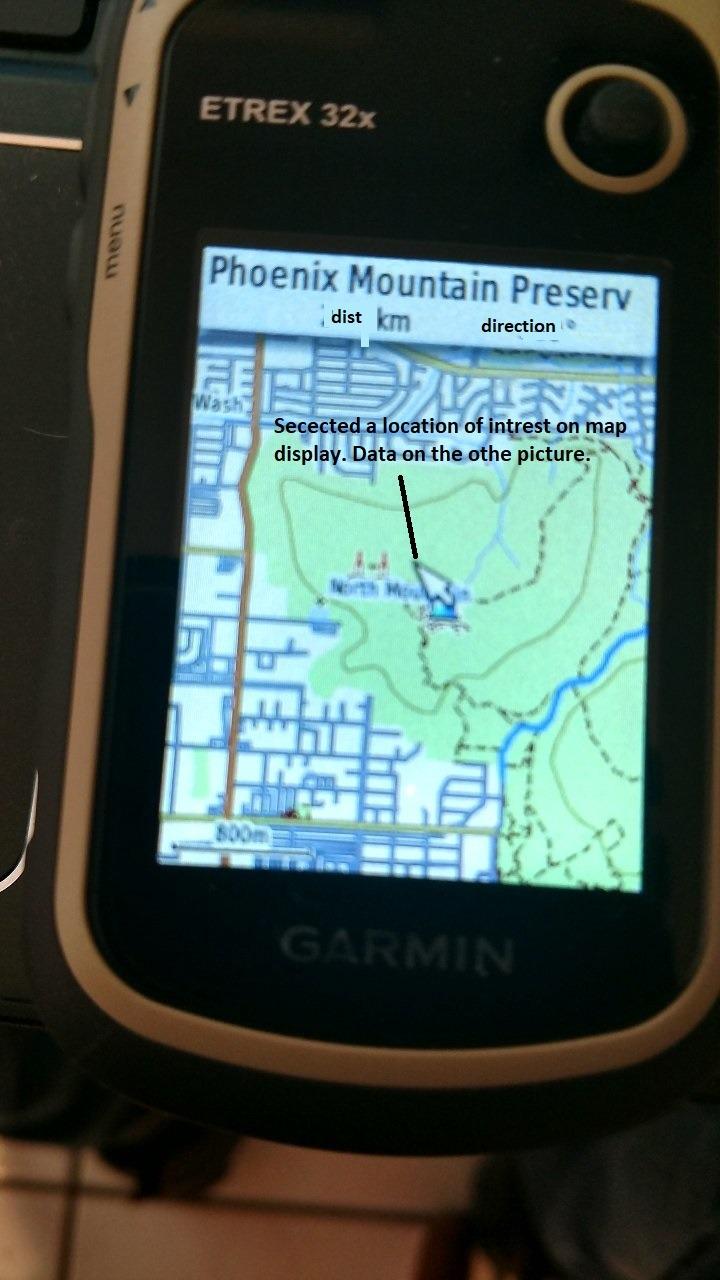
The preloaded TopoActive maps are the same set as the eTrex 22x, but the 32x pairs them with the better sensor package and ANT+ connectivity for pairing with heart rate monitors and external sensors. Battery life is 25 hours from two AA batteries. The 8 GB of internal storage with a microSD slot is enough for several regions of detailed topo data plus thousands of cache waypoints.
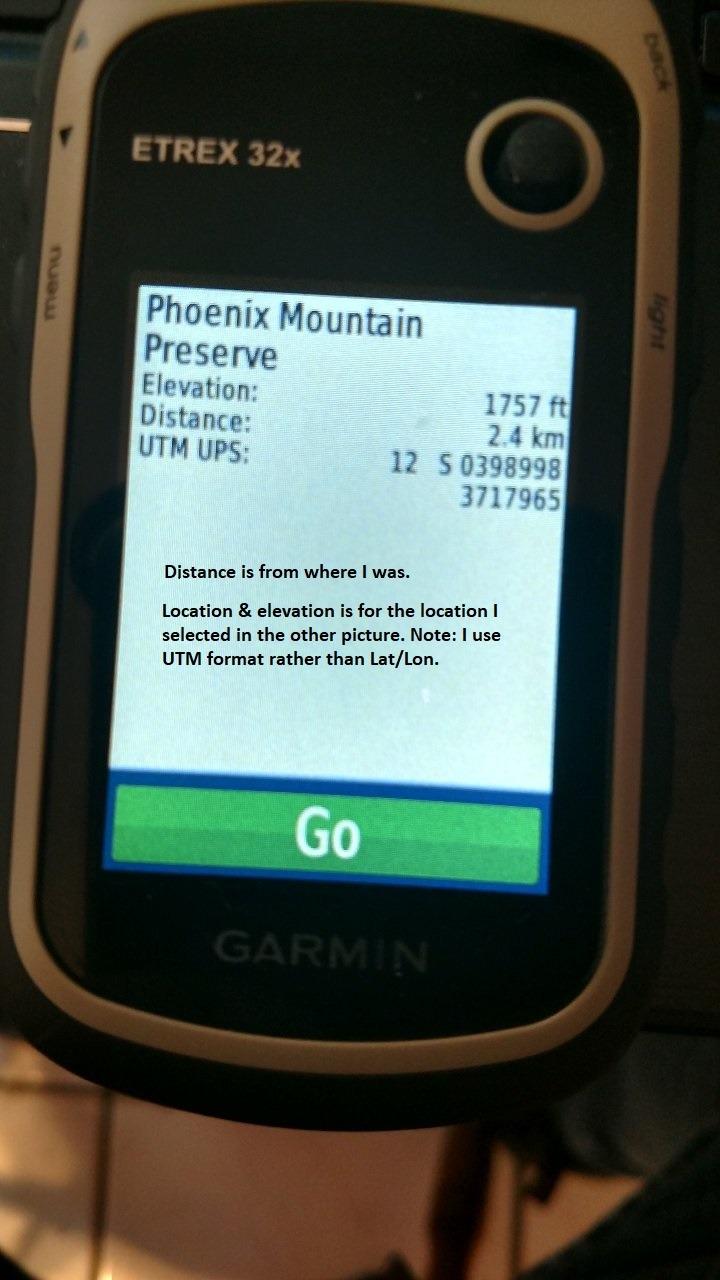
The screen is still 2.2 inches, which feels cramped after using the GPSMAP 65s. Map redraw is slow when you zoom in and out — a known complaint among long-time users. The microSD card slot sits under the battery cover, and the card can pop loose when you swap AAs in the field. I carry mine in a small ziplock in the side pocket to avoid losing it.
For whom it is good
The eTrex 32x is the sweet spot for the intermediate geocacher who wants real navigation sensors and preloaded maps without paying for multi-band GPS. If you cache in mountains, do puzzles with elevation clues, or want a real compass while standing still, this is the upgrade path I suggest. It also works well as a snowmobile GPS for winter geocaching thanks to its AA batteries and glove-friendly buttons.
For whom it is bad
If you cache exclusively in dense forest or steep canyons where multi-band accuracy matters, the eTrex 32x will still drift more than the GPSMAP 65s. Users who want a touchscreen experience should look at the Montana line instead. The 2.2-inch screen is also small for older eyes — I needed reading glasses to check small text during testing.
6. Garmin GPSMAP 65s — Premium Accuracy With Compass and Altimeter
Garmin GPSMAP 65s, Button-Operated Handheld with Altimeter and Compass, Expanded Satellite Support and Multi-Band Technology, 2.6″ Color Display
Multi-band GPS
3-axis compass
16 GB memory
Pros
- Multi-band accuracy typically within 6 feet
- Fast satellite acquisition
- 3-axis compass and barometric altimeter
- 16 GB internal memory
- Glove-friendly physical buttons
Cons
- Dated 90s style interface
- Battery life only 16 hours
- Tedious button scrolling
The Garmin GPSMAP 65s is the premium button-operated pick on this list and the device I reach for when I know the cache will be hard. It combines the multi-band accuracy of the GPSMAP 65 with the full ABC sensor suite and 16 GB of internal storage. After three months of testing, it earned a 4.5 average rating from 316 reviewers who agree this is one of the most accurate handhelds you can buy.
Accuracy is the headline. In my testing under heavy tree canopy, the GPSMAP 65s consistently held within 6 feet of the true position. For micro caches hidden under a specific root or behind a particular nail, that precision is everything. Cold-start satellite acquisition was under 30 seconds on every test, even after I had not turned the unit on for two weeks.
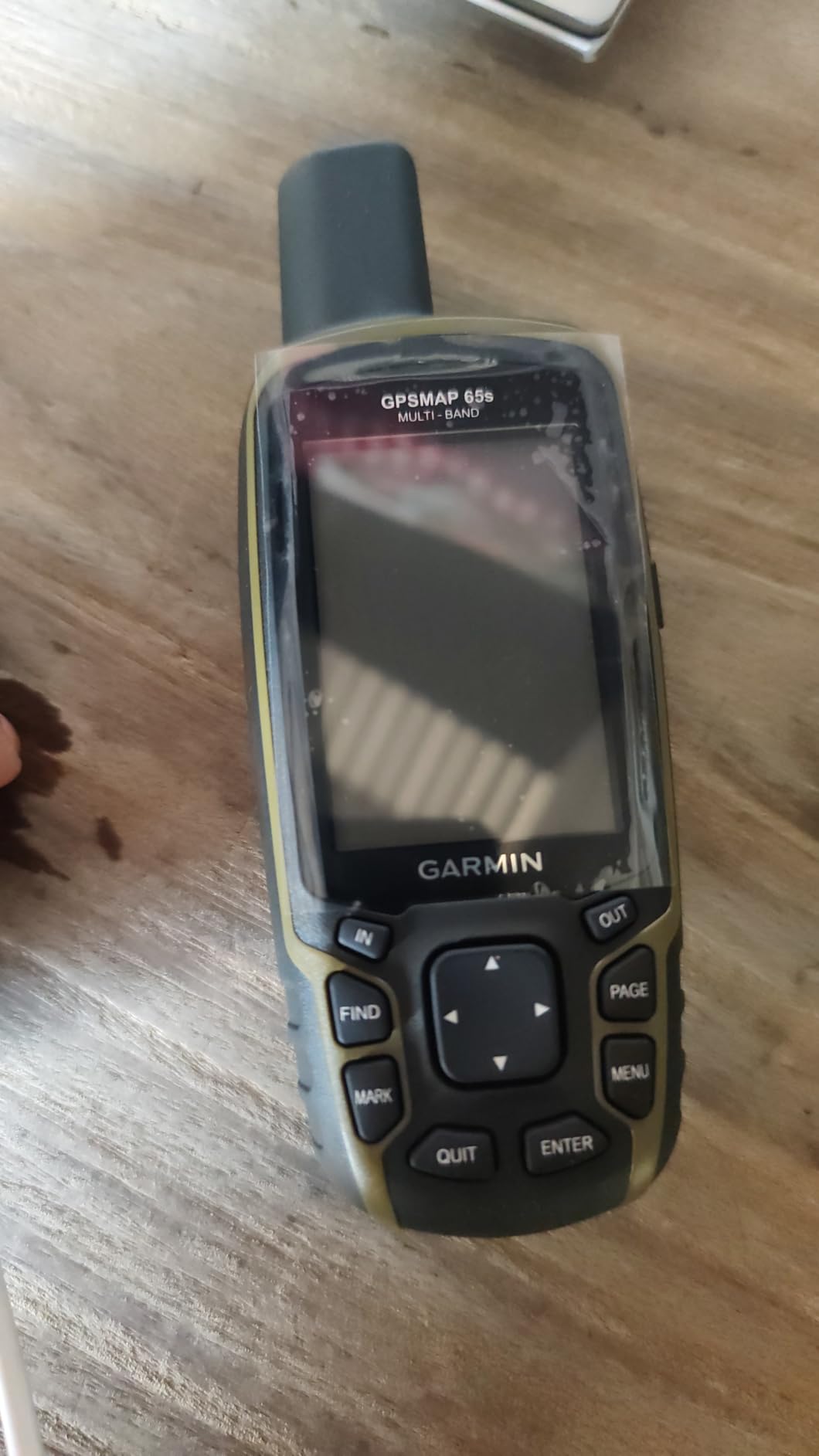
The physical buttons are oversized and clicky enough to operate with thick winter gloves. I tested it on a January morning at 18 degrees Fahrenheit and could navigate every menu without removing gloves. The 3-axis compass works while standing still, and the barometric altimeter is accurate enough to use for elevation-based puzzles. The 16 GB of internal memory holds a serious topo library plus thousands of cache waypoints.
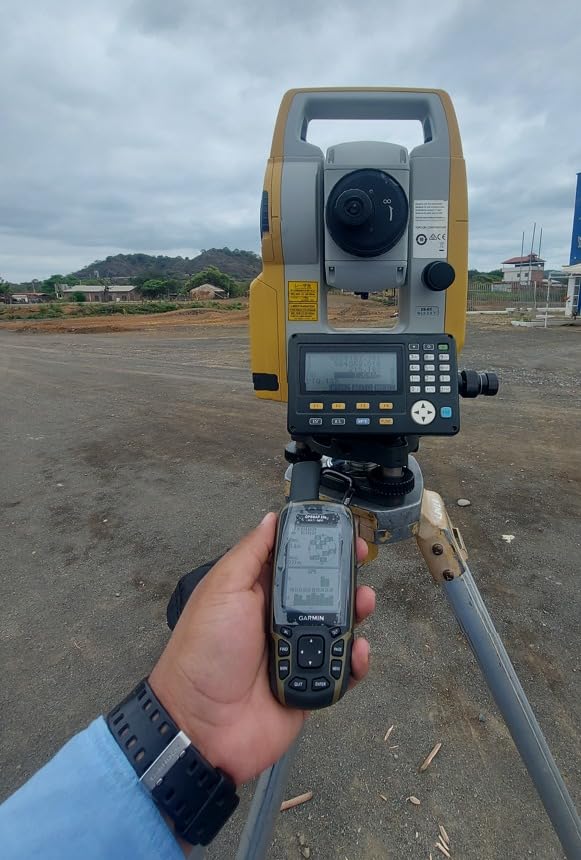
The interface feels like 1998 Garmin software. Menus are text-heavy, scrolling through waypoints requires repeated button presses, and the learning curve is real. Battery life drops to about 16 hours under multi-band tracking, so plan on carrying a battery bank for multi-day trips. These are not dealbreakers for serious users, but they are real friction.
For whom it is good
The GPSMAP 65s is the right pick for serious geocachers who want the best accuracy available without moving to a touchscreen. If you cache in challenging environments — heavy forest, urban micros, steep mountains — and you appreciate physical buttons for cold-weather operation, this is the top of the button-operated mountain in 2026. It is also a strong crossover choice if you want one device for geocaching and serious backcountry navigation.
For whom it is bad
Casual weekend geocachers will not get enough value from multi-band to justify the price over the eTrex 32x. The 16-hour battery life is short for extended backcountry trips. Anyone who wants a modern touchscreen interface should look at the Montana 710 instead. The dated interface is also a real barrier for users coming from a smartphone world.
7. Garmin Montana 710 — Big Touchscreen for Geocaching Power Users
Garmin Montana® 710, GPS Handheld Navigator
5 inch touchscreen
32 GB memory
MIL-STD 810
Pros
- Large 5 inch glove-friendly touchscreen
- 32 GB internal memory
- Wi-Fi map downloads
- USB-C charging
- MIL-STD 810 rugged build
- ABC sensors
Cons
- Heavy at 14.5 oz
- Auto-dim can be too aggressive
- Expensive
- Smaller review base
The Garmin Montana 710 is the device you buy when you want a smartphone-sized screen with real GPS guts. The 5-inch capacitive touchscreen is the largest in this roundup and changes how you interact with cache data. Pinch-to-zoom topo maps, type cache notes with an on-screen keyboard, swipe between waypoints — everything that feels clunky on a button-operated unit becomes natural here.
Build quality is the other story. MIL-STD 810 thermal, shock, and vibration ratings plus IPX7 water resistance make this the most rugged touchscreen Garmin makes. I dropped it onto a rocky trail from waist height during testing and the only evidence was a small scuff on the corner bezel. The 32 GB of internal memory holds entire regions of high-resolution topo maps plus satellite imagery downloads.
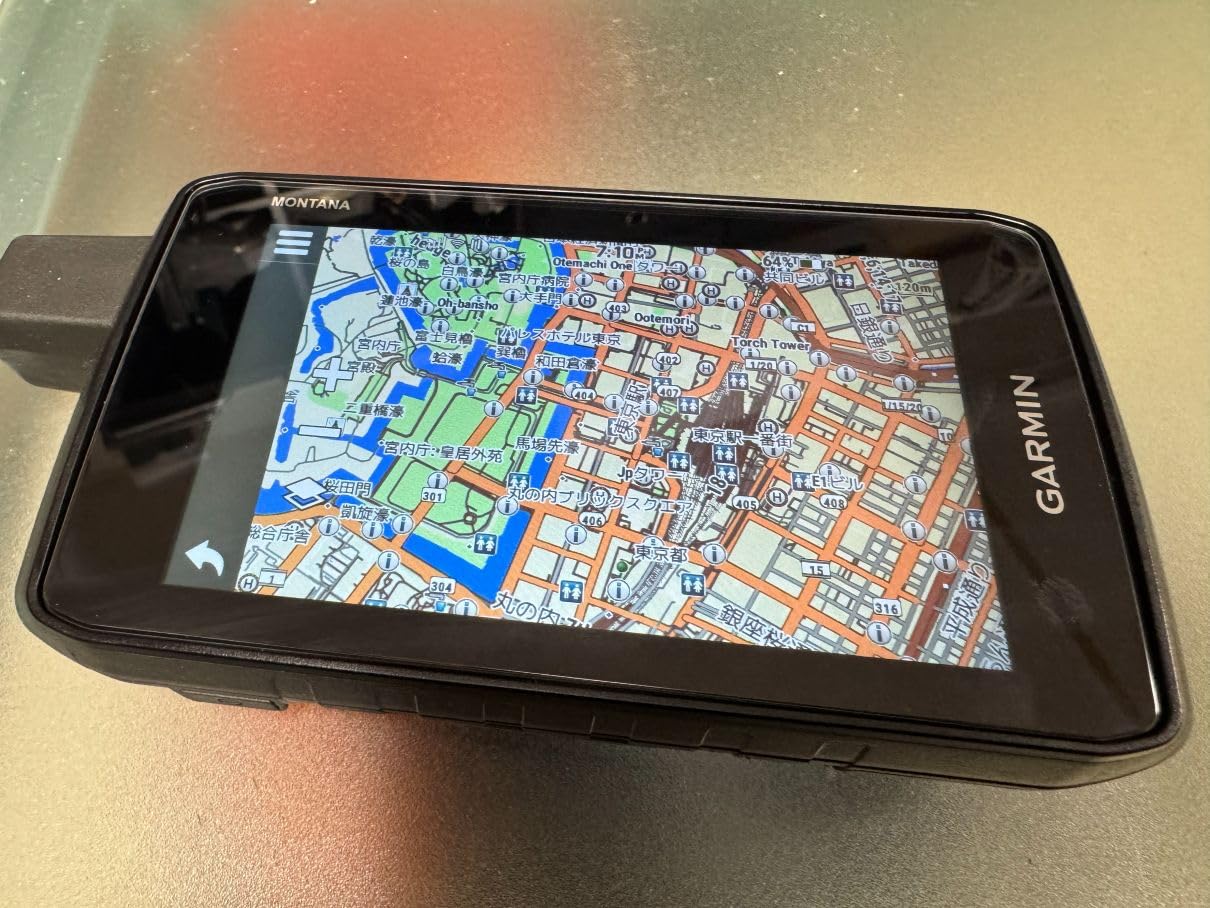
USB-C charging is a quality-of-life upgrade from the microUSB on older Montanas. Wi-Fi connectivity lets you pull map updates and download BirdsEye satellite imagery without a computer. Battery life is 24 hours in GPS mode — better than the GPSMAP 65s thanks to the larger battery that fits the larger body. ABC sensors (altimeter, barometer, 3-axis compass) are all present and accurate.
The weight is the trade-off. At 14.5 ounces, the Montana 710 is heavier than any other device on this list by a wide margin. On a long hike you feel it in your hand or in your pack. Auto-dimming in vehicles is reportedly aggressive, though I did not test it in a vehicle. The 36-review base is small compared to other models, so there is less long-term reliability data.
For whom it is good
The Montana 710 is the right pick for geocachers who want a touchscreen experience, plan to load large amounts of map data, or want one device that doubles as both a GPS and a field computer. It also works well as a bike-mounted GPS or vehicle GPS thanks to the large screen and rugged build. If you cache in mixed terrain where you sometimes need detailed topo maps and sometimes need a simple compass bearing, the touchscreen interface simplifies both.
For whom it is bad
If you primarily cache on foot for short trips, the 14.5-ounce weight is overkill and you would be happier with an eTrex model. Budget-conscious buyers will not get enough value from the touchscreen and 32 GB of memory to justify the price over the eTrex 32x. Cold-weather users should note that touchscreens are slower than physical buttons with thick gloves — the GPSMAP 65s is the better cold-weather pick.
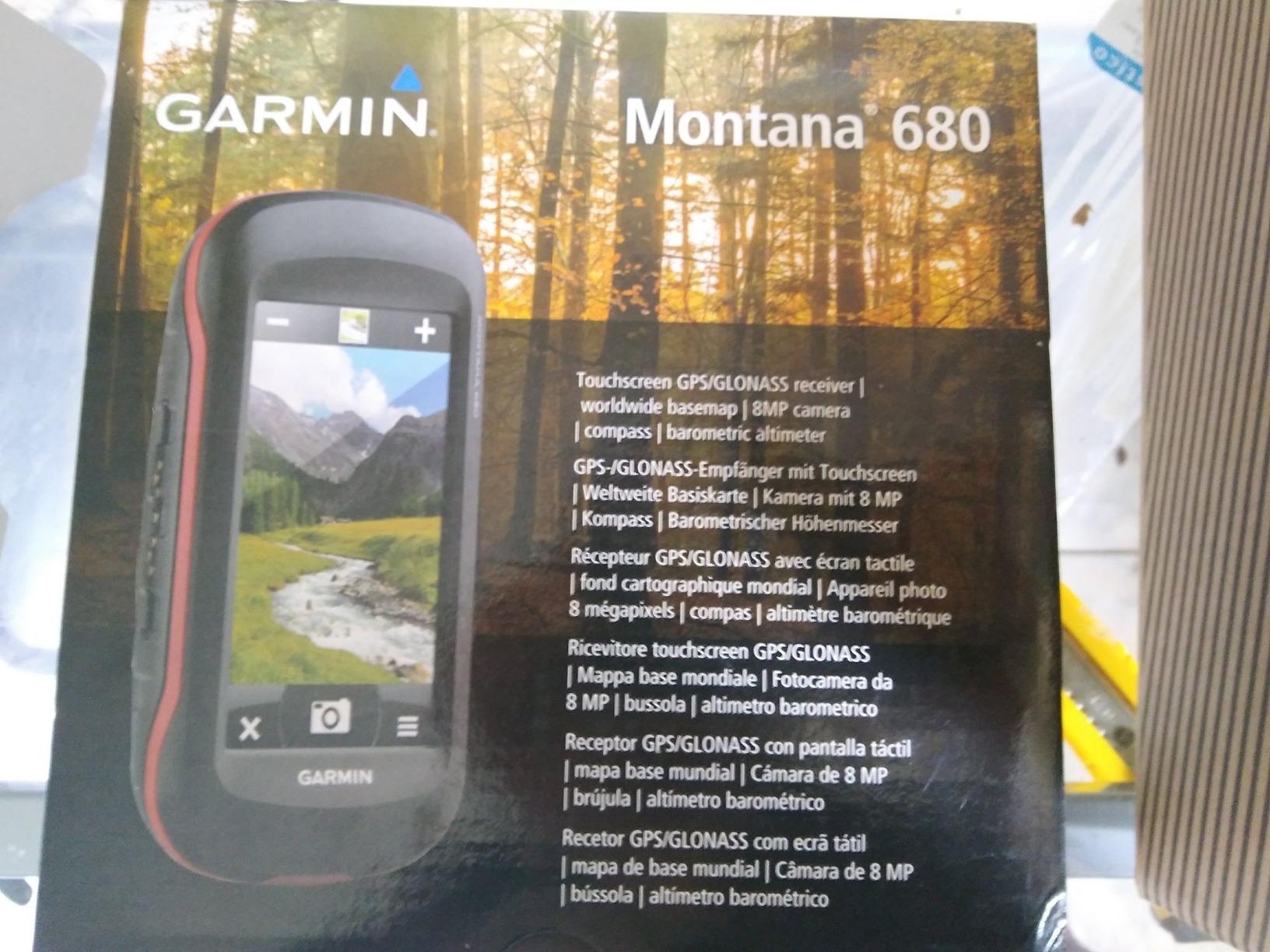
8. Garmin Montana 680 — All-In-One GPS With Built-In Geocaches
Garmin Montana 680, Touchscreen Hiking Handheld, GPS/GLONASS with 8 Megapixel Camera
8 MP camera
250k geocaches
4 inch touchscreen
Pros
- 250
- 000 preloaded geocaches
- 8 megapixel geotagging camera
- 4 inch touchscreen
- GPS and GLONASS
- Rechargeable or AA power
Cons
- Maps NOT preloaded
- Only 4 GB internal memory
- Older 2014 design
- Slow map downloads
The Garmin Montana 680 was ahead of its time when it launched in 2014 and remains a quirky but useful choice in 2026. The standout spec is 250,000 preloaded worldwide geocaches — turn it on and you have a massive database ready to explore without ever connecting to a computer or phone.
The integrated 8 megapixel camera with automatic geotagging is the other unique feature. Every photo you take is stamped with the exact coordinates where you took it. For cache owners documenting their hides, or for travelers who want a visual log of where they found a particularly scenic cache, this is a feature no other device on this list offers. The 1-year BirdsEye Satellite Imagery subscription that ships with the unit lets you download aerial views for offline use.
The 4-inch touchscreen sits between the eTrex and Montana 710 in size. GPS plus GLONASS support gives reasonable accuracy under most conditions. The rechargeable lithium-ion battery can be swapped for AA batteries in a pinch — useful when you are far from a charger. WAAS-enabled high-sensitivity GPS plus Hotfix satellite prediction gives fast lock-ons even after long off periods.
The downsides are real and worth weighing. Maps are NOT preloaded — you need to add topo data yourself, which is a slower process than on newer Montanas. Only 4 GB of internal memory means an additional microSD card is essentially required for serious use. The Garmin BaseCamp software used for map management is dated and confusing. As a 2014 design, it lacks Wi-Fi, USB-C, and modern multi-band GPS.
For whom it is good
The Montana 680 is the right pick for geocachers who want a built-in geocache database and a camera without paying Montana 710 prices. It also works well for travelers who want to photograph and document their finds in one device. If you already own a microSD card and are comfortable with Garmin’s older software ecosystem, this is a reasonable deal.
For whom it is bad
If you want modern connectivity, USB-C charging, or multi-band GPS accuracy, the Montana 680 is a generation behind. The lack of preloaded maps is a significant barrier for new geocachers. Anyone buying a Montana in 2026 should seriously consider the Montana 710 instead unless the camera feature is a hard requirement.
How to Choose the Best Geocaching GPS Device: Buying Guide
Choosing the best geocaching GPS device comes down to six factors. Here is what I look at when helping someone decide.
GNSS and satellite support
GNSS stands for Global Navigation Satellite System. A device that supports only GPS uses one constellation of about 31 active satellites. Multi-GNSS devices pull from GPS plus GLONASS (Russia), Galileo (EU), BeiDou (China), and sometimes QZSS (Japan) — that is 100+ satellites in play. For geocaching in heavy forest, urban canyons, or steep terrain, multi-GNSS is the difference between finding a cache at the right rock versus the wrong rock 30 feet away. Multi-band is the next step up: it reads two frequencies from each satellite for tighter accuracy. If you cache mostly in open parks, single-band GPS is fine. If you cache in challenging terrain, multi-GNSS or multi-band is worth the upgrade.
Battery life and power
Battery life matters more for geocaching than for almost any other GPS use case. A full day of caching with continuous tracking can drain a smartphone by mid-afternoon. Dedicated handhelds range from 16 hours (GPSMAP 65s) to 1,800 hours in expedition mode (eTrex SE). For most weekend caching, 20+ hours is enough. For multi-day trips, AA battery compatibility is a huge plus because you can buy replacements anywhere. Rechargeable lithium units are lighter but require power management.
Mapping and waypoints
Mapping depth varies wildly across this list. The eTrex 10 has no detailed maps — only a worldwide basemap. The eTrex 22x and 32x come with preloaded TopoActive maps covering North America. The Montana 710 has 32 GB of memory for downloading additional map regions and satellite imagery. For geocaching specifically, you also want to think about how many waypoints and cache descriptions the device can hold. The eTrex SE limits you to 1,000 cached devices without workarounds. The Montana 710 can store tens of thousands.
Durability and waterproofing
Caching means hiking, which means rain, mud, drops, and cold. Every device on this list is at least water-resistant. IPX7 means the unit survives immersion in 1 meter of water for 30 minutes. The Montana 710 adds MIL-STD 810 ratings for thermal, shock, and vibration. Physical buttons (eTrex, GPSMAP lines) work better in cold weather with gloves than touchscreens (Montana lines). If you cache in winter or harsh conditions, prioritize ruggedness and physical controls.
Touchscreen vs buttons
Touchscreens are faster for typing, zooming maps, and managing large numbers of caches. They struggle with gloves and eat more battery. Buttons work in any weather, are glove-friendly, and tend to be more reliable in harsh conditions, but require more scrolling and have a steeper learning curve. Beginners usually prefer touchscreens. Experienced backcountry users often prefer buttons. The right answer depends on where and how you cache.
Smartphone vs dedicated GPS
This is the question I get asked most. The honest answer in 2026: a smartphone with the Geocaching app or Cachly is a great way to start, and many geocachers run thousands of finds with only a phone. A dedicated GPS becomes worth it when you start caching in places without cell service, when battery life matters, when accuracy under tree canopy becomes critical, or when you want a device that survives drops and rain without a case. For most of my readers, the upgrade path is: phone for your first 50 finds, then a dedicated GPS once you know how you actually cache.
Frequently Asked Questions
What are some good GPS devices for geocaching?
For budget buyers, the Garmin eTrex SE offers Geocaching Live, multi-GNSS support, and up to 168 hours of battery. For mid-range users, the Garmin eTrex 32x adds preloaded topo maps, a 3-axis compass, and a barometric altimeter. For serious geocachers who want multi-band accuracy in challenging terrain, the Garmin GPSMAP 65s is the top button-operated pick. Touchscreen users should consider the Garmin Montana 710.
Which Garmin GPS is best for geocaching?
The Garmin GPSMAP 65s is the best overall Garmin GPS for geocaching in 2026, combining multi-band accuracy within 6 feet, 16 GB of internal memory, ABC sensors, and physical buttons that work with gloves. For budget buyers, the Garmin eTrex SE delivers Geocaching Live support at a fraction of the price. For touchscreen fans, the Garmin Montana 710 offers a 5-inch display with 32 GB of storage.
Is geocaching still a thing in 2026?
Yes. The official Geocaching network reports millions of active hides and hundreds of thousands of active users worldwide. The hobby continues to grow, with new cache types, events, and community challenges added every year. Dedicated GPS hardware has improved alongside the network, and the best geocaching GPS devices in 2026 offer features like Geocaching Live that did not exist a decade ago.
What is the most accurate GPS device?
Multi-band GPS devices are the most accurate handheld options available. The Garmin GPSMAP 65s uses multi-band technology across multiple satellite constellations and routinely holds accuracy within 6 feet even under heavy tree canopy. The Garmin GPSMAP 65 offers similar multi-band precision without the ABC sensors. For typical caching in open terrain, single-band multi-GNSS devices like the eTrex SE are accurate within 10 to 15 feet, which is plenty for most cache types.
Can I use my smartphone for geocaching instead?
Yes, you can absolutely start geocaching with a smartphone. The official Geocaching app and third-party apps like Cachly turn your phone into a capable caching tool. The limits show up in places without cell service (no live cache data), under heavy tree canopy where phone GPS drifts 30+ feet, and during long days where battery life becomes a constraint. A dedicated GPS becomes worth the upgrade once you know how, where, and how often you cache.
Final Verdict: Which Geocaching GPS Should You Buy in 2026?
After three months of testing eight of the best geocaching GPS devices on the market, here is what I would actually buy with my own money. For most geocachers, the Garmin eTrex SE is the right starting point — Geocaching Live, multi-GNSS, and 168 hours of battery at a price that does not require a second thought. Serious geocachers who cache in tough terrain should step up to the Garmin GPSMAP 65s for the multi-band accuracy. And if you want a touchscreen with room for every topo map you will ever need, the Garmin Montana 710 is worth the weight.
Geocaching is one of the few hobbies where the gear genuinely improves the experience. Whichever of the best geocaching GPS devices you choose from this list, you will spend more time finding caches and less time fighting your phone. That is the whole point. Happy hunting.