
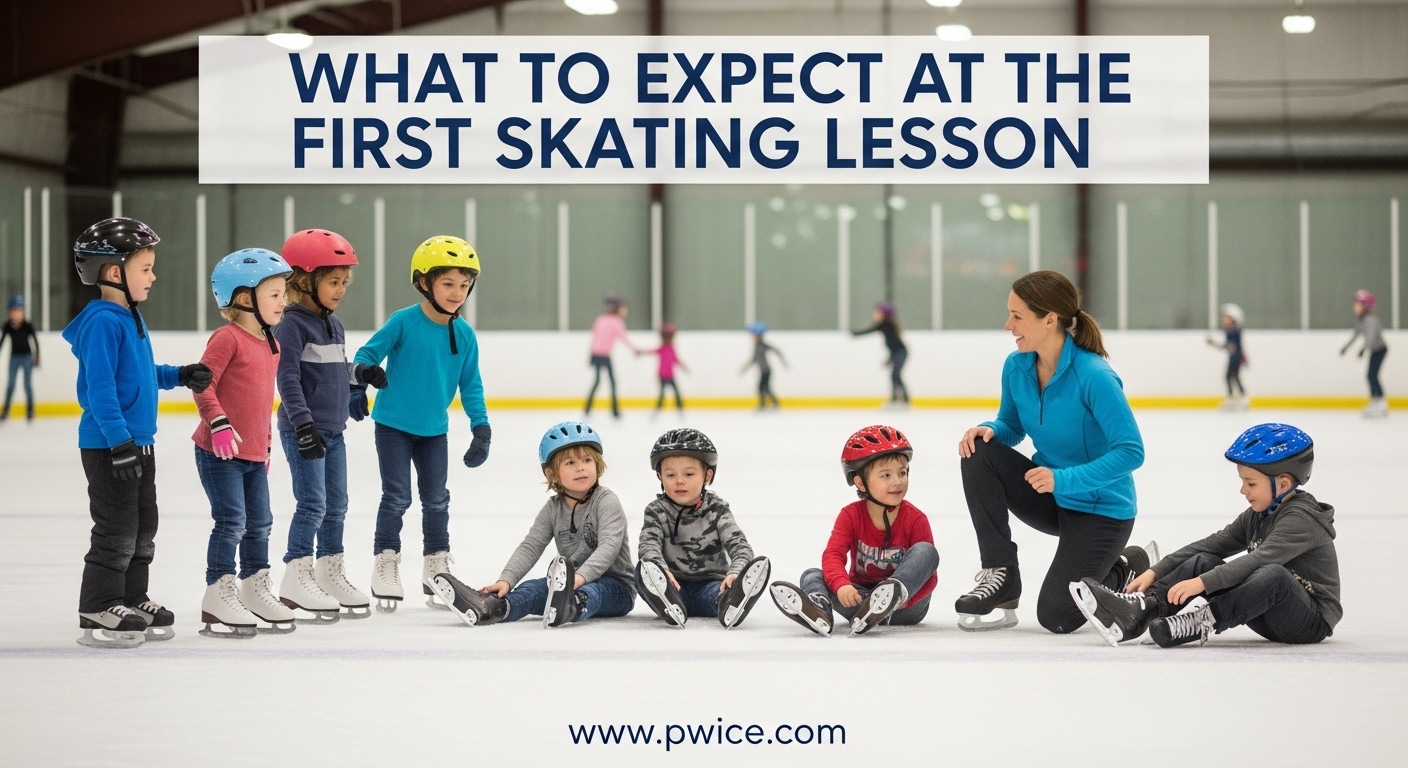
Walking into a skating rink with your child for the first time can feel overwhelming. You might wonder if they are ready, if you have packed the right gear, or if they will spend the entire lesson in tears. I have spoken with dozens of parents and skating coaches, and I can tell you that most first lessons go far better than anyone expects.
What to expect at a child’s first skating lesson is simpler than you might think. Most sessions last about 30 minutes and focus on building comfort on the ice or roller surface, learning to fall safely, and taking those first wobbly steps. The goal is not to produce a graceful skater in one session. It is to spark joy and confidence that will carry your child forward.
This guide covers everything from preparation to arrival to what happens after the lesson ends. Whether your child is three or ten, whether you choose ice skating or roller skating, you will find practical tips to make that first experience positive for everyone involved.
Table of Contents
Signs Your Child is Ready for Skating Lessons
Before booking that first session, it helps to know if your child is truly ready. Many parents ask about the right age, but readiness depends more on physical and emotional development than a number on a calendar.
Physical Readiness Indicators
Your child should be able to walk and run steadily without frequent falls. They need enough strength to support their body weight in skates, which adds bulk and instability. Most children develop this balance between ages three and five.
They should also follow simple multi-step instructions like “walk to the line and stop.” Skating coaches often work with groups of six to eight children, so kids who can listen and take turns will adapt more quickly.
Emotional Readiness Signs
A child who shows curiosity about skating, points at skaters at the rink, or asks to try is likely emotionally ready. They should be able to separate from you for 30 minutes without extreme distress, since most beginner classes are parent-free zones.
If your child is currently in a fearful phase about new activities, waiting a few weeks or months might lead to a better first experience. Pushing a terrified child onto the ice rarely ends well for anyone.
Age Guidelines to Consider
While some programs accept children as young as two in parent-and-tot classes, most independent beginner lessons start at age three or four. The Learn to Skate USA program offers Snowplow Sam levels specifically designed for ages three to six, with games and toys incorporated into instruction.
Older beginners ages seven to ten often progress faster because they have better body awareness and longer attention spans. However, they may also feel more self-conscious about wobbling or falling than younger children do.
What to Wear and Bring to the First Skating Lesson
Dressing your child properly can make the difference between a fun first lesson and a miserable one. Ice rinks are cold, but children warm up quickly once they start moving. The key is layers that can be adjusted.
Clothing Essentials
Start with thin, moisture-wicking layers rather than one bulky coat. Athletic leggings or jogging pants work better than jeans, which restrict movement and become uncomfortable if damp. Add a light fleece or sweatshirt that can be zipped or removed.
Gloves or mittens are mandatory for ice skating. Cold fingers end lessons faster than almost anything else. Thin knit gloves work for indoor rinks, while waterproof gloves are better if your child tends to touch the ice frequently.
Long socks are crucial, especially with rental skates. They should rise above the skate boot to prevent blisters and irritation. Pack an extra pair in case the first gets wet from ice or snow.
Safety Gear
Helmets are strongly recommended for all beginner skaters under age six, and many rinks require them. A well-fitted bicycle or skate helmet works perfectly. Make sure it sits level on the head and does not shift when your child shakes their head.
For roller skating, knee pads, elbow pads, and wrist guards provide extra protection during inevitable falls. These are less common for ice skating because the surface is more forgiving than concrete.
Hair and Accessories
Long hair should be tied back in a ponytail or braid so it does not fall into your child’s face when they look down at their feet. Avoid loose scarves or hoods with drawstrings that could catch on equipment.
Leave jewelry at home. Necklaces and dangling earrings can become hazards during falls or when removing helmets.
What to Pack in Your Bag
Bring a water bottle, even for short lessons. Skating is physical work, and children get thirsty. Pack small, non-messy snacks for after the session to celebrate their effort.
Include a complete change of clothes in your car or bag. Even at indoor rinks, children manage to get wet. Having dry socks and pants ready makes the ride home much more pleasant.
Bring a small notebook or use your phone to jot down what the coach says. You will want to remember which level your child is in and what skills to practice at home.
Preparing Your Child Mentally and Emotionally
Walking onto a cold, slippery surface wearing blades or wheels for the first time can be scary. Preparing your child’s mind is just as important as packing their bag.
Normalizing Falls and Wobbles
Talk about falling before you arrive. Explain that every single skater falls, even the professionals they might see on television. Make it sound normal and even a little funny. You might say, “The ice is going to try to hug your bottom today, and that’s okay.”
Teach them the phrase “bend your knees like a kangaroo” so they have a simple image for maintaining balance. Practice sitting on the floor at home and standing up using only your legs, since that is a skill they will need repeatedly on the ice.
Familiarizing Them with the Environment
If possible, visit the rink as spectators before the first lesson. Let your child watch other beginners their age. Point out how some kids are wobbly, how some fall and get back up, and how everyone is smiling anyway.
Let them see where parents sit, where the bathroom is, and where they will meet you afterward. Familiarity reduces anxiety on lesson day.
Read age-appropriate books about skating in the days before the lesson. Stories about characters learning new skills help children process their own upcoming experience.
Managing Your Own Anxiety
Many parents admit to feeling nervous about their child’s first skating lesson. You might worry about injuries, tears, or embarrassment if your child struggles. Your child picks up on your emotions, so take a breath and project calm confidence.
Remember that coaches are trained to handle crying children, refusal to participate, and every other scenario you can imagine. Your job is to get them there dressed properly and cheer them on from a distance.
Arrival Tips: Timing and Check-In Process
The hour before the first lesson sets the tone for the entire experience. A rushed, frantic arrival increases anxiety for both you and your child.
When to Arrive
Plan to arrive at least 20 minutes before the scheduled lesson time. This buffer allows for parking, finding the entrance, and navigating an unfamiliar building without panic.
Rental skate fitting takes 10 to 15 minutes for first-timers. Staff need to measure feet, find the right size, and lace the skates properly. Rushing this process leads to poorly fitted skates, which cause blisters and make skating harder.
The Check-In Process
Most rinks require you to check in at a front desk or registration area. Have your confirmation email or receipt ready. Ask where the lesson meets, what time it ends, and where parents should wait.
If your child needs a bathroom break, take them before putting on skates. Wrestling with ice skates while desperate for the restroom creates unnecessary stress.
Skate Fitting Basics
Rental skates should feel snug but not painful. Your child should be able to wiggle their toes slightly, but the heel should not lift when they walk. Tell the staff if your child has wide feet or wears orthotics, as some rinks have specialty options available.
Double-check that laces are tight enough around the ankle for support but not so tight they cut off circulation. Many beginners wear skates too loose, which makes balance nearly impossible.
What to Expect at a Child’s First Skating Lesson
This is the heart of the experience, the thirty or so minutes when your child transforms from a nervous beginner into someone who has officially tried skating. Understanding the structure helps you set realistic expectations.
Lesson Structure and Format
Most beginner skating lessons last 30 minutes, which matches the attention span of young children. Classes typically include 6 to 8 students with one or two coaches. Some rinks offer parent-and-tot classes where you skate alongside your child, but most beginner sessions are drop-off style.
The lesson usually begins with the children sitting on the ice or holding the boards while the coach explains the plan. Do not be surprised if your child spends the first few minutes clinging to the side or sitting down. This is normal and expected.
Warm-Up Activities
Coaches begin with off-ice or on-ice warm-ups to get bodies moving and nerves settled. These might include arm circles, marching in place, or simple stretches. The goal is to transition children from “waiting mode” to “participating mode.”
Games are often incorporated even at this early stage. A coach might have children pretend to be airplanes, trains, or animals to practice arm positions and knee bends without calling them “technique.”
Learning to Fall and Get Up
The very first skill taught is usually how to fall safely and get back up. This seems backward to many parents, but it is the foundation of confidence. When children know they can fall without getting hurt, they become braver about trying new movements.
Coaches teach children to bend their knees, lean forward, and use their hands in front rather than behind. They practice sitting on the ice and standing up using one knee and both hands for leverage.
Expect your child to fall multiple times during this segment. It is part of the curriculum, not a sign of failure.
First Movements on Skates
After falling practice, children typically learn to march in place. This builds ankle strength and helps them feel the blade or wheel beneath them. They might march in a line, march while holding the boards, or march in a circle holding hands with other beginners.
The first attempts at gliding come next. The coach might have them push off gently from the boards and slide a few inches. This feeling of moving without walking is often the magical moment when children realize skating is possible.
Do not expect proper strides, crossovers, or turns in the first lesson. Simply standing on skates without falling is a legitimate achievement.
Fun Elements and Games
Most lessons end with a game or fun activity to leave a positive final impression. This might be a cone obstacle course, a follow-the-leader chain, or pretending to be different animals on ice. The goal is for your child to leave smiling and wanting to return.
Coaches often give out stickers, stamps, or certificates at the end of the first session. These small rewards mean the world to young skaters and give them something to show you with pride.
Ice Skating vs. Roller Skating: What’s Different for First Lessons
If you are deciding between ice and roller skating for your child’s first experience, understanding the differences can help you choose the right environment for their personality and your logistical needs.
Surface and Environment
Ice rinks are cold, typically between 50 and 60 degrees Fahrenheit. The air is dry, and the surface is wet. Children need warm layers and must accept that getting cold is part of the experience. The aesthetic of a sparkling ice surface is magical for many kids.
Roller rinks are usually warm indoor spaces similar to gymnasiums. The floor is dry, and the atmosphere often includes music and disco lights. Children wear normal athletic clothes without worrying about gloves or heavy jackets.
Equipment Differences
Ice skates have blades that require balance on a thin edge. The blade continues beyond the boot, which takes some getting used to when walking on rubber mats. Roller skates or rollerblades have wheels that roll in all directions, which some children find more intuitive.
Rental ice skates are often hockey-style or figure-style blades. Roller rentals are typically quad skates with two wheels in front and two in back, which offer more stability than inline skates for beginners.
Skill Progression Variations
On ice, beginners focus on balance edges and blade control. The snowplow stop, where toes point inward to create friction, is the first stopping method taught. On roller skates, the toe stop is usually the first brake method learned.
Many parents report that children who can already roller skate pick up ice skating faster, and vice versa. The transfer of balance skills works across both sports.
Safety Considerations
Ice is softer to land on than wood or concrete roller rink floors. However, ice is also cold and wet, which can lead to soaked clothing. Roller skating typically results in more scraped knees and elbows, which is why pads are more common in that sport.
Choose ice skating if your child loves winter sports and does not mind the cold. Choose roller skating if you want a year-round option in comfortable temperatures with a party atmosphere.
How Parents Can Support During the Lesson
Your behavior during the lesson matters almost as much as your child’s. Coaches have strong opinions about what helps and what hinders beginner progress.
Where to Position Yourself
Most coaches prefer parents to wait in designated viewing areas rather than standing directly at the rink boards. When parents hover nearby, children constantly look to them for reassurance rather than listening to the coach.
Find a spot where you can see and wave but are not directly in your child’s line of sight. This helps them focus on the instructor and build independence.
Cheering Without Pressure
Positive encouragement is wonderful, but avoid coaching from the sidelines. Do not shout instructions like “bend your knees” or “stop doing that” while the instructor is teaching. This confuses children and undermines the coach’s authority.
Instead, offer general praise like “You are doing great” or “I love watching you try.” Save specific technique discussions for after the lesson.
Handling Tears or Refusal
If your child cries during the lesson, resist the urge to rush onto the ice or demand they be removed. Most coaches are skilled at comforting upset children and re-engaging them in activities. Often a child who cries for five minutes is happily skating by minute fifteen.
However, if your child is absolutely refusing to participate after reasonable encouragement, most rinks allow parents to step in and try themselves. Sometimes a quick hug from mom or dad resets the emotional balance.
Trusting the Coach’s Expertise
Skating instructors who work with beginners have seen every possible scenario. They know how to coax shy children, challenge bold ones, and keep groups moving despite varying skill levels. Trust their judgment about when to push and when to back off.
Avoid comparing your child to others in the class. Every beginner progresses at their own pace, and early comparisons create unnecessary pressure.
After the Lesson: Processing the Experience
The minutes after the lesson ends are precious. How you respond to your child’s experience shapes whether they want to return.
Conversation Starters That Work
Rather than asking “Did you have fun?” which can feel like pressure to be happy, try open questions like “What was the slipperiest part?” or “Show me how you fell down.” These invite storytelling without requiring positive spin.
Listen to their description of the lesson without interrupting to correct details. If they say they skated super fast when they actually inched along, celebrate their perception of achievement.
Celebrating Small Wins
Honor whatever they accomplished, even if it was simply staying on the ice for the full 30 minutes. First lesson victories might include putting on skates without tears, marching five steps, or making a new friend in line.
A small post-skating ritual like hot chocolate or a special snack creates positive associations with the experience. Some families take a photo after every lesson to document progress over time.
Deciding About Continuation
Do not pressure your child to commit to a full session of lessons immediately. Many rinks offer drop-in or short trial packages so you can assess interest over several weeks.
If your child is hesitant after the first lesson but not completely resistant, consider trying once more. Sometimes the second lesson goes smoother because the environment is familiar.
If they absolutely hated it, that is okay too. Not every activity suits every child, and pushing forward usually backfires.
What to Expect in Lesson Two
If your child continues, the second lesson typically builds on the first. They will review falling and getting up, then add forward swizzles or backward wiggles. The coach may introduce the snowplow stop or basic gliding.
Many children show noticeable improvement between lesson one and lesson two simply because they are less nervous and more familiar with the equipment.
FAQ
What is the best age to start skating lessons?
Most children are ready for beginner skating lessons between ages three and five. At this age, they typically have the balance, strength, and attention span needed for a 30-minute group session. Some rinks offer parent-and-tot classes for two-year-olds, but independent lessons work better for ages three and up. Older children can certainly start as beginners too, though they may progress faster due to better body awareness.
Should I buy skates or use rentals for the first lesson?
Rentals are perfectly fine for the first several lessons. They allow your child to try skating without a major investment. Once your child commits to continuing for a few months, consider purchasing properly fitted skates for better comfort and performance. Many coaches recommend waiting until basic skills are mastered before buying equipment.
What should my child wear to an ice skating lesson?
Dress them in thin layers they can adjust, like athletic pants and a fleece jacket. Long socks that rise above the skate boot are essential to prevent blisters. Gloves are mandatory for keeping hands warm and protected. A helmet is strongly recommended for children under six. Avoid jeans, which restrict movement, and skip scarves or loose accessories that could be hazardous.
What happens if my child cries during the skating lesson?
Tears are common and coaches are experienced at handling them. Most will comfort the child, offer a brief break, and re-engage them with a simple activity. Resist the urge to immediately remove your child unless the coach suggests it. Often a child who cries initially ends up enjoying the lesson once they get moving. Having a comforting ritual afterward, like hot chocolate, helps reset the mood.
Can parents watch the skating lessons?
Yes, parents can and should watch from designated viewing areas. However, most coaches prefer parents stay off the rink boards and away from the lesson area. Children focus better when parents are visible but not directly beside them. Avoid coaching from the sidelines or shouting instructions, as this distracts from the coach’s guidance.
How long does it take for a child to learn to skate?
Every child progresses differently, but most beginners can stand, march, and glide short distances after 4 to 6 lessons. Basic confidence and comfort on the ice typically develops within the first month of weekly sessions. Do not expect smooth skating or proper technique immediately. The first few lessons focus on falling safely, getting up, and building balance rather than graceful movement.
How early should we arrive for the first skating lesson?
Arrive at least 20 minutes early to allow time for parking, finding the check-in area, using the bathroom, and getting rental skates fitted properly. Poorly fitted skates are the fastest way to ruin a first lesson experience. The extra buffer also reduces stress for both you and your child, creating a calmer start to the session.
Is ice skating or roller skating better for beginners?
Both are excellent options, and the choice depends on your child’s personality and your local options. Ice rinks are cold but the surface is softer for falls. Roller rinks are warm and comfortable but the floors are harder. Children who have tried roller skating often adapt to ice more quickly because balance concepts transfer. Consider starting with whichever is more accessible and appealing to your child.
Conclusion: Embracing the First Steps on Skates
What to expect at a child’s first skating lesson is really quite simple: expect wobbles, expect falls, expect some hesitation, and expect moments of pure joy when your child realizes they are gliding across the ice or rolling across the floor under their own power.
Every child writes their own skating story. Some take to it immediately, marching and gliding with confidence from day one. Others need several sessions just to feel comfortable standing in skates. Both paths lead to the same destination if you maintain patience and encouragement.
The most important outcome of a first skating lesson is not technical skill. It is whether your child wants to return for a second try. By preparing properly, managing expectations, and responding with support rather than pressure, you give your child the gift of a positive introduction to a sport they might enjoy for years to come.
Pack those long socks, charge your camera, and prepare for an adventure. Whether your child becomes a competitive figure skater, a hockey player, or simply someone who enjoys an occasional glide around the rink with family, that first lesson is where the journey begins.