
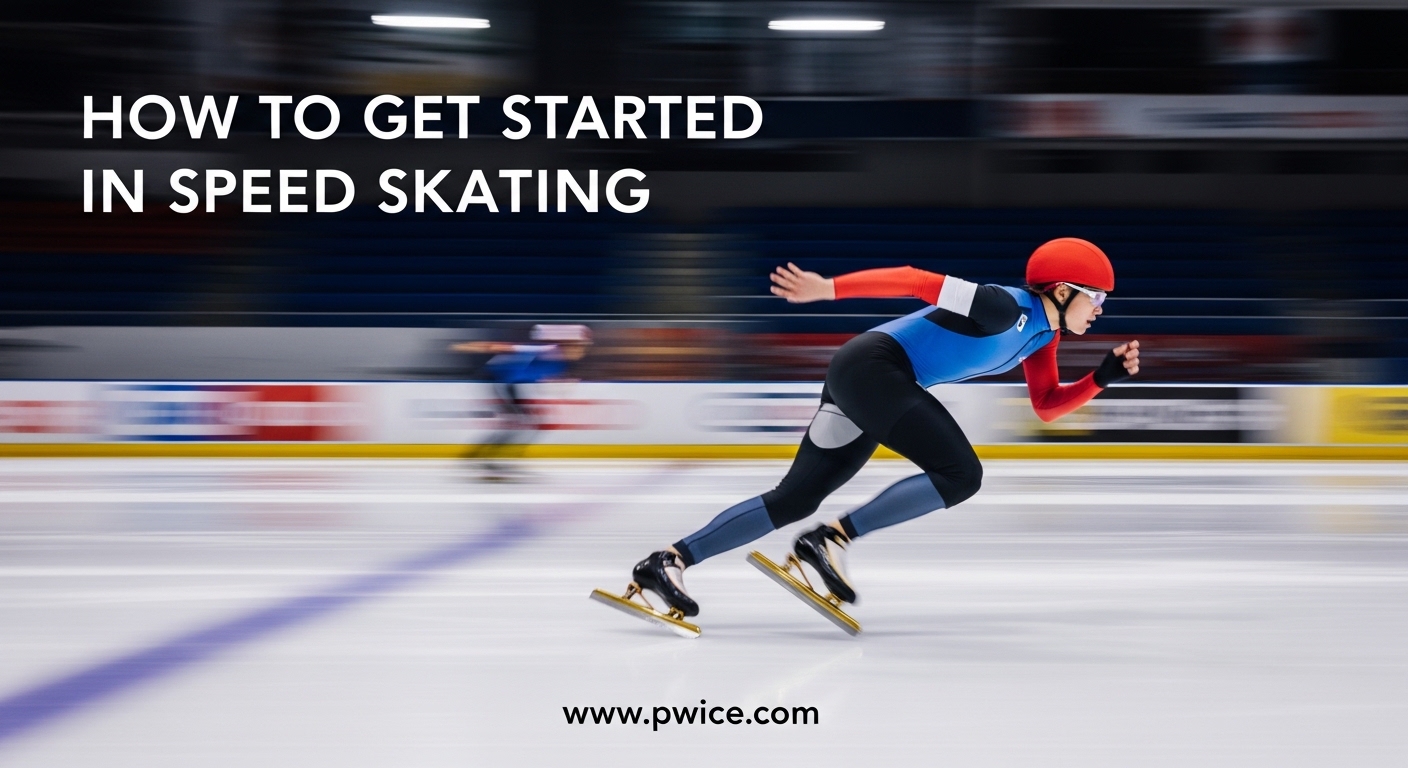
Watching speed skaters glide effortlessly around the ice at 30+ miles per hour is mesmerizing. The combination of power, precision, and pure speed makes it one of the most thrilling Winter Olympic sports to watch. If you have ever wondered whether you could learn to speed skate yourself, the answer is absolutely yes.
I have spent time with local clubs and spoken with coaches to understand exactly what beginners need to know. This guide covers everything from finding your first club to mastering basic techniques. Whether you are 8 or 68, speed skating welcomes participants of all ages and athletic backgrounds.
By the end of this article, you will know exactly how to get started in speed skating, what equipment you actually need, and what to expect during your first few months on the ice. Let us turn that curiosity into action.
Table of Contents
How to Get Started in Speed Skating: 5 Steps
To get started in speed skating, follow these five essential steps:
- Find a local club or program using the US Speedskating club finder or Learn to Skate USA resources
- Get proper safety equipment including a helmet, cut-resistant gloves, and protective pads
- Attend your first session prepared with appropriate clothing and realistic expectations
- Learn basic techniques focusing on stance, edge control, and falling safely
- Practice consistently with both on-ice sessions and dryland training exercises
Most beginners feel comfortable on speed skates within 6 to 8 weeks of regular practice. The key is starting with proper instruction rather than trying to teach yourself.
The Three Speed Skating Disciplines Explained
Speed skating breaks down into three distinct disciplines, each offering a unique experience. Understanding these differences helps you choose the right entry point based on your location, budget, and preferences.
Long Track Speed Skating
Long track takes place on a 400-meter ice oval, similar to an Olympic running track. Skaters race against the clock in a time-trial format, with two competitors sharing the ice but skating in separate lanes. This discipline uses clap skates that allow the heel to lift off the blade at the end of each push, generating more power and speed.
The sport emphasizes sustained speed and technical efficiency over multiple laps. Distances range from 500 meters (sprint) to 10,000 meters (endurance). Long track offers the purest form of speed skating and produces the fastest recorded skating speeds.
However, full-size long track ovals are rare in the United States. Only two Olympic-size ovals exist nationally, making this discipline less accessible for many beginners.
Short Track Speed Skating
Short track happens on a 111-meter track inside a standard hockey rink. Multiple skaters race simultaneously in a pack-style format, creating exciting, tactical racing with frequent passing and position changes. This discipline uses fixed-blade skates without the clap mechanism.
The tight corners and close proximity to other skaters make short track more physically demanding and strategically complex. Distances range from 500 meters to 3000 meters, with the 1500 meter being a popular middle-distance event.
Short track proves far more accessible because it requires only a standard ice rink. Most speed skating clubs in the United States focus on short track for this reason.
Inline Speed Skating
Inline speed skating takes the same techniques onto wheels instead of blades. Skaters use low-cut boots with three to five large wheels in a single line, racing on paved roads, tracks, or indoor floors. This discipline offers the most accessible entry point for beginners.
The equipment costs less than ice skates, and you can practice anywhere with smooth pavement. Many ice speed skaters train on inline skates during the off-season. The technique transfers directly between disciplines, making inline an excellent training ground for ice skating.
If you live in an area without an ice speed skating club, inline skating provides a viable path to develop your skills. USA Roller Sports governs inline speed skating and offers similar club structures to US Speedskating.
Ice vs Inline: Which Should You Choose?
| Feature | Ice Speed Skating | Inline Speed Skating |
|---|---|---|
| Accessibility | Requires ice rink access | Any smooth pavement works |
| Equipment Cost | $300 to $800 for entry-level | $150 to $400 for entry-level |
| Seasonality | Year-round at indoor rinks | Weather dependent outdoors |
| Learning Curve | Steeper initially (balance on thin blades) | Easier for most beginners |
| Racing Format | Time trial or pack style | Primarily pack racing |
| Speed Potential | Higher (35+ mph possible) | Fast but lower than ice |
Many beginners ultimately try both disciplines. Starting with inline skating builds fundamentals that transfer directly to the ice when you get the opportunity.
Finding a Speed Skating Club or Program Near You
The most critical step in learning speed skating properly is finding qualified instruction. Self-teaching often leads to bad habits that become difficult to correct later. Fortunately, several resources help locate programs nationwide.
US Speedskating Club Finder
US Speedskating maintains an interactive club finder on their website that maps approximately 60 ice speed skating clubs across the country. These clubs range from youth-focused programs to adult recreational groups to competitive training centers. Many offer “learn to speed skate” sessions specifically for beginners.
The club finder allows you to search by location and shows contact information for each program. Most clubs welcome beginners at any time during their season. Do not worry about starting mid-year; coaches expect new skaters to join throughout the year.
Learn to Skate USA Programs
Learn to Skate USA offers structured skating curricula at rinks nationwide. While primarily focused on figure skating and hockey, many rinks with speed skating programs use this framework for beginner instruction. Completing basic skating levels through Learn to Skate USA provides a solid foundation before transitioning to speed-specific training.
Contact your local ice rink directly to ask about speed skating programs, even if they do not appear on the US Speedskating map. Some clubs operate informally or meet during public skate sessions rather than maintaining formal club status.
What If No Club Exists Near You?
For those in rural areas or regions without ice speed skating access, inline skating offers an excellent alternative. USA Roller Sports sanctions inline clubs across the country, often in areas without ice facilities. The technique learned on inline skates transfers directly to ice when you eventually get the opportunity.
Some dedicated skaters also travel to weekend camps or clinics held at regional centers. These intensive sessions provide concentrated instruction that can accelerate your progress between solo practice sessions.
Age Considerations: Kids vs Adults
Speed skating truly accommodates all ages. Youth programs typically accept children as young as 4 or 5 years old. Adult beginners often worry about being too old, but clubs regularly welcome skaters in their 30s, 40s, and beyond. The Masters division in speed skating includes competitors well into their 70s.
Parents often find speed skating becomes a family activity. Many clubs encourage parents to skate alongside their children during practice sessions. The sport creates a unique environment where kids and adults learn together and support each other.
Speed Skating Equipment for Beginners
Equipment represents one of the biggest concerns for prospective speed skaters. Understanding what you actually need versus what can wait helps manage costs and reduces decision paralysis.
Essential Safety Gear
Every beginner speed skater needs proper safety equipment regardless of discipline. Cut-resistant gloves rank as the most important item. Speed skate blades are extremely sharp, and falls can cause serious hand injuries as skaters instinctively reach for the ice. Look for gloves specifically rated as cut-resistant, not just winter gloves.
A properly fitted helmet protects your head during falls. Bike helmets or hockey helmets both work for beginners, though dedicated speed skating helmets exist for advanced racers. Ensure the helmet fits snugly and covers the back of your head.
Knee pads, elbow pads, and crash pad shorts provide additional protection during the learning phase when falls are most frequent. These items become less critical as you gain confidence, but they prove invaluable during the first few months.
Understanding Speed Skates
Speed skates differ significantly from hockey or figure skates. The boots sit lower to the ice with longer, flatter blades. This design prioritizes straight-line speed over maneuverability or jumping ability.
Beginners should not rush to purchase skates. Most clubs maintain rental fleets or loaner programs specifically for new skaters. Take advantage of these resources while confirming that speed skating is the right sport for you. Expect to spend $300 to $800 for entry-level ice speed skates when you do purchase. Inline speed skates typically cost $150 to $400 for quality beginner setups.
Clap skates feature a hinge mechanism at the front that allows the heel to lift off the blade at the end of each stroke. This extends the push phase and generates more power. Fixed-blade skates keep the entire boot attached to the blade and work better for short track racing.
What to Wear
Tight-fitting clothing reduces air resistance and prevents fabric from catching on blades. Many beginners wear compression gear or athletic tights. Layering works best since skating generates significant body heat once you start moving.
Speed skating suits (skin suits) become relevant only for competitive racing. Beginners should focus on comfort and mobility rather than aerodynamics. Avoid loose jackets or pants that could interfere with your blades.
Cost Breakdown for Beginners
| Item | Rental Option | Purchase Cost | Priority Level |
|---|---|---|---|
| Helmet | $5 to $10 per session | $40 to $100 | Essential |
| Cut-resistant gloves | Not typically available | $25 to $60 | Essential |
| Knee pads | Sometimes included | $20 to $50 | Recommended |
| Elbow pads | Rarely available | $15 to $40 | Optional |
| Crash pad shorts | Not typically available | $30 to $80 | Recommended |
| Speed skates (ice) | $10 to $25 per session | $300 to $800 | Buy later |
| Speed skates (inline) | Rarely available | $150 to $400 | Buy later |
| Skinsuit/racing suit | Not applicable | $100 to $300 | Not needed yet |
Most beginners spend $50 to $150 on safety gear initially, then rent skates for their first several sessions. Plan to invest in your own skates only after committing to the sport for at least a month.
Your First Speed Skating Session: What to Expect
Walking into your first speed skating session feels intimidating. Understanding the typical structure helps reduce anxiety and lets you focus on learning.
Before You Arrive
Arrive 15 to 20 minutes early to complete any paperwork and get oriented. Wear layers you can remove as you warm up. Bring a water bottle since skating is surprisingly dehydrating. Check with your club about whether they provide skate rental or if you need to arrange that separately.
Eat a light meal 1 to 2 hours before skating. Heavy skating on a full stomach causes discomfort, but low blood sugar leads to dizziness. Many beginners experience a significant energy drain during their first sessions.
The Typical Session Structure
Most beginner sessions follow a similar pattern. The coach begins with off-ice warm-up exercises to prepare your muscles and practice movements you will replicate on the ice. Expect jumping jacks, leg swings, and balance drills.
On-ice time typically starts with basic gliding and getting comfortable with the low stance. You will practice standing in the speed skating position, which feels awkward initially. The coach demonstrates proper technique and provides individual feedback as you try each skill.
Sessions usually last 60 to 90 minutes including both off-ice and on-ice components. Do not be surprised if you spend significant time off the ice during your first few sessions. Building fundamentals happens through repetition and drill work.
Beginner Etiquette
Speed skating has specific customs that help everyone stay safe. Always pass on the outside (left side) of slower skaters. Look behind you before changing lanes or moving across the track. Stay out of the way during fast laps when more experienced skaters are training.
Ask questions when you are unsure. The speed skating community prides itself on being welcoming and helpful. Experienced skaters remember their own first days and are usually happy to offer tips.
Overcoming Fear and Anxiety
Feeling nervous about speed, falling, or cornering is completely normal. The low stance makes speed skaters feel more stable than they expect once they commit to the position. Fear actually disappears faster than you might think.
Focus on mastering the falling technique early. Knowing how to fall safely removes significant anxiety. Remember that everyone falls during their first sessions, even experienced skaters trying new techniques. Falling means you are pushing your limits and learning.
Start slowly and build confidence incrementally. There is no prize for going fast during your first week. Concentrate on proper form at moderate speeds, and the velocity will come naturally as your technique improves.
Basic Speed Skating Techniques to Master First
Speed skating technique differs substantially from recreational ice skating. These fundamental skills form the foundation everything else builds upon.
The Speed Skating Stance
The hallmark of speed skating is the low, aerodynamic stance. Your knees should bend deeply, bringing your hips low to the ice. Your back stays relatively straight but angled forward. Arms typically swing in opposition to your legs for balance.
This position feels unnatural at first and creates significant leg burn. Most beginners cannot hold the proper stance for more than a few seconds initially. Build up your endurance gradually through specific dryland exercises that strengthen the required muscles.
The low stance serves multiple purposes. It reduces air resistance, lowers your center of gravity for stability, and positions your body to generate maximum power from each push. Committing to this position despite the discomfort separates successful speed skaters from those who struggle.
Edge Control
Speed skating requires precise control of your blade edges. The inside edge grips the ice for pushing and turning. The outside edge provides stability during gliding and certain turning maneuvers.
Many beginners feel unstable on the outside edge, fearing the blade will slip. This anxiety is normal and fades with practice. Coaches often have beginners practice standing on outside edges while holding the boards, gradually building confidence.
Proper edge work creates the distinctive speed skating sound: a rhythmic hiss as blades grip and release the ice. Working on edge drills early accelerates your overall progress significantly.
Crossovers
Crossovers allow skaters to maintain speed through corners without slowing down. The outer leg crosses over the inner leg, creating a continuous push pattern around the turn. This technique proves essential for maintaining momentum on oval tracks.
Beginners usually start crossovers on the straightaway at slow speeds, gradually building confidence before attempting them in corners. The movement requires coordination between edge control, weight transfer, and timing.
Mastering crossovers represents a major milestone for new speed skaters. Once you can execute crossovers confidently, you will notice a dramatic improvement in your overall flow and speed.
Falling Technique
Falling safely matters more than avoiding falls entirely. When you lose balance, try to slide forward rather than sticking your hands out to catch yourself. Keep your chin tucked to prevent your head from hitting the ice.
Practice the falling motion off-ice first so your body knows the movement pattern. On the ice, start with controlled falls at slow speed, sliding onto your knee pads and then hip padding. This controlled practice removes the fear factor from unexpected falls.
Remember that your cut-resistant gloves protect your hands when you do need to touch the ice. Never try to catch yourself with bare hands on the ice surface.
Common Beginner Mistakes to Avoid
Standing too tall: Beginners often straighten their legs when feeling unstable. This actually makes you less stable and slower. Fight the urge to stand up and stay low.
Looking down: Watching your feet disrupts balance and prevents you from seeing where you are going. Keep your head up and eyes forward.
Gripping the ice: New skaters often try to dig their blades into the ice for security. Let the blades glide smoothly; trust the edges to grip when you push.
Forgetting to breathe: The effort and concentration cause many beginners to hold their breath. Maintain steady breathing throughout your skating.
Your First Three Months: A Realistic Progression Timeline
Understanding realistic timelines prevents frustration and helps you celebrate genuine progress. Here is what most beginners experience during their first three months.
Weeks 1 to 2: Getting Comfortable
Your primary goal is simply getting comfortable in speed skates and the low stance. Expect to fall multiple times. Focus on basic gliding, stopping, and maintaining balance. Most beginners skate once or twice per week at this stage.
Leg soreness is normal and significant. Your body adapts to new muscle demands. Off-ice conditioning helps reduce this discomfort and accelerates your on-ice progress.
Weeks 3 to 4: Building Basics
You will start working on proper pushing technique and basic crossovers. The stance begins feeling more natural, though maintaining it for full laps remains challenging. Many beginners feel their first real moments of flow during this period.
Coaches typically introduce more structured drills and begin measuring lap times. Do not be discouraged by your speed. Technique matters far more than velocity at this stage.
Months 2 to 3: Gaining Confidence
By month two, the low stance feels like your natural position. Crossovers become automatic in corners. You can complete multiple laps without stopping or losing form.
This is when many beginners consider purchasing their own skates. Your improved technique justifies the investment, and you will notice the benefits of properly fitted equipment.
Some skaters enter their first informal race or time trial around the three-month mark. Others prefer to keep training without competition pressure. Both approaches are valid.
When to Consider Your First Race
Most coaches recommend attempting your first race after 3 to 6 months of consistent training. Local club races provide a supportive environment for beginners. The goal of your first race is finishing safely and getting comfortable with the competition format.
Do not expect podium finishes immediately. Experienced skaters have years of training behind them. Focus on personal improvement and enjoying the experience.
Dryland Training and Off-Ice Preparation
What you do between ice sessions significantly impacts your progress. Dryland training builds the strength, flexibility, and movement patterns that translate directly to better skating.
Essential Exercises
Squats and lunges develop the leg strength needed for the speed skating stance and powerful pushes. Focus on deep knee bend and proper form rather than heavy weight. Bodyweight exercises done correctly provide more benefit than weighted exercises done poorly.
Calf raises strengthen the lower legs for blade control and edge work. Single-leg balance drills improve stability and proprioception. These can be done anywhere and require no equipment.
Core exercises including planks and leg raises build the midsection strength that maintains proper posture during skating. A strong core prevents the back pain some beginners experience from the forward-leaning stance.
Balance and Agility Work
Standing on one leg while brushing your teeth or watching television builds ankle stability. Add challenges by closing your eyes or standing on a cushion. These micro-practices accumulate into significant balance improvements.
Jump rope improves footwork coordination and cardiovascular conditioning. Many speed skaters incorporate jump rope into their regular training routine.
Interval Training
Speed skating requires both aerobic endurance and anaerobic power. Short bursts of high-intensity exercise followed by brief rest periods simulate the demands of racing. Try 30 seconds of hard effort followed by 90 seconds of recovery, repeated 6 to 8 times.
Cross-training activities like cycling or inline skating provide excellent cardiovascular conditioning while reducing the repetitive stress of constant ice time.
Frequently Asked Questions
How do you get started in speed skating?
To get started in speed skating, find a local club through US Speedskating’s club finder, get proper safety equipment including a helmet and cut-resistant gloves, and attend a beginner session. Most clubs offer rental skates and instruction for new skaters. Start with proper coaching rather than trying to learn alone.
What age do people start speed skating?
People start speed skating at almost any age. Youth programs typically accept children as young as 4 or 5 years old. Adult beginners are common in their 30s, 40s, and beyond. The Masters division includes competitors into their 70s. Speed skating truly accommodates all ages.
How long does it take to get good at speed skating?
Most beginners feel comfortable on speed skates within 6 to 8 weeks of regular practice. Basic competency typically develops within 3 months. Reaching competitive levels requires 1 to 2 years of consistent training. Progress depends on practice frequency, coaching quality, and athletic background.
What does a beginner skater need?
A beginner needs safety equipment including a helmet, cut-resistant gloves, knee pads, and appropriate athletic clothing. Skates can be rented initially. Optional items include elbow pads and crash pad shorts. Do not purchase your own skates until you have committed to the sport for several weeks.
How much does speed skating cost to start?
Initial costs range from $50 to $150 for essential safety gear. Skate rentals cost $10 to $25 per session. Club membership and instruction fees vary by location but typically range from $50 to $200 monthly. Purchasing your own skates adds $300 to $800 when you are ready to buy.
Can adults learn speed skating?
Adults absolutely can and do learn speed skating successfully. Many clubs have active adult beginner programs. Adults often progress faster than children due to better focus and body awareness. The sport offers both recreational and competitive opportunities for adult skaters at all levels.
What are the most common injuries in speed skating?
The most common injuries are hand lacerations from blade contact, which is why cut-resistant gloves are essential. Other frequent issues include knee bruises, hip bruises, and occasional ankle strains. Serious injuries are rare for recreational skaters. Proper safety equipment prevents most injuries.
Is speed skating dangerous for beginners?
Speed skating is not particularly dangerous for beginners when proper safety equipment is worn and instruction is followed. The low stance actually provides stability. Most injuries are minor bruises from falls during the learning phase. Fear of falling is typically worse than the actual risk.
Do I need my own skates to start?
No, you do not need your own skates to start. Most clubs provide rental skates or loaner equipment for beginners. Rent for your first month or two while confirming your commitment to the sport. Purchase your own skates only after you are sure speed skating is right for you.
Start Your Speed Skating Journey Today
Speed skating offers something rare in modern sports: a welcoming community where beginners and experts train together, where age matters less than attitude, and where progress comes steadily to those who persist. Whether you dream of Olympic glory or simply want a new way to stay fit through winter, this sport delivers.
You now know exactly how to get started in speed skating. The path forward is simple: find a club, get your safety gear, and show up for that first session. Everything else builds from there. The speed skating community is waiting to welcome you.
Visit the US Speedskating club finder today and locate a program near you. Your first lap around the oval might feel wobbly, but within weeks you will understand why so many people fall in love with this sport. The ice is calling. Time to answer.