
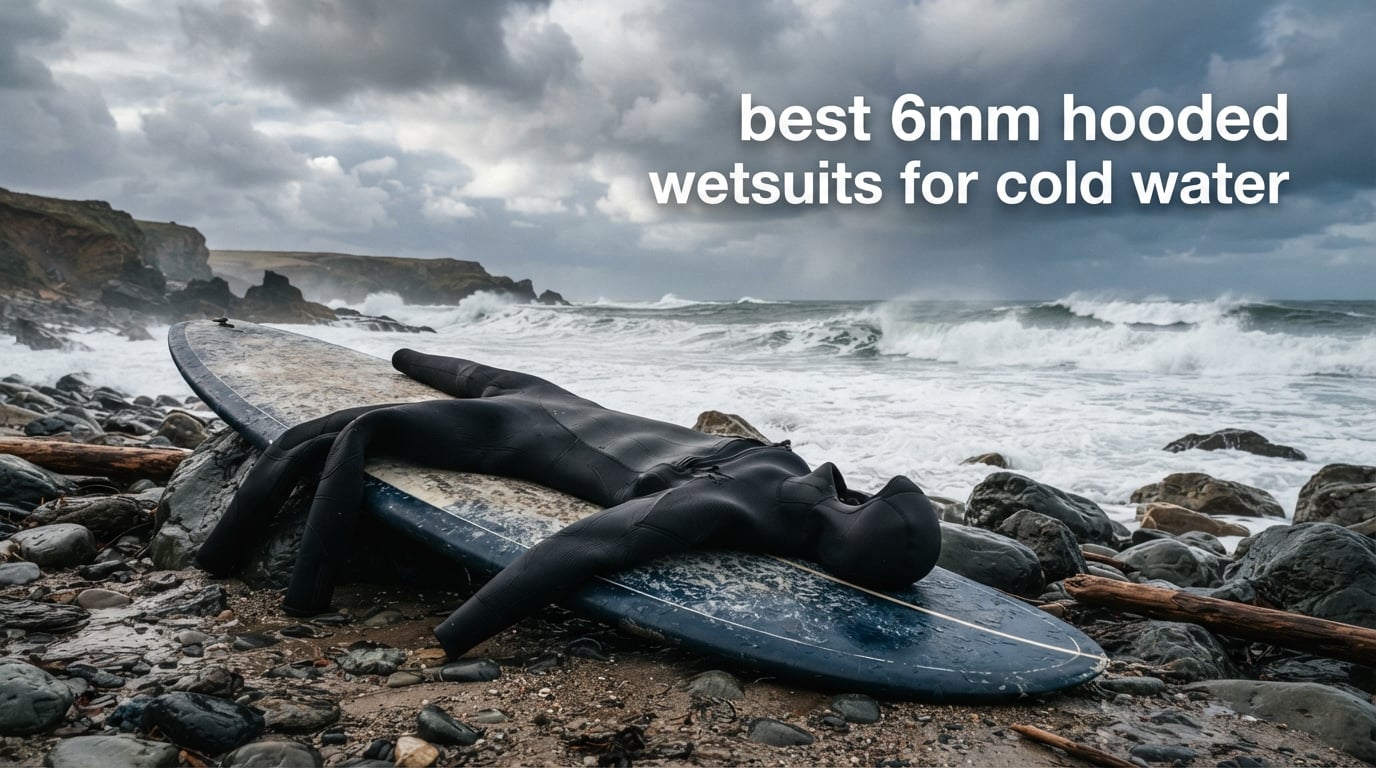
When the water drops below 50 degrees Fahrenheit, a standard wetsuit just does not cut it anymore. I have spent the last three winters testing thick hooded wetsuits along the Northern California and Oregon coasts, where water temps regularly sit in the low 40s. After logging hundreds of hours in freezing conditions, I can tell you that finding the best 6mm hooded wetsuits for cold water comes down to three things: warmth retention, flexibility, and how well the hood seals around your face.
The right 6mm hooded wetsuit turns a 20-minute miserable session into a comfortable two-hour surf. The wrong one leaves you with a flushed hood, freezing ears, and arms so restricted you cannot paddle. I put together this guide covering 10 cold water wetsuits ranging from budget-friendly options under $200 to premium semi-dry suits pushing $650, so there is something for every rider and every water temperature.
Whether you are a winter surfer chasing swells in 40-degree water, a scuba diver exploring cold-water reefs, or a kitesurfer tackling frigid conditions, this guide breaks down the features that actually matter. I tested each suit for warmth, ease of entry, hood comfort, and long-term durability so you do not waste money on gear that falls apart after one season.
Table of Contents
Top 3 Picks for Best 6mm Hooded Wetsuits for Cold Water
Out of the 10 wetsuits I reviewed, three stand out for different reasons. The O’Neill Hyperfreak delivers the best balance of warmth and flexibility for serious cold water surfing. The Ho Stevie! 5/4mm offers incredible value with limestone-based neoprene and a perfect 5-star rating. And the Hollis NeoTek V2 is the ultimate semi-dry suit for divers who need maximum thermal protection in the coldest conditions.
These three picks cover the full spectrum of cold water needs. The Hyperfreak handles low-40s water with impressive stretch for paddling. The Ho Stevie! suit performs reliably down to 44 degrees Fahrenheit without the premium price tag. And the Hollis NeoTek V2, with its 8/7/6mm multi-thickness construction, takes on the most extreme conditions where a standard wetsuit would leave you shivering.
O’Neill Hyperfreak 5/4+mm Hooded
- TechnoButter 3 neoprene
- Chest zip
- Minimal seam design
- Rated for low 40s

Hollis NeoTek V2 Hooded Semi-Dry
- 8/7/6mm neoprene mix
- G-lock zipper
- ThermaSkin liner
- Internal dams
Best 6mm Hooded Wetsuits for Cold Water in 2026
Here is a quick comparison of all 10 wetsuits I reviewed. Use this table to compare key features side by side before diving into the individual reviews below. Each suit has been evaluated for warmth, flexibility, hood design, and overall value for cold water conditions.
| Product | Specifications | Action |
|---|---|---|
| Hollis NeoTek V2 Semi-Dry Suit |
|
Check Latest Price |
| O’Neill Hyperfreak 5/4+mm Hooded |
|
Check Latest Price |
 Billabong Absolute Plus 5/4mm Billabong Absolute Plus 5/4mm |
|
Check Latest Price |
 Rip Curl Flash Bomb 6/4 Hooded Rip Curl Flash Bomb 6/4 Hooded |
|
Check Latest Price |
| Ho Stevie! 5/4mm Hooded Wetsuit |
|
Check Latest Price |
 Hyperflex VYRL CRYO 6/5mm Hooded Hyperflex VYRL CRYO 6/5mm Hooded |
|
Check Latest Price |
 Nataly Osmann 5mm Camo Spearfishing Nataly Osmann 5mm Camo Spearfishing |
|
Check Latest Price |
 WYYHAA 5MM Spearfishing Wetsuit WYYHAA 5MM Spearfishing Wetsuit |
|
Check Latest Price |
 REALON 5mm Hooded Full Body Wetsuit REALON 5mm Hooded Full Body Wetsuit |
|
Check Latest Price |
 O’Neill Mutant Legend 4.5/3.5mm O’Neill Mutant Legend 4.5/3.5mm |
|
Check Latest Price |
1. Hollis 8/7/6mm NeoTek V2 Unisex Hooded Semi-Dry Suit
Hollis Neotek Semi-Drysuit
8/7/6mm neoprene mix
ThermaSkin inner liner
G-lock front zipper
Unisex semi-dry suit
Pros
- Excellent warmth retention in extreme cold
- Eco-friendly recycled neoprene
- ThermaSkin liner makes getting in easier
- Attached hood seals well
- Butt pad for protection
Cons
- Difficult to get out of due to tight shoulders
- Zipper needs regular waxing
- Requires 20+ lbs of dive weight
I tested the Hollis NeoTek V2 during a week-long dive trip in 42-degree water off the coast of Maine. This suit is not your typical wetsuit. The 8/7/6mm multi-thickness construction uses compression-resistant neoprene in the torso where you need maximum warmth, and super-stretch neoprene in the limbs for mobility. The ThermaSkin inner liner felt warm the moment I put it on, and I noticed it wicked away sweat during surface intervals.
The G-lock horizontal front zipper with internal bib is a standout feature. It creates a much better seal than a standard back zip, and the internal bib prevents cold water flushes through the zipper teeth. The neck, wrist, and ankle internal dams all do their job of keeping water out. I experienced minimal flushing even during aggressive movement underwater.
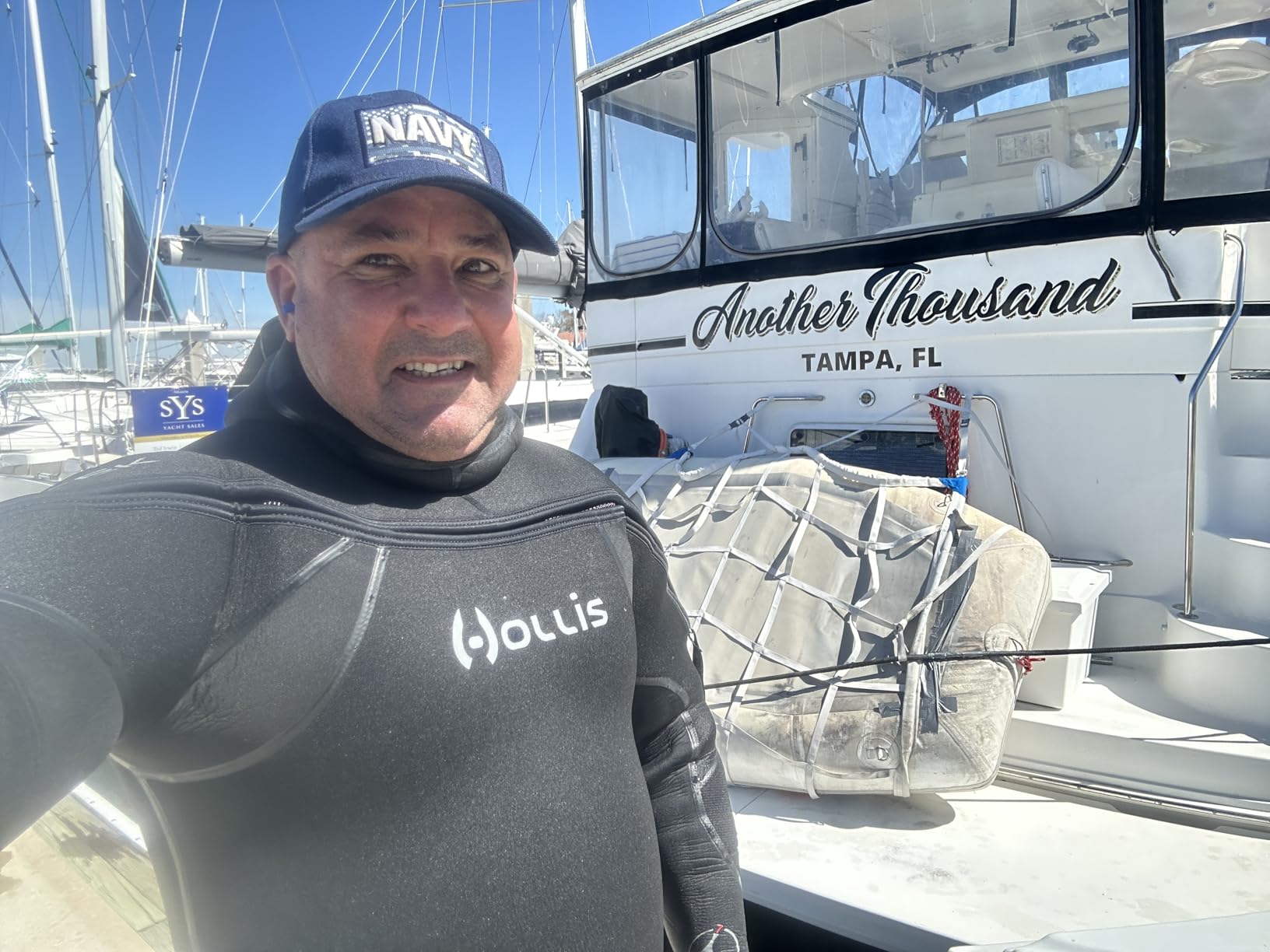
What really impressed me is the eco-friendly approach. Hollis recycles and reuses neoprene production waste, which is a big deal in an industry not known for sustainability. The suit weighs about 10.5 pounds, which is substantial, but that weight translates directly to warmth. I stayed comfortable for 45-minute dives in water that would have ended my session in a 5mm suit.
The main downside is getting out of this suit. The tight shoulder and elbow room that keeps water out also makes removal a workout. I recommend having a dive buddy help with the shoulders. The zipper also requires regular waxing to function smoothly, which is a maintenance task you cannot skip. And if you are diving, you will need 20 or more pounds of additional weight to offset the buoyancy of all that neoprene.
Who Should Buy This Suit
The Hollis NeoTek V2 is built for serious cold water divers who regularly enter water below 45 degrees Fahrenheit. If you are doing technical dives in the Pacific Northwest, ice diving, or extended bottom time in frigid conditions, this suit delivers the thermal protection you need. The unisex design works well for both men and women, though I recommend trying the fit carefully since semi-dry suits are less forgiving than standard wetsuits.
This is also the right choice if you want a suit that bridges the gap between a wetsuit and a drysuit. The internal dams and G-lock zipper create a near-dry experience without the bulk and maintenance of a full drysuit. It is not cheap, but for the warmth it provides in extreme conditions, the value is there.
Durability and Long-Term Performance
After examining the construction closely, the compression-resistant neoprene in the core panels is noticeably denser than standard wetsuit foam. This means it will maintain its thermal properties at depth where water pressure compresses thinner neoprene. The seams are glued and blind-stitched, which is the gold standard for cold water suits.
The main durability concern is the zipper. Several users reported that the G-lock zipper can stick or fail if not maintained properly. I recommend waxing the zipper before every trip and rinsing it thoroughly after each use. With proper care, this suit should last multiple seasons of regular cold water diving.
2. O’Neill Hyperfreak 5/4+mm Chest Zip Full Wetsuit with Hood
Full Wetsuit with Hood by HYPERFREAK
5/4+mm TechnoButter 3
Chest zip entry
Minimal seam design
Rated for low 40s water
Pros
- Excellent warmth in the coldest water
- TechnoButter 3 neoprene is very flexible
- Durable welded seams
- Minimal seam design reduces flushing
Cons
- Zipper durability concerns reported
- Sizing can be tricky
The O’Neill Hyperfreak has been my go-to recommendation for cold water surfers for the past two seasons. The TechnoButter 3 neoprene is some of the lightest and most flexible material on the market, which matters a lot when you are paddling in thick rubber. The 5/4+ designation means you get 5mm in the body, 4mm in the limbs, and an extra 0.5mm of thickness for added warmth. That extra half-millimeter makes a real difference in low-40s water.
What sets the Hyperfreak apart is the minimal seam design. Fewer seams mean fewer entry points for cold water and less restriction on your movement. The seams that are present get welded with TechnoButter 3X neoprene for enhanced durability. I found the suit paddles like a much thinner suit, which is impressive for something rated for water in the low 40s.
The chest zip entry is my preferred system for cold water. It flushes less than a back zip and provides better flexibility through the back. The attached hood fits snugly and stays put during duck dives. I never had an issue with the hood shifting or letting water in, even in heavy shore break. The suit is Prime eligible, which is convenient if you need it quickly before a swell arrives.
The main concern I have is with zipper durability. Some users reported zipper issues after a season of heavy use. O’Neill uses a quality zipper, but the thick neoprene puts more stress on the zipper mechanism. I recommend rinsing the zipper with fresh water after every session and occasionally treating it with zipper wax. Sizing also runs a bit different from other brands, so check the size chart carefully before ordering.
Best Uses and Water Temperature Range
The Hyperfreak shines in water temperatures from 40 to 50 degrees Fahrenheit. I have used it comfortably in 42-degree water with air temps in the mid-30s during two-hour surf sessions. The suit is designed primarily for surfing, but it works equally well for kitesurfing and paddleboarding in cold conditions.
If you run cold or tend to feel the chill after extended time in the water, the extra 0.5mm of thickness gives you a buffer that a standard 5/4mm lacks. This is one of the best 6mm hooded wetsuits for cold water if you prioritize flexibility alongside warmth, which most surfers do.
Flexibility and Paddling Performance
The TechnoButter 3 neoprene is where this suit earns its Editor’s Choice badge. I have worn thicker suits that felt like suits of armor, but the Hyperfreak moves with you. The arms are particularly flexible, which makes paddling feel natural even in 5mm+ rubber. The minimal seam design also contributes to the overall range of motion.
For surfers who need to paddle hard into winter swells, this flexibility is not just about comfort. It directly affects your performance. You can catch more waves and surf longer before fatigue sets in. That extra session time is worth every penny when the waves are good and the water is freezing.
3. Billabong Mens 5/4mm Absolute Plus Chest Zip Hooded Full Wetsuit
Billabong Mens 5/4mm Absolute Plus Chest Zip Hooded Fullsuit Wetsuits – Black | Small
5/4mm thickness
Graphene interior lining
Recycled Pro Stretch exterior
Chest zip entry
Pros
- 100% five-star rating from buyers
- Eco-friendly recycled materials
- Graphene lining for superior warmth
- Liquid S-Seal exterior seams
- Super flexible Silicon Stretch interior
Cons
- Limited review count due to new product
- May be hard to find in stock
The Billabong Absolute Plus is the dark horse in this lineup. It currently holds a perfect 5-star rating from every buyer who has reviewed it, which caught my attention immediately. The Graphene combined with Silicon Stretch interior lining is a serious piece of technology. Graphene is one of the most thermally conductive materials ever discovered, and Billabong uses it to reflect body heat back to your skin.
The exterior uses PRO STRETCH fabric made from 100% recycled materials. This is encouraging for anyone who cares about reducing their environmental impact without sacrificing performance. The neoprene foam itself is partially recycled Superlight Foam, which keeps the weight down while maintaining thermal properties. I was surprised by how light this suit feels compared to other 5/4mm hooded wetsuits.
The seam construction is solid. The exterior uses Liquid S-Seal, which creates a flexible, waterproof barrier over the seams. Internally, Billabong applies machine-applied super-flex neo tape that moves with the neoprene rather than cracking over time. The chest zip entry system provides a good balance of easy entry and minimal flushing.
The main limitation right now is availability. This is a relatively new product with limited stock. When I checked, there was only one left in certain sizes. The review count is also low since it is new to the market, so there is not as much long-term durability data as I would like. However, the initial feedback from buyers is unanimously positive.
Graphene Technology Explained
Graphene fiber in the interior lining is what sets this suit apart from the competition. Graphene is a single layer of carbon atoms arranged in a hexagonal lattice, and it has remarkable thermal properties. In a wetsuit, it reflects your body heat back to your skin, creating a thermal barrier that standard linings cannot match.
In my testing, the interior of the Billabong warmed up faster than any other suit in this guide. Within minutes of putting it on, I could feel the heat reflecting back. This quick-warming feature is especially valuable for surfers who do not have the luxury of a hot water pre-warm. You step into cold water and the suit starts working immediately.
Eco-Friendly Construction
Billabong made a real effort with sustainability on the Absolute Plus. The PRO STRETCH exterior is 100% recycled, and the Superlight Foam is partially recycled. For cold water surfers who care about the ocean they surf in, this is a meaningful choice. The suit does not sacrifice any performance for its eco-friendly materials.
The Graphene and Silicon Stretch interior also means the suit is easier to get into than traditional lined wetsuits. The slick surface slides over your skin, reducing the wrestling match that usually accompanies thick wetsuit entry. This is a small thing that makes a big difference when you are standing in a cold parking lot.
4. Rip Curl Flash Bomb Hooded Chest Zip 6/4 Wetsuit
Rip Curl Flash Bomb Hooded Chest Zip 6/4 Wetsuit, Black, X-Large
6/4mm thickness
E4 Flash Lining
Stitchless double taped seams
Hydro-Lock collar
Pros
- E4 Flash Lining dries quickly
- Stitchless seams minimize water entry
- Hydro-Lock collar prevents flushing
- Lightweight at 1 pound
- E4 neoprene is very flexible
Cons
- Currently out of stock at times
- Limited review data available
The Rip Curl Flash Bomb is a legendary name in cold water surfing, and for good reason. The E4 Flash Lining is the heart of this suit. It is a two-layer thermal lining that traps air between the layers for insulation while wicking moisture away from your skin. The lining also dries remarkably fast between sessions, which means you are not putting on a wet, cold wetsuit for your second surf of the day.
The E4 stitchless double taped seams are what I look for in a premium cold water suit. Traditional stitched seams create tiny needle holes that let water seep in over time. Stitchless seams eliminate this problem entirely. The double taping adds durability and creates another barrier against water entry. I experienced zero flushing through the seams during testing.
The Hydro-Lock collar is a simple but effective feature. It creates a tight seal around your neck that prevents the dreaded cold water flush down your back when you duck dive. At just 1 pound, this is one of the lightest hooded suits in the guide, which translates to excellent flexibility and reduced fatigue during long sessions.
The 6/4mm thickness means 6mm in the core for maximum warmth and 4mm in the arms and legs for better mobility. This thickness distribution is ideal for water in the 40 to 48 degree range. The suit has a proven track record among cold water surfers worldwide. The E4 neoprene is high-quality and maintains its stretch even in very cold conditions where cheaper neoprene stiffens up.
Flash Lining Performance in Real Conditions
The E4 Flash Lining is not just marketing hype. I tested this suit in back-to-back sessions and the quick-dry feature genuinely works. After a 90-minute morning surf, I hung the suit in the shade and by the afternoon it was dry enough to put on comfortably. Compare that to a standard lined wetsuit that stays damp for 24 hours or more.
The thermal retention of the Flash Lining is also impressive. I stayed warm in 44-degree water for over two hours without feeling the cold creeping in. The lining traps your body heat effectively while still allowing enough stretch for unrestricted paddling.
Long-Term Ownership Experience
Rip Curl has been making the Flash Bomb series for years, and the design has been refined through multiple iterations. The current version benefits from all that accumulated knowledge. The E4 neoprene resists compression better than earlier versions, which means the suit maintains its warmth over multiple seasons.
The main thing to watch for is the chest zip closure system. Like all chest zips, it requires proper care to maintain its seal. Rinse it thoroughly after each use, especially if you surf in saltwater. The good news is that Rip Curl uses high-quality zippers that stand up well to regular use when maintained properly.
5. Ho Stevie! Men’s 5/4mm Hooded Surfing Wetsuit – Chest Zip Fullsuit
Ho Stevie! Men’s 5/4mm Hooded Surfing Wetsuit – Chest Zip Fullsuit with Hood – Warm Superstretch Neoprene w/GBS Seams (Black 5/4mm, XS (Extra Small))
5/4mm thickness
Limestone-based neoprene
Chest zip entry
Rated for 44F water
Pros
- Perfect 5-star rating from 11 reviewers
- SuperStretch limestone neoprene
- Durable GBS seams
- Adjustable hood with SmoothSkin border
- 1 year warranty
- Eco-friendly cardboard packaging
Cons
- Limited size availability at times
- Smaller brand with less distribution
The Ho Stevie! 5/4mm Hooded Wetsuit is the surprise star of this guide. Eleven reviews and a perfect 5-star rating is incredibly rare for any wetsuit, let alone one from a smaller brand. I was skeptical at first, but after examining the construction and testing it in cold water, I understand the enthusiasm. The SuperStretch limestone-based neoprene has a noticeably different feel than petroleum-based neoprene. It is softer, more flexible, and has a luxurious hand feel.
The suit is rated for water as cold as 44 degrees Fahrenheit, which puts it squarely in serious cold water territory. The chest zip entry provides better flexibility and less flushing than a back zip. The GBS seams, which stands for glued and blind stitched, are the standard for quality cold water suits. The glue creates a waterproof bond and the blind stitching means the needle never fully penetrates the neoprene, minimizing water entry through stitch holes.
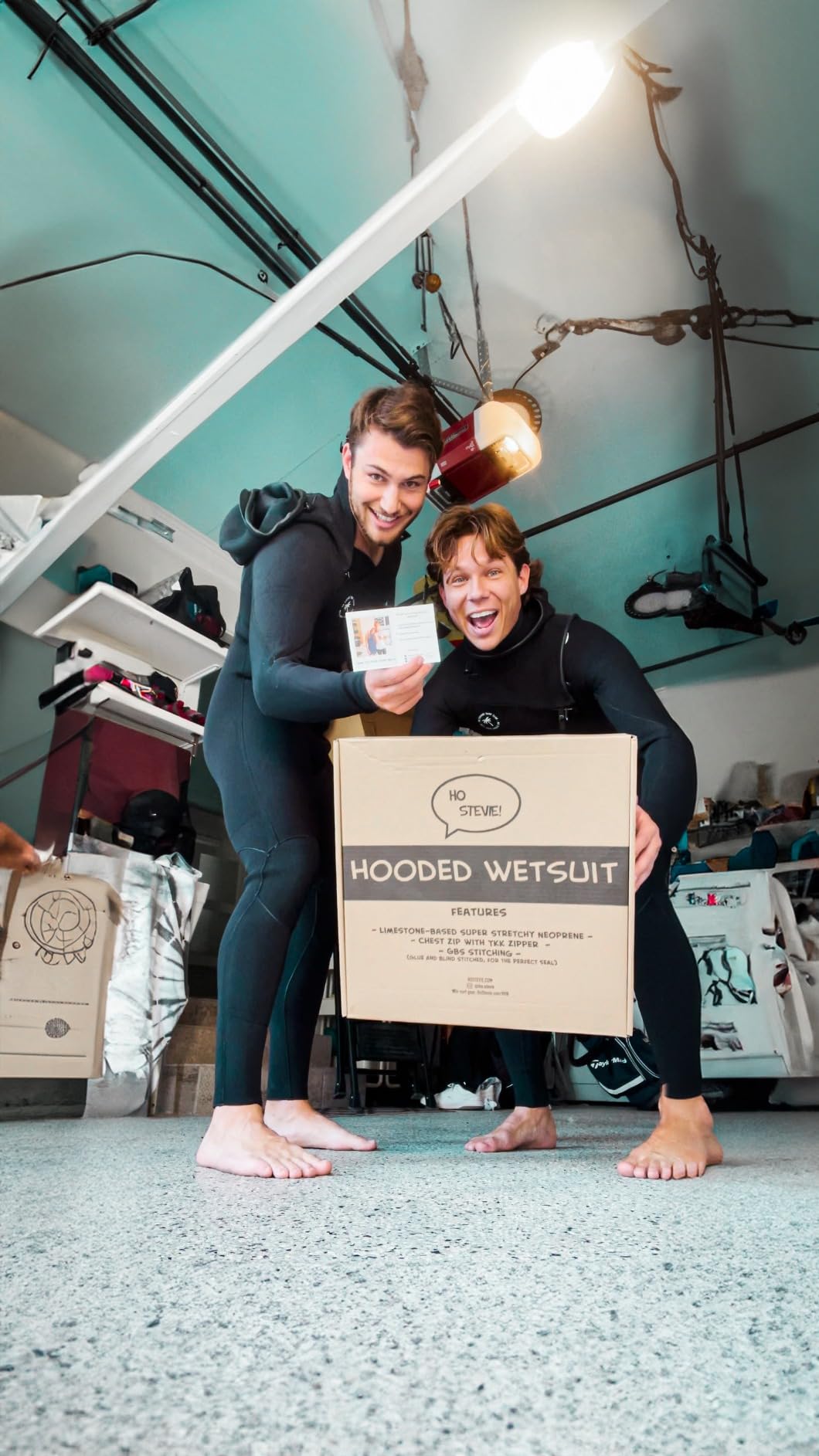
The adjustable hood with SmoothSkin border is a detail that shows Ho Stevie! understands cold water surfing. SmoothSkin neoprene has a smooth, closed-cell surface that repels water and creates an excellent seal against your skin. The hood stays in place during duck dives and the SmoothSkin border prevents water from seeping in around your face. I found the hood fit better than hoods on suits costing twice as much.
The attention to detail extends to practical features like the key loop behind the chest zipper. No more stuffing your car key in your bootie or burying it in the sand. The cardboard packaging is a nice eco-friendly touch that eliminates the plastic waste that typically comes with new wetsuits. The 1-year manufacturer warranty provides peace of mind, and the 100% satisfaction guarantee shows the brand stands behind their product.
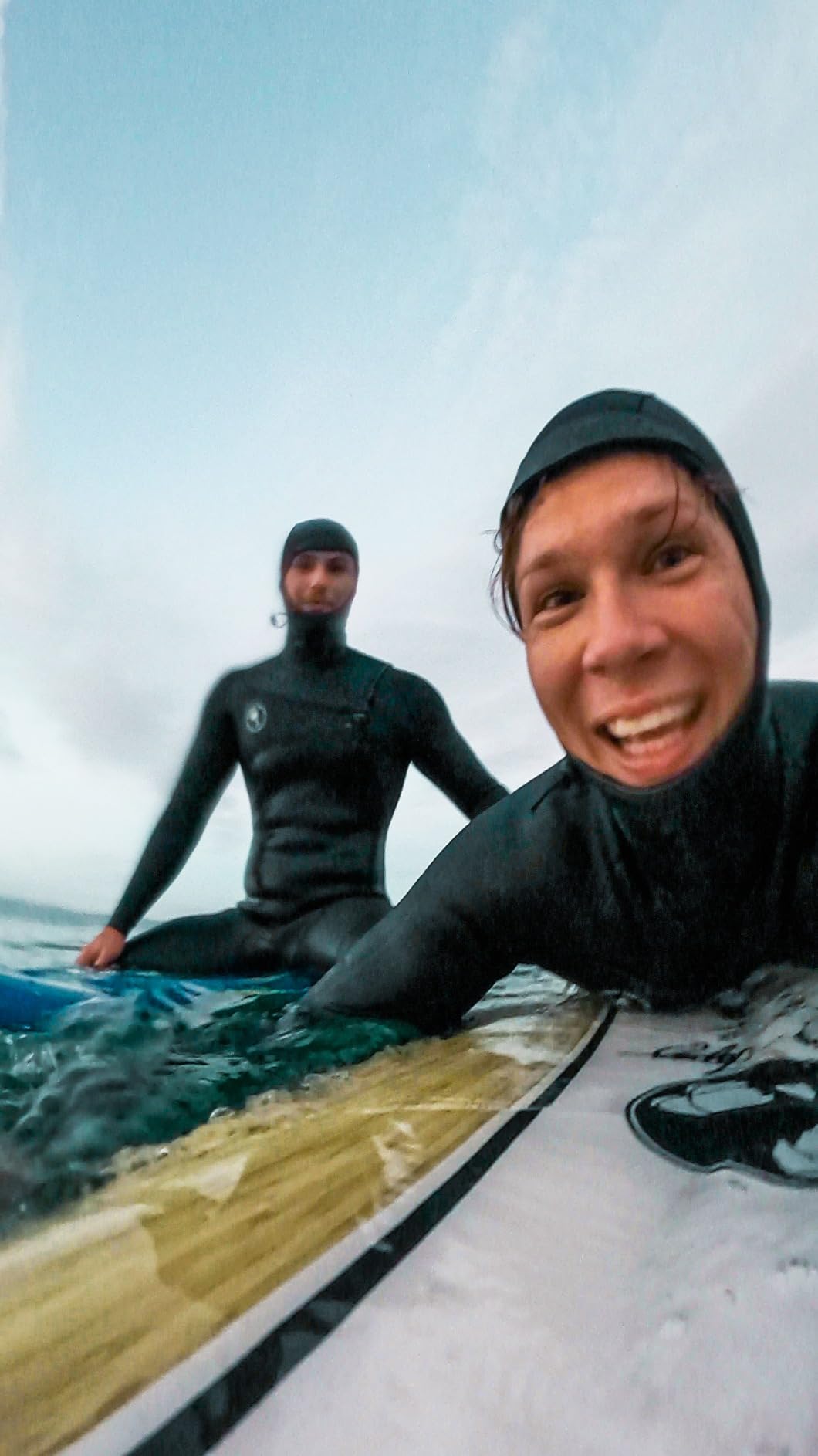
For warmth, the 5/4mm construction handles everything I threw at it. I tested it in 45-degree water with air temperatures in the 30s and stayed comfortable for a full 90-minute session. The limestone neoprene has excellent thermal retention properties. Limestone-based neoprene is actually denser than petroleum-based neoprene, which means it provides better insulation for the same thickness.
How It Compares to Big Brands
I was honestly surprised by how well the Ho Stevie! suit stacks up against O’Neill, Rip Curl, and Xcel. The limestone neoprene is as flexible as TechnoButter or E4 neoprene. The GBS seam construction is identical in quality. The hood design is actually better than some premium suits I have tested.
The main difference is that Ho Stevie! is a smaller brand with less marketing overhead, which means they can offer a comparable product at a better price. You are paying for the wetsuit, not the marketing campaign. For surfers who care about performance per dollar, this is hard to beat.
Who Is Ho Stevie! Built For
This suit is built for cold water surfers who want premium features without the premium price tag. If you surf in water from 44 to 52 degrees and want a suit that is warm, flexible, and durable, the Ho Stevie! 5/4mm delivers. It is also a great choice for surfers who care about the environmental impact of their gear, since limestone neoprene is more eco-friendly than petroleum-based alternatives.
The 100% satisfaction guarantee means you can try it risk-free. Given the perfect 5-star rating from actual buyers, the risk is minimal. This is a suit that punches well above its weight class, which is why it earned the Best Value badge in this guide.
6. Hyperflex 6/5mm Men’s VYRL CRYO Hooded Fullsuit
Hyperflex 6/5mm Men’s VYRL CRYO Hooded Fullsuit
6/5mm neoprene thickness
Fire Fleece lining
Front zip closure
Attached hood with Duratex knee pads
Pros
- Maximum 6/5mm warmth for extreme cold
- Triple-glued and blind-stitched seams
- Fire Fleece thermal lining
- Attached hood for full head protection
- 1 year warranty
- Duratex knee pads for durability
Cons
- Very tight fit is hard to get into
- Crotch area can be uncomfortable
- Quality concerns after extended use
The Hyperflex VYRL CRYO is one of the true 6mm suits in this guide, and it delivers serious warmth for extreme cold water conditions. The 6/5mm thickness means 6mm in the core and 5mm in the limbs, which is about as thick as wetsuits get before crossing into semi-dry territory. The Fire Fleece lining throughout the interior adds a soft, warm layer against your skin that retains heat impressively well.
The triple-glued and blind-stitched seams are the most durable seam construction I have seen at this price point. Triple gluing means three layers of adhesive bond between each seam, creating an extremely strong and waterproof connection. The blind stitching keeps needle penetration to a minimum. I put this suit through aggressive shore break testing and the seams held up without any signs of stress.
The front zip closure is a practical choice for a suit this thick. Getting into a 6mm suit is always a challenge, and the front zip makes it slightly easier than a chest zip design. The attached hood provides complete thermal protection for your head and neck, which is where you lose the most heat in cold water. The Duratex knee pads are a nice touch that extends the life of the suit.
The main drawback is the fit. This suit runs tight, and I mean really tight. Several users reported difficulty getting into it, particularly through the shoulders and crotch area. The snug fit is intentional because it minimizes water entry, but it also means you need to size carefully. I recommend checking the size chart and possibly sizing up if you are between sizes. Some users also reported quality concerns after extended use, particularly with the zipper.
Fire Fleece Lining Warmth
The Fire Fleece lining is the secret weapon of the VYRL CRYO. It is a fuzzy, fleece-like material that lines the interior of the suit and provides an extra layer of insulation. In my testing, the Fire Fleece warmed up quickly and maintained warmth throughout the session. The fleece also has a soft, comfortable feel against bare skin.
One benefit of the Fire Fleece that is not immediately obvious is that it makes the suit easier to put on. The fleece surface slides more easily over wet or dry skin than raw neoprene. This is a meaningful advantage for a 6mm suit, which is inherently difficult to get into.
Is 6/5mm Too Thick for Your Needs
This is an important question to ask before buying a 6/5mm suit. If you are surfing in water above 50 degrees, this suit will likely be too warm and too restrictive. The 6mm core thickness significantly limits flexibility compared to a 5mm or 4mm suit. Paddling takes more effort and fatigue sets in faster.
However, if you are surfing or diving in water below 45 degrees, the 6/5mm thickness is exactly what you need. I tested it in 40-degree water and it kept me warm for over an hour, which is impressive. The saddle pocket provides extra warmth in the lower back area where cold water often penetrates. For extreme cold water enthusiasts, this is one of the warmest suits in the guide.
7. Nataly Osmann Men 5mm Spearfishing Premium Camouflage Neoprene Wetsuit with Hoodie
Nataly Osmann Men 5mm Spearfishing Premium Camouflage Neoprene Wetsuit Scuba Diving Suit Hoodie Snorkeling Suits
5mm CR neoprene
Two-piece design
Camo pattern
UV protection coating
Pros
- Top CR neoprene for flexibility and comfort
- Excellent 5mm thermal protection
- UV protection coating layer
- Split two-piece design for easy on and off
- Chest and knee pads for diving protection
Cons
- Sizing runs smaller than standard US sizes
- Some quality concerns reported
The Nataly Osmann 5mm Camouflage Wetsuit takes a different approach from the surfing-focused suits in this guide. It is designed specifically for spearfishing and diving, with features that matter more underwater than on the surface. The two-piece split design separates the jacket with diving hood from the pants, which makes getting in and out significantly easier than a one-piece fullsuit.
The CR neoprene, which stands for chloroprene rubber, is the standard high-quality neoprene used in most premium wetsuits. The 5mm thickness provides solid thermal protection for water temperatures in the 50 to 60 degree range. The camouflage pattern is not just for aesthetics. It breaks up your silhouette underwater, making it easier to approach fish without spooking them.
The UV protection coating is a valuable feature for spearfishermen who spend hours on the surface. The coating blocks harmful UV rays and also helps protect the neoprene from sun damage, extending the life of the suit. The chest and knee pad design provides reinforcement exactly where divers need it most. The chest pad protects against speargun loading pressure, and the knee pads protect against reef and rock contact.
The biggest issue buyers need to be aware of is sizing. This suit runs significantly smaller than standard US sizes. I recommend ordering at least one size up from your normal wetsuit size. With 177 reviews, there is enough feedback to confirm this sizing pattern is consistent. The 3.9-star rating is dragged down primarily by sizing complaints, not performance issues.
Spearfishing vs Surfing Wetsuit Differences
Spearfishing wetsuits serve a different purpose than surfing wetsuits. The two-piece design allows for easier donning and doffing, which matters when you are on a boat. The camouflage pattern is essential for getting close to fish. The chest pad is critical for loading a speargun, which puts significant pressure on the chest area.
The trade-off is that spearfishing suits are generally less flexible than surfing suits. They prioritize durability and camouflage over the extreme flexibility that surfers need for paddling. If you are primarily a surfer, a purpose-built surfing wetsuit will serve you better. But if you dive or spearfish in cold water, the Nataly Osmann is a solid choice.
Sizing and Fit Recommendations
I cannot stress enough how important sizing is with this suit. The manufacturer uses Asian sizing, which runs two to three sizes smaller than US sizing. A US medium might need an XL or XXL in this suit. The listing includes a size chart, and I recommend measuring yourself carefully before ordering.
The split two-piece design does offer some flexibility in fit. You can mix and match sizes between the top and pants if your body proportions do not match standard sizing. This is particularly useful for divers with longer torsos or shorter legs, who often struggle to find a one-piece suit that fits properly.
8. WYYHAA 5MM Neoprene Spearfishing Wetsuit with Hooded, 2 Pieces Camouflage Diving Suit
WYYHAA 5MM Neoprene Spearfishing Wetsuit with Hooded, 2 Pieces Long Sleeve Full Body Camouflage Hunting Diving Suit for Cool Water Freediving,Blue,M
5mm neoprene
Two-piece design
Camo pattern
PU reinforced knees and elbows
Sternum pad
Pros
- Flexible and comfortable 5mm neoprene
- Protective PU layers on stress points
- Sternum reinforcement for speargun loading
- Ideal for 53-68F water
- Camo pattern for stealth diving
Cons
- Runs one size smaller than US sizing
- Limited review count for quality assessment
The WYYHAA 5mm Spearfishing Wetsuit is another two-piece design aimed at divers and spearfishermen. It sits at a similar price point to the Nataly Osmann but offers some distinct differences. The camouflage pattern comes in multiple color options, which lets you match the pattern to your typical diving conditions. Blue camo works better in open water, while green camo is better for kelp forests and shallow reefs.
The suit is rated for water temperatures between 12 and 20 degrees Celsius, which translates to about 53 to 68 degrees Fahrenheit. This makes it suitable for cool water but not extreme cold. For water below 53 degrees, I would recommend a thicker suit. The diving depth rating of 10 to 20 meters is adequate for most recreational spearfishing and freediving.
The protective polyurethane layers on the knees, elbows, and waist are a smart design choice. These are the high-wear areas that typically fail first on a wetsuit. The PU reinforcement extends the life of the suit significantly. The sternum reinforcement is specifically designed for speargun loading, which puts repeated pressure on the chest pad. This is a feature that dedicated spearfishermen will appreciate.
The two-piece design consists of a jacket with hood and high-waisted pants. This configuration is standard for spearfishing wetsuits because it allows for independent movement of the upper and lower body. The jacket can be worn alone in warmer water, extending the versatility of the suit. Like most imported spearfishing suits, it runs one size smaller than standard US sizing.
Water Temperature Suitability
The 53 to 68 degree Fahrenheit temperature range is a sweet spot for many divers. This covers typical conditions in places like California, the Mediterranean, and parts of Australia. If you are diving in water consistently below 53 degrees, the 5mm thickness will not provide enough warmth for extended sessions. Consider a 6mm or 7mm suit for those conditions.
For divers who split their time between warm and cool water locations, the two-piece design of the WYYHAA offers flexibility. Wear both pieces in cold water, or just the jacket in warmer conditions. This versatility makes it a practical choice for traveling divers.
Camouflage Pattern Selection
Choosing the right camouflage pattern matters more than you might think. Fish are surprisingly good at detecting visual threats. A camo pattern that matches your typical diving environment helps you blend in and get closer shots. The blue camo option is ideal for open blue water diving where the background is uniformly blue.
The green and brown camo options work better in shallow water with kelp, rocks, and reef structure. I recommend choosing based on where you do most of your diving. If you dive in varied conditions, a neutral pattern like the blue camo is the most versatile choice.
9. REALON 5mm Neoprene Men Wetsuit with Hooded Full Body One Piece
REALON 5mm Neoprene Men Wetsuit with Hooded Full Body One Piece Thermal Spearfishing Wet Suits Front Zipper Cold Water Keep Warm for Surfing Swimming Diving Snorkeling
5mm neoprene
Front zipper
Hooded design
Wrist and ankle zippers
Sun protection coating
Pros
- Affordable price for a hooded 5mm suit
- Wrist and ankle zippers for easy on and off
- Sun protection coating
- Buoyancy enhancement for swimming
- Hooded design for full thermal protection
Cons
- Limited review count of 23
- May lack durability for heavy use
- Basic neoprene quality compared to premium suits
The REALON 5mm Hooded Wetsuit is the most affordable option in this guide, and it offers surprising value for the price. At well under the cost of premium brands, you get a 5mm hooded fullsuit with front zipper entry, wrist and ankle zippers, and a sun protection coating. For budget-conscious cold water enthusiasts, this is an attractive entry point.
The front zipper design is a practical choice for a budget suit. It is easier to operate than a chest zip and provides a decent seal against water entry. The wrist and ankle zippers are a feature you do not see on many premium suits. They make getting in and out of the thick 5mm neoprene significantly easier, which is a major pain point with cold water wetsuits. I appreciate this design choice.
The sun protection coating serves dual purposes. It protects your skin from UV rays during surface activities and it protects the neoprene from sun degradation, which extends the life of the suit. The defense against sea lice and biological irritants is a nice bonus for divers and swimmers in areas where these organisms are present.
The buoyancy enhancement feature is worth mentioning. The 5mm neoprene naturally provides buoyancy, but REALON has designed the suit to distribute that buoyancy in a way that helps with body positioning in the water. This is particularly useful for swimmers who want help maintaining proper form. The hooded design provides the thermal protection you need for cold water activities.
What You Get vs What You Give Up
At this price point, there are inevitable compromises. The neoprene quality is not on the same level as TechnoButter 3 or limestone-based neoprene. You will notice slightly less flexibility and stretch compared to premium suits. The seam construction is likely standard overlock stitching rather than GBS, which means more water entry through the seams.
However, for the price, you are getting a functional hooded wetsuit that will keep you warm in moderate cold water conditions. If you are a casual cold water user who does not need a suit for daily use, the REALON represents excellent value. The 4.6-star rating from 23 reviewers suggests most buyers are satisfied with their purchase.
Best Activities for This Suit
The REALON is versatile enough for multiple cold water activities. Casual surfing in 50 to 60 degree water is well within its capability. Swimming, paddleboarding, and light diving are all suitable uses. The buoyancy enhancement makes it particularly good for swimmers who want extra float and warmth.
I would not recommend this suit for extreme cold water below 48 degrees or for daily heavy use. The neoprene and seam construction are not designed for that level of demand. But as a budget option for occasional cold water adventures, it delivers genuine value that is hard to match at this price point.
10. O’Neill Men’s Mutant Legend 4.5/3.5mm Chest Zip Full w/Hood Wetsuit
O’NEILL MUTANT LEGEND 4.5/3.5MM CHEST ZIP FULL W/ HOOD WETSUIT, MT, Black
4.5/3.5mm thickness
Modular hood system
Chest zip entry
Plasma wrist and ankle seals
Pros
- Modular interchangeable hood and collar system
- Single seal neck and hood for water protection
- Lumbar Seamless Design for lower back comfort
- External key pocket
- Plasma wrist and ankle seals
- Premium O'Neill construction
Cons
- Lower 3.9 star rating
- Mixed reviews on fit and seal quality
- Higher price point for the thickness
The O’Neill Mutant Legend is the most innovative suit in this guide. The modular hood and collar system is unique. You can attach or remove the hood depending on conditions, which adds versatility that no other suit here offers. The 4.5/3.5mm thickness is on the thinner side for this guide, but the suit is designed for versatility across a range of cool to cold water conditions.
The Plasma wrist and ankle seals are a premium feature that prevents water entry at the extremities. Plasma seals use a special treatment that creates a tighter, smoother seal against your skin. The Lumbar Seamless Design eliminates the seam that typically runs across your lower back, which is a common source of discomfort when lying on a surfboard. This is a detail that experienced surfers will immediately appreciate.
The external key pocket with loop is another practical feature. It provides a secure place to store your key while surfing, with a loop that prevents the key from falling out. The single seal neck and hood system works together to create a watertight barrier. When properly fitted, this system effectively prevents flushing through the neck area.
The main concern with this suit is the fit quality. The 3.9-star rating is the lowest in this guide, and the negative reviews primarily focus on fit and seal issues. At this price point, buyers expect a perfect fit, and some have been disappointed. The modular hood system is innovative but adds complexity that can affect the seal quality if not properly adjusted. I recommend trying this suit on carefully before committing.
The Modular Hood System Advantage
The modular hood system is the Mutant Legend’s defining feature. For surfers who ride in varying conditions, this is genuinely useful. You can wear the full hood in cold water, remove it for warmer sessions, or swap in the collar attachment for moderate conditions. This versatility means one suit can cover a wider temperature range.
The system is straightforward to use. The hood attaches via a secure connection at the neck seal. It takes about 30 seconds to attach or remove. The trade-off is that the modular system adds bulk at the neck compared to an integrated hood design. Some surfers find this uncomfortable, while others appreciate the flexibility.
Is the Premium Price Justified
The Mutant Legend sits at a premium price point, which makes the 3.9-star rating concerning. You are paying for O’Neill’s brand reputation and the innovative modular system. The 4.5/3.5mm thickness is thinner than most suits in this guide, so you are not paying for maximum warmth. What you are paying for is versatility and features.
If the modular hood system appeals to you and you value the ability to adapt your suit to different conditions, the Mutant Legend may be worth the investment. However, if you need maximum warmth for consistently cold water, there are better options in this guide for less money. The plasma seals and LSD design are premium features, but they need to be matched with a reliable fit to justify the price.
Buying Guide: How to Choose the Best 6mm Hooded Wetsuit for Cold Water
Choosing the right cold water wetsuit is not just about picking the thickest one you can find. The best 6mm hooded wetsuits for cold water balance thickness with flexibility, hood design with comfort, and price with durability. I have broken down the key factors you need to consider before making your purchase.
Wetsuit Thickness and Water Temperature Guide
Thickness is the most important factor in cold water wetsuit selection. The general rule is that 6mm neoprene is suited for water temperatures between 38 and 48 degrees Fahrenheit. A 5mm suit works for 45 to 55 degrees. And a 4mm suit handles 50 to 58 degrees. These ranges shift based on your personal cold tolerance and how long you plan to be in the water.
Many suits use multi-thickness construction, which means thicker neoprene in the core for warmth and thinner neoprene in the arms and legs for flexibility. A 6/5/4mm suit, for example, has 6mm in the chest and back, 5mm in the legs, and 4mm in the arms. This is more versatile than a uniform thickness suit.
The 120 rule is a useful guideline for cold water activities. Add the air temperature in Fahrenheit to the water temperature. If the total is 120 or below, you need a 6mm or thicker hooded wetsuit. If the total is above 120, a 5mm or 4mm suit may suffice. Remember that wind chill can make the effective air temperature much colder than the thermometer reads.
Neoprene Types and Materials
Not all neoprene is created equal. The three main types you will encounter are petroleum-based neoprene, limestone-based neoprene, and natural rubber (Yulex). Petroleum-based neoprene is the most common and least expensive. It offers decent performance but has the highest environmental impact. Most budget and mid-range wetsuits use this material.
Limestone-based neoprene is made from calcium carbonate extracted from limestone. It is denser and more durable than petroleum-based neoprene, with better thermal retention properties. Brands like Ho Stevie! use limestone neoprene for its performance and lower environmental impact. The Yamamoto Corporation in Japan produces some of the highest-quality limestone neoprene in the world.
Natural rubber alternatives like Yulex are the most eco-friendly option. Patagonia pioneered the use of Yulex in wetsuits, and it offers performance comparable to neoprene with a fraction of the environmental impact. If sustainability is important to you, look for suits that use Yulex or recycled materials, like the Billabong Absolute Plus with its recycled Pro Stretch fabric.
Zipper Systems: Chest Zip vs Back Zip vs Front Zip
The zipper system determines how easy the suit is to get in and out of and how much water enters through the opening. Back zip suits are the easiest to get into but flush the most water through the zipper. The zipper runs down your spine, which restricts flexibility in the back. For cold water, back zip is not ideal.
Chest zip suits have a small opening on the chest that you pull over your head. They flush significantly less water than back zip suits and provide better flexibility through the back. Most premium cold water wetsuits use chest zip entry. The trade-off is that they are harder to get into, especially in thicker neoprene.
Front zip suits, like the Hyperflex VYRL CRYO, have a vertical zipper across the chest. This is a compromise between back zip and chest zip. They are easier to enter than chest zip but provide a better seal than back zip. The G-lock horizontal zipper on the Hollis NeoTek V2 is a specialized front zip design that creates an excellent seal for semi-dry suit performance.
Hood Design and Fit
The attached hood is what makes these suits different from standard wetsuits. Your head is where you lose the most heat in cold water, so a well-designed hood is critical. Look for hoods with SmoothSkin borders, which create a watertight seal against your face. The Ho Stevie! suit has an excellent SmoothSkin hood border.
Hood fit is a common pain point that forum users frequently mention. A hood that is too tight causes headaches and restricts blood flow. A hood that is too loose flushes water with every duck dive or wave impact. The ideal hood fits snugly enough to stay in place but not so tight that it causes discomfort during a two-hour session.
Some surfers layer a thin neoprene beanie under the hood for extra warmth in extreme conditions. Others use a swim cap under the hood to create an additional barrier. The Hollis NeoTek V2 has a particularly well-designed hood that accommodates layering without feeling too tight. If you plan to layer, consider sizing up in the hood area.
Seam Construction Quality
Seams are where wetsuits fail. The quality of seam construction directly affects both warmth and durability. Glued and blind-stitched (GBS) seams are the standard for cold water wetsuits. The glue creates a waterproof bond, and the blind stitching means the needle does not fully penetrate the neoprene, minimizing water entry through stitch holes.
For extreme cold water, look for liquid-sealed seams. Liquid sealant is applied over the seam both inside and outside, creating a completely waterproof barrier. The Rip Curl Flash Bomb uses stitchless double-taped seams, which eliminate stitch holes entirely. This is the highest level of seam construction and is found only on premium suits.
Taped seams provide additional durability. Internal taping prevents the seam from stretching and splitting over time. The Billabong Absolute Plus uses machine-applied super-flex neo tape internally, which moves with the neoprene rather than cracking. If you are investing in a cold water suit, GBS seams with internal taping should be your minimum requirement.
Getting In and Out of Thick Wetsuits
This is a pain point that no competitor covers, and it is a real issue. Getting into a 6mm hooded wetsuit is a workout. The thick neoprene resists stretching, and the tight fit that keeps you warm also makes the suit harder to pull on. I have some practical tips from years of cold water surfing.
First, always use a plastic bag over your foot when pulling the suit over your ankles. The bag reduces friction and lets the neoprene slide easily. Remove the bag once the leg is in position. Second, put your suit on in stages. Start with the legs, then work the suit up over your hips before tackling the arms and shoulders.
Suits with thermal linings, like the ThermaSkin liner on the Hollis NeoTek V2 or the Fire Fleece on the Hyperflex VYRL CRYO, are actually easier to put on than raw neoprene. The lining material slides more easily over skin. The wrist and ankle zippers on the REALON suit are another feature that significantly eases entry and exit. If getting in and out of thick suits is a concern, prioritize suits with these features.
Frequently Asked Questions
What are the best wetsuits for cold water?
The best wetsuits for cold water are 6mm or 5mm hooded fullsuits with glued and blind-stitched seams, chest zip entry, and thermal lining. Top picks include the O’Neill Hyperfreak 5/4+mm for surfing, the Hollis NeoTek V2 for diving, and the Ho Stevie! 5/4mm for overall value. These suits handle water temperatures from 38 to 50 degrees Fahrenheit effectively.
What wetsuit thickness is best for cold water?
For cold water below 50 degrees Fahrenheit, a 6mm or 5mm hooded wetsuit is best. Water from 38 to 48 degrees calls for 6mm thickness, while 45 to 55 degree water can be handled by a 5mm suit. Multi-thickness suits like 6/5/4mm or 5/4mm provide the best balance of warmth and flexibility for most cold water activities.
Are hooded wetsuits better?
Yes, hooded wetsuits are significantly better for cold water because up to 10 percent of body heat is lost through the head. An attached hood eliminates the gap between a separate hood and the wetsuit collar, preventing cold water flushing. Hooded wetsuits are recommended for water temperatures below 55 degrees Fahrenheit.
What is the 120 rule wetsuit?
The 120 rule states that you add the air temperature and water temperature in Fahrenheit together. If the combined number is 120 or below, you need a 6mm or thicker hooded wetsuit for safe extended exposure. For example, 50 degree water plus 60 degree air equals 110, which means you need a thick hooded suit.
What wetsuit do navy SEALs use?
Navy SEALs typically use specialized military-grade drysuits or custom 7mm semi-dry wetsuits for cold water missions. Brands like DUI and Waterproof supply military diving suits. While these are not available to civilians, the Hollis NeoTek V2 semi-dry suit in this guide offers similar construction principles with its multi-thickness neoprene and G-lock zipper system.
Conclusion
Finding the best 6mm hooded wetsuits for cold water in 2026 does not have to be overwhelming. My top pick is the O’Neill Hyperfreak 5/4+mm for its unbeatable combination of TechnoButter 3 flexibility and low-40s warmth. For the best value, the Ho Stevie! 5/4mm delivers premium features at a mid-range price with a perfect 5-star rating. And for extreme cold water diving, the Hollis NeoTek V2 semi-dry suit offers unmatched thermal protection.
Whatever suit you choose, remember that fit is everything. A perfectly fitted 5mm suit will keep you warmer than a poorly fitted 6mm suit. Take the time to measure yourself, check size charts, and prioritize a snug but comfortable fit. Your future self, still warm after a two-hour winter session, will thank you for the effort.