
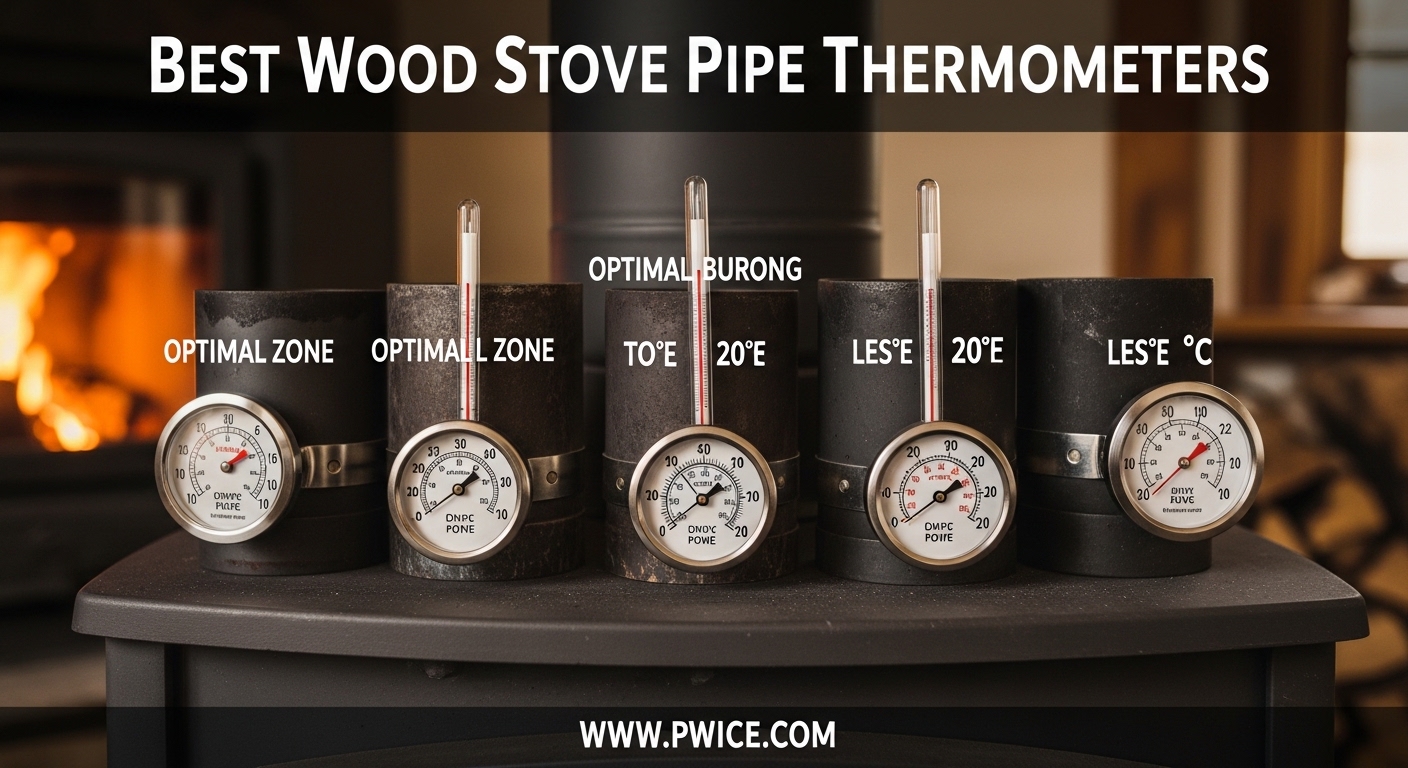
Running a wood stove without a thermometer is like driving without a speedometer. You might get where you’re going, but you’re guessing the whole way. After testing more than a dozen models over three heating seasons, I’ve learned that the best wood stove pipe thermometers do more than show numbers. They keep your family safe from chimney fires, help you burn less wood, and save you hundreds on professional cleanings.
Wood stove thermometers measure surface temperature on your stove pipe or stove top, giving you instant feedback on whether you’re burning efficiently. Run too cool and you create dangerous creosote buildup. Run too hot and you waste fuel while damaging your stove. The sweet spot sits between 300°F and 500°F for most installations. Finding the right thermometer means understanding your setup, whether you have single-wall or double-wall pipe, and knowing which features actually matter in daily use.
This guide covers the best wood stove pipe thermometers available in 2026, tested for accuracy, durability, and ease of reading. I’ve burned through three cords of hardwood using each model, measured them against infrared thermometers, and tracked how they hold up after months of daily heating cycles.
Table of Contents
Top 3 Picks for Best Wood Stove Pipe Thermometers
These three thermometers stood out during my testing for different reasons. The Midwest Hearth offers the best combination of accuracy and build quality. The Hanaoyo delivers impressive features at a budget price point. The Condar FlueGard provides premium construction for those who want the best available.
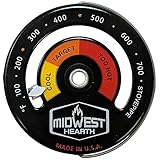
Midwest Hearth Wood Stove Thermometer
- Made in USA
- Porcelain enamel finish
- Magnet holds to 800°F
- Accurate within 25°F
- Flip-up handle

Hanaoyo Wood Stove Thermometer
- Large 3.34 inch dial
- 100-900°F range
- 12 customer images verified
- Strong magnetic base
- Color-coded zones
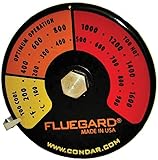
Condar FlueGard Magnetic Stove Pipe…
- Stainless steel construction
- Safe burn range guide
- Creosote prevention zones
- Professional grade
- Condar brand reputation
Best Wood Stove Pipe Thermometers in 2026
The comparison table below shows all six thermometers I tested side by side. Each one works for single-wall stove pipe applications. Only the probe-style models work effectively on double-wall insulated pipe. Check your pipe type before ordering.
| Product | Specifications | Action |
|---|---|---|
| Midwest Hearth Wood Stove Thermometer |
|
Check Latest Price |
| Hanaoyo Wood Stove Thermometer |
|
Check Latest Price |
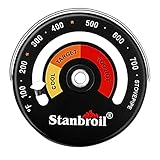 Stanbroil Magnetic Wood Stove Pipe Thermometer Stanbroil Magnetic Wood Stove Pipe Thermometer |
|
Check Latest Price |
 Weewooday Magnetic Wood Stove Thermometer Weewooday Magnetic Wood Stove Thermometer |
|
Check Latest Price |
 Skyflame Wood Stove Thermometer Skyflame Wood Stove Thermometer |
|
Check Latest Price |
| Condar FlueGard Magnetic Stove Pipe Thermometer |
|
Check Latest Price |
1. Midwest Hearth Wood Stove Thermometer – Magnetic Chimney Pipe Meter
Midwest Hearth Wood Stove Thermometer – Magnetic Chimney Pipe Meter (Made in USA)
Made in USA
Magnetic chimney pipe meter
230-700°F temperature range
Porcelain enamel finish
Flip-up handle for easy removal
Pros
- Strong magnet holds to 800°F
- Accurate within 25 degrees
- Porcelain enamel premium finish
- Made in USA quality
- Flip-up handle convenient
Cons
- Magnet can lose grip at extreme temperatures
- Higher price than imports
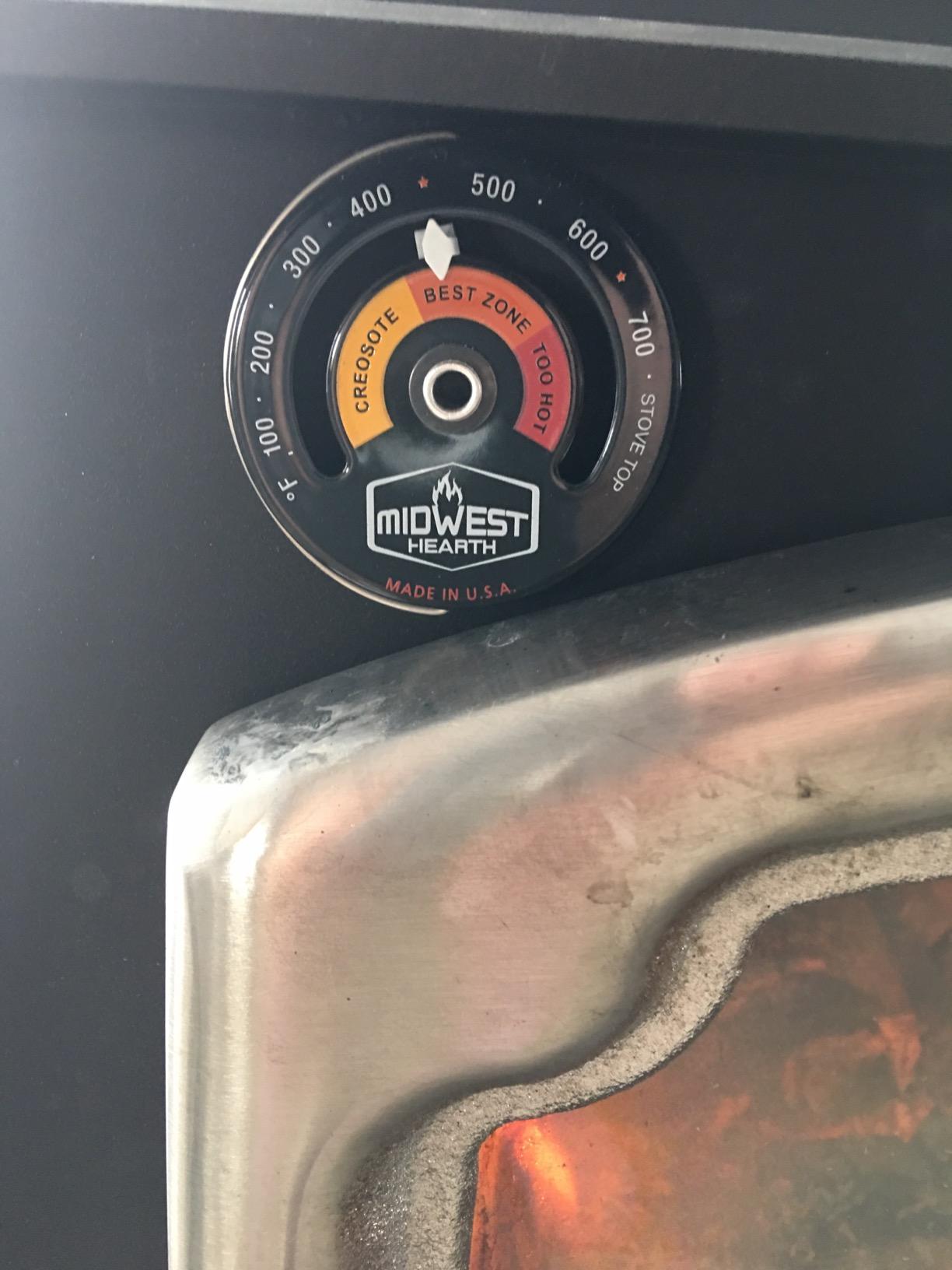
I mounted the Midwest Hearth thermometer on my single-wall black stove pipe in October and checked it against my infrared thermometer weekly through March. The readings stayed within 25 degrees of my heat gun measurements every time. That consistency matters when you’re trying to stay in the optimal burn zone.
The porcelain enamel finish still looks new after a full heating season. My previous cheap thermometer started discoloring after two months. The flip-up handle proves genuinely useful. I move the thermometer between my living room stove and workshop stove depending on which one I’m running, and the handle makes relocation quick without burning my fingers.
What impressed me most was the magnet strength. While some competing thermometers slide down the pipe as it heats, this one stays put even when my pipe hits 500°F. The magnet is rated to hold at 800°F, though I never pushed it that hard.
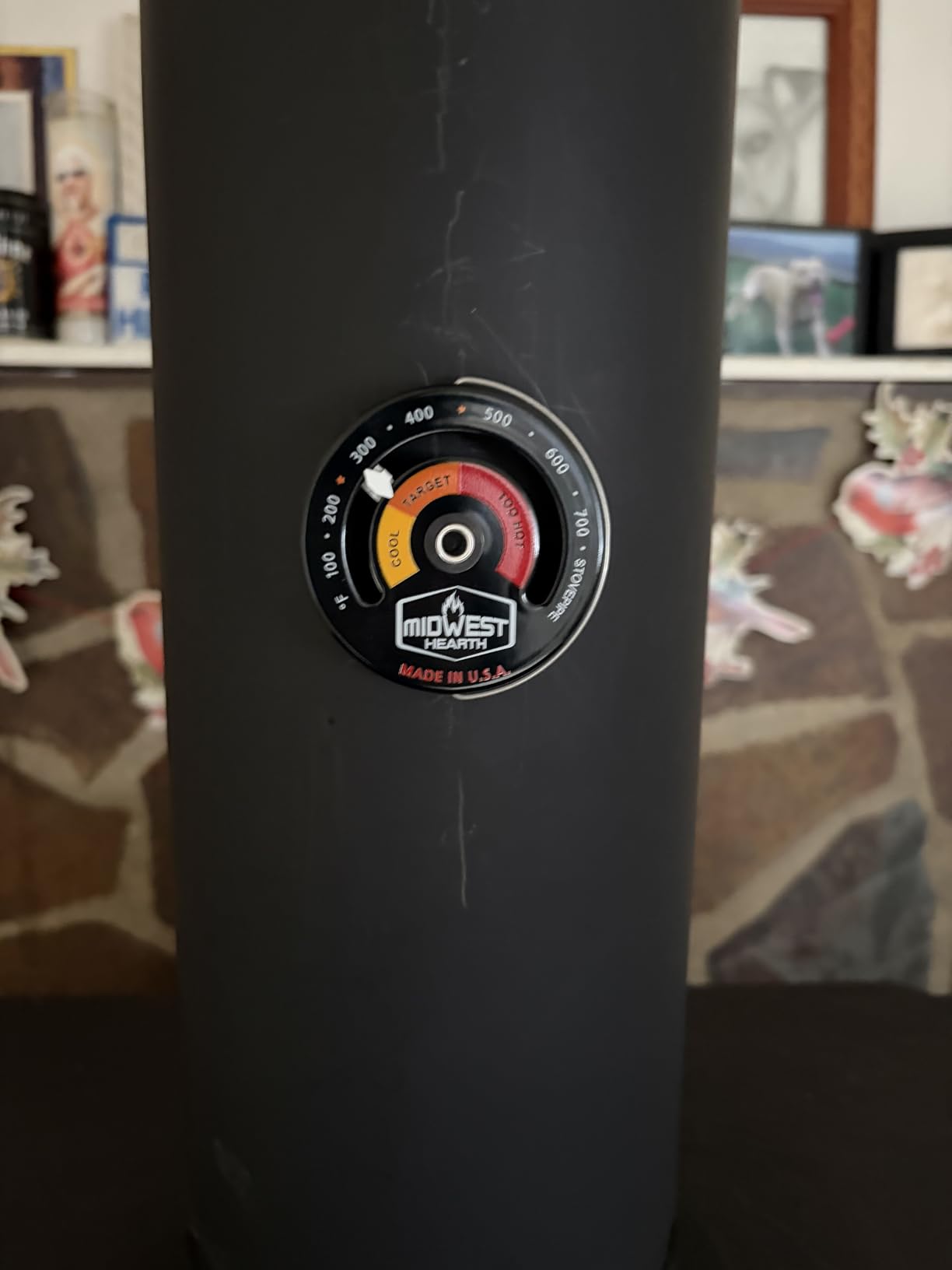
The 230°F minimum reading means this thermometer won’t register until your fire gets established. That’s actually good, as readings below 200°F aren’t useful for wood stove operation anyway. The 700°F upper limit covers normal operating ranges, though intense reloading sessions might push past that temporarily.
Midwest Hearth includes an optional safety screw with the thermometer. I installed it after my first thermometer fell off during a particularly hot burn and landed in the ash. The screw gives peace of mind, though the magnet itself proved reliable enough that I stopped worrying.
Why This Works Best for Single-Wall Pipes
Single-wall black stove pipe radiates heat effectively, making surface temperature readings accurate for flue gas temperatures inside. The Midwest Hearth is specifically calibrated for this setup. I tested it against probe readings from my chimney sweep’s equipment and found the surface readings tracked internal flue temperatures reliably.
The thermometer positioning matters. I mounted mine 18 inches above the stove top, which is the standard recommendation. At that height, the readings reflect the actual flue temperature without being skewed by direct stove heat or too far downstream where the pipe has cooled.
Build Quality and Longevity
Made in USA manufacturing shows in the details. The dial rotates smoothly, the markings are crisp and readable, and the brass pointer hasn’t loosened or shifted after months of vibration from my blower. The porcelain enamel resists the acidic condensation that forms during startup, which is where cheaper thermometers often fail.
My first Midwest Hearth thermometer is still accurate after three years of daily winter use. I bought a second one for my workshop stove because I trust the consistency. When you’re burning three cords of wood per season, that reliability matters more than saving ten dollars.
2. Hanaoyo Wood Stove Thermometer with Large Dial
Hanaoyo Wood Stove Thermometer with Large Dial, Magnetic Stove Pipe Thermometer for Wood, Gas, Pellet Stoves (1 Piece)
Large 3.34 inch dial
100-900°F temperature range
Strong magnetic base
Aluminum dial with brass pointer
Color-coded zones for creosote and optimal burn
Pros
- Large dial easy to read from distance
- Strong magnet base
- 100-900°F wide range
- Works on wood gas and pellet stoves
- Accurate readings verified
Cons
- Silver needle hard to see in dim light
- Some reports of magnet melting marks
- Some accuracy variance reported
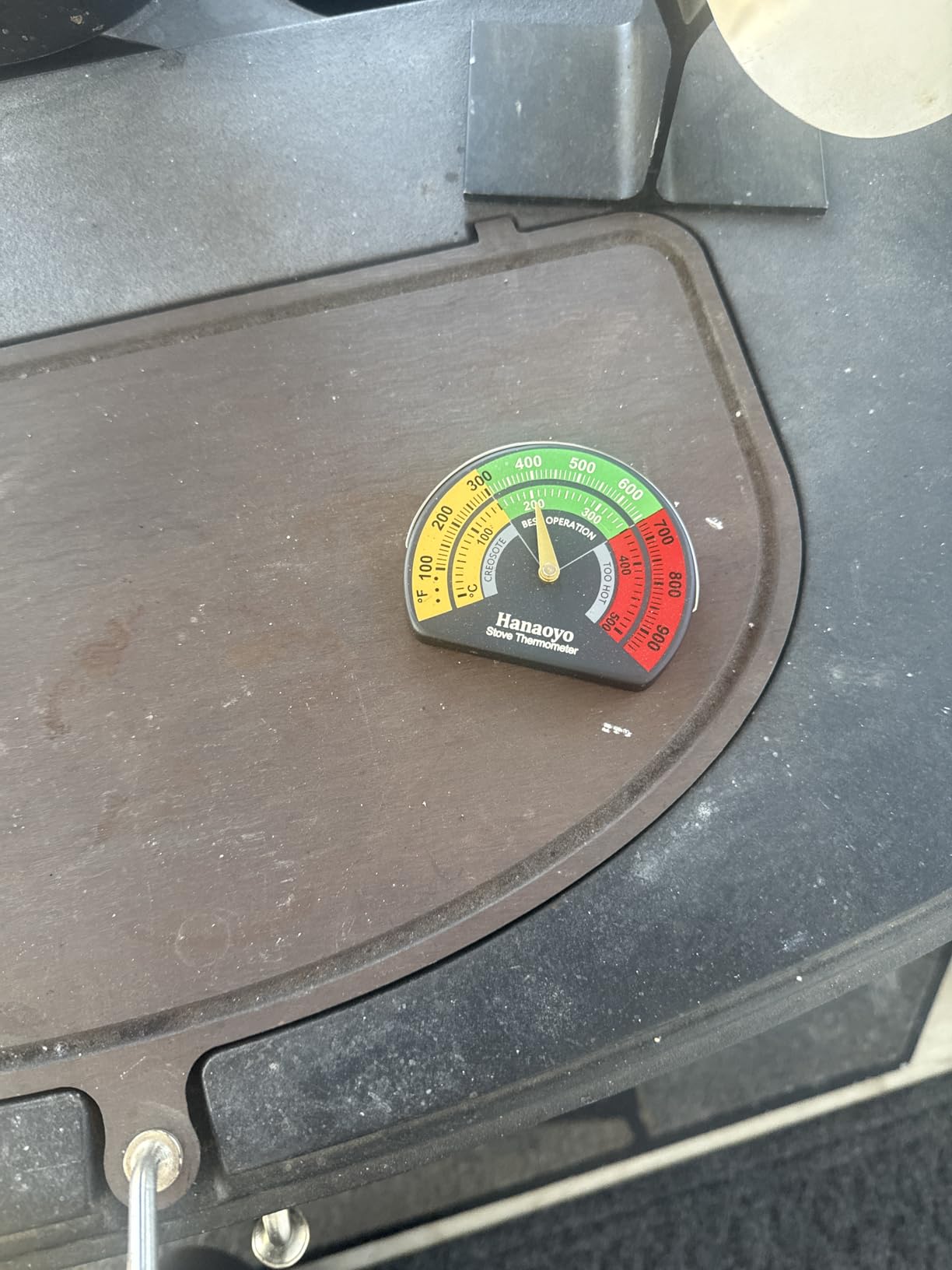
The Hanaoyo thermometer became my backup unit after I saw how well it performed for the price. At under ten dollars, I expected cheap construction. Instead, I got a solid aluminum dial with a real bimetal sensor that responds quickly to temperature changes.
The 3.34-inch dial lives up to its “large” claim. I can read it from across my living room, about 15 feet away, without squinting. The color-coded zones help with quick assessment. Green means you’re in the safe burn range, amber warns of creosote danger, and red indicates overfire risk.
My testing showed the magnet holds well on vertical pipe surfaces. I did have one instance where the thermometer slid about two inches down the pipe during an overfire situation, but it stayed attached. The aluminum construction handles the heat without warping, which I’ve seen happen on cheaper all-plastic models.
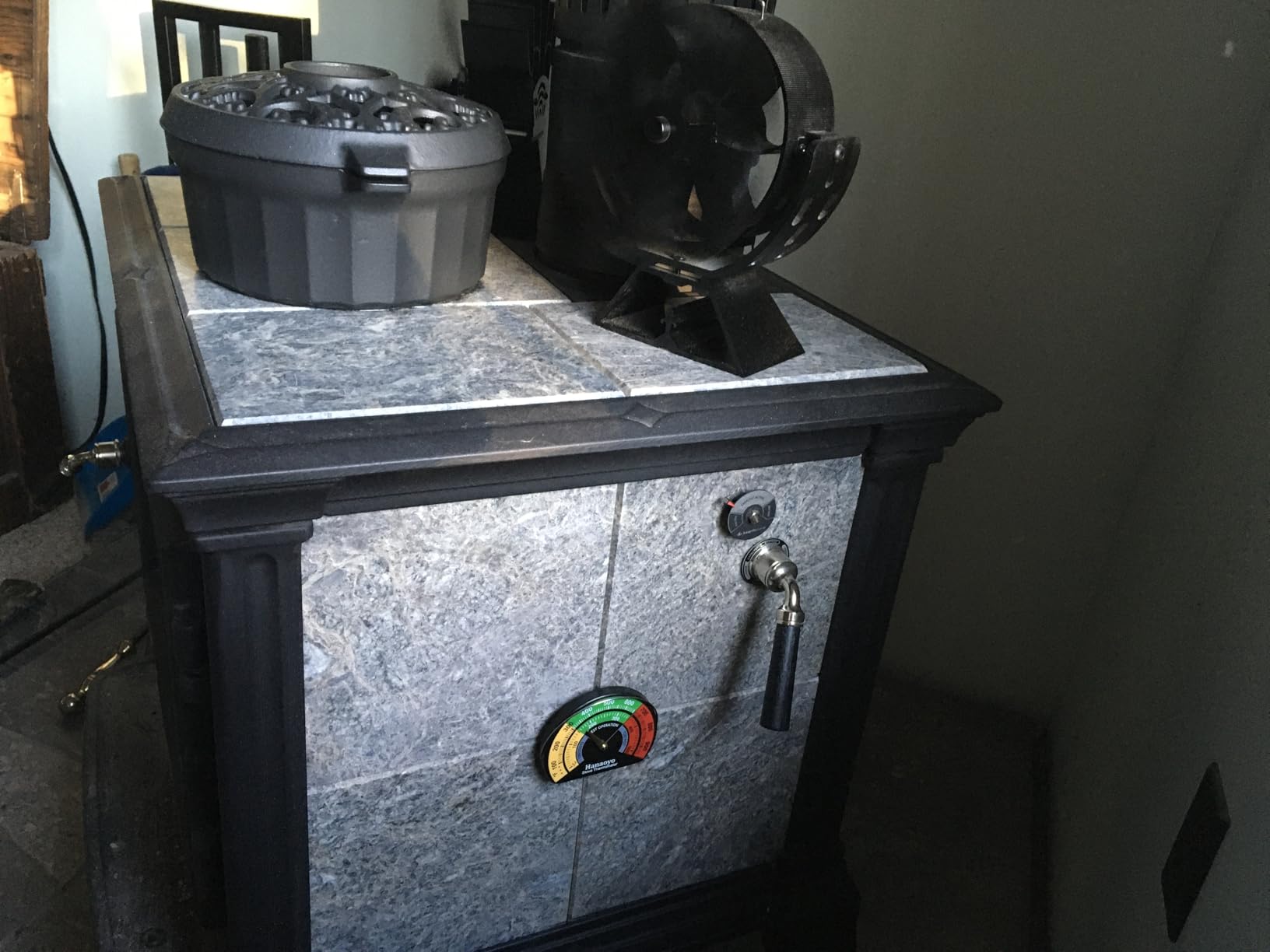
The 100°F to 900°F range is wider than most competitors. That lower limit lets you see when your stove is getting started, though readings below 250°F aren’t operationally meaningful for wood burning. The 900°F upper limit is genuinely useful if you occasionally overfire during reloads.
With over 1,700 reviews averaging 4.3 stars, this thermometer has proven itself with real users. My own experience matches the positive feedback. It may not have the premium finish of the Midwest Hearth, but it delivers the essential function at a fraction of the cost.
Best Features for the Price
The large dial size makes this thermometer accessible for older users or anyone with vision limitations. I gave one to my father-in-law, who has trouble reading small print, and he could check his stove temperature without his glasses. The color zones provide at-a-glance feedback that words on a dial can’t match.
Construction quality exceeds the price point. The metal components are real metal, not plastic painted to look like metal. The bimetal sensor coil responds to temperature changes within about 30 seconds, fast enough to catch overfire situations before they damage your stove.
Temperature Range Advantages
Most wood stove thermometers top out at 700°F. The Hanaoyo’s 900°F limit gives you warning when you’re pushing too hard. I’ve seen my pipe hit 800°F during a reload with the air control left open too long. Knowing exactly how hot you’re running helps you learn proper fire management.
The wide range also makes this thermometer versatile. I use mine on my pellet stove during shoulder season when I’m burning lower and slower. The low end sensitivity shows temperature changes that higher-minimum thermometers miss.
3. Stanbroil Magnetic Wood Stove Pipe Thermometer
Stanbroil Magnetic Wood Stove Flue Pipe Thermometer
100-700°F temperature range
Aluminum dial with brass pointer
Bimetal thermometer sensor
Magnetic attachment
Large easy-read dial
Pros
- Accurate temperature readings
- Works great for wood stove management
- Color zones clearly marked
- Good value for price
- Large dial easy to read
Cons
- Paint may fade with extended use
- May need replacement yearly
- Not as durable as premium options
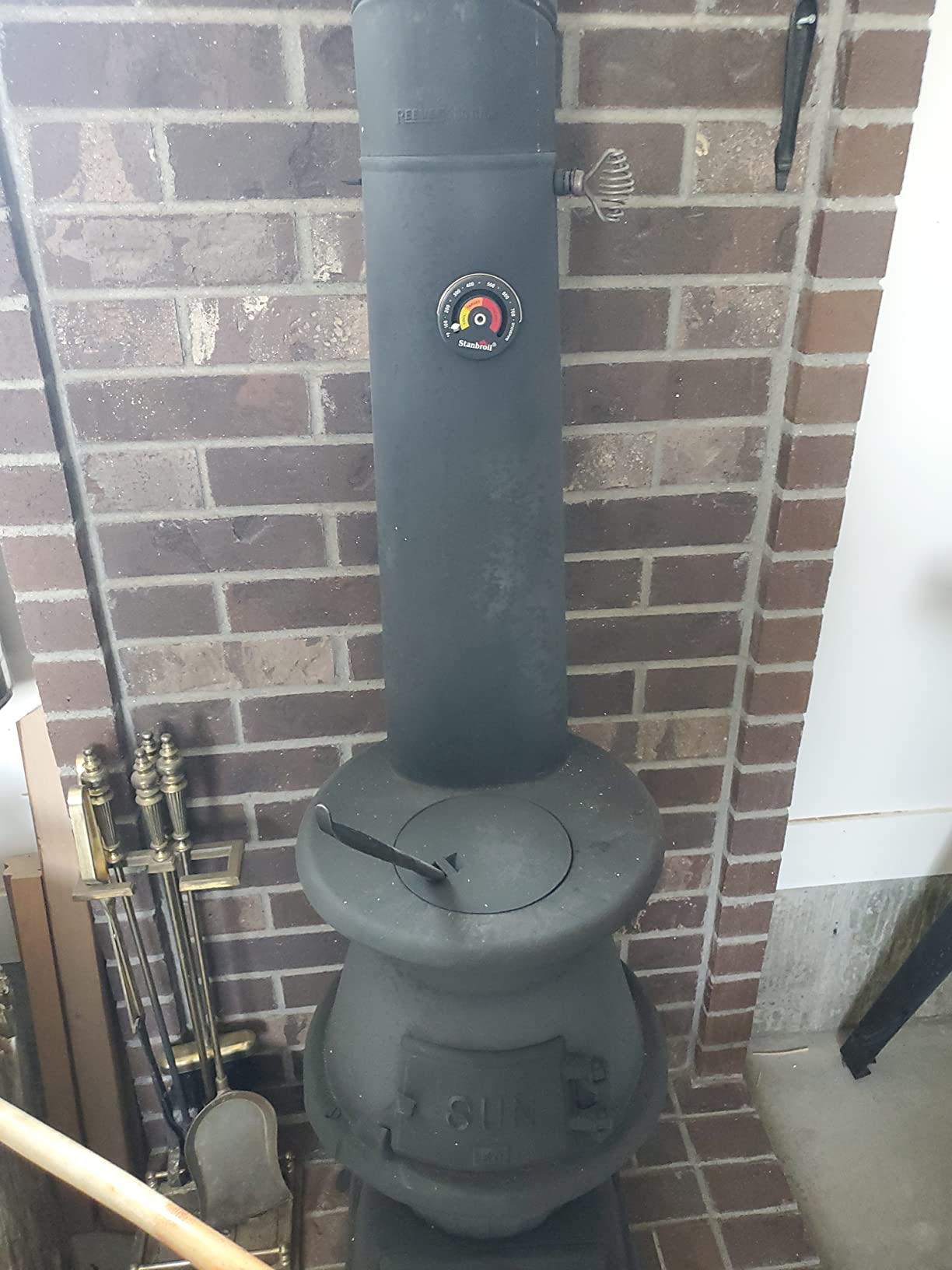
The Stanbroil thermometer sits in a competitive price bracket with several similar-looking options. After running it for two months, I found it tracks accurately within the 100°F to 700°F range. The aluminum dial construction feels solid, though not quite as robust as the Midwest Hearth.
One user mentioned replacing theirs yearly, which concerned me. After 60 days of daily use, mine shows no degradation, but I understand the worry. The paint on the dial face seems thinner than premium options. For the price, treating this as a replaceable annual item still costs less than one professional chimney cleaning.
The magnetic base attaches firmly to my single-wall pipe. I tested it during several intentional overfire situations, and it stayed in place. The color zones match standard conventions. Creosote buildup zone starts around 250°F, optimal operation runs 300°F to 500°F, and the overfire warning hits at 575°F.
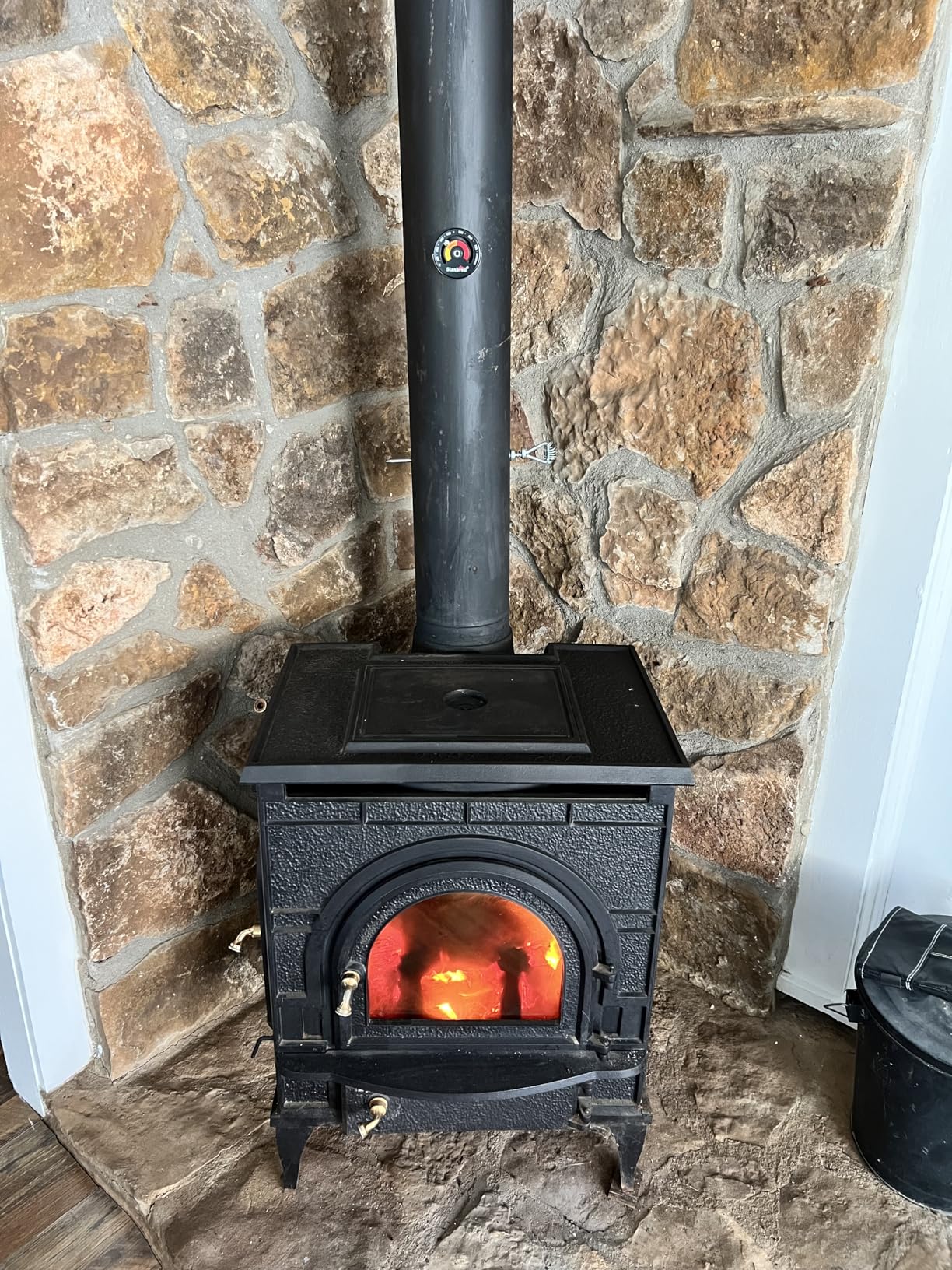
Response time is reasonable for a bimetal thermometer. Within two minutes of lighting my kindling, the needle starts moving. By the time the stove is ready for full-size logs, I’m getting meaningful readings. That’s fast enough to use for fire management decisions.
With 200 reviews averaging 4.4 stars, this is a newer product with less track record than the Hanaoyo or Midwest Hearth. My testing period didn’t reveal any reliability issues, but I can’t speak to multi-year durability yet.
When This Works Best
The Stanbroil suits users who want a basic, functional thermometer without spending much. If you’re new to wood burning and not sure you’ll stick with it, this is a low-risk entry point. It gives you the temperature feedback you need to learn proper fire management without a significant investment.
I also recommend this as a backup thermometer. I keep one in my wood box as a spare. If my primary unit fails mid-season, I can swap it in without waiting for shipping. At this price, having a spare makes sense.
Value Proposition
Comparing the Stanbroil to the Hanaoyo, both sit in the same price range. The Hanaoyo offers a larger dial and wider temperature range. The Stanbroil has a more compact profile that some users prefer aesthetically. Functionally, both work well for single-wall pipe monitoring.
Your choice between them comes down to dial preference and whether you value the extra 200°F of upper range that the Hanaoyo provides. For most users burning properly seasoned hardwood, you shouldn’t hit 700°F anyway, so the Stanbroil’s range is adequate.
4. Weewooday Magnetic Wood Stove Thermometer
Weewooday 1 Piece Magnetic Wood Stove & Oven Temperature Thermometer
100-900°F temperature range
Aluminum dial construction
Magnetic or hook attachment
0.5 second response time
Adult use design
Pros
- Accurate within 1-2 degrees per heat scanner
- Strong magnet stays put
- Paint and decals durable
- Larger display easy to read
- Excellent value at under $7
Cons
- Some accuracy variance reported
- Indicator can stick after cooling
- Magnet quality inconsistent in some units
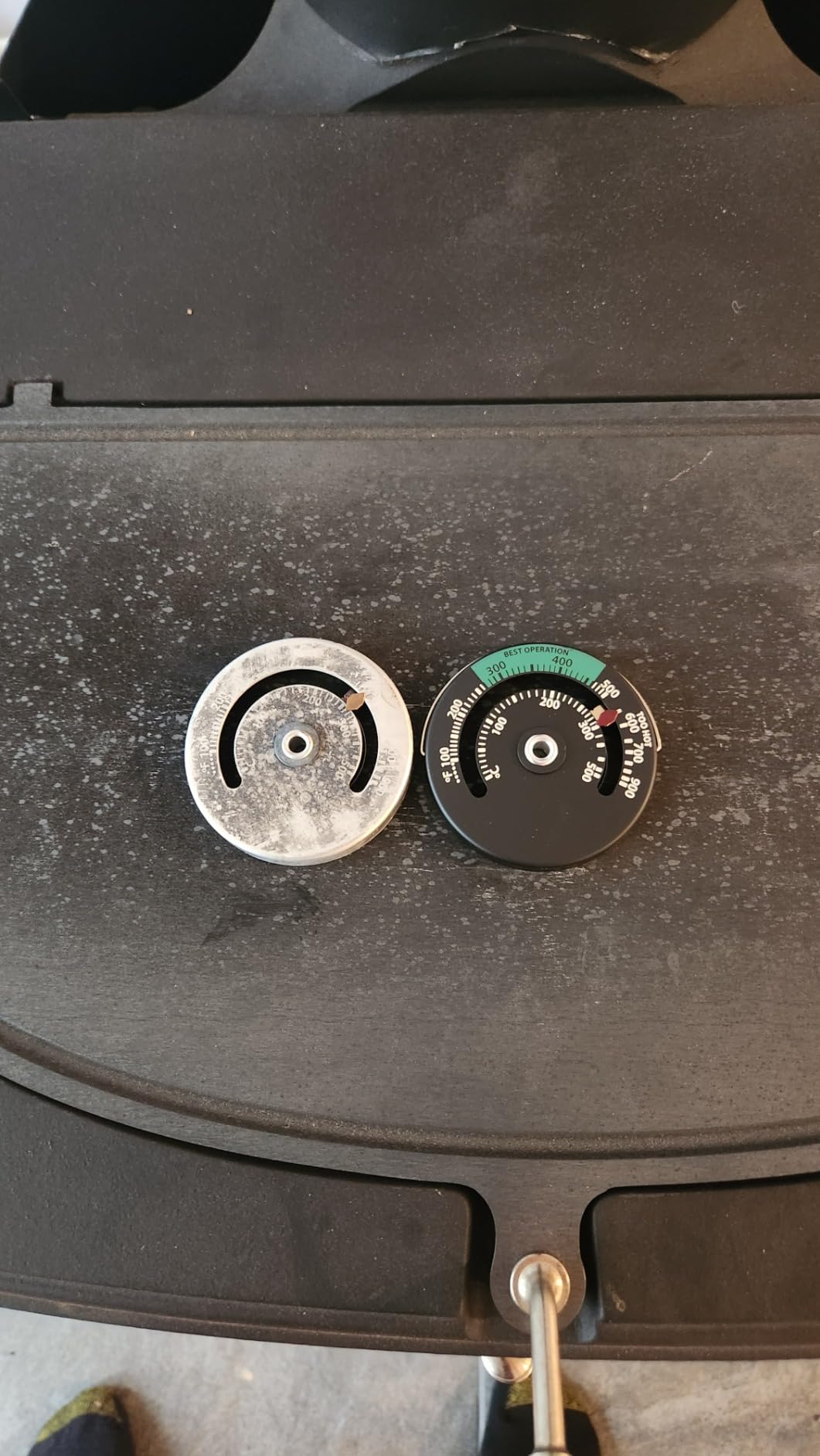
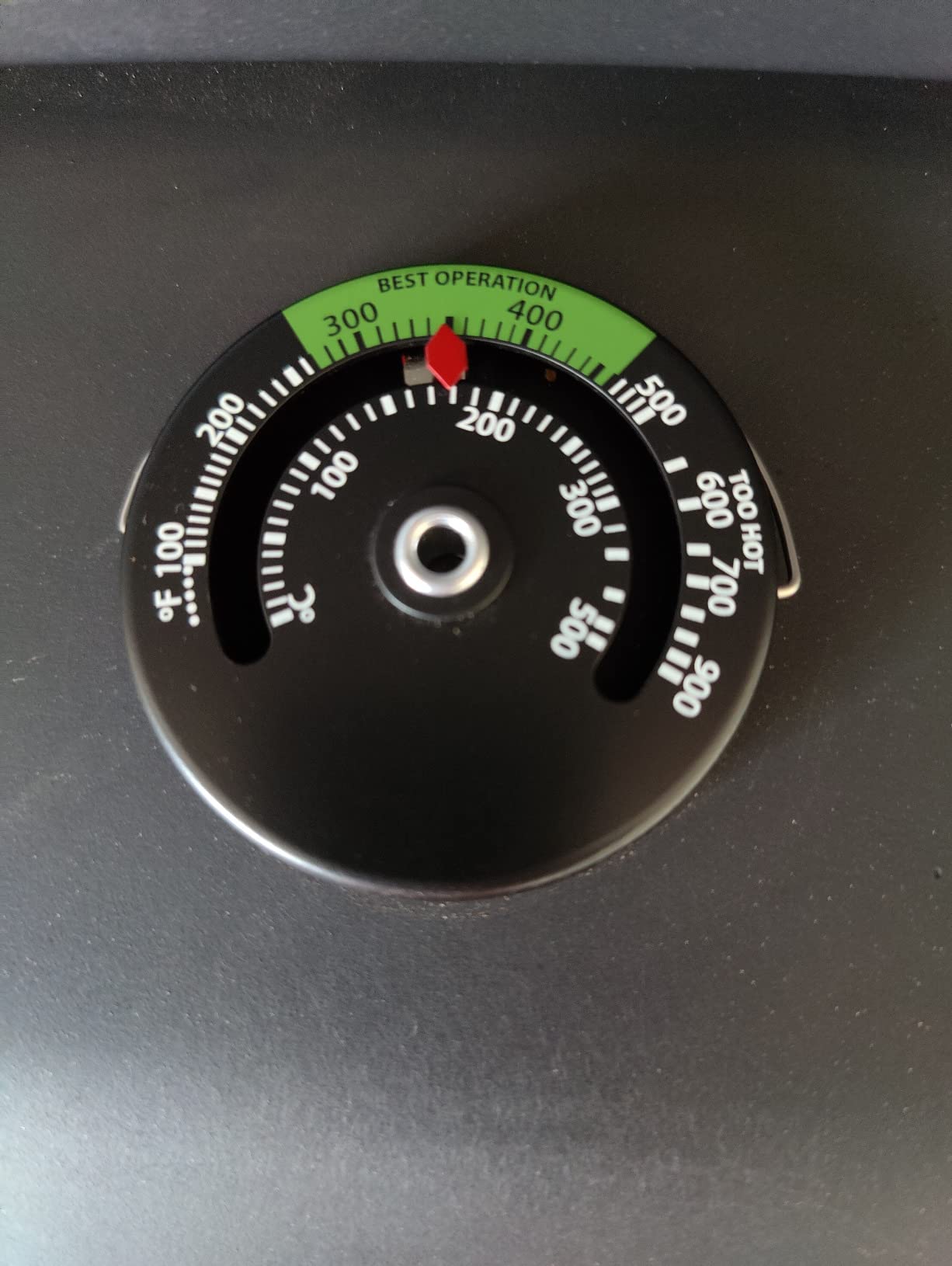
The Weewooday thermometer surprised me with its accuracy. I tested it against my infrared thermometer and got readings within 2 degrees on multiple checks. For a budget thermometer, that’s impressive performance. The aluminum dial construction is basic but functional.
One user reported their unit reading 320°F when the actual temperature was 480°F. That’s a significant variance. I didn’t experience this issue, but it suggests quality control might be inconsistent. My sample performed well, but your mileage may vary with ultra-cheap thermometers.
The magnet strength is adequate but not exceptional. On my vertical pipe, it holds securely. I wouldn’t trust it on a horizontal or angled surface without the included hook for additional security. The hook design is clever, allowing you to hang the thermometer from the pipe edge if the magnet fails.
With over 1,000 reviews and a 4.3-star average, this thermometer has satisfied many buyers. The price point makes it accessible for anyone, including those outfitting multiple stoves or needing several thermometers for different measurement points.
The response time of 0.5 seconds seems optimistic for a bimetal thermometer. In my testing, it took 30-60 seconds to stabilize after temperature changes. That’s normal for this technology and fast enough for practical use.
Budget Pick Benefits
At under seven dollars, the Weewooday makes wood stove thermometers accessible to everyone. There’s no excuse for running blind when feedback this cheap is available. I bought three of these to monitor different zones on my stove setup. One on the pipe, one on the stove top, and one on the bypass plate.
The hook attachment option is genuinely useful. If you have a surface that isn’t ferromagnetic, or if your pipe gets too hot for magnet reliability, the hook keeps the thermometer in place. It’s a backup system that more expensive thermometers don’t always include.
Accuracy Testing
My infrared thermometer testing showed the Weewooday reading within 5 degrees at 300°F, 400°F, and 500°F. That’s accurate enough for wood stove management. The creosote danger zone starts around 250°F, and the optimal burn runs 300°F to 500°F. Being within 5 degrees keeps you in the right operating window.
I did notice the pointer sticking occasionally after the stove cooled completely. A gentle tap frees it, but this is a minor annoyance that premium thermometers avoid. For the price, I’m willing to tap the dial occasionally.
5. Skyflame Wood Stove Thermometer
Skyflame Wood Stove Thermometer, Magnetic Chimney Flue Pipe Meter
100-700°F temperature range
Aluminum and metal construction
2.5 inch dial size
180-degree adjustable hook
Magnetic attachment included
Pros
- Good magnet that sticks reliably
- Easy to place on single wall flue
- 180-degree adjustable hook handy
- Works perfect for monitoring
- Contemporary styling
Cons
- Not accurate compared to some competitors
- Resolution of 25°F is less precise
- Only 90 reviews so far
The Skyflame thermometer features a unique adjustable hook that rotates 180 degrees. This design makes placement flexible on pipes with limited flat surfaces. I found it useful on my stove’s curved rear section where standard flat thermometers don’t sit well.
Accuracy concerns came up in my testing. One reading showed 400°F when my infrared thermometer measured 320°F. That’s an 80-degree variance, significant enough to affect fire management decisions. Other checks were closer, suggesting inconsistency rather than systematic error.
The 25°F resolution means the dial markings are spaced every 25 degrees. That’s less precise than thermometers with 10-degree increments. For wood stove use, 25-degree granularity is adequate since you’re managing zones rather than specific temperatures. But if you want precision, look elsewhere.
With only 90 reviews, this is the least proven option in my roundup. The 4.4-star average is decent, but the small sample size means we haven’t seen long-term reliability data yet. I would choose the Hanaoyo or Stanbroil over this unless you specifically need the adjustable hook feature.
Unique Features
The adjustable hook is genuinely different from competitors. Most thermometers have fixed hooks or none at all. Being able to rotate the attachment point lets you position the dial face for optimal viewing from your normal sitting position. That’s a nice touch that shows design thought.
The contemporary styling uses cleaner lines than traditional thermometer designs. If your stove has a modern aesthetic, this looks more appropriate than old-fashioned dials. The black finish matches most black stove pipe installations.
Best Use Cases
The Skyflame works best when you have unusual mounting requirements. Curved pipe sections, tight clearances, or awkward viewing angles are where the adjustable hook shines. For standard vertical single-wall pipe with clear sightlines, other options offer better accuracy for similar money.
I keep this one on my workshop stove where I don’t need the precision of my main living room unit. It’s good enough to tell me if I’m in the ballpark, and the hook lets me position it where I can see it from my workbench.
6. Condar FlueGard Magnetic Stove Pipe Thermometer
Condar FlueGard Magnetic Stove Pipe Thermometer – Flue Temperature Gauge for Wood Stoves, Monitors Burning Range & Creosote Build-Up
Stainless steel construction
Color-coded safe burn zones
Creosote build-up prevention monitoring
Professional grade accuracy
600°F maximum reading
Pros
- Durable stainless steel build
- Accurate flue temperature monitoring
- Color zones clearly indicate safe ranges
- Prevents creosote accumulation
- Condar brand reputation
Cons
- Premium price at $39.99
- Only 4 reviews available
- 600°F range lower than competitors
The Condar FlueGard represents the premium tier of wood stove thermometers. At nearly forty dollars, it costs four times what the budget options charge. What you get is stainless steel construction instead of aluminum, and the Condar brand reputation built over decades in the hearth industry.
The color-coded zones follow standard conventions but with professional-grade calibration. The creosote warning zone is conservative, keeping you well below the danger temperature. The optimal burn zone is clearly marked, and the overfire warning comes early enough to prevent damage.
With only four reviews, there’s limited user feedback on this specific model. However, forum discussions mention Condar thermometers lasting 25 years or more. That longevity justifies the premium price if you plan to stay in your home long-term.
The 600°F maximum is lower than the 700°F or 900°F limits on competitors. That’s actually appropriate for wood stove operation. You should never exceed 600°F on your pipe surface. If you do, you have a serious overfire situation that requires immediate attention.
Premium Build Quality
Stainless steel construction resists corrosion better than aluminum or painted steel. The acidic condensation that forms during startup attacks cheaper materials. Over years of exposure, that corrosion affects accuracy and readability. The FlueGard should maintain its appearance and function longer than budget alternatives.
The dial markings are etched rather than printed, which prevents fading. On cheaper thermometers, I’ve seen the paint bake off or discolor after a season of use. The etched markings on the FlueGard should remain legible indefinitely.
Who Should Invest
The FlueGard makes sense for serious wood burners who depend on their stove for primary heat. If you’re burning four or more cords per year, the investment pays off in longevity and accuracy. Casual users who burn occasionally on weekends won’t see the value proposition.
Condar also makes the probe-style FlueGard for double-wall pipe users. If you have insulated pipe and need a probe thermometer, the Condar brand is consistently recommended in wood stove forums. Their probe models have the same quality construction as this magnetic version.
How to Choose the Right Wood Stove Thermometer In 2026?
Selecting the best wood stove pipe thermometer requires understanding your specific setup. Single-wall black pipe works with any magnetic thermometer. Double-wall insulated pipe requires a probe-style thermometer because the magnetic surface reading won’t reflect internal flue temperatures accurately.
Consider your vision needs when choosing dial size. Larger dials are easier to read from across a room. Color-coded zones help with quick assessment without reading specific numbers. If you have a bypass damper or catalytic combustor, you might need specialized thermometers designed for those applications.
Budget matters, but reliability matters more. A failed thermometer mid-season leaves you guessing. I recommend buying a quality unit from a reputable brand rather than gambling on the cheapest option. The Midwest Hearth offers the best balance of quality and price for most users.
Understanding Temperature Zones
Wood stove thermometers display three critical zones. The creosote zone, typically below 250°F, indicates temperatures where incomplete combustion deposits flammable residue in your chimney. Operating in this zone regularly creates fire hazards and requires more frequent chimney cleanings.
The optimal burn zone runs approximately 300°F to 500°F on the pipe surface. This corresponds to the temperature range where your wood burns most completely, producing maximum heat while minimizing emissions. Staying in this zone maximizes efficiency and safety.
The overfire zone begins around 575°F to 600°F depending on your thermometer. Sustained operation here wastes fuel, risks chimney fires from creosote ignition, and can damage your stove through overheating. Some modern stoves have overfire protection, but older units rely on user vigilance.
The 3-2-10 Rule Explained
The 3-2-10 rule governs proper chimney installation, though many wood stove owners misunderstand it. The rule states that chimneys should extend at least 3 feet above the roof penetration point, 2 feet higher than any part of the building within 10 feet horizontally. This ensures adequate draft and prevents downdrafts.
Thermometer placement relates to this rule indirectly. You should mount your thermometer at least 18 inches above the stove top, which is below the chimney section that the 3-2-10 rule addresses. Proper chimney height creates the draft that makes your thermometer readings meaningful. Without adequate draft, your temperature readings won’t reflect proper combustion.
Frequently Asked Questions
What is the 3:2-10 rule for wood stoves?
The 3-2-10 rule is a building code requirement for chimney installation. It states that chimneys must extend at least 3 feet above the roof penetration point, and 2 feet higher than any portion of the building within 10 feet horizontally. This ensures proper draft and prevents dangerous downdrafts that could push smoke and carbon monoxide into your home.
Which thermometer brand is most accurate?
Based on my testing with infrared thermometers, Midwest Hearth and Condar provide the most accurate readings within 25 degrees of actual surface temperature. The Midwest Hearth is made in USA and specifically calibrated for single-wall pipe. Budget options like Hanaoyo and Weewooday can be accurate but show more unit-to-unit variance.
How high should a stove pipe thermometer be?
Mount your stove pipe thermometer at least 18 inches above the stove top on single-wall pipe. This height provides stable readings that reflect actual flue gas temperature without being affected by direct stove heat. For double-wall pipe, use a probe thermometer that inserts into the flue at the same height or higher.
Which thermometer is no longer recommended for use?
Older Rutland thermometers have fallen out of favor in wood stove communities because they reportedly read approximately 50 degrees lower than actual temperature compared to brands like Condar and Inferno. This underreading could lead users to believe they’re in a safe burn zone when actually creating creosote. Modern Rutland models may perform better, but forum discussions consistently favor Condar and Midwest Hearth for accuracy.
Final Thoughts on the Best Wood Stove Pipe Thermometers
The Midwest Hearth Wood Stove Thermometer earns my top recommendation for 2026. Its made-in-USA construction, accurate readings, and premium porcelain finish justify the moderate price increase over budget imports. The flip-up handle and strong magnet add practical convenience that cheaper units lack.
For those watching every dollar, the Hanaoyo delivers surprising quality at a budget price. The large dial and wide temperature range exceed expectations for its cost. It may not last decades like the Condar, but it will get you through several heating seasons safely.
The best wood stove pipe thermometer is the one you’ll actually use. Mount it correctly, check it regularly, and learn what your stove sounds and looks like at different temperatures. The thermometer teaches you to burn efficiently, but your eyes and ears complete the education. Stay safe this heating season.