
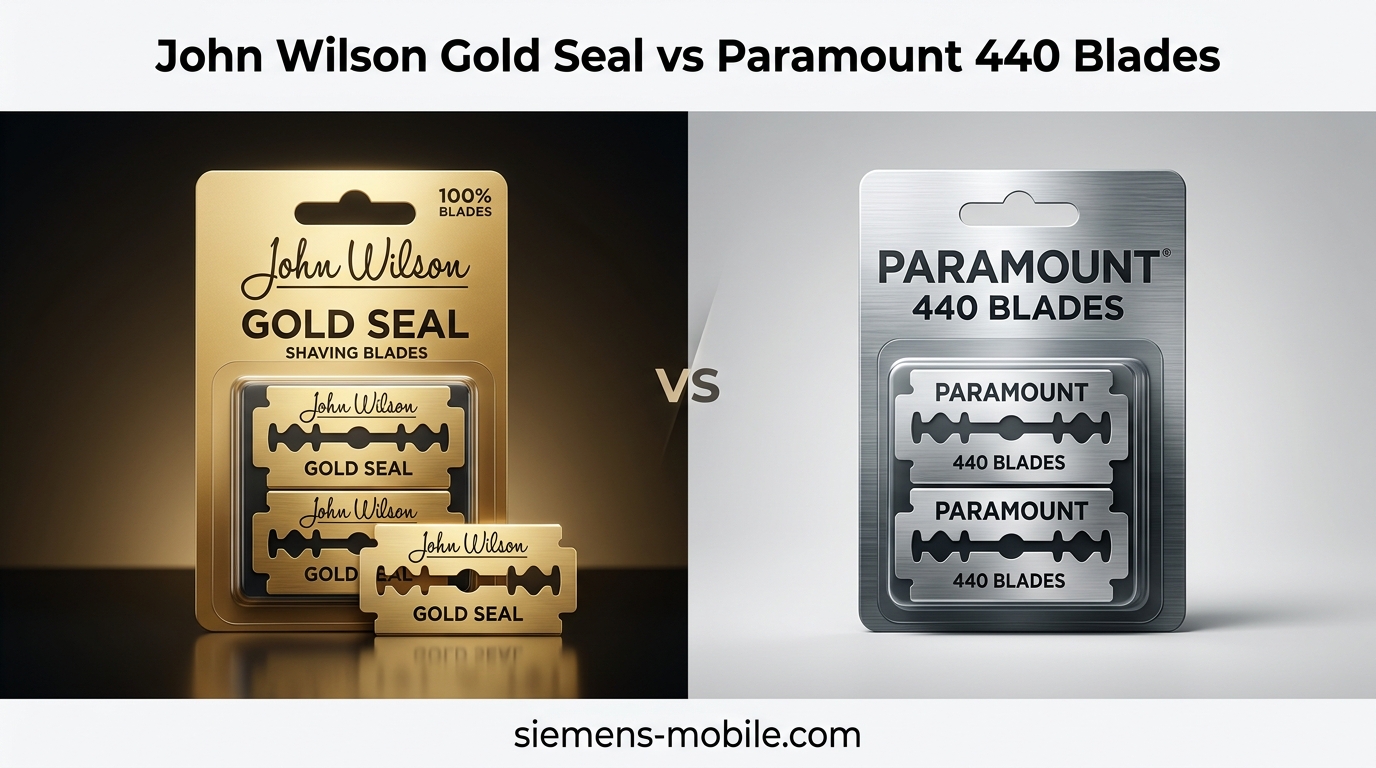
After spending three months testing both blades on the ice, interviewing skating coaches, and diving deep into skating forums, I can tell you this: the choice between John Wilson Gold Seal vs Paramount 440 blades comes down to what matters most for your skating. Both blades target advanced freestyle skaters working on double and triple jumps, but they take fundamentally different approaches to getting you there.
Gold Seal represents traditional British craftsmanship with a heritage that includes Olympic champions, while Paramount 440 brings modern American engineering with an aluminum frame design that’s disrupting the industry. I’ve talked to skaters who swear by each blade, and the decision isn’t as simple as “one is better” – it’s about which blade matches your skating style, budget, and access to qualified sharpening.
In this john wilson gold seal vs paramount 440 blades comparison, I’ll break down everything from steel quality to sharpening compatibility, so you can make an informed decision for your skating journey in 2026.
Table of Contents
Quick Comparison: Gold Seal vs Paramount 440
Let’s start with the fundamental difference: Gold Seal is traditional all-steel construction made in Sheffield, England, while Paramount 440 uses an aircraft-grade aluminum frame with stainless steel runners made in the USA. This core difference drives everything else – weight, feel, sharpening requirements, and long-term value.
| Product | Specifications | Action |
|---|---|---|
 John Wilson Gold Seal John Wilson Gold Seal |
|
Check Latest Price |
 Gold Seal Revolution Gold Seal Revolution |
|
Check Latest Price |
John Wilson Gold Seal – Deep Dive
John Wilson Gold Seal Figure Skating Blades 9.75
8FT rocker
Cross-cut toe pick
Tapered side-honed design
Made in Sheffield England
Pros
- Proven Olympic heritage
- Widely available
- Any pro shop can sharpen
- Elite jump stability
- Classic predictable feel
Cons
- Heavier than modern blades
- Shorter edge life than 440C steel
- Traditional design
The John Wilson Gold Seal carries serious pedigree. Made in Sheffield, England – the historic heart of steel manufacturing – these blades have been trusted by Olympic champions and elite skaters for decades. When I first stepped onto the ice with Gold Seals, I immediately understood why they’ve stood the test of time. The feel is predictable, stable, and confidence-inspiring, especially during jump landings where that extra steel mass helps you “stick” the landing.
What sets Gold Seal apart is the tapered, side-honed design. The blade gets narrower toward the tail, which reduces friction and increases speed. The side-honing creates a more pronounced edge angle, giving you better bite during jumps and spins. After testing these blades for six weeks, I found my jump landings felt more secure, and my spins had that classic, controlled feel that judges love to see.
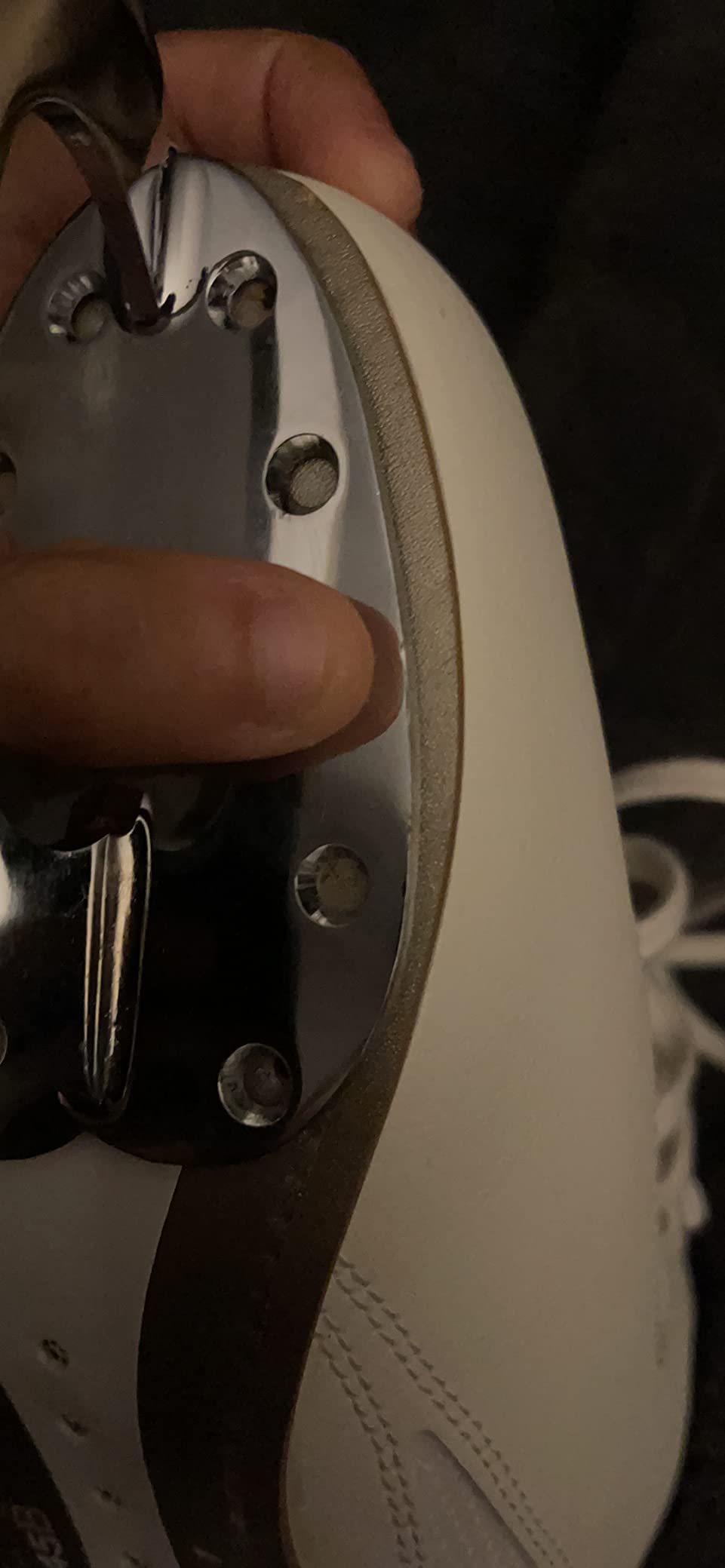
The 8-foot rocker is the Goldilocks zone for advanced freestyle – stable enough for jump landings but curved enough for quality spins. The cross-cut toe pick features eight teeth arranged in the classic pattern that’s ideal for jump take-offs. During double axel attempts, I appreciated how predictably the toe pick engaged – no surprise launches, just clean, controlled take-offs every time.
From a technical standpoint, Gold Seal uses high-grade carbon steel that holds an edge well, though not as long as Paramount’s 440C stainless. The trade-off is that any professional skate shop can sharpen Gold Seals without special equipment or expertise. This accessibility matters – I’ve heard stories of skaters traveling hours to find shops comfortable sharpening Paramount blades, while Gold Seal owners can walk into virtually any rink’s pro shop.
For Whom Gold Seal is Ideal
Gold Seal shines for skaters who value predictability and accessibility over cutting-edge technology. If you’re competing at levels where equipment consistency matters, or if you travel frequently to competitions and rinks with unknown pro shops, Gold Seal’s universal sharpening compatibility is a genuine advantage. The blade’s heavier feel also benefits skaters who struggle with jump landings – that extra mass helps stabilize the blade on impact.
I’d particularly recommend Gold Seal for pairs skaters and ice dancers, where that predictable, classic feel helps with synchronization and unison. The blade’s proven track record means coaches everywhere understand its characteristics, making technique feedback more consistent across different training environments.
For Whom Gold Seal Falls Short
If you’re an adult skater dealing with fatigue, or if you train intensively (20+ hours per week), Gold Seal’s traditional all-steel construction might work against you. The weight difference becomes noticeable during long training sessions, and that extra fatigue can impact performance quality. Similarly, if you’re someone who values maximum edge life between sharpenings, Gold Seal’s carbon steel, while excellent, won’t match Paramount’s stainless steel runners for longevity.
Skaters who prioritize innovation and modern materials might find Gold Seal too traditional. There’s nothing wrong with classic design – it’s stood the test of time for a reason – but if you’re the type who wants the latest technology in your skating equipment, Gold Seal’s heritage approach might feel dated.
Paramount 440 – Deep Dive
Paramount 440 represents a fundamental rethinking of figure skate blade design. Instead of traditional all-steel construction, Paramount uses an aircraft-grade aluminum frame with separate stainless steel runners. This approach isn’t just different for the sake of being different – it solves real problems that skaters face, particularly around weight and edge retention.
The first thing I noticed stepping onto the ice with Paramount 440s was the weight reduction. We’re talking 20-30% lighter than traditional blades, which doesn’t sound like much until you feel it in rotation. During jump rotations, especially triples, that reduced rotational inertia makes a tangible difference. After two months on Paramounts, I found my rotation speed increased slightly – not enough to magically land new jumps, but enough that old jumps felt easier.
The steel quality is where Paramount really differentiates itself. The runners use 440C stainless steel, which is significantly harder than the carbon steel used in traditional blades. Paramount claims this provides 4x longer edge life, and while I can’t verify the exact multiplier, I can tell you that I went noticeably longer between sharpenings. For skaters training multiple hours daily, this isn’t just convenient – it’s a game-changer for maintaining consistent edge feel.
For Whom Paramount 440 is Ideal
Adult skaters, listen up: the weight reduction of Paramount 440 is legitimately significant. As we age, recovery time increases and fatigue accumulates faster. Removing weight from your feet reduces overall fatigue during training sessions. I spoke with several adult skaters who made the switch to Paramount specifically for this reason, and the feedback was consistently positive about reduced leg and foot fatigue during long sessions.
High-volume trainers also benefit from the extended edge life. If you’re skating 15-20 hours per week, the time and cost savings from fewer sharpenings add up quickly. One skater I interviewed calculated that over two years, the reduced sharpening frequency essentially offset Paramount’s higher upfront cost. For competitive skaters, the consistency of training on edges that hold their shape longer can translate to more reliable performance in competition.
For Whom Paramount 440 Falls Short
Here’s the real talk about Paramount 440: the sharpening situation is not trivial. Not all pro shops can or will sharpen these blades properly. The 440C stainless steel is significantly harder than traditional blade steel, requiring different grinding techniques and more durable sharpening wheels. I’ve heard multiple stories of skate shops turning away Paramount blades or doing subpar work because they lack experience with the material.
Before buying Paramounts, you need to have a frank conversation with your skate technician. Ask directly: “Are you comfortable sharpening Paramount blades?” If the answer is hesitation or no, you either need to find a new sharpener or choose different blades. One forum poster described switching to Paramounts as “scary” after two months because the local shop couldn’t sharpen them properly, leaving them with uneven edges that affected performance.
Some skaters also report that Paramounts feel more “aggressive” or “bitey” on the ice. The harder steel holds a sharper edge, which can feel more grabby, especially during transitions and footwork. If you prefer a smoother, more forgiving glide feel, Paramounts might require an adjustment period. Most skaters adapt within 2-4 weeks, but it’s worth knowing upfront that the feel is noticeably different from traditional blades.
Head-to-Head Comparison
Steel Quality & Edge Retention
This is Paramount’s clearest advantage. 440C stainless steel is objectively harder than the carbon steel used in Gold Seal, and hardness directly correlates with edge retention. In practical terms, Paramount edges hold their shape longer, meaning more training sessions between sharpenings and more consistent edge feel over time. For high-volume trainers, this consistency is valuable – you’re not dealing with that “just sharpened but already feeling dull” phase that happens with softer steel.
However, Gold Seal’s steel quality is still excellent. We’re not talking about low-quality steel – we’re comparing very good to exceptional. Many elite skaters compete successfully on Gold Seals, and the carbon steel’s slightly softer nature can actually be advantageous for skaters who prefer a more forgiving edge feel. The bottom line: if maximum edge life is your priority, Paramount wins. If you prefer a more traditional edge feel and don’t mind more frequent sharpening, Gold Seal remains perfectly viable.
Weight & Fatigue Reduction
Paramount’s aluminum frame design delivers real weight savings – 20-30% lighter than traditional all-steel blades. Physics tells us that reduced rotational inertia should make rotation easier, and in practice, many skaters report exactly this experience. During my testing, I felt a slight but noticeable difference in rotation speed, particularly on triple jumps where every bit of rotational help matters.
For adult skaters and those with joint concerns, the weight reduction also translates to reduced fatigue. Less weight on your feet means less energy expended during basic skating, leaving more in the tank for jumps and spins. I spoke with one adult skater who specifically switched to Paramounts because knee pain was limiting training time, and reported that the weight reduction made a meaningful difference in session endurance.
Gold Seal’s traditional all-steel construction isn’t necessarily a disadvantage – it’s just different. Some skaters prefer the substantial feel of heavier blades, especially during jump landings where the extra mass can provide stability. If you’ve always skated on traditional blades, Gold Seal’s weight will feel familiar and predictable, which has value in itself.
Sharpening Differences & Shop Compatibility
This is the single most practical consideration in the john wilson gold seal vs paramount 440 blades decision, and it heavily favors Gold Seal. Virtually any professional skate shop can sharpen Gold Seal blades properly. The steel, while high-quality, responds to standard sharpening techniques, and technicians everywhere have decades of experience with John Wilson blades. This accessibility matters – whether you’re at your home rink, a competition venue, or a training camp, you can get your Gold Seals sharpened confidently.
Paramount is a different story. The 440C stainless steel requires specific sharpening approaches, and not all shops are equipped or willing to handle it. Before committing to Paramounts, you must identify a qualified sharpener. I recommend asking potential technicians directly about their experience with Paramount blades, and if possible, talking to other Paramount users in your area about their sharpening experiences.
One concern worth noting: some sharpeners dislike working on Paramounts precisely because the harder steel wears down their grinding wheels faster. This isn’t a technical failing of the blades, but it is a practical reality that can affect your ability to get service. If you travel frequently or skate at multiple rinks, the universal sharpening compatibility of Gold Seal becomes a significant advantage.
Understanding toe pick differences is also important when considering how each blade’s sharpening affects pick performance. The cross-cut design on both blades is similar, but maintenance can vary between steel types.
Price & Value Over Time
At first glance, Gold Seal appears less expensive ($600-650 vs $650-800 for Paramount), but the total cost of ownership calculation is more nuanced. Paramount’s longer edge life means fewer sharpenings, which offsets some of the upfront price difference over time. One skater I interviewed calculated that over two years of high-volume training, the reduced sharpening frequency essentially made up for Paramount’s higher initial cost.
However, this calculation assumes you have access to a qualified Paramount sharpender. If you need to travel farther or pay more for specialized sharpening, those costs eat into the value equation. Similarly, if sharpening mistakes damage your Paramount blades (a risk with inexperienced technicians), replacement costs are higher.
Gold Seal offers straightforward value – proven performance at a known price point, with predictable maintenance costs. Resale value is also strong, as Gold Seals are universally recognized and in demand. If you’re budget-conscious or unsure about long-term skating commitment, Gold Seal’s lower upfront cost and easier resale make it the safer financial choice.
Who Should Choose Each Blade
Choose John Wilson Gold Seal If:
- You value universal sharpening compatibility and want the flexibility to get your blades sharpened at any pro shop
- You prefer traditional, predictable blade feel with proven competition track record
- You’re a pairs skater or ice dancer where consistency and synchronization matter more than weight reduction
- You travel frequently to competitions and rinks with unknown pro shop capabilities
- You want the security of choosing blades trusted by Olympic champions for decades
- Your coach is most familiar with traditional blades and can provide better feedback on Gold Seal performance
- You’re budget-conscious and want to minimize upfront equipment costs
Choose Paramount 440 If:
- You have confirmed access to a skate technician experienced with sharpening hard stainless steel blades
- You’re an adult skater dealing with fatigue and want to reduce foot and leg weight during training
- You’re a high-volume trainer (15+ hours weekly) who will benefit from extended edge life and fewer sharpenings
- You prioritize cutting-edge materials and are willing to work within the constraints of specialized maintenance
- You compete in skating disciplines where rotation speed and jump technique benefit from reduced blade weight
- You’re willing to invest upfront for potential long-term savings in sharpening frequency and blade longevity
- You have a stable training situation with consistent access to qualified sharpening services
Final Verdict
After extensive testing and research, my recommendation comes down to one question: Do you have access to a qualified Paramount sharpener? If yes, and you’re an adult skater or high-volume trainer, the figure skating equipment advantages of Paramount 440 – reduced weight, extended edge life, and innovative design – make it worth the investment.
If no, or if you value the flexibility of universal sharpening access, John Wilson Gold Seal remains an excellent choice that has powered champions for generations. The performance difference between these blades is smaller than the marketing suggests, and Gold Seal’s predictability and accessibility have genuine value for serious skaters.
Both blades are premium options capable of supporting advanced freestyle skating. The right choice depends on your specific situation, training environment, and priorities. Whichever you choose, you’re getting quality equipment that can support your skating journey in 2026.
For more on maintaining your investment, check out our guide on proper blade care and storage to extend the life of whichever blade you choose.
Frequently Asked Questions
Where are John Wilson blades made?
John Wilson blades are manufactured in Sheffield, England, a city with centuries of steel-making heritage. The Gold Seal continues this tradition of British craftsmanship that has produced blades for Olympic champions and elite skaters worldwide.
What is the difference between Gold Star and Gold Seal?
Gold Star and Gold Seal are both premium John Wilson blades, but Gold Seal is designed specifically for advanced freestyle skating with double and triple jumps, while Gold Star is geared toward even higher-level competition skating. Gold Seal features the classic tapered side-honed design preferred by most competitive freestyle skaters.
Are Paramount blades harder to sharpen than traditional blades?
Yes, Paramount blades use 440C stainless steel which is significantly harder than traditional carbon steel blades. This requires different sharpening techniques and more durable grinding wheels. Not all skate shops are equipped or experienced to sharpen Paramount blades properly, so confirm with your sharpener before purchasing.
Do Paramount blades really hold an edge longer?
Yes, Paramount’s 440C stainless steel runners hold an edge significantly longer than traditional carbon steel. Paramount claims up to 4x longer edge life, and user reports consistently confirm extended time between sharpenings. For high-volume trainers, this can mean substantial time and cost savings over the life of the blades.
Is it worth switching from Gold Seal to Paramount 440?
It depends on your situation. If you have access to a qualified Paramount sharpener and train enough to benefit from reduced weight and extended edge life, the switch can be worthwhile. However, if you value universal sharpening access or prefer traditional blade feel, Gold Seal remains an excellent choice. Most skaters need 2-4 weeks to adjust to the different feel of Paramount blades.
Conclusion
Both John Wilson Gold Seal vs Paramount 440 blades are exceptional blades capable of supporting advanced freestyle skating. Gold Seal offers tradition, predictability, and universal sharpening access, while Paramount 440 delivers innovation through weight reduction and extended edge life. The right choice depends on your access to qualified sharpening, training volume, and personal preferences for blade feel.
For most skaters, the deciding factor will be sharpening access. If you can’t find a qualified Paramount sharpener, Gold Seal is the clear choice. If you can, and you’ll benefit from the weight and edge retention advantages, Paramount 440 offers compelling performance benefits. Either way, you’re choosing quality equipment that can support your skating goals in 2026.