
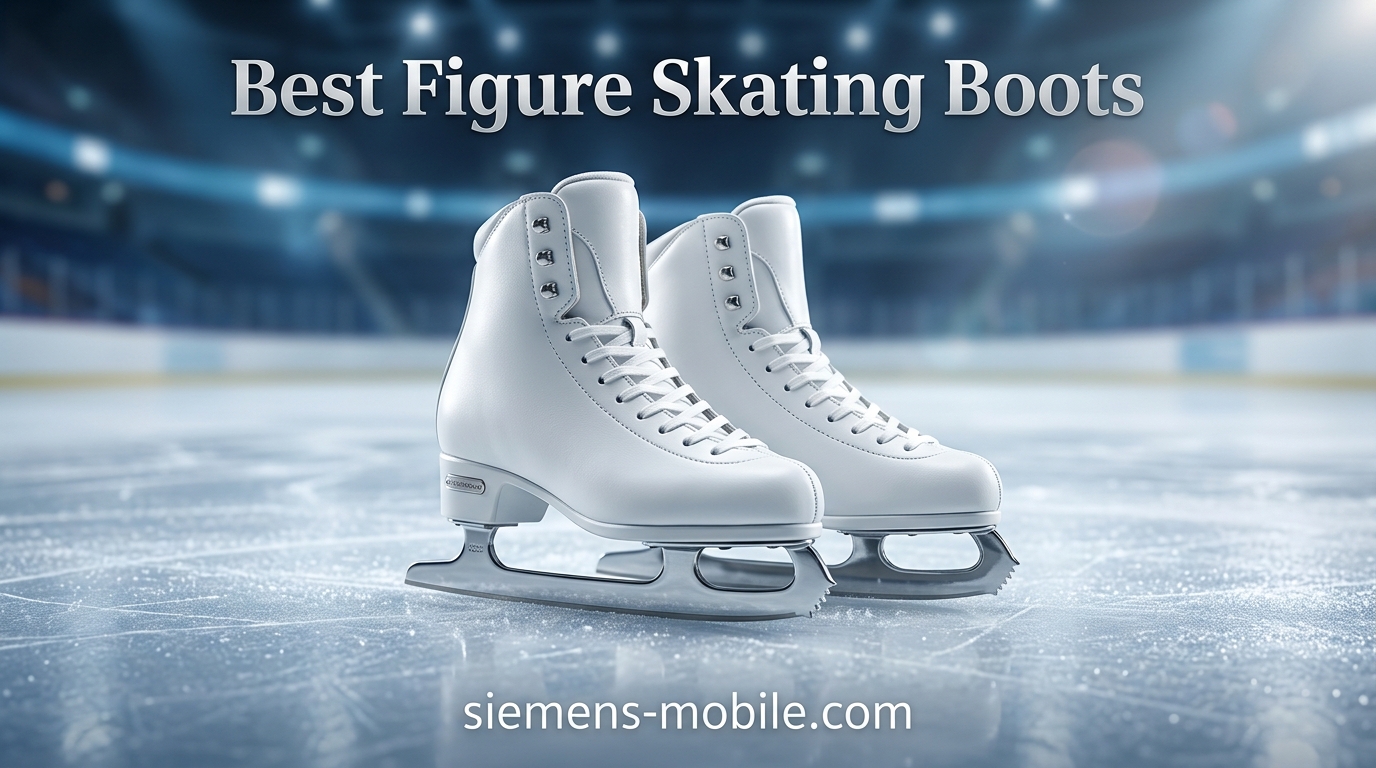
After 15 years of skating and countless hours testing equipment, I’ve skated in both the Edea Ice Fly and Risport RF3 Pro boots. These two premium options represent the best of Italian boot craftsmanship, each with distinct characteristics that suit different skaters. The Edea Ice Fly vs Risport RF3 comparison comes down to your skating style, foot shape, and performance goals.
Both boots target advanced to elite skaters working on double, triple, and even quad jumps. They’re not beginner boots, and choosing between them requires understanding their fundamental differences in stiffness, weight, fit, and construction philosophy. I’ve spent months comparing these boots side by side, analyzing everything from break-in time to long-term durability.
Quick verdict: The Edea Ice Fly offers lighter weight and superior ankle flexibility for skaters who prioritize jump technique and spin speed. The Risport RF3 Pro provides more traditional support with a leather upper and different flex pattern that some skaters prefer for stability during landings. Your choice depends on whether you value the lightweight, modern feel of Edea or the structured, supportive feel of Risport.
Table of Contents
Edea Ice Fly vs Risport RF3: Quick Comparison
| Product | Specifications | Action |
|---|---|---|
 Edea Ice Fly Edea Ice Fly |
|
Check Latest Price |
 Risport RF3 Pro Risport RF3 Pro |
|
Check Latest Price |
Edea Ice Fly Deep Dive
Edea Figure Skates Ice Fly (White, Size 260, Width D)
Stiffness 90
Double to Quad Jumps
20-25+ Hours/Week Training
Pros
- Lightest premium boot available
- Exceptional ankle flexibility
- Minimal break-in time
- Most comfortable in Edea line
Cons
- Less supportive for pronation
- Higher price point
- Different feel from traditional boots
Slipping into the Edea Ice Fly for the first time feels different from any traditional boot. The microfiber upper wraps around your foot like a high-end athletic shoe, not a stiff leather boot. Edea designed the Ice Fly as their most comfortable model, and it shows. The break-in time is remarkably short, many skaters report full comfort within 2-3 weeks compared to 6-8 weeks for traditional leather boots.
The Ice Fly features Edea’s Extra Tough Construction rating of 90, making it suitable for skaters training 20-25+ hours per week and working on double, triple, and quad jumps. Despite this high stiffness rating, the boot feels lighter and more flexible than competitors with similar support levels. The honeycomb footbed and anatomical tongue create a custom-like feel right out of the box.
What sets the Ice Fly apart is the ankle design. Edea uses a lower back cut with more flexible ankle pockets, allowing for deeper knee bend and better jump takeoff mechanics. I noticed improved jump height within the first month, particularly on axel and Lutz jumps where ankle flexion matters most. The carbon fiber sole provides excellent energy transfer without adding weight.
The microfiber material resists stretching and maintains its shape longer than leather. However, some skaters with pronation issues find the Edea’s flexible ankle design less supportive than traditional stiff backs. The Ice Fly works best for skaters with good ankle strength who don’t need maximum correctional support.
Spin speed noticeably improves in the Ice Fly. The reduced weight and balanced construction create less drag during rotations. Skaters working on triple jumps often report faster spin entries and more controlled exits. The boot’s design tips you slightly forward onto the ball of your foot, which aids jump takeoff but requires adjustment if you’re used to a more upright stance.
Who the Ice Fly Suits Best
The Edea Ice Fly fits skaters with narrow to medium-width feet best. The tapered toe box and snug heel lock create a performance-oriented fit similar to racing skates. Skaters who prioritize ankle flexibility, jump technique, and spin speed will appreciate the Ice Fly’s design philosophy. It’s particularly popular among freestyle skaters and those competing at the junior and senior levels.
The lightweight construction benefits skaters who train long hours. Less foot fatigue means better quality practice sessions, especially during 4+ hour training days. Many adult skaters switching to Edea report less ankle pain and better endurance compared to heavier leather boots.
Potential Ice Fly Drawbacks
Skaters needing maximum ankle support for pronation or stability issues may find the Ice Fly too flexible. The lower back and flexible ankle design, while great for jump mechanics, don’t provide the same correctional support as traditional stiff-back boots. The premium price point also places the Ice Fly at the top end of the market, though many skaters find the durability justifies the investment.
Risport RF3 Pro Deep Dive
L’Estel Skates – Risport – Risport RF3 Pro White – Ice Figure Skating, Wheels and Inline, white, 225/34
Stiffness 60
Leather Upper
Thermo-Moldable Interior
Pros
- Traditional leather construction
- Excellent ankle support
- More affordable than Edea
- Thermo-moldable custom fit
Cons
- Heavier than Ice Fly
- Longer break-in period
- Less ankle flexibility
The Risport RF3 Pro represents traditional Italian boot craftsmanship with a modern twist. The leather upper provides that familiar, supportive feel that many skaters grew up with, while the thermo-moldable interior adds custom-fit technology. Unlike the Edea’s ultra-light feel, the RF3 Pro has substantial weight that some skaters find reassuring during landings.
Risport rates the RF3 Pro at stiffness 60, placing it in the advanced category for skaters working on double jumps and beginning triple jumps. The super padded shaft collar creates immediate comfort around the ankle bone, a feature many skaters appreciate during the break-in period. The strategically placed inner gussets allow controlled flexing where needed while maintaining support elsewhere.
The leather upper requires a longer break-in period than Edea’s microfiber, typically 4-6 weeks of regular skating before full comfort. However, once broken in, the leather molds to your foot and provides consistent support throughout the boot’s lifespan. The anatomically padded microfiber interior wicks moisture better than traditional linings, keeping feet drier during long sessions.
What stands out about the RF3 Pro is the internal ventilation system with ring technology. Small perforations and channels allow air circulation, reducing moisture buildup and extending the life of the boot. This feature matters for skaters who train daily and need boots that withstand heavy use without deteriorating.
The RF3 Pro’s heel counter provides excellent stability, particularly for skaters who need correctional support. The traditional back height and stiffer ankle construction help prevent pronation and maintain proper alignment during jumps. Skaters transitioning from beginner boots often appreciate the RF3 Pro’s familiar, structured feel compared to the more flexible Edea design.
Who the RF3 Pro Suits Best
The Risport RF3 Pro works well for skaters with medium to wide feet. The toe box is less tapered than Edea’s, providing more room for forefoot spread. Skaters who need ankle support for pronation issues or prefer a more traditional boot feel often choose the RF3 Pro. It’s an excellent bridge boot for advanced skaters not quite ready for elite-level stiffness.
The RF3 Pro also appeals to skaters who value durability over minimal weight. The leather upper withstands abuse better than synthetic materials, making it a practical choice for skaters who train hard and want boots that last. The more affordable price point makes the RF3 Pro accessible to serious skaters on a budget.
Potential RF3 Pro Drawbacks
The additional weight compared to the Edea Ice Fly becomes noticeable during long training sessions. Some skaters report more foot fatigue, particularly when working on complex jump combinations. The longer break-in period can be frustrating for skaters accustomed to modern heat-moldable boots that feel comfortable immediately.
Head-to-Head Comparison
Stiffness and Support
The Edea Ice Fly’s stiffness 90 rating significantly exceeds the Risport RF3 Pro’s stiffness 60. However, stiffness ratings aren’t directly comparable between brands due to different measurement systems. In practice, the Ice Fly feels stiffer in the sole and lower boot but more flexible in the ankle area. The RF3 Pro provides more uniform stiffness throughout, with particular emphasis on ankle support and heel stability.
For skaters working on triple and quad jumps, the Ice Fly’s higher stiffness rating provides the needed support for high-impact landings. The RF3 Pro suits advanced skaters working on double jumps and transitioning to triples. Both boots offer excellent support within their target skill levels, but they achieve it through different design philosophies.
Weight and Flexibility
Edea wins the weight comparison hands down. The Ice Fly is noticeably lighter, which translates to less fatigue during long training sessions. The reduced weight also contributes to faster spin speed and more effortless jump rotations. However, the RF3 Pro’s additional weight provides stability that some skaters prefer, particularly during jump landings where momentum control matters.
Ankle flexibility differs significantly between the boots. The Ice Fly’s lower back cut and flexible ankle pockets allow deep knee bend and enhanced jump takeoff mechanics. The RF3 Pro’s traditional construction provides more restricted ankle movement, which some skaters find stabilizing while others feel limits their jump technique.
Fit and Sizing
Foot shape plays a crucial role in choosing between these boots. The Edea Ice Fly fits narrow to medium feet best, with a tapered toe box that hugs the foot for performance. The Risport RF3 Pro accommodates medium to wide feet better, with a less tapered toe box that provides more forefoot room. Skaters with wider ball and narrower heel often find the RF3 Pro’s shape more accommodating.
Sizing runs differently between brands. Edea uses European sizing that tends to run slightly small, while Risport’s sizing aligns more closely with traditional skate sizing. Always try both brands before purchasing, as fit can vary even within the same marked size. Professional fitting makes the difference between a boot that enhances performance and one that causes problems.
Durability and Longevity
Both boots offer excellent durability, but through different approaches. The Edea Ice Fly’s microfiber construction resists stretching and maintains its shape consistently over time. The RF3 Pro’s leather upper withstands abrasion and impact damage better than synthetic materials. Real-world experience suggests both boots last 12-18 months with heavy training, though individual usage patterns vary significantly.
The RF3 Pro’s internal ventilation system extends boot life by reducing moisture damage. The Ice Fly’s antibacterial lining and quick-drying materials also combat moisture-related deterioration. Both boots represent premium construction that justifies their investment through extended lifespan compared to lower-tier options.
Price and Value
The Edea Ice Fly commands a premium price, reflecting its position at the top of Edea’s lineup. The RF3 Pro offers more accessible pricing while still delivering professional-grade performance. Value depends on your specific needs, the Ice Fly’s lightweight construction and comfort may justify its higher cost for serious competitors, while the RF3 Pro provides excellent value for advanced skaters not requiring elite-level features.
Frequently Asked Questions
What level is Edea Ice Fly for?
The Edea Ice Fly is designed for advanced to elite skaters working on double, triple, and quad jumps. It suits skaters training 20-25+ hours per week who need maximum support for high-impact jumping while maintaining flexibility for spins and footwork.
What stiffness is an Edea Ice Fly?
The Edea Ice Fly has a stiffness rating of 90 on Edea’s scale, making it one of the stiffest boots available. This rating indicates support for triple and quad jumps with 20-25+ hours of weekly training.
What are Edea Ice Fly boots good for?
Edea Ice Fly boots excel at freestyle skating with emphasis on jump technique, spin speed, and footwork. The lightweight construction and ankle flexibility make them ideal for skaters working on triple jumps and advanced spins.
Are Risport skates for narrow feet?
Risport skates generally fit medium to wide feet better than narrow feet. The RF3 Pro has a less tapered toe box than Edea boots, providing more room for forefoot spread. Skaters with very narrow feet often find Edea a better fit.
Which boot is better for wide feet, Edea or Risport?
Risport boots typically accommodate wide feet better than Edea. The RF3 Pro’s toe box is less tapered and provides more forefoot room, while Edea boots tend to fit narrow to medium feet with a more tapered shape.
Final Verdict
Choose the Edea Ice Fly If:
You’re an advanced to elite skater working on triple and quad jumps who values lightweight construction and ankle flexibility. The Ice Fly suits skaters with narrow to medium feet who prioritize jump technique, spin speed, and minimal break-in time. If you train 20+ hours weekly and want the most comfortable boot in Edea’s lineup, the Ice Fly deserves your investment.
Choose the Risport RF3 Pro If:
You’re an advanced skater working on double jumps and transitioning to triples who needs traditional ankle support and stability. The RF3 Pro works best for skaters with medium to wide feet who appreciate the familiar feel of leather construction and don’t mind a longer break-in period. If you want professional-level performance at a more accessible price point, the RF3 Pro delivers excellent value.