
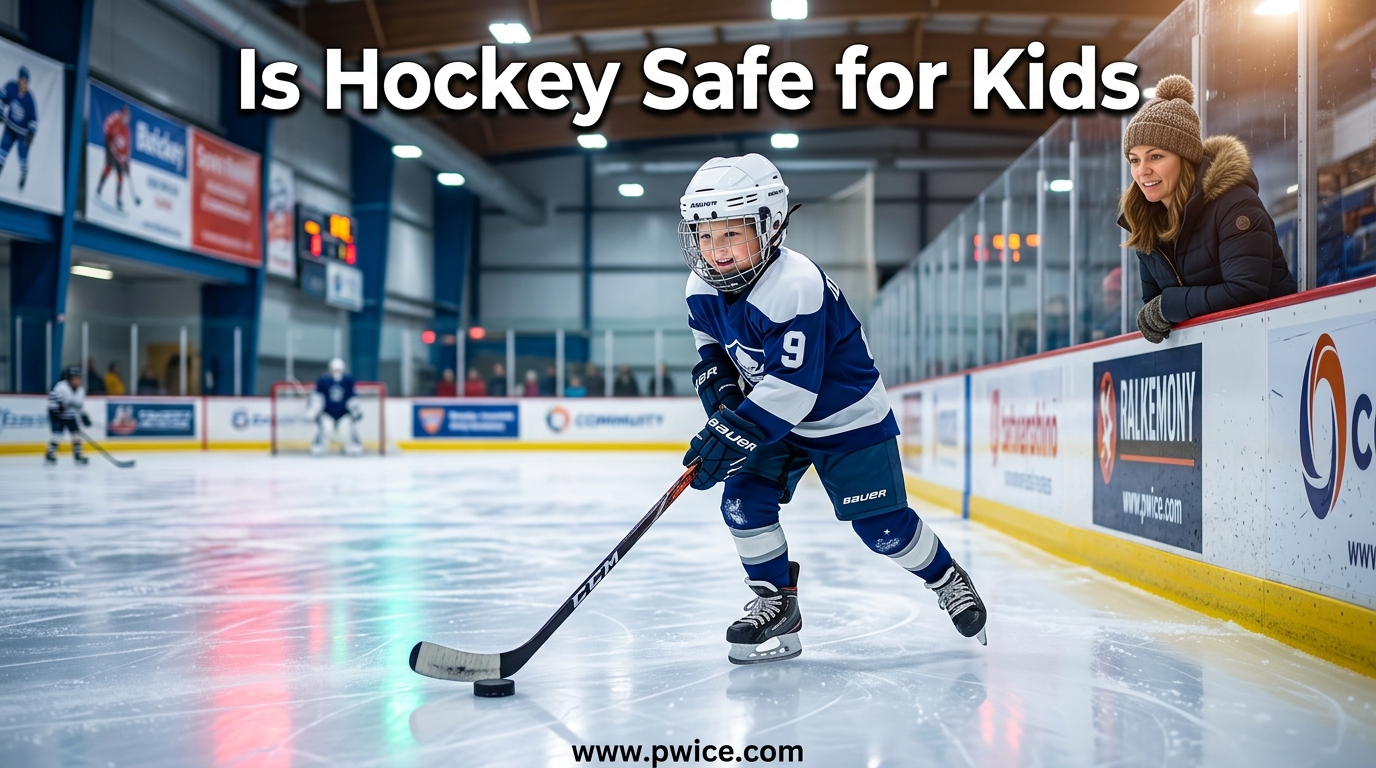
When my neighbor asked me last winter whether she should sign her 7-year-old up for hockey, I understood her hesitation. She had seen the highlight reels of NHL collisions and heard stories about concussions. The question “is hockey safe for kids” echoes in the minds of countless parents standing at the rink glass, watching their children strap on skates for the first time.
I spent weeks researching this topic, talking to hockey parents, coaches, and reviewing data from children’s hospitals across the country. The answer is more nuanced than a simple yes or no. Hockey can be remarkably safe for children when proper precautions are followed. It can also present real risks when programs cut corners on equipment, coaching, or safety protocols.
This guide gives you the complete picture of youth hockey safety in 2026. We will cover injury statistics, required safety gear, age guidelines, and the questions you need to ask before enrolling your child in any program.
Table of Contents
Is Hockey Safe for Kids? The Direct Answer
Yes, hockey is generally safe for kids when children wear certified protective equipment, receive proper coaching, and participate in age-appropriate leagues. Research from UPMC Children’s Hospital shows that with the right precautions, ice hockey carries comparable or lower injury rates than many other popular youth sports.
However, hockey is classified as a “collision sport” by the American Academy of Pediatrics. Over 20,000 ice hockey-related injuries are treated in U.S. emergency departments annually. Most injuries are preventable through proper equipment use and adherence to safety guidelines.
Key factors that make hockey safer for your child include:
- HECC-certified helmets with full face protection
- Qualified coaches following USA Hockey safety guidelines
- Participation in non-checking leagues until age 14 or older
- Strong foundational skating skills before competitive play
- Proper warm-up routines before practices and games
Youth Hockey Injury Statistics Every Parent Should Know
Understanding the actual risks helps you make an informed decision. According to the Center for Injury Research and Policy at Nationwide Children’s Hospital, more than 20,000 ice hockey-related injuries are seen in U.S. emergency departments each year.
The most common injuries in youth hockey include sprains and strains, followed by bruises, fractures, and lacerations. Concussions represent a significant but manageable concern, with rates varying dramatically based on whether body checking is permitted in the league.
Injury Rates by Age and League Type
Children playing in recreational leagues without body checking experience significantly fewer injuries than those in competitive travel hockey. Players aged 12 to 17 face the highest injury rates, largely due to the introduction of body checking at these ages.
Most injuries occur during games rather than practice sessions. This pattern suggests that controlled training environments with qualified coaches are relatively safe. The intensity and unpredictability of game situations create most injury risks.
Studies consistently show that children who complete comprehensive learn-to-skate programs before joining hockey leagues have 30% fewer injuries in their first two seasons. Skating confidence and fundamental skills provide a protective foundation.
Essential Safety Equipment for Youth Hockey
Proper equipment represents your first and most important line of defense against injuries. USA Hockey mandates specific protective gear for all youth participants, and understanding these requirements helps you protect your child while avoiding unnecessary expenses.
Helmet and Face Protection
Every child needs a HECC-certified helmet with a full face mask or shield. HECC stands for Hockey Equipment Certification Council, an independent body that tests and certifies protective gear. Never purchase a used helmet unless you can verify its certification and that it has not sustained any impacts.
The helmet must fit snugly without rocking front-to-back or side-to-side. A properly fitted helmet should not move when your child shakes their head. Replace helmets every 3-5 years or immediately after any significant impact.
Mouthguards and Neck Protection
Mouthguards protect against dental injuries and help reduce concussion risk by absorbing some impact force. Many leagues now require mouthguards for all players. Custom-fitted mouthguards from dentists offer superior protection to boil-and-bite versions, though both are better than no protection.
Neck guards prevent lacerations from skate blades and stick contact. While serious neck injuries are rare, the minimal cost and comfort trade-off make neck guards essential equipment. Look for guards with BNQ or CE certification markings.
Body Pads and Additional Gear
Shoulder pads, elbow pads, shin guards, and hockey pants (girdle) provide comprehensive protection against impacts, falls, and puck strikes. Ensure all pads fit properly; loose equipment shifts during play and leaves areas unprotected.
Gloves protect hands from sticks, pucks, and the ice. Goalies require additional specialized equipment including leg pads, chest protectors, and masks designed specifically for goaltending. Never let a child play goalie without proper goalie-specific gear.
Equipment Costs and Budget Planning
Outfitting a young hockey player typically costs between $300 and $800 for new equipment, though many programs offer gear rental or exchange options for beginners. Quality matters more than brand names; mid-range certified equipment protects as well as premium options.
Consider buying helmets new and purchasing other equipment used from reputable hockey exchange programs. As children grow rapidly, used equipment often represents smart economics without compromising safety when properly inspected.
What Age Should Kids Start Hockey?
Most learn-to-skate programs accept children as young as 3 or 4 years old, though organized hockey typically begins around age 5 or 6. Starting too early can frustrate children and increase injury risk; starting too late may limit skill development opportunities.
Age-Appropriate Progression
Ages 3-5: Focus on basic skating skills through learn-to-skate programs. No organized hockey games. Emphasis on balance, falling safely, and having fun on the ice.
Ages 6-8: Introduction to hockey through cross-ice or half-ice programs with minimal contact. USA Hockey’s American Development Model emphasizes small-area games that reduce injury risk while building skills.
Ages 9-13: Full-ice games begin, but body checking remains prohibited in most recreational leagues. This age group sees increased skill development and tactical understanding without the physical risks of checking.
Ages 14+: Body checking may be introduced in competitive leagues, though many recreational leagues maintain non-checking policies through high school. Parents must make informed decisions about appropriate league levels at these ages.
Understanding Body Checking Rules
Body checking represents one of the most contentious safety issues in youth hockey. USA Hockey delayed the introduction of body checking from age 12 to age 14 in 2026 based on research showing significantly higher concussion rates when checking began at younger ages.
When Checking Is and Is Not Allowed
Recreational and house leagues typically prohibit body checking entirely, regardless of age. Travel and competitive leagues may introduce checking at age 14, though some programs maintain non-checking policies through age 18.
Even in non-checking leagues, incidental contact occurs constantly. Teaching children to expect contact, protect themselves along the boards, and keep their heads up reduces injury risk in all league types.
Teaching Proper Checking Technique
When checking is introduced, proper technique training becomes essential. Safe checking uses shoulder-to-shoulder contact while both players face each other. Checking from behind, targeting the head, or boarding (driving opponents into the boards) should result in immediate penalties and coaching intervention.
Programs following USA Hockey guidelines teach angling and body contact skills before introducing full checking. This graduated approach helps players learn physical play safely.
Concussion Risks and Prevention Strategies
Concussions represent the injury that worries parents most, and with good reason. Traumatic brain injuries in youth sports have received increasing attention from medical professionals, coaches, and parents over the past decade.
Concussion Statistics in Youth Hockey
Research shows that concussion rates in non-checking youth hockey are comparable to soccer and significantly lower than football. However, when body checking is introduced, concussion rates increase substantially. Girls’ hockey, which prohibits checking, maintains very low concussion rates compared to boys’ checking leagues.
Most concussions in youth hockey result from falls, collisions with the boards, or accidental contact rather than intentional checking. Proper helmet fit and awareness of surroundings reduce concussion risk significantly.
Recognizing Concussion Symptoms
Parents must recognize concussion warning signs: headache, dizziness, confusion, memory problems, balance issues, and sensitivity to light or noise. Some symptoms appear immediately; others develop hours after the injury.
When in doubt, remove your child from play and seek medical evaluation. No hockey game or practice is worth risking long-term brain health. Follow return-to-play protocols that gradually reintroduce physical activity only after medical clearance.
How to Choose a Safe Hockey Program
Not all youth hockey programs prioritize safety equally. Forum discussions reveal that toxic coaching environments, pressure to play through injuries, and aggressive parent cultures create risks beyond the physical hazards of the sport itself.
Red Flags to Avoid
Watch for coaches who emphasize winning over development, encourage playing through pain, or use fear-based motivation techniques. Programs that lack certified coaches, fail to enforce equipment requirements, or minimize injury concerns should raise immediate concerns.
Pay attention to parent behavior in the stands. Programs that tolerate abusive yelling, aggressive confrontation, or hyper-competitive environments often reflect similar attitudes in coaching staff.
Questions to Ask Program Directors
Before enrolling your child, ask these essential questions:
- Are all coaches USA Hockey certified and background-checked?
- What is the policy on body checking at this age level?
- How does the program handle suspected concussions?
- What is the coach-to-player ratio during practices?
- Does the program follow the USA Hockey American Development Model?
- What safety equipment is mandatory, and how is compliance enforced?
Quality programs welcome these questions and provide detailed answers. Defensive or dismissive responses indicate you should look elsewhere.
Parent Safety Tips: Before, During, and After the Season
Your role as a parent significantly impacts your child’s safety in hockey. Beyond providing proper equipment, your attitudes, communication, and advocacy create the environment in which your child participates.
Pre-Season Preparation
Schedule a pre-season physical examination to identify any conditions that might increase injury risk. Ensure all equipment fits properly before the first practice; growing children may need new gear between seasons.
Discuss injury reporting with your child before the season begins. Children often hide pain or injuries to avoid disappointing parents or coaches. Create an explicit agreement that you want to know about any injury immediately, regardless of how minor it seems.
During the Season
Attend practices periodically to observe coaching styles and safety practices. Watch how coaches handle contact drills, whether they enforce equipment rules, and how they respond to injuries.
Encourage your child to report any symptoms immediately, even if they occur days after a game. Concussion symptoms often develop gradually. Never pressure your child to play through pain or discomfort.
Advocating for Safety
Do not hesitate to speak with coaches about safety concerns. Start with direct, private conversations before escalating to program administrators if concerns persist. Document specific incidents and policy violations if you need to escalate concerns.
Connect with other hockey parents to share observations and concerns. Collective parent voices carry more weight than individual complaints when programs need to change unsafe practices.
Hockey Safety Compared to Other Youth Sports
Parents often ask whether hockey is more dangerous than football, soccer, or basketball. The answer depends on which version of hockey and which comparison sport you examine.
Injury Rate Comparisons
Non-checking youth hockey maintains injury rates comparable to or lower than soccer and basketball. When body checking enters the equation, injury rates approach those of football. Girls’ hockey, which prohibits checking entirely, remains one of the safest organized sports for children.
Football maintains the highest concussion rates among youth sports, followed by wrestling and boys’ ice hockey with checking. Soccer, basketball, and baseball show lower overall injury rates but still present meaningful concussion and injury risks.
Context for Decision Making
No organized sport is completely injury-free. The question is not whether hockey is absolutely safe, but whether it offers an acceptable risk level given your child’s interests, your family values, and the quality of available programs.
Many hockey parents report that the discipline, teamwork, and physical fitness benefits outweigh the injury risks, particularly when children participate in well-run programs with proper safety protocols.
Frequently Asked Questions About Hockey Safety
Is hockey safe for 5 year olds?
Yes, hockey is generally safe for 5-year-olds when they participate in age-appropriate learn-to-play programs that focus on skating fundamentals rather than competitive games. At this age, programs use cross-ice formats, eliminate body contact entirely, and emphasize fun and basic skills over competition.
What is the most common injury in youth hockey?
Sprains and strains are the most common injuries in youth hockey, particularly affecting the lower body from skating mechanics. Bruises from pucks, sticks, and falls are also frequent. Concussions occur less commonly but represent a more serious concern that requires immediate attention.
Is hockey more dangerous than football?
Non-checking youth hockey is generally safer than football. However, hockey with body checking carries comparable concussion risks to football. The key difference is that checking is optional in hockey; many leagues prohibit it entirely, while football involves unavoidable contact on every play.
How can I tell if a hockey coach is safe?
Safe coaches hold current USA Hockey certifications, enforce equipment rules consistently, prioritize skill development over winning, and respond appropriately to injuries. Red flags include pressuring children to play through pain, encouraging dangerous play, or dismissing safety concerns from parents.
What safety gear is mandatory for youth hockey?
USA Hockey mandates HECC-certified helmets with face protection, mouthguards, neck guards, shoulder pads, elbow pads, gloves, hockey pants, shin guards, and skates. Goalies require additional specialized equipment. Specific requirements vary slightly by age group and league.
When were NHL players forced to wear helmets?
NHL players were first required to wear helmets in the 1979-80 season for new players entering the league. Veterans who had signed professional contracts before that date could choose whether to wear helmets. Full face protection was never mandated for NHL players, though many wear visors voluntarily.
Final Thoughts: Making the Right Decision for Your Family
So, is hockey safe for kids? With proper equipment, qualified coaching, and age-appropriate league selection, hockey ranks among the safer youth sports available. The combination of physical fitness, teamwork skills, and character development that hockey provides comes with manageable risks when parents do their homework.
The key is approaching hockey with eyes wide open. Invest in quality safety equipment, research programs thoroughly, and remain engaged throughout your child’s participation. Be prepared to advocate for your child’s safety and walk away from programs that prioritize winning over welfare.
Hockey has given millions of children confidence, fitness, and lifelong friendships. With the information in this guide, you can make an informed decision about whether hockey is right for your child. The answer will be different for every family, but safety concerns should not automatically exclude hockey from consideration.