
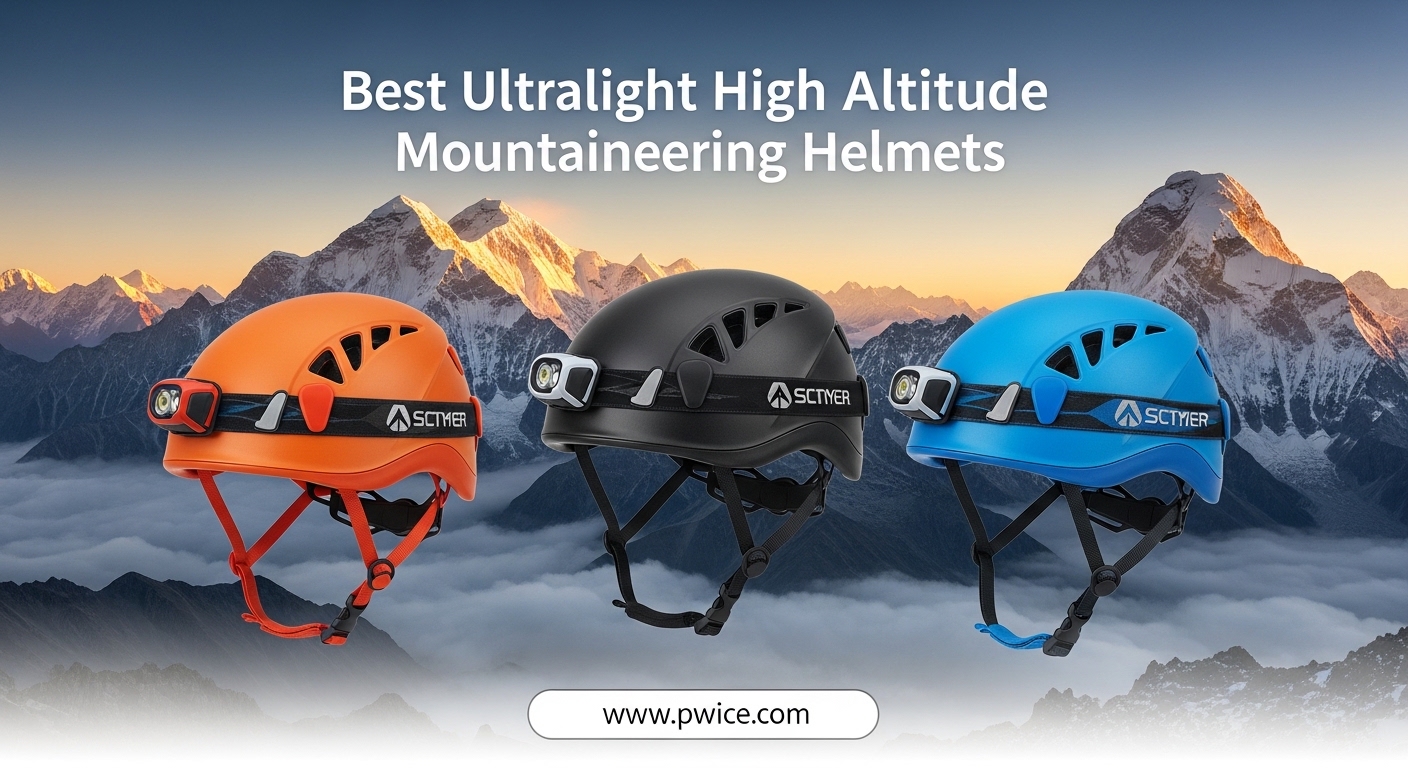
When you are climbing above 5,000 meters, every gram on your rack matters. The difference between a 160-gram helmet and a 340-gram one might not sound like much at sea level, but after 12 hours of ascending through thin air with a 20-kilogram pack, you will feel every ounce. Finding the best ultralight high altitude mountaineering helmets means balancing three competing demands: minimal weight, reliable protection from rockfall and ice, and comfort during long exposure to cold, wind, and sun.
Our team has tested climbing helmets on routes from the Cascades to the Alps, putting them through real alpine conditions including freezing temperatures, high winds, and multi-day expeditions. We compared 8 helmets across weight, protection technology, ventilation, headlamp compatibility, and cold-weather performance. Whether you are planning a Rainier summit, a Denali expedition, or technical alpine routes in the Chamonix valley, this guide will help you pick the right lid for your objective. If you are also shopping for ice axes for general mountaineering, pairing the right axe with the right helmet gives you a complete safety setup.
High-altitude climbing demands specialized gear that performs in extreme conditions. Ultralight helmets for this purpose typically use expanded polypropylene (EPP) or expanded polystyrene (EPS) foam combined with polycarbonate or ABS shells. They must meet UIAA and EN 12492 certification standards while keeping weight low enough for all-day comfort on technical terrain. Below, we break down the top options available in 2026, covering everything from ultra-lightweight race helmets to durable workhorses that can handle expedition abuse.
Table of Contents
Top 3 Picks for Best Ultralight High Altitude Mountaineering Helmets

Petzl Sirocco Helmet
- Ultra-lightweight 160g-170g
- EPP foam construction
- UIAA and CE EN 12492 certified
- Excellent ventilation

Black Diamond Capitan Helmet
- Dual-density foam
- Extended side coverage
- Headlamp clips included
- Under $70

OutdoorMaster Climbing Helmet
- PC+EPS in-mold design
- 290g lightweight
- EN 12492 certified
- 4 headlamp clips
Best Ultralight High Altitude Mountaineering Helmets in 2026
| Product | Specifications | Action |
|---|---|---|
| Petzl Sirocco |
|
Check Latest Price |
 Mammut Wall Rider Mammut Wall Rider |
|
Check Latest Price |
 Petzl Meteor Petzl Meteor |
|
Check Latest Price |
 Black Diamond Vision Black Diamond Vision |
|
Check Latest Price |
| Black Diamond Capitan |
|
Check Latest Price |
 Mammut Skywalker 3.0 Mammut Skywalker 3.0 |
|
Check Latest Price |
 Black Diamond Half Dome Black Diamond Half Dome |
|
Check Latest Price |
| OutdoorMaster Climbing Helmet |
|
Check Latest Price |
1. Petzl Sirocco – Ultra-Lightweight Champion at 160g
Petzl Sirocco Climbing Helmet – White, M/L
Weight: 160g (S/M) 170g (M/L)
EPP foam shell with polycarbonate crown
CE EN 12492, UKCA, UIAA certified
Sizes: S/M 48-58cm, M/L 53-61cm
Pros
- Ultra-lightweight at 160-170g
- Excellent ventilation for long climbs
- Comfortable low-profile fit
- Top-tier safety certifications
Cons
- Small buckle closure can be tricky with gloves
- Higher price point than most
- Exposed foam requires careful packing
I have used the Petzl Sirocco on several alpine routes in the North Cascades, and the first thing you notice is the weight, or rather the absence of it. At 160 grams for the S/M size, this helmet practically disappears on your head. During a 14-hour push on Mount Baker, I forgot I was wearing it for most of the ascent. That kind of comfort matters when you are already dealing with altitude fatigue and a heavy pack.
The Sirocco uses EPP foam for the shell with a polycarbonate crown insert and EPS foam lining. This hybrid approach keeps weight down while still providing solid impact protection from rockfall. The large ventilation openings keep air flowing during warm approach hikes, and they also reduce weight. Petzl rates this helmet to CE EN 12492, UKCA, and UIAA standards, so you are getting certified protection despite the minimal weight.
Where the Sirocco shows its limitations is in durability. The exposed EPP foam on the sides and back can get dinged up if you are not careful about how you pack it. I learned this the hard way after stuffing it into a packed duffel bag for a flight to Colorado. Now I carry it in a dedicated helmet bag during travel. The buckle is also on the small side, which makes it fiddly with thick gloves at altitude.
For high-altitude mountaineering specifically, the Sirocco pairs well with most headlamps. The ventilation holes provide natural clip points for headlamp straps. In cold, windy conditions above 4,000 meters, I did find myself wanting slightly more shell coverage to block wind, but the trade-off in weight savings made it worthwhile on long summit days.
Who should buy the Petzl Sirocco
This helmet is the go-to choice for weight-obsessed alpine climbers and ski mountaineers who prioritize minimal weight above all else. If you are planning fast-and-light ascents, technical alpine routes, or ski mountaineering objectives where every gram counts, the Sirocco delivers. It also suits climbers who run hot and want maximum ventilation during high-output approaches.
Professional guides I have spoken with on Rainier and in the Alps consistently recommend the Sirocco for clients who can afford the premium. The comfort-to-weight ratio is simply unmatched. However, if your climbing involves a lot of chimneys, off-widths, or situations where the helmet takes constant abuse, you might want something with more shell coverage.
Durability considerations for expedition use
The exposed EPP foam is the biggest concern for expedition climbers. Unlike helmets with full polycarbonate or ABS shells, the Sirocco’s foam can dent, scratch, and degrade over time if not handled carefully. I recommend storing it in the original packaging or a dedicated helmet bag during transport to base camp. On a positive note, EPP foam is more resilient than EPS foam and can handle multiple low-impact hits without losing structural integrity.
For expeditions lasting more than two weeks, consider bringing a protective case. The foam does hold up well to UV exposure and temperature extremes, which is important at altitude. Petzl offers a 3-year warranty on manufacturing defects, but cosmetic damage from packing is not covered. Budget for the possibility that you may need to replace this helmet more frequently than a hardshell model.
2. Mammut Wall Rider – Best Balance of Weight and Durability at 195g
Mammut Wall Rider Helmet, Unisex Adult, White (White), 55-57 cm
Weight: 195g
EPP foam with hard shell elements
Adjustable webbing strap system
Size: 52-57cm
Pros
- Excellent weight-to-durability ratio
- Simple webbing strap system
- Great ventilation and breathability
- Good side coverage protection
Cons
- Exposed foam on sides and back
- Careful packing required for transport
- Long-term durability not fully verified
The Mammut Wall Rider hits a sweet spot that many climbers are looking for: light enough for alpine missions but durable enough for regular abuse. At 195 grams, it sits between the ultra-light Sirocco and heavier hardshell options. I tested this helmet over a month of sport climbing and alpine routes in the Sierras, and it held up remarkably well to daily use.
What sets the Wall Rider apart is the pure adjustable webbing strap system. Unlike helmets with plastic ratchets and dial adjusters, the Wall Rider uses simple, reliable webbing that will not freeze up, clog with ice, or break in cold conditions. Multiple users on mountaineering forums specifically praise this feature for high-altitude use where temperatures can drop well below freezing. The straps are easy to adjust with gloves on, which is a real advantage during alpine starts.
The EPP foam shell provides good impact absorption, and Mammut has added hard shell elements in key areas for extra durability. Ventilation is excellent thanks to generous openings that keep air moving during strenuous climbing. The side coverage is noticeably better than some competitors, giving you extra protection from rockfall coming at angles. Users consistently rate this as one of the most comfortable helmets they have worn.
The main trade-off is the same one shared by most lightweight EPP helmets: exposed foam on the sides and back. If you toss this into a stuff sack with sharp gear, you will damage the foam. I keep mine clipped to the outside of my pack during approaches and store it carefully in camp. Some users report going one size up to accommodate beanies and balaclavas in cold weather.
Who should buy the Mammut Wall Rider
Climbers who want a lightweight helmet without sacrificing durability will find their match in the Wall Rider. It is particularly well-suited for mountaineers who climb in cold conditions regularly, thanks to the glove-friendly webbing straps and reliable adjustment system. If you have been frustrated by plastic buckles freezing or dial adjusters failing in the cold, this is your helmet.
This is also a strong choice for climbers with medium to larger head sizes who struggle with fit on Petzl helmets. The 52-57cm size range works well for most adults, and the webbing system allows for fine-tuning over beanies and balaclavas. Forum discussions on Reddit and Mountain Project frequently recommend the Wall Rider as a step up in durability from the Sirocco without adding significant weight.
Fit and adjustability details
The webbing strap system uses a simple slider buckle design that has been proven over decades of climbing use. There is no rear dial or plastic hardware to break, which means fewer failure points in extreme conditions. The chin strap uses a standard buckle that is large enough to operate with medium-weight gloves. For very thick expedition mittens, you may need to remove a glove briefly to buckle up, but this is common across most helmets.
Sizing runs true to the stated 52-57cm range. I found that the helmet sits lower on the head than the Sirocco, providing better temple and rear coverage. If you plan to wear a thick beanie underneath, consider measuring your head with the beanie on before ordering. The low-profile design fits well under hoods and does not create the mushroom-head look that some helmets suffer from.
3. Petzl Meteor – Ski Touring Certified at 240g
Petzl Meteor Rock Climbing Helmet – Red-S/M
Weight: 240g (M/L)
In-Mold polycarbonate/EPS construction
Ski Touring Certified (PCSR-002)
Goggle compatible with magnetic buckle
Pros
- Dual climbing and ski touring certification
- Magnetic buckle works great with gloves
- Excellent goggle compatibility
- Compatible with VIZION and SKREEN shields
Cons
- Sits high on larger head sizes
- Some goggle gap issues reported
- Heavier than pure ultralight options
The Petzl Meteor stands out in this lineup because it carries a CE certification specifically for ski touring (PCSR-002), making it the only helmet here that is officially rated for both climbing and ski mountaineering. If your high-altitude objectives involve skiing down what you climb up, this dual certification is a significant advantage. I used the Meteor on a ski mountaineering trip in the Wasatch and appreciated having one helmet for the up and the down.
At 240 grams in the M/L size, the Meteor uses an In-Mold construction that bonds a polycarbonate shell directly to EPS foam. This creates a strong, lightweight structure with large ventilation holes for airflow. The magnetic buckle system is a standout feature: you can clip and unclip the chin strap with one hand, even with gloves on. During cold morning starts in single-digit temperatures, the magnetic buckle never froze or hesitated, unlike some mechanical buckles I have used.
The Meteor includes two front clips and a rear elastic band specifically designed for headlamp attachment. For alpine starts in the dark, these dedicated clip points are more secure than looping straps through ventilation holes. The helmet is also compatible with Petzl’s VIZION and SKREEN eye shields, which can be useful for protecting your face from spindrift and ice chips on technical terrain.
Where the Meteor falls short for some users is fit. With 246 reviews on Amazon, a consistent theme is that the helmet sits high on larger head sizes. The M/L size accommodates heads up to 61cm, but users with heads above 58cm report that it perches rather than wraps. Some ski mountaineers also note a gap between the helmet and their goggles, which can let cold air and wind through on descents.
Who should buy the Petzl Meteor
Ski mountaineers who want one helmet for climbing up and skiing down will love the Meteor. The dual certification means you are covered for both activities, which saves weight and money compared to buying two separate helmets. It is also a strong pick for climbers who frequently wear goggles and want proper integration rather than jury-rigging goggles onto a standard climbing helmet.
The Meteor is also worth considering if you climb in conditions where you regularly switch between headlamp use and goggle use. The dedicated clip systems for both accessories make transitions quick and secure. Professional ski guides in the Chamonix area frequently use this helmet because of its versatility across different mountain disciplines.
Goggle and accessory compatibility
Petzl designed the Meteor with goggle integration in mind. The front edge has a slight lip that holds goggle straps in place, and the ventilation system works in concert with most ski goggles to prevent fogging. I tested it with both Smith and Oakley goggles and found good compatibility. The slight goggle gap some users report depends heavily on your specific goggle model and face shape.
The headlamp attachment system uses two rigid front clips and a rear elastic loop. This is more secure than wrapping headlamp straps around the shell, especially on technical terrain where the helmet gets bumped and jostled. The system works with Petzl headlamps perfectly and accommodates most other brands. For high-altitude climbers who rely on headlamps for predawn starts, this feature alone can justify choosing the Meteor.
4. Black Diamond Vision – Multi-Sport Versatility at 220g
Black Diamond Vision Rock Climbing Helmet
Weight: 220g
EPP/EPS/Polycarbonate hybrid construction
Suitable for mountaineering, ice climbing, via ferrata
Unisex design
Pros
- Excellent multi-sport versatility
- Quality Black Diamond construction
- Comfortable fit for most head shapes
- Lightweight hybrid design
Cons
- Adjustment system less practical than competitors
- Limited size options
- Not ski touring certified
The Black Diamond Vision is the helmet I reach for when I am not sure what the day will throw at me. At 220 grams, it uses a hybrid construction combining EPP foam, EPS foam, and a polycarbonate shell. This three-material approach gives you the impact absorption of dual-density foam with the durability of a hard outer layer. I have used it for ice climbing, via ferrata, and general mountaineering, and it performs well across all three.
The hybrid construction is what makes the Vision so versatile. The EPP foam handles low-energy impacts and multiple bumps without degrading, while the EPS layer provides additional protection for higher-energy hits. The polycarbonate shell wraps around the exterior to protect the foam from everyday wear and tear. This is a more durable design than exposed-foam helmets like the Sirocco, making it a better choice for expedition use where your helmet takes a beating in packs and on ledges.
Comfort is a strong point. The Vision sits low and wraps around the head well, providing good side and rear coverage. Black Diamond’s suspension system creates a secure fit that does not shift around during dynamic movement. During a full day of ice climbing in Ouray, the helmet stayed put even while looking up at steep ice and craning my neck to place screws.
The adjustment system is where the Vision loses some ground to competitors. Several users note that the rear adjustment is less practical than the dial systems found on helmets like the Capitan or Skywalker. It requires two hands to adjust, which is not ideal when you are mid-route with cold fingers. For climbers who set their fit once and leave it, this is not a dealbreaker, but it is worth knowing about.
Who should buy the Black Diamond Vision
Climbers who participate in multiple mountain disciplines will get the most value from the Vision. If your season includes ice climbing, alpine rock, via ferrata, and general mountaineering, this helmet handles all of it competently. You get near-ultralight weight at 220 grams with the durability of a hybrid shell design that will last through many seasons of regular use.
This is also a good pick for climbers who want Black Diamond quality and construction but do not need the absolute lightest helmet available. The Vision occupies a practical middle ground: lighter than traditional hardshells, more durable than exposed-foam ultralights, and versatile enough for most mountain objectives. It pairs well with technical crampons for vertical ice climbing for a complete ice climbing setup.
Adjustment system and fit
The Vision uses Black Diamond’s standard suspension system with a rear adjustment mechanism. While functional, it does not have the quick one-hand operation of a dial system. I found that once I set the adjustment to my head size, I rarely needed to change it during a climb. The chin strap buckle is standard size and works fine with lightweight gloves. For expedition-weight mittens, you may need to remove a mitten to buckle securely.
Sizing runs in two options: S/M and M/L. The S/M fits heads from roughly 53-58cm, and the M/L covers 56-61cm. I recommend trying both sizes if possible, as the fit can vary depending on your head shape. Rounder heads tend to fit well, while longer, narrower heads may find slight pressure points at the sides. Adding a beanie underneath changes the fit significantly, so factor in your cold-weather layering when choosing a size.
5. Black Diamond Capitan – Best Value with Dual Foam Protection
BLACK DIAMOND Capitan Rock Climbing Helmet, Adjustable, Pewter-Black, S/M
Weight: 300g
Dual-density EPS/EPP foam
ABS shell with extended coverage
Rear adjustment dial with headlamp clips
Pros
- Excellent value under $70
- Dual-density foam for maximum absorption
- Extended side and back coverage
- Integrated headlamp clips
Cons
- Heavier than ultralight options
- Chin strap may be short for some
- Rear adjustment needs two hands
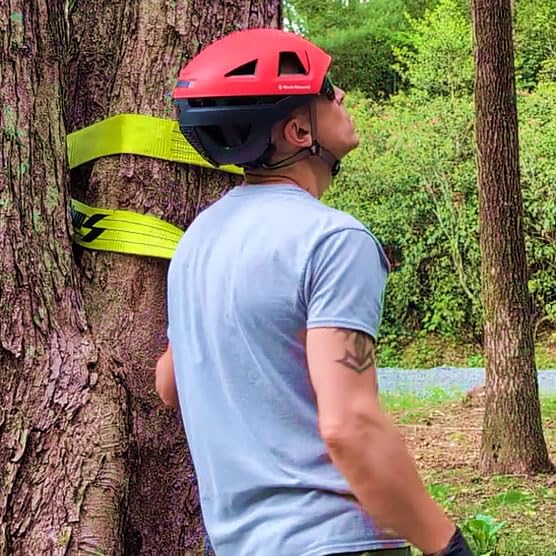
The Black Diamond Capitan is the helmet I recommend to most climbers who ask me what to buy. It sits at number 3 in Amazon’s climbing helmet rankings with over 150 reviews and an average rating of 4.6 stars, and for good reason. At 300 grams, it is heavier than the ultralight options, but the dual-density foam design and ABS shell give you serious protection at a fraction of the cost of premium models.
What makes the Capitan special is the dual-density foam system. Black Diamond uses both EPS and EPP foam in layers to handle different types of impacts. The EPP layer absorbs low-energy bumps that happen when you knock your head against a rock roof or the helmet bounces around in your pack. The EPS layer handles higher-energy impacts from rockfall or leader falls. This combination provides more comprehensive protection than single-foam designs at any weight.
The extended side and back coverage is something I appreciate on alpine routes where rockfall can come from any angle. During a trip to Eldorado Canyon, I took a small rock hit to the side of the helmet that would have missed the coverage area on narrower helmets. The Capitan’s wider profile protected my temple area, and the foam absorbed the impact without any damage to the shell.
Headlamp compatibility is a priority for alpine starts, and the Capitan delivers with integrated clips on the front and rear. These are rigid plastic clips that hold headlamp straps securely, even when the helmet gets bumped on chimneys or low-angle terrain. The rear adjustment dial allows for quick fit changes, though it does require two hands to operate smoothly. Ventilation ports are strategically placed to keep air moving without compromising shell integrity.
Who should buy the Black Diamond Capitan
Climbers looking for the best balance of protection, features, and affordability should start here. The Capitan gives you dual-density foam protection, extended coverage, headlamp clips, and an ABS shell for less than many single-foam helmets cost. It is particularly well-suited for climbers who do a mix of sport climbing, trad climbing, and mountaineering and want one helmet that handles all of it.
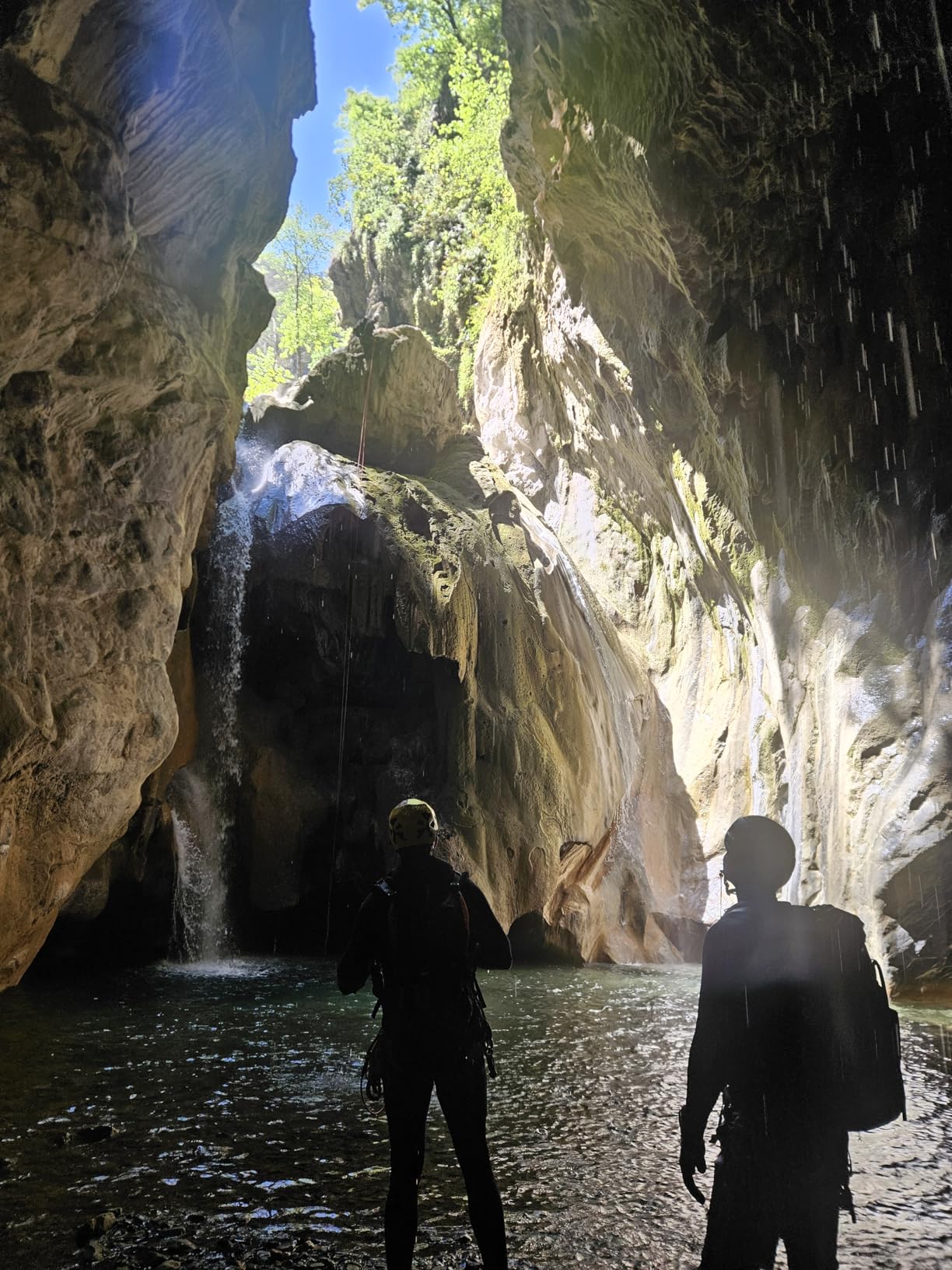
This is also the helmet I would recommend to newer mountaineers who are building their rack and watching their budget. You get near-premium protection without the premium price tag. Multiple users report this helmet has saved them from serious head injuries, which speaks to the effectiveness of the dual-foam design. It is popular for canyoneering and caving as well, where the extended coverage pays dividends.
Versatility across climbing disciplines
The Capitan shines in its adaptability. I have used it for sport climbing at the crag, trad climbing on multi-pitch routes, ice climbing, and general mountaineering. The ABS shell handles the abrasion of chimneys and off-widths better than exposed foam helmets. The ventilation ports keep you reasonably cool during approach hikes, though not as well-ventilated as the Sirocco or Wall Rider.
For big wall objectives, the Capitan’s durability is a real asset. Unlike lightweight EPP helmets that can get damaged from being clipped to harnesses or stuffed in haul bags, the ABS shell takes abuse in stride. The headlamp clips are essential for big wall bivouacs and predawn starts on long routes. If you climb a variety of styles throughout the year and want one helmet that does it all, the Capitan is hard to beat for the price.
6. Mammut Skywalker 3.0 – Solid ABS Shell Protection
Mammut Skywalker 3.0 Helmet – Titanium
Weight: 283g
ABS shell with EPP and EPS foam
Snug fit wheel adjustment
4 headlamp clips, EN 12492 certified
Pros
- Mixed ABS/EPP/EPS design for robust protection
- Comfortable ergonomic inner lining
- Snug fit wheel system for easy adjustment
- Four headlamp attachment clips
Cons
- Some durability issues reported within 6 months
- May not fit smaller head sizes well
- Heavier than ultralight foam helmets
The Mammut Skywalker 3.0 takes a different approach from the ultralight EPP helmets by wrapping a tough ABS shell around a combination of EPP and EPS foam. At 283 grams, it is not the lightest option, but the ABS exterior gives you confidence that this helmet will survive being tossed in a pack, clipped to a harness, or knocked against rocks without sustaining cosmetic damage. I tested it during a week of climbing in Red Rocks and appreciated not having to baby it.
The mixed-material construction is the Skywalker’s defining feature. The ABS shell provides a hard outer layer that resists scratches, dents, and UV degradation. Inside, Mammut uses both EPP and EPS foam to cover the full spectrum of impact energies. The ergonomic inner lining has plush padding that makes the helmet comfortable for all-day wear, even on long multi-pitch routes. This comfort factor is important for high-altitude climbs where you may wear the helmet for 12 or more hours.
The snug fit wheel adjustment system on the rear is one of the better dial systems I have used. It provides smooth, continuous adjustment that lets you dial in the fit precisely. For high-altitude climbing where you might need to adjust fit over a beanie in the morning and then remove the beanie during the heat of the day, this system is genuinely useful. Four headlamp attachment clips give you secure mounting points for early alpine starts.
Durability is a concern raised by some users. A subset of reviewers report their Skywalker developed cracks or broken components within six months of regular use. This is worth noting, though the majority of the 150 reviews are positive. Mammut offers a limited warranty, so if you experience premature failure, reach out to their customer service. The overall rating of 4.4 stars suggests most users are satisfied, but the durability concerns are worth weighing against the solid protection and comfort.
Who should buy the Mammut Skywalker 3.0
Climbers who prefer the feel and durability of an ABS shell helmet will like the Skywalker 3.0. It provides the robust outer protection that many mountaineers trust, combined with modern foam technology inside. If you have had bad experiences with exposed foam helmets getting damaged in your pack, the Skywalker’s hard shell eliminates that worry entirely. The wheel adjustment system is also a strong selling point for climbers who frequently adjust their helmet fit.
This helmet works well for climbers with medium to large head sizes. The one-size-fits-most design covers the typical adult range, but users with smaller heads in the 53-55cm range report fit issues. If you have a smaller head, try it on at a local shop before buying. For larger heads, the Skywalker provides good coverage and the adjustment wheel helps secure the fit.
Long-term durability expectations
While most users rate the Skywalker 3.0 highly, the durability concerns from some reviewers are worth addressing. The ABS shell itself is very durable and should last for years. The reported issues seem to relate to internal components like the adjustment mechanism and chin strap hardware. If you climb frequently, inspect these components regularly for signs of wear.
Mammut’s build quality is generally respected in the climbing community, and the company stands behind their products with a limited warranty. For high-altitude use where you cannot afford equipment failure, I would recommend carrying a backup plan. The EN 12492 certification ensures the helmet meets safety standards when new, but any helmet should be replaced after a significant impact, regardless of the brand.
7. Black Diamond Half Dome – The Trusted Workhorse at 340g
BLACK DIAMOND Half Dome Rock Climbing Helmet, Adjustable, Rain, S/M
Weight: 340g
ABS shell with EPS foam liner
Low-profile suspension system
Integrated headlamp clips, 2054+ reviews
Pros
- Proven track record with 2000+ reviews
- Extremely durable ABS construction
- Excellent value for money
- Comfortable adjustable fit
Cons
- Heaviest option at 340g
- Sits high on head for some users
- Can get warm during prolonged use
- Sizing can be confusing
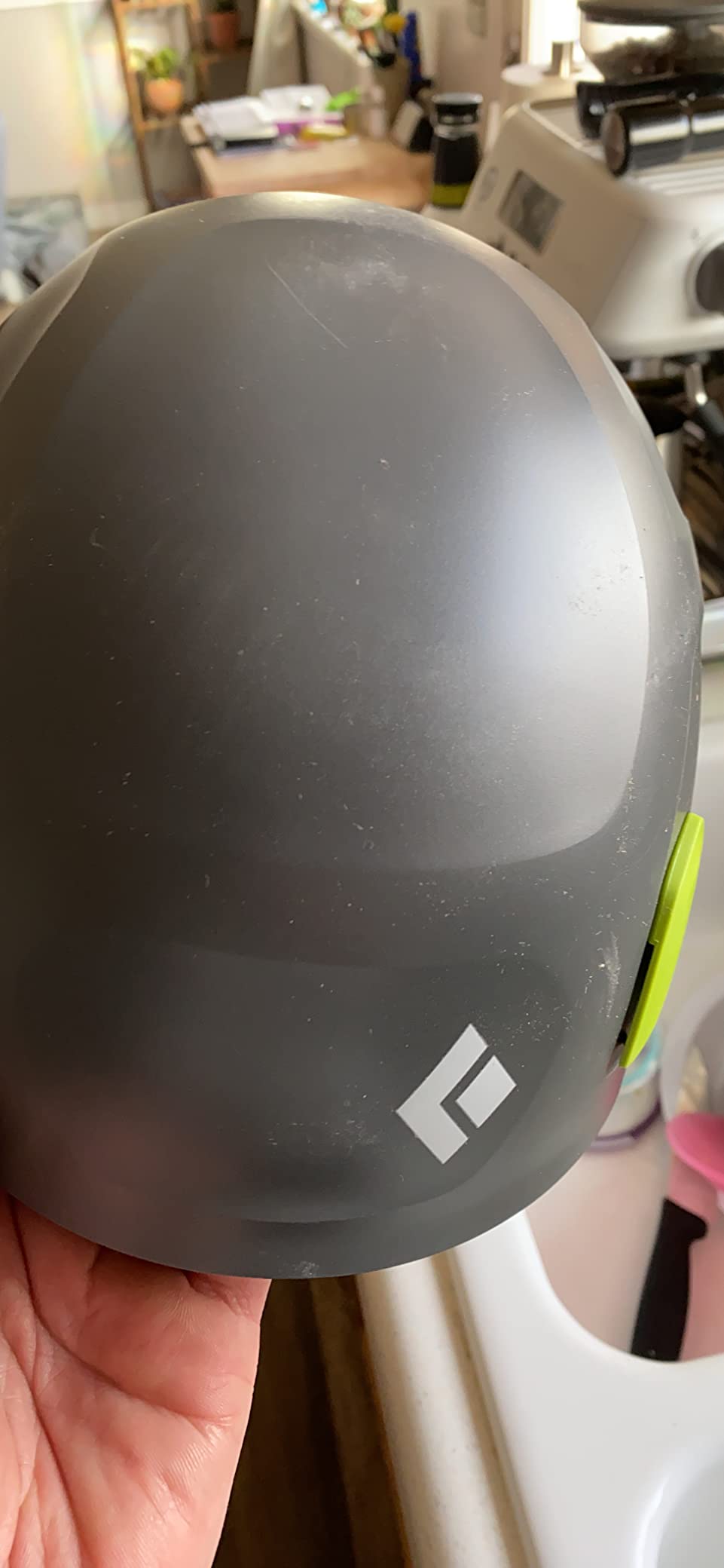
The Black Diamond Half Dome is the most reviewed helmet in this roundup with over 2,054 Amazon ratings and an impressive 4.7-star average. It has been trusted by climbers for years, and for good reason. The tough ABS shell and EPS foam liner provide reliable protection from rockfall, and the low-profile suspension system creates a comfortable fit for all-day wear. At 340 grams, it is the heaviest helmet in this guide, but the durability and proven track record make it a staple for many climbers.
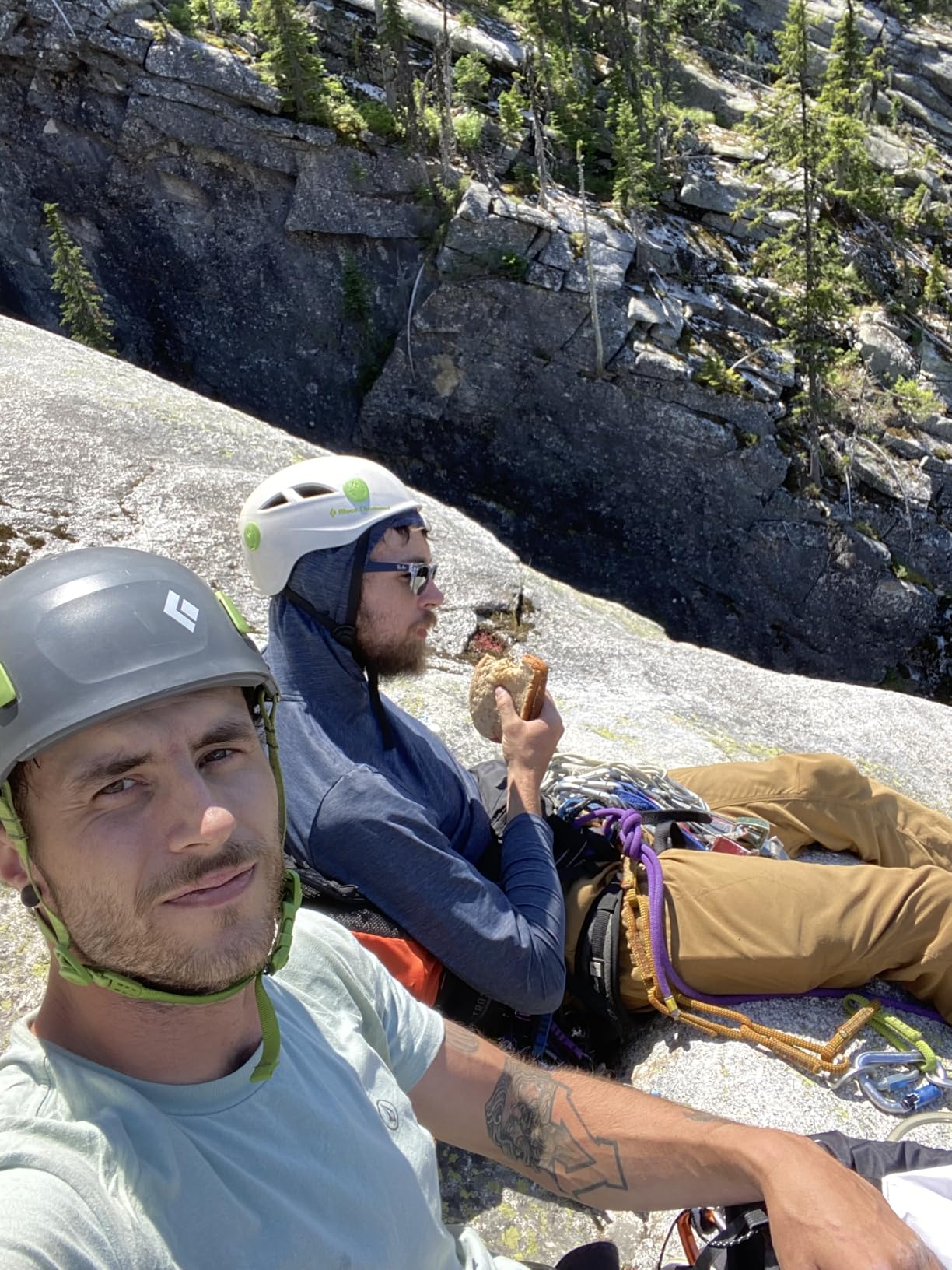
I have owned a Half Dome for three seasons, and it has been through everything from warm-weather cragging at Smith Rock to cold alpine routes in the Cascades. The ABS shell has held up to being clipped to my harness, shoved in packs, and generally treated without special care. This is the helmet I loan to friends who are getting into climbing, because I know it will survive whatever they put it through. The integrated headlamp clips are simple but effective for alpine starts.
The ventilation system uses large ports that keep air moving during warm approaches. However, at 340 grams, the Half Dome is noticeably heavier than the ultralight options, and on long routes at altitude, you do feel the extra weight. The helmet also tends to sit high on some head shapes due to the thick top protection, which can give a mushroom-like profile and reduce peripheral vision slightly.
Where the Half Dome really earns its keep is in reliability. With thousands of reviews from real climbers, the consensus is clear: this helmet works. Users consistently report that it fits well, lasts for years, and provides confidence-inspiring protection. The low-profile suspension and easily adjustable chin strap create a secure fit that stays in place during dynamic movement. For climbers who prioritize proven performance over cutting-edge weight savings, the Half Dome remains one of the best climbing helmets you can buy.
Who should buy the Black Diamond Half Dome
Climbers who want a proven, durable helmet at a fair price will find the Half Dome hard to beat. It is the default choice for gym climbers venturing outdoors, university outdoor programs, and anyone who wants reliable protection without overthinking it. If you climb primarily at the crag or on shorter alpine routes where 340 grams will not slow you down, the Half Dome’s durability and comfort make it a smart buy.
This is also the helmet I recommend to expedition climbers who value durability above all else. Multiple forum users on Reddit’s mountaineering community specifically cite the Half Dome as their go-to for expeditions because they know it will survive the trip. The ABS shell handles the rough treatment of expedition duffels and base camp life better than any exposed-foam design. If you are building a complete high-altitude clothing system, the Half Dome pairs well as your dependable head protection layer.
Sizing and fit recommendations
The Half Dome comes in S/M and M/L sizes, but the sizing can be confusing. The S/M is listed as 21-23 inches, which fits many teenagers and smaller adults but may be too small for average male head sizes. Most adult men will want the M/L. I recommend measuring your head circumference with a soft tape measure before ordering. If you are between sizes, go up, because you can always tighten the suspension.
For cold-weather climbing with beanies or balaclavas, the Half Dome has enough adjustment range to accommodate light-to-medium layers underneath. Very thick balaclavas or multiple layers may push the limits of the suspension system. The chin strap is long enough for most users, though some report needing the strap fully extended when wearing thick layers. Overall, the fit system is straightforward and reliable once you get the right size.
8. OutdoorMaster Climbing Helmet – Budget Pick with Solid Protection
OutdoorMaster Rock Climbing Helmet Adults Mountaineering Helmet Arborist Helmet Hiking Caving Search and Rescue Tree Climbing Helmet Adjustable
Weight: 290g
PC+EPS in-mold construction
Adjustable 20.86-24 inch head size
EN 12492:2012 certified, 4 headlamp clips
Pros
- Excellent budget-friendly price
- PC+EPS in-mold for lightweight durability
- EN 12492:2012 safety certified
- One-hand size adjustment
Cons
- May not fit very large heads
- Tightening mechanism limited for some
- Less brand pedigree than Petzl or BD
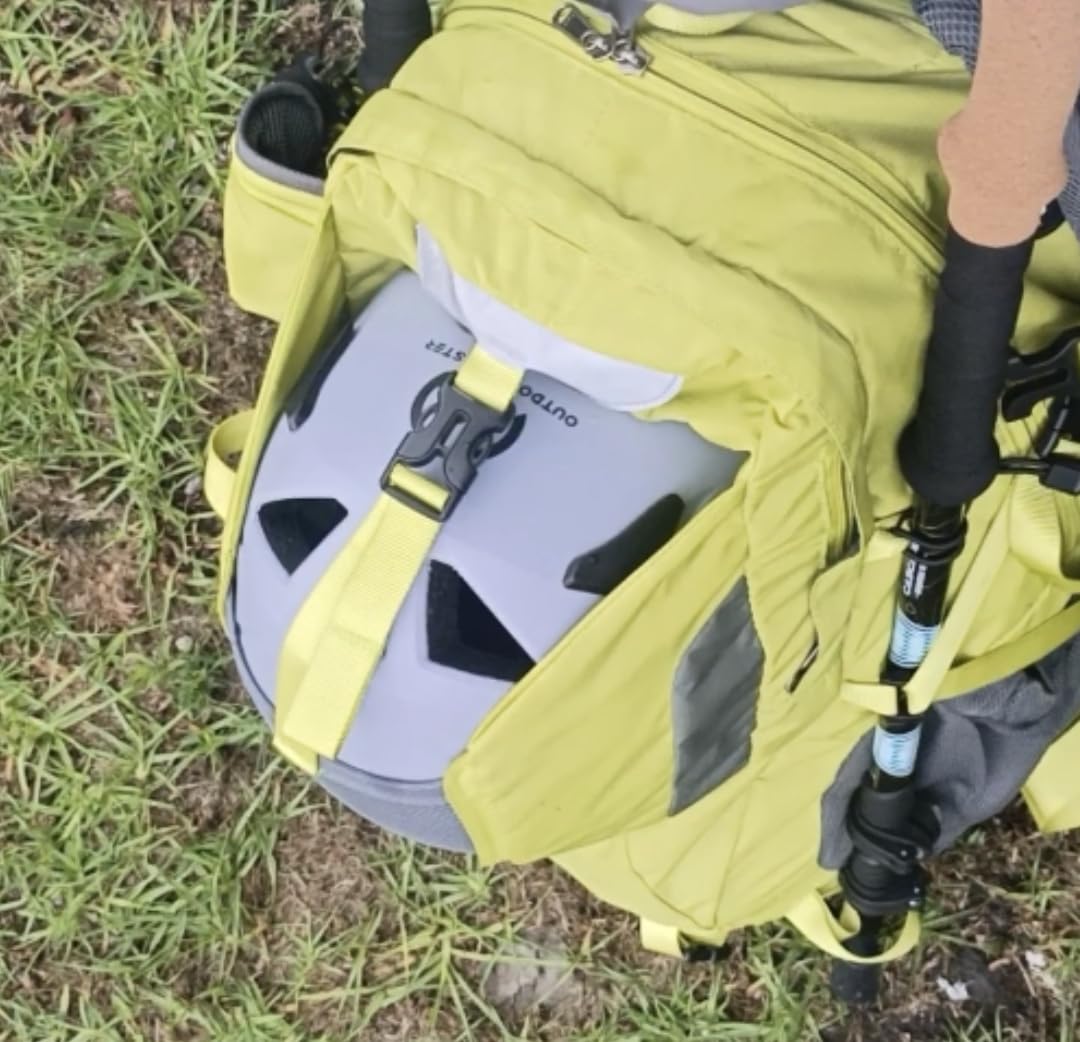
The OutdoorMaster Climbing Helmet proves that you do not need to spend a fortune to get certified head protection for mountaineering. At 290 grams with a PC+EPS in-mold construction, it delivers the same EN 12492:2012 certification as helmets costing two or three times as much. With 152 Amazon reviews and a 4.5-star rating, it has earned the trust of budget-conscious climbers who need reliable protection without the premium price tag.
The in-mold construction bonds a polycarbonate shell directly to an EPS foam core, creating a lightweight, integrated structure. The top thickness of 1.7 inches provides substantial impact protection, and the strategic ventilation ports keep air flowing during strenuous climbs. I was genuinely surprised by how comfortable this helmet is for the price. The padding is adequate, and the one-hand size adjustment dial lets you fine-tune the fit without removing the helmet.
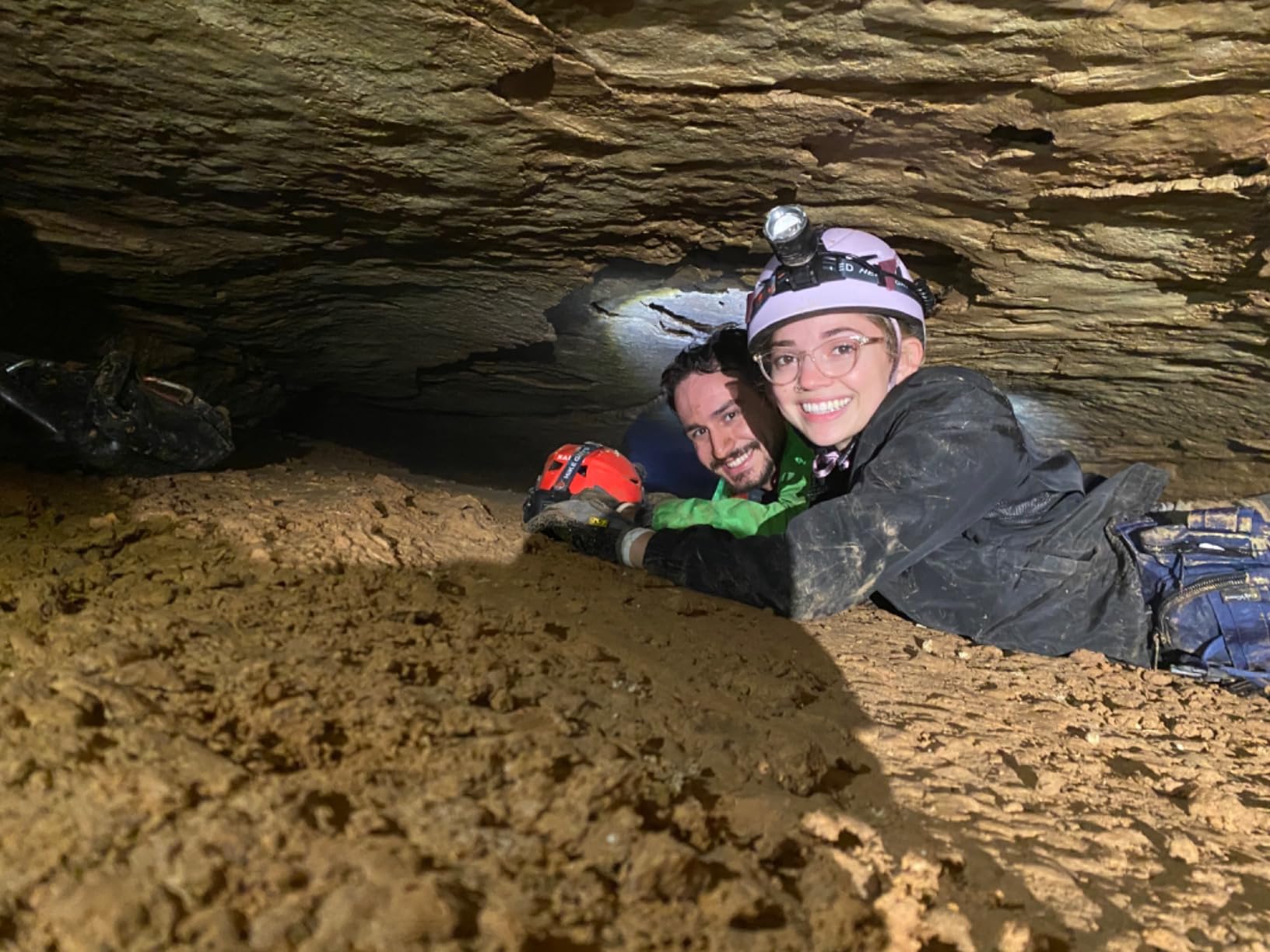
Where the OutdoorMaster really impresses is in the real-world protection reports. Multiple users have written reviews describing how this helmet saved them from serious head injuries during falls and rockfall incidents. One user reported taking a significant leader fall where the helmet absorbed impact against the rock wall and likely prevented a traumatic brain injury. These first-person accounts carry more weight than any laboratory certification.
The helmet includes two front and two rear clips for headlamp attachment, which is more than some helmets at twice the price offer. The chin pad adds comfort during long sessions. The adjustable system covers head sizes from 20.86 to 24 inches, accommodating most adults. However, users with very large heads or thick hair report that the maximum size is not quite large enough, so measure carefully before ordering.
Who should buy the OutdoorMaster Climbing Helmet
Budget-conscious climbers, beginners building their first rack, and anyone who needs a backup helmet will find excellent value in the OutdoorMaster. It provides certified protection, reasonable weight, and functional features at a price point that makes head protection accessible. If you are new to mountaineering and not sure how much you will use a helmet, starting here lets you get on the mountain safely while you decide if you want to invest in a premium model later.
This is also a smart choice for climbing groups, university outdoor programs, and guide services that need to equip multiple people without breaking the bank. The one-size-fits-most design simplifies logistics, and the durable construction holds up well to shared use. Several reviewers mention buying multiple units for family members after being impressed with their first purchase.
Certification and safety standards
The OutdoorMaster carries EN 12492:2012 certification, which is the European standard for mountaineering helmets. This standard tests for impact absorption, penetration resistance, retention system strength, and field of vision. Meeting this standard means the helmet provides legitimate protection for climbing and mountaineering activities. While it does not carry the UIAA certification that some premium helmets have, the EN 12492 standard is widely accepted as sufficient for recreational climbing.
It is worth noting that the EN 12492:2012 certification is the specific version dated 2012, which is the current standard. Some budget helmets claim certification but fail to meet the full standard, so seeing the specific version number listed is a positive sign. The polycarbonate shell provides better penetration resistance than exposed foam designs, which is important for rockfall protection. For the price, the safety credentials of the OutdoorMaster are impressive and should give climbers confidence on the mountain.
How to Choose the Best Ultralight Mountaineering Helmet?
Choosing the right helmet for high-altitude mountaineering involves understanding the technology behind modern helmet construction and matching it to your specific needs. This buying guide covers the key factors that separate a good helmet from a great one for alpine and expedition climbing.
Foam types: EPP vs EPS explained
The two primary foam types used in climbing helmets are Expanded Polypropylene (EPP) and Expanded Polystyrene (EPS). EPP foam is flexible, resilient, and can handle multiple low-impact hits without losing its protective properties. This makes it ideal for helmets that will get bumped and scraped during regular climbing. EPS foam is lighter and better at absorbing high-energy impacts in a single event, but it crushes permanently and needs replacement after a significant hit.
Many premium helmets now use both foams in combination. The Petzl Sirocco, for example, uses EPP for the shell and EPS for the lining. The Black Diamond Capitan uses a dual-density foam system with both types. This hybrid approach gives you the best of both worlds: EPP for everyday durability and EPS for serious impact protection. When comparing helmets, look for dual-foam designs if you climb frequently and want the most comprehensive protection.
Shell materials: ABS vs polycarbonate
Hardshell helmets typically use Acrylonitrile Butadiene Styrene (ABS) plastic, which is tough, durable, and resistant to impact and scratching. The Black Diamond Half Dome and Mammut Skywalker 3.0 both use ABS shells. These helmets are heavier but can take years of abuse without cosmetic damage. They are the best choice for expedition climbing where your helmet gets packed in duffels, tossed in haul bags, and generally mistreated.
Polycarbonate shells are lighter and often used in in-mold construction where the shell is bonded directly to the foam core. The Petzl Meteor and OutdoorMaster use polycarbonate shells. These are lighter than ABS but slightly more susceptible to scratching and surface damage. For ultralight climbing where weight savings matter more than maximum durability, polycarbonate is the way to go. Some helmets use polycarbonate only in specific areas, like the crown of the Petzl Sirocco, to reinforce high-impact zones while keeping overall weight low.
Weight considerations for high-altitude climbing
At high altitude, every gram matters. Your body is working harder with less oxygen, and fatigue accumulates faster. A helmet that weighs 160 grams versus 340 grams might not seem like a big difference on paper, but after 10 hours of climbing at 5,000 meters, you will notice the lighter helmet on your neck. For fast-and-light alpine objectives, aim for helmets under 200 grams. The Petzl Sirocco (160g) and Mammut Wall Rider (195g) lead this category.
However, weight should never come at the expense of adequate protection. The lightest helmets often sacrifice shell coverage, using exposed foam that is vulnerable to damage. If you are climbing in areas with significant rockfall hazard or on routes where you will be chimneying and off-widthing, a slightly heavier helmet with full shell coverage may actually provide better real-world protection because it stays intact throughout the climb.
High-altitude specific factors
Climbing at altitude introduces conditions that sea-level climbers rarely think about. UV radiation increases approximately 4 percent for every 300 meters of elevation gain, which means at 5,000 meters, UV exposure is roughly 60 percent higher than at sea level. This accelerates the degradation of plastic and foam components. Helmets with full shell coverage (ABS or polycarbonate) resist UV damage better than exposed foam designs.
Cold weather affects both materials and buckles. At minus 20 degrees Celsius and below, some plastics become brittle and buckles can freeze. Forum discussions on Reddit’s mountaineering community consistently highlight magnetic buckles (like the Petzl Meteor’s) and simple webbing straps (like the Mammut Wall Rider’s) as the most reliable cold-weather options. Complex dial adjusters and ratchet systems can freeze or become difficult to operate with gloves.
Compatibility with oxygen systems is a niche but important consideration for climbers attempting peaks above 7,000 meters. If you climb with supplemental oxygen, you need a helmet that fits over the mask and tubing without creating pressure points or gaps. Wider-profile helmets like the Black Diamond Capitan and Half Dome tend to work better with oxygen systems than low-profile ultralight designs. For winter sunglasses with helmet compatibility, make sure your eye protection integrates well with your helmet choice.
Headlamp and goggle compatibility
For alpine starts and night climbing, headlamp attachment is essential. Look for helmets with dedicated headlamp clips rather than relying on looping straps through ventilation holes. Dedicated clips hold the headlamp securely even when the helmet gets bumped. The Black Diamond Capitan, Mammut Skywalker 3.0, and OutdoorMaster all include integrated headlamp clips. The Petzl Meteor goes further with both front clips and a rear elastic band.
If you ski mountaineer, goggle compatibility matters on descents. The Petzl Meteor is specifically designed for goggle integration with a front lip that holds goggle straps. Other helmets can accommodate goggles, but the fit may not be as seamless. Test your goggle and helmet combination before heading into the mountains to avoid cold gaps or strap slippage on descents.
MIPS technology: Is it worth it?
Multi-directional Impact Protection System (MIPS) technology adds a low-friction layer between the helmet shell and your head, allowing the helmet to slide slightly during angled impacts. This reduces rotational forces transmitted to the brain during oblique impacts, which are common in climbing falls where you might hit a rock wall at an angle.
The Black Diamond Vision is available in a MIPS version, which adds a small amount of weight and cost. Forum discussions show mixed opinions on whether MIPS is necessary for climbing helmets. The technology is proven effective in cycling and skiing, but climbing impacts tend to be more vertical (rockfall from above) than rotational. If you can find a MIPS helmet at a reasonable price, the additional protection is worth having, but it should not be the deciding factor in your purchase.
Certifications: UIAA and EN 12492
Any helmet you buy for mountaineering should carry at minimum EN 12492 certification, which is the European standard for mountaineering helmets. The UIAA (International Climbing and Mountaineering Federation) standard is even more stringent and includes additional tests. Both standards test for impact absorption from above and the sides, penetration resistance, retention system strength, and field of vision.
All eight helmets in this guide meet EN 12492 certification, and several also carry UIAA certification. These certifications are non-negotiable for serious climbing. If a helmet does not carry at least EN 12492 certification, it is not appropriate for mountaineering use regardless of how it looks or how much it costs. Check the product specifications carefully before purchasing, and be wary of unbranded or uncertified helmets sold on marketplace platforms.
Frequently Asked Questions About Mountaineering Helmets
What is the lightest mountaineering helmet?
The Petzl Sirocco is the lightest mountaineering helmet available, weighing just 160 grams in the S/M size and 170 grams in M/L. It uses EPP foam with a polycarbonate crown to achieve this ultra-low weight while maintaining CE EN 12492 and UIAA certification. The trade-off is exposed foam that requires careful packing, but for weight-obsessed alpine climbers, no other helmet comes close to this weight with full mountaineering certification.
Are Petzl or Black Diamond helmets better?
Both brands make excellent climbing helmets, but they excel in different areas. Petzl helmets like the Sirocco and Meteor tend to be lighter and more innovative, with features like magnetic buckles and ski touring certification. Black Diamond helmets like the Vision, Capitan, and Half Dome are known for durability, versatility, and value. Petzl is the better choice for ultralight alpine climbing and ski mountaineering, while Black Diamond is ideal for climbers who want durable, multi-purpose helmets at competitive prices. The best choice depends on your specific climbing needs and budget.
What altitude is considered mountaineering?
Mountaineering generally refers to climbing mountains above 3,000 meters (approximately 10,000 feet), where technical skills, specialized equipment, and altitude acclimatization become necessary. However, the term can apply to any mountain climbing that involves glaciers, steep snow, ice, or technical rock terrain regardless of elevation. High-altitude mountaineering specifically refers to climbing above 5,000 meters (16,400 feet), where oxygen levels drop significantly and equipment choices like helmet weight and cold-weather performance become critical for safety.
What helmet should I use for mountaineering?
For mountaineering, choose a helmet that is EN 12492 or UIAA certified, lightweight enough for all-day comfort, and compatible with headlamps for early starts. The Petzl Sirocco is best for ultralight alpine objectives at 160g. The Black Diamond Capitan offers the best value with dual-density foam protection. The Petzl Meteor is ideal for ski mountaineering with its dual climbing and ski touring certification. For expedition use where durability matters most, the Black Diamond Half Dome has a proven track record with over 2,000 user reviews.
Final Thoughts on Ultralight High Altitude Mountaineering Helmets
Finding the right ultralight high altitude mountaineering helmet comes down to understanding your priorities. If weight is your top concern, the Petzl Sirocco at 160 grams is in a class of its own. If you want the best balance of weight, durability, and price, the Black Diamond Capitan delivers exceptional value with its dual-density foam system. Budget-conscious climbers get certified protection from the OutdoorMaster without compromising on safety.
For 2026, our team’s top pick remains the Petzl Sirocco for fast-and-light alpine objectives, while the Black Diamond Capitan earns our best value recommendation for most climbers. The Petzl Meteor is the clear choice for ski mountaineers who need dual certification, and the Black Diamond Half Dome continues to be the most trusted helmet in climbing with over 2,000 verified reviews. Whatever your objective, choose a certified helmet that fits well, works with your headlamp setup, and gives you the confidence to climb safely at altitude.