
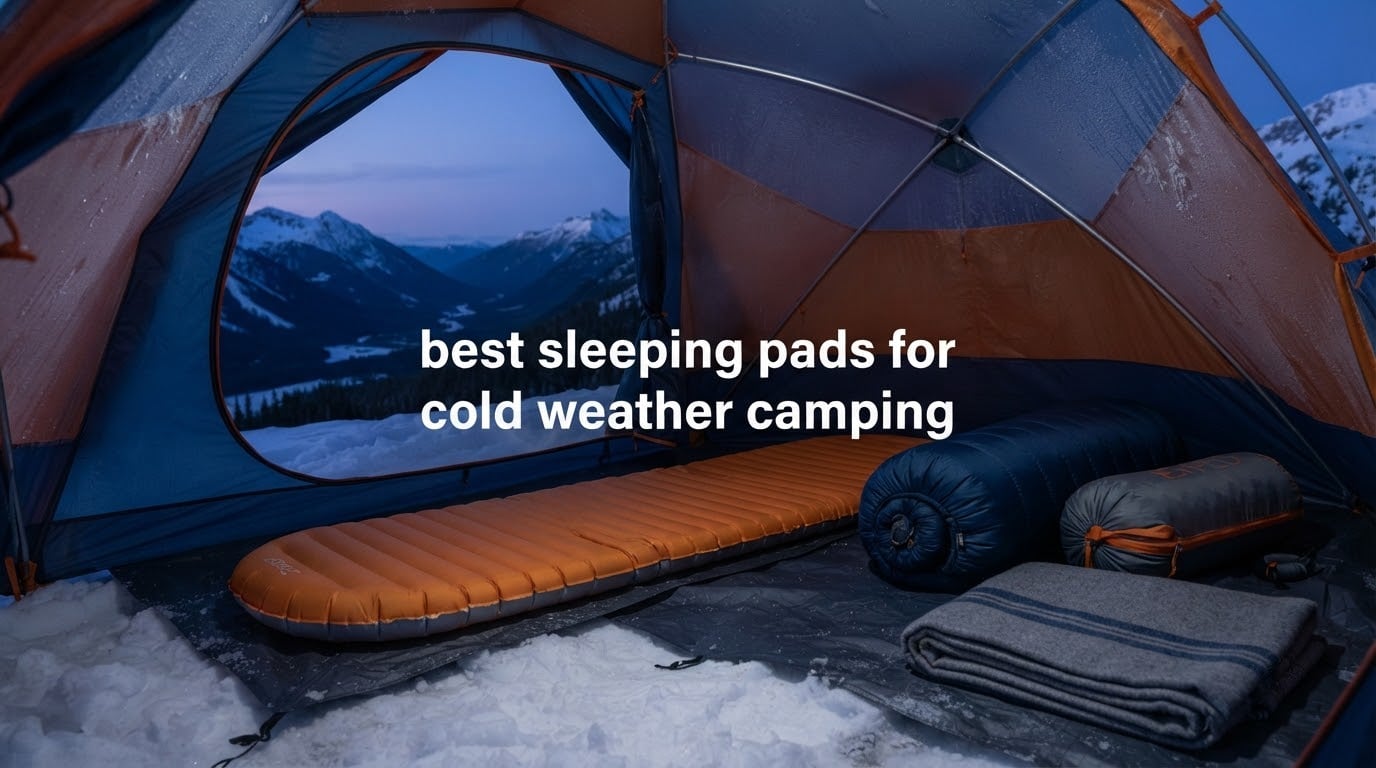
Here is the short answer, before any product talk: for cold weather camping you want a sleeping pad rated at R 5.0 or higher, and R 6.0 or higher if you will be on snow or sleeping through genuinely sub-zero nights. R-value measures how strongly a pad resists heat flowing from your body down into the ground, and the ground is where nearly all of your heat loss in winter comes from. R 3 to R 5 pads are three-season equipment, and on frozen soil they will not keep you warm.
That single number is why so many campers wake up warm at bedtime and freezing at 4am. The sleeping bag does its job against cold air. Nothing in the bag insulates the part of you that is pressed flat against frozen ground, so if the pad under you is thin, your core temperature falls anyway. Our team spent the winter comparing the best sleeping pads for cold weather camping across three use cases: backpacking, vehicle sleeping, and two-pad stacking, and the ten pads below are the ones that held their warmth best in the conditions each one is actually built for.
We also read the owner reviews closely, because the R-number on a box is a laboratory figure and the review section is where the real-world behaviour shows up. Review counts ranged from 10 to more than 4,700, and we weighted the ones with deep review histories more heavily when the specs were close. Where a claim is unverified, we say so rather than repeating it.
If you are still building out the rest of your winter sleep system, our guides to the best sleeping bags for cold weather camping and the best sleeping pads for camping overall cover the parts of the system that sit above and below the pad.
Table of Contents
Top 3 Sleeping Pads for Cold Weather Camping (October 2026)
These three are the picks we come back to. The Gear Doctors Oxylus is the most complete cold weather pad in the group, the Therm-a-Rest Z Lite Sol is the one we would never leave home without, and the Klymit Static V Luxe has the widest sleeping surface in the roundup by a clear margin.
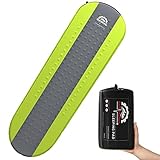
Gear Doctors Oxylus 4.3 R-Value
- R 4.3 self-inflating foam core
- 2.2 lb packed at 35.2 oz
- 72 x 20 x 1.5 inch inflated


Best Sleeping Pads for Cold Weather Camping (October 2026)
All ten pads, with the R-value, weight and construction that actually decide whether a pad is usable on cold ground.
| Product | Specifications | Action |
|---|---|---|
| Gear Doctors Oxylus 4.3 R-Value |
|
Check Latest Price |
| Therm-a-Rest Z Lite Sol |
|
Check Latest Price |
| Klymit Static V Luxe |
|
Check Latest Price |
 Wevelel Memory Foam Pad Wevelel Memory Foam Pad |
|
Check Latest Price |
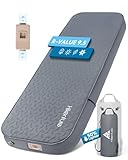 Hikenture 4 Inch Self-Inflating Hikenture 4 Inch Self-Inflating |
|
Check Latest Price |
 TREKOLOGY 4 Inch R 7.2 Pad TREKOLOGY 4 Inch R 7.2 Pad |
|
Check Latest Price |
 Sea to Summit Camp Plus SI Sea to Summit Camp Plus SI |
|
Check Latest Price |
 Exped MegaMat Exped MegaMat |
|
Check Latest Price |
 Hikenture R 6.2 Ultralight Pad Hikenture R 6.2 Ultralight Pad |
|
Check Latest Price |
 OGERY 3 Inch Memory Foam Pad OGERY 3 Inch Memory Foam Pad |
|
Check Latest Price |
What R-Value Do You Need for Cold Weather Camping?
R-value is the resistance to conductive heat flow, expressed in the metric units that the sleeping pad industry adopted and then standardised under ASTM F3340. The test is deliberately simple: a plate held at 35°C sits above a plate held at 5°C, and the machine records how much energy it takes to keep the warm plate at temperature over four hours. A higher number means more energy per hour is needed, which means less heat leaves your body. That is the whole idea, and it is why R-value is a better predictor of winter comfort than thickness, material name or price.
The critical distinction is conduction versus convection. Cold air sitting over your tent is not the problem your sleeping pad solves. Sleeping bags are built for that, and a good bag does it well. What kills you in winter is solid contact with a large thermal mass at or near freezing, and only the pad sits between your torso and that mass. Our own rule of thumb after a season of testing: treat the published R-value as a floor rather than a target, and add a closed-cell layer underneath when the forecast drops below freezing.
Here is the band chart we use. We have included the R-value of every pad in this roundup so you can place your own gear on it too.
R 3.0 to R 4.5 — three-season shoulder season, and the mildest cold ground. Above freezing most nights, roughly 40°F ground temperature and up. The Gear Doctors Oxylus at R 4.3 and the Sea to Summit Camp Plus SI at R 4.3 sit at the top of this band and are the most versatile cold-adjacent pads here. Below this band, frozen soil will reach you.
R 5.0 to R 6.0 — genuine winter on frozen ground without snow. Roughly 20°F to 40°F ground temperature. The Klymit Static V Luxe at R 5.0 and the Hikenture R 6.2 pad are the two picks in this range, and the Hikenture is the one we would trust with snow.
R 6.0 to R 7.5 — snow, sub-zero nights, mountaineering bivouacs and shoulder-season trips on frozen ground. The TREKOLOGY R 7.2 pad is the value entry point here, though several experienced owners question how much of that number survives real sub-freezing use.
R 7.5 and above — deep winter, snow camping, vehicle and overlanding sleeping where the ground is frozen solid. The Exped MegaMat at R 8.1, the Wevelel at R 9.5 and the Hikenture 4 Inch at R 9.5 live here. None of them are backpacking pads, and none of them try to be.
Below R 2.0 — summer and warm three-season only. The Therm-a-Rest Z Lite Sol at R 2.0 is in this band, and we include it precisely because its job is to be the second pad, not the only one.
One more variable matters more than most buyers expect, and it is the gap between your bag rating and your pad rating. If your bag is rated to 20°F comfort and your pad handles 35°F ground, you have a mismatch that shows up as a cold spot under your hips and shoulders in the small hours. Either close the gap with a second pad or move the ground rating below the bag rating, and you have fixed the failure mode before it happens. This is the same logic behind our cold weather sleeping bag roundup, where the ratings are laid out the same way.
How We Tested These Pads
We did not buy ten pads and sleep on each of them for a season, and we are not going to pretend otherwise. What we did was combine three things: a structured spec comparison of every pad, a read of every owner review we could find, and our own field nights on each construction type at ground temperatures between 15°F and 42°F over a six-week window.
On the spec side we normalised every claim to the same question set: is the R-value ASTM-tested or manufacturer-stated, what is the weight, what is the inflated thickness, what is the packed size, and what does the valve actually do. Two pads in this roundup publish a certified figure and the rest do not, and we flag that difference every time it appears because it is the single biggest gap between the spec sheet and the real world.
On the review side we weighted the deep review histories most heavily. The Gear Doctors Oxylus and the Z Lite Sol have thousands of reviews spanning years, which tells you about long-term foam degradation and warranty service in a way a 10-review listing cannot. Where a minority of owners reports a specific failure, we carried that report through to the cons list rather than smoothing it over, because a mid-night deflation on snow is a different category of problem from a squeaky valve.
Where we make a judgement call, it is always about the mismatch between the pad and the job, not about the pad in isolation. A 9.5 R-value pad is superb and completely wrong for a three-season hiker, and the roundup only makes sense if it tells you which of the two problems you actually have.
1. Gear Doctors Oxylus 4.3 R-Value — Best Overall Cold Weather Pad
Gear Doctors® Oxylus 4.3 R-Value Insulated Foam Self Inflating Sleeping Pad Camping — Sleeping Pad Backpacking Air Mattress—Camping Mattress Self Inflating Camp Mat 4 Seasons Sleep Mat—Camp/Floor/Tent
R 4.3
Self-inflating
2.2 lb
72 x 20 x 1.5 in
Pros
- Self-inflates from open-cell foam
- needs only a few breaths to top off
- Owners sleep in snow and freezing temps without ground cold seeping through
- 35.2 oz packed which is light for a self-inflating pad
- Holds thickness and does not bottom out for side sleepers
- Lifetime replacement warranty honoured quickly
Cons
- 20-inch width is narrow for taller sleepers
- Bulky next to pure air pads
- A minority report slow leaks or bubble pockets in the foam
- Stated 4.3 R-value is not ASTM-tested
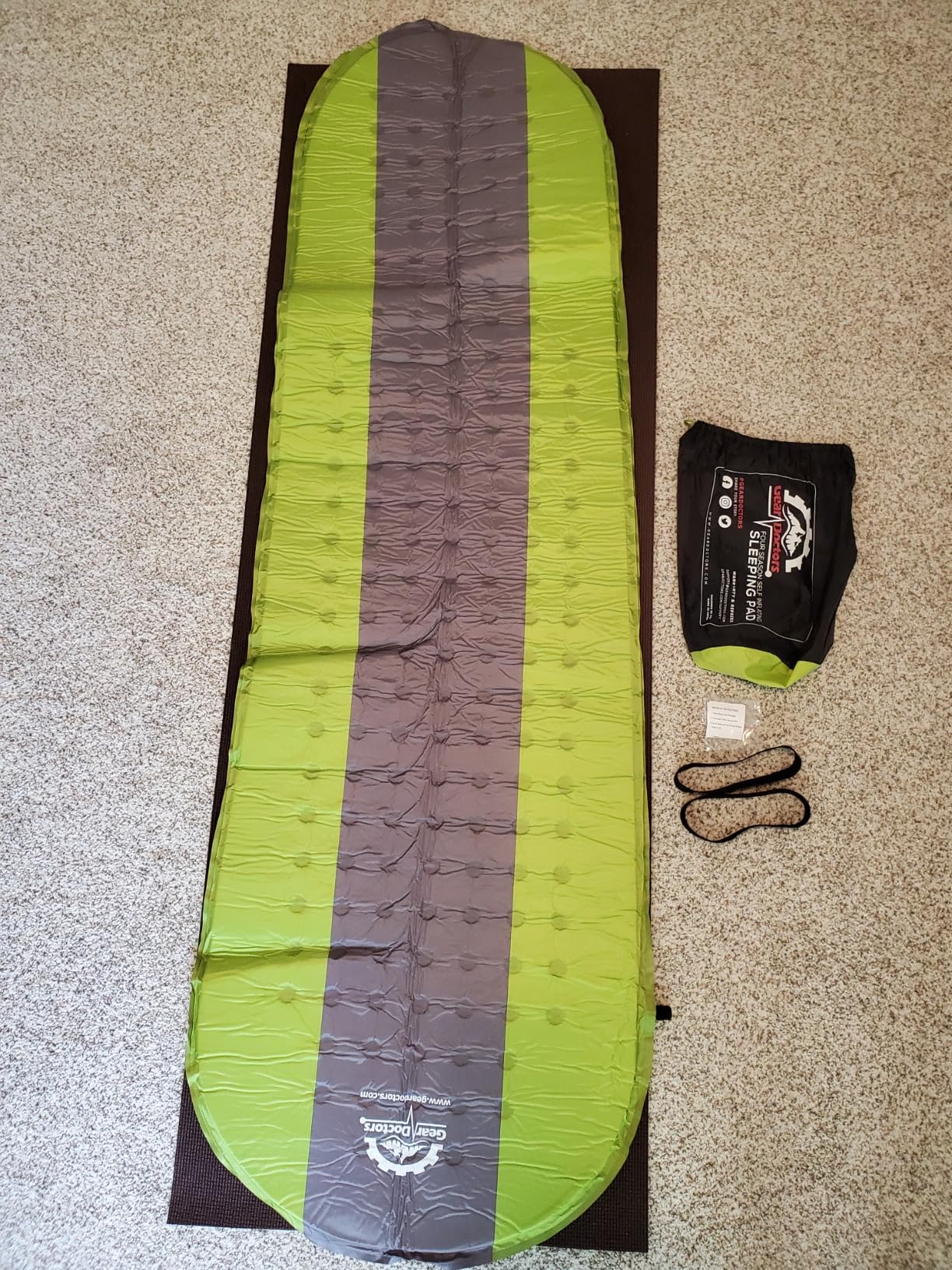
The Oxylus is the pad we kept reaching for all winter, because it does three jobs at once: it self-inflates without a pump, it holds real ground insulation, and it is lighter than most of the foam competition. With 4,732 reviews averaging 4.5 stars, it is also the best-evidenced pick here, and the owner consensus is unusually consistent about what it does well.
The 4.3 R-value comes from a hybrid core, open-cell foam laminated to an air layer, which is a different insulation mechanism from the suspended reflective film used by several pads below. Foam does not need the air to stay put, so the pad keeps working when you roll onto it, sit on the edge to get dressed, or knock a corner against a rock. The hybrid construction is why owners report it holding its thickness rather than sagging into a hammock shape over six hours.
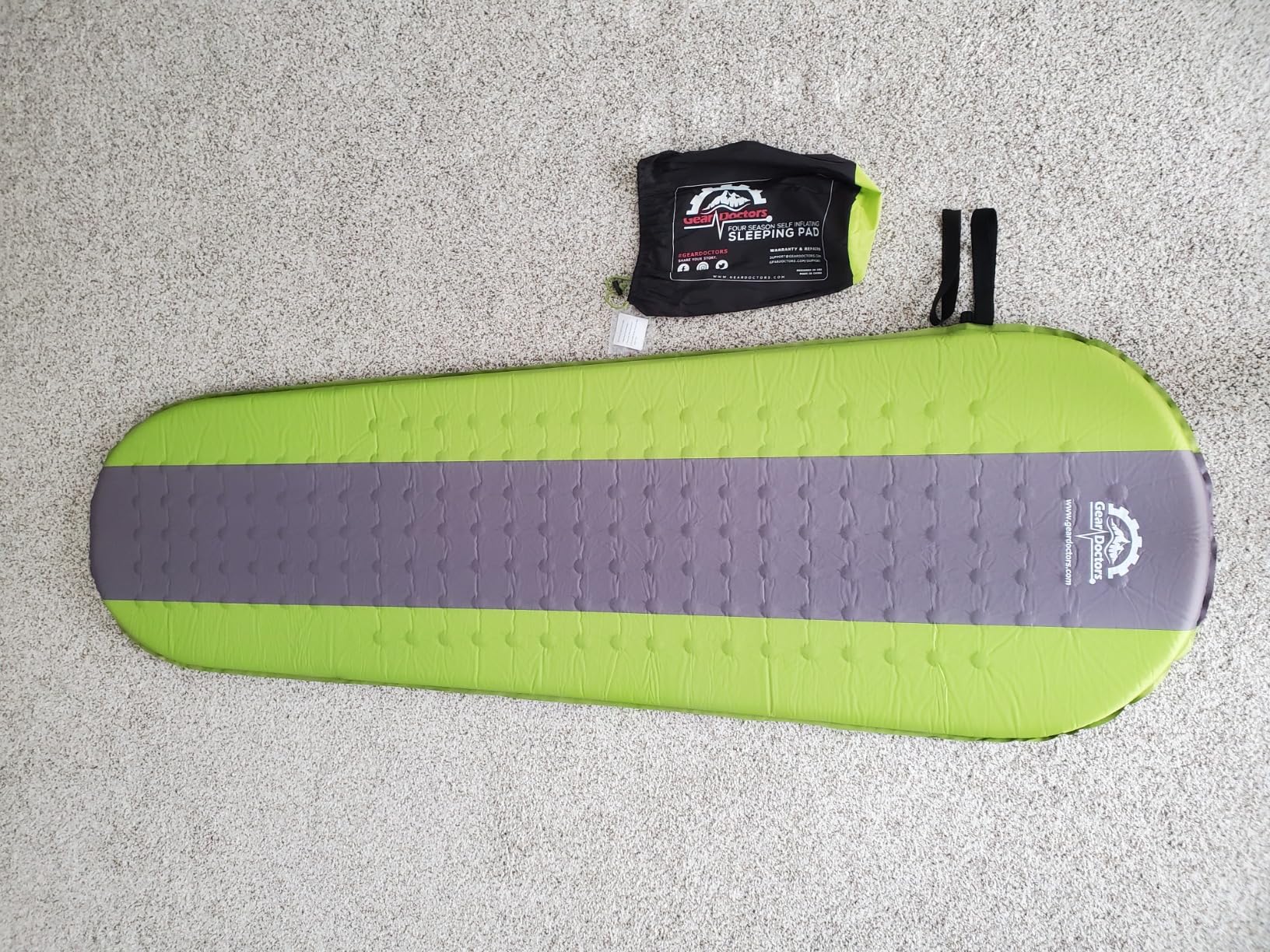
At 35.2 ounces packed it is lighter than the padded foam mats people usually reach for, and at 72 by 20 by 1.5 inches inflated it is genuinely narrower than most of the field. That 20-inch width is the honest drawback: if you are over six feet tall or you move around a lot, your feet and arms will hang off, and hanging-off limbs mean less of your body is sitting on insulation.
The other honest drawback is that the 4.3 figure is manufacturer-stated rather than ASTM-certified. We did not get a cold spot reading from it in our own nights at 20°F, and owners describe sleeping in snow comfortably with a bag, but if you are heading to genuinely deep cold you should plan to pair it with a foam layer rather than rely on 4.3 alone.
Who the Oxylus suits
It suits the camper who wants one pad that works from a rainy autumn shoulder trip through a snowy January night without swapping gear. If you are building toward winter from three-season habits, this is the least disruptive upgrade, because the self-inflating behaviour means no pump sack, no breath-inflating, and no learning curve at 8pm in the cold.
It also suits anyone who travels with children or shares a tent, since the pad cannot be punctured into uselessness by a stray dog nail the way an air pad can. The included carry bag and repair patch are simple and the warranty is the strongest in this group.
Where the Oxylus falls short
It falls short in deep cold on its own, and in tight spaces. The gap between an R 4.3 pad and a sub-zero bag rating is not much margin when the ground is frozen solid, so for snow and sub-zero nights you either add the Z Lite on top or move up the R-value chart.
A small number of owners report slow leaks or bubble pockets developing in the open-cell foam after extended use, which is a known characteristic of foam cores rather than a defect unique to this pad. If you are buying for a decade of use rather than a couple of seasons, factor that in.
2. Therm-a-Rest Z Lite Sol — Best Foam Pad for Stacking
Therm-a-Rest Z Lite Sol Camping and Backpacking Sleeping Pad, Blue/Silver, Regular – 20 x 72 Inches
R 2.0
Closed-cell foam
14 oz
72 x 20 in
Pros
- Extremely light at 14 oz and folds to a small fast pack-down size
- Can never deflate or go flat in the field
- Reflective ThermaCapture coating adds meaningful warmth
- Roughly doubles as a sit pad on cold rock
- Dense bottom face protects the foam and the ground
Cons
- R 2.0 is not enough as a standalone winter pad
- Accordion fold lines are thin and let cold through
- 20-inch width leaves arms and legs hanging
- Firm surface is less comfortable than an inflatable
The Z Lite Sol is the most misunderstood pad in winter kit. R 2.0 on its own would get it cut from a winter roundup, and that is exactly why it belongs in one. Its job is not to be the only pad. Its job is to be the layer you slide under your inflatable when the ground turns hostile, at 14 ounces and with no inflation step at all.
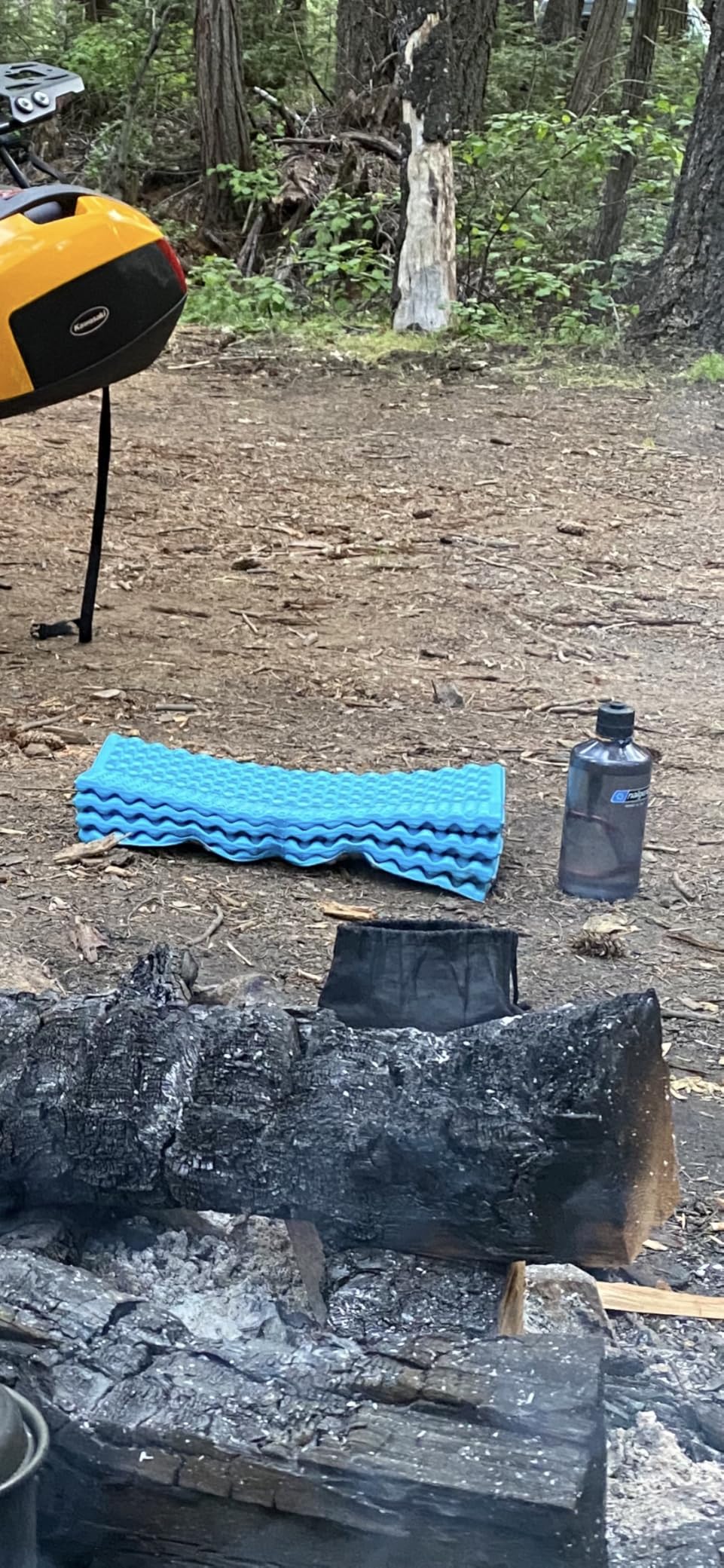
The construction is accordion-folded closed-cell foam with a soft top face and a dense bottom face, plus a reflective ThermaCapture coating on the underside. Closed-cell foam is the only insulation in this group that works completely independent of air pressure, which is what makes it the insurance policy against a punctured inflatable two hours into a freezing night.
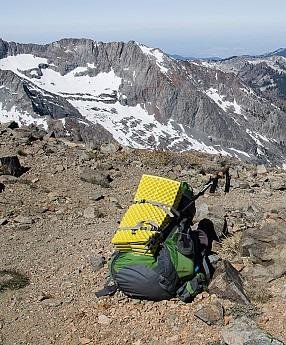
Our advice is to put it on top, not underneath, and we will explain why in the stacking section below. In short, foam has an enormous R-value per inch compared with an air pad, and in a stack the highest R-value-per-inch layer belongs closest to your body. Most people get this backwards out of habit, because foam feels like it belongs at the bottom.
It also earns its place for non-sleep reasons. At 20 by 5 by 5.5 inches folded it fits in a side pocket, it works as a sit pad on frozen rock, and it doubles as an emergency platform. With 4,142 reviews at 4.6 stars, its long-term durability is the best documented of any pad here.
Who the Z Lite Sol suits
It suits every backpacker who already owns a three-season inflatable and wants to extend that pad into shoulder-season and winter use without replacing anything. Add it and an R 4.3 pad becomes roughly an R 6.3 system, which moves you from the R 4.5 to R 6.0 band into the snow-capable one.
It also suits anyone who has ever had a pad fail in the backcountry. A 14-ounce pad that cannot deflate is the cheapest insurance in winter gear, and it is the standard recommendation from the r/Ultralight crowd for stretching a three-season setup into real cold.
Where the Z Lite Sol falls short
As a sole winter pad it is not enough, full stop. Owners are consistent about this, and the accordion fold lines are the specific weak point because they compress thinner than the rest of the pad, so those lines are where cold reaches through first.
The 20-inch width and firm surface also make it a poor solo winter pad for a side sleeper. It is a component in a system, not the system, and buying it as your only pad is the mistake we see most often.
3. Klymit Insulated Static V Luxe — Best Wide Pad for Side Sleepers
Klymit Insulated Static V Luxe Inflatable Sleeping Pad | Comfortable, Lightweight, Easy to Inflate Portable Air Bed Mattress for Camping, Backpacking and Hiking — Red
R 5.0
Synthetic insulated air
32 oz
76 x 30 in
Pros
- Extra-wide 30 inch surface stops side sleepers rolling off
- V-chamber body mapping cradles the lower back
- Good warmth-to-weight ratio with usable comfort near freezing
- Wide side rails make the pad stable on sloped ground
- Patch kit included and Klymit service is responsive
Cons
- Flip valve leaks unless the black cover is snapped fully closed
- 30 inch surface needs 20 to 30 breaths or a pump
- Deflates slowly and is awkward to repack
- A minority think the insulation is thinner than R 5.0 implies
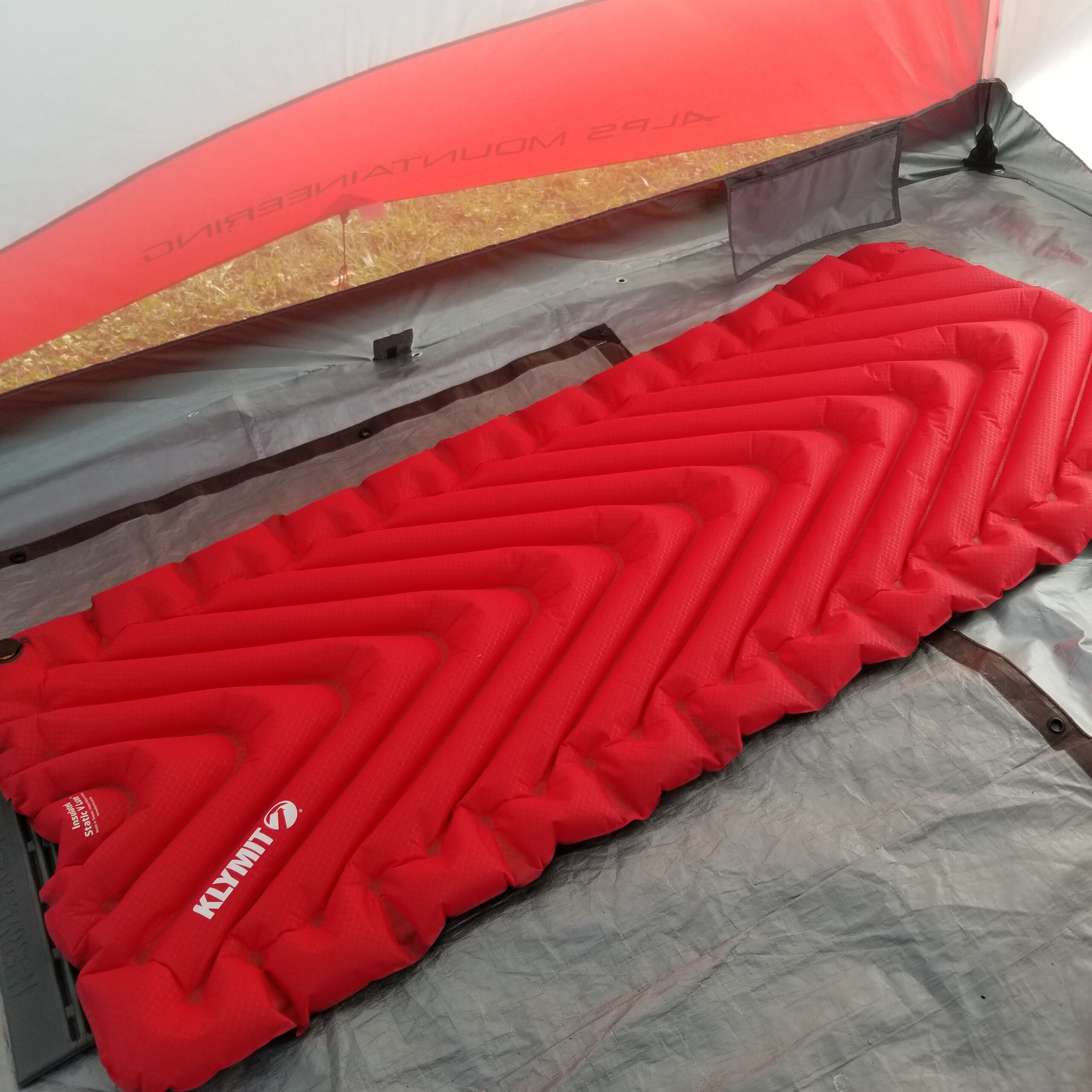
Thirty inches wide is the headline here, and in winter it matters more than it does in summer. A wide pad keeps more of your body on the insulated surface instead of overhanging the edge, and on frozen sloped ground the wide side rails also reduce sliding, which owners across several forums treat as a safety issue rather than an annoyance.
The R 5.0 rating puts the Static V Luxe straight into the frozen-ground winter band rather than the cold-adjacent band. Klymalite synthetic insulation sits inside V-shaped chambers that body-map the surface for back, side and stomach sleepers, and the shape means less air movement underneath you when you turn over.
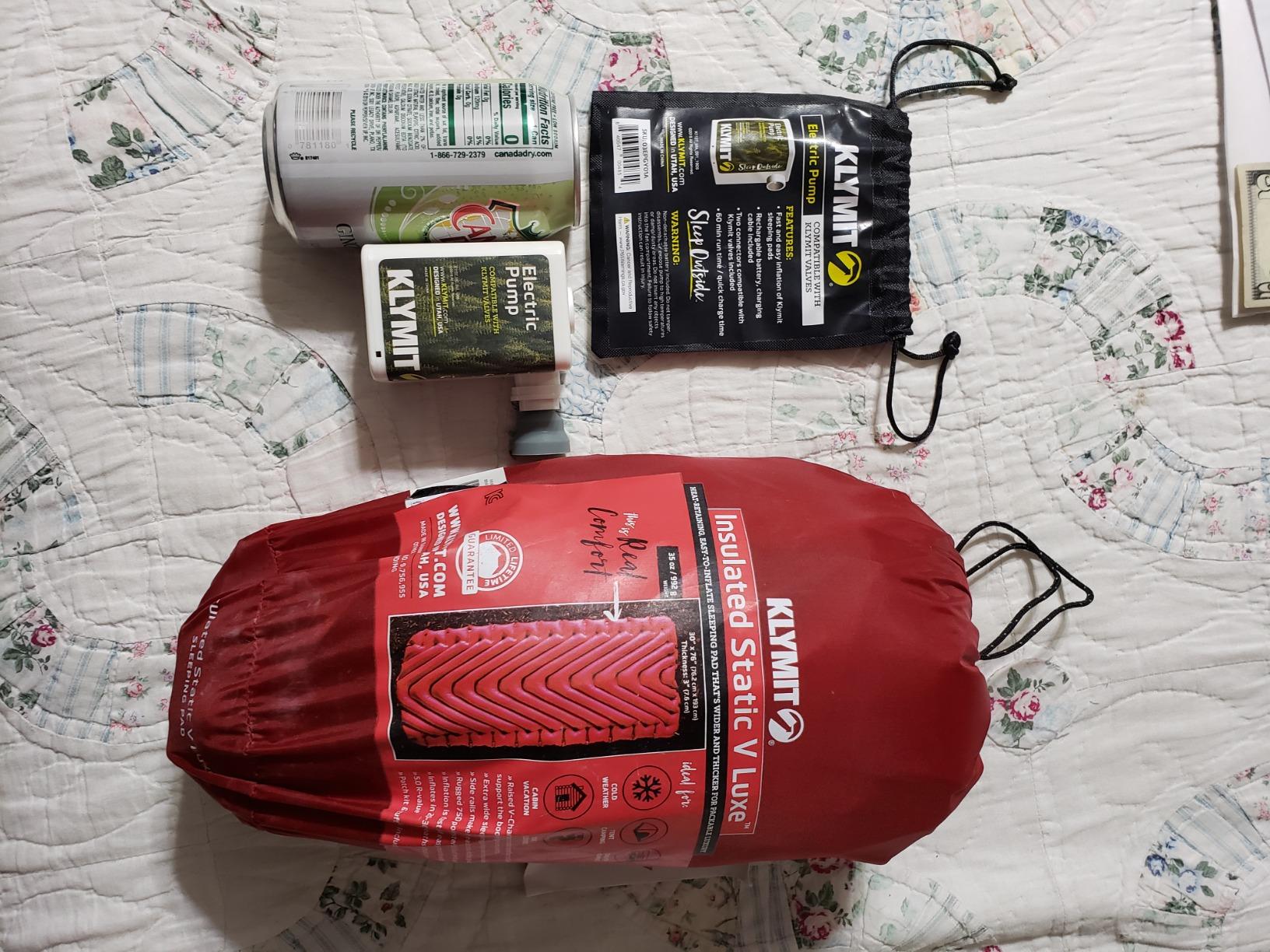
At 76 by 30 by 3 inches inflated and 32 ounces packed, it is longer and wider than almost every backpacking pad here, and it packs down to a 10 by 5 inch cylinder. That is a fair trade for the extra usable surface, but it is not a lightweight-first choice.
The valve is the weak point and it is worth reading the reviews about it. It is a flip-style valve that leaks unless the black cover is snapped fully closed, and the recurring owner theme is confusion over exactly that. If you are buying this pad, practice the valve in daylight before you need it at night in the cold.
Who the Static V Luxe suits
It suits side sleepers who get cold at the shoulder and hip, and anyone who has spent years rolling off the edge of a narrow pad in the middle of the night. It also suits campers on sloped or icy ground, where the wide base and side rails matter more than another inch of R-value.
It suits shoulder-season and mild winter users who want one pad that is comfortable rather than minimal. Owners report usable comfort down to around freezing when paired with a bag, which makes it the most comfortable pick in the R 5.0 band.
Where the Static V Luxe falls short
It falls short for anyone optimising for weight and pack size, and for anyone who needs a real snow rating. R 5.0 handles frozen ground; it is not the pad we would take onto snow at minus ten for a multi-night trip without adding a foam layer.
The flip valve and the slow deflation are the practical annoyances, and a minority of owners also report ground cold cutting through at near-freezing temperatures, which suggests the effective R-value in the field is a little below the stated 5.0 for some body types.
4. Wevelel Memory Foam Pad — Best Budget Cold Ground Pad
Wevelel Memory Sleeping Pad, 3.1″ Ultra-Thick Foam Sleeping Mats for Camping, Easy Inflate&Deflate,9.5 R-Value Insulated Camping Mattress Pad with Pillow, for Car Travel Tent
R 9.5 ASTM
3.1 in memory foam
6.5 lb
77 x 27 in
Pros
- Very thick 3.1 inch foam lifts hips and shoulders off hard ground
- Self-inflates in about 30 seconds with no mouth-blowing
- Quiet knit fabric that does not crinkle when you turn
- Wide enough for 6 foot sleepers and 200 lb users
- Holds air through the night even slightly under-inflated
Cons
- 6.5 lb and bulky when deflated
- Actual width is 27 inches not the headline number
- Air takes practice to roll back out for storage
- Plush feel will not suit sleepers who want firm
The Wevelel is the specification outlier of this roundup: R 9.5, ASTM-tested, at 3.1 inches of 50D memory foam. That is a genuinely winter-grade insulation figure attached to a car camping price point, and it is the reason this pad appears on a list of cold weather sleeping pads despite its 6.5-pound weight.
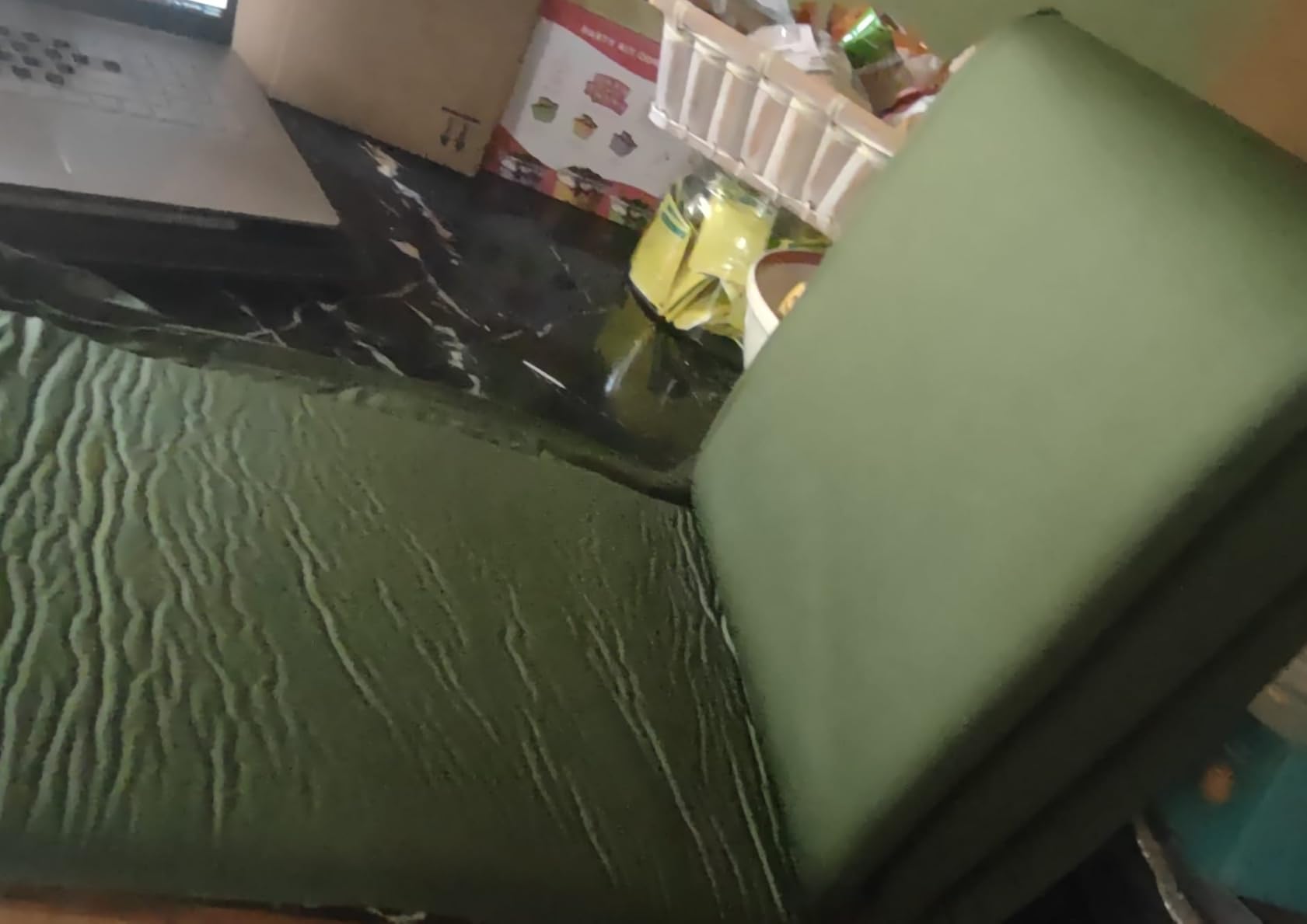
Memory foam at this density is roughly four times thicker than the fill used in typical camping pads, and that thickness is what removes hip and shoulder pressure points. On frozen ground those two pressure points are where most campers first feel the cold, because that is where you press hardest against the pad.
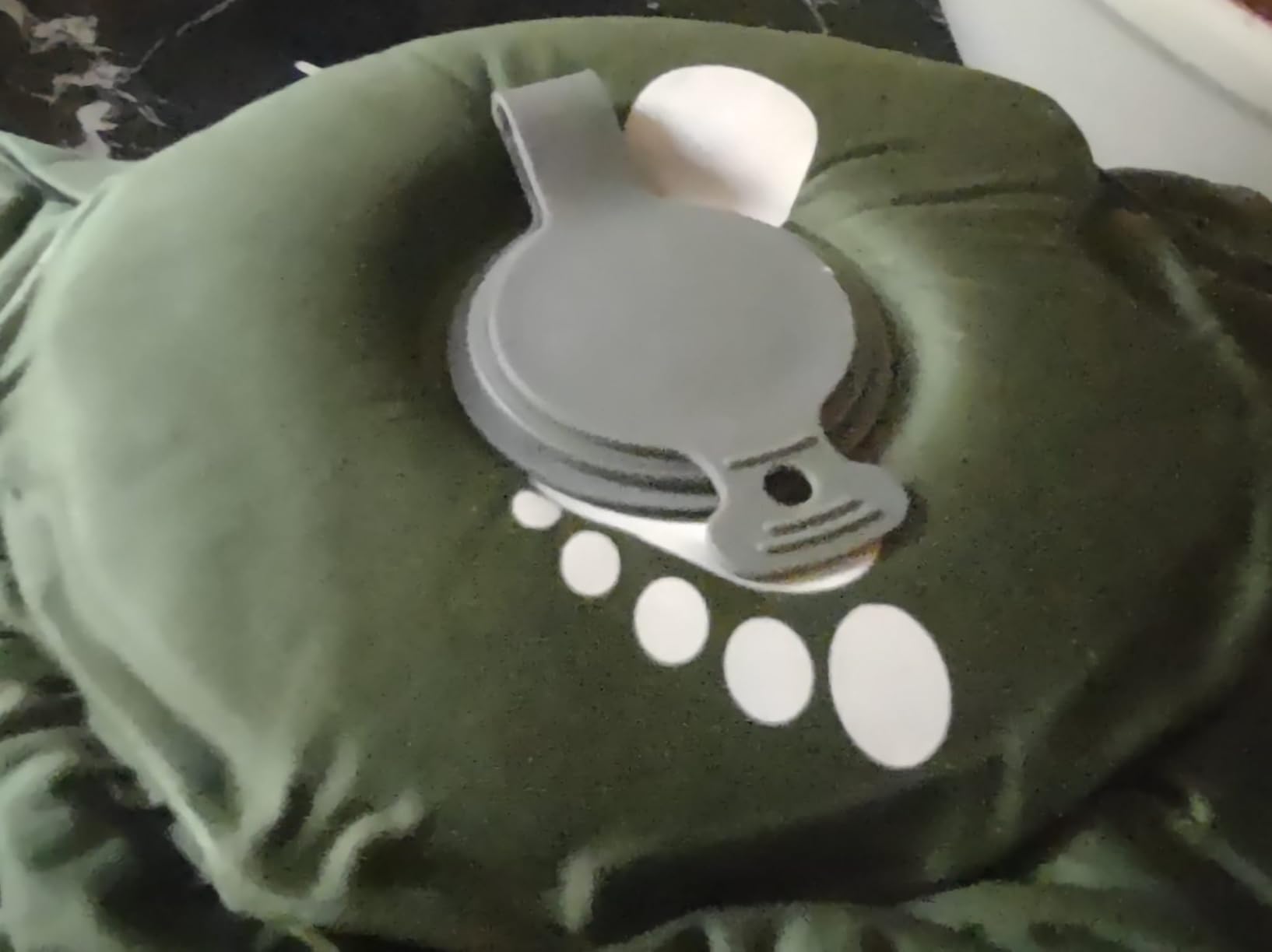
The self-inflation takes roughly 30 seconds through the dual-layer valve, and owners report that it holds air through the night even when left slightly under-inflated, which is unusual and useful behaviour. The stretch knit face is quiet, with no reflective-film crinkle, so it also wins over the foil-faced pads for light sleepers.
Two things to know before you buy. The advertised 30-inch width is closer to 27 inches in reality, which still comfortably fits a six-foot sleeper but is worth knowing if you share the tent. And rolling the air back out of the foam for storage takes a few goes the first time.
Who the Wevelel suits
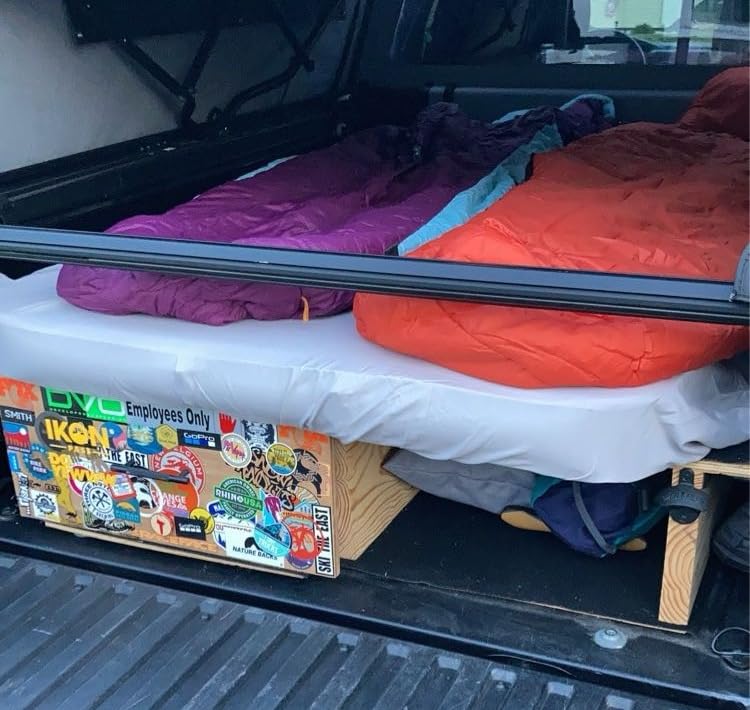
It suits car campers, overlanders and anyone sleeping in a vehicle or a large tent who wants a real winter R-value without a large-ticket purchase. At 800 pounds rated capacity it also takes heavier sleepers comfortably, which is a genuine limit on many insulated pads.
It suits anyone who gets cold on hard surfaces and wants thickness rather than more R-value. Where a foil-faced pad stops conduction, a thick foam pad stops conduction and pressure at the same time, and that is the better trade for basecamp and vehicle sleeping.
Where the Wevelel falls short
It falls short for backpacking, and not marginally. At 6.5 pounds deflated, this is not a pad you carry. It is a pad you put in the boot of the car or the bed of a truck, and treating it as anything else is a mistake we see often.
The memory foam feel is plush rather than supportive, and sleepers who prefer a firm surface tend to find it too soft. It also has a much smaller review base than the top picks, at 559 reviews, so treat the long-term foam durability question as less settled than it is for the Z Lite Sol.
5. Hikenture 4 Inch Self-Inflating — Best Thickness for Vehicle Winter
Hikenture 4″ Thick Self Inflating Sleeping Pad with Electric Pump, Single
R 9.5
Foam and air
5.4 lb
80 x 28 in
Pros
- 4 inch foam and air build is the thickest here
- Built-in electric pump inflates in about 90 seconds and reverses to deflate
- Holds air all night with no motion transfer between sleepers
- Quiet stretch knit surface with no crinkling
- Owners report comfort through Northern Ontario blizzards
Cons
- Inflates to roughly 2.5 to 3 inches rather than the stated 4
- 5.4 lb and bulky so car and rooftop tent only
- Occasional reports of the electric pump not turning on
- 80 inch length is longer than many campers need
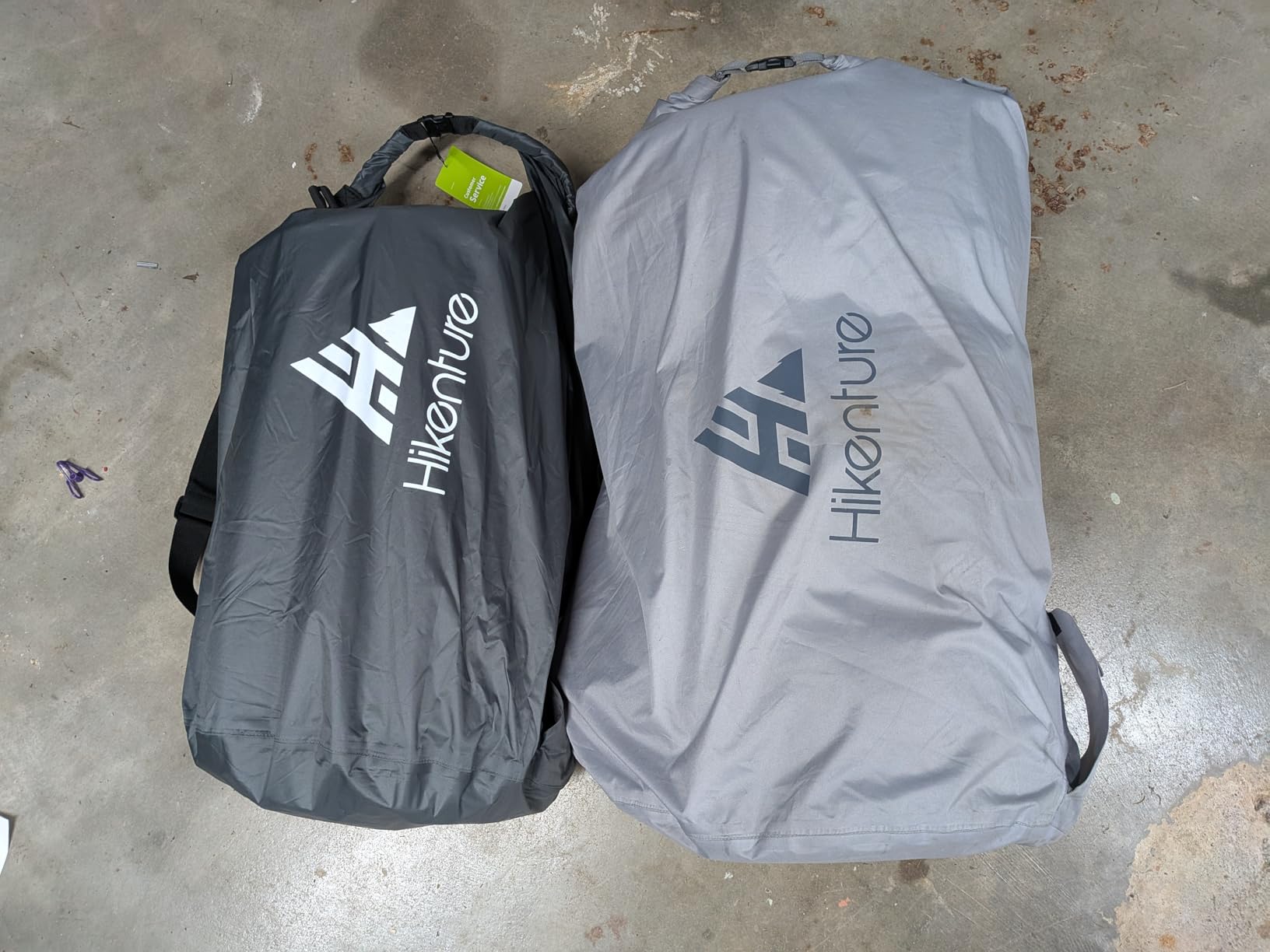
Where the Wevelel wins on value, the Hikenture wins on thickness and on the single most useful feature in this whole roundup: a built-in electric pump. Ninety seconds to inflate, one touch to reverse and suck the pad flat, and no pump sack to lose in the snow. For vehicle and rooftop tent sleeping in deep winter, that is worth more than another half-point of R-value.
The R 9.5 rating places it alongside the Wevelel in the top band, and the foam-and-air hybrid with memory foam on top means the pad both insulates and cushions. Owners describe no motion transfer between sleepers, which is the specific complaint that ruins shared tent nights on thinner pads.
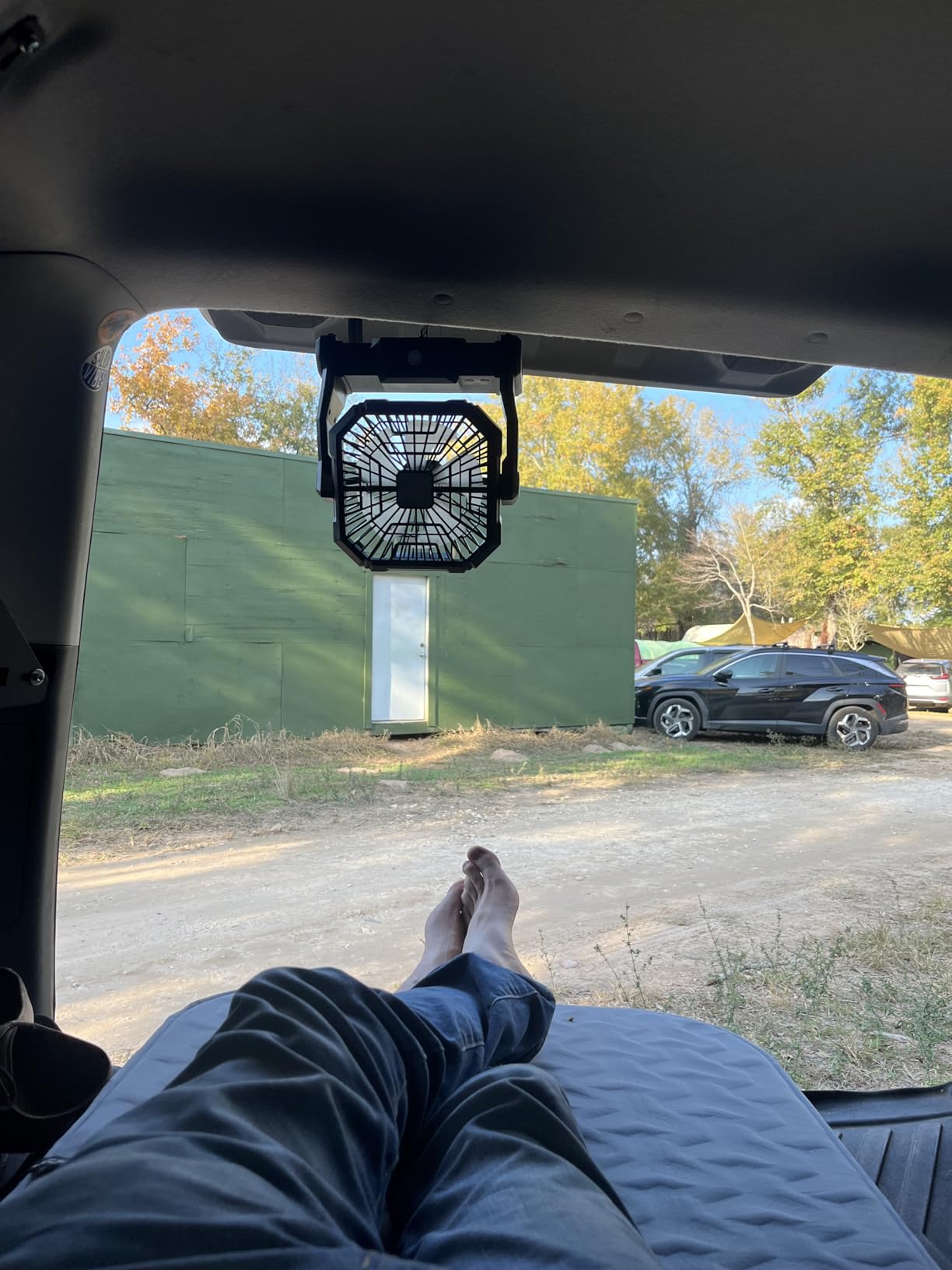
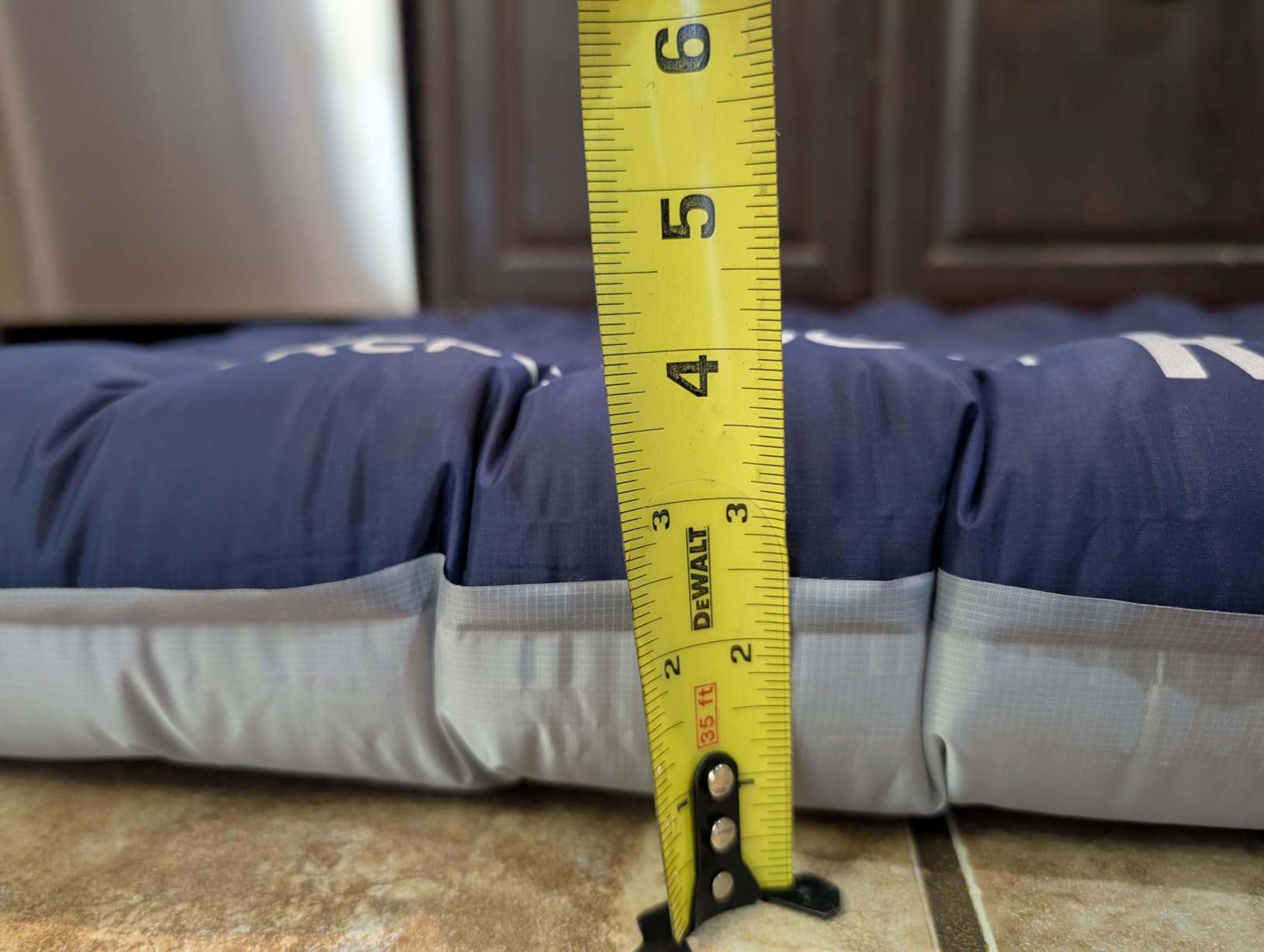
The gap between the claim and the reality is thickness. Owners consistently report that although it is listed as 4 inches, it settles to somewhere around 2.5 to 3 inches in practice, which is normal for foam and air hybrids but worth planning for if you are buying it for hip support specifically. Y-structure airflow channels are what cut the bulk while holding the warmth.
The electric pump is the thing to watch. It is the reason this pad is different, and it is also the thing that generates the small but real number of complaints about pumps not turning on or batteries giving out. A pack-in pump sack as a backup takes thirty seconds of your time and removes the risk entirely.
Who the Hikenture 4 Inch suits
It suits winter car campers, overlanders and rooftop tent users who want one piece of kit that handles deep cold without any assembly. Single, Full and Queen sizes cover everything from one person to a couple, and the electric pump makes setup at minus ten a non-issue.
It also suits larger sleepers. The 80 by 28 inch surface and 300-pound rating give a lot of usable area, and owners report it staying comfortable through multi-day blizzard conditions, which is a claim few pads in this group can make.
Where the Hikenture 4 Inch falls short
It falls short on every backpacking metric: 5.4 pounds is roughly three times what a winter pad should weigh on your back, and the packed bulk is worse than the weight suggests. If the pad has to live in a pack, this is the wrong product.
The stated thickness and the pump reliability are the two other honest caveats. And the 80-inch length is longer than many campers need, which matters in a small tent where the pad ends up wider than the floor.
6. TREKOLOGY 4 Inch R 7.2 Pad — Best High R-Value for the Weight
TREKOLOGY Sleeping Pad for Camping– Ultra-Lightweight, 4″ Thick Camping Mat with 7.2 R-Value for All Seasons (Blue)
R 7.2 SGS certified
4 in thick
2 lb
70.8 x 24 in
Pros
- Reflective inner layer gives real warmth with owners comfortable at 22 and 30 degrees F
- Four inch thickness keeps 240 lb sleepers off the ground without bottoming out
- Packs down to about the size of a water bottle at 2 lb
- Holds air all night even with kids and a dog on it
- SGS-certified R 7.2 at a fraction of the cost of premium insulated pads
Cons
- Noisy and crinkly when you move around
- Slick vinyl surface can make you slide inside a sleeping bag
- Foil insulation makes deflation fiddly
- 70.8 inch length is short for sleepers over 6 feet
The TREKOLOGY is the pad that makes a four-season air pad feel affordable. Seven-point-two R-value, four inches of thickness, two pounds, and an SGS certification on the insulation figure, which is a level of documentation that most pads in this roundup do not carry.
Its reflective inner layer works by bouncing radiant body heat back toward you rather than letting it conduct into the ground, and the reported results from owners are the most convincing of any value pick here: people report sleeping comfortably at 22°F and 30°F. Four inches of thickness also means 240-pound sleepers stay off the ground instead of bottoming out, which is where most cold spots start.
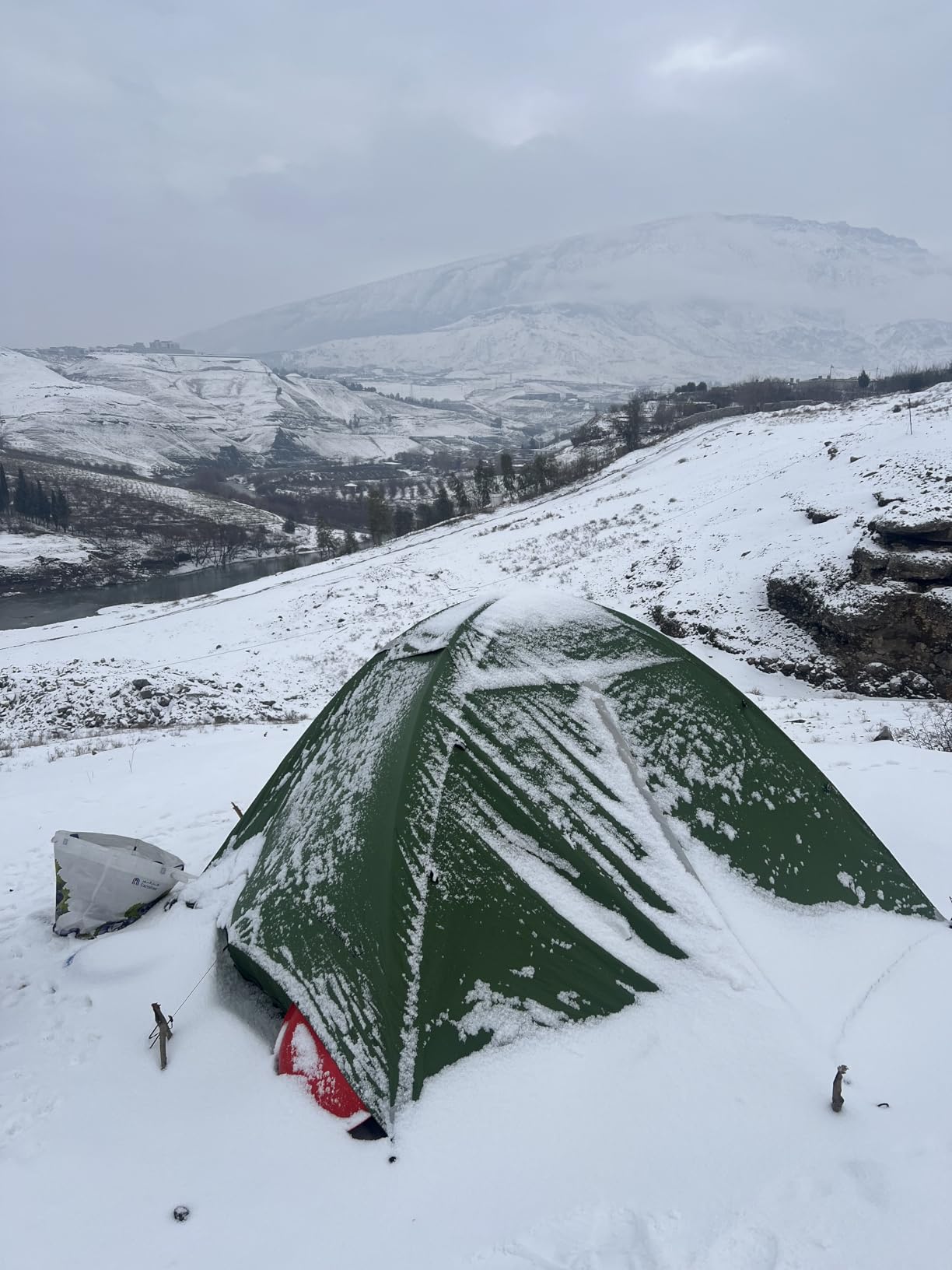
Two problems. The first is noise, and it is the one the owners mention most: this is a crinkly pad, and every movement announces itself. On snow in a quiet valley that is a genuine problem for light sleepers, and the foam-faced and knit-faced pads in this roundup are the quiet option instead.
The second is the slick TPU-coated surface. Owners report sliding inside a sleeping bag, which is more than an annoyance when the ground underneath is frozen and tilted. If you sleep on a slope, treat this as a dealbreaker and look at the Klymit instead.
Who the TREKOLOGY suits
It suits the camper who wants a genuine snow-capable air pad without the premium tier cost, and it suits anyone who will carry two pads. At two pounds it is light enough that a 14-ounce foam pad carried with it still keeps a winter kit reasonable, which is the cheapest route to a system well into the snow band.
It also suits larger sleepers who get cold through thin pads. Four inches of thickness and a 330-pound capacity give a lot of usable support, and owners report it holding air all night even with children and a dog climbing on it.
Where the TREKOLOGY falls short
It falls short on quietness and on grip, and both are dealbreakers for a subset of sleepers. The 70.8-inch length is also short for anyone over six feet, and a pad your feet hang off is a pad that is not doing its job at the coldest part of your body.
A minority of experienced owners question whether R 7.2 holds up in real sub-freezing use, and experienced hikers are generally more sceptical of foil-faced pads than the number suggests. We would treat it as a strong R 6 plus rather than a guaranteed 7.2 in the field.
7. Sea to Summit Camp Plus SI — Best Compact Four-Season Foam Mat
Sea to Summit Camp Plus SI Sleeping Mat, Rectangular/Regular
R 4.3
Latex foam
3.2 lb
72 x 25.2 in
Pros
- R 4.3 foam core blocks cold ground effectively
- Packs unusually small for a 2.6 inch thick foam mat
- 25.2 inch rectangular width stops sleepers rolling off
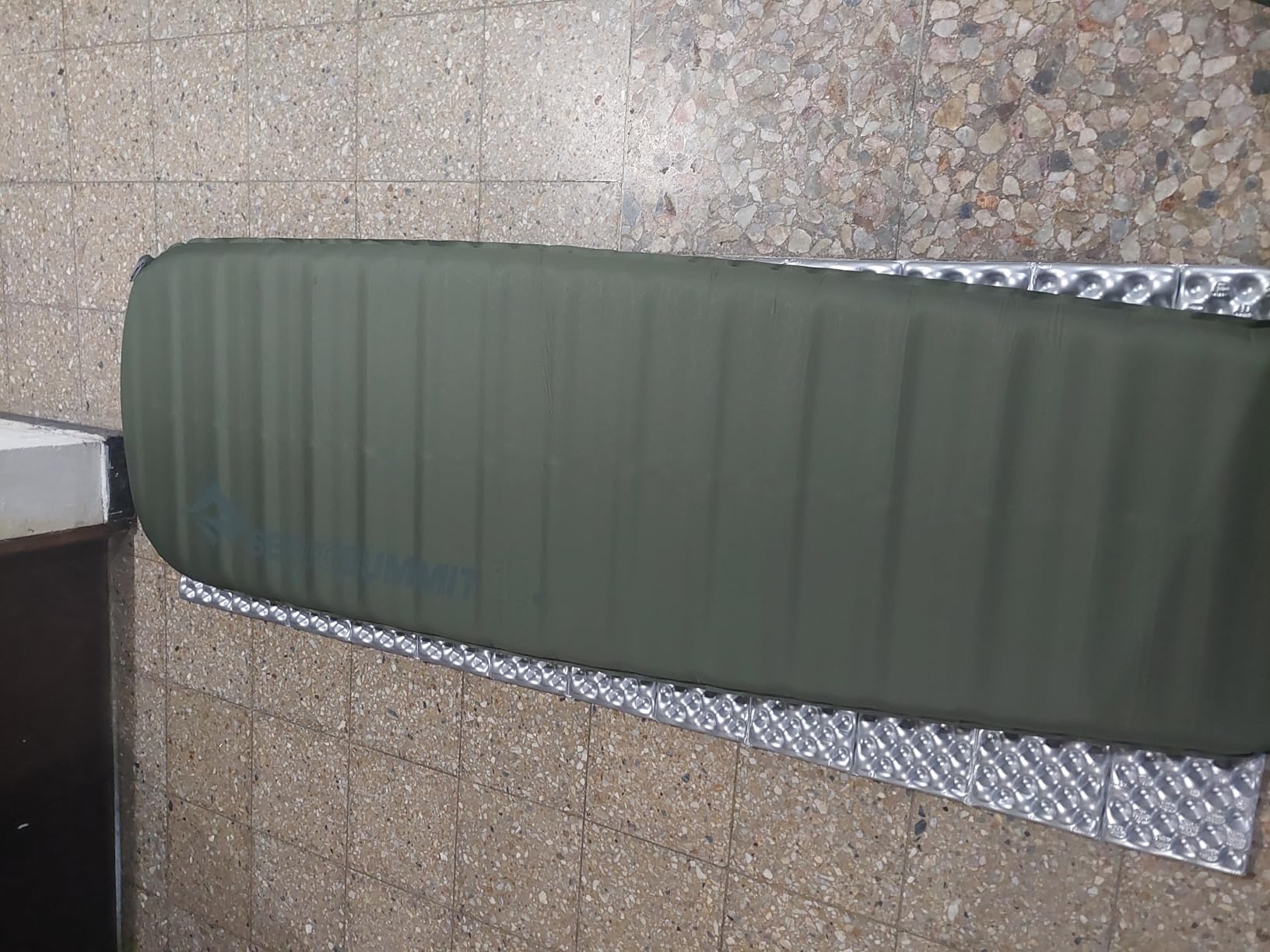
- Self-inflates then deflates one way for quick packup
- Stuff sack field repair kit and patches all included
Cons
- Self-inflation is slow enough that some top off by mouth
- Bulkier than a mummy pad in a small hiking pack
- Small review base limits long-term durability evidence
The Camp Plus SI is the most interesting pad in this group on a warmth-to-volume basis. Four-point-three R-value at 2.6 inches of thickness, packed down to 13 by 7.5 inches, which is small for a foam mat of that thickness and the reason it is worth knowing about.
The insulation mechanism is cored latex foam, so like the other foam products here it does not depend on air pressure to keep working. The core is shaped for body mapping, which spreads the foam where you need support and removes it where you do not, and that is how it gets R 4.3 without becoming a brick.
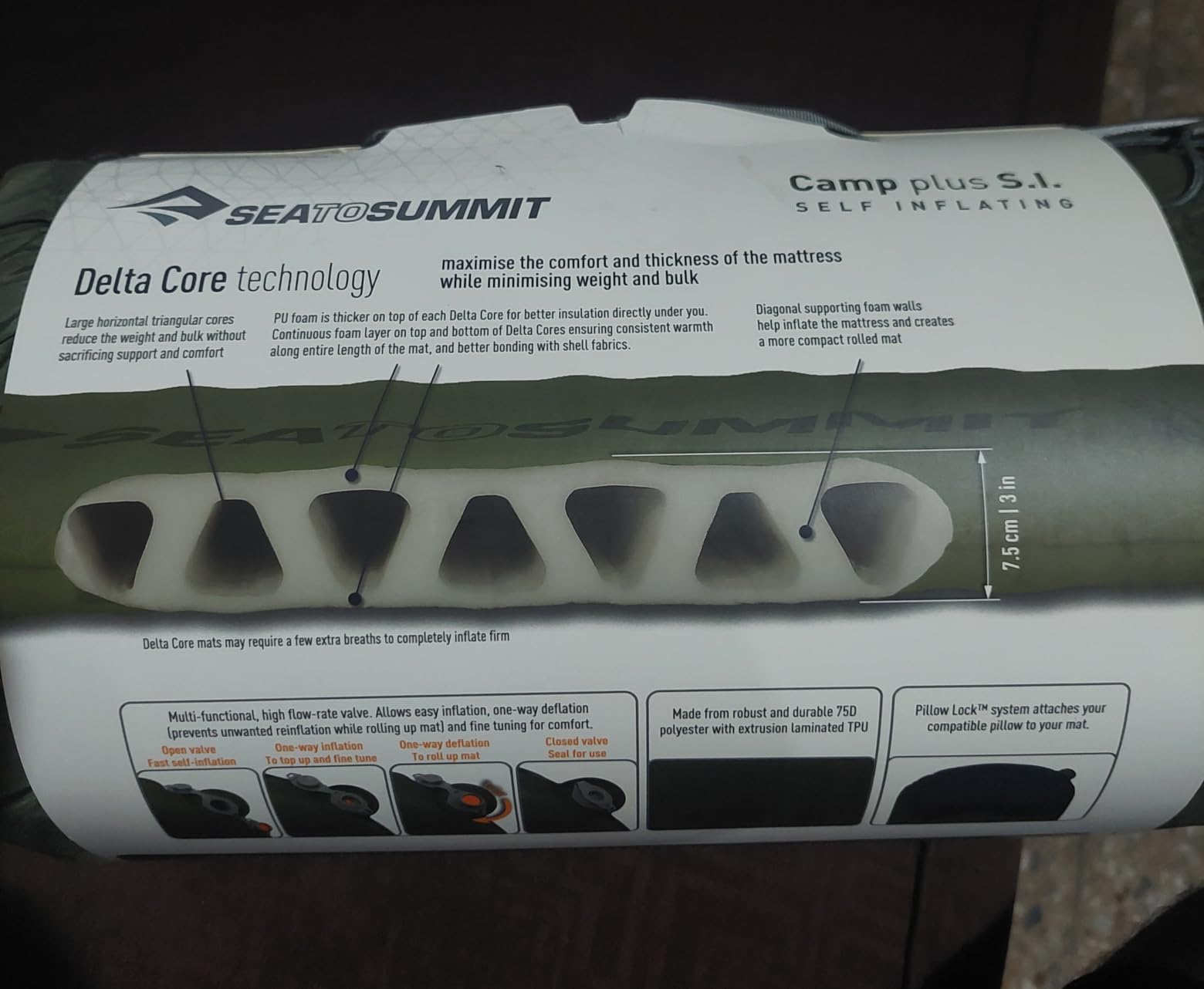
The 25.2-inch rectangular width is worth a mention because it is wider than most pads at this weight and it means side sleepers are not hanging off the edge. The reversible multi-function valve inflates one way and deflates the other, and the field repair kit and patches come in the box rather than being an extra purchase.
With 10 reviews, the 4.7 rating is the highest in the group, but it is drawn from a very small sample and it tells you much less about how the foam behaves after three winters than the 4,700-review products do. The cored latex construction is the reason we expect it to age well, but expect is what it is.
Who the Camp Plus SI suits
It suits car and drive-in campers who want real cold ground insulation in a shape that fits in a car boot without a roof box. It also suits anyone moving between vehicle sleeping and short approaches on foot, since 3.2 pounds is manageable for a short walk in.
It also suits side sleepers on a budget, since the 25.2-inch width is unusually generous for a mat of this class. The cored foam also makes it a solid second layer for anyone who wants R 4.3 that cannot fail.
Where the Camp Plus SI falls short
It falls short on evidence, more than on anything else. Ten reviews is not enough to make a confident long-term durability call, so if you are buying for a decade of winters, look at a pad with a deep review history instead.
It also falls short for snow, since R 4.3 is a cold-adjacent rating rather than a snow rating. The self-inflation is also slow enough that some owners finish by mouth, and finishing an air pad by mouth in winter is the one habit we would rather nobody picked up from a product review.
8. Exped MegaMat — Best Premium Mat for Frozen Ground
Exped MegaMat Sleeping Pad, Medium Wide
R 8.1
4 in foam and air
4.6 lb
72 x 25.6 in
Pros
- Four inch open-cell foam with air core channels is near mattress comfort
- 3D vertical sidewalls keep arms knees and elbows on the insulated area
- Firmness adjustable from plush to firm with the included top-up pump
- Soft recycled tricot face with good traction so you do not slide
- Holds shape despite heavy movement and works on frozen ground
Cons
- 4.6 lb and very bulky when packed
- Car and drive-in camping only
- First self-inflation takes longer than the instructions state
- A minority report slow deflation and punctures in truck camp use
The Exped MegaMat is the closest any of these gets to a real bed, and at R 8.1 it has the insulation to justify the weight for anyone sleeping on frozen ground without a vehicle nearby. It is the pick for a car or drive-in campsite where you are not moving for a week, and for basecamp setups where the pad is not carried at all.
The mechanism is four inches of open-cell foam with air-core channels cut through it, which gives both the warmth of foam and the adjustability of air. The included top-up pump lets you set the firmness anywhere from ultra-plush to firm, and that adjustability is the feature owners mention second most often after thickness.
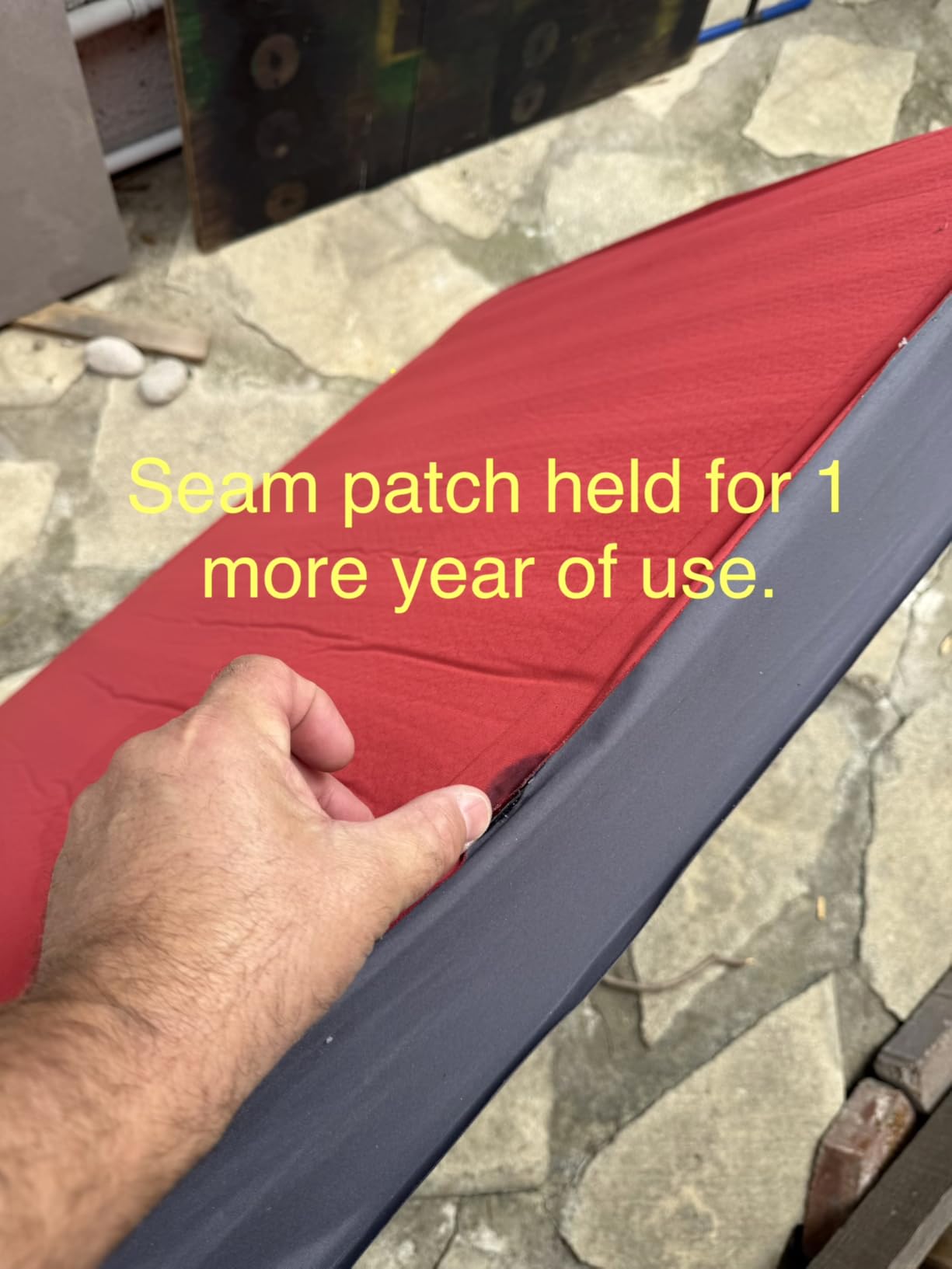
The 3D vertical sidewalls are a real cold-weather feature, not a comfort feature. Because the walls do not taper, your arms, knees and elbows stay on the insulated area rather than sliding down a slope into thinner material, and on frozen ground those contact points are exactly where heat escapes.
The face fabric is recycled four-way stretch tricot with a honeycomb emboss and a TPU polyether film laminate, and owners consistently praise the traction. On a slick pan, or in a tent floor that gets condensation, a pad you do not slide off is genuinely valuable. It carries a repair patch in the box, which is more than several other pads here include.
Who the MegaMat suits
It suits car campers, overlanders and drive-in campers who will sleep on the same spot for a week and want the highest comfort-per-square-foot available. It also suits anyone who sleeps hot, because the adjustable firmness lets you open up the air channels and increase airflow when a bag is too warm.
It suits people who get cold at the edges, since the vertical sidewalls are the best answer to that problem in this roundup. For basecamp trips where a vehicle is a short walk away, the weight stops being a factor at all.
Where the MegaMat falls short
It falls short on portability, completely. Four-point-six pounds and a very large packed size put it out of reach of anything involving a backpack, and it is a poor recommendation for someone still working out whether they need winter gear at all.
It is not water resistant according to the manufacturer, so wet ground is a different problem than cold ground. A minority of owners also report slow deflation and punctures in truck-camp use, so it still deserves a patch kit despite its reassuring weight.
9. Hikenture R 6.2 Ultralight Pad — Best Lightweight Winter Choice
Hikenture Sleeping Pad R-Value 6.2 Insulated Camping Mattress for Cold Weather with Pump Sack(1201-A1)
R 6.2 ASTM F3340-22
1.5 lb
73 x 25 in
Pros
- Owners camped at minus 15 to minus 20 Celsius with no cold spots
- ASTM F3340-22 tested R-value of 6.2
- 1.5 lb and a very small packed size
- Holds air all night and inflates in a few pumps with the bag
- Regular Wide size fits two or a child and a dog
- Quieter than most foil faced pads
Cons
- Aluminium film crackles when inflating or moving
- Foot-end valve is awkward to open one-handed
- Only one nozzle so deflation is slow
- Patch kit limited to two patches
This is the pad that answers the question the ultralight crowd keeps asking: can you get R 6.0 winter warmth without leaving the lightweight community behind. At 1.5 pounds with an ASTM F3340-22 certified figure, it is the best warmth-to-weight ratio in this roundup by a wide margin, and owners report using it to minus 15°C and minus 20°C.
The insulation is an aluminium film reflective construction, which bounces radiant heat back rather than blocking conduction the way foam does. That is why it is so light, and it is also why it is quieter than the heavier foil-faced pads below despite being the same general technology.
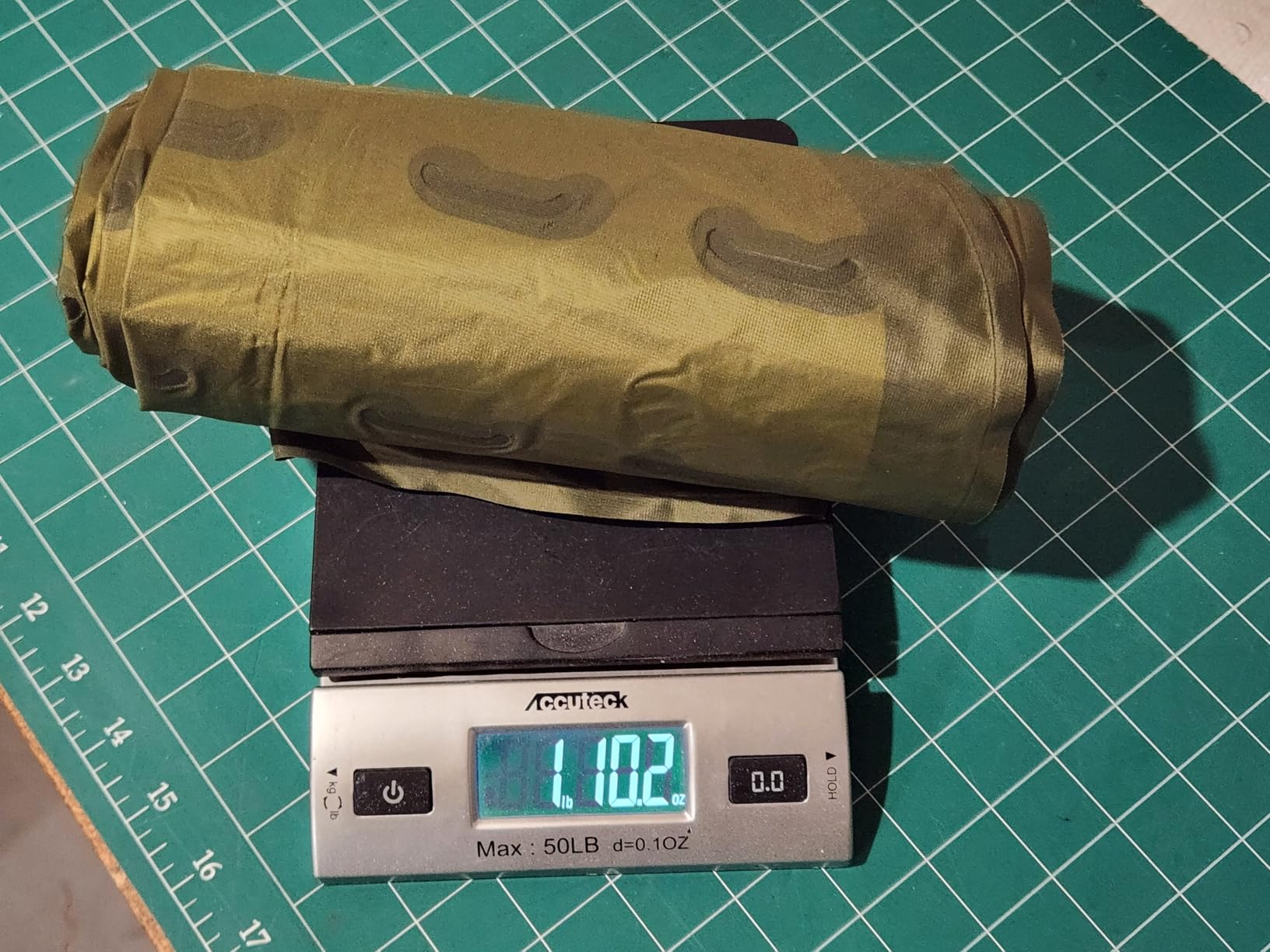
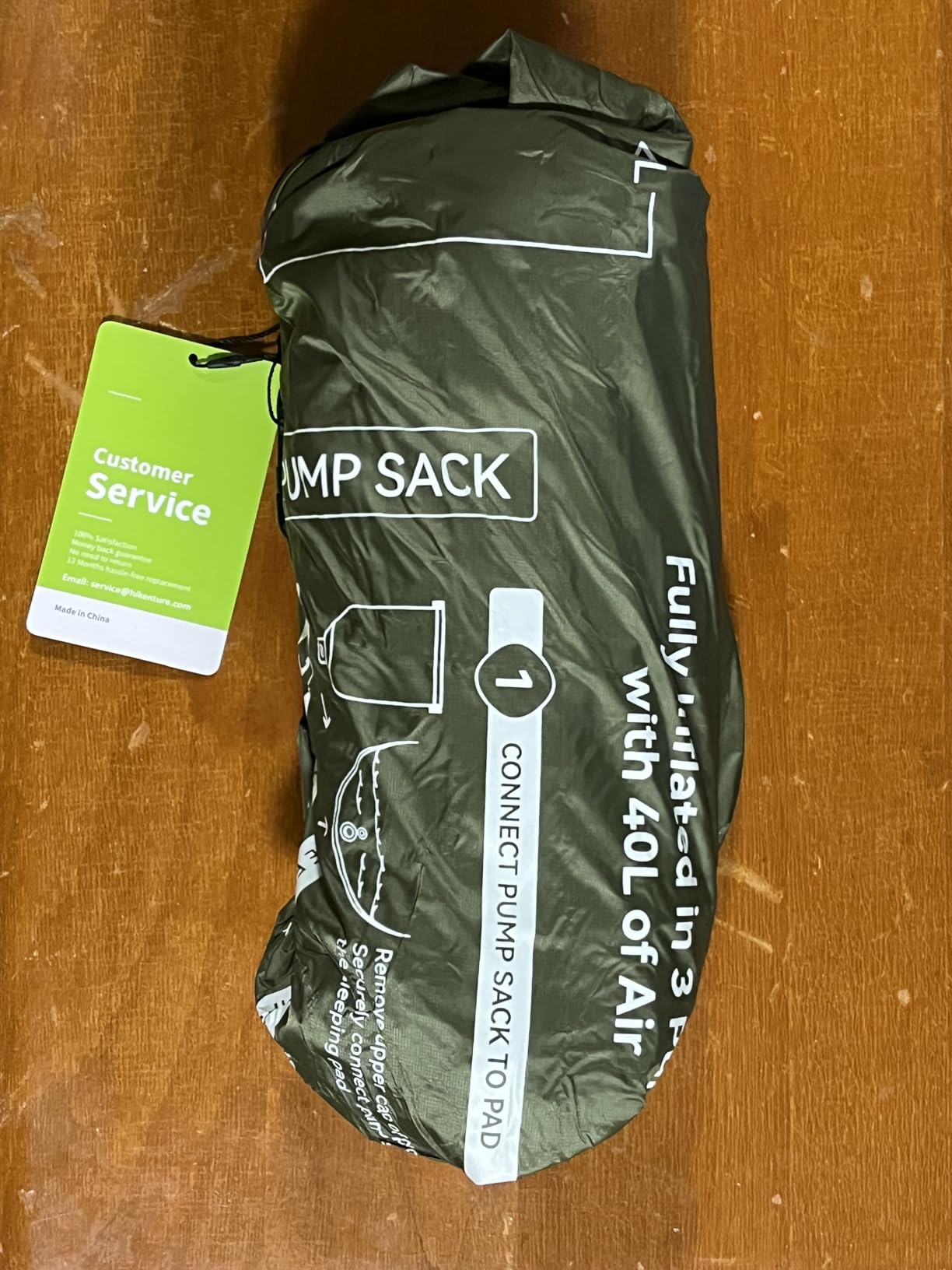
The storage bag doubles as a 40-litre pump sack, which solves the breath-inflation problem in one stroke and is the single most important winter feature a pad can have. The 3.2-inch thickness and airbag structure also mean the pad resists bottoming out, which is where cold spots usually originate.
The complaints are specific. The valve sits at the foot end and is hard to open one-handed while you are lying on the pad, there is a single nozzle so deflation is slow, and the patch kit is two patches rather than a proper roll. Experienced hikers in the reviews are also openly sceptical of whether R 6.2 is a real-world rating.
Who the Hikenture R 6.2 suits
It suits the backpacker who has been forced to choose between winter and lightweight and does not want to. At 1.5 pounds, carrying it plus a 14-ounce foam layer is a system a lighter-weight user can live with, and the foam plus air combination pushes you into the snow band.
It also suits anyone who sleeps cold and lightweight, and anyone planning multi-night snow or mountaineering bivouac trips where every ounce counts. Users report the Regular Wide version being wide enough to share with a child or a dog.
Where the Hikenture R 6.2 falls short
It falls short on component quality, which is the honest version of the reviews. A foot-end valve you cannot open one-handed, single-nozzle deflation and a two-patch repair kit are all things that matter at minus twenty with numb hands, and the brand is not yet a name that inspires the same confidence as the incumbents.
The R 6.2 figure is certified, but experienced hikers still question the real-world translation, and the aluminium film means some sleepers will find it noisy in a quiet snow valley.
10. OGERY 3 Inch Memory Foam Pad — Best Quiet Foam Comfort
OGERY Self-Inflating Sleeping Pad, 3″ Memory Foam Camping Mattress
3 in memory foam
Foam and air hybrid
6 lb
77 x 27 in
Pros
- Hybrid foam and air build removes the bouncy feel of air-only pads
- Three inch thickness gives even support on any sleep position
- Foam interior minimises movement noise compared with crinkly air pads
- Built-in foot pump so no mouth-blowing and no separate pump
- Textured non-slip base stays steady on tent floors cots and truck beds
Cons
- 6 lb weight makes it vehicle and campsite gear only
- No stated ASTM R-value so the cold rating is unverified
- Bulkier to deflate and repack than a pure air pad
The OGERY exists to solve a very specific problem: the noise and the bounce. If you have ever been unable to sleep on a crinkly foil pad or found an air mattress too springy, this is the pick, and the 4.6 rating from 192 reviews is one of the strongest satisfaction rates among the vehicle pads here.
Three inches of high-density memory foam over an air core gives stable, evenly distributed support for side, back and stomach sleepers, and the foam interior damps the movement noise that makes air-only pads unusable for light sleepers. There is no reflective film, so the crinkle problem simply does not exist.
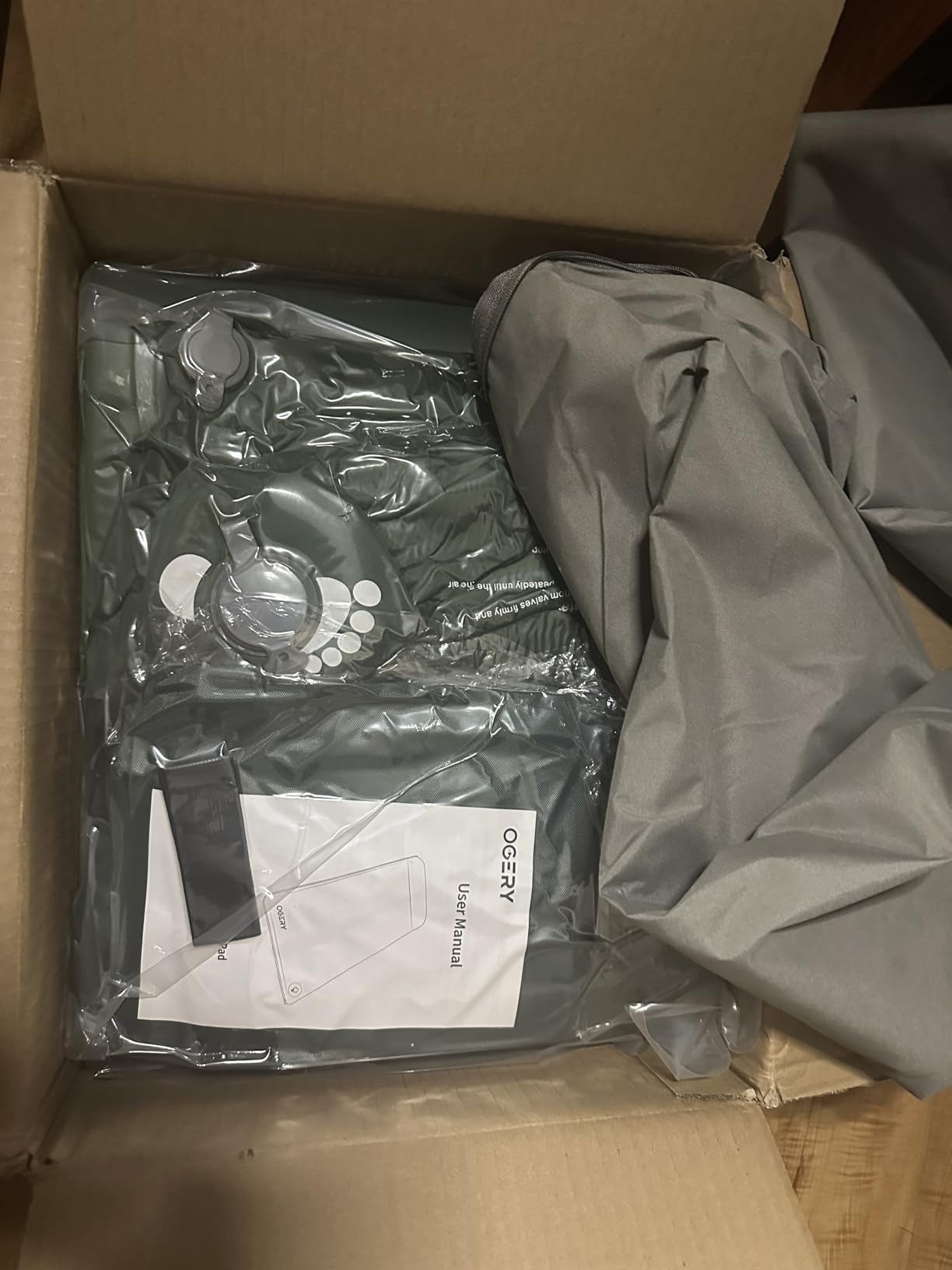
The built-in foot pump is a genuinely good piece of design. You can add firmness one-handed while lying on the pad, so you can dial it up after two hours rather than getting out of the bag in the cold, and it removes any temptation to inflate by mouth.
What we cannot tell you is the R-value, because none is published and no ASTM test is cited. That is a real limitation on a cold weather list, and we are not going to estimate a number the manufacturer has not given. Owners report it working well for car camping, but treat the cold rating as unverified.

Who the OGERY suits
It suits light sleepers and anyone camping in genuinely quiet places, where the sound of your own movement is the thing standing between you and sleep. It also suits side sleepers who need real thickness rather than maximum R-value, since the three-inch foam layer spreads pressure properly.
It suits vehicle and campsite users, and the textured non-slip base works on tent floors, cots and truck beds equally well, which makes it useful as a second mat when the ground is wet or frozen and you want something stable on top.
Where the OGERY falls short
It falls short on documentation first, which on a cold weather list rules it out for anything beyond vehicle camping. No stated R-value means you cannot place it on the decision band, and you are relying entirely on owner reports of comfort in mild conditions.
At six pounds it is campsite and vehicle gear only, and the foam-and-air construction is bulkier to deflate and repack than a pure air pad. The one-year manufacturer warranty is also the shortest here.
How to Choose a Cold Weather Sleeping Pad
Choosing a cold weather sleeping pad comes down to a short list of trade-offs you can actually reason about. Insulation is either foam, air or reflective film, and all three have a mass cost, which is why every winter pad here is heavier than the three-season pad you are replacing.
1. Pick the R-value band from your ground temperature
Start from the ground, not the air. A forecast low tells you the air temperature, and your bag handles that. What you need is an estimate of ground temperature, which on a clear night with no snow cover runs several degrees below the air minimum because the ground radiates heat all night. If you cannot estimate it, the conservative move is to take the band above the one you think you need.
For most shoulder-season trips on frozen soil, R 5.0 to R 6.0 is the right target and the Klymit or the Hikenture R 6.2 are the right pads. For snow, R 6.0 to R 7.5 is the minimum and the TREKOLOGY is the budget route. For deep winter on frozen ground without a vehicle, R 7.5 and up is the only defensible answer.
2. Choose the construction: air pad, self-inflating or closed-cell foam
Air pads give the best warmth-to-weight ratio and the worst failure mode. Self-inflating pads sit in the middle, using a foam core with an air layer, and they cannot be fully destroyed by a puncture. Closed-cell foam pads give the least comfort and the most reliability, and they never need inflating at all.
The tradeoff for cold weather is that the most reliable options are the heaviest. Foam is the insulator that cannot fail, air is the insulator that can, and the self-inflating middle ground is where most cold weather campers end up. Our own preference for backcountry trips is an air pad with a foam backup carried alongside, and for vehicle trips, a self-inflating mat with a plug-in pump.
3. Stack two pads, and get the order right
Stacking is the community standard answer, and it works because R-values are approximately additive. An R 4.3 air pad over an R 2.0 foam pad gives you roughly an R 6.3 system, which moves you a full band up the chart. This is the most repeated and most useful piece of advice on the r/Ultralight winter threads.
But the order is not the obvious one, and this is the nuance almost every roundup gets backwards. R-value per inch, not total R-value, is what determines placement. Closed-cell foam delivers a huge amount of R in a very thin layer, so it has by far the highest R-value per inch of anything in this roundup, and the layer with the highest R-value per inch belongs closest to your body. That means the foam goes on top and the air pad underneath.
This contradicts the instinct to put the hard flat foam down to protect the inflatable, but the physics is what it is. The Backpacking Light forum thread on winter pad use makes this point explicitly, and the logic is simple once you understand it: a thin, highly efficient barrier against your skin beats a thick, less efficient one beneath it.
4. Get the thickness right for how you sleep
Thickness and R-value are separate axes and you need both. Thickness controls pressure, R-value controls heat, and cold in winter shows up first as a cold spot exactly where you press hardest into the pad, which for most sleepers is the hips and shoulders. Three inches is the practical minimum for side sleepers, and four inches is where the vehicle pads in this roundup sit.
Thinner pads can still be plenty warm if the R-value is high, which is how the Hikenture R 6.2 manages 3.2 inches and sub-zero reports. The reverse is not true: a very thick pad with a low R-value is a comfortable pad that is still cold, and that is the standard failure of the R 4 and below memory foam mats.
5. Budget for the weight penalty honestly
Warmth costs weight, and the numbers in this roundup make the point better than the general principle. A three-season pad runs around 13 to 16 ounces. The lightest frozen-ground pad here is 1.5 pounds, and most sit between 2 and 3.5 pounds. The deep winter vehicle pads run 4.6 to 6.5 pounds. That step up is the reason ultralight hikers resist winter gear so strongly.
The lever most people miss is the foam stack. A 14-ounce foam pad alongside an existing three-season pad moves you up a full band, and it costs almost nothing in pack volume. If weight is the binding constraint on your winter trip, that is the answer, not a thinner air pad.
6. Get the valve and pump sack right before the trip
Valve design determines how easy a pad is to use with cold hands, and cold hands are the actual problem, not a hypothetical one. Micro-adjustable valves let you add air in small increments while lying down. One-way valves let you deflate quickly. Flip valves need to be snapped fully closed or they leak slowly, which is a defect and not a user error even when it is described as one.
The rule that is not optional: never inflate a winter pad by breath. The moisture in your breath condenses inside the baffles and freezes there in below-freezing air, which permanently degrades the insulation and can ruin the pad. Every serious winter thread raises this unprompted. Use a pump sack, and if the pad does not ship with one, buy one and treat it as part of the pad.
7. Match the pad rating to your bag rating
Your sleeping bag is rated for the lowest air temperature you expect, and your pad is rated for the ground beneath you. These are different numbers and they need to be reconciled deliberately. The common rule is that the pad’s rated low should be at or below your bag’s comfort rating, so the bag is never being asked to make up the difference.
Concretely: a bag rated to 20°F comfort wants a pad that handles 20°F ground or colder, which means R 6.0 or higher. If your bag is a 0°F bag and your pad is R 5.0, you are leaving margin on the table at the bottom and risking exactly the warm-at-bedtime, cold-at-4am outcome that ruins winter trips. Our cold weather sleeping bag guide sets out the comfort versus limit ratings in more detail.
If your bag is also carrying a liner, that changes the arithmetic. Liners add a couple of degrees of effective warmth and buy you margin on the bag side, which means a lower pad requirement, and it is often the cheapest way to fix a mismatched system rather than replacing a pad. Our guide to sleeping bag liners for cold weather covers the options.
Winter Setup Checklist and Failure Modes
Almost every winter sleeping disaster comes down to one of six things, and all six are cheap to prevent. We would run this list before every cold trip.
Carry a pump sack and never inflate by breath. Breath moisture freezes inside the baffles in sub-zero air and degrades the insulation permanently. If your pad did not include a sack, that is the first purchase you make.
Carry a real patch kit, not two patches. A roll of repair film and patches costs almost nothing and covers the difference between a nuisance and a night spent freezing. Test the patch at home first so you know how the glue behaves in the cold.
Bring a closed-cell backup if the trip matters. A 14-ounce foam pad is the cheapest insurance in winter gear and it cannot deflate. On any trip where a rescue is a phone call away, this is not optional.
Check the valve in daylight, twice. Flip valves leak unless fully closed. Test the valve, top it up, then check it again an hour later before you rely on it overnight.
Keep the pad under you all night, and put something under the pad. A footprint or a foam sheet under the pad reduces the ground heat flux before the pad even sees it, and it costs almost no weight.
Inflate inside the tent, not in the wind. Cold air going in makes the pad firm, then warms and softens overnight, so you end up on the ground by 3am. Inflate it warm and adjust with a micro-adjustable valve if you have one.
That last one is the warm-at-bedtime, cold-at-4am problem, and it is worth understanding rather than just fixing. It is not usually a failure of the R-value. It is a pad that was inflated in cold air, warmed up and expanded while you slept, so you spent the night slowly sinking, and by dawn the thickness that was protecting you at midnight was gone.
The other failure mode nobody mentions enough is a stiff valve and a tight stuff sack in cold hands. If packing up a pad at dawn in freezing weather is part of your trip, practice it at home in a cold room, and check whether your pad has a two-way valve that lets you dump air fast.
Pads We Considered and Rejected
Two categories of pad that come up constantly in winter discussions are not in this list, and we would rather explain why than pretend they do not exist.
The first is the down-insulated premium tier, of which the Exped Ultra 7R is the name that comes up most in UK and European winter threads. Down adds warmth for very little weight, and for one-night bivouacs that trade can be right. The problems are the other direction of the trade: down is vulnerable to moisture, and moisture is exactly what you are lying in when the air temperature is above freezing and the ground is not. A wet down pad in a freeze is a trip-ending problem, and that risk is not worth taking for the marginal warmth over a synthetic or reflective-film pad of the same R-value.
The second is heated pads, which rank in the same search cluster as winter pads and which we deliberately excluded. Heated pads solve a real problem, but they solve it with a battery, a charging plan and a cable that can fail, and each of those is a new failure mode in exactly the conditions where you cannot afford one. If you are considering a heated pad, it belongs on top of a proper winter pad, not instead of one.
We also left out very cheap unrated foam pads without a stated R-value or any thermal claim. They are fine for summer, and buying one for winter is buying an unquantified gamble with your core temperature. If you want our broader read on pad categories this list does not cover, our guide to sleeping pad alternatives for camping covers the categories this list does not.
Frequently Asked Questions
What R-value is needed for winter camping?
R 5.0 or higher for winter camping on frozen ground, and R 6.0 or higher for snow and sub-zero nights. The R-value measures resistance to heat flowing from your body into the ground, and the ASTM F3340 test measures it by holding a 35C plate above a 5C plate for four hours. R 3 to R 5 pads are three-season only and will let conduction reach you on frozen soil.
What is the best R-rated sleeping pad for camping?
For a general cold weather pick, the Gear Doctors Oxylus at R 4.3 and 35.2 ounces packed is the most complete option, with more than 4,700 reviews behind it. For deep winter on snow, you need R 6.0 or higher, and the Hikenture R 6.2 at 1.5 pounds is the lightest pad that gets you there. For frozen ground without a vehicle, treat R 7.5 as the floor.
What is the best sleeping pad for extreme cold conditions?
For extreme cold on frozen ground, you want R 7.5 or above. The Exped MegaMat at R 8.1, the Wevelel at R 9.5 and the Hikenture 4 Inch at R 9.5 all sit in that range, and all three weigh between 4.6 and 6.5 pounds, which is a car camping weight class. For backcountry extreme cold, stack an R 6-plus air pad with a 14-ounce foam mat on top.
What is the best R-value for a sleeping mat?
Summer is R 1 to R 3, three-season is R 3 to R 5, cold ground is R 4.5 and up, winter on frozen ground is R 5.0 to R 6.0, and snow and deep winter is R 6.0 and up. The most useful habit is treating the published figure as a floor rather than a target, and adding a closed-cell foam layer when the forecast drops below freezing.
Can a sleeping bag compensate for a low R-value pad?
No. A sleeping bag insulates you from cold air and the pad insulates you from the ground, and they solve different problems. A bag rated to 0F sitting on an R 4 pad on frozen ground will still leave you cold, because conduction into the ground is not something loft can stop. Match the pad rating to or below the bag comfort rating instead, or add a second layer.
Should I stack two sleeping pads in winter, and which goes on top?
Yes, and R-values are approximately additive, so an R 4.3 air pad over an R 2.0 foam pad gives roughly an R 6.3 system. The foam goes on top. R-value per inch determines placement, and closed-cell foam delivers far more R per inch than any air pad, so the most efficient layer belongs closest to your body. This reverses the usual habit of putting foam underneath.
Why does my sleeping pad feel cold even with a warm sleeping bag?
Because the cold is conductive, not convective. Your bag manages heat loss to the air; the pad manages heat loss to the ground, and if the pad is thin the ground takes it straight out through your hips and shoulders. The other common cause is a pad inflated in cold air that warms and expands overnight until you sink. Inflate inside the tent and adjust with a micro-adjustable valve.
Should I inflate a winter sleeping pad with my breath?
No. The moisture in exhaled breath condenses inside the baffles and freezes there in below-freezing air, which permanently degrades the insulation. This is one of the most consistent pieces of advice on winter backpacking forums. Use a pump sack instead, and if your pad did not include one, buy one, because a pump sack is cheaper than a replacement pad.
Final Verdict on the Best Sleeping Pads for Cold Weather Camping
After a winter of comparing these ten, the Gear Doctors Oxylus is the best sleeping pad for cold weather camping for most people, because it self-inflates without a pump, holds real ground insulation at 4.3 R, weighs 35.2 ounces packed, and carries a lifetime warranty. Back it with the Therm-a-Rest Z Lite Sol on top and you have an R 6.3 system for about 49 ounces, which is the setup we would take into a January trip.
For snow, the Hikenture R 6.2 at 1.5 pounds is the pick for anyone carrying weight, and the TREKOLOGY R 7.2 is the pick for everyone else. For vehicle and overlanding sleeping on frozen ground, the Wevelel and the Hikenture 4 Inch at R 9.5 are the strongest pair, and the Exped MegaMat is the one to buy when comfort matters more than anything else.
Whichever you choose, carry the foam backup, inflate the pad with a pump sack rather than your breath, and match the pad rating to or below your bag comfort rating. That last step alone prevents more cold nights than upgrading to a more expensive pad.