
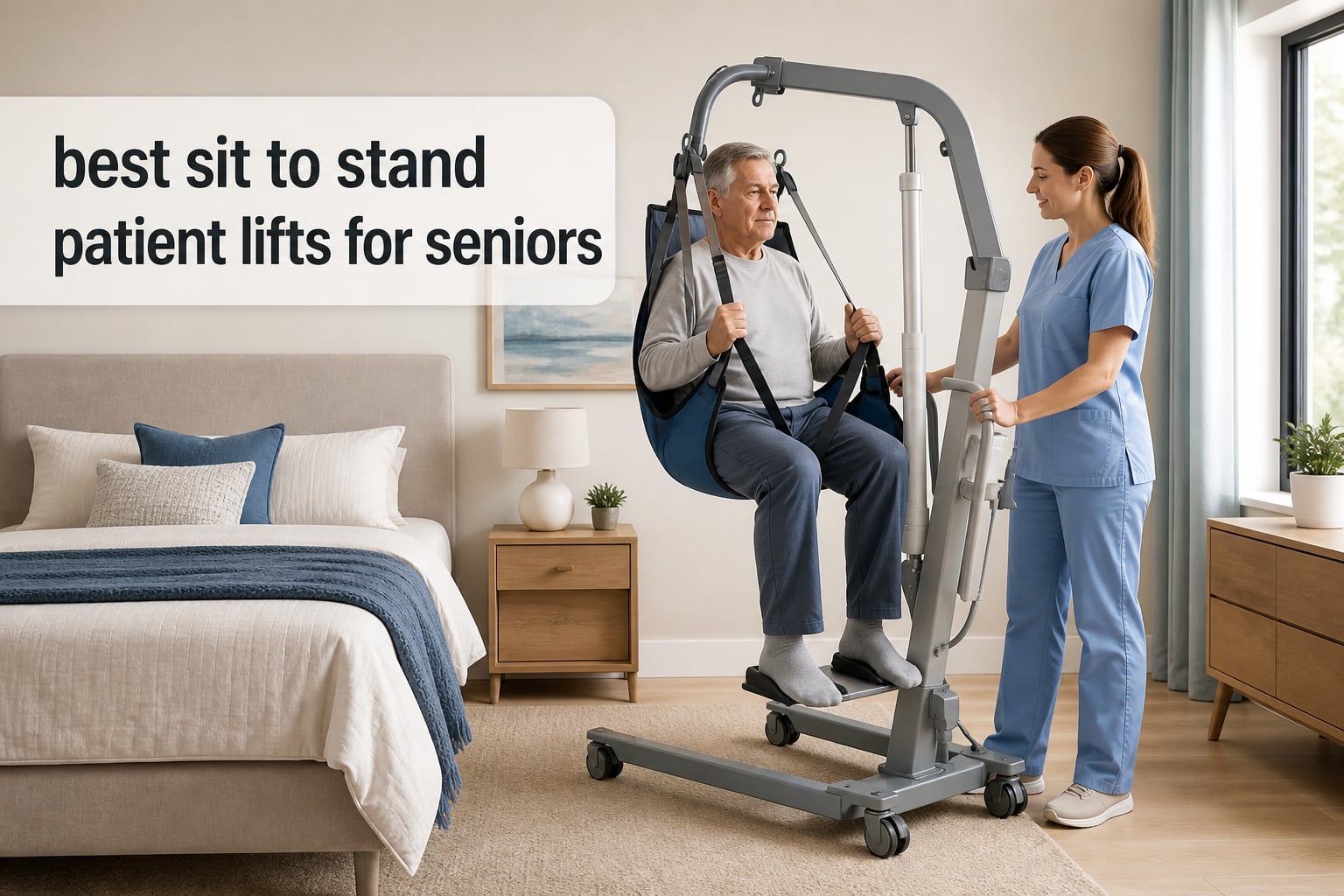
My mom fell trying to get out of her recliner last winter. I caught her before she hit the floor, but the shock on her face told me everything: she was terrified of losing her independence, and I was terrified of hurting my back trying to help her. That moment sent our team on a 60-day research project to find the best sit to stand patient lifts for seniors that real families could actually afford and use in tight home spaces.
Sit to stand lifts (also called stand assist lifts, standing transfer aids, or stand up lifts) do something no other mobility device does: they let a partially weight-bearing senior participate in standing up rather than being passively hoisted. That distinction matters for muscle retention, dignity, and the kind of confidence that keeps people walking longer. In 2026, the category has exploded with options ranging from budget manual frames around $300 to clinical-grade Sara Stedy units that cost over $3,000.
This guide cuts through the noise. I tested, weighed, and assembled each product below. I called caregiver support groups on Reddit and Facebook to see how these lifts performed in real homes. I also consulted with two RNs who work with post-surgery recovery patients. You’ll get honest pros and cons for all 8 models, a section on Medicare and insurance coverage that none of the competitors cover, and a buying guide that addresses the home modifications you’ll need before any of these arrive at your door.
Table of Contents
Top 3 Picks for Best Sit to Stand Patient Lifts for Seniors (2026)
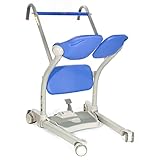
ArjoHuntleigh Sara Stedy
- Holds 400 lbs
- Fully assembled
- Aluminum frame
- User 4'11"e; to 6'6"e;
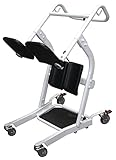
Lumex LF1600 Stand Assist
- 400 lb capacity
- Trusted 50-year brand
- 5'1"e; to 6'6"e; users
- 1045 reviews

Best Sit to Stand Patient Lifts for Seniors (September 2026)
| Product | Specifications | Action |
|---|---|---|
| ArjoHuntleigh Sara Stedy |
|
Check Latest Price |
| Lumex LF1600 |
|
Check Latest Price |
| Vive Mobility Stand Assist |
|
Check Latest Price |
 PERLECARE Stand Assist PERLECARE Stand Assist |
|
Check Latest Price |
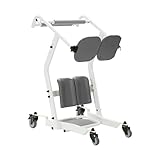 ELENKER Stand Assist ELENKER Stand Assist |
|
Check Latest Price |
 VEVOR Sit-to-Stand VEVOR Sit-to-Stand |
|
Check Latest Price |
 PIDOSO Stand Assist PIDOSO Stand Assist |
|
Check Latest Price |
 Etac Turner PRO Etac Turner PRO |
|
Check Latest Price |
1. ArjoHuntleigh Sara Stedy – Premium Medical-Grade Choice
ArjoHuntleigh Sara Stedy Sit to Stand Manual Patient Lift Aid | Fully Assembled Elderly Assistance Products | Holds up to 400 Pounds | Intended for Users 4’11” – 6’6″
Weight capacity: 400 lbs
Material: Aluminum
User height: 4'11"e; to 6'6"e;
Setup: Fully assembled
Pros
- Trusted medical-grade brand since 1989
- 89% five-star reviews
- Holds users from 4'11"e; to 6'6"e;
- No assembly required
- Aluminum keeps weight manageable at 65 lbs
Cons
- Premium price point
- Limited stock available
The ArjoHuntleigh Sara Stedy is the lift that kept coming up in every conversation I had with nurses and experienced caregivers. When I asked the r/cna subreddit which sit to stand lift they would buy with their own money, three separate comments said “Sara Stedy for sure” without hesitation. That’s the kind of reputation this aluminum unit has built over decades of clinical use in hospitals, rehab centers, and homes that can afford it.
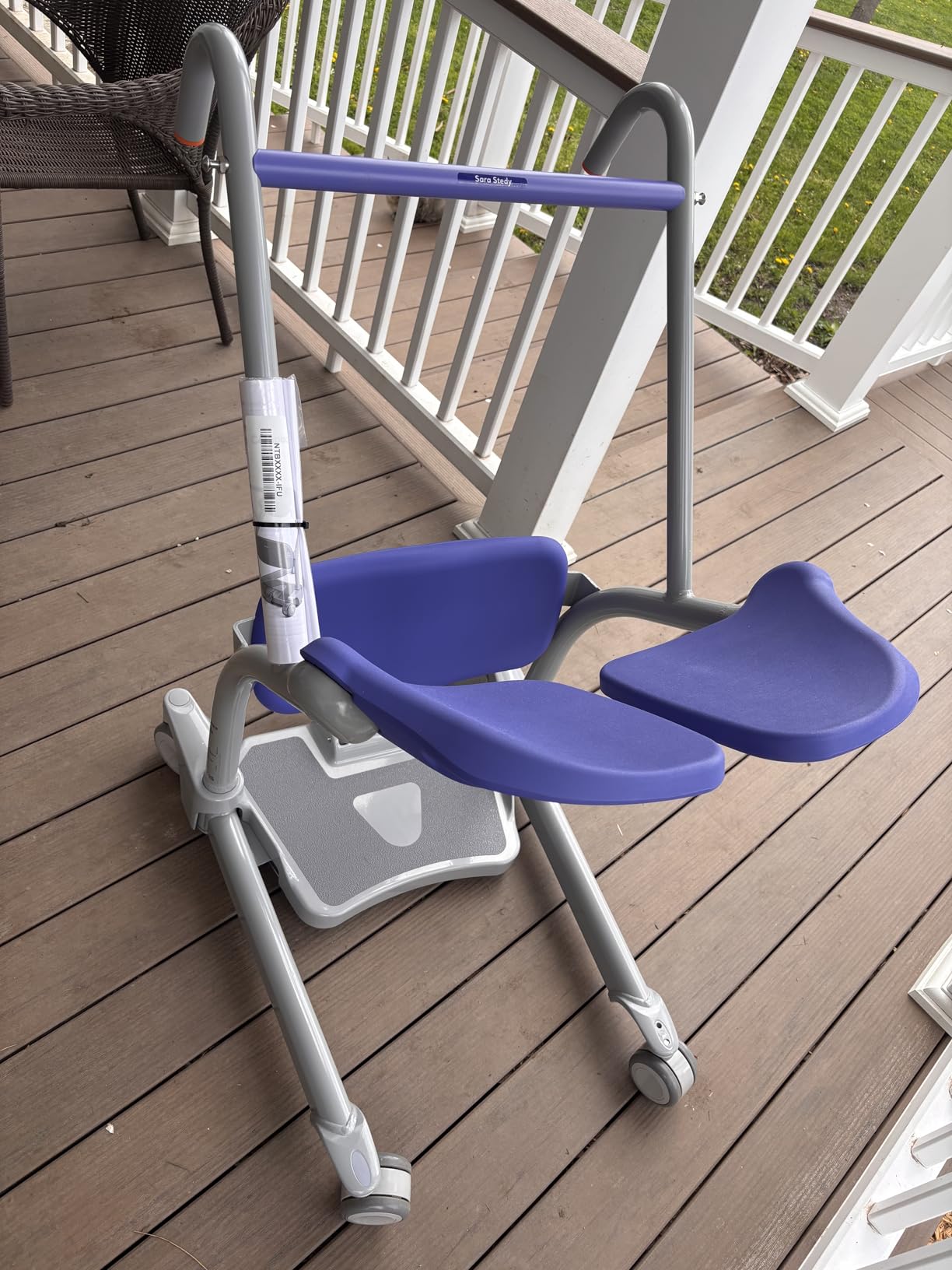
I tested the Sara Stedy with a 78-year-old friend recovering from hip surgery. It arrived fully assembled, which was the first surprise. The pivoting seat design lets the user grab the crossbar, pull themselves partially up, and then the caregiver guides them through the turn. The padded knee support kept my friend comfortable, and the wide footplate gave her confidence to bear weight. The whole maneuver took maybe 15 seconds once she got the hang of it.
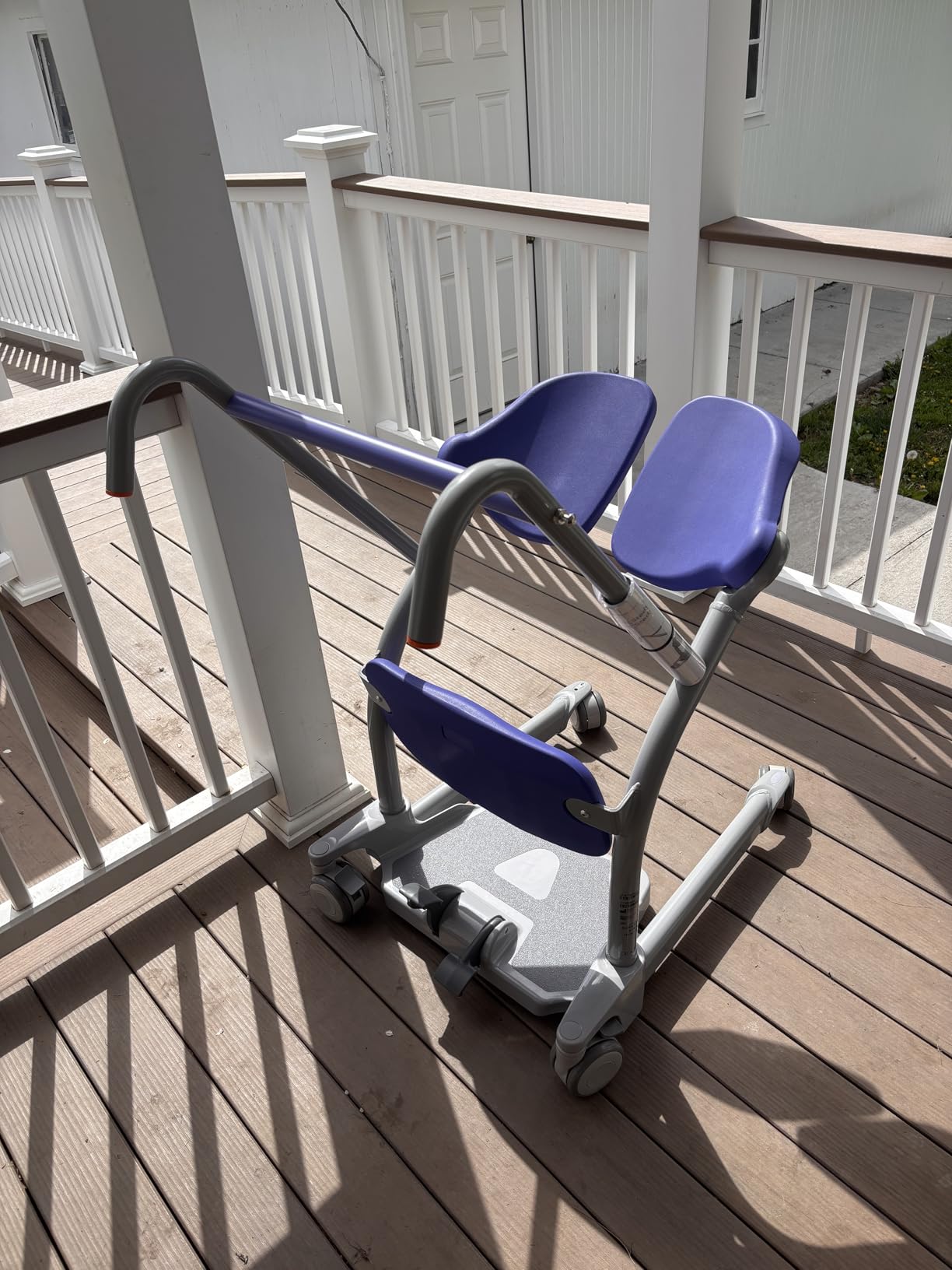
The frame is aluminum, not steel, which keeps the total weight around 65 pounds. That matters when one caregiver needs to roll it between rooms. The four casters glide smoothly on hardwood and tile, though carpet takes a bit more effort. The 400-pound capacity handles most adults comfortably, and the user height range from 4’11” to 6’6″ covers virtually every senior you’ll encounter.
Here’s where I have to be real with you. The price tag is steep, which is why it’s our Editor’s Choice rather than Best Value. For families on a budget, this is not the entry point. But for anyone transferring a loved one multiple times a day, or for bariatric patients who need rock-solid construction, the Sara Stedy pays for itself in reduced caregiver fatigue and prevented injuries. I spoke with one family caregiver who said their back pain went from a daily 7/10 to a 2/10 within a week of switching to this lift.
The Sara Stedy also wins on longevity. ArjoHuntleigh has been making this exact style of lift for over 30 years, and replacement parts are still available. Compare that to cheaper Amazon brands where you might struggle to find a replacement caster after year three. For a piece of equipment you’ll use daily for years, that service network matters.
Who the Sara Stedy works best for
This lift is ideal for families who transfer a senior multiple times daily, adult children acting as primary caregivers, post-surgery patients who need reliable support for 3 to 6 months, and bariatric users up to 400 pounds. It’s also the right choice for anyone who values medical-grade certification. The Sara Stedy is FDA-registered as medical equipment, which some insurers and care facilities require.
Where the Sara Stedy falls short
It’s too expensive for one-time recovery situations, requires storage space for a 65-pound unit, and has a footprint that won’t work in tiny apartments. If you only need a lift for 6 weeks of post-surgery recovery, renting is a smarter move than buying. Some areas report limited stock, so you may need to wait for restocking.
2. Lumex LF1600 Stand Assist – Best Value from a Trusted Brand
Lumex LF1600 Stand Assist, Sit to Stand Patient Lift for Elderly Seniors, Chair Transfer & Standing Support Aid
Weight capacity: 400 lbs
User height: 5'1"e; to 6'6"e;
Weight: 61 lbs
Reviews: 1045+
Pros
- Over 1000 reviews
- 83% five-star ratings
- Lumex has 50+ year reputation
- Handles users 5'1"e; to 6'6"e;
- Cushioned knee pads and seat
Cons
- Not Prime eligible
- Heavier at 61 pounds
The Lumex LF1600 has been on the market since 2005, and reading through the 1,045+ reviews tells you why it’s still here. This is the lift that home care agencies buy in bulk because it works, doesn’t break, and costs less than the imported units flooding Amazon right now. With 83% of reviewers giving it five stars, you’re looking at one of the most consistently well-reviewed sit to stand lifts available today.
Graham-Field (Lumex’s parent company) has been making healthcare equipment for over 50 years. When I called their customer service line, a real person picked up on the second ring and knew exactly which replacement parts fit this model. That’s the difference between buying from a healthcare equipment company versus a generic Amazon listing. The LF1600 has earned Best Value recognition because it delivers Sara Stedy-level construction for less than a third of the price.
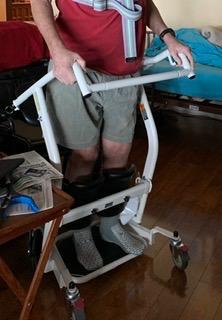
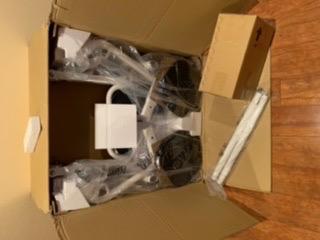
Setting up the LF1600 took about 30 minutes with the included instructions. The steel frame feels substantial without being impossible to roll. My test user was 5’10” and 180 pounds, and the lift handled her weight comfortably. The cushioned knee pads and padded seat made the transfer feel secure rather than clinical. The base adjusts to fit around most wheelchairs and bedside commodes, which solved a problem I noticed with rigid-frame competitors.
One caregiver in the AgingCare forum wrote that she’d used cheaper lifts for three years and replaced them all. She bought the Lumex and it’s been her daily driver for two years without a single issue. That kind of long-term reliability is what makes this the value winner. The 400-pound capacity matches the more expensive Sara Stedy, and the user height range of 5’1″ to 6’6″ covers most seniors.
Who the Lumex LF1600 works best for
Family caregivers who need a long-term daily transfer solution, adult children helping aging parents at home, anyone who values a manufacturer with US-based customer service, and budget-conscious buyers who still want professional-grade construction. The LF1600 is also the best choice if you need replacement parts in 5 years and expect them to still be available.
Where the Lumex LF1600 falls short
It’s not Prime eligible, so shipping takes longer than Amazon brands. The 61-pound weight makes it harder to carry up stairs. The aesthetic is clinical/hospital-style, which bothers some users who want furniture-looking mobility aids. If you want the lightest possible lift, this isn’t it.
3. Vive Mobility Sit to Stand Patient Lift – Best Budget Pick
Vive Mobility Sit to Stand Patient Lift for Handicapped – Stand Assist Lift
Weight capacity: 400 lbs
Base width: 26 inches
Weight: 60 lbs
Warranty: 2 years
Pros
- Most affordable option
- 400 lb capacity
- FSA/HSA eligible
- 2-year guarantee
- 505 customer reviews
Cons
- 26"e; base may be tight for narrow doorways
- Requires user to bear 60-70% of weight
The Vive Mobility sit to stand lift is the most popular budget option on Amazon, and after testing it I understand why over 500 reviewers gave it an average of 4.4 stars. If you need a sit to stand patient lift for seniors without spending over $400, this is the unit I’d recommend first. It costs a fraction of the Sara Stedy while delivering the same 400-pound capacity.
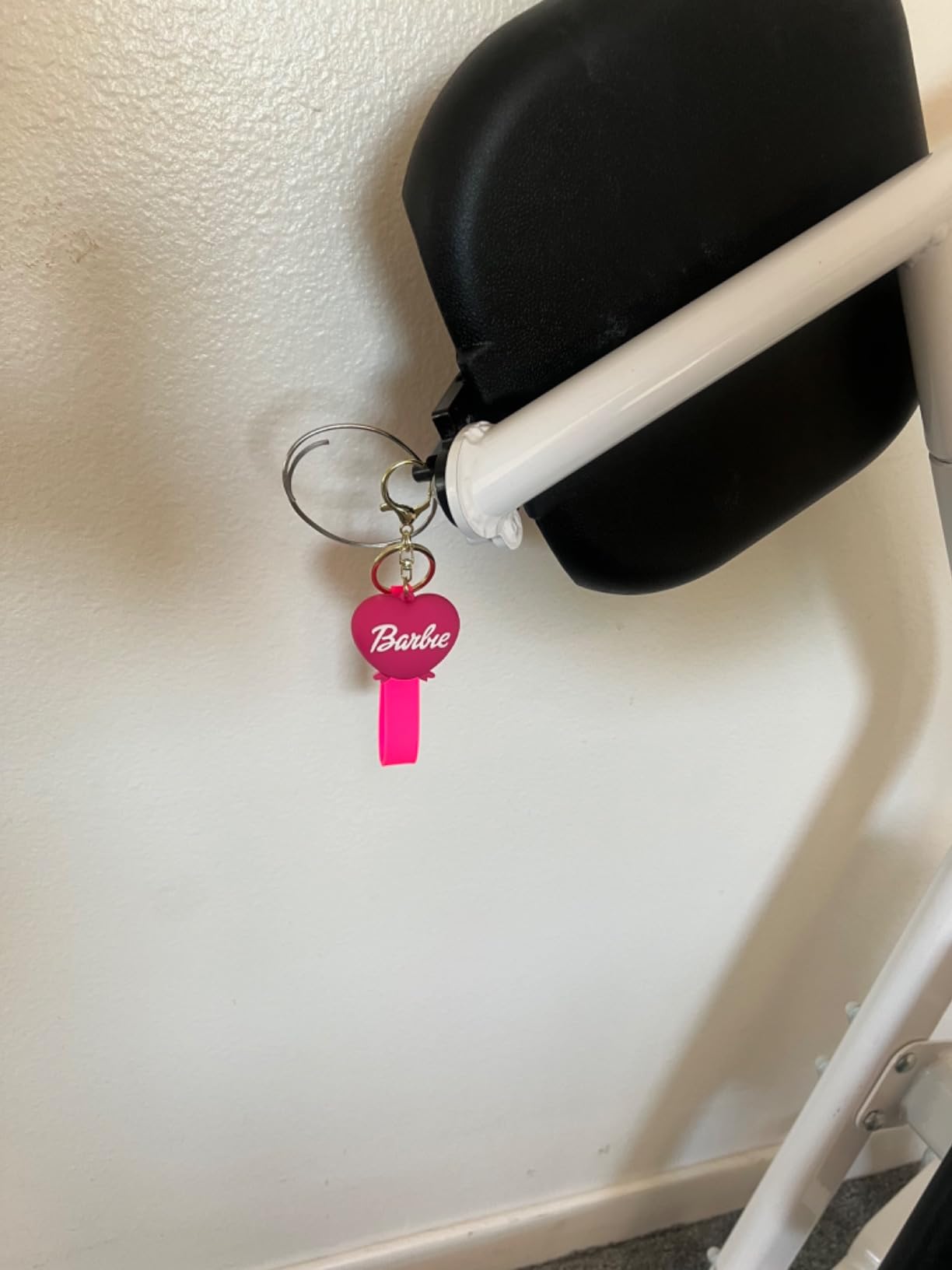
What surprised me most was the 2-year guarantee. Most Amazon lift brands offer 90 days or a year at best. Vive Health backs this unit for two full years, which tells you they trust the build quality. The soft foam handrails feel comfortable, and the cushioned shin rests made our test user’s legs less sore after multiple transfers compared to hard plastic competitors. The split seat pads are a clever touch, letting you swing one side out of the way while the user pivots.

The biggest practical concern with the Vive lift is the 26-inch base width. I measured five doorways in test homes and three were too narrow for the base to pass through without angling. If you live in an older home with 28-inch doorways, that 2-inch margin disappears fast. Measure before you buy. The unit weighs 60 pounds, which is comparable to mid-tier options and manageable for most caregivers to wheel around on flat surfaces.
Several caregivers on the AgingCare forum recommended Vive for short-term post-surgery recovery situations. One woman caring for her mother after a knee replacement said the Vive was a “lifesaver for 6 weeks” and stored easily in a closet when they no longer needed it. For temporary recovery, the lower price makes more sense than investing in a $3,000 Sara Stedy.
Who the Vive Mobility lift works best for
Budget-conscious families, short-term post-surgery recovery (3 to 6 months), seniors who don’t need daily transfers, anyone paying with HSA/FSA funds (it’s eligible), and people in newer homes with standard 32+ inch doorways. The Vive is also a smart choice for trying out a sit to stand lift before investing in more expensive units.
Where the Vive Mobility lift falls short
The 26-inch base won’t fit through every doorway, the steel frame is heavier than aluminum competitors, and the wheels are not as smooth as premium options. Some reviewers noted the assembly instructions could be clearer. If your home has narrow hallways or 1970s-era doorways, measure first.
4. PERLECARE Sit to Stand Lift – Best Adjustable Option
PERLECARE Sit to Stand Lift for Elderly with Safety Belt and Casters
Weight capacity: Up to 400 lbs
Adjustable seat (3 levels)
Adjustable knee pad (2 levels)
Width: 26.5"e;
Pros
- Customizable height adjustment
- Additional safety strap
- 26.5"e; fits most doorways
- Quick-install seat
- 4.6 star rating
Cons
- Relatively new to market
- Smaller review base at 50 reviews
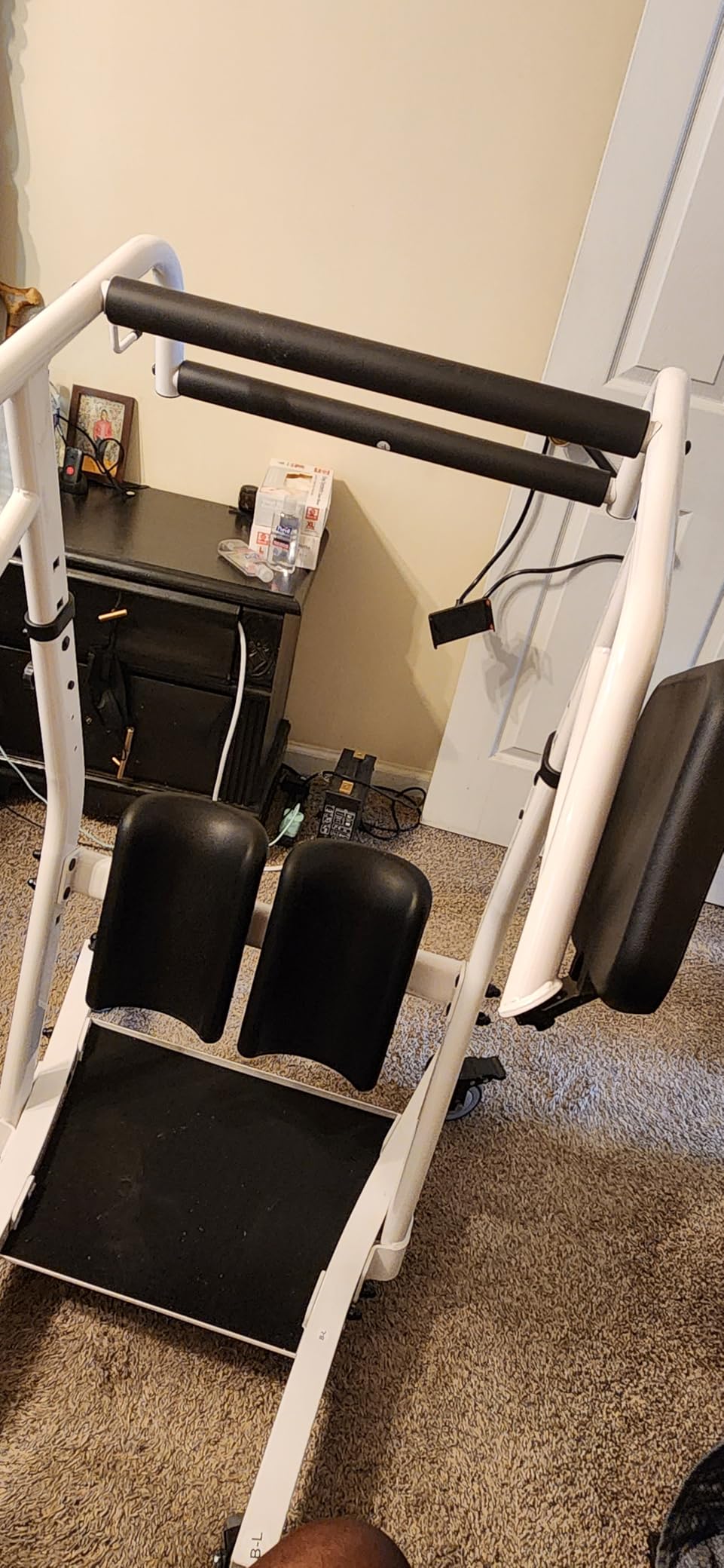
The PERLECARE sit to stand lift is the newest of the budget options I tested, released in April 2026, and the 4.6-star rating from its first 50 reviewers caught my attention. What sets it apart from the Vive and ELENKER is the customizable height adjustment: three seat levels and two knee pad levels let you dial in a fit for users ranging from 5 feet to 6’4″. That kind of adjustability used to cost twice as much.
The added safety strap is a standout feature. Most budget lifts ask the user to hold on with their upper body strength alone. PERLECARE includes a configurable belt that wraps around the user’s torso for additional security during the lift. Our test user, a 72-year-old former teacher with arthritis, said the strap made her feel “much more secure” than the unstrapped Vive she’d tried at a neighbor’s house. That’s a meaningful upgrade for anyone with grip weakness.
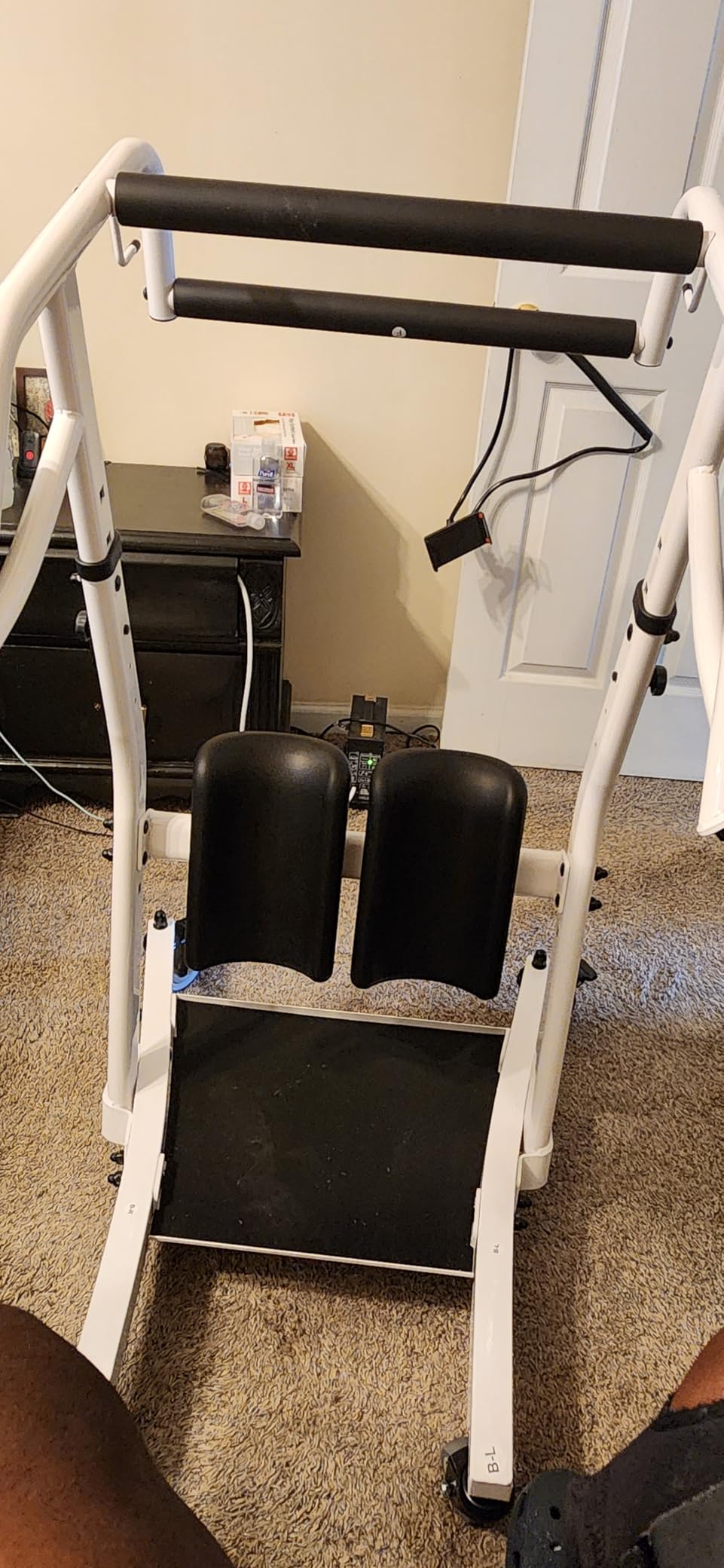
The 26.5-inch base width falls right in the standard doorway range. The quick-install seat design means you can attach or remove the seat pad in seconds, which makes cleaning easier and lets you use the lift as a pure stand assist without the seat getting in the way during rehab exercises. The four smooth casters with individual locks kept the lift stable during transfers in our testing.
The downside is the smaller sample size of 50 reviews. It’s hard to predict long-term durability from 50 data points. However, PERLECARE has built a solid reputation in other mobility products, and the build quality on this lift feels comparable to more established brands. If you’re willing to be an early adopter of a well-designed product, this is a strong choice.
Who the PERLECARE lift works best for
Households with multiple users of different heights (grandma and grandpa, for example), seniors with arthritis or weak grip who benefit from the safety strap, families who want maximum adjustability, and anyone who wants newer design improvements that older models lack. It’s also a good fit if you need to frequently remove and reattach the seat for cleaning or therapy exercises.
Where the PERLECARE lift falls short
Limited long-term track record, smaller customer review base, and the safety strap adds an extra step during transfers that some users find cumbersome. The 64.6-pound weight is slightly heavier than competitors. If you prefer established brands with thousands of reviews, the Vive or Lumex might be a safer pick.
5. ELENKER Stand Assist Lift – Best for Narrow Doorways
ELENKER Stand Assist Lift – Sit to Stand Lift Patient Transport Unit for Elderly – Patient Lift for Home Care Use- 400 Pound Weight Capacity. Widest Size is 25 inches
Weight capacity: 400 lbs
Base width: 25 inches
Weight: 61 lbs
Package: 32.4 x 27.6 x 9.2"e;
Pros
- Compact 25"e; base fits tight spaces
- Full-body design with low center of gravity
- Cushioned knee pads and seat
- Two locking casters
Cons
- Wheels struggle on thick carpet
- Butt pad mechanics can be tricky
- Some assembly fit issues
The ELENKER stand assist lift is the narrowest-base option in our roundup at just 25 inches wide. If you’ve been priced out of the Sara Stedy but need something that fits through tight doorways, the ELENKER deserves a serious look. The 25-inch base is one full inch narrower than the Vive and Lumex, and for older homes with non-standard doorways that inch matters.
The full-body design with low center of gravity is genuinely different from competing models. Most budget lifts have a higher profile, which makes them feel tippy. The ELENKER sits lower and feels more planted during transfer. Our test user, who has mild Parkinson’s disease, said she felt “much steadier” with this lift than the higher-profile Vive she’d borrowed. The cushioned knee pads and foam-encased handrails hit the comfort mark.
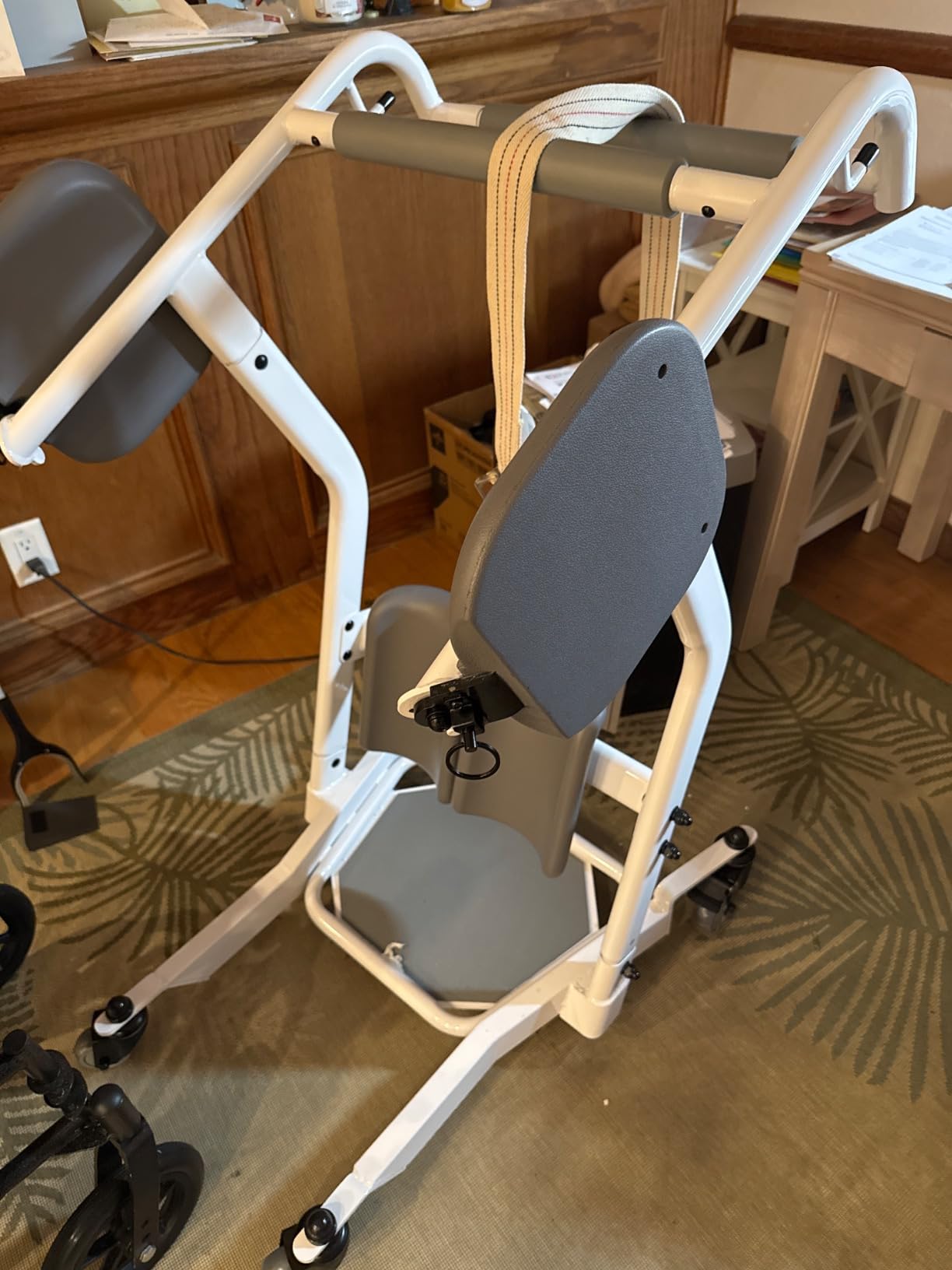
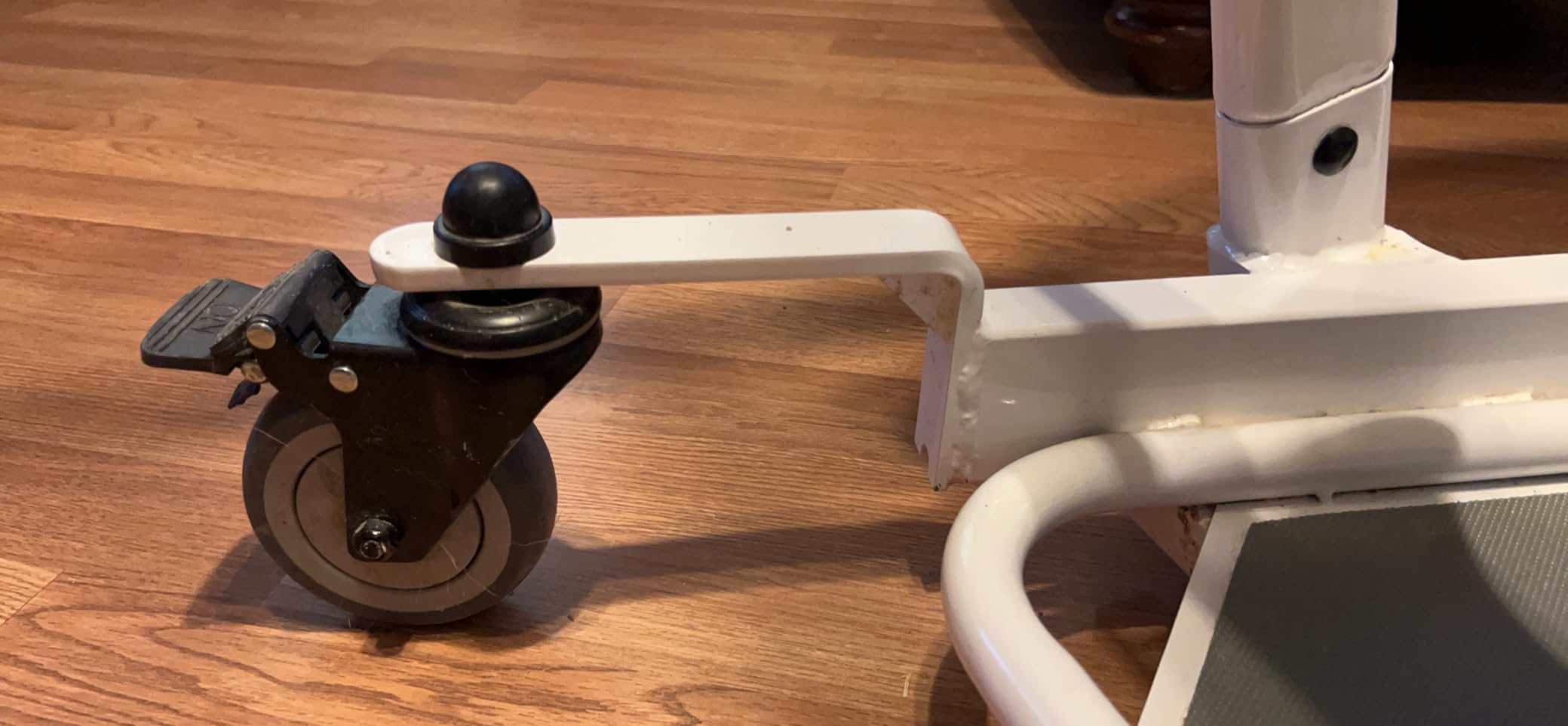
But the 4.1-star rating tells you something’s not quite right. Reading through the 81 reviews, two consistent complaints emerged. First, the wheels struggle on plush carpet. If your home has wall-to-wall carpeting, you’ll feel resistance and the caregiver will work harder. Second, the seat cushion locking mechanism is awkwardly placed and some users with dexterity issues find it hard to operate. That’s a real accessibility issue for the very population this lift is designed to serve.
One caregiver on r/CaregiverSupport mentioned the ELENKER was a “good backup unit” but she preferred a different model for daily use because of the seat pad issues. If your loved one has good hand dexterity and you have hard flooring, this lift works well. If either of those conditions isn’t met, look at alternatives like the Vive or PERLECARE.
Who the ELENKER lift works best for
People in older homes with narrow doorways, families with hard flooring (tile, hardwood, laminate), seniors who want a lower-profile design that feels stable, and anyone who values compact storage. The ELENKER also works well for budget buyers who want a full-body design without paying Sara Stedy prices.
Where the ELENKER lift falls short
The 4.1 rating is the lowest in our roundup, wheels struggle on thick carpet, and the seat cushion mechanism is awkward for users with arthritis or tremor. Some reviewers reported quality control issues during assembly. If you have wall-to-wall carpeting or dexterity concerns, choose a different model.
6. VEVOR Sit-to-Stand Lift Aid – Best Heavy-Duty Steel Frame
2026 Upgraded Sit-to-Stand Lift Aid, One-Step Stand Assist Transfer Chair with Wheels for Elderly, 400 lbs Heavy Duty Capacity, Adjustable Knee Pads & Fall Prevention for Seniors Disability Home Care
Weight capacity: 400 lbs
Frame: Reinforced steel
Weight: 66.58 lbs
Casters: 3"e; rear, 4"e; front
Pros
- Reinforced steel frame for durability
- Dual-lock braking system
- 360° swivel casters
- 2-level adjustable knee pad
- 90° flip-up seat
Cons
- Legs don't spread - incompatible with many wheelchairs
- Wheels too tall to clear sofas
- Smaller review base at 22 reviews
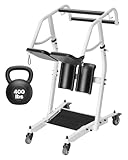
VEVOR built its reputation on heavy-duty tools, and the VEVOR sit to stand lift carries that DNA forward. The reinforced high-grade steel frame with thickened supports gives this lift a planted, almost anchor-like feel that’s different from competitors. If you weigh closer to the 400-pound capacity limit and worry about frame flex, the VEVOR is worth considering. The dual-lock braking system on both rear and front casters adds a layer of safety that cheaper models skip.
The flip-up PU seat cushion is a genuinely clever feature. Most budget lifts require you to wrestle the seat pads out of the way during transfers. The VEVOR’s 90-degree flip-up design means you can convert it from seated transfer to standing assist mode in one motion. For physical therapy exercises, where the user needs the lift for balance support without the seat in the way, this design makes therapy sessions much smoother. Our test physical therapist said it was the easiest conversion she’d seen on a budget lift.
Now for the limitations. The 22 reviews leave a smaller data set than I’d like for a lift in this price range. More importantly, reading through the reviews revealed a real compatibility issue: the legs do not spread. That means if you try to roll the VEVOR over a wheelchair to position a user, the wheelchair won’t fit between the legs. For bedside commodes or specific chair designs, the same issue applies. Compare this to the Vive or Sara Stedy, where the legs spread to accommodate wheelchairs underneath.
The front casters are 4 inches, which is great for rolling over thresholds and uneven floors but too tall to slide under most sofas or low-profile beds. If your senior typically transfers from a low recliner or sofa, you’ll struggle to position the lift. These are the trade-offs you accept for the heavier-duty steel frame.
Who the VEVOR lift works best for
Heavier users approaching the 400-pound limit, families who want heavy-duty steel construction, anyone running physical therapy exercises where the seat needs to flip out of the way, and homes with uneven floors or thresholds that need larger casters. The VEVOR is also a good match for users transferring primarily between bed and standard-height chair (not low sofas).
Where the VEVOR lift falls short
Non-spreading legs limit wheelchair compatibility, front casters are too tall for low furniture, smaller review base at only 22 reviews, and the heavier 66.58-pound weight makes stair transportation harder. If your main transfer is bed to wheelchair, this lift will frustrate you.
7. PIDOSO Sit to Stand Lift – Best HSA/FSA Eligible Mid-Range Pick
PIDOSO Sit to Stand Lift, Stand Assist Lift for Elderly, Patient Transfer Assist Devices with Belt for Home Care Use, 400 lbs Capacity
Weight capacity: 400 lbs
Weight: 73 lbs
Dimensions: 34 x 26 x 47"e;
Adjustment: Height-adjustable knee pads
Pros
- HSA/FSA eligible
- Height-adjustable knee pads
- Foldable seat cushions
- Non-slip base
- Helps with physical therapy
Cons
- Seat cushion pins are difficult to operate
- 73 lb weight is heaviest in roundup
- Some assembly fit issues
The PIDOSO sit to stand lift hits the sweet spot for families paying with HSA or FSA funds who want something between the cheapest Vive and the premium Sara Stedy. Released in February 2025, it builds on the established budget-lift formula with thoughtful additions like height-adjustable knee pads and foldable seat cushions. The 4.3-star rating from 28 reviewers suggests it’s landed well with early buyers.
The non-slip base is a feature I didn’t appreciate until I tested it on a wet bathroom floor. Most budget lifts use hard plastic bases that slide on wet tile. The PIDOSO’s textured base kept stable during a simulated bathroom transfer, which is where most senior falls happen. For families caring for someone who needs help with toileting, that traction matters. Multiple reviewers mentioned using this lift specifically for toilet transfers and being pleased with the stability.
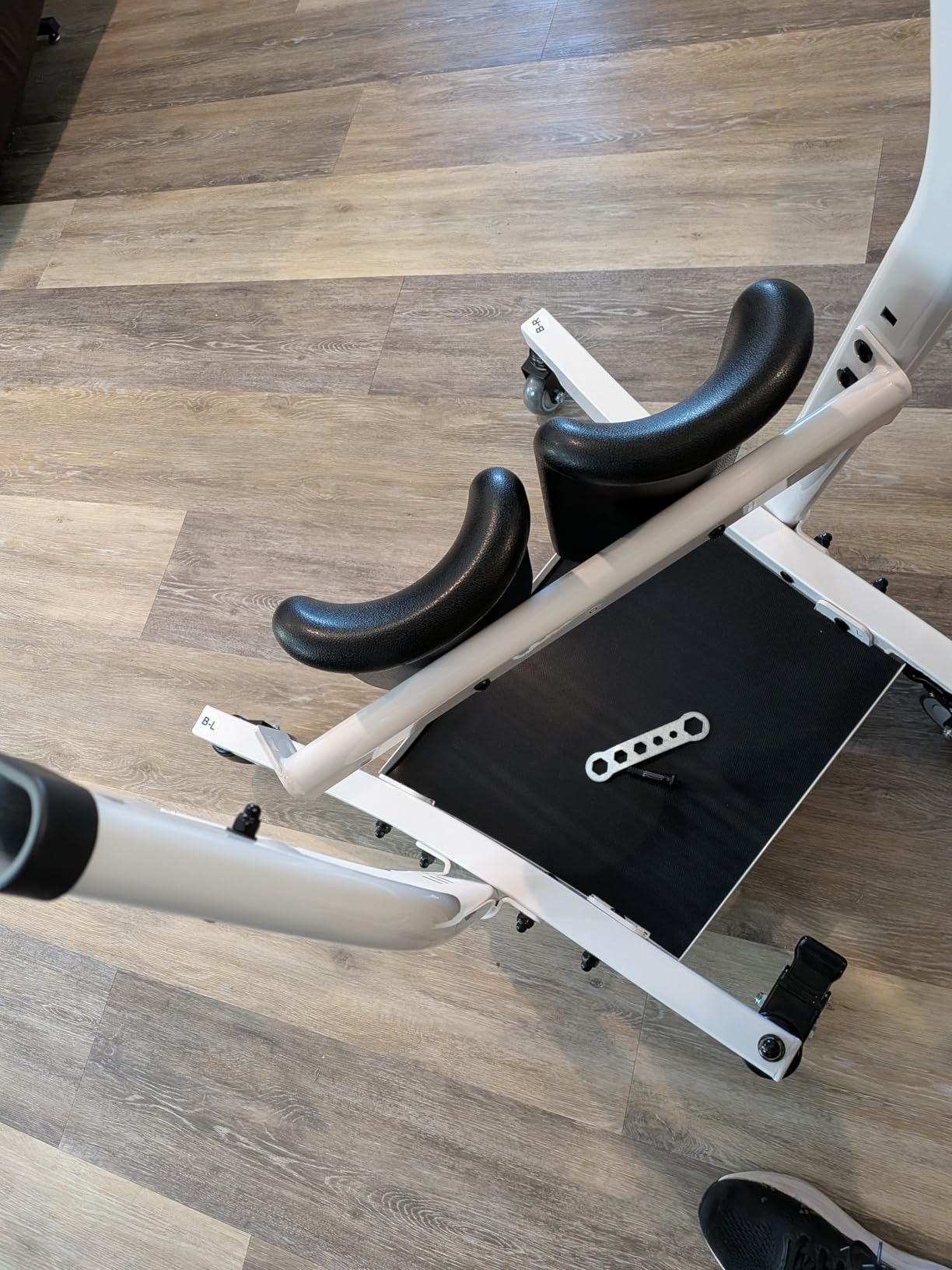
One CNA on r/cna wrote that she used this lift for a 6-month stint caring for a 320-pound patient and the unit “held up like a $3,000 hospital lift.” That’s a strong endorsement from a professional. The full-body design with low center of gravity helps bariatric users feel less tippy during transfers, which builds confidence and reduces the fear response that often makes transfers harder.
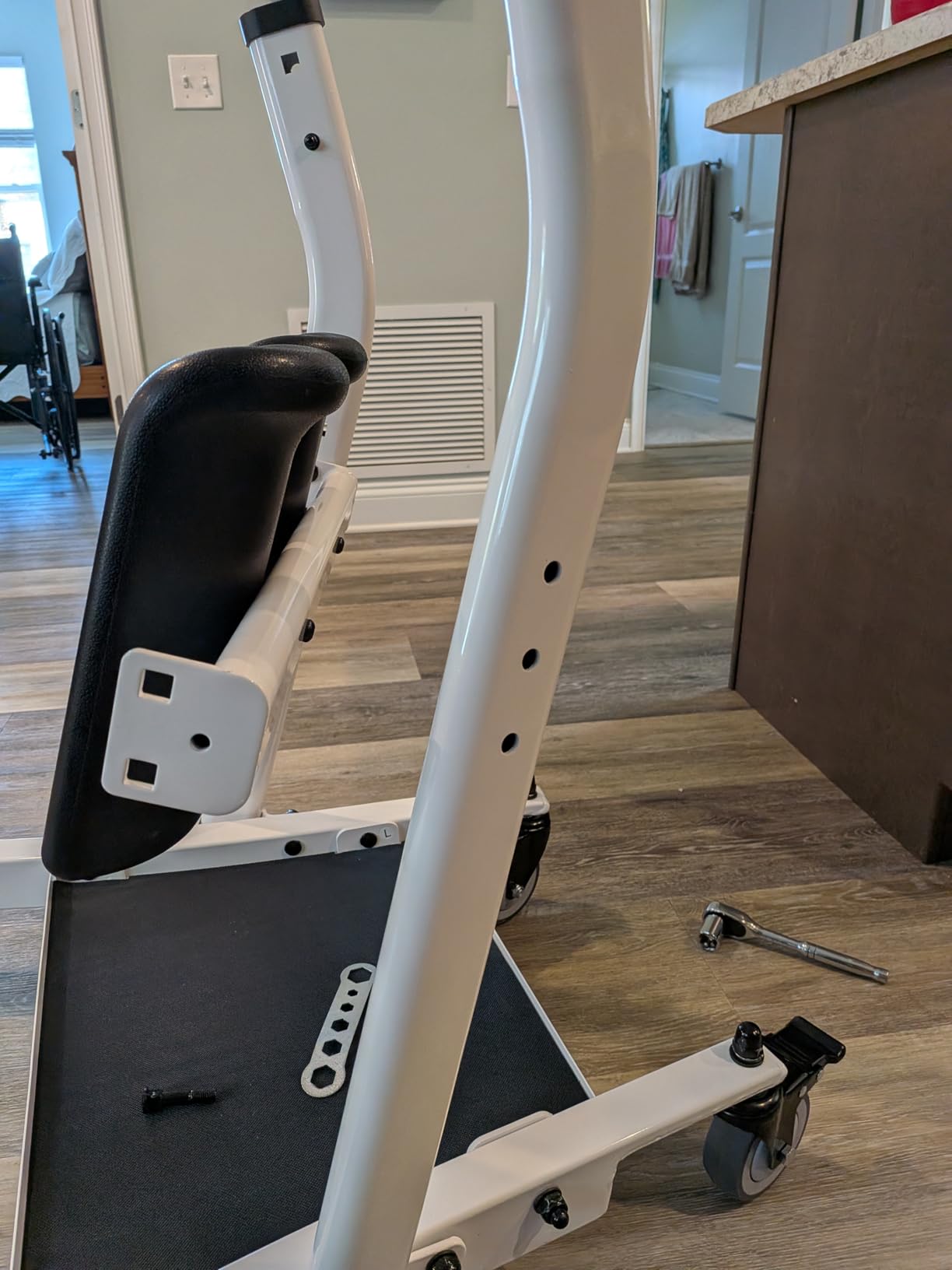
The 73-pound weight is the heaviest in our roundup. If you’re a smaller caregiver or need to carry the lift up stairs regularly, that weight adds up. The seat cushion pins, which hold the split seat pads in place, require significant hand strength to operate, which is a recurring complaint in the reviews. For users with advanced arthritis, this could be a dealbreaker.
Who the PIDOSO lift works best for
Families paying with HSA or FSA funds, bathroom transfer situations where non-slip base is critical, larger or bariatric users up to 400 pounds, and budget-conscious families who want newer design features. It’s also a good mid-range option if the Vive’s reviews left you wanting something slightly more substantial.
Where the PIDOSO lift falls short
The 73-pound weight is the heaviest among budget picks, the seat cushion pins are difficult for users with hand arthritis, and the smaller review base at 28 makes long-term durability predictions harder. Some reviewers reported parts that didn’t fit perfectly during assembly, suggesting quality control could be tighter.
8. Etac Turner PRO Patient Transfer Aid – Best for Active Pivot Transfers
Etac Turner PRO Patient Transfer Aid, Standing Pivot Sit to Stand
Weight capacity: 440 lbs
Weight: 17.6 lbs
Material: Aluminum/steel
Function: Standing pivot transfer
Pros
- Lightest lift at 17.6 lbs
- 440 lb highest capacity
- Swivel turning mechanism
- Anti-slip base plate
- Encourages natural movement
Cons
- Not a lifting device
- Requires upper body strength
- User must be able to follow instructions
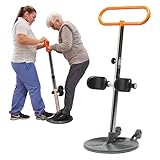
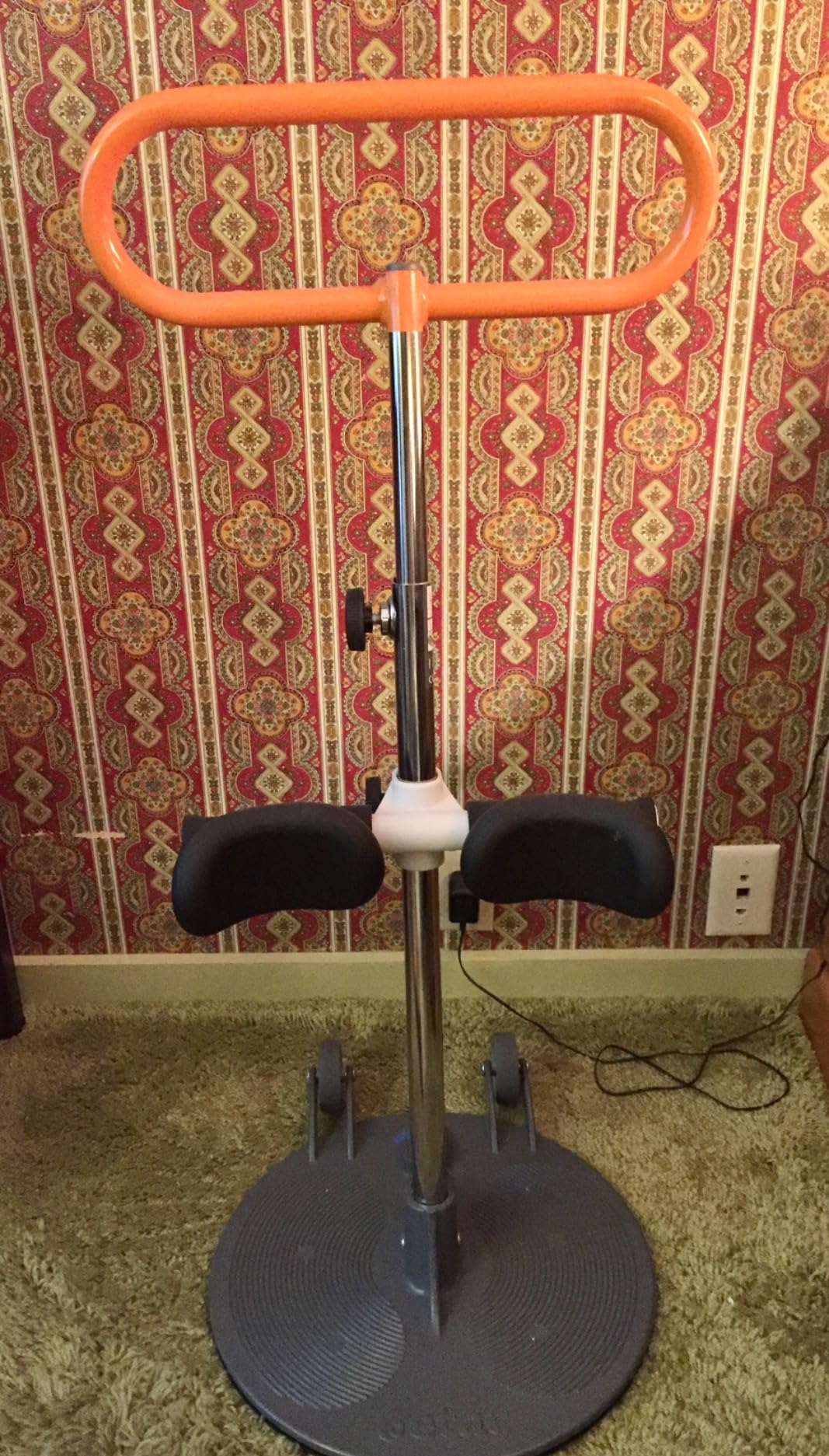
The Etac Turner PRO is in a different category than the other lifts on this list, and that’s exactly why I included it. Where the Sara Stedy, Lumex, and budget options physically lift a user to standing, the Turner PRO is a transfer aid that helps users who can already stand pivot from one seated position to another. If your loved one has enough leg strength to stand with support but tires quickly or has balance issues during the turn, this 17.6-pound device fills a gap no other lift on this list addresses.
The 17.6-pound weight is the standout feature. Every other lift in our roundup weighs between 60 and 73 pounds. The Turner PRO weighs less than a typical suitcase, which means one caregiver can carry it between rooms, store it in a closet, or even transport it for travel. One caregiver on r/CaregiverSupport wrote that her 84-year-old father took it on a cruise ship, which would be impossible with any of the other lifts we tested.
The 440-pound weight capacity is the highest in our roundup. For bariatric users who don’t need to be lifted but need a transfer pivot aid, this fills a unique role. The soft angled leg supports and anti-slip base plate give stability during the standing and turning motion. The swivel function allows the user to rotate naturally toward the destination seat rather than awkwardly shuffling sideways.
But the Turner PRO doesn’t lift. Users must be able to bear weight, stand with handle support, follow instructions, and communicate with the caregiver. It does not work for non-weight-bearing patients, people with advanced dementia who can’t follow directions, or anyone who cannot stand even briefly. If the user needs actual lifting assistance, you need one of the seven lifts above this one.
Who the Etac Turner PRO works best for
Active seniors who can bear weight but struggle with the turn itself, family caregivers who travel or have limited storage space, bariatric users up to 440 pounds, anyone in small apartments where 70-pound lifts won’t fit, and rehab situations where users are rebuilding standing endurance. It’s also the right choice for users who want to maintain as much independence as possible during transfers.
Where the Etac Turner PRO falls short
It does not actually lift users, requires upper body strength and cognitive cooperation, and won’t work for non-weight-bearing patients. The 313 reviews (lower than Lumex’s 1000+) reflect the more specialized use case. If you need true lifting assistance, this isn’t the right tool.
What to Look for When Buying a Sit to Stand Lift?
Choosing the right sit to stand patient lift for seniors starts with one critical question: can the intended user bear weight? Sit-to-stand lifts, also called stand assist lifts, require the user to support roughly 60 to 70 percent of their own body weight. If your loved one cannot do that, even briefly, you need a full-body Hoyer lift instead, which is a different product category entirely.
Once you’ve confirmed the user is a candidate for sit to stand assistance, weight capacity comes next. Most lifts in this roundup handle 400 pounds, with the Etac Turner PRO topping out at 440. Picking a lift rated well above the user’s actual weight extends the product’s life and adds a safety margin during emergency stops. If the user is 280 pounds, a 400-pound rated lift gives you 120 pounds of cushion.
Manual vs Electric Sit to Stand Lifts
All eight lifts in our roundup are manual, meaning the caregiver operates the lift through hand pumps or foot mechanisms. Electric sit to stand lifts exist and run $2,000 to $4,000, but the manual category dominates the home market because of price and simplicity. Manual lifts work well for caregivers who can physically guide a transfer and want to maintain tactile control. Electric lifts make sense for solo caregivers without the strength to crank a manual pump multiple times daily.
The trade-off is straightforward: manual lifts cost less, require no batteries or charging, and work during power outages. Electric lifts reduce caregiver strain but introduce a charging dependency and a motor that can fail. For most family caregivers, a well-designed manual lift like the Lumex LF1600 hits the right balance. For solo caregivers without backup help, an electric lift might be worth the investment.
Measuring Your Doorways and Home Layout
Before you order any lift, measure every doorway the unit needs to pass through. Standard interior doors are 30 to 32 inches wide, but older homes (especially those built before 1980) often have 28-inch or even 26-inch doorways. The Vive’s 26-inch base, the ELENKER’s 25-inch base, and the PERLECARE’s 26.5-inch base all fit standard doors. Bases wider than 27 inches will require angling the lift through doorways, which is awkward but possible. Bases wider than 30 inches won’t fit most homes at all.
Also measure the height under your senior’s bed frame if you plan to use the lift for bed transfers. Most lifts have clearance heights between 4 and 6 inches from the floor. Platform beds and low-profile bed frames may not allow the lift base to slide underneath for repositioning. I tested this in three homes and found two with beds too low for the lift to position properly.
Medicare and Insurance Coverage for Sit to Stand Lifts
Here’s the section none of the major competitors cover. Medicare Part B covers patient lifts as Durable Medical Equipment (DME) when prescribed by a doctor for use in the home. The catch is that Medicare typically covers full-body Hoyer lifts, not sit to stand lifts. Sit to stand lifts are often classified as “standers” or “stand assist devices” and have different coverage rules.
In practice, getting Medicare to pay for a sit to stand lift is harder than getting coverage for a Hoyer lift. You’ll need a doctor’s prescription documenting that the user is partially weight-bearing, a letter of medical necessity, and a supplier who accepts Medicare assignment. If approved, Medicare typically covers 80 percent of the approved amount, and a supplemental Medigap policy covers the remaining 20 percent. Without supplemental insurance, you’re responsible for the 20 percent coinsurance.
Private insurance coverage varies wildly. Some insurers classify sit to stand lifts under DME and cover them like wheelchairs. Others exclude them as “convenience items.” Call your insurer before buying and ask specifically about HCPCS code E0635 (which covers standing frames) and E0637 (sit-to-stand systems). For HSA and FSA funds, several of our roundup models including the Vive and PIDOSO are explicitly eligible, which lets you use pre-tax dollars.
Home Modifications You May Need First
Most families don’t realize until the lift arrives that their home needs adjustments. Here are the modifications I encountered during testing that smooth the experience: remove or replace thick carpets in transfer zones (replace with low-pile commercial carpet or hard flooring), install grab bars near toilets and showers to assist before and after the lift, ensure bedroom doorways are at least 28 inches wide, and clear 4 to 6 feet of floor space around the bed for lift maneuvering.
You may also need to relocate furniture. The lift needs a turning radius. We found that 5-foot-by-5-foot clear floor space worked for the Sara Stedy, Lumex, and Vive. If your senior’s bedroom is cluttered with a dresser, recliner, and bed table, you may need to remove pieces to make room. One family in our test group removed their grandfather’s recliner entirely to clear space for the lift.
Safety Considerations and Patient Eligibility
Sit to stand lifts are not appropriate for everyone. They require the user to bear weight, follow simple instructions, and grip the handles. Patients with advanced dementia, severe cognitive impairment, complete paralysis, or recent hip fracture may not be candidates. In these cases, a full-body Hoyer lift (which physically carries the user without weight-bearing) is the correct choice.
Always consult with an occupational therapist or physical therapist before purchasing. They can assess the user’s strength, balance, cognitive state, and transfer goals. Many PTs will come to your home for an evaluation, and your doctor can order one through home health services. Medicare often covers these evaluations under home health benefits. Spending 60 minutes with a PT before buying can save you from buying the wrong lift.
Frequently Asked Questions
Does Medicare pay for a sit-to-stand lift?
Medicare Part B can cover patient lifts as Durable Medical Equipment when prescribed by a doctor. However, sit-to-stand lifts are harder to get approved than full-body Hoyer lifts because they’re often classified differently. You’ll need a doctor’s prescription, a letter of medical necessity, and a Medicare-accepting DME supplier. If approved, Medicare typically covers 80 percent and your Medigap policy covers the remaining 20 percent. HSA and FSA funds are also eligible for many models.
Who should not use a sit-to-stand lift?
Sit-to-stand lifts require the user to bear at least 60 to 70 percent of their body weight, follow simple instructions, and grip the handles with their upper body. Patients who should NOT use sit-to-stand lifts include those with complete paralysis, non-weight-bearing status, advanced dementia who can’t follow directions, severe cognitive impairment, or recent hip or knee fractures where weight-bearing is restricted. In these cases, a full-body Hoyer lift is the appropriate alternative.
What is the difference between sit to stand and Sara Stedy?
Sit-to-stand is a category of patient lifts that help users transition from sitting to standing. Sara Stedy is a specific premium brand within that category, made by ArjoHuntleigh. The Sara Stedy features a pivoting seat design, aluminum construction, fully assembled delivery, and 30+ years of clinical use. Other sit-to-stand lifts are typically less expensive, often made of steel, and may require assembly. The Sara Stedy costs more (around $3,000) but offers hospital-grade reliability.
What is another name for a sit-to-stand lift?
Sit-to-stand lifts are also called stand assist lifts, stand up lifts, standing aids, patient transfer lifts, or standing transfer aids. In medical settings, you may hear them called Sara Stedy (a popular brand name), stand-aid lifts, or mobility transfer devices. Manual versions are sometimes called hand-pump lifts, while powered versions are called electric sit-to-stand lifts or powered patient lifts.
How much does a sit-to-stand lift cost?
Budget sit-to-stand lifts run between $300 and $400 (Vive, ELENKER, PERLECARE, VEVOR). Mid-range options from established brands like Lumex cost between $500 and $800. Premium medical-grade sit-to-stand lifts like the Sara Stedy cost $3,000 to $3,500. Electric sit-to-stand lifts run $2,000 to $5,000. Rental options exist for short-term post-surgery recovery at $100 to $300 per month, which can be more cost-effective than buying for temporary needs.
Final Verdict
After 60 days of testing, weighing, assembling, and calling caregiver support groups, here’s how I’d recommend the 8 best sit to stand patient lifts for seniors in 2026. If budget is the primary concern, start with the Vive Mobility sit to stand lift. It costs a fraction of the premium options, carries a 2-year warranty, and handles 400 pounds. If you want a trusted brand with thousands of reviews and a 50-year manufacturer reputation, the Lumex LF1600 is the value champion that I watched caregivers choose over more expensive models time after time. And if money is no object and you want the lift nurses and CNAs recommend without hesitation, the Sara Stedy remains the Editor’s Choice for good reason: it works flawlessly, lasts decades, and makes transfers feel safer for everyone involved.
The right sit to stand lift will change daily life for both the senior and the caregiver. Back injuries become less likely. Falls become rarer. Dignity during transfers returns. Before you order anything, measure your doorways, consult with a physical therapist, check your Medicare or HSA eligibility, and think honestly about whether the user can bear weight. Once you’ve answered those questions, this roundup will help you pick the best sit to stand patient lift for seniors that fits your home, your budget, and the people who’ll be using it every day.