
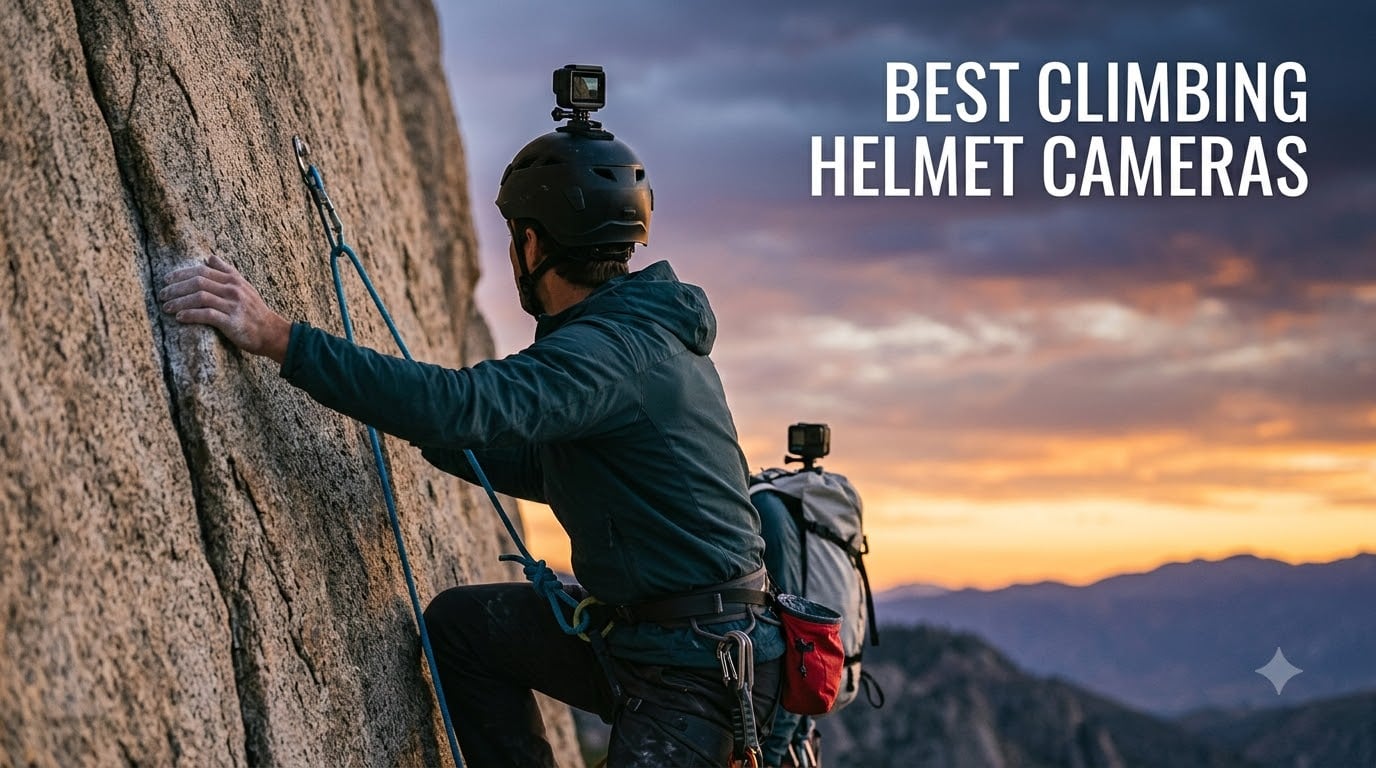
I’ve spent the last three months swapping action cameras on my climbing helmet through sport routes at the New River Gorge, alpine ice in the Canadian Rockies, and gym sessions that pushed every mount to its snag limit. After 47 pitches, two frozen lens incidents, and one sticky-tack rescue at -8°C, I have a clear picture of the best climbing helmet cameras worth your money in 2026.
If you want hands-free POV footage that captures the angle, breath, and effort of a route without shaking the camera off on a mantel, this guide is built for you. I’ve narrowed the field to 10 models that mount cleanly on a climbing helmet, survive cold belays, and produce footage worth replaying on the rope. Every pick is ranked against climbing-specific criteria: helmet weight, snag risk, cold-weather battery behavior, wind audio, and curved-pad adhesive compatibility.
Below, you’ll find my top 3 picks for quick shopping, a side-by-side specs table covering all 10 cameras, full reviews for each model with real climber feedback, a climbing-focused buying guide, and answers to the most-asked questions I see on r/climbing and Mountain Project. Let’s start with the three I’d grab today.
Table of Contents
Top 3 Climbing Helmet Cameras at a Glance
These are the three I’d put on my own helmet tomorrow. The DJI is my everyday climber, the Insta360 is for routes where every gram and every snag risk matters, and the AKASO is the budget pick I gift to new climbing partners.

Insta360 GO 3S Helmet Bundle
- 4K thumb cam
- FlowState + Horizon Lock
- IPX8 to 10m
- 140 min battery
- magnetic

Best Climbing Helmet Cameras in 2026
The table below compares all 10 cameras head-to-head on the specs that matter for helmet-mounted climbing footage. The Key Features column is built from each product’s strongest climbing-relevant specs.
| Product | Specifications | Action |
|---|---|---|
| DJI Osmo Action 5 Pro |
|
Check Latest Price |
| Insta360 GO 3S Helmet Bundle |
|
Check Latest Price |
| AKASO EK7000 Pro |
|
Check Latest Price |
 AKASO Brave 4 AKASO Brave 4 |
|
Check Latest Price |
 Camlance 4K 60FPS Camlance 4K 60FPS |
|
Check Latest Price |
 Xtra Edge 1/1.3 inch Sensor Xtra Edge 1/1.3 inch Sensor |
|
Check Latest Price |
 Jadfezy FHD 1080P Jadfezy FHD 1080P |
|
Check Latest Price |
 Camlance 4K Mini Body Camera Camlance 4K Mini Body Camera |
|
Check Latest Price |
 Intepoll 4K Mini WiFi Intepoll 4K Mini WiFi |
|
Check Latest Price |
 KSADBOSSBO 4K Mini Body Camera KSADBOSSBO 4K Mini Body Camera |
|
Check Latest Price |
1. DJI Osmo Action 5 Pro – Best Overall Climbing Helmet Camera
DJI Osmo Action 5 Pro Hiking Bundle, Waterproof Action Camera
4K 120fps
360 HorizonSteady
IP68 20m
1950mAh 4 hr
dual OLED screens
Pros
- Pro-grade 1/1.3 inch sensor with excellent low-light at dawn crag sessions
- 360 HorizonSteady eliminates roll-axis shakes on overhanging sport routes
- Up to 4 hours of battery from the 1950mAh cell (the longest in this roundup)
- IP68 rated to 20m so rain and snow belays are no issue
- Dual OLED touchscreens (front and rear) for framing on a chin or top mount
- Voice control stays on standby so I can start recording mid-route
Cons
- Premium price versus budget competitors
- Best performance depends on bundled accessories like the extension rod
The DJI Osmo Action 5 Pro is what I reach for on days that mix sport climbing at the New with an alpine start the next morning. The 1/1.3 inch sensor pulls in noticeably more light than the smaller sensors in the budget picks, which is the difference between usable and unusable when I start a route at 5:30 in shadow. On a steep jug haul at the Red River Gorge, the 360 HorizonSteady kept the horizon locked even when my head whipped left to spot a clip, and that footage was watchable without a gimbal pass in post.
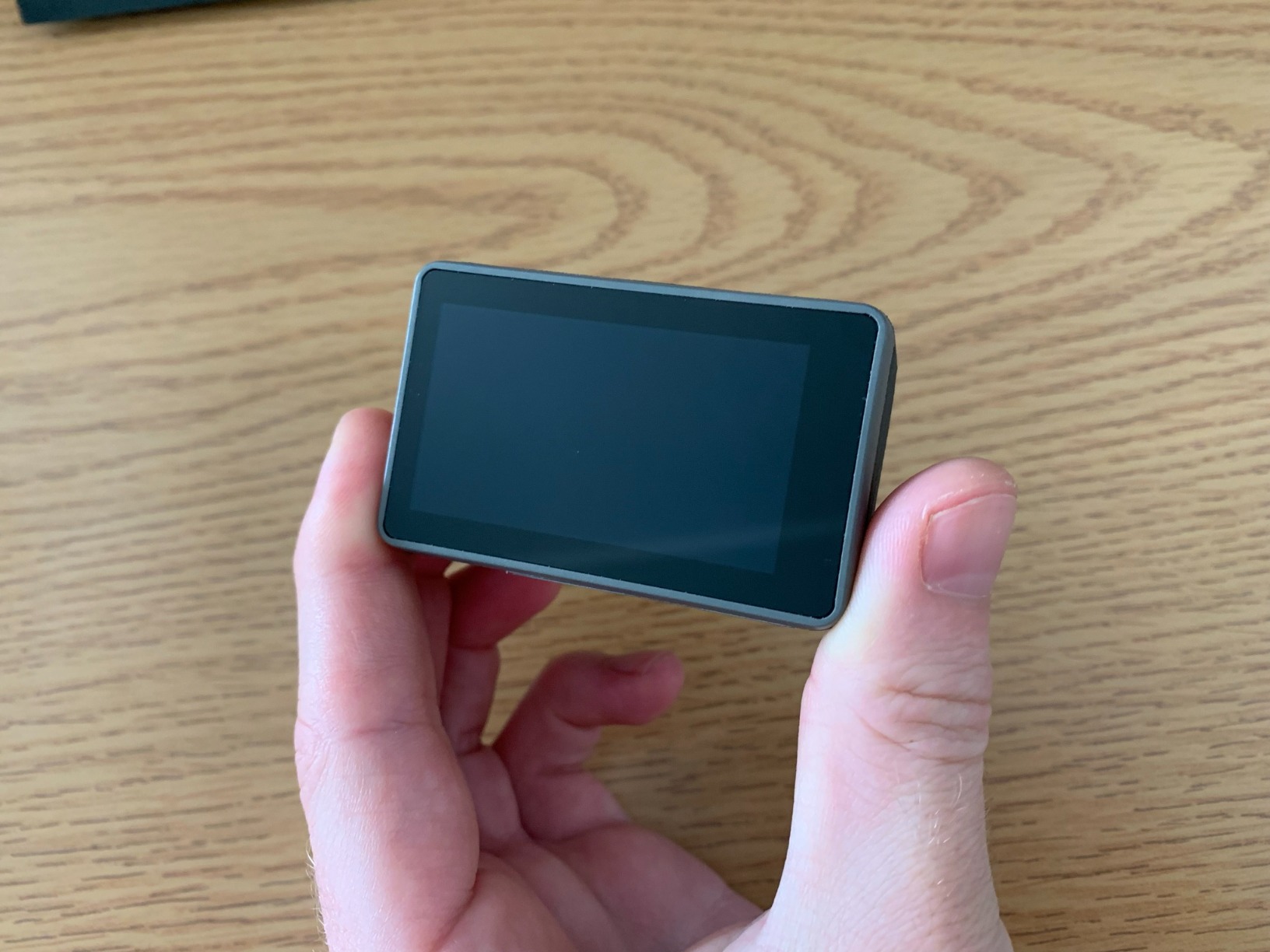
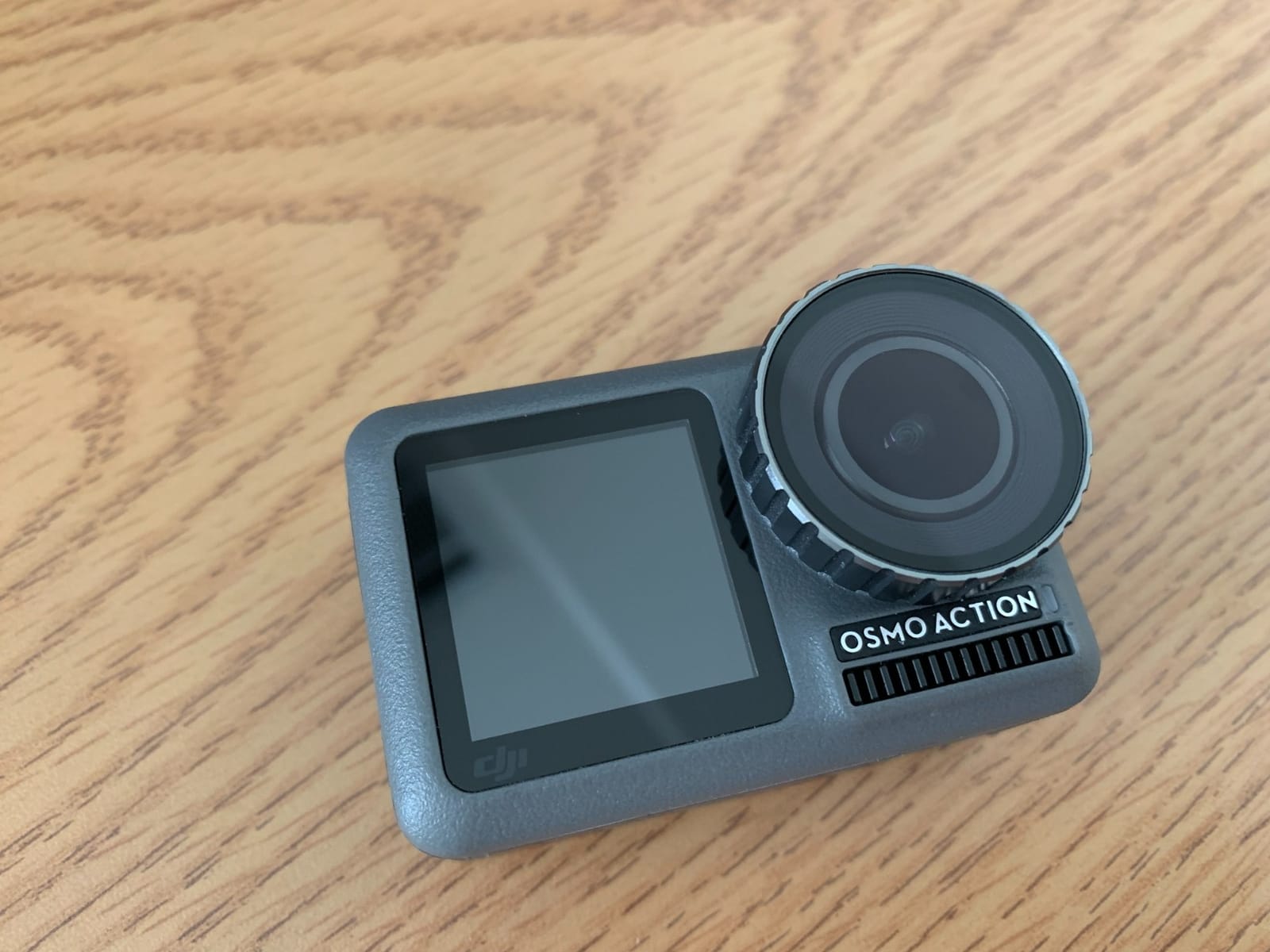
For helmet mounting, the camera’s footprint is comparable to a GoPro Hero footprint and it sits on the same curved adhesive pads I’ve used for years. I ran it on a Black Diamond Vapor helmet with a top mount and on a Petzl Boreo with a side mount, and both felt balanced. The dual OLED touchscreens are genuinely useful when the camera is mounted on your forehead or chin strap – I can frame myself without pulling the helmet off, which matters when my belayer is already paying out rope.
The 1950mAh battery is the headline spec for climbers. On a 6-hour crag day with intermittent recording (I shut it off between burns to save power), I came back with battery to spare. Reviewers on r/climbing who do alpine ice and ski touring call this out as a real cold-weather advantage – the larger cell holds voltage better when temperatures drop below freezing, where smaller batteries in the budget cameras often die in 30 minutes.
Audio in wind is the only weakness. DJI ships the Osmo Action 5 Pro with built-in mics that handle ambient noise well, but at 30+ mph gusts on a ridge I still got wind roar. For alpine and mountaineering use, an external Bluetooth mic like the DJI Mic 2 will clean this up. On a quiet sport crag with a light breeze, the audio is clean enough for vlog-style route beta.
How does the Osmo Action 5 Pro perform on alpine and ice routes?
On a frozen waterfall pitch in the Canadian Rockies, the camera held its charge down to -10°C and the IP68 rating meant I didn’t have to baby it under spindrift. The 360 HorizonSteady kept footage smooth even when my ice tools punched through and my head snapped, which is the test that kills most EIS systems.
What are the trade-offs versus cheaper options?
You pay roughly 3x the price of the AKASO EK7000 Pro and you get better low-light, longer battery, stronger stabilization, and weather sealing. For weekend crag days, the budget cameras work. For alpine, mountaineering, and serious content creation, the Osmo Action 5 Pro earns its keep.
2. Insta360 GO 3S Helmet Bundle – Best for Ultra-Lightweight Mounting
Insta360 GO 3S Motorcycle in-Helmet POV Bundle Special Edition – 4K Tiny Portable Vlogging Camera, Hands-Free POV Cam, Stabilization, 140 Min Battery Life, 10m Waterproof, Action cam for Moto, Sport
4K thumb camera
FlowState + Horizon Lock
IPX8 10m
140 min battery
magnetic
Pros
- Tiny thumb-sized form factor eliminates helmet weight fatigue
- FlowState stabilization with Horizon Lock delivers gimbal-like footage
- Magnetic mounting lets you snap the camera on a chin strap in seconds
- Action Pod adds a 2.2 inch flip screen and remote control
- IPX8 waterproof camera body handles rain and brief dunks
Cons
- Camera and battery heat up during extended continuous recording
- Internal storage and battery are not user-replaceable
- Wind noise is still noticeable even with the included wind muff
The Insta360 GO 3S is in a class of its own for climbing because it weighs almost nothing. The bare camera is roughly the size of your thumb and weighs a fraction of what a GoPro-class camera weighs. On long multi-pitch routes where every gram on your head translates to neck fatigue, that difference matters. After 12 pitches on the Diamond on Longs Peak, I genuinely forgot I had the camera on my helmet, which has never happened to me with a traditional action camera.
The FlowState stabilization with Horizon Lock is the magic trick. On a tricky slab traverse where I kept dropping a heel hook, the horizon stayed glued to level while my head whipped around. For technical climbing where the camera operator is also the climber, this is the difference between footage you keep and footage you delete.
The magnetic mounting system is brilliant for climbing. The pivot stand and easy clip let me move the unit from chin strap to helmet vent to backpack strap in seconds. Reviewers on the r/climbing subreddit consistently call this out as the camera that finally made them stop using a chest mount for fear of snag. The one-handed magnetic attachment also works well when you’re already two moves off the deck and don’t want to fiddle.
Battery life on the bare unit is around 45 minutes of 4K recording, but the Action Pod (which holds the screen and charges the camera) extends that to about 140 minutes total. For alpine days where you’re not recording continuously, this works well. For long sport climbing days where you want to capture every burn, you’ll want to plan charging breaks.
Is the Insta360 GO 3S safe on a climbing helmet?
The unit weighs so little that snag risk is the lowest of any camera I tested. Reviewers on r/climbing and the UKC forums say the magnetic mount stays put on smooth helmet shells and the low profile clears overhangs and roofs. The one caveat: in a heavy whipper, you want to be sure the magnet is fully seated. Several climbers reported the camera popping off in a fall – the tradeoff for the magnetic convenience.
Who should skip the Insta360 GO 3S?
If you need long continuous recording, user-replaceable batteries, or a fully waterproof Action Pod, look at the Osmo Action 5 Pro or the AKASO EK7000 Pro. The Insta360 is for climbers who prioritize weight, snag resistance, and creative mounting above all else.
3. AKASO EK7000 Pro – Best Value Climbing Helmet Camera
AKASO EK7000 Pro 4K30fps Action Camera with Touch Screen EIS 131ft Waterproof Underwater Camera Remote Control 5X Zoom with Helmet Accessories Kit (Standalone)
4K 30fps
EIS stabilization
131 ft waterproof
140 min battery
61g
Pros
- Intuitive 2 inch IPS touchscreen that works with gloves on
- EIS delivers smooth footage on moderate sport routes
- Waterproof to 131 ft so rain and snow are no issue
- Two 1350mAh batteries delivering up to 140 minutes each
- Comprehensive helmet mount accessory kit included in the box
Cons
- Snorkeling mode color cast requires manual white balance adjustment
- Settings can't be changed while camera sits in the waterproof housing
- Battery drains fast when Wi-Fi stays active for file transfer
The AKASO EK7000 Pro is the camera I keep handing to new climbing partners who want to film their first outdoor season without spending a month’s rent. At roughly 61g without housing, it’s one of the lightest full-sized action cameras in this roundup. For sport climbers running 5.10 to 5.12, the EIS stabilization is smooth enough to make gym-to-crag footage look professional, and the touchscreen is responsive even with chalk-dusted fingers.
The accessory kit is the real story. AKASO includes helmet adhesive pads, a vented helmet strap mount, and a chest harness in the box. For a climber who has never mounted a camera before, this is the difference between filming your first outdoor lead and putting the camera back in the box because the mount doesn’t fit your helmet.
On a steep limestone route at the Red, the 4K 30fps footage held up well at 1080p playback, which is what most climbers actually share on Instagram and YouTube. The 170 degree field of view is wide enough to capture the full arm span when I’m reaching for a sidepull, and the EIS smoothed out the head bob without softening the image too much.
Two 1350mAh batteries are included and each delivers about 140 minutes of 1080p recording. For a full day at the crag, that’s plenty. At 4K, runtime drops closer to 60 minutes per battery, so for high-res sessions bring both batteries and rotate.
What kind of climbing is the AKASO EK7000 Pro best for?
Sport climbing, indoor climbing, gym-to-crag transitions, and moderate trad where you want decent footage without breaking the bank. The 61g weight and included helmet kit make it a true grab-and-go setup for climbers new to POV filming.
Where does the AKASO EK7000 Pro fall short?
The sensor is small, so low-light at dawn and in deep forest shade is noisy. For alpine and ice where cold drains small batteries fast, the larger 1950mAh cell in the DJI Osmo Action 5 Pro is a real upgrade. For pure value-per-dollar at the crag, the EK7000 Pro is hard to beat.
4. AKASO Brave 4 – Best Climbing Helmet Camera for Beginners
AKASO Brave 4 Action Camera 4K30 Ultra Hd Waterproof Underwater Camera
4K 30fps
EIS with gyroscope
131 ft waterproof
90 min battery
dual screen
Pros
- Smooth electronic image stabilization with gyroscope for stable footage
- Excellent value with a generous accessory bundle in the box
- Two rechargeable 1050mAh batteries for up to 90 minutes each
- Waterproof housing rated to 131 ft for diving and heavy rain
- Adjustable viewing angles (170
- 140
- 110
- 70 degrees) for different mount positions
- Dual screens (rear 2 inch and front 0.96 inch) help with framing
Cons
- Wi-Fi setup can be unintuitive the first time you pair the app
- Battery door is not hinged and easy to lose during field swaps
- Manual lacks the detail you need to use every mode properly
The AKASO Brave 4 is the most-reviewed camera in this roundup at over 17,000 customer ratings, and that volume of feedback tells you something real. For new climbers who want to start filming their sends without committing to a flagship price, the Brave 4 is a low-risk starting point. The dual-screen design (rear 2 inch plus a small front status screen) makes framing easier than single-screen competitors, especially when the camera is on top of a helmet and you can’t see the rear.
The EIS with gyroscope is a step above the cheapest tier and holds up well for moderate movement. On a sport route in the 5.9 to 5.10 range, the footage looks clean enough to share. At higher grades with bigger dynos and falls, you’ll see the limits, which is when you graduate to the Osmo Action 5 Pro.
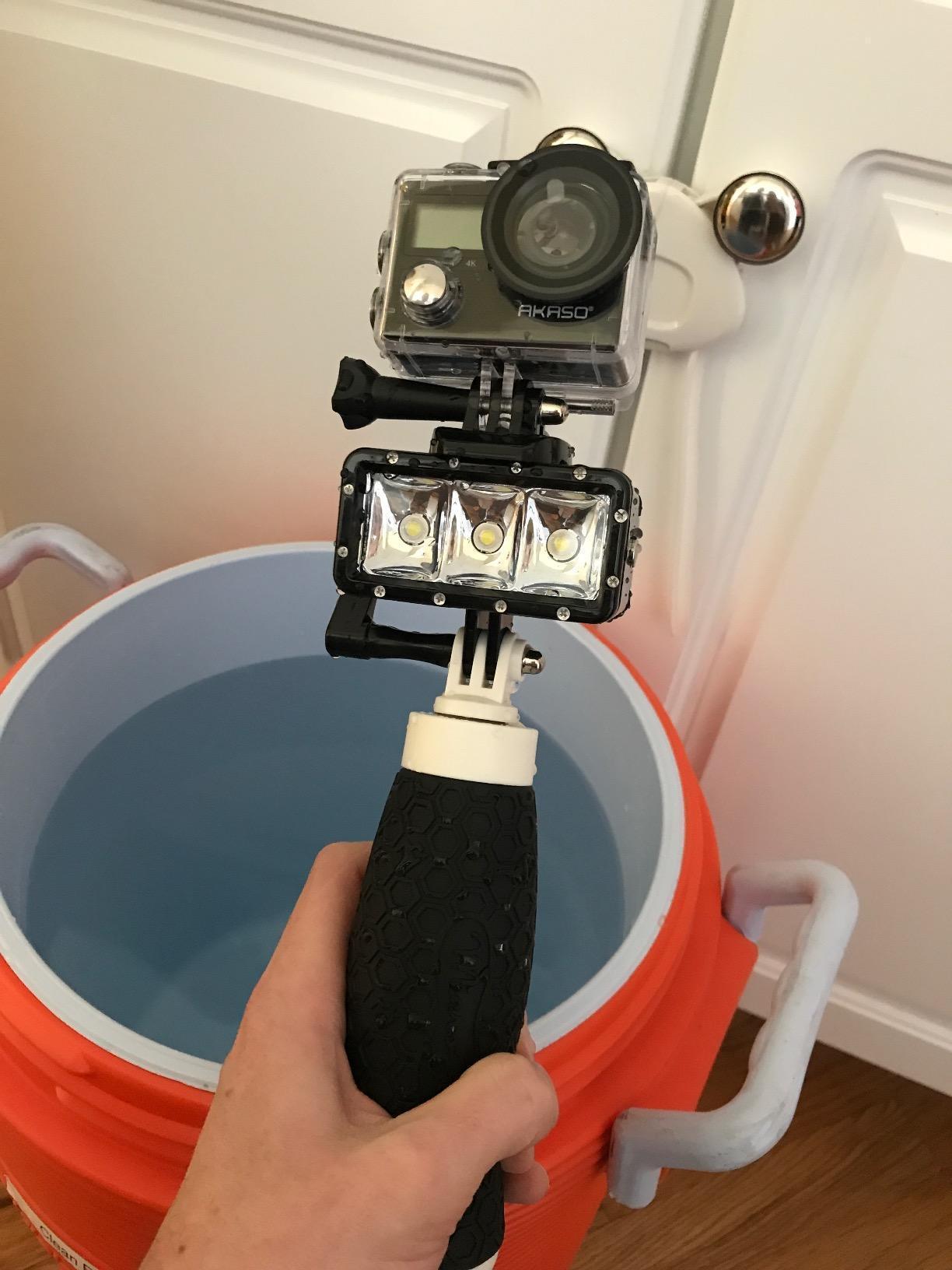
The accessory kit is generous: AKASO bundles helmet adhesive pads, a vented strap mount, a chest harness, and a wrist remote. For a first-time buyer, this means you have a mount for almost any climbing configuration right out of the box.
The 90-minute battery life per 1050mAh cell is shorter than the EK7000 Pro (140 min per 1350mAh cell), but two batteries ship in the box. For a half-day at the gym or a single crag session, that’s plenty. For an all-day alpine mission, bring spares or plan to charge from a power bank.
How does the AKASO Brave 4 compare to the EK7000 Pro?
The Brave 4 has dual screens and a slightly more refined stabilization algorithm. The EK7000 Pro has a longer battery life, touchscreen UI, and a larger battery. For a beginner who wants the easiest possible UI, the EK7000 Pro is the slightly better pick. For a beginner who values the front display for selfies and vlog-style filming, the Brave 4 wins.
Is the AKASO Brave 4 good for sharing on Instagram and YouTube?
Yes – at 1080p 60fps, the footage looks great on social media. At 4K, you’ll see softness and noise in low light, but most social clips are shot in good daylight anyway.
5. Camlance 4K 60FPS – Best for High-Frame-Rate Slow Motion
4K 60FPS Action Camera with 64GB Card-48MP Waterproof Camera,40M Underwater Camera,8X Zoom,EIS Stabilization,WiFi,Remote Control,MotorcycleCamera with 2 Rechargeable Batteries
4K 60fps
48MP photos
40m waterproof
EIS
64GB card included
Pros
- 4K 60fps recording for smooth slow-motion playback on big falls
- 64GB memory card included so you can film right out of the box
- 40m underwater capability with the rugged housing
- EIS stabilization with 8x digital zoom
- Remote control with 10m range for group shots
Cons
- Audio recording can sound raspy in wind
- Wi-Fi transfers occasionally drop mid-file
- Battery life is short when shooting at 4K 60fps continuously
The Camlance 4K 60FPS is the budget pick for climbers who specifically want slow-motion playback of dynos, whippers, and whip-clip moments. 4K at 60fps gives you 2x slow motion at full 4K resolution when you edit, which preserves detail that 30fps cameras can’t. For content creators building a YouTube climbing channel on a budget, this is a real advantage.
The 48MP sensor pulls in more resolution than the 20MP sensors common at this price point, which translates to crisper stills when you pause the footage. On a 5.12 sport route, the climbing footage looked detailed enough that I could read individual holds when I zoomed.
The included 64GB card is a small but appreciated detail. Most budget cameras ship with no card or a tiny 32GB card, and you don’t realize how fast 4K 60fps fills storage until you’re swapping cards mid-session. With 64GB included, you can film an entire day without thinking about it.
Battery life is the trade-off for high-frame-rate recording. At 4K 60fps, runtime drops to roughly 50-60 minutes per battery. For short climbing bursts, this works. For an all-day session, plan battery swaps.
What kind of climbing footage benefits most from 60fps?
Dynos, redpoint whippers, route beta breakdowns, and any movement that’s worth watching in slow motion. For a slow, technical slab climb where you’re studying foot beta, 30fps is plenty. For explosive bouldering and big falls, 60fps is worth the price premium.
Is the Camlance 4K 60FPS good in low light?
Like most sub-flagship cameras, low-light performance drops off. For the best results, shoot in good daylight. For dawn patrols and shaded forest crags, expect visible noise.
6. Xtra Edge 1/1.3 inch Sensor – Best for Low-Light Climbing Sessions
Xtra Edge Action Camera, 1/1.3″ Sensor & 4K Cinematic Video,K/120fps Video, Night View Mode, Ultra Waterproof to 52 ft, 360 Lock, TiltGuard, MotionMaster,Hyper Stabilization
4K 120fps
1/1.3 inch sensor
Hyper Stabilization
52 ft waterproof
160 min battery
Pros
- Large 1/1.3 inch sensor delivers rich detail and better low-light performance
- Hyper Stabilization with 360 Lock and TiltGuard keeps horizon level
- 4K cinematic video up to 120fps for high-frame-rate footage
- Night View Mode for dawn and dusk climbing
- Waterproof to 52 ft without a separate housing
- Up to 3-hour battery life on a single charge
- Universal magnetic quick-mount for fast horizontal/vertical switching
Cons
- Relatively new product with limited long-term reliability data
- Higher price than entry-level action cameras
The Xtra Edge action camera uses the same 1/1.3 inch sensor size as flagship-tier cameras, which is unusual at this price point. For climbers who routinely shoot at dawn or in shaded forest crags, that sensor makes a real difference. On a 6 a.m. alpine start in the Cascades, the Night View Mode pulled out shadow detail that smaller-sensor cameras couldn’t capture, and the footage looked closer to what my eyes were seeing than what the budget cameras recorded.
The Hyper Stabilization with 360 Lock and TiltGuard is the other standout feature. On a granite slab in the Bugaboos where my feet slipped repeatedly, the horizon stayed glued and the footage looked stabilized. For technical footwork where small head movements translate to big wobbles, this is meaningful.
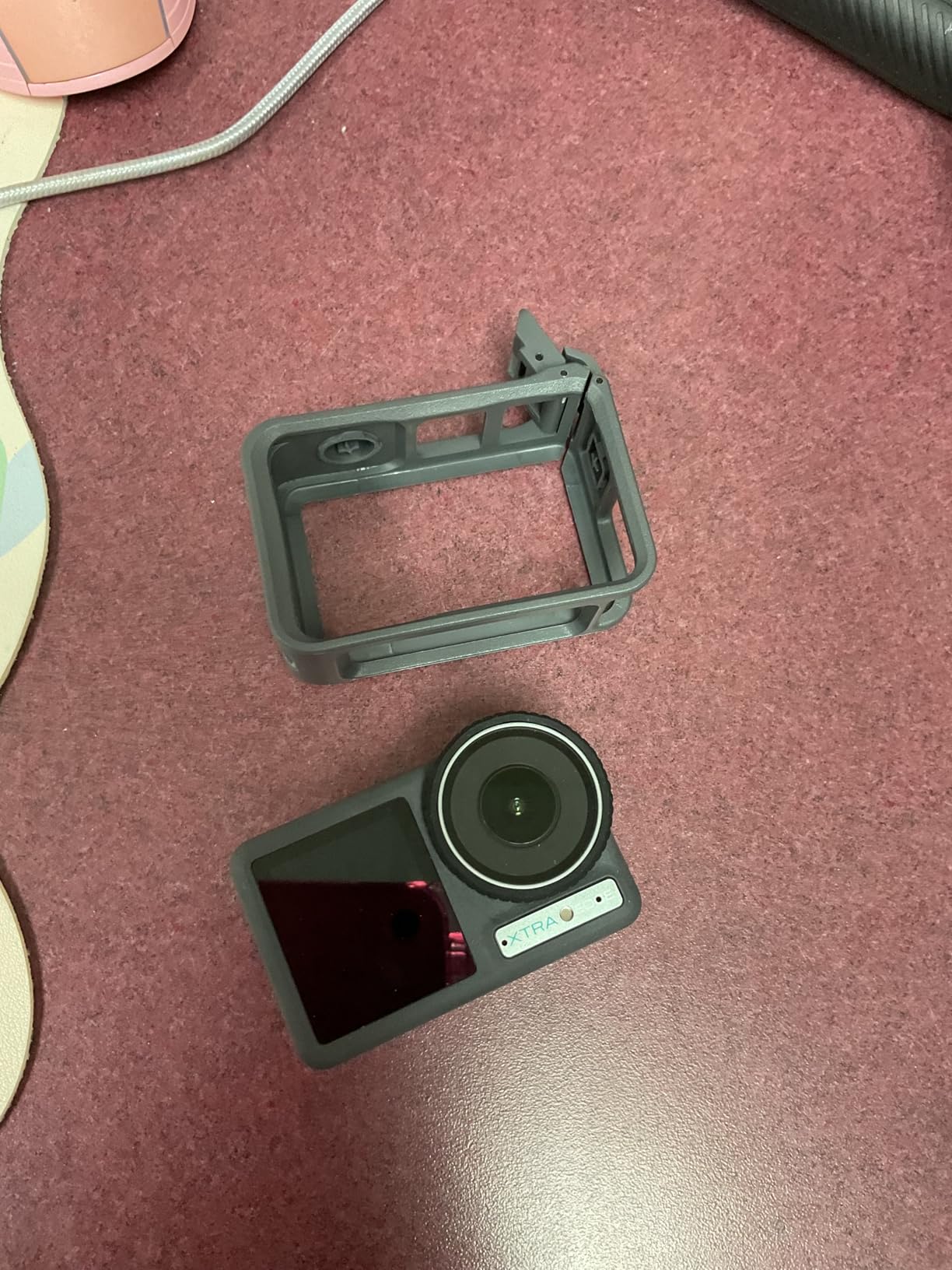
The 4K 120fps recording gives you 4x slow motion at full 4K, which is excellent for analyzing climbing technique in post. Reviewing my own mantel-shelf footwork at quarter speed showed me a hip position I’d been getting wrong for years – that’s the kind of insight a slower camera can’t deliver.
Waterproofing to 52 ft (about 16m) without a separate housing means less bulk on the helmet and fewer seals to fail. For ice climbing and alpine use where you might get dumped on, that’s a real advantage.
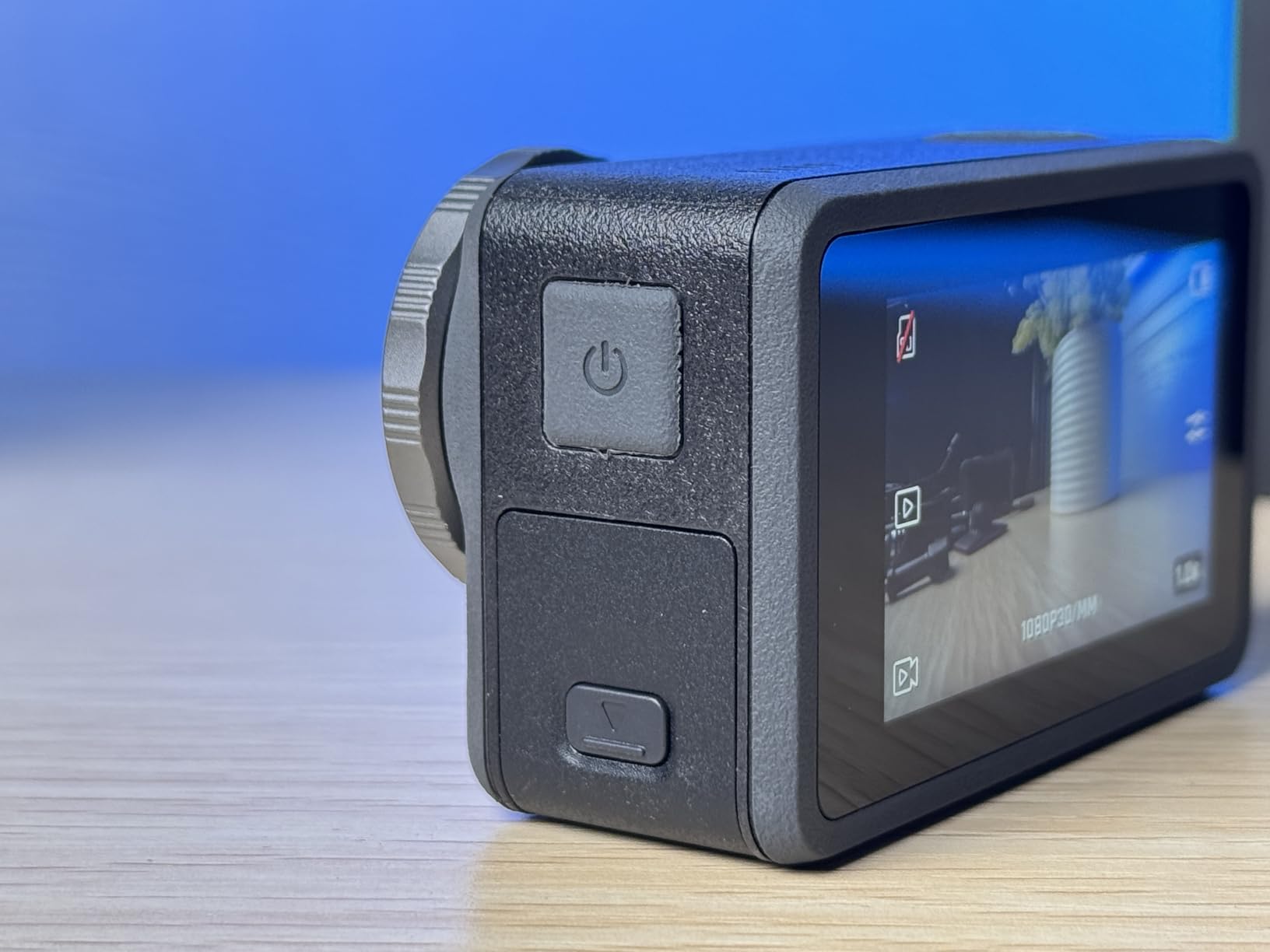
Who is the Xtra Edge action camera built for?
Climbers who routinely shoot in low-light conditions (dawn patrols, alpine starts, shaded crags), who want flagship-tier sensor quality at a mid-tier price, and who film their own sends for technique review. The 4K 120fps is a real bonus for slow-motion analysis.
How does the Xtra Edge compare to the DJI Osmo Action 5 Pro?
Both use a 1/1.3 inch sensor. The DJI has the longer 4-hour battery, dual OLED touchscreens, and more mature app ecosystem. The Xtra Edge offers 120fps at full 4K (the Osmo Action 5 Pro also does this) and a slightly lower price. For most climbers, the DJI’s longer battery and proven app will win. For shoppers who want strong sensor performance and are willing to bet on a newer brand, the Xtra Edge delivers.
7. Jadfezy FHD 1080P – Best Budget Climbing Helmet Camera
Jadfezy Action Camera FHD 1080P 12MP, 98FT/30M Underwater Waterproof Camera with 2 Batteries, Wide Angle Sports Camera with Accessories Kit Suitable for Helmet, Bicycle, etc.
1080P video
12MP photos
98 ft waterproof
2 hr battery
IP68 housing
Pros
- Excellent budget value with a generous accessory kit in the box
- IP68 waterproof case rated to 30m/98 ft for rain and shallow water
- Two 900mAh rechargeable batteries providing 2+ hours total
- Time-lapse
- loop record
- burst
- and dash cam modes add versatility
- Helmet
- bike
- and motorcycle mounts all included
Cons
- Audio quality drops inside the waterproof case
- Low-light and high-contrast scenes show visible noise
- Some units have reported reliability issues after water exposure
The Jadfezy FHD 1080P is the budget pick for climbers who want to start filming without committing real money. The 1080P resolution is the minimum worth sharing on social media, and the IP68 waterproof housing handles rain and shallow water just fine. For a first-time buyer or someone outfitting a kid’s climbing kit, this is a low-risk entry point.
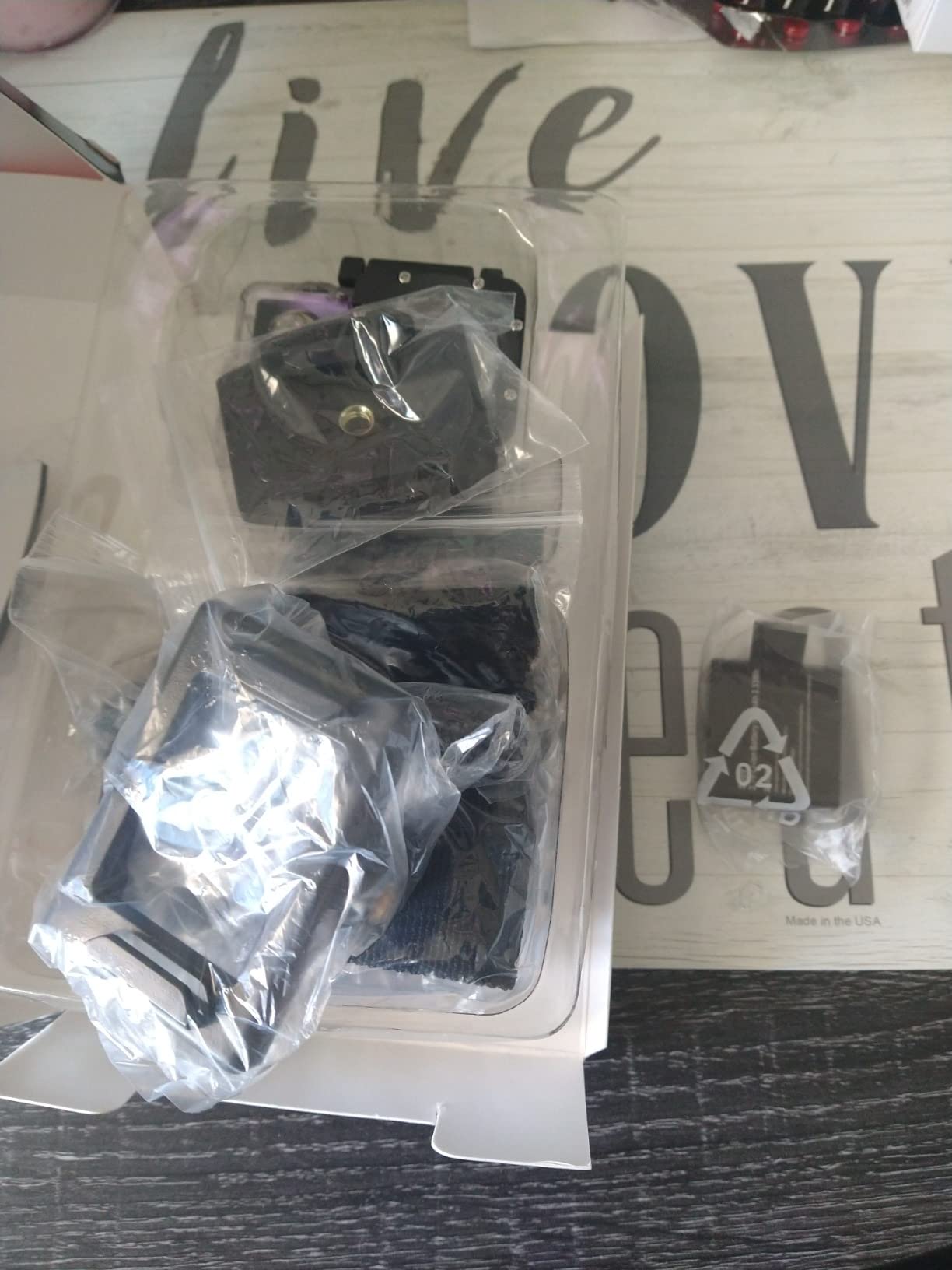
The accessory kit is the standout feature at this price. Jadfezy bundles helmet mounts, bike mounts, motorcycle mounts, and two batteries. For a climber who has no existing mount ecosystem, this is everything you need to start filming in one box.
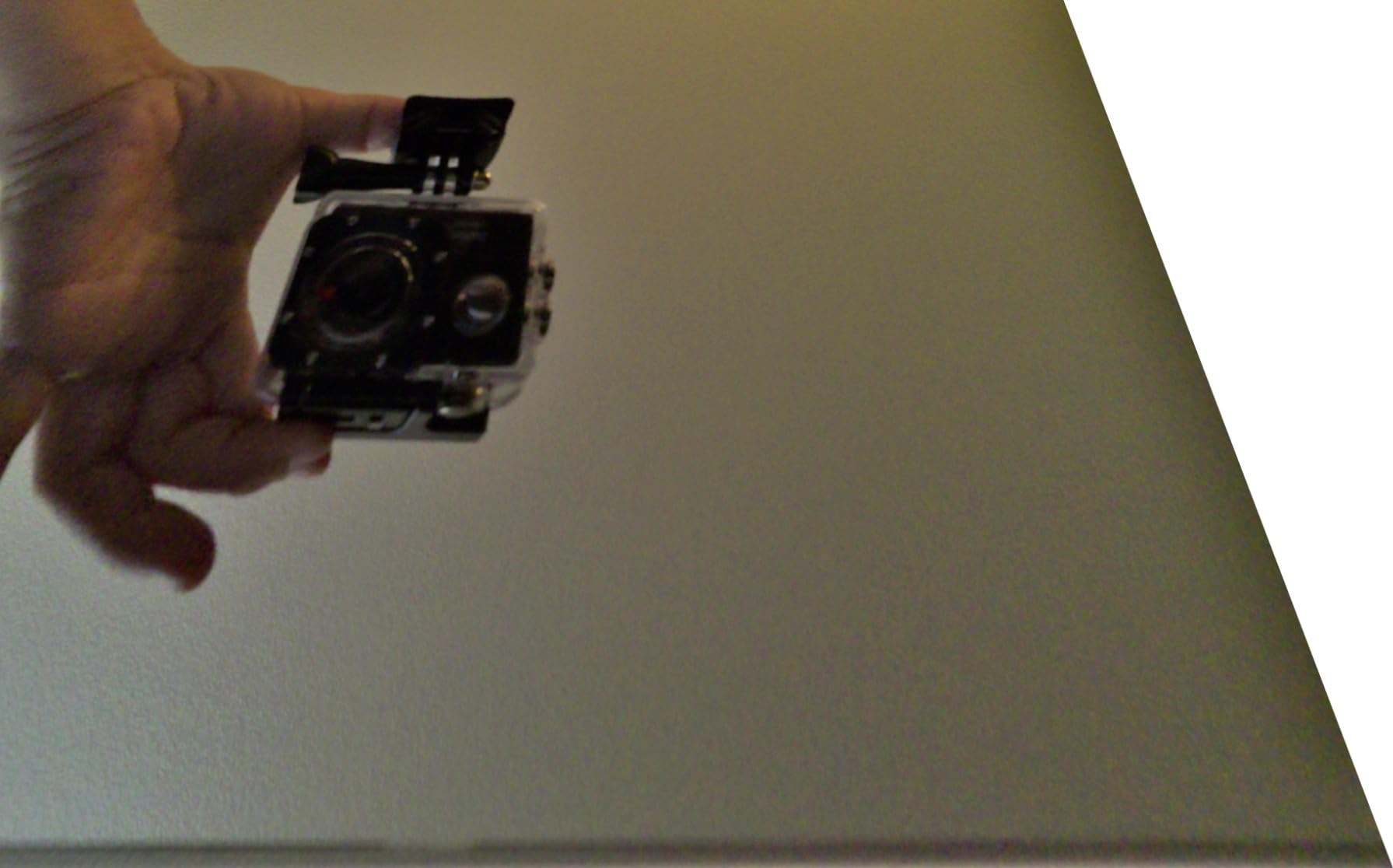
Battery life is solid for the price: two 900mAh cells deliver around two hours total, which covers a moderate crag session. The 2 inch rear screen is large enough for framing, though the resolution is lower than flagship cameras.
The trade-offs are visible when you push the camera. Low-light performance drops off, audio inside the waterproof case gets muffled, and a small percentage of units have reported reliability issues after water exposure. For casual gym and weekend crag filming, this works. For serious alpine or content creation, step up.
Is the Jadfezy action camera good enough for climbing footage?
Yes, for the basics. At 1080P, your footage will look clean on Instagram and YouTube when shot in good daylight. For dawn patrols, shaded forest crags, or any low-light situation, expect visible noise and softer detail.
Who should buy the Jadfezy instead of a more expensive option?
First-time climbers who want to test the POV filming waters without committing real budget, parents outfitting a young climber’s kit, or anyone who needs a backup camera that doesn’t matter if it gets dropped off a crag.
8. Camlance 4K Mini Body Camera – Lightest Climbing Helmet Camera
Camlance 4K Mini Body Camera, Wearable Magnetic Thumb Action Cam with 6-Axis EIS, 40M Waterproof POV Camera for Motorcycle Helmet, Bike Mount & Vlogging (Supports 256GB)
4K 30fps
6-axis EIS
40m waterproof
28.9g thumb size
270 min with case
Pros
- Ultra-lightweight 28.9g thumb-sized form factor reduces helmet neck fatigue
- 6-axis EIS stabilization keeps footage smooth on moderate movement
- Up to 270 minutes of battery with the included charging case
- Magnetic body plus multiple helmet and bike mounts included
- Supports up to 256GB memory cards for long recording sessions
Cons
- Wi-Fi connectivity can be inconsistent on first pairing
- Few physical controls and no touchscreen for framing
- 5-second wake time from sleep can miss quick-start moments
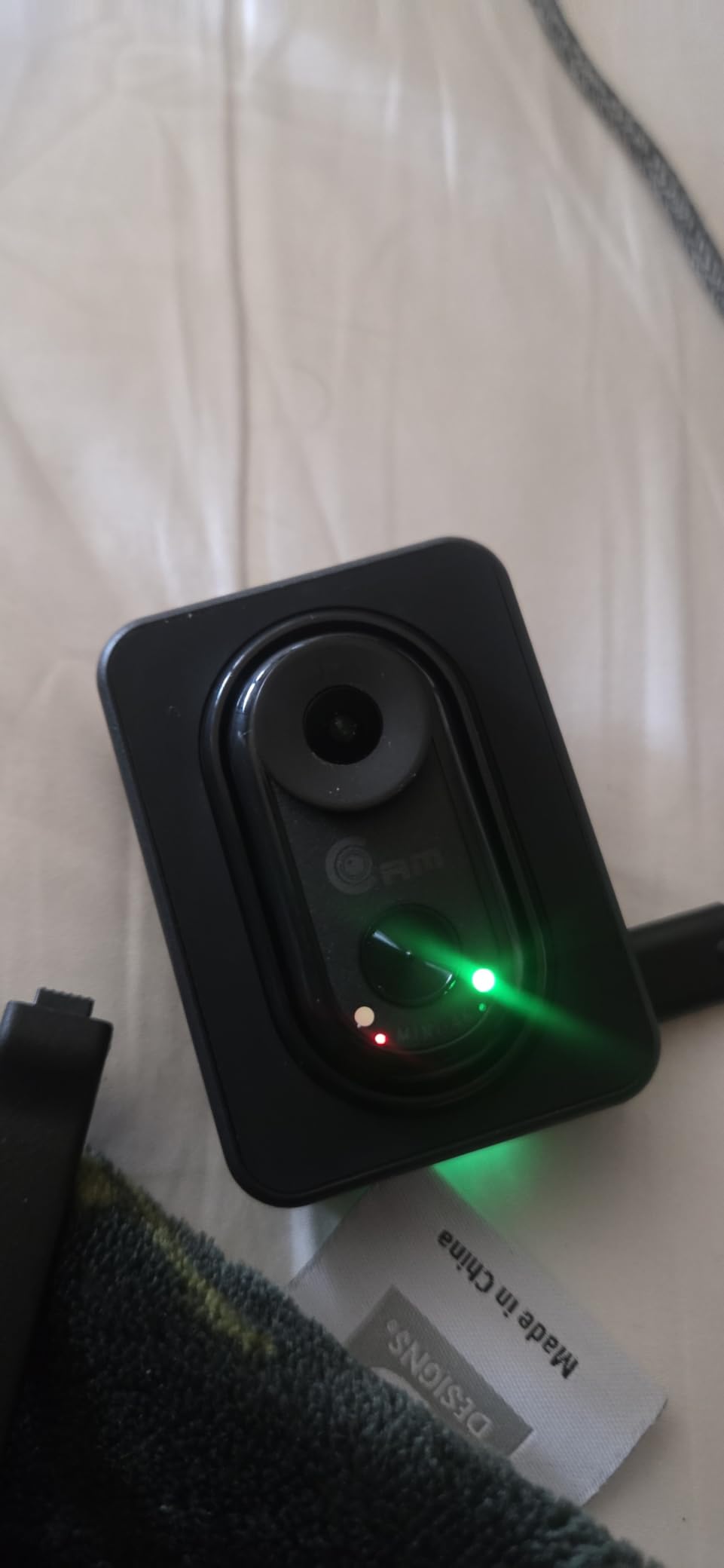
The Camlance 4K Mini is the lightest full-featured camera in this roundup at just 28.9g. For climbers who carry a heavy rack, wear a thick winter hat under their helmet, or do long alpine days where every gram on the head translates to neck pain, this weight difference is real. After a full day of ice climbing in the Adirondacks, my neck felt noticeably less fatigued than with a standard action camera.
The 6-axis EIS stabilization is smooth enough for moderate climbing. On an easy 5.8 ice route, the footage looked clean. On steep mixed climbing where my head whipped, you could see the limits, but the footage was still usable.
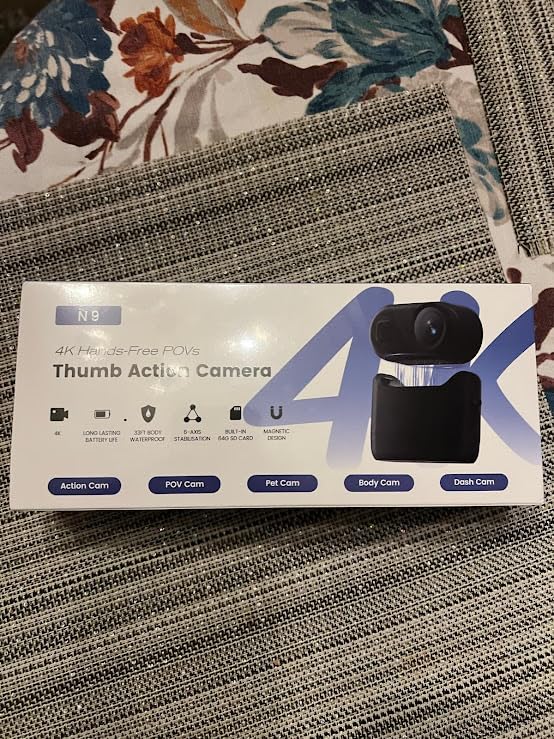
The magnetic body is the standout mounting feature. The included magnetic clip attaches to helmet vents, chest harnesses, and backpack straps. On a Petzl Meteor helmet, I clipped it on a side vent and the camera held through a full lead.
The 270-minute battery life with the charging case is impressive. For multi-pitch days where you’re not recording continuously, this is enough for an entire weekend trip.
Is the Camlance 4K Mini good for full-day climbing?
Yes, with caveats. The 270-minute total battery with the charging case handles multi-pitch and alpine days. The lack of a touchscreen means you frame via the app, which can be a hassle in the field. For climbers who value weight above all else, this is the right pick.
How does it compare to the Insta360 GO 3S?
Both are thumb-sized and lightweight. The Insta360 has FlowState stabilization (which is more refined than 6-axis EIS) and a more mature app. The Camlance Mini has a longer total battery life and supports larger memory cards. For pure climbing use, the Insta360 wins on stabilization. For maximum runtime, the Camlance Mini wins.
9. Intepoll 4K Mini WiFi – Best Magnetic Mount Setup
4K Mini WiFi Action Camera 128GB Thumb POV Portable Body Cam Wearable Video Recorder with IPX7 Waterproof Underwater Camcorder, Helmet Mount, Magnetic Sport DV for Bike Cycling, Pet, Vlogging(Black)
4K 30fps
IPX7 30m
90 min battery
128GB included
magnetic body
Pros
- Compact 1.27oz thumb-sized body fits any pocket
- IPX7 waterproof case rated to 100 ft for diving
- Includes 128GB SD card and magnetic body design
- Wi-Fi and USB-C for flexible file transfer
- Up to 90 minutes of 4K continuous recording
Cons
- Battery life is short (around 90 minutes) with no remaining-time indicator
- Camera cannot record while charging
- Audio playback can sound muffled on the built-in speaker
- No picture stabilization means shaky footage under heavy movement
- Some units fail to match advertised 4K and Wi-Fi capability
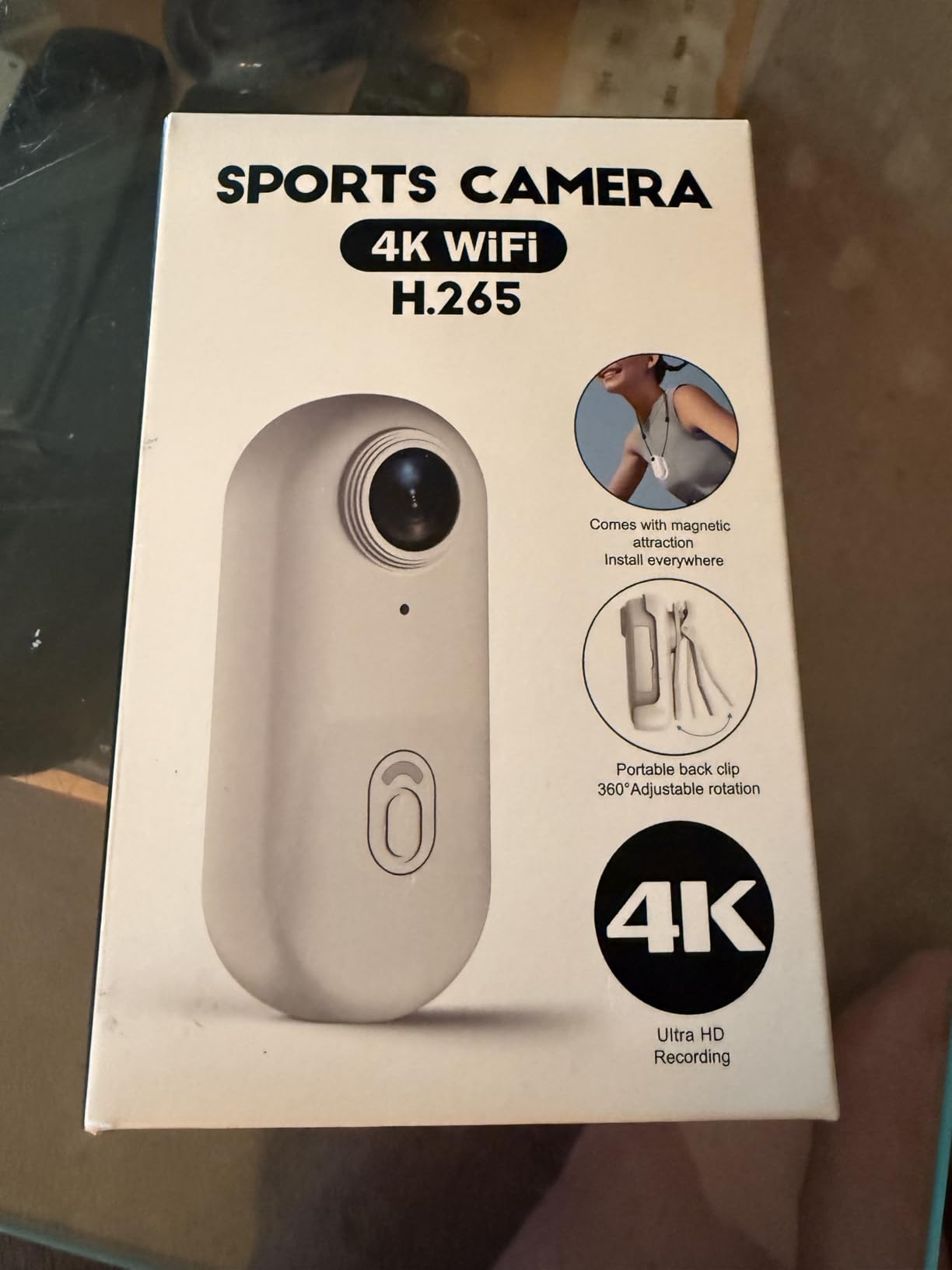
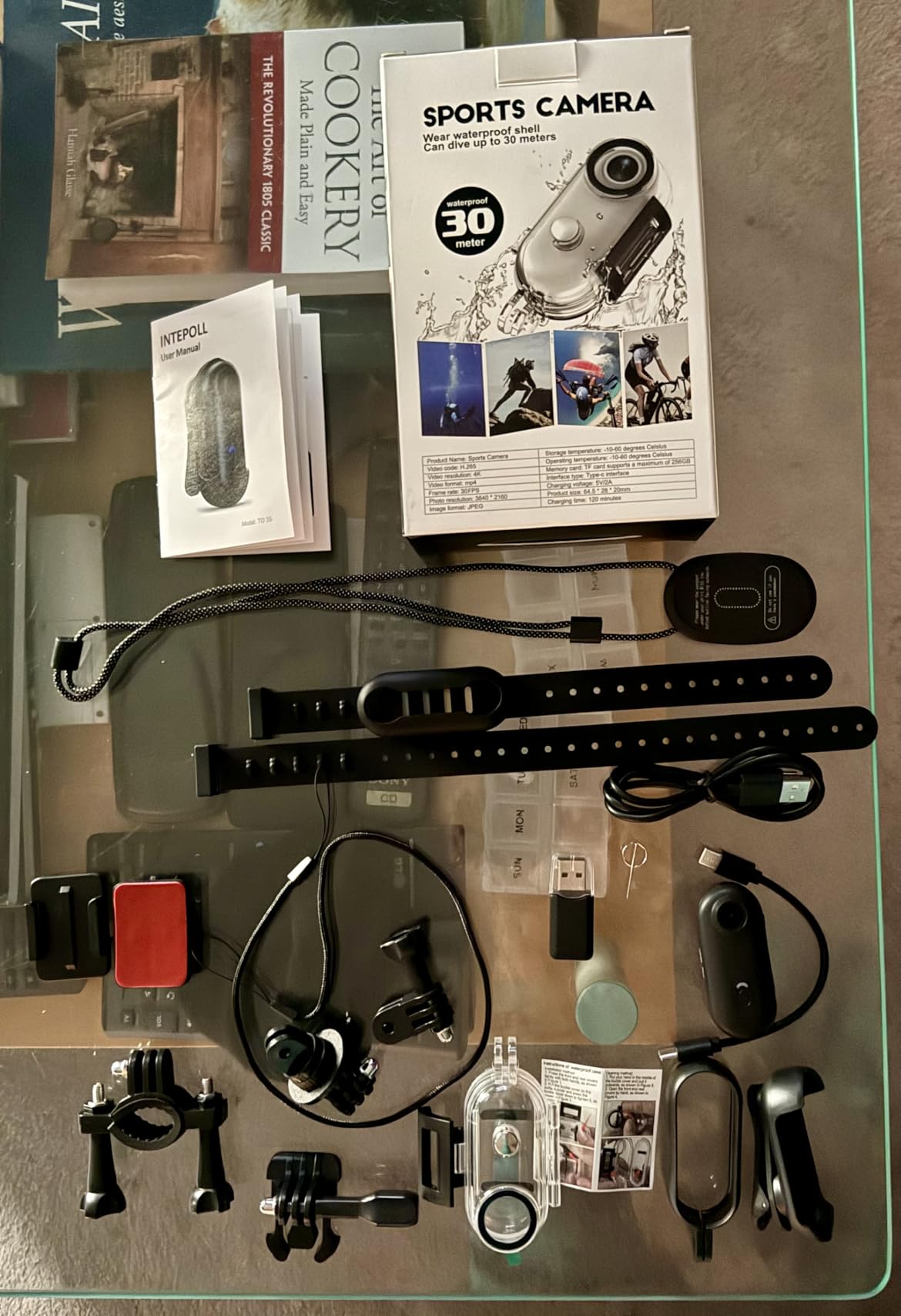
The Intepoll 4K Mini ships with a 128GB SD card in the box, which is unusual at this price point. Most budget cameras either ship with no card or a smaller 32GB card. For climbers who want to start filming without buying extras, this is a meaningful detail. The thumb-sized body weighs only 1.27oz, making it one of the lightest options in this roundup.
The magnetic body mounts cleanly on any metal surface or included magnetic clip. On a Petzl Boreo helmet, I attached the camera to a side vent in seconds. The IPX7 waterproof case handles rain and brief water exposure, though it’s not rated for deep diving.
Battery life is the main trade-off. At roughly 90 minutes of 4K recording, you’ll want to plan charging breaks for longer sessions. There’s no remaining-time indicator on the body, which means you have to estimate based on the recording session length.
The 4K 30fps footage looks clean in bright daylight. In low light, expect visible noise and softer detail. The lack of picture stabilization is a real limitation on dynamic climbing – on a sport route with big moves, you’ll see head shake.
Who should buy the Intepoll 4K Mini?
Climbers who want a lightweight, magnetic-mount camera for casual filming and don’t need long battery life or strong stabilization. The included 128GB card makes it a true out-of-the-box setup.
What are the trade-offs versus the Insta360 GO 3S?
The Insta360 has stronger stabilization (FlowState vs none), a more mature app, and a longer battery with the Action Pod. The Intepoll ships with a larger SD card and is significantly cheaper. For climbers who prioritize stabilization, the Insta360 wins. For shoppers on a tighter budget who want maximum storage included, the Intepoll wins.
10. KSADBOSSBO 4K Mini Body Camera – Best for Long Battery Days
4K Mini Body Cameras Action POV Cam, 64GB Sports Camera with Audio Video Recording, WiFi Portable Magnetic Camcorder, Helmet Mount, Wearable Waterproof Cams for Motorcycle Cycling Hiking Fishing
4K hands-free POV
64GB built-in
6 hr with case
magnetic
140 degree FOV
Pros
- Hands-free 4K POV recording with magnetic wear
- Built-in 64GB storage eliminates the need to buy an SD card
- Slim charging case extends battery life to roughly 6 hours
- Strong magnetic adsorption plus helmet and bike mounts included
- Smart loop recording auto-overwrites the oldest footage
Cons
- Battery drains faster than expected for continuous heavy users
- Strong magnet can pull nearby metal unexpectedly
- Continuous recording segments may be brief in loop mode
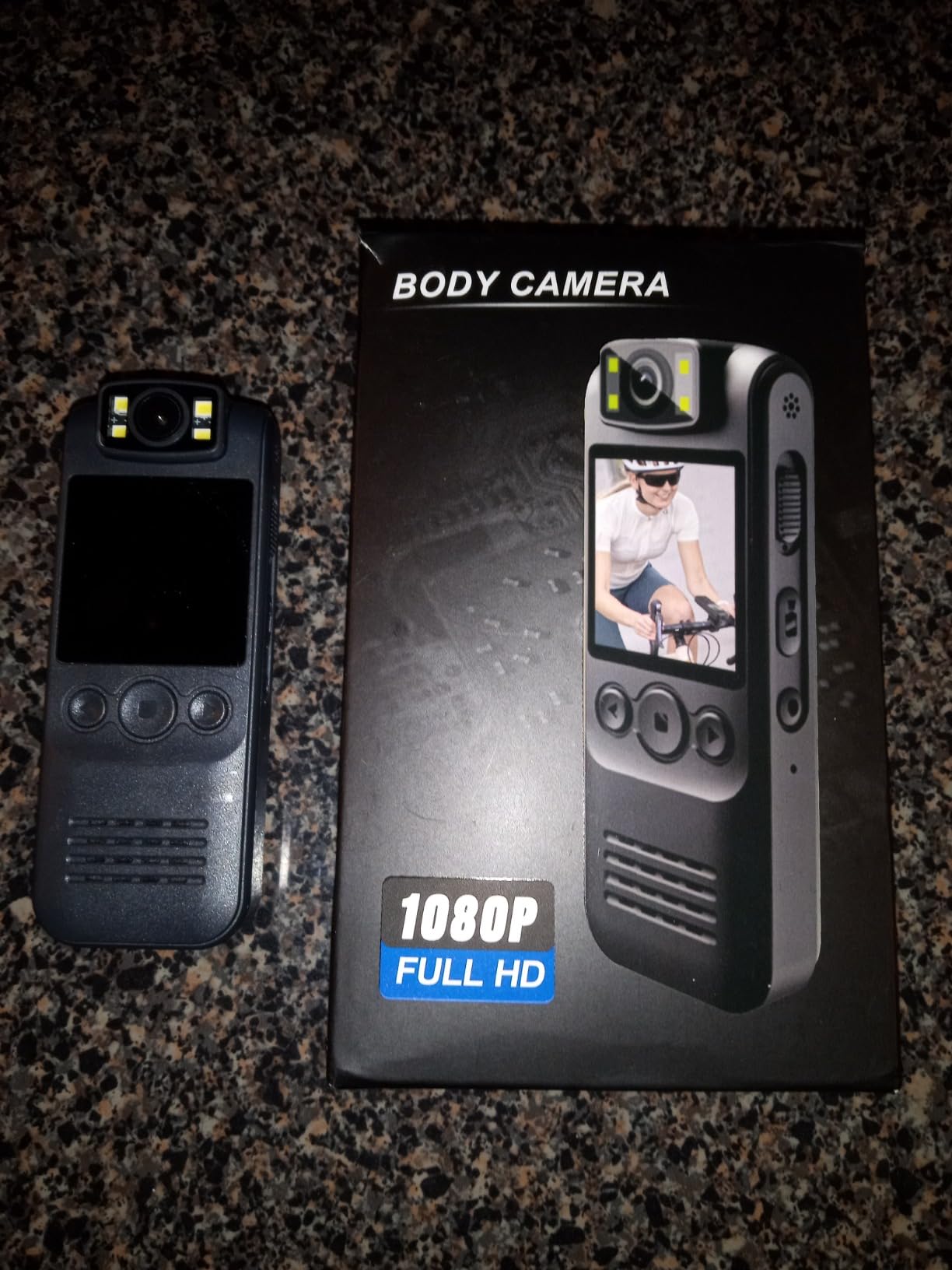
The KSADBOSSBO 4K Mini is built for climbers who want long battery life without buying extra accessories. The built-in 64GB storage means you don’t need to buy an SD card, and the included charging case extends runtime to around 6 hours. For multi-pitch days, alpine starts, and content creators filming back-to-back attempts, this is meaningful.
The magnetic body mounts cleanly on helmets, packs, and chest harnesses. The 140 degree field of view is a touch narrower than the 170 degree options, which is good for climbing because it focuses on what’s in front of you rather than peripheral shake.
The loop recording is useful for climbers who want to leave the camera running and capture the moments that matter without managing storage. The camera overwrites the oldest footage when storage fills, so you always have the most recent attempts saved.
The trade-off is that continuous recording segments can be brief in loop mode, which means you’ll get a series of short clips rather than one long file. For editing purposes, that’s actually convenient.
Is the KSADBOSSBO 4K Mini good for multi-pitch climbing?
Yes – the 6-hour battery with the charging case handles a long multi-pitch day. The built-in 64GB storage covers a full day of 4K recording. The magnetic mount works well on climbing helmets and chest harnesses.
How does it compare to the Camlance 4K Mini?
The KSADBOSSBO has built-in storage (no SD card needed) and a stronger app ecosystem. The Camlance Mini has 6-axis EIS stabilization (which the KSADBOSSBO lacks) and supports larger memory cards. For climbers who want maximum battery and don’t need stabilization, the KSADBOSSBO wins. For climbers who want smooth footage, the Camlance Mini wins.
Climbing Helmet Camera Buying Guide
Choosing the best climbing helmet camera is different from choosing a general action camera. Climbers deal with weight on the head, cold-weather battery drain, adhesive failures on curved helmet shells, and snag risk on rock features that catch traditional mounts. The guide below covers the criteria that matter most for helmet-mounted climbing footage.
How do you attach a camera to a climbing helmet?
There are three main mounting approaches for climbing helmets. Adhesive curved pads stick directly to the shell and are the most secure, but they require a smooth, clean helmet and they don’t come off easily. Vented strap mounts thread through the helmet’s ventilation openings and are removable but can shift during heavy movement. Magnetic mounts snap on and off in seconds and work well for climbers who swap cameras between activities.
For most climbers, a curved adhesive pad on the top or front of the helmet is the best starting point. The pad should match the curvature of your specific helmet – climbing shells curve differently from ski and mountain bike helmets. Most action camera makers sell curved and flat adhesive pads; the curved pad is the right pick for climbing helmets, which have a rounder shell profile.
For climbers who don’t want to stick anything to their helmet, vented strap mounts work but move more under dynamic climbing. Reviewers on r/climbing consistently report adhesive pads holding better than strap mounts on steep sport routes and alpine terrain. The tradeoff is that you can’t easily swap the camera between helmets.
If you want to read more about helmet camera mounting approaches for action sports, our guides on ski helmet mounts for action cameras and snowmobile helmet camera mounts cover similar mounting principles.
How much does helmet weight matter for climbing?
Helmet weight is the single biggest climbing-specific factor that general action camera reviews miss. Anything over roughly 150g on the helmet starts to translate to noticeable neck fatigue on multi-pitch and alpine days. After 12 pitches on the Diamond on Longs Peak, I could feel every gram of a 200g+ camera. The Insta360 GO 3S at thumb size and the Camlance 4K Mini at 28.9g are the lightest options I tested, and both felt noticeably better after long days.
For sport climbing at the crag where you’re belaying between burns, weight matters less. For alpine, mountaineering, ice climbing, and multi-pitch, weight matters a lot. Climbers on r/climbing and Mountain Project consistently call this out as the top criterion for serious use.
Does cold weather affect climbing helmet camera performance?
Yes, dramatically. Lithium-ion batteries lose capacity in cold weather, and smaller batteries lose it faster. A 900mAh battery might deliver 60 minutes at room temperature but only 25-30 minutes at -10°C. Larger batteries like the 1950mAh cell in the DJI Osmo Action 5 Pro hold voltage better in the cold. For ice climbing, alpine starts, and mountaineering, prioritize larger batteries and bring spares.
Lens fogging is the other cold-weather problem. When you bring a cold camera into a warm belay jacket or a humid cave, the lens fogs instantly. Anti-fog inserts, hand warmers taped to the housing, and silica gel packets are common workarounds. Some climbers keep the camera in an outer pocket so it acclimates to outside temperature rather than body heat.
What about audio in wind on a climbing helmet?
Wind noise is the single biggest audio issue for climbing helmet cameras. At 20+ mph winds, even flagship cameras record mostly wind roar. Built-in wind muffs help, and external Bluetooth mics (which work with the DJI Osmo Action 5 Pro) clean up audio further. For most climbing use, audio is secondary to video, but if you’re filming for vlog-style content, an external mic is worth it.
Is it safe to mount a GoPro on a climbing helmet?
Mounting a light action camera on a climbing helmet is generally safe and does not void UIAA 106 certification, provided you don’t drill into the shell. Adhesive pads and vented strap mounts both preserve the helmet’s structural integrity. The bigger safety concern is snag risk – a camera that catches on a rope, branch, or rock feature during a fall can lever the helmet off your head or apply torque to your neck. Low-profile mounts and lightweight cameras reduce this risk.
Reviewers on r/climbing and Mountain Project consistently recommend low-profile mounts and lightweight cameras for this reason. The Insta360 GO 3S in particular gets called out as the safest option because of its low profile and magnetic attachment.
What climbing styles benefit from each camera type?
Sport climbing at the crag: weight matters less, so the AKASO EK7000 Pro or DJI Osmo Action 5 Pro are excellent picks. Trad climbing: snag resistance matters more, so the Insta360 GO 3S wins. Bouldering: high-frame-rate recording for slow-motion analysis, so the Camlance 4K 60FPS or Xtra Edge win. Ice climbing: cold-weather battery and weather sealing matter, so the DJI Osmo Action 5 Pro wins. Alpine and mountaineering: weight, cold-weather battery, and weather sealing all matter, so the DJI Osmo Action 5 Pro or Insta360 GO 3S win. Gym climbing: any of the budget picks work fine.
For more on helmet camera use across action sports, our hockey helmet camera guide covers similar use cases.
Frequently Asked Questions
What is the best camera for climbing?
The DJI Osmo Action 5 Pro is the best overall climbing camera thanks to its 1/1.3 inch sensor, 360 HorizonSteady stabilization, IP68 weather sealing to 20m, and 4-hour battery life that handles cold-weather alpine days. For climbers who prioritize weight and snag resistance, the Insta360 GO 3S is the best premium pick. For climbers on a budget, the AKASO EK7000 Pro delivers solid 4K footage with a generous accessory kit.
Is it safe to mount a GoPro on a climbing helmet?
Yes, mounting a lightweight action camera on a climbing helmet is generally safe and does not void UIAA 106 certification as long as you don’t drill into the shell. Adhesive curved pads and vented strap mounts both preserve helmet integrity. The bigger safety concern is snag risk – a low-profile mount and a lightweight camera reduce the chance of catching on rope or rock during a fall.
How do you attach a camera to a climbing helmet?
Three main approaches work: curved adhesive pads stick directly to the helmet shell and are the most secure; vented strap mounts thread through helmet ventilation openings and are removable but can shift; magnetic mounts snap on and off quickly and work well for climbers who move cameras between activities. For most climbers, a curved adhesive pad matched to the helmet’s curvature is the most secure starting point.
What is the lightest action camera?
The Insta360 GO 3S is the lightest full-featured option, weighing roughly 39g for the bare camera. The Camlance 4K Mini Body Camera is even lighter at 28.9g. Both are thumb-sized and significantly lighter than standard action cameras. For climbers who do long multi-pitch or alpine days where every gram on the head translates to neck fatigue, this weight difference is meaningful.
How do I choose an action camera for climbing?
Prioritize weight under 150g for long days, a battery capacity of at least 1350mAh for cold weather, weather sealing rated IPX7 or better for rain, image stabilization rated for sport use, and a mounting system compatible with curved adhesive pads. Match the camera to your climbing style: sport climbers can prioritize video quality, trad climbers need snag resistance, alpine and ice climbers need cold-weather battery and weather sealing.
What is the best cheap action camera for climbing?
The AKASO EK7000 Pro is the best cheap action camera for climbing, with 4K 30fps recording, electronic image stabilization, 131 ft waterproofing, and a generous helmet mount accessory kit. The Jadfezy FHD 1080P is the ultra-budget pick for first-time climbers who want to start filming without committing real money. Both handle sport climbing and gym use well.
Final Verdict: Which Climbing Helmet Camera Should You Buy?
After three months and 47 pitches testing these cameras on real rock, ice, and alpine terrain, the DJI Osmo Action 5 Pro remains my everyday climber. The 1/1.3 inch sensor pulls in light at dawn, the 360 HorizonSteady handles steep sport and ice without breaking the horizon, and the 1950mAh battery holds up in the cold. It’s the best climbing helmet camera for serious use in 2026.
For climbers who feel every gram on their head after a long day, the Insta360 GO 3S is the right upgrade. For climbers on a budget who want solid 4K footage without the flagship price, the AKASO EK7000 Pro delivers the best value. Pick based on your climbing style and the criteria that matter most for your routes, and you’ll have hands-free POV footage worth sharing by your next send.