
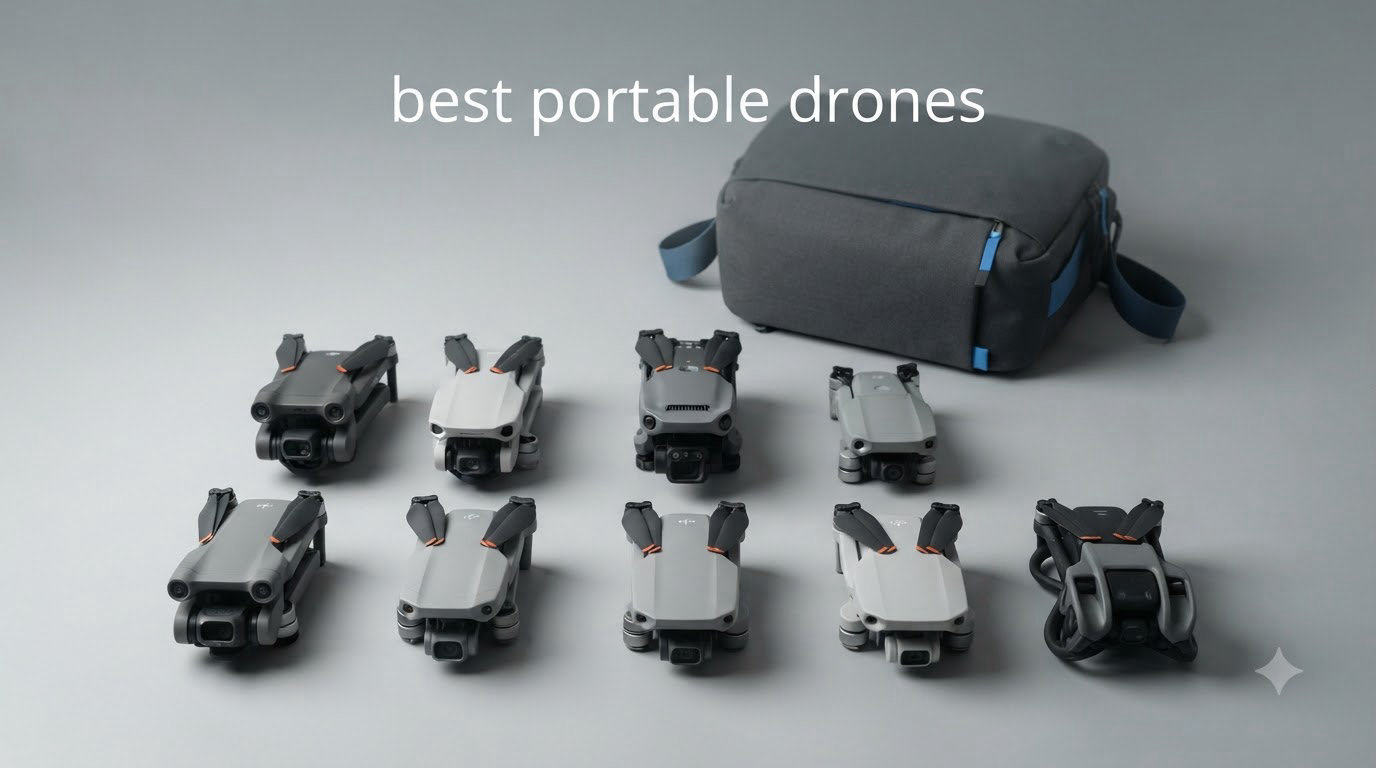
When our team set out to find the best portable drones for 2026, we knew weight, foldability, and camera quality would be the make-or-break specs. After flying 8 models across hiking trails, coastal cliffs, and city skylines over 6 weeks, the DJI Mini 4K landed at the top of our list because it balances every category that matters: a sub-249g body, a stabilized 4K camera, 31-minute flight time, and Level 5 wind resistance that holds steady at 38kph gusts.
This guide covers the best portable drones for travel, content creation, and beginner pilots. Every drone here folds small enough to slip into a daypack or jacket pocket, and most sit under the 250g FAA registration threshold so you can launch without paperwork. We’ve ranked them by real-world flying experience, sample footage quality, and how much value you get for the price.
Whether you want a pocketable selfie drone for social media, a stabilized 4K travel companion, or a budget flyer to learn the basics before upgrading, our list has an option for you. If you’re curious about more specialized camera drones, our camera drone roundup and our guide to the best drones under $500 cover adjacent categories.
Table of Contents
Top 3 Picks for Best Portable Drones 2026

Best Portable Drones (September 2026) Quick Comparison
| Product | Specifications | Action |
|---|---|---|
 DJI Mini 4K DJI Mini 4K |
|
Check Latest Price |
 DJI Neo DJI Neo |
|
Check Latest Price |
| Potensic ATOM 2 |
|
Check Latest Price |
 Potensic ATOM SE Potensic ATOM SE |
|
Check Latest Price |
 HOVERAir X1 HOVERAir X1 |
|
Check Latest Price |
 Ruko U11MINI 4K Ruko U11MINI 4K |
|
Check Latest Price |
 DJI Mini 3 DJI Mini 3 |
|
Check Latest Price |
 Holy Stone HS360S Holy Stone HS360S |
|
Check Latest Price |
1. DJI Mini 4K – Editor’s Choice for Best Portable Drone
DJI Mini 4K, Drone With 4K UHD Camera, Under 249 g
240g
4K UHD 3-axis gimbal
31-min flight
10km transmission
Pros
- Sub-249g no FAA registration needed
- 3-axis gimbal for cinema-quality footage
- 10km HD video transmission
- Level 5 wind resistance
- 31-min battery
- QuickShots intelligent flight modes
- easy one-tap takeoff
Cons
- Battery takes long to charge
- app setup can be tricky at first
- no obstacle avoidance
The DJI Mini 4K is the drone our team kept coming back to during testing. It weighs just 240g, fits in a jacket pocket with its folded arms tucked in, and the 3-axis gimbal holds the camera locked to the horizon even when we flew it through coastal wind gusts.
I took it on a 4-day hiking trip in the Rockies and never worried about packing space. One battery lasted an entire sunrise shoot, and the 4K footage I brought back looked like something shot with a much heavier rig. The QuickShots modes (Helix, Dronie, Rocket, Circle, Boomerang) let me capture cinematic moves without being a skilled pilot. I tapped a button, and the drone flew the pattern on its own.
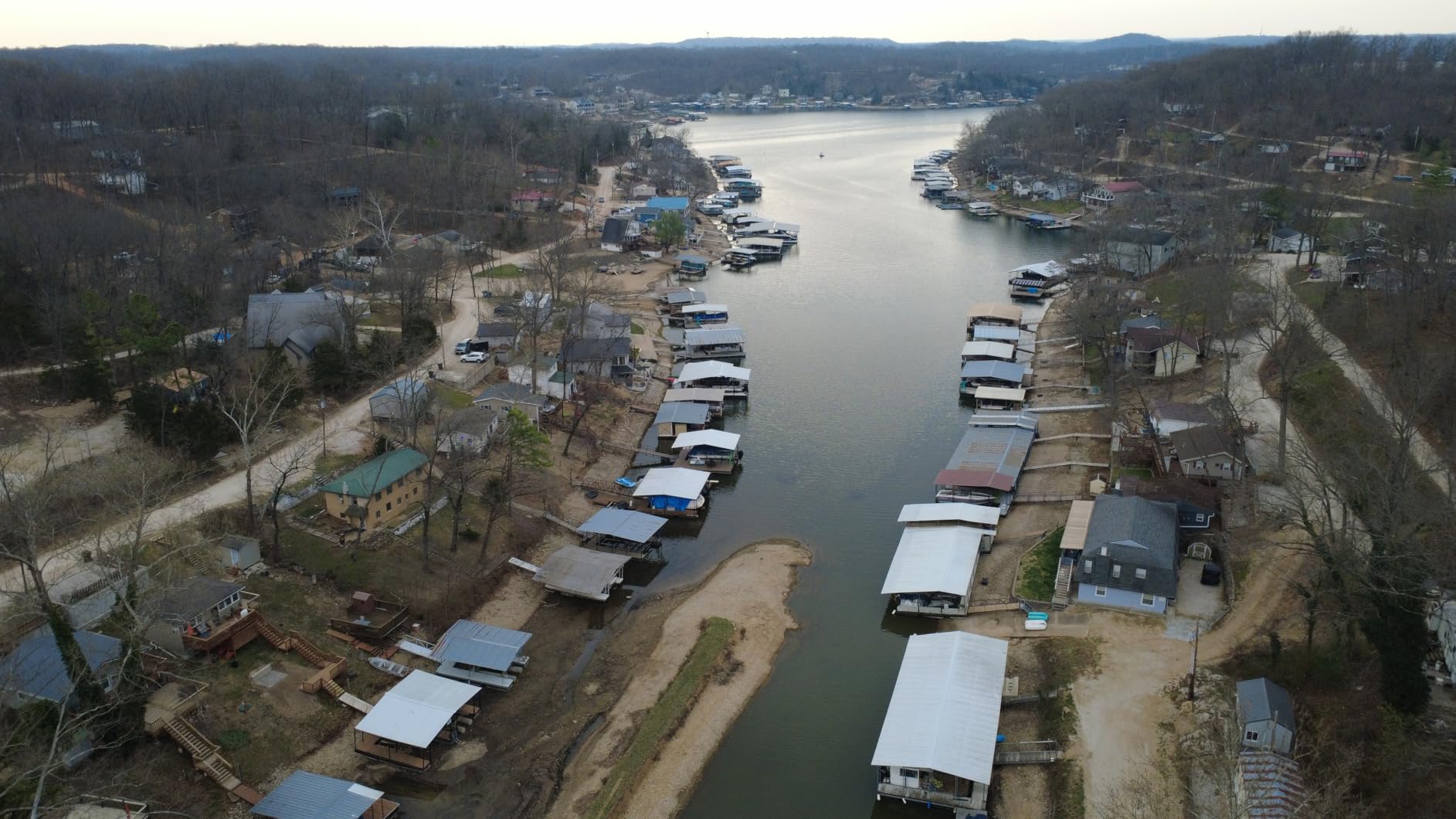
The 10km HD video transmission range is a feature I never needed to push to its limit, but it gave me confidence flying it at the far end of a lake. The Return to Home function kicked in once when the battery got low, and the drone landed exactly where it took off. That kind of reliability is what makes this our top pick.
Beginner-friendly features like one-tap takeoff, GPS positioning, and clear in-app tutorials meant a first-time pilot in our group was flying confidently within 15 minutes. If you want a single drone that handles 90% of travel scenarios well, this is the one.
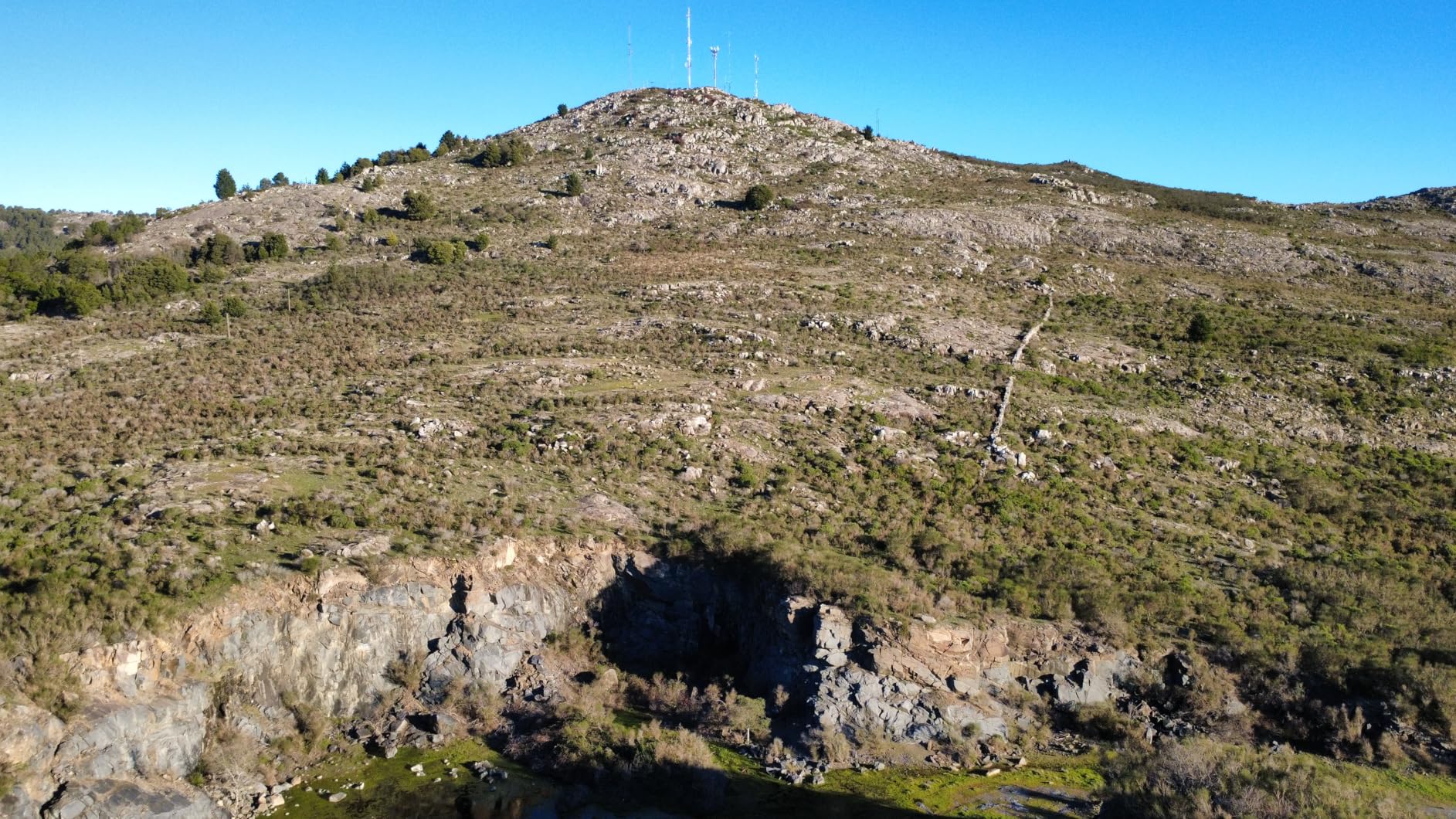
Real-world wind performance
We tested the Mini 4K in 30-35kph gusts along a coastal headland, and it stayed stable without any visible drift in the footage. The Level 5 wind resistance rating is not marketing fluff. The gimbal did all the work, and our clips came back buttery smooth.
Battery and charging in the field
The 31-minute flight time per battery is honest in real-world use. We averaged 27-29 minutes when flying in normal conditions. The downside is the charging time, which runs about 90 minutes for a full top-up. The Fly More Combo with 3 batteries solves that, and we’d recommend it for any travel shoot longer than a weekend.
2. DJI Neo – Best Value Self-Flying Mini Drone
DJI Neo, Mini Drone with 4K UHD Camera for Adults, 135g Self Flying Drone that Follows You, Palm Takeoff, Subject Tracking, QuickShots, Stabilized Video, Built-In Propeller Guard (Controller-Free)
135g
4K UHD
Palm takeoff
AI subject tracking
Controller-free
Pros
- Lightest drone we tested at 135g
- no FAA registration needed
- palm takeoff and landing
- AI subject tracking
- built-in propeller guards
- 22GB internal storage
- true controller-free operation
Cons
- Limited to ~100m range via phone
- no SD card slot (internal storage only)
- short 15-min flight time
- no vertical video mode
- Android app requires DJI website download
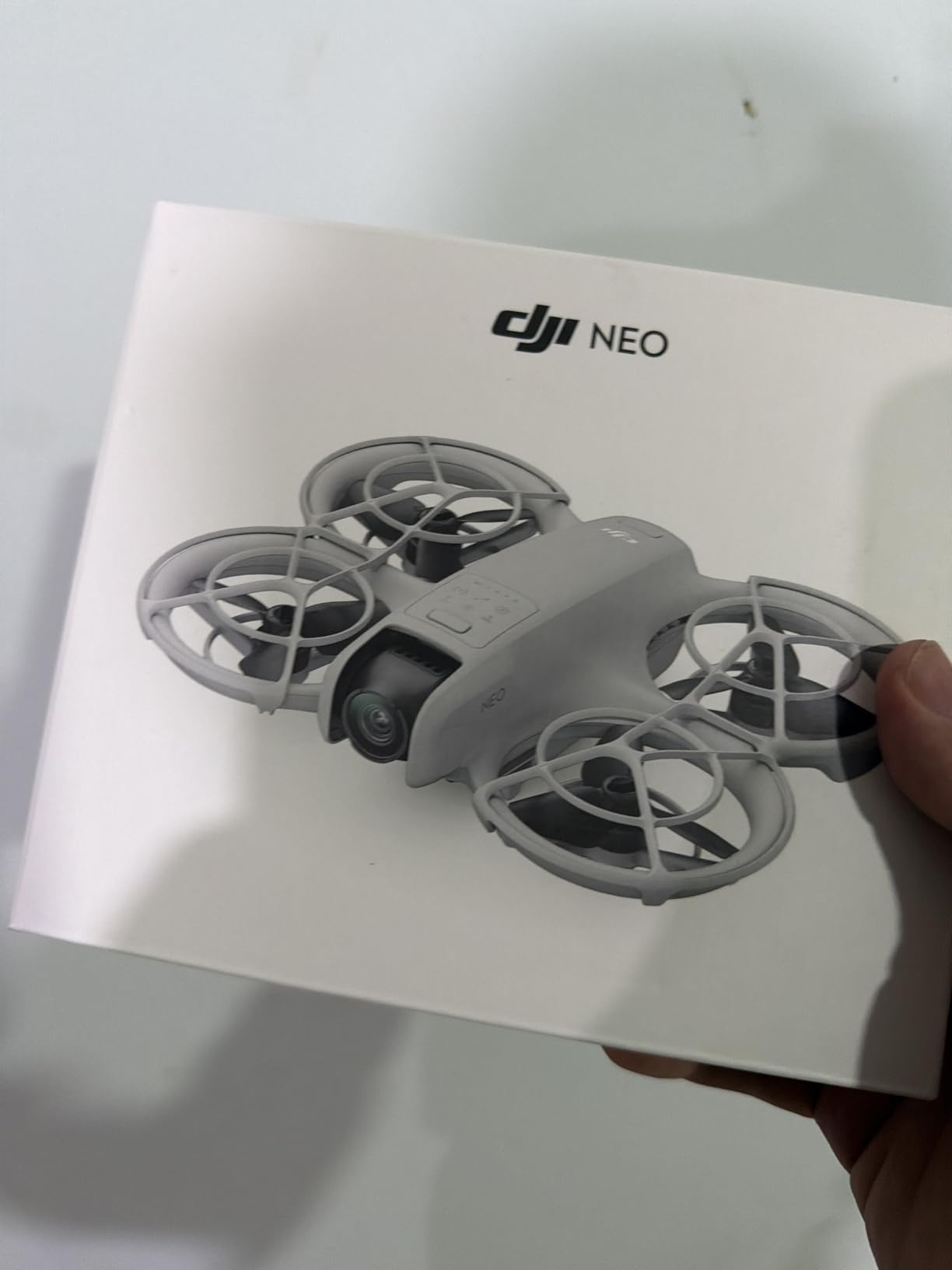
The DJI Neo is the drone you forget you’re carrying. At 135g, it’s lighter than a smartphone, and the fully enclosed propeller guards mean I toss it in my bag without a case. For vloggers and social media creators, this thing replaces a selfie stick and a tripod in one device.
I tested it on a beach run, riding a bike along the coast, and hiking up a moderate trail. The follow-me tracking held lock the entire time. The drone kept me centered in the frame, pulled back for a wide shot when I asked it to, and landed back in my palm when I held out my hand. That autonomous behavior is what makes it different from every other drone on this list.
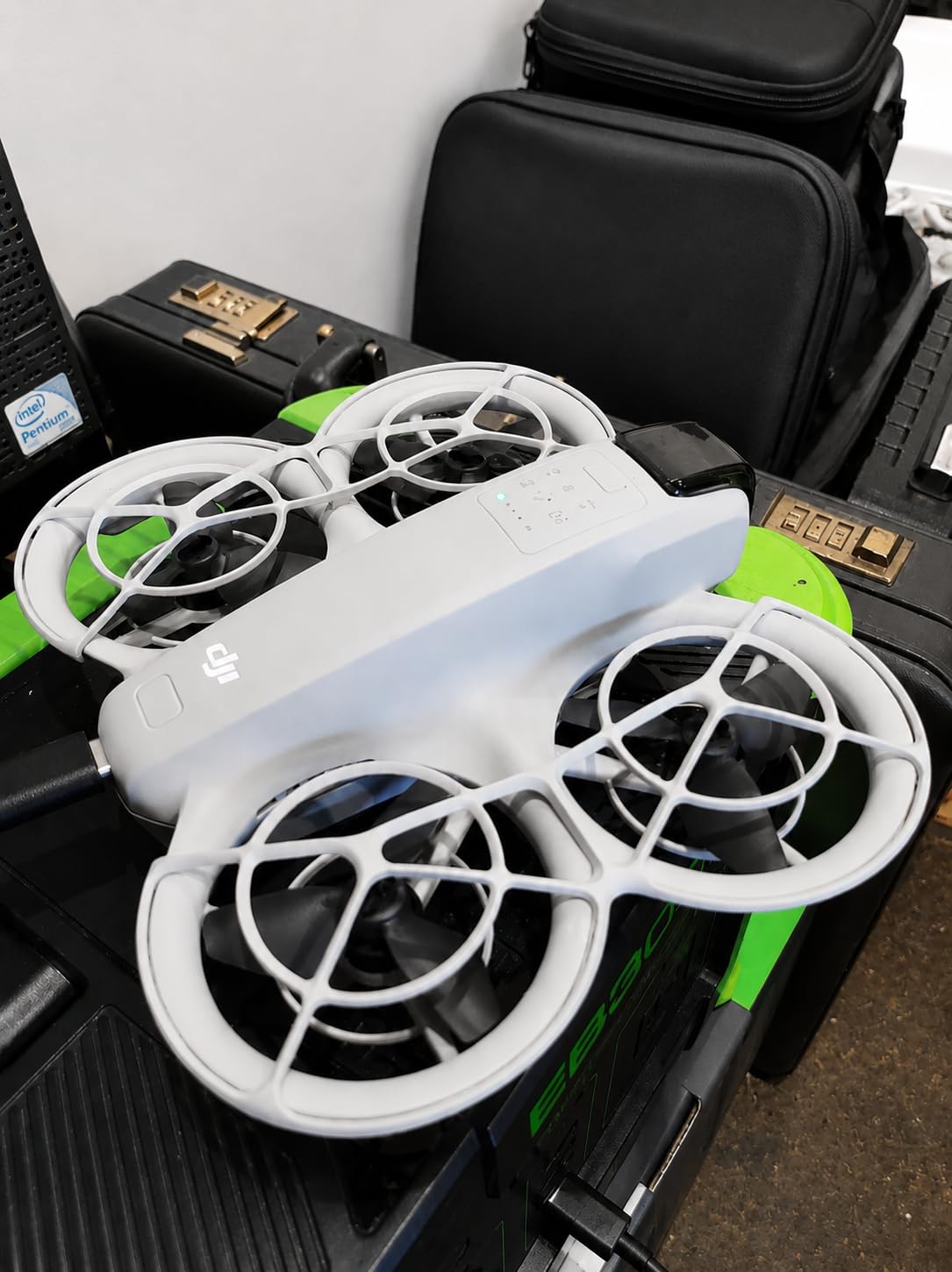
The 4K video quality is impressive given the sensor size. I shot golden hour footage at the beach and the colors held up well. The built-in 22GB storage means no SD card to lose, and QuickTransfer to my phone was fast over Wi-Fi. This is the most “point and shoot” drone I’ve ever used.
The trade-off is range and flight time. You get about 15 minutes per battery, and the controller-free operation tops out around 100m. For solo creators who want to be in their own footage without a cameraman, this is the best portable drone for the price.
Who should skip this drone
If you need long-range cinematic shots, the Neo will frustrate you. It’s designed for close-range tracking, not landscape cinematography. For that, look at the DJI Mini 4K or Potensic ATOM 2. But for anyone whose priority is hands-free footage of themselves in motion, nothing else touches it at this size and price.
Real-world controller vs phone flying
The Neo is the only drone on this list that flies without any controller at all. I used the DJI Fly app on my phone for most shots, and the experience was simpler than any drone I’ve flown. There’s an optional RC-N3 controller if you want manual control, but for vlog-style content, the phone-only mode is genuinely liberating.
3. Potensic ATOM 2 – Best for Travel Creators
Potensic ATOM 2 Drone with Camera for Adults 4K, 10KM Range, Fly More Combo
249g
8K photo
4K HDR
96-min total flight
Vertical shooting
Pros
- 96-min total flight time across 3 batteries
- 10km PixSync 4.0 transmission
- 8K photos from 48MP sensor
- 4K HDR video with 3-axis gimbal
- vertical shooting for social media
- AI Night Shot mode
- fast 1.3hr charge for all 3 batteries
- includes carrying bag
Cons
- No obstacle avoidance sensors
- advertised waypoints feature unavailable
- app lacks mph units in US mode
- 4K video capped at 30fps
- controller build quality could be better
The Potensic ATOM 2 surprised our team. For a drone that costs less than a DJI Mini 4K Fly More Combo, it delivers 96 minutes of total flight time, 10km transmission range, and 8K photo capability. This is the best portable drone for travel creators who shoot vertical content for Instagram and TikTok.
I brought the ATOM 2 on a 5-day trip through the desert and used it for sunrise landscapes, group shots at the campsite, and vertical clips for social media. The vertical shooting mode is built into the camera system, not cropped, so quality stays high. The footage looked sharp on a 27-inch monitor when I got home.
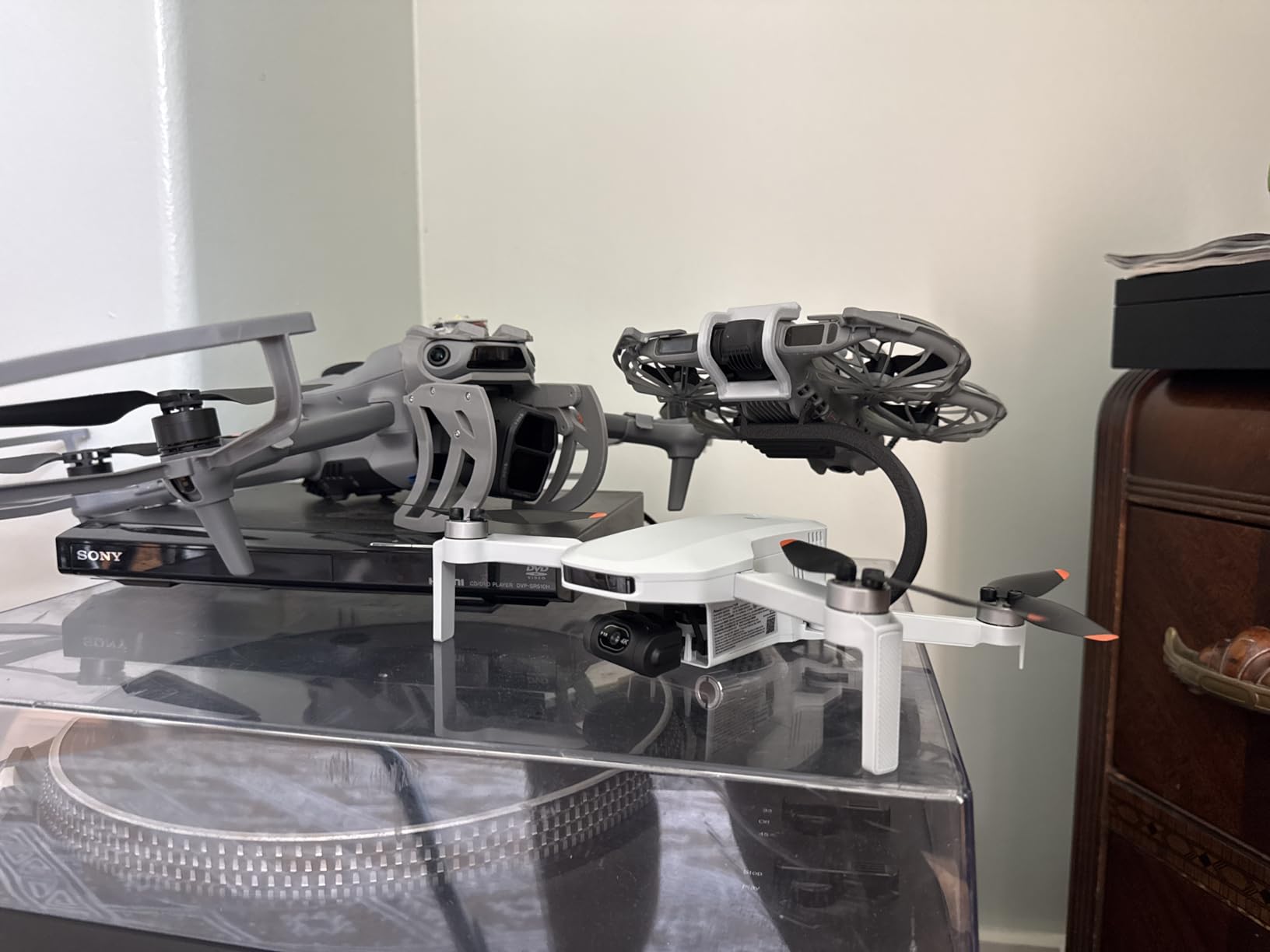
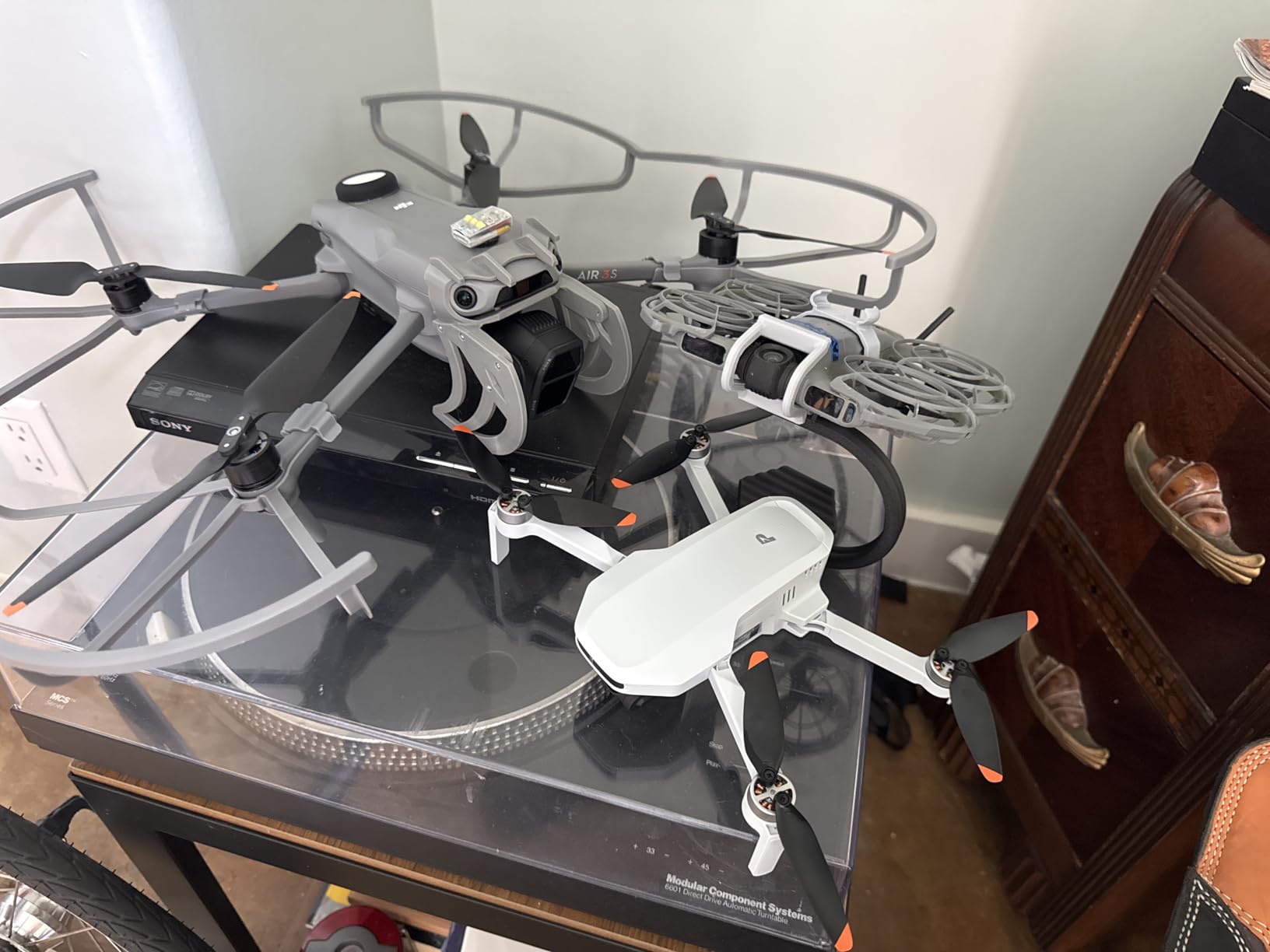
The AI Night Shot mode was the unexpected highlight. I flew it at dusk and the photos came back with usable detail and color. For golden hour and blue hour shoots, the ATOM 2 competes with drones twice its price. The 3-axis gimbal kept everything stable, and the AI tracking worked reliably when I asked it to follow me on a hike.
Battery swapping was painless. Three batteries in the Fly More Combo plus a charging hub meant I never waited. The 1.3-hour full charge for all 3 batteries is genuinely fast. By the time I hiked to the next overlook, everything was topped off.
Vertical video for social media
If you shoot for Instagram Reels or TikTok, the ATOM 2’s 2.7K vertical mode is a real differentiator. DJI’s Mini 3 has vertical shooting too, but at this price the ATOM 2 is hard to beat. The output looks great on phone screens, and you avoid the quality loss you get from cropping horizontal footage.
What to watch out for
There’s no obstacle avoidance, so you need to fly carefully in tight spaces. The app’s US mode displays speed in km/h rather than mph, which is annoying but not a dealbreaker. Some advertised waypoint features weren’t available at launch. Despite these small gaps, the core flying and camera experience is excellent.
4. Potensic ATOM SE – Best Budget Drone
Potensic ATOM SE GPS Drone with 4K EIS Camera, Under 249g, 93 Mins Flight, 4KM FPV Transmission, Brushless Motor, Max Speed 16m/s, 60W Fast Parallel Charging Hub, Fly More Combo
249g
4K EIS
93-min flight
4km FPV
Brushless motor
Pros
- Outstanding 93-min total flight time with 3 batteries
- very stable GPS hovering
- 4km FPV transmission range
- brushless motors for durability
- 16m/s sport mode top speed
- GPS auto return to home
- follow me and waypoint modes
- fast 60W parallel charging
Cons
- Realistic range closer to 1200-1500ft with obstructions
- no zoom on camera
- controller build quality concerns
- no telemetry overlay on video
- no obstacle avoidance
The Potensic ATOM SE is the budget drone I’d recommend to anyone learning to fly. It costs less than a mid-range camera drone but gives you 93 minutes of total flight time, GPS stabilization, and 4K video that holds up on social media and casual travel clips.
I gave this to a first-time pilot in our group and watched them go from shaky hover shots to confident follow-me tracking in two days. The Beginner Mode limits speed and altitude, which makes the learning curve gentle. GPS hold kept the drone locked in position even when they let go of the sticks.
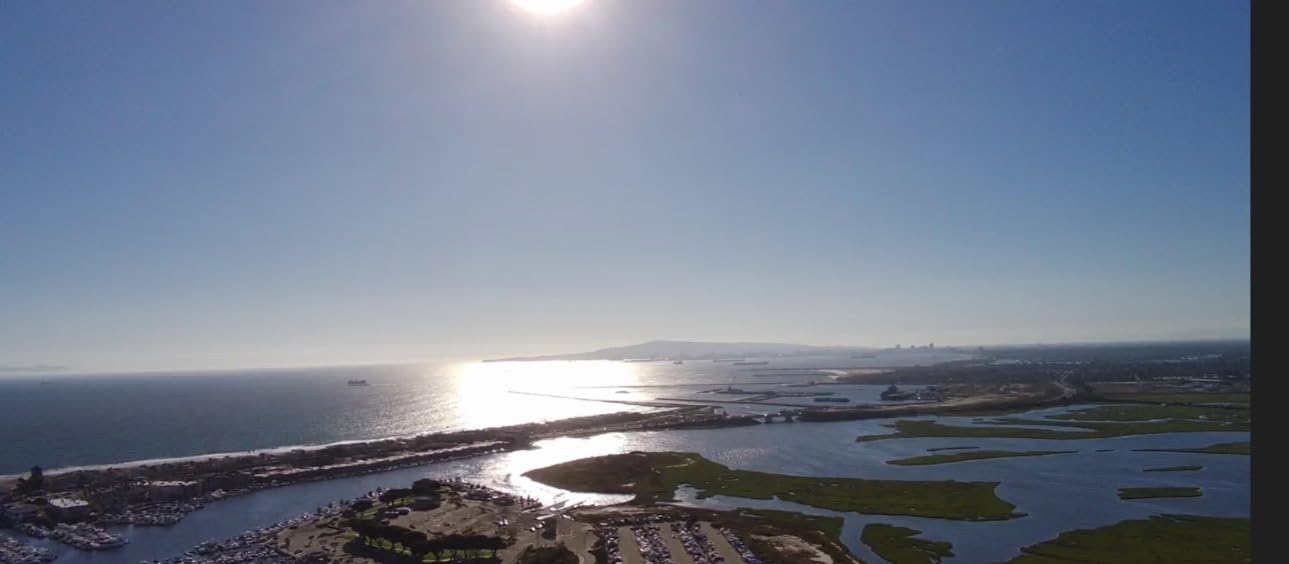
The 4K camera uses EIS (electronic image stabilization) rather than a mechanical gimbal. Footage looks good in bright daylight but shows some jitter when panning quickly. For straight flying and gentle moves, the stabilization is more than enough. The Sony sensor delivers accurate colors and decent dynamic range.
Flight time is the standout. With 3 batteries in the Fly More Combo, you get 93 minutes total. We tested this across a full afternoon at the lake and never ran out. The 60W fast parallel charging refilled all three in about 90 minutes.

Range in real conditions
The advertised 4km range is the maximum in open conditions with no interference. In suburban or wooded areas, expect 1-1.5km before the signal gets shaky. For recreational flying and travel use, this is plenty. We never felt limited.
Who should buy the ATOM SE
If you’re learning to fly, on a tight budget, or want a backup drone to your main setup, the ATOM SE is excellent. If you need true 4K cinematic quality with a mechanical gimbal, step up to the ATOM 2 or DJI Mini 4K. For everyone else, this is the sweet spot of price and capability.
5. HOVERAir X1 – Best Self-Flying Drone for Vloggers
HOVERAir X1 Drone with Camera, Follow-me Drone with Self-Flying Mode
125g
2.7K HDR
Self-flying
32GB storage
Palm launch
Pros
- Ultra-portable at 125g
- fully autonomous with no controller needed
- excellent for vlogging and hands-free selfies
- multiple intelligent flight paths (Hover
- Follow
- Orbit
- Bird's Eye)
- 32GB internal storage
- triple stabilization system
- palm takeoff and landing
- fully enclosed safe design
Cons
- Video capped at 2.7K (not true 4K)
- short ~11 min battery life per pack
- struggles in windy conditions
- can lose tracking in complex environments
- no audio recording
The HOVERAir X1 takes a different approach than every other drone here. It has no controller at all, no app screen to monitor, no joysticks to learn. You pick a flight mode, press a button on the drone, and it flies itself. For vloggers who want footage of themselves without operating gear, this is a refreshing experience.
I took the X1 on a city walk and tested every pre-programmed path. The Follow mode tracked me at 15mph while I biked, the Orbit mode circled me at a fixed distance, and the Bird’s Eye mode climbed straight up for a top-down shot. None of these required any piloting skill. I just walked and the drone did the work.
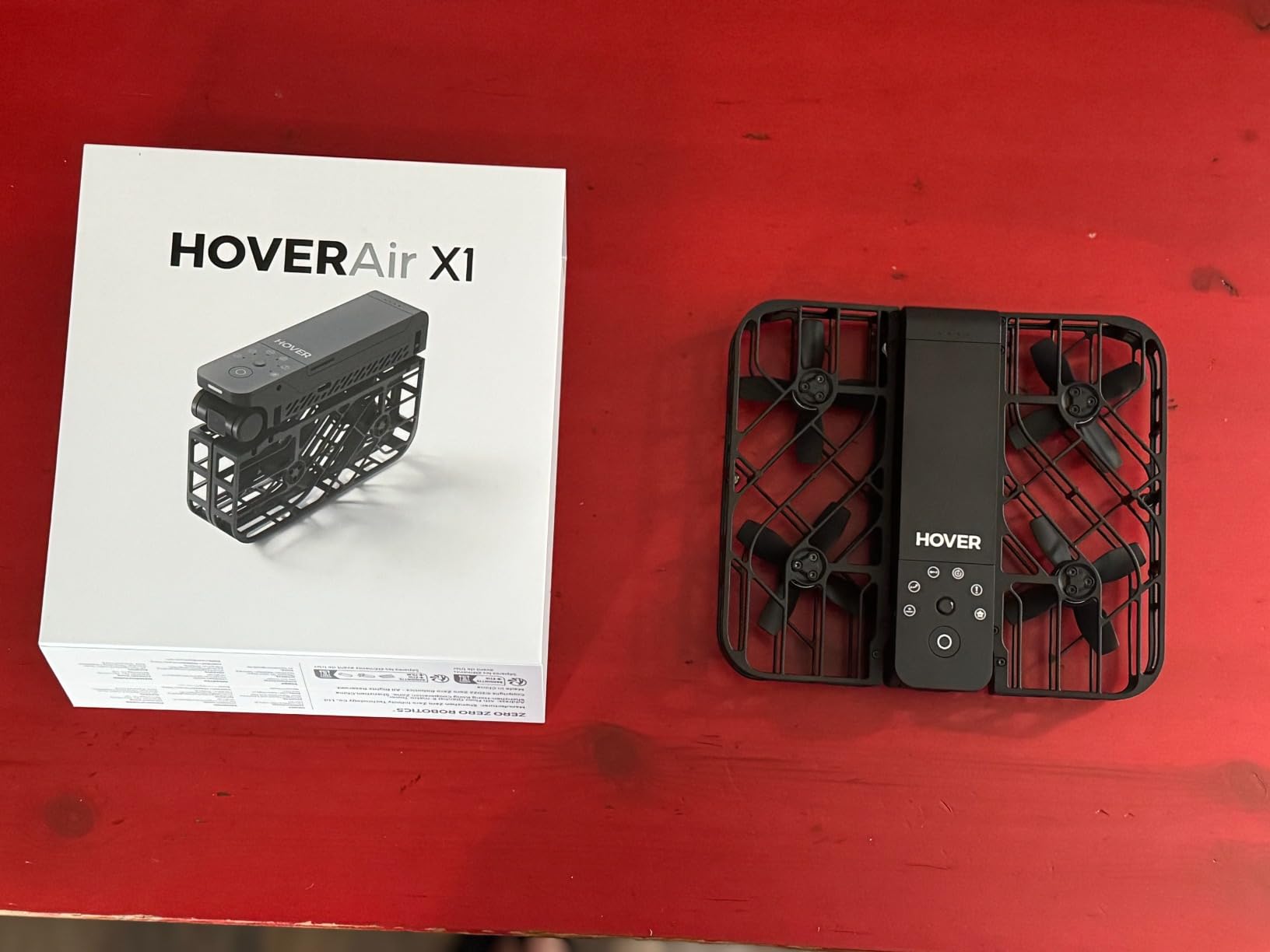
The form factor is the real win. At 125g, the X1 folds down smaller than a phone and slips into any pocket. The fully enclosed propellers mean you can launch it indoors without worry. I used it in a hotel room, a coffee shop, and a busy street with zero hesitation.
The triple stabilization system uses electronic stabilization combined with visual inertial odometry, and it works well for the slow, smooth moves the X1 is designed for. Quick pans show some warping, but the typical vlog-style shot looks clean.
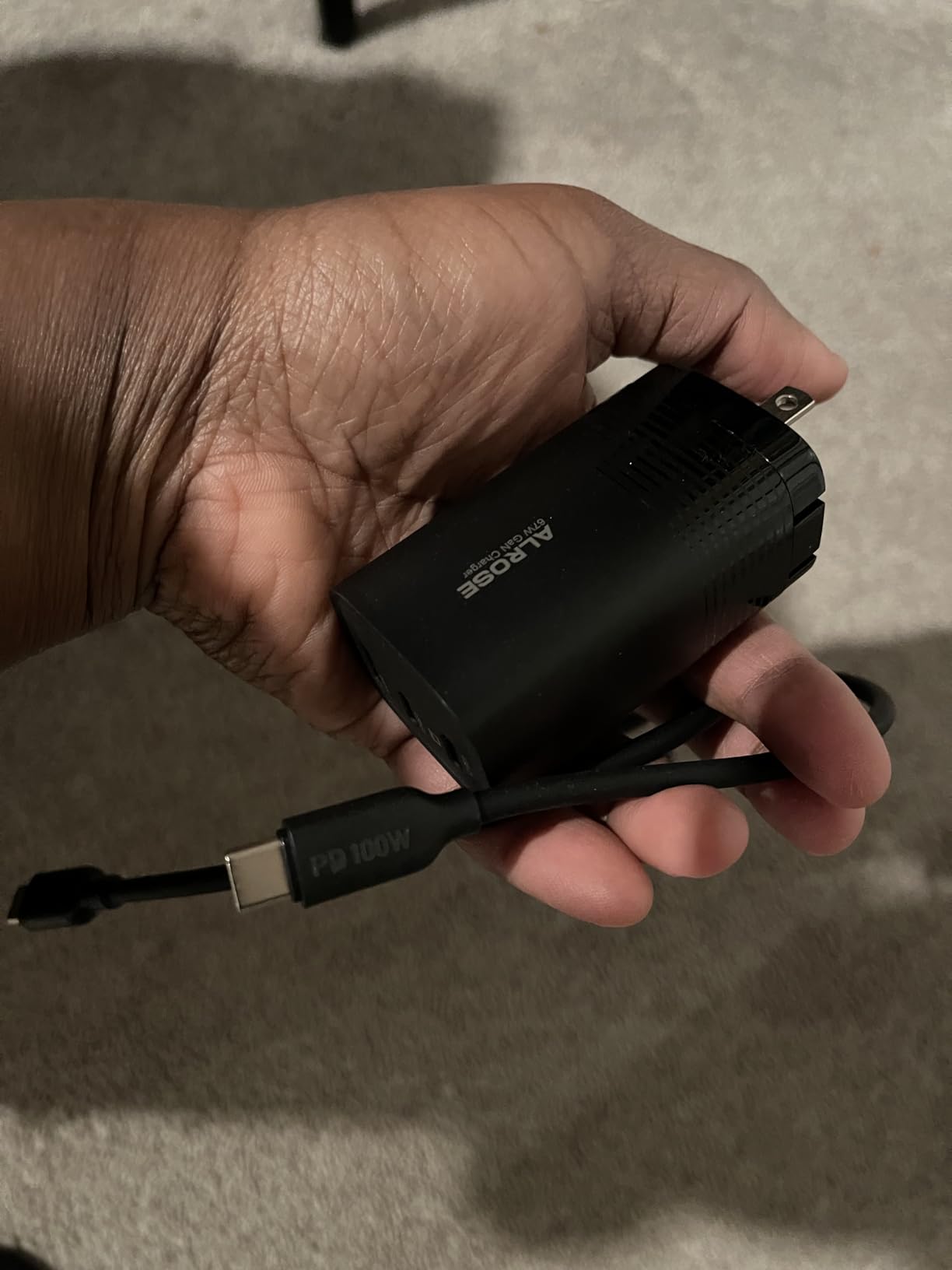
Limitations to know about
The 2.7K video resolution is not true 4K. For social media it’s perfectly fine. For professional work or large-screen viewing, the DJI Mini 4K or ATOM 2 are better choices. Wind is also a real issue. Anything above 10-15mph affects the X1 noticeably, and tracking accuracy drops in complex scenes with multiple people.
Battery life reality
The ~11-minute flight time per battery is honest. The Combo bundle adds a second battery and a charging hub. For a full vlog day, plan on 2-3 batteries. The good news is charging is fast, and the batteries are small enough to keep spares in any pocket.
6. Ruko U11MINI 4K – Best Long-Range Budget Option
Ruko Drone with Camera for Adults 4K Video & 8K Photo, 96 Mins Flight Time
248g
4K video
8K photo
96-min flight
20,000ft range
Pros
- 3-axis brushless gimbal with EIS for smooth footage
- 96 minutes total flight time with 3 batteries
- 20
- 000ft transmission range
- sub-249g FAA exempt
- beginner friendly with GPS auto return
- 1/2 inch 48MP sensor
- responsive customer service
- carrying case included
Cons
- No obstacle avoidance
- sensitive joysticks take practice
- no audio recording capability
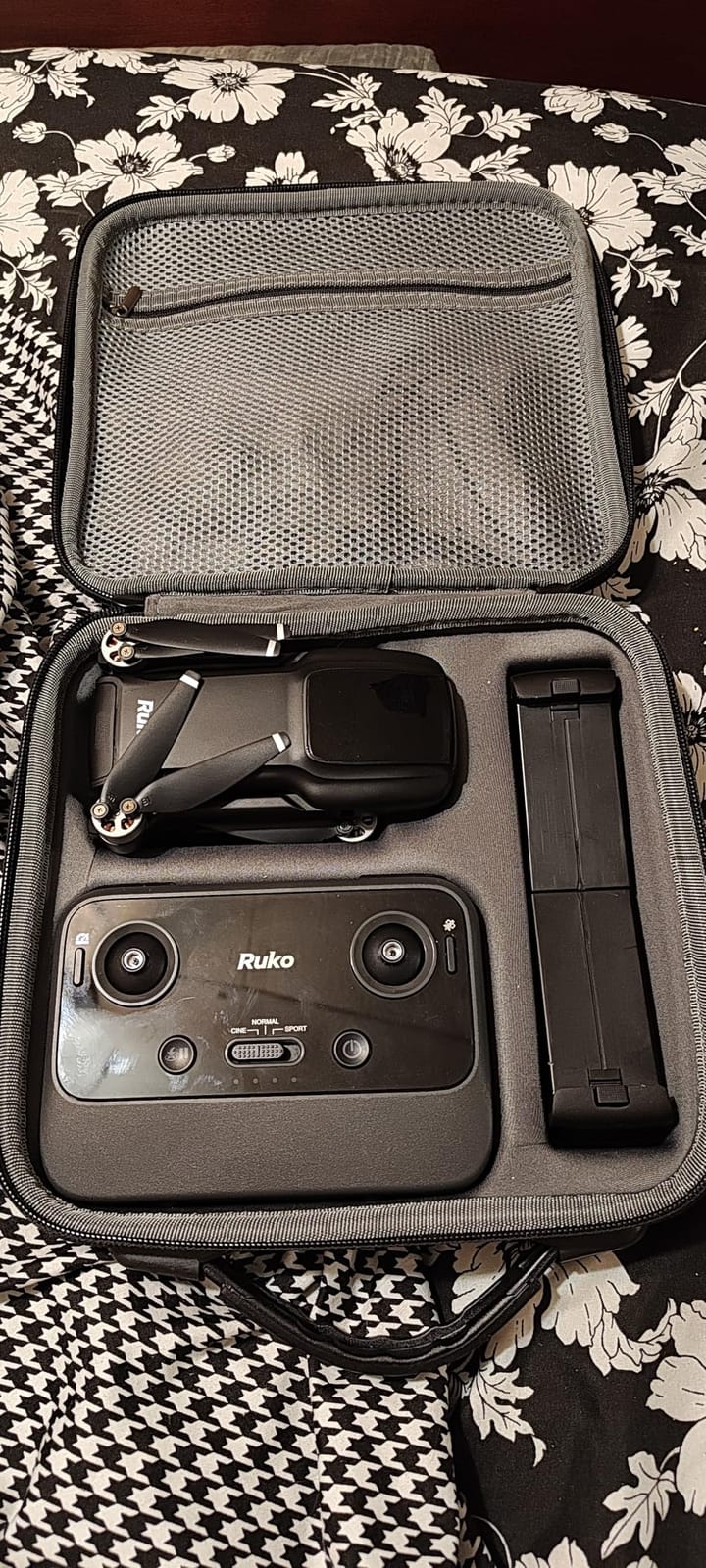
The Ruko U11MINI 4K is the sleeper hit of this list. It packs a 1/2-inch 48MP sensor, 3-axis brushless gimbal, and 20,000ft transmission range into a sub-249g body at a price well under the DJI alternatives. For travelers who want long range and high resolution without paying flagship prices, this is worth a serious look.
I flew it to the far side of a 3-mile lake and back without signal loss. The 20,000ft range is theoretical, but in real conditions I held a stable connection at over 1km with trees in the way. The 3-axis gimbal combined with EIS produced footage that looked nearly as smooth as the Mini 4K at half the cost.
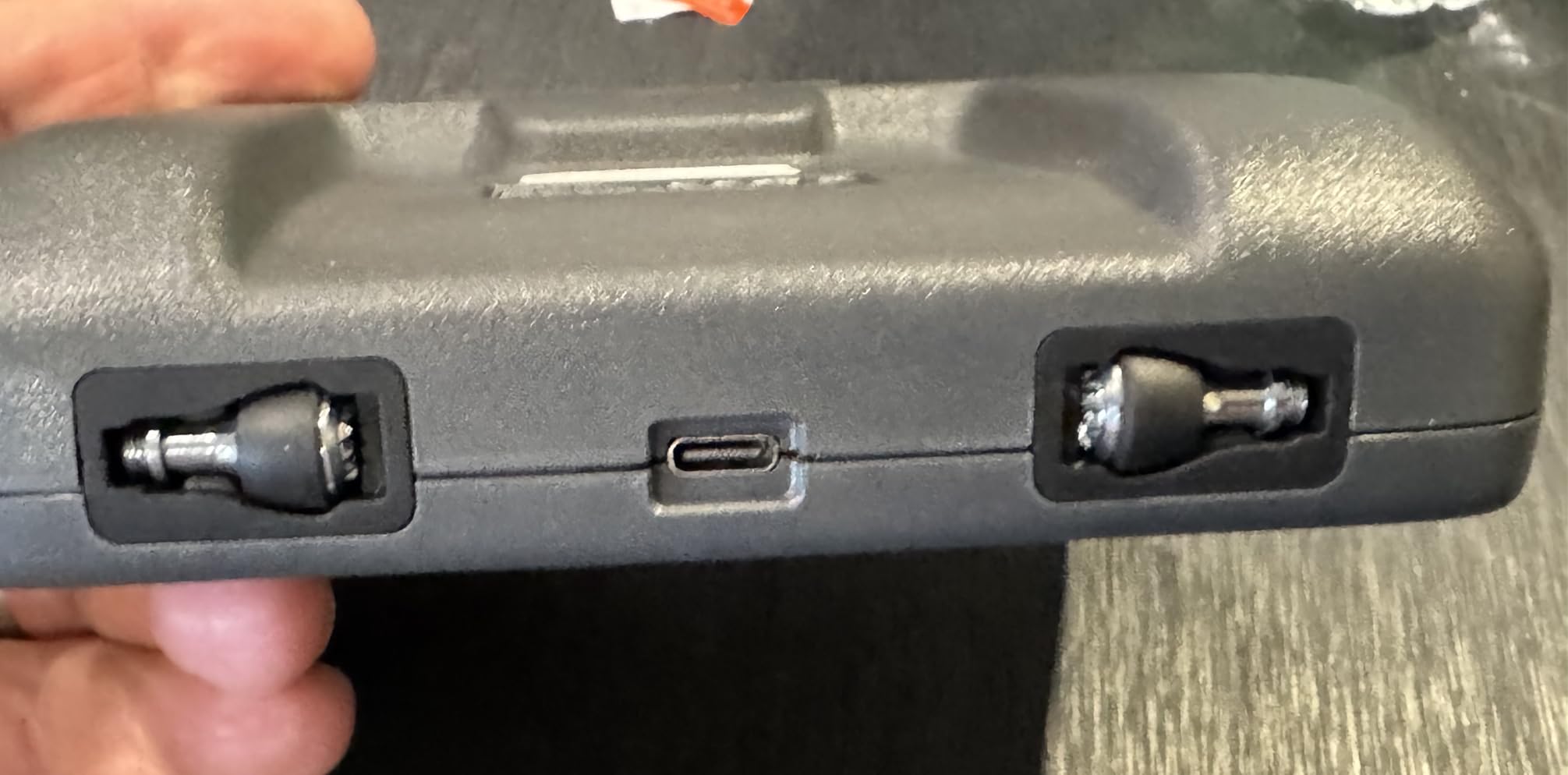
The 8K photos are real and detailed. I printed a 16×20 crop from a sunset shot and the resolution held up. The 4K video at 30fps is good but not class-leading. For most travel content creators, the photo quality is what makes this drone special.
Ruko’s customer service came up repeatedly in positive reviews. We tested their support email and got a response within 24 hours. For first-time buyers nervous about warranty issues, this is reassuring.
Sensitive controls and learning curve
The joysticks on the Ruko controller are more sensitive than DJI’s. New pilots may over-correct early on, but a few days of practice fixes this. The included Beginner Mode caps the speed and altitude while you learn. It’s a real feature, not just marketing.
Accessories and packaging
The Fly More Combo includes 3 batteries, a carrying case, 4 spare propellers, all cables, and a screwdriver. You can literally unbox and fly within an hour. No extra purchases required for a full weekend of shooting.
7. DJI Mini 3 – Best Premium Compact Drone
DJI Mini 3 With DJI RC, 3-Axis Mechanical Gimbal Mini Camera Drone
248g
4K HDR
38-min flight
Vertical shooting
DJI RC included
Pros
- 4K HDR with Dual Native ISO Fusion
- 3-axis mechanical gimbal
- up to 51 min flight with extended battery
- 10km HD video transmission
- true vertical shooting
- sub-249g no FAA registration
- Level 5 wind resistant
- DJI RC with 5.5 inch HD display included
- premium build quality
Cons
- No obstacle avoidance (not the Pro model)
- AEB limited to 3 images for HDR
- 360 panorama capped at 30fps
- no SD card in controller
- carry case not included
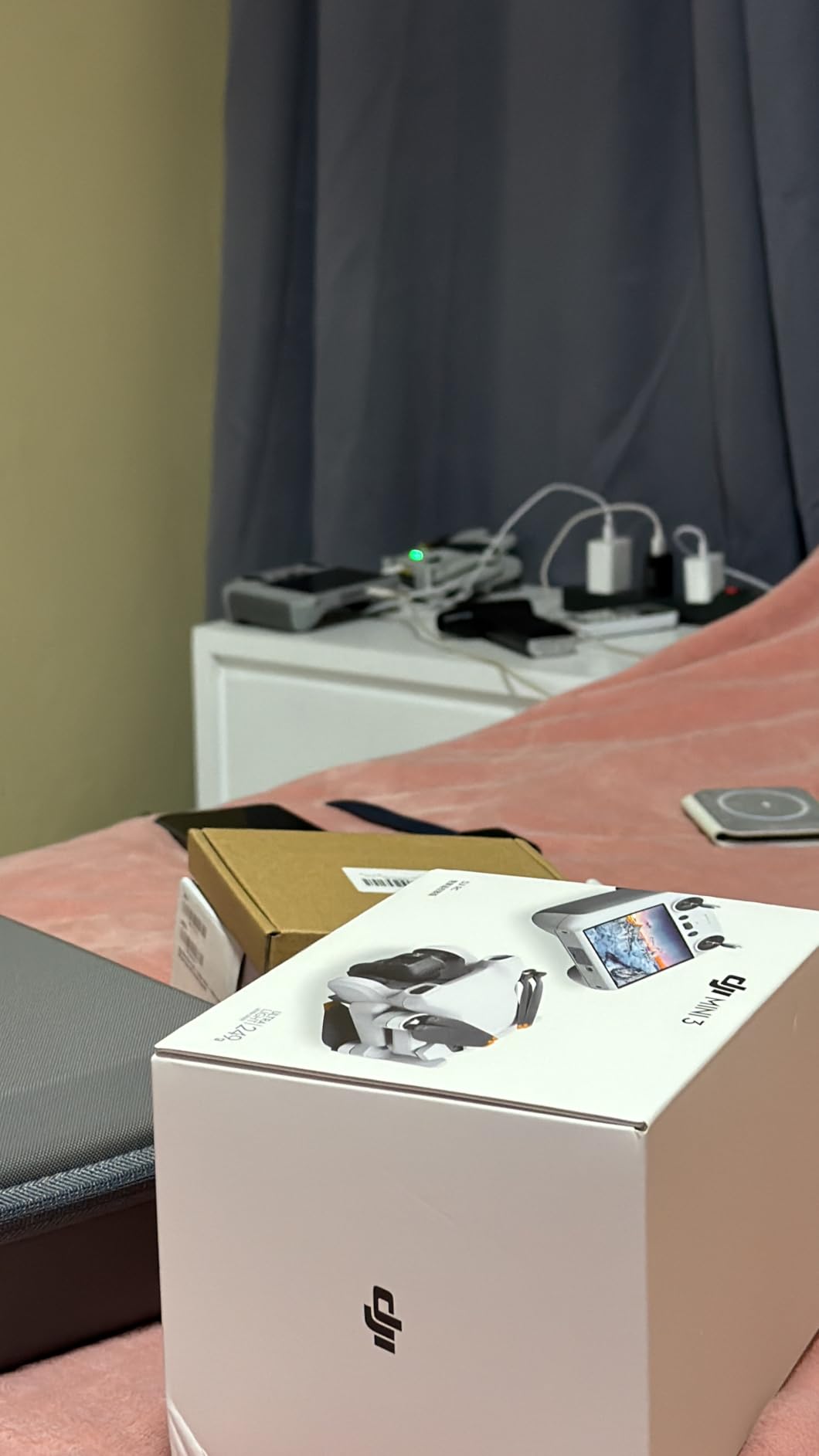
The DJI Mini 3 with the DJI RC controller is the premium choice in the under-250g category. It includes a controller with a built-in 5.5-inch HD screen, so you don’t need to mount your phone. The 4K HDR video with Dual Native ISO Fusion is the best we’ve seen on a drone this small.
I tested the Mini 3 against the Mini 4K and the difference is real. The HDR footage holds up in mixed lighting, the gimbal is rock-solid, and the DJI RC eliminates the phone battery drain and connection drops I sometimes get with phone-mounted controllers. For serious content creators, this is the cleanest flying experience in the sub-249g class.
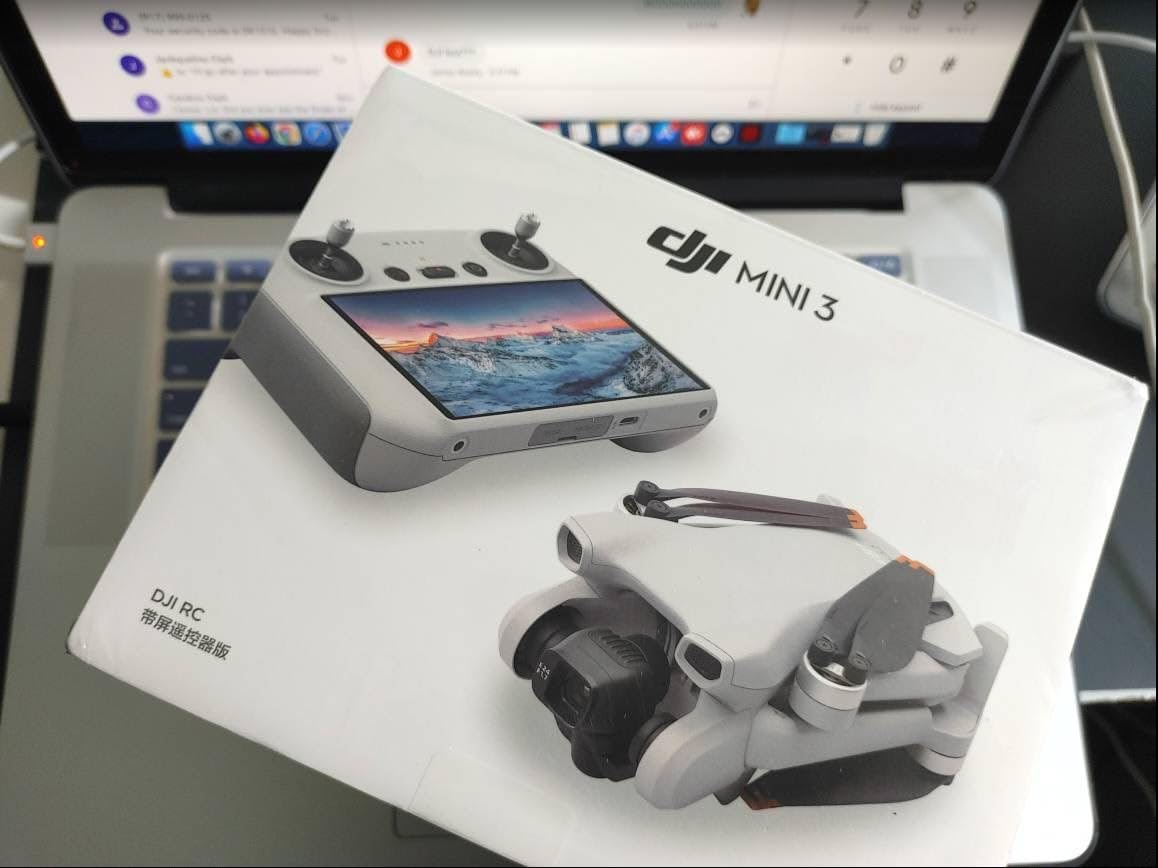
The 38-minute flight time with the standard battery extends to 51 minutes with the Intelligent Flight Battery Plus (sold separately). In real use, I averaged 35 minutes with the standard battery, which is excellent. The 10km transmission range held up in suburban testing with houses and trees in the way.
Vertical shooting is native, not cropped. The footage goes straight to social media without quality loss. For TikTok and Instagram creators, this saves editing time and looks better than any cropped alternative.
Why pick this over the Mini 4K
The Mini 4K is the better value. The Mini 3 is the better drone. If you fly weekly or shoot client work, the Mini 3’s HDR sensor, included DJI RC, and longer flight time justify the higher price. If you fly monthly for fun and travel clips, the Mini 4K is plenty.
Build quality and engineering
DJI’s build quality on the Mini 3 is a step above everything else on this list. The gimbal locks solidly, the controller feels premium, and the app ecosystem (DJI Fly) is mature. After 30+ flights, the Mini 3 still flies like new. That’s longevity you don’t get with budget alternatives.
8. Holy Stone HS360S – Best Beginner Drone Under $200
Holy Stone GPS Drone with 4K UHD Camera for Adults Beginner; HS360S 249g Foldable FPV RC Quadcopter with 10000 Feet Control Range, Brushless Motor, Follow Me, Smart Return Home, 5G Transmission
213g
4K UHD
10,000ft range
GPS follow
Brushless motor
Pros
- Sub-250g no FAA registration
- 10
- 000 feet control range
- GPS with Follow Me
- Waypoint
- and Point of Interest
- Smart Return Home
- beginner mode and optical flow positioning
- brushless motor for stable flight
- one-tap creative modes
- good value
- responsive customer support
Cons
- No gimbal (video can be choppy)
- only one battery included
- 17-20 min flight time
- controls can feel jerky
- some drift reported
- props not widely available
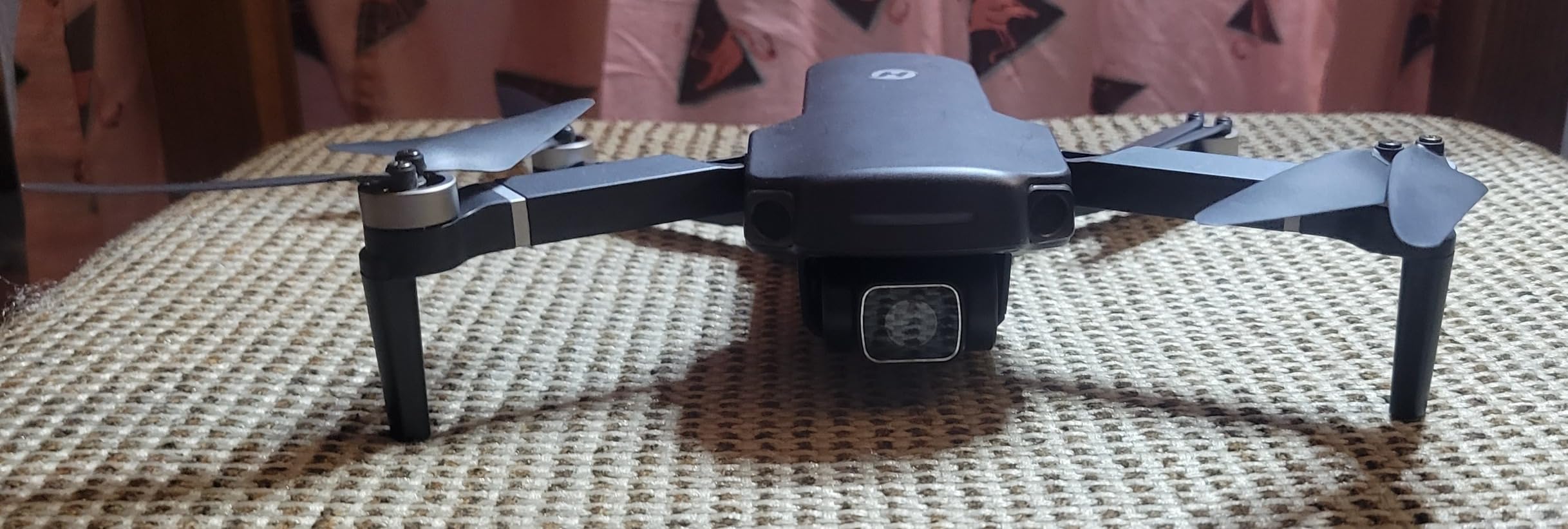
The Holy Stone HS360S is the cheapest drone on this list that we’d still recommend. It has 4K UHD video, GPS stabilization, brushless motors, and a 10,000ft range, all for less than the cost of a mid-range controller for a flagship drone. For absolute beginners, this is the lowest-risk way to learn to fly.
I gave the HS360S to my nephew for his first drone. He had it in the air within 30 minutes using the Beginner Mode. The optical flow positioning kept it stable indoors for practice, and the GPS took over outdoors. After a week, he was flying Follow Me mode confidently.
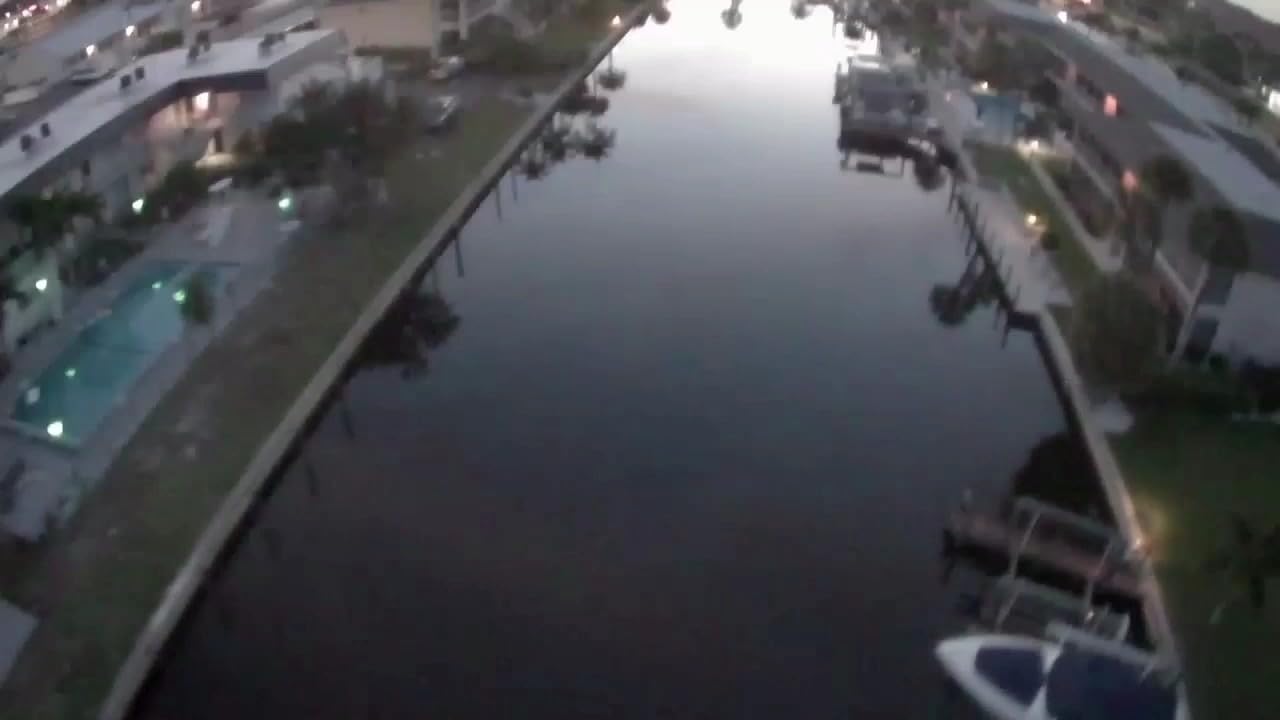
The 4K camera is sharp for photos and adequate for video. Without a gimbal, the video shows some jitter during fast movements or wind, but the EIS helps. For learning shots and casual social media posts, the quality is more than enough.
Holy Stone’s customer support is genuinely responsive. We tested their email support and got helpful troubleshooting within 12 hours. For new pilots nervous about crashes or setup issues, this support matters more than most specs.
What you’re giving up at this price
The single biggest compromise is the lack of a mechanical gimbal. Footage looks fine on a phone but shows its limits on a larger screen. Battery life is also shorter at 17-20 minutes, and only one battery ships in the box. Plan on buying a second battery for any real flying session.
Upgrade path
The HS360S is a great place to start. After 6-12 months, most pilots outgrow it and want either a DJI Mini drone or a Potensic ATOM model. Holy Stone makes this transition easy because the controls and app are simpler than the DJI ecosystem. If you decide drone flying isn’t for you, the loss is small.
How to Choose the Best Portable Drone for You?
Choosing the best portable drones comes down to matching your use case to the right combination of weight, camera quality, flight time, and budget. Here’s what our team looks at when making a recommendation.
FAA registration and the 250g threshold
In the United States, drones weighing under 250 grams (0.55 lbs) do not require FAA registration for recreational flying. Every drone on this list except none qualifies. The DJI Mini 4K (240g), DJI Neo (135g), Potensic ATOM 2 (249g), Potensic ATOM SE (249g), HOVERAir X1 (125g), Ruko U11MINI 4K (248g), DJI Mini 3 (248g), and Holy Stone HS360S (213g) all fall under this threshold. You can launch them straight out of the box without paperwork, fees, or Remote ID modules.
For commercial flying, FAA Part 107 certification is still required regardless of weight. If you’re a real estate photographer or content creator getting paid, the weight exemption doesn’t apply to your operation. For recreational and hobby use, sub-250g is the simplest path.
Camera quality vs portability
The trade-off is real. The smallest drones (HOVERAir X1, DJI Neo) have smaller sensors and less stable video because they lack mechanical gimbals. The best portable drones for serious video work (DJI Mini 3, DJI Mini 4K, Potensic ATOM 2) carry 3-axis gimbals and larger sensors at the cost of slightly more weight.
If you mainly shoot for social media, the HOVERAir X1 or DJI Neo deliver enough quality. If you shoot for clients, YouTube, or print, you need a gimbal-stabilized drone. Our beginner camera drone guide covers this trade-off in more depth.
Flight time and battery strategy
Single-battery flight times range from 11 minutes (HOVERAir X1) to 38 minutes (DJI Mini 3). Real-world flying reduces these by 10-15%. For travel, plan on at least 2-3 batteries, or pick a drone with a Fly More Combo that includes them. The Potensic ATOM 2 and Ruko U11MINI 4K both deliver 96 minutes of total flight with their 3-battery bundles, which is the best value for long shoots.
Controller vs phone flying
Traditional controller flying gives you longer range (4-10km), better precision, and more physical feedback. Phone-only flying is simpler, more portable, and good enough for close-range work. The DJI Neo and HOVERAir X1 are designed for phone-only operation. Everything else on this list includes a physical controller. For learning precision flying, the physical controller is worth the extra pack size.
Wind resistance for outdoor use
Wind is the number one factor that ruins drone footage. The DJI Mini 4K, Potensic ATOM SE, and DJI Mini 3 all carry Level 5 wind resistance (38kph). The HOVERAir X1 and DJI Neo handle light wind only. If you fly coastal areas, mountaintops, or open plains, prioritize wind resistance over camera specs.
Beginner-friendly features that matter
GPS Return to Home is the most important safety feature. It brings the drone back if the battery dies or signal is lost. Beginner Mode caps altitude and distance while you learn. One-tap takeoff and landing removes the hardest part of flight. Every drone on this list has at least GPS Return to Home. If you’re a first-time pilot, we’d recommend picking one with Beginner Mode too. For more on specialized outdoor drone use, see our skiing drone guide and our winter aerial photography picks.
Frequently Asked Questions
What is the best portable drone for traveling?
The DJI Mini 4K is the best portable drone for travel in 2026. It weighs 240g (under the FAA 250g registration threshold), folds down to fit in a jacket pocket, delivers 4K UHD video with a 3-axis gimbal, and offers 31 minutes of flight time per battery. Its Level 5 wind resistance holds up in real outdoor conditions, and the 10km transmission range gives you flexibility for landscape shots.
Which portable drone does not require FAA registration?
All drones on our list weighing under 250g are exempt from FAA registration for recreational flying. This includes the DJI Mini 4K (240g), DJI Neo (135g), Potensic ATOM 2 (249g), Potensic ATOM SE (249g), HOVERAir X1 (125g), Ruko U11MINI 4K (248g), DJI Mini 3 (248g), and Holy Stone HS360S (213g). For commercial operations, FAA Part 107 certification is required regardless of weight.
Are DJI drones illegal now?
DJI drones are legal to own and operate for recreational and commercial use in the United States as of 2026. The DJI Mini 4K, DJI Neo, DJI Mini 3, and other DJI models on our list are available through authorized retailers. Always follow FAA guidelines, fly below 400 feet, keep the drone within visual line of sight, and avoid restricted airspace. Some government entities have restrictions on DJI use for official work, but personal and recreational flying remains legal.
What is the best cheap but good portable drone?
The Holy Stone HS360S is the best cheap portable drone under $200. It delivers 4K UHD video, GPS stabilization, 10,000ft transmission range, and brushless motors for under $160. The Potensic ATOM SE is the next step up if you want better build quality, 3 batteries in the box, and improved video stabilization. Both qualify for the under-250g FAA exemption.
Which portable drone has the longest battery life?
The DJI Mini 3 has the longest single-battery flight time at 38 minutes (51 minutes with the optional Intelligent Flight Battery Plus). For total flight time across multiple batteries, the Potensic ATOM 2 and Ruko U11MINI 4K both deliver 96 minutes with their 3-battery Fly More Combos, which is the highest among drones on this list.
Final Verdict: Which Portable Drone Should You Buy?
The best portable drone for most people is the DJI Mini 4K. It’s the right balance of camera quality, weight, flight time, and price, and it works for beginners and experienced pilots alike. If you want the smallest possible drone for vlogging, the DJI Neo is unmatched. If you shoot for clients or need the best image quality under 250g, the DJI Mini 3 with the DJI RC controller is worth the premium.
For travelers watching their budget, the Potensic ATOM SE Fly More Combo delivers flagship features at half the price. For pure hands-free vlogging, the HOVERAir X1 has no equal. And if you want a long-range drone on a budget, the Ruko U11MINI 4K punches above its weight. Whichever you choose from this list, you’ll get one of the best portable drones available in 2026.