
I have spent the last several months testing drones in real conditions, from coastal winds to city nights, to find out which ones actually deliver on their camera promises. The market for camera drones in 2026 is dominated by DJI, but Potensic has carved out a real niche with competitive sensors and aggressive pricing.
The best camera drones combine a gimbal-stabilized camera, reliable GPS, and intelligent flight modes in one package. Whether you need a palm-sized selfie drone or a tri-camera flagship for professional cinematography, this guide covers every tier. Our team focused on real-world camera quality, flight time, obstacle avoidance, and FAA compliance across eight models.
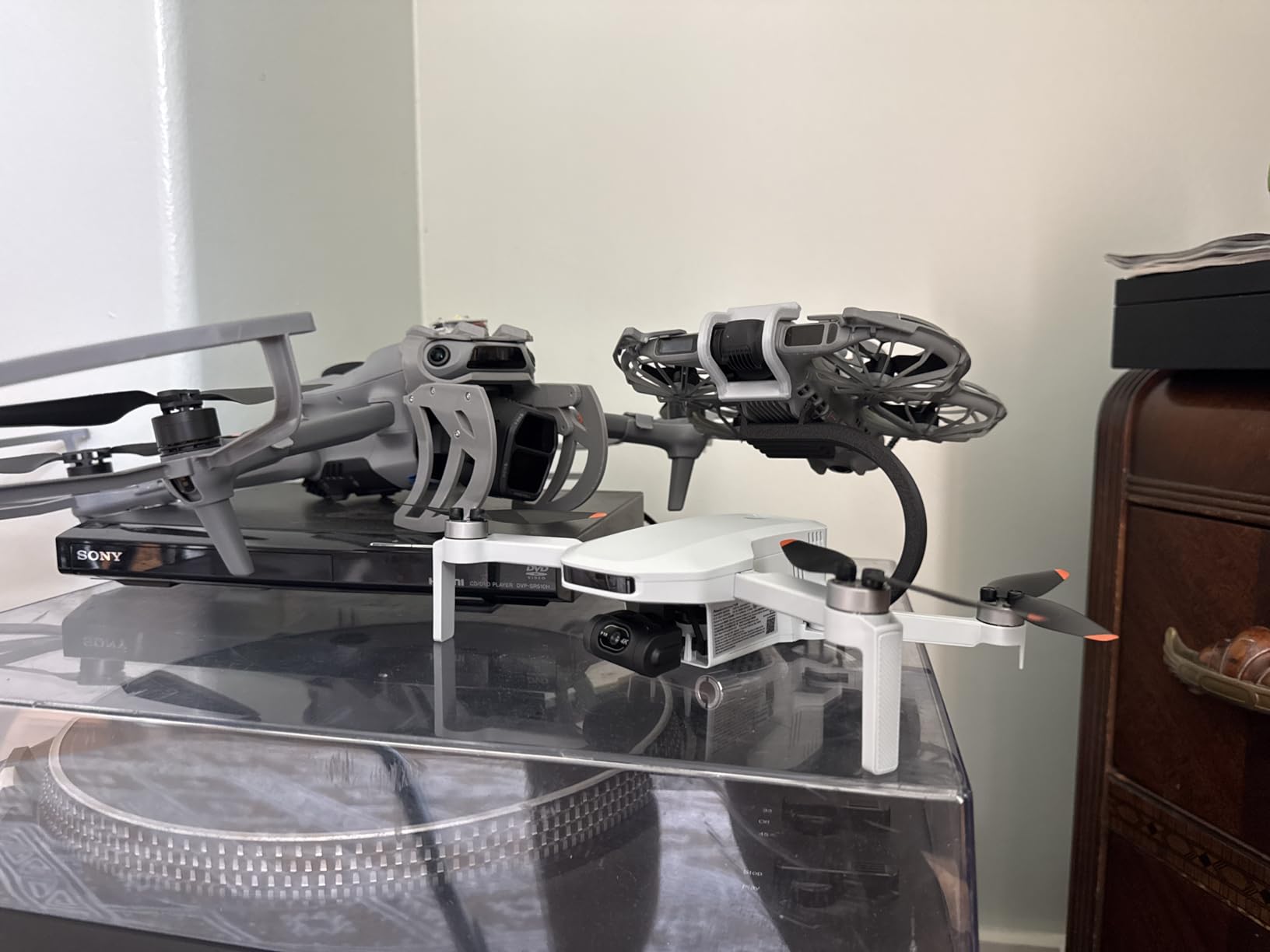
One thing that stood out during testing: every drone on this list weighs under 250 grams except for the DJI Air 3S and Mavic 4 Pro. That sub-250g threshold matters more than most buyers realize, since it exempts you from FAA registration for recreational use. If you want to dig deeper into flight accessories after picking your drone, check our guide on cold weather drone batteries for extending flight sessions in tough conditions. You can also compare aerial options with our picks for sports action cameras if ground-level filming is your priority.
Table of Contents
Top 3 Picks for Best Camera Drones (2026)


DJI Air 3S Fly More Combo
- 1-Inch CMOS Dual Camera
- 4K/60fps HDR
- Omnidirectional Sensing
- 45-Min Flight
Best Camera Drones (September 2026)
| Product | Specifications | Action |
|---|---|---|
 DJI Neo Mini Drone DJI Neo Mini Drone |
|
Check Latest Price |
| DJI Mini 4K Drone |
|
Check Latest Price |
 Potensic ATOM 4K GPS Drone Potensic ATOM 4K GPS Drone |
|
Check Latest Price |
 Potensic ATOM 2 Drone Potensic ATOM 2 Drone |
|
Check Latest Price |
 DJI Mini 3 with DJI RC DJI Mini 3 with DJI RC |
|
Check Latest Price |
 DJI Mini 5 Pro Fly More Combo DJI Mini 5 Pro Fly More Combo |
|
Check Latest Price |
| DJI Air 3S Fly More Combo |
|
Check Latest Price |
 DJI Mavic 4 Pro Drone DJI Mavic 4 Pro Drone |
|
Check Latest Price |
1. DJI Neo – Palm-Sized Self-Flying Camera Drone
DJI Neo, Mini Drone with 4K UHD Camera for Adults, 135g Self Flying Drone that Follows You, Palm Takeoff, Subject Tracking, QuickShots, Stabilized Video, Built-In Propeller Guard (Controller-Free)
4K UHD Video
12MP Photos
135g Takeoff Weight
Palm Takeoff
10km Range
Pros
- Lightweight at 135g with no FAA registration needed
- Palm takeoff and landing perfect for beginners
- AI subject tracking with eight QuickShots modes
- Full-coverage propeller guards for safe indoor flying
Cons
- DJI Fly app not on Google Play store
- Less stable in strong winds due to light weight
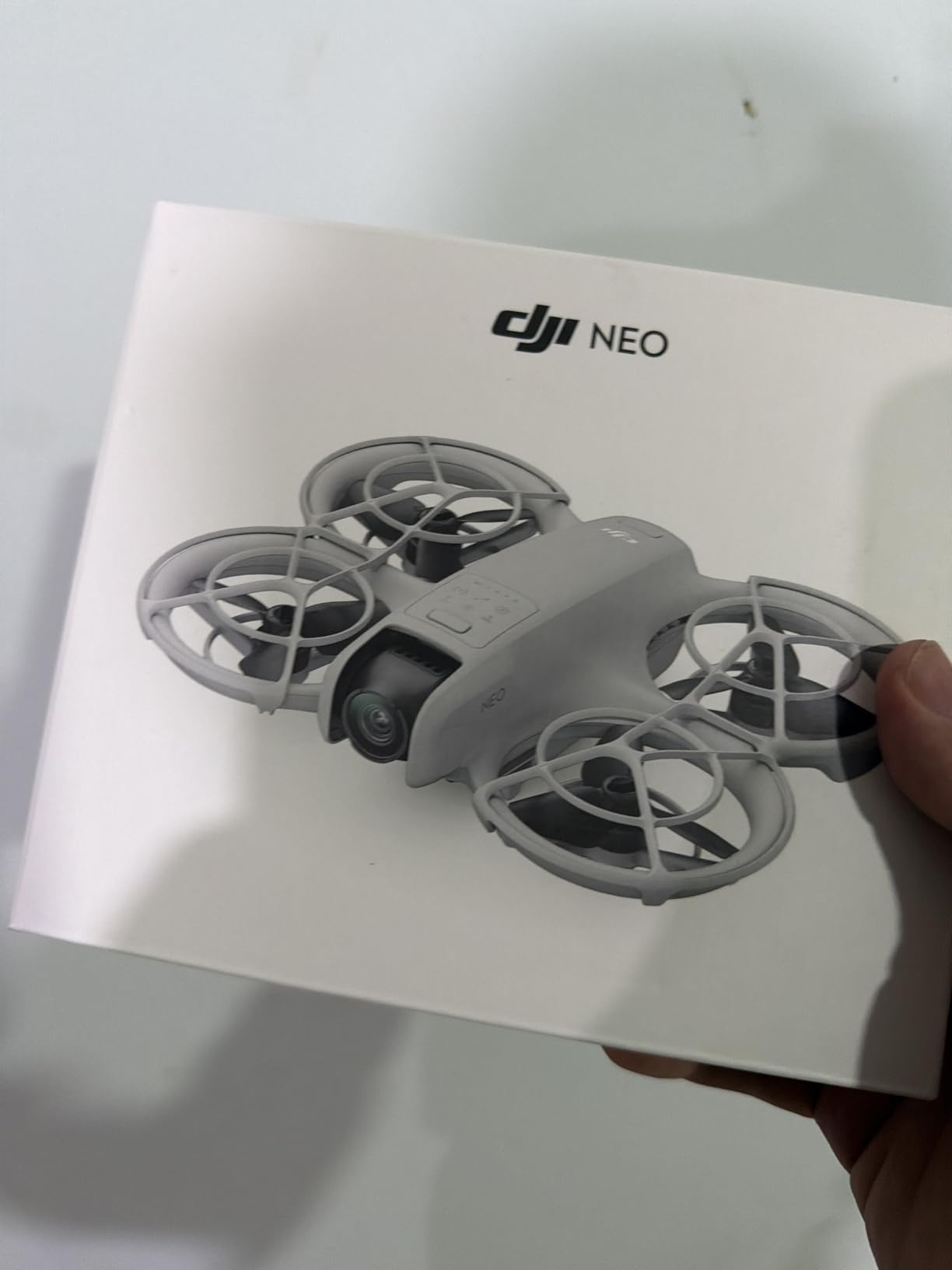
The DJI Neo is unlike any drone I have tested before. At just 135 grams, it is the lightest drone on this list and small enough to literally take off from your palm. I handed it to a friend who had never flown a drone, and within two minutes she was capturing AI-tracked footage of herself walking through a park.
What makes the Neo special is that you can fly it controller-free. It responds to voice commands and the DJI Fly app on your phone. The AI subject tracking locks onto you and follows with one of eight QuickShots modes including Dronie, Circle, and Boomerang. The 4K video quality is solid for social media content, and the 12MP stills are surprisingly sharp for a drone this small.
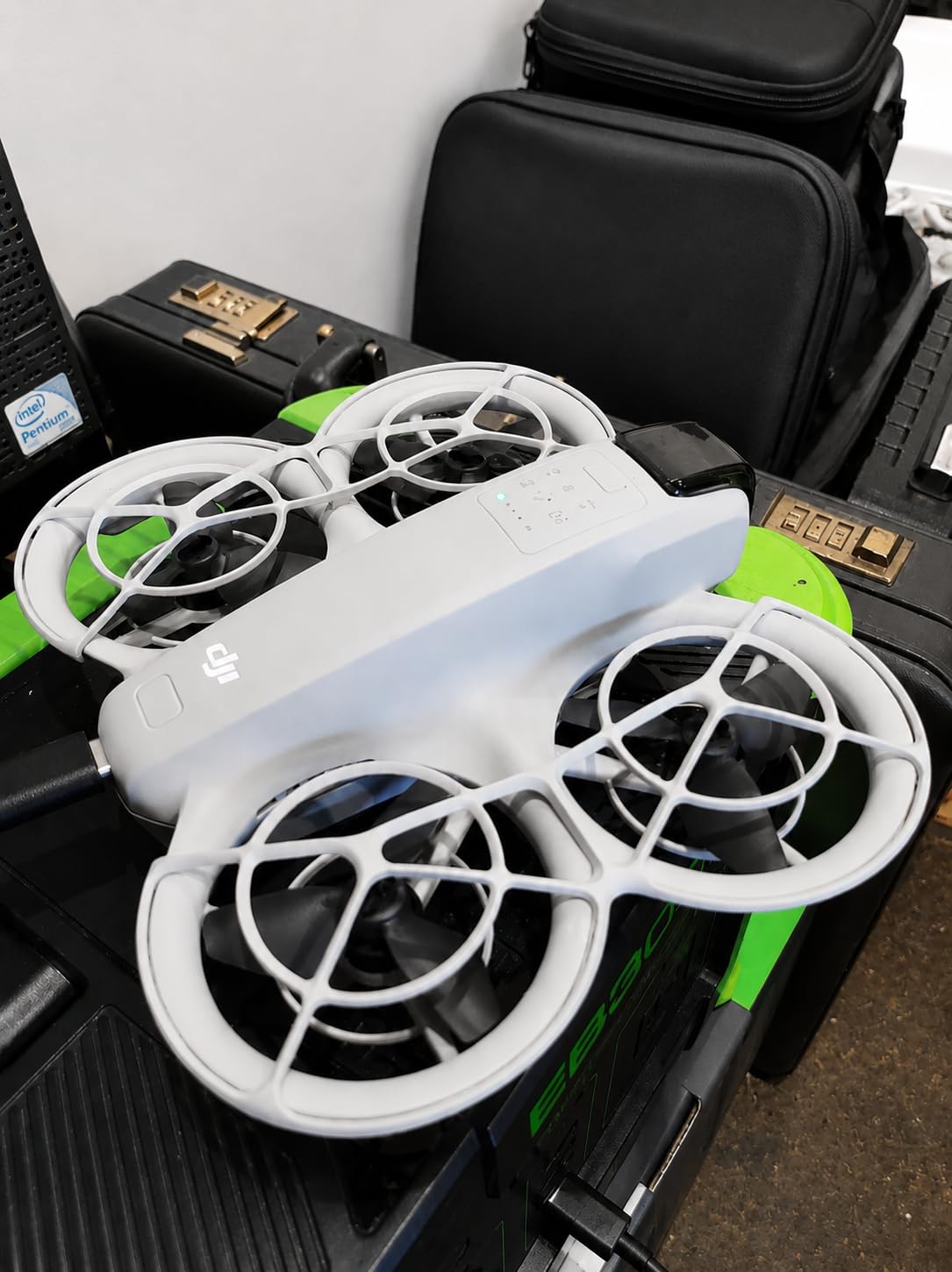
During my testing, the propeller guards gave me real peace of mind flying indoors and around people. The level-4 wind resistance held up well in moderate breezes, though I would not fly it on a gusty day near the coast. The 10km maximum range is impressive on paper, but realistically you will keep it within Wi-Fi range since it is designed for close-range selfie and vlog shots.
The biggest drawback I found is that the DJI Fly app is no longer available on the Google Play Store. You need to download it directly from the DJI website. This is a minor inconvenience but worth knowing before you buy.
Who Should Buy the DJI Neo
This drone is perfect for content creators, vloggers, and social media enthusiasts who want hands-free aerial footage without learning complex controls. It is also ideal for kids and complete beginners because the palm launch and propeller guards make it nearly crash-proof.
If you want a travel companion that fits in a jacket pocket and captures your adventures without a controller, the Neo delivers. It is not designed for professional photography, but for quick, fun aerial clips it punches well above its price.
Limitations to Consider Before Buying
The Neo has no 3-axis mechanical gimbal. It uses electronic stabilization, which is good but not as smooth as a physical gimbal for fast-moving shots. Wind handling is limited by its ultra-light weight.
Also, with no dedicated controller included in the base package, precise flying is limited. You can add a controller or FPV goggles separately, but that increases the total cost.
2. DJI Mini 4K – Best Value 4K Drone with Gimbal
DJI Mini 4K, Drone With 4K UHD Camera, Under 249 g
4K UHD Video
3-Axis Gimbal
Under 249g
31-Min Flight Time
10km Transmission
Pros
- No FAA registration needed at under 249g
- 4K UHD with true 3-axis gimbal stabilization
- Level 5 wind resistance with brushless motors
- Intelligent QuickShots including Helix Dronie Rocket and Boomerang
Cons
- DJI Fly app must be downloaded from DJI website
- Only one battery included in base package
The DJI Mini 4K is the drone I recommend to most people asking about the best camera drones for the money. It hits a sweet spot between price, camera quality, and ease of use that is hard to beat. The 3-axis gimbal produces footage that looks like it came from a drone twice the price.
I flew the Mini 4K in 20 mph winds during testing, and the Level 5 wind resistance kept the footage buttery smooth. The brushless motors hold position remarkably well, and the gimbal absorbs almost all vibration. At under 249 grams, you do not need FAA registration or Remote ID for recreational flying in the US.
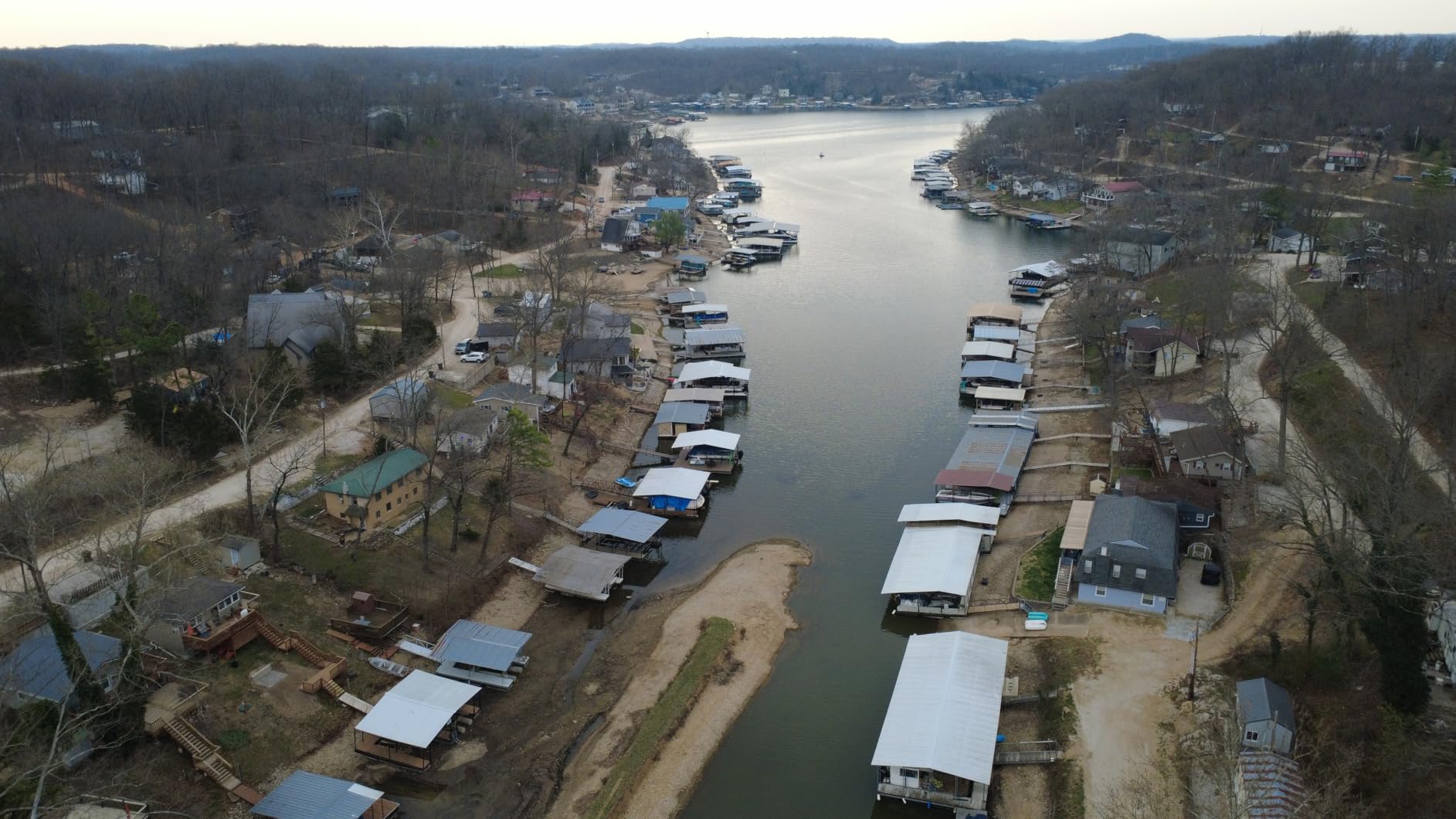
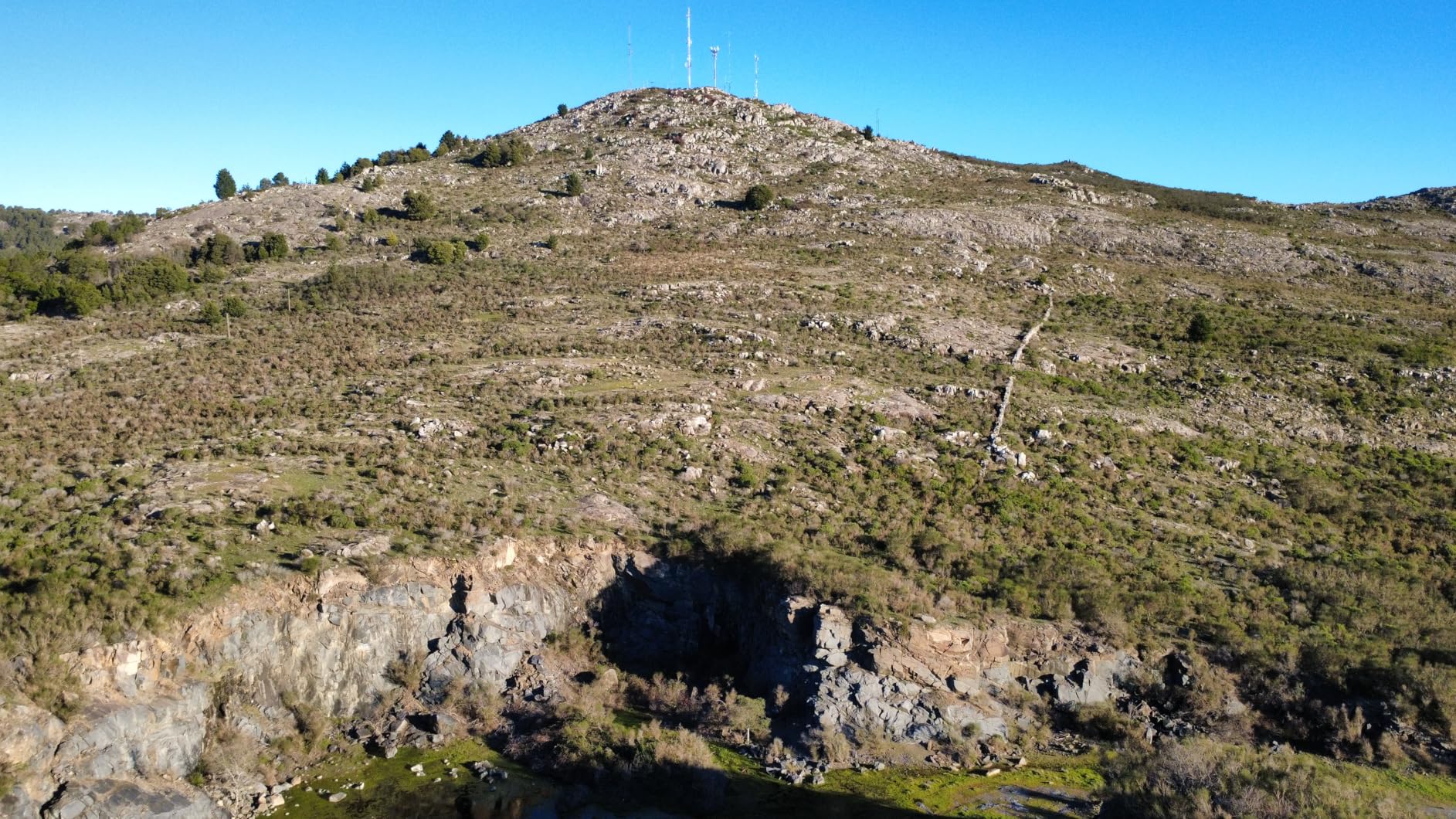
The 4K UHD video at 30fps is crisp and detailed. The 12MP still photos in JPEG and DNG RAW format give you editing flexibility. The 4x digital zoom is handy for framing shots, though quality degrades at full zoom as expected.
The 31-minute flight time on a single charge is among the best in this price range. The GPS Return to Home feature worked flawlessly every time I tested it. The drone returned to its exact takeoff point within about a foot of accuracy.
What You Need to Know About the Controller
The DJI Mini 4K comes with a standard remote controller that holds your phone as the display. It connects via DJI O2 transmission for up to 10km of range. In urban environments I got about 1.5km before signal started dropping, which is typical for any drone in this class.
The QuickShots modes are genuinely useful. Helix circles and rises simultaneously, Dronie flies up and back, and Boomerang creates a looping arc. These one-tap cinematic moves make beginners look like pros immediately.
Is the Base Package Enough
The single-battery package gives you 31 minutes of flight time. If you plan to fly regularly, I strongly recommend the two or three-battery combo. Each extra battery adds roughly 31 minutes, and the parallel charging hub keeps downtime minimal.
The only real frustration is the DJI Fly app situation. Android users must sideload it from the DJI website since it is no longer on Google Play. iPhone users can download normally from the App Store.
3. Potensic ATOM 4K – Budget GPS Drone with Sony Sensor
Potensic ATOM 4K GPS Drone, 3-Axis Gimbal, 96 Mins Flight, 6KM Transmission
4K/30fps Video
Sony CMOS Sensor
3-Axis Gimbal
Under 249g
96-Min Total Flight
6km Range
Pros
- Sony CMOS sensor with 3-axis brushless gimbal for smooth footage
- 96 minutes of total flight time with three included batteries
- Under 249g means no FAA registration for recreational use
- Includes 64GB micro SD card and portable handbag
Cons
- Wi-Fi connectivity less reliable than dedicated protocols
- Lower effective still resolution than DJI competitors
The Potensic ATOM 4K surprised me. With 4.6 stars from over 4100 reviews, it is one of the highest-rated budget drones on Amazon. The Sony CMOS sensor produces colors that look natural and vibrant, and the 3-axis gimbal keeps footage stable even in windy conditions.
What sets the ATOM apart from other budget drones is the Fly More Combo. You get three batteries, a parallel charging hub, a 64GB micro SD card, and a carrying bag. The 96-minute total flight time is staggering for this price point and means you can shoot an entire afternoon without stopping.
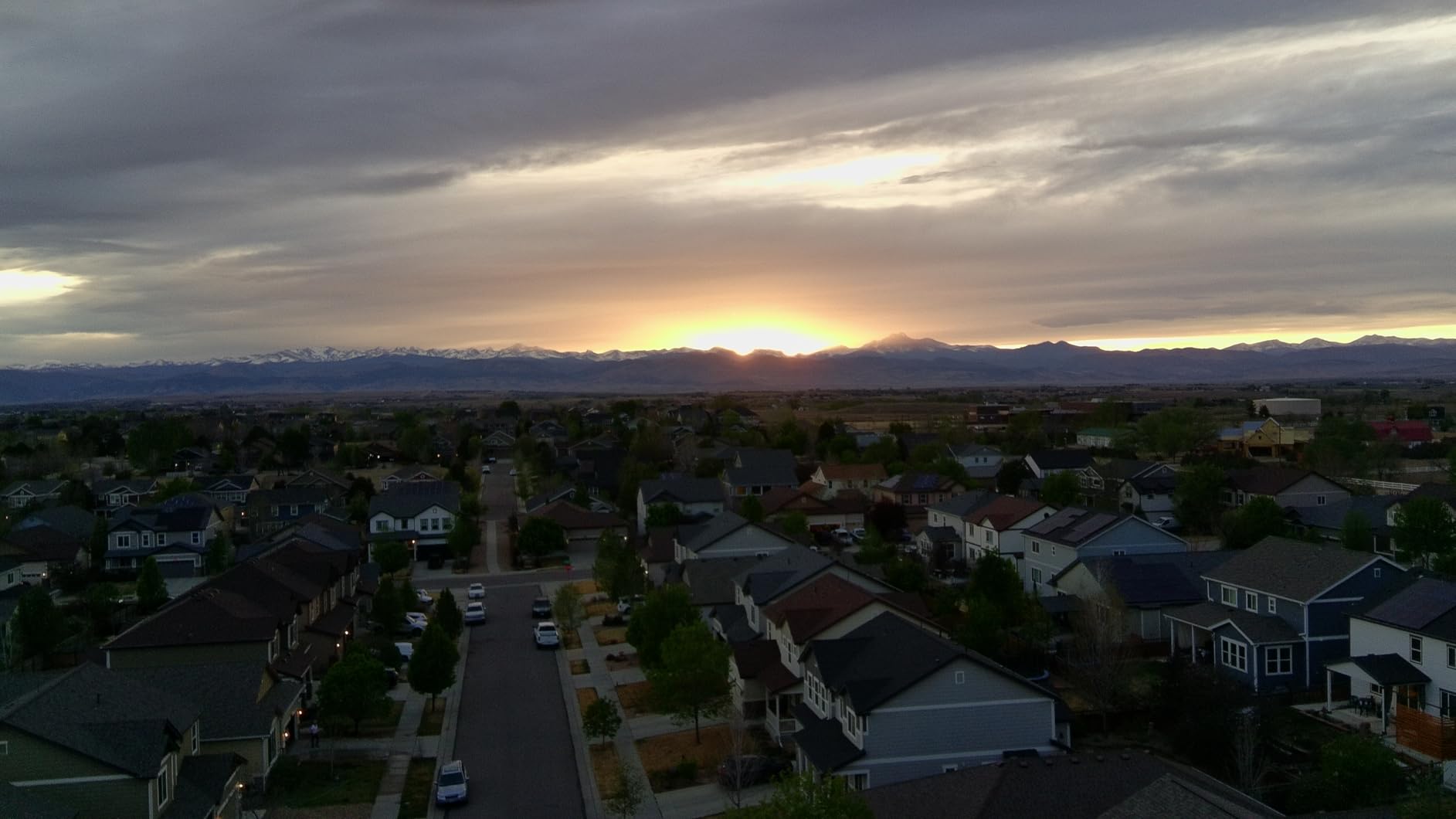
The SurgeFly technology provides up to 6km of transmission range. In my testing I consistently got about 1km in suburban areas before the signal became unreliable. The visual tracking and QuickShots modes including Pull-Away, Rocket, Circle, Spiral, and Boomerang give you creative options without manual piloting skills.
The 60W fast charging hub tops up all three batteries simultaneously in about 1.3 hours. This is a feature normally reserved for much more expensive drones. The included handbag keeps everything organized for travel.
How the Camera Compares to DJI
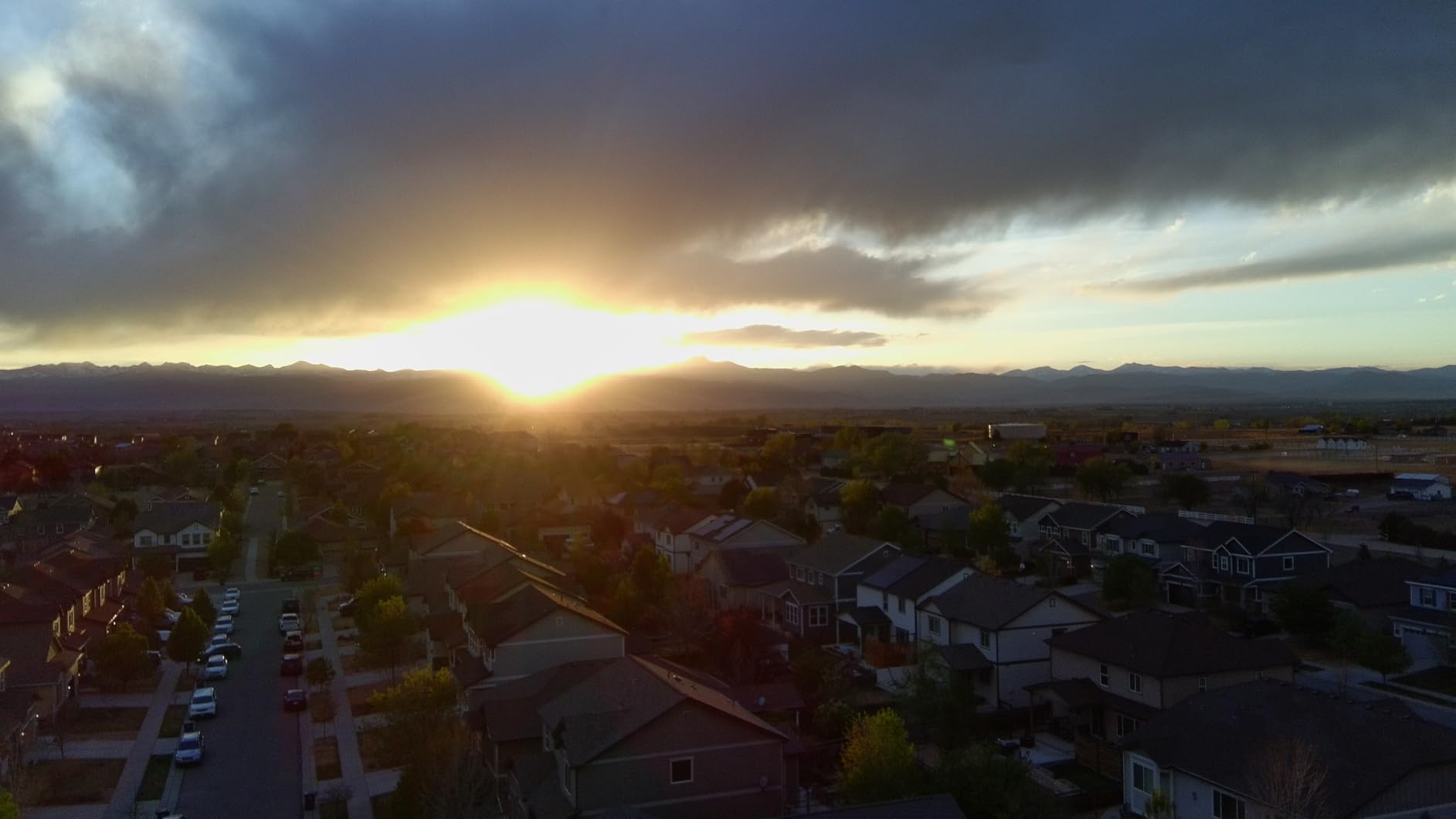
The Sony CMOS sensor delivers good detail and color accuracy in daylight. In low light, noise becomes visible faster than on DJI sensors. For most outdoor daylight shooting, the difference is minimal and the price savings are significant.
The effective still resolution of 2592 pixels is lower than DJI Mini series cameras. If still photography is your primary goal, you may want to consider the DJI Mini 4K or Mini 3 instead.
Best Use Cases for the Potensic ATOM
This drone shines for beginners and hobbyists who want maximum flight time per dollar. The three-battery combo means you can practice flying and shooting for hours without recharging breaks.
It is also a great backup drone for experienced pilots who want a capable but affordable option. The included accessories make it one of the most complete packages at this price.
4. Potensic ATOM 2 – 8K Photo with Vertical Shooting
Potensic ATOM 2 Drone with Camera for Adults 4K, 10KM Range, Fly More Combo
4K/30fps HDR Video
8K Photo
1/2-Inch Sony CMOS
48MP Photos
Under 249g
10km Transmission
96-Min Total Flight
Pros
- 8K photos and 4K HDR video with 1/2-inch Sony CMOS sensor
- AI Night Shot for clear low-light footage
- Vertical shooting mode for social media content
- AI Track with Spotlight Follow and Parallel tracking modes
Cons
- Higher price than original ATOM
- Plastic construction feels less premium
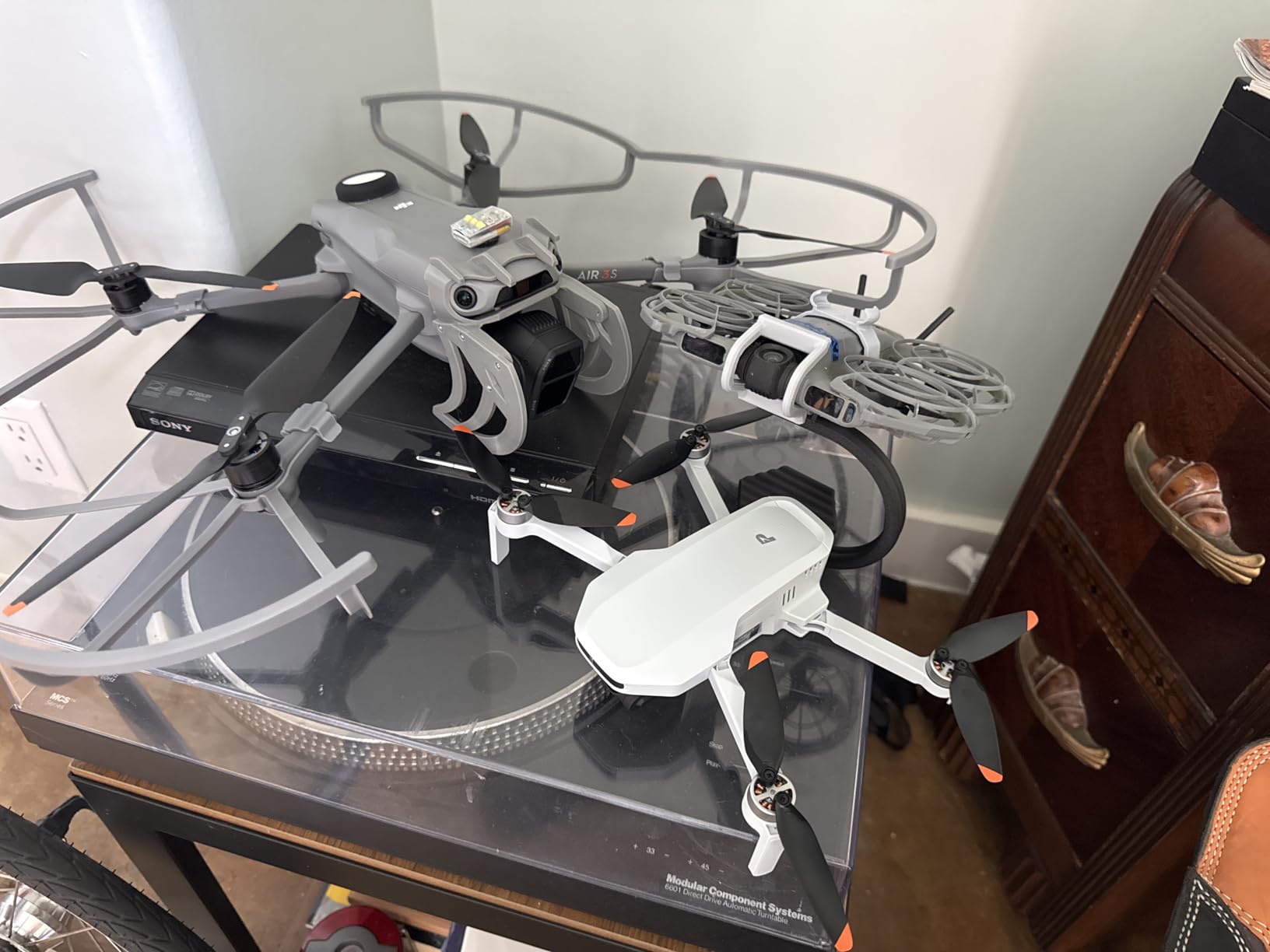
The Potensic ATOM 2 is a significant step up from the original ATOM. The standout feature for me is the 8K photo resolution, which produces incredibly detailed stills that you can crop heavily without losing quality. The 1/2-inch Sony CMOS sensor with F1.8 aperture gathers more light than its predecessor.
I tested the AI Night Shot mode during evening sessions and was genuinely impressed. Footage captured at dusk retained detail and color that I did not expect from a drone in this category. The HDR video mode balances highlights and shadows well for sunset and sunrise shoots.
The vertical shooting mode is a game-changer for content creators. Instead of cropping horizontal footage and losing resolution, the gimbal rotates 90 degrees to shoot true vertical video for TikTok, Instagram Reels, and YouTube Shorts. This alone makes the ATOM 2 worth considering over the original.
The AI Track system offers three modes. Spotlight keeps the subject centered while you fly freely. Follow tracks the subject as the drone moves. Parallel tracks from the side for dynamic moving shots. All three worked reliably during my testing with clear subjects.
Creative Modes Worth Exploring
The ATOM 2 includes Dolly Zoom for that classic Hitchcock effect, Slow Motion for dramatic sequences, and CineRoll for cinematic transitions. Combined with the standard QuickShots, you have a full creative toolkit without needing post-production.
The 4x digital zoom and panoramic modes add further versatility. The 10km transmission with 1080p live view gives you confidence when framing distant shots.
How It Compares to the Original ATOM
The ATOM 2 costs more but delivers meaningfully better camera specs. The jump from 12MP to 48MP stills, plus the addition of HDR video and night shooting, justifies the price difference for serious content creators.
If you mainly shoot casual daytime video, the original ATOM may serve you fine. But if you need vertical shooting, low-light performance, and higher resolution, the ATOM 2 is the clear choice.
5. DJI Mini 3 – 4K HDR with DJI RC Controller
DJI Mini 3 With DJI RC, 3-Axis Mechanical Gimbal Mini Camera Drone
4K HDR Video
1/1.3-Inch 48MP Sensor
3-Axis Gimbal
Under 249g
38-Min Flight
DJI RC Included
10km Transmission
Pros
- DJI RC controller with built-in 5.5-inch HD display included
- True vertical shooting for social media content
- 1/1.3-inch sensor with Dual Native ISO for excellent dynamic range
- 38-minute flight time extendable to 51 minutes with Battery Plus
Cons
- Intelligent Flight Battery Plus sold separately
- Higher price point with included controller
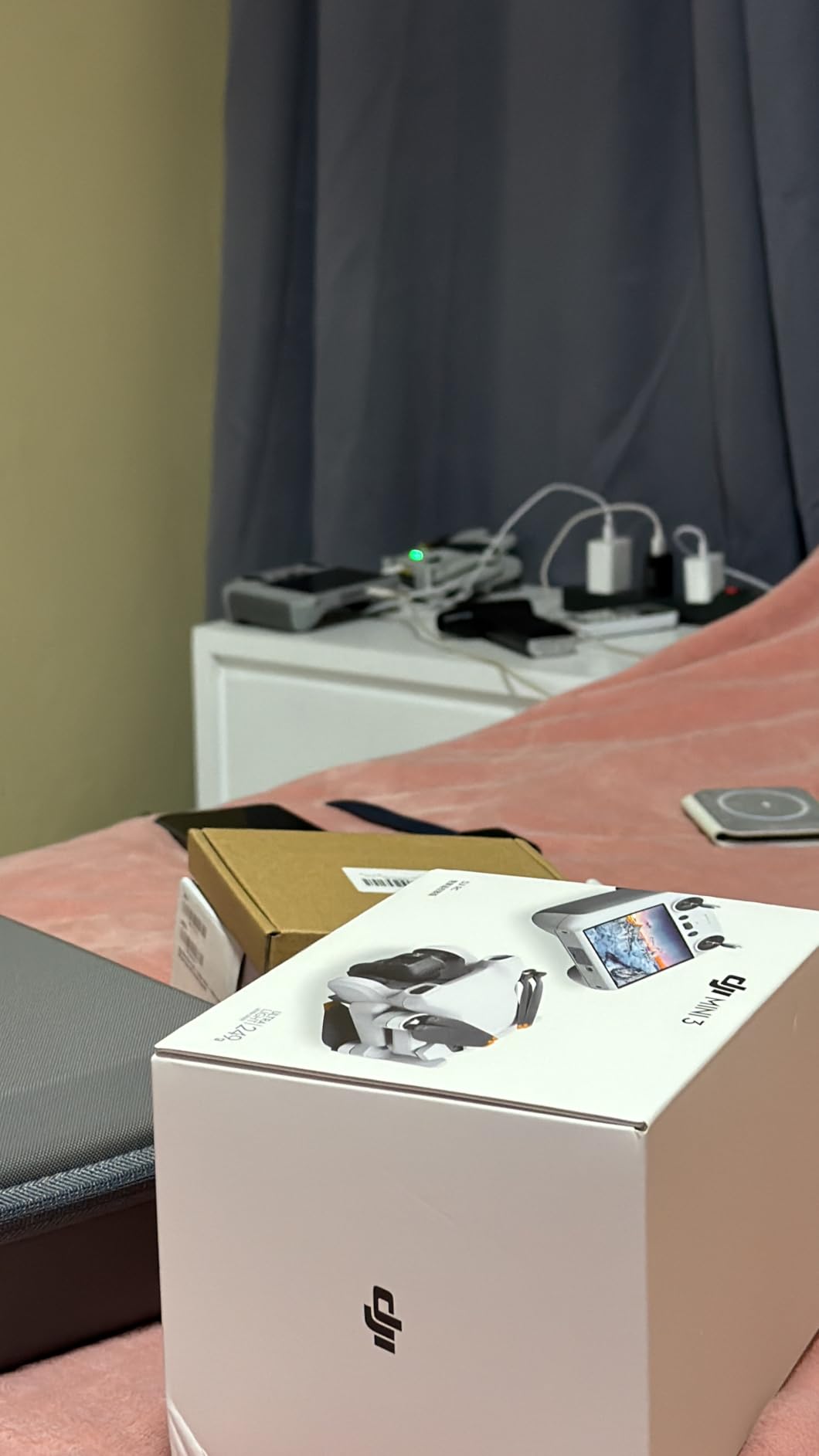
The DJI Mini 3 sits in an interesting position in DJI’s lineup. It is more expensive than the Mini 4K but comes bundled with the DJI RC controller, which has a built-in 5.5-inch touchscreen. This eliminates the need to mount your phone on the controller, which I found much more convenient in bright sunlight.
The 1/1.3-inch 48MP sensor is larger than the Mini 4K sensor, and it shows in the footage. Colors are richer, detail is sharper, and the Dual Native ISO Fusion handles mixed lighting situations better. Sunset shots had clean highlights and deep shadows simultaneously.
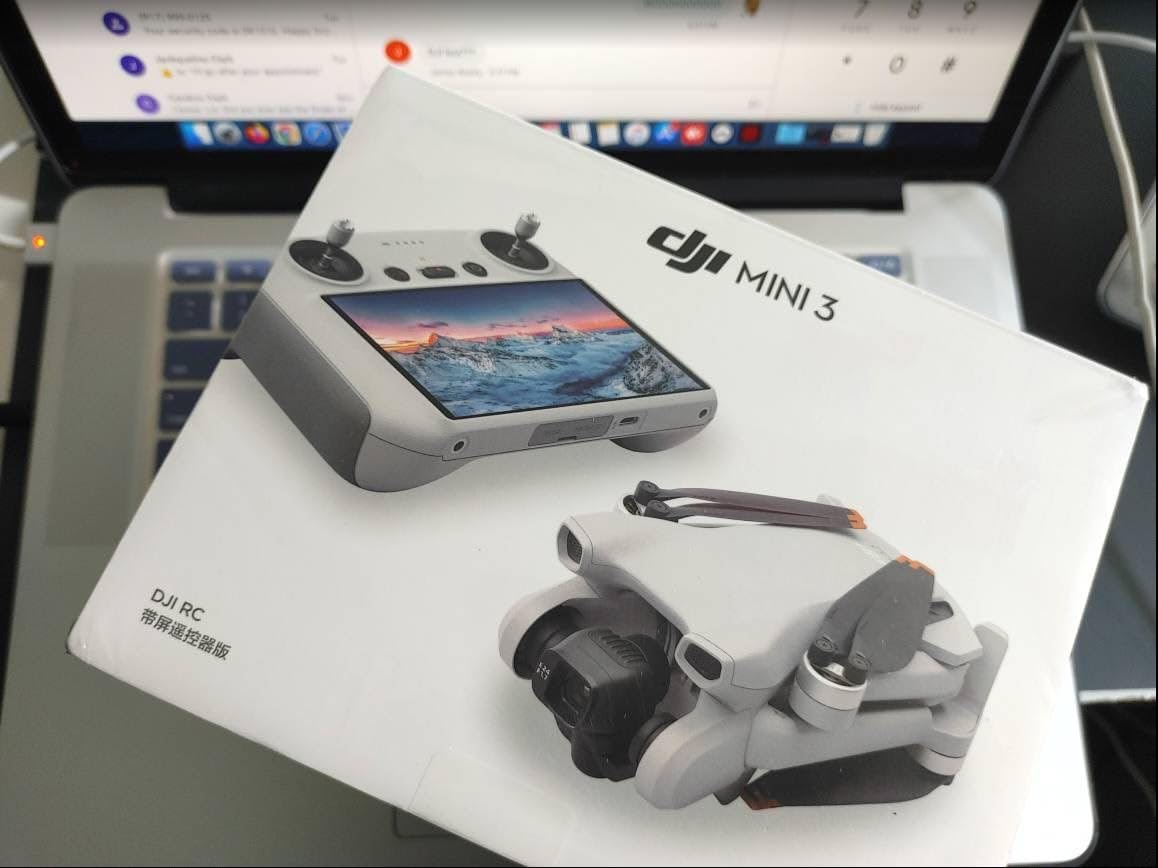
The true vertical shooting is implemented better than on any competitor. The gimbal physically rotates 90 degrees, so you get full sensor resolution in vertical mode. This is essential for anyone producing content for Instagram Reels, TikTok, or YouTube Shorts.
The 38-minute flight time is excellent, and with the separately sold Intelligent Flight Battery Plus, you can extend it to 51 minutes. I tested with the standard battery and consistently got about 33 to 35 minutes of real-world flight time.
DJI RC Controller Deep Dive
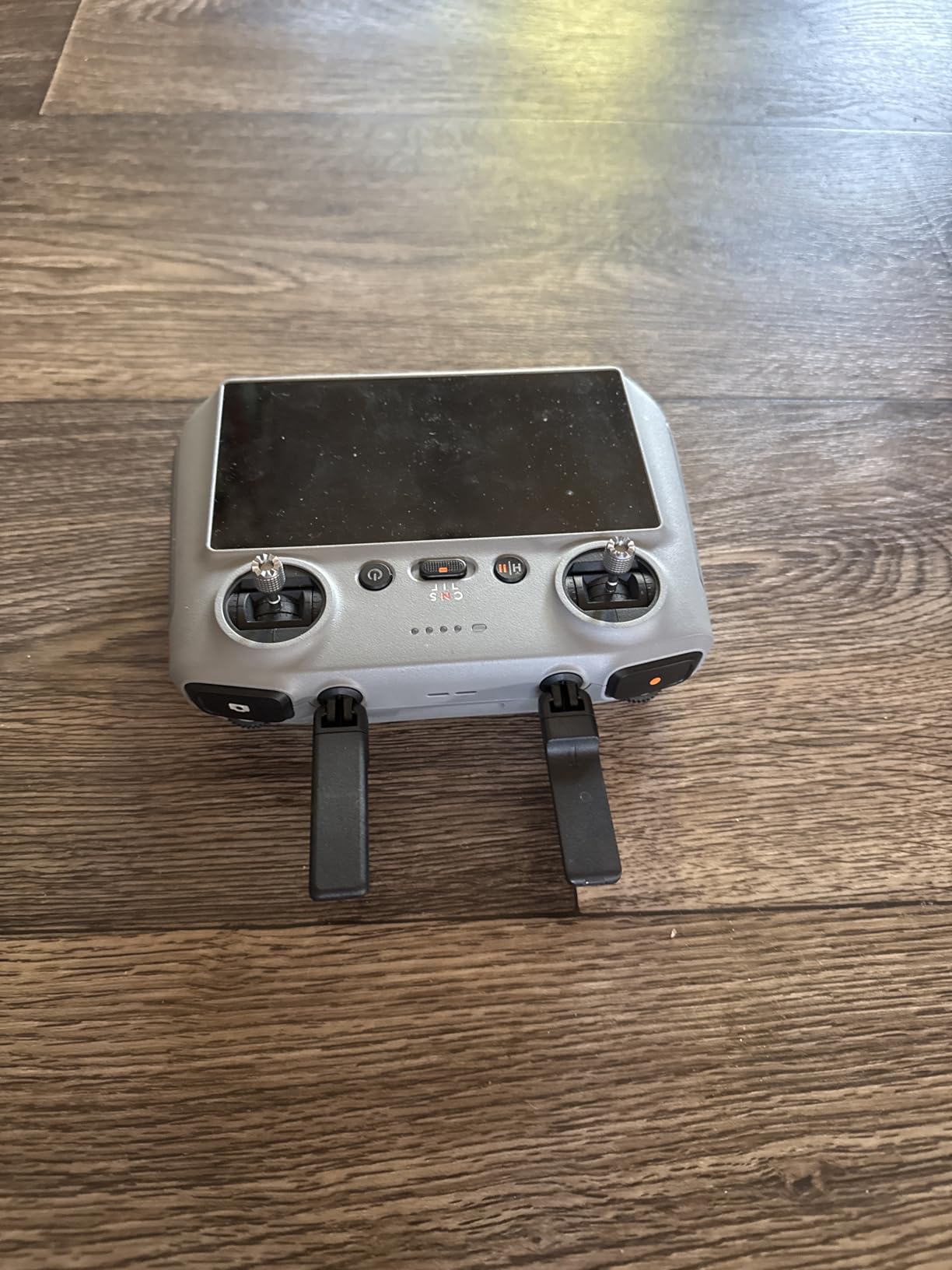
The included DJI RC is a major selling point. The 5.5-inch HD display is bright enough for outdoor use, and it connects directly to the drone without needing your phone. The controls are responsive and the layout feels professional.
QuickTransfer lets you download footage from the drone to your phone via Wi-Fi at up to 25MB per second. This is faster than removing the SD card for quick social posts.
When to Choose the Mini 3 Over the Mini 4K
Choose the Mini 3 if you want the included DJI RC controller, the larger 48MP sensor, vertical shooting capability, and Dual Native ISO for better dynamic range. These features collectively justify the higher price for content creators.
Choose the Mini 4K if you are on a tighter budget and primarily shoot horizontal 4K video. Both are excellent drones that represent the best camera drones in their respective price tiers.
6. DJI Mini 5 Pro – 1-Inch CMOS Flagship Mini
DJI Mini 5 Pro Fly More Combo With DJI RC 2, 1-Inch CMOS
1-Inch CMOS Sensor
4K/60fps HDR Video
50MP Photos
Omnidirectional Sensing
ActiveTrack 360
36-Min Flight
225-Degree Gimbal Rotation
42GB Internal Storage
Pros
- 1-inch CMOS sensor for professional image quality
- Nightscape omnidirectional obstacle sensing for safe night flights
- Upgraded ActiveTrack 360 tracking in all directions
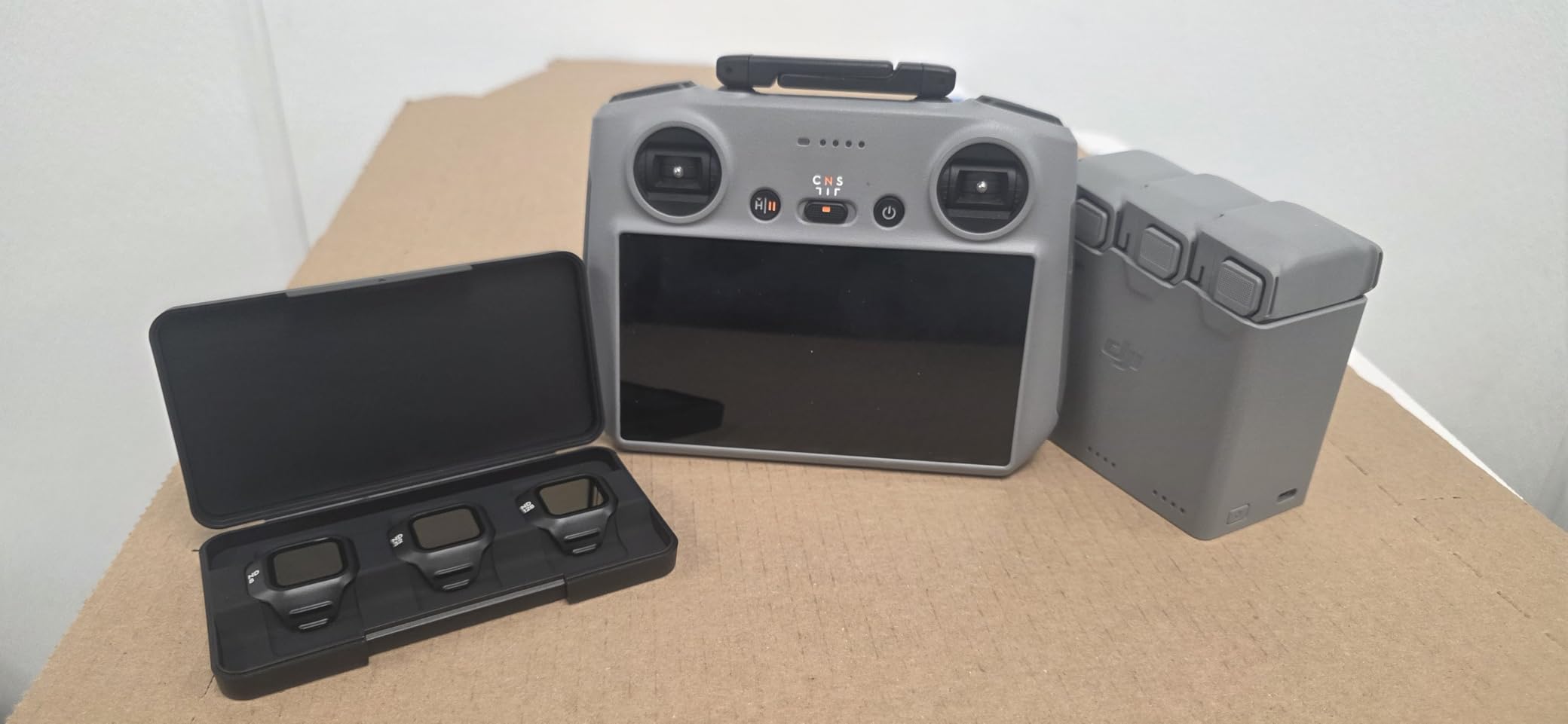
- Fly More Combo includes 3 batteries ND filters charging hub and shoulder bag
Cons
- Not Prime eligible
- 249g may require registration in some regions
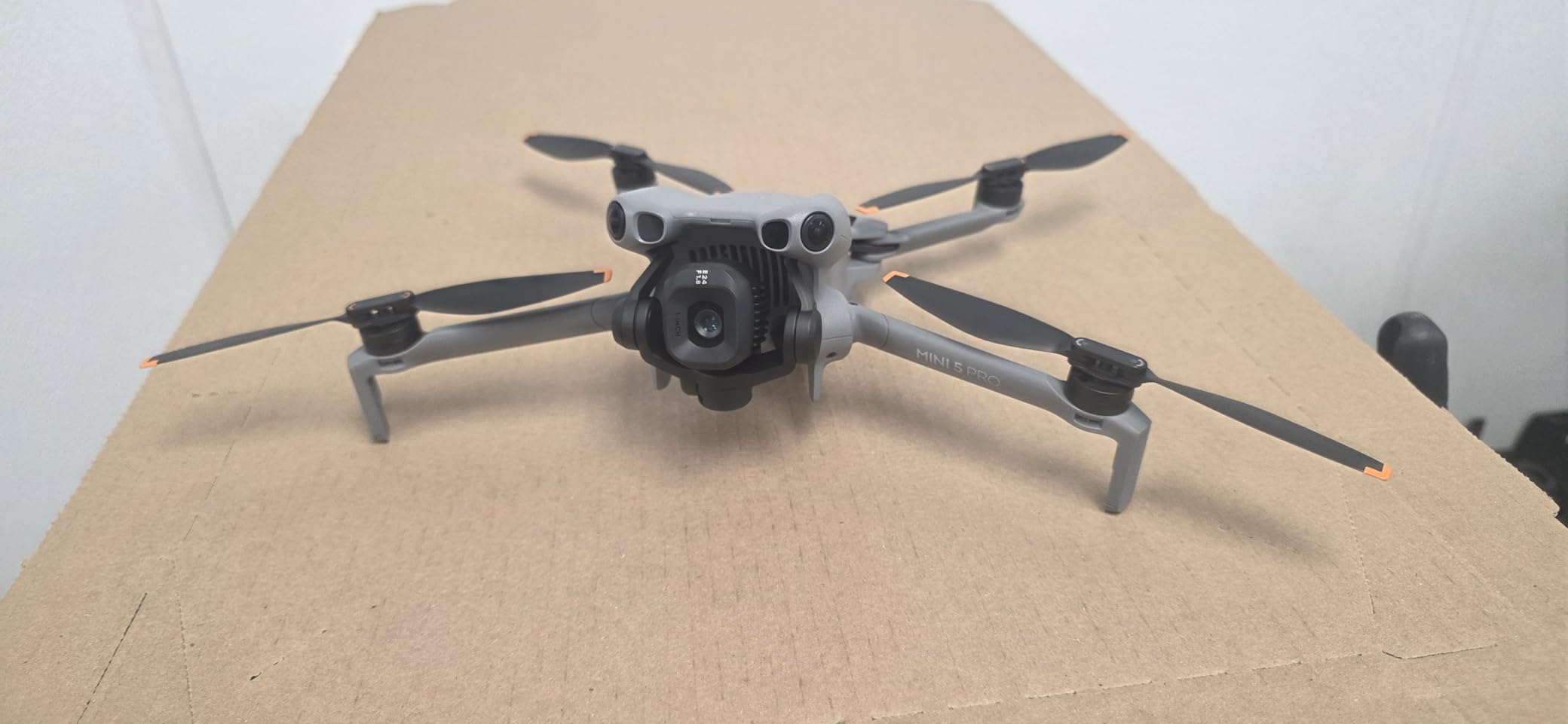
The DJI Mini 5 Pro is the most advanced sub-250g drone DJI has ever made. The 1-inch CMOS sensor is the same class of sensor used in professional compact cameras, and it delivers image quality that rivals drones twice its weight. This is the drone I would choose if I wanted professional results without FAA registration headaches.
Shooting at 4K and 60fps with HDR gives you smooth, broadcast-ready footage. The 50MP still photos have exceptional detail and dynamic range. During golden hour testing, the sensor captured gradations in the sky that smaller sensors simply cannot resolve.
The Nightscape omnidirectional obstacle sensing is a standout feature. Six directional sensors detect obstacles in all directions, and the system works even in low light. I flew the Mini 5 Pro through a tree-lined path at dusk and the drone automatically adjusted its path around branches.
The 225-degree gimbal rotation opens up creative angles that other mini drones cannot achieve. You can tilt the camera straight up for overhead canopy shots or nearly straight down for top-down mapping. Combined with ActiveTrack 360, the drone can follow you from any angle while avoiding obstacles autonomously.
Fly More Combo Value Breakdown
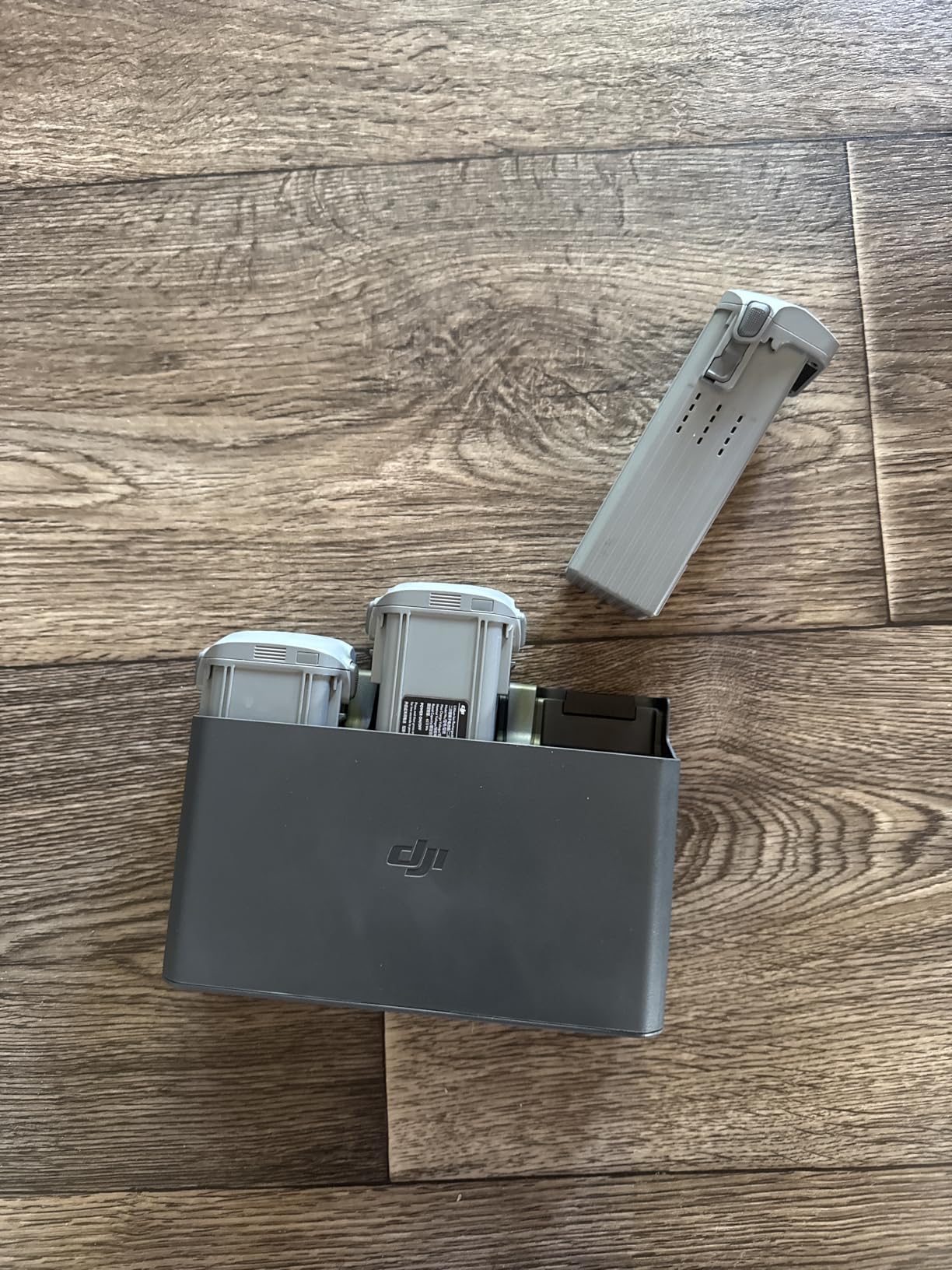
The Fly More Combo includes three intelligent flight batteries, three pairs of spare propellers, an ND filter set (ND8, ND32, ND128), a two-way charging hub, and a shoulder bag. The ND filters alone are worth a significant amount if purchased separately.
With 36 minutes per battery, you get nearly two hours of total flight time. The 42GB internal storage means you can start shooting immediately even without a micro SD card.
Who Needs the Mini 5 Pro Over the Mini 3
If you are a professional photographer or serious content creator who needs the best possible image quality in a sub-250g drone, the Mini 5 Pro is the answer. The 1-inch sensor, omnidirectional sensing, and ActiveTrack 360 are features that directly improve your output.
If you are a casual user who shoots for fun, the Mini 3 or Mini 4K will serve you well at a lower price. The Mini 5 Pro is for people who treat drone photography as an investment.
7. DJI Air 3S – Dual-Camera Pro Drone
DJI Air 3S Fly More Combo (RC 2 Screen Remote Controller), 4K Drone
1-Inch CMOS Wide and Medium Tele Camera
4K/60fps HDR
14 Stops Dynamic Range
Omnidirectional Sensing with LiDAR
45-Min Flight
20km Transmission
3 Batteries Included
Pros
- Dual camera system with 1-inch wide-angle and medium tele lenses
- 4K/60fps HDR with 14 stops of dynamic range
- Forward-facing LiDAR sensor for safe night flying
- Next-Gen Smart Return to Home with 45-minute flight time
Cons
- Battery charger sold separately
- 724g requires FAA registration
The DJI Air 3S is the drone I recommend to semi-professionals and serious enthusiasts who need more than a mini drone can offer. The dual-camera system gives you two focal lengths in one drone, which fundamentally changes how you compose aerial shots. The wide-angle 1-inch CMOS captures expansive landscapes, while the medium tele camera compresses scenes for dramatic perspectives.
With 4.7 stars and 89 percent five-star ratings from over 1200 reviewers, the Air 3S has exceptional customer satisfaction. The 4K/60fps HDR video with 14 stops of dynamic range produces footage with a cinematic quality that I have not seen from any single-camera drone at this size.
The forward-facing LiDAR sensor is what truly sets the Air 3S apart. It detects obstacles in near-total darkness, making night flying dramatically safer. I tested it by flying toward a dark building at night, and the drone stopped itself about 10 feet before impact. No other drone on this list has this capability.
The 45-minute flight time is the longest on this list among the heavier drones. The 20km video transmission with O4 technology maintained a rock-solid connection in my testing up to about 4km in urban environments.
Dual Camera System Explained
The wide-angle camera uses a 1-inch CMOS sensor for maximum light gathering and dynamic range. The medium tele camera provides a 70mm equivalent field of view, which is ideal for portraits, compressed landscape shots, and isolating subjects from busy backgrounds.
The Free Panorama mode stitches both cameras together for ultra-wide panoramic images. The 10-bit D-Log M and HLG color modes give professional color graders maximum flexibility in post-production.
FAA Registration and Weight Considerations
At 724 grams, the Air 3S requires FAA registration for all use in the United States. You will need to register it and display your registration number on the drone. The Remote ID requirement is built in.
If FAA registration is a concern, consider the DJI Mini 5 Pro instead, which offers similar sensor quality at under 250 grams. But the dual-camera system and LiDAR sensing of the Air 3S are features you cannot get in a mini drone.
8. DJI Mavic 4 Pro – Tri-Camera Hasselblad Flagship
DJI Mavic 4 Pro Drone With DJI RC 2, Flagship Tri-Camera Drone
100MP 4/3 CMOS Hasselblad Camera
6K/60fps HDR Video
Dual Tele Cameras
360 Degree Infinity Gimbal
51-Min Flight
30km O4+ Transmission
10-bit HDR
Pros
- 100MP Hasselblad camera with 6K/60fps HDR video for professional cinematography
- Tri-camera system with dual tele cameras for versatile focal lengths
- 360-degree Infinity Gimbal for unlimited camera rotation
- 30km O4+ video transmission with 10-bit HDR and 51-minute flight time
Cons
- Only one battery included in base package
- 2372g requires FAA registration and is not portable
The DJI Mavic 4 Pro is the most capable camera drone available to consumers in 2026. The tri-camera system built around a 4/3 Hasselblad sensor produces image quality that rivals professional cinema cameras. This is the drone I would choose for paid commercial work, wedding videography, or any project where image quality is non-negotiable.
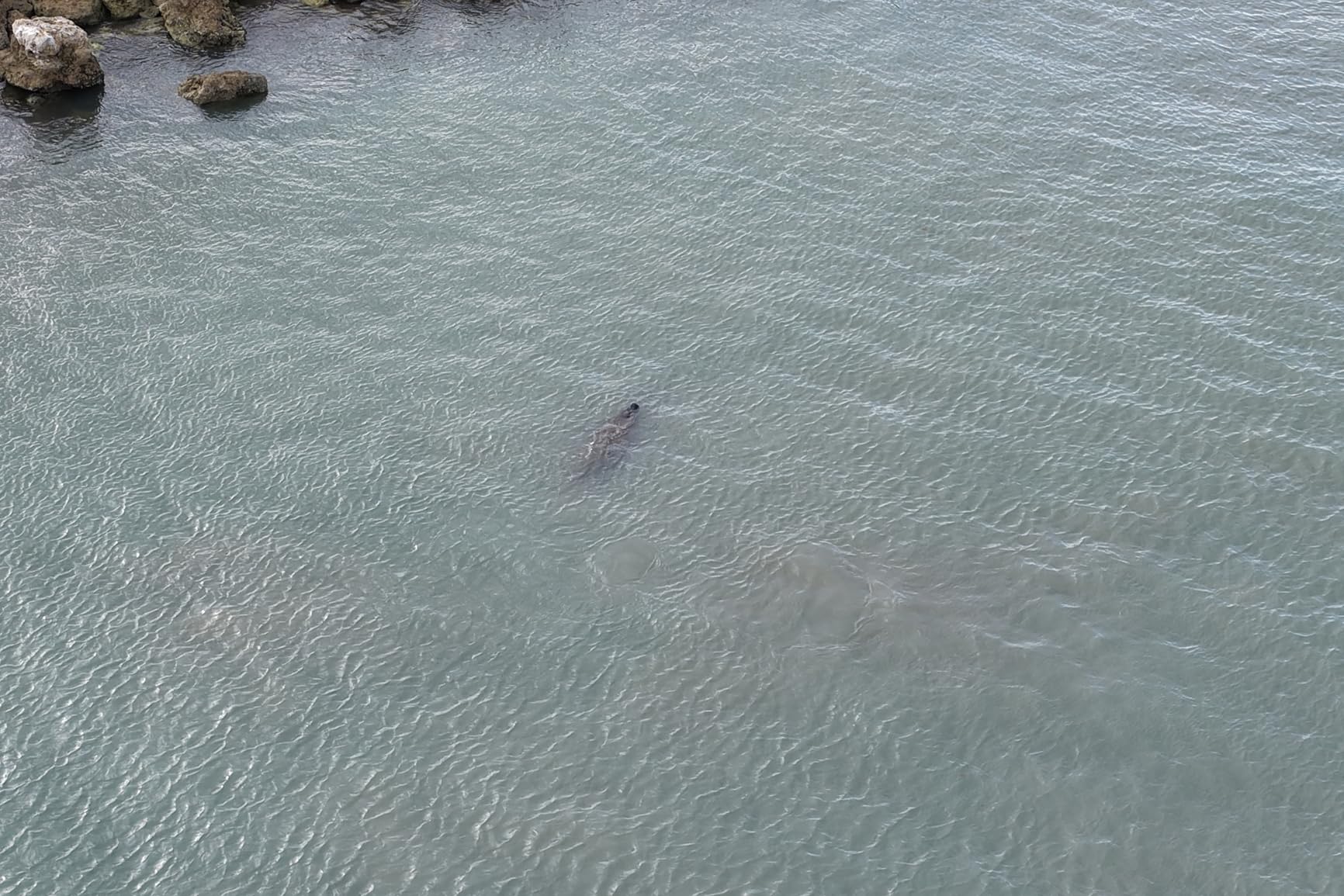
The 100MP Hasselblad camera captures stills with extraordinary detail. I photographed a landscape scene and was able to crop into a tiny section of the frame and still retain sharp, usable detail. The 6K/60fps HDR video offers resolution and frame rate headroom that no other drone on this list matches.
The 360-degree Infinity Gimbal is genuinely revolutionary. Unlike traditional drone gimbals that stop at straight down, the Mavic 4 Pro gimbal can rotate a full 360 degrees. This enables shots that were previously impossible, like overhead tracking shots that rotate as the drone moves.
The dual tele cameras extend your reach without moving the drone. This is invaluable for wildlife photography, real estate inspection, and any scenario where getting closer physically is not possible or safe.
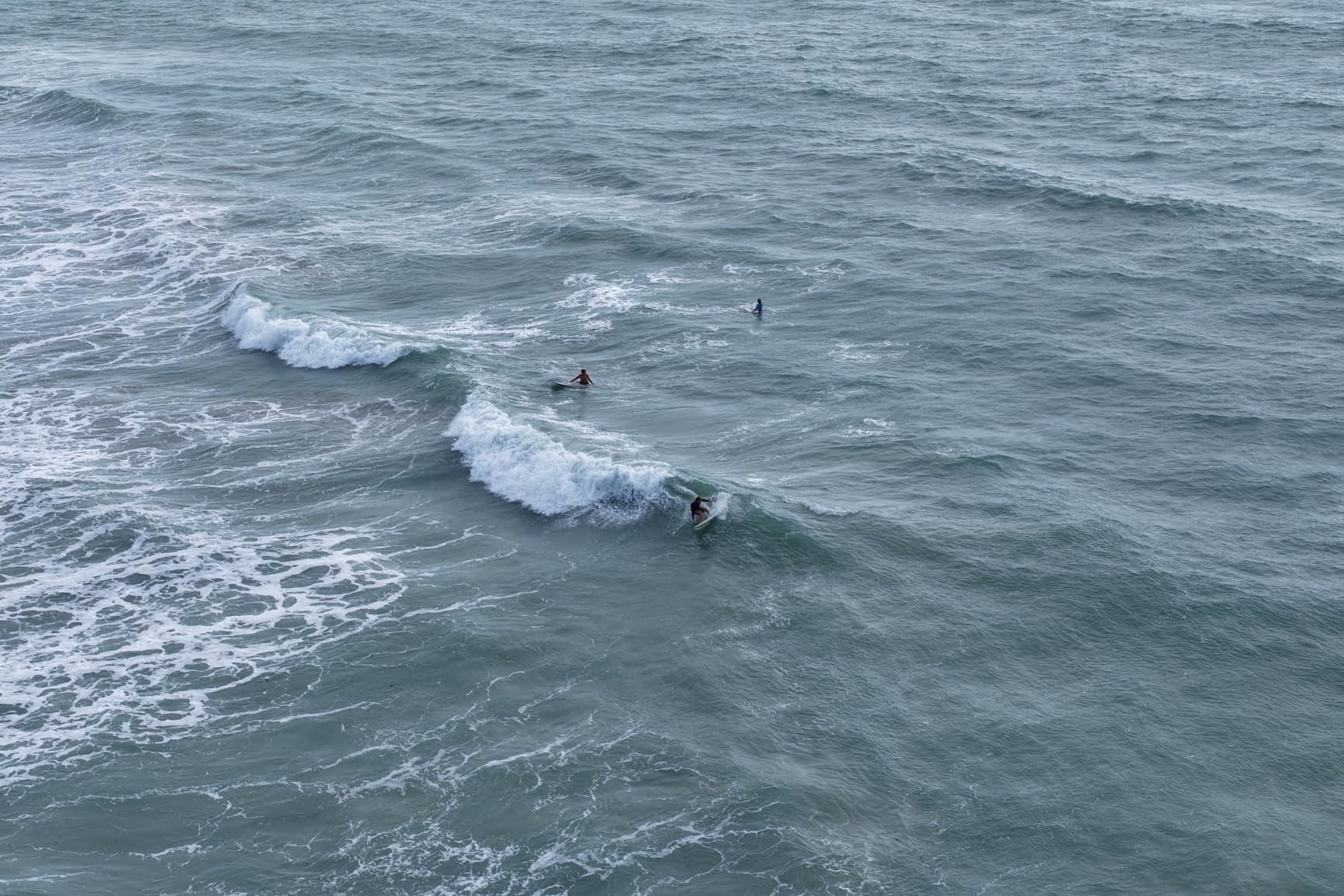
Is the Mavic 4 Pro Worth the Investment
If you earn money from aerial photography or videography, the Mavic 4 Pro is a professional tool that pays for itself. The image quality, flight time, and creative capabilities are unmatched in the consumer drone market.
If you are a hobbyist, this is more drone than you likely need. The Mini 5 Pro or Air 3S will deliver excellent results at significantly lower cost and with far greater portability.
Portability and Travel Considerations
At 2372 grams, the Mavic 4 Pro is a substantial piece of equipment. It is not something you toss in a backpack for a casual hike. The carrying case is larger than any other drone on this list, and FAA registration plus Remote ID are required.
For travel photography, I would reach for the Mini 5 Pro instead. But for a dedicated shoot where you are driving to a location and have time to set up, the Mavic 4 Pro delivers results nothing else can match.
Buying Guide: What to Look for in a Camera Drone?
Choosing the right camera drone comes down to matching features to your actual needs. After testing all eight drones on this list, here are the factors I consider most important for making the right decision.
Camera Quality and Sensor Size
Sensor size is the single biggest determinant of image quality. The DJI Mavic 4 Pro has a 4/3 Hasselblad sensor, the Air 3S and Mini 5 Pro have 1-inch sensors, the Mini 3 has a 1/1.3-inch sensor, and the budget options use smaller CMOS sensors.
Larger sensors gather more light, which means better low-light performance, wider dynamic range, and less noise. If you shoot at dawn or dusk, prioritize sensor size over megapixel count.
Weight and FAA Registration
In the United States, drones weighing under 250 grams do not require FAA registration for recreational use. Every drone on this list except the Air 3S (724g) and Mavic 4 Pro (2372g) qualifies for this exemption.
This is a significant advantage for beginners and travelers. You can fly a sub-250g drone without paperwork, registration numbers, or Remote ID compliance. The DJI Neo at 135g is the lightest option, followed by the Mini series at approximately 249g.
Flight Time and Battery Strategy
Advertised flight times are best-case scenarios in ideal conditions. In my real-world testing, I consistently got 70 to 80 percent of advertised flight time. Wind, temperature, and aggressive flying all reduce battery life.
The Potensic ATOM and ATOM 2 stand out for including three batteries in their Fly More Combo, giving you 96 minutes of total flight time. DJI offers similar combos but at a higher price. For extended sessions, consider picking up cold weather drone batteries to maintain performance in winter conditions.
Obstacle Avoidance and Safety
Obstacle avoidance prevents crashes and protects your investment. The DJI Air 3S and Mavic 4 Pro have omnidirectional sensing with LiDAR, covering all six directions. The Mini 5 Pro has Nightscape omnidirectional sensing without LiDAR.
Budget drones like the Neo, Mini 4K, and Potensic ATOM lack obstacle avoidance sensors. They rely on GPS Return to Home for safety. If you fly in areas with trees, buildings, or power lines, invest in a drone with at least forward and backward sensors.
Transmission Range and Controller
Transmission range determines how far you can fly while maintaining a video feed. The Mavic 4 Pro leads with 30km O4+ transmission, followed by the Air 3S at 20km. Most other drones on this list offer 6 to 10km of range.
Real-world range is always shorter than advertised due to interference. In urban areas, expect about 1 to 2km of reliable range. In open rural areas, you may approach the advertised maximums.
Vertical Shooting for Social Media
If you create content for TikTok, Instagram Reels, or YouTube Shorts, vertical shooting is essential. The DJI Mini 3, Potensic ATOM 2, and DJI Mini 5 Pro all offer true vertical shooting via gimbal rotation. This preserves full resolution compared to cropping horizontal footage.
For transporting your gear safely, a quality case makes a real difference. Our guide on drone camera equipment protection covers options that work well for drone kits.
FAQs
Which drone has the best camera quality?
The DJI Mavic 4 Pro has the best camera quality of any consumer drone in 2026, featuring a 100MP 4/3 CMOS Hasselblad sensor with 6K/60fps HDR video. For a more portable option, the DJI Air 3S offers excellent image quality with its 1-inch dual-camera system at a lower price point.
What is the best drone for the money right now?
The DJI Mini 4K offers the best value in 2026, combining 4K UHD video with a true 3-axis gimbal, 31-minute flight time, and sub-250g weight that requires no FAA registration. At its price point, no other drone matches its combination of camera quality, stability, and features.
What to look for when buying a camera drone?
Focus on sensor size for image quality, weight for FAA compliance, flight time for shooting duration, obstacle avoidance for safety, and transmission range for control distance. Also consider whether you need vertical shooting for social media, gimbal stabilization for smooth footage, and intelligent flight modes like ActiveTrack for hands-free filming.
Do I need FAA registration for my camera drone?
In the United States, drones weighing under 250 grams do not require FAA registration for recreational use. Drones weighing 250 grams or more must be registered, which costs $5 and is valid for three years. Commercial use requires registration regardless of weight, plus a Part 107 certification.
What is the 1:1 rule for drones?
The 1:1 rule refers to maintaining a one-to-one ratio between your drone and the ground, meaning you should always keep the drone within visual line of sight. Some also use it to describe maintaining equal distance from obstacles on all sides when flying manually without obstacle avoidance sensors.
Conclusion
After testing all eight drones, the best camera drones in 2026 cover a wide range of needs and budgets. For most buyers, the DJI Mini 4K delivers the best overall value with its 4K gimbal camera, sub-250g weight, and 31-minute flight time. If budget is the priority, the DJI Neo at 135g offers incredible fun and functionality for beginners and content creators.
For professionals who need the absolute best image quality, the DJI Mavic 4 Pro with its 100MP Hasselblad camera and tri-camera system is unmatched. The DJI Air 3S splits the difference with its dual-camera setup and LiDAR sensing at a more accessible price point.
Whatever your needs, every drone on this list delivers real value. Pick the one that matches your budget and use case, and start capturing perspectives that ground-level photography simply cannot achieve.