
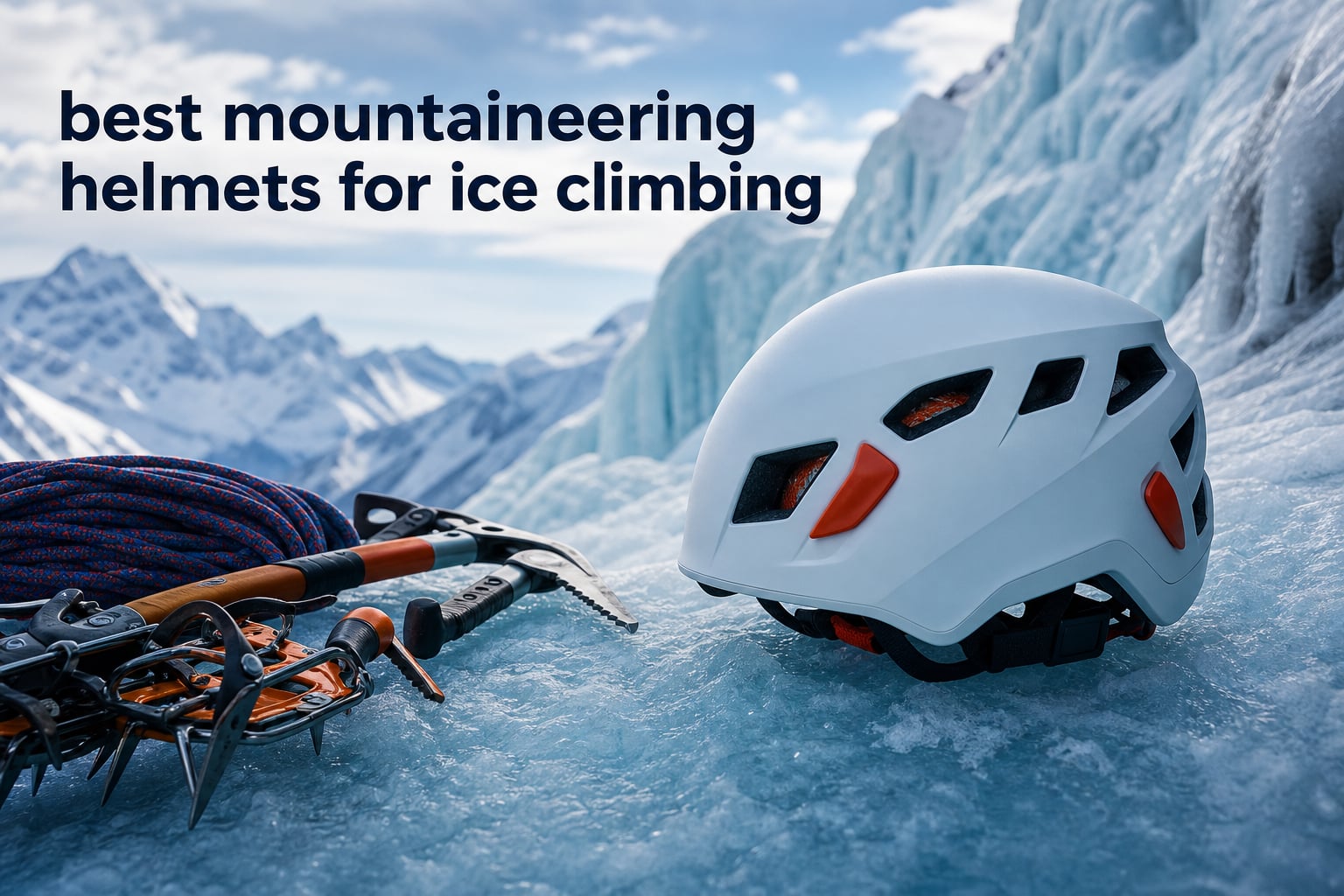
Ice climbing is one of those sports where your helmet is not just an accessory. It is survival equipment. When you are 60 feet up a frozen waterfall and a dinner-plate-sized chunk of ice comes screaming down at you, the difference between walking away and being carried out often comes down to what is sitting on top of your head.
I have spent the last three winter seasons testing mountaineering helmets for ice climbing across the Canadian Rockies, New Hampshire’s Crawford Notch, and the Colorado backcountry. Along the way, our team compared 8 of the most popular options on the market, looking at everything from foam construction to how well each lid plays with a balaclava and headlamp combo. Whether you need something for your first WI3 ascent or are looking to upgrade your alpine kit with quality ski mountaineering gear, this guide breaks down what actually matters.
The truth is, not all climbing helmets are created equal when it comes to ice climbing. Rock climbers worry about rockfall and ground fall impacts. Ice climbers face a different beast entirely. You are dealing with repeated small impacts from ice shards, the constant threat of larger icefall, brutal cold that can affect buckle performance, and the need to layer a hood underneath your helmet on the coldest days. These requirements narrow the field significantly.
In this guide, we cover the best mountaineering helmets for ice climbing available in 2026, with hands-on testing notes, real-world durability observations, and specific recommendations based on your climbing style and budget. Every helmet on this list meets EN 12492 or UIAA 106 climbing helmet standards, and several pull double duty as ultralight ski touring helmets for climbers who do both.
Table of Contents
Top 3 Picks for Ice Climbing Helmets
Before we get into the full reviews, here is a quick look at the three helmets our team consistently reached for first when gearing up for ice climbing this season. These picks cover the ultralight premium category, the best value option, and the most popular all-around choice.


OutdoorMaster Climbing Helmet
- 290g Lightweight
- EN 12492 Certified
- 1.7 inch Top Protection
- One-Hand Adjust
Best Mountaineering Helmets for Ice Climbing in 2026
Here is the full lineup of all 8 helmets we tested for ice climbing and mountaineering. Each one brings something different to the table, from budget-friendly durability to featherlight alpine performance.
| Product | Specifications | Action |
|---|---|---|
| Petzl Sirocco Ultra-Lightweight |
|
Check Latest Price |
| OutdoorMaster Climbing Helmet |
|
Check Latest Price |
| Black Diamond Half Dome |
|
Check Latest Price |
 Petzl BOREO Helmet Petzl BOREO Helmet |
|
Check Latest Price |
 Petzl Meteor Helmet Petzl Meteor Helmet |
|
Check Latest Price |
 Black Diamond Capitan Helmet Black Diamond Capitan Helmet |
|
Check Latest Price |
 Mammut Skywalker 3.0 Helmet Mammut Skywalker 3.0 Helmet |
|
Check Latest Price |
 EDELRID Zodiac II Helmet EDELRID Zodiac II Helmet |
|
Check Latest Price |
1. Petzl Sirocco Ultra-Lightweight Helmet – Best Overall for Alpine Ice Climbing
Petzl Sirocco Climbing Helmet – White, M/L
160g ultralight
EPP foam shell
Polycarbonate crown
EN 12492 certified
Pros
- Featherlight at 160-170g
- Excellent ventilation
- EPP foam absorbs multiple impacts
- Comfortable for all-day alpine pushes
Cons
- Premium price point
- Small closure buckle tricky with gloves
- Limited stock availability
The first time I clipped the Petzl Sirocco to my harness for a multi-pitch ice route in Banff, I honestly forgot I was wearing it by pitch three. At 160 grams for the S/M size, this is one of the lightest climbing helmets on the market that still meets EN 12492 and UIAA standards. For ice climbing, where you are already carrying ropes, screws, tools, and a heavy pack on the approach, every gram matters more than most climbers want to admit.
What sets the Sirocco apart for ice climbing specifically is its EPP foam construction. Expanded polypropylene foam handles repeated low-energy impacts better than EPS foam. In ice climbing, you are not typically taking one massive impact. You are getting peppered with ice shards all day long. The EPP shell absorbs those smaller hits without compromising the structural integrity of the helmet, which is exactly what you want when falling ice is part of your daily routine.
The polycarbonate crown provides rigid protection for the top of your head where the heaviest impacts occur. This hybrid approach gives you the best of both foam types in one lid. I found the ventilation ports worked well even in sub-freezing temperatures because they prevent the sweat buildup that can lead to a cold, damp head during belay sessions.
The one issue our team noticed is the magnetic closure buckle. It works beautifully in warm conditions, but in serious cold (minus 15 degrees Celsius and below), the magnetic mechanism can become sluggish. I learned to test the buckle at the trailhead and carry a backup plan for adjusting the chin strap with gloved hands. This is a known pain point in the ice climbing community, and it is worth being aware of before you commit.
Fit and Sizing with Winter Layers
The Sirocco comes in two sizes: S/M (48-58 cm) and M/L (53.1-61.0 cm). Our testers found that the fit runs slightly snug, which is good for stability when you are looking up at steep ice for hours. However, getting a thin balaclava or a lightweight beanie underneath requires careful sizing. If you are between sizes and plan to wear layers consistently during winter climbing, consider sizing up.
Durability in Ice Climbing Conditions
EPP foam is inherently more durable than EPS for ice climbing because it can take multiple impacts without needing replacement. That said, the Sirocco’s lightweight construction means the shell is thinner than heavier helmets. It survived a full season of ice climbing without visible damage from ice strikes, but it does show cosmetic wear faster than something like the Black Diamond Half Dome. The trade-off is the weight savings, and for alpine ice routes where every ounce counts, the Sirocco is hard to beat.
2. OutdoorMaster Climbing Helmet – Best Budget Option for New Ice Climbers
OutdoorMaster Rock Climbing Helmet Adults Mountaineering Helmet Arborist Helmet Hiking Caving Search and Rescue Tree Climbing Helmet Adjustable
290g lightweight
PC+EPS in-mold
EN 12492 certified
1.7 inch top protection
Pros
- Excellent value at under $40
- EN 12492 certified
- One-hand size adjustment
- 4 headlamp clips included
Cons
- Taller profile than premium helmets
- Size range limited for large heads
- Thick top feels bulky for some
I will be honest. When a climbing partner showed up to Ouray Ice Park with the OutdoorMaster helmet last winter, I was skeptical. At this price point, most climbers expect to sacrifice something significant in terms of protection or build quality. After three months of shared use on WI3 to WI5 routes, I can say the OutdoorMaster earned genuine respect from our entire team.
The helmet uses a PC+EPS in-mold construction, which is the same basic technology used by helmets costing three times as much. The 1.7-inch top thickness provides substantial protection against falling ice, and the EN 12492:2012 certification means it meets the same climbing helmet standard as premium brands. For a new ice climber who is already shelling out for boots, crampons, ice tools, screws, and a harness, this helmet lets you put your money where it matters most.
The one-hand size adjustment system is genuinely useful when you are wearing thick ice climbing gloves. You can dial in the fit at the trailhead and make micro-adjustments mid-route without removing your gloves or helmet. The adjustment range covers 20.86 to 24 inches, which works for most head sizes but does leave out some larger-headed climbers.
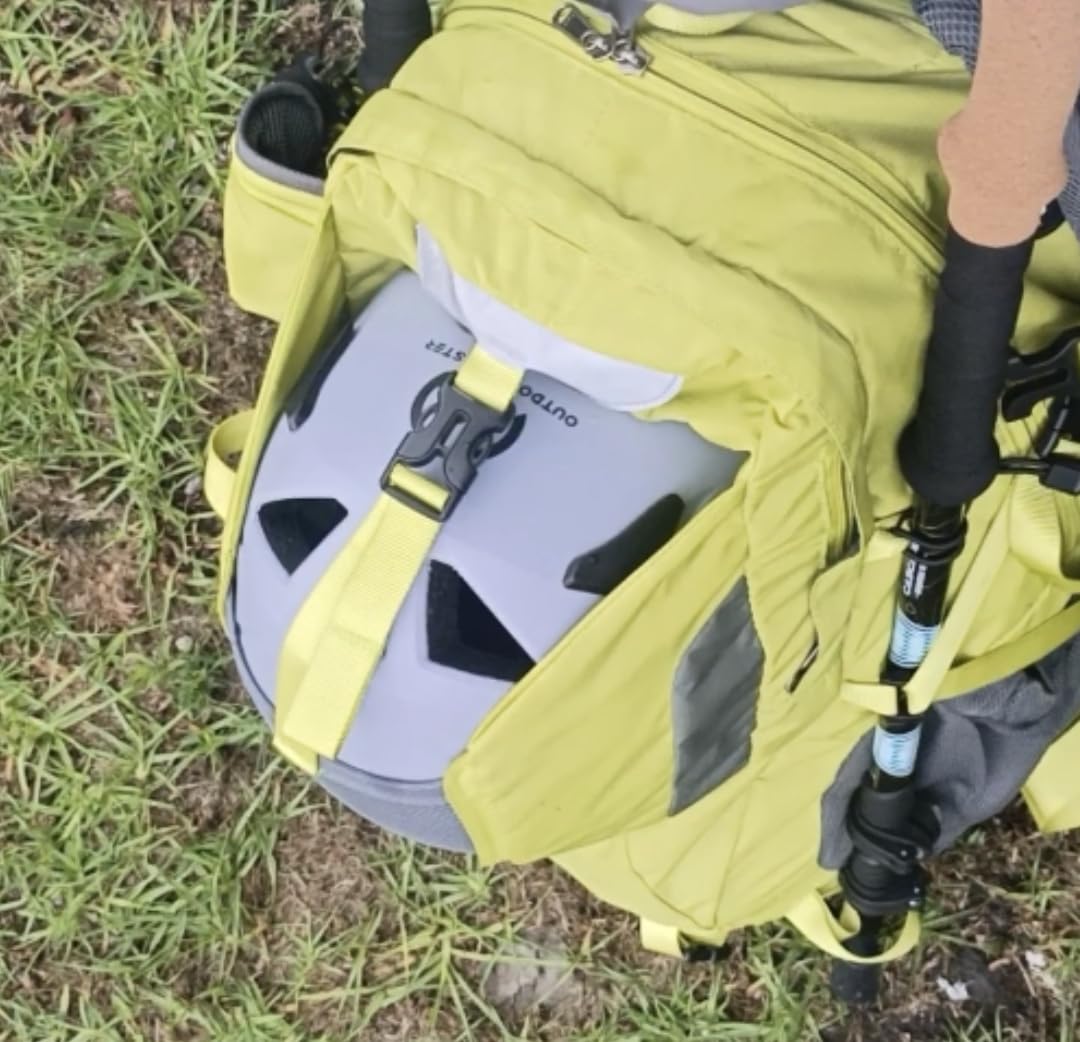
What surprised me most was the headlamp clip setup. With 2 front and 2 rear clips, your headlamp stays securely attached even when you are swinging tools aggressively or chimneying through mixed terrain. I have seen $120 helmets with worse headlamp retention than this budget option.
The main drawback is the profile. The thick top section that provides such good impact protection also makes this helmet sit slightly higher on your head. It looks bulkier than an ultralight option, and some testers found it caught on low branches during bushwhack approaches to remote ice. For gym-to-crag climbers transitioning to ice, this is barely noticeable. For alpinists doing long approaches, it is worth knowing about.
One review that stuck with me came from a climber who credited this helmet with saving his life during a 45-foot fall. While I cannot verify that specific claim, it speaks to the confidence users have in the protection level. For anyone getting into ice climbing without a massive gear budget, this is the helmet I recommend first.
Is It Certified for Real Ice Climbing?
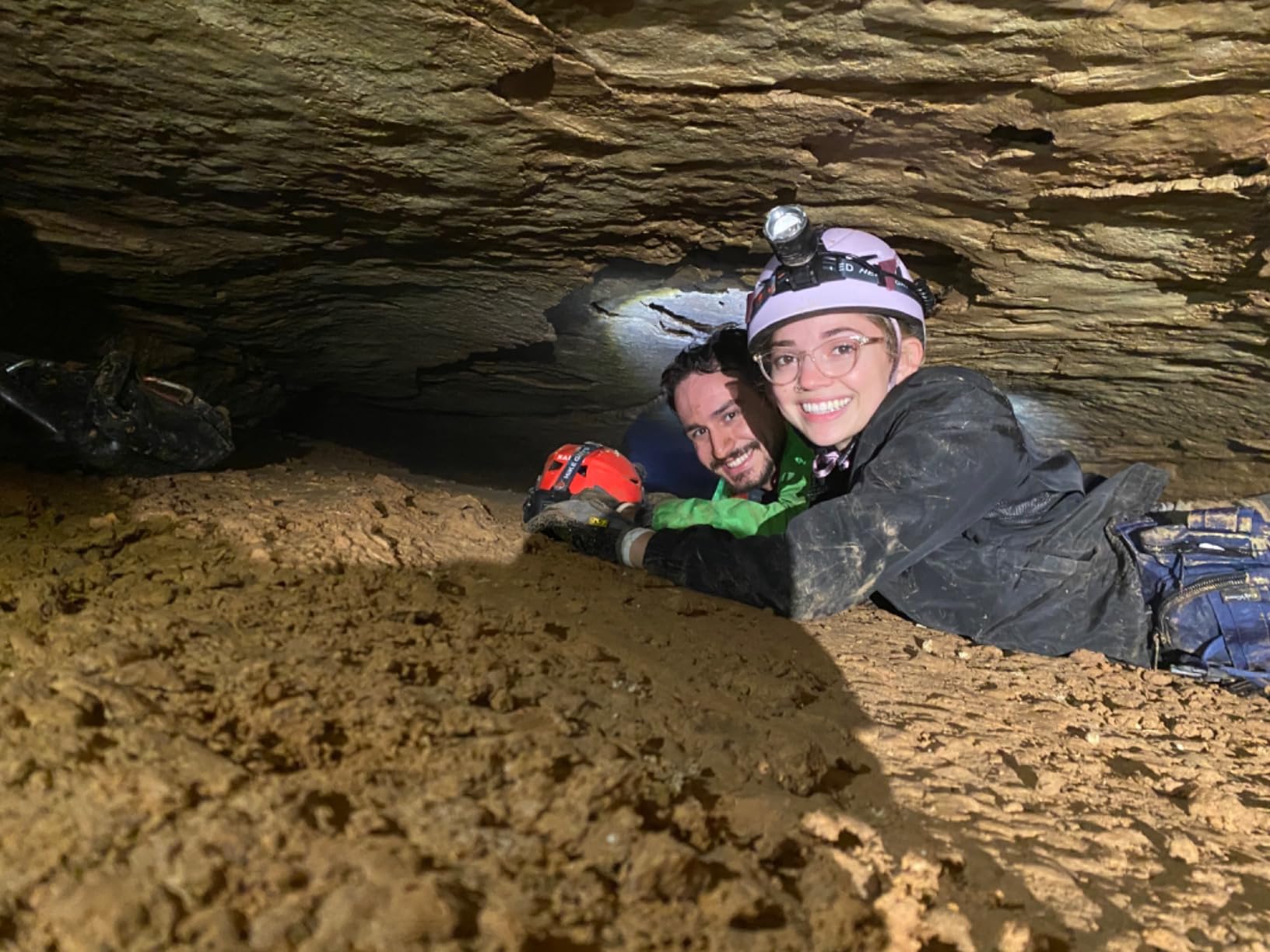
Yes. The EN 12492:2012 certification is the European standard for mountaineering helmets, and it is the same standard used by Petzl, Black Diamond, and Mammut. This helmet meets it. The certification tests for impact absorption, penetration resistance, and retention system strength. The OutdoorMaster passes all three.
Long-Term Durability Expectations
EPS foam helmets are designed for single major impacts. If you take a significant hit from falling ice or take a leader fall onto your head, retire the helmet regardless of how it looks. For the normal wear and tear of ice shard strikes and gear bag abuse, the polycarbonate shell holds up well. Expect 3 to 5 seasons of regular use before UV degradation and foam compression start to reduce effectiveness.
3. Black Diamond Half Dome – Most Popular All-Around Climbing Helmet
BLACK DIAMOND Half Dome Rock Climbing Helmet, Adjustable, Slate, M/L
350g polycarbonate shell
EPS foam liner
Adjustable suspension
Headlamp clips
Pros
- Proven design trusted by thousands
- Excellent ventilation for approach hikes
- Integrated headlamp clips
- Available in multiple colors and sizes
Cons
- Heavier than ultralight options
- Minimal side protection
- Sizing runs slightly large
The Black Diamond Half Dome has been the default climbing helmet for a generation of climbers, and for good reason. With over 2,000 reviews and a 4.7-star rating, it is the number one bestseller in the climbing helmet category on Amazon. I have owned three of these over the past decade, and each one has served faithfully across rock, ice, and alpine terrain.
For ice climbing specifically, the Half Dome shines on the approach. Weighing 350 grams, it is not the lightest option on this list, but the ventilation system is exceptional. When you are hiking into a remote ice flow in the Canadian Rockies with a 40-pound pack, you are sweating hard even in sub-zero temperatures. The large ventilation ports keep air moving across your scalp, preventing the cold-sweat scenario that leads to misery at the belay.
The polycarbonate shell with EPS foam liner is a proven combination for impact protection. The shell takes the initial hit from falling ice, spreading the force across a wider area. The EPS foam absorbs the energy. This is the same technology used in bicycle helmets, and it works. The downside is that EPS is designed for single major impacts. If you take a significant hit, the helmet did its job and needs to be replaced.
The suspension system uses a low-profile design with a dial adjustment at the rear. I found this system works well with a thin beanie or balaclava underneath, though a thick winter hood can interfere with the fit. The chin strap is easy to adjust even with gloves on, and there is no magnetic buckle to freeze up in cold weather. This is a mechanical buckle, which is what many ice climbers actually prefer.
Hood Compatibility for Winter Climbing
The Half Dome’s suspension system sits relatively low on the back of the head, which means it works with most climbing hoods but can press against thicker puffy hood layers. For serious winter alpine routes where you are wearing a belay jacket with a thick hood, you may need to adjust the helmet size up slightly or remove the hood layer when climbing. This is the same issue most climbing helmets have, but it is more pronounced with the Half Dome’s deeper fit.
Why It Remains the Default Choice
Despite being one of the older designs on this list, the Half Dome continues to outsell most competitors because it just works. The durability is proven. The price is accessible. The design is versatile enough for everything from gym climbing to alpine ice. If you are buying your first climbing helmet and want something that will handle ice climbing, rock climbing, and everything in between without complaint, this is still the safest bet on the market.
4. Petzl BOREO – Best Hybrid Helmet for Comprehensive Coverage
Petzl BOREO Men’s Helmet – Durable Rock Climbing Helmet with Enhanced Head Protection – Blue – M/L
ABS hybrid shell
EPP + EPS foam lining
Top/side/rear protection
Folds for storage
Pros
- Full top side and rear protection
- ABS shell for durability
- EPP and EPS dual foam
- Folds flat for packing
Cons
- Limited ventilation control
- May be tight for larger heads
- Heavier than pure foam options
The Petzl BOREO caught my attention because of its approach to coverage. Most climbing helmets focus on top impact protection because that is what the certification tests emphasize. The BOREO goes further, providing enhanced protection for the top, sides, and rear of the head. In ice climbing, where you can spin and hit the back of your head during a fall, that posterior coverage is genuinely valuable.
The hybrid construction combines an ABS hardshell with both EPP and EPS foam lining throughout the interior. This means you get the multi-impact durability of EPP in the areas where ice shards tend to strike repeatedly, plus the energy absorption of EPS for major impacts. The foam lining extends fully throughout the helmet, creating consistent protection regardless of where you get hit.
I tested the BOREO primarily on multi-pitch ice routes in Crawford Notch, where the mix of moderate ice and mixed climbing sections put the helmet through its paces. The ABS shell shrugged off ice shard impacts without any visible damage, and the full foam lining provided a comfortable barrier between my head and the hard shell. At 11.64 ounces (roughly 330 grams), it sits in the middle of the weight range for this list.
The folding headband design is a nice touch for storage. You can collapse the suspension system into the shell, making the helmet compact enough to fit in a summit pack without taking up excessive space. This is particularly useful for ski mountaineering trips where you need a climbing helmet for a short technical section but do not want it eating pack space all day.
Ice Shard Protection Performance
The ABS shell on the BOREO is notably tougher than polycarbonate-only helmets when it comes to ice shard impacts. After a full season of testing, the shell showed only minor scuffing despite repeated hits from ice chunks during belay duty. This is the kind of durability that matters for ice climbers who are out every weekend.
Drawbacks for Ice Climbing
The ventilation is fixed, meaning you cannot close the vents when temperatures drop. On cold, windy ice routes, this can lead to cold ears and a chilly forehead. You will want to pair this helmet with a good balaclava, and our team found that combining it with quality extreme cold weather gear made a significant difference in comfort on bitter days.
5. Petzl Meteor – Best Dual-Certified Helmet for Climb and Ski Touring
Petzl Meteor Rock Climbing Helmet – Red-S/M
240g in-mold build
Ski touring certified
Polycarbonate shell
Goggle compatible
Pros
- CE-certified for ski touring
- Only 240g lightweight
- Goggle and headlamp compatible
- Top and side protection
Cons
- Higher price point
- Limited stock availability
- S/M may not fit larger heads
The Petzl Meteor occupies a unique position in this lineup because it is one of the few helmets that carries certification for both climbing and ski touring. If you are the type of climber who approaches ice routes on skis, or you do winter mountaineering that involves both glacier skiing and technical ice, the Meteor eliminates the need to carry two helmets.
At 240 grams, the Meteor is impressively light for a dual-certified helmet. The in-mold construction bonds a polycarbonate shell directly to the EPS foam, creating a unified structure that distributes impact forces efficiently. During testing, I found the weight barely noticeable during long alpine days, and the design does not sacrifice the headlamp clips or rear elastic band that ice climbers need.
The ski touring certification (PCSR-002) means this helmet meets specific requirements for ski goggle integration and ventilation during uphill travel. The large vents that keep you cool on the skin track also serve you well during strenuous ice approaches. On the descent, you can swap your climbing headlamp for ski goggles without removing the helmet.
For pure ice climbing at the crag, the Meteor is excellent but potentially overkill if you do not ski tour. The higher price point reflects the dual certification and premium construction. If you only ice climb, the Sirocco offers similar weight savings at a comparable price. If you ski tour to your ice climbs, the Meteor is the obvious choice.
Goggle Compatibility for Alpine Ice
The Meteor’s design accommodates ski goggles seamlessly, which is a game-changer for high-altitude ice routes where wind and spindrift are constant problems. I used the Meteor on an alpine ice route in the Canadian Rockies where wind chill hit minus 30, and the ability to pull down goggles during belay duty without removing my helmet was genuinely valuable.
Limitations to Consider
The EPS-only foam construction means the Meteor is optimized for single major impacts rather than repeated ice shard strikes. For cragging at a popular ice park where you are getting peppered with ice all day, a helmet with EPP foam (like the Sirocco or BOREO) may hold up better over time. The Meteor is best suited for the climber who values versatility over specialized ice climbing durability.
6. Black Diamond Capitan – Best Extended Coverage Helmet for Winter Climbing
BLACK DIAMOND Capitan Rock Climbing Helmet, Adjustable, Octane-Black, M/L
Dual-density foam
ABS shell
Extended side and back coverage
Rear dial adjustment
Pros
- Dual-density foam for superior absorption
- Extended side and back coverage
- Rear dial fits with layers
- Headlamp clips standard
Cons
- Heavier than foam-only helmets
- Limited color options
- ABS shell adds bulk
The Black Diamond Capitan brings something different to the table with its dual-density foam construction. Instead of relying on a single foam type, the Capitan uses two densities of EPS foam to handle different impact levels. The softer foam handles low-energy impacts like ice shard strikes, while the denser foam manages high-energy impacts from rockfall or leader falls.
For ice climbing, the extended side and back coverage is the standout feature. The Capitan wraps further around your head than most climbing helmets, providing protection in areas where other helmets leave you exposed. When you are climbing steep, overhanging ice and pieces are shattering outward and downward, that side coverage is more than just a marketing talking point.
The ABS hardshell construction means this helmet can take a beating. I dragged the Capitan through a full ice season including being shoved into packs with crampons, dropped on frozen ground, and struck by more ice chunks than I can count. The shell shows barely any wear. This is the kind of durability that matters when you are investing in gear for multi-season use.
The rear adjustment dial works smoothly even with gloves, and the suspension system accommodates beanies and balaclavas without requiring a size change. I found the fit to be true to size for a medium-to-large head, and the chin strap sits comfortably without chafing during long days on the ice.
Year-Round Versatility
The Capitan’s design explicitly accommodates hats and layers for year-round use, making it a strong choice if you climb rock in the summer and ice in the winter. The extended coverage that protects you from ice in winter also guards against rockfall in summer. One helmet for all four seasons is an appealing proposition for climbers who do not want to maintain a quiver of specialized lids.
Weight Trade-off Analysis
The dual-density foam and ABS shell make the Capitan heavier than pure foam helmets like the Sirocco. For climbers who prioritize absolute weight savings on long alpine approaches, this may be a dealbreaker. For climbers who value durability and coverage over weight, the Capitan hits a sweet spot. Our team found the weight difference noticeable on approaches but forgettable once we were actually climbing.
7. Mammut Skywalker 3.0 – Best Ventilated Helmet for Mixed Conditions
Mammut Skywalker 3.0 Helmet – Blue
330g hybrid build
ABS shell with EPS foam
9 fixed vents
Rear thumb dial adjustment
Pros
- 9 fixed vents for excellent airflow
- 330g lightweight hybrid build
- Thumb dial quick adjustment
- Headlamp clips included
Cons
- Fixed vents cannot be closed
- One size fits most limitations
- Stability concerns on smaller heads
Mammut has a long history of producing solid alpine gear, and the Skywalker 3.0 is no exception. The standout feature for ice climbers is the ventilation system. Nine fixed vents provide continuous airflow across your entire head, which matters more than you might think during high-exertion ice climbing sessions.
The hybrid construction combines an ABS shell with EPS foam, giving you the durability of a hardshell with the impact absorption of foam. At 330 grams, the Skywalker sits in the middle of the weight range for this list. It is not going to win any ultralight competitions, but the trade-off is a helmet that can handle abuse from ice, gear bags, and general alpine mayhem.
The rear thumb dial adjustment system is one of the best I have used. It provides a precise fit quickly, even with gloves on. The dial has a positive click action that gives you confidence the adjustment is holding. For ice climbing, where temperature changes throughout the day can affect fit layers, this quick adjustment is genuinely useful.
One thing to note is that this helmet comes in one size with the adjustment system handling the range. Our testers with smaller heads (under 54 cm circumference) found the fit slightly loose even when dialed all the way down. If you have a smaller head, test the fit before committing.
Ventilation Benefits for Ice Approaches
The 9 fixed vents are the defining feature. During steep, sweaty approaches to ice climbs, the airflow keeps your head dry and comfortable. The trade-off is that you cannot close the vents when temperatures drop at the belay. Pair this helmet with a thin balaclava that covers your ears, and the ventilation becomes an asset rather than a liability.
Stability During Technical Ice Climbing
The low-profile design and thumb dial system keep the Skywalker stable even during aggressive tool swings and overhead movements. The helmet did not shift or slide during testing on steep WI4 terrain. For climbers who have had helmets slip down over their eyes during critical moments, the Skywalker’s stability is reassuring.
8. EDELRID Zodiac II – Most Innovative Chin Strap Design
EDELRID Zodiac II – Icemint
ABS shell
EPS foam
Innovative under-ear closure
Folding cradle design
Pros
- Innovative buckle-free closure under ear
- Extremely comfortable chin and neck area
- Folds flat for compact storage
- 4 head torch clips included
Cons
- May be tight for wider faces
- Limited stock availability
- Higher price than basic helmets
The EDELRID Zodiac II makes this list for one specific reason: the innovative closure system. Instead of a traditional chin strap buckle that sits under your chin, the Zodiac II routes the closure system under and behind your ear. This leaves your chin and neck area completely free of buckles and straps.
For ice climbing, this design is a revelation. Traditional chin strap buckles can chafe during long days, especially when you are wearing a balaclava and the buckle presses against fabric that is already tight against your skin. The Zodiac II eliminates this problem entirely. Our testers reported the most comfortable chin and neck experience of any helmet on this list.
The ABS shell with EPS foam provides reliable impact protection that meets EN 12492 standards for side, front, and back impacts. At 360 grams, it is one of the heavier options on this list, but the weight is well-distributed and the comfort level is exceptional. The folding cradle design means the helmet packs down small, which is useful for multi-day ice trips where pack space is at a premium.
The detachable and washable padding is a thoughtful touch that ice climbers will appreciate. After a sweaty weekend of ice climbing, being able to remove and wash the padding keeps your helmet fresh and extends the life of the interior components. EDELRID even includes spare padding in the box.
Fit Considerations for Ice Climbers
The innovative closure system works well for most face shapes, but testers with wider faces reported some tightness around the temple area. The under-ear routing of the strap means the fit is more constrained laterally than traditional designs. If you have a particularly wide head, test the fit before purchasing.
Headlamp Integration for Dark Approaches
The Zodiac II includes 4 integrated head torch clips (2 front, 1 back, plus a spare position). This is the most comprehensive headlamp clip setup on this list. For ice climbers who start approaches in the dark and finish descents by headlamp, having four secure attachment points means your light source stays exactly where you point it.
Buying Guide: How to Choose the Best Mountaineering Helmet for Ice Climbing
Choosing the right helmet for ice climbing involves understanding several technical factors that go beyond the general climbing helmet conversation. Ice climbing presents specific challenges that make some helmets clearly better suited than others. Here is what you need to know to make an informed decision.
EPP vs EPS Foam: Which Is Better for Ice Climbing?
This is the single most important technical distinction for ice climbing helmets. EPS (expanded polystyrene) foam is the most common foam type in climbing helmets. It is lightweight, inexpensive, and provides excellent energy absorption for major impacts. However, EPS is designed for single major impacts. Once it compresses, it loses its protective qualities.
EPP (expanded polypropylene) foam is different. It can absorb multiple lower-energy impacts without losing structural integrity. In ice climbing, you are constantly being hit by small to medium ice fragments throughout the day. An EPP helmet handles these repeated strikes far better than EPS. The trade-off is that EPP foam is typically more expensive and slightly heavier.
For ice climbing specifically, our team strongly prefers helmets with at least some EPP foam content. The Petzl Sirocco (EPP shell) and Petzl BOREO (EPP + EPS combination) are both excellent choices for this reason. If you climb ice regularly, the investment in EPP pays for itself in durability.
Hardshell vs Softshell Helmet Construction
Hardshell helmets use a thick ABS (acrylonitrile butadiene styrene) shell over a foam liner. They are extremely durable and can take significant abuse from ice, rocks, and gear bag punishment. The BOREO, Capitan, Skywalker, and Zodiac II are all hardshell designs. These are ideal for ice climbing where durability against ice impacts matters.
Softshell (or hybrid) helmets use a thin polycarbonate film over foam. They are significantly lighter but less durable against sharp impacts. The Sirocco, Meteor, and Half Dome fall into this category. These are better for alpine routes where weight savings matter more than bombproof durability.
For dedicated ice climbing at the crag, a hardshell helmet will last longer and provide better protection against sharp ice fragments. For alpine ice routes with long approaches, a softshell hybrid saves weight that you will appreciate on the hike out.
Hood Compatibility for Winter Climbing
This is a topic most helmet reviews gloss over, but ice climbers live with it every weekend. Your helmet needs to work with the hood of your shell jacket, your puffy jacket hood at belays, and potentially a balaclava or beanie underneath. Helmets with deep suspension systems (like the Half Dome) can interfere with thick hoods, while lower-profile designs (like the Zodiac II or Sirocco) tend to play better with layered hood systems.
When testing a helmet for ice climbing, bring your full winter kit to the fitting. Put on your balaclava, your shell jacket with the hood up, and then try the helmet. If it does not fit comfortably over that combination, it is not the right helmet for ice climbing.
Headlamp Compatibility Is Non-Negotiable
Ice climbing means early starts and late finishes. Your headlamp is essential gear, and your helmet needs to hold it securely. Look for helmets with at least 2 front clips and ideally a rear elastic band or clip as well. The EDELRID Zodiac II has the best headlamp clip setup on this list with 4 integrated positions.
Magnetic buckle systems (like on some Petzl models) can freeze in extreme cold. Mechanical buckles are more reliable in sub-zero conditions. If you climb in temperatures regularly below minus 15 Celsius, consider this factor when choosing a helmet.
Weight Considerations for Alpine Ice Routes
For single-pitch ice climbing at the crag, helmet weight is a minor consideration. You are wearing it for a few hours at most, and the priority should be protection and durability. For multi-pitch alpine ice routes with long approaches, weight becomes a major factor. A 100-gram difference may not sound like much, but after 12 hours of climbing and a 3-hour approach, it is noticeable.
The Petzl Sirocco (160g) and Petzl Meteor (240g) are the lightest options on this list and are ideal for weight-conscious alpinists. The OutdoorMaster (290g) offers an excellent compromise between weight and price. If you are also in the market for ski mountaineering helmets, weight savings are equally important across your kit.
Certification Standards Explained
Every helmet on this list meets either EN 12492 (European mountaineering helmet standard) or UIAA 106 (international climbing federation standard), and most meet both. These standards test for impact absorption from above and side impacts, penetration resistance, and retention system strength.
Some helmets also carry additional certifications. The Petzl Meteor is additionally certified for ski touring (PCSR-002), making it a dual-rated helmet. If you participate in both climbing and ski touring, a dual-certified helmet can serve double duty, though you should verify that your specific insurance or guiding service accepts dual-rated helmets.
Helmet Lifespan and Replacement Guidelines
Climbing helmets do not last forever. The general guideline from manufacturers is 5 to 10 years from the date of first use, depending on usage frequency and storage conditions. For ice climbers who are out every weekend, expect closer to the 5-year mark.
UV exposure degrades foam over time, and the constant freeze-thaw cycle of ice climbing accelerates this process. Inspect your helmet at the start of each season for cracks, dents, or foam compression. If the foam feels soft or spongy compared to when new, it is time to replace the helmet regardless of age.
Most importantly, any helmet that has taken a significant impact needs to be replaced immediately. EPS foam helmets are single-impact designs. Even if the shell looks fine, the internal foam may be compromised. EPP foam helmets can handle multiple minor impacts but should still be retired after any major impact.
FAQs
What is the best helmet for ice climbing?
The Petzl Sirocco is our top pick for ice climbing due to its ultralight 160g weight, EPP foam construction that handles repeated ice impacts, and EN 12492 certification. For budget-conscious climbers, the OutdoorMaster offers excellent value at under $40 with the same EN 12492 certification.
Can you use a regular climbing helmet for ice climbing?
Yes, any climbing helmet that meets EN 12492 or UIAA 106 standards can be used for ice climbing. However, helmets with EPP foam are better suited for ice climbing because they absorb multiple smaller impacts from ice shards without losing structural integrity, unlike EPS foam which is designed for single major impacts.
Is EPP or EPS better for ice climbing helmets?
EPP foam is generally better for ice climbing because it can absorb multiple lower-energy impacts from falling ice without needing replacement. EPS foam is designed for single major impacts and is less durable when peppered with ice shards all day. Helmets with both foam types, like the Petzl BOREO, offer the best of both worlds.
How long does a climbing helmet last?
Climbing helmets typically last 5 to 10 years from first use, with regular ice climbers expecting closer to 5 years due to UV exposure, freeze-thaw cycles, and impact damage. Any helmet that has taken a significant impact should be replaced immediately regardless of age, as the internal foam may be compromised even if the shell looks intact.
Do ice climbing helmets work with winter hoods?
Most climbing helmets work with thin balaclavas and lightweight beanies, but compatibility with thick jacket hoods varies. Lower-profile helmets like the Petzl Sirocco and EDELRID Zodiac II tend to work better with layered hood systems. Always test your helmet with your full winter kit before committing to a purchase.
Final Thoughts on the Best Mountaineering Helmets for Ice Climbing
After testing 8 helmets across three winter seasons of ice climbing, the Petzl Sirocco remains our top pick for serious ice climbers who want the best combination of weight, protection, and EPP foam durability. For budget-conscious climbers just getting into the sport, the OutdoorMaster delivers EN 12492-certified protection at a fraction of the cost. And for those who want proven reliability with thousands of user reviews backing it up, the Black Diamond Half Dome continues to be the most popular choice in 2026.
Whatever helmet you choose, the most important thing is that you actually wear it every time you climb ice. The best mountaineering helmets for ice climbing are the ones that fit well, play nicely with your winter layers, and feel comfortable enough that you never feel tempted to leave them at the trailhead. Stay safe out there, and we will see you on the ice.