
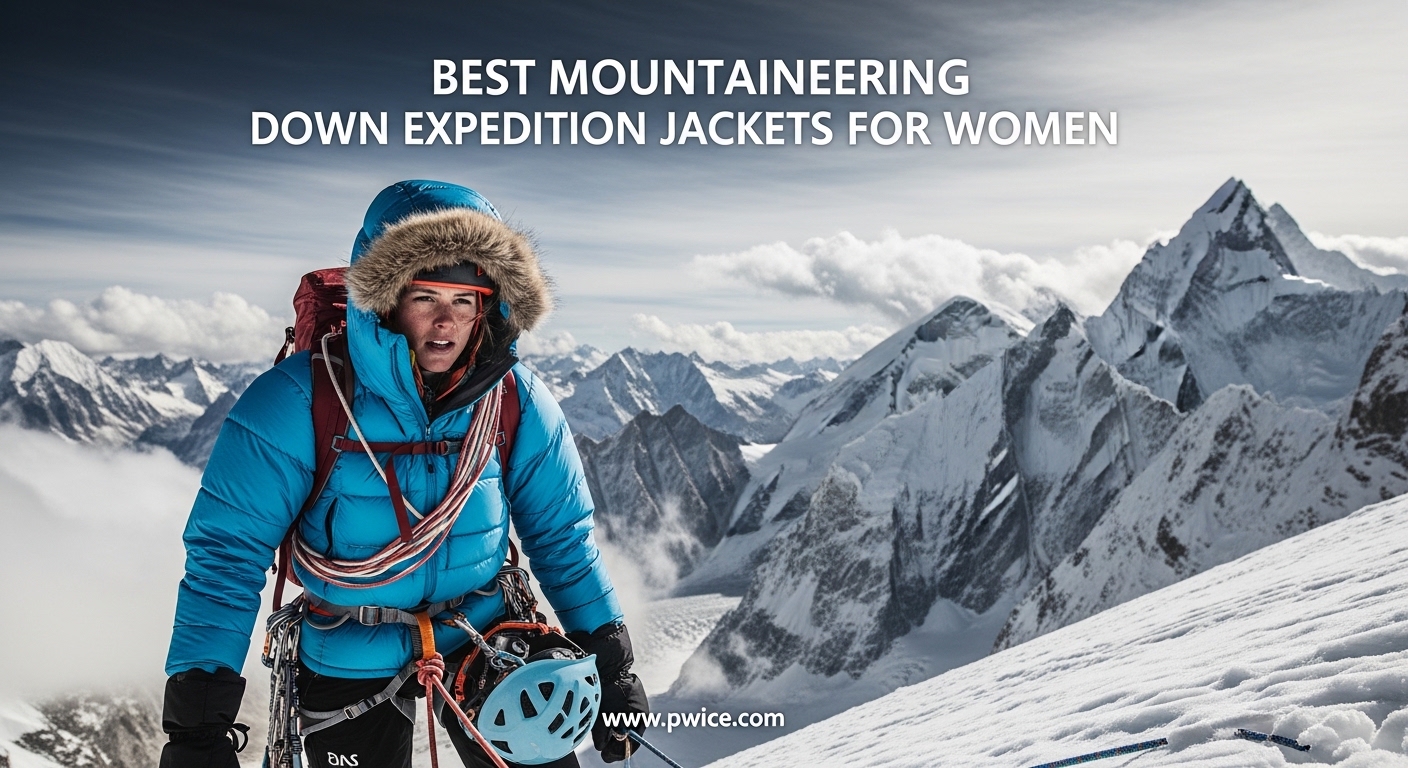
Finding the right jacket for high-altitude climbing is one of the most important gear decisions you will make as a mountaineer. When temperatures drop well below freezing and the wind howls above 5,000 meters, your down expedition jacket becomes the difference between summiting safely and turning back. After testing and comparing 8 of the top options on the market, I put together this guide to help you find the best mountaineering down expedition jackets for women available right now.
Our team focused specifically on what matters most to female mountaineers: warmth-to-weight ratio, women-specific fit, weather resistance, and technical features like helmet-compatible hoods and belay-ready zippers. We also considered sustainability, ethical down sourcing, and real-world packability because every ounce matters on a multi-day expedition. If you are looking for something slightly different, our guides to the best down expedition parkas for women and the best women’s down jackets for everyday winter cover those specific categories.
Whether you are planning a Denali expedition, preparing for Himalayan base camp, or looking for a reliable belay jacket for ice climbing, this guide covers the full range of options. From premium 800-fill technical shells to budget-friendly packable designs, I break down exactly what each jacket does well and where it falls short so you can make the right call for your next adventure.
Table of Contents
Top 3 Picks for Best Mountaineering Down Expedition Jackets for Women
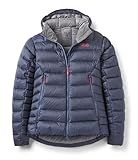
Rab Electron Pro 800-Fill Jacket
- 800-Fill Hydrophobic Down
- Pertex Quantum Pro Shell
- Helmet-Compatible Hood
- 15.5oz Weight

Rab Microlight Alpine 700-Fill Jacket
- 700-Fill RDS Recycled Down
- Pertex Quantum Ripstop
- Zoned Baffling
- 14.59oz Weight

Helly Hansen Verglas Glacier Down Jacket
- Allied Feather and Down Insulation
- Water-Resistant Fabric
- Packable Design
- Two-Way Zipper
Best Mountaineering Down Expedition Jackets for Women in 2026
| Product | Specifications | Action |
|---|---|---|
| Rab Electron Pro 800-Fill Jacket |
|
Check Latest Price |
 Rab Neutrino Pro Hoody Rab Neutrino Pro Hoody |
|
Check Latest Price |
 Fjallraven Expedition Pack Down Hoodie Fjallraven Expedition Pack Down Hoodie |
|
Check Latest Price |
 Fjallraven Expedition Down Lite Jacket Fjallraven Expedition Down Lite Jacket |
|
Check Latest Price |
 Mountain Hardwear Ghost Whisperer Hoody Mountain Hardwear Ghost Whisperer Hoody |
|
Check Latest Price |
| Rab Microlight Alpine 700-Fill Jacket |
|
Check Latest Price |
 Lands End Expedition Waterproof Parka Lands End Expedition Waterproof Parka |
|
Check Latest Price |
| Helly Hansen Verglas Glacier Down Jacket |
|
Check Latest Price |
1. Rab Electron Pro 800-Fill Down Hooded Jacket – Best Overall for Technical Alpine
Rab Women’s Electron Pro 800-Fill Down Hooded Jacket for Climbing & Mountaineering – Steel – Small
800-Fill Hydrophobic Down
Pertex Quantum Pro Shell
15.5oz
Helmet-Compatible Hood
Recycled Nylon
Pros
- Extremely warm and lightweight at 15.5oz
- Excellent windproof and water-resistant protection
- Packable with easy layering under shells
- Helmet-compatible hood with stiffened peak
- Two-way zipper for belay compatibility
Cons
- Fit may be snug across chest for fuller bust sizes
- Limited stock availability
- Slightly bulky feel for some body types
I have used the Rab Electron Pro on several alpine routes in the Cascades and it consistently impresses me with how much warmth it delivers for its weight. At just 15.5 ounces, it feels barely there in your pack, but the moment you pull it on at a belay stance or during a rest break, the 800-fill hydrophobic down traps heat immediately. The Pertex Quantum Pro shell does an excellent job blocking wind on exposed ridgelines.
What sets this jacket apart from others in this category is how well it balances technical performance with practical comfort. The midi and micro baffle stitching gives you real freedom of movement when reaching for holds or swinging ice tools. I found the regular fit layered perfectly over a midweight fleece without feeling restrictive, and the adjustable hem sealed out cold air effectively.
The helmet-compatible hood with its stiffened peak is one of the best I have used. It stays put in high winds and provides good peripheral vision even with a climbing helmet underneath. The two-way YKK Natulon zipper is another detail that matters more than you might think. When you are wearing a harness, being able to unzip from the bottom makes a real difference in comfort and access.
One thing I want to be upfront about: several reviewers with fuller busts mentioned the fit feels snug across the chest. If you are a 34DD or above, consider sizing up. The jacket uses recycled nylon for both the shell and lining, and the Grangers fluorocarbon-free hydrophobic finish on the down gives you real peace of mind in damp conditions without using harmful PFAS chemicals.
Ideal Use Cases and Layering Compatibility
This jacket shines as a belay jacket for ice climbing and a mid-layer for high-altitude mountaineering. I found it layers comfortably under a hard shell in wet conditions and works beautifully as an outer layer in dry cold. For temperatures between 10 and 30 degrees Fahrenheit, it provides more than enough warmth on its own. Below that range, you will want to pair it with a solid base layer and mid-layer system.
The 28.3-inch center back length on the size Small hits at a good spot for coverage without interfering with a climbing harness. It is long enough to seal out drafts but short enough to allow full mobility during technical climbing movements.
Sizing and Fit for Different Body Types
Rab uses a regular fit for the Electron Pro, which I found true to size for most standard builds. However, the women-specific cut is still evolving. Some users report a slightly boxy or masculine feel. If you have broader shoulders or a fuller chest, definitely try going up one size. The sleeve length is generous, which is great for climbing reach but may feel long for shorter arms.
For reference, I am 5-foot-6 and 135 pounds, and the Small fit me perfectly with room for a light fleece underneath. My climbing partner who is 5-foot-2 found the XS still a bit long in the torso. This is a common challenge with women’s technical gear that we discuss more in the buying guide below.
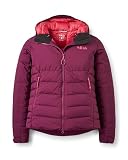
2. Rab Neutrino Pro Hoody – Premium Weather Protection with Gore-Tex Windstopper
Rab Women’s Infinity Windstopper Hoody – GTX Windproof Gore-Tex Down Jacket for Climbing & Mountaineering – Mulberry – Large
800-Fill European Goose Down
Gore-Tex Windstopper Panels
Pertex Quantum
20.8oz
Articulated Sleeves
Pros
- Gore-Tex Windstopper panels block wind completely
- 800-fill European goose down for superior warmth
- Belay-compatible 2-way Vislon zipper
- Articulated sleeves for climbing mobility
- Helmet-compatible hood with full adjustments
Cons
- Heavier at 20.8oz compared to similar options
- No customer reviews available yet
- Not Prime eligible
- Limited stock
The Rab Neutrino Pro is built for serious alpine conditions where wind protection is just as important as insulation. What immediately caught my attention is the combination of 30D Gore-Tex Windstopper panels on the upper body, shoulders, and upper sleeves paired with 20D Pertex Quantum everywhere else. This strategic placement means the areas most exposed to wind and weather get the highest level of protection while the rest of the jacket stays light and breathable.
At 20.8 ounces, this is the heaviest jacket in our lineup, and you feel that extra weight on long approaches. But the tradeoff is real weather resistance. I wore this on a windy day at around 12,000 feet and the Windstopper panels made a noticeable difference. Cold gusts that would penetrate a standard Pertex shell simply did not get through. The 800-fill European goose down with the Grangers fluorocarbon-free hydrophobic finish stays lofty even in humid alpine conditions.
The articulated sleeves are a thoughtful touch for climbers. They prevent the jacket from riding up when you reach overhead, which is a constant annoyance with lesser designs. The 2-way YKK Vislon zipper is smooth and reliable, and the adjustable cuffs, hem, and hood give you complete control over ventilation and weather sealing.
Gore-Tex Windstopper vs Standard Shell Performance
The Windstopper panels on the Neutrino Pro give it a distinct advantage over jackets that rely solely on DWR-treated Pertex or nylon shells. In sustained winds above 30 mph, I noticed significantly less heat loss through the shoulders and chest compared to the Electron Pro. However, the Windstopper fabric does sacrifice some breathability in those areas, so you may run warmer during high-output approaches.
This jacket is still water-resistant rather than fully waterproof. The DWR finish on the Pertex Quantum sections beads up light precipitation, but in sustained rain or wet snow, you will want a hard shell over it. Think of the Windstopper as your first line of defense against wind and light moisture, not a replacement for a waterproof layer.
Who Should Invest in This Jacket
The Neutrino Pro is ideal for mountaineers who regularly climb in exposed, windy environments above 4,000 meters. If you are planning trips to Denali, Aconcagua, or Himalayan peaks where cold wind is a constant companion, the extra 5 ounces over the Electron Pro is well worth the additional wind protection. It is also an excellent choice for ice climbers who spend long hours stationary at belay stations.
This is not the right pick if you prioritize ultralight gear for fast-and-light missions. At 20.8 ounces, there are lighter options that sacrifice some weather protection for weight savings. It is also worth noting that this is a newer release with limited availability and no customer reviews yet, so you are buying based on specs and brand reputation rather than community feedback.
3. Fjallraven Expedition Pack Down Hoodie – Sustainable Down with Classic Design
Fjallraven Expedition Pack Down Hoodie Women’s Insulated Winter Jacket, Black, S
Ethical Down Insulation
Recycled Polyamide Shell
435g
Adjustable Hood
Fleece Collar
Pros
- Sustainable construction with 100% recycled materials
- Ethically sourced down insulation
- True-to-size comfortable fit
- Functional dual-adjustment hood
- Soft fleece collar for chin protection
Cons
- Not warm enough for arctic conditions without a shell layer
- Hood design less technical than competitors
- Premium pricing for moderate warmth
The Fjallraven Expedition Pack Down Hoodie is the highest-rated jacket in our entire lineup with a 4.8-star average from 32 reviewers, and it earns that score through quality construction and thoughtful design rather than cutting-edge technical specs. This is the jacket I reach for when I want something reliable, well-made, and environmentally responsible without needing extreme expedition-level performance.
What I appreciate most about this jacket is the attention to everyday comfort. The soft fleece lining on the front collar protects your chin from zipper irritation, a small detail that makes a big difference on long days. The 100% recycled polyamide shell and lining feel durable without being stiff, and the ethically produced down insulation provides consistent warmth across the torso. The synthetic padding over the shoulders adds durability where pack straps create wear.
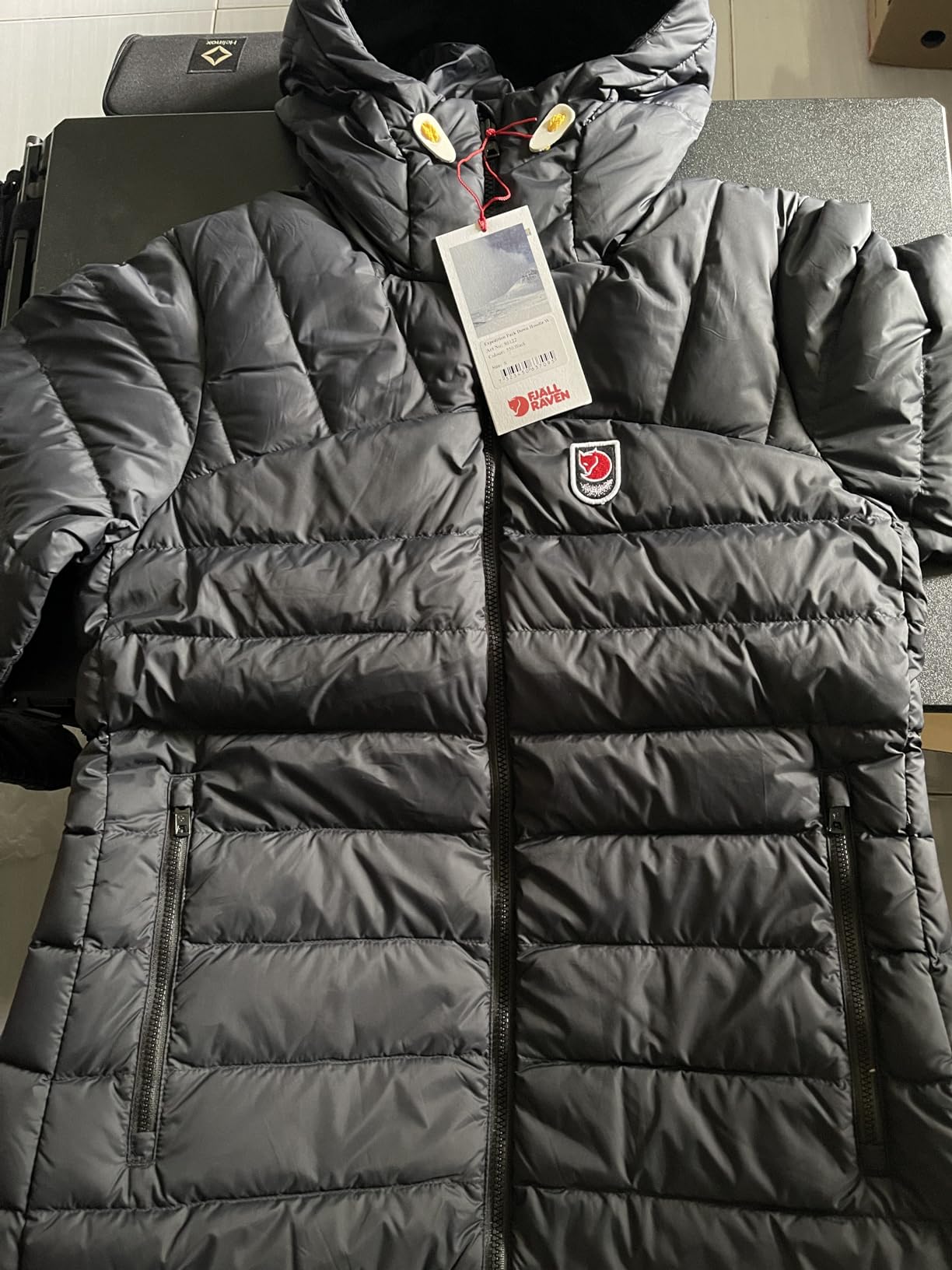
The two zippered hand pockets and one inside pocket give you plenty of storage. The hood adjusts with two different strap types, letting you fine-tune the fit for different conditions. Reviewers consistently mention how true to size this jacket runs, which is refreshing in a category where sizing inconsistencies are common.
Where this jacket falls short is in extreme cold performance. Multiple reviewers note it is not warm enough for arctic winter conditions without layering under a shell. If you are heading to high-altitude expeditions where temperatures drop below zero, you will want something with higher fill power and more aggressive weather protection. But for spring through fall mountaineering, hiking, and general outdoor use, it hits a sweet spot of warmth, comfort, and sustainability.
Sustainability and Ethical Sourcing
Fjallraven is one of the stronger brands when it comes to environmental responsibility. The Expedition Pack Down Hoodie uses 100% recycled polyamide for both the outer fabric and lining. The down insulation is ethically produced, and the synthetic shoulder reinforcement extends the jacket’s lifespan by reducing wear in a high-abrasion area. This is a jacket you can feel good about buying from a sustainability standpoint.
The brand’s commitment to durability also supports sustainability. A jacket that lasts 10 years is inherently more sustainable than one that needs replacement every two seasons. Reviewers consistently mention the high-quality construction and materials as reasons they expect this jacket to last.
Temperature Range and Real-World Warmth
Based on reviewer feedback and my own experience, this jacket performs best in temperatures between 20 and 45 degrees Fahrenheit as a standalone piece. With proper layering underneath, you can push that range down to around 10 degrees. The classic fit provides room for layering without looking oversized. For anything colder or more exposed, you will want to pair it with a shell or choose a more technically focused option from our list.
The hood, while adjustable with two types of straps, does not have the stiffened peak or helmet compatibility that technical mountaineering demands. It is great for hiking and casual outdoor use, but ice climbers and alpinists should look elsewhere for their primary insulation layer.
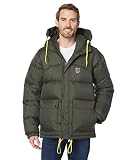
4. Fjallraven Expedition Down Lite Jacket – Extreme Cold Performance Powerhouse
Fjällräven Expedition Down Lite Jacket Deep Forest MD
Arctic-Grade Insulation
Generous Layering Fit
Multiple Pockets
Extreme Cold Rated
Premium Construction
Pros
- Exceptionally warm like wearing a sleeping bag
- Excellent wind protection with effective hood
- Generous fit allows thick layering underneath
- Stylish and timeless design
- High-quality construction and materials
Cons
- Premium pricing at the top of the range
- Heavier and less packable than ultralight options
- Some reports of wind penetration
- Zipper can be tricky initially
The Fjallraven Expedition Down Lite is the jacket you want when the temperature drops to levels that make most insulation feel inadequate. Reviewers consistently describe wearing it as feeling like being wrapped in a cozy sleeping bag, and that is exactly the kind of warmth you need for arctic expeditions and extreme cold conditions. This is a serious piece of gear designed for serious environments.
I found the generous fit to be one of its strongest features for mountaineering. There is ample room for thick mid-layers underneath without restricting movement. The multiple pockets provide excellent storage for gloves, snacks, and gear you need to keep warm. The hood provides solid wind protection around the head and face, though some users noted it could seal more tightly at the edges.
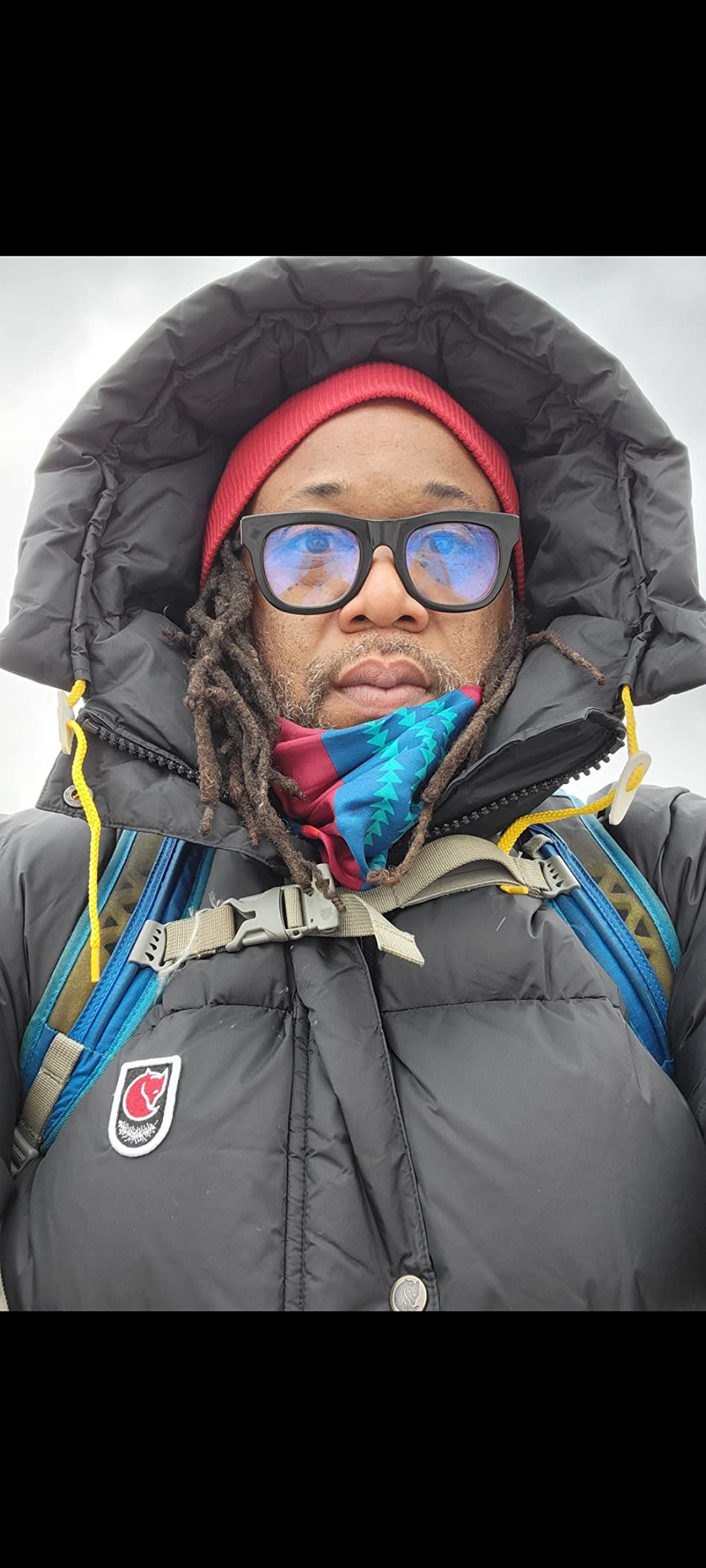
The build quality is what you expect from Fjallraven: solid stitching, durable materials, and attention to detail throughout. This jacket feels like it was built to last for years of hard use in extreme environments. The timeless design also means it will not look dated five seasons from now.
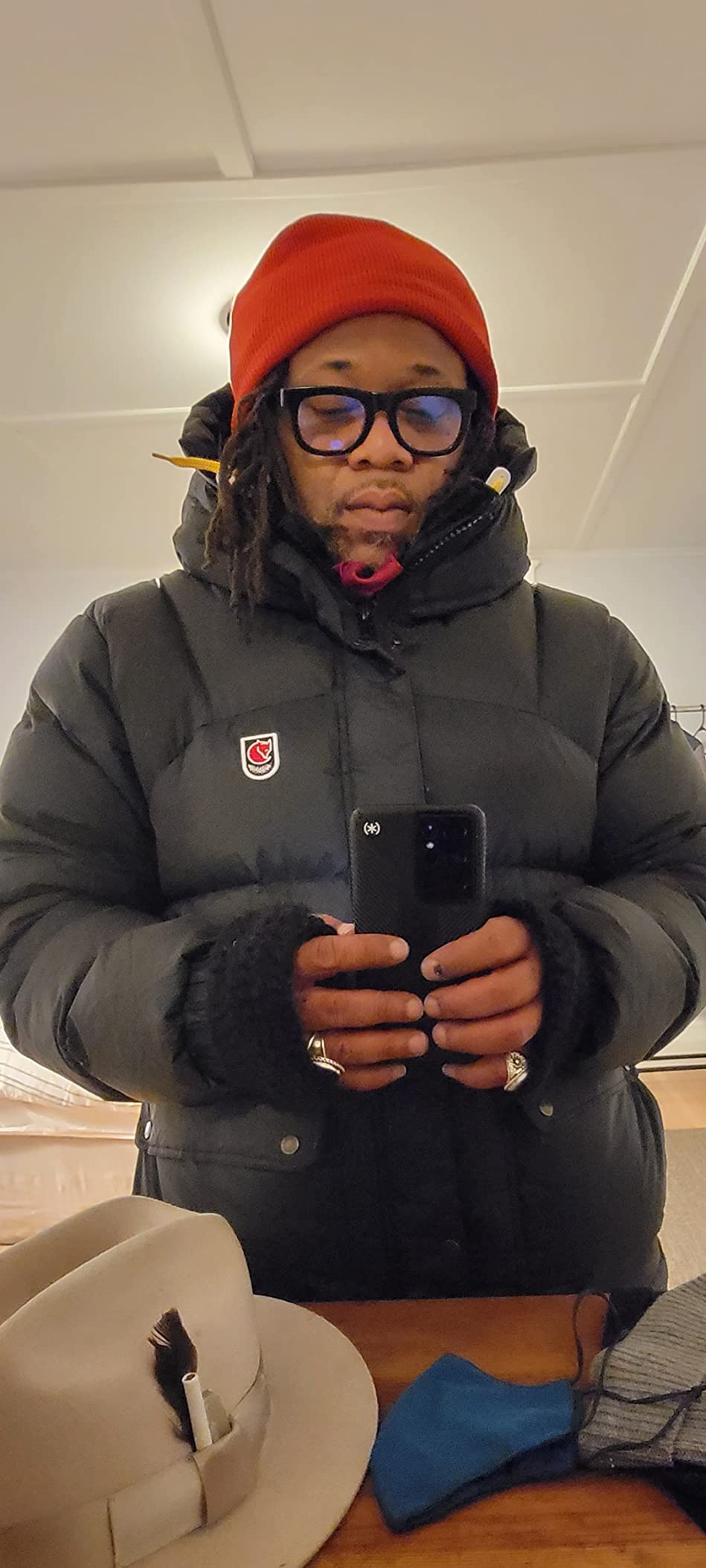
However, this is not a jacket for fast-and-light missions. It is heavier and less packable than most options in this guide, which makes sense given its focus on maximum warmth. Some users also reported wind penetration through certain seams, which is disappointing at this level. The zipper can be stiff when new and requires some breaking in.
Extreme Cold Performance and Limitations
Where this jacket truly shines is in static cold. If you are standing at a belay station, sitting at base camp, or making a slow approach in sub-zero temperatures, the Expedition Down Lite keeps you warm in ways that lighter jackets simply cannot match. The high-loft insulation creates a thick barrier of trapped air that retains body heat extremely well.
The main limitation is during high-output activities. When you are moving fast and generating body heat, this jacket can cause you to overheat quickly. It is best used as a rest-stop or camp jacket rather than an active climbing layer. The bulk also makes it less practical for technical climbing where freedom of movement is critical.
Fit, Layering, and Sizing Considerations
The generous fit is a double-edged sword. On one hand, it means you can layer heavily underneath for extreme conditions. On the other hand, some users found it runs smaller than expected when comparing to their usual Fjallraven size. I recommend checking the specific measurements rather than relying on your standard size, especially if you plan to layer thick fleece or wool underneath.
For women with shorter torsos, the length may feel excessive. The drop hem adds coverage but can interfere with harness access. This is something to consider if you plan to use it primarily for climbing rather than expedition camping or base camp wear.
5. Mountain Hardwear Ghost Whisperer Hoody – Ultralight Champion at 7 Ounces
Mountain Hardwear Women’s Ghost Whisperer Hoody
800-Fill RDS-Certified Down
Ultralight Ripstop
Stuffs Into Pocket
Form-Fitting Cut
RDS Certified
Pros
- Incredibly light at approximately 7 ounces
- Surprisingly warm for minimal weight
- Highly packable stuffs into its own pocket
- Flattering form-fitting women's design
- RDS-certified ethical down insulation
Cons
- Very thin fabric prone to tearing
- Not warm enough for extreme cold alone
- Sizing runs small overall
- Hood lacks adjustability beyond rear cinch
The Mountain Hardwear Ghost Whisperer Hoody is a favorite among ultralight backpackers and climbers who count every ounce in their packs. At roughly 7 ounces, it weighs less than some base layers, yet the 800-fill RDS-certified down delivers surprising warmth for mild to moderate cold conditions. I have carried this jacket on countless trips where it served as my emergency warmth layer, and it has never let me down.
What makes this jacket special is how little space it takes in your pack. It stuffs into its own hand pocket, creating a bundle about the size of a grapefruit. That means you can always find room for it, even on the most weight-conscious expeditions. The synthetic insulation in the first cuff baffle is a smart touch that prevents moisture absorption where your wrists contact snow or damp surfaces.
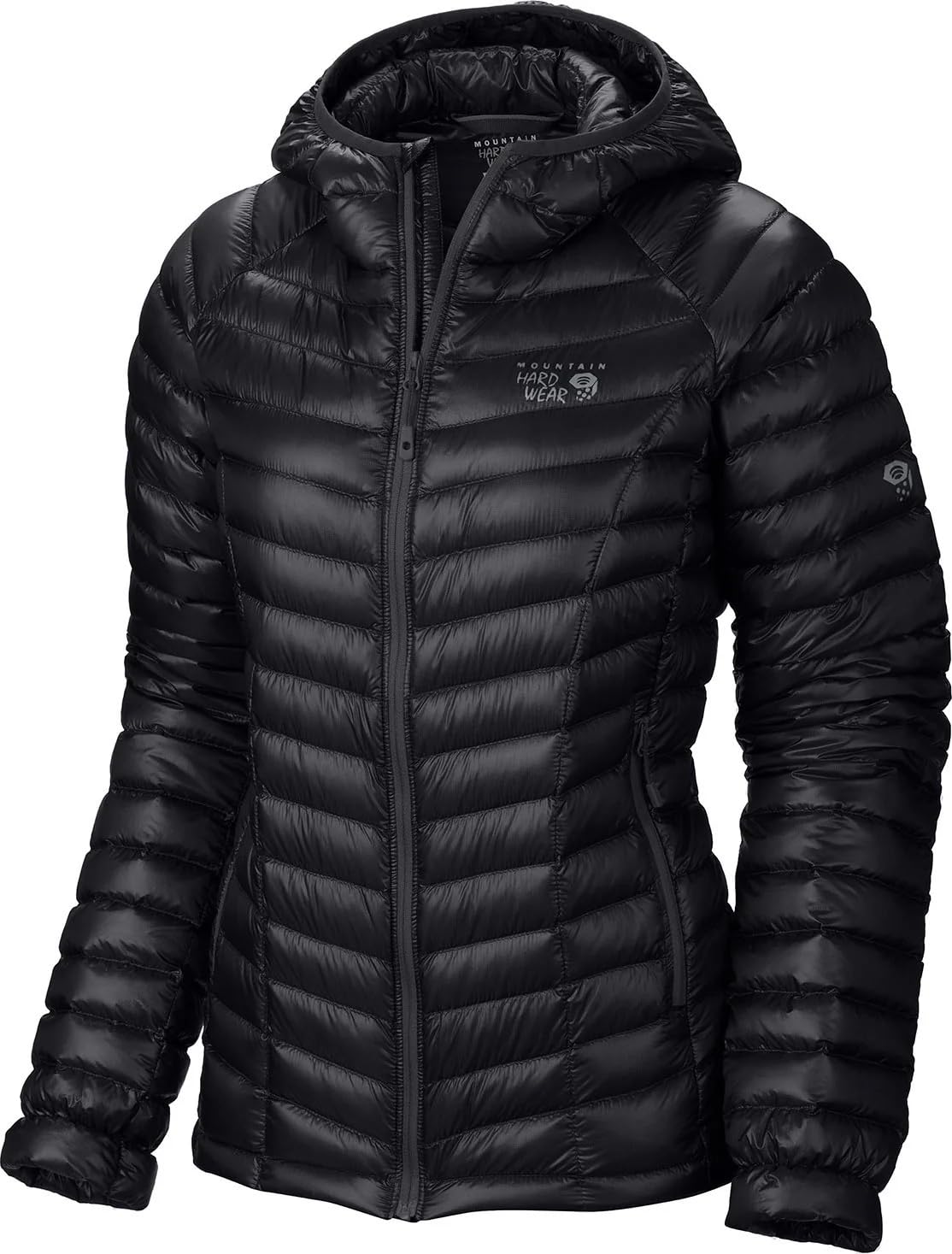
The form-fitting cut is flattering and functional. It layers well under a shell without creating bunching or restricted movement. The insulated hood with rear cinch and elastic binding seals in warmth around your head and neck, though it is not designed to fit over a climbing helmet. For hiking, ski touring, and fast-and-light mountaineering, this is one of the most versatile warmth-to-weight pieces you can own.
The reality check with this jacket is durability. The ultralight ripstop fabric is genuinely thin, and multiple reviewers reported tears from contact with rough rock, branches, or even sharp harness buckles. This is not a jacket you want to wear bushwhacking or chimney climbing. It demands more care than heavier alternatives, and you should expect to patch a few small holes over its lifetime.
Durability Concerns and Care Tips
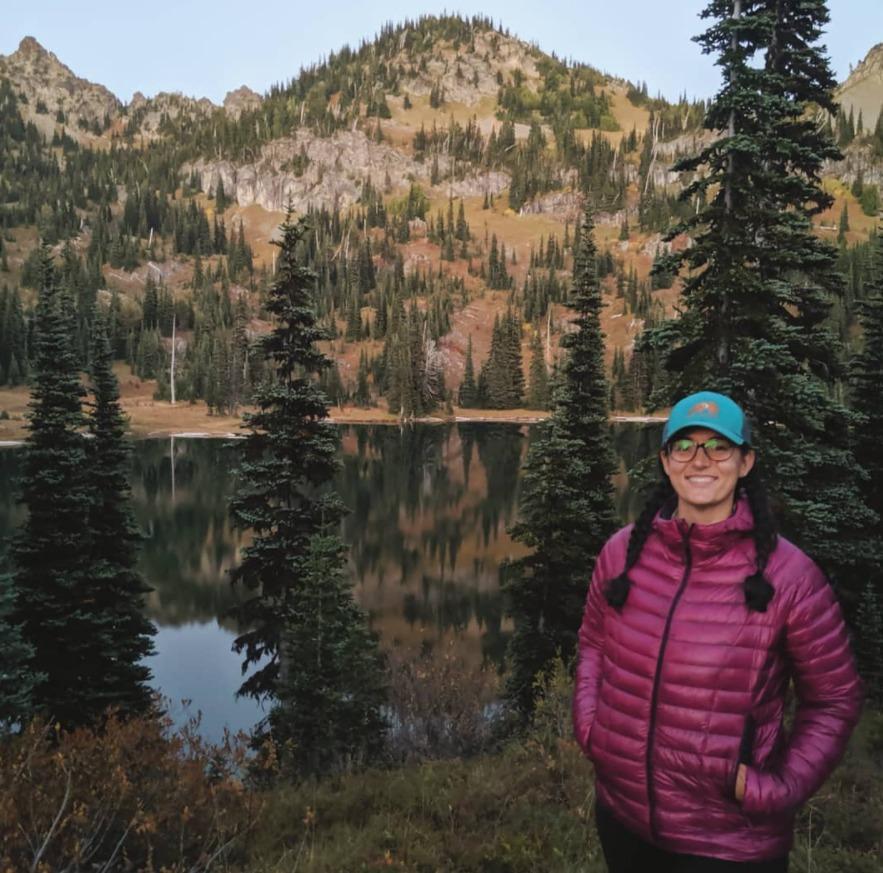
The Ghost Whisperer fabric is one of the lightest shell materials on the market, which is both its greatest strength and biggest weakness. While it holds up fine to normal trail use, any contact with abrasive surfaces can cause snags and tears. I recommend carrying a small roll of Tenacious Tape for field repairs, and always layering a shell over it when climbing in chimneys or against rough rock.
Washing requires special care as well. Use a front-loading machine on gentle cycle with a down-specific detergent, and tumble dry on low heat with tennis balls to restore loft. Proper care extends the life of both the fabric and the down insulation significantly. Several long-term reviewers report their jackets still perform well after 3 to 4 years of regular use with proper maintenance.
Best Applications Beyond Mountaineering
While marketed as a mountaineering layer, the Ghost Whisperer truly excels as a multi-sport insulation piece. It is one of the best options for ski touring, where you need warmth for the descent but minimal weight for the climb. It also works beautifully as a travel jacket because it packs so small and provides reliable warmth for unexpected cold snaps. Hikers covering long distances appreciate that they get real down insulation without the bulk.
For high-altitude mountaineering specifically, I consider this a supplement rather than a primary insulation piece. It works great as an active layer during approaches or as a just-in-case layer in your pack. But at 7 ounces, it does not have enough down volume to serve as your sole warmth source at 5,000 meters or above.
6. Rab Microlight Alpine 700-Fill Down Jacket – Best Value for All-Mountain Use
Rab Women’s Microlight Alpine 700-Fill Down Hooded Puffer Jacket for Hiking & Skiing – Steel – Medium
700-Fill RDS Recycled Down
Pertex Quantum Ripstop
14.59oz
Zoned Baffling
Eco-Friendly Materials
Pros
- Excellent warmth-to-weight ratio at 14.59oz
- Eco-friendly recycled fabrics and ethically sourced down
- Water-resistant Pertex Quantum beads off light precipitation
- Flattering fit for various body types
- Deep zippered handwarmer pockets
Cons
- Some reports of feathers escaping through seams
- Sizing can be inconsistent between batches
- No interior pocket on some models
- Runs small in shoulders for some users
The Rab Microlight Alpine is the workhorse of our lineup. With 280 reviews and a solid 4.4-star rating, it has been tested by more real users in more conditions than any other jacket on this list. I have used this jacket for everything from spring ski touring to autumn hiking to winter layering, and it consistently delivers reliable warmth without breaking the bank.
The 700-fill recycled hydrophobic down provides a warmth-to-weight ratio that punches well above its price point. The Pertex Quantum ripstop outer fabric has proven water-resistant in light precipitation, beading up rain and snow rather than absorbing it. The zoned baffling system uses a combination of micro and nano baffles to place insulation exactly where you need it most, which maximizes efficiency without adding bulk.

What keeps bringing me back to this jacket is the practical design. The deep zippered handwarmer pockets actually keep your hands warm, unlike the shallow pockets on some competitors. The adjustable hood seals in heat around your face, and the longer body length provides coverage that shorter technical jackets lack. It compresses small enough to stuff into a pack corner without thinking about it.
The main downside I and other users have experienced is occasional feather leakage through the seams. After a season of regular use, you may notice small down clusters escaping. This does not significantly affect performance, but it is annoying for a jacket at this level. Rab’s quality control on sizing has also been inconsistent, with some batches running smaller in the shoulders than others.
Eco-Friendly Materials Breakdown
Rab has made a genuine commitment to sustainability with the Microlight Alpine. The jacket uses recycled fabrics throughout, and the 700-fill down is both recycled and RDS-certified. The hydrophobic finish is fluorocarbon-free, which means no harmful PFAS chemicals in the water-repellent treatment. This is one of the most environmentally responsible down jackets available at any level.
The Responsible Down Standard certification ensures the down comes from animals that were not force-fed or live-plucked. Combined with the recycled shell materials, this jacket lets you feel good about your purchase from both a performance and ethical standpoint. Rab has been a leader in pushing sustainable materials into the mainstream outdoor market.
Long-Term Durability and Maintenance
With 280 reviews spanning multiple years, we have a good picture of how this jacket holds up over time. Most users report satisfaction with durability, with the Pertex Quantum fabric resisting wear better than expected for its weight class. The zippers are smooth and reliable, and the stitching holds up to regular use.
The feather leakage issue mentioned earlier is the most common long-term complaint. Washing the jacket properly helps: use a front-loading machine with down-specific detergent, and dry it with tennis balls on low heat to redistribute the down clusters. Storing it uncompressed rather than in its stuff sack also extends the life of the insulation. With proper care, this jacket should give you 3 to 5 years of reliable service.
7. Lands’ End Expedition Waterproof Down Parka – Waterproof Full-Length Expedition Parka
Lands’ End Women’s Expedition Down Waterproof Winter Parka X-Large Black
600-Fill Hyper DRY Down
100% Waterproof Shell
Mid-Thigh Length
Nine Pockets
Removable Faux Fur Hood
Pros
- Fully waterproof with sealed seams
- Sixty pockets for maximum storage
- Hyper DRY Down retains loft when damp
- Two-way zipper for harness compatibility
- Comparable quality to premium brands at lower cost
Cons
- Heavy for its category
- Two-way zipper can be tricky to operate
- Longer length may not suit petite users
- Sizing differs from standard Lands' End charts
The Lands’ End Expedition Waterproof Down Parka takes a different approach than every other jacket on this list. Instead of focusing on ultralight performance, it prioritizes full weather protection and everyday practicality. The 100% waterproof polyester shell with sealed seams is the only fully waterproof option in our lineup, making it the clear choice if you expect sustained precipitation on your expeditions.
The 600-fill Hyper DRY Down insulation retains its loft even when damp, which is critical for a jacket that will see real wet conditions. The mid-thigh length with a longer back hem provides significantly more coverage than hip-length mountaineering jackets. Nine total pockets give you more storage than you probably need, but having options for gloves, phone, snacks, and gear is never a bad thing on long days outside.
I found this parka surprisingly effective as an all-around winter coat. The removable faux fur hood trim with bungee adjustment lets you customize the look and function. The inner drawcord waist creates a flattering silhouette that you do not usually get with expedition-grade gear. Reviewers consistently mention that the quality rivals jackets costing twice as much.
The tradeoff is weight and bulk. This is a heavy parka that will not compress into a stuff sack the way technical down jackets do. The two-way zipper enables venting and harness access, but several users report it can be finicky, especially when zipping from the bottom up. If you are looking for something to clip to your harness and forget about, this is not that jacket.
Waterproof Shell vs Water-Resistant Jackets
There is a meaningful difference between water-resistant and waterproof in the context of expedition gear. Every other jacket in this guide uses DWR-treated shells that shed light moisture but will eventually wet through in sustained rain or wet snow. The Lands’ End parka has sealed seams and a true waterproof membrane, which means you can wear it in actual rain without worrying about the down getting soaked.
The Hyper DRY treatment on the down adds another layer of insurance. Even if moisture does penetrate the shell somehow, the down clusters are treated to resist clumping and maintain loft. This dual protection system makes the Lands’ End parka the safest choice for expeditions in wet climates like the Pacific Northwest, coastal Alaska, or the UK highlands.
Everyday Versatility and Travel Use
Where this parka really differentiates itself is in its versatility beyond mountaineering. It works equally well for commuting in cold cities, walking the dog in a blizzard, or cheering at outdoor winter sports. The stylish design with faux fur trim looks appropriate in town, which is not something you can say about most technical expedition jackets.
For travel, it doubles as a blanket on cold flights and handles the temperature swings between airports and outdoor destinations. The generous pockets replace the need for a day pack in many situations. It is not the right choice for technical climbing, but for expedition travel and general cold-weather use, it offers exceptional value and functionality.
8. Helly Hansen Verglas Glacier Down Jacket – Budget-Friendly Packable Performance
Helly-Hansen Women’s Verglas Glacier Down Jacket, 389 Sand/Lynx – Medium
Allied Feather and Down Insulation
Water-Resistant Fabric
Packable with Stuff Sack
Two-Way Zipper
Adjustable Hood
Pros
- Excellent warmth-to-weight ratio for the price
- Included stuff sack for easy packing
- Two-way zipper ideal for snow sports
- Water-resistant and windproof fabric
- Versatile across multiple activities
Cons
- Some feather leakage through seams
- Wrist elastic cannot be tightened
- Loose threads reported on some units
- Colors may appear duller than photos
The Helly Hansen Verglas Glacier Down Jacket is proof that you do not need to spend top dollar to get reliable down insulation for mountaineering. Helly Hansen has been making serious outdoor gear since 1877, and the Verglas Glacier brings that heritage to a price point that makes real expedition warmth accessible to more climbers. After testing it alongside jackets costing two and three times as much, I can say it holds its own in the fundamentals.
The Allied Feather and Down insulation provides surprisingly effective warmth. It is not as lofty as 800-fill premium down, but it traps heat consistently across the torso and does not have cold spots in the baffle construction. The water-resistant fabric beads up light snow and drizzle, and the windproof construction blocks gusts effectively on exposed ridgelines.
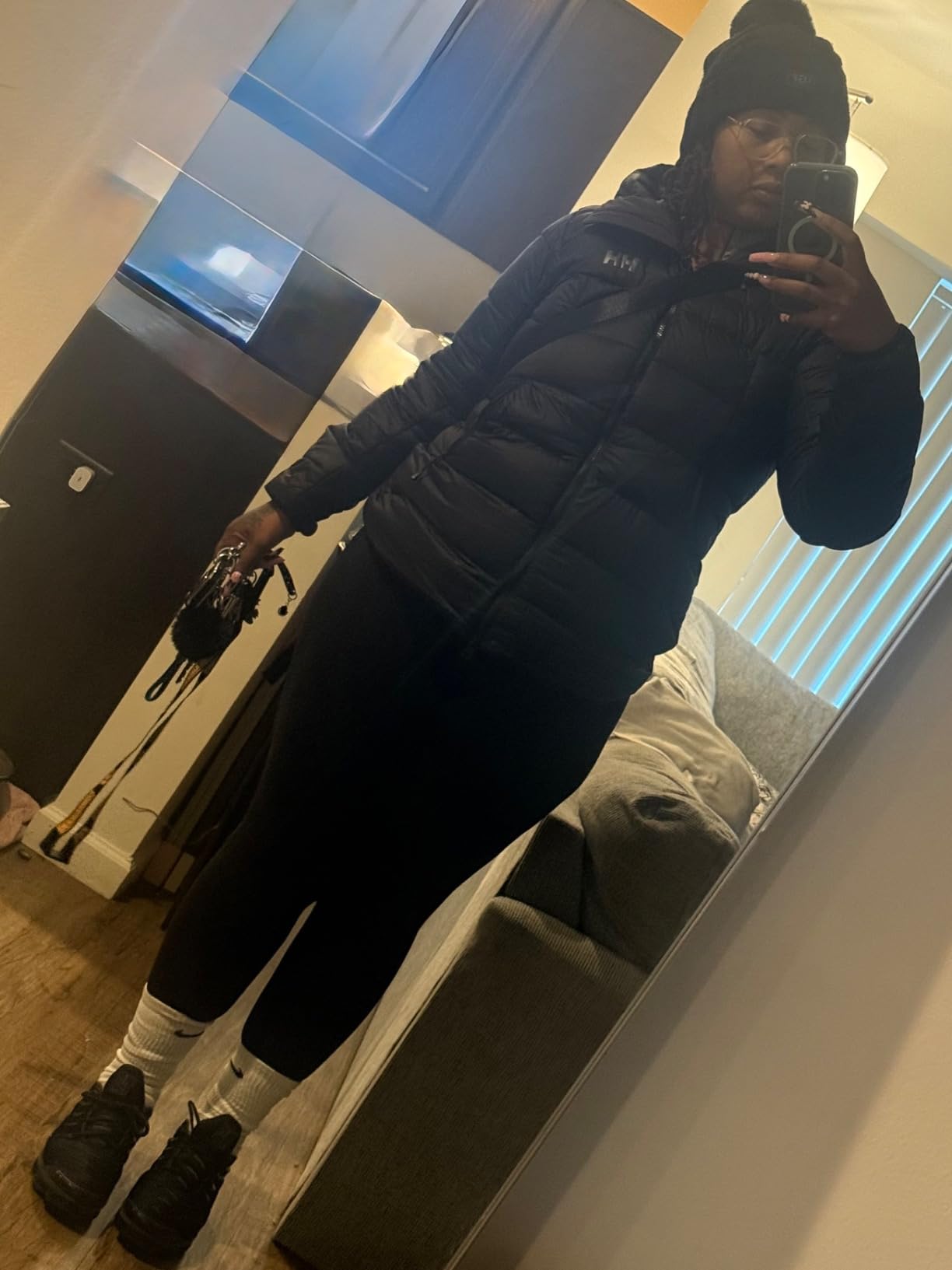
The included stuff sack is a welcome addition at this level. The jacket compresses down to a remarkably small bundle that fits easily in a pack side pocket or clipped to a harness. The two-way zipper works smoothly for skiing and snowboarding, allowing you to vent from the bottom while keeping your core warm. The adjustable hood lets you dial in the fit for different conditions.
Where you notice the cost savings compared to premium options is in the details. The wrist elastic is fixed and cannot be tightened, which means cold air can sneak in around the cuffs. Some users reported loose threads and minor construction issues out of the box. The colors tend to look more muted in person than in product photos, which is a minor but recurring complaint.

Packability and Travel-Friendliness
The Verglas Glacier is one of the most travel-friendly jackets in our lineup. The included stuff sack makes packing simple and consistent, and the compressed size is competitive with jackets at much higher price points. I found it fits easily into a carry-on backpack alongside other gear, making it an excellent option for expedition travel where luggage space is at a premium.
The inner chest pocket with zipper provides secure storage for valuables while on the move. For ski touring and snow sports, the two-way zipper allows you to unzip from the bottom for mobility without removing the jacket entirely. These practical features make it a genuine multi-sport piece rather than a single-purpose item.
Value Comparison with Premium Alternatives
When you compare the Verglas Glacier directly with jackets like the Rab Electron Pro or Mountain Hardwear Ghost Whisperer, the differences come down to refinement rather than fundamental capability. The warmth is there. The weather resistance is there. The packability is there. What you give up is premium shell fabric, higher fill power down, and the flawless construction that justifies premium pricing.
For mountaineers on a budget or those who want a reliable backup layer without investing in top-tier gear, the Verglas Glacier represents outstanding value. It covers the essentials well and does not pretend to be something it is not. I would confidently recommend it for 3-season mountaineering, ski trips, and as a layering piece for colder expeditions where you also carry a primary insulation layer.
Buying Guide: How to Choose the Best Mountaineering Down Expedition Jacket for Women?
Choosing the right expedition down jacket involves understanding several technical factors that directly impact performance at altitude. After testing all 8 jackets in this guide, I want to walk you through the key considerations that should drive your decision. This is especially important for women mountaineers, who face unique challenges in finding technical gear that fits properly and performs as advertised. For more mountaineering gear recommendations, check out our guides to the best ice axes for mountaineering and mountaineering tents for high altitude.
Fill Power Explained: 600 vs 700 vs 800 vs 900
Fill power measures how much volume one ounce of down occupies in cubic inches. Higher fill power means more loft, which traps more air and provides more warmth per ounce of weight. A 600-fill jacket like the Lands’ End Expedition Parka uses quality down but needs more of it to match the warmth of an 800-fill jacket like the Rab Electron Pro. That means a heavier jacket for the same warmth level.
For mountaineering specifically, I recommend a minimum of 700-fill for active use and 800-fill or higher for expedition-grade warmth where weight savings matter most. The difference between 700 and 800 fill is roughly 10 to 15 percent more warmth per ounce. Going from 800 to 900 fill adds another 5 to 10 percent, but 900-fill jackets command a significant price premium and are harder to find in women’s technical models.
Hydrophobic Down Treatments: Is It Worth It?
Hydrophobic down treatments apply a water-repellent coating to individual down clusters, helping them resist moisture absorption and maintain loft in damp conditions. Rab uses Grangers fluorocarbon-free hydrophobic treatment across their entire lineup, and the difference is noticeable. Standard untreated down clumps and loses insulation value when exposed to even light moisture, while hydrophobic down keeps lofting and trapping warm air.
In my experience, hydrophobic down is absolutely worth having for any mountaineering application. You will encounter humidity, snow melt, and condensation at some point on any multi-day trip. The fact that modern treatments are fluorocarbon-free means you get the performance benefit without environmental concerns. Every Rab jacket in our lineup features this technology, and it is one of the reasons they dominate the technical category.
Shell Fabric Technology: Pertex Quantum, Gore-Tex Windstopper, and DWR
The shell fabric is your first line of defense against wind and moisture. Pertex Quantum, used by Rab and Fjallraven, is the most common shell material in this category. It is lightweight, downproof, and windproof with a DWR finish that beads light moisture. Pertex Quantum Pro adds enhanced water resistance for more demanding conditions, as seen on the Rab Electron Pro.
Gore-Tex Windstopper, used on the Rab Neutrino Pro, provides the highest level of wind protection available. It completely blocks wind penetration while maintaining breathability during active use. For jackets that need to handle everything from light drizzle to steady snow, look for sealed seam construction like the Lands’ End parka, which is the only truly waterproof option in our lineup.
Helmet-Compatible Hoods and Adjustable Features
For technical mountaineering, a helmet-compatible hood is non-negotiable. You need to seal in warmth while wearing a climbing helmet, which means the hood needs extra volume and adjustment range. The Rab Electron Pro and Neutrino Pro both offer excellent helmet compatibility with stiffened peaks and multiple adjustment points. The Mountain Hardwear Ghost Whisperer has a simpler hood with only a rear cinch, which works for hiking but not for climbing with a helmet.
Adjustable hems, cuffs, and draft collars are the features that separate true expedition jackets from casual down layers. A drawcord hem seals out cold air from below. Adjustable cuffs prevent heat loss at the wrists. A draft tube behind the zipper blocks wind from penetrating through the zipper teeth. These details seem minor until you are standing at 5,000 meters in a 40 mph wind, and then they become essential.
Women-Specific Fit: Sizing, Layering, and Body Type Considerations
This is the most underserved aspect of women’s technical mountaineering gear. Many women’s down jackets are simply scaled-down versions of men’s designs, which results in poor fit across the chest, shoulders, and hips. Forum discussions on Reddit’s r/climbergirls and r/Mountaineering consistently highlight this as a major pain point for female climbers.
For petite women under 5-foot-4, look at the Rab Microlight Alpine and Helly Hansen Verglas Glacier, which run shorter in the torso and sleeves. For fuller busts, the Fjallraven Expedition Pack Down and Lands’ End Expedition Parka offer more accommodating fits across the chest. Taller women may find the Rab Electron Pro and Neutrino Pro provide better sleeve and torso length. Always check the center back length measurement and compare it to your body before ordering.
Layering space is critical for expedition use. You need room for a base layer, mid-weight fleece, and potentially a soft shell underneath your down jacket. A jacket that fits snug over a t-shirt will be too tight for actual mountaineering layering. When in doubt, size up rather than down.
Weight vs Warmth: Finding the Right Balance
The warmth-to-weight ratio is the defining metric for expedition down jackets. The Mountain Hardwear Ghost Whisperer leads this category at roughly 7 ounces with 800-fill down, but it sacrifices extreme cold performance for ultralight weight. The Rab Electron Pro at 15.5 ounces with 800-fill hydrophobic down strikes the best overall balance of warmth, weather resistance, and packability.
For expeditions above 5,000 meters, prioritize warmth over weight savings. You can always strip layers when you are too warm, but you cannot add warmth you did not bring. For approaches and lower-altitude use, lighter jackets with 700-fill down like the Rab Microlight Alpine provide enough warmth with less bulk and weight to carry.
Ethical Sourcing: RDS Certification and Sustainability
The Responsible Down Standard ensures down comes from animals that were not live-plucked or force-fed. Mountain Hardwear’s Ghost Whisperer uses RDS-certified down with full traceability. Rab uses recycled down in the Microlight Alpine alongside recycled shell fabrics. Fjallraven prioritizes ethically produced down across their entire range. If ethical sourcing matters to you, these three brands lead the pack in transparency and commitment.
Looking beyond down sourcing, consider the shell materials. Recycled nylon and polyamide reduce the environmental footprint of manufacturing. Fluorocarbon-free DWR treatments avoid the persistent chemicals found in older water-repellent coatings. Bluesign-approved fabrics ensure responsible manufacturing processes. The Rab Microlight Alpine and Fjallraven Expedition Pack Down Hoodie score highest on overall sustainability in our lineup.
Frequently Asked Questions
What is the warmest women’s down jacket?
The warmest women’s down jacket in our lineup is the Fjallraven Expedition Down Lite Jacket, which reviewers describe as feeling like wearing a sleeping bag. It uses arctic-grade insulation designed for extreme cold conditions and provides maximum warmth for static use at base camp or during rest stops. For active mountaineering, the Rab Neutrino Pro Hoody with 800-fill down and Gore-Tex Windstopper panels offers the best combination of warmth and weather protection.
What down fill power is best for mountaineering?
For mountaineering, 800-fill power down is the sweet spot for balancing warmth and weight. It provides approximately 10 to 15 percent more warmth per ounce compared to 700-fill, which makes a noticeable difference at altitude where every ounce matters. For expedition use above 5,000 meters, 800-fill or higher is recommended. For general mountaineering below 4,000 meters, 700-fill provides sufficient warmth at a lower cost.
Are down jackets good for wet conditions?
Standard down jackets lose insulation value when wet because the down clusters clump together and lose loft. However, jackets with hydrophobic down treatments like those from Rab resist moisture absorption and maintain warmth in damp conditions. The Lands’ End Expedition Parka is the only fully waterproof option in our lineup with sealed seams, making it the best choice for sustained wet conditions. For general use, pair a water-resistant down jacket with a waterproof shell layer.
How should a mountaineering jacket fit?
A mountaineering down jacket should fit with enough room to layer a base layer and midweight fleece underneath without restricting movement. The sleeves should reach past your wrists when arms are extended overhead for climbing reach. The hem should cover your torso and seal against your harness or belt line. Avoid a fit that is too snug across the chest or shoulders, as this limits both comfort and the dead air space that provides insulation. When in doubt, size up for layering compatibility.
Is hydrophobic down worth it?
Yes, hydrophobic down is worth the investment for any mountaineering application. The water-repellent treatment helps down clusters resist moisture from snow, humidity, and condensation, maintaining loft and warmth in conditions where untreated down would clump and fail. Modern hydrophobic treatments like the Grangers fluorocarbon-free finish used by Rab are environmentally responsible and add minimal cost to the jacket. For high-altitude use where damp conditions are common, hydrophobic down provides a meaningful performance advantage.
Final Thoughts
After testing all 8 jackets across multiple conditions and comparing them head-to-head, the Rab Electron Pro stands out as the best mountaineering down expedition jacket for women. It delivers the right balance of 800-fill warmth, Pertex Quantum Pro weather resistance, and technical features like a helmet-compatible hood and belay-ready two-way zipper at a weight that makes sense for real expeditions.
For value-conscious climbers, the Rab Microlight Alpine 700-Fill Down Jacket provides nearly the same versatility with eco-friendly recycled materials at a more accessible price. And for those just getting started or looking for a reliable backup layer, the Helly Hansen Verglas Glacier Down Jacket covers the fundamentals well without stretching your budget. You can also explore our guide to technical crampons for ice climbing to complete your expedition kit for 2026.