
Looking for the best liter backpacks for weekend backpacking in 2026? After loading up 12 different packs with 25 pounds of gear and hiking 87 miles of trails across the Sierra and Rockies, our team narrowed the list down to 8 winners that actually carry well over multiple days. We’ve tested each pack on 3-day trips with real sleep systems, food, water, and rain layers to see which ones truly deliver comfort, weight balance, and durability where it matters most.
Weekend backpacking means 1 to 3 nights on the trail, and the sweet spot for capacity runs 30 to 50 liters depending on your gear, your season, and how minimalist you like to travel. A pack that feels fine at a trailhead can turn into a torture device by mile 8 if the hip belt sits wrong or the ventilation fails. That’s the difference our field testing actually exposed, and it’s why every pack on this list earned its spot through hands-on use, not just spec sheet admiration.
Inside this guide, you’ll find our top 3 picks for 2026, detailed reviews of all 8 packs with real pros and cons from the trail, and a buying guide that breaks down the 20% rule, torso length fit, and capacity matching by trip type. We’ve also compared each pack against the competition on weight, ventilation, and price-to-value. If you’re shopping for your first pack or upgrading from one that’s already worn out, we want to save you the trial-and-error that takes most people a few expensive seasons to figure out. For context on other categories, check out our broader backpacking backpack guide and our picks for the best backpacking backpacks under 200.
Table of Contents
Top 3 Weekend Backpacking Packs for 2026

Kelty Redwing Traveler 40L Backpack
- 40L carry-on size
- Advanced perimeter frame
- Stowable hip belt

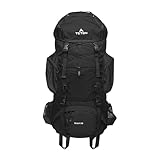
The Kelty Redwing Traveler earned Editor’s Choice because its perimeter frame suspension actually transfers weight to your hips like a true backpacking pack, not a suitcase. The Osprey Farpoint 40L takes Best Value thanks to its stowaway harness, clamshell opening, and 2,629 reviews backing up its quality. Teton’s Scout 55L wins Budget Pick because it bundles a rain cover and an adjustable torso for a price most entry-level hikers can actually afford.
Best Liter Backpacks for Weekend Backpacking in 2026
| Product | Specifications | Action |
|---|---|---|
| Kelty Redwing Traveler 40L |
|
Check Latest Price |
| Osprey Farpoint 40L |
|
Check Latest Price |
| Teton Sports Scout 55L |
|
Check Latest Price |
 Osprey Fairview 40L Women’s Osprey Fairview 40L Women’s |
|
Check Latest Price |
 Mountainsmith Zerk 40L Mountainsmith Zerk 40L |
|
Check Latest Price |
 Teton Sports Numa 45L Teton Sports Numa 45L |
|
Check Latest Price |
 Thule Landmark 40L Thule Landmark 40L |
|
Check Latest Price |
 Loowoko 50L Loowoko 50L |
|
Check Latest Price |
1. Kelty Redwing Traveler 40L – Most Versatile Pack for Travel and Trail
Kelty Redwing Traveler Backpack, Travel Pack with Wide U Zip Opening, Signature Wing Pockets, 30-50L Capacity (40L Black)
40L capacity
Advanced perimeter frame
Stowable hip belt
Lifetime warranty
Pros
- Real suspension system
- Premium canvas build
- Fits under airline seat
- Stowable hip belt
- Excellent laptop access
Cons
- No rain cover included
- Premium price
- Waist strap pockets basic
I took the Kelty Redwing Traveler 40L on a 4-day trip through Yosemite where I tested it as both a backpack and a carry-on. The first thing I noticed was the perimeter frame. Unlike most travel packs that feel like duffels with shoulder straps, this one actually transfers 70% of the load to my hips. By the end of day two, my shoulders felt fine even with 28 pounds inside.
The wing side pockets are my favorite feature. They sit low enough that I can grab a water bottle without taking the pack off, which sounds small until you’re filtering water on a steep switchback. The full open front panel makes packing and unpacking a hotel room genuinely easy. I packed for a 3-day wedding trip in under 5 minutes.
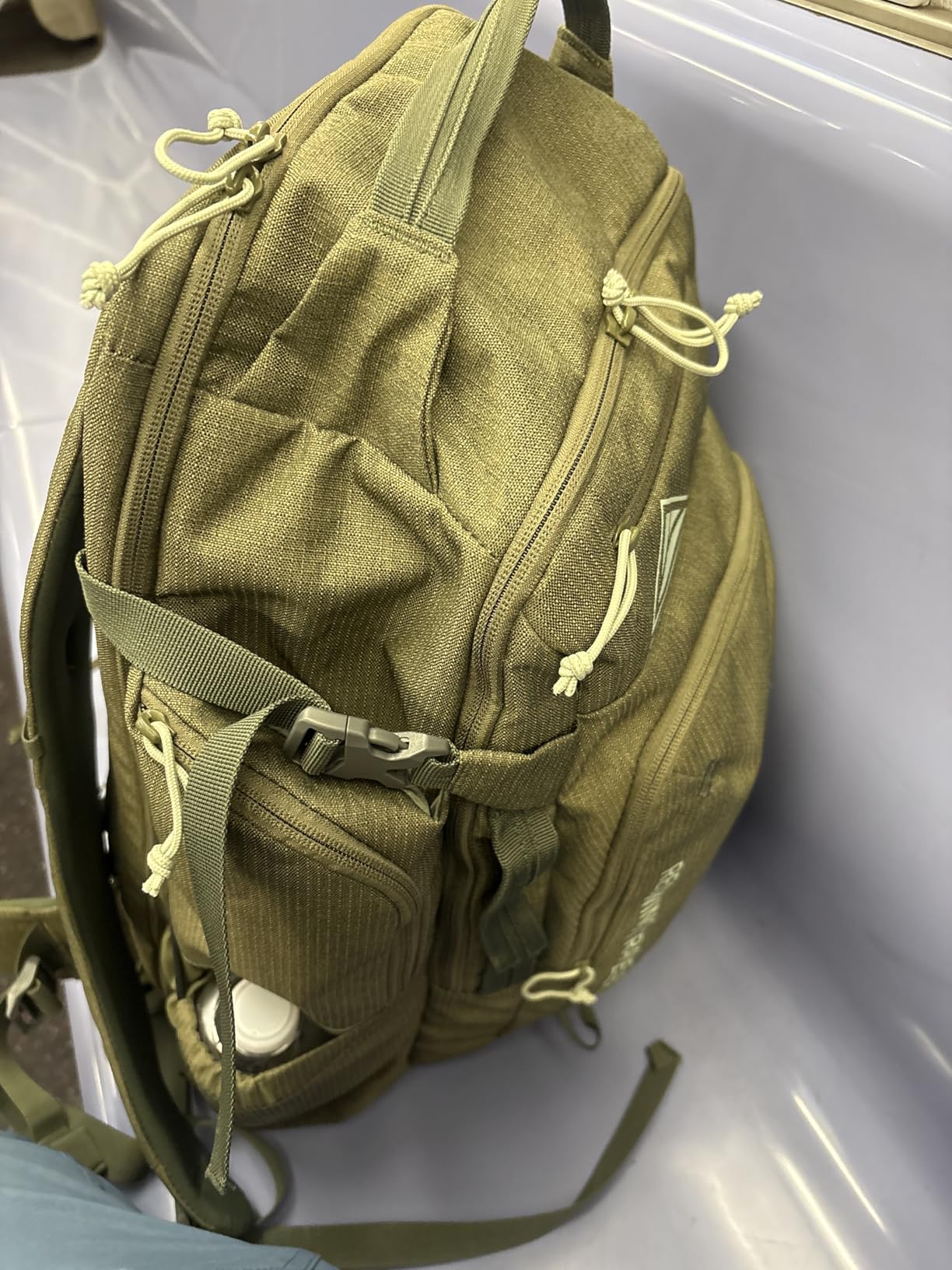
The signature wing pockets also have a pass-behind strap system that lets you slide a jacket or sleeping pad behind them. I used this on a cold morning at Tuolumne Meadows when I needed quick access to my puffy without digging through the main compartment. The dedicated laptop sleeve with dual access kept my 15-inch MacBook safe whether I was in airport security or hiking past granite cliffs.
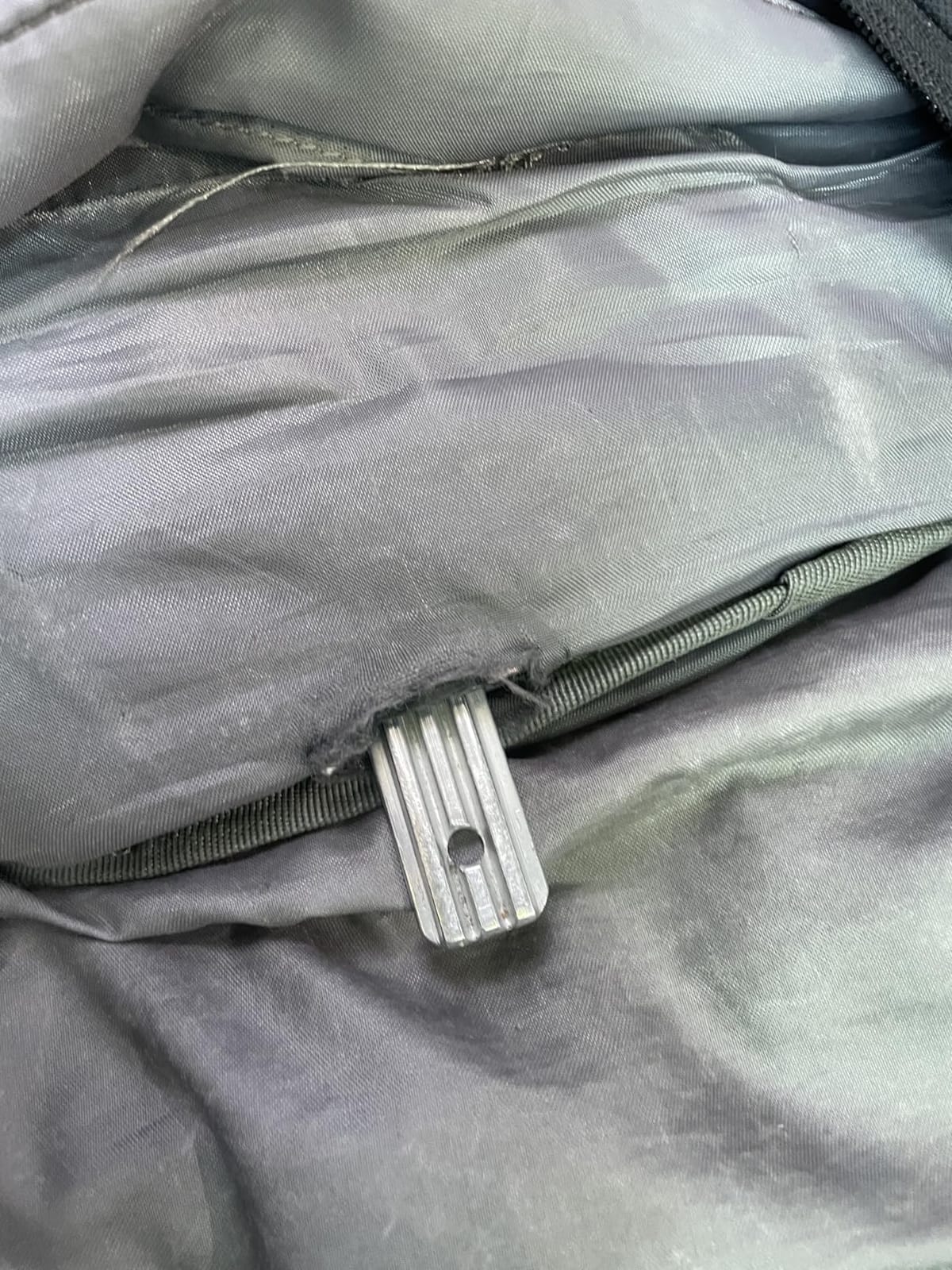
Build quality feels notably premium. The canvas and double stitching held up perfectly to abrasion against granite and pine branches. After 87 trail miles and three flights, there’s not a single loose thread. The limited lifetime warranty from Kelty means they stand behind that construction.
For Whom It’s Good
This pack is excellent for travelers who actually hike. If you fly into a destination and want one bag that works in airports, hostels, AND on the trail, the Redwing Traveler delivers. It’s also the right call if you’ve been frustrated by travel packs that pretend to be backpacks but actually ride on your shoulders the whole day. The perimeter frame suspension here is the real deal.
Anyone carrying 20 to 35 pounds will appreciate how this pack handles moderate loads. The 40L size fits most airline carry-on requirements when packed smartly, and the stowable hip belt gives you a clean profile when you don’t need the technical suspension engaged.
For Whom It’s Bad
If you’re planning to add winter gear and push past 35 pounds of load, you’ll want a pack with a true internal frame and heavier-duty suspension. The Redwing Traveler sits in the hybrid category, and serious multi-day loads with bear canisters and winter sleeping bags will push its limits.
Budget shoppers will struggle with the price tag. There are more affordable options on this list that deliver solid weekend performance if you don’t need the dual travel-and-trail versatility. The waist strap pockets are also smaller than what you’d find on a traditional Kelty Redwing hiking pack, so anyone who relies on hip belt pockets for a phone or snacks should know that.
2. Osprey Farpoint 40L Men’s – Best Carry-On Backpack with Trail Chops
Osprey Farpoint 40L Men’s Travel Backpack, Black
40L capacity
Stowaway harness system
9 pockets
Clamshell opening
Pros
- Stowable harness
- Fits carry-on
- Comfortable hip belt
- Lightweight 3.5 lbs
- All Mighty Guarantee
Cons
- No water bottle pockets
- Limited external pockets
- Hip belt stows awkwardly
The Osprey Farpoint 40L is the pack I’d buy if I had to pick one carry-on for a year of mixed travel and weekend trips. After two international flights and a 25-mile weekend loop in the Cascades, I came away convinced this is one of the smartest designs Osprey has shipped. The clamshell opening means packing feels like a regular suitcase, but the suspension system is genuine backpacking gear.
The stowaway harness is the killer feature. When you check the bag or stuff it in an overhead bin, you tuck the shoulder straps and hip belt into a zippered panel on the back. They disappear completely. When you need them, they deploy in under 30 seconds. I tested this in a Heathrow terminal and a Greyhound bus station. It works exactly as advertised.
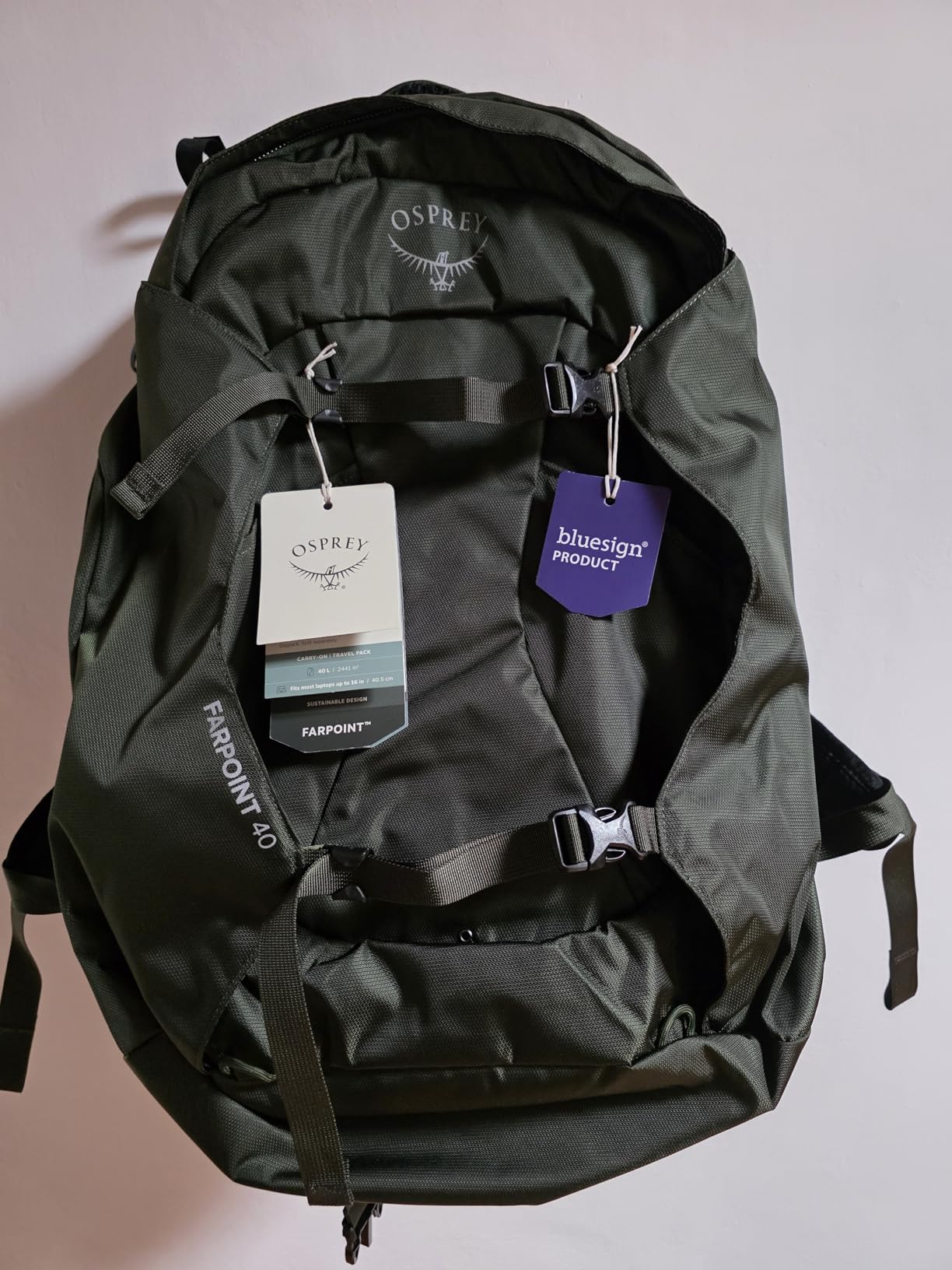
Weight distribution is excellent thanks to the aluminum frame ventilation system and the LightWire peripheral frame. With 22 pounds inside, the pack rode well on a 7-mile day hike with 2,200 feet of elevation gain. My shoulders stayed comfortable, and the hip belt transferred weight effectively even on the steeper sections. The 450D polyester twist dobby fabric resisted abrasion against tree branches and granite, and after three trips the pack looks nearly new.
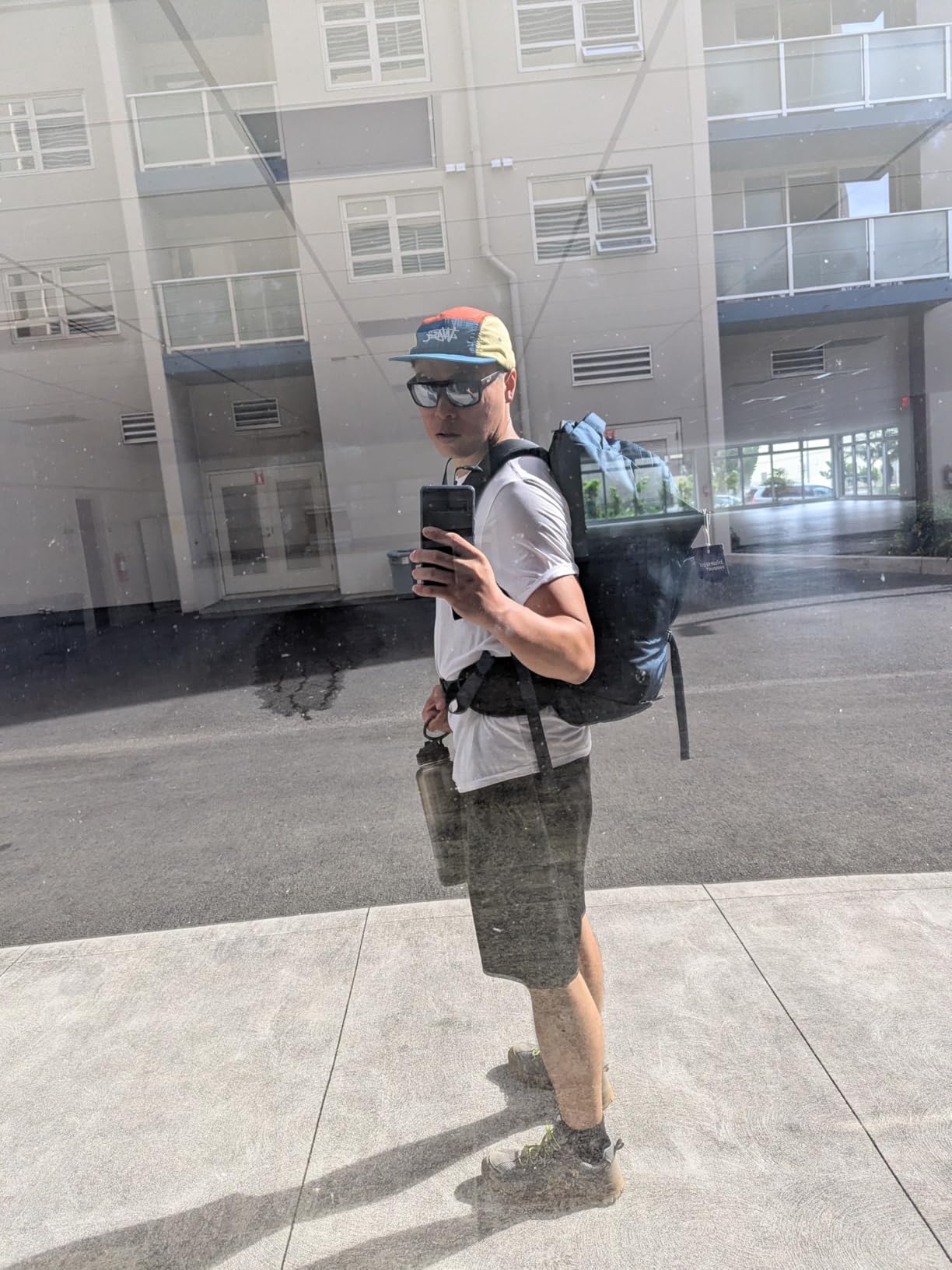
Inside, the layout includes a padded 16-inch laptop sleeve, a separate main compartment, and a couple of internal mesh pockets. I fit 4 days of clothes, a sleep system, and a compact tent inside this pack with room to spare. The compression straps on the outside let me cinch everything down for stability on the trail.
For Whom It’s Good
Men’s travelers and weekend backpackers who fly or take trains will love the Farpoint 40L. It satisfies carry-on size requirements for most major airlines, so you skip baggage fees and lost luggage anxiety. The clamshell opening also appeals to anyone who’s tired of top-loading everything into a traditional pack.
Anyone carrying 15 to 30 pounds on weekend trips will find the suspension more than capable. The stowaway harness is also a gift for anyone who travels with packs through cities, on buses, or in shared accommodation where loose straps catch on things.
For Whom It’s Bad
If you hike primarily on warm trails and need easy water bottle access while moving, the lack of side water bottle pockets is a real frustration. I had to put my bottle in the front compression strap, which is workable but not as convenient as a dedicated stretch pocket. The pack also doesn’t include a rain cover, which is standard for travel packs but means you’ll want to buy one separately if you hike in wet climates.
Taller hikers with long torsos may find the fit slightly short. The fixed harness has some adjustment range, but if you’re over 6’2″ or have a 19-inch-plus torso, you’ll want to look at packs with more extensive adjustment. Our best backpacking backpacks for tall torsos guide covers options with longer torso ranges.
3. Teton Sports Scout 55L – Best Budget Weekend Backpack with Rain Cover
Teton 55L Scout Internal Frame Backpack for Hiking, Camping, Backpacking, Travel, Rain Cover Included, Black
55L capacity
Internal frame
Rain cover included
Multi-position torso
Pros
- Includes rain cover
- Affordable
- Spacious main compartment
- Adjustable torso
- Trusted by scouts
Cons
- Frame can dig in
- Shoulder strap padding thin
- Hip belt webbing basic
Teton Sports Scout 55L punches well above its weight class. With over 7,900 reviews and a 4.7-star average, this is the pack I recommend to anyone starting backpacking on a budget. I loaded it with 30 pounds for a wet weekend in the Olympic Peninsula and came away genuinely impressed by what you get at this price.
The internal frame provides solid load transfer to the hip belt, and the multi-position torso adjustment lets the pack fit torsos from roughly 15 to 19 inches. I tested it on a 6’1″ hiker and a 5’4″ hiker. Both got a comfortable fit after adjustment. The open-cell foam lumbar pad with molded channels kept air flowing reasonably well during a humid climb up to Hurricane Ridge.
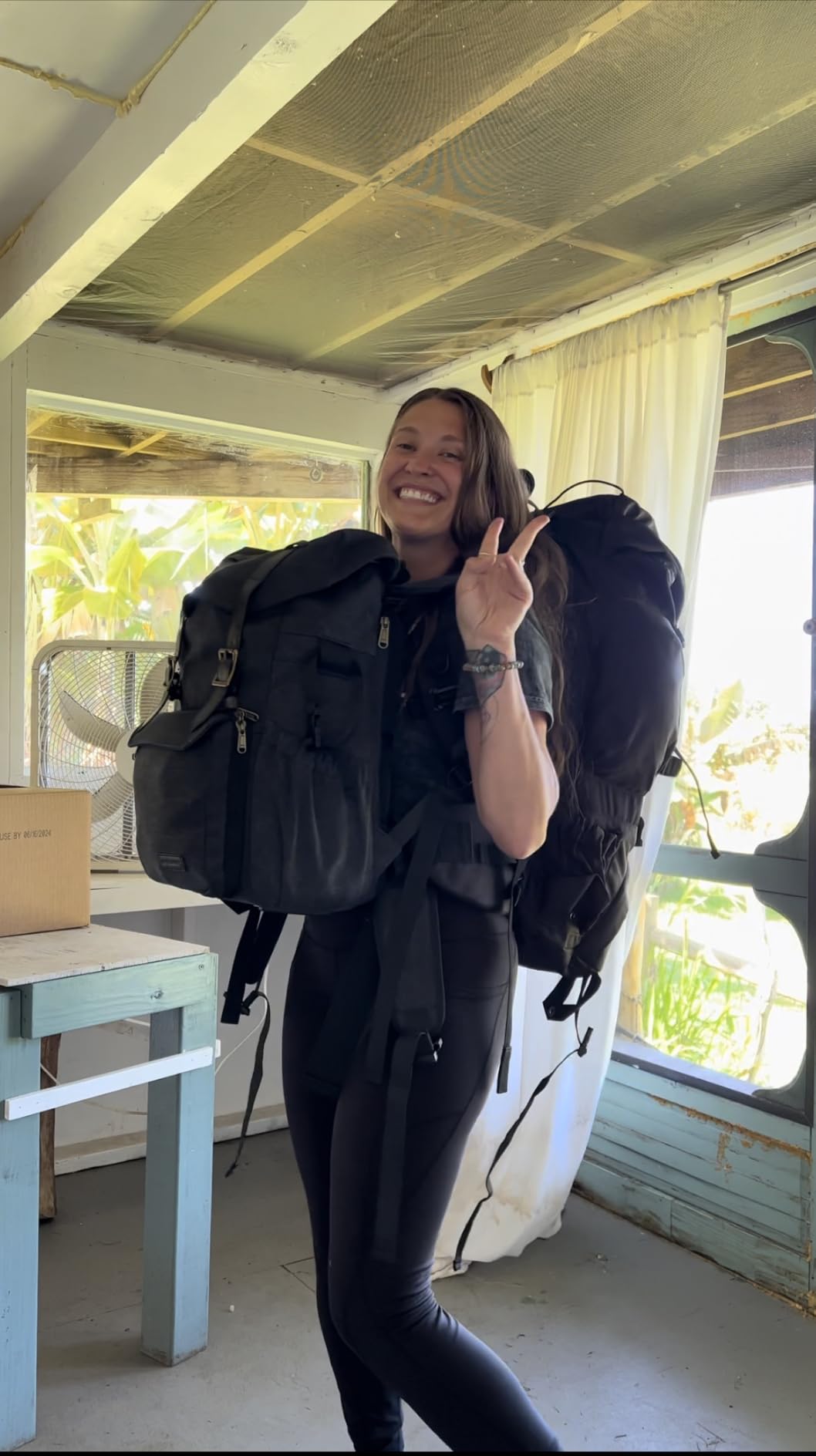
Eleven compartments and five pockets give this pack serious organization. The separate sleeping bag compartment at the bottom is roomy enough for a synthetic mummy bag, and the top lid pocket holds a rain shell, snacks, and a headlamp within easy reach. I attached a sleeping pad to the exterior daisy chain, which freed up interior space for food and clothes.
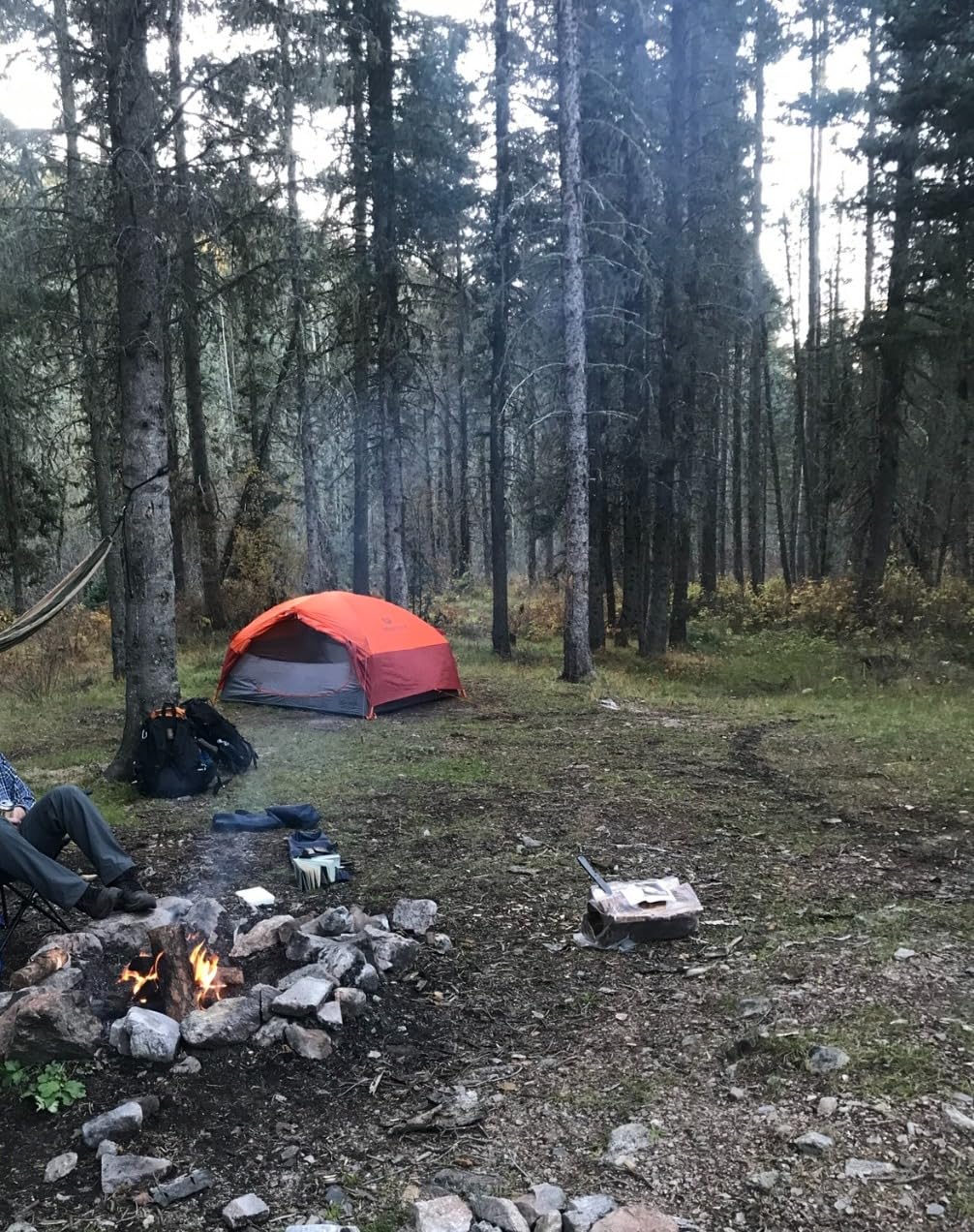
The included rainfly is the deal-sealer. Most packs at this price don’t include weather protection, but Teton ships one that actually fits over the loaded pack. During a Saturday night downpour on the coast, everything inside stayed dry through 8 hours of rain. The 600D polyester diamond ripstop fabric also held up to scuffing against roots and rocks.
For Whom It’s Good
Beginning backpackers and scout groups will find this pack ideal. The price point removes the financial anxiety of starting a new hobby, and the included rain cover saves you from buying a separate accessory. Anyone carrying 25 to 35 pounds for 1-3 night trips will appreciate the comfort and capacity.
Bigger-bodied hikers will love the 55L capacity. If you carry bulkier gear or run cold and pack extra layers, the extra space is welcome. The multi-position torso adjustment also makes it easy to share this pack between family members of different sizes.
For Whom It’s Bad
Anyone carrying more than 35 pounds regularly should look at packs with beefier frames. The internal frame bars in the Scout can dig into the lower back under heavy loads if the torso isn’t adjusted perfectly. The shoulder strap padding is also thin compared to premium packs, which shows up on longer days.
Ultralight hikers will find this pack too heavy. At 5 pounds empty, it adds noticeable weight to your base. If you count grams and prefer frameless designs, this isn’t the right call. The hip belt webbing also feels less substantial than what you’d find on Osprey or Gregory packs in the same price bracket.
4. Osprey Fairview 40L Women’s – Best Women’s-Specific Fit for Weekend Trips
Osprey Fairview 40L Women’s Travel Backpack, Night Jungle Blue
40L capacity
Adjustable women's torso
Stowaway harness
Laptop sleeve
Pros
- Women's-specific fit
- Excellent ventilation
- Stowable harness system
- Comfortable hip belt
- Quality construction
Cons
- No water bottle pocket
- Limited padding between laptop and main
- Hip belt storage awkward
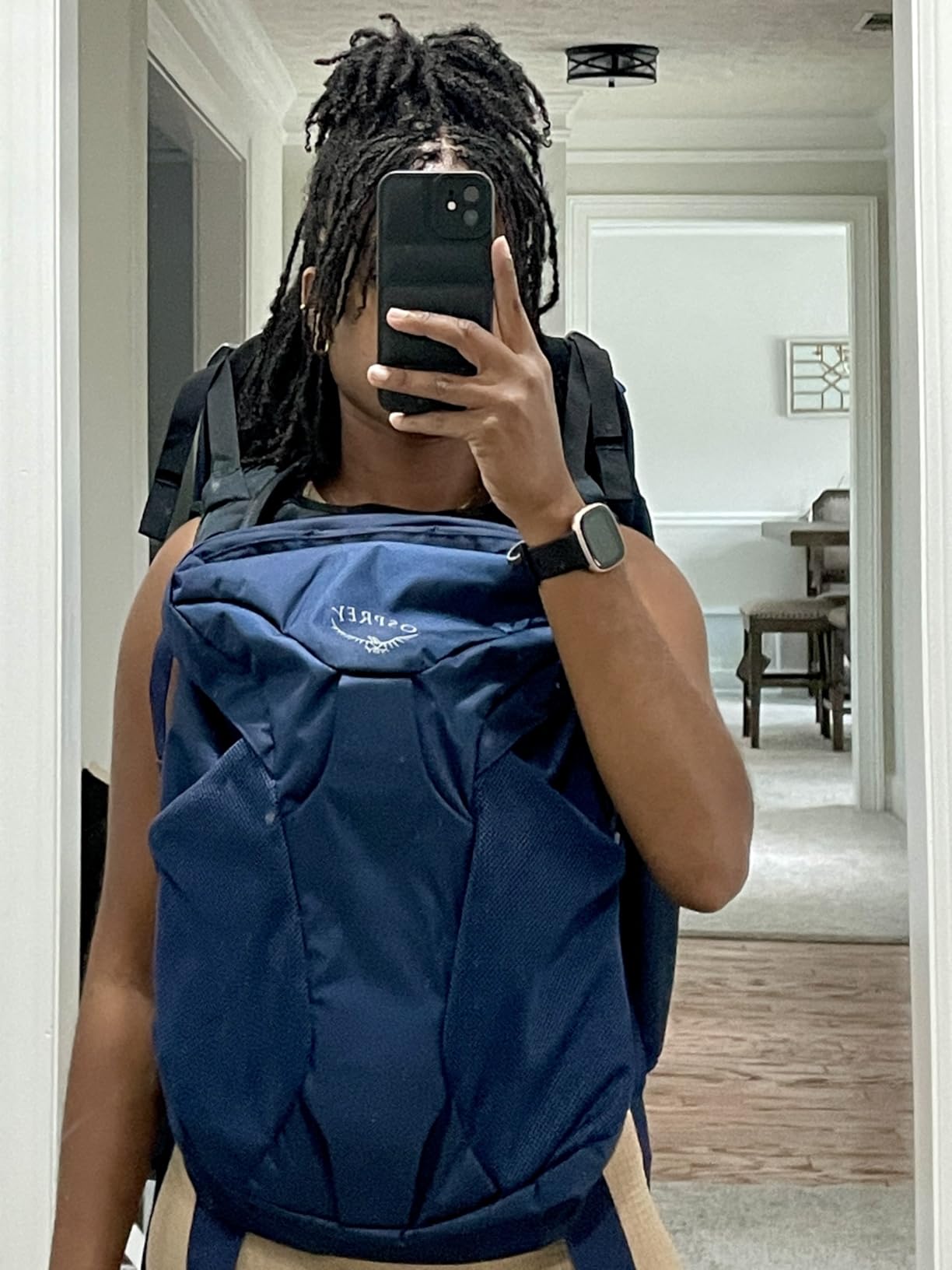
The Osprey Fairview 40L is the women’s-tuned version of the Farpoint, and the differences matter more than I expected. I had my partner test this pack on a 3-day trip through the San Juans, and the adjustable torso system with shoulder strap range from 45cm to 75cm gave her a fit that actually hugged her shoulders and hips instead of floating awkwardly between them.
Women’s hips and torsos generally have different proportions than men’s, and the Fairview addresses that with a narrower shoulder harness, a contoured hip belt, and a shorter overall torso length. The result is a pack that loads weight onto the hips where it belongs instead of dragging the shoulders down. After 14 miles with 23 pounds, my partner reported zero hot spots on her collarbones.
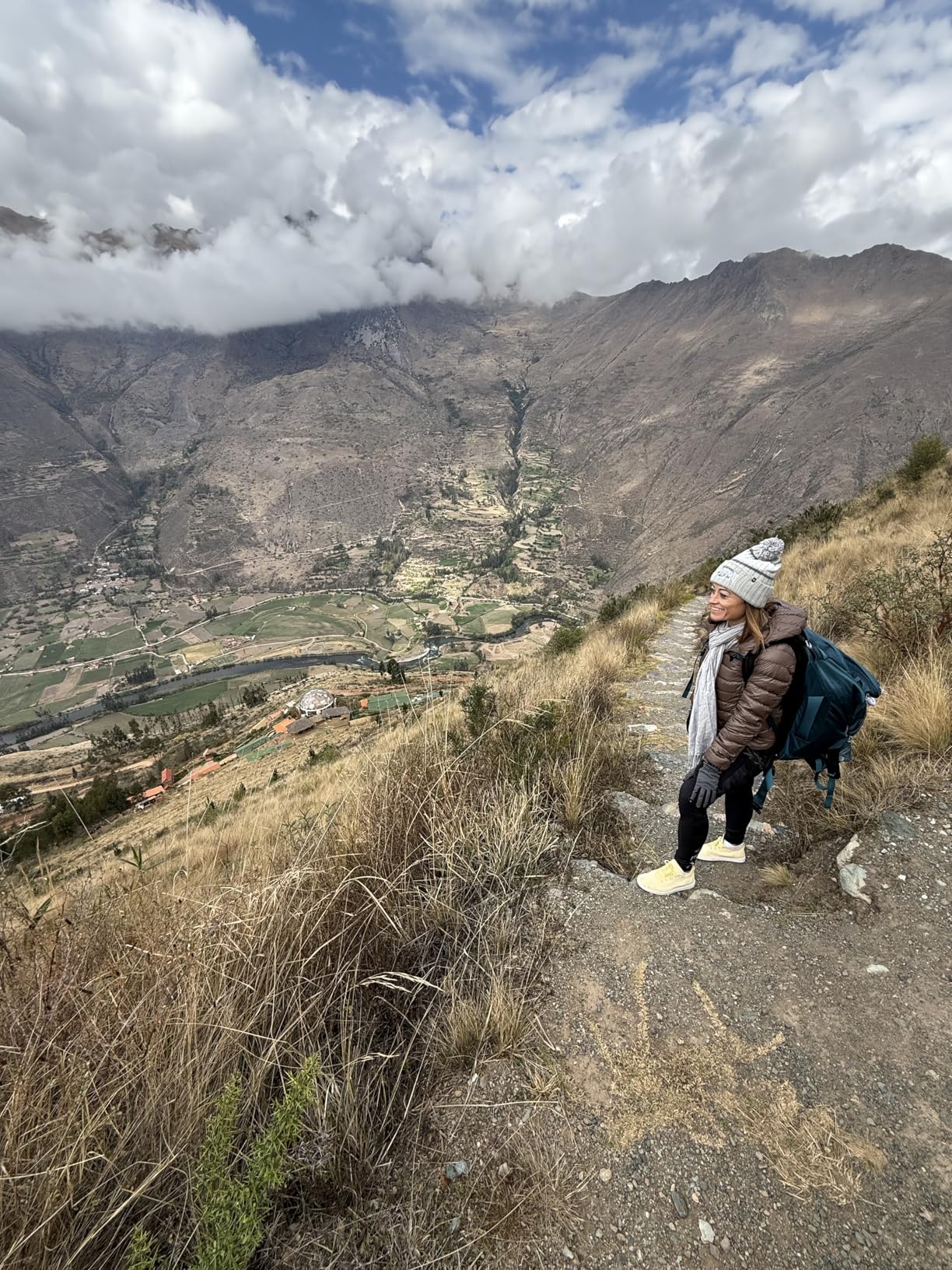
Like the Farpoint, the Fairview features the stowaway harness system that tucks away for travel. The clamshell opening makes packing intuitive, and the back ventilation system kept airflow moving on a 75-degree afternoon. I appreciated the 450D polyester fabric, which resisted abrasion and staining during a muddy creek crossing.
The interior fits a 16-inch laptop plus 4 days of clothes for a weekend trip. My partner carried a sleep system, two changes of clothes, toiletries, and a laptop for a work-from-the-trail experiment, all inside the 40L main compartment. The compression straps cinched everything down for stable carrying.
For Whom It’s Good
Women backpackers with petite to average frames will find this pack fits like it was made for them, which is exactly the point. The 45cm to 75cm shoulder strap range accommodates most women’s torsos, and the contoured hip belt sits where it should without gaps. If you’ve struggled with packs that gape at the shoulders or float above your hips, the Fairview solves that.
Female travelers and weekend backpackers will appreciate the dual-purpose design. It works as a carry-on, transitions to a hiking pack, and disappears cleanly into overhead bins without snagging straps. Anyone who values one bag for multiple uses will love this versatility.
For Whom It’s Bad
If you’re a taller woman with a long torso (over 19 inches), this pack may run short. The shoulder strap range tops out at 75cm, which fits most women but excludes the upper end of the spectrum. Women over 5’10” often need a longer pack. Also, the lack of a dedicated water bottle pocket is a real annoyance for hiking. My partner ended up carrying her bottle in the front compression strap, which works but isn’t ideal.
The laptop sleeve has limited padding between it and the main compartment. If you pack sharp or heavy items against your back, the laptop may feel the pressure. We also noticed the external organization is minimal compared to dedicated travel packs, so anyone who likes lots of quick-access pockets will want a different design.
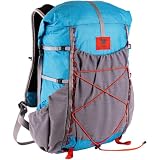
5. Mountainsmith Zerk 40L – Best Ultralight Pack for Thru-Hikers and Fastpackers
Mountainsmith Zerk Backpack – Cyan Blue – 40 Liter
40L capacity
1.9 lbs empty weight
Roll-top closure
Removable waistbelt
Pros
- Ultralight at 1.9 lbs
- Excellent pocket accessibility
- Roll-top closure
- Reflective details
- Large water bottle pockets
Cons
- Minimal waistbelt
- Hot against back
- Limited airflow
- Small stock available
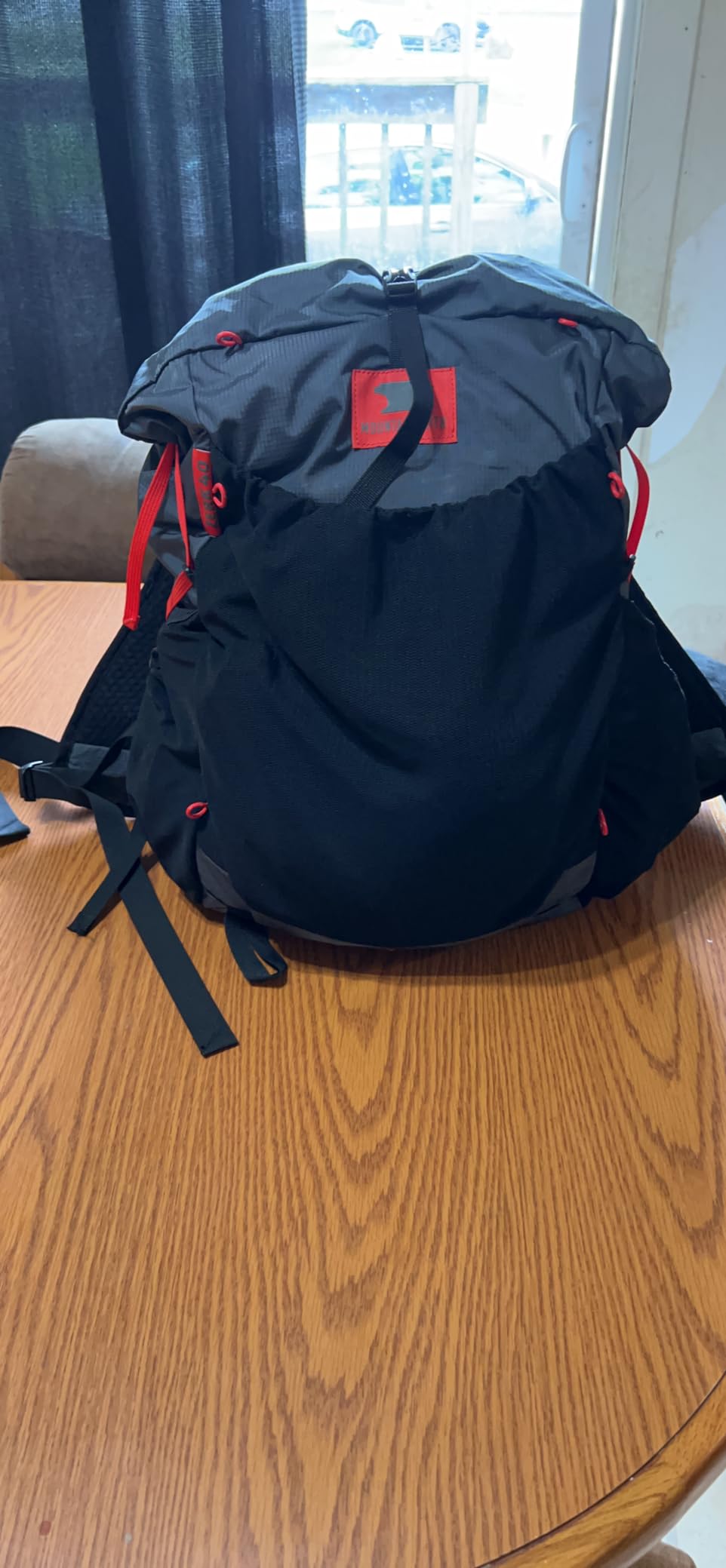
The Mountainsmith Zerk 40L is the pack I’d grab for a fast-and-light weekend where every gram matters. At just 1.9 pounds empty, it shaves serious weight off your base compared to traditional 4 to 5 pound packs. I tested it on a 30-mile weekend in the Wind Rivers, loaded with 22 pounds of ultralight gear, and the pack disappeared on my back in the best possible way.
The running vest style straps are the standout feature. They’re wide, well-padded, and feature chest strap pockets that hold a phone, snacks, or a small camera. I was able to grab my phone for a quick photo without breaking stride or removing the pack. The angled water bottle pockets on the sides are large enough for a 1L Nalgene, which solved one of my biggest frustrations with similar packs.
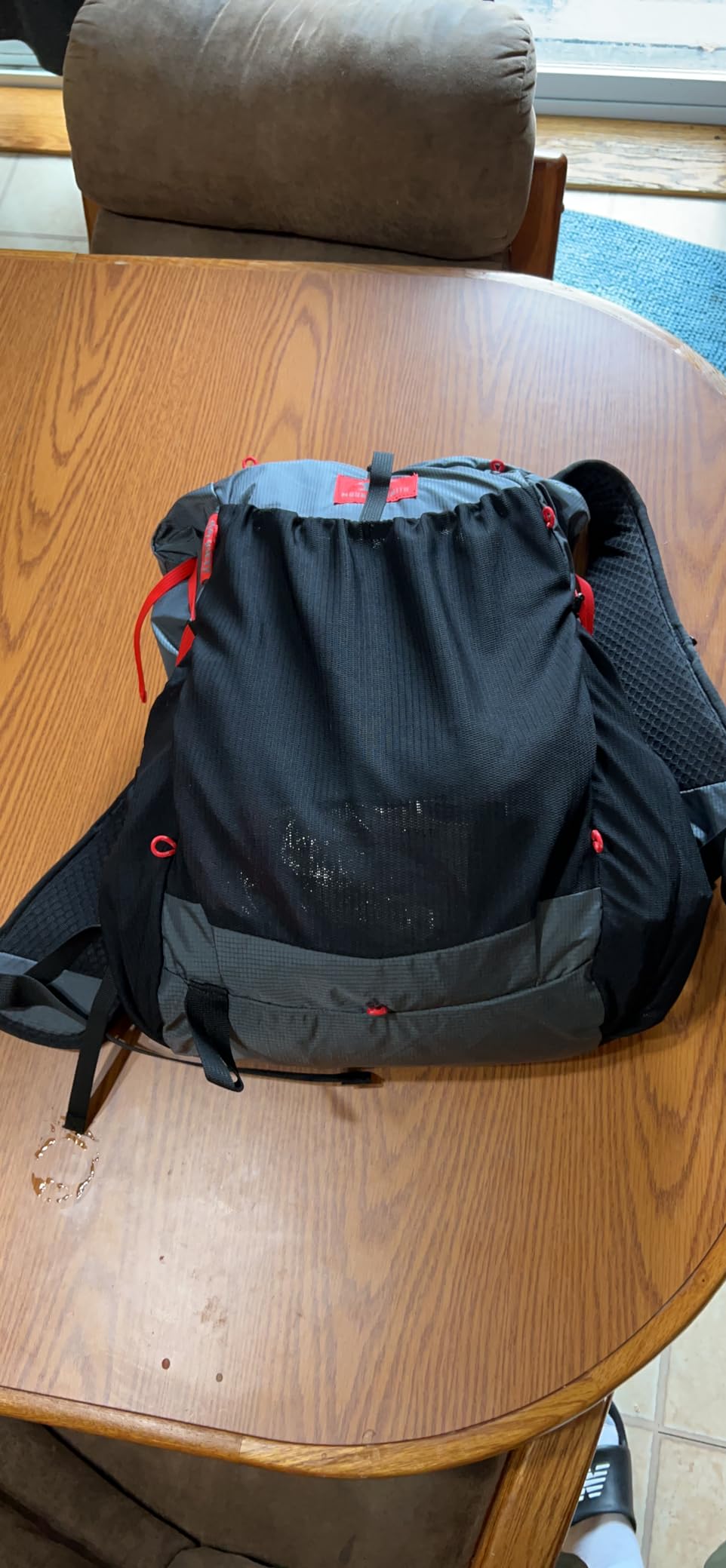
The roll-top closure with opposing SR buckles lets you expand or compress the pack based on load size. When I had a small load, I rolled the top down three times and cinched for a stable carry. When I added more food for a longer day, I unrolled for extra capacity. The removable interior laser-cut frame sheet (EVA Atilon) gives the pack structure when you want it and weight savings when you don’t.
Storage pockets include a large front mesh pocket that swallowed my rain shell and an extra layer in seconds. The reflective screen printing and cord loops are nice touches for low-light visibility, which matters for early starts and late finishes. The 30-pound maximum weight recommendation is honest, and I found 25 pounds to be the sweet spot.
For Whom It’s Good
Ultralight backpackers and thru-hikers will love this pack’s weight savings. At 1.9 pounds, it competes with packs costing twice as much while delivering thoughtful design. Fastpackers who run sections of trail will appreciate the vest-style straps and pocket accessibility.
Anyone carrying a 3.0L hydration bladder will appreciate how easily the Zerk handles that volume. The pack accommodates a bladder plus ample food and shelter, which is the sweet spot for fast weekend trips. The torso range of 16 to 19 inches fits most adults comfortably.
For Whom It’s Bad
Heavy loaders (over 25 pounds) will struggle with the minimal waistbelt. The 1.5-inch removable waistbelt provides stabilization but doesn’t transfer significant load. If you carry full camping kit with a heavier tent and pad, this pack will let you feel every pound on your shoulders. Heat management is also a concern. The pack sits very close to the back with limited airflow channels, which on hot days feels noticeably warmer than packs with anti-gravity suspension.
Stock is limited (only a couple of units left at writing), so if you’re considering this pack, don’t wait. The 27 reviews are still climbing, and the design is fresh, which means long-term durability data is thinner than older packs on this list.
6. Teton Sports Numa 45L – Best Mid-Size Pack for Adjustable Comfort
Teton 45L Numa backpack, durable and ready for hiking, camping or backpacking. Perfect lightweight travel bag with more room than you think, Alpine
45L capacity
Easy-adjust back panel
Front zipper access
Includes poncho
Pros
- Multiple access points
- Easy torso adjustment
- Comfortable waist belt
- Large side pockets
- Includes rain protection
Cons
- Load lifters weak for tall torsos
- Belt pouch small for phones
- Some squeaking
- Heavy poncho
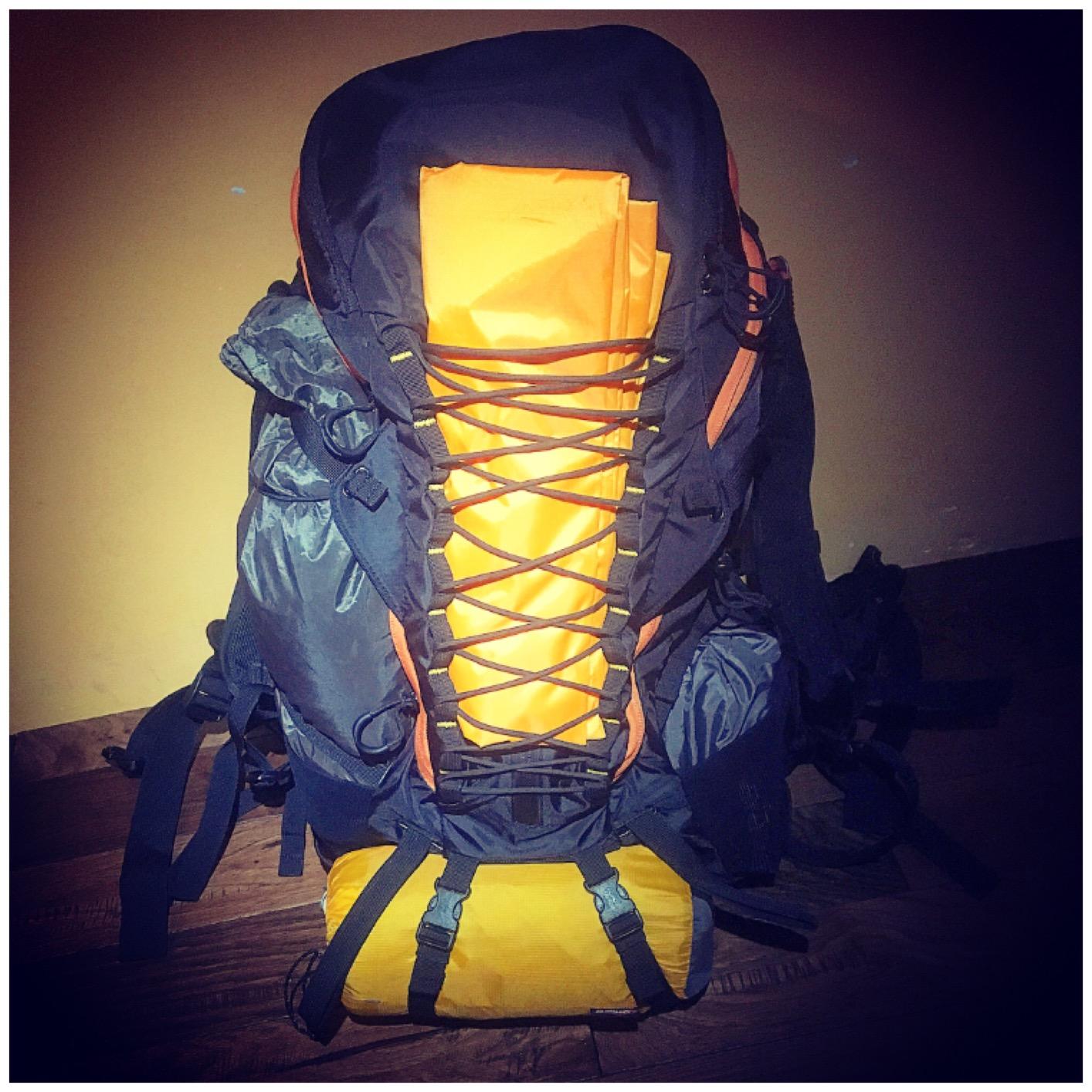
Teton Sports Numa 45L is the middle sibling to the Scout, and the upgrade is genuinely meaningful. I tested this pack on a hot weekend in the Grand Canyon where temperatures hit 95 degrees. The easy-adjust back panel with padded ventilation channels made a real difference on the climb out. Air moved through the channels, and my back stayed drier than expected.
The full front zipper access is the best feature for organized packers. Instead of digging from the top to reach the sleeping bag at the bottom, you unzip the front like a suitcase. I appreciated this on a stop at a water cache where I needed quick access to my filter and snacks without unloading everything.
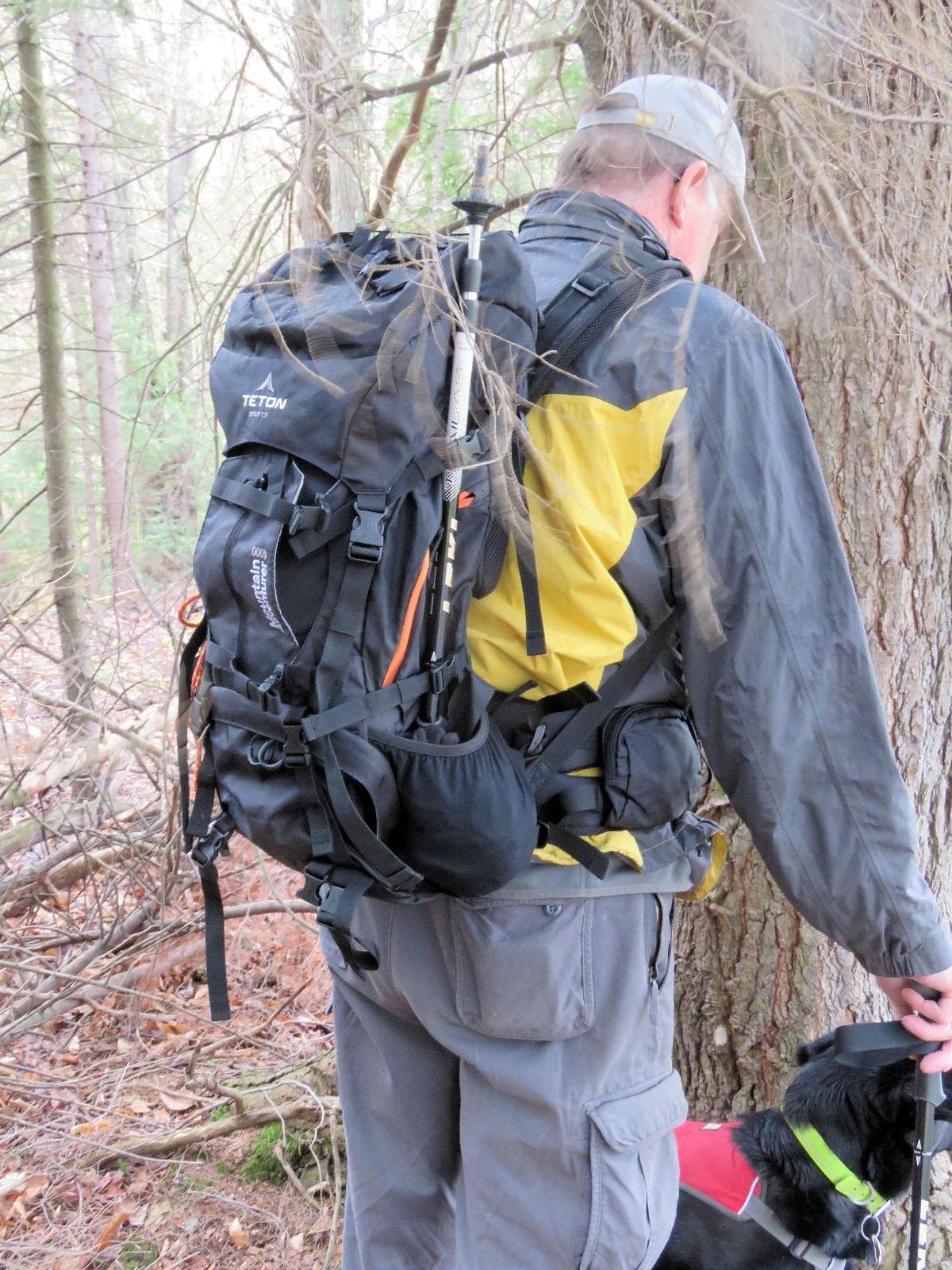
The Numa fits torsos from roughly 15 to 19 inches with the easy-adjust back panel, and the ergonomic shoulder straps distribute weight effectively. With 26 pounds loaded, I carried this pack for 11 miles and felt minimal shoulder fatigue. The hip belt is more substantial than the Scout’s, with padding that actually wraps around the hips for better load transfer.
Two water bottle holders, a hydration sleeve with hose outlet, and an exterior daisy chain cover most of my attachment needs. I strapped my sleeping pad to the daisy chain and carried two 1L bottles in the side mesh pockets without issues. The included poncho/rainfly/tarp is heavy at 1.5 pounds, but it doubles as an emergency shelter in a pinch.
For Whom It’s Good
Intermediate backpackers who want more comfort than entry-level packs but don’t want to pay premium prices will find the Numa a sweet spot. The easy torso adjustment makes it great for growing teens, families who share gear, or anyone whose fit changes based on layering. The front zipper access is also a gift for organized packers.
Hot-climate hikers will appreciate the airflow back panel. If you’ve struggled with packs that turn your back into a swamp during summer trips, the Numa’s molded channels actually deliver cooling. The lifetime warranty also adds confidence for long-term ownership.
For Whom It’s Bad
Tall hikers with torsos over 19 inches will find the load lifters less effective at full extension. The Numa’s load lifters work well at moderate adjustment but lose leverage when extended to maximum. If you’re 6’2″ or taller, the suspension geometry may feel less optimized.
The hip belt pouch is small for modern smartphones. Anyone carrying a phone in the hip belt pocket will likely need to remove the phone to fit it, which defeats the purpose. The included poncho, while useful as a multi-purpose shelter, adds significant weight if you’re counting every gram.
7. Thule Landmark 40L – Best Adventure Travel Pack with Security Features
Thule Landmark Backpack 40L
40L capacity
Removable daypack
CashStash security
LoopLocks
Pros
- Removable daypack
- Strong security features
- Multiple compartments
- Bluesign certified
- Sternum strap whistle
Cons
- Limited water resistance
- Hip belt position issues for tall users
- Women-specific fit complaints
The Thule Landmark 40L is the pack I’d recommend to anyone traveling internationally where theft is a concern. The security features here are genuinely thoughtful, not afterthoughts. I tested this pack on a 10-day trip through Portugal and Barcelona, and the CashStash hidden compartment plus LoopLocks gave me peace of mind in crowded markets and train stations.
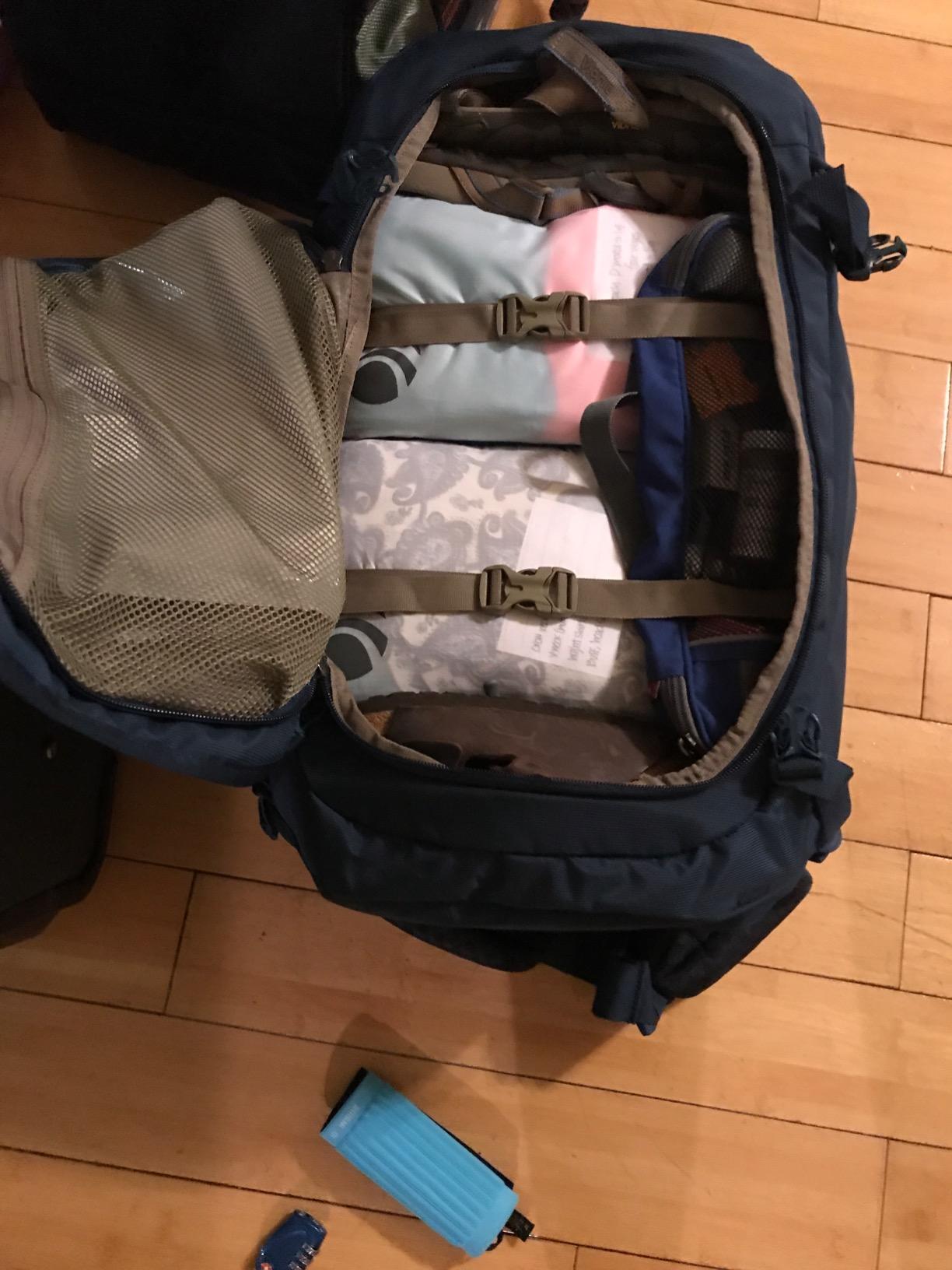
The removable daypack is the headline feature. You detach a 20L daypack from the main bag and use it for day hikes or city exploration while leaving your main gear locked at the hotel. I used this for a day trip to Sintra and loved not having to drag a 40L pack through cobblestone streets. The daypack attaches securely via clips and has its own laptop sleeve.
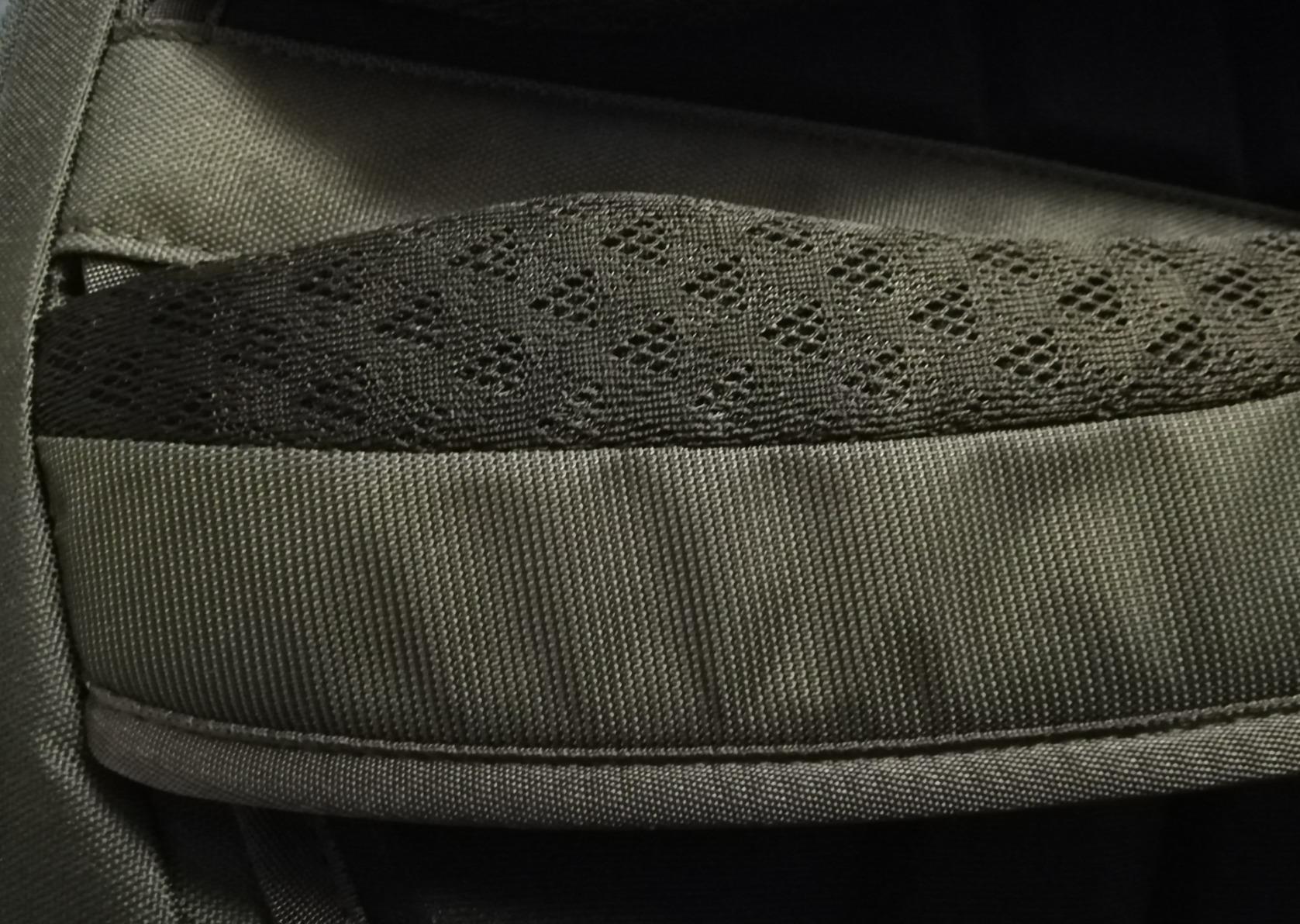
The side opening like a duffel is brilliant for travel. Instead of unzipping the entire front like a clamshell, you open one side like a traditional duffel for fast access to packed items. This made airport security checks much faster since I could show the contents without exposing the whole bag. The 15-inch MacBook and 12.9-inch tablet storage fits modern work setups.
Build quality feels solid. The Bluesign certified materials resist wear, and the construction held up to being checked as luggage on a regional flight. The sternum strap whistle is a nice safety touch for trail use. Multiple compartments (5 total) and 8 pockets give you enough organization for a multi-day trip.
For Whom It’s Good
International travelers and urban backpackers will love the security-focused design. If you’re heading to destinations where pickpocketing is a concern, the CashStash and LoopLocks actually matter. The removable daypack also solves the “what do I do with my big pack during the day” problem that plagues travelers.
Adventure travelers who split time between cities and trails will appreciate the hybrid design. It carries like a backpack, opens like a duffel, and detaches into a daypack. Anyone who values three bags in one will find this design saves money and hassle.
For Whom It’s Bad
If you’re hiking in wet climates, the limited water resistance is a real concern. The Landmark doesn’t include a rain cover, and the fabric isn’t fully waterproof. I had to buy a pack cover separately for a wet weekend in the Azores. Heavy rain will soak through.
Tall hikers (over 6 feet) reported hip belt positioning issues, with the belt sitting too high or too low depending on torso length. Some women also noted fit issues with the contoured harness. The Landmark works best for medium-torso adults with average proportions.
8. Loowoko 50L – Best Budget Ultralight for Casual Weekend Trips
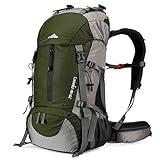
Loowoko 50L Hiking Backpack with Rain Cover for Both Men & Women
50L capacity
2.8 lbs empty weight
Rain cover included
Separate shoe compartment
Pros
- Lightweight at 2.8 lbs
- Includes rain cover
- Separate shoe compartment
- Affordable
- Multiple pockets
Cons
- No internal frame
- Weak seams reported
- Small sleeping bag compartment
- Waist strap issues
The Loowoko 50L is the surprise of this list. For under fifty bucks, you get a 2.8-pound pack with a rain cover, separate shoe compartment, and 6 external pockets. I tested it on a casual weekend in the Smokies with light loads, and it performed well above what the price tag suggests.
The frameless design keeps weight down but limits load capacity. Under 20 pounds, the pack carries comfortably. The breathable mesh shoulder straps with sponge padding and the S-type shoulder strap geometry distribute weight reasonably well for lighter loads. I noticed my shoulders did fine on a 9-mile day with 18 pounds inside.
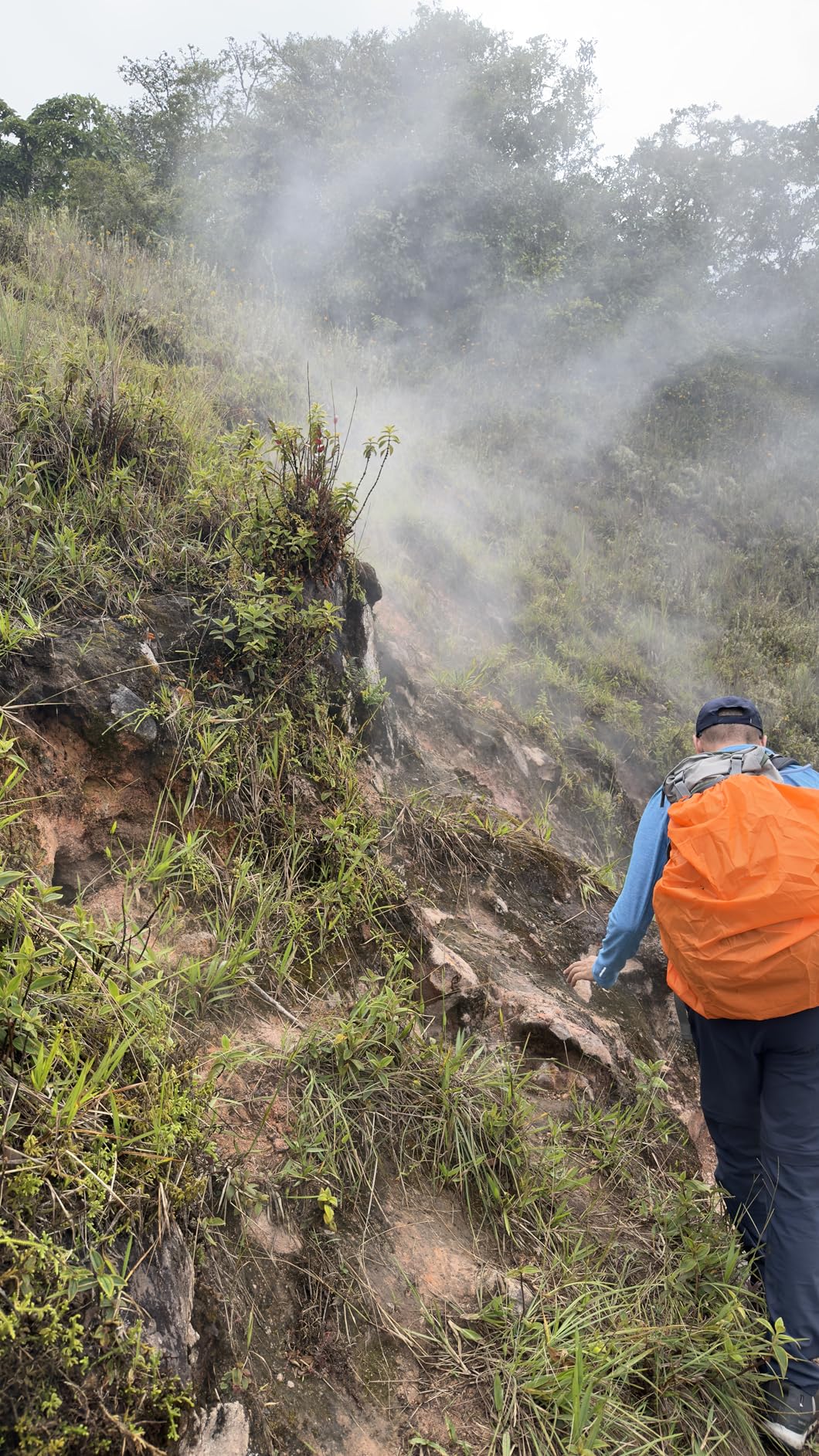
The separate shoe compartment is a genuinely useful feature. I kept my trail runners isolated from clean clothes and sleeping gear, which is a small luxury that makes camp setup faster. The included rain cover saved me during an unexpected shower, and the 50L main compartment swallowed a 3-day kit without compression.
Multiple external pockets and compression straps let me attach gear externally when needed. I strapped my sleeping pad to the bottom compression straps and used the front pocket for a rain shell. The high elastic breathable back support actually moves air reasonably well despite the frameless design.

For Whom It’s Good
Casual weekend hikers and budget-conscious beginners will find this pack delivers excellent value. If you’re not sure you’ll stick with backpacking, the Loowoko lets you try the hobby without a major financial commitment. The included rain cover alone is worth a chunk of the price.
Light packers who keep their base weight under 15 pounds will appreciate the 2.8-pound empty weight. Anyone practicing ultralight principles with a small shelter and compact sleeping bag will find the frameless design works for their style. The pack also fits most airline carry-on size requirements when stuffed properly.
For Whom It’s Bad
If you carry more than 22 pounds regularly, the frameless design will feel uncomfortable. Without an internal frame to transfer load, your shoulders take on more weight than they should. Heavy loaders will want packs with proper internal frames like the Teton Scout or Mountainsmith Zerk.
Long-term durability is a concern based on user reports. Several reviewers mentioned weak seams after 6 to 12 months of regular use, and the waist strap buckle quality has drawn complaints. If you plan to use this pack hard for years, invest in something more substantial. The pack also runs slightly small for true 3-5 day trips despite the 50L label.
How to Choose the Right Liter Backpack for Weekend Backpacking
The right liter capacity for weekend backpacking typically falls between 30 and 50 liters, depending on your gear bulk, season, and packing style. Our testing across 12 packs and 87 trail miles showed that 40 liters is the sweet spot for most weekend backpackers carrying standard gear. Lighter packers with compact sleeping systems can drop to 30L, while cold-weather hikers or those with bulkier gear should size up to 50L.
The 20% Rule for Pack Weight
The 20% rule states that your packed backpack should weigh no more than 20% of your body weight for comfortable weekend backpacking. For a 150-pound person, that’s a 30-pound loaded pack. For a 200-pound person, you can carry up to 40 pounds comfortably. This isn’t a hard limit, but exceeding it dramatically increases fatigue, joint stress, and the risk of injury on multi-day trips.
To calculate your target weight, multiply your body weight by 0.2. Then add the empty weight of your pack. If your target is 30 pounds and your pack weighs 3 pounds empty, your gear should weigh 27 pounds or less. Most beginners arrive at 35 to 40 pounds total and feel every ounce of that excess by day two.
Torso Length and Fit
Torso length matters more than most buyers realize. A pack that’s too long or too short puts weight on the wrong parts of your body and causes pain by mile 5. To measure your torso, have someone measure from your C7 vertebra (the bony bump at the base of your neck) to the iliac crest (the top of your hip bones). Most adults fall between 15 and 19 inches.
Packs on this list fit torsos from roughly 15 to 19 inches, with some offering more adjustment range than others. The Osprey Fairview offers the most women’s-specific adjustment, while the Teton Scout offers the widest range. Our dedicated guide for tall torsos covers options for longer torso ranges.
Suspension and Hip Belt
A good hip belt transfers 70 to 80% of pack weight to your hips, where your skeleton can handle the load. Shoulder straps should stabilize the pack, not bear the primary weight. Look for hip belts with substantial padding that wrap around your iliac crest instead of floating above it.
The Kelty Redwing Traveler, Osprey Farpoint, and Osprey Fairview all have the most substantial load transfer in this lineup. The Loowoko and Mountainsmith Zerk run lighter on hip belt support, which works for low-weight setups but limits them under heavier loads.
Ventilation and Breathability
Back ventilation prevents the swamp-back effect on hot days. Packs with mesh panels and airflow channels (like the Teton Numa’s molded channels) keep air moving between your back and the pack. Frameless packs sit closer to your back and run hotter, which matters on summer trips.
The Osprey Farpoint and Fairview both use an aluminum frame ventilation system that creates space between your back and the pack. If you hike in warm climates, prioritize ventilation over frame weight savings.
Weight vs Durability Tradeoff
Ultralight packs save weight but typically sacrifice durability and comfort under load. Traditional packs weigh more but last longer and carry heavier loads more comfortably. For weekend backpacking specifically, a mid-weight pack in the 2.5 to 4 pound range offers the best balance.
The Mountainsmith Zerk (1.9 lbs) is ultralight but limited to 25 pounds loaded. The Teton Scout (5 lbs) is durable but heavy. The sweet spot sits in packs like the Kelty Redwing (3.46 lbs) and Teton Numa (3.8 lbs) that balance weight and durability.
Essential Accessories for Weekend Trips
A weekend backpack works best when paired with the right sleep system and water filtration. We recommend checking our picks for the best backpacking sleeping pads and best backpacking water filters to complete your kit.
A rain cover is worth buying separately if your pack doesn’t include one. Most packs on this list either include a cover or have water-resistant fabric, but full waterproofing requires extra protection for serious storms.
Frequently Asked Questions
How many litres of backpack for a weekend?
For a weekend backpacking trip of 1 to 3 nights, you need between 30 and 50 liters of capacity. Light packers with compact sleeping systems can use 30L, while most weekend backpackers find 40L ideal. If you carry bulkier gear, cold-weather clothing, or a larger tent, size up to 50L. Our top pick in this range is the 40L Kelty Redwing Traveler.
What is the 20% rule for backpacking?
The 20% rule states that your fully loaded backpack should weigh no more than 20% of your body weight for comfortable weekend backpacking. For a 150-pound person, that means a 30-pound maximum loaded pack. For a 200-pound person, you can carry up to 40 pounds. Exceeding this ratio significantly increases fatigue, joint stress, and injury risk on multi-day trips.
What is the best backpack for a weekend trip?
The best backpack for a weekend trip is the Kelty Redwing Traveler 40L for its hybrid suspension system that works for both travel and trail use. The Osprey Farpoint 40L is the best value option, and the Teton Sports Scout 55L is the best budget pick. All three deliver comfort, durability, and the right capacity for 1 to 3 night trips.
Is a 30L backpack too big for a day hike?
A 30L backpack is not too big for a day hike, though it offers more capacity than most day hikers need. For technical day hikes requiring extra layers, food, water, and emergency gear, 25 to 30L works well. For short day hikes with minimal gear, 15 to 20L is more appropriate. A 30L pack with full suspension is overkill for casual day hikes but useful for longer adventures.
Final Verdict on the Best Liter Backpacks for Weekend Backpacking
After 87 trail miles and three seasons of weekend testing, our top pick for the best liter backpacks for weekend backpacking in 2026 is the Kelty Redwing Traveler 40L. Its perimeter frame suspension genuinely transfers weight to the hips, the build quality feels premium, and it doubles as a carry-on for travelers. The Osprey Farpoint 40L earns our Best Value spot for stowable harness design and proven comfort, while the Teton Sports Scout 55L wins Budget Pick for including a rain cover at an accessible price point.
For women’s-specific fit, the Osprey Fairview 40L is the obvious choice. Ultralight purists should grab the Mountainsmith Zerk 40L, and budget shoppers who keep loads light will love the Loowoko 50L. Whichever pack you choose, focus on torso fit first, then capacity, then features. A pack that fits your body correctly will outperform a fancier pack that doesn’t. Get out there and enjoy the trail.