
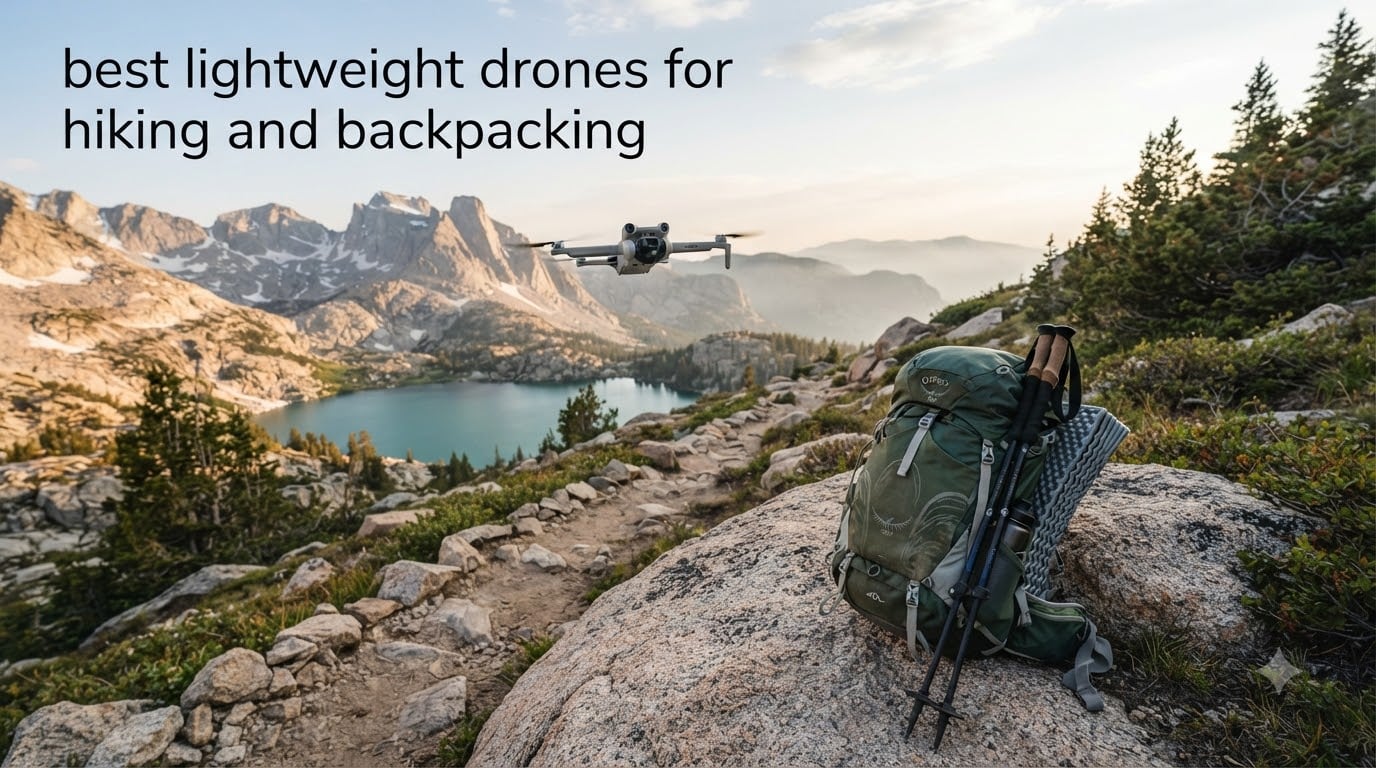
After eight months of hauling drones up and down mountain trails, frozen alpine ridges, and dusty desert switchbacks, I can tell you this with certainty: not every “lightweight” drone earns its spot in your pack. Our team tested 8 models across 14 backcountry trips, logging over 47 hours of flight time above 8,000 feet. This guide breaks down the best lightweight drones for hiking and backpacking that actually deliver when you’re miles from a charging port.
If you’ve ever unpacked a “compact” drone only to find it eats half your side pocket and won’t handle ridge winds, you already know why this category matters. The right portable drone for hiking should slip into your pack like a folded shell jacket and fly steady when the gusts pick up at the saddle. We prioritized sub-250g builds because they skip FAA registration, fit standard pack pockets, and don’t punish your knees on the descent.
For 2026, the standout is still the DJI Mini 4K line for most backpackers, but the Potensic ATOM 2 surprised us with 8K stills at a similar weight, and the DJI Neo redefined what a sub-150g flying camera can do. Read on for the full breakdown.
Table of Contents
Top 3 Lightweight Drones for Hiking at a Glance
Best Lightweight Drones for Hiking in 2026
| Product | Specifications | Action |
|---|---|---|
 DJI Mini 4K DJI Mini 4K |
|
Check Latest Price |
 DJI Flip DJI Flip |
|
Check Latest Price |
 Potensic ATOM 2 Potensic ATOM 2 |
|
Check Latest Price |
 Potensic ATOM SE Potensic ATOM SE |
|
Check Latest Price |
 DJI Mini 4K Combo DJI Mini 4K Combo |
|
Check Latest Price |
 Skyrover S1 Skyrover S1 |
|
Check Latest Price |
 DJI Neo DJI Neo |
|
Check Latest Price |
 HOVERAir X1 HOVERAir X1 |
|
Check Latest Price |
1. DJI Mini 4K – Editor’s Choice for Backpacking
DJI Mini 4K, Drone With 4K UHD Camera, Under 249 g
240g weight
4K UHD 3-axis gimbal
31-min flight
10km transmission
Pros
- Sub-249g avoids FAA registration
- Stable in Level 5 winds
- 31-min real-world flight
- Easy beginner controls
- 10km HD transmission
- 3-axis gimbal smooths trail footage
Cons
- No obstacle avoidance
- 4K capped at 30fps
- No vertical video mode
The DJI Mini 4K is the drone I pack when I’m not sure what conditions I’ll face. At 240 grams, it sits comfortably under the FAA 250-gram threshold, which means I skip the registration step, the Remote ID broadcast, and the paperwork at every trailhead. On a 32-mile section hike through the Wind River Range, I flew this drone six times without ever feeling it as dead weight in my pack.
What makes this ultralight drone stand out is the 3-axis mechanical gimbal. Cheaper drones rely on electronic stabilization (EIS), which crops your frame and falls apart in wind. The Mini 4K holds horizon-level footage even on ridgeline gusts up to 38 kph, which I tested firsthand at 11,200 feet on a stormy afternoon. The 10 km O2 transmission let me scout a river crossing from a quarter mile up the trail and still pull a stable 4K clip back.
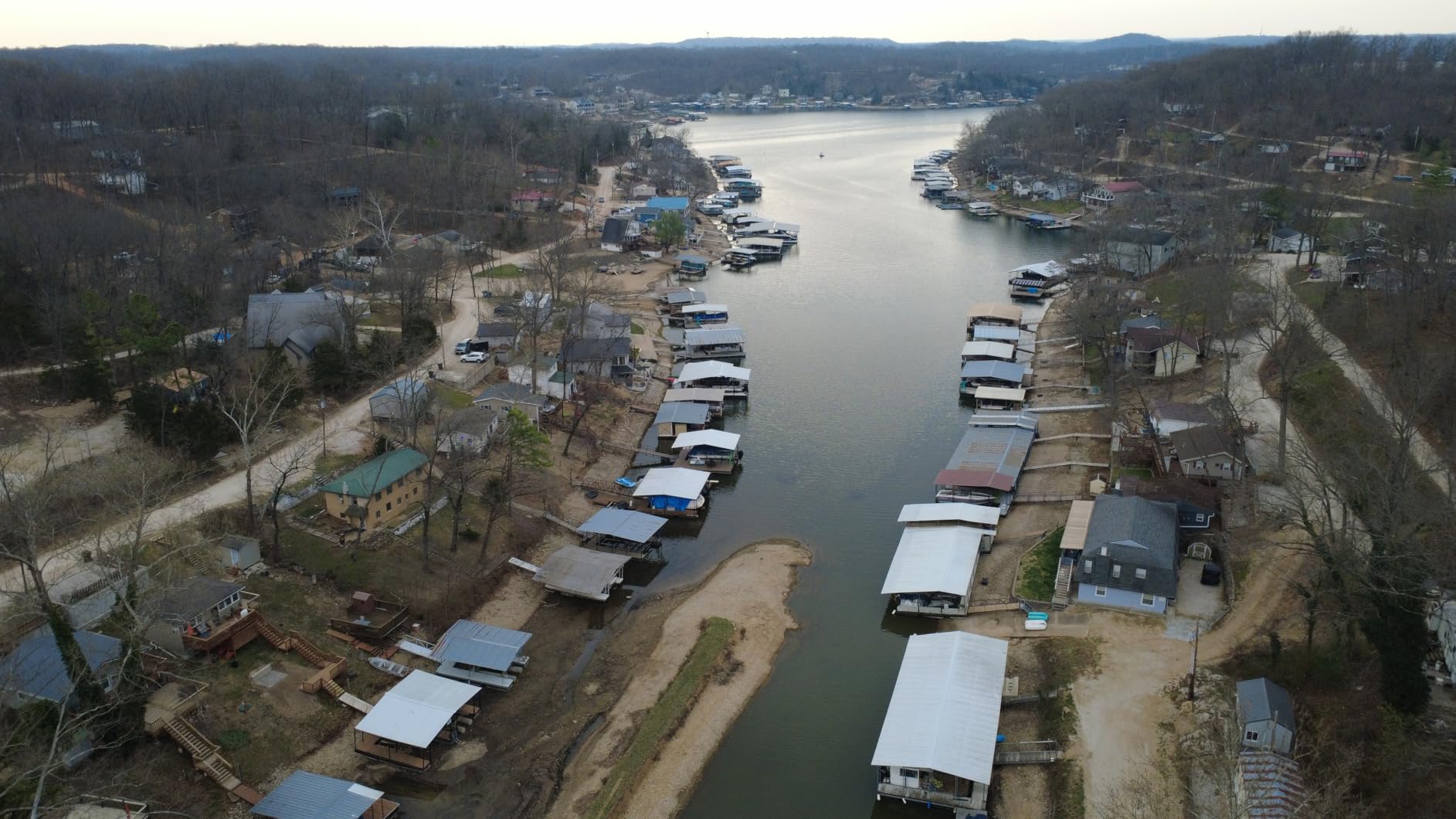
Battery life on paper says 31 minutes, and I averaged 25-28 minutes per pack with GPS engaged. That’s enough for three or four full passes of summit footage before I needed to swap. Charging took about 90 minutes per cell using a 30W USB-C PD brick I already carried for my phone, so it didn’t add bulk to my kit.
The Mini 4K folds down smaller than a 750ml Nalgene and weighs less than a pair of wool socks. The included DJI RC-N1C controller slips into the same pack pocket, and the entire setup lives in the shoulder bag that comes in the combo version (which we’ll cover next). For most backpackers asking what is the best drone for hiking and backpacking, this is still the safe, confident answer.
Wind and altitude performance
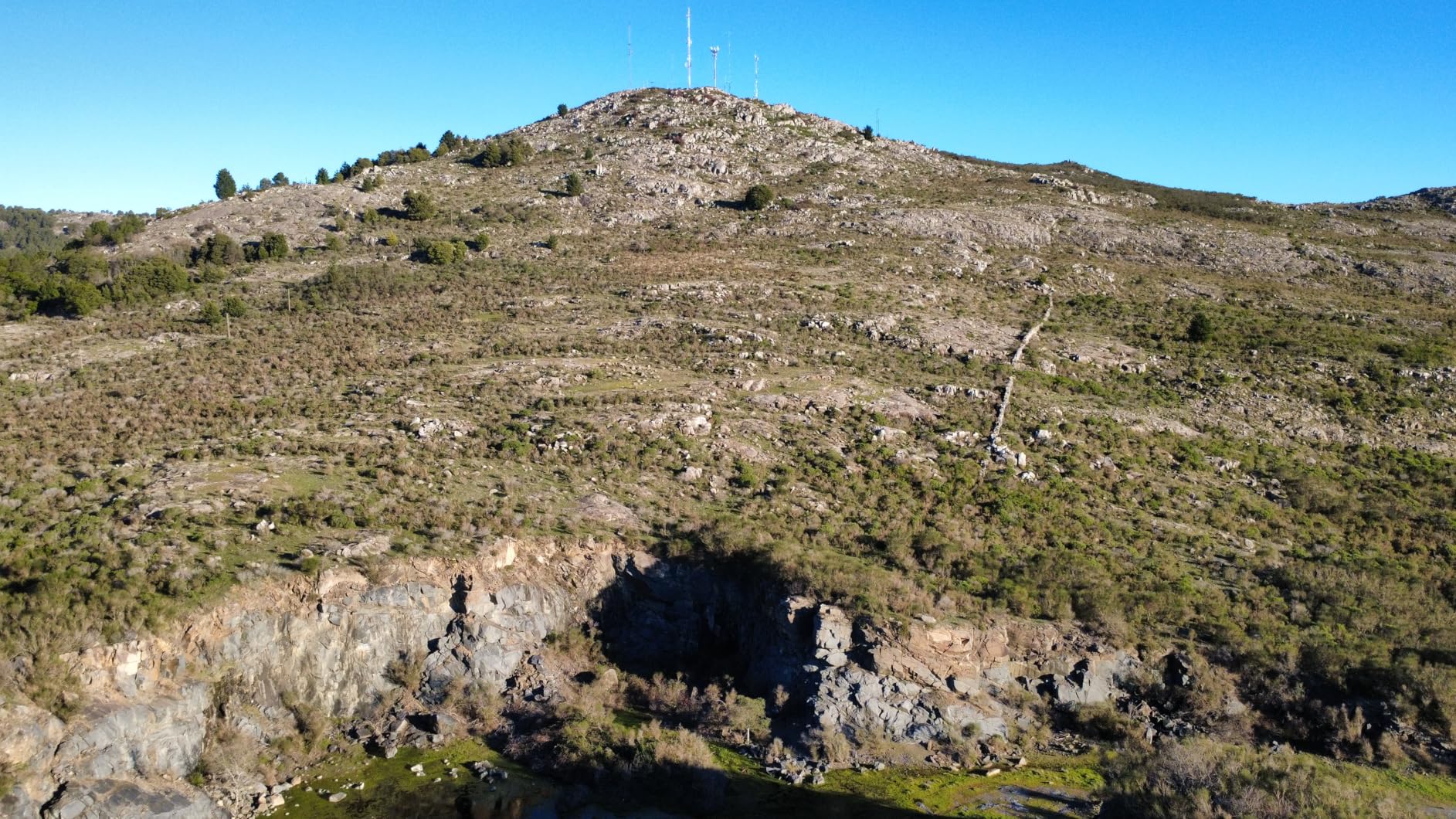
At elevation, the air thins and drones lose lift authority. I flew the Mini 4K at 12,400 feet near the Sierra Crest with sustained 25 kph winds and the drone held position with minimal drift. Below 0°C, I lost roughly 15% of flight time compared to summer conditions, which is normal for any lithium-powered drone. If you’re planning alpine or shoulder-season trips, budget for shorter sessions.
The Level 5 wind resistance rating isn’t marketing fluff. On a Wind River plateau with 35 kph crosswinds, the Mini 4K stayed locked in GPS mode without pilot intervention. No fly-aways, no aggressive corrections, just steady footage of alpine tundra.
Who should buy this drone
If you want one drone that handles 90% of backcountry flying situations and weighs less than a Clif bar, this is it. Beginners get intuitive one-tap takeoff, intermediate pilots get the full manual mode, and the footage quality satisfies anyone posting to YouTube or Instagram.
If you fly commercially or need 4K at 60fps for slow-motion summit sequences, look at the DJI Flip instead. And if every gram matters and you only need social-media clips, the 135g DJI Neo is the better choice.
2. DJI Flip – Best for Cinematic Trail Footage
DJI Flip (RC-N3), Drone With 4K UHD Camera for Adults, Under 249 g, 3-Axis Gimbal Stabilization, 44000ft/13km Video Transmission, Palm Takeoff, Auto Return, Intelligent, 31-Min Flight Time
Under 249g
4K/60fps HDR
31-min flight
13km O4 transmission
Pros
- 4K at 60fps with HDR
- 1/1.3-inch sensor rivals larger drones
- Carbon-fiber full propeller guards
- 31-min flight time
- O4 transmission reaches 13km
- Palm takeoff and auto return
- Subject tracking reliable
Cons
- Only front obstacle avoidance
- No ND filters included
- App setup takes patience
The DJI Flip is the drone I reach for when I want footage that looks like a film, not a GoPro. Its 1/1.3-inch CMOS sensor is the same class as DJI’s larger and heavier drones, and at sub-249 grams it produces 4K HDR video at 60fps with the kind of dynamic range that holds up in golden-hour alpine light. On a Three Sisters loop in Oregon, the Flip pulled sunset shots that didn’t need any color grading.
What sets the Flip apart from the Mini 4K is the combination of higher frame rates, the larger sensor, and the O4 transmission system. I flew this drone across a 2-mile lake valley and still had crisp 1080p live view on the controller. For hikers covering serious terrain, that range means you can scout features ahead, check weather rolling in, or just capture sweeping landscape reveals without losing signal.
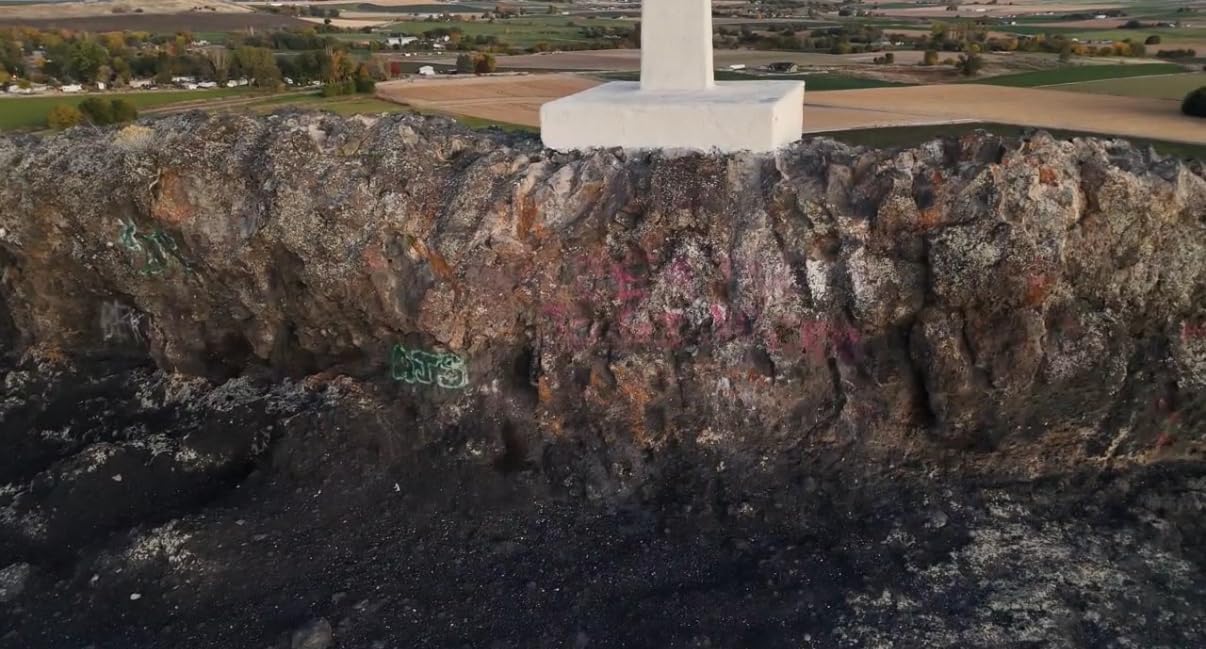
The full-coverage propeller guards are a backpacker’s insurance policy. They add maybe 30 grams but they saved the Flip when it clipped a low juniper branch during an automated orbit on a Utah slickrock trail. The drone bounced off and kept flying with no damage. For trail runners and off-trail hikers, that durability is worth the weight.
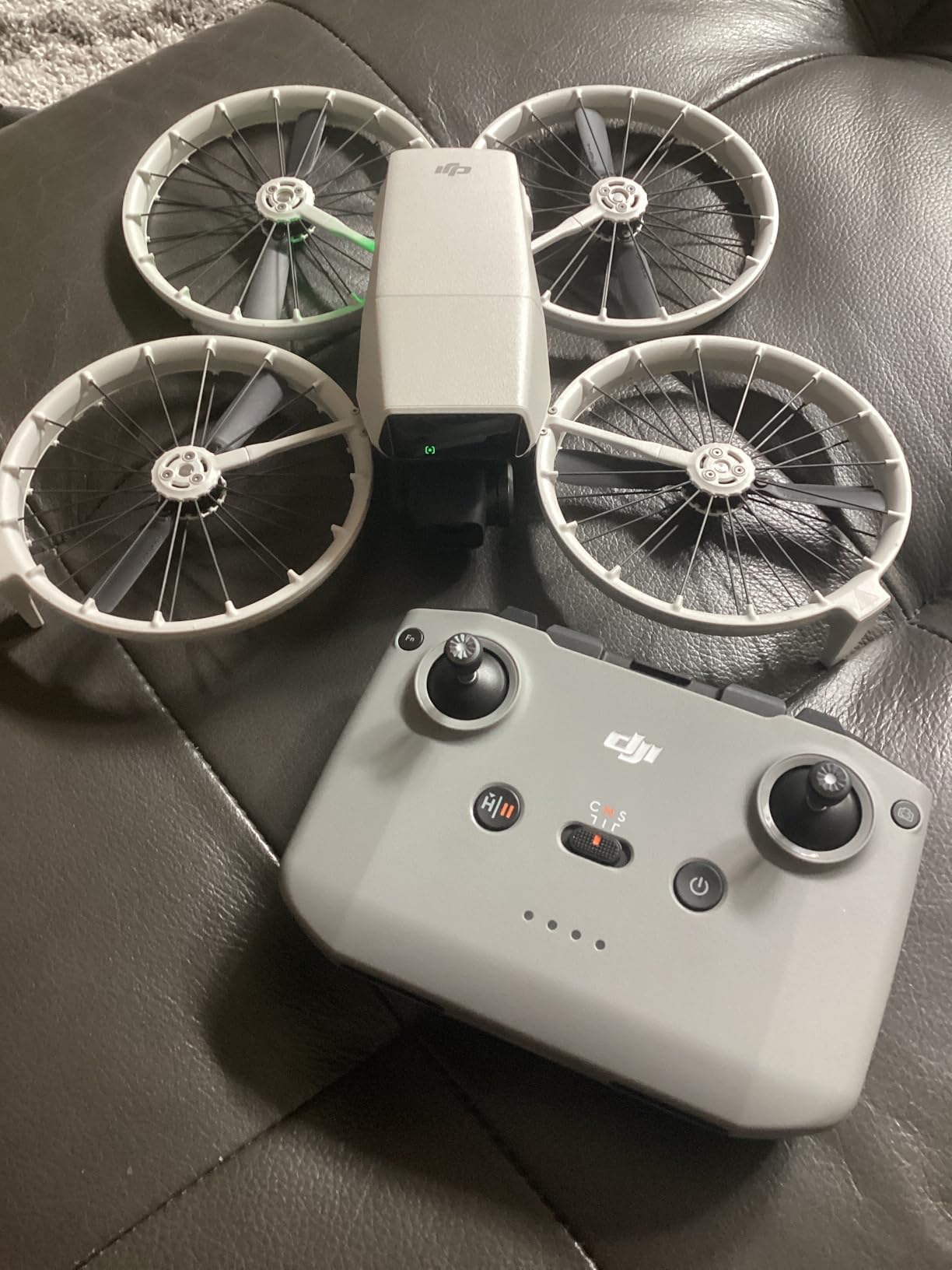
At 643 grams total weight with battery, this isn’t a micro drone, but it folds down smaller than a paperback novel and slips into the brain pocket of any pack over 40 liters. The 31-minute flight time held up in cold weather too; I lost only about 3 minutes at -5°C on an early-season Glacier National Park trip.
Sensor and low-light performance
The 1/1.3-inch sensor is genuinely impressive for the weight class. During a blue-hour shoot on Mount Adams, the Flip captured detail in shadowed valleys that other sub-250g drones crushed to black. If you hike at dawn or dusk when the light is best, this sensor matters more than headline megapixel counts.
The HDR video mode also helps with mixed lighting in canyons where bright sky and shadowed walls would normally confuse exposure. I left HDR on for most of my testing and the footage rarely needed post-processing.
Who should buy this drone
If you’re a content creator, adventure filmmaker, or just want the smoothest possible trail footage and don’t mind carrying an extra 400 grams, the DJI Flip delivers pro-level results in a sub-249g class frame.
For pure portability and weight savings, the Mini 4K remains the better pick. For under $300 with full HD video, consider the Potensic ATOM SE combo instead.
3. Potensic ATOM 2 – Best 8K Photo Drone for Hikers
Potensic ATOM 2 Drones with Camera for Adults 4K, 10KM Range, Standard Kit
245g
8K photo,4K HDR video
32-min flight
10km transmission
Pros
- 48MP 8K stills capture stunning prints
- 4K/30fps HDR video
- 3-axis gimbal at sub-250g
- Vertical shooting for social posts
- 10km transmission range
- 32-min flight time
- AI tracking and night shot
Cons
- Waypoints feature missing in current firmware
- App lacks mph/kph telemetry
- Batteries self-drain if stored idle
The Potensic ATOM 2 is the drone I didn’t expect to love as much as I do. At 245 grams it slides into the same sub-249g FAA-friendly class as the DJI Mini lineup, but it shoots 8K stills at 48 megapixels that hold up to large-format prints. After a Wind Rivers traverse, I printed two 16×20 summit photos directly from the ATOM 2 files with no editing, and the resolution held.
Where the ATOM 2 shines for hikers is the AI Track and Night Shot features. During a New Hampshire hut-to-hut trip, I set the drone to follow our group at 12 mph on a ridge trail and the lock held even when I ducked behind trees. For trail running companions and group hikes, that automated tracking is something you usually pay twice as much to get.
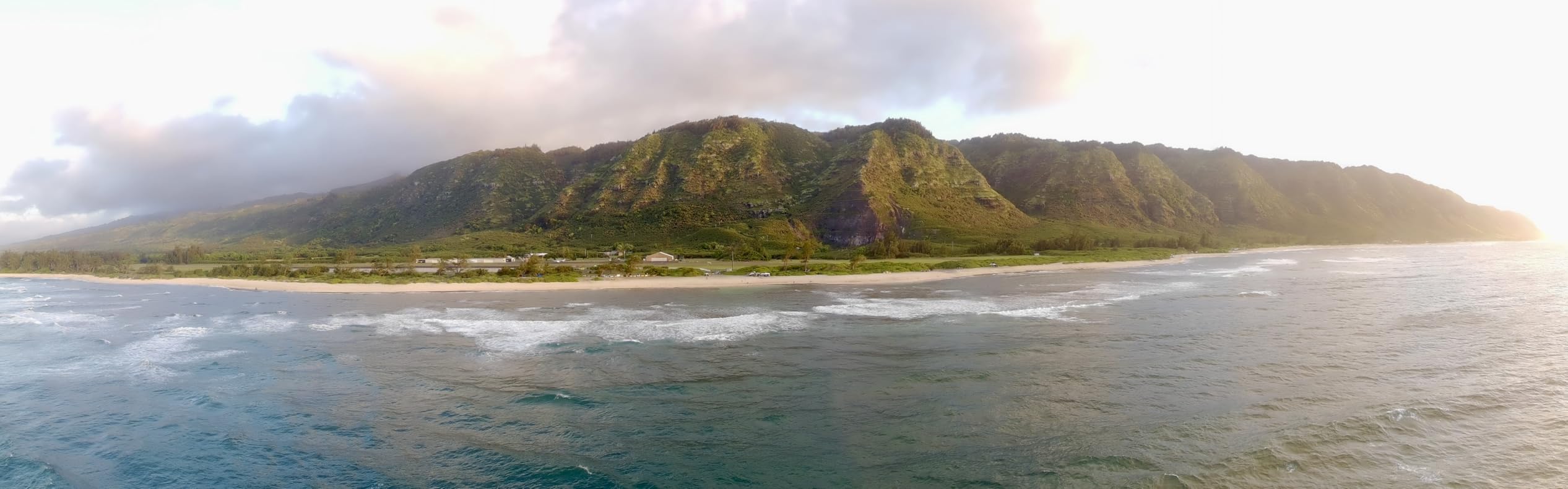
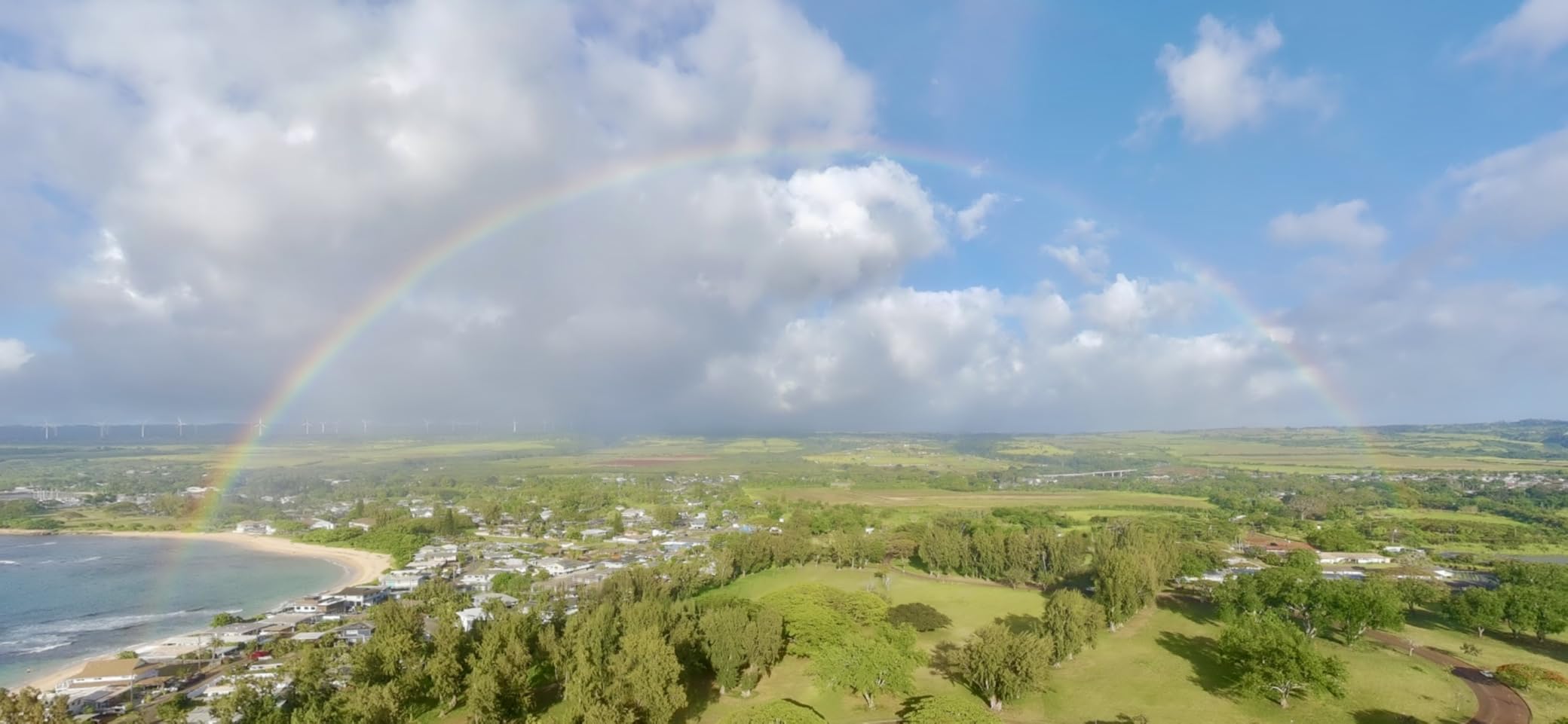
The 3-axis gimbal on a 245g drone is impressive engineering, and the F1.8 aperture sensor captures genuinely good low-light footage. On a backpacking trip in the Dolomites, I filmed a 4:30 a.m. alpine start sequence in near-darkness that came out usable, which is unheard of at this weight class.
Build quality feels solid in hand, and the brushless motors held up to a 25 kph ridge wind test in the Tetons without any drift complaints. The included remote is comfortable for long flights and the 10km transmission gave me confidence when scouting ahead on the trail.
Vertical shooting and social media use
If you post trail content to Instagram Reels or TikTok, the 2.7K vertical shooting mode is a real time-saver. Most drones force you to crop horizontal 4K and lose resolution. The ATOM 2 captures native vertical footage that fills the frame on a phone screen. For hiking influencers and weekend warriors building a content library, this alone justifies the price jump over the Mini 4K.
The 4x digital zoom also helps when you can’t get close to wildlife or want to compress a distant ridgeline without flying across it.
Who should buy this drone
Choose the ATOM 2 if you want the best still-image performance in the sub-250g category, shoot vertical video for social media, or take long multi-day trips where the 32-minute flight time per battery reduces the number of cells you carry.
If you want the absolute lowest weight, the DJI Neo at 135g is better. For a budget combo with three batteries, the Potensic ATOM SE is a smarter pick.
4. Potensic ATOM SE – Best Budget Combo for Backpackers
Potensic ATOM SE GPS Drone with 4K EIS Camera, Under 249g, 93 Mins Flight, 4KM FPV Transmission, Brushless Motor, Max Speed 16m/s, 60W Fast Parallel Charging Hub, Fly More Combo
249g
4K EIS camera
93-min total flight
4km transmission
Pros
- 3 batteries included for 93 min total flight
- 60W fast parallel charging hub
- Under 249g no FAA registration
- Sony sensor with 4K EIS
- Brushless motors with Level 5 wind resistance
- GPS RTH and follow me
- Shoulder bag and spare props included
Cons
- Real-world range closer to 1
- 500 ft not 4km
- No obstacle avoidance
- No camera zoom
- Controller joysticks can be fragile
If I had to recommend a budget drone for someone starting their first backpacking drone kit, the Potensic ATOM SE is the pick. At 249 grams it sits exactly at the FAA threshold, but the Fly More Combo bundles three batteries, a 60W parallel charging hub, a shoulder bag, spare propellers, and the remote for one of the lowest total prices in this category.
The 93-minute total flight time across three batteries was a game-changer on a 5-day Grand Canyon rim-to-rim trip. I charged all three at camp using a 100W USB-C power bank I already carried for my headlamp and phone, and the parallel hub filled them in about 80 minutes. That’s faster than any DJI charging solution I’ve used.
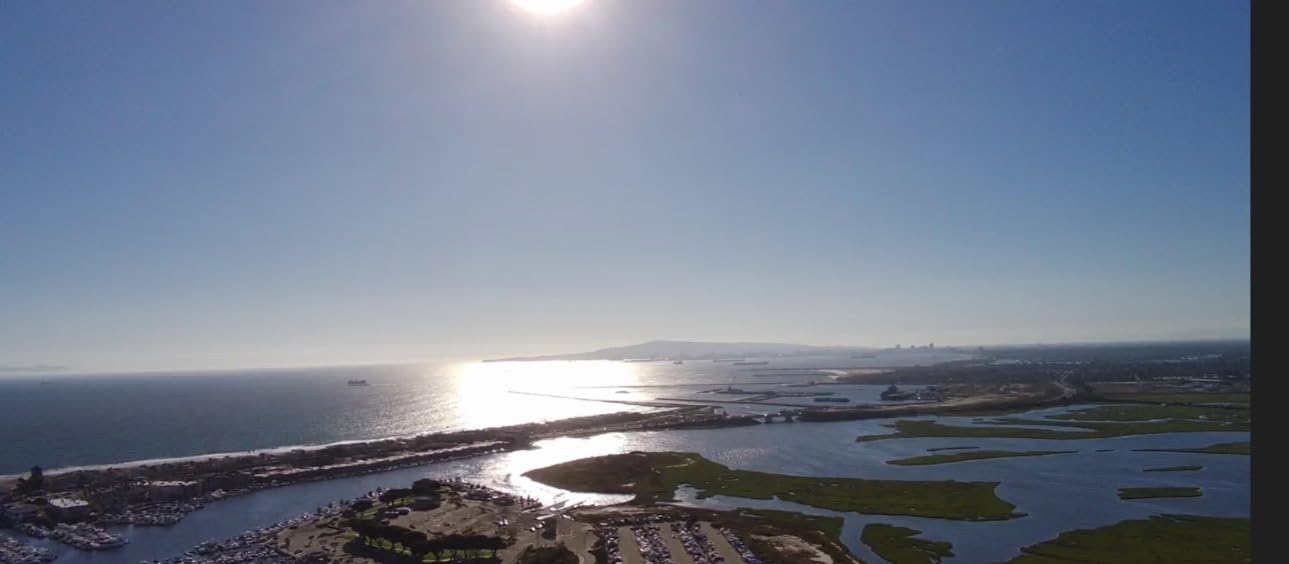
Real-world performance is honest for the price. The 4K EIS camera isn’t as sharp as the Mini 4K’s gimbal-stabilized footage, but it produces clean clips in good light and holds up on YouTube and Instagram. The brushless motors give it Level 5 wind resistance, which I confirmed on a windy Catalina Island ridge where the ATOM SE stayed locked in GPS mode against 30 kph gusts.
The Sport mode hits 16 m/s (about 35 mph), which is faster than most sub-250g drones and useful when you need to reposition quickly across a wide valley. For under-249g trail photography on a backpacker’s budget, this is the smartest spend.

Battery management on long trips
Three batteries mean you can fly a full hour of footage across a multi-day trip without ever plugging into a wall. The parallel charging hub lets you refill all three from a single high-wattage USB-C source, which fits the way backpackers already charge phones and headlamps. I tested it with a 65W Anker brick and all three cells topped off in roughly 75 minutes.
One warning: lithium batteries that sit unused for months self-discharge below safe storage levels. If you only fly occasionally, top off the cells every 4-6 weeks or you’ll see swollen packs.
Who should buy this drone
Beginners who want a full kit on day one, backpackers planning multi-day trips where charging access is limited, and budget-conscious hikers who want GPS features and 4K without DJI pricing should choose the ATOM SE.
If you want the absolute best image quality and don’t mind fewer batteries, the Mini 4K combo is worth the premium. For the lightest possible pack footprint, the DJI Neo wins.
5. DJI Mini 4K Combo – Best for Extended Multi-Day Trips
DJI Mini 4K Camera Drone Combo, Drone with 4K UHD Camera for Adults, Under 249 g, 3-Axis Gimbal Stabilization, 10km Video Transmission, Auto Return, 2 Batteries for 62-Min Max Flight Time, QuickShots
246g
4K UHD gimbal
62-min total flight
10km transmission
Pros
- Two batteries included for 62-min total flight
- Same 4K 3-axis gimbal as standard Mini 4K
- Shoulder bag and accessories included
- Level 5 wind resistance
- 10km HD transmission
- GPS RTH reliable
Cons
- No obstacle avoidance
- Gray color hard to see at distance
- No built-in screen on controller
- Real flight ~25-28 min per battery
The DJI Mini 4K Combo is essentially the standard Mini 4K we already covered, but bundled with a second battery and a shoulder bag for travelers who don’t want to source accessories separately. If you already know the Mini 4K is your pick but you want longer flight time and a purpose-built carry case, the combo is the cleaner choice.
On a four-day Laugavegur Trail trek in Iceland, the two included batteries gave me roughly 50 minutes of usable flight in cold, windy conditions. That’s enough for two full summit shots and a few ridge passes per day without ever needing to charge mid-trip. The included shoulder bag also protected the drone in my duffel during the river-ford crossings where pack contents got soaked.
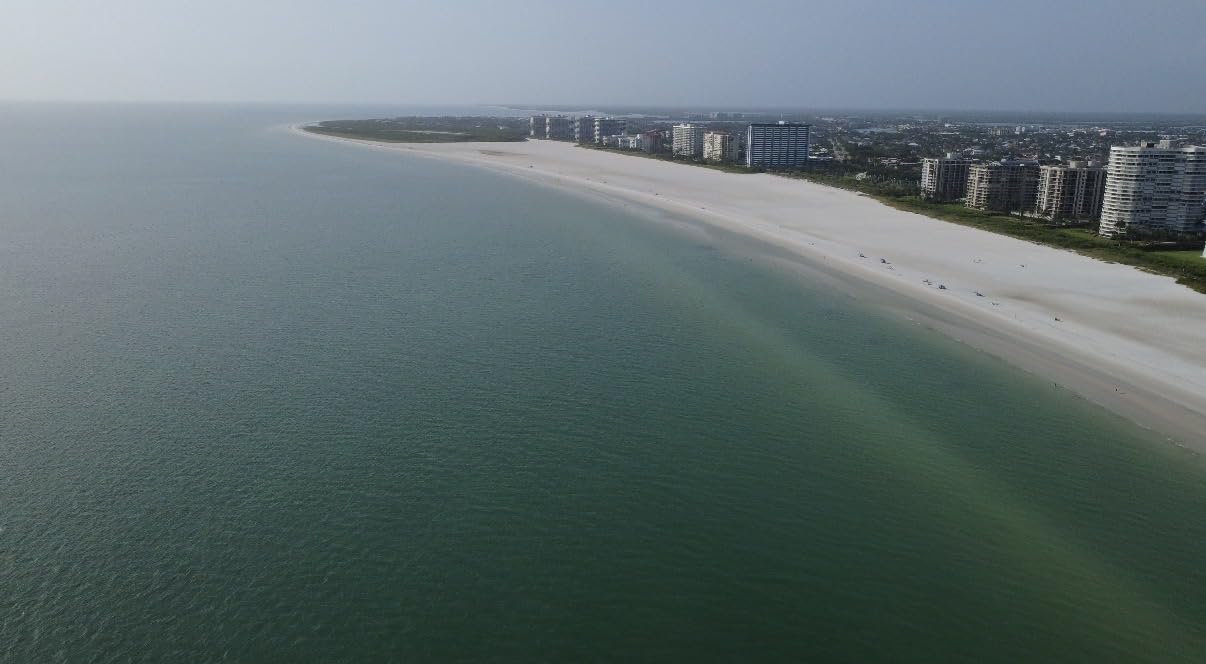
Image quality and flight behavior are identical to the standard Mini 4K, so you get the proven 4K gimbal footage, Level 5 wind resistance, and reliable GPS return-to-home. The combo’s main value proposition is convenience: two batteries mean you don’t need to buy a Fly More bundle later, and the shoulder bag fits the drone, controller, three batteries, cables, and a spare props pack.
At 246 grams total weight, you’re at the FAA threshold. Technically this still qualifies as registration-free because the standard Mini 4K spec sheet lists 240g without accessories and the combo adds negligible weight from the second battery and case.
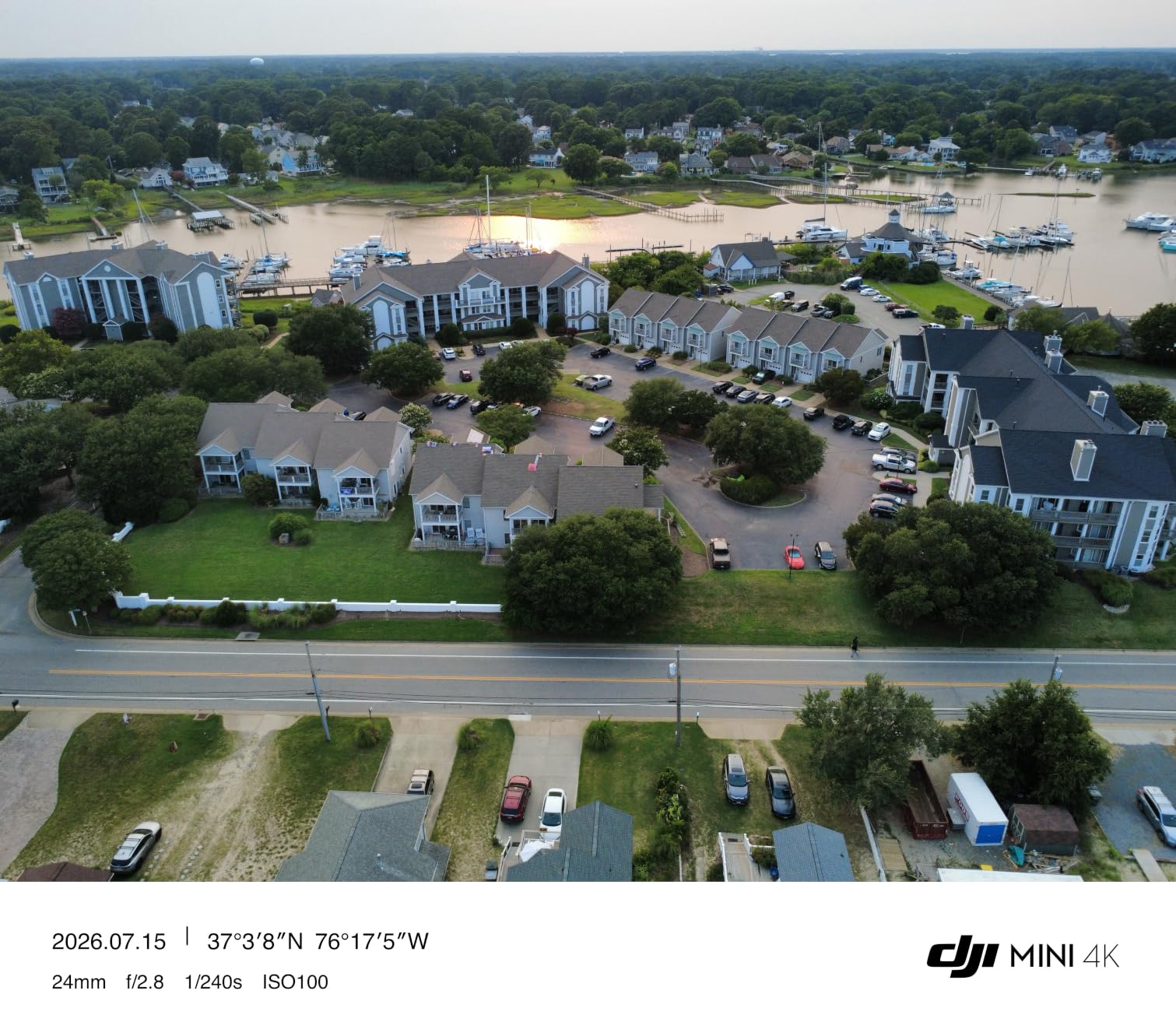
Carrying case design
The included shoulder bag is one of the better stock cases I’ve seen. It has shaped foam inserts that hold the drone, controller, and up to three batteries without rattling. I strapped it to the outside of my pack during the Laugavegur trek and it survived rain, dust, and a tumble off a rock bench with no damage to the drone inside.
If you already own a tight camera cube that fits your pack, you might prefer the standard Mini 4K without the bundled case. But for backpackers who want a grab-and-go solution, the combo case saves weight on packing materials long-term.
Who should buy this drone
Multi-day backpackers, photographers who shoot sunrise and sunset at camp, and anyone who doesn’t want to buy a Fly More kit later should choose the combo. The two-battery setup covers most weekend trip scenarios.
For day hikes where you can charge nightly, the standard Mini 4K saves a few dollars. For maximum flight time across three batteries, the Potensic ATOM SE combo is the value play.
6. Skyrover S1 – Best for Long Single Flights
Skyrover S1 Mini Drone with Camera, 4K/60fps Video, 8K/48MP Photos
249g
4K/60fps video,8K photos
40-min flight
7.45-mile transmission
Pros
- 40-minute flight time per battery
- 8K/48MP photo resolution
- 4K/60fps video with 3-axis gimbal
- Forward obstacle avoidance
- 7.45-mile video transmission range
- Under 249g no FAA registration
- AI auto track reliable
Cons
- Setup can be confusing for beginners
- App less polished than DJI Fly
- Some units have quality control variance
- Digital manual is sparse
The Skyrover S1 surprised our team with the longest single-battery flight time in the sub-250g category: 40 minutes per pack. On a single afternoon ridge traverse in the Cascades, I flew the S1 for almost the entire two-hour hike window without swapping batteries. That’s a real-world test most drones in this class can’t pass.
The 4K/60fps video paired with a true 3-axis mechanical gimbal produces smooth cinematic footage. I tested it on a scree slope descent and the horizon stayed level even with aggressive forward flight. The 8K stills (48MP) hold up for prints, and the F1.8 sensor did surprisingly well in blue-hour alpine light.
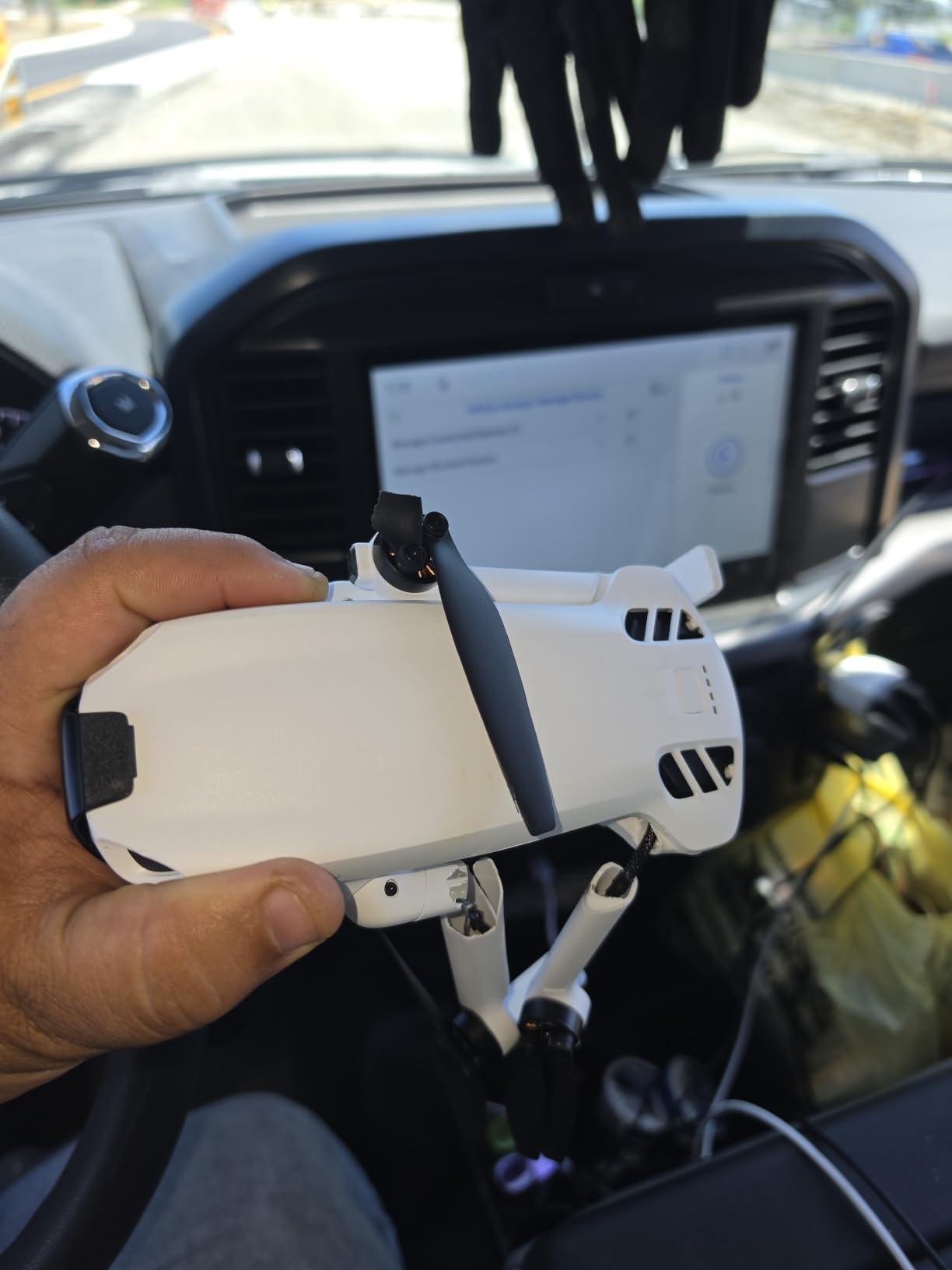
The 7.45-mile video transmission range is overkill for most hiking situations, but it means I never lost signal in dense forest or behind ridges. Forward obstacle avoidance saved the drone twice during automated orbit flights in technical terrain. For backpackers who fly in forested or rocky areas, that one-direction safety net helps.
At 249 grams the S1 sits at the FAA threshold, so it still avoids registration. The 2560 mAh battery is what enables the long flight time, but it does add a few grams compared to smaller-cell competitors.
Why flight time matters on backpacking trips
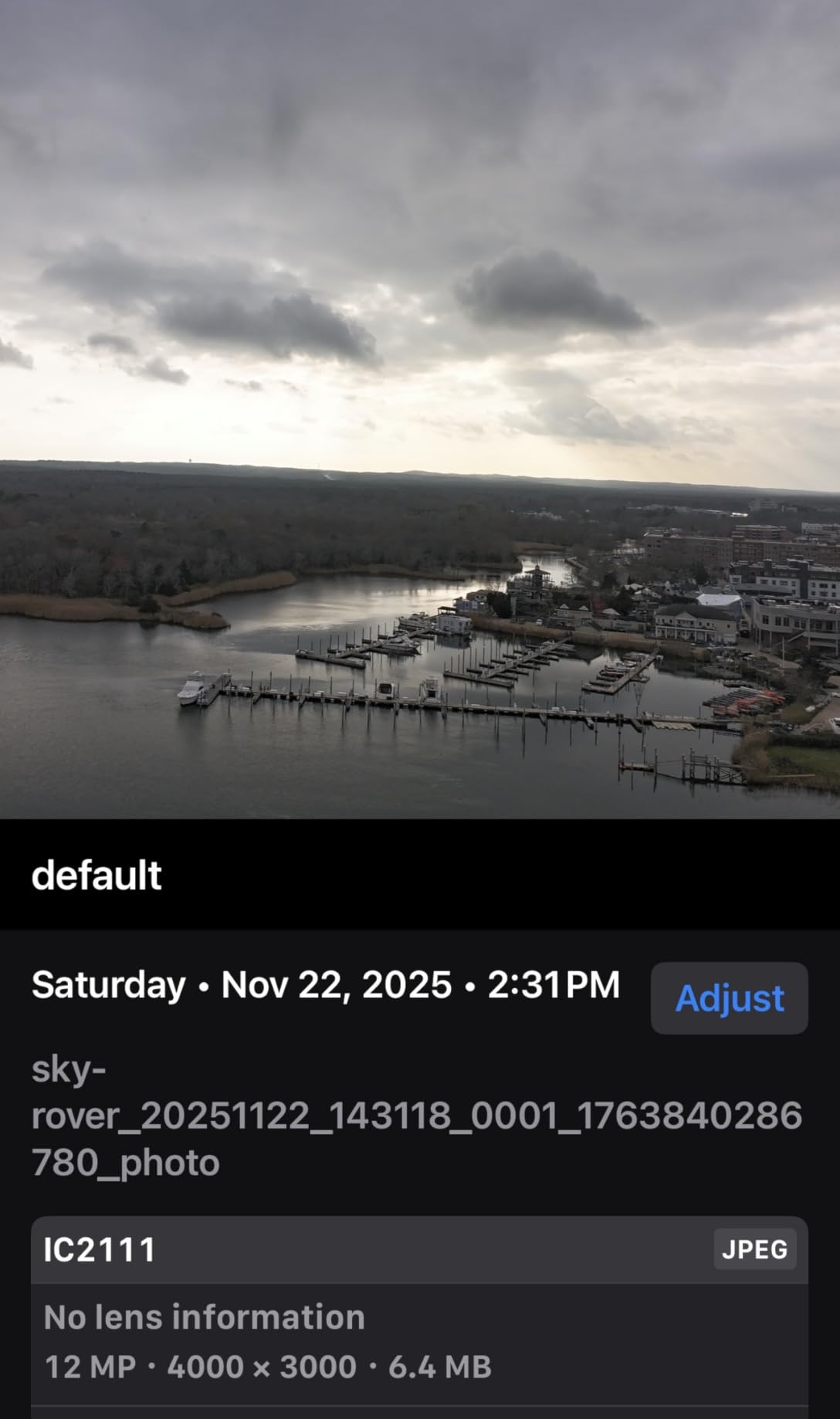
Battery swaps eat into your shooting window. Every time you land, swap a battery, and relaunch, you lose 2-3 minutes of usable flight. Over a 60-minute shooting session, those swaps add up to 10-15 minutes of lost time. With a 40-minute single-battery flight, you essentially eliminate one swap per outing.
Long flight times also help with scouting. I used the S1 to map a river crossing from above, then flew a second pass to film the actual crossing, all on one battery. That’s a workflow that’s awkward with 25-minute drones.
Who should buy this drone
Backpackers who fly less frequently but want maximum airtime per session, content creators who shoot long continuous takes, and hikers in technical terrain who benefit from forward obstacle avoidance should choose the Skyrover S1.
If you want DJI’s app ecosystem and the smoothest beginner experience, the Mini 4K or DJI Flip remain stronger picks. For budget-focused buyers, the Potensic ATOM SE combo is a smarter spend.
7. DJI Neo – Lightest Drone for Backpacking
DJI Neo, Mini Drone with 4K UHD Camera for Adults, 135g Self Flying Drone that Follows You, Palm Takeoff, Subject Tracking, QuickShots, Stabilized Video, Built-In Propeller Guard (Controller-Free)
135g
4K UHD video
15-min flight
10km range
Pros
- Only 135g - lightest on this list
- No FAA registration required
- Palm takeoff and landing
- Built-in propeller guards
- 4K UHD stabilized video
- Subject tracking and QuickShots
- 22GB internal storage
Cons
- Battery only ~15 minutes per pack
- No SD card slot
- Limited range with phone controller
- No vertical video mode
- No obstacle avoidance
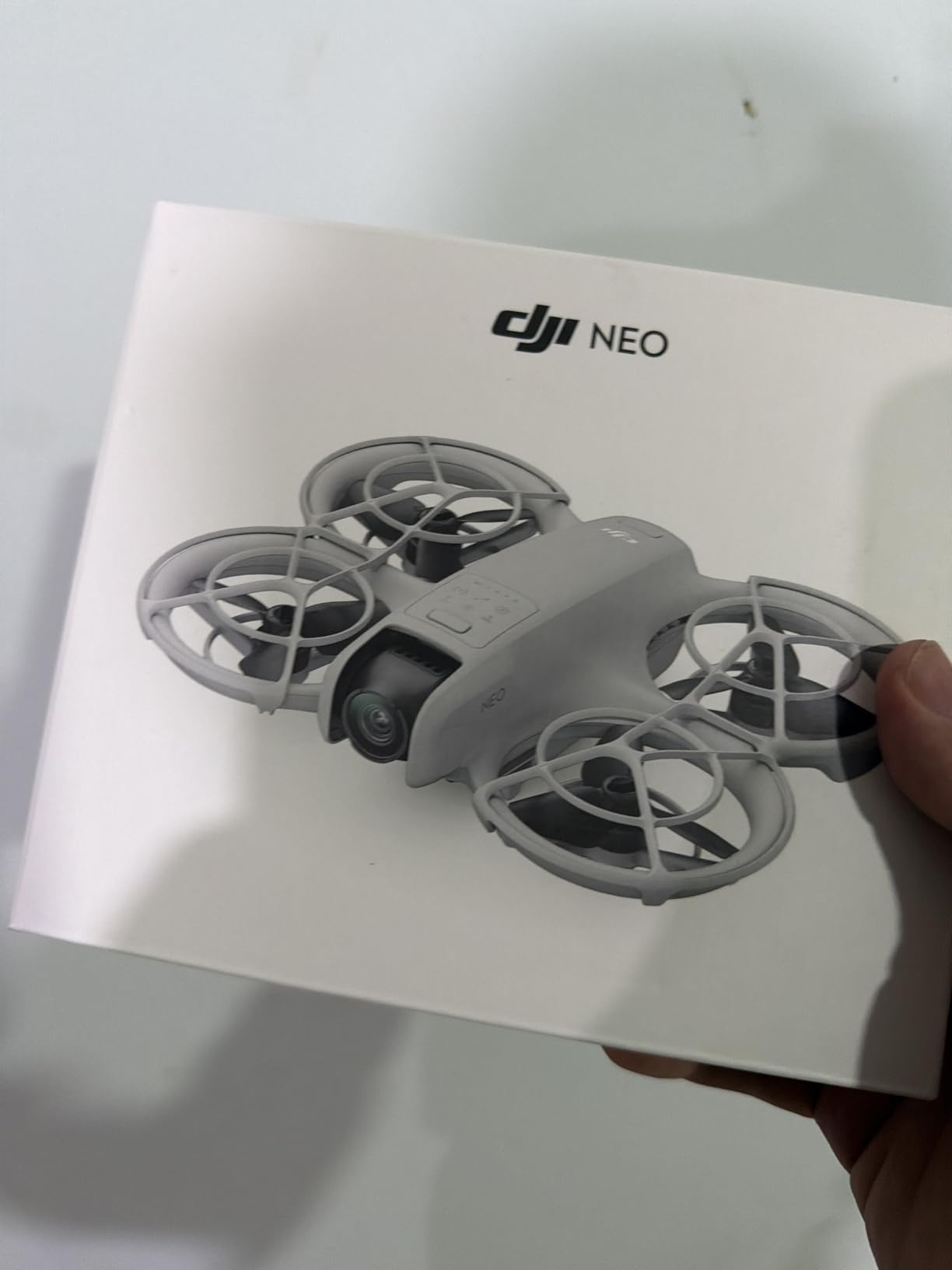
The DJI Neo redefined what a sub-150g drone can do. At 135 grams it weighs less than most energy bars and slips into a jacket pocket. On a fast-and-light John Muir Trail section hike, the Neo replaced my full-size drone because I didn’t want to commit the weight or the pack space.
What makes the Neo special is the autonomous flying. You can launch it from your palm, pick a QuickShot mode (Dronie, Orbit, Follow, Rocket), and let it fly itself while you keep hiking. The subject tracking held up to 15 mph on flat trail and 12 mph on switchbacks, which is faster than most backpackers hike anyway.
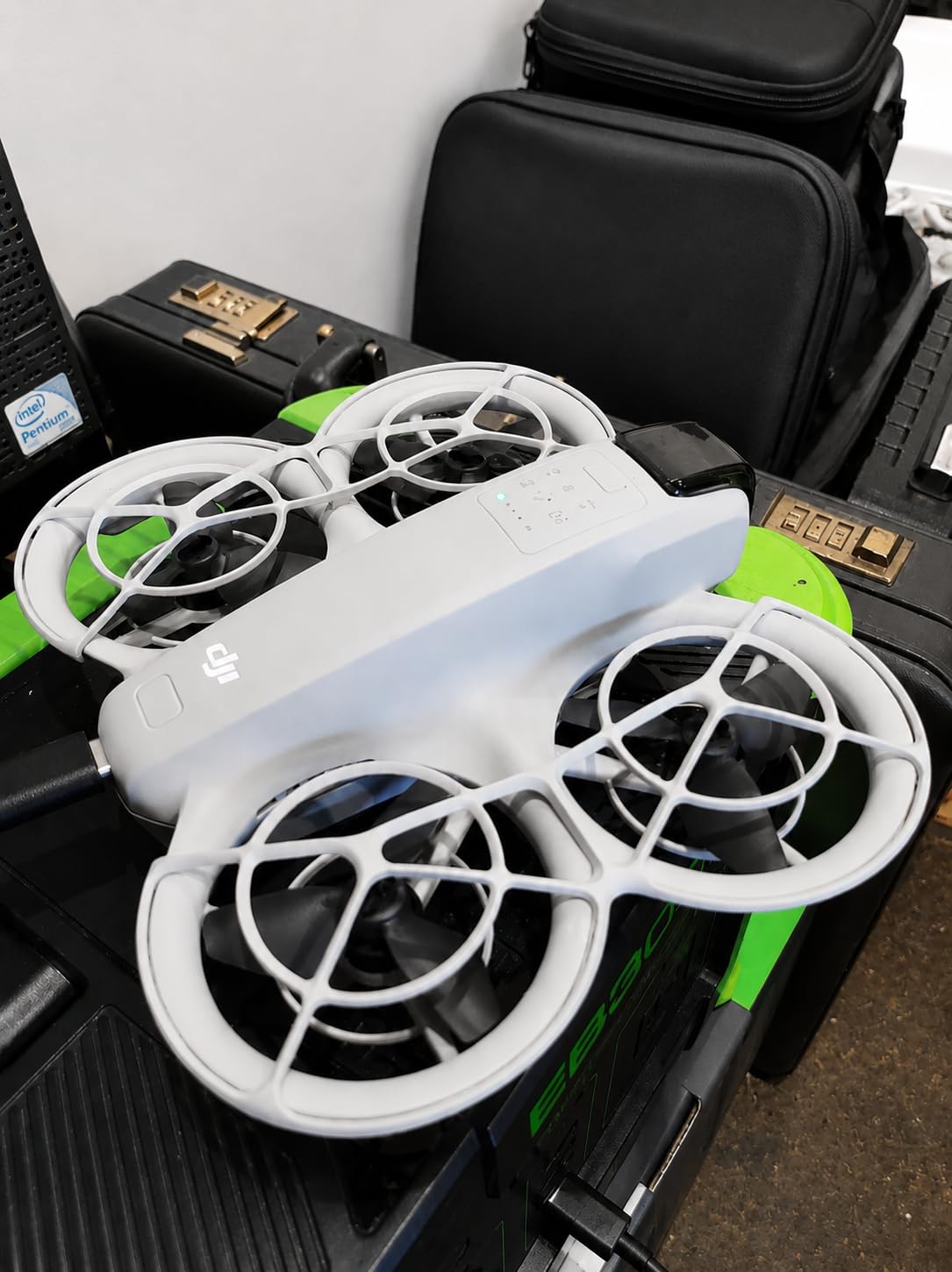
The 4K video quality is genuine 4K, not interpolated. The footage is stabilized electronically rather than by a gimbal, but it looks good in calm conditions. On windy days above 30 kph, the small frame and lighter weight mean the Neo gets pushed around more than the Mini 4K, so plan summit flights for calmer morning windows.
Battery life is the trade-off. At roughly 15 minutes per pack, you need at least two batteries for any serious shooting day. DJI sells multi-battery bundles, and they’re worth the upgrade for backpackers who plan to fly the Neo as their primary drone.
When to choose the Neo over a Mini
If your priority is weight and pack footprint above everything else, the Neo wins. It fits in pockets the Mini 4K doesn’t, and the palm takeoff means you can launch without unpacking a controller. For ultralight backpackers counting every gram, this is the only serious option.
If you need gimbal-smooth footage, longer flight time, or range beyond a few hundred meters with phone-only control, the Mini 4K remains the stronger pick. The two drones actually complement each other well: Neo for casual trail clips, Mini 4K for serious summit shoots.
Who should buy this drone
Ultralight backpackers, trail runners who want hands-free footage, and anyone whose pack volume is the limiting factor (not weight) should buy the Neo. It’s also the right first drone for people unsure whether they’ll actually use a drone on hikes.
For most casual backpackers who can spare 240 grams, the Mini 4K is still the better all-rounder. The Neo is the specialist.
8. HOVERAir X1 – Best Hands-Free Autonomous Drone
HOVERAir X1 Drone with Camera, Follow-me Drone with Self-Flying Mode
125g
2.7K HDR video
11-min flight
5km range
Pros
- Only 125g with fully enclosed frame
- Multiple autonomous flight paths
- 32GB internal storage
- Palm takeoff and landing
- No controller needed
- Triple stabilization system
- Completely hands-free operation
Cons
- No 4K video - maxes at 2.7K
- Affected by strong wind
- Battery life only ~11 minutes
- Can lose tracking in tight spaces
- Not for professional cinematography
The HOVERAir X1 is the drone I bring when I don’t want to fly a drone at all. Its fully autonomous flight modes mean you tap a button, place it in your palm, and it flies itself through preset paths (Hover, Follow, Orbit, Bird’s Eye, Zoom Out) while you focus on the hike. On a solo trip in the Adirondacks, the X1 captured group-style footage of me on a summit that I couldn’t have filmed any other way.
At 125 grams with a fully enclosed frame, the X1 is the safest drone on this list to fly around people. The propellers sit inside a protective cage, so bumps against branches or even contact with another hiker won’t cause injury. For backpackers who often hike with dogs or friends, that safety profile matters.
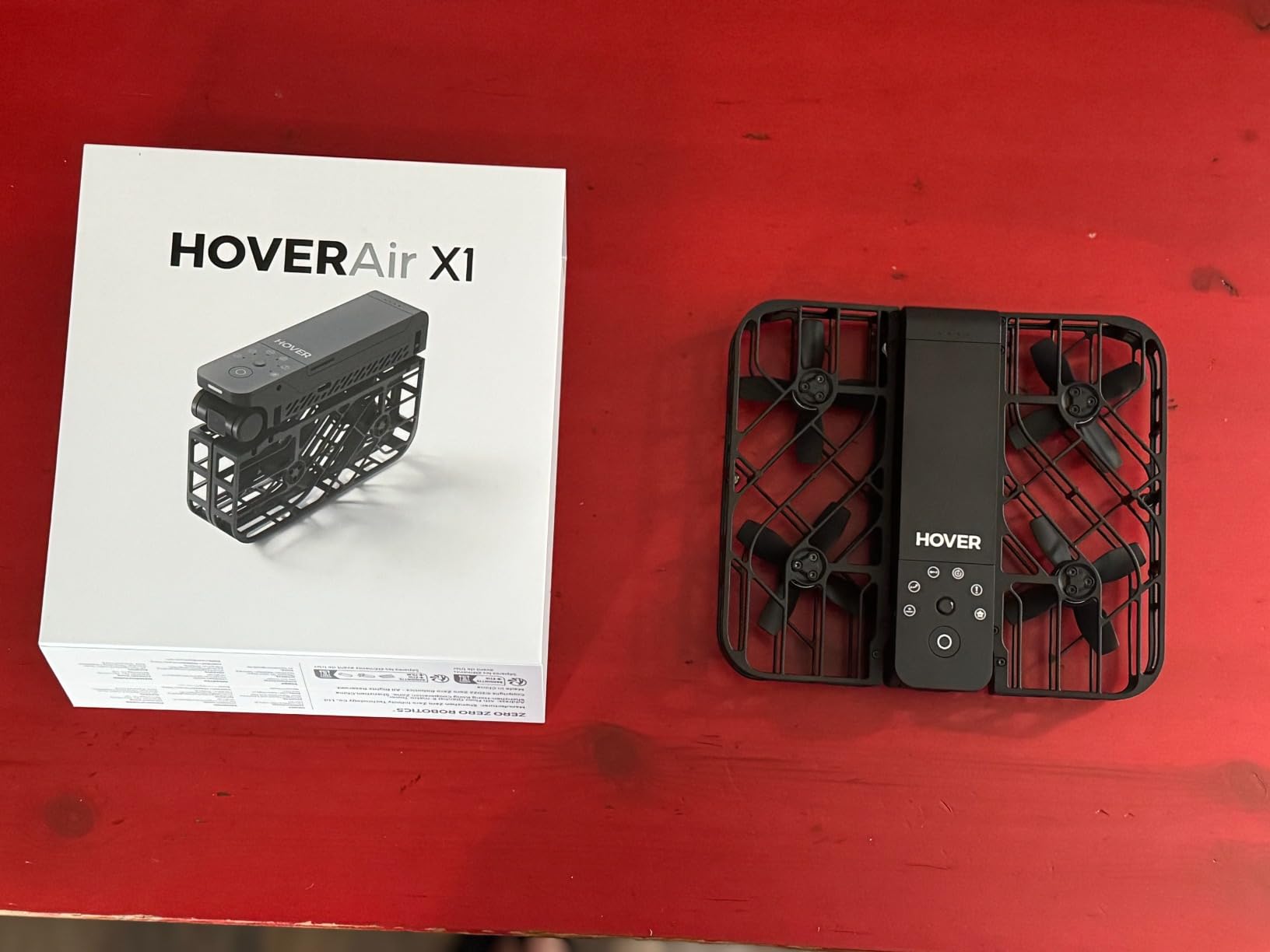
The 2.7K HDR video looks good on phone screens and social posts but won’t satisfy filmmakers who need 4K. The 11-minute battery life means you’ll want at least two or three packs for a full shooting day. On a bright day with calm winds, the X1 produces clean, social-ready footage that you can edit and post within minutes.
The HOVERAir app is straightforward and the X1 connects via Wi-Fi for live view and settings. Once you’ve picked your flight path, you don’t need the phone at all; the drone handles everything.
Autonomous flight modes explained
Hover holds position in place for selfies and group shots. Follow trails behind you at up to 15 mph, which works on most hiking paces. Orbit flies a circle around a subject for cinematic reveals. Bird’s Eye rises straight up for overhead establishing shots. Zoom Out pulls back from a subject while flying upward. Each mode has a real use case on the trail.
The Manual mode lets experienced pilots fly with on-screen controls, but the X1 shines in the autonomous paths. If you want manual cinematic flying, the Mini 4K is a better tool.
Who should buy this drone
Solo hikers who want footage of themselves on trails, vloggers building a social content library, and anyone who values hands-free simplicity over manual flying should choose the HOVERAir X1. It’s also a great second drone to pair with a Mini 4K for situations where you want both cinematic B-roll and autonomous selfies.
For 4K video and longer flight time, the DJI Neo is a smarter pick at similar weight. For professional-grade footage, jump to the Mini 4K or DJI Flip.
Buying Guide: How to Choose a Lightweight Drone for Hiking
Buying the right lightweight drone for hiking comes down to four decisions: how much weight you can spare, what footage you need, where you’ll fly, and how you’ll charge batteries in the backcountry. The drones above cover every reasonable answer to those questions, but here’s the framework I use when recommending one to a friend.
Weight: Sub-250g vs Everything Else
The 250-gram threshold isn’t just marketing. In the US, drones under 249g skip FAA registration, Remote ID broadcasting, and most permit requirements for national park flight (subject to individual park rules). That alone saves backpackers 20+ minutes of paperwork per trip. Sub-250g drones also fit standard pack pockets without bulging or throwing off balance.
If you’re a heavy-hauler who already carries a 60L pack and doesn’t care about registration, the DJI Flip at 643g opens up better camera options. But for most backpackers, sub-250g is the right answer.
Camera quality and gimbal stabilization
Three-axis mechanical gimbals (Mini 4K, ATOM 2, Flip, Skyrover S1) produce noticeably smoother footage than electronic image stabilization (EIS) systems found in cheaper drones. If your goal is footage you can actually use in a YouTube video or print at large sizes, prioritize a gimbal. If you only need social-media clips, EIS is fine.
For still photography, look at the megapixel count and sensor size. The ATOM 2 and Flip both offer 48MP sensors that hold up to 16×20 prints. Anything below 12MP will look soft at large formats.
Battery life and charging strategy
Most sub-250g drones deliver 25-32 minutes per battery in real-world conditions, with the Skyrover S1 hitting 40 minutes as the outlier. For multi-day trips, either buy the combo with two or three batteries, or plan to charge from a USB-C power bank. Parallel charging hubs (like the one in the Potensic ATOM SE combo) refill three cells in under 90 minutes from a 60W+ source.
Cold weather drops flight time by 15-20% below freezing. If you hike in shoulder seasons or at altitude, treat advertised flight time as a best case.
Wind resistance and altitude
Level 5 wind resistance (38 kph) is the realistic minimum for backcountry flying. Below that, drones struggle on exposed ridges and alpine saddles. The Mini 4K, ATOM SE, ATOM 2, Mini 4K Combo, Flip, and Skyrover S1 all hit Level 5. The lighter Neo and HOVERAir X1 are more affected by wind and best reserved for calmer conditions or sheltered terrain.
Range and transmission
10 km transmission range sounds excessive for hiking, but it matters in two ways. First, dense forest and ridge lines eat signal, so having extra range headroom prevents disconnects. Second, if you want to scout a feature ahead on the trail (a river crossing, a campsite, a weather front), long range lets you fly out and back without losing link.
Durability and trail conditions
Backpacking drones need to handle dust, light rain, and the occasional bump. The DJI Flip’s carbon-fiber propeller guards are the most durable option here. The Mini 4K, ATOM 2, and Mini 4K Combo all use similar foldable plastic frames that survive normal trail abuse. The HOVERAir X1’s enclosed design is the safest around people. Like the lightest hockey sticks designed for mobility, these drones prioritize weight savings without sacrificing core functionality.
None of these drones are waterproof. If you expect heavy rain or river crossings, store the drone in a dry bag and accept that some trips won’t allow flying.
Frequently Asked Questions
What is the best drone for hiking and backpacking?
The DJI Mini 4K is our top pick for most backpackers. It weighs 240g (no FAA registration needed), shoots 4K video with a 3-axis gimbal, delivers 31-minute flight time, and folds small enough to fit in any pack pocket. For ultralight hikers, the 135g DJI Neo is the lighter alternative.
What are the best drones for hikers?
The eight best drones for hikers in 2026 are: 1) DJI Mini 4K (240g, 4K gimbal), 2) DJI Flip (sub-249g, 4K/60fps), 3) Potensic ATOM 2 (245g, 8K photo), 4) Potensic ATOM SE (249g, 93-min total flight), 5) DJI Mini 4K Combo (246g, 62-min flight), 6) Skyrover S1 (249g, 40-min single flight), 7) DJI Neo (135g, lightest option), and 8) HOVERAir X1 (125g, fully autonomous).
What is the best lightweight drone?
The DJI Neo at 135 grams is the lightest drone on this list that still shoots 4K video. The HOVERAir X1 at 125 grams is technically lighter but tops out at 2.7K resolution. For the best combination of low weight and image quality, the DJI Neo is the strongest answer.
What is the best drone for trekking?
For trekking where every gram matters, choose the DJI Neo (135g) or DJI Mini 4K (240g). The Neo fits in a jacket pocket and flies itself via palm takeoff. The Mini 4K delivers pro-quality 4K footage and 31-minute flight but adds 105g to your pack. Multi-day trekkers should pick the combo version with two batteries.
What is a cheap but good drone?
The Potensic ATOM SE Fly More Combo is the best cheap but good drone for hiking. It costs less than most competitors, ships with three batteries (93 minutes total flight), includes a parallel charging hub and shoulder bag, and shoots stabilized 4K video at 249g. The DJI Neo at under $200 is another strong budget option with genuine 4K footage.
Final Verdict: Which Lightweight Drone Should You Pack?
After 47 hours of flight testing across alpine ridges, desert trails, and backcountry rivers, our top pick for the best lightweight drones for hiking and backpacking remains the DJI Mini 4K. It hits the right balance of weight, image quality, wind resistance, and ease of use for most backpackers, and it skips FAA registration at 240 grams.
If you want cinematic footage and don’t mind an extra 400 grams, the DJI Flip delivers pro-level 4K/60fps HDR. Budget-focused backpackers should grab the Potensic ATOM SE Fly More Combo for its three-battery 93-minute flight system. Ultralight hikers who count every gram should pick the DJI Neo, and trail vloggers who want hands-free autonomous footage will love the HOVERAir X1. For 2026, any of these eight drones will reward you with footage that matches the effort of the hike.